The World's Longest Road Trip Awaits
Stretching roughly 19,000 miles from Prudhoe Bay in Alaska all the way down to Ushuaia in Argentina, the Pan-American Highway is one of the most ambitious road trips a traveler can undertake. It cuts through deserts, rainforests, mountain ranges, and bustling cities across more than a dozen countries, offering a level of geographic and cultural variety that no other single route can match. Whether you're planning to drive the whole thing or just cherry-pick a stretch, knowing where to stop (and how to prepare) will make all the difference. Ready to tackle the journey? Read on.

1. Prudhoe Bay, Alaska, USA
There's no better place to start than at the very top of the world, where the highway officially begins on the shores of the Arctic Ocean. Prudhoe Bay is a remote, industrial outpost surrounded by tundra, and while it's not a tourist destination in the traditional sense, the sheer remoteness of it makes arriving here feel like a real accomplishment. You'll want to arrange a tour in advance, since much of the area is restricted due to active oil field operations.
2. Vancouver, British Columbia, Canada
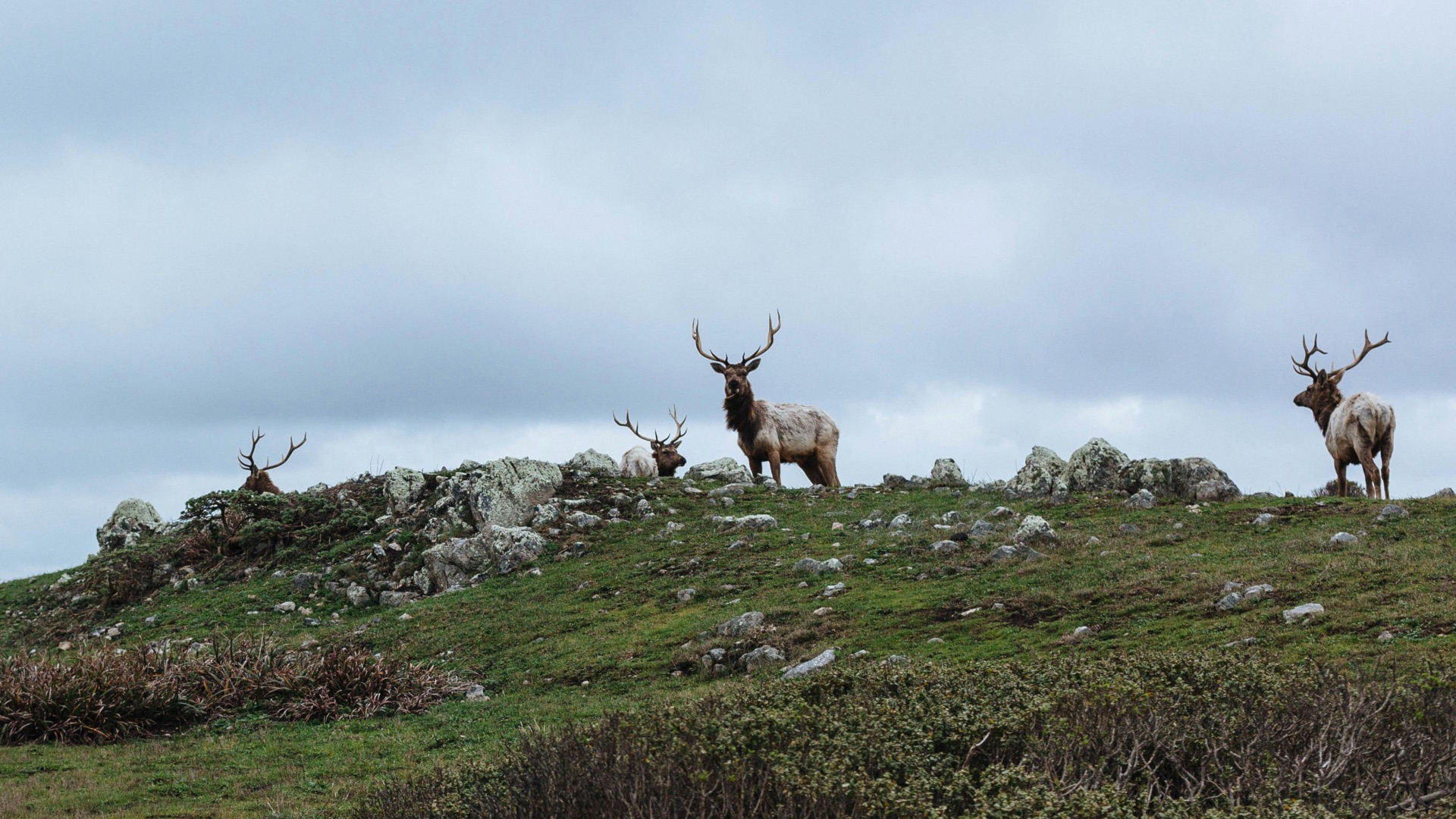
As you make your way south through Canada, Vancouver is a stop that earns its reputation as one of the most scenic cities in North America. Nestled between the Coast Mountains and the Pacific Ocean, it offers a stunning natural backdrop alongside a thriving food scene, world-class parks, and a walkable waterfront. Stanley Park alone is worth building extra time into your itinerary, as it's one of the largest urban parks on the continent.
3. San Francisco, California, USA
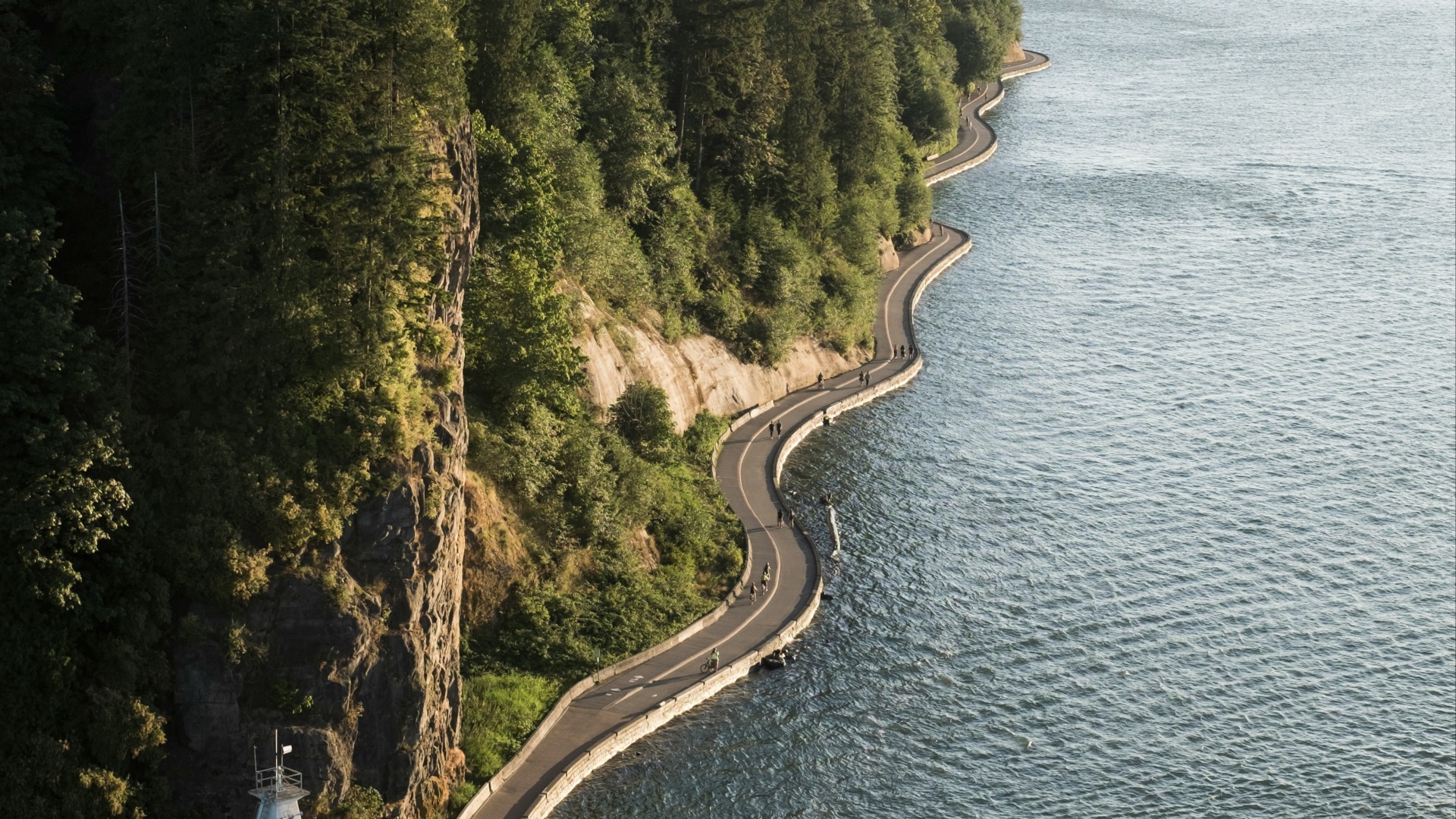
San Francisco sits along one of the most celebrated stretches of the highway, and it delivers on just about every front: historic neighborhoods, iconic landmarks, and exceptional food at every price point. The Golden Gate Bridge is the obvious draw, but don't overlook the city's distinct cultural districts, from the Mission to Chinatown, each with its own character and cuisine. It's a dense, walkable city that rewards those who take their time rather than rushing through.
4. Mexico City, Mexico
Crossing into Mexico brings a dramatic shift in atmosphere, and Mexico City is the kind of place that tends to surprise first-time visitors with just how much it has to offer. With over 150 museums, a UNESCO-listed historic center, and a food culture that ranges from street tacos to internationally recognized fine dining, it's easily worth several days of your trip. The ancient ruins of Teotihuacan are just an hour outside the city, making it a natural add-on if you can spare the time.
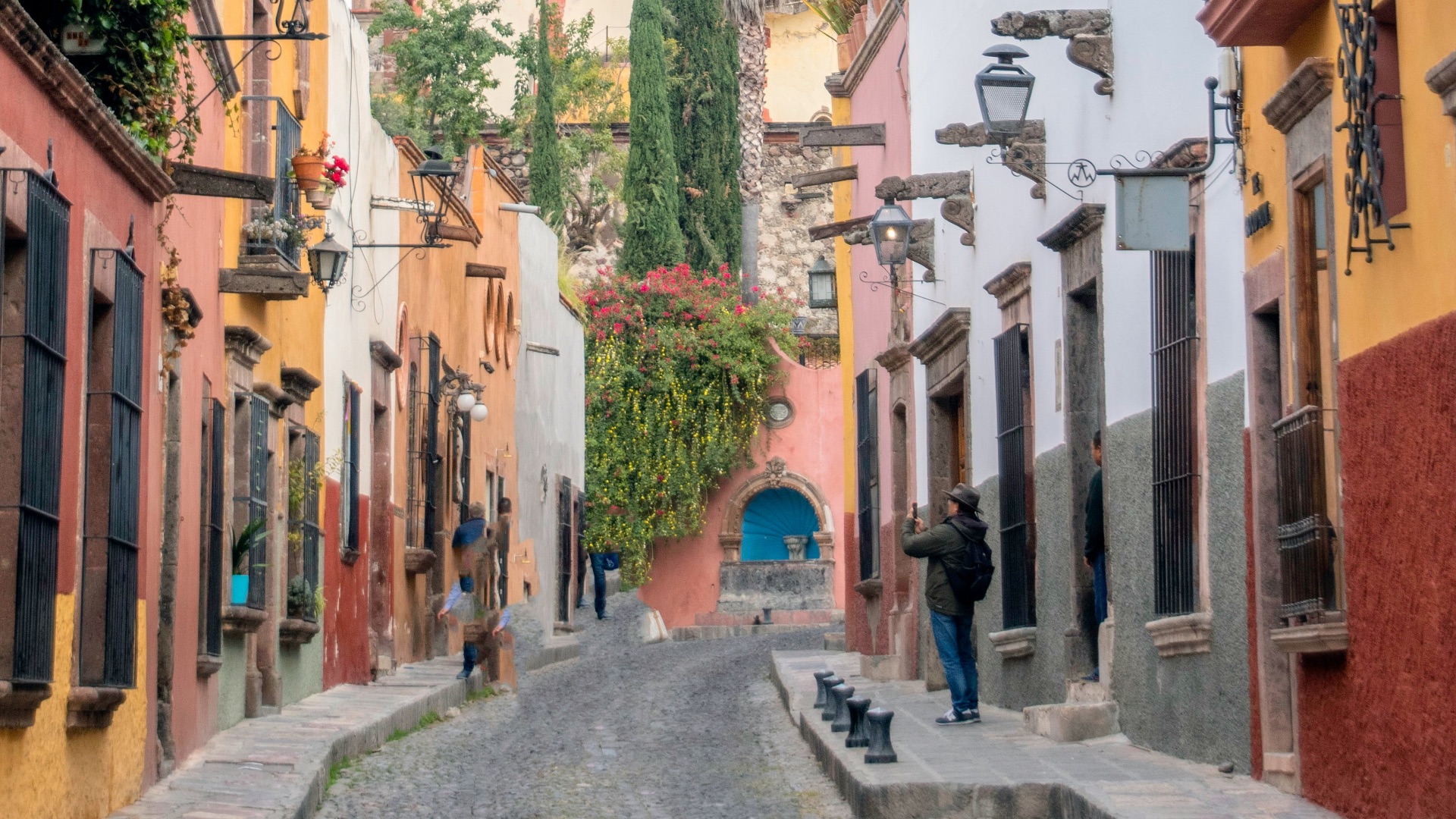
5. Guatemala City, Guatemala
Guatemala City serves as a practical hub for exploring one of Central America's most visually striking countries, with the colonial city of Antigua and the highland town of Chichicastenango both within easy reach. The city itself has a growing arts and culinary scene that often gets overlooked in favor of the surrounding countryside, but it's worth at least an evening of exploration. Lake Atitlán, a short drive away, is considered by many travelers to be one of the most beautiful lakes in the world.
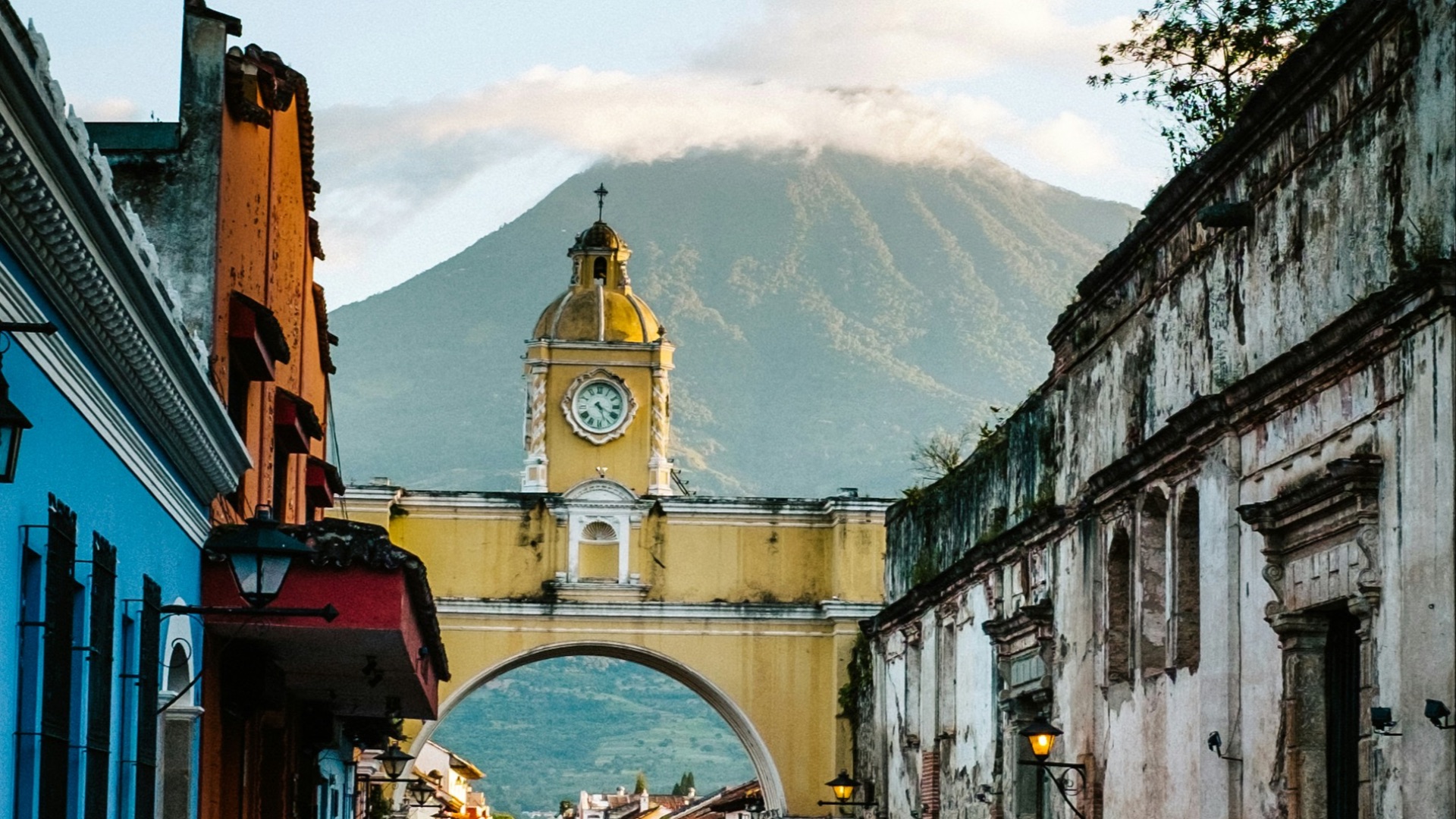
6. San José, Costa Rica
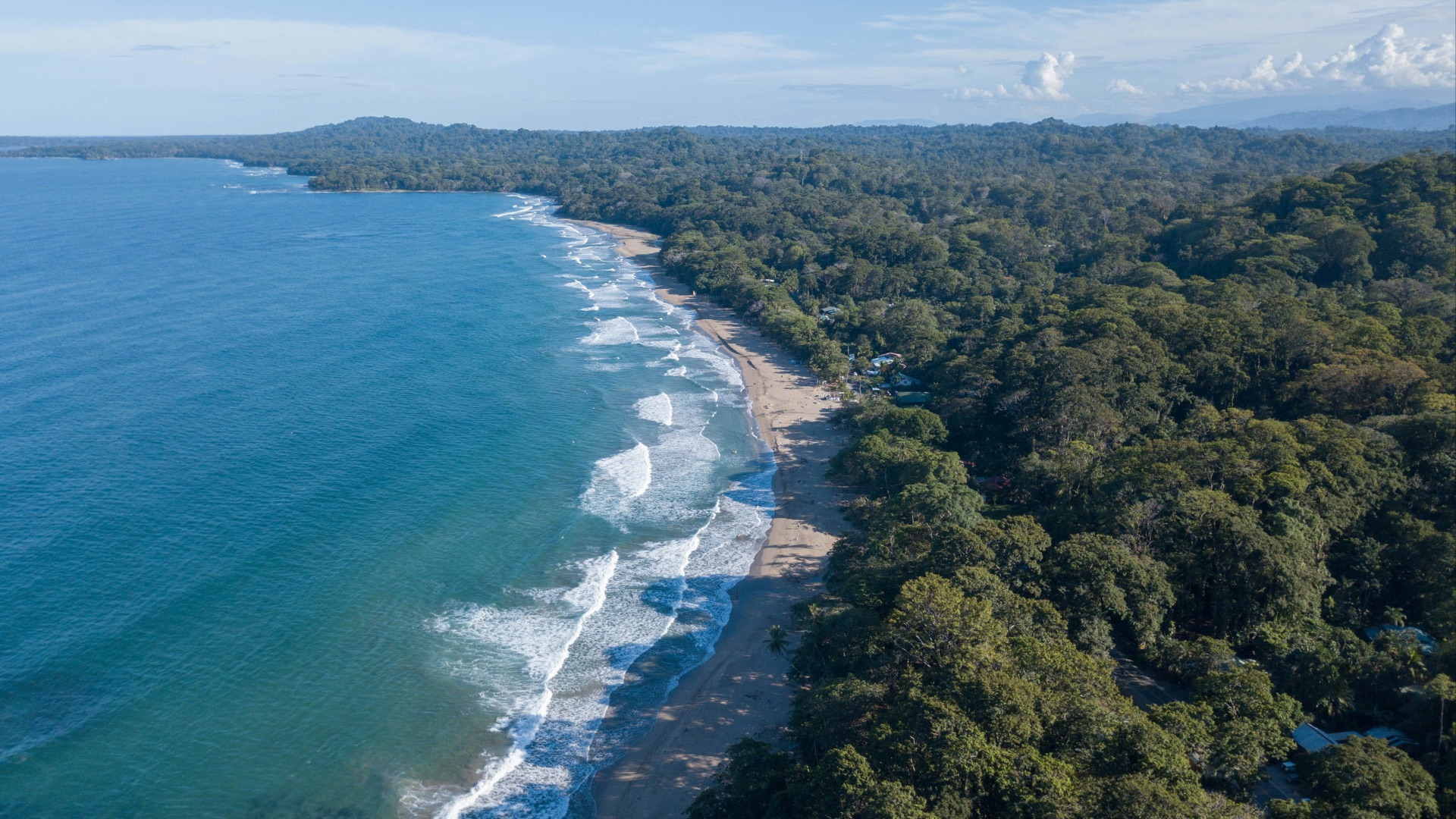
Costa Rica is one of the most popular countries along the route, and San José makes for a convenient base for the country's many natural attractions. The capital has an underrated collection of museums and cultural institutions, including the Pre-Columbian Gold Museum, which houses thousands of artifacts from indigenous civilizations. From here, you're within a few hours of cloud forests, active volcanoes, and some of the most biodiverse national parks in the Western Hemisphere.
 Luis Diego Aguilar on Unsplash
7. Cartagena, Colombia
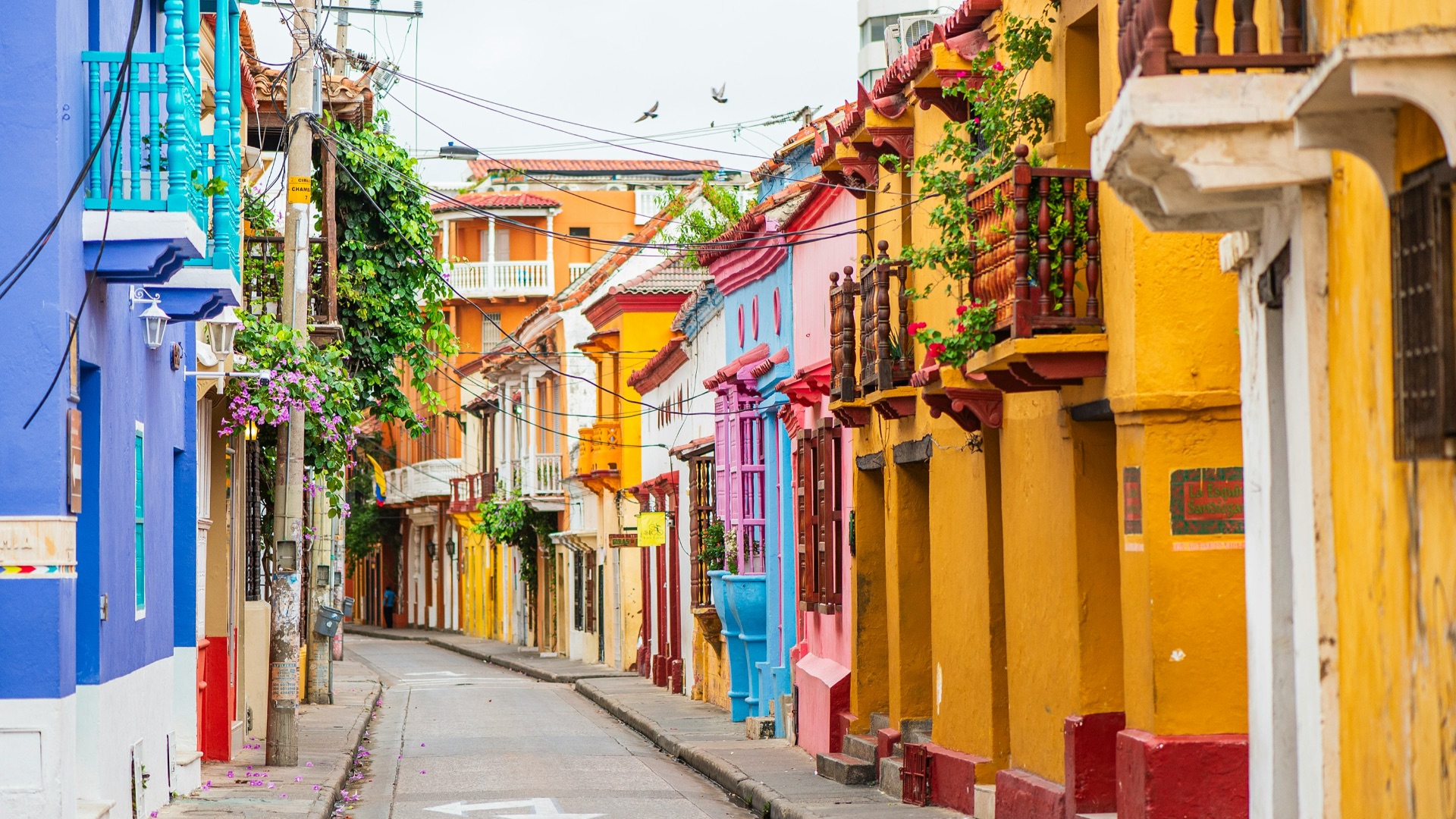
Once you've navigated the Darién Gap (more on that shortly), Colombia greets you with Cartagena, a beautifully preserved colonial city on the Caribbean coast. The walled Old City is a UNESCO World Heritage Site, filled with colorful buildings, cobblestone streets, and a nightlife scene that keeps going well past midnight. It's one of those places where the architecture alone is enough to justify the stop, even before you factor in the beaches and local seafood.
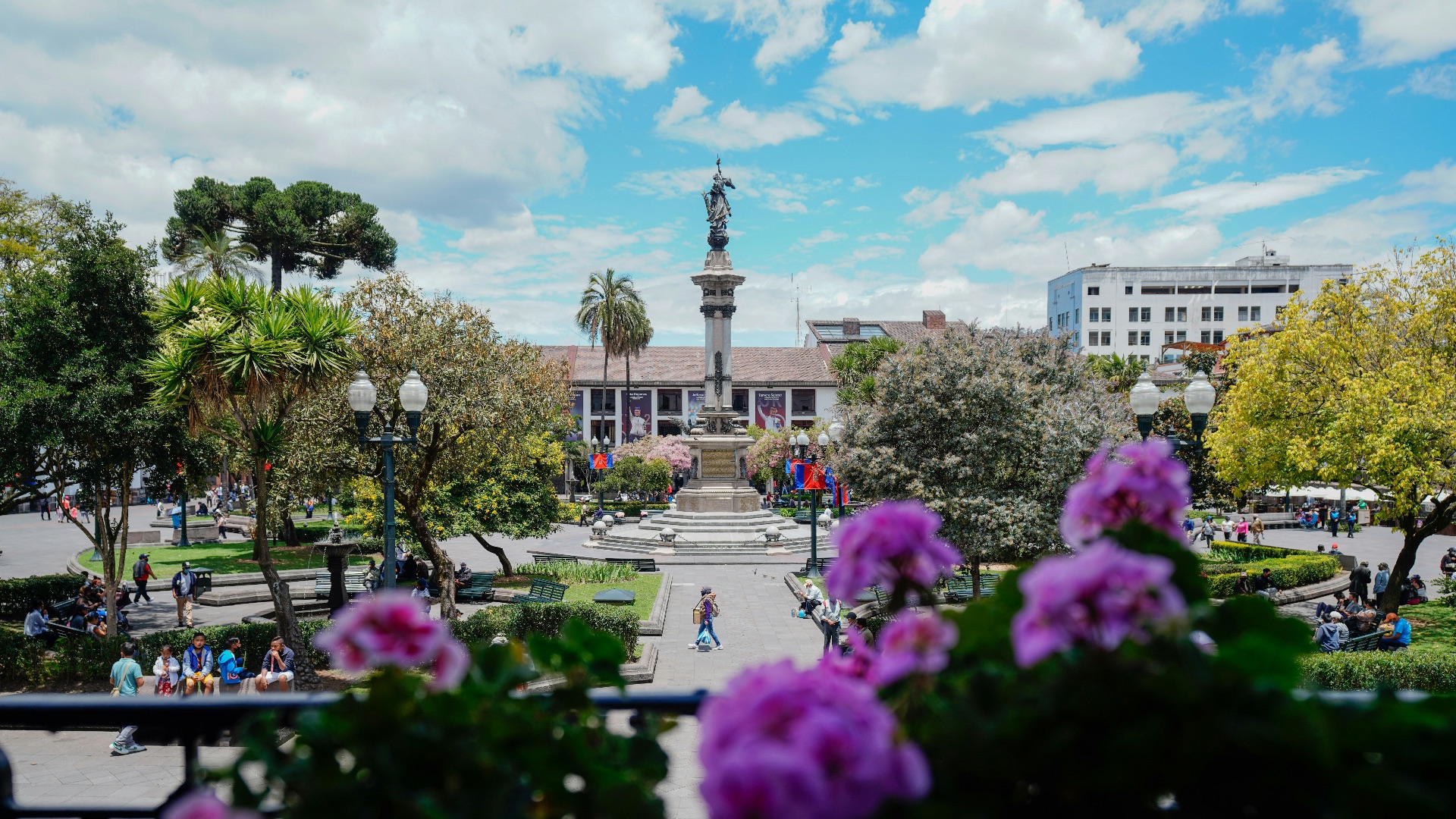
8. Quito, Ecuador
Sitting at nearly 9,400 feet above sea level, Quito is one of the highest capital cities in the world, and its dramatic Andean setting is just part of what makes it so memorable. The historic center is another UNESCO World Heritage Site, recognized for having one of the best-preserved colonial districts in all of Latin America. You're also just a short drive from the Equatorial Monument, where you can stand in both hemispheres at the same time—a novelty that never seems to get old.
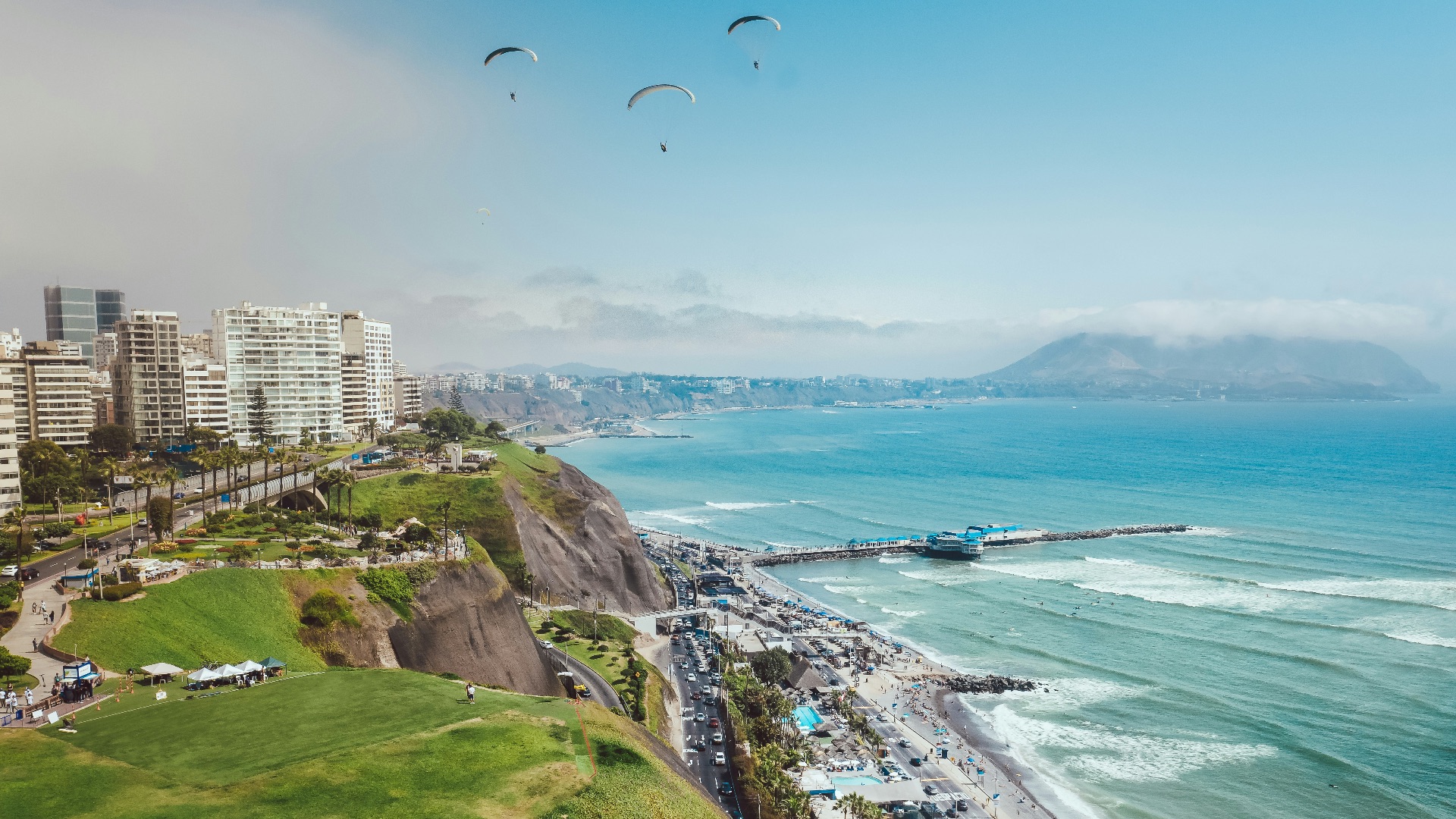
9. Lima, Peru
Lima is a city that often gets skipped in favor of Machu Picchu, but it more than holds its own as a destination. The Miraflores and Barranco districts sit dramatically on cliffs overlooking the Pacific, and the city's culinary reputation has grown to the point where it regularly appears on lists of the world's best food cities. The Larco Museum offers an extraordinary collection of pre-Columbian art, including a famously extensive gallery that gives you a thorough grounding in Peru's ancient civilizations.
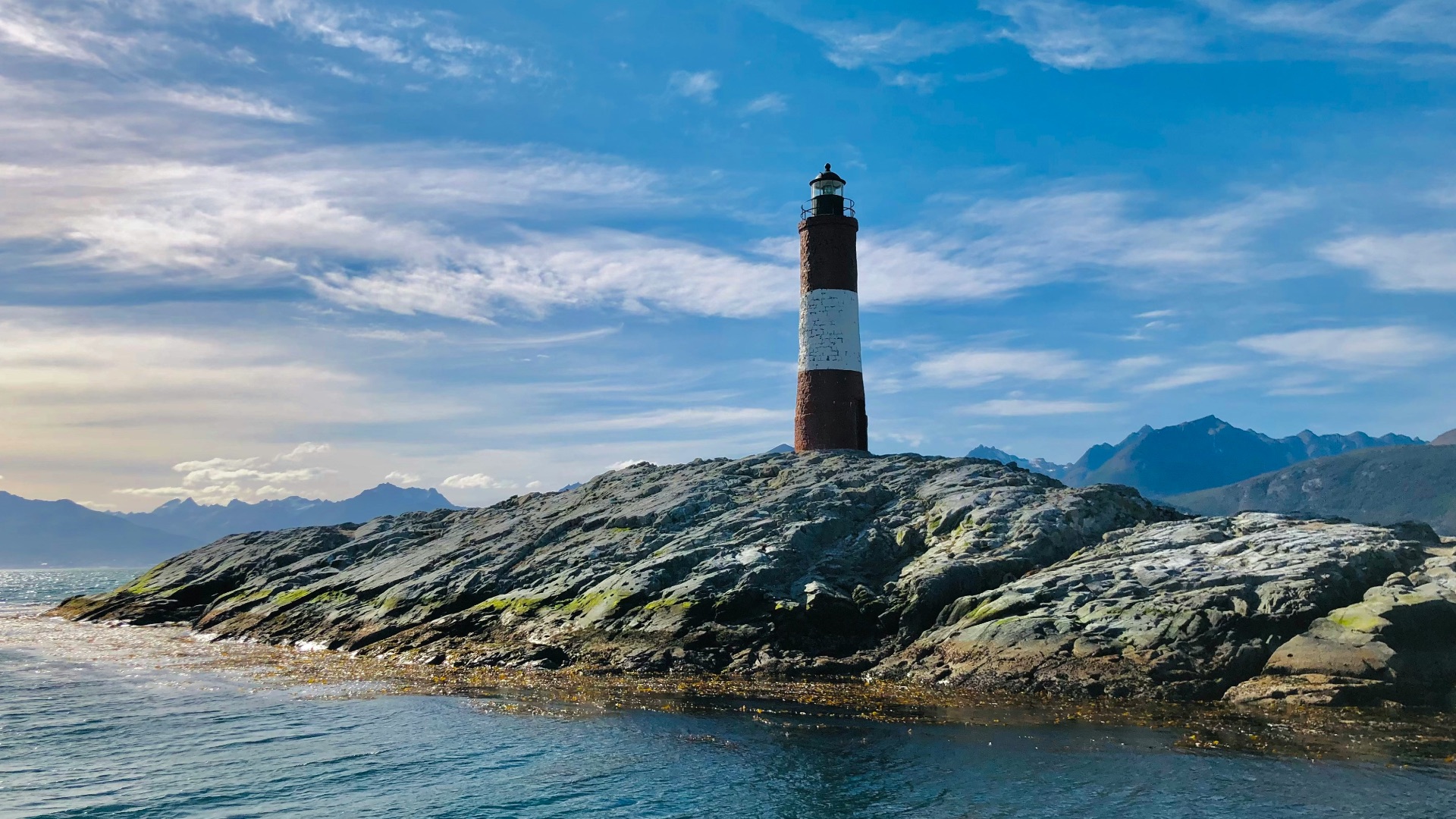
10. Ushuaia, Argentina
The southern terminus of the Pan-American Highway sits at the tip of Tierra del Fuego, where the Andes meet the Beagle Channel, and the landscape feels genuinely end-of-the-world dramatic. Ushuaia is the southernmost city on the planet, and it carries that distinction with a certain pride: you'll find plenty of restaurants and shops happily advertising their "southernmost" status. It's also a popular departure point for Antarctic cruises, so if you've made it this far, you might as well consider going a little further.
Now that you know where you're headed, it's time to talk about how to actually get there. The Pan-American Highway is as rewarding as it is demanding, and a bit of preparation goes a long way toward keeping the trip enjoyable rather than stressful. Here are 10 tips to help you hit the road with confidence.
 Juan Pablo Mascanfroni on Unsplash
1. Plan Around the Darién Gap
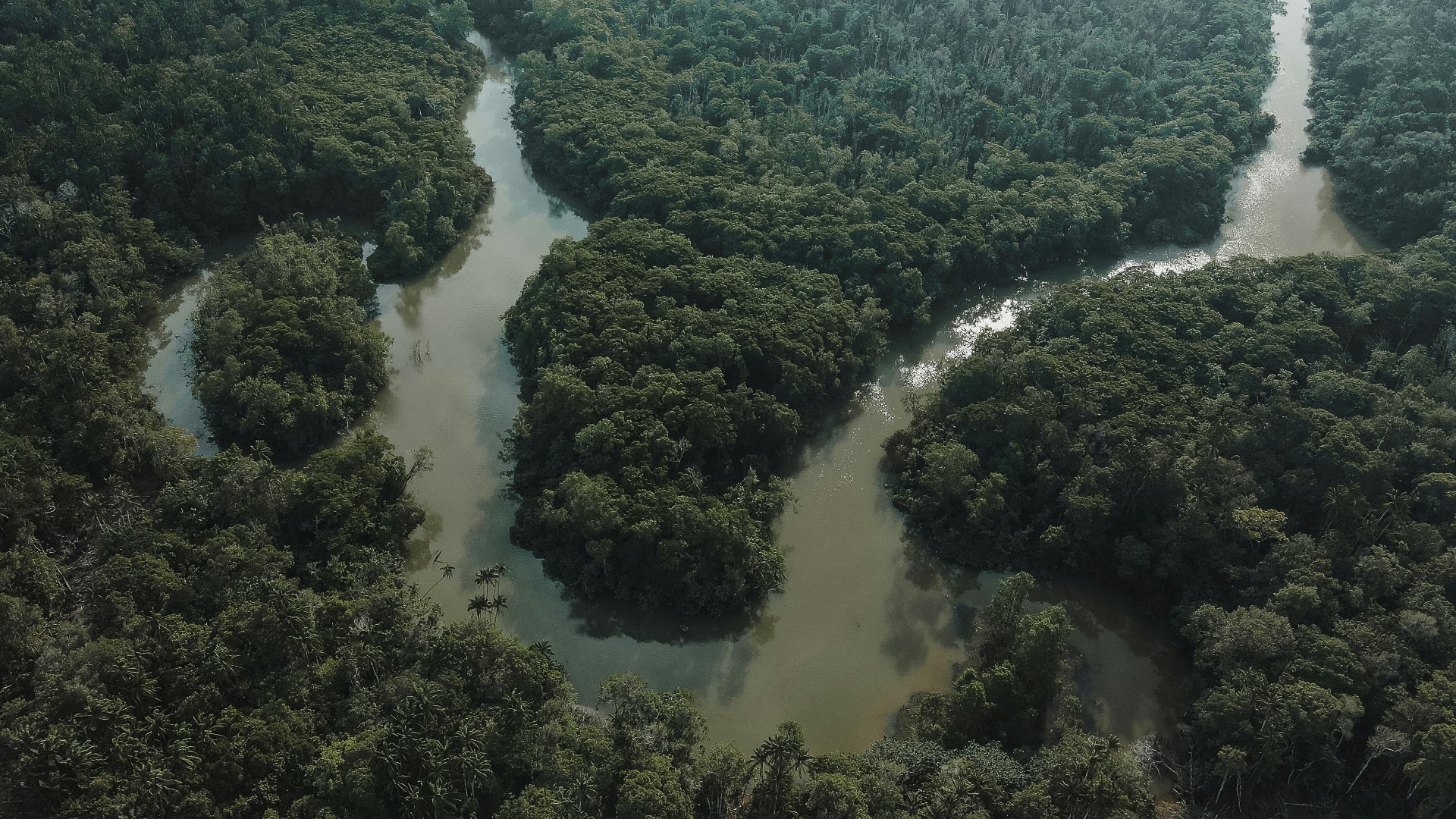
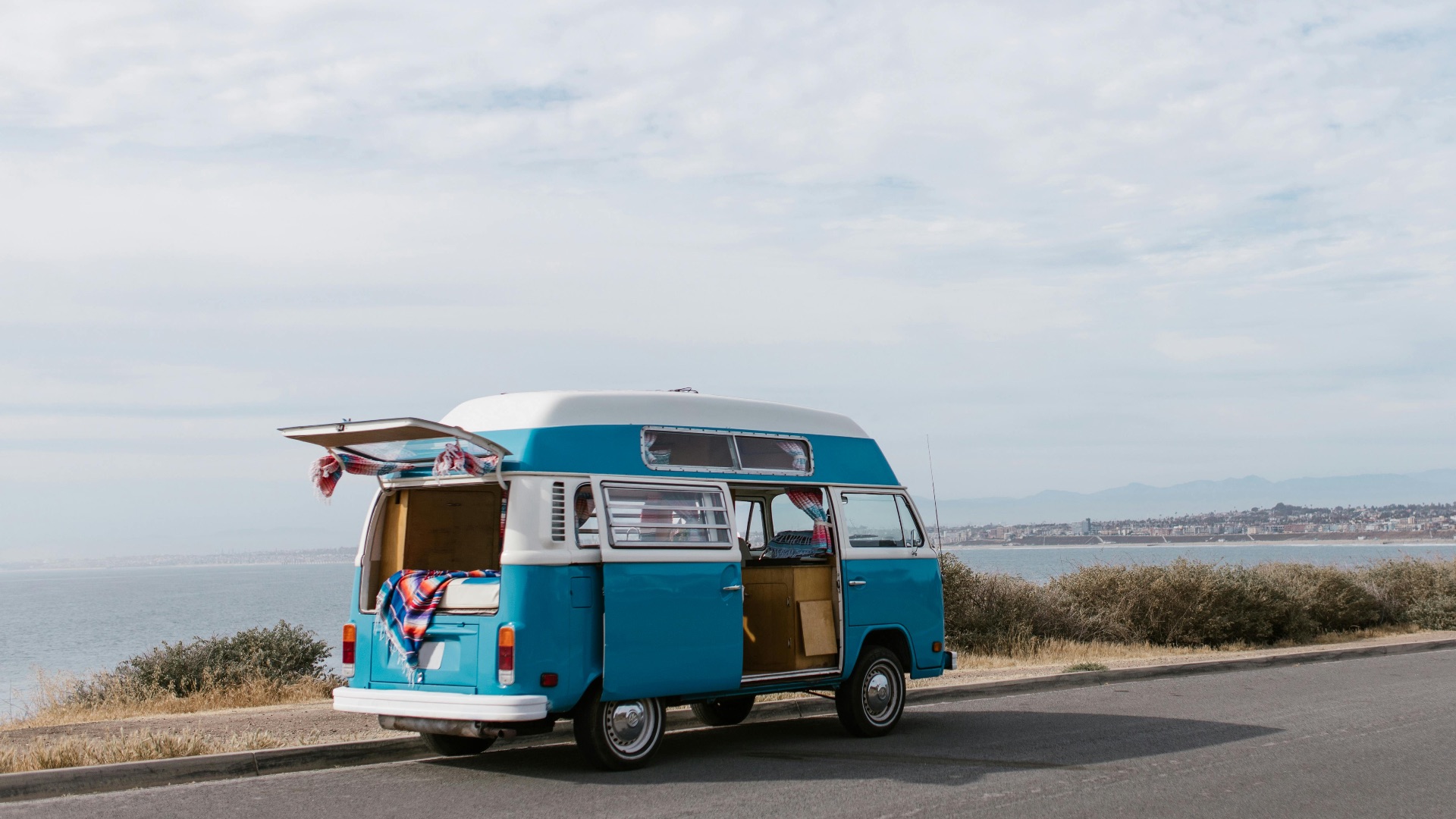
The Pan-American Highway has one famous interruption: a roughly 60-mile stretch of roadless jungle between Panama and Colombia known as the Darién Gap, and you'll need to plan your crossing carefully. Most travelers ship their vehicle by cargo vessel between Panama City and Cartagena or another Colombian port, while they fly or take a ferry themselves. This crossing takes planning, paperwork, and a bit of lead time, so don't leave it as an afterthought.
2. Sort Out Your Visas Well in Advance
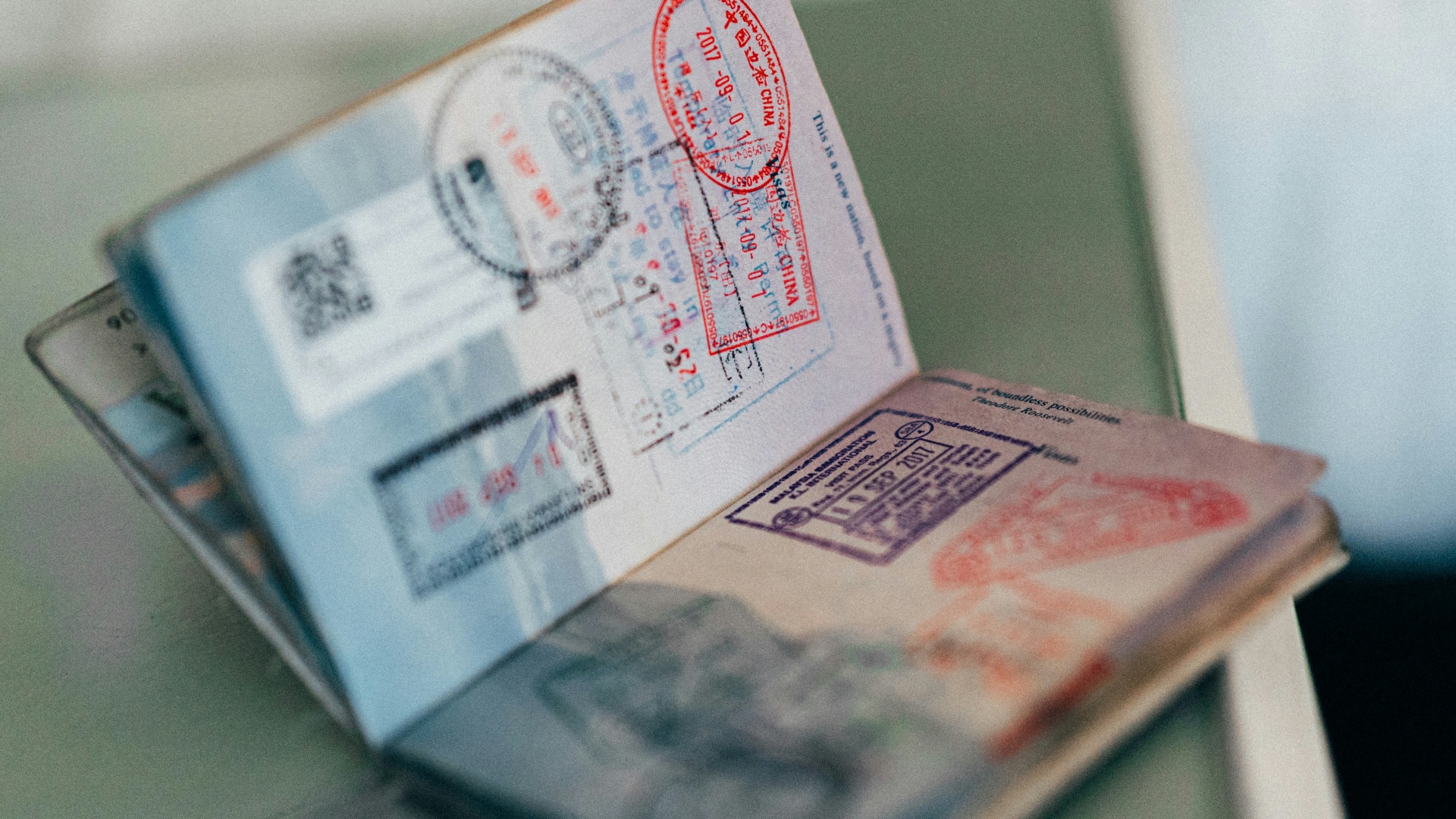
Crossing through more than a dozen countries means dealing with a patchwork of visa requirements, and the rules vary significantly depending on your passport. Some countries offer visa-free entry or visas on arrival, while others require advance applications that can take weeks to process. Research each country's requirements before you leave home, and keep both physical and digital copies of all your documents organized and accessible throughout the trip.
 Kit (formerly ConvertKit) on Unsplash
3. Get Your Vehicle Thoroughly Inspected
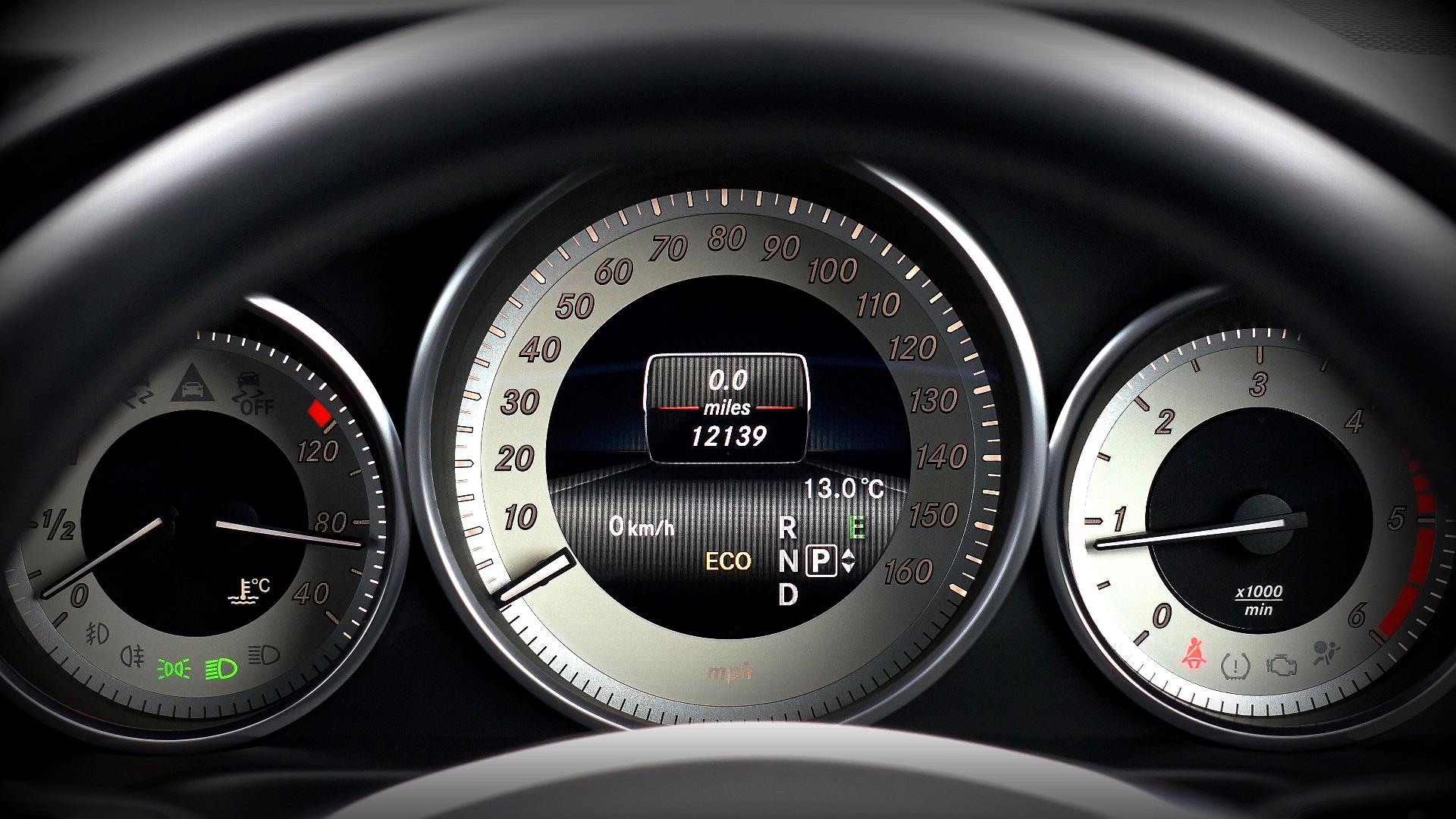
Putting your car or motorcycle through a full mechanical inspection before you depart is essential. The highway passes through some extremely remote stretches where a breakdown could leave you stranded for hours or longer without reliable cell service or nearby assistance. Pay particular attention to your tires, brakes, suspension, and cooling system, since the route covers everything from high-altitude mountain passes to low-lying tropical roads.
4. Carry Local Currency at All Times
Credit cards are widely accepted in major cities, but you'll pass through plenty of smaller towns and border crossings where cash is the only option. Exchange rates and ATM availability vary considerably from country to country, so it's wise to carry a reasonable amount of local currency whenever you're heading into a more remote stretch. A money belt or hidden pouch is worth using, especially in areas where petty theft is more common.

5. Travel with a Physical Map as a Backup
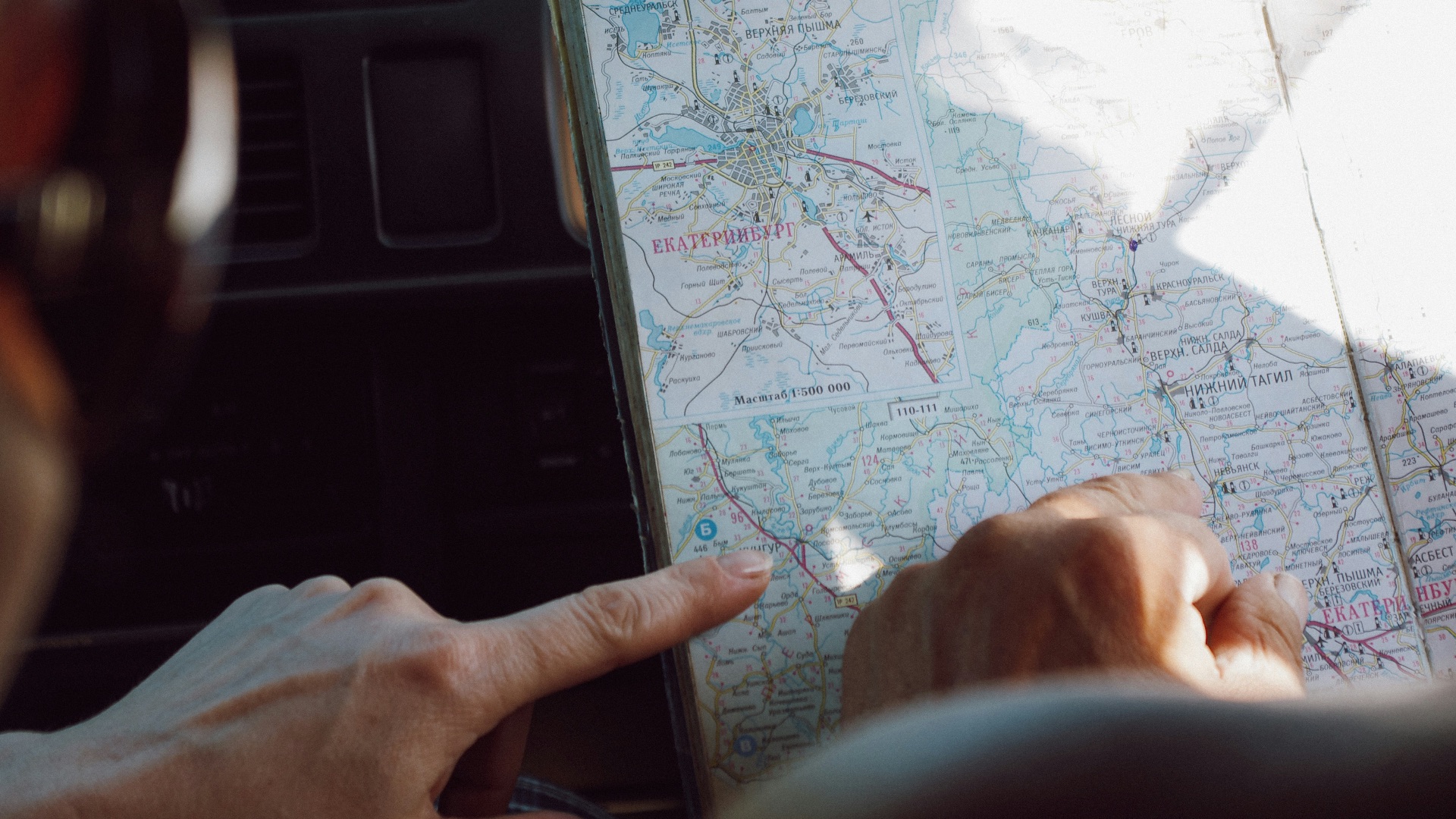
GPS and navigation apps are invaluable on a trip like this, but cell service in rural and mountainous areas can be unreliable, and offline maps don't always account for road closures or route changes. A good set of physical maps (or at minimum, downloaded offline maps for every country you're passing through) gives you a reliable fallback when technology lets you down. It's also a good idea to ask locals for road conditions in areas where recent weather or construction might have changed things.
6. Purchase Travel Insurance That Covers Your Vehicle
Standard travel insurance policies often don't include coverage for your vehicle, so you'll need to look specifically for a policy that covers roadside assistance, theft, and accident liability across multiple countries. Some countries also require proof of local auto insurance at border crossings, which you can often purchase for a modest fee from vendors near the border. Don't assume your home country's policy extends internationally; verify the details in writing before you go.

7. Be Realistic About Your Daily Mileage
It's tempting to map out ambitious daily distances, but the Pan-American Highway is not a highway in the Interstate sense for much of its length. Road quality, altitude, border crossing wait times, and traffic in major cities can all cut into your progress significantly, and trying to push through fatigue on mountain roads is genuinely dangerous. Build buffer days into your itinerary so that delays don't cascade into a stressful scramble, and give yourself permission to linger when you find a place worth staying longer.
8. Learn Basic Spanish Before You Go
Spanish is the official or primary language of nearly every country along the route south of the U.S. border, and while you'll encounter English speakers in tourist-heavy areas, you won't find them at every gas station, mechanic shop, or rural guesthouse. Even a functional grasp of basic phrases will make daily life considerably easier and will go a long way with the locals you meet. Language apps and short courses can get you to a useful conversational level in a matter of weeks with consistent practice.

9. Respect Altitude Changes and Give Your Body Time to Adjust
Several sections of the highway, particularly through Ecuador, Peru, and Bolivia, climb to elevations where altitude sickness is a real possibility even for otherwise healthy travelers. Symptoms can include headaches, nausea, fatigue, and dizziness, and they tend to arrive faster than most people expect. Ascend gradually when possible, stay hydrated, avoid alcohol for the first day or two at elevation, and don't push yourself physically until your body has had a chance to acclimate.
10. Keep a Flexible Mindset About Your Timeline
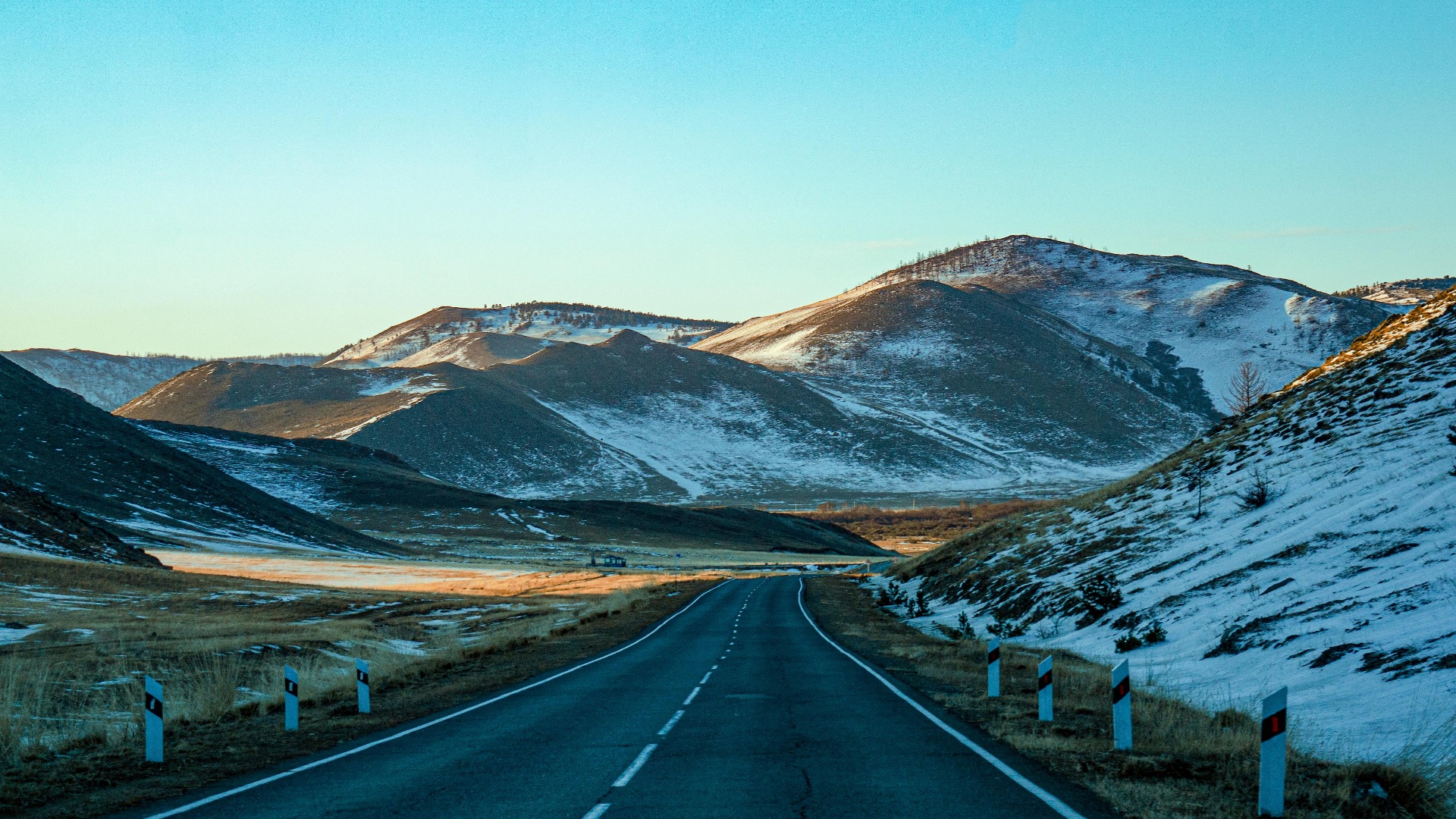
Perhaps the most important thing you can bring to the Pan-American Highway is a willingness to let the trip evolve as it unfolds. Border crossings sometimes take longer than expected, weather can close mountain passes, and you'll almost certainly discover places worth lingering that weren't in your original plan. The travelers who enjoy this route the most are usually the ones who treat delays as detours rather than setbacks, and who stay open to the fact that the best parts of the trip are often the ones you didn't see coming.