Set Rules Before You Leave
A family road trip can be a great way to travel, but several hours in a packed vehicle will test your patience eventually. Though no one likes to talk about it beforehand, agreeing on a few rules before departure prevents arguments over snack wrappers, unscheduled stops, and who gets the most comfortable seat. Come with us as we explore a few guidelines that’ll help everyone understand what’s expected.
1. Everyone Buckles Before Driving
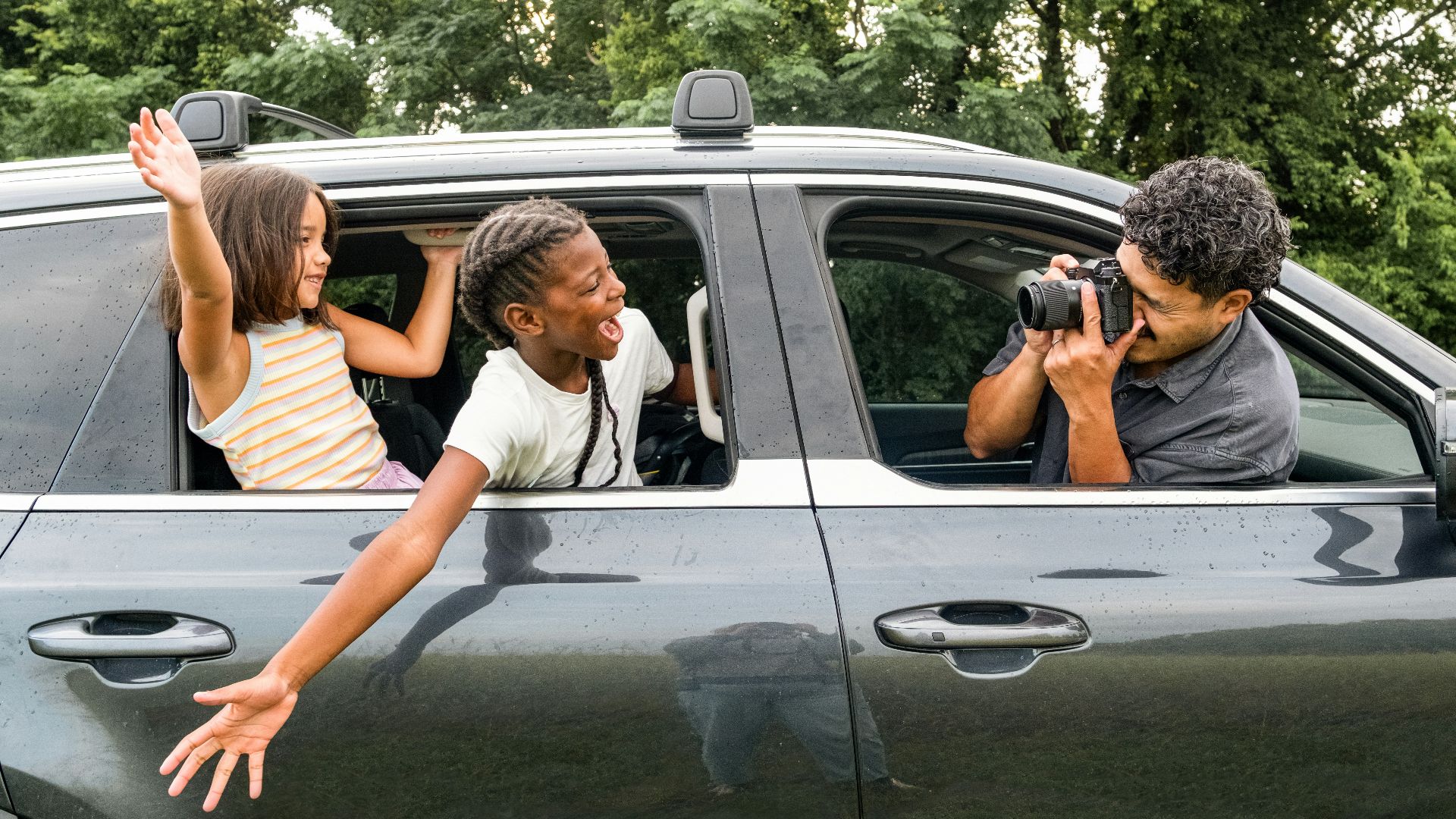
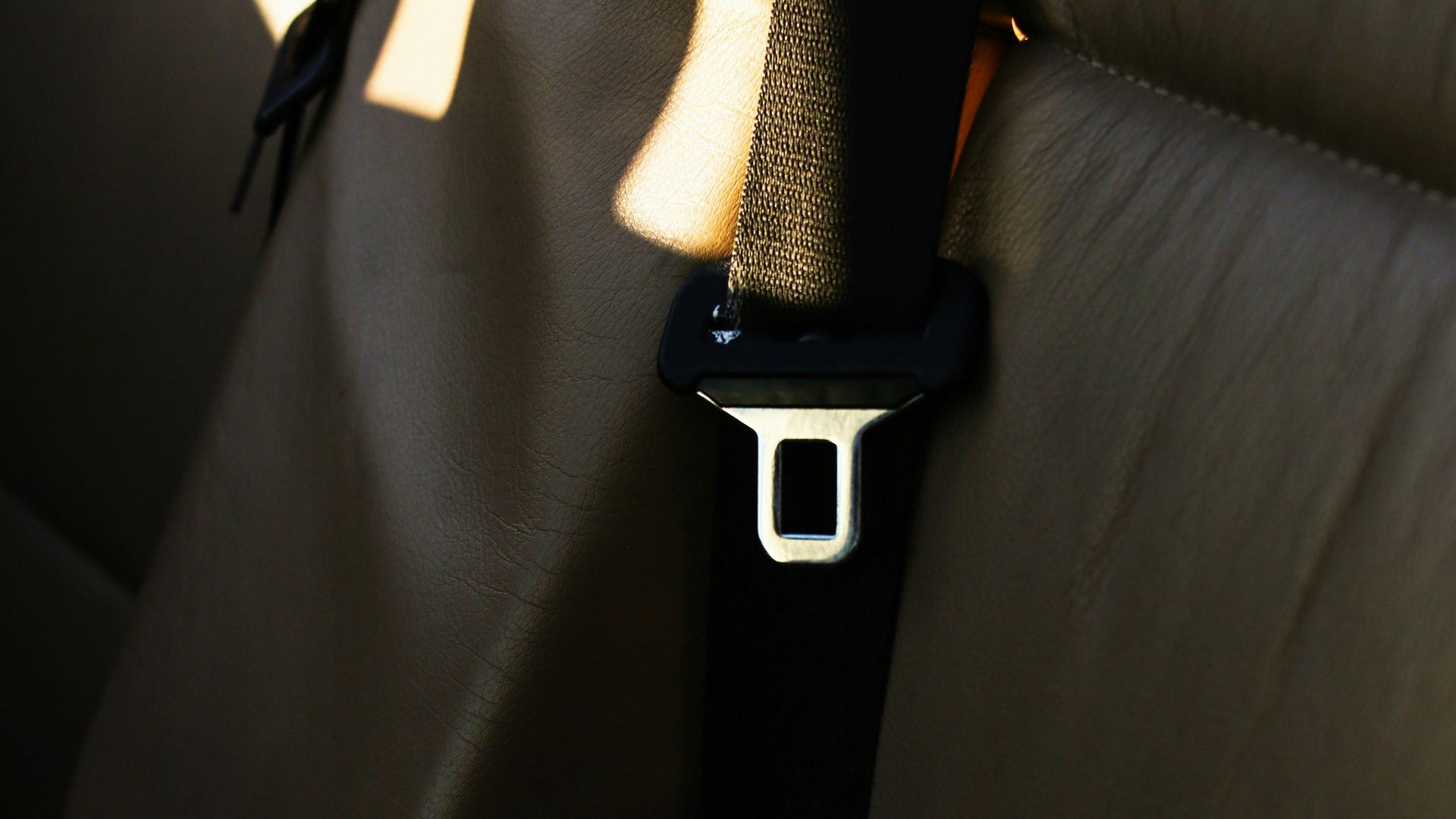
Seat belts aren’t optional, even when someone plans to lie down for a nap or only ride to the next rest area. If you’re driving, tell everyone along for the ride that you aren’t moving until they’re properly secured. Checking once before departure is easier than arguing about it while merging onto the highway.
2. The Driver Makes the Final Safety Decisions
Passengers can suggest a different route or point out an upcoming exit, but the person behind the wheel has the final say. (Sorry, we don’t make the rules!) That includes deciding when visibility is too poor, traffic is too heavy, or fatigue is too heavy to keep going. Nobody should pressure the driver to speed because the family’s 20 minutes behind schedule.
3. Stops Are Planned
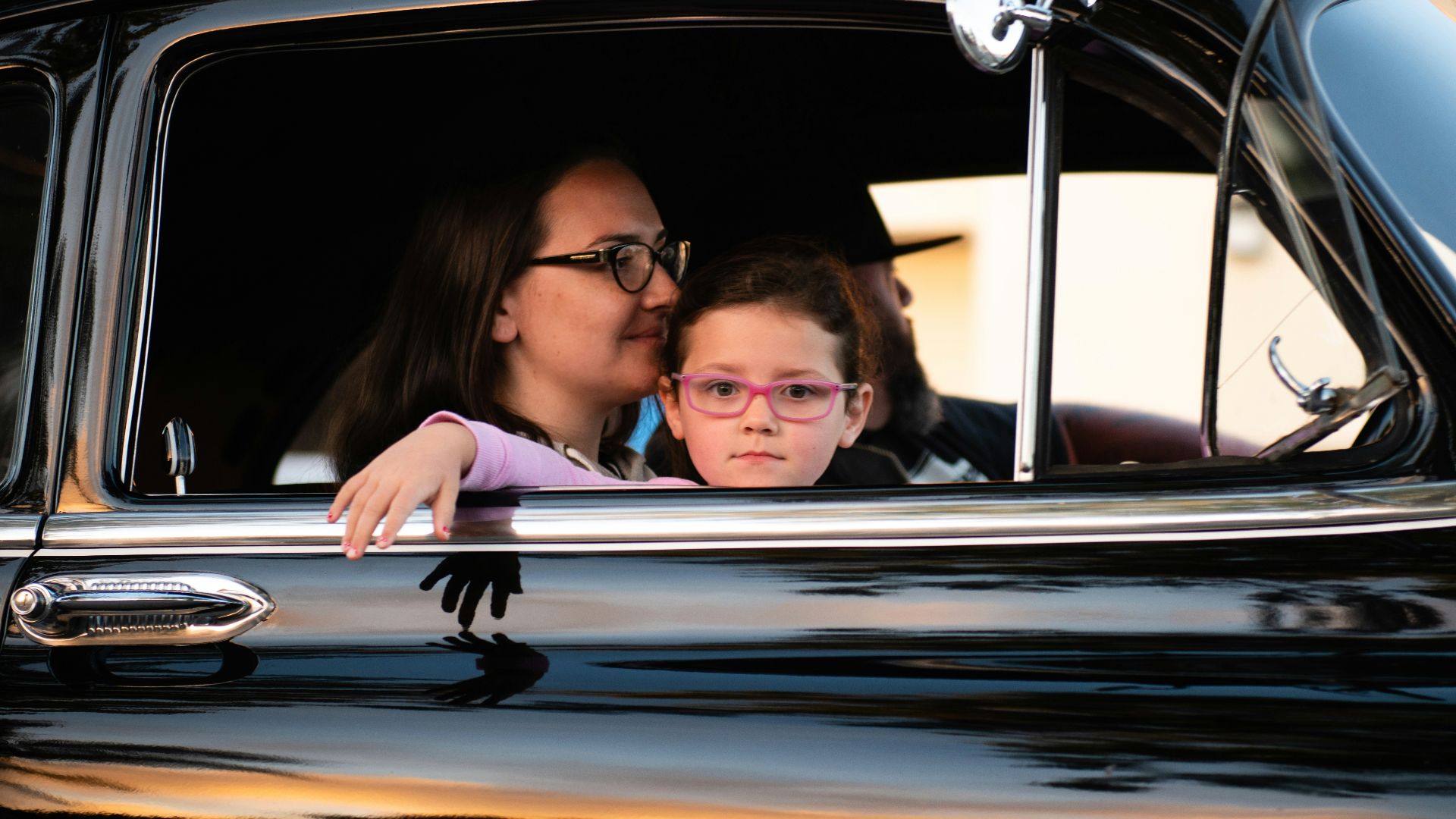
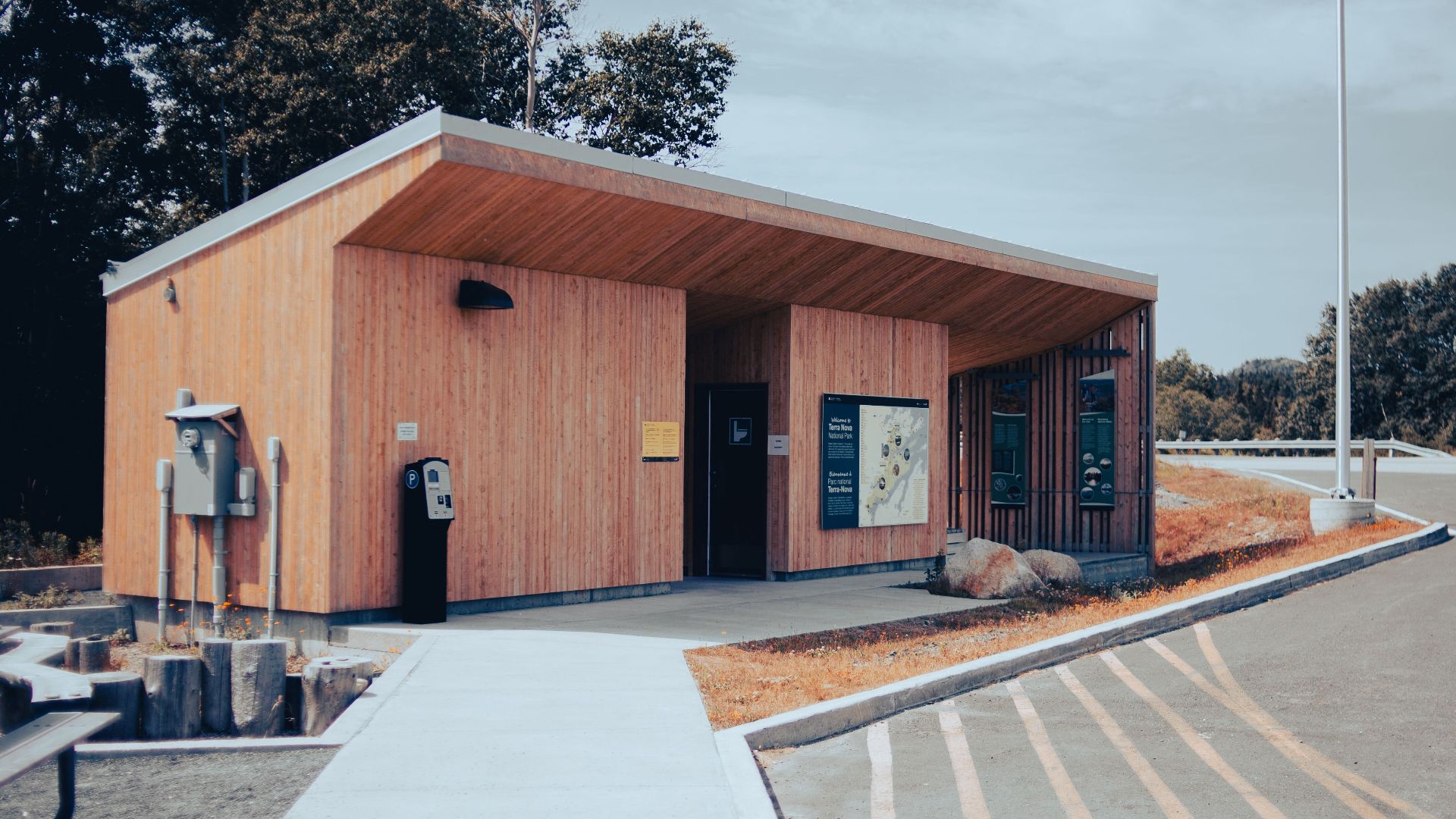
Discuss how often the family will stop instead of waiting until three people urgently need a restroom. A break every few hours gives everyone a chance to stretch and handle anything the children need. Knowing that another stop is scheduled also cuts down on questions from the back seat.
4. The Front Passenger Handles Navigation
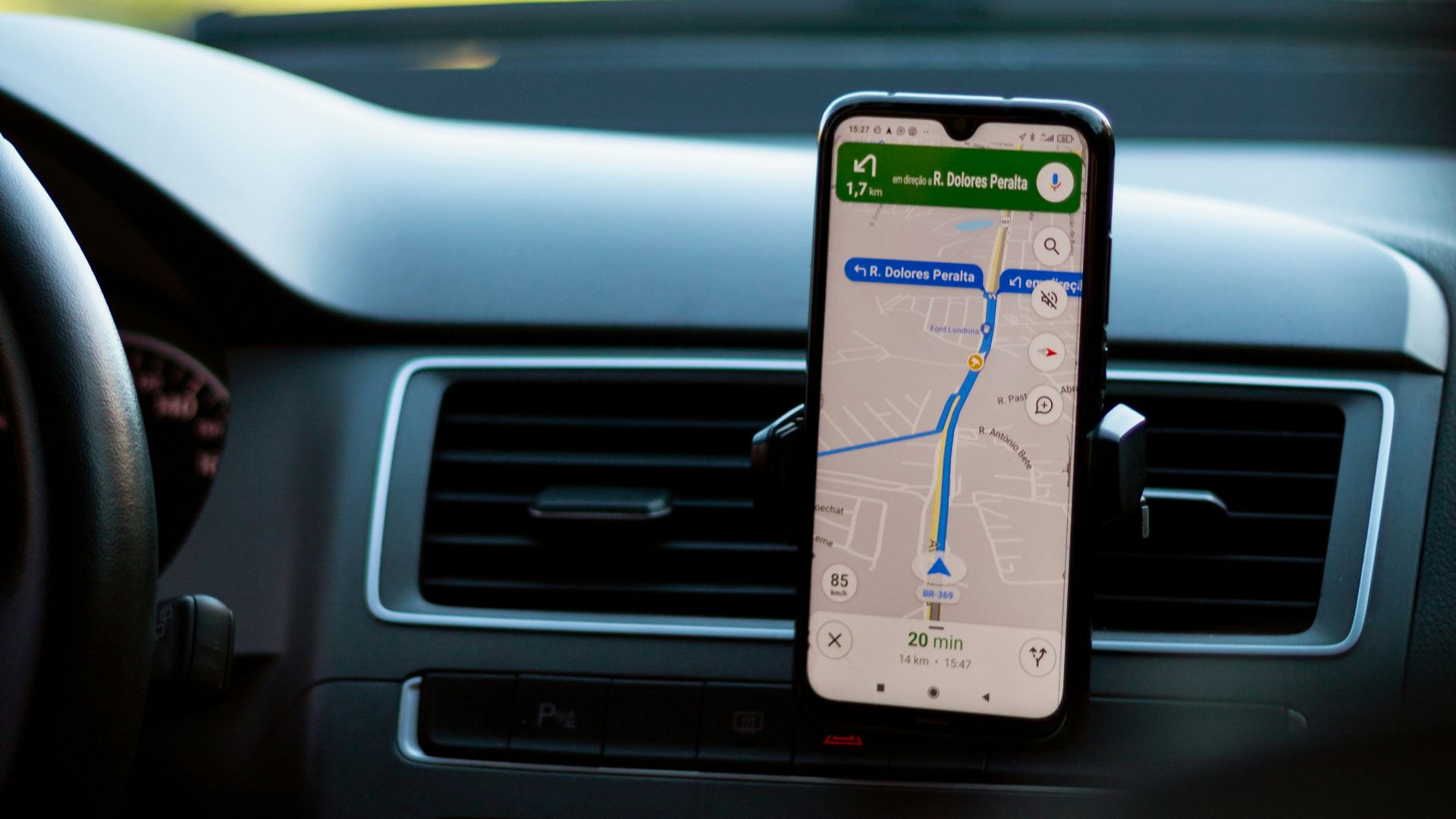
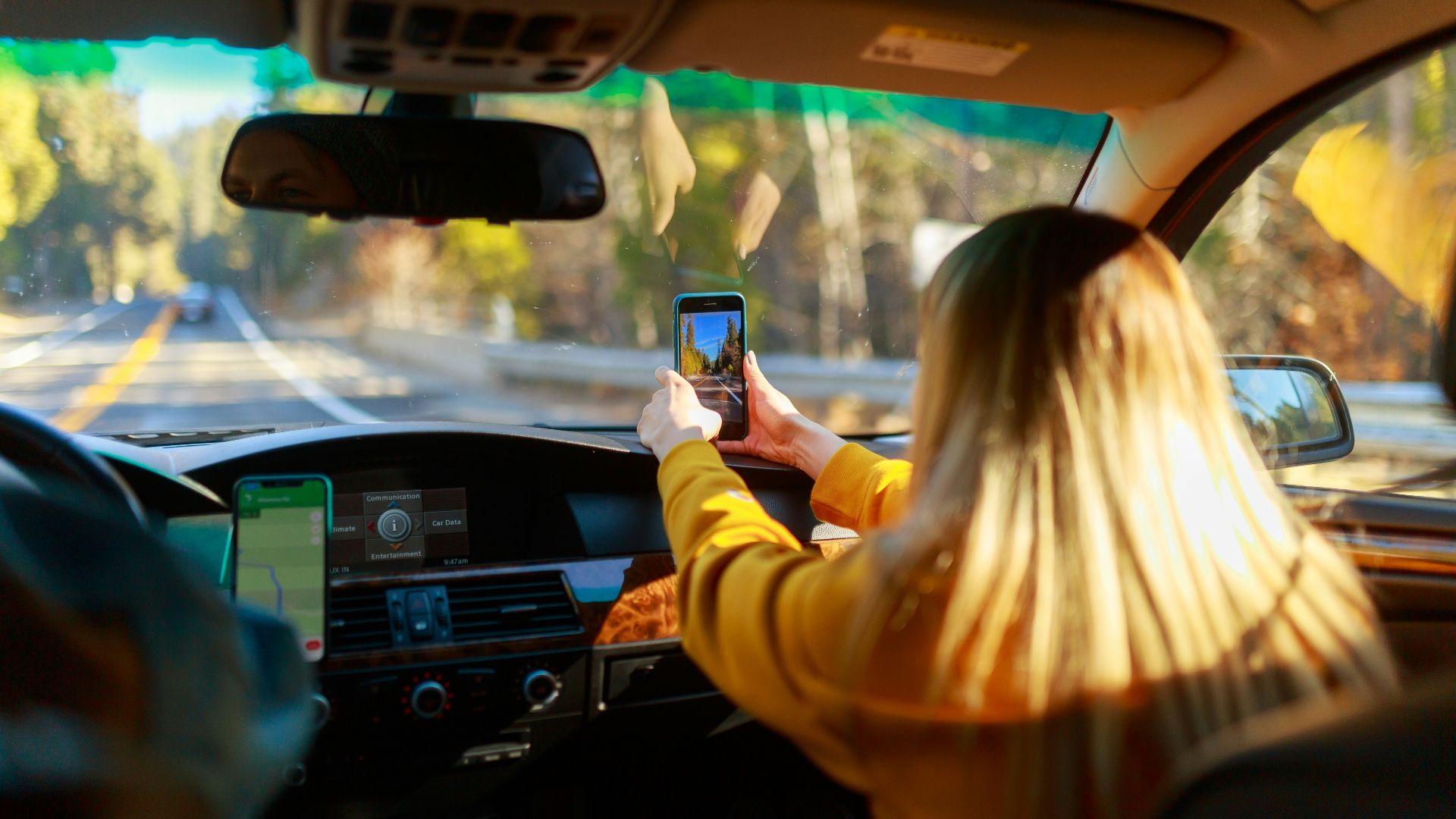
Whoever’s in the front seat should manage the GPS. They should also look up alternate routes and confirm which lane the driver needs before an interchange. Asking the driver to search for a gas station or type an address while moving creates an unnecessary distraction.
5. Nobody Criticizes Every Decision
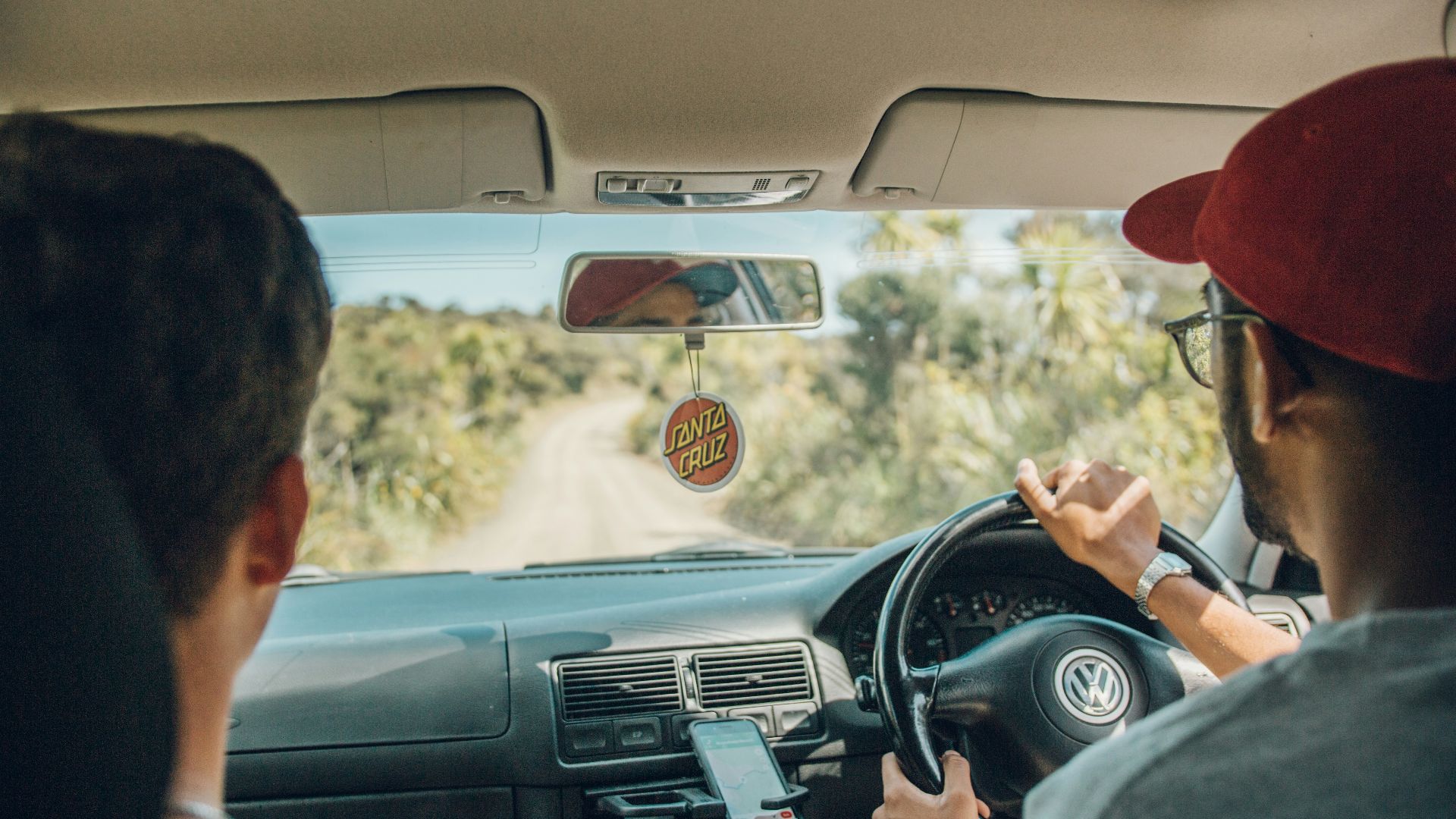
Constant comments about braking and following distance can make an already demanding drive more stressful. They aren’t even helpful comments to make! Unless there’s an immediate hazard, passengers should avoid gasping or repeatedly telling the driver how they would handle the road.
6. Everyone Gets a Fair Turn Choosing Music
The AUX cord shouldn’t go to the loudest passenger—or the person holding the phone. Families can rotate playlists every hour or so or create one shared queue before leaving. A clear system prevents an eight-hour argument between which genre should dominate the roads.
7. Headphones Are Allowed
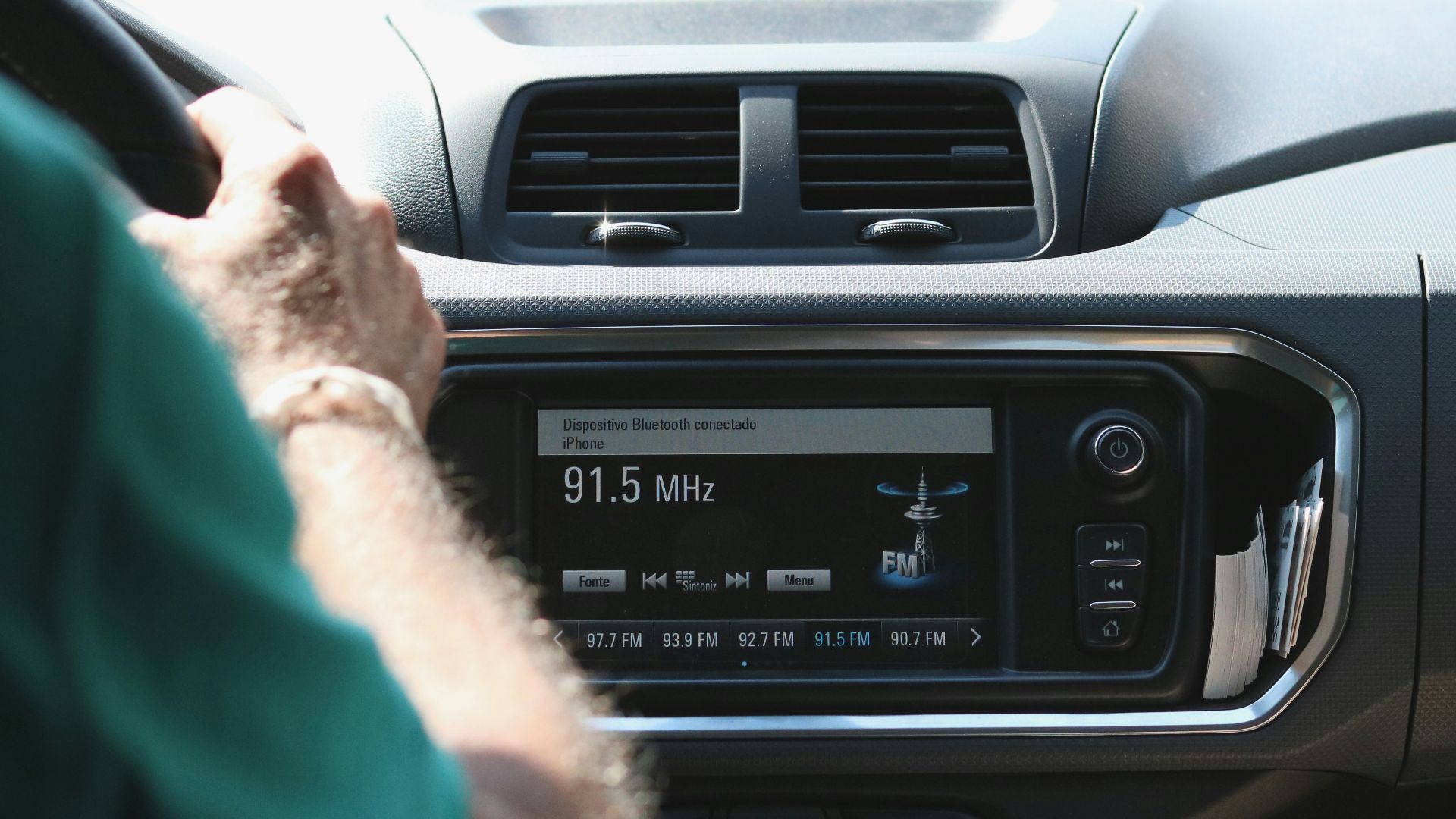
Personal devices make long drives easier, but on a road trip, headphones should get treated the same way they are on public transit: not loud enough to disturb people. Passengers should still be able to hear the driver during an emergency, fuel stop, or change of plans. Children using tablets should also be reminded that shouting over their headphones defeats the whole point.
8. An Approved Snack List
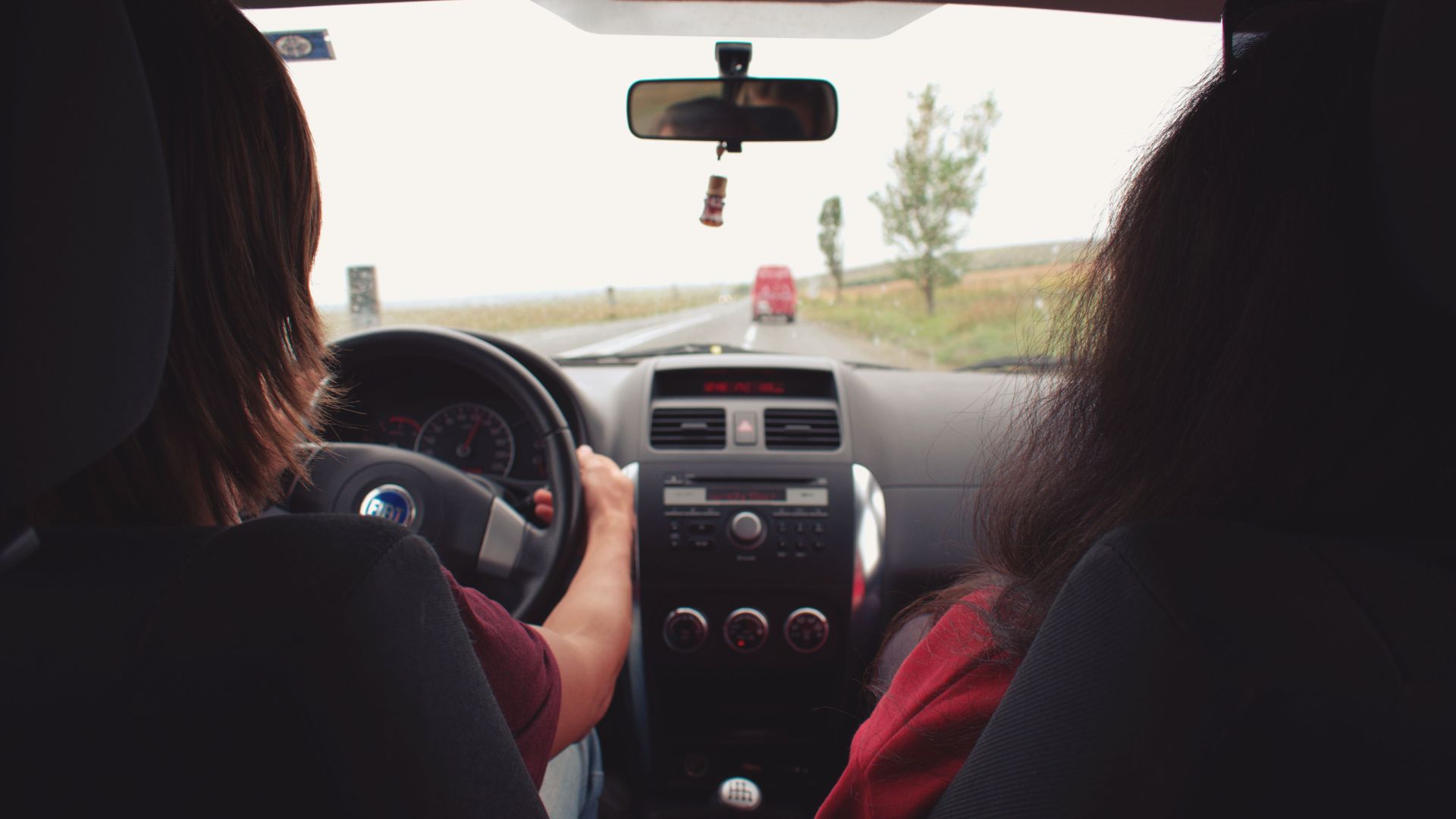
Certain foods create smells, crumbs, or sticky fingerprints that linger long after the vacation ends. Before you peel off, decide whether items are allowed in the car or can only be enjoyed once you stop. Choosing manageable snacks such as crackers, apple slices, and granola bars makes cleanup much less unpleasant.

9. Everyone Cleans Up Their Mess
Empty bottles and wrappers shouldn’t slowly disappear into door pockets or beneath the seats. If you’re in the car, you’re responsible for cleaning up after yourself. Give each row a small trash bag and require passengers to empty their area whenever the car stops for fuel. Even young children can pass their garbage forward instead of leaving the car a disaster area.
10. Drinks Need Secure Lids
A cup of coffee balanced on a seat. An open can of soda in a child’s hand. These hazards and more can create trouble during one sharp turn. Travel mugs, screw-top bottles, and spill-resistant cups should be the standard for everyone in the vehicle.

11. Bathroom Requests Are Taken Seriously
Nobody should be teased or told to wait when they say they need to go. “Unplanned stops” are all part of the experience, whether we want them to be or not, and children may give very little warning. It’s not only them, either; adults with medical needs might require more frequent stops than the original schedule allows.
12. Seat Assignments
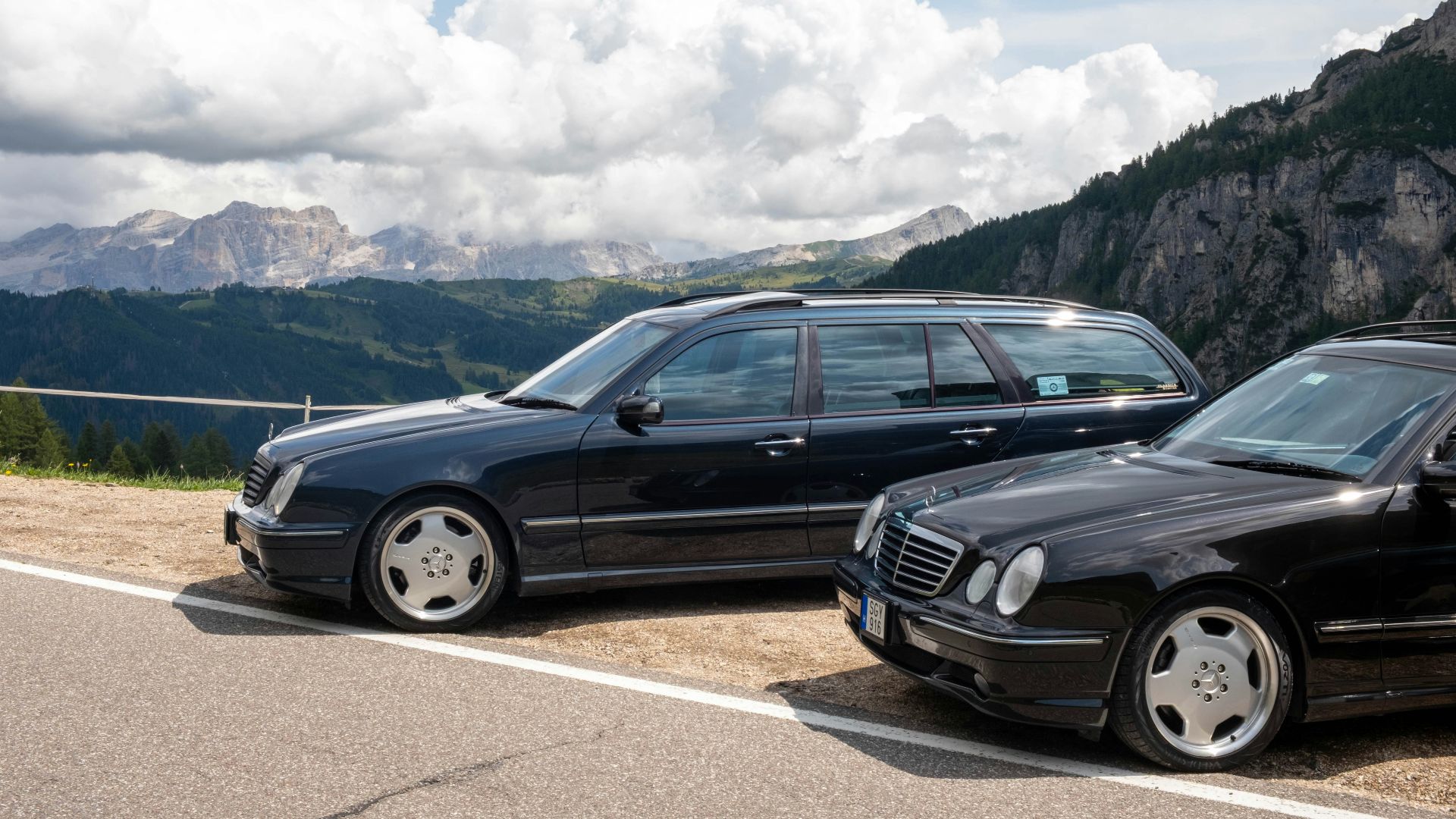
The car isn’t a classroom, but deciding who sits where can eliminate unnecessary tension or complaints. After all, families might rotate the preferred window seat after each major stop or give taller passengers positions with more legroom. Establishing the arrangement early keeps siblings from racing toward the same door.
 Martin Kallur (IG: @mkallur) on Unsplash
13. Personal Space Still Matters
A crowded back seat doesn’t allow anyone to lean on another passenger. It also doesn’t mean you can just kick a seatback or spread your stuff across multiple spaces. Each person should keep their items within an agreed area. Small boundaries become particularly important after several hours when everyone is tired and less tolerant.

14. The Driver Won’t Pass Everything Back
Drivers shouldn’t be expected to reach for toys or retrieve dropped phones when they’re behind the wheel. Eyes on the road at all times, and that means passengers can organize frequently needed items in a seat-back pocket or small travel bin before departure. Anything that falls beyond reach can wait until the next stop.

15. Arguments Shouldn’t Become Distracting
Family disagreements don’t disappear once everyone enters the car, and they certainly don’t disappear just because you established some ground rules. However, they shouldn’t compromise the driver’s concentration, either. When voices rise or insults start, the discussion needs to stop until the family reaches a rest area or hotel.

16. Charging Access is Shared
With several phones, headphones, and handheld game systems onboard, charging ports become valuable territory. Decide which devices have priority and set time limits when the car doesn’t have enough connections for everyone. You can even bring a multiport adapter or labeled power bank to prevent any mishaps.

17. Nobody Opens a Door Without Permission
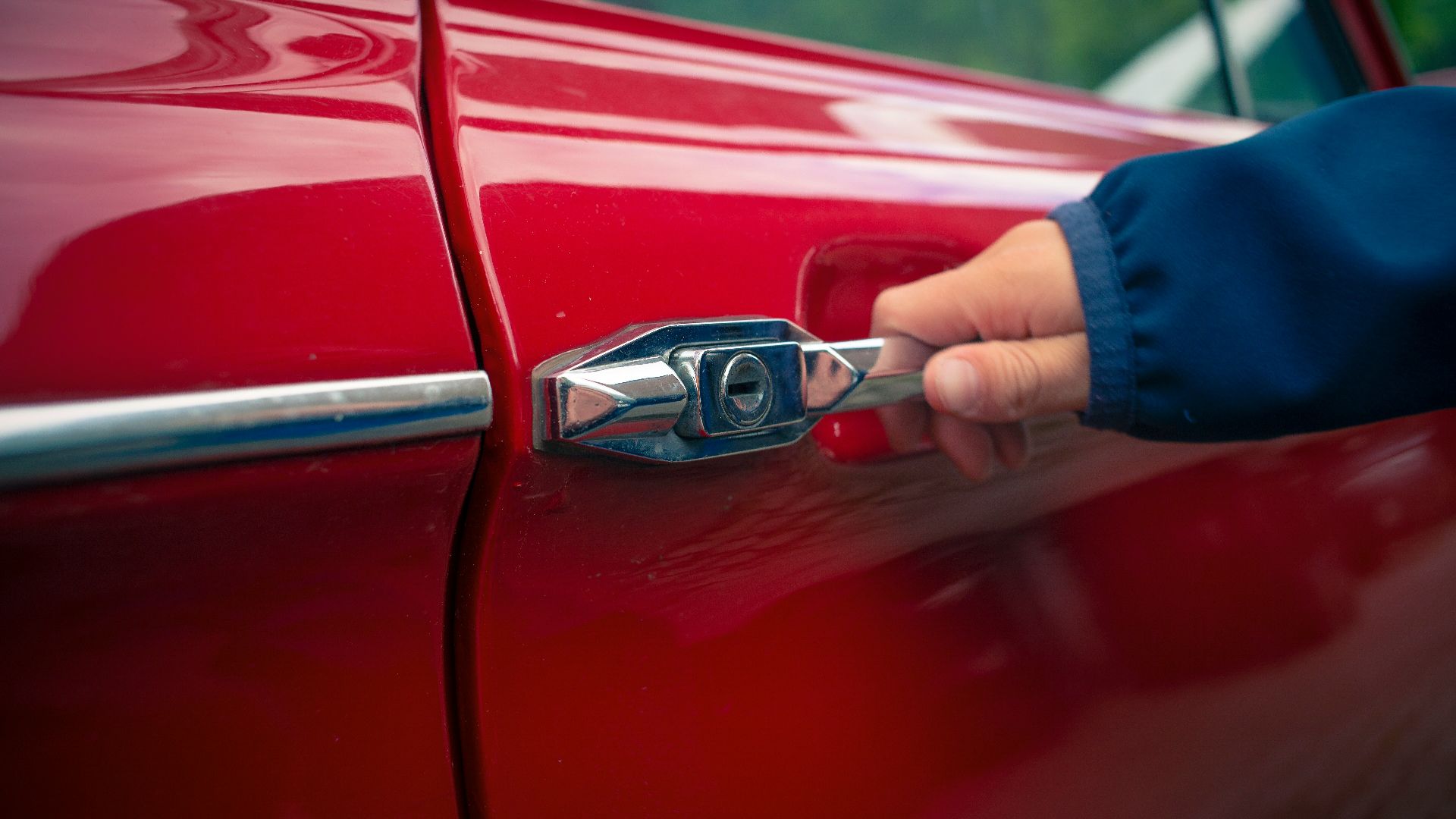
We’re not talking about obvious spots, like a highway. No, we’re talking about at fuel stations, scenic overlooks, and roadside stops. Passengers should wait until the driver confirms it’s safe to exit. This one’s especially important for children who may rush out as soon as the vehicle slows down.
18. Scheduled Quiet Time
Let’s be honest: hours of conversation and music get exhausting, even for a family that normally enjoys some ambiance. It’s important to choose a period when voices remain low and devices are used with headphones. The driver will also appreciate a calmer space in heavy traffic or bad weather.

19. Complaints Should Come With Solutions
It’s easy to announce that the car’s too hot or the restaurant choice is unacceptable. The thing is, passengers should then make a reasonable plan B. This keeps minor frustrations from becoming a running commentary for the entire drive.
20. Delays Won’t Become a Blame Game
Traffic jams and unexpected detours are just par for the course of long-distance driving. You won’t get anywhere blaming the navigator or the driver who chose the route, so ensure people know not to point fingers. The family should agree that arriving safely matters more than matching the original schedule exactly.