Ideas That Went Too Far
Car manufacturers have produced plenty of weird vehicles while trying to solve practical problems. Heck, sometimes they created these oddballs to attract attention or predict what drivers would want next. Whatever the case, these 20 models certainly made an impression, although not always for the reasons their creators intended.
1. Dymaxion
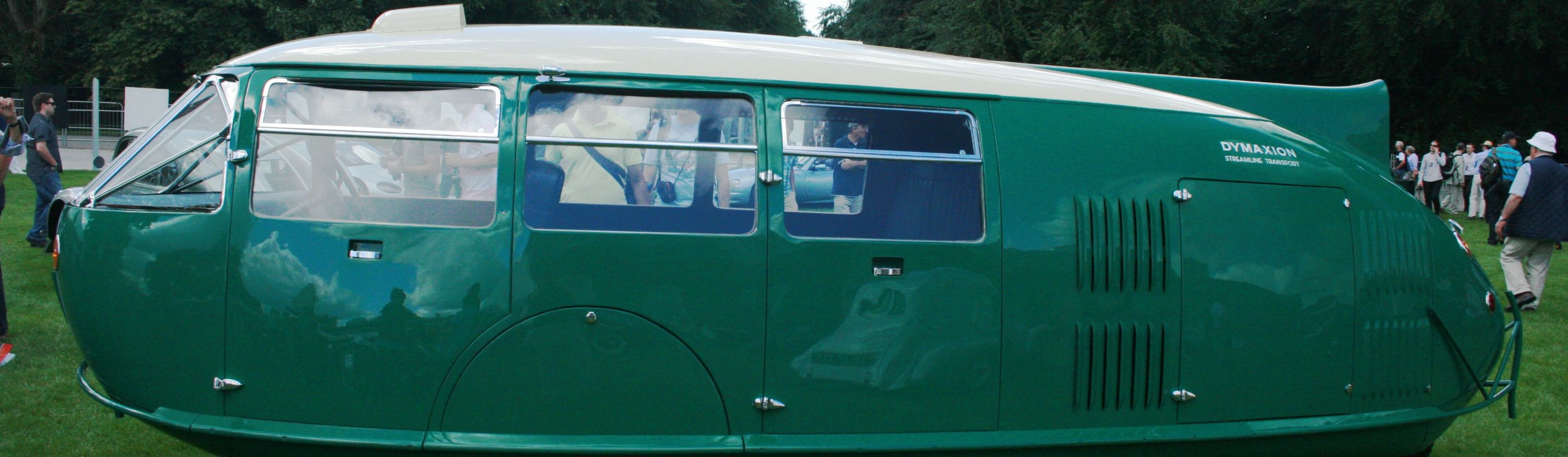
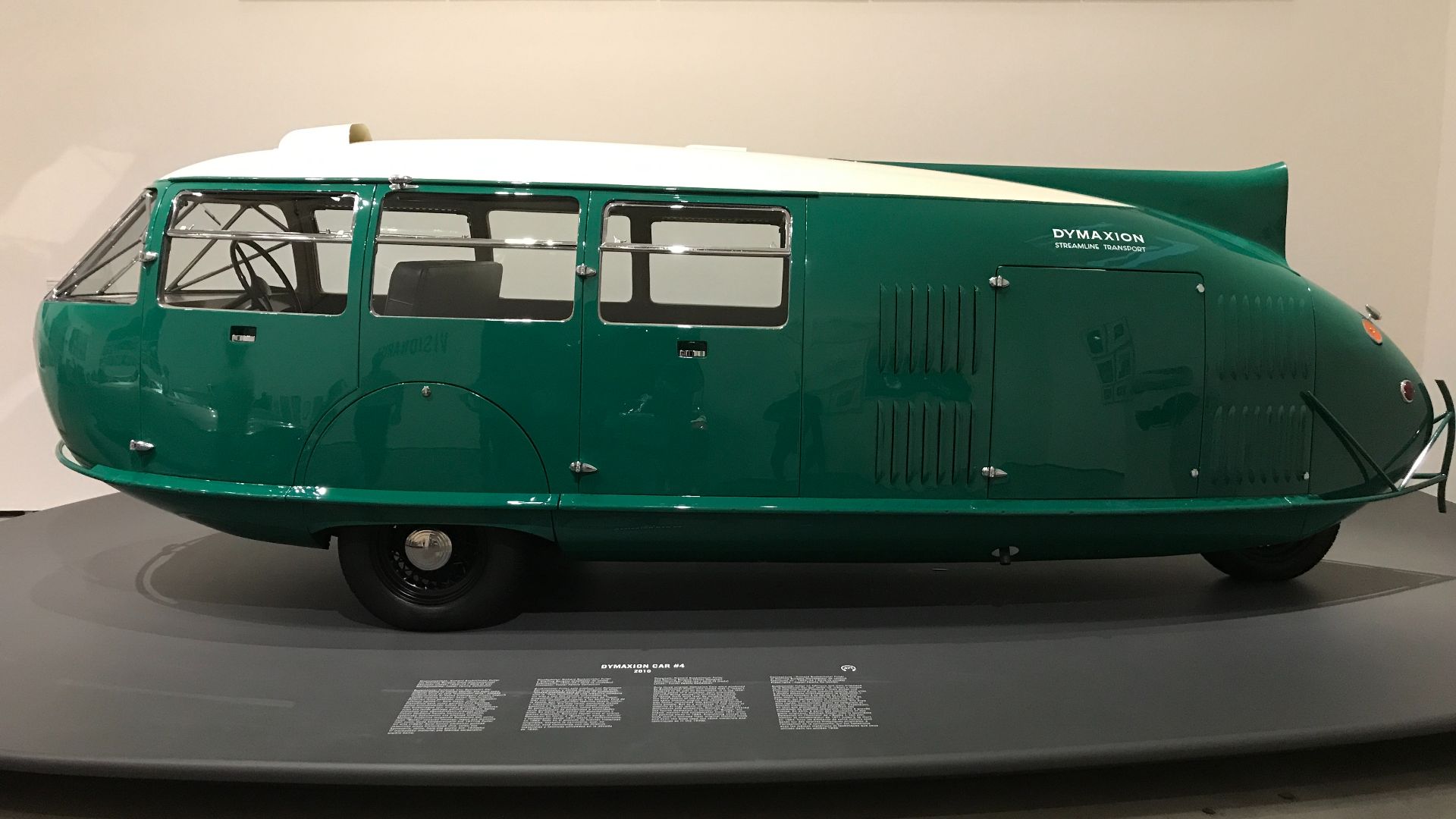
Buckminster Fuller’s 1933 Dymaxion stuck two wheels at the front and a single steering wheel at the rear. It was all kinds of backwards, but that arrangement allowed the long vehicle to turn tightly. However, it also made it difficult to control at higher speeds or, you know, in strong winds. Only three examples were made before the ambitious experiment came to an end.
2. Sir Vival
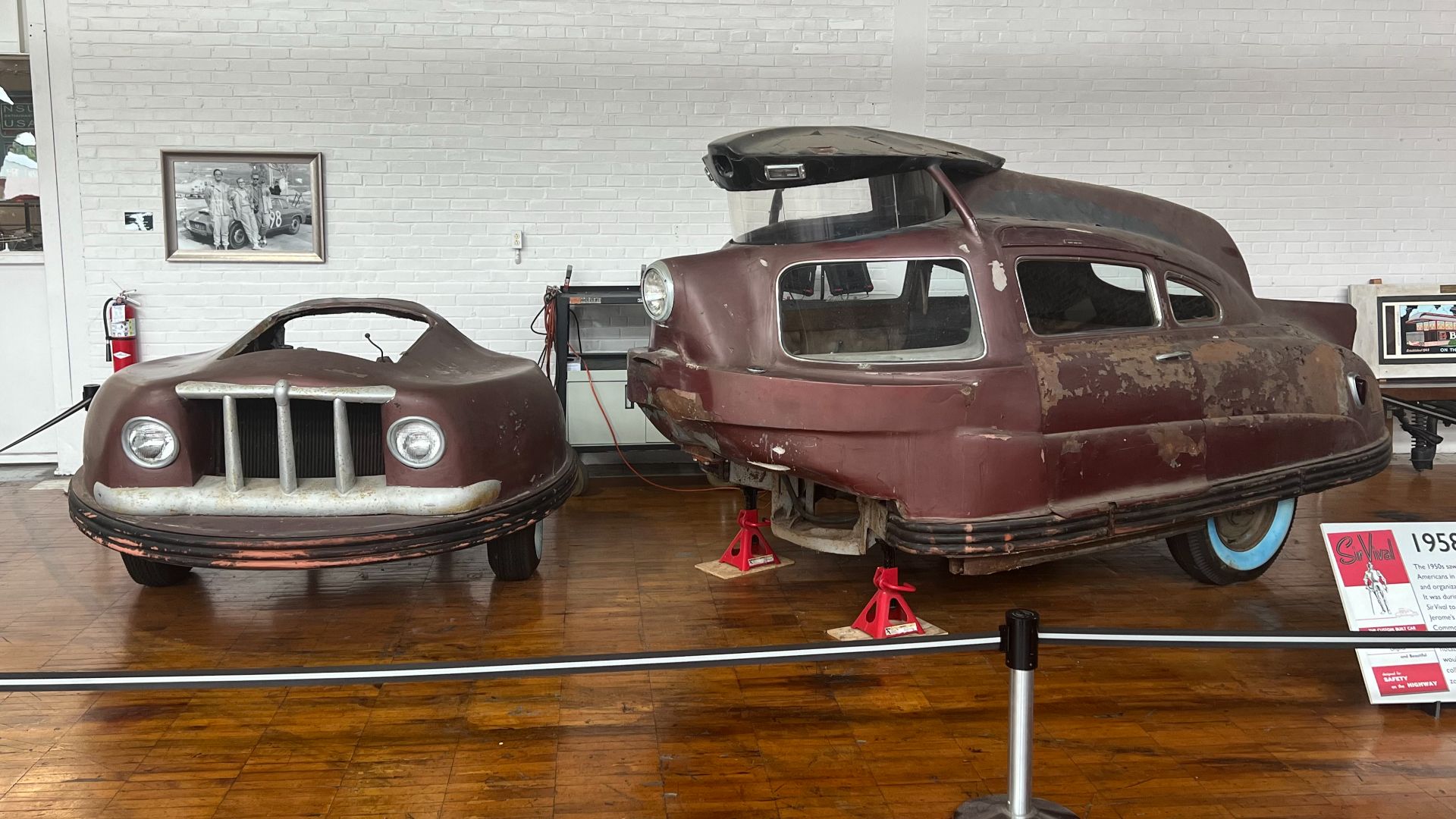
Walter C. Jerome built the 1958 Sir Vival around a hinged, two-piece body intended to reduce the effects of a collision. It sounded good in theory, but in reality, the driver sat above the passengers in a cylindrical glass turret, while sliding doors, seat belts, and a roll cage added to the safety-focused design. The whole thing flopped; investors weren’t ready to fund a vehicle that looked that complicated before it even reached production.
3. Mohs Ostentatienne
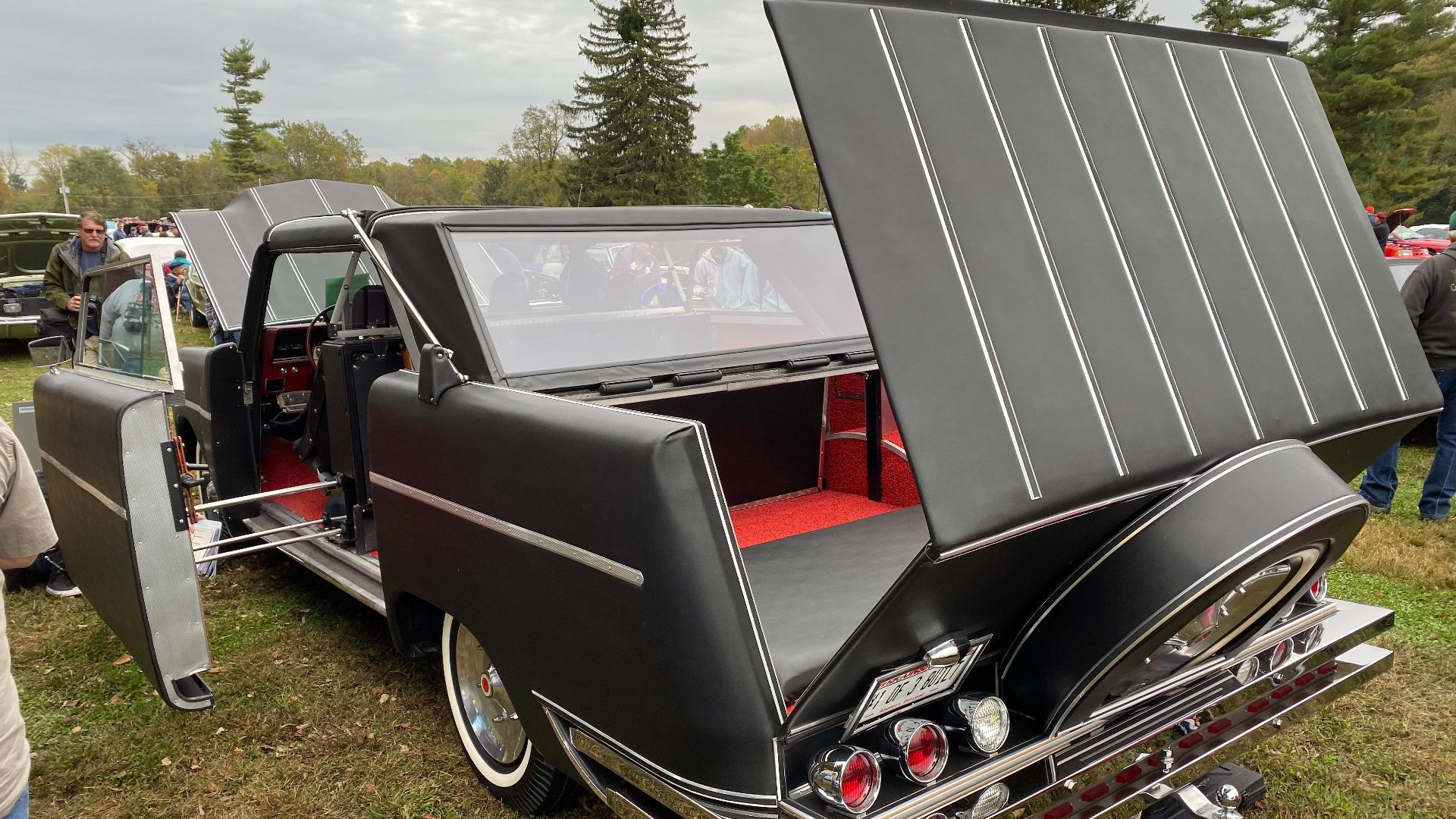
Bruce Mohs introduced the one-off Ostentatienne Opera Sedan in 1967, complete with solid side beams instead of conventional doors. You basically had to enter through a large opening at the rear, and the enormous body sat on an International Harvester truck chassis with a V8 engine. It was promoted as a safer luxury car, but no one jumped at the chance to be seen in one.
 CZmarlin — Christopher Ziemnowicz on Wikimedia
4. BMW Isetta
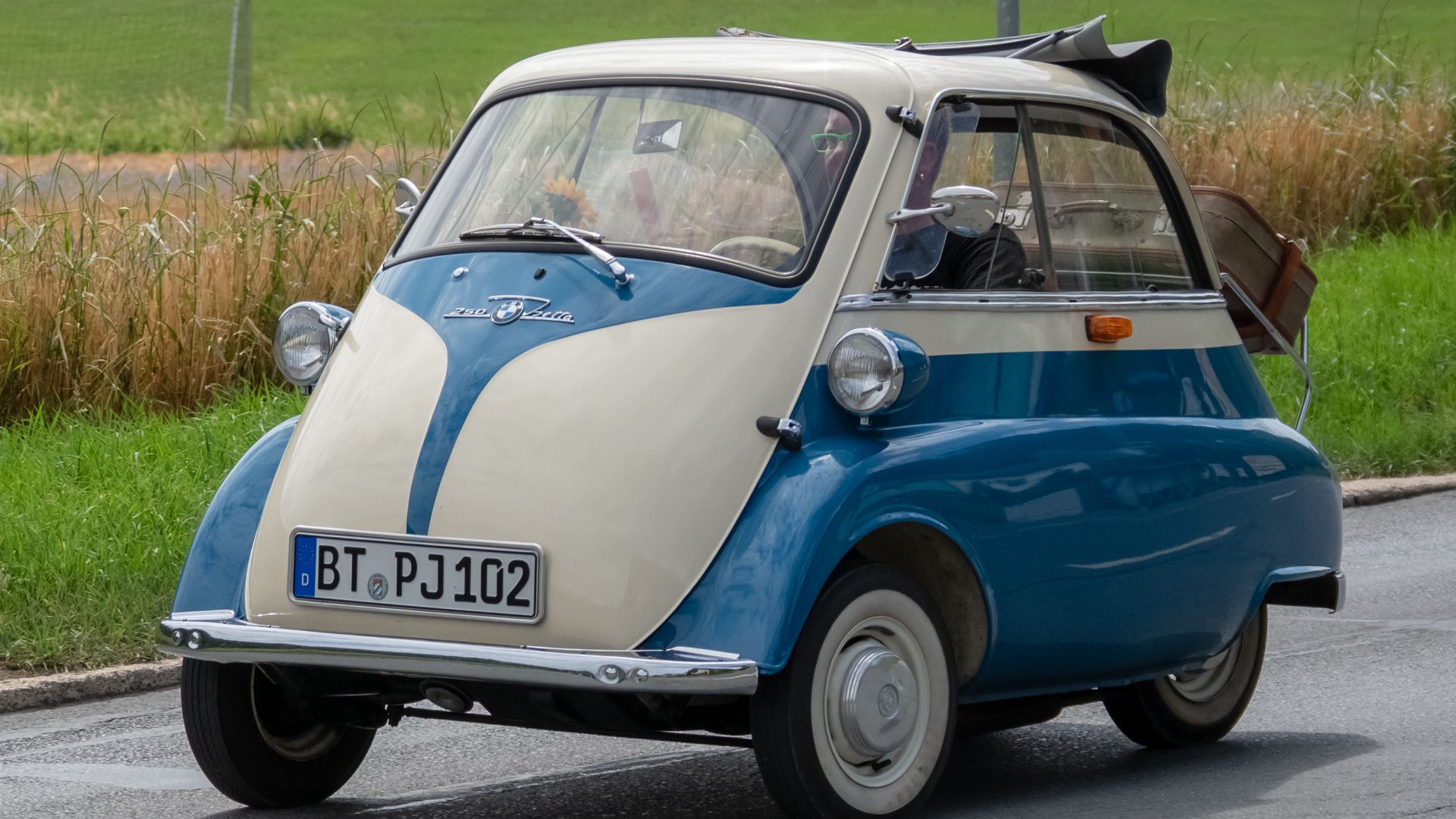
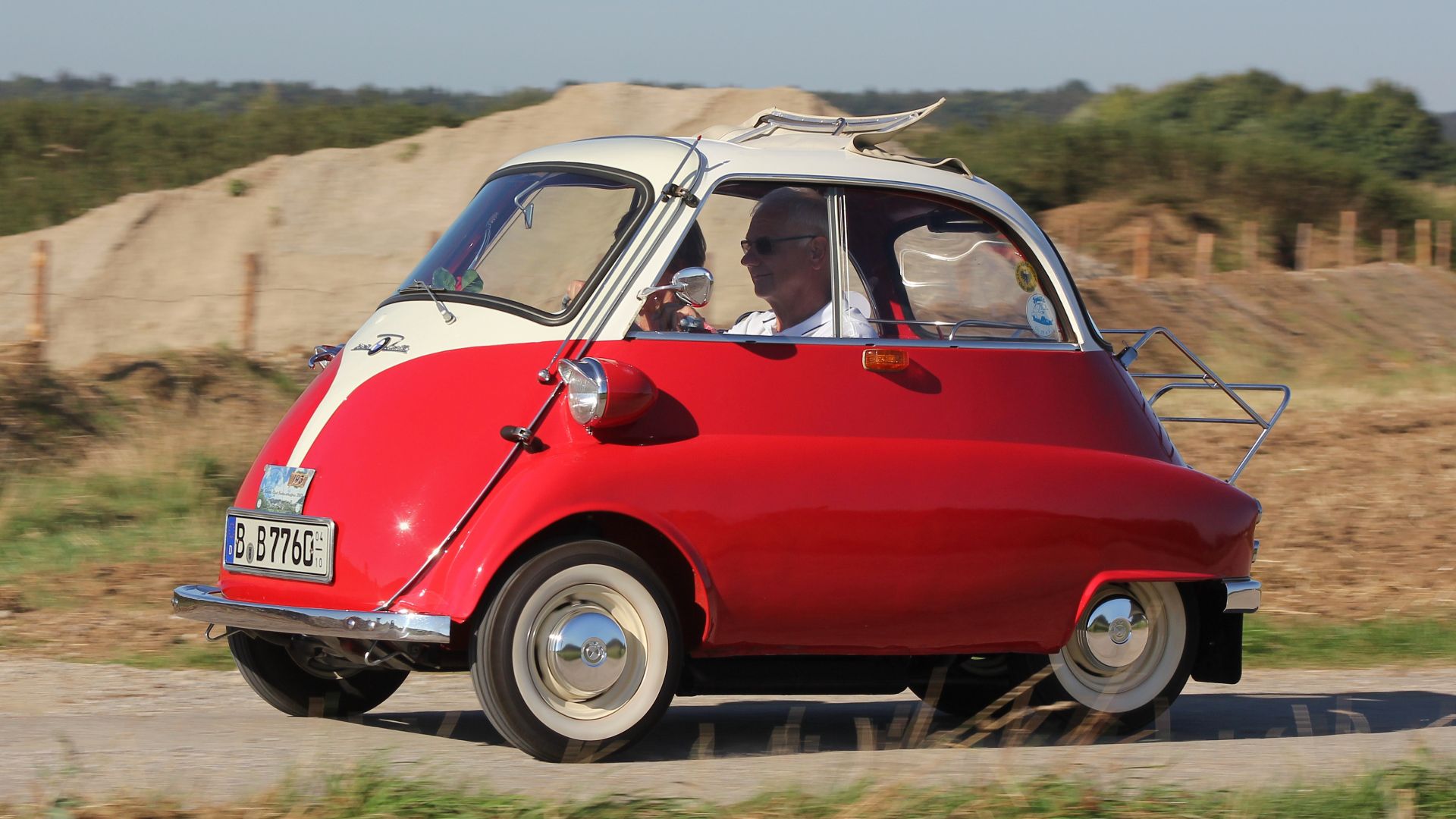
Instead of placing doors on the sides like a normal vehicle, the Isetta opened across nearly its entire front end. The steering column moved outward with the door, allowing you to climb directly into the tiny cabin. Weirdly enough, the weird design wasn’t even that big of a turn-off, and BMW sold more than 160,000 of them.
5. Peel P50
Built on the Isle of Man during the 1960s, the Peel P50 provided space for exactly one adult and a decent shopping trip. The original three-wheeler had one headlight, one windshield wiper, and no reverse gear, either. At approximately 130 pounds, it could also be moved by using the handle mounted at the rear.
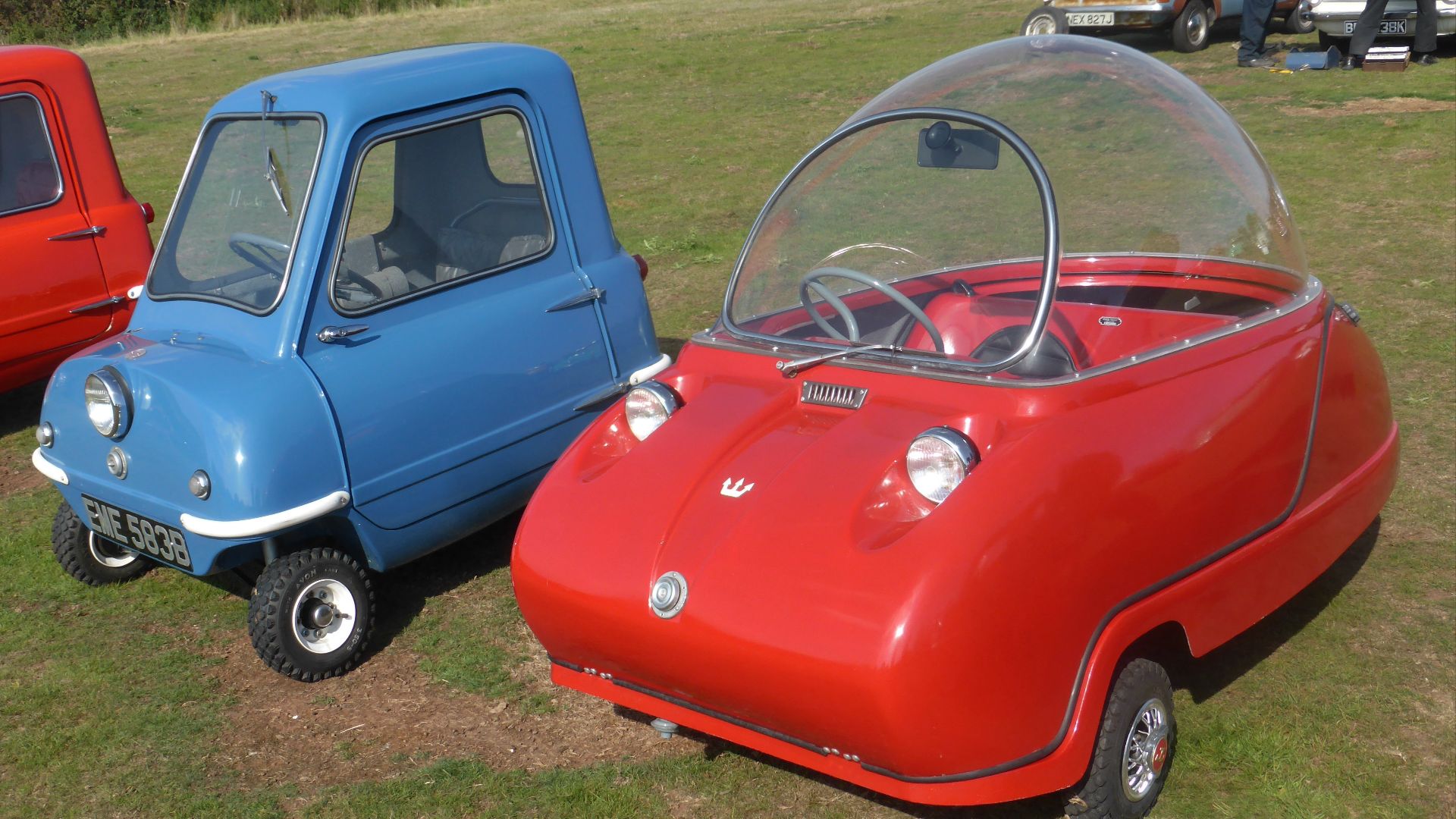 Andrew Bone from Weymouth, England on Wikimedia
6. Amphicar
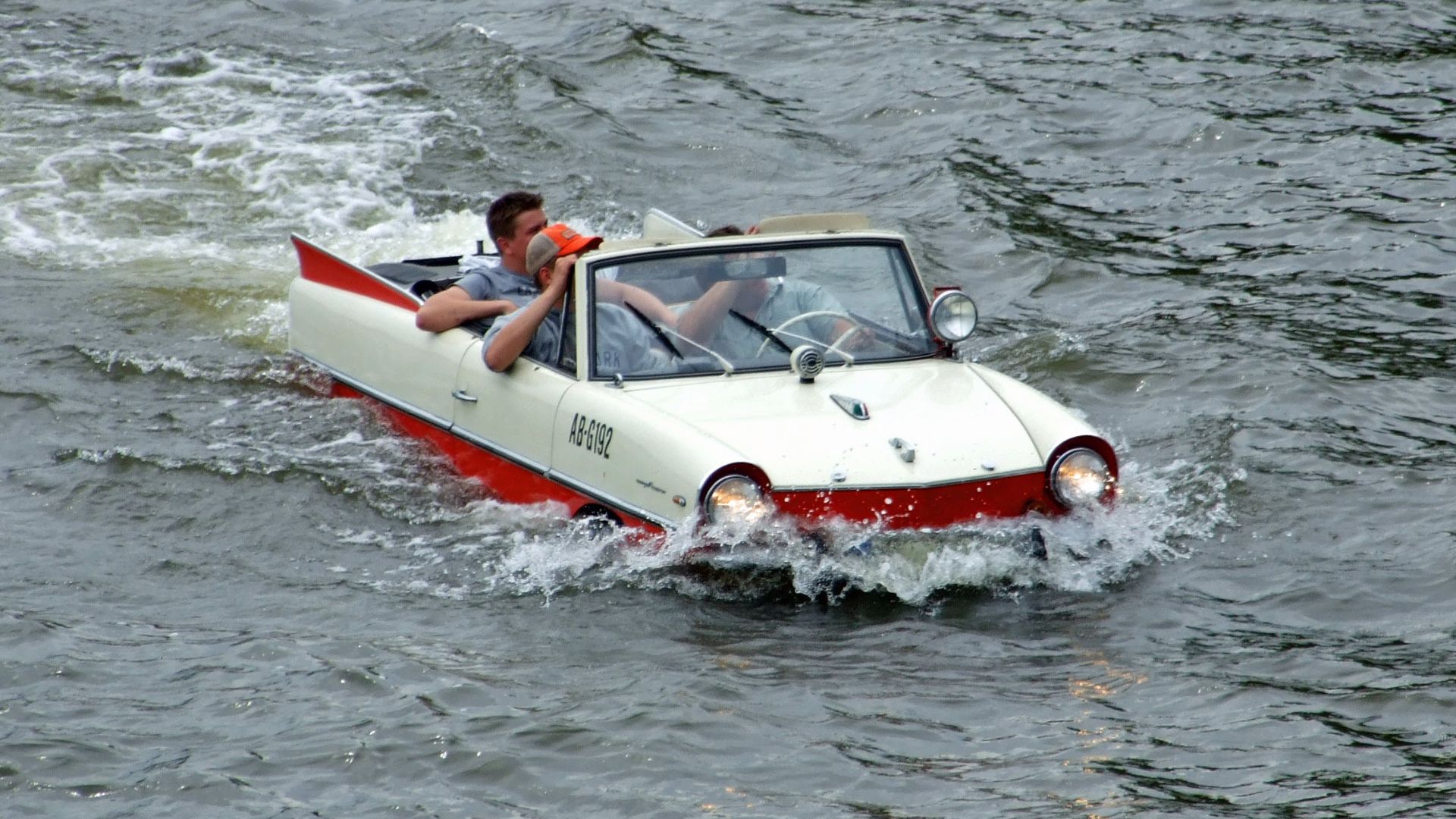
The Amphicar 770 could drive into a lake, engage its propellers, and continue traveling as a small boat. It was sort of like a Grand Theft Auto car, which unfortunately wasn’t sought after as much in real life. It wasn’t particularly quick on pavement or in the water, either—its speed remained below 10 mph.
7. Marcos Mantis M70
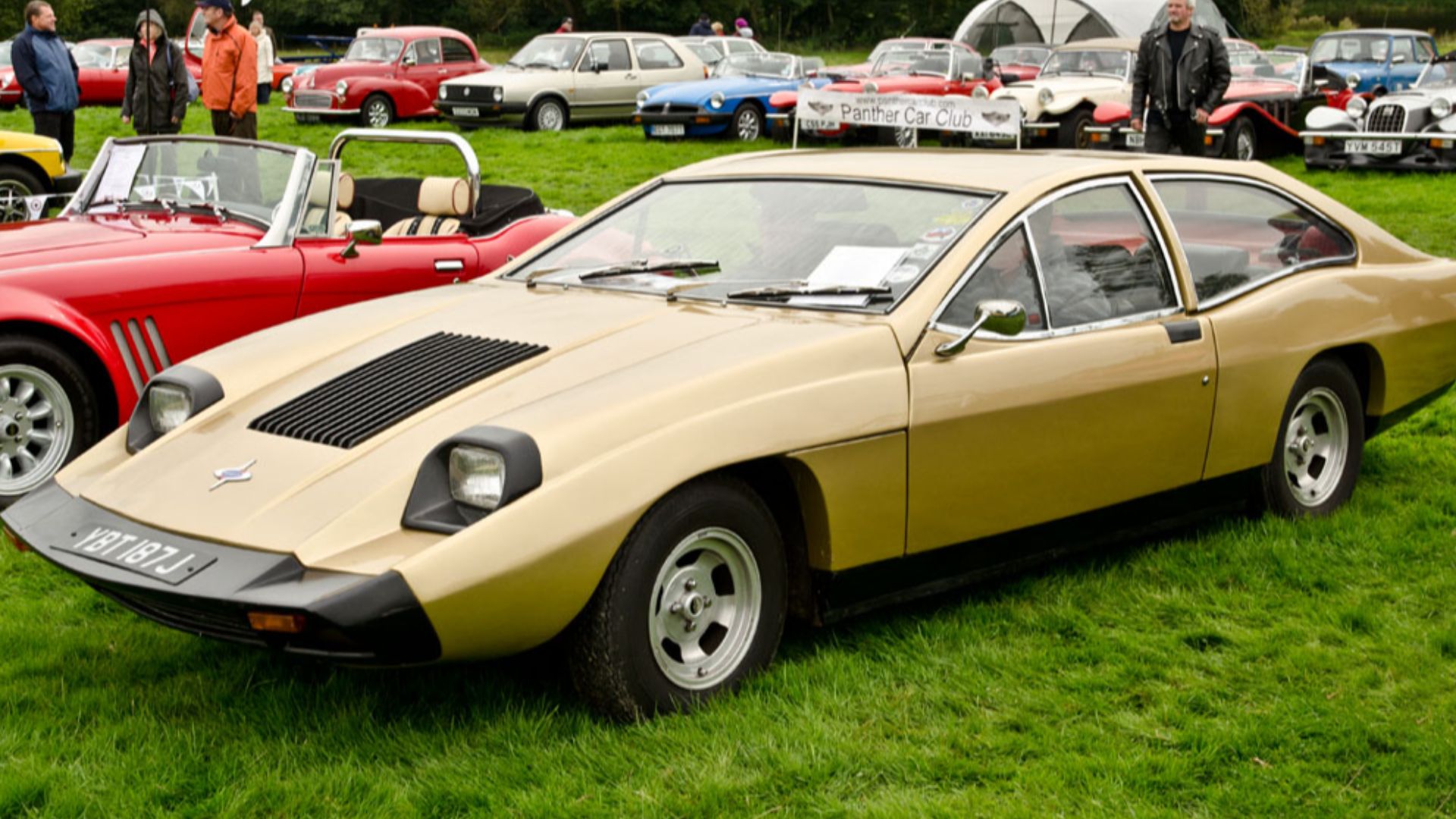
Marcos turned its sports-car formula into the four-seat Mantis M70, giving it a weirdly long nose and stepped roofline. A Triumph 2.5-liter straight-six provided enough power, sure, but only 32 were made between 1970 and 1971. You don’t have to dislike the design to see why its unusual proportions made people pause.
8. Autech Zagato Stelvio
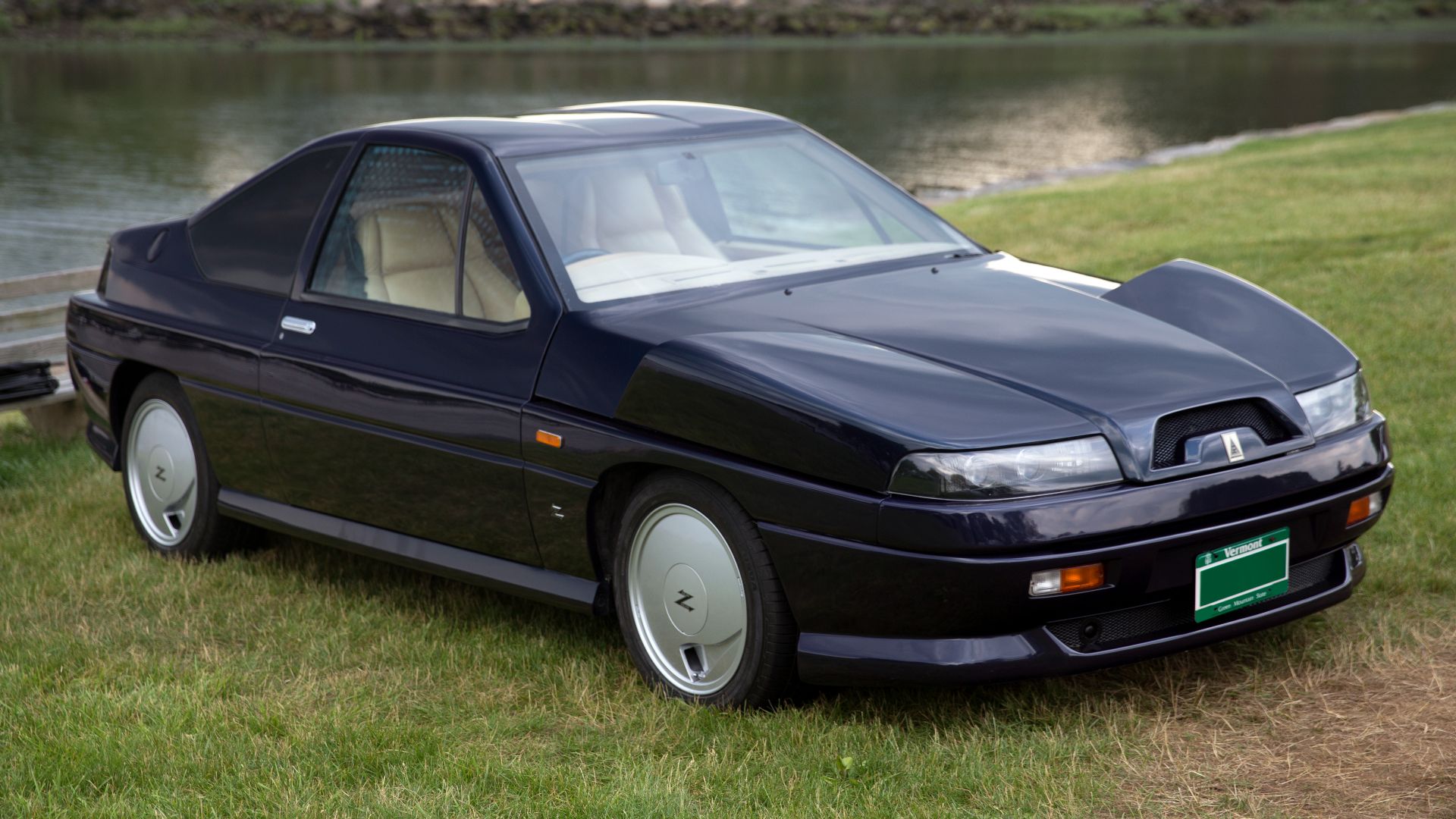
Autech and Zagato created the Stelvio AZ1 in 1989 using Nissan Leopard mechanicals and a hand-formed aluminum body. Instead of its fender mirrors placed on everyday stalks, they were enclosed in large sculpted housings that rose from the hood. The rare coupe also had a turbocharged 3.0-liter V6, but its most obvious feature looked way too hard to explain.
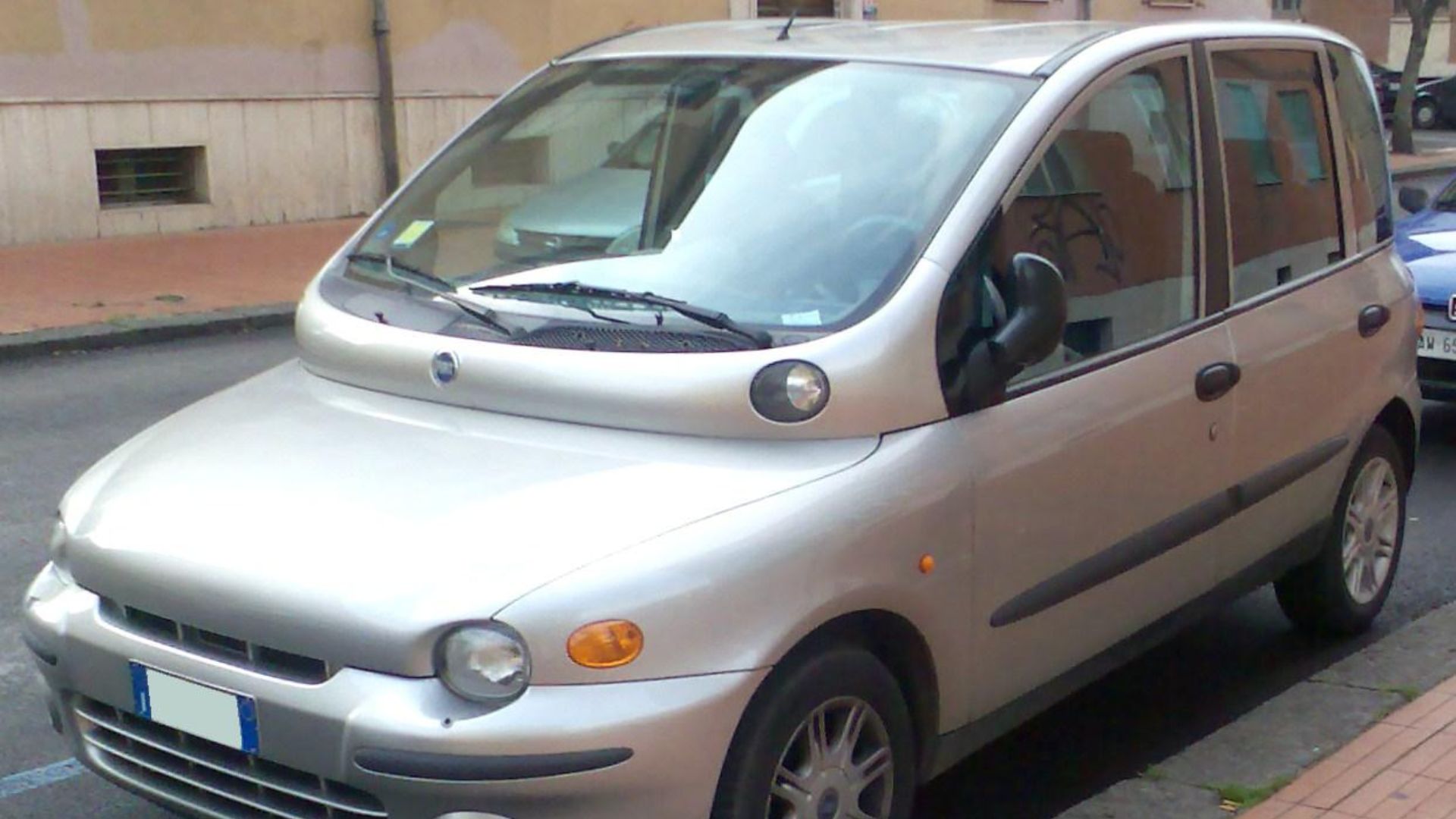
9. Fiat Multipla
Fiat designed the original Multipla with three seats across both rows, giving six people a decent amount of space inside a pretty small vehicle. The thing is, buyers first had to accept the strange exterior, which featured a raised section beneath the windshield and another set of lights below it. A 2004 redesign was wise enough to remove all that, effectively admitting that the first version had been too adventurous.
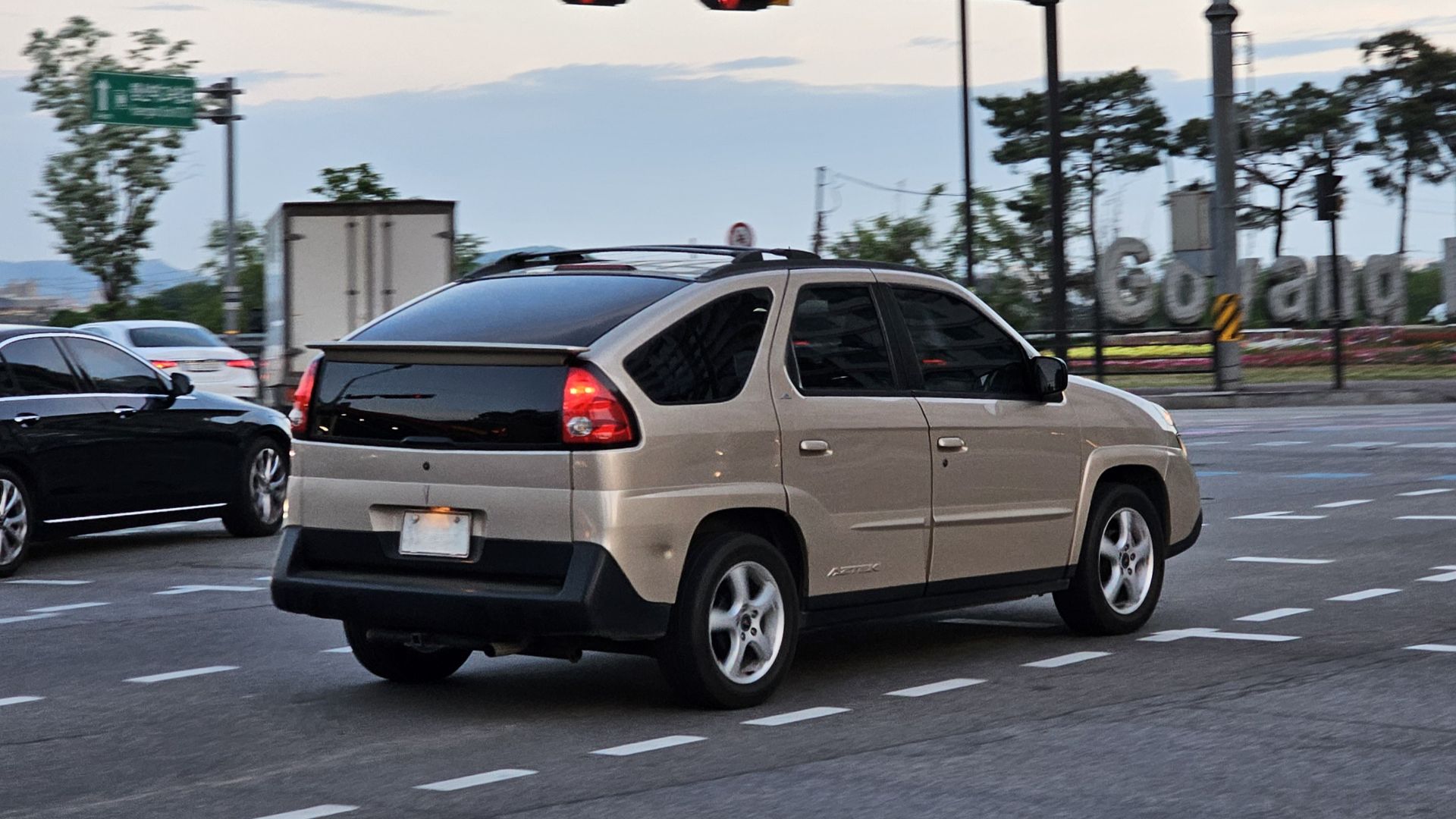
10. Pontiac Aztek
Pontiac wanted the Aztek to appeal to active buyers. After all, it came with removable rear seats, washable cargo surfaces, and an optional tent package! Well, its exterior combined split headlights, multiple grilles, and an unusually tall rear section, so that cluttered styling damaged the Aztek’s reputation almost immediately.
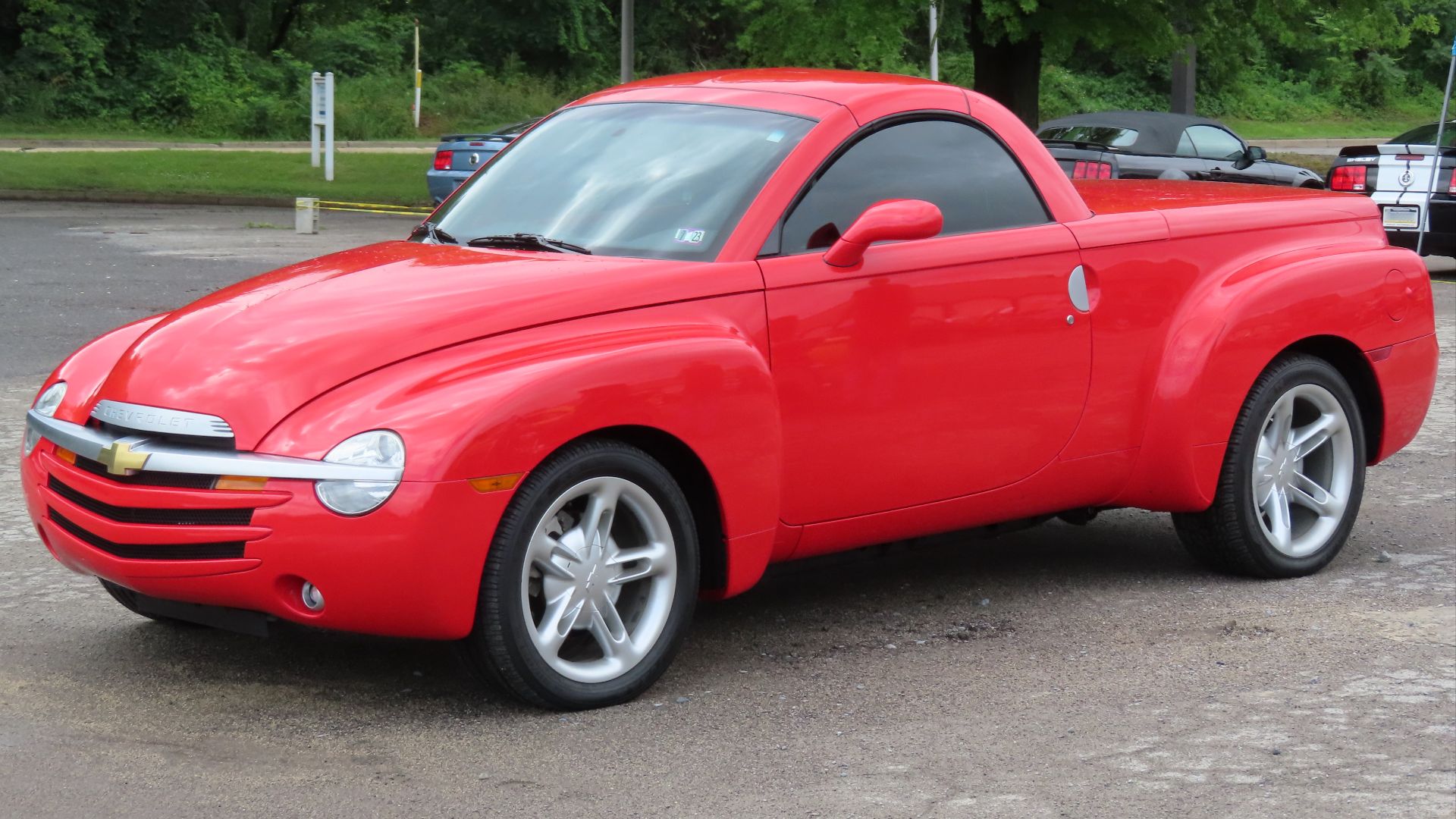
11. Chevrolet SSR
Chevrolet introduced the SSR as a retro-styled pickup truck with two seats and a power-retractable hardtop. It sounded cool enough, and later versions even received a powerful V8. Despite it all, the small covered bed offered less utility than most truck buyers expected, proving difficult to justify at the dealership.
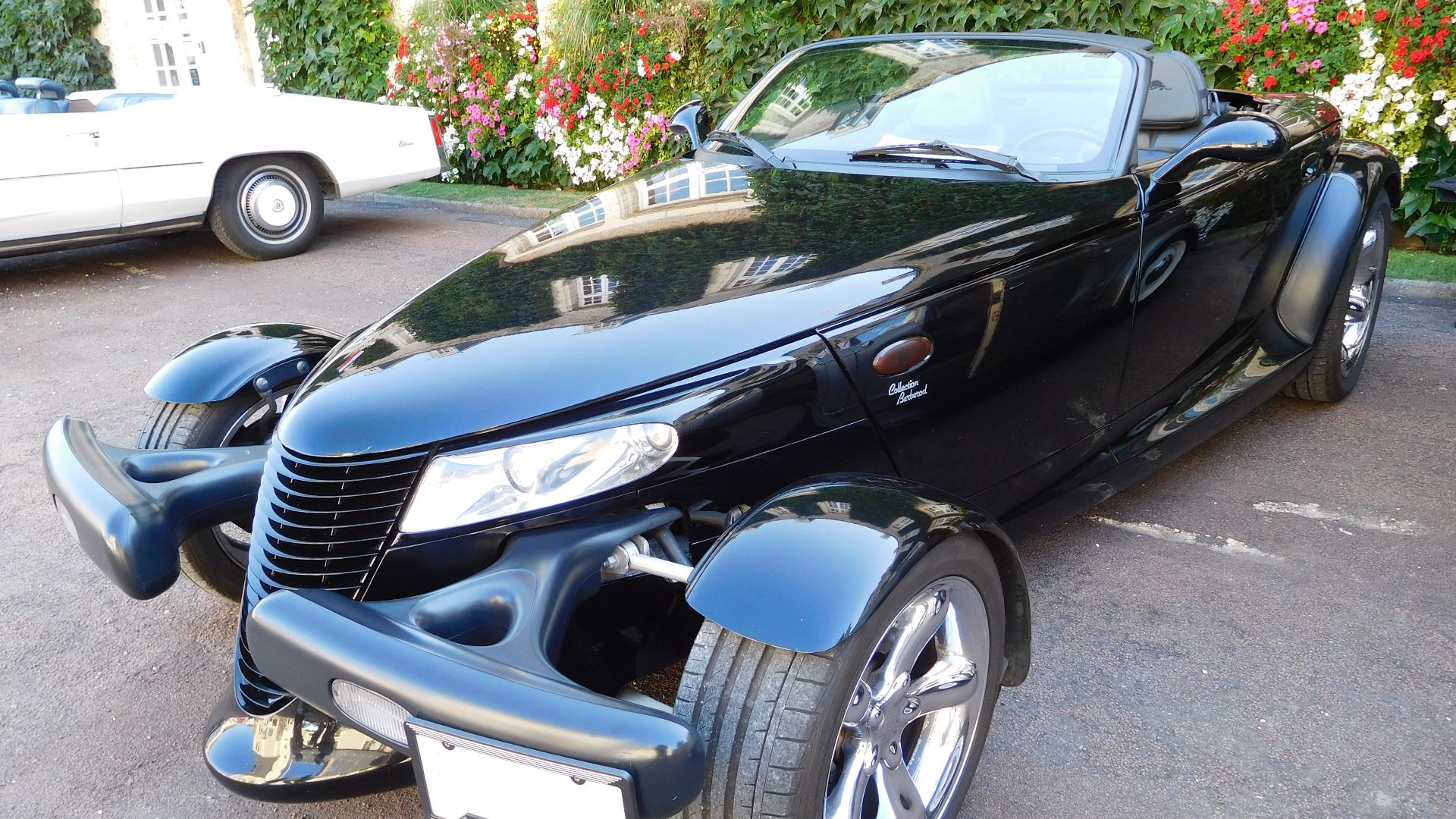
12. Plymouth Prowler
With exposed front wheels and hot-rod bodywork, the Plymouth Prowler appeared ready for serious performance. Underneath, however, Chrysler installed a V6 engine and an automatic transmission rather than the V8 drivers expected. Its styling garnered enough attention, but the package never matched the promise its exterior made.
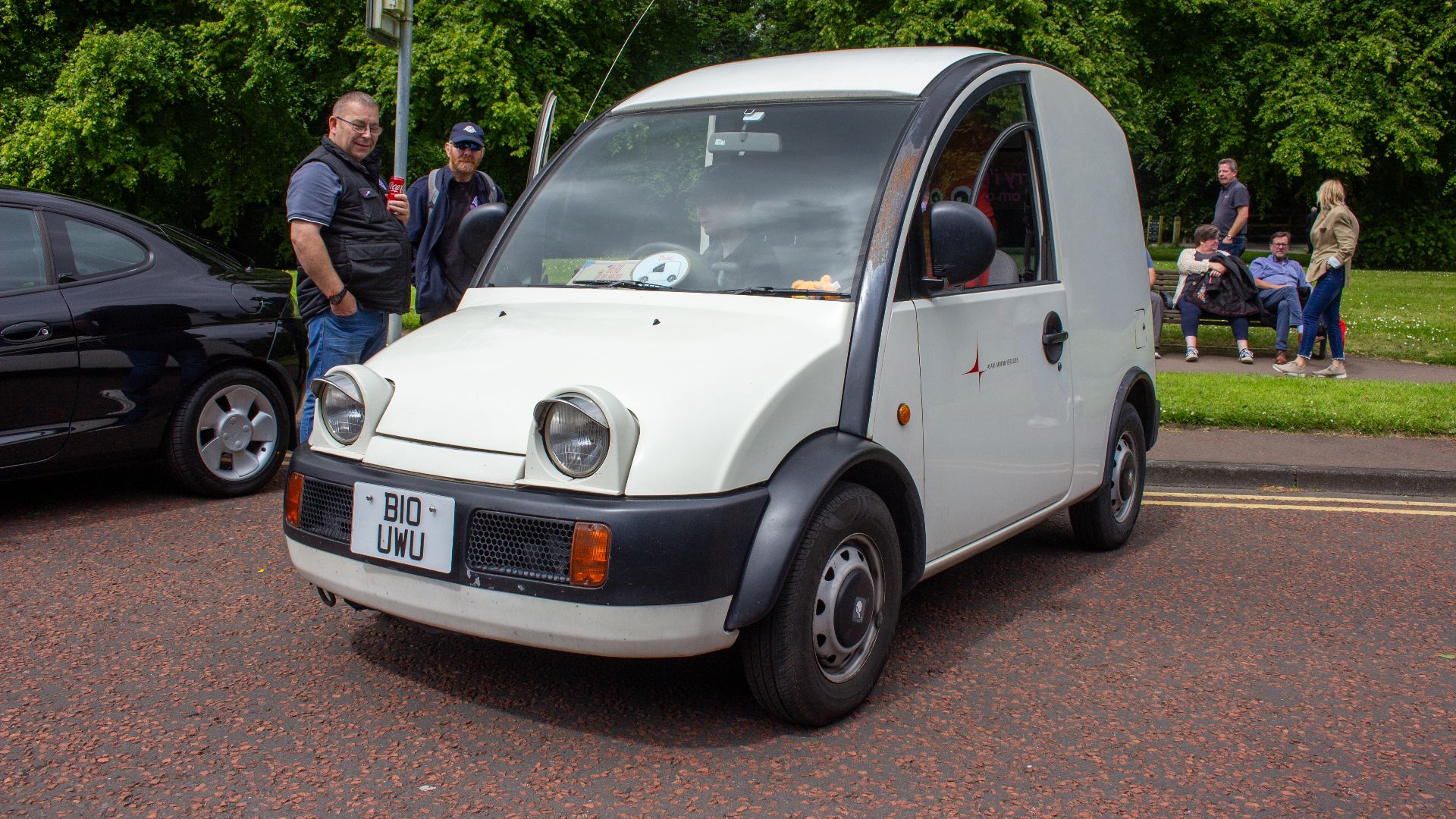
13. Nissan S-Cargo
Nissan’s small delivery van made its inspiration clear from the get-go. Drivers had a rounded roof, circular windows, and a name based on the French word “escargot.” What more could you want, right? The thing is, though the idea was practical, driving a snail-themed van needed a high level of confidence not everyone possessed.
14. Nissan Cube
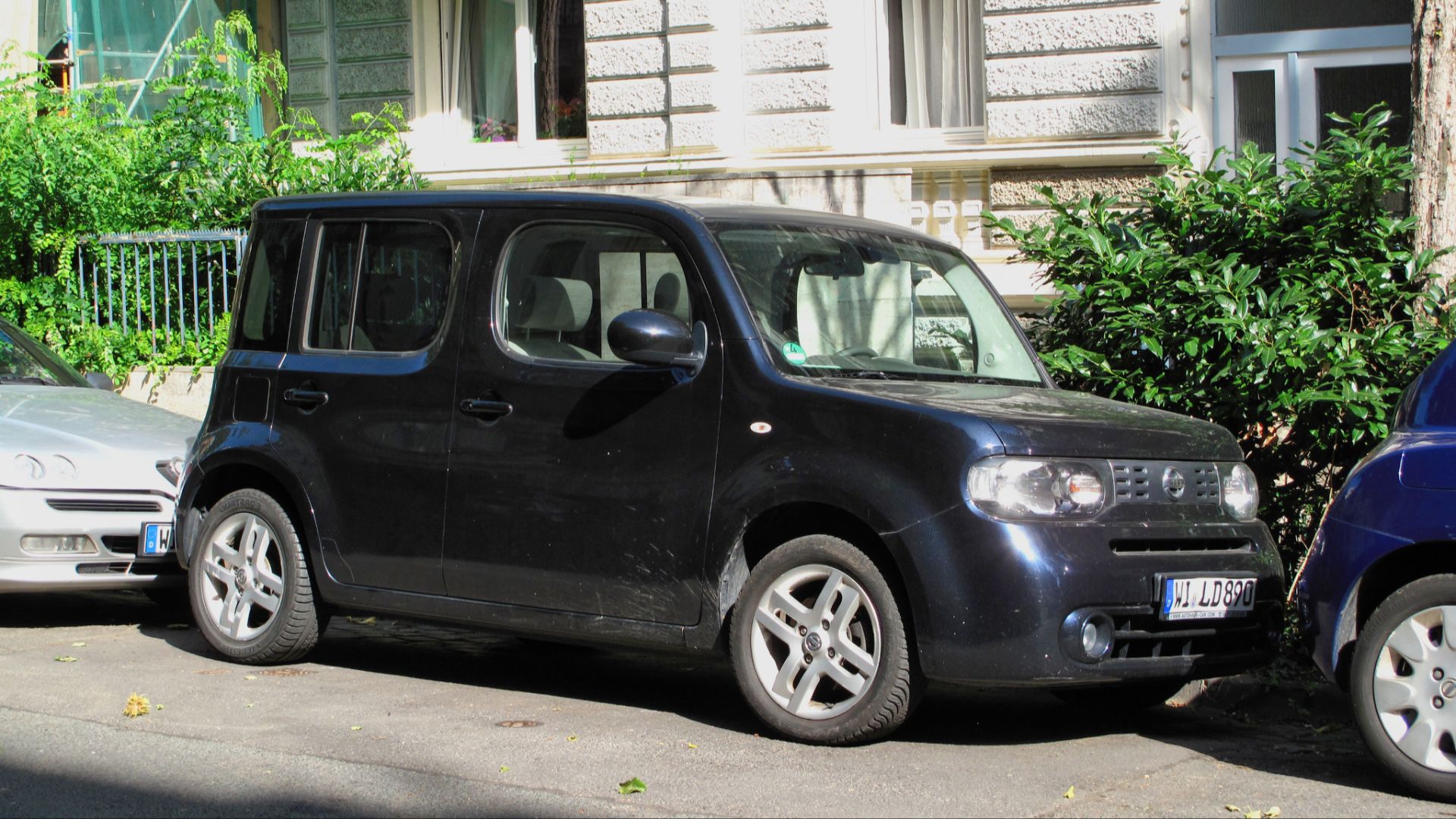
Most cars use matching rear pillars, but the Nissan Cube? Its wraparound glass made one side look completely different from the other. Nissan also gave it an upright cabin, a side-opening rear door, and a pretty fancy interior, but some drivers never got comfortable with such an asymmetrical car.
 Rutger van der Maar on Wikimedia
15. Subaru SVX
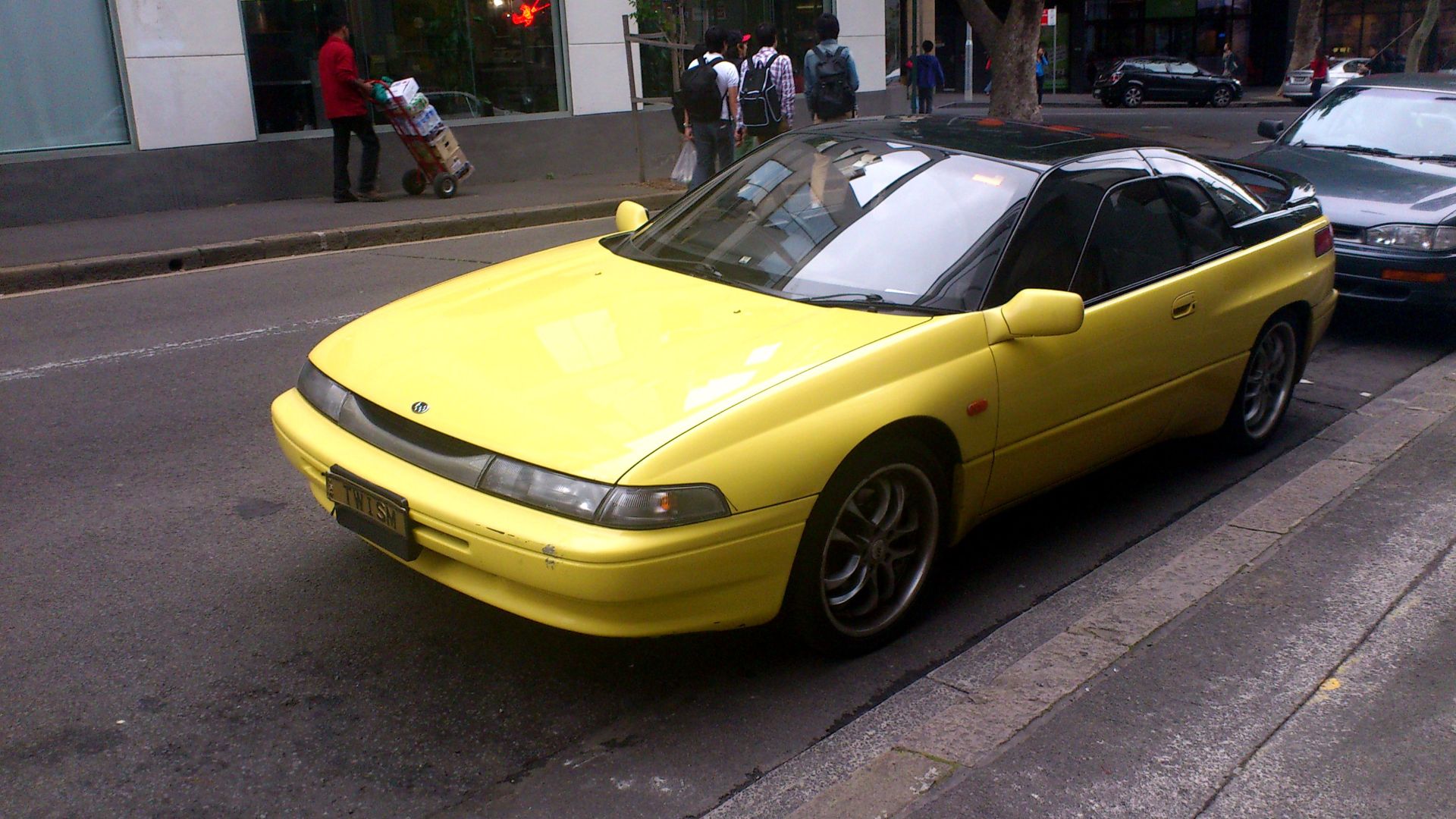
Designed by Giorgetto Giugiaro, the Subaru SVX used sweeping glass panels that wrapped around much of the cabin. Only a smaller section within each side window could actually be lowered, which created a sort of window within a window. Paired with an automatic-only drivetrain and a high price, it was a difficult vehicle to sell.
16. Hyundai Veloster
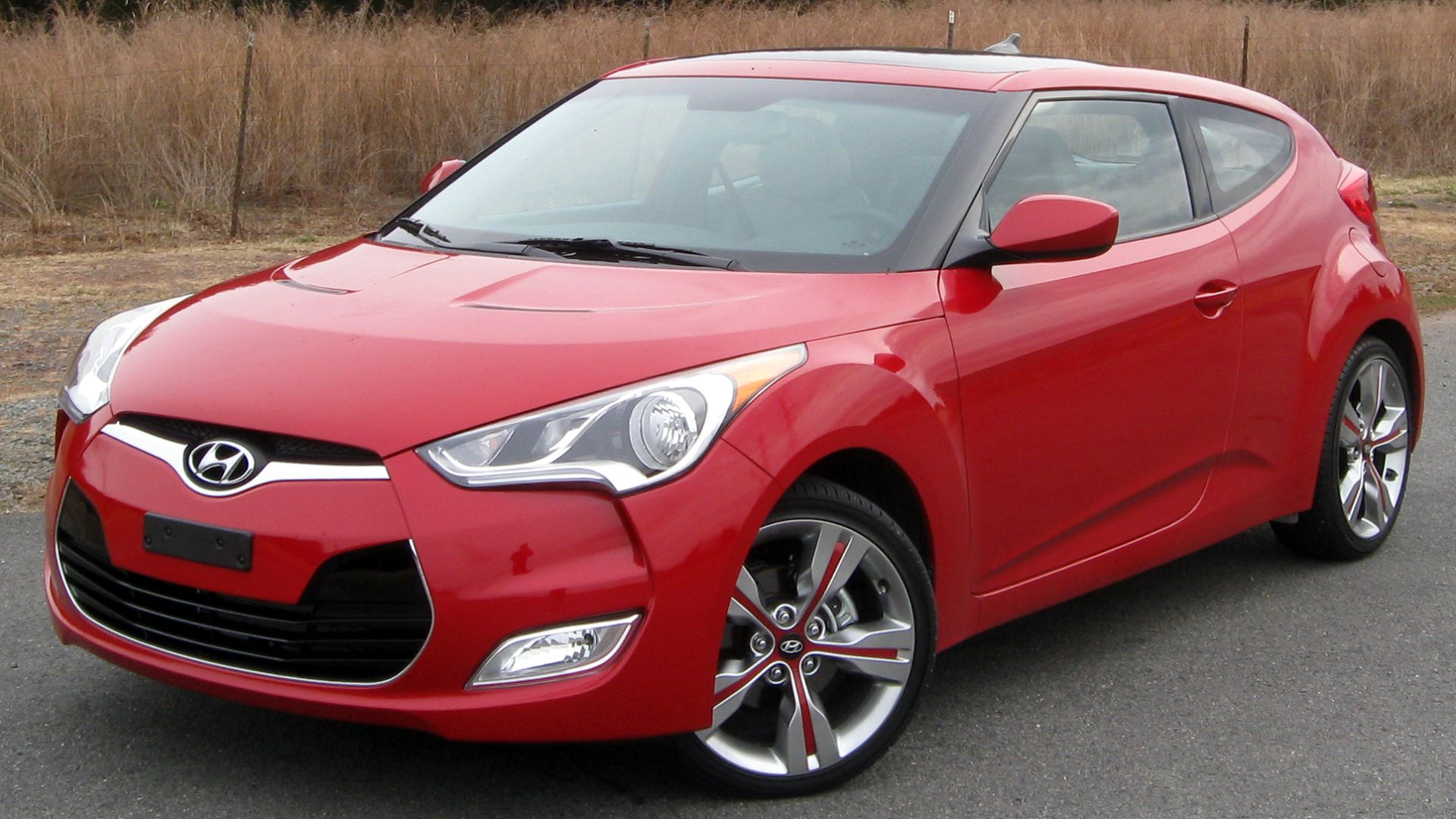
From the driver’s side, the Veloster seemed like a conventional two-door hatchback. Walk around to the passenger side, however, and you’d find a second rear door that was supposed to make the back seat easier to reach. In reality, that choice made the car look like two separate designs fused together.
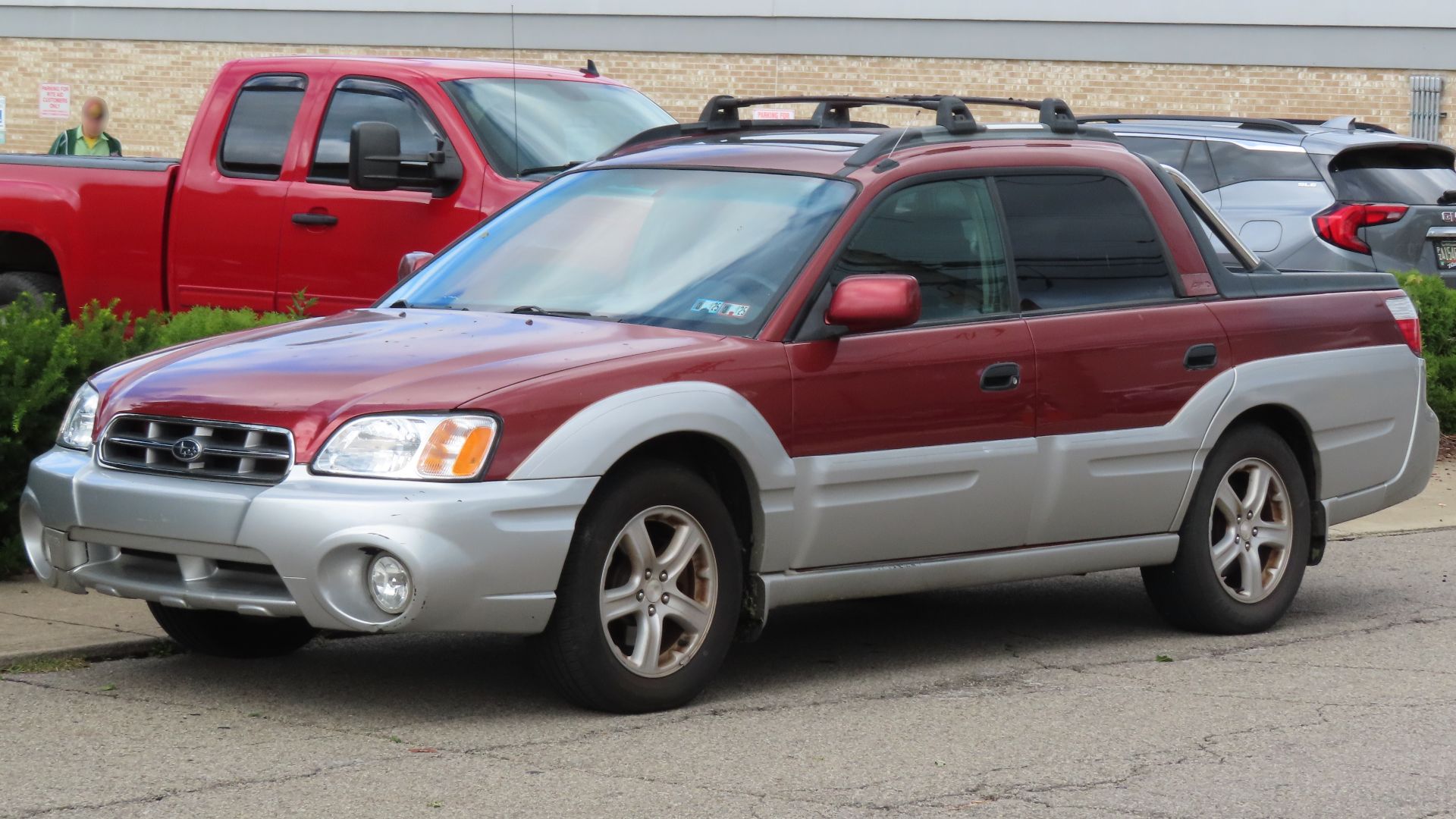
17. Subaru Baja
Subaru took a four-door Outback-style vehicle, removed part of the rear roof, and installed a compact cargo bed. For the average driver, that didn’t really land. The Baja offered plenty of versatility, but motorists couldn’t decide whether it was enough of a truck or enough of a wagon, and in the end simply abandoned it altogether.
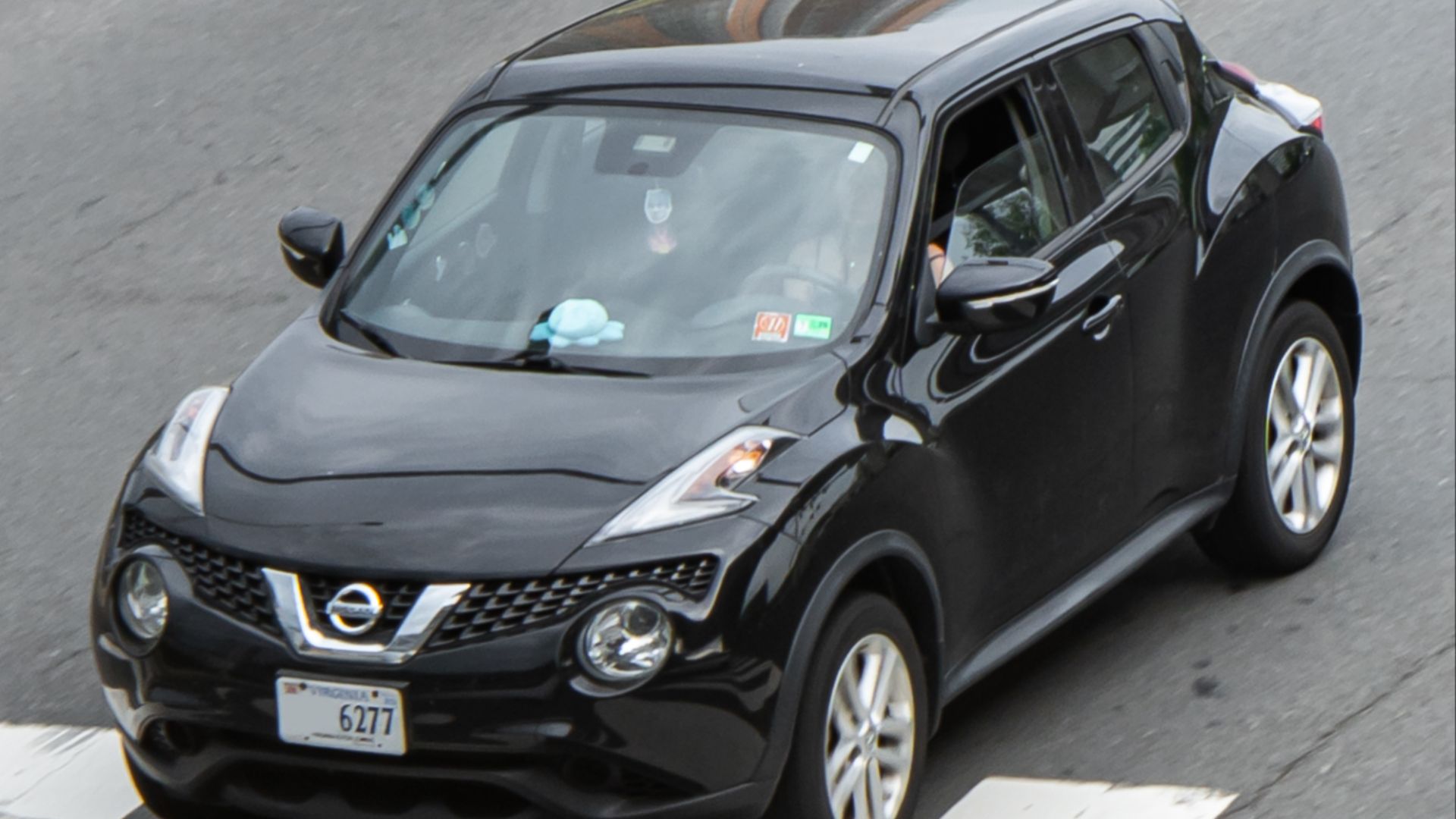
18. Nissan Juke
The first-generation Juke placed slim running lights high on the hood while positioning large round headlights lower in the bumper. Add its swollen fenders and sloping roof, and the crossover became a weird monstrosity. Funnily enough, Nissan still found plenty of customers, but the Juke remained one of the most divisive designs of its era.
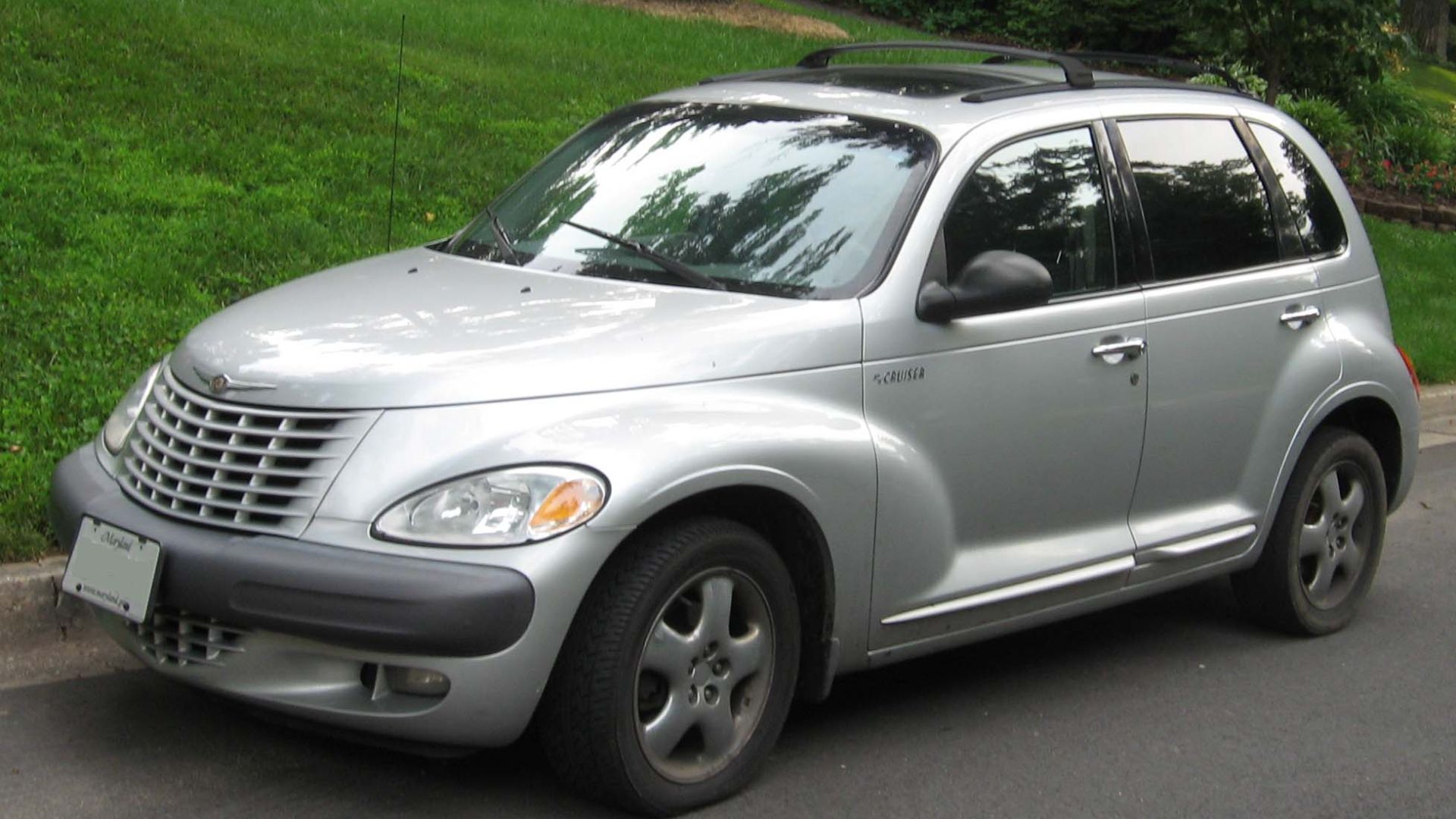
19. Chrysler PT Cruiser
There’s a reason this car is the butt of so many jokes. When the PT Cruiser debuted for 2001, it actually garnered strong early demand. So strong, in fact, that it encouraged Chrysler to produce special editions and even turbocharged versions. Once the novelty faded, however, the aging platform and appearance made it stick out in a bad way.
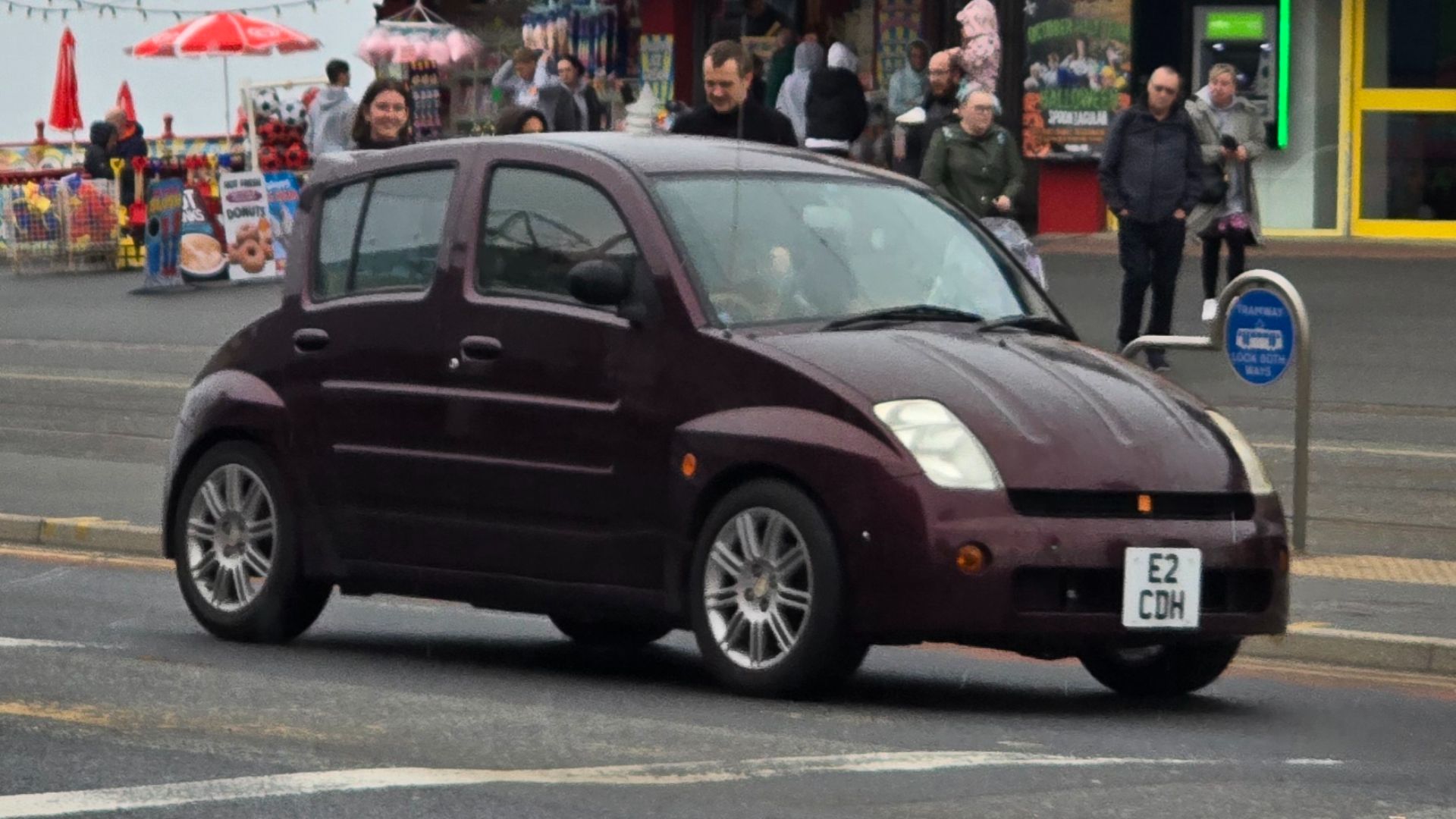
20. Toyota WiLL Vi
Toyota launched the WiLL Vi in 2000 as a four-door compact with grooved panels and a sharply reversed rear window. Its cliff-cut roofline made a point to recall old horse-drawn carriages, but even old-timers couldn’t back this one.