
The Everyday Tech You Take for Granted
Modern cars are packed with conveniences and safety systems that feel like they've always been there, but the truth is far messier. From the engine start button to the rearview mirror and even the seatbelt you use to strap yourself in, many of the features you rely on every single drive faced years of skepticism, budget cuts, and flat-out rejection from the very companies that eventually made them standard. Automakers worried about cost, engineers battled unreliable technology, but it's a blessing some of these ideas survived; you probably can't even imagine living without them. Here's a look at 20 features that nearly didn't exist.
 PublicDomainPictures on Pixabay
1. Cruise Control
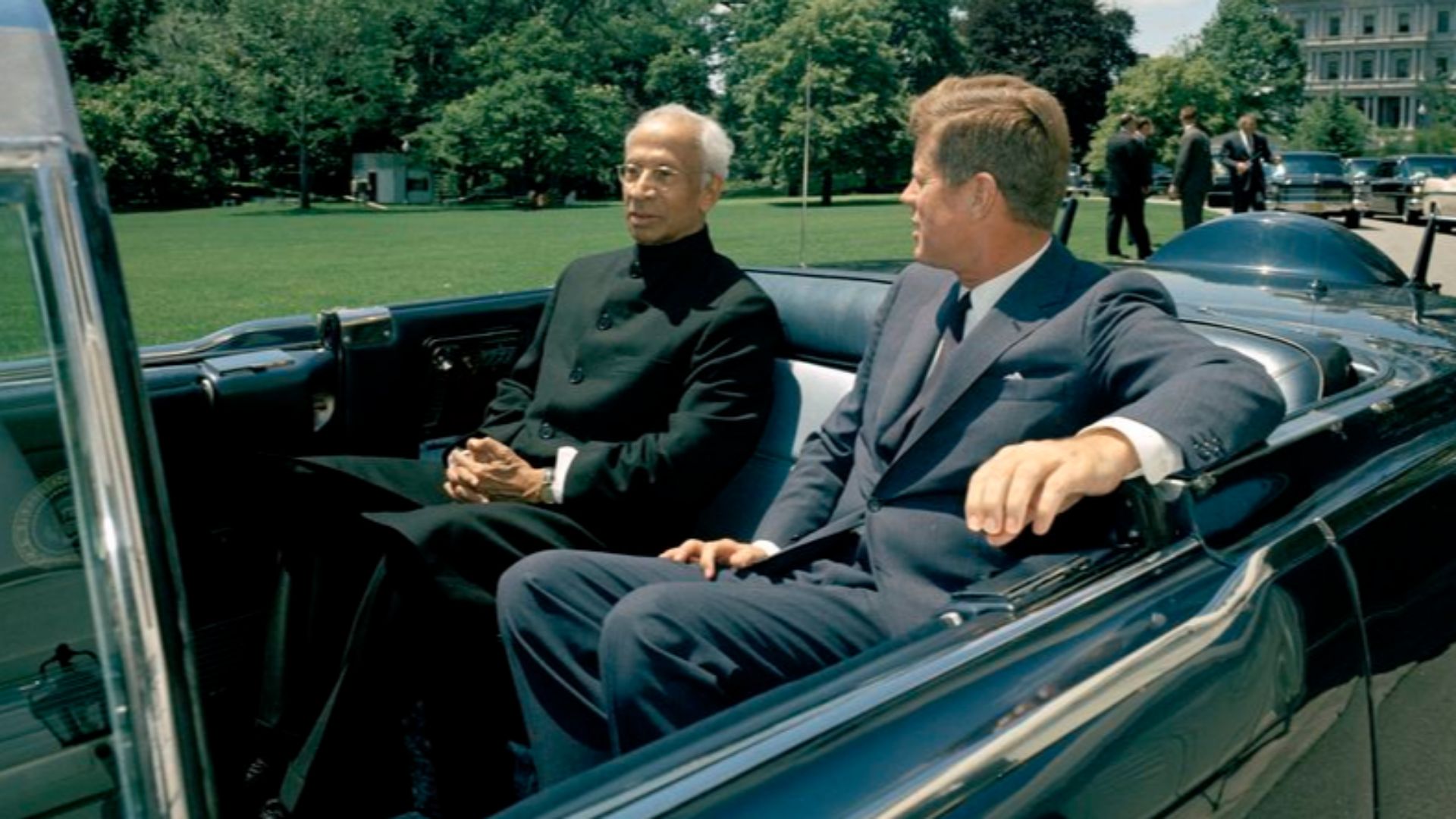
Ralph Teetor, a mechanical engineer who lost his sight completely by age six, invented cruise control in the 1940s after growing frustrated riding with a lawyer friend who kept speeding up and slowing down while talking. His breakthrough came from a memory of a car ride in 1936, and he eventually patented a device he called the Speedostat. Automakers were slow to see the appeal of a device that let a car maintain its own speed, and it took until 1959 for Cadillac to offer it under the name that stuck.

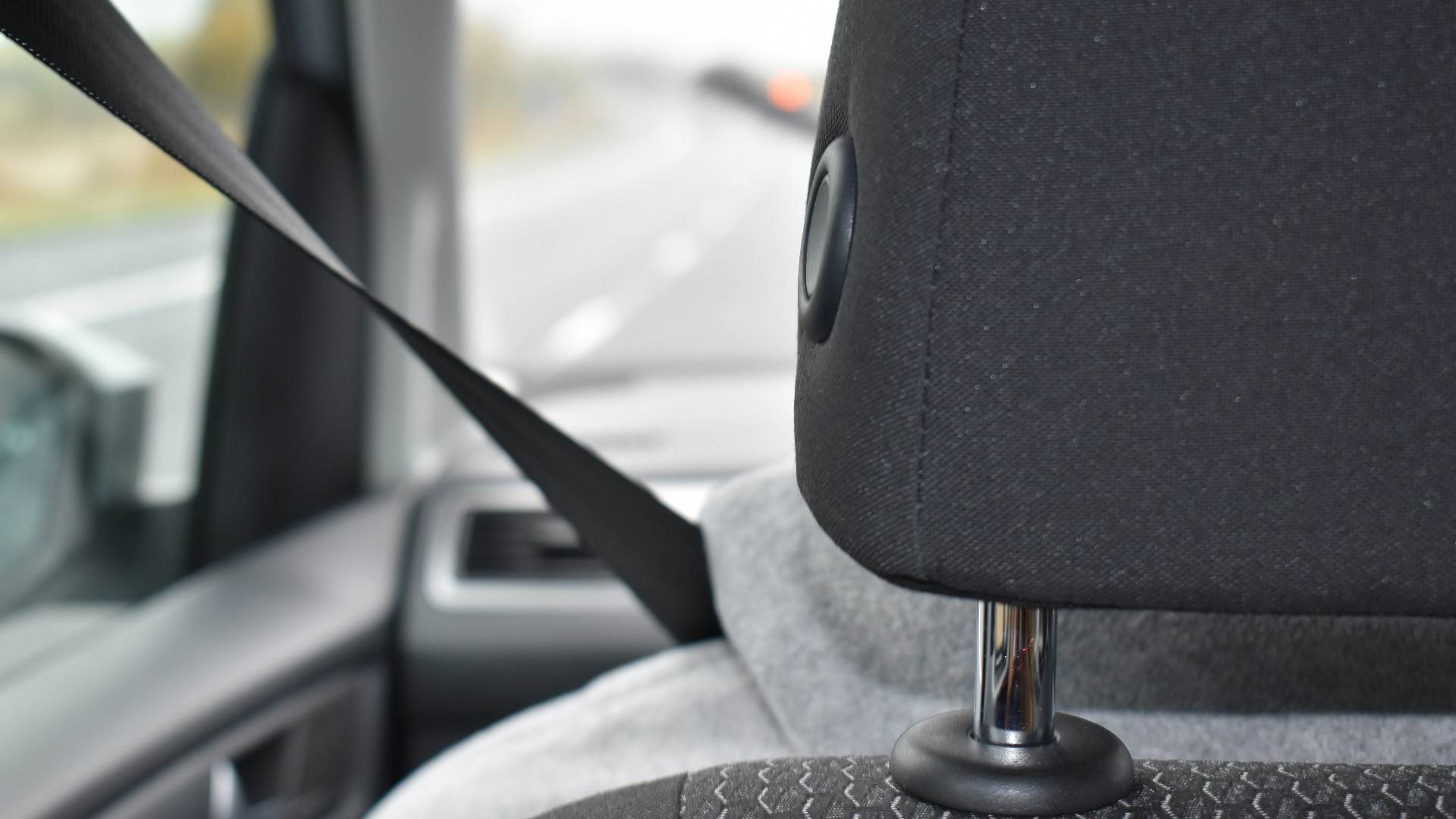
2. The Three-Point Seatbelt
Basic lap belts existed for years before Volvo engineer Nils Bohlin changed everything in 1959 by adding a diagonal shoulder strap that could be fastened with one hand. Nash had introduced seatbelts as an option back in 1949, with Ford following in 1955, but neither approach came close to what Bohlin created. Volvo made the surprising choice to release the patent for free, letting every automaker use the design and turning what could have stayed a niche safety add-on into a global standard.
 Alexandria Gilliott on Unsplash
3. The Airbag
Two inventors an ocean apart, John Hetrick in the United States and Walter Linderer in Germany, filed airbag patents within a year of each other in the early 1950s, yet neither man's design made it into a production car. The technology of the era simply wasn't ready, since ordinary compressed air couldn't inflate a bag fast enough and no plastic existed with the tear resistance the job required. It wasn't until 1998 that airbags became a legal requirement in every new car sold in the United States, decades after the original idea first appeared on paper.

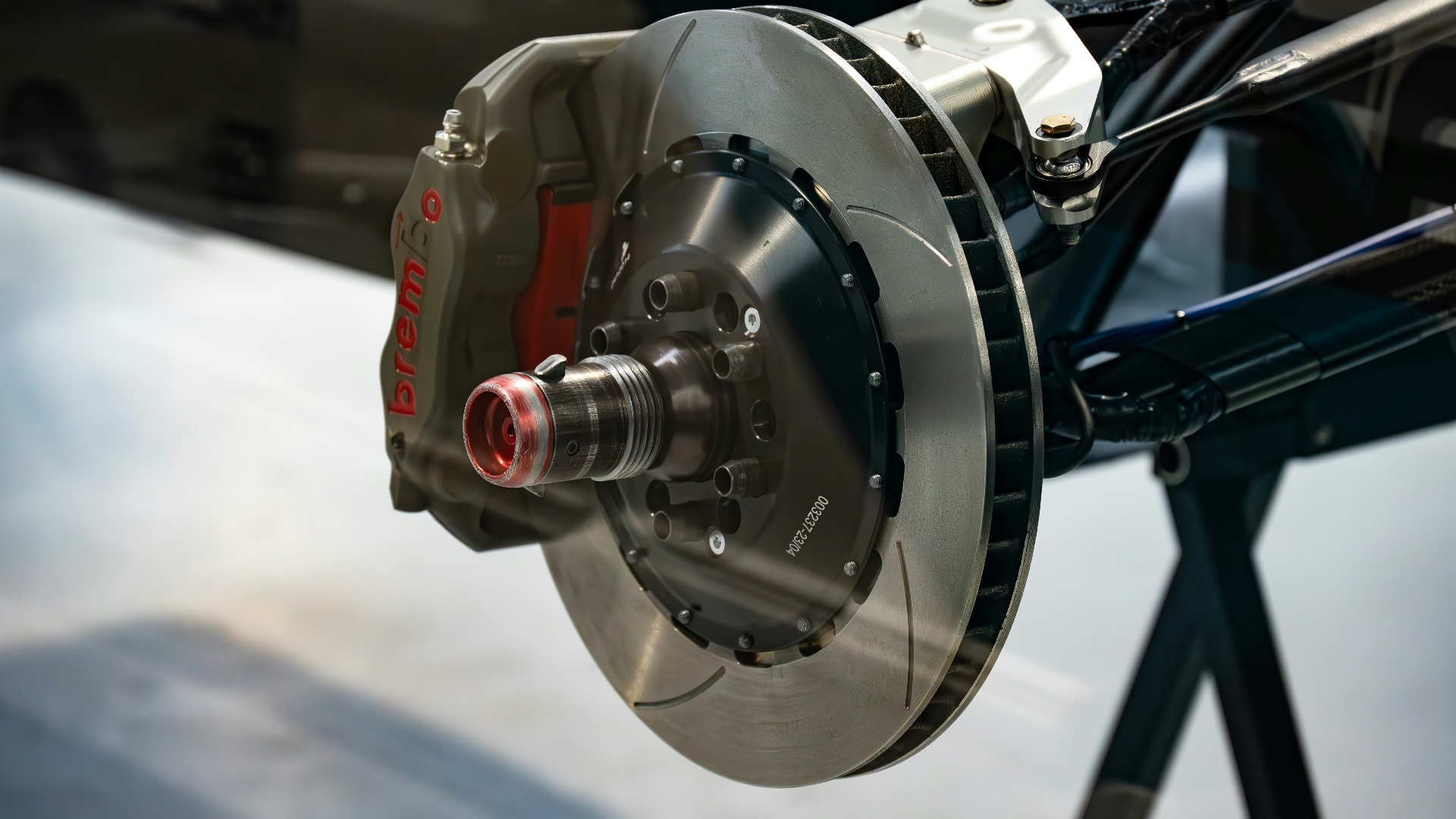
4. Anti-Lock Brakes
Anti-lock braking started out as aircraft technology before engineers realized cars needed the same protection against wheel lockup during hard stops. Early automotive versions were clunky, expensive, and prone to malfunction, which made plenty of manufacturers hesitant to bother with them at all. It took real-world crash data proving the safety benefit before ABS moved from a luxury option to something buyers expected on nearly every vehicle.
5. Power Steering
Power steering feels effortless now, but the earliest hydraulic systems from the 1950s were bulky, costly to produce, and viewed by some engineers as an unnecessary luxury. Manufacturers worried that adding complexity to the steering column would create more problems than it solved. Once drivers got a taste of how much easier parking and low-speed maneuvering became, though, there was no going back to the old way of wrestling with the wheel.

6. Automatic Transmission
Interestingly, Ralph Teetor also designed an early hydraulic automatic transmission back in the 1920s, roughly fifteen years before General Motors introduced the technology to the mass market. Automakers at the time doubted that ordinary drivers would want a car that shifted gears for them, assuming people preferred the control of a manual. That skepticism delayed automatics for years, even though the idea eventually became the default choice for the overwhelming majority of American drivers.

7. Turn Signals
Believe it or not, turn signals weren't always a given, and drivers once had to rely on hand signals out the window to indicate a turn. Early electric versions were seen as a needless expense by manufacturers who assumed hand gestures worked just fine. Once turn signals caught on, engineers even added an audible click specifically to remind distracted drivers to switch them off, a small feature that's now disappearing from newer vehicles.

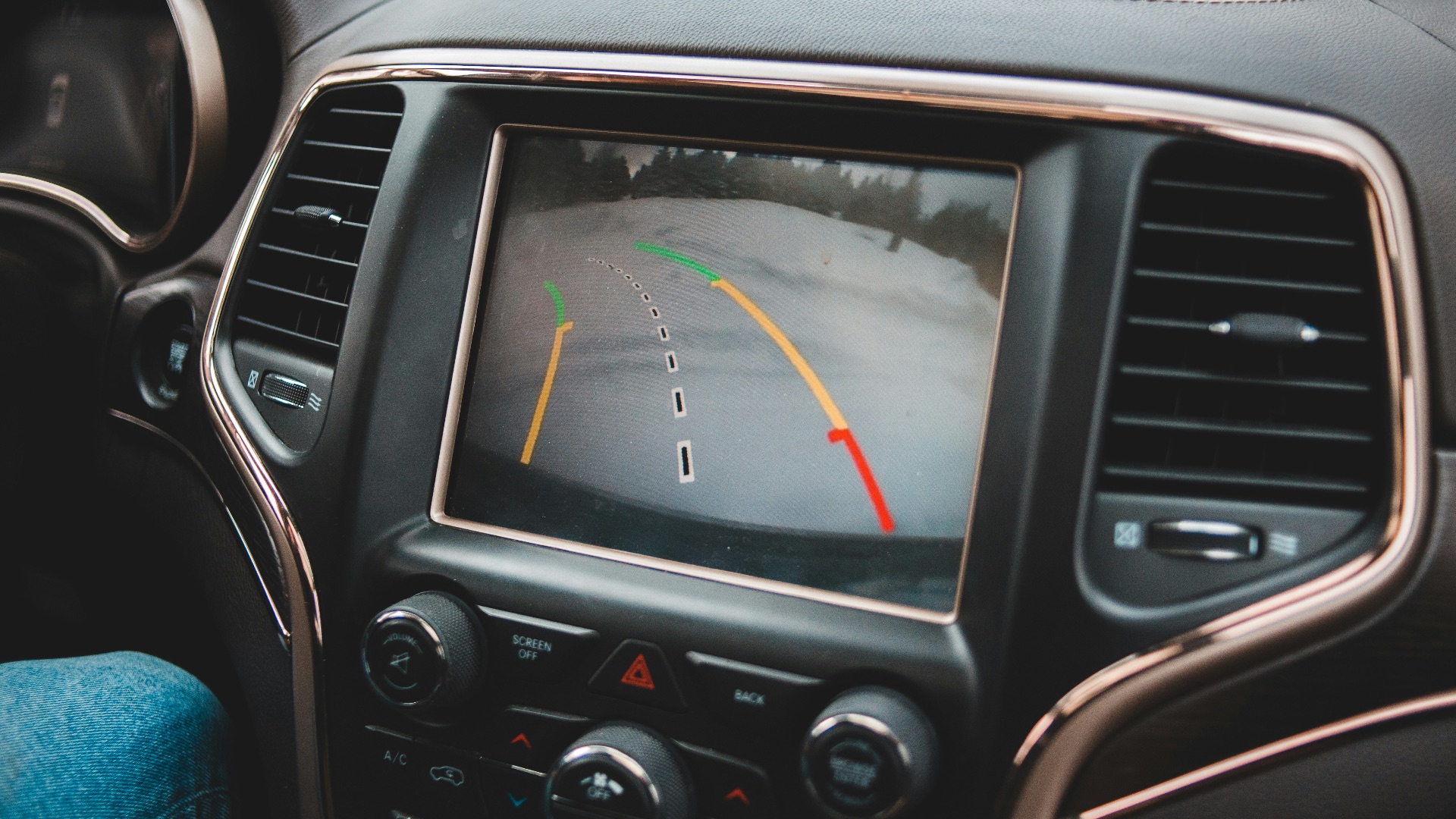
8. The Backup Camera
Backup cameras started as a pricey, complicated add-on that only appeared on a handful of luxury models, and many manufacturers doubted average buyers would pay extra for a screen they'd only glance at occasionally. Rear visibility concerns and a string of preventable driveway accidents eventually pushed regulators to take the technology seriously. By 2018, backup cameras became a federal requirement in the United States, transforming what was once considered an unnecessary gadget into a lifesaving standard.
9. Power Windows
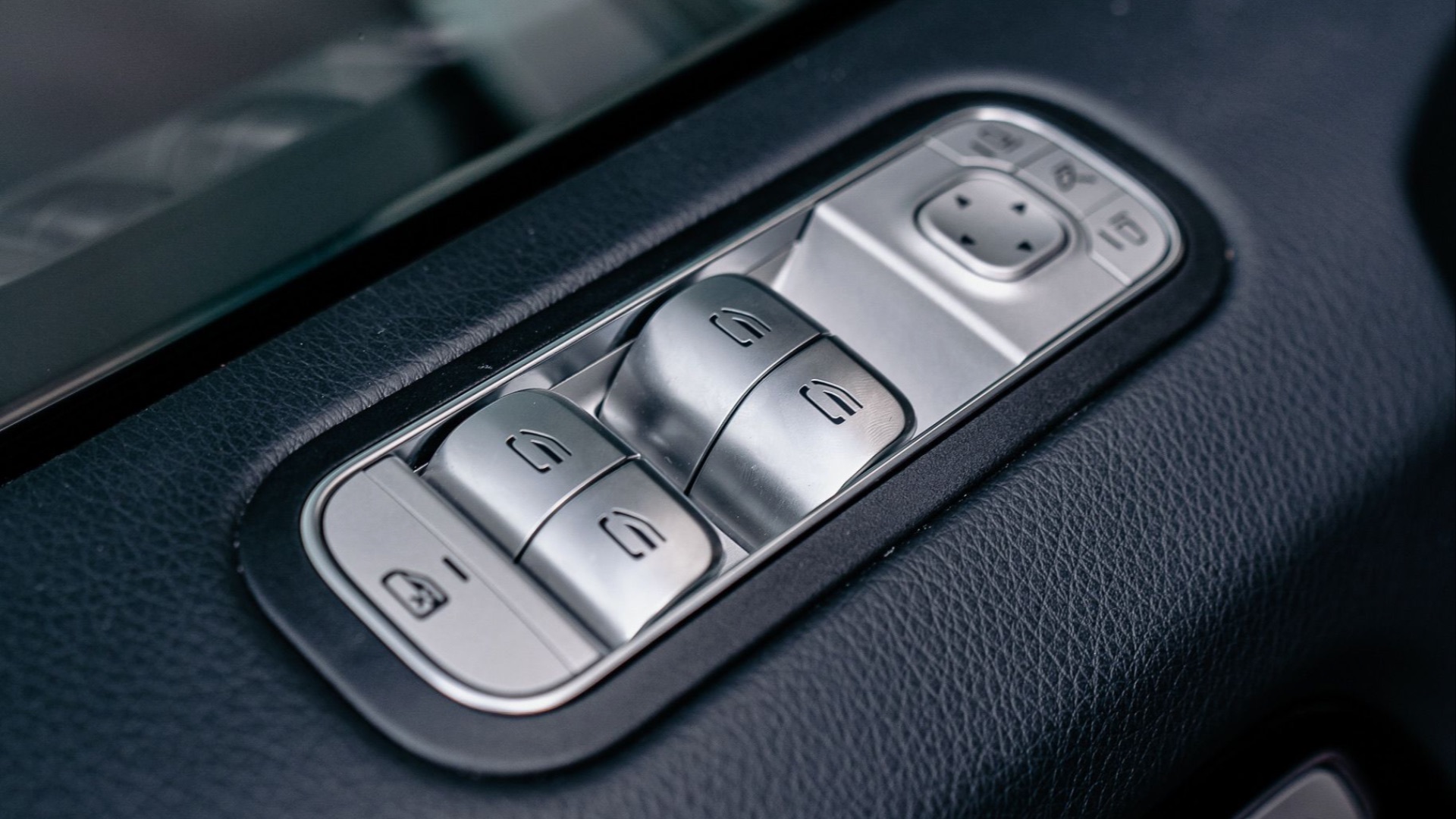
Crank windows dominated the market for decades, and early electric versions struggled with reliability issues that made some drivers distrust the technology entirely. Manufacturers eventually phased out the manual cranks in favor of power windows, though the transition took much longer than you'd expect given how convenient the switch turned out to be. Today it's hard to imagine buying a car that doesn't come with the feature standard across every trim level.
10. Keyless Entry
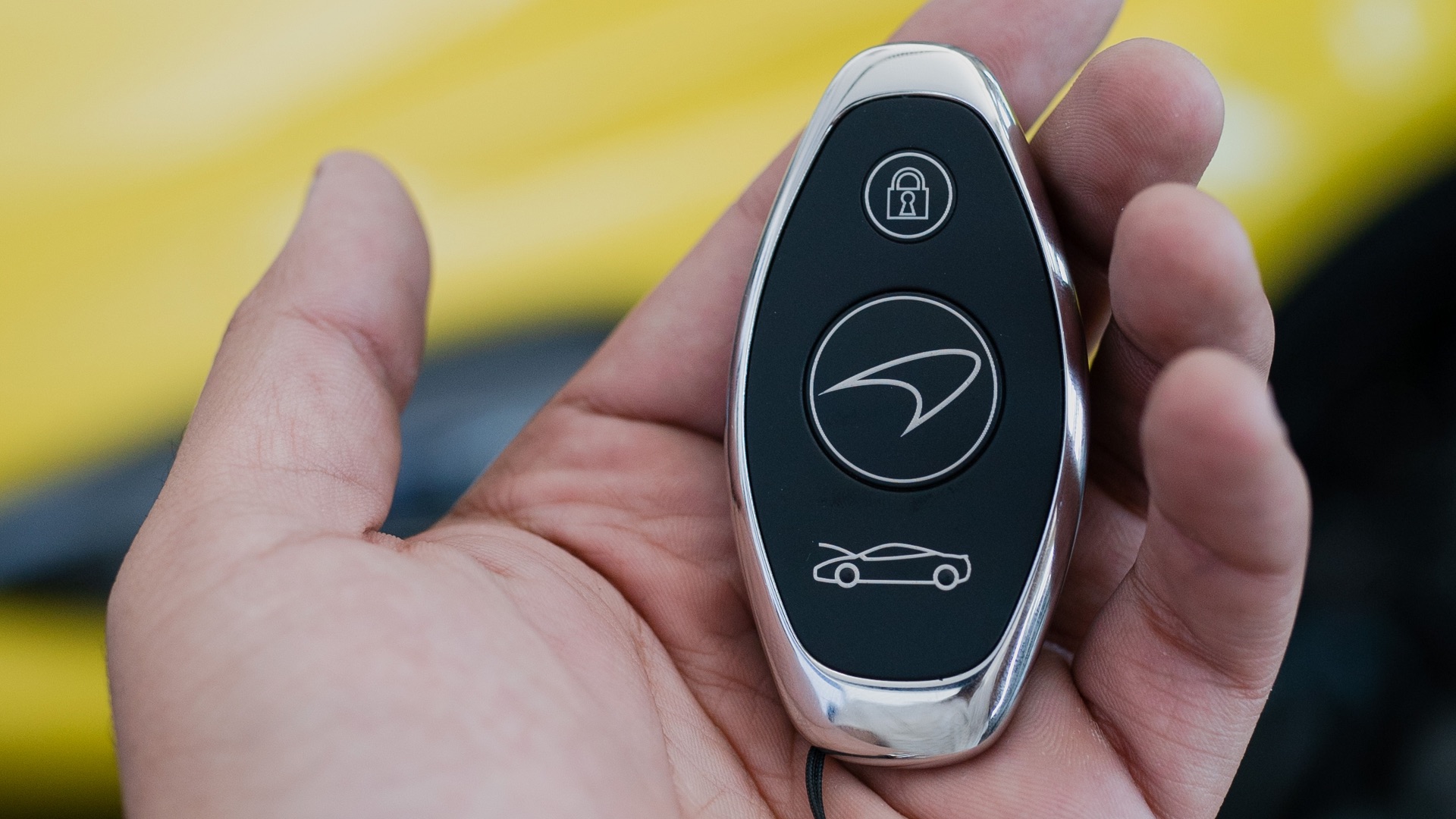
Keyless entry systems faced early resistance because engineers worried about signal reliability and the added cost of outfitting every vehicle with the necessary electronics. Automakers weren't convinced drivers actually wanted to ditch their keys, especially when the technology was still prone to interference and occasional failure. It took years of refinement before keyless fobs became reliable enough to earn the trust of both manufacturers and the people buying their cars.
11. The Rearview Mirror
Early automobiles didn't come with rearview mirrors at all, and the idea is often credited to Ray Harroun, who reportedly mounted one to his race car in the 1911 Indianapolis 500 so he wouldn't need a riding mechanic to watch behind him. Other drivers and engineers were initially doubtful that a small mirror could replace a second set of human eyes. The concept caught on fast once people realized how much safer and more practical it made driving without a passenger dedicated to looking backward.

12. Tire Pressure Monitoring Systems
Tire pressure sensors were once dismissed as an unnecessary expense, since drivers had managed for decades by simply checking their tires manually or waiting for obvious signs of trouble. The technology also faced early skepticism about accuracy and durability in harsh weather conditions. Congress eventually mandated the systems in new vehicles following safety concerns tied to tire failures, and the feature has since prevented countless blowouts drivers never even saw coming.

13. Adaptive Headlights
The Tucker 48, a car built in the late 1940s, featured a center headlight designed to swivel with the steering wheel and light up the direction a driver was actually turning toward. The idea was considered strange and impractical at the time, and the Tucker company folded before the feature could gain any real traction. Decades later, adaptive headlight systems reemerged using modern sensors and motors, finally delivering on a concept that had been ahead of its time by more than fifty years.

14. Blind Spot Monitoring
Blind spot monitoring systems were initially expensive to engineer and required a level of sensor precision that simply didn't exist in early automotive electronics. Manufacturers worried drivers would become overly reliant on the warning lights and stop checking their mirrors altogether. Improved radar technology eventually made the systems affordable and dependable enough to spread from luxury vehicles down to economy models within just a couple of decades.

15. Automatic Emergency Braking
Automatic emergency braking sounded like science fiction when engineers first proposed a car that could stop itself before a collision without any driver input. Early prototypes were unreliable and prone to false alarms, which made automakers nervous about liability if the system braked unexpectedly or failed to engage at all. Once sensor technology matured, the feature proved so effective at preventing rear-end collisions that safety regulators began pushing for it to become standard equipment across the industry.

16. Lane Departure Warning
Lane departure warning systems struggled early on because cameras and sensors weren't yet sophisticated enough to reliably track lane markings in poor weather or on faded roads. Some engineers doubted drivers would tolerate the audible or vibrating alerts the system used to signal a warning. Refinements in camera technology eventually smoothed out the kinks, and the feature is now bundled into most modern safety packages without a second thought.
 Hyundai Motor Group on Unsplash
17. Heated Seats
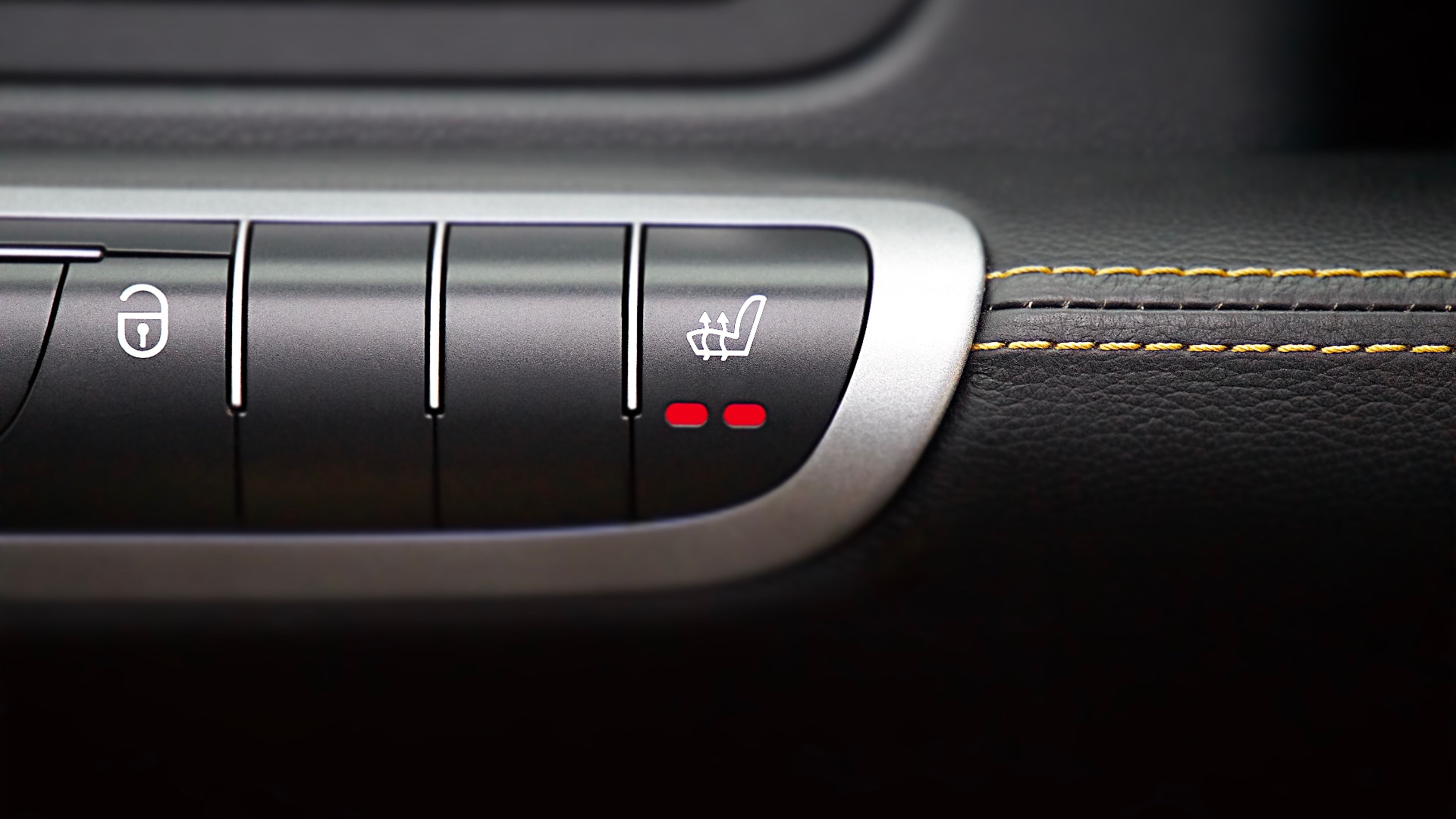
Heated seats began as a curious luxury item, and manufacturers questioned whether the added wiring and cost would appeal to anyone outside the coldest climates. Early versions also carried a real risk of overheating, which made some automakers cautious about offering the feature at all. Once the technology became safer and cheaper to produce, heated seats spread from high-end trims into far more affordable vehicles than anyone originally expected.
18. Bluetooth Connectivity
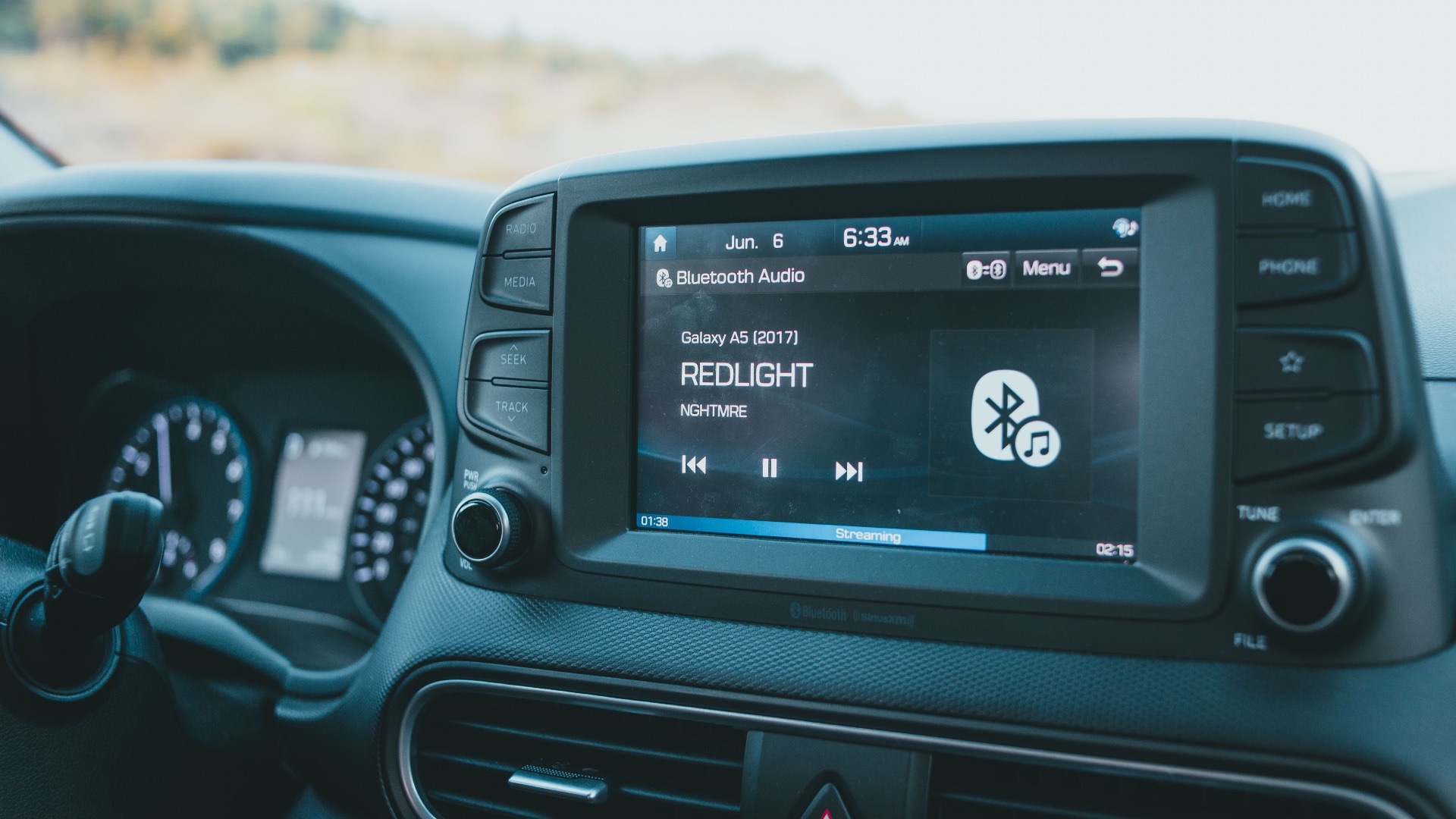
Bluetooth in cars faced years of skepticism from manufacturers who doubted drivers wanted their phones talking to their dashboards at all. Early integration attempts were clunky, with poor voice recognition and frequent connectivity dropouts that frustrated everyone who tried them. Once hands-free laws started appearing across the country, the feature transformed almost overnight from a forgettable novelty into something buyers actively expected in every trim level.
19. Push-Button Start
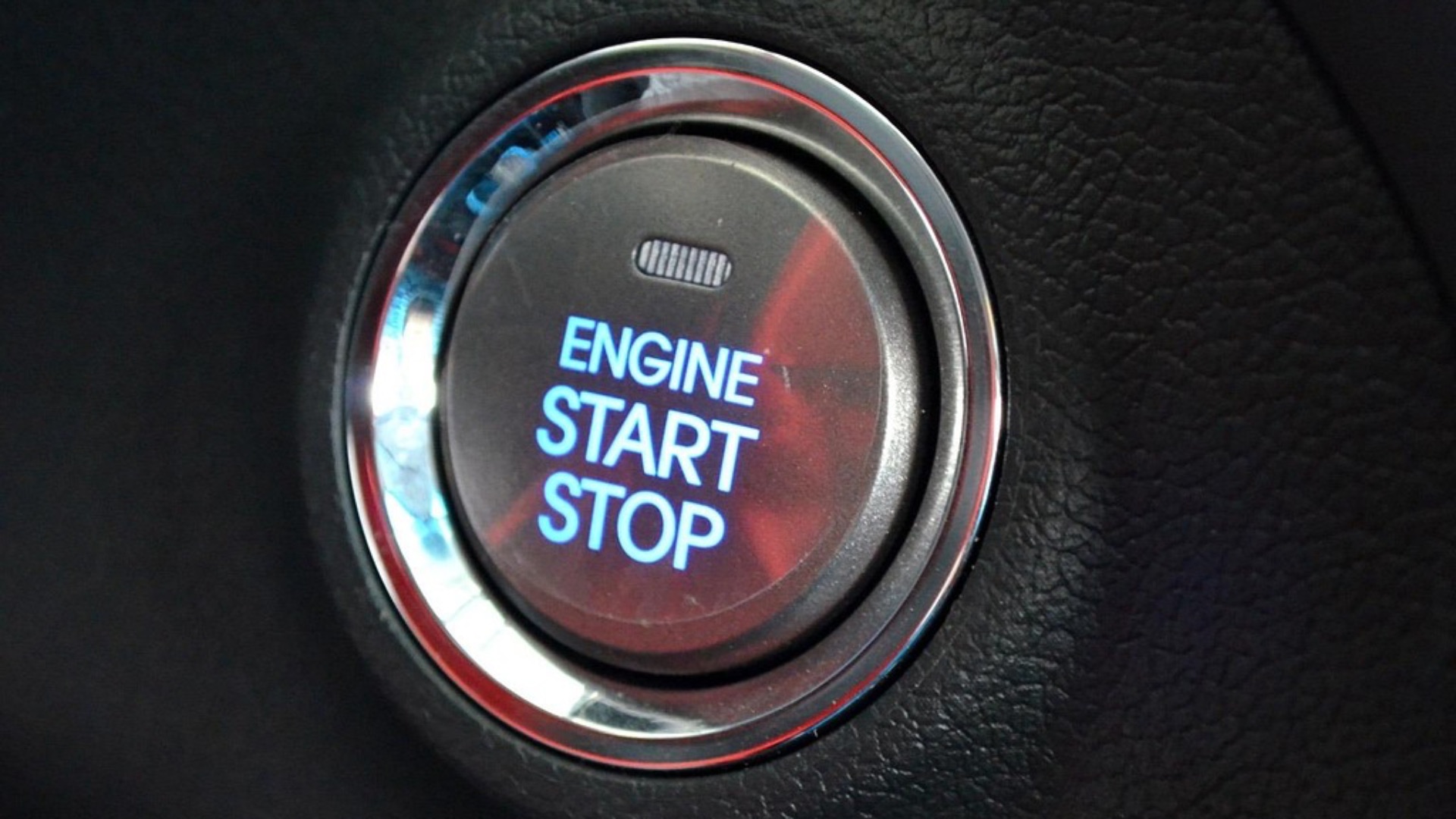
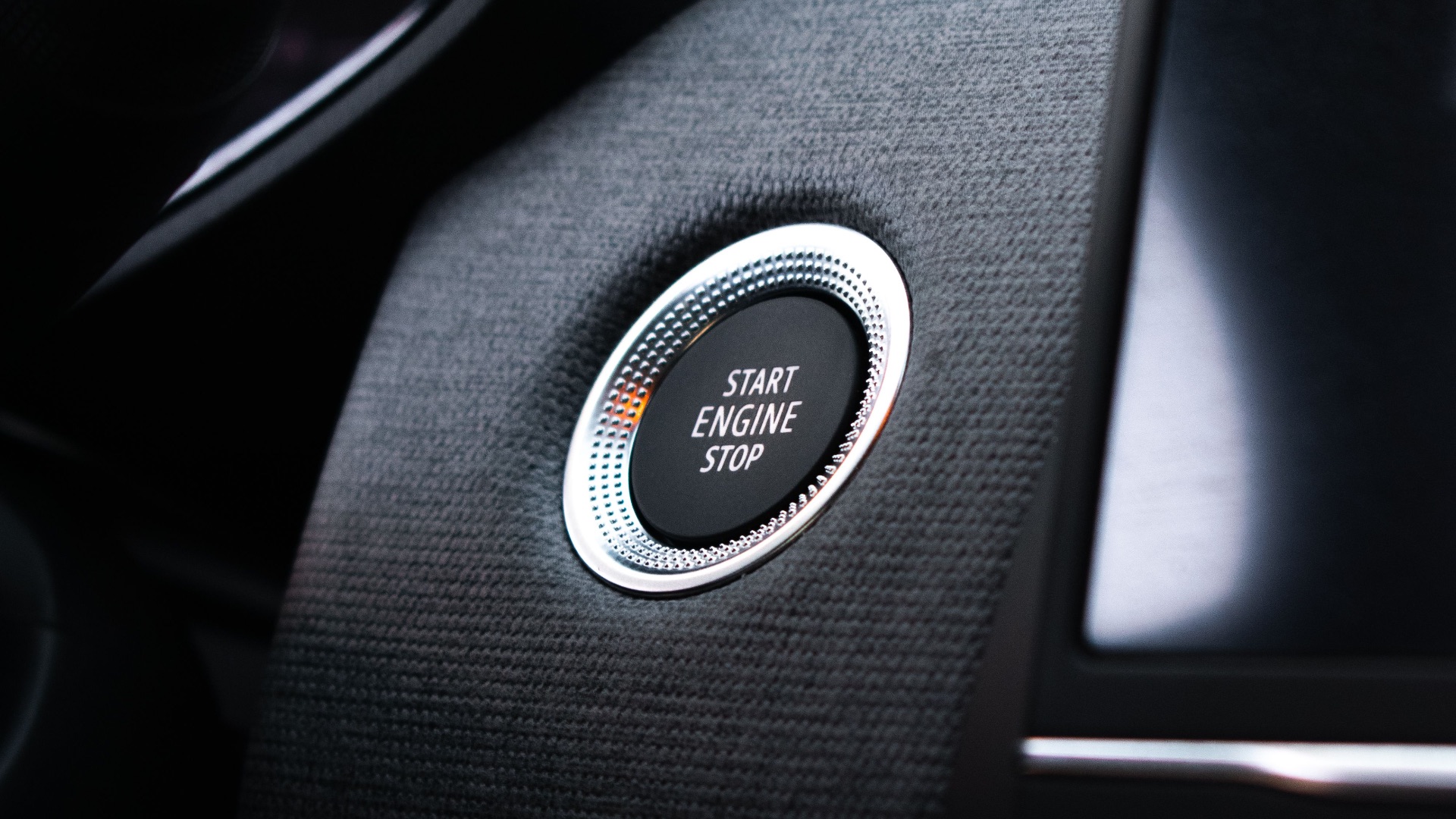
Push-button start systems were initially viewed as an unnecessary gimmick, since traditional keys had worked without complaint for nearly a century. Engineers also had to solve tricky security concerns, since a button alone couldn't verify a driver's identity the way a physical key could. Once proximity sensors and encrypted key fobs solved that problem, push-button start spread quickly and now feels almost old-fashioned itself in some of the newest models.
20. Parking Sensors
Parking sensors were originally bulky and unreliable, often triggering false alerts that made drivers distrust the very system meant to help them. Manufacturers were also uncertain whether the feature justified its added cost, especially before ultrasonic sensor technology became compact and precise. As city driving grew more congested and parking spaces grew tighter, the demand for reliable sensors caught up with the technology, and the feature became an expected convenience rather than an occasional extra.