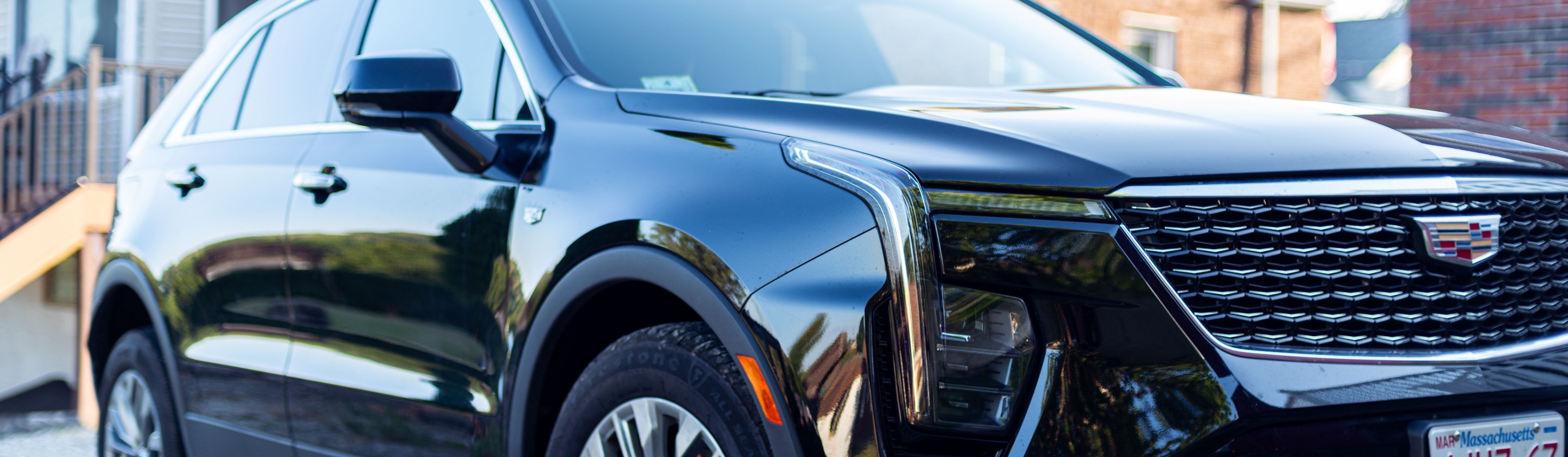
Is an SUV Right for You?
It's no surprise that SUVs are popular; after all, they offer elevated seating, flexible cargo space, and look more formidable on the road. Still, the options are so broad that choosing one based on appearance alone can leave you with higher costs, odd dimensions, or worse—features you rarely use. Before you sign any paperwork, here are 20 things to consider that might help you narrow the field.
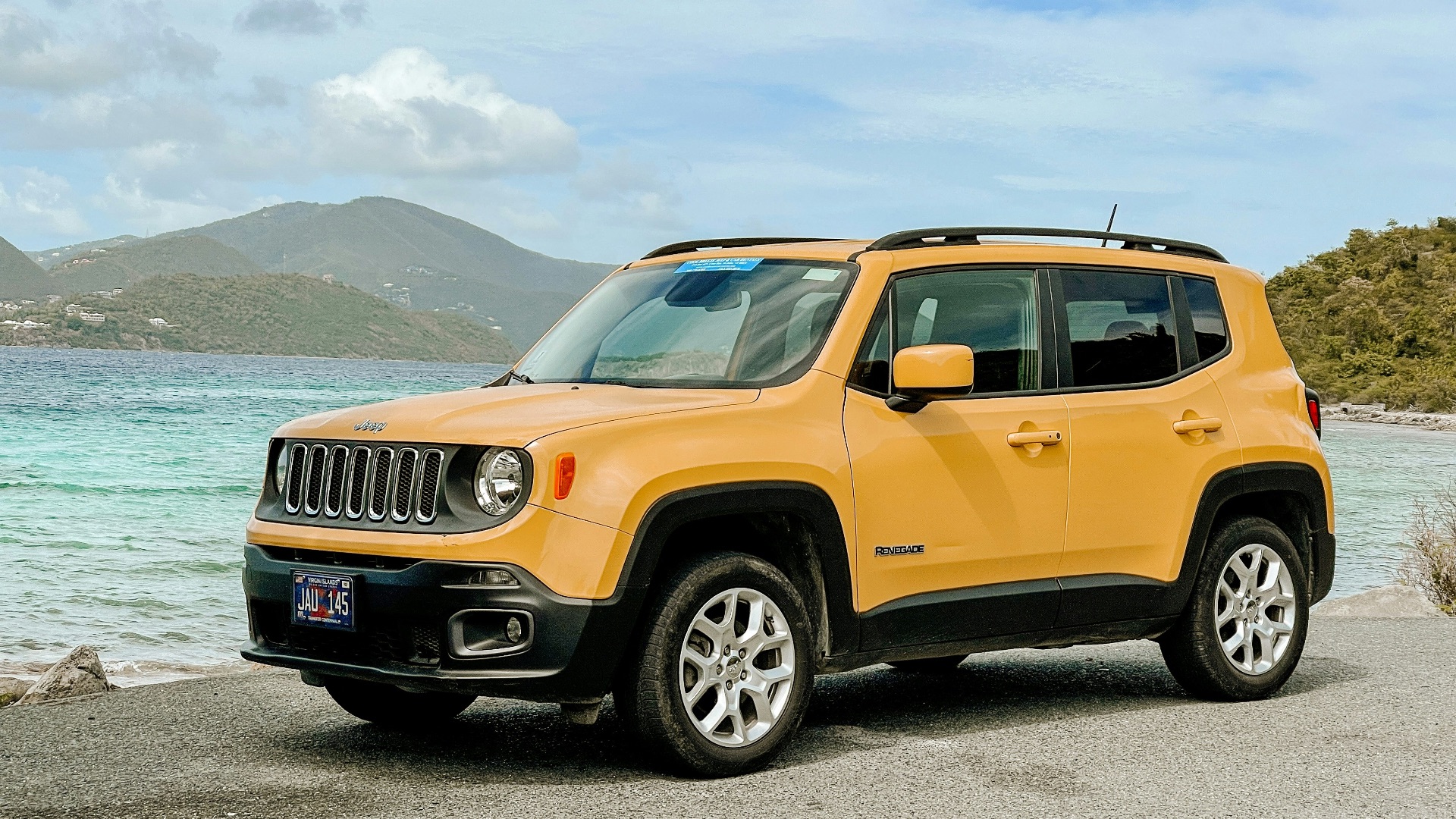
1. “SUV” Covers a Huge Range of Vehicles
A subcompact crossover and a full-size body-on-frame SUV may share the same general label, but you should know that they serve very different purposes. Smaller models tend to drive more like what you'd expect, while larger ones may prioritize other needs, like towing or passenger capacity, so don't just pick blindly!

2. Bigger Isn’t Always Better
You might automatically choose a larger SUV, but it won't always be easy to live with all that extra space. Need to squeeze into smaller parking garages or narrower streets? Have fun. You might find that a midsize or compact SUV is better for your needs without creating daily inconveniences.
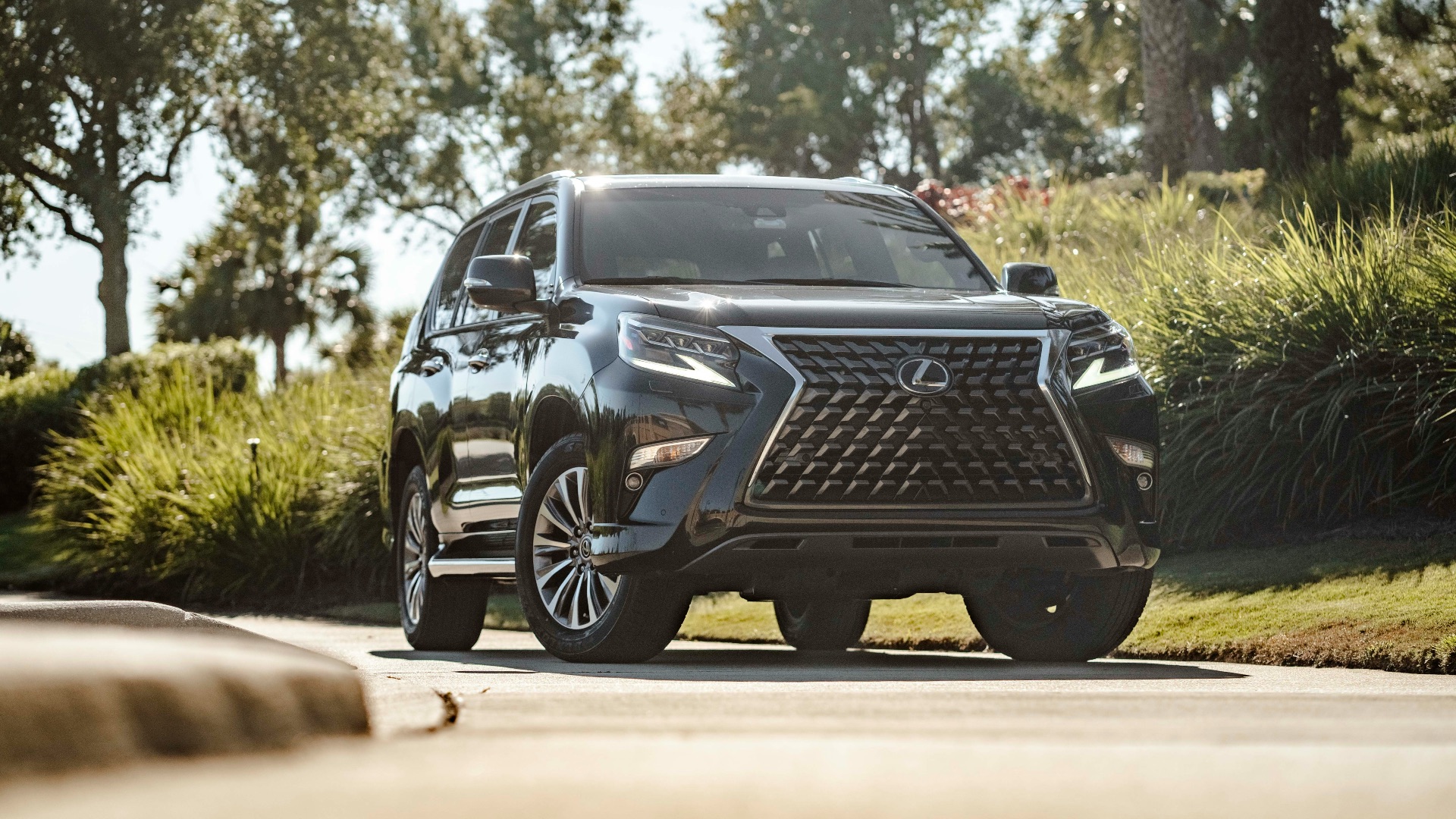
3. The Third Row May Be Smaller Than Expected
Sure, three-row SUVs advertise seating for up to eight people, but grown adults (especially those with long legs) probably aren't going to feel the most comfortable back there. Plus, getting into the row may require tedious folding or maneuvering.
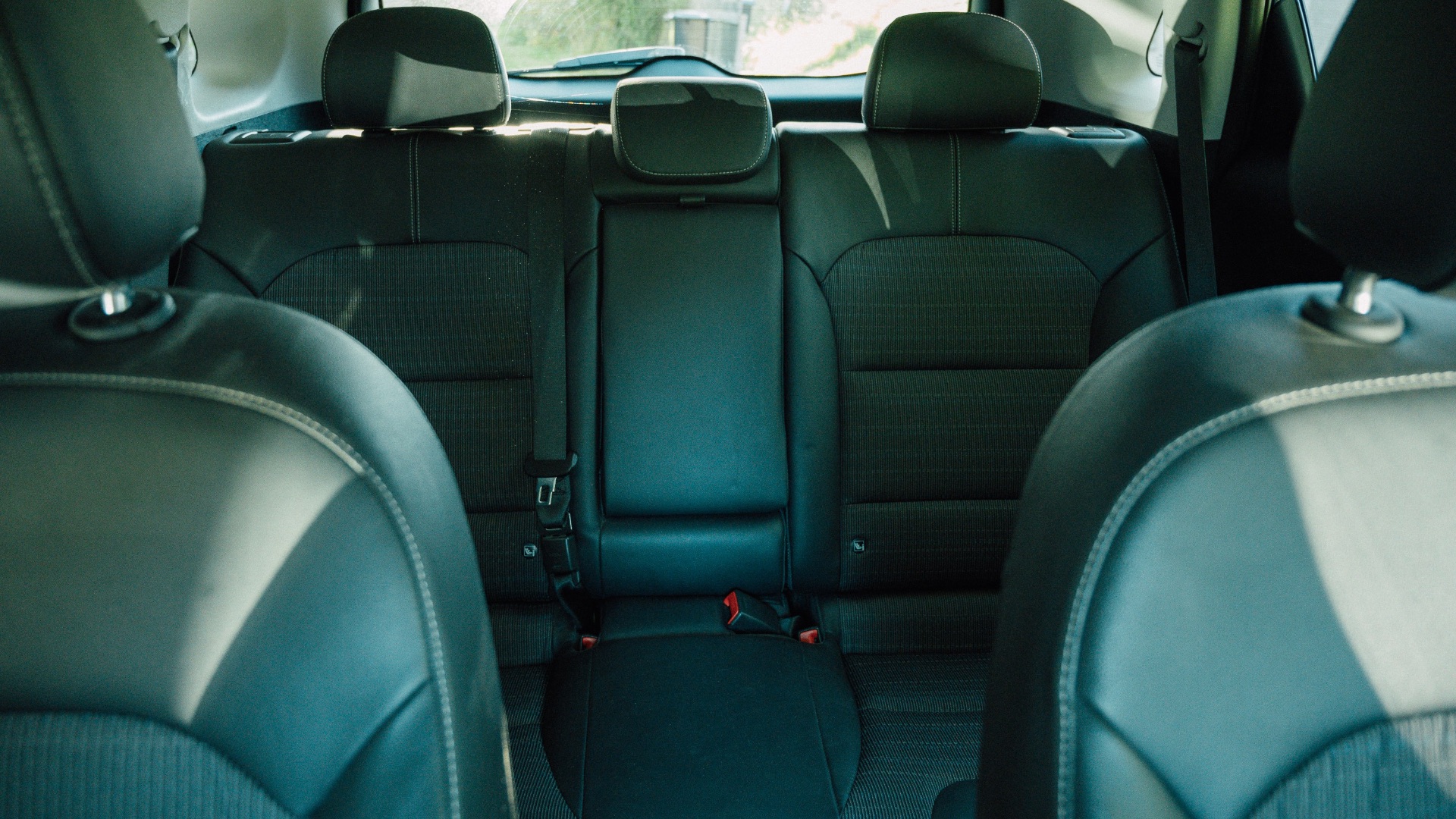
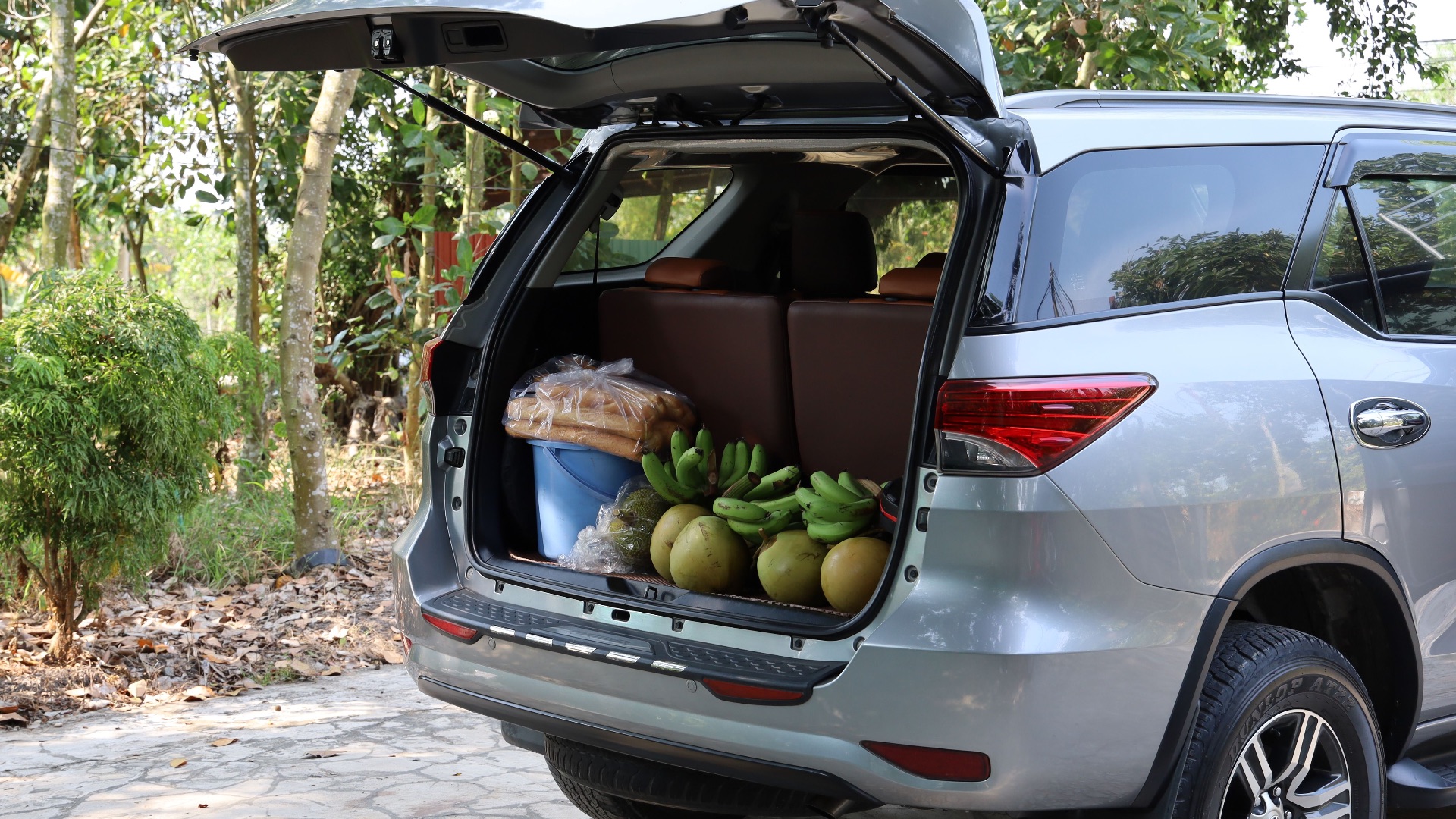
4. Cargo Space Can Change When the Seats Are Up
Cargo figures usually indicate the maximum space available with one or more rows folded down, so keep that in mind before you buy. If you regularly use every single seat, your storage space will probably be severely limited, which isn't great if you typically carry strollers or sports equipment around.
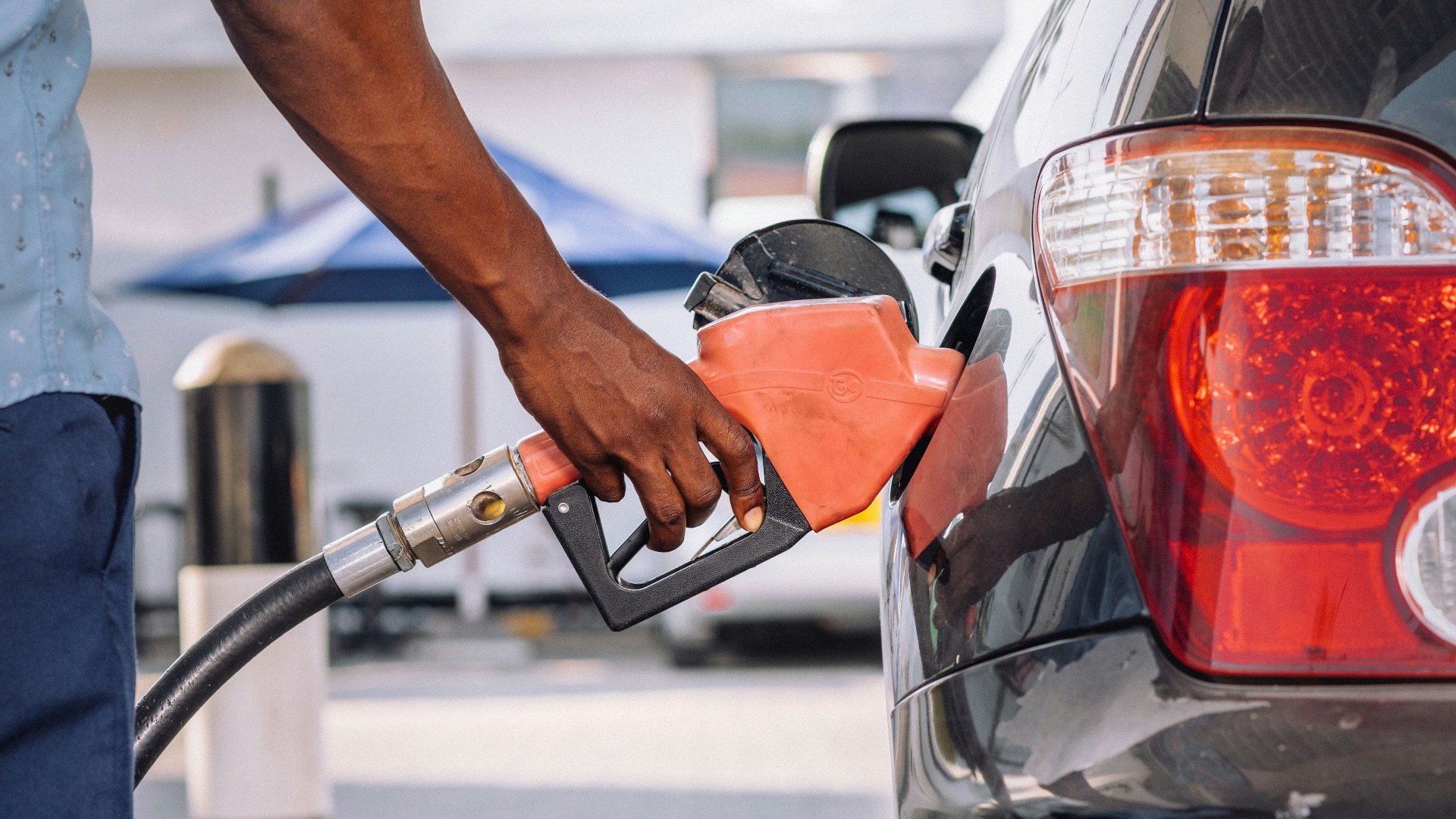
5. Fuel Costs Can Add Up Quickly
Even efficient SUVs can use up a ton of gas. If you know you're going to be behind the wheel quite often or you usually drive pretty long distances, you'll want to keep fuel and mileage figures in mind. You could be spending a huge chunk on gas otherwise!
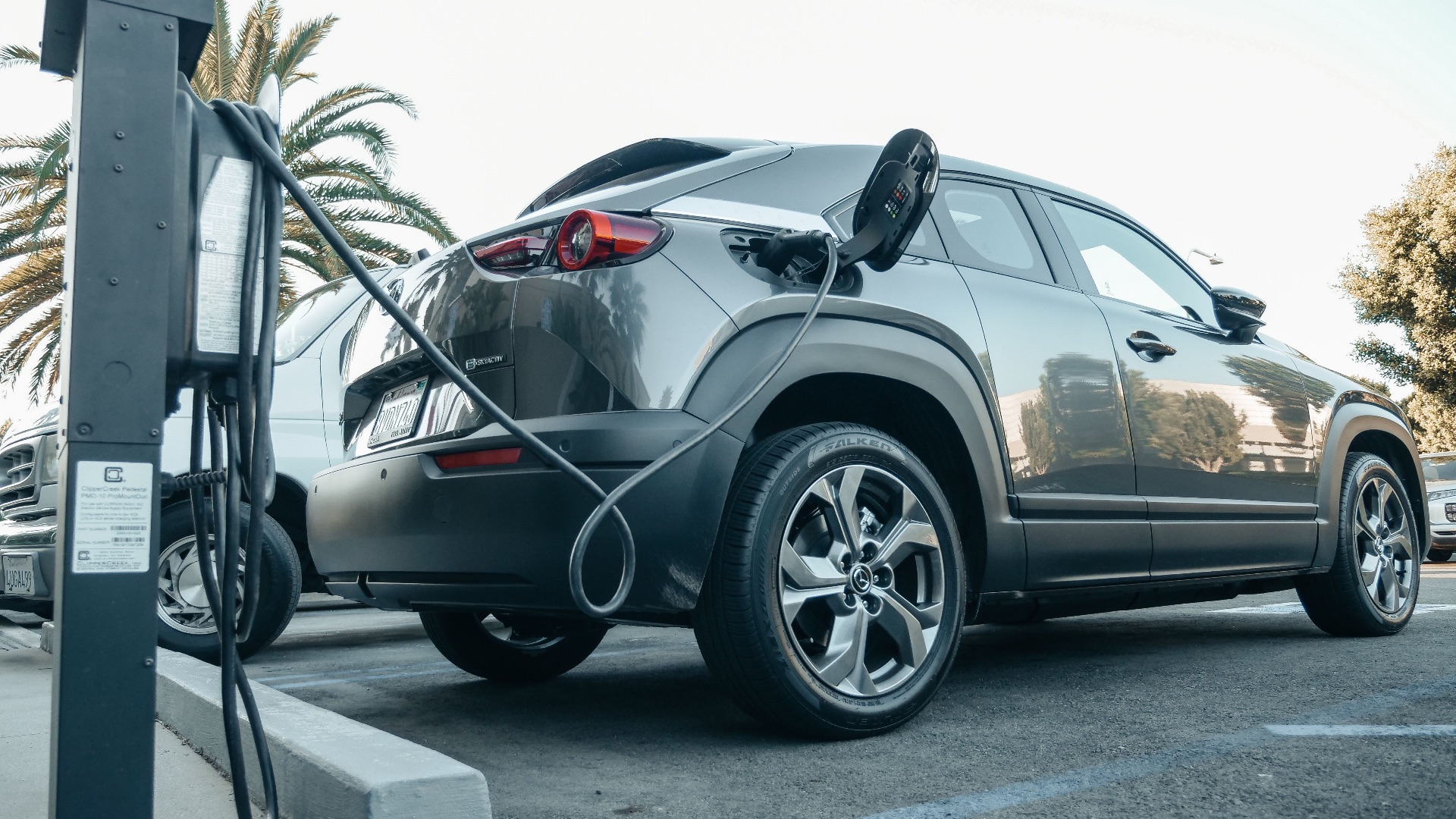
6. Hybrid Models Aren’t Automatically the Best Deal
Okay, you might say, you'll just go for a hybrid. But while hybrid SUVs can lower fuel consumption, their purchase price is often much steeper. It's a reminder to not only weigh in your budget, but also calculate whether the miles you drive and the potential fuel savings you get justify that added cost.
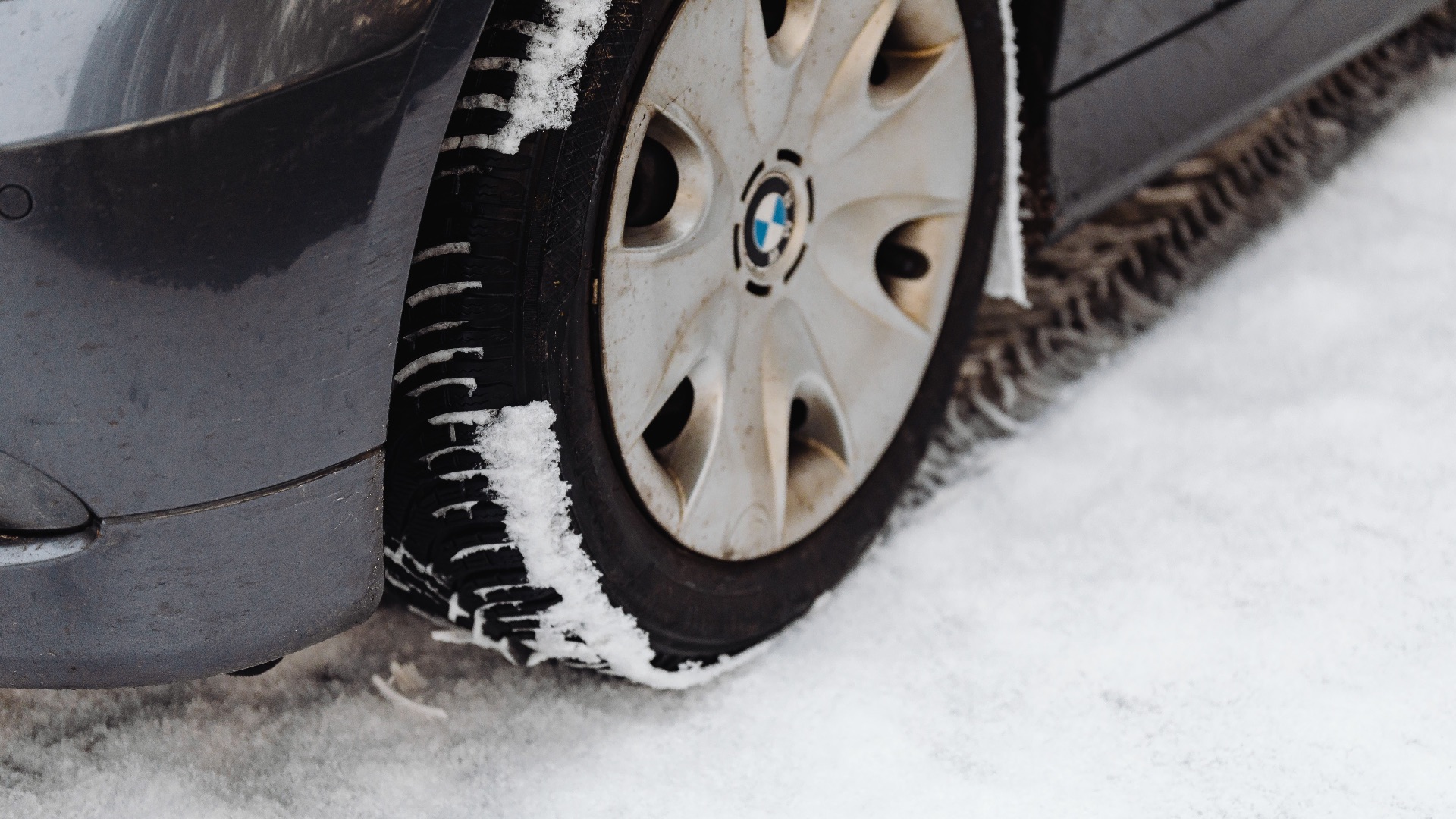
7. AWD Doesn’t Replace Proper Tires
All-wheel drive might improve traction, but it still won't guarantee shorter stopping distances. That means, if you live in a region where you get lots of snow and ice often, a front-wheel-drive SUV with good winter tires may actually outperform an all-wheel-drive model.
8. Ground Clearance Varies Widely
Buying a raised SUV? Well, don't assume it can automatically handle rough terrain! Some crossovers have only slightly more clearance than a regular passenger car, so if you plan to travel in deep snow or uneven trails, you'd best make sure you take all factors into account.
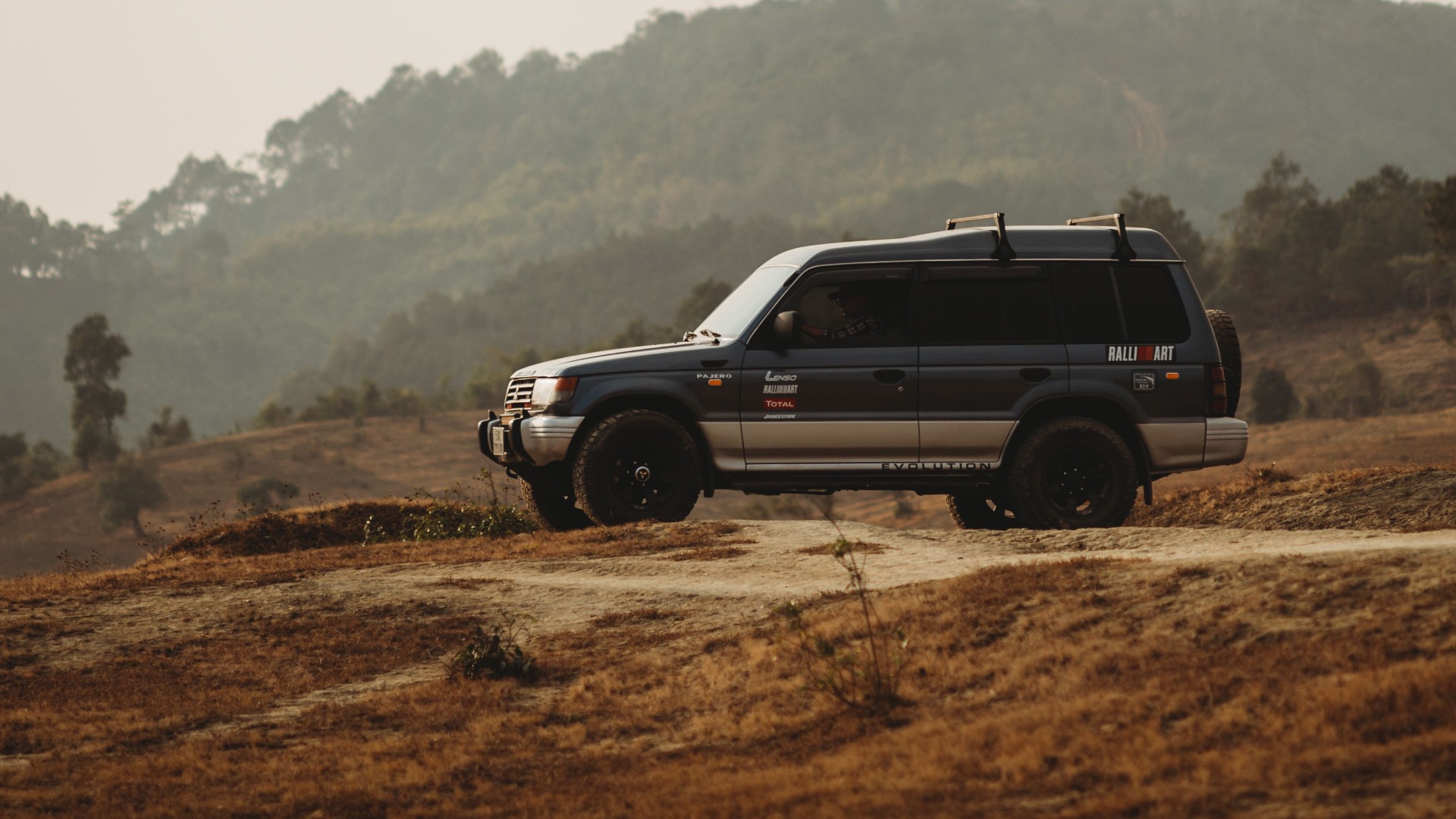
9. Off-Road Features May Go Unused
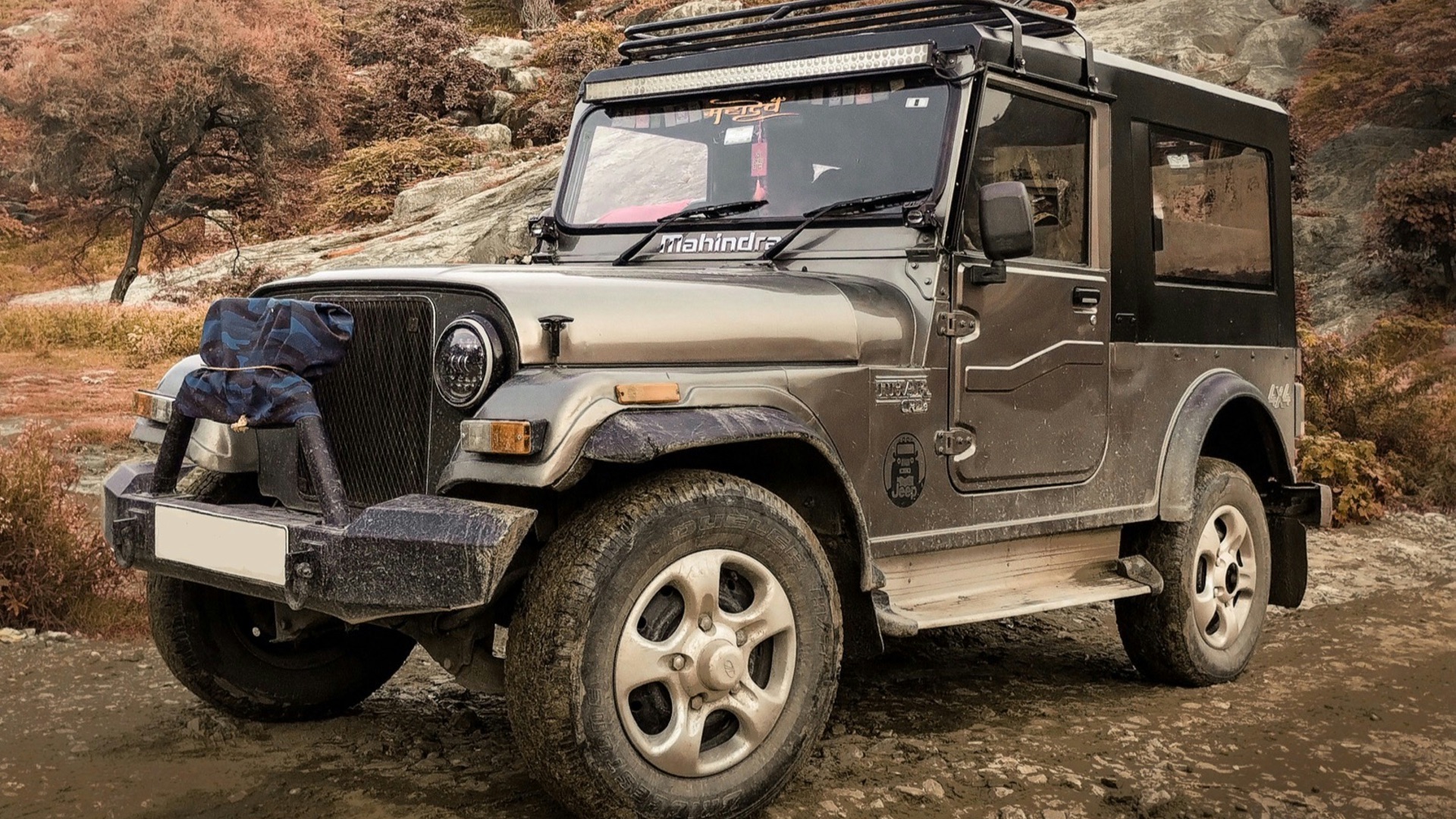
Off-roaders look super cool, but their design and capability usually come with a pretty hefty price. And if you're not the type to actually use it for what it's intended for, you're only going to waste your money. Be honest about where you’ll drive!
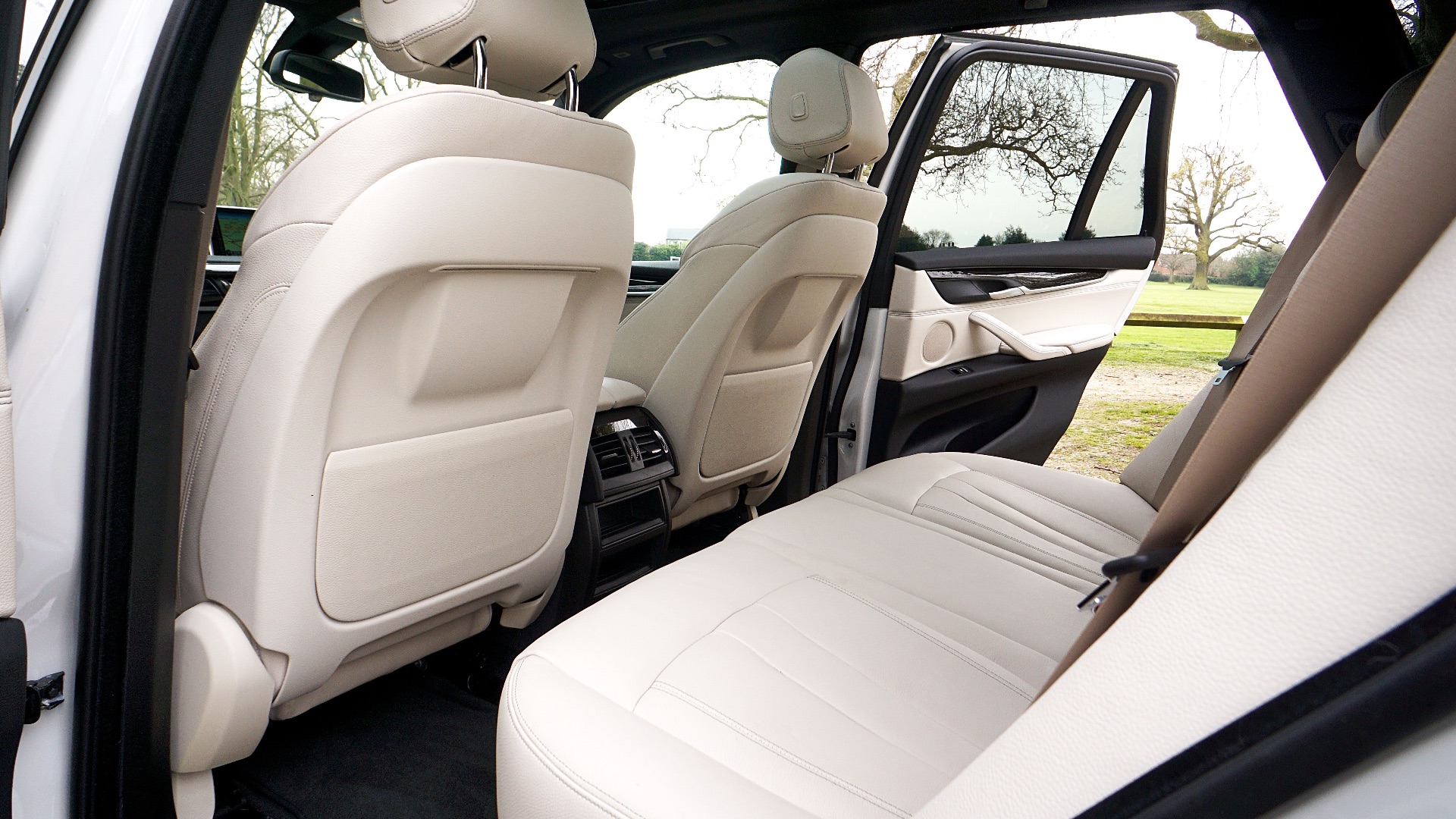
10. Ride Comfort Can Differ Between Designs
Remember what we said about SUVs with up to eight seats? That's not all you should pay attention to. In fact, car-based crossovers often deliver smoother, more controlled rides than truck-based SUVs. You should always test your SUV of choice on several road surfaces to get a better feel of how comfortable it'll actually be.
11. Handling Deserves Extra Attention
Being taller than sedans, SUVs have a higher center of gravity, and that can affect their cornering and emergency maneuvering. If you're looking for a car that has good handling, you might end up frustrated with top-heavy vehicles or ones that are less responsive than others, so food for thought.
12. Visibility Isn’t Always as Good as It Looks
In saying that, a taller vehicle also means a higher seating position—great for shorter drivers! However, thick roof pillars and small rear windows may still create annoying blind spots, and on SUVs with larger hoods, you may also constantly second-guess how wide the front corners are, so keep these trade-offs in mind!

13. Parking Technology Can Be Worth Paying For
Bad at parking? We're not saying you have to get an SUV for these nifty features, but having a 360-degree camera and front parking sensors will still be invaluable in larger models. Before choosing a trim, double-check which ones you'll need, as some may require an extra chunk of cash.
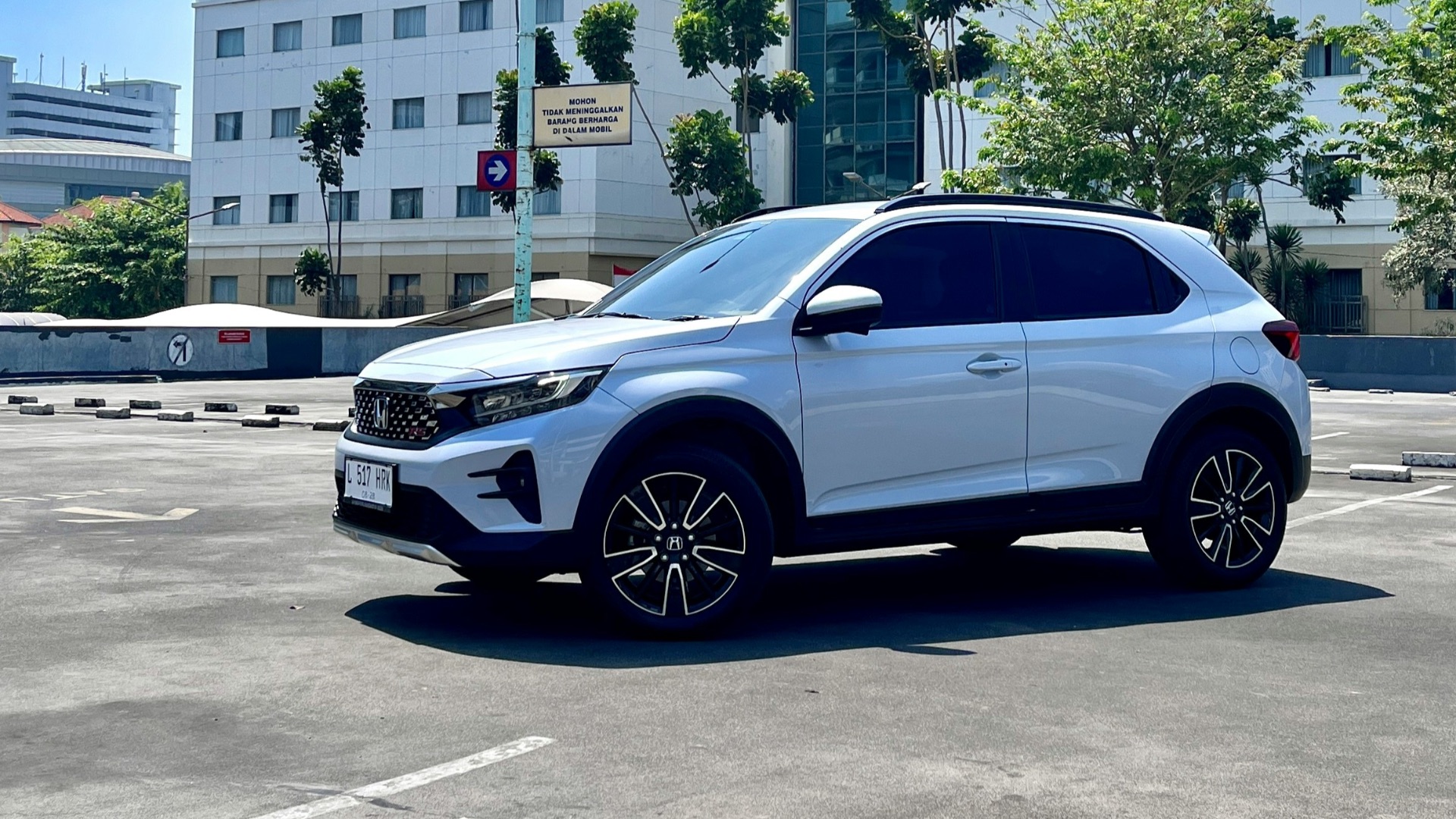
14. Towing Capacity Comes with Conditions
If you're looking for an SUV with towing ability, bear in mind that the maximum figure you'll see in advertisements may apply only to a very specific package. Plus, depending on how many passengers you have or cargo you store, that can also reduce how much weight the car can manage, so be meticulous in your calculations!
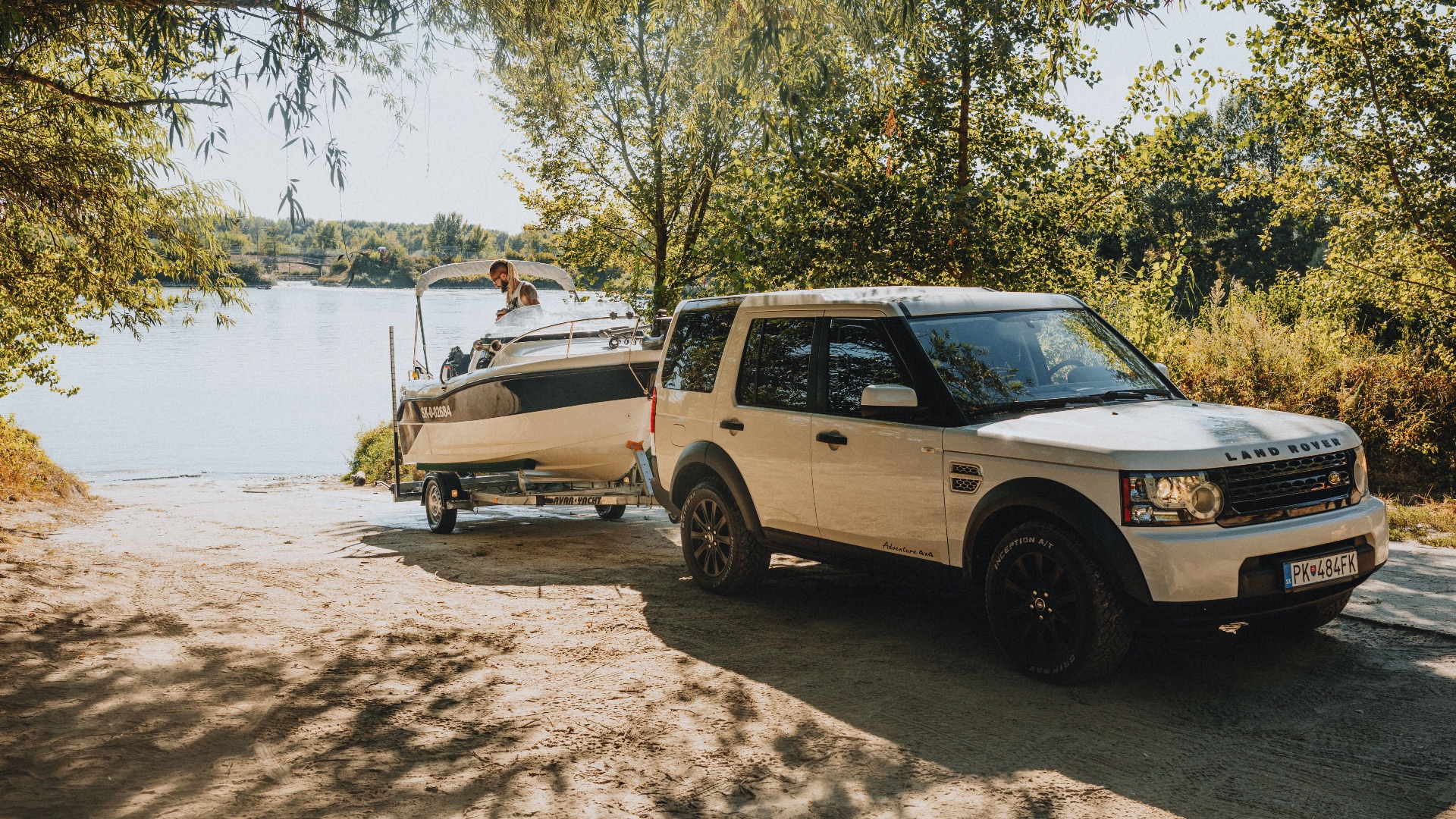 Helena Jankovičová Kováčová on Pexels
15. Insurance May Cost More Than You Expect
Even if two models are similarly priced, they can still yield very, very different premiums. Have a strict budget on insurance? Make sure to request quotes before buying so you don't accidentally end up with a higher monthly bill without knowing!

16. Tires Can Be Surprisingly Expensive
Many SUVs now come with large wheels and wide, low-profile tires that, while attractive, cost a heck of a lot more to replace. And as cool as they might look, those bigger wheels may also increase the chance of damage if you pass through potholes, so remember to cover your bases by checking replacement prices!
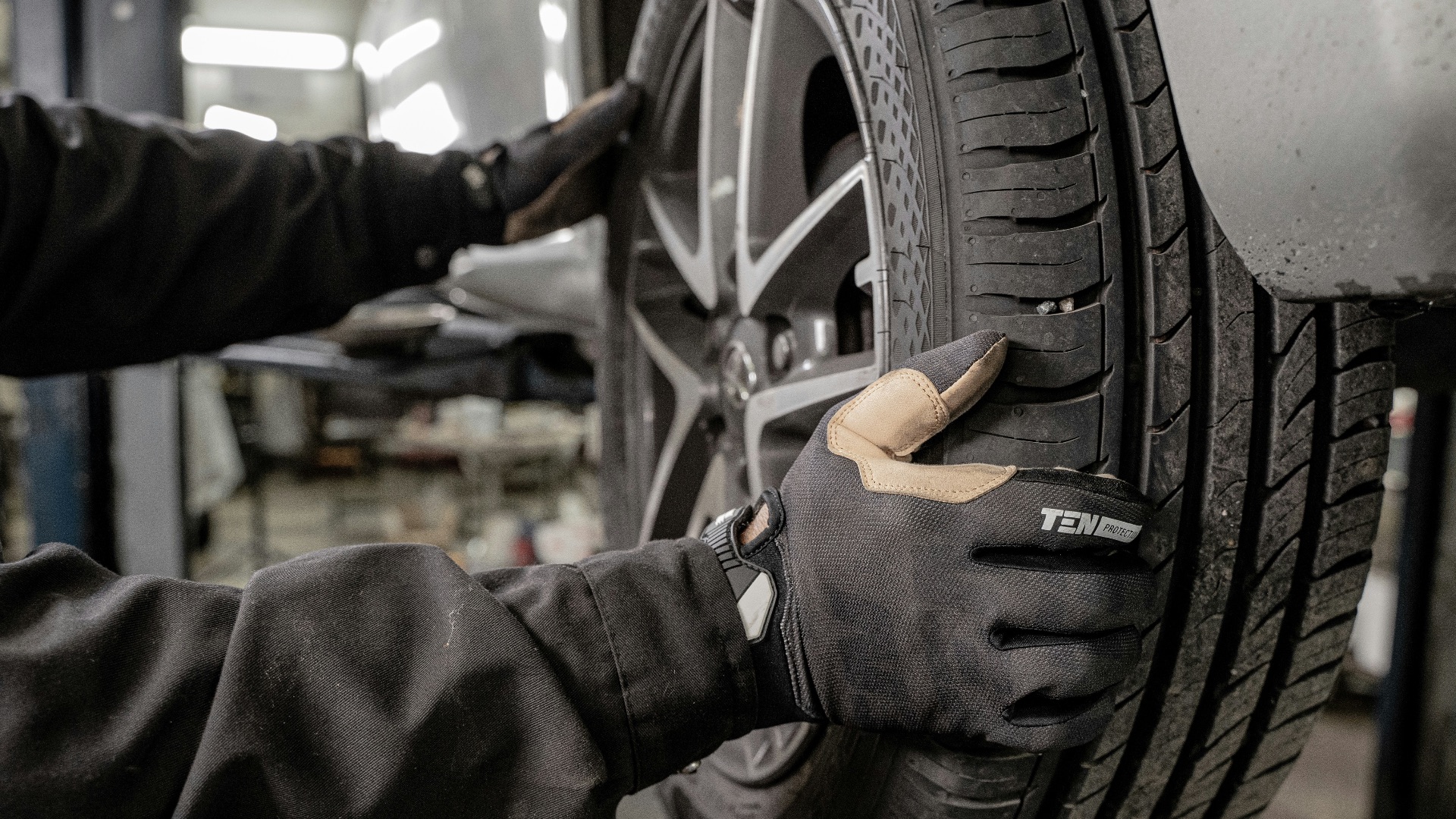 Jimmy Nilsson Masth on Unsplash
17. Roof Height Can Affect Everyday Use
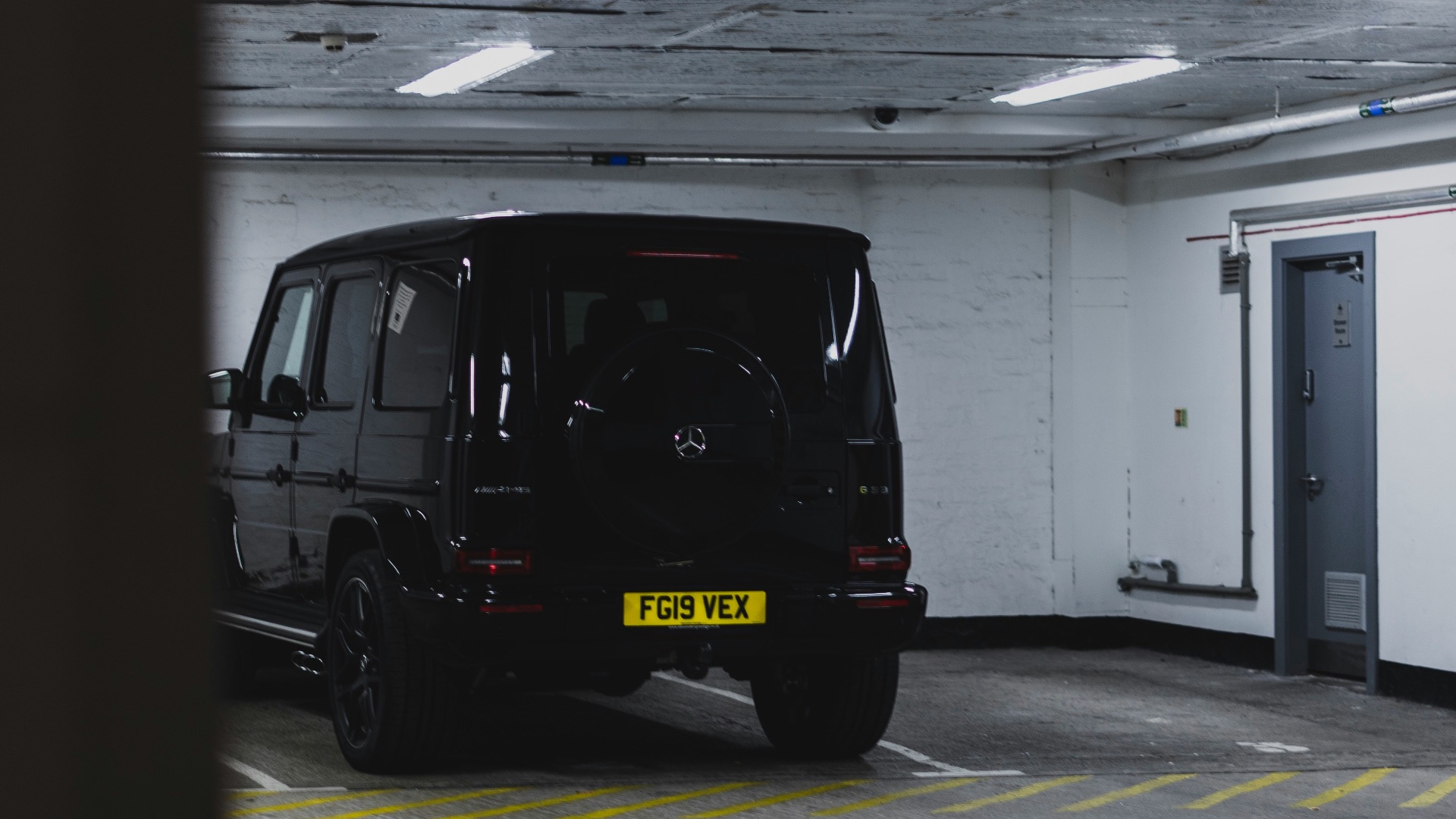
As mentioned, some SUVs can be pretty tall, and all that extra height can be headache-inducing. For one, if you regularly park in older or smaller garages, the model you have in mind might only juuust clear the ceiling. It's a good idea to pull out a measuring tape before making your choice!
18. Child Seats Need a Real-World Test
Have more than one kid? Make sure to take into account how the seating arrangement might affect how safe your child seats are. Better yet, bring them to the dealership to install them so you can test it all out before coming to a decision.

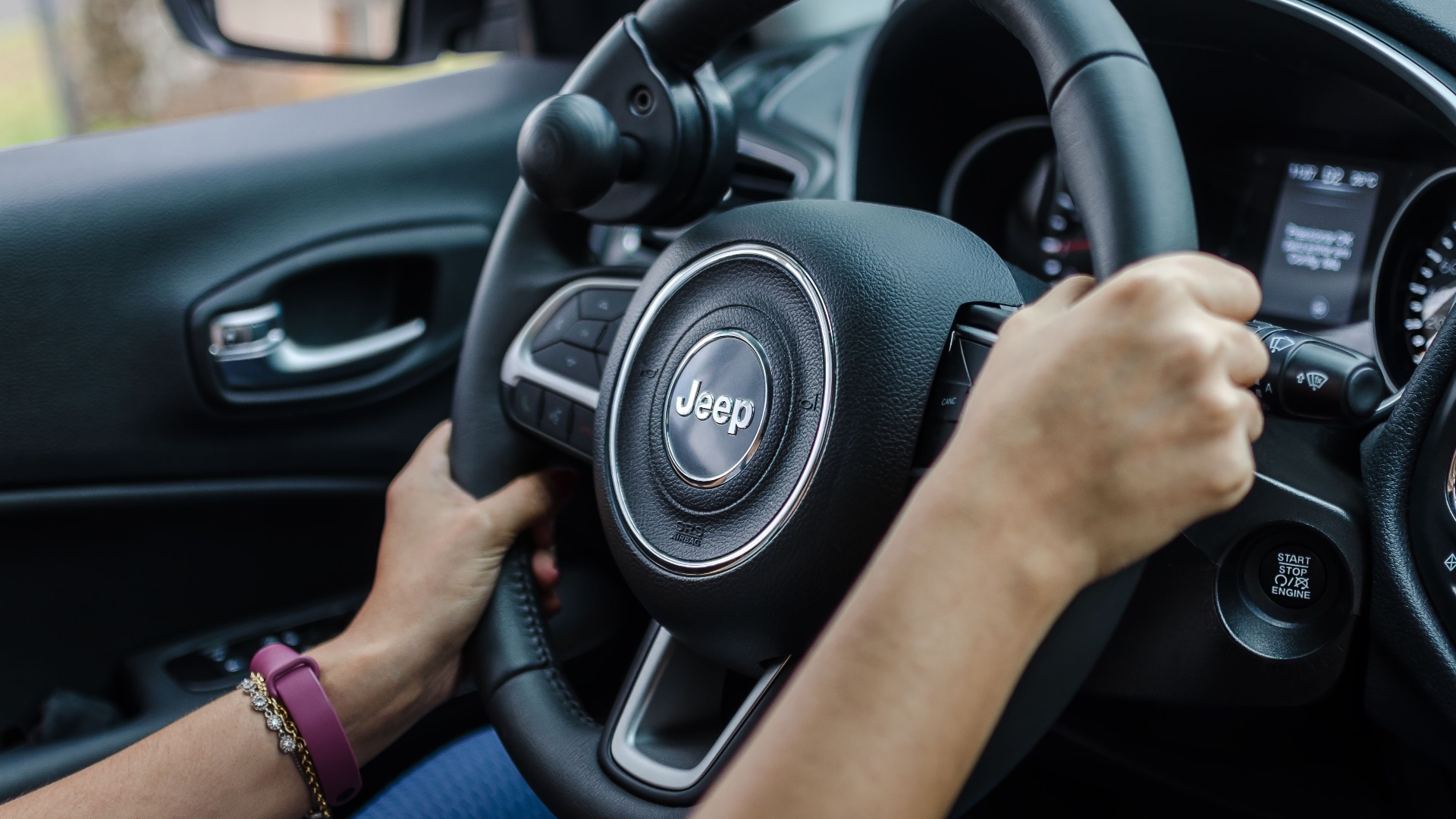
19. Technology Can Be Distracting or Frustrating
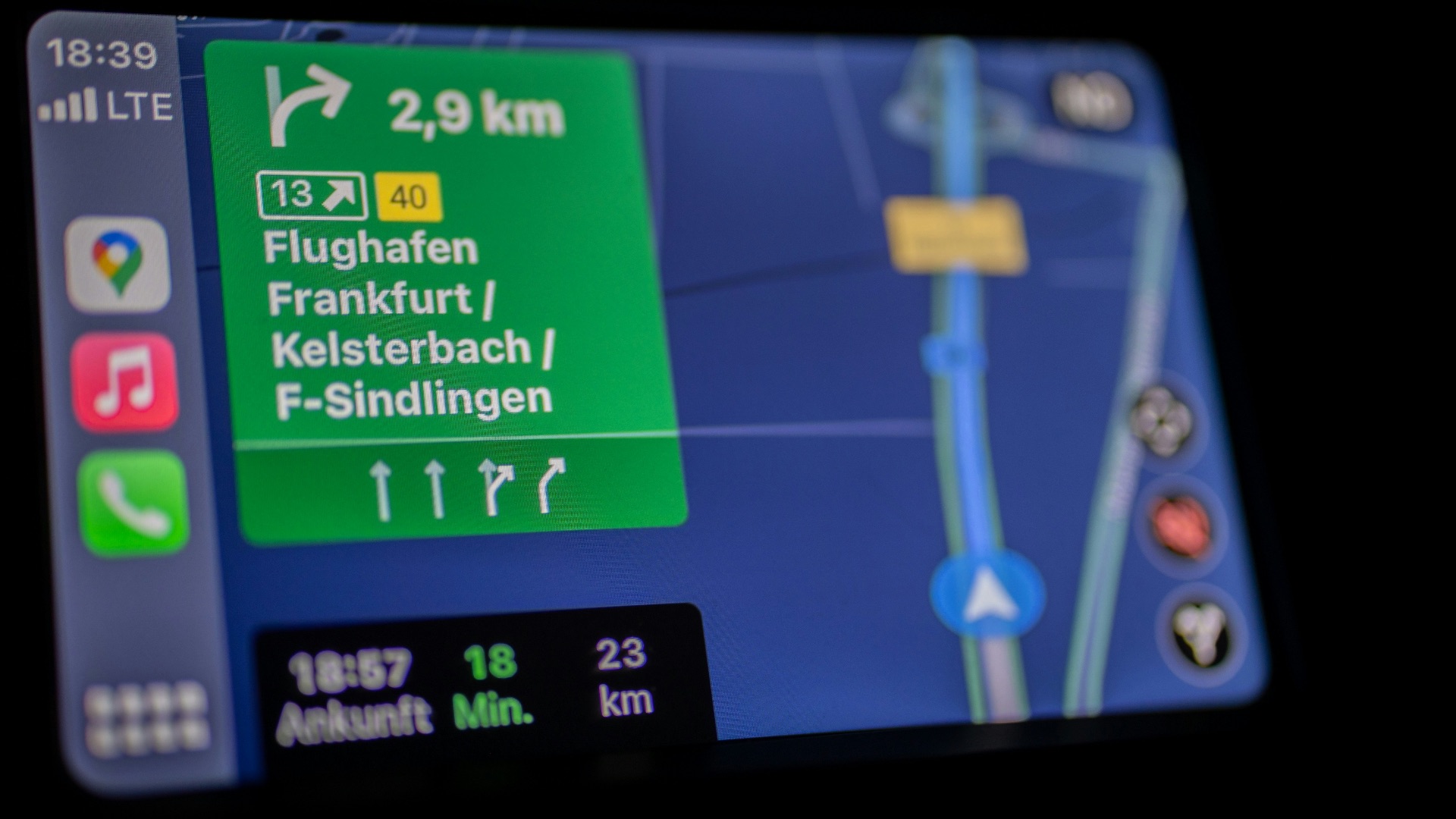
Large touchscreens and digital controls may look impressive, but they might not be so easy to use when you're focused on the road. If you know you'll frequently switch settings or fiddle with GPS or other essential systems, spend ample time using the interface during your test drive.
 Dimitri Karastelev on Unsplash
20. The Total Cost Matters
At the end of the day, you want to pick an SUV that suits your needs and your budget. Just because the loan payment doesn't seem so bad doesn't mean the road won't be rough, so weigh in fuel, maintenance, insurance, and future repairs in your estimate! You want a car you can comfortably afford for years to come, not just for now.
 micheile henderson on Unsplash