
The Right Car Can Change the Entire Trip
Heading on a road trip? Before you load your trunk and call up your friends and family, you might want to double-check whether your car is right for your plan. A great road-trip car, after all, needs to do more than just reach the destination. Think about it: you don't want everyone to start feeling cranky and uncomfortable after several hours on the highway, and you also don't want little to no room for all your belongings. To make your adventure perfect, here are 10 cars you should never road trip with, and 10 better picks to take on the rugged outdoors.
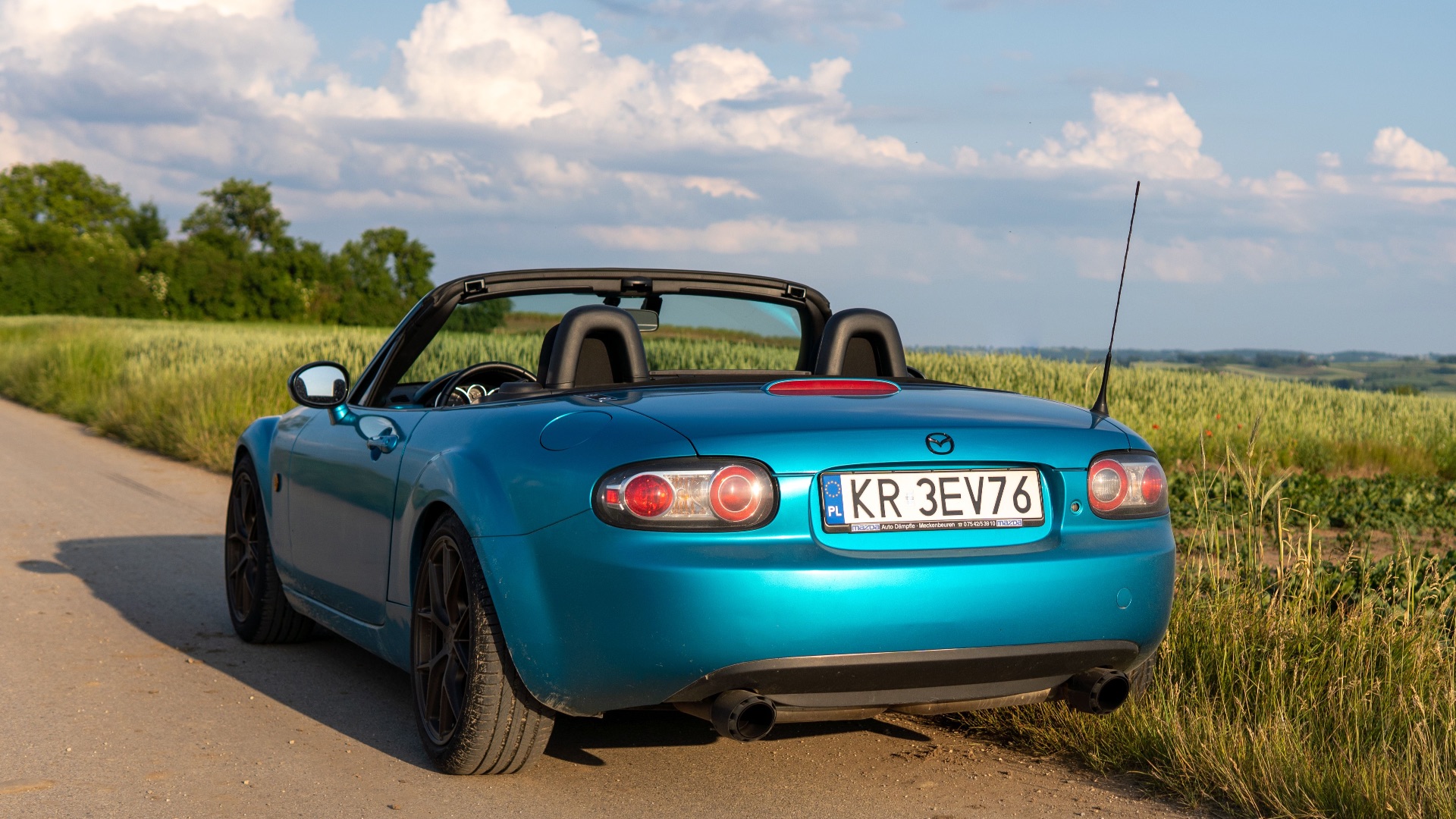
1. Mazda MX-5 Miata
The Mazda MX-5 Miata can turn an afternoon drive into an enjoyable outing, but packing it for a weeklong vacation is another matter. Its two-seat cabin leaves no room for additional passengers, while the small trunk forces you to be extremely selective about your luggage. Wind and road noise may also become tiring after several hours, particularly with the soft top. Mazda continues to position the 2026 Miata as a lightweight, driver-focused sports car rather than a practical long-distance cruiser.
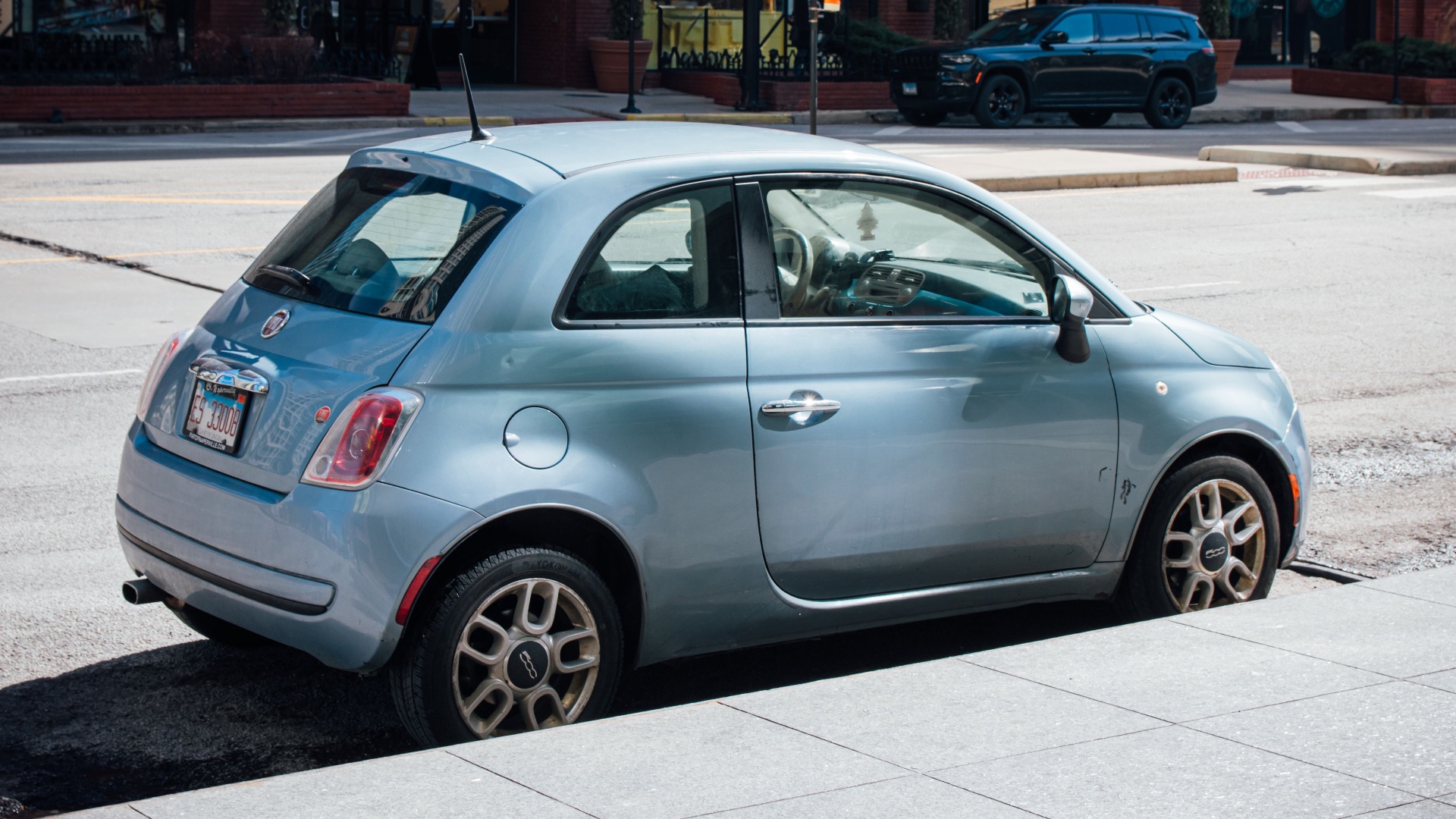
2. Fiat 500e
The Fiat 500e was designed primarily for urban driving, and that focus becomes noticeable once you leave the city. Its compact interior can feel crowded with two adults and their belongings, while the limited cargo room makes bulky suitcases difficult to accommodate. You’ll also need to plan charging stops more carefully than you would in a longer-range electric vehicle. Even Fiat describes the current 500e as a compact hatchback intended for city life.
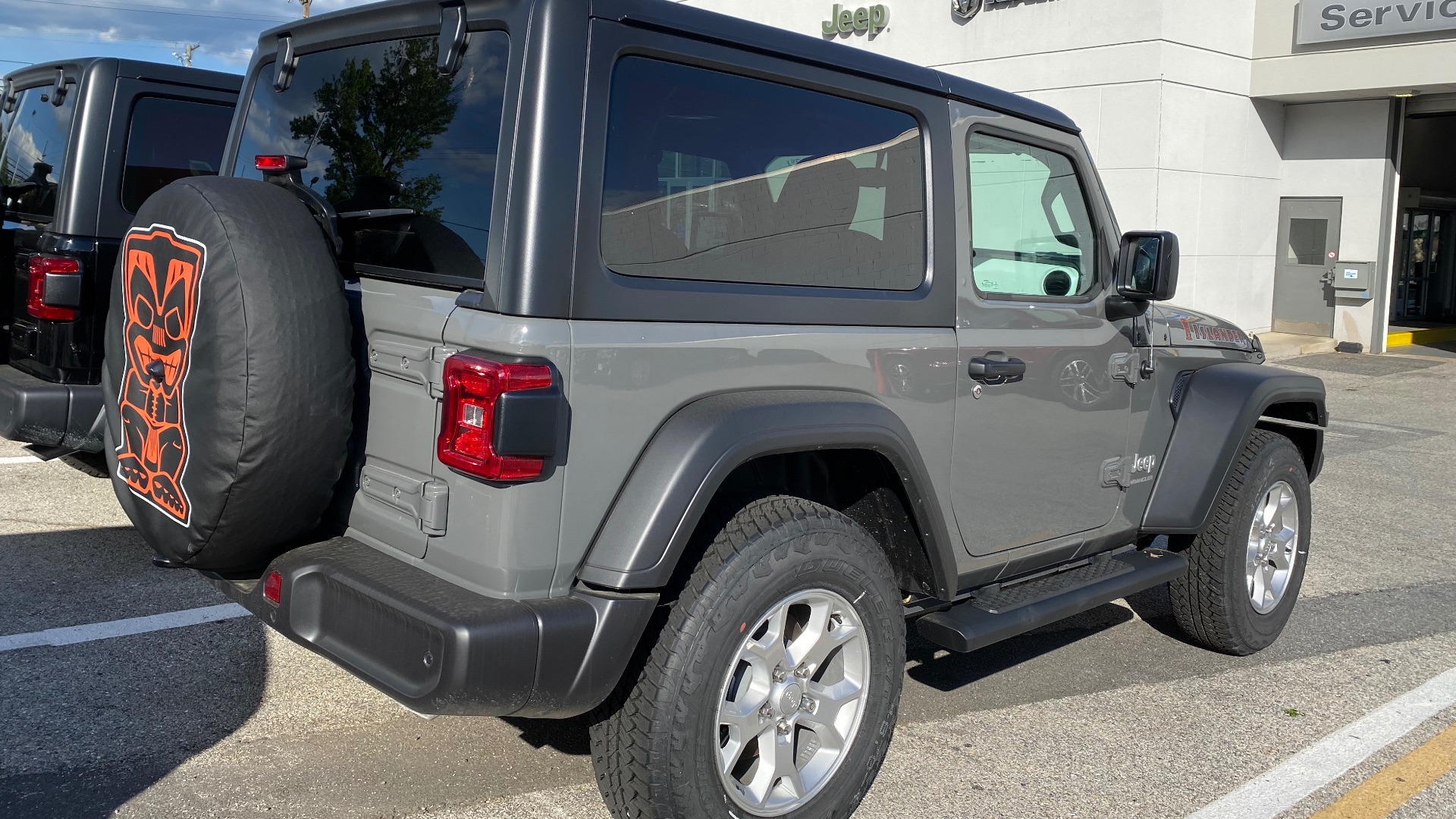
3. Jeep Wrangler Two-Door
A two-door Jeep Wrangler is appealing when your vacation includes trails, beaches, or rough terrain, but highway travel isn’t its greatest strength. The short wheelbase can produce a busier ride, and the upright shape contributes to wind noise at higher speeds. Rear-seat access is inconvenient, especially when passengers need to climb in and out during frequent stops. Cargo capacity also disappears quickly once everyone brings a suitcase.
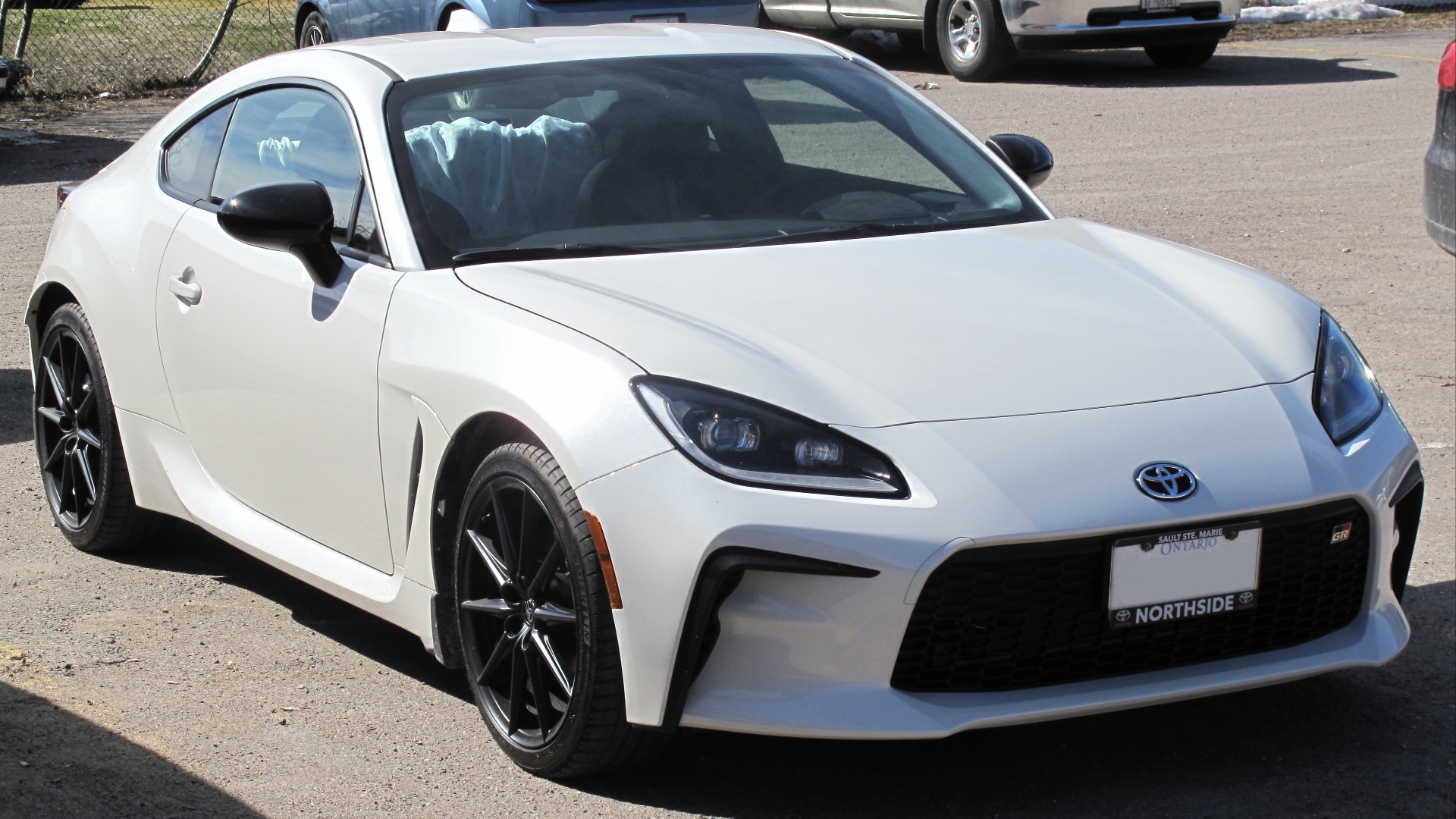
4. Toyota GR86
The Toyota GR86 prioritizes responsive handling and an engaging driving position, which are worthwhile qualities on winding roads. Unfortunately, the tight rear seats are better suited to bags than adults, and the low seating position can make repeated entry and exit uncomfortable. Its firm suspension may become tiring when your route includes rough pavement or several consecutive days of driving. You can make it work for two people, but you’ll need to pack carefully.
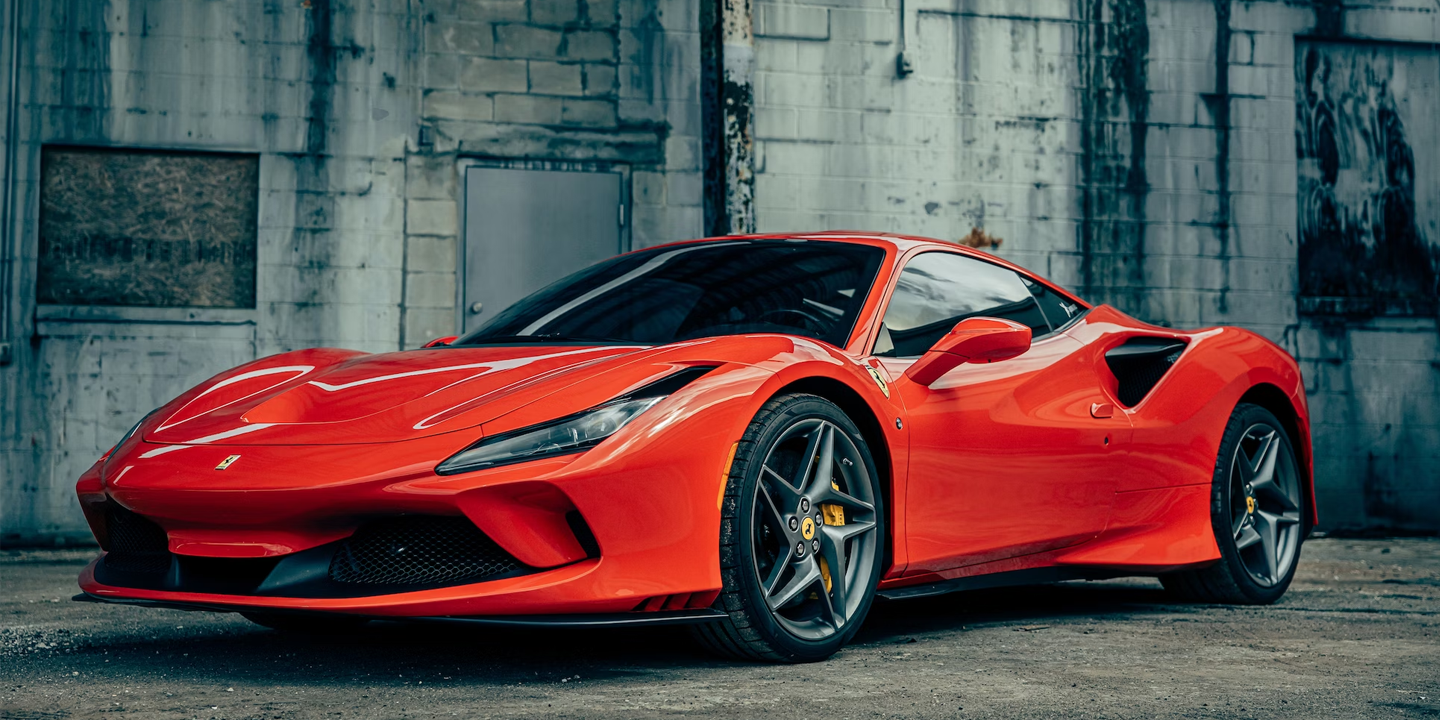
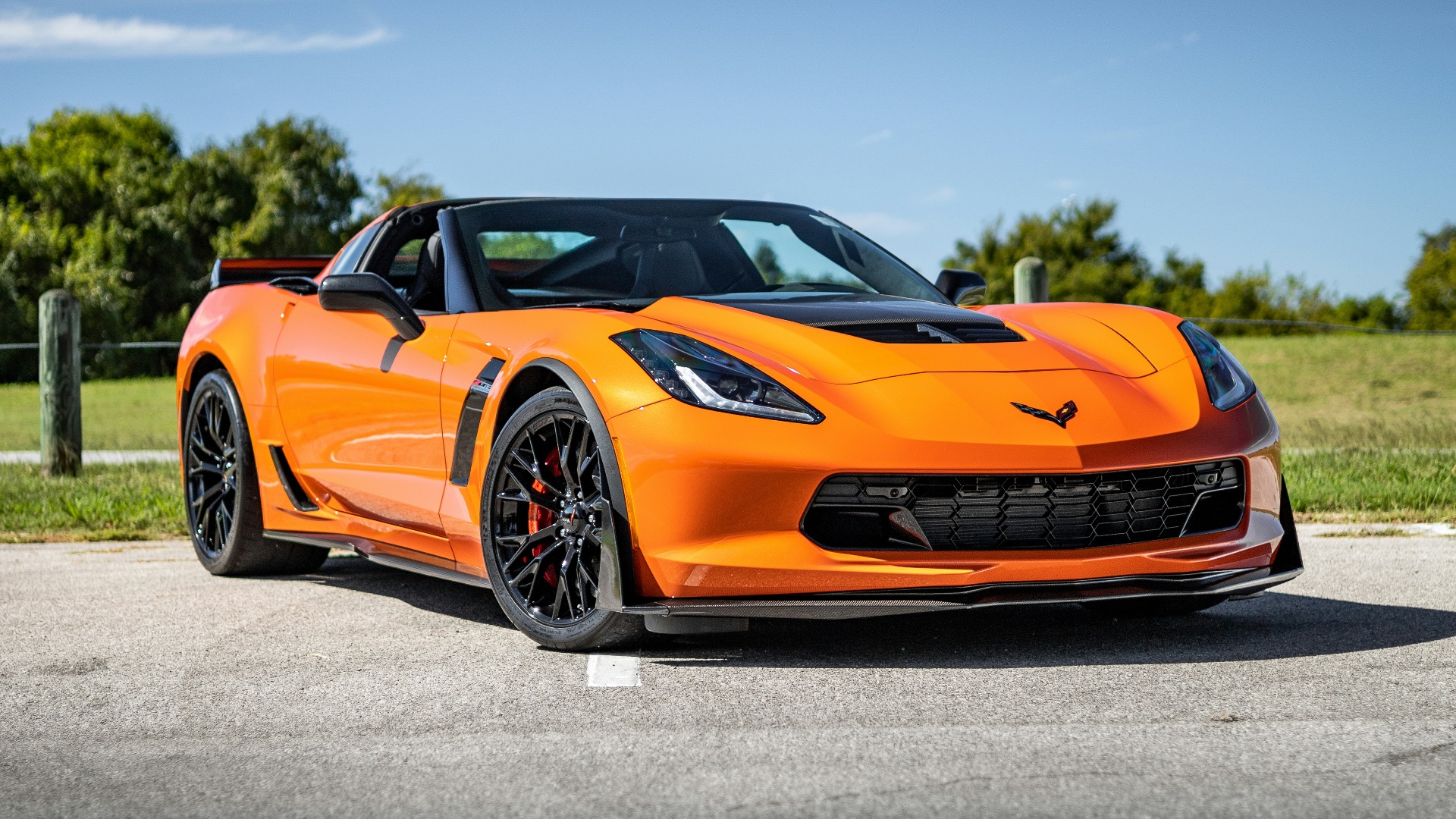
5. Chevrolet Corvette
Few people would complain about getting behind the wheel of a Corvette, but a fast sports car isn’t automatically an ideal vacation vehicle. The low cabin can be difficult to enter, storage space is shaped around the car’s performance-oriented layout, and passengers don’t have much room to reposition themselves. Expensive tires and limited ground clearance also make damaged roads more concerning. It’s exciting for a weekend drive, though less accommodating when the trip involves extensive luggage and long daily distances.
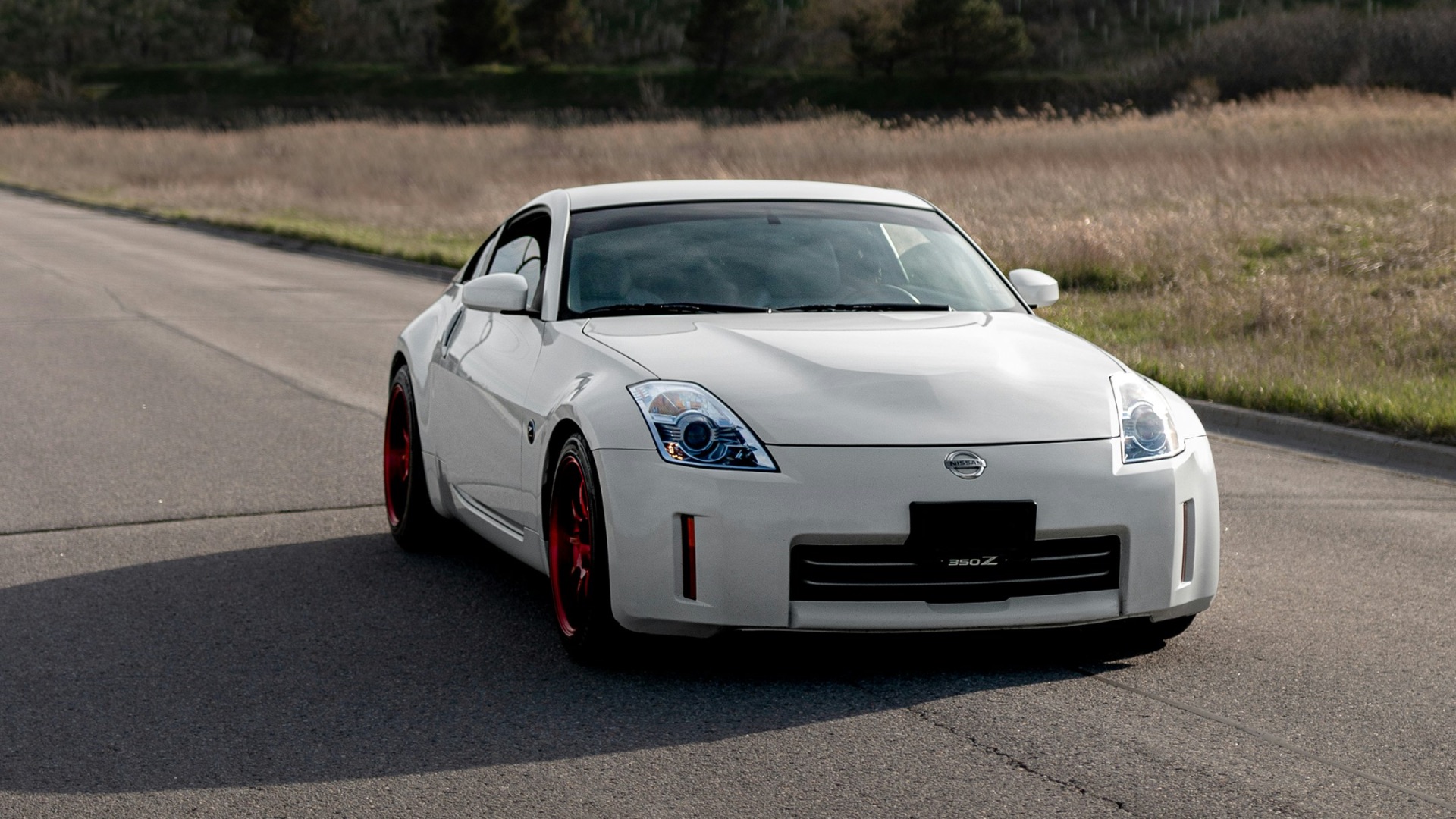
6. Nissan Z
The Nissan Z offers strong performance and attractive styling, but practicality wasn’t the main goal of its two-seat design. Without a rear seat, every bag has to fit behind the passengers, and the cargo area may leave belongings visible through the hatch. The suspension and seating position can also feel demanding after many hours. Couples who travel light may enjoy it, but anyone carrying camping equipment or large suitcases will struggle.
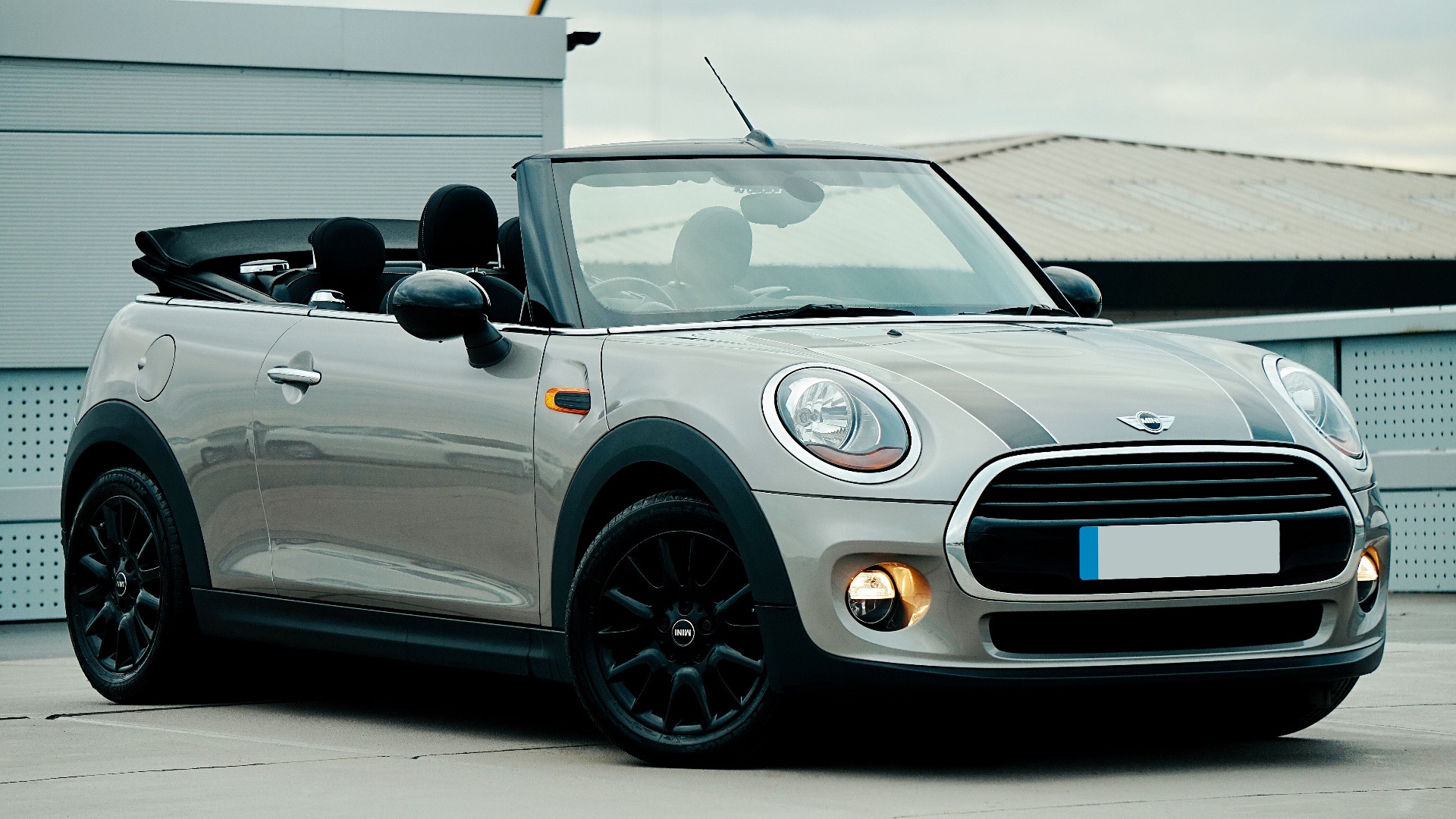
7. Mini Cooper Two-Door
The Mini Cooper’s small footprint is useful when you’re navigating crowded downtown streets or squeezing into tight parking spaces. On a longer vacation, however, rear passengers may find the seating cramped, and accessing the back row requires folding the front seats forward. Cargo space is limited unless you lower the rear seats, which defeats the purpose of bringing more people. Its compact proportions work best when the passenger list and luggage are both minimal.
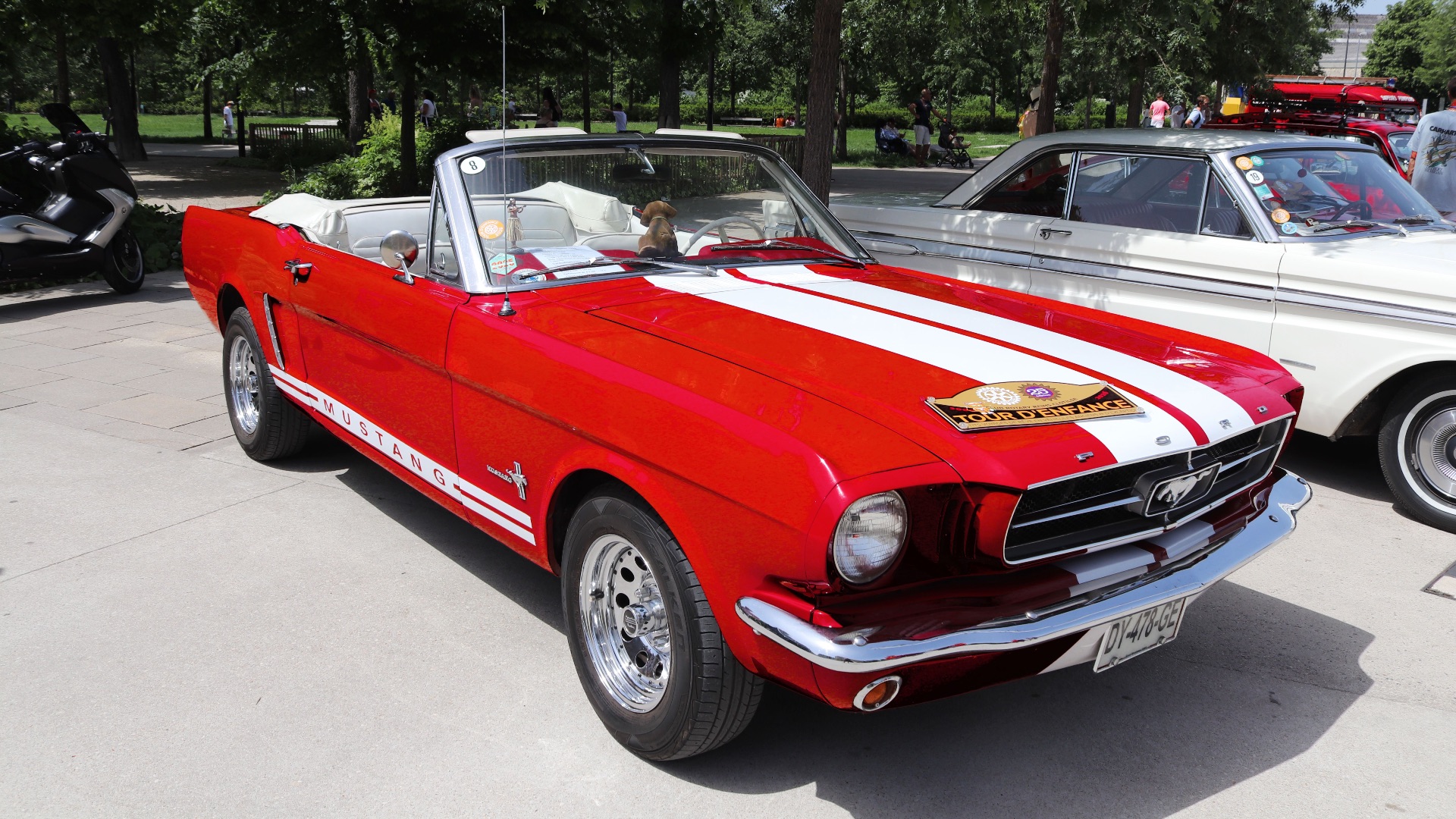
8. Ford Mustang Convertible
A Mustang convertible sounds ideal for a scenic coastal route, at least until the weather changes or highway noise starts interfering with conversation. The rear seats offer little space for adults, while the folded roof mechanism reduces some of the car’s practicality. Strong sunlight, wind, and changing temperatures can make top-down driving less pleasant over an entire day. You may eventually spend most of the journey with the roof closed and the luggage tightly arranged.
 Jude Mitchell-Hedges on Pexels
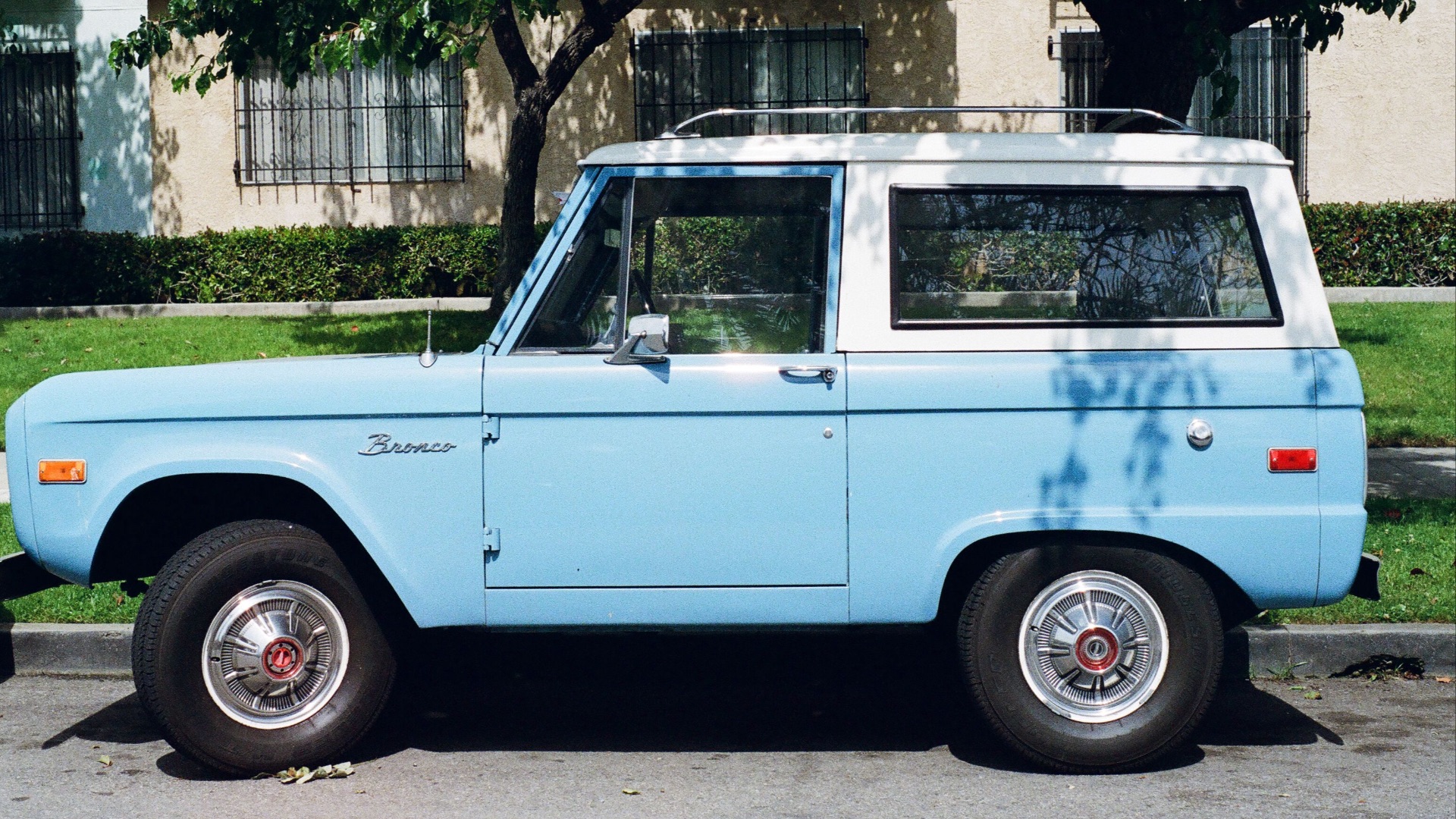
9. Ford Bronco Two-Door
The two-door Ford Bronco is another capable off-roader that asks passengers to accept compromises during ordinary highway travel. Its shorter body limits rear-seat and cargo flexibility, especially compared with the four-door version. The removable roof and boxy construction can allow more road and wind noise into the cabin than some travelers expect. It makes sense for an adventure centered on difficult terrain, but there are more relaxing options for an interstate-heavy route.
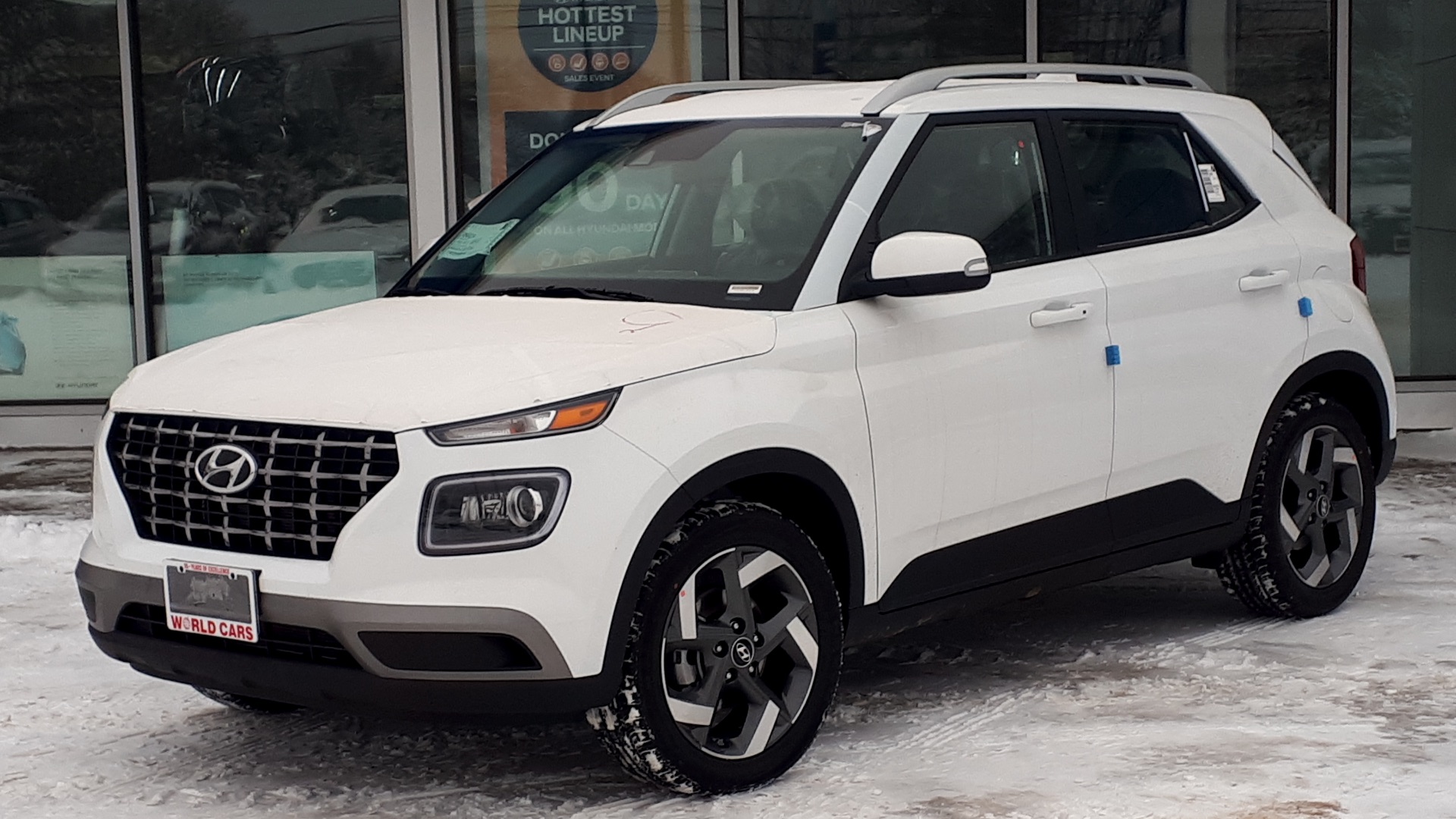
10. Hyundai Venue
The Hyundai Venue is affordable, maneuverable, and practical enough for everyday errands, but a full vehicle can feel cramped during an extended drive. Rear-seat passengers have limited room to stretch, and the cargo area fills rapidly once several people bring luggage. Its modest power may also require patience when merging or passing with passengers and bags aboard. The Venue suits short urban trips better than a heavily packed cross-country vacation.
These cars can still deliver an enjoyable trip when you understand their limitations and travel with very little luggage. But for those who value space and comfort, the following alternatives require far fewer compromises.
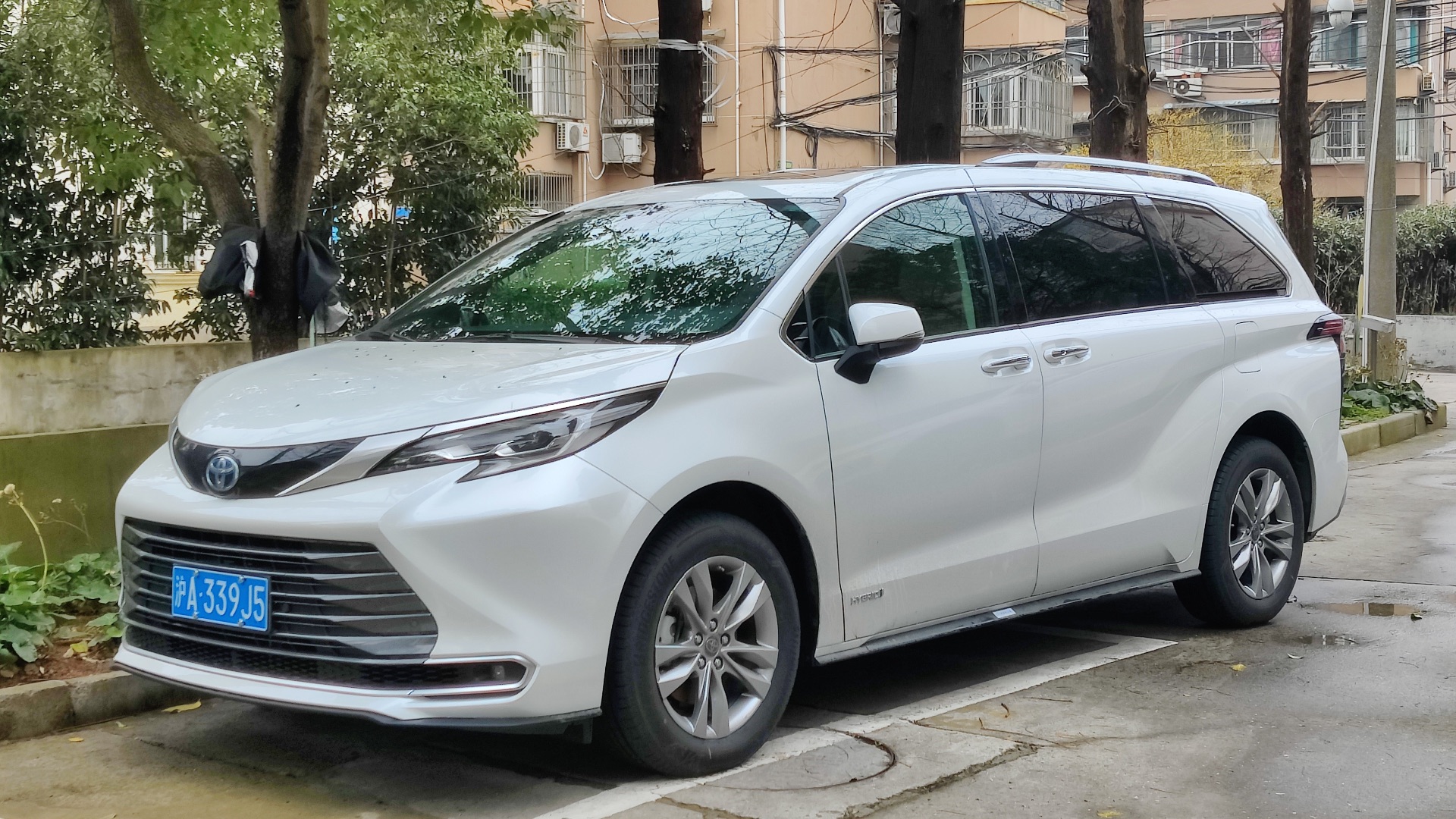
1. Toyota Sienna
The Toyota Sienna gives families the space they need without requiring them to organize every suitcase with extreme precision. Three rows of seating, sliding doors, and a flexible interior simplify rest stops, hotel arrivals, and daily loading. Its hybrid powertrain also helps reduce fuel consumption on trips covering hundreds or thousands of miles. Toyota’s 2026 model continues to emphasize passenger comfort, storage flexibility, and family-oriented convenience.
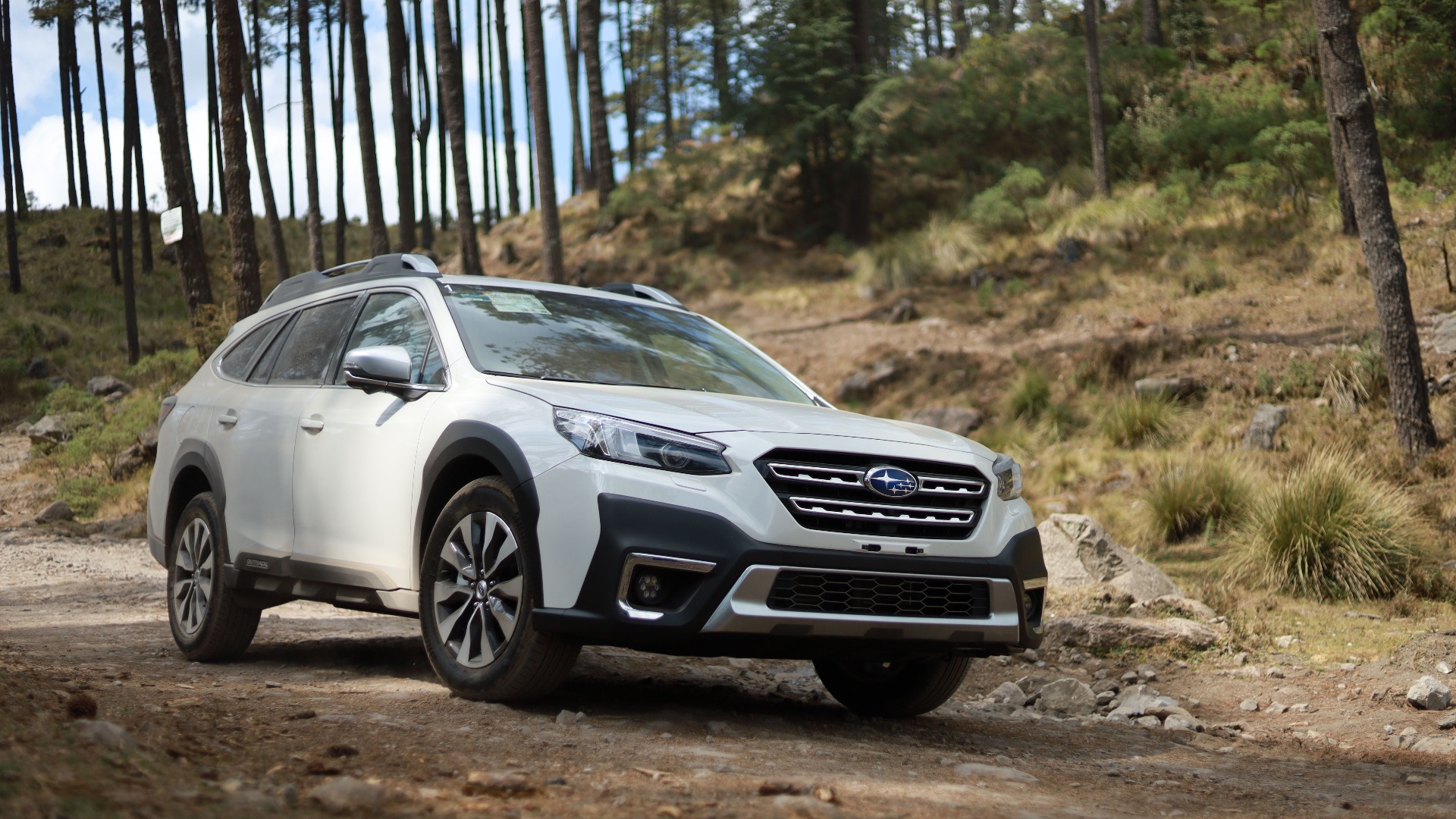
2. Subaru Outback
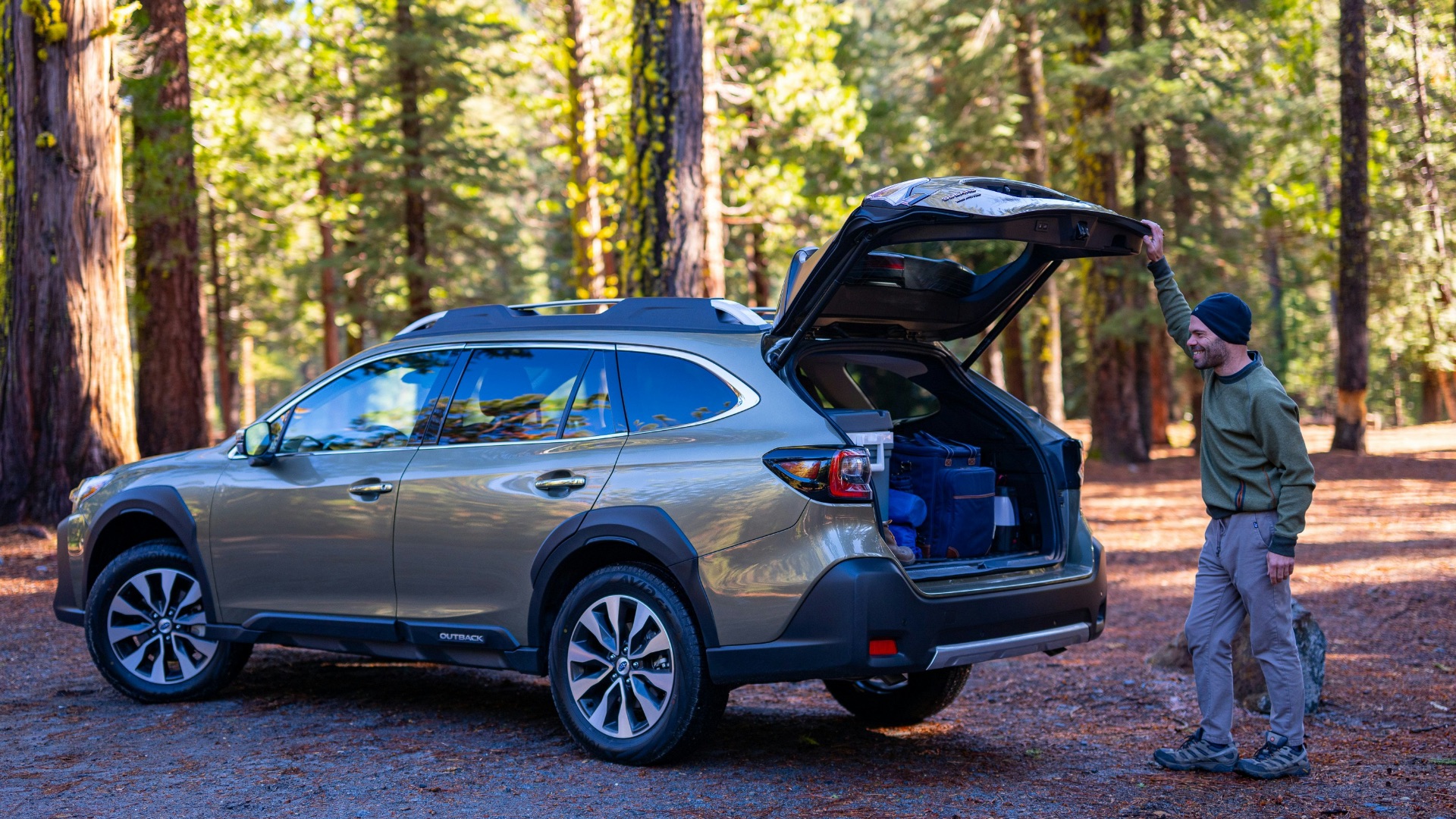
The Subaru Outback combines a roomy cabin with a cargo area that can handle suitcases, coolers, and outdoor equipment. Standard all-wheel drive adds reassurance when the route includes rain, snow, gravel roads, or mountain destinations. Its seating position feels more relaxed than that of a low sports car, yet the vehicle remains easier to maneuver than a large SUV. The redesigned 2026 Outback offers up to 80.5 cubic feet of cargo room with the rear seats folded.
3. Honda Odyssey
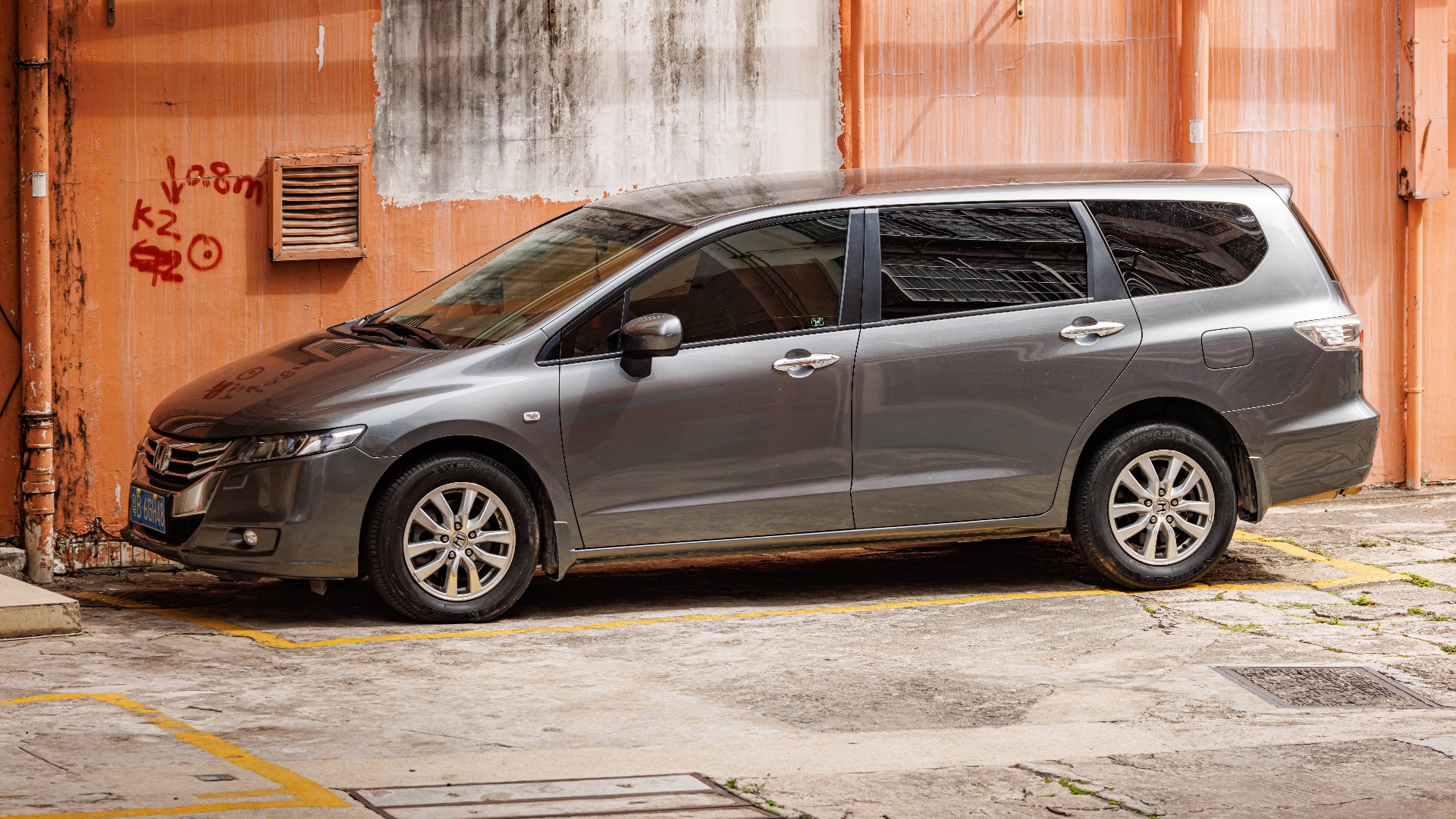
The Honda Odyssey is especially useful when several passengers need to spend full days together in one vehicle. Its broad cabin provides separation between travelers, and the sliding doors make entry easier in narrow parking spaces. Families can organize snacks, devices, bags, and entertainment without crowding the front seats. Although it lacks the rugged image of an SUV, its road-trip practicality is difficult to dismiss.
4. Honda CR-V Hybrid
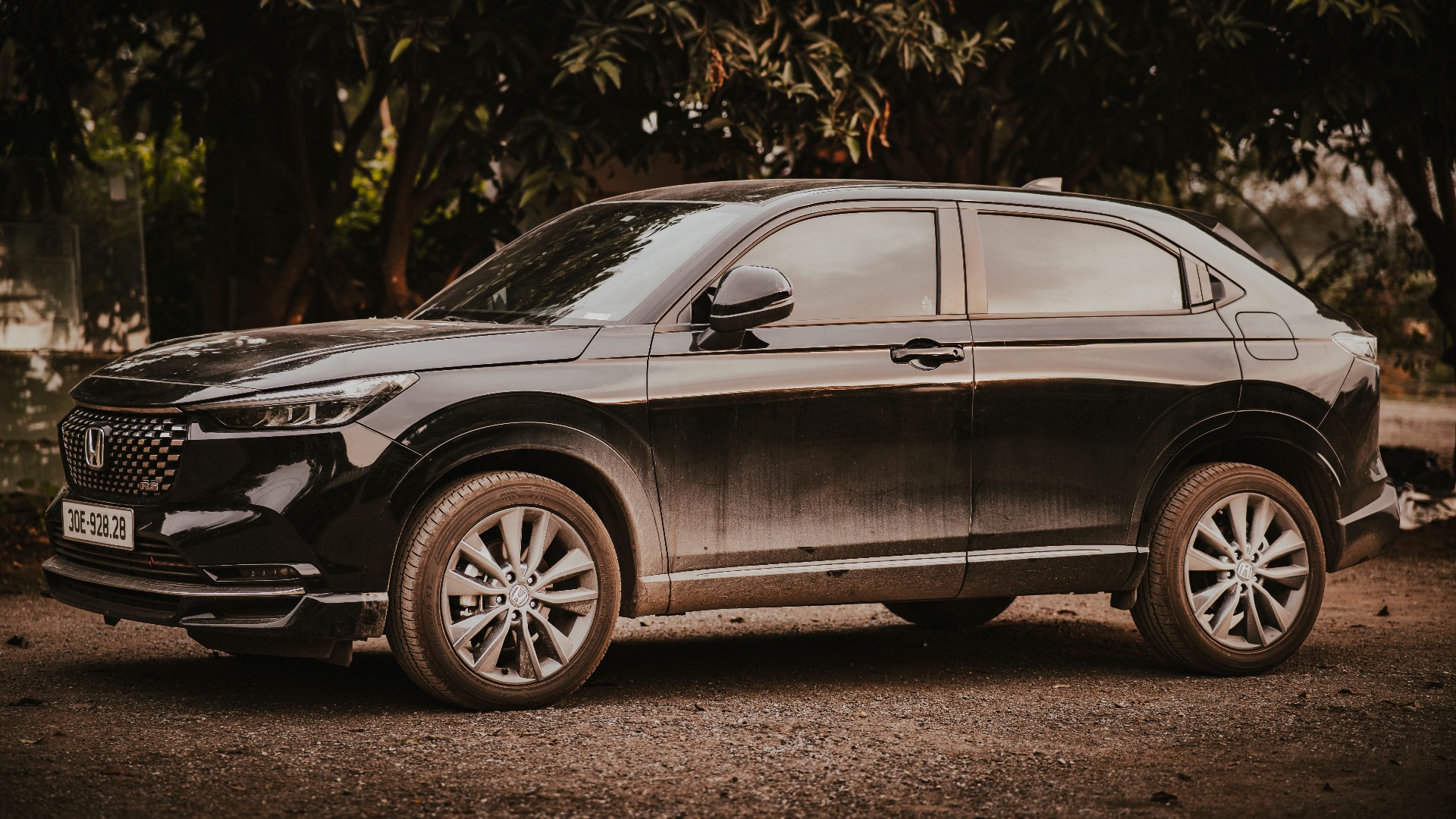
For travelers who don’t need three rows, the Honda CR-V Hybrid offers a sensible balance of passenger space and manageable exterior dimensions. The rear seating area can accommodate adults comfortably, while the cargo compartment has enough room for a typical family’s luggage. Efficient fuel use reduces the number of stops required along the way. It’s also easy to drive in unfamiliar cities once you reach your destination.
5. Kia Telluride
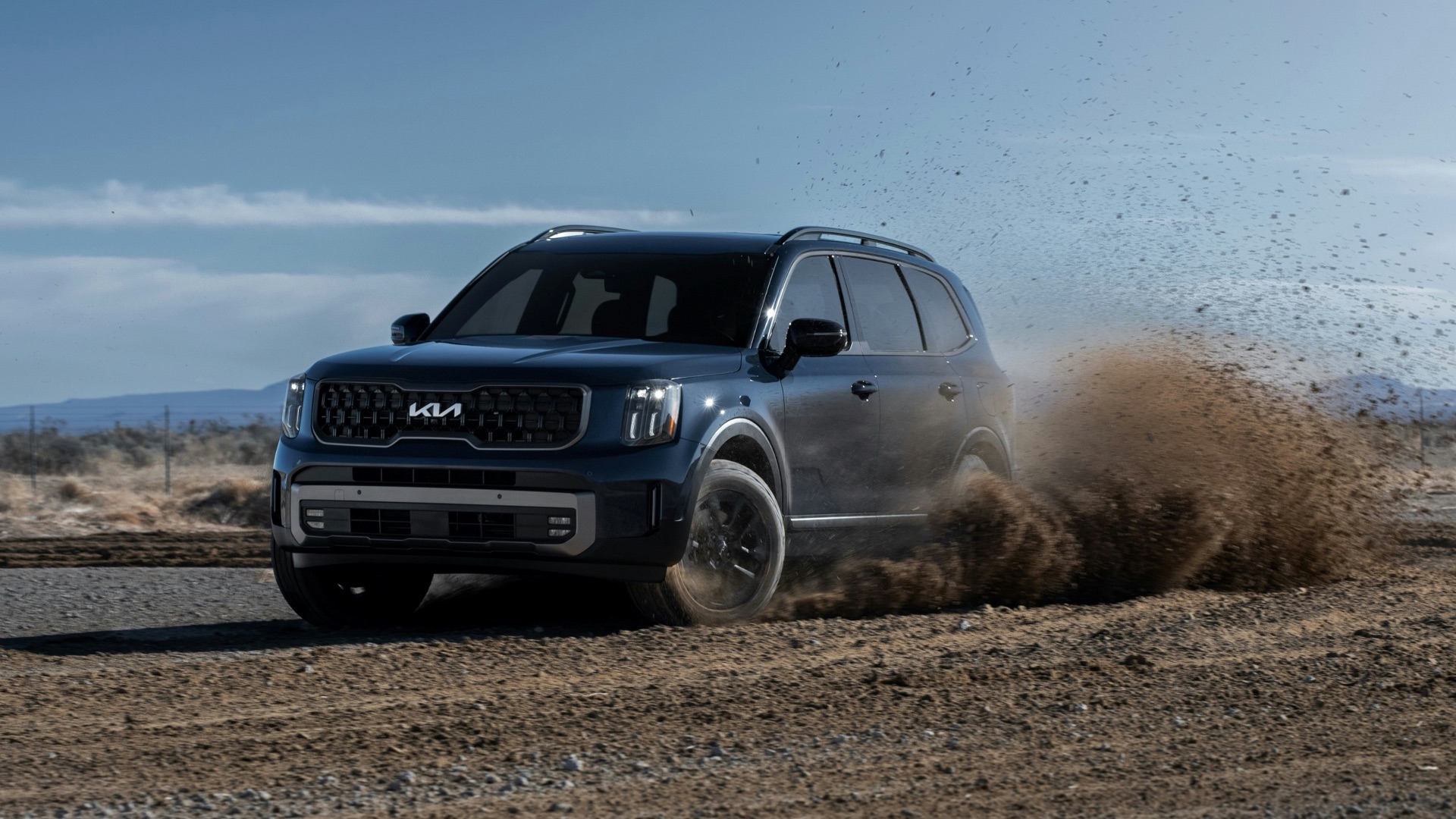
The Kia Telluride works well for groups that want SUV space without a harsh, trucklike driving experience. Its three rows allow passengers to spread out, and the cabin includes useful storage areas for smaller belongings. The composed highway ride helps reduce fatigue when the day’s itinerary involves several hours behind the wheel. With the third row folded, there’s considerably more room for luggage and vacation equipment.
 Hyundai Motor Group on Unsplash
6. Toyota RAV4 Hybrid
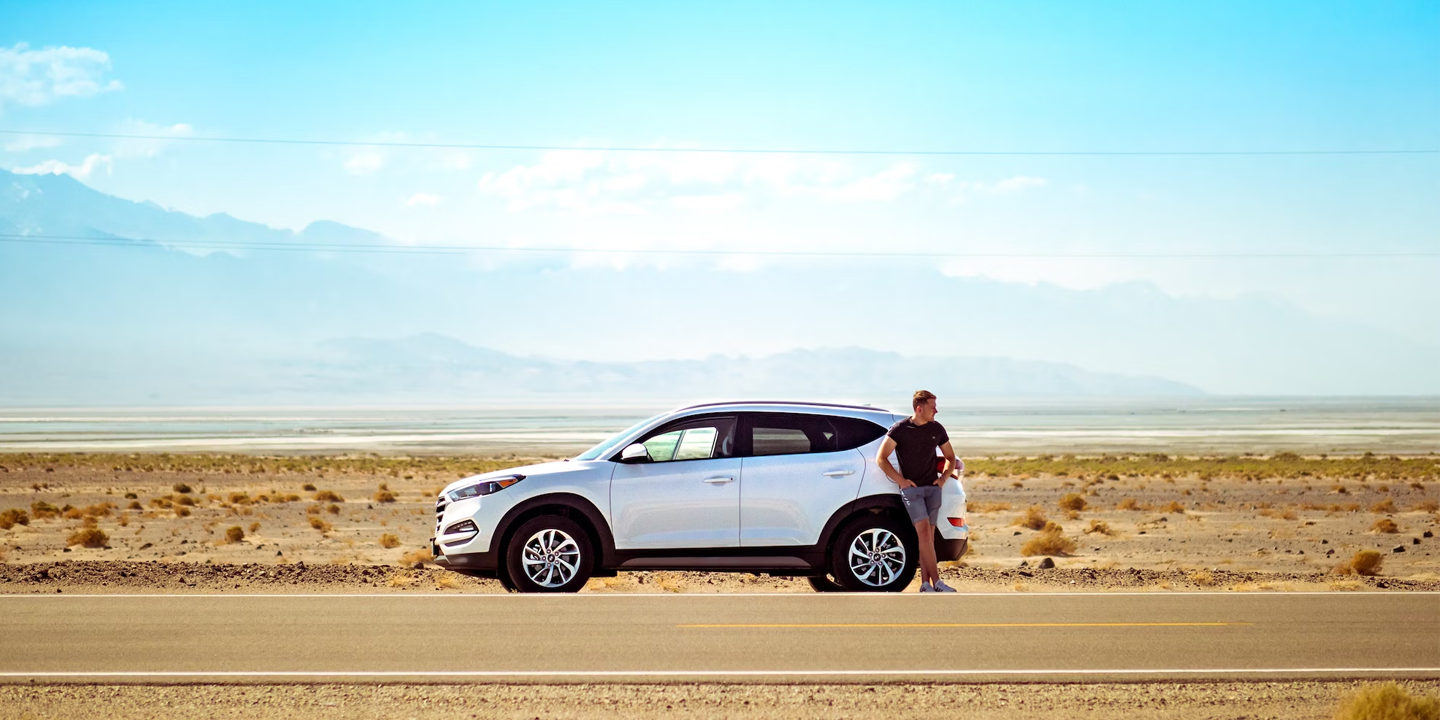
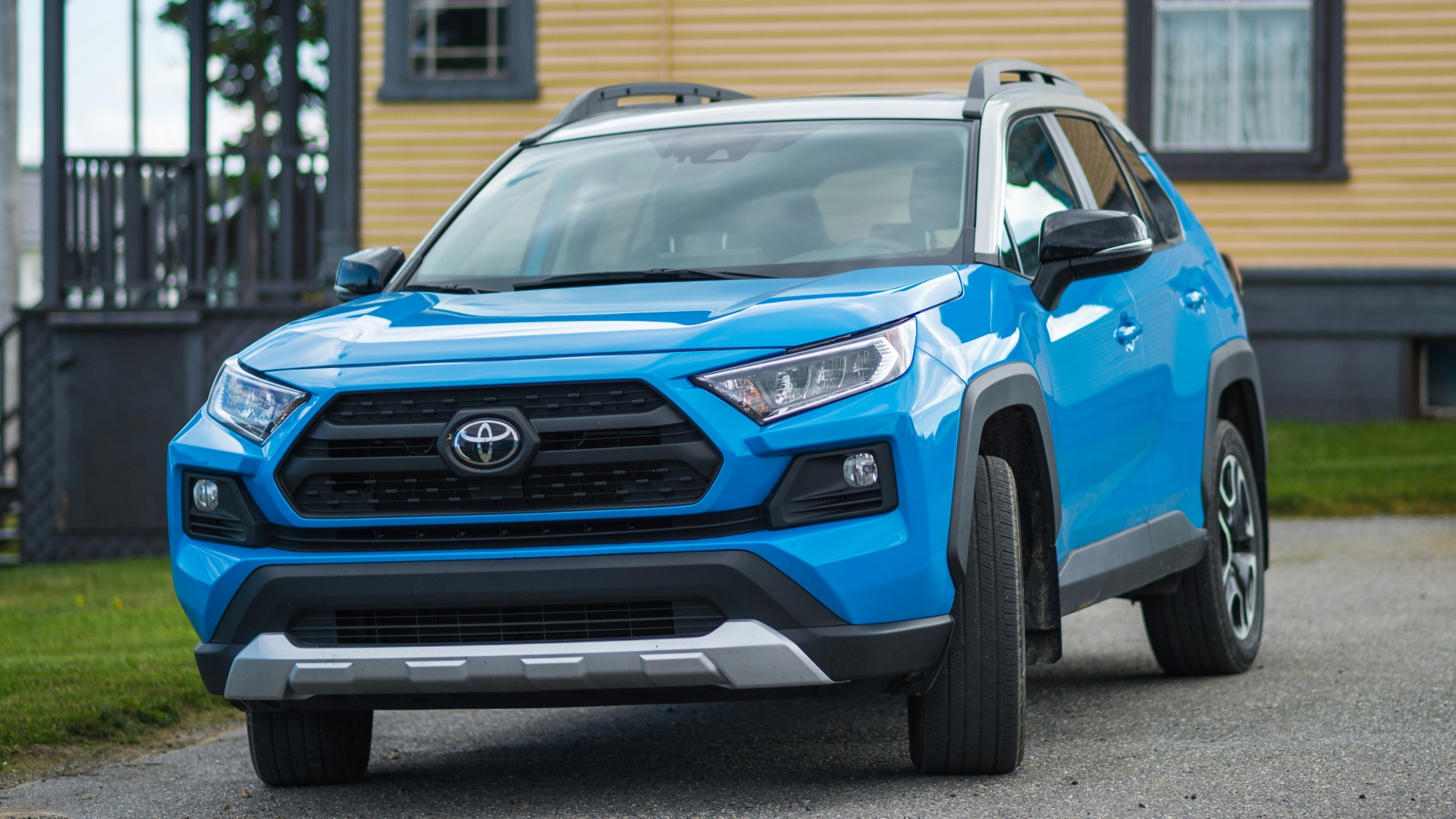
A Toyota RAV4 Hybrid is well-suited to couples or small families who want efficiency without moving into a compact car. The elevated seating position provides a clear view of surrounding traffic, and the rear cargo area can accommodate several travel bags. All-wheel-drive capability is also useful for routes that involve changing weather or unpaved access roads. Its widespread popularity can make service and replacement parts easier to find while traveling.
7. Hyundai Palisade
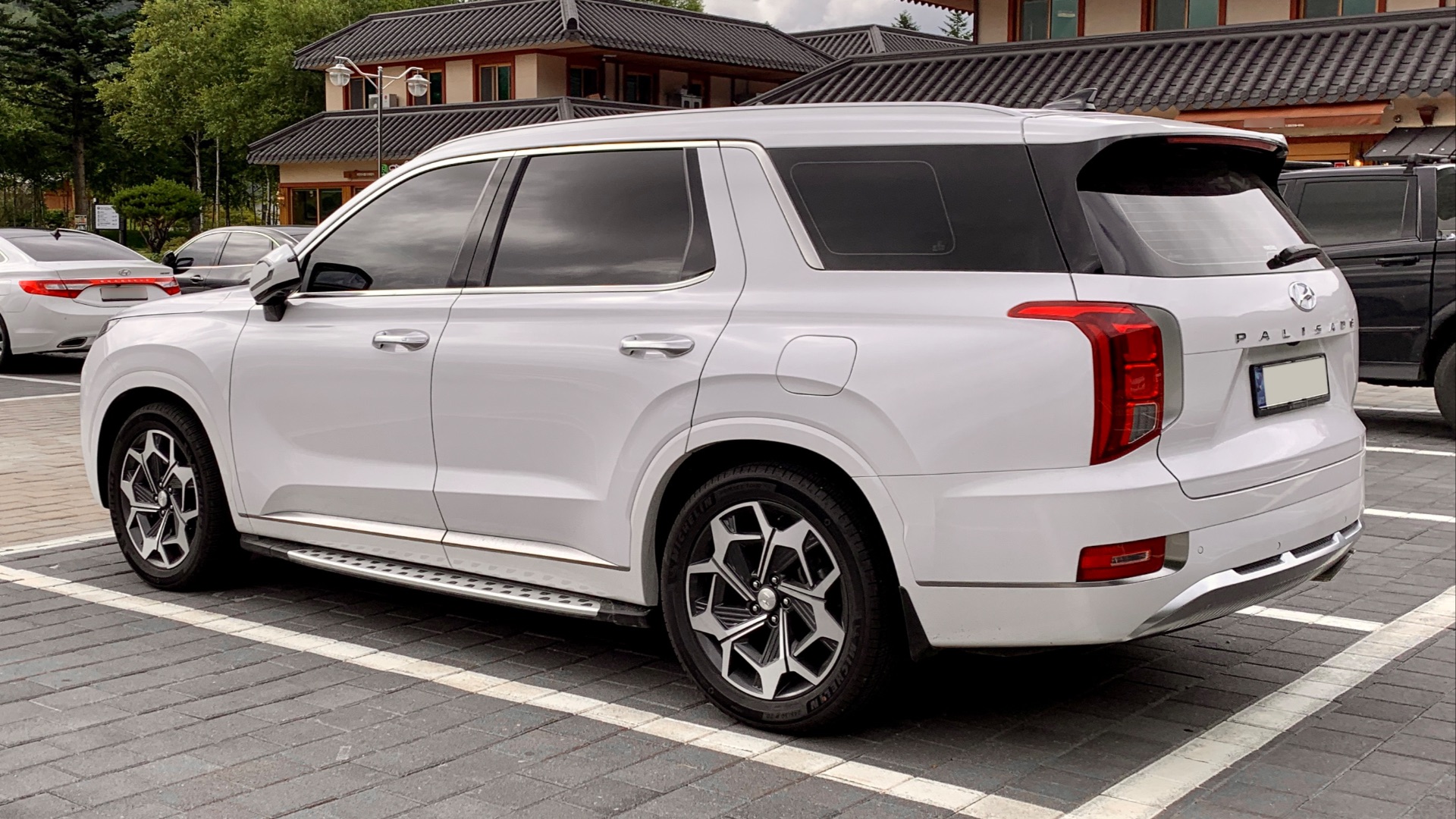
The Hyundai Palisade provides a comfortable environment for adults seated in both the first and second rows. Available captain’s chairs make it easier to reach the third row, while numerous storage spaces keep drinks, cables, and personal items under control. Highway travel feels stable and composed rather than overly firm. It’s an appealing choice when passenger comfort matters as much as luggage capacity.
8. Honda Accord Hybrid
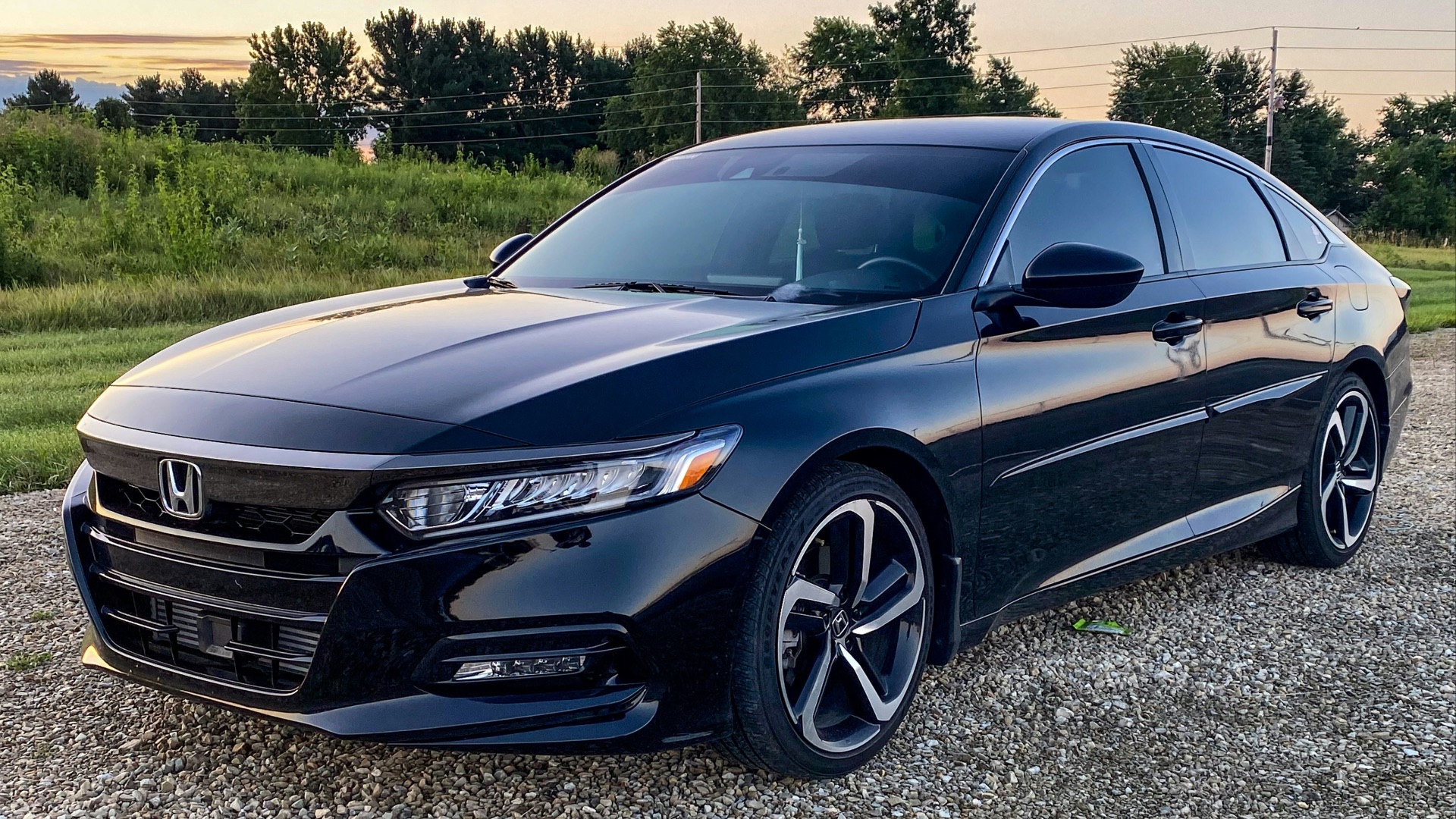
You don’t necessarily need an SUV or minivan to enjoy a comfortable road trip. The Honda Accord Hybrid provides generous passenger room, a useful trunk, and strong fuel economy in a traditional sedan body. Its lower profile can also help it feel settled at highway speeds. For two to four travelers staying primarily on paved roads, it covers the essentials without carrying unnecessary bulk.
9. Toyota Camry Hybrid
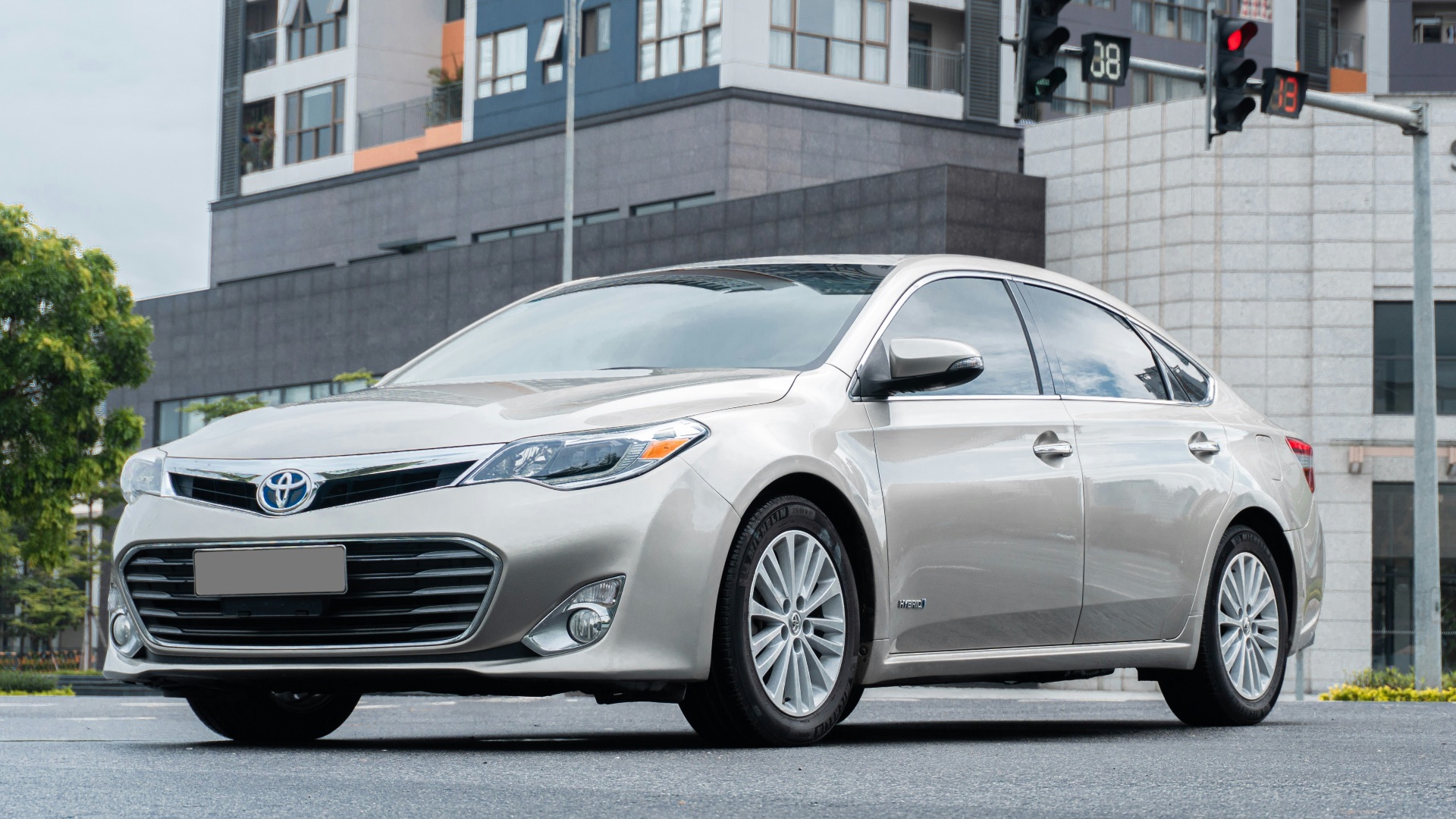
The Toyota Camry Hybrid is another straightforward option for travelers who prefer a sedan. Its fuel efficiency allows longer stretches between gas stations, while the cabin provides enough space for adults to remain comfortable. The trunk can handle conventional suitcases more easily than the irregular storage areas found in some sports cars. Predictable controls and a relaxed driving experience are valuable when you’re navigating unfamiliar highways.
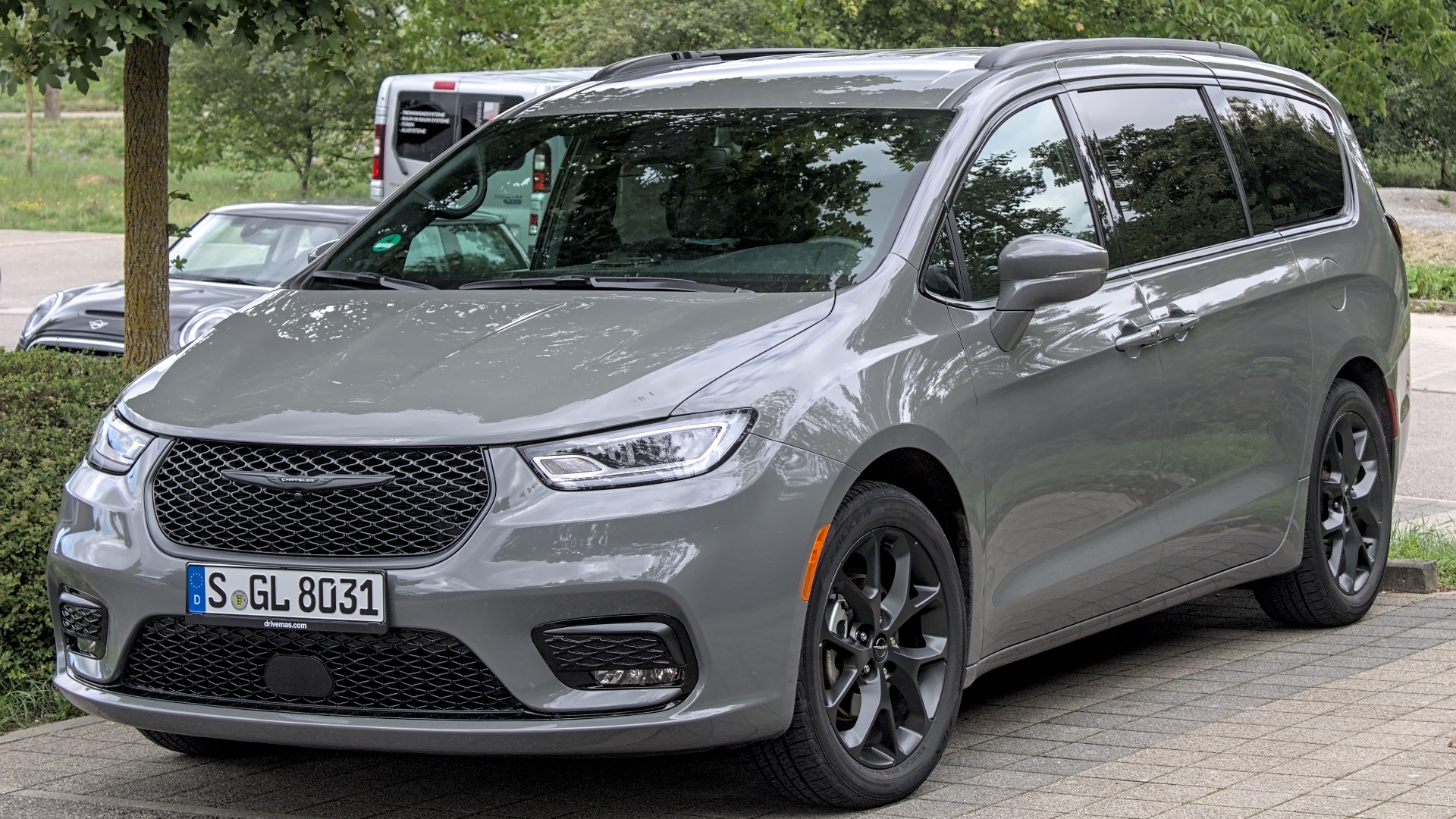
10. Chrysler Pacifica
The Chrysler Pacifica offers the passenger capacity of a family vehicle along with an interior designed to adapt to different combinations of people and cargo. Depending on the configuration, seats can be folded or repositioned to create room for strollers, sports gear, coolers, or oversized purchases. Sliding doors are useful during busy rest stops, where neighboring vehicles may be parked close by. For a group carrying plenty of belongings, that everyday convenience makes the journey much easier.