Some Streets Require More Than a GPS
Sure, driving in an unfamiliar city can already be stressful, but certain destinations take it to a whole other level. Take Hanoi, for example, where motorcyclists, buses, cars, and pedestrians all compete to see who can cross the intersection first. Or Los Angeles, where getting from point A to B could cost you three hours in gridlock. Or San Francisco, where its notoriously steep hills can intimidate even the most experienced of drivers. Unless you're up for a stress-inducing challenge, it's probably best to avoid trying to navigate in these 20 impossible cities.
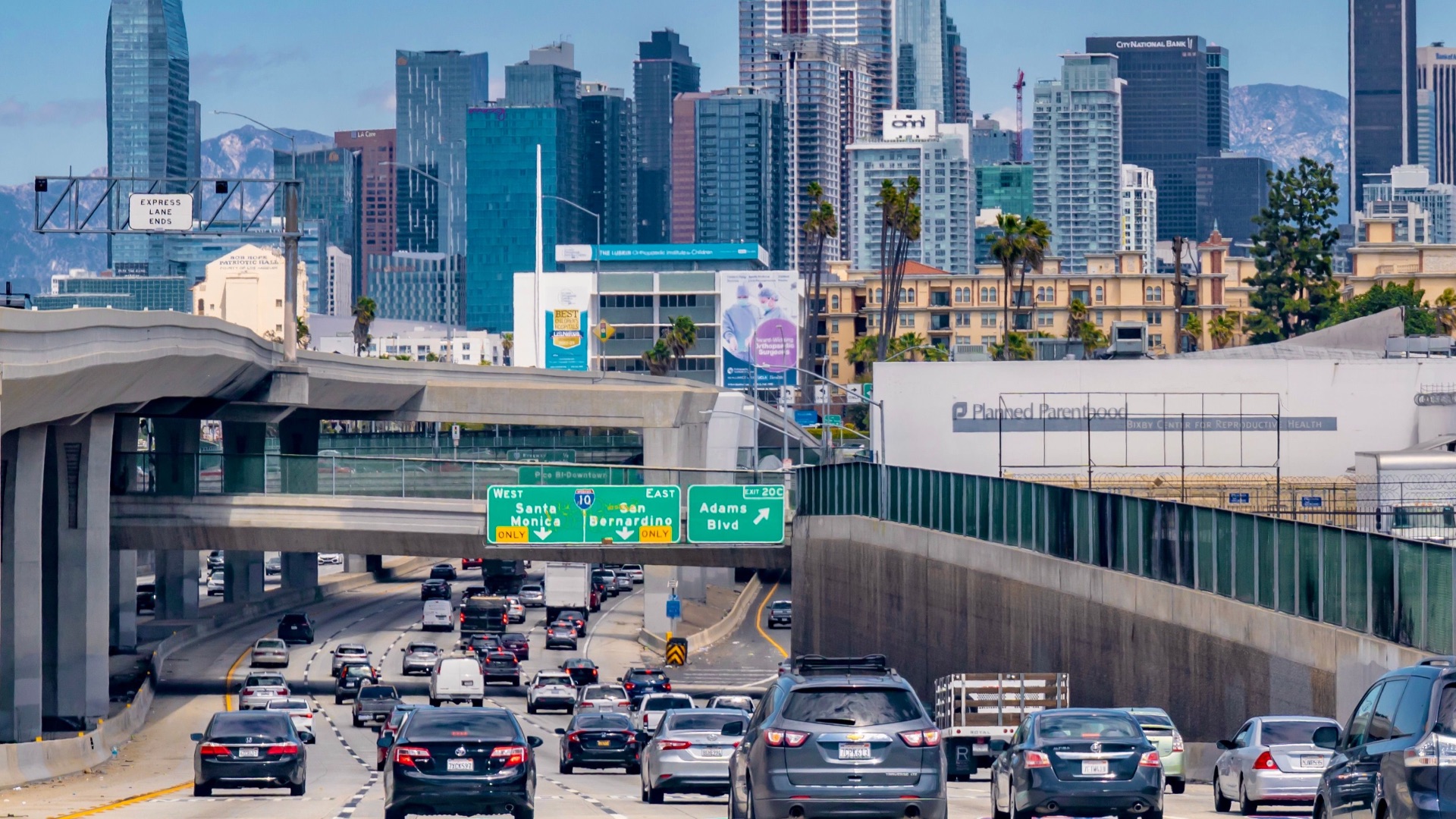
1. Los Angeles, California
Los Angeles has an enormous freeway system, yet getting anywhere can still take far longer than expected. Traffic builds across the region rather than remaining limited to a compact downtown core, and even alternate surface streets can become backed up. Lane-splitting motorcycles, complicated interchanges, and sprawling distances add further pressure when you’re unfamiliar with the area.
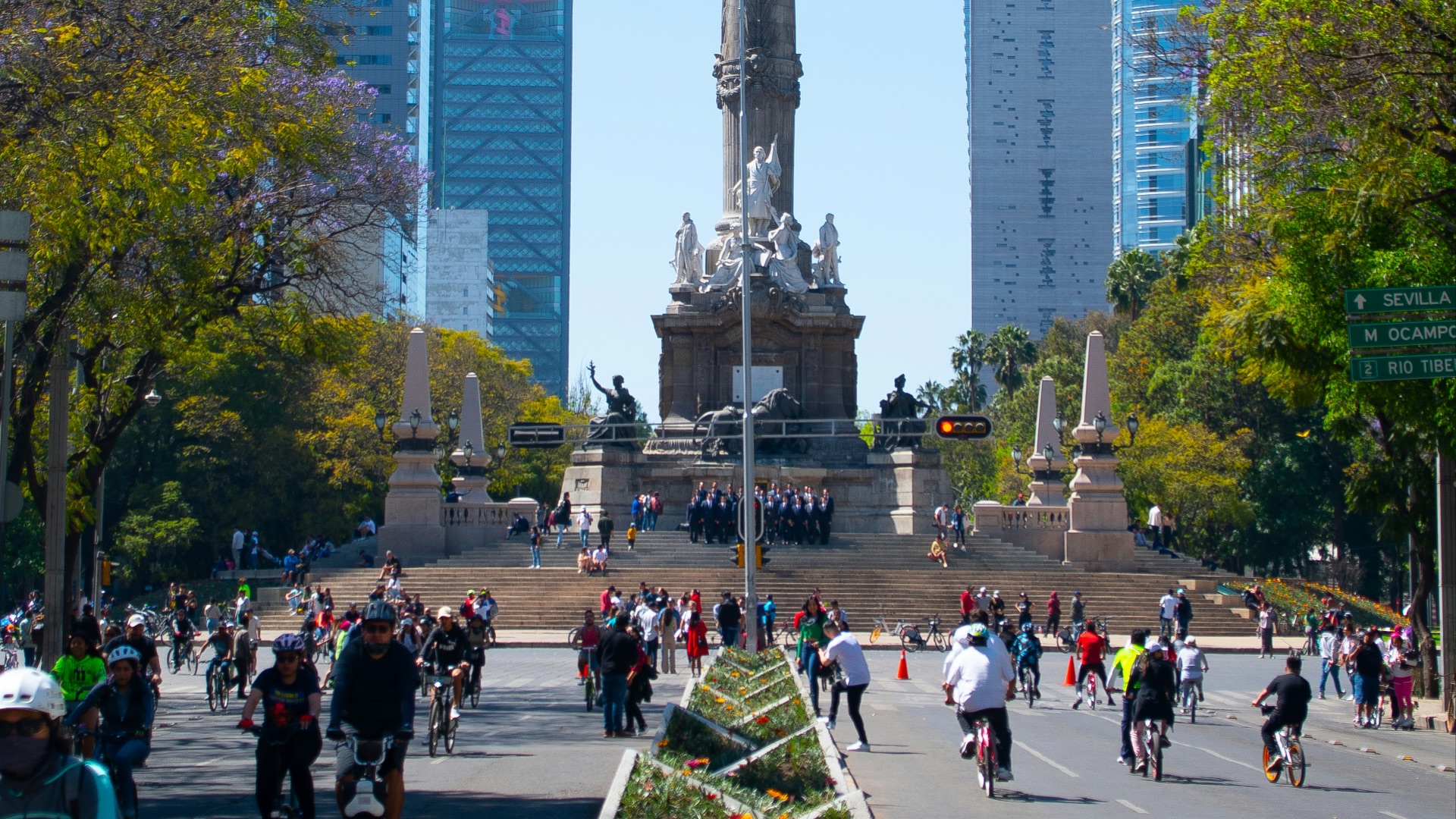
2. Mexico City, Mexico
Mexico City combines dense development, heavy commuter traffic, frequent roadwork, and an immense number of vehicles. Main roads can slow dramatically during peak periods, while smaller streets may involve confusing turns, irregular intersections, and limited parking. You’ll also need to understand local vehicle restrictions, which can prevent certain cars from being driven on designated days.
 Alejandro Giraldo Ortega on Unsplash
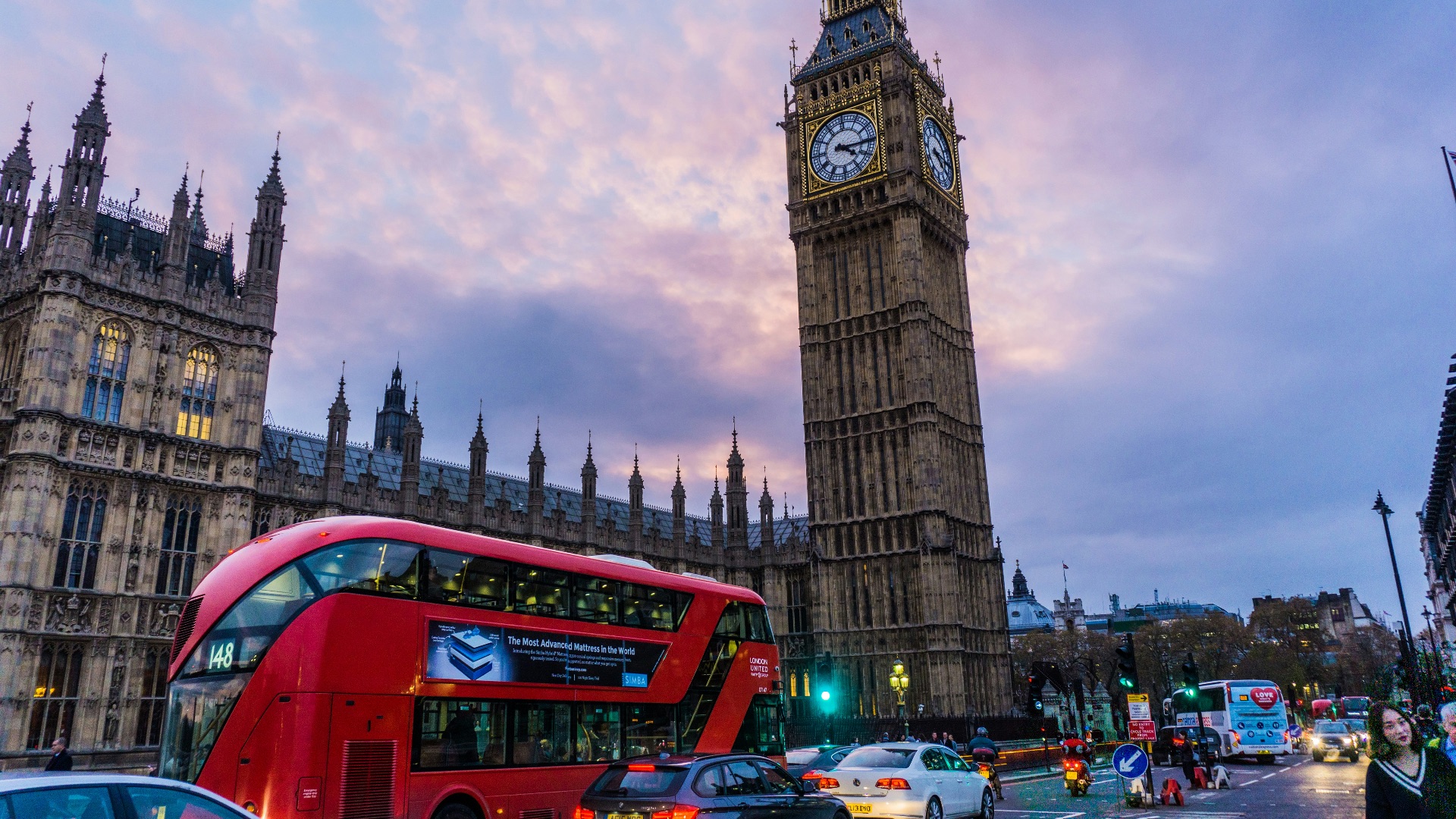
3. London, England
Driving through London means dealing with congestion, narrow streets, bus lanes, cyclists, and several layers of road charges. The city was identified as Europe’s most congested in recent traffic reporting, with motorists losing considerable time to delays. Add left-side driving and complicated intersections, and visitors may find public transportation much easier.
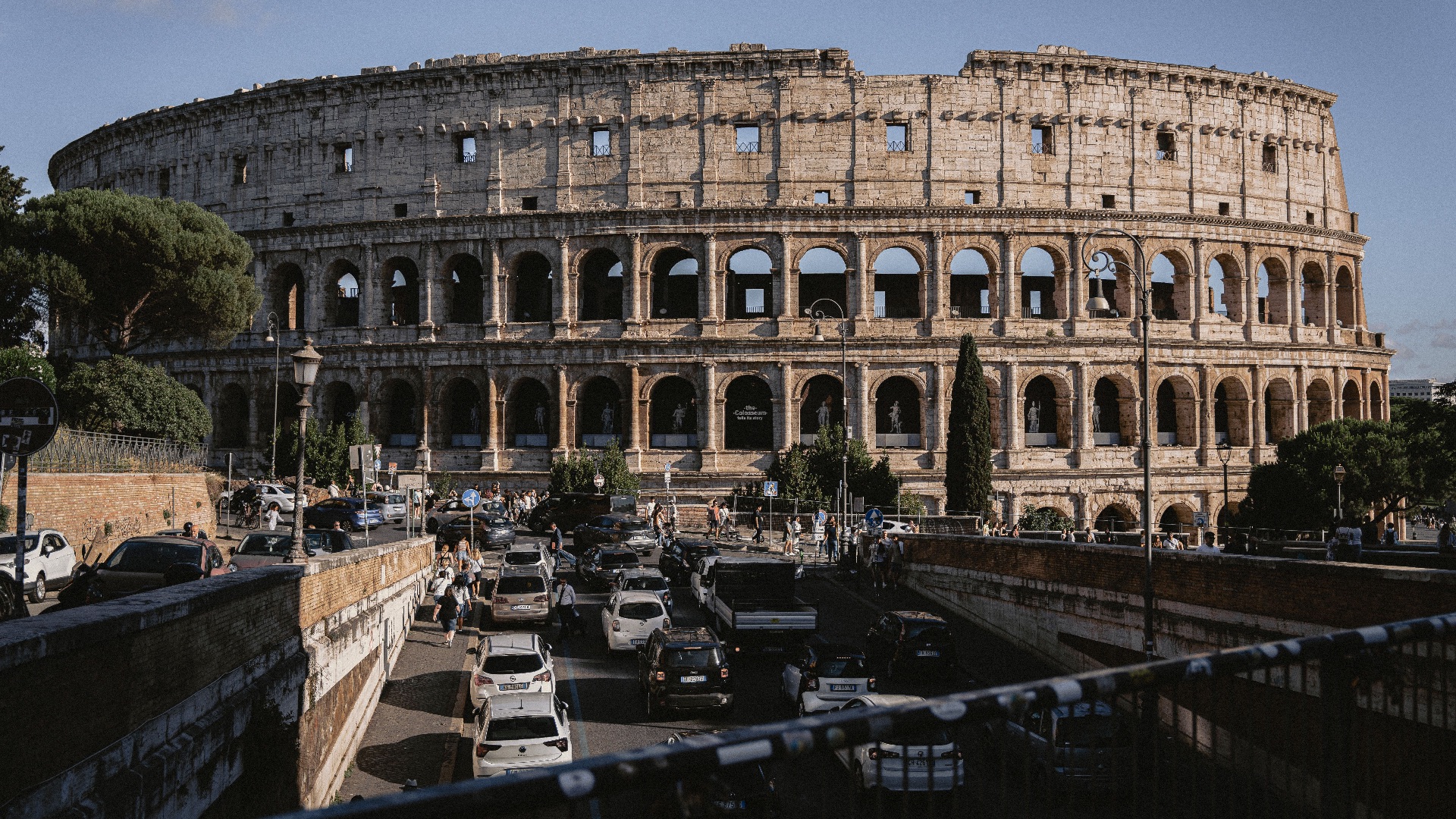
4. Rome, Italy
Rome’s historic center wasn’t designed to accommodate modern traffic, so its narrow streets and limited parking can make driving feel restrictive. Scooters frequently move through small openings, while pedestrians appear wherever sidewalks become crowded. Certain central districts also operate as limited traffic zones, where unauthorized vehicles may receive automatic fines.
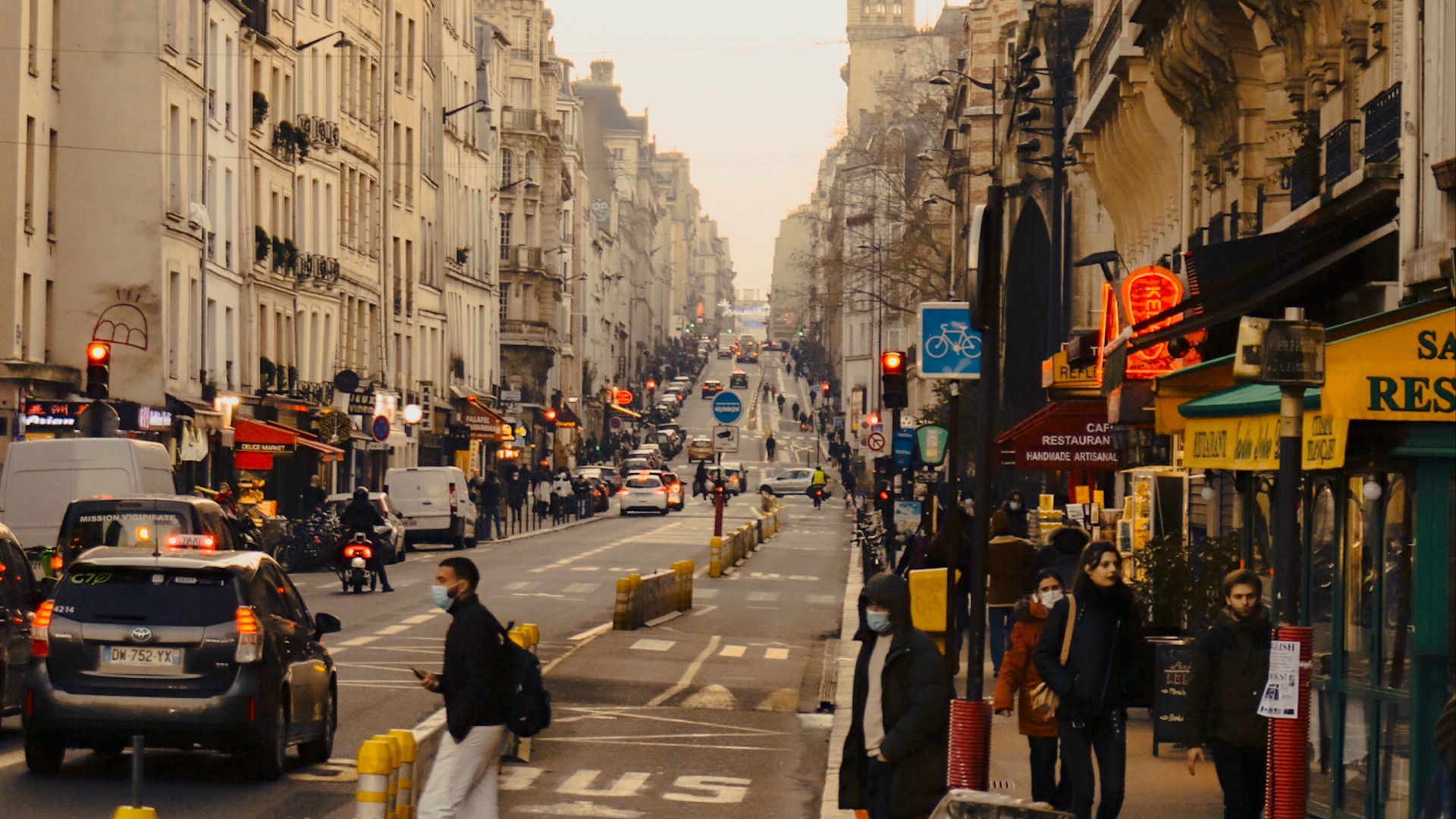
5. Paris, France
Parisian streets require drivers to watch several directions at once, particularly around large traffic circles. The Arc de Triomphe roundabout is especially intimidating because numerous avenues converge without the clearly separated lanes many visitors expect. Bike lanes, restricted areas, delivery vehicles, and scarce parking make central Paris even less welcoming to cars.
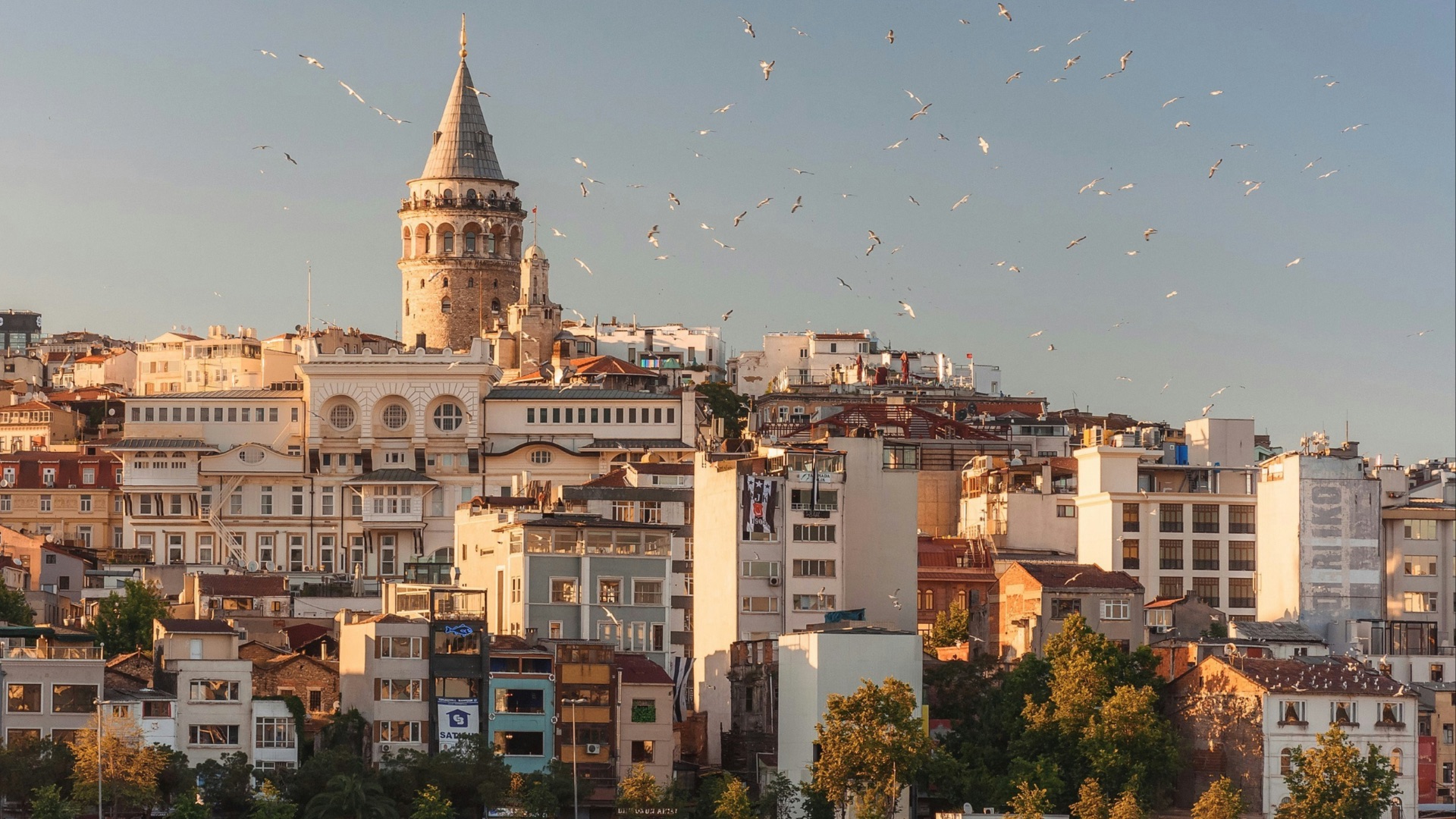
6. Istanbul, Türkiye
Istanbul stretches across two continents, so daily traffic is affected by a limited number of major crossings between its European and Asian sides. Roads can become heavily congested around bridges, tunnels, commercial districts, and waterfront neighborhoods. Steep streets and aggressive merging also demand constant attention from anyone behind the wheel.
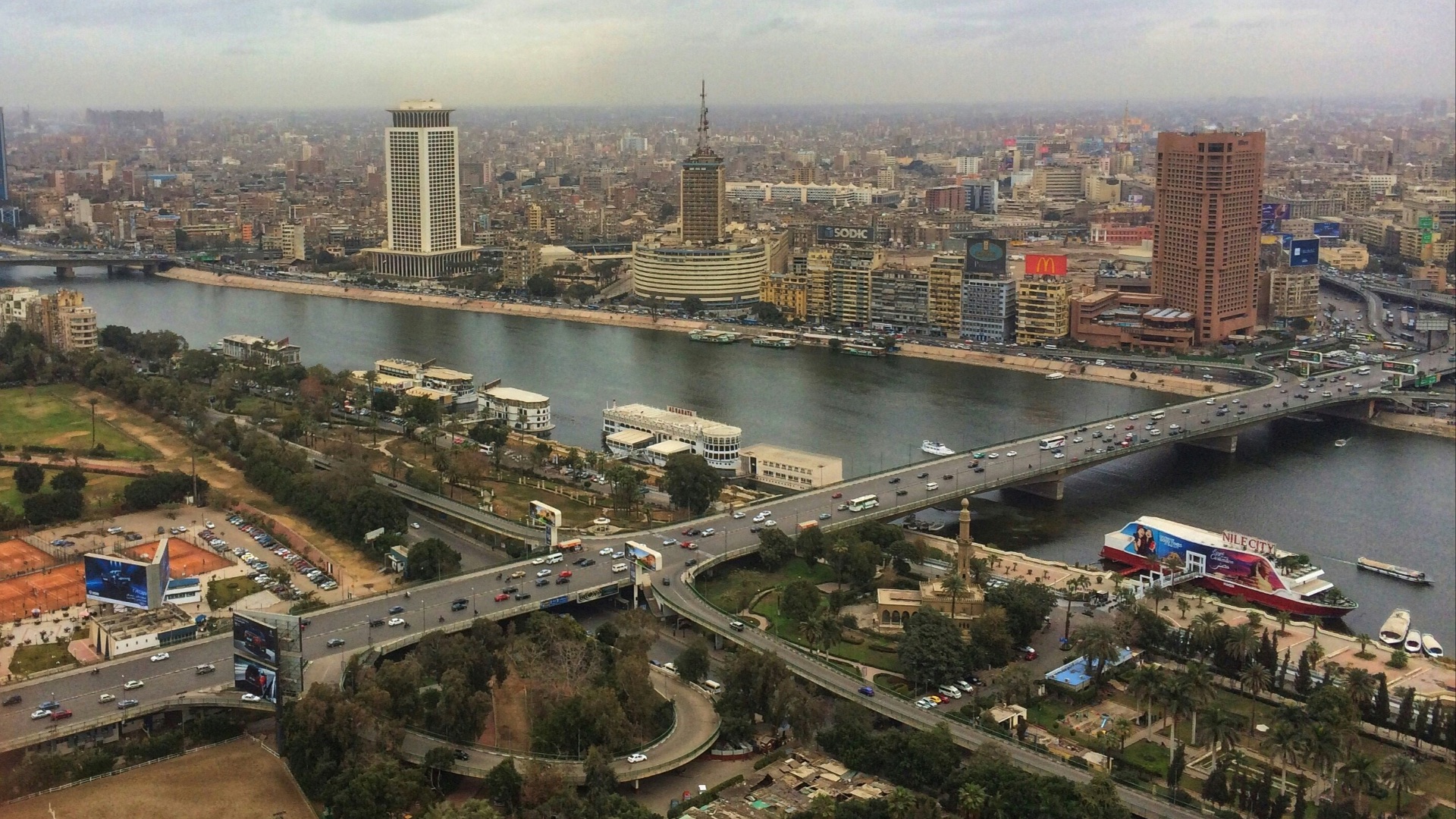
7. Cairo, Egypt
Formal lane markings don’t always determine how vehicles move through Cairo’s busiest roads. Cars, minibuses, motorcycles, pedestrians, and animal-drawn carts may share the same space, particularly outside controlled central routes. Horns are commonly used to announce a driver’s presence, so the noise and movement can overwhelm anyone accustomed to more rigid traffic patterns.
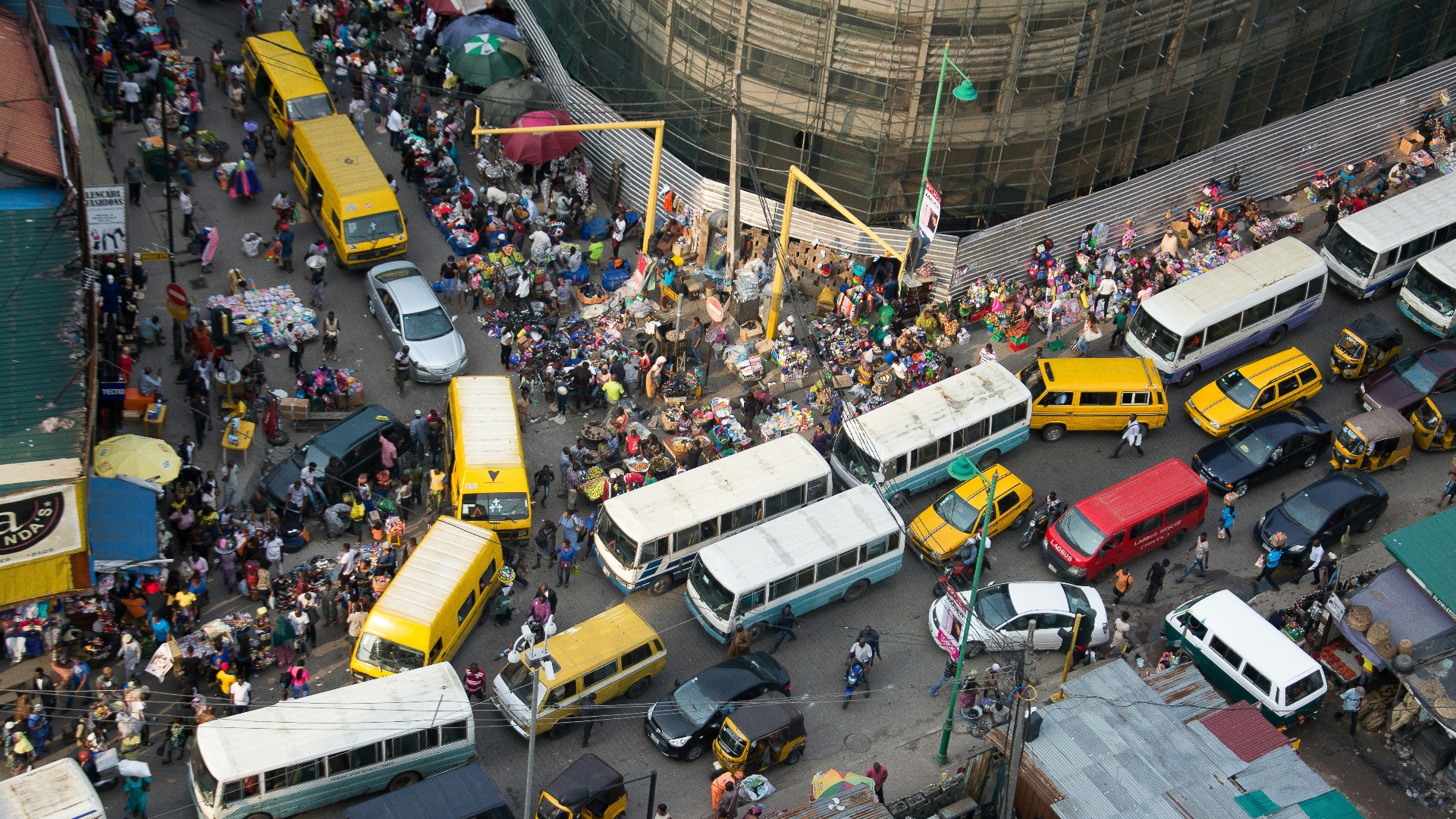
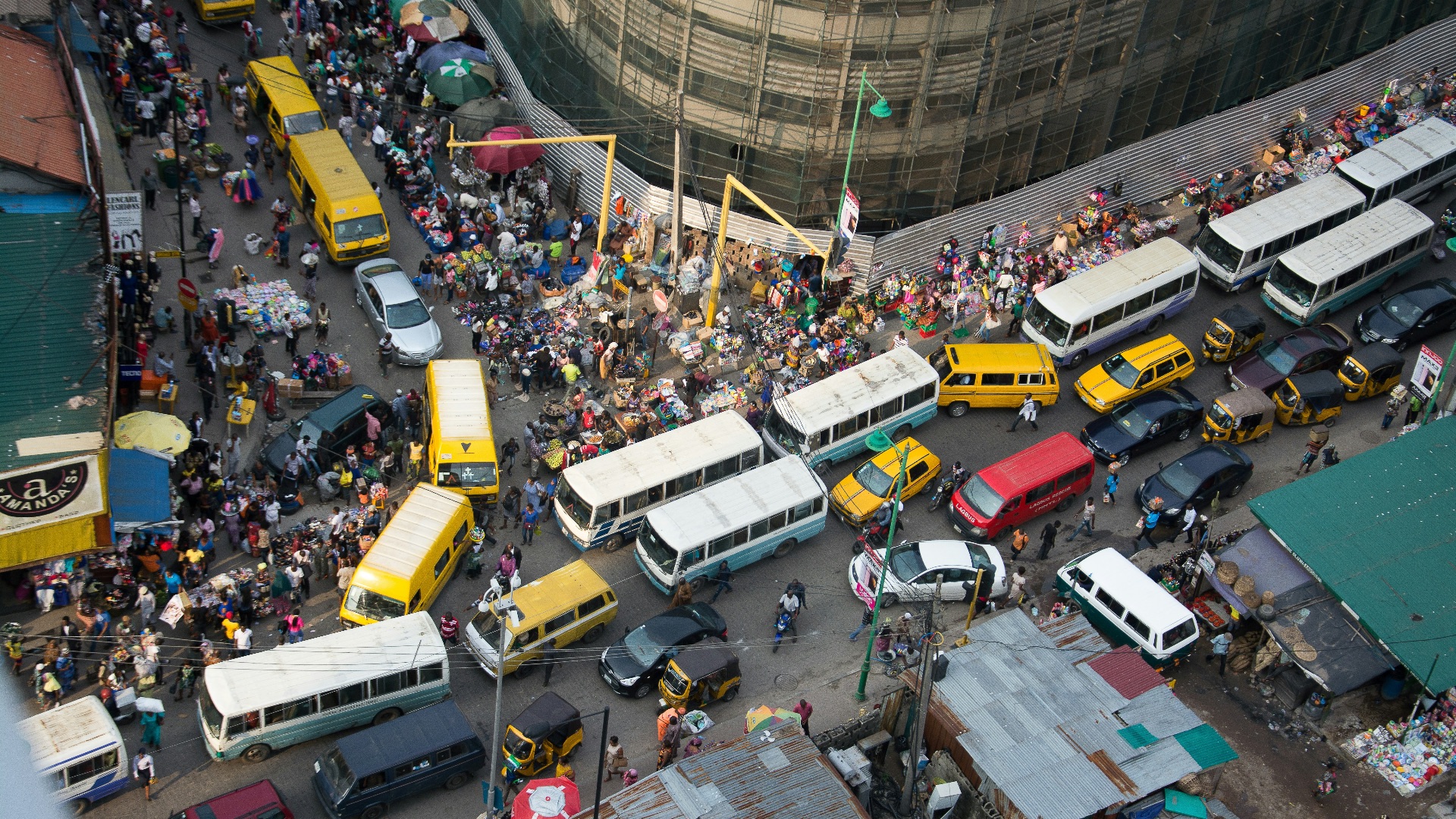
8. Lagos, Nigeria
The sheer volume of commuters in Lagos can bring major routes to a crawl for extended periods. Flooding, roadside activity, construction, and vehicles stopping to collect passengers may make travel times highly unpredictable. A journey that looks manageable on a map can require a substantial allowance for delays.
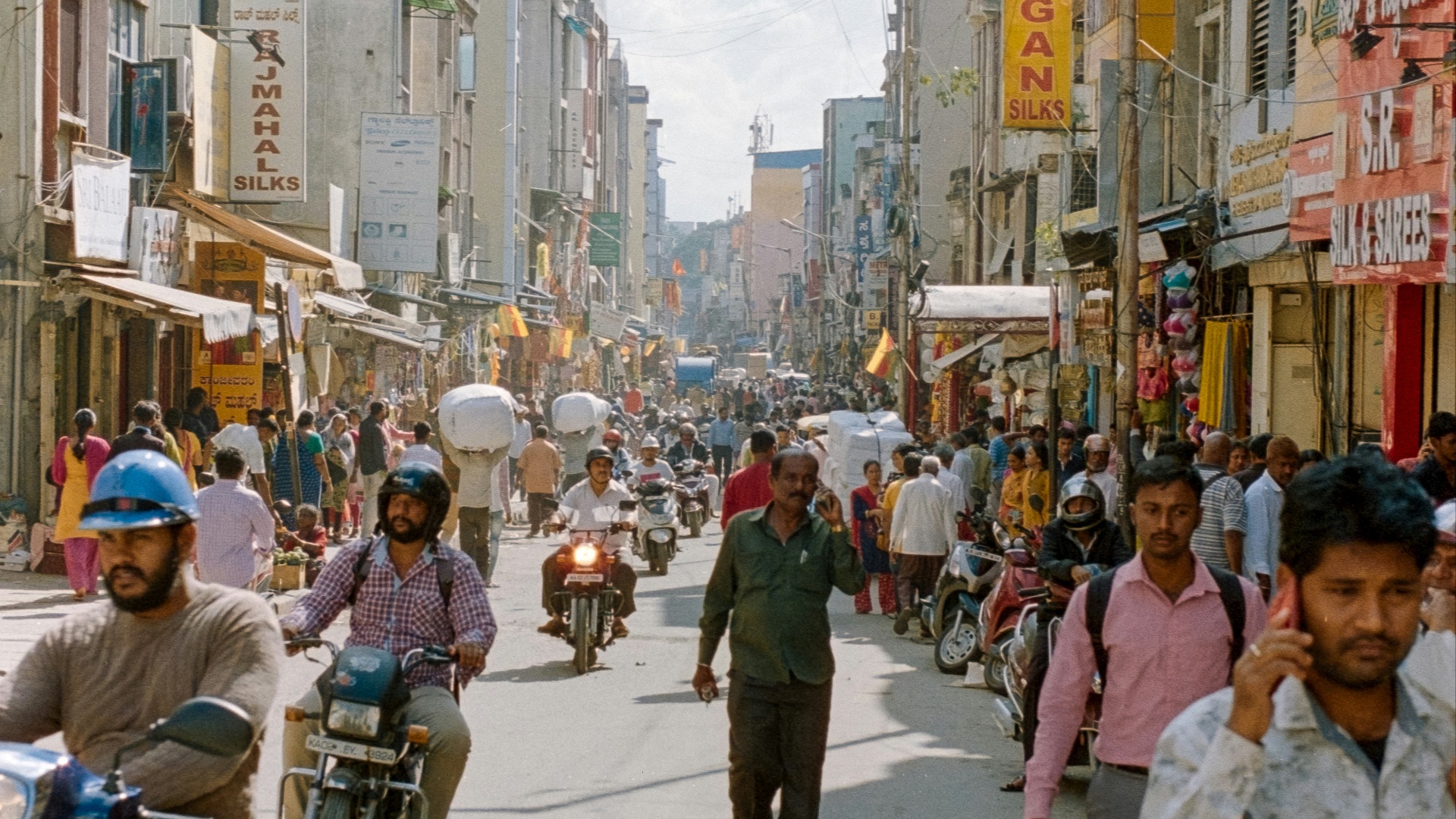
9. Bengaluru, India
Rapid growth has placed enormous pressure on Bengaluru’s road network, especially in technology and business districts. In 2025, the city was reported as one of the world’s most congested, with rush-hour speeds averaging just 13.9 kilometers per hour. Rain, construction, bottlenecks, and overloaded intersections can worsen an already slow commute.
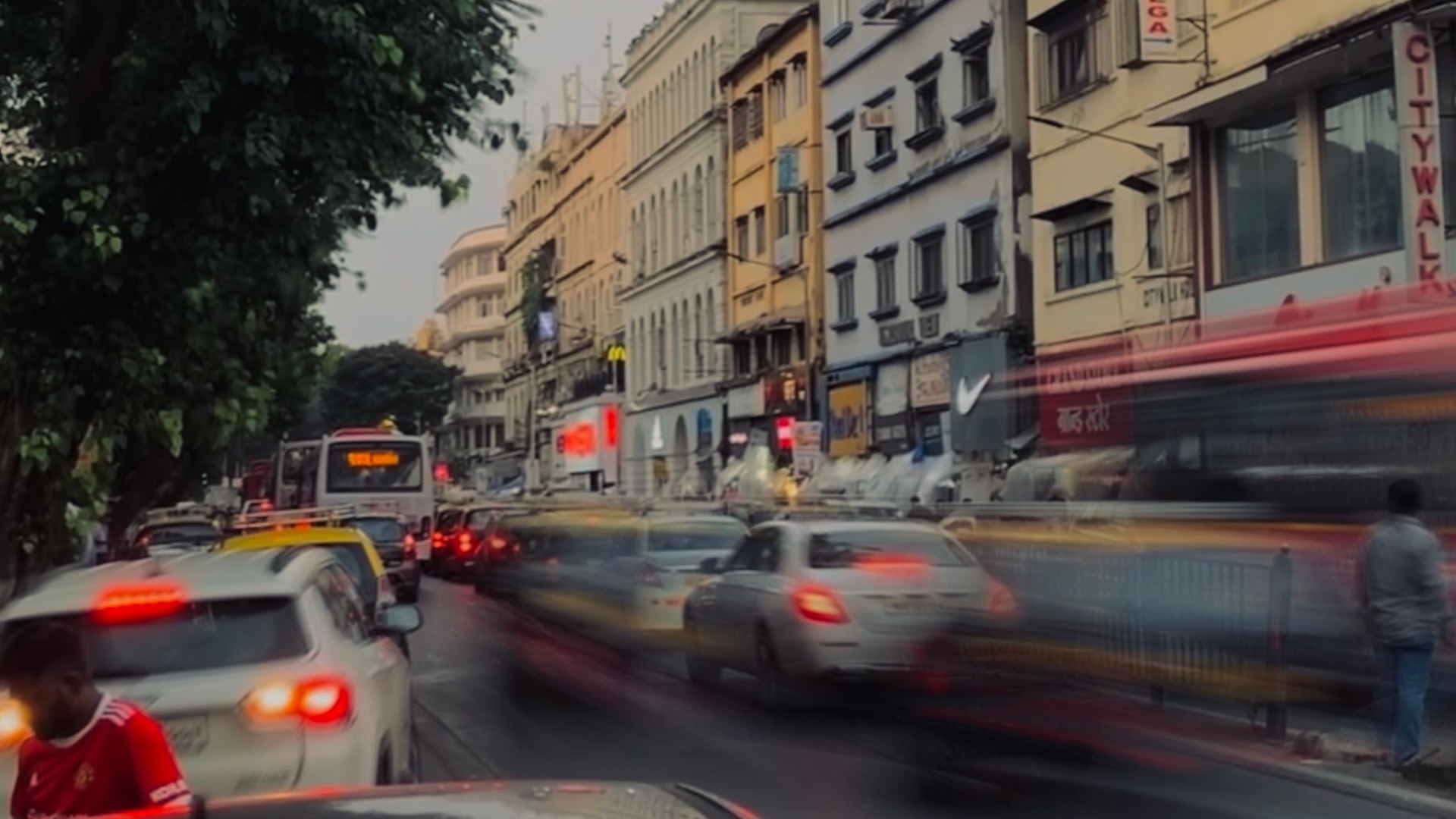
10. Mumbai, India
Mumbai’s geography funnels traffic onto a limited set of north-south routes, leaving relatively few alternatives when something goes wrong. Cars compete for space with buses, auto-rickshaws, motorcycles, delivery vehicles, and pedestrians. During the monsoon season, flooding and reduced visibility can make difficult roads even harder to navigate.
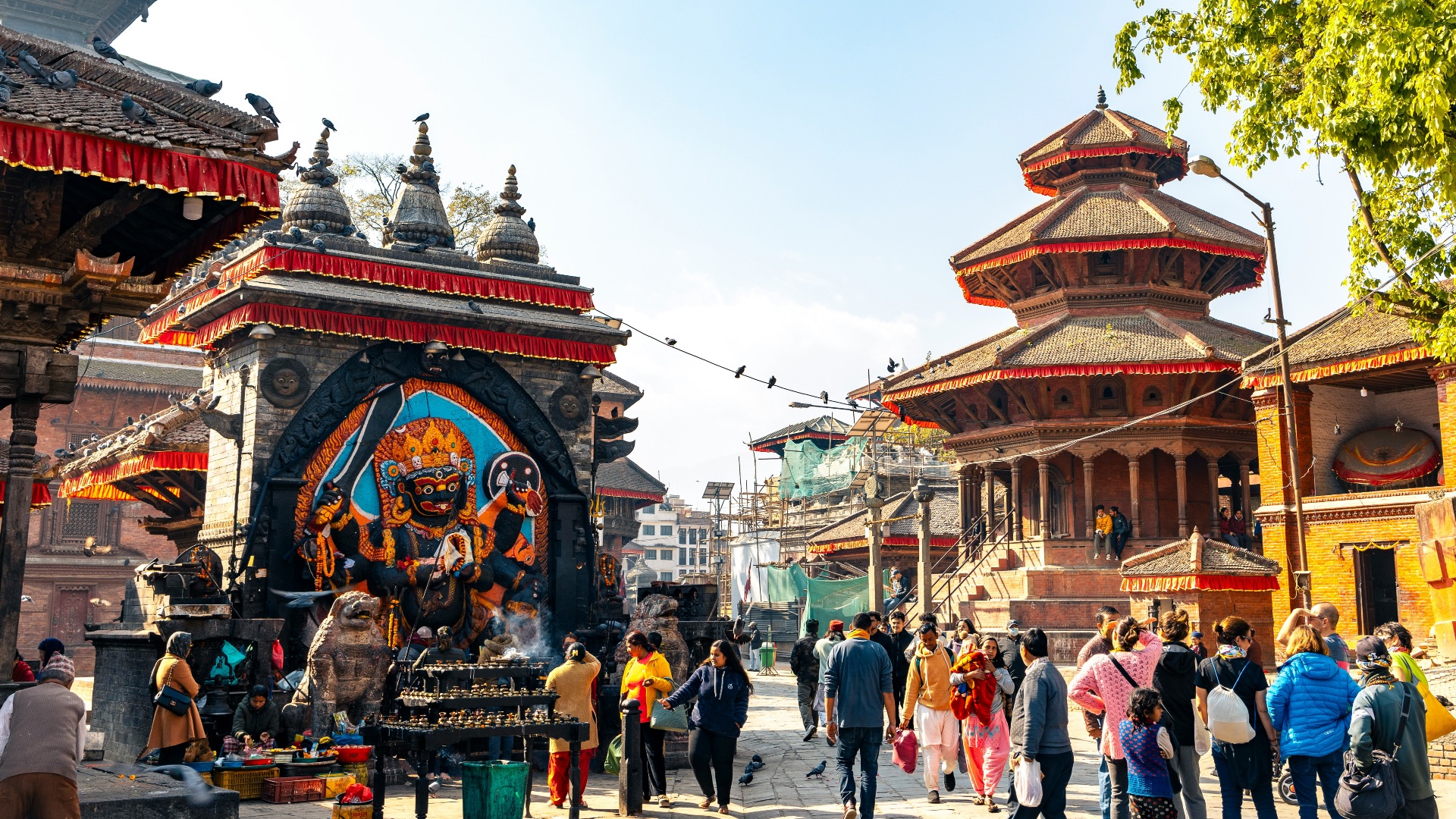
11. Kathmandu, Nepal
Kathmandu presents a combination of congestion, uneven road surfaces, dust, motorcycles, and narrow neighborhood streets. Intersections may lack the signals or lane organization that foreign drivers expect, while road conditions can change considerably within a short distance. Research into Kathmandu Valley transportation has also highlighted frequent jams and mounting pressure from increased private vehicle use.
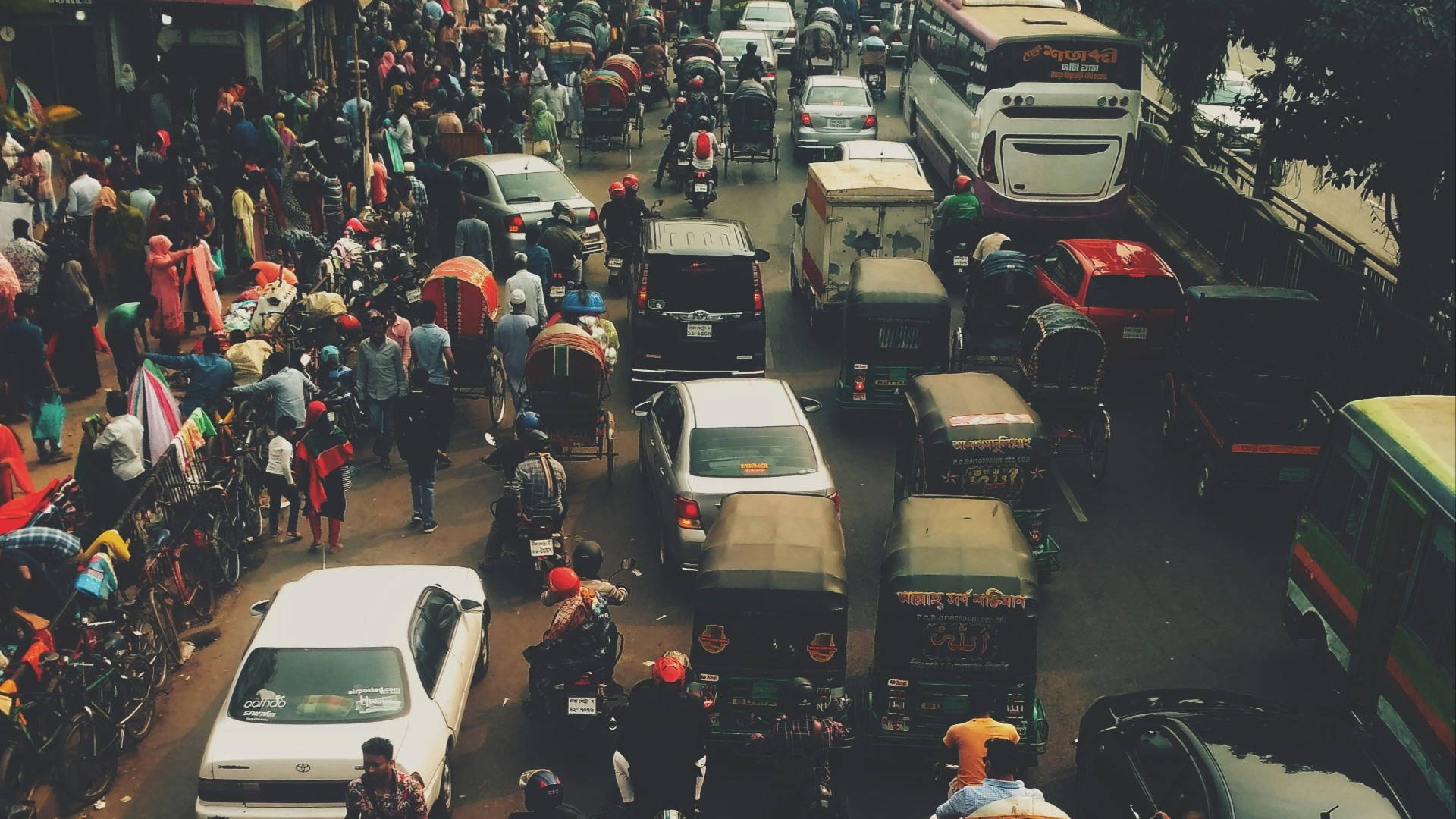
12. Dhaka, Bangladesh
Traffic in Dhaka involves an intense mix of private cars, buses, rickshaws, motorcycles, trucks, and people crossing the roadway. Vehicles moving at very different speeds often occupy the same route, which makes maintaining a steady pace difficult. Congestion can persist beyond the usual rush hours, leaving drivers with few reliable ways to predict arrival times.
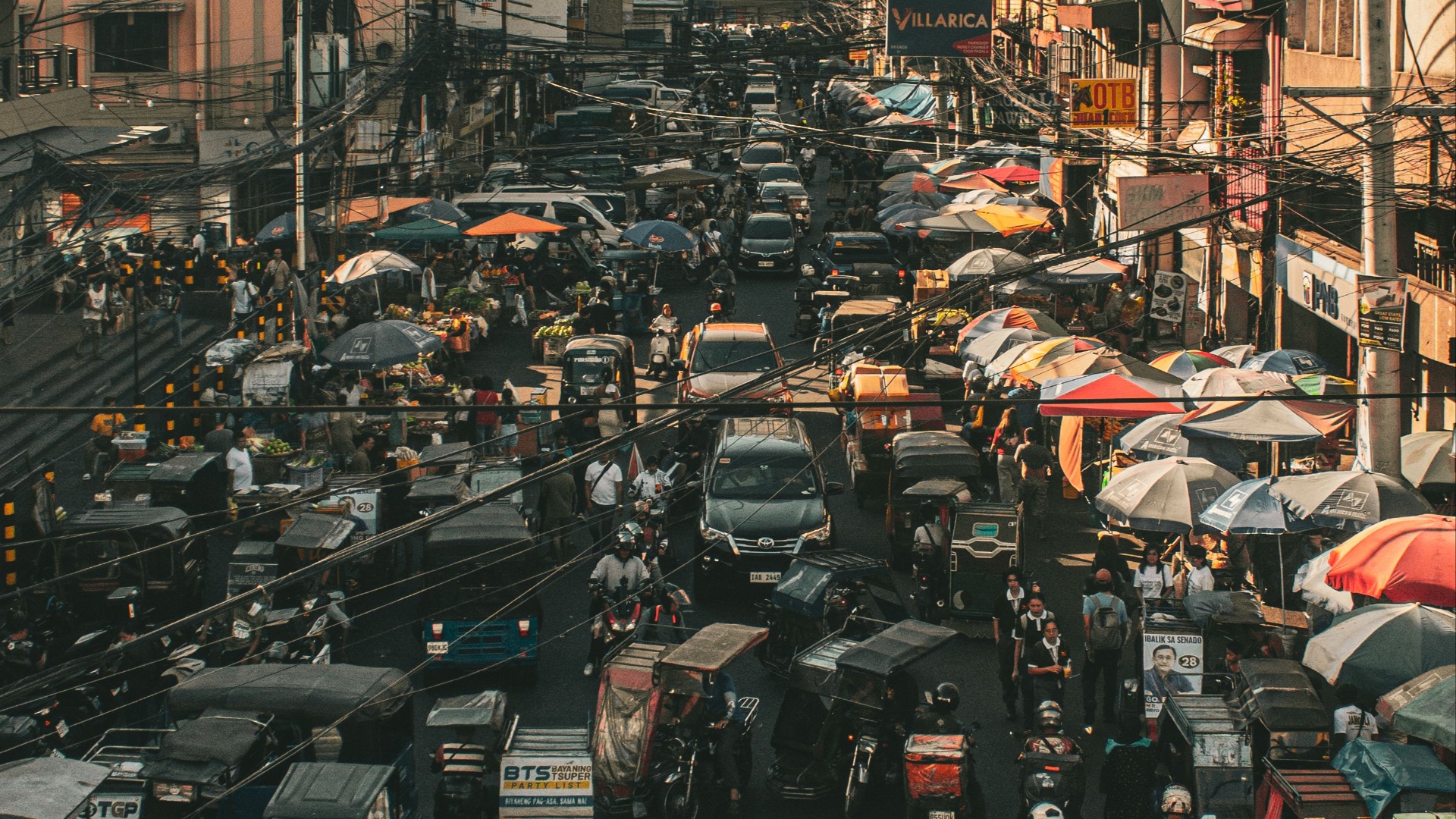
13. Manila, Philippines
Manila’s busiest roads routinely face high traffic volumes, especially around major commercial areas and routes connecting different parts of Metro Manila. Jeepneys and buses frequently stop to collect passengers, while motorcycles pass through whatever room remains. Navigation apps may suggest a faster route, but congestion can shift before you reach it.
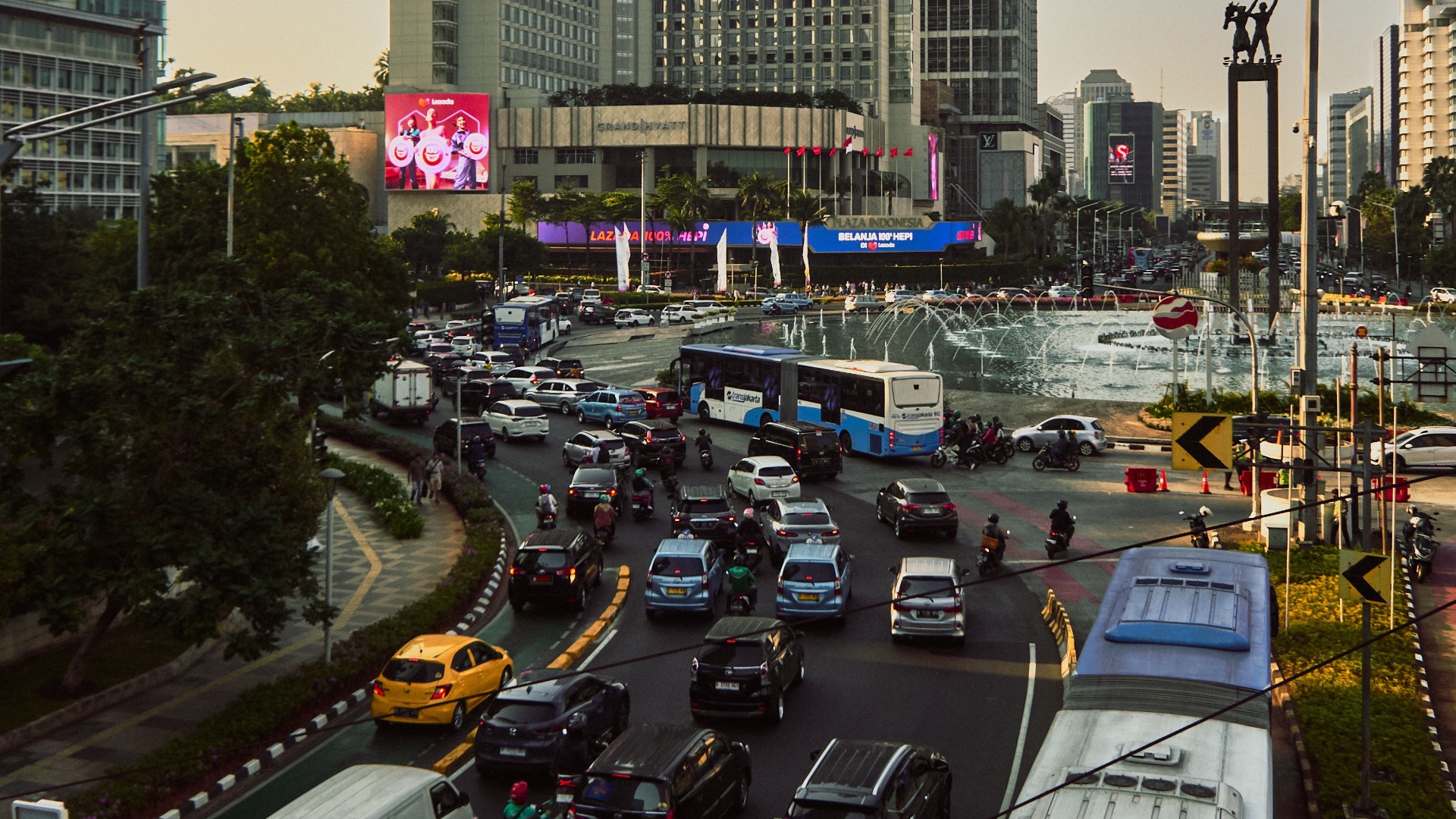
14. Jakarta, Indonesia
Jakarta’s highways and arterial roads can become packed despite the city’s extensive transportation infrastructure. Heavy rain may produce flooding, while motorcycles fill narrow spaces between lines of vehicles. Different neighborhoods are connected through complicated routes, so missing a turn can lead to a long and frustrating detour.
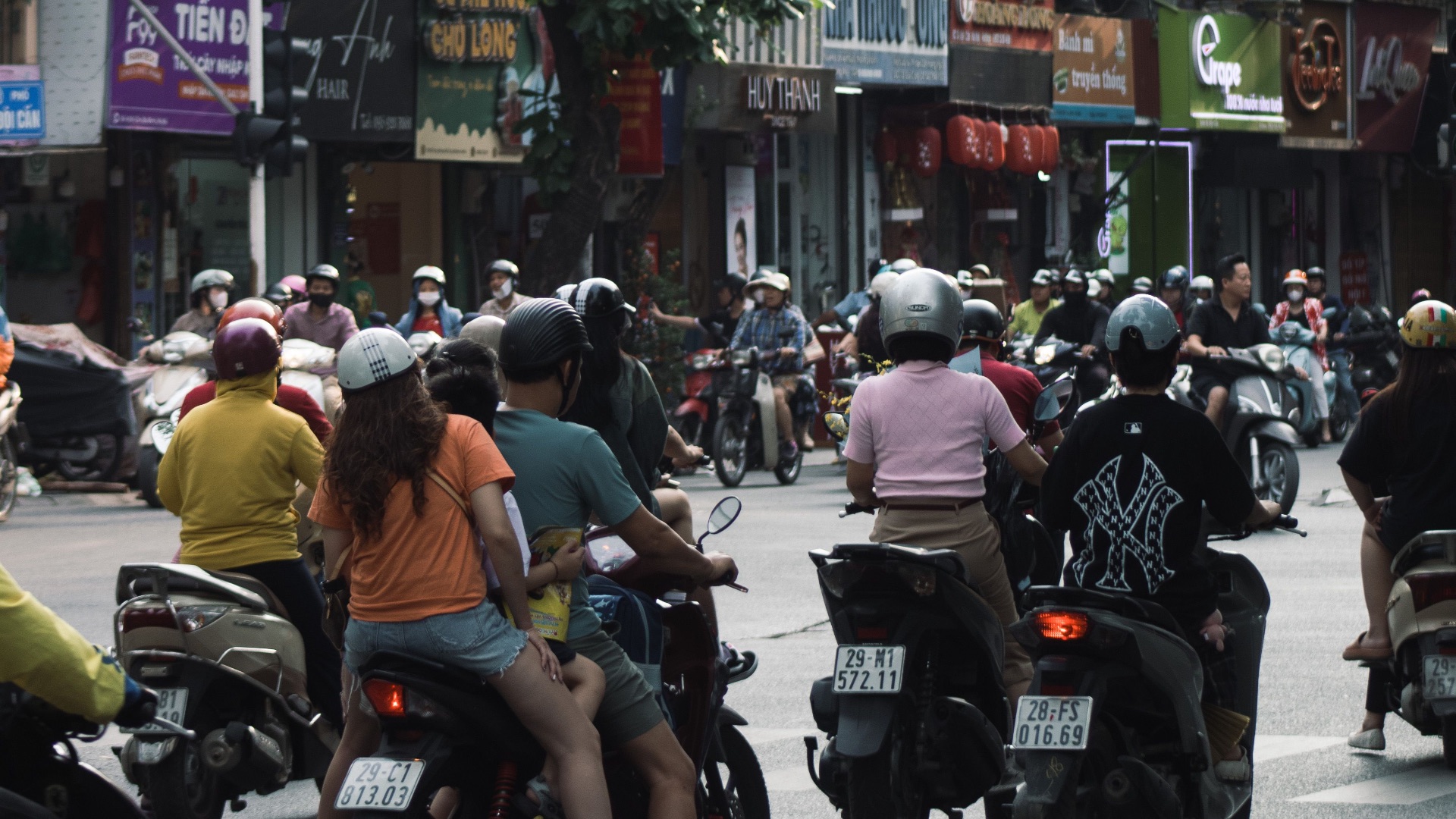
15. Hanoi, Vietnam
Hanoi’s streets are dominated by scooters that move around cars, pedestrians, street vendors, and parked vehicles. At large intersections, traffic may continue flowing from several directions even when there appears to be little room available. Drivers have to anticipate surrounding movement rather than assuming everyone will remain neatly within marked lanes.
16. Ho Chi Minh City, Vietnam
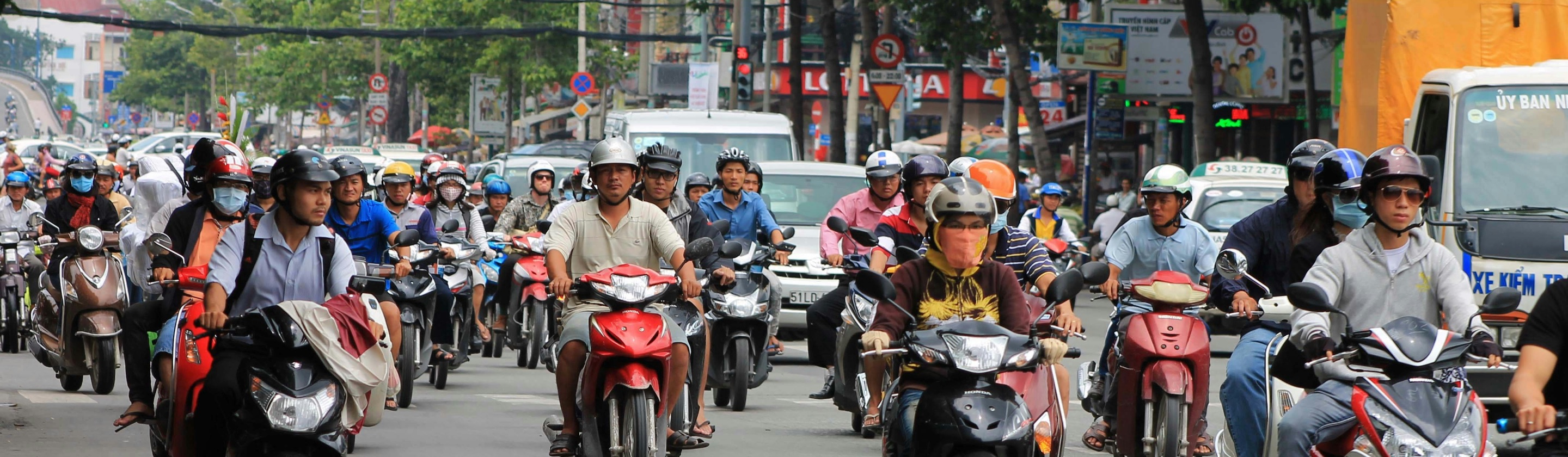
Ho Chi Minh City has broader roads than many parts of Hanoi, but that doesn’t necessarily make it easier to drive. Huge groups of motorcycles gather at traffic lights and spread across the roadway once movement resumes. Turning across the flow can be particularly difficult because you must account for riders approaching on both sides of the car.
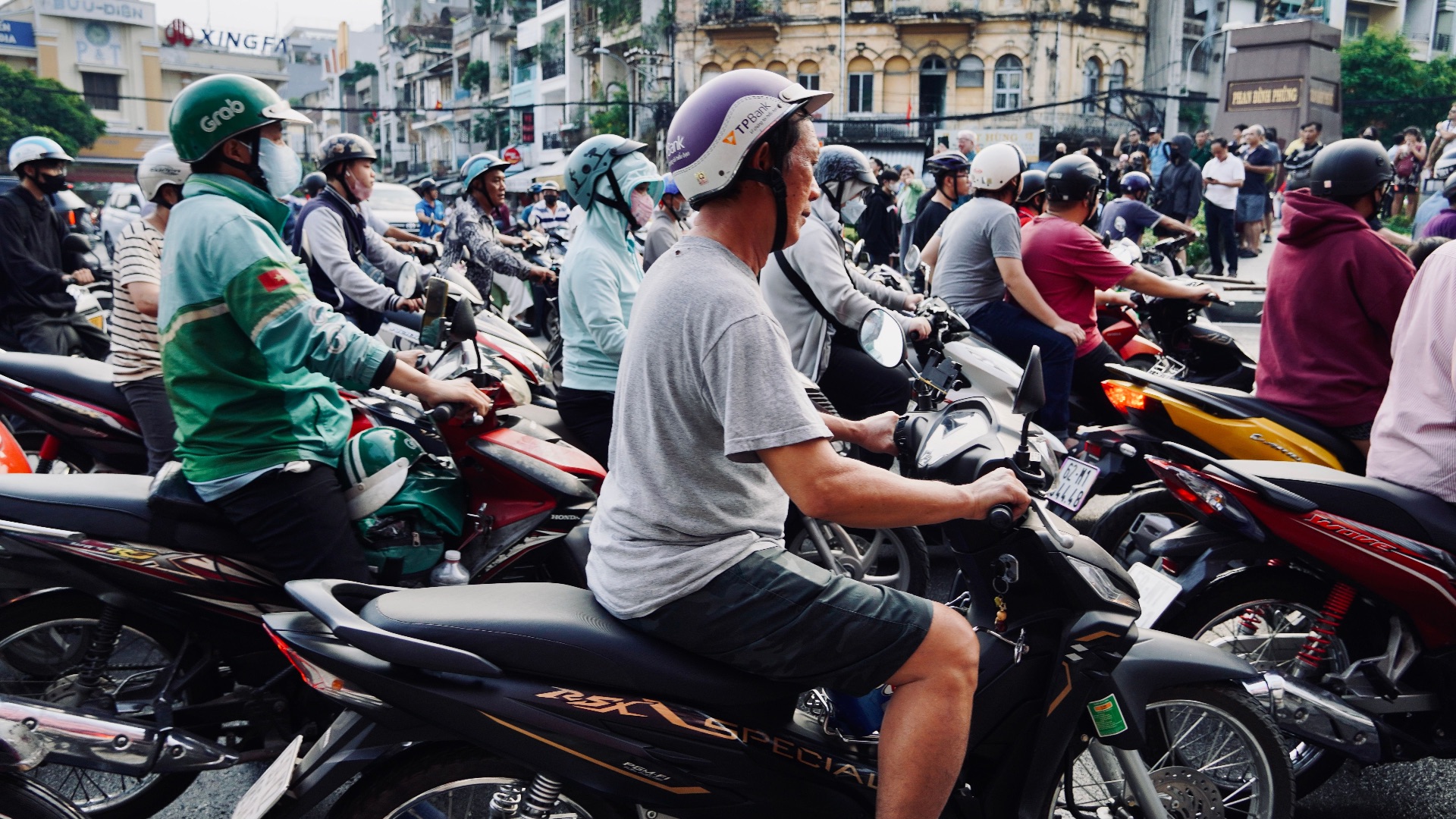
17. Beijing, China
Beijing’s enormous boulevards and ring roads may look straightforward, but congestion can remain severe even outside the conventional rush hour. The road network includes multiple concentric routes, complex interchanges, and restrictions based on license plates or vehicle registration. Drivers entering from elsewhere may also face rules governing when and where nonlocal vehicles can travel.
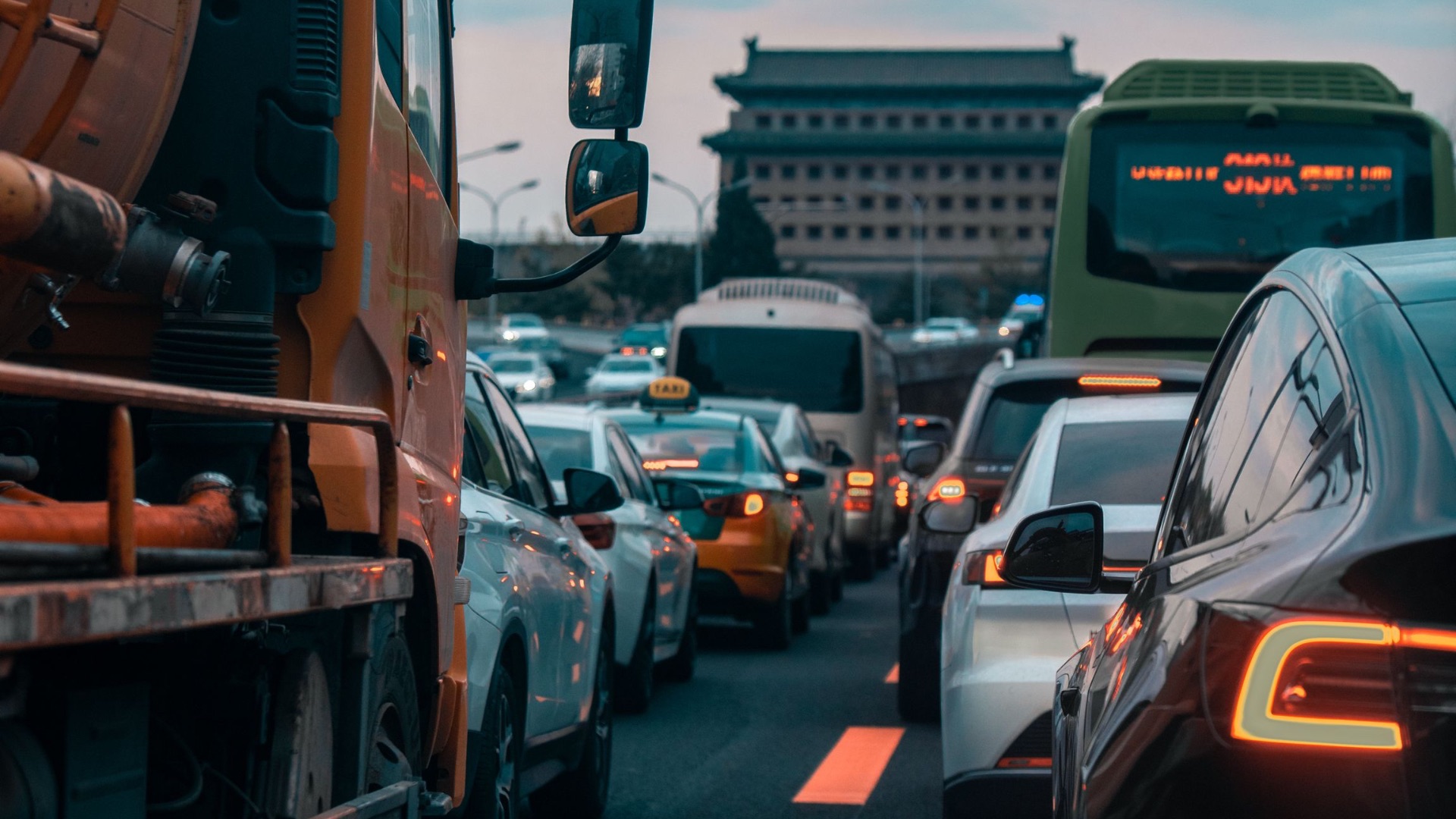
18. Shanghai, China
Shanghai has modern expressways, yet navigating them requires quick decisions across multilane interchanges and elevated roads. Restrictions apply to certain nonlocal vehicles, particularly on major routes during busy periods, which adds another concern for visitors. Once you leave the expressways, dense traffic, bicycles, scooters, and limited parking create an entirely different challenge.
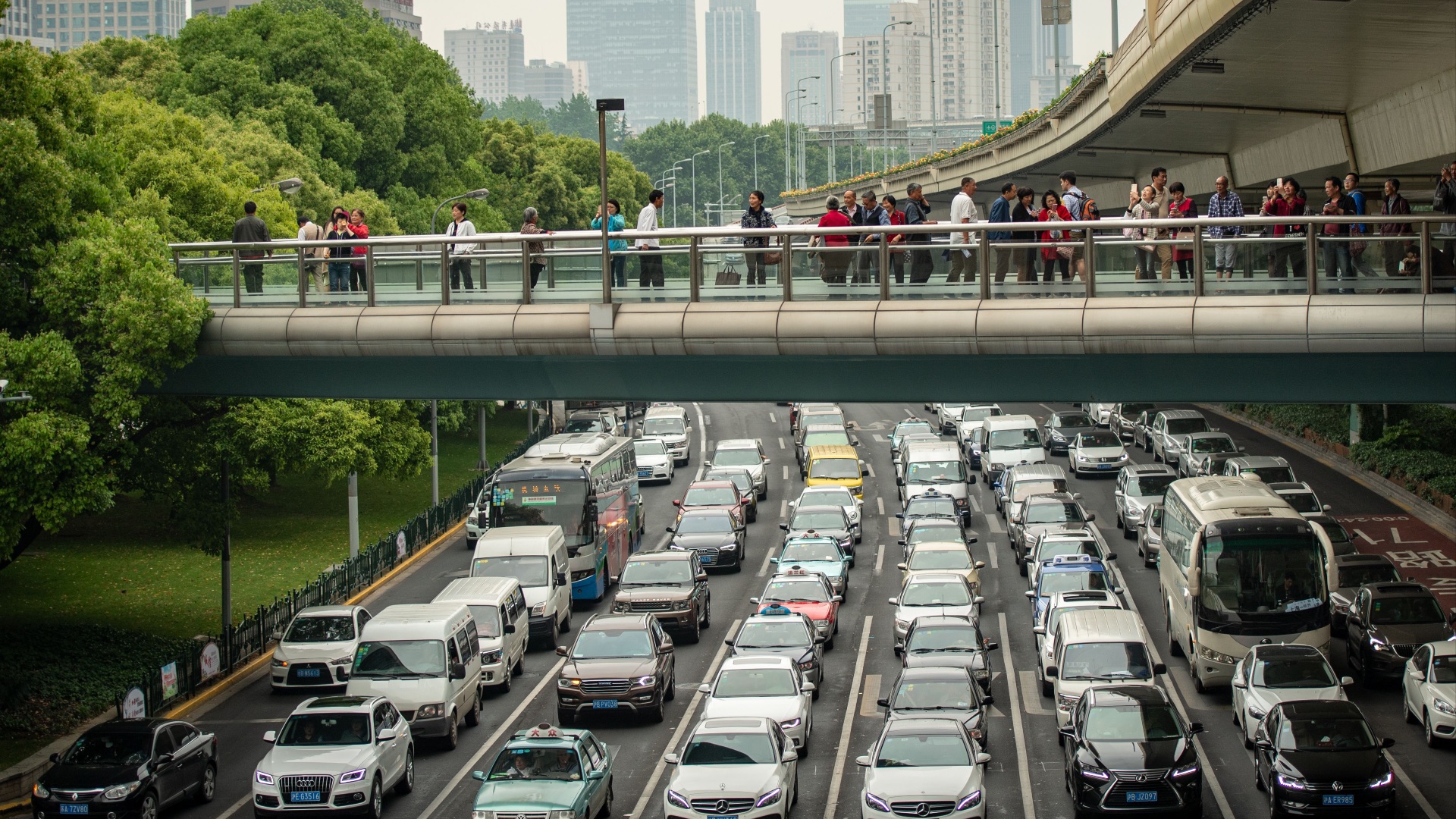
19. La Paz, Bolivia
La Paz is difficult to drive through because much of the city is built across steep, high-altitude terrain. Roads climb sharply between neighborhoods, and some residential streets are narrow enough to make passing another vehicle uncomfortable. Older cars, busy minibuses, and sudden changes in elevation can be especially demanding for drivers who aren’t familiar with mountain conditions.
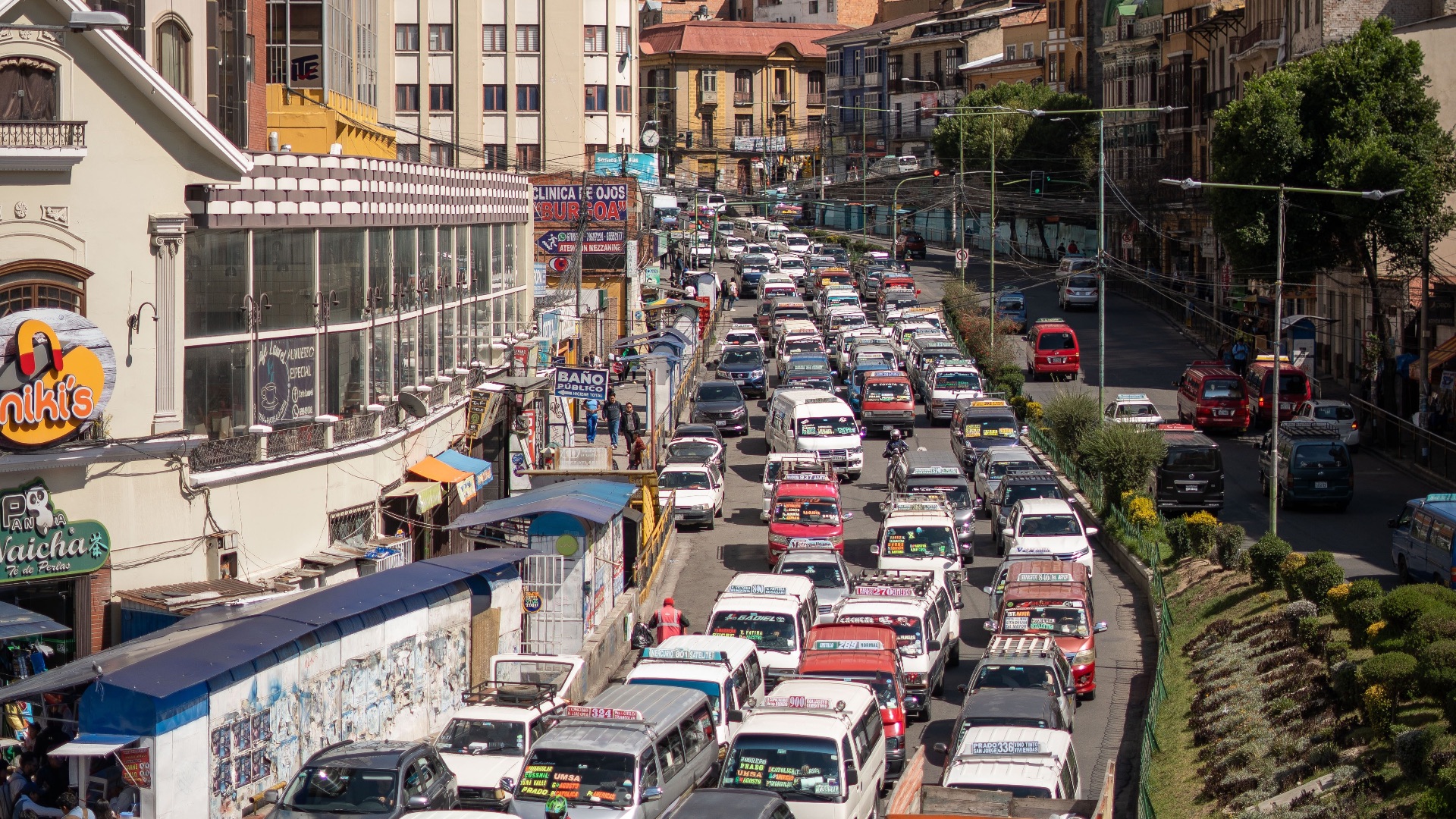
20. San Francisco, California
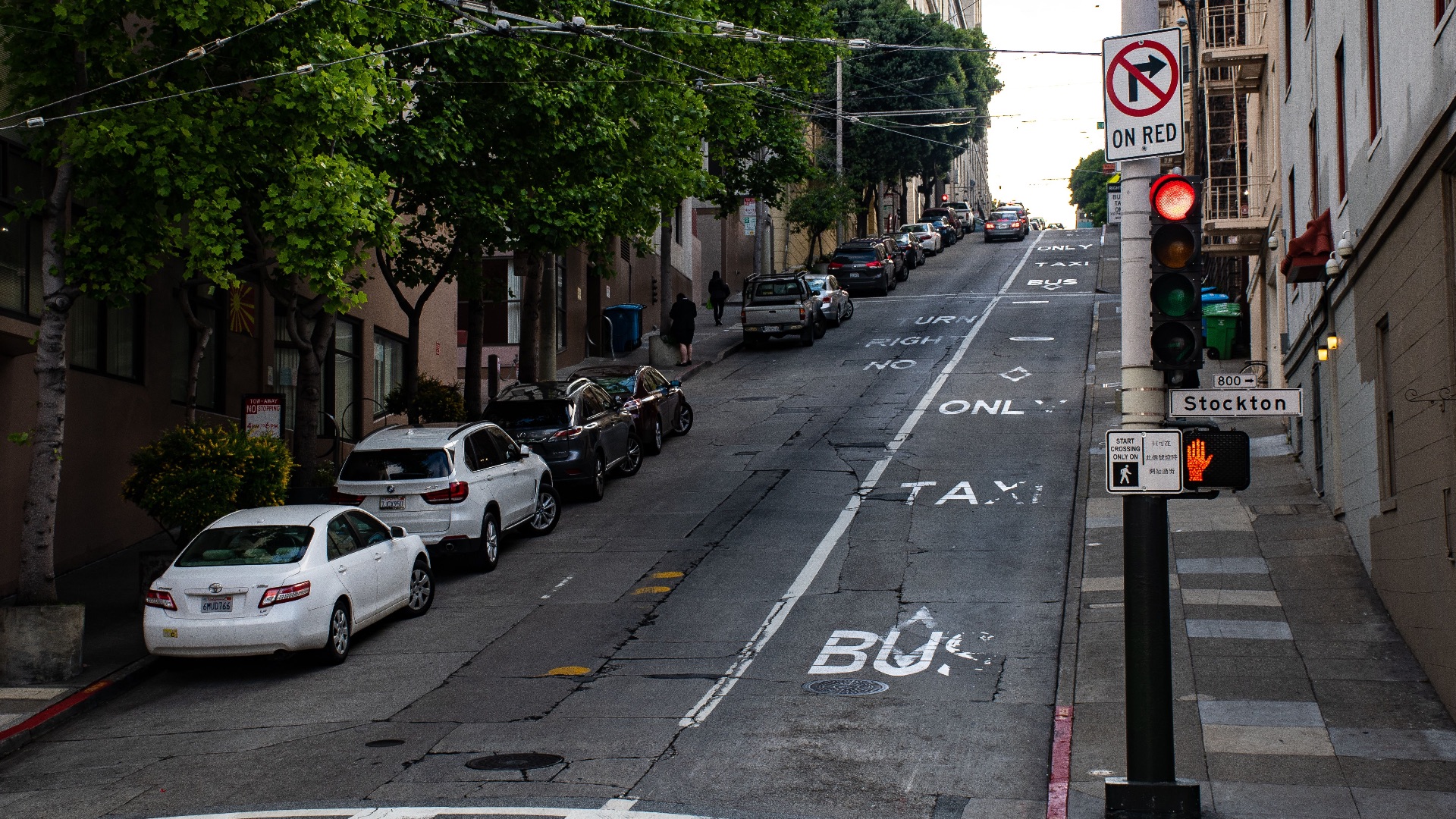
San Francisco’s famous hills can make even a routine stop at an intersection feel technically demanding. Drivers must manage steep inclines, one-way streets, cable-car tracks, cyclists, pedestrians, and limited parking, often within the same block. Visibility may also be restricted at the crest of a hill, so cautious speeds and careful braking are essential.