The Driver's Nightmare List
Driving is usually straightforward, but some days feel like the universe is slowing you down intentionally. Maybe it’s packed roads or just the timing that turns a quick trip into a test of patience. These days reliably create that chaos, no matter how prepared you are. So, let’s take a look at the days that cause the biggest driving meltdowns, followed by practical ways to navigate them safely.

1. July 4 (Independence Day)
Fireworks fill the sky while highways fill with celebrations, which explains why July 4 regularly records the highest holiday crash numbers. Alcohol plays a major part during these gatherings, and heavy travel adds even more risk.
 S Pakhrin from DC, USA on Wikimedia
2. January 1 (New Year’s Day)
January 1 starts with tired drivers and slower reactions after a late night. Roads fill at odd times, and the usual flow feels slightly off. These shifts make the morning less predictable and create a driving environment that needs steadier attention than usual.

3. Labor Day
As summer winds down, roadways get packed with vacationers heading home, which boosts crash risks sharply. Alcohol involvement rises across many states during this period, and long return drives add fatigue. Labor Day weekend reaches its height on September 3 and creates a rush of travelers heading home.

4. October 29
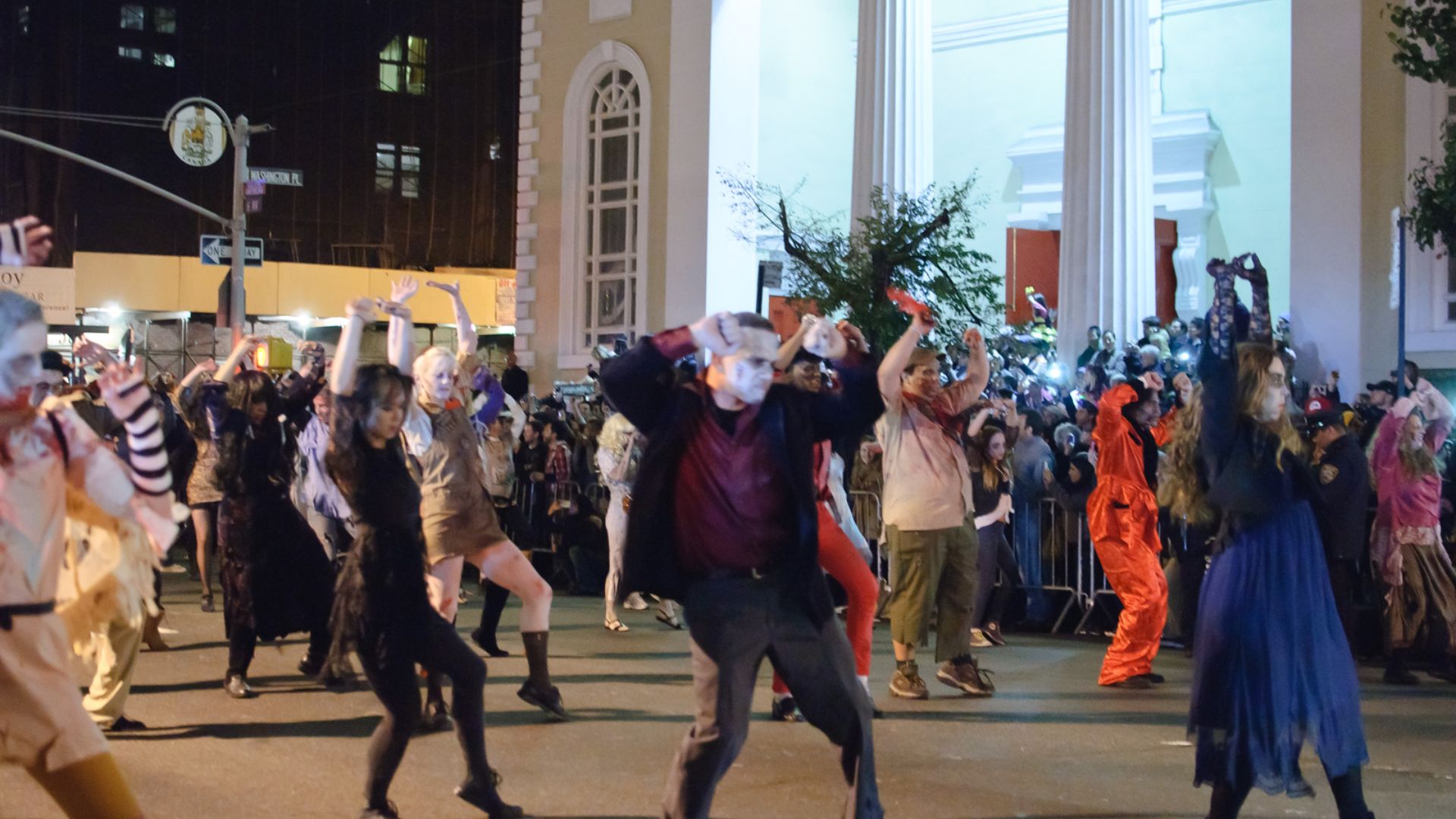
Late October brings busy evenings and earlier sunsets, which create tougher conditions for drivers. Though this specific date varies in severity each year, the entire month often carries higher crash counts overall. Pedestrian activity also rises around this time, which gives drivers more to watch for constantly.
 InSapphoWeTrust from Los Angeles, California, USA on Wikimedia Commons
5. July 3
Pre-Independence Day excitement sends crowds onto highways early, packing the roads with travelers chasing celebrations. Evening gatherings bring tired drivers and plenty of distractions. Together, these shifts make July 3 one of the year’s unexpectedly risky days for being on the road.
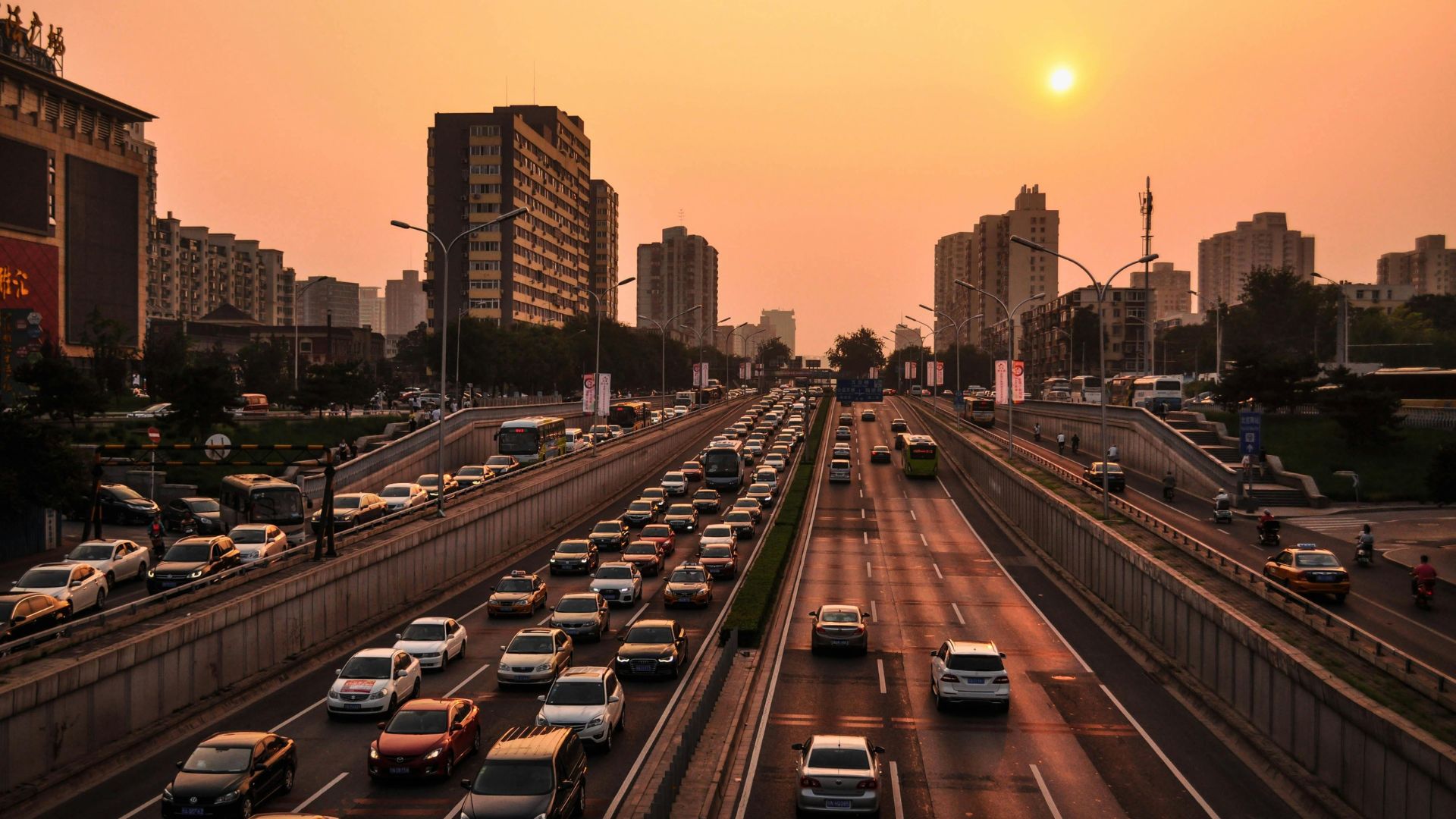
6. December 21 (Christmas Travel Kickoff)
Christmas travel begins in earnest on December 21. This day marks the start of the holiday rush, with highways and metro areas experiencing gridlock as families head out for week-long celebrations and gatherings.
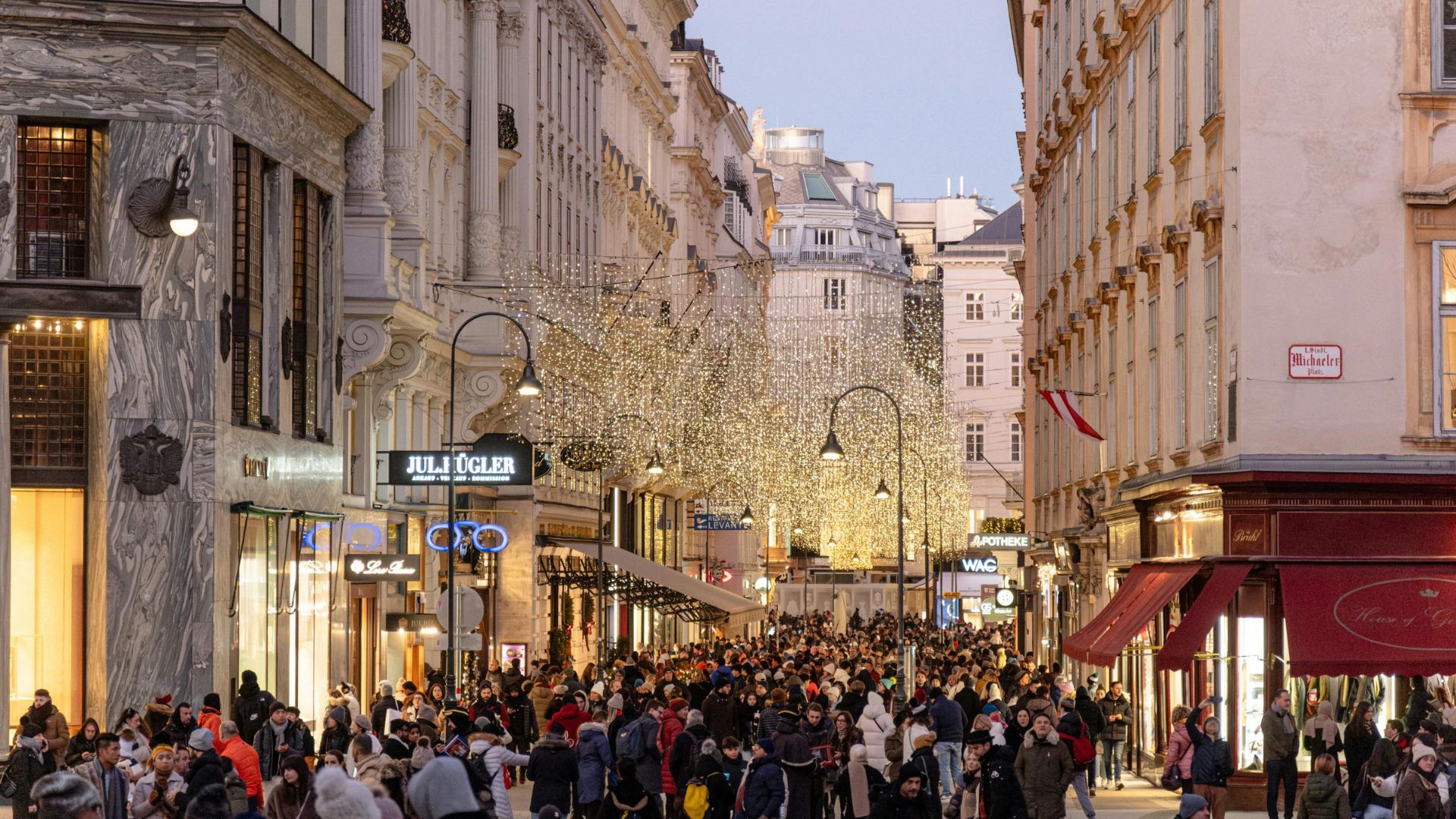
7. December 24 (Pre-Christmas Rush)
The final shopping wave launches enormous traffic throughout cities and suburban areas, while bringing stress and distraction along for the ride. People juggle errands and last-minute tasks, which heightens crash likelihood. Red-light violations also increase around this date.
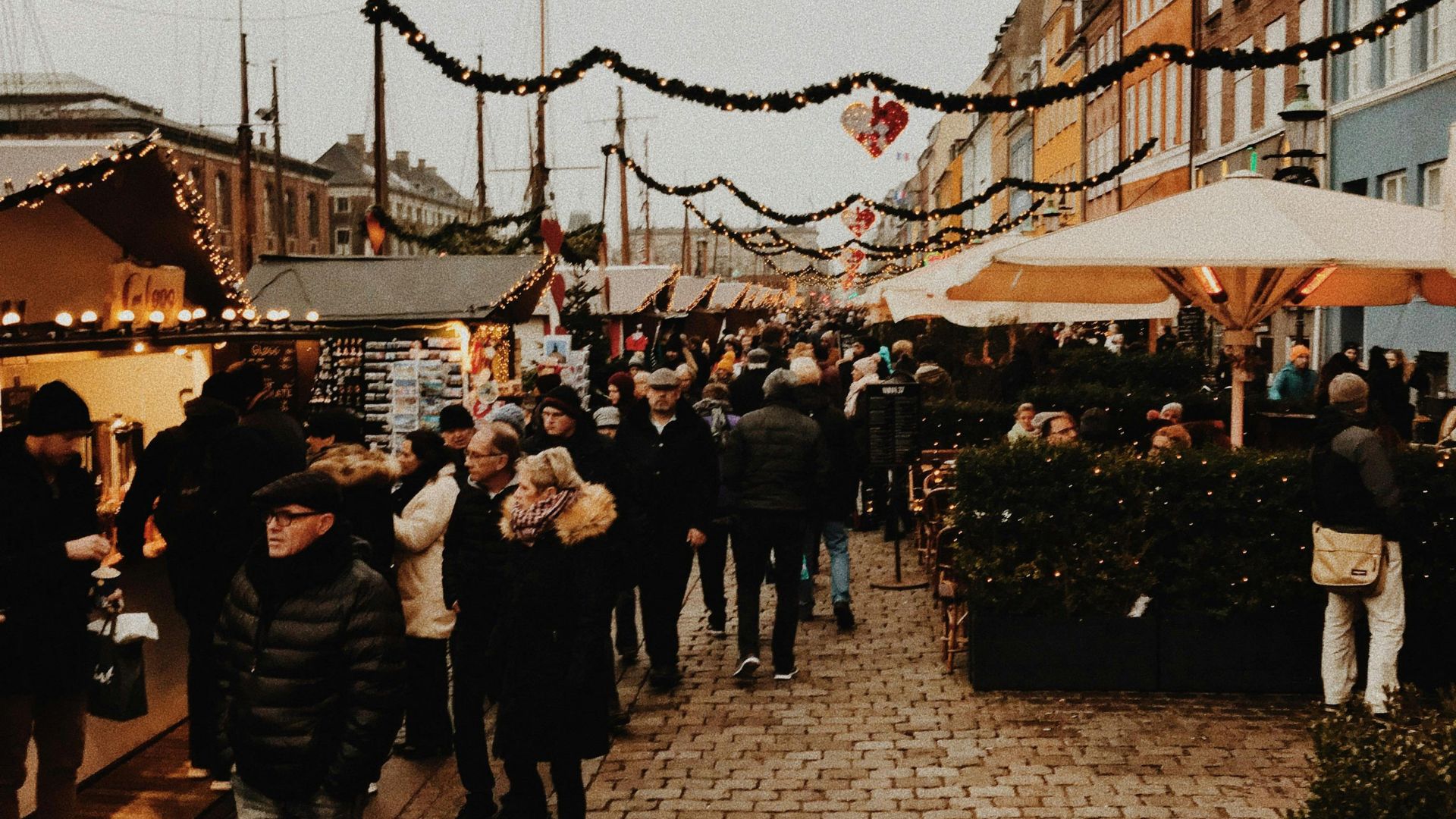
8. Memorial Day Weekend
Memorial Day kicks off the unofficial summer season, and highways swell with vacationers. Heavy traffic, beach trips, barbecues, and long road journeys increase crash risks. The Thursday and Friday before the holiday are particularly gridlocked, with congestion stretching into Monday.
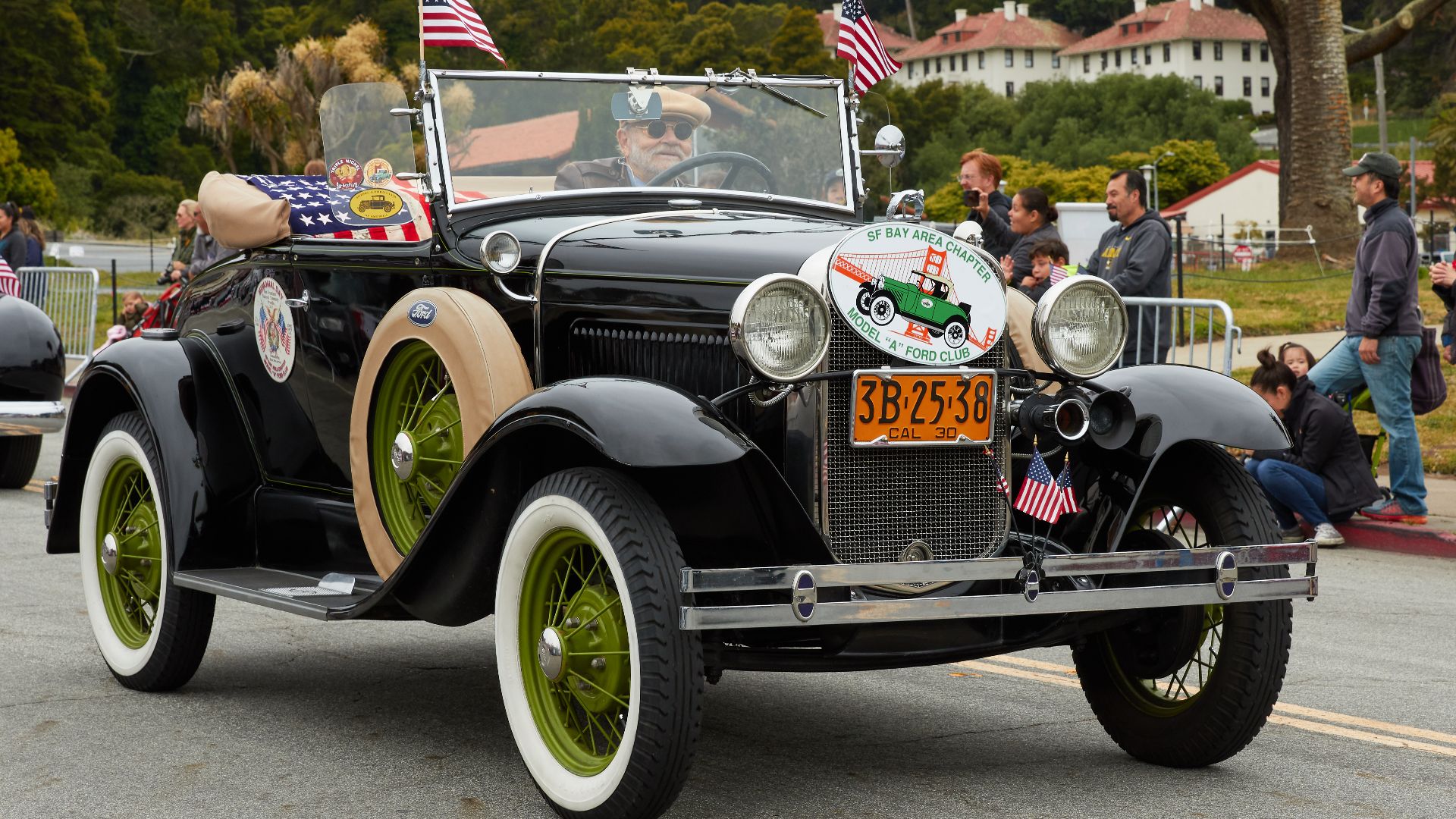 Frank Schulenburg on Wikimedia
9. Thanksgiving Day
Thanksgiving consistently ranks among the busiest U.S. travel days. The fourth Thursday of November brings heavy congestion from morning family trips and evening returns. Alcohol consumption and post-meal fatigue increase accident risks throughout the day.
 Ms Jones from California, USA on Wikimedia
10. August 13
Mid-August attracts vacationers by squeezing in final summer trips, which raises traffic density across highways. August already carries elevated fatality numbers, so this date falls right within a period full of heightened roadway risk.

Now that we’ve called out the nightmare driving days, let’s look at how to survive them stress-free.
1. Practice Defensive Driving By Anticipating Others' Errors
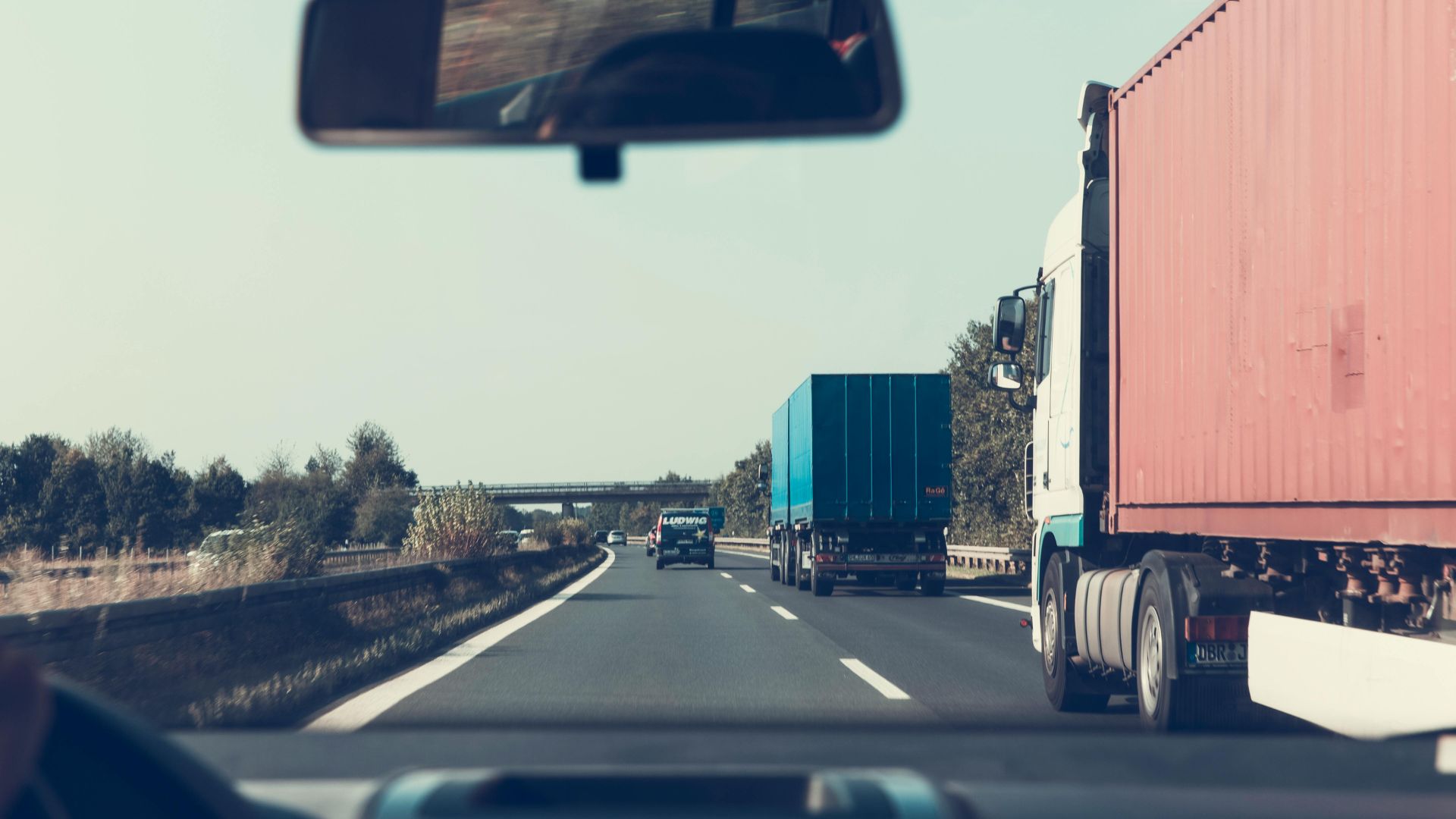
You can make the road feel less unpredictable by paying attention to subtle cues around you. Defensive drivers stay alert, expecting sudden movements or mistakes from others. This mindset trims collision risk through steady awareness.
2. Wear Seatbelts
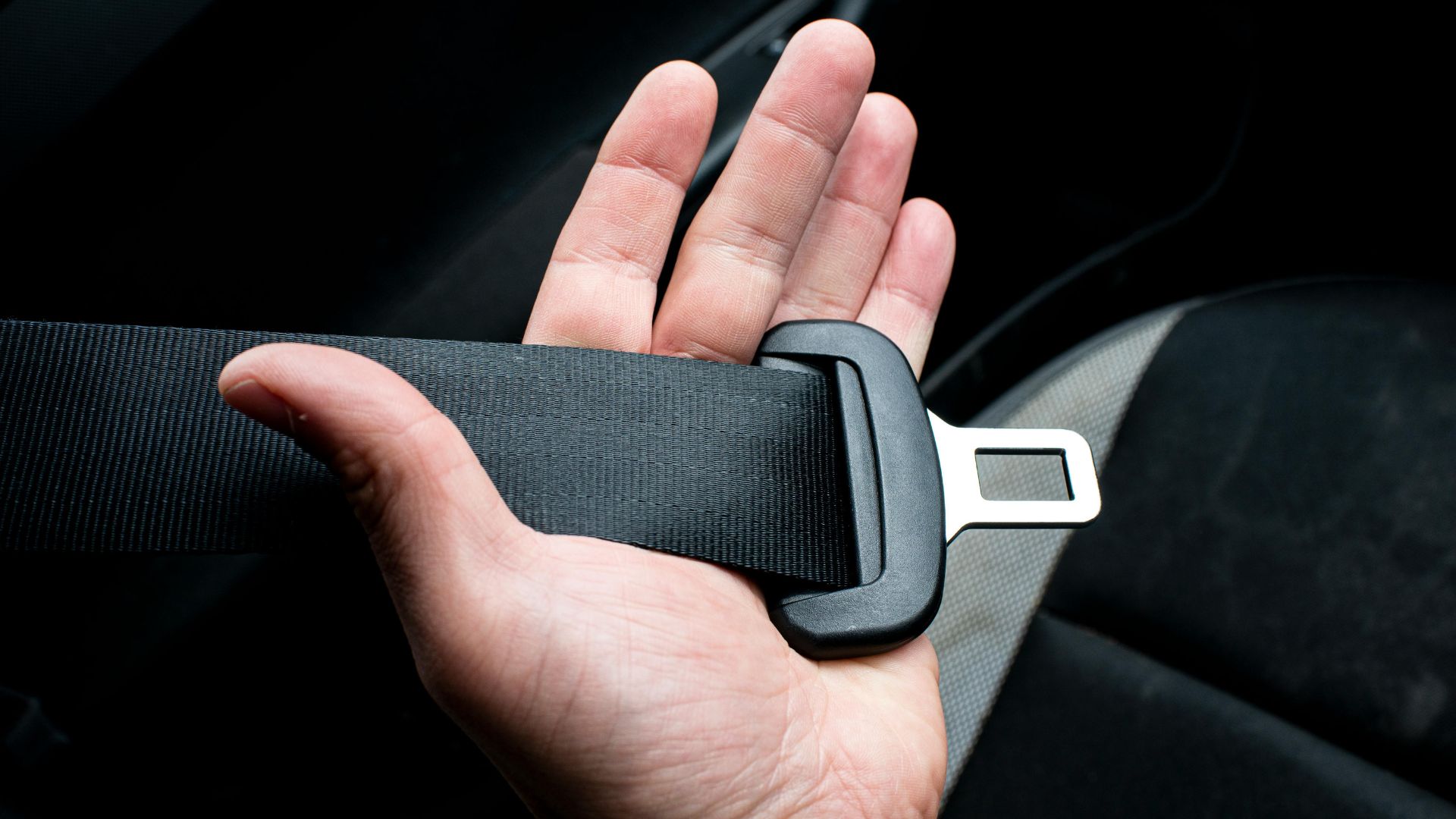
You can ease into any trip by clicking that seatbelt first, then checking around to see everyone else locked in. Seatbelts cut fatal injury risk for both front and rear seats, which turns even quick drives into safer moments for everyone sharing the ride.
3. Take Regular Breaks
Long trips run better when you give yourself small pauses. Stepping out every couple of hours clears your mind and lowers fatigue-related crash risk. Even quick stretches brighten your focus and make the next stretch feel easier and more controlled.
4. Adhere To Speed Limits
You might feel tempted to ease the pedal a little deeper, yet staying within posted limits gives your reaction time room to work. These limits match road design, so respecting them supports crash prevention.

5. Plan Travel Routes
A simple tweak like choosing a gentler departure time can reshape your entire trip. Planning ahead helps you dodge crowded windows that raise crash risk. Traffic flows smoothly when you slip in before or after big waves, creating a calmer setting for the drive ahead.

6. Use Public Transport
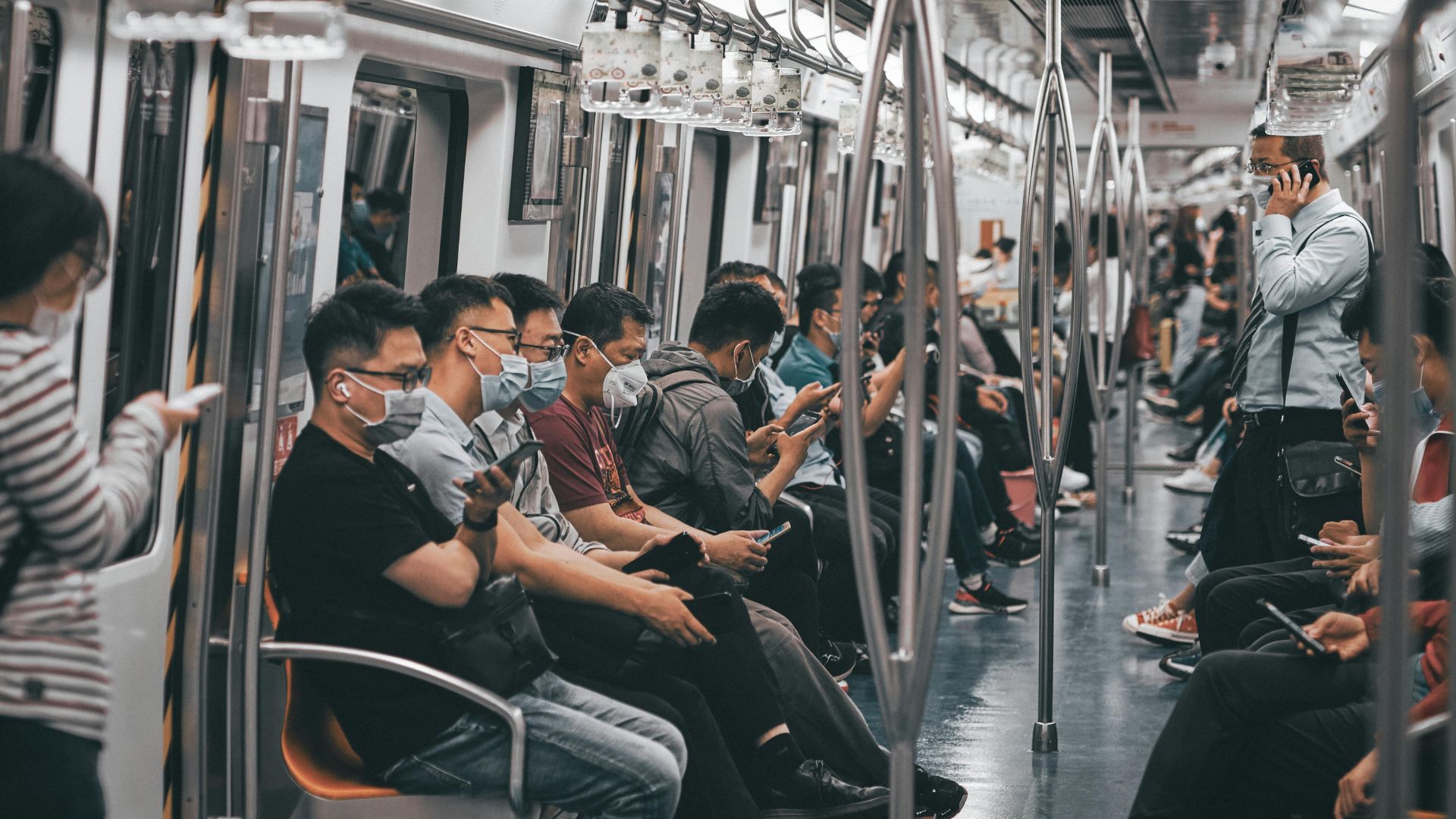
For nights filled with celebrations, a rideshare or public transport keeps everyone safer. These options reduce impaired driving incidents, which spike during festive periods. They add convenience, too, since parking and long walks fade from your evening completely.
7. Take 7-8 Hours Of Sleep
A refreshed mind responds quicker, which is why a full night’s sleep matters before hitting the road. Fatigue contributes to thousands of crashes each year, so entering the car well-rested supports safer decision-making.

8. Report Impaired Drivers
If something feels off with a driver nearby, pull over safely and alert authorities. Community reporting helps prevent serious crashes linked to impairment and turns quick action into a meaningful contribution toward safer travel moments.

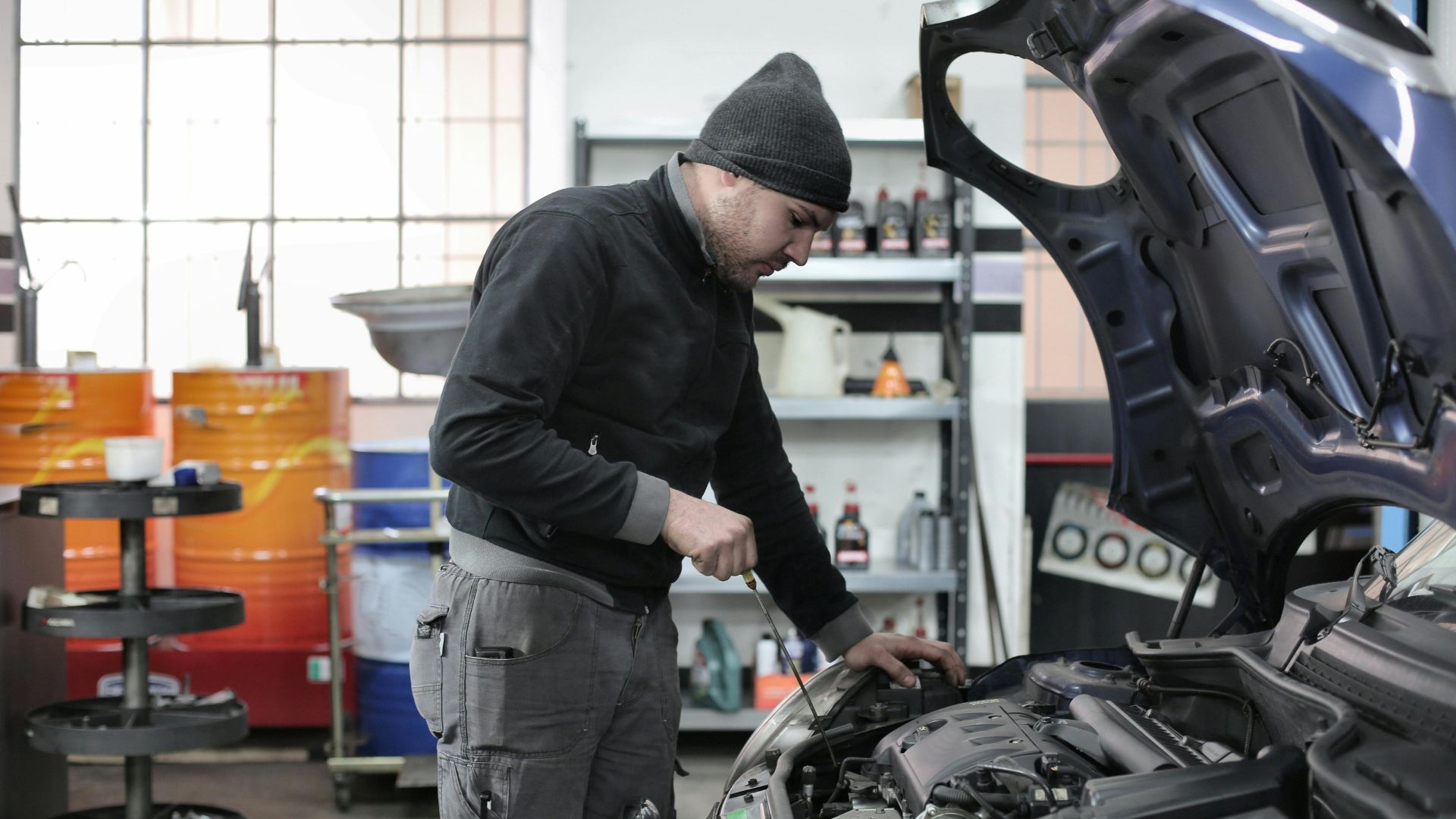
9. Vehicle Maintenance Checks
Before rolling out, giving your car a moment of attention pays off. Checking lights and tires lowers the chance of roadside surprises and accidents. A well-maintained vehicle handles sudden situations with more stability and offers smoother travel from the first turn out of the driveway.
10. Use Headlights
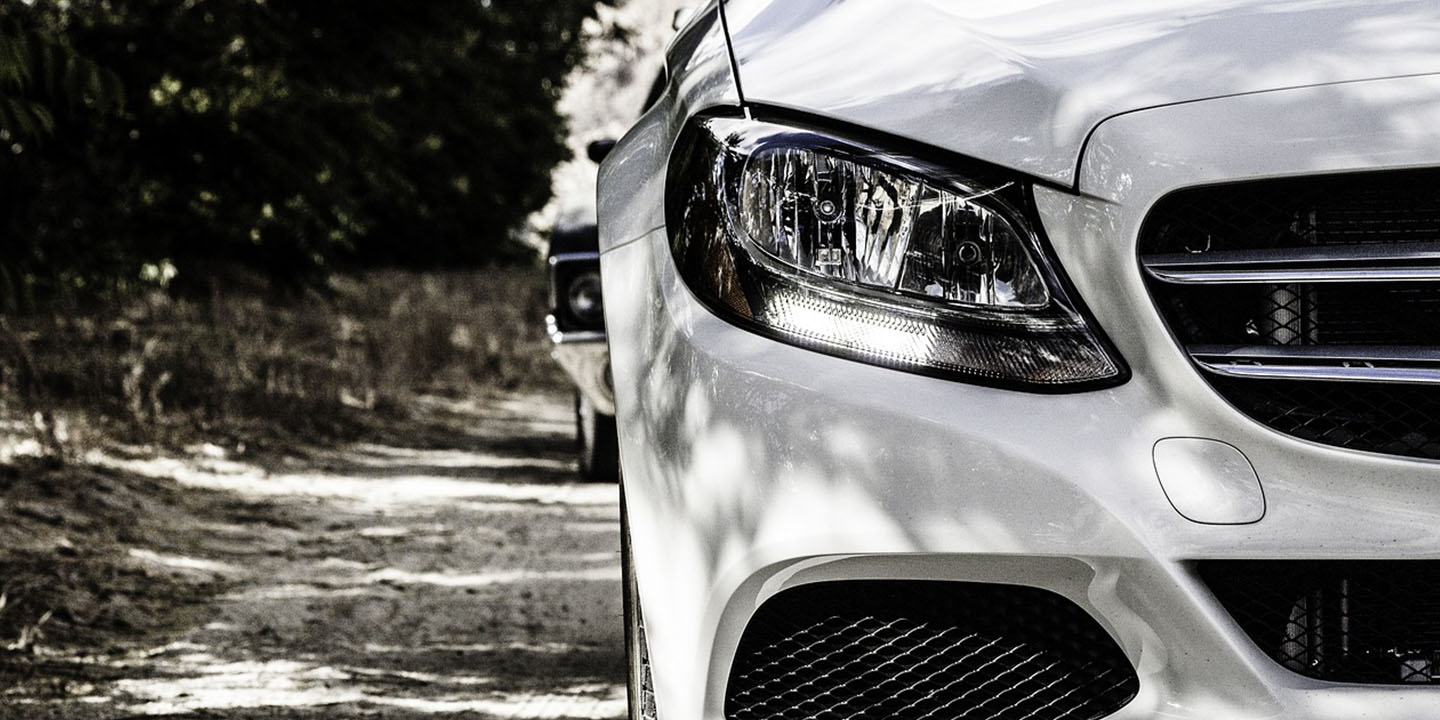
As daylight fades or conditions shift, your headlights help others notice you sooner. That added visibility supports safer interactions with cyclists and nearby cars. Even short drives feel clearer when headlights make the way through shaded or hazy patches.