
10 Ways to Make Driving with Kids Less Stressful & 10 That'll Only Cause More Chaos
Buckle Up for the Ride
Driving with kids is one of those parenting experiences that can go wonderfully or spectacularly sideways depending on how prepared you are. Whether you're heading out on a cross-country road trip or just running errands across town, the difference between a smooth ride and a chaotic one often comes down to a few key decisions you make before you even start the engine. Here are 10 ways to guarantee a calmer trip—and 10 mistakes that'll only cause more chaos.
1. Pack a Dedicated Activity Bag for Each Child
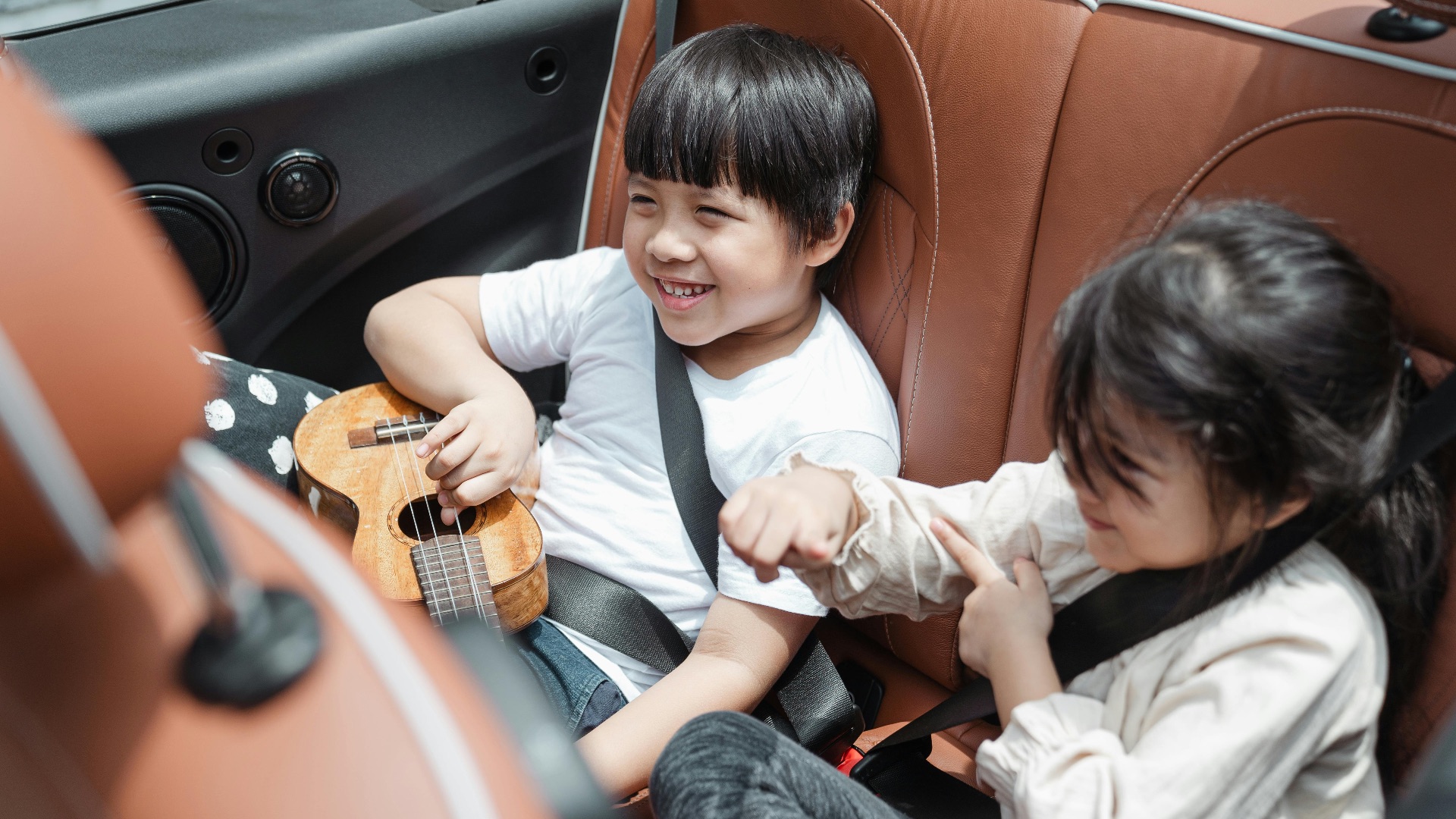
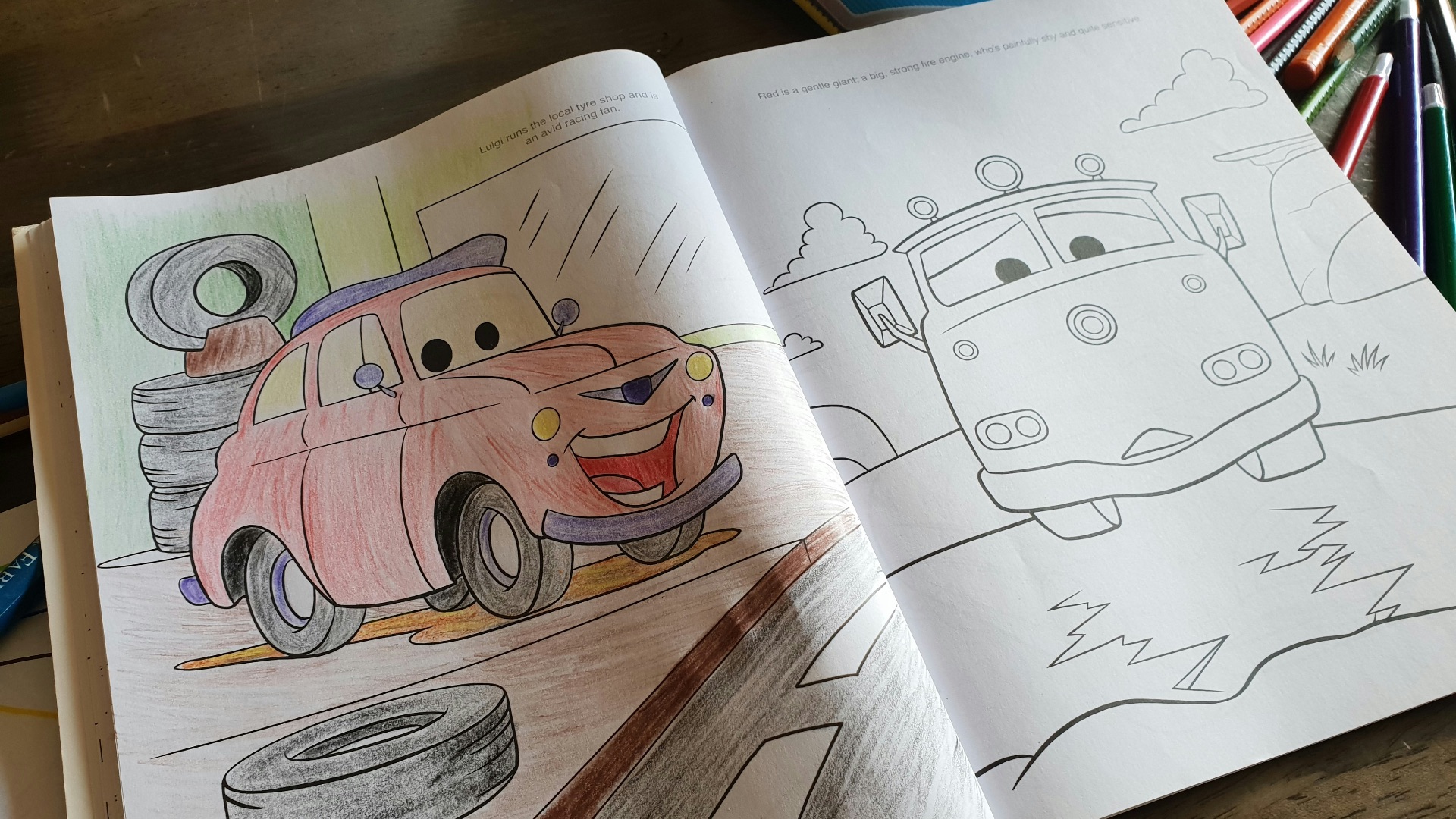
Giving each child their own bag of activities keeps them entertained and reduces arguments over shared toys or books. You can fill it with coloring supplies, small puzzles, sticker books, or whatever holds their attention best, and let them be responsible for it throughout the trip. When kids have something to focus on, they're far less likely to pester each other or you.
2. Plan Your Departure Around Nap or Sleep Times
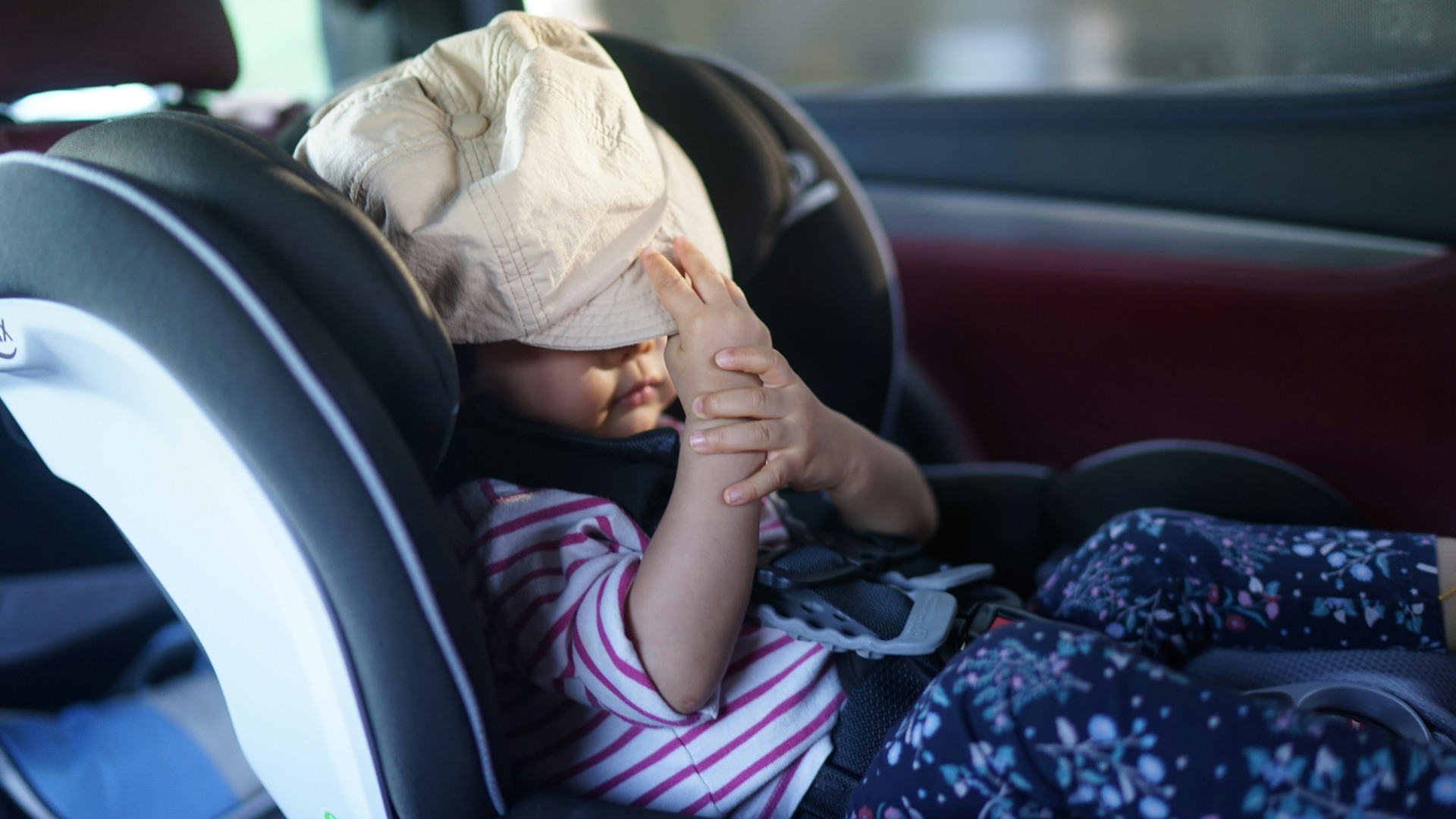
Timing your drive to coincide with when your kids would normally sleep is one of the easiest ways to guarantee a quieter journey. Babies and toddlers especially tend to fall asleep quickly once the car is moving, which means you can cover a good chunk of distance with minimal disruption. It takes a little schedule juggling, but the payoff is absolutely worth it.
3. Make Regular Rest Stops Part of the Plan
Building in scheduled breaks every couple of hours gives kids a chance to stretch, use the restroom, and burn off some energy before getting back in the car. You'll actually make better time overall when you stop proactively rather than waiting until someone has a meltdown and you're forced to pull over unexpectedly. A quick 15-minute stop at a rest area or park can completely reset everyone's mood.

4. Download Shows and Podcasts Before You Leave
Relying on cellular data for entertainment is a recipe for buffering screens and frustrated kids, so make sure everything is downloaded and ready to go before you hit the road. Kid-friendly podcasts are a great option because they don't require anyone to stare at a screen, which is better for little eyes and reduces the chance of motion sickness. Setting this up the night before takes just a few minutes and saves a lot of grief during the drive.

5. Prepare Snacks in Portioned, Easy-to-Access Containers
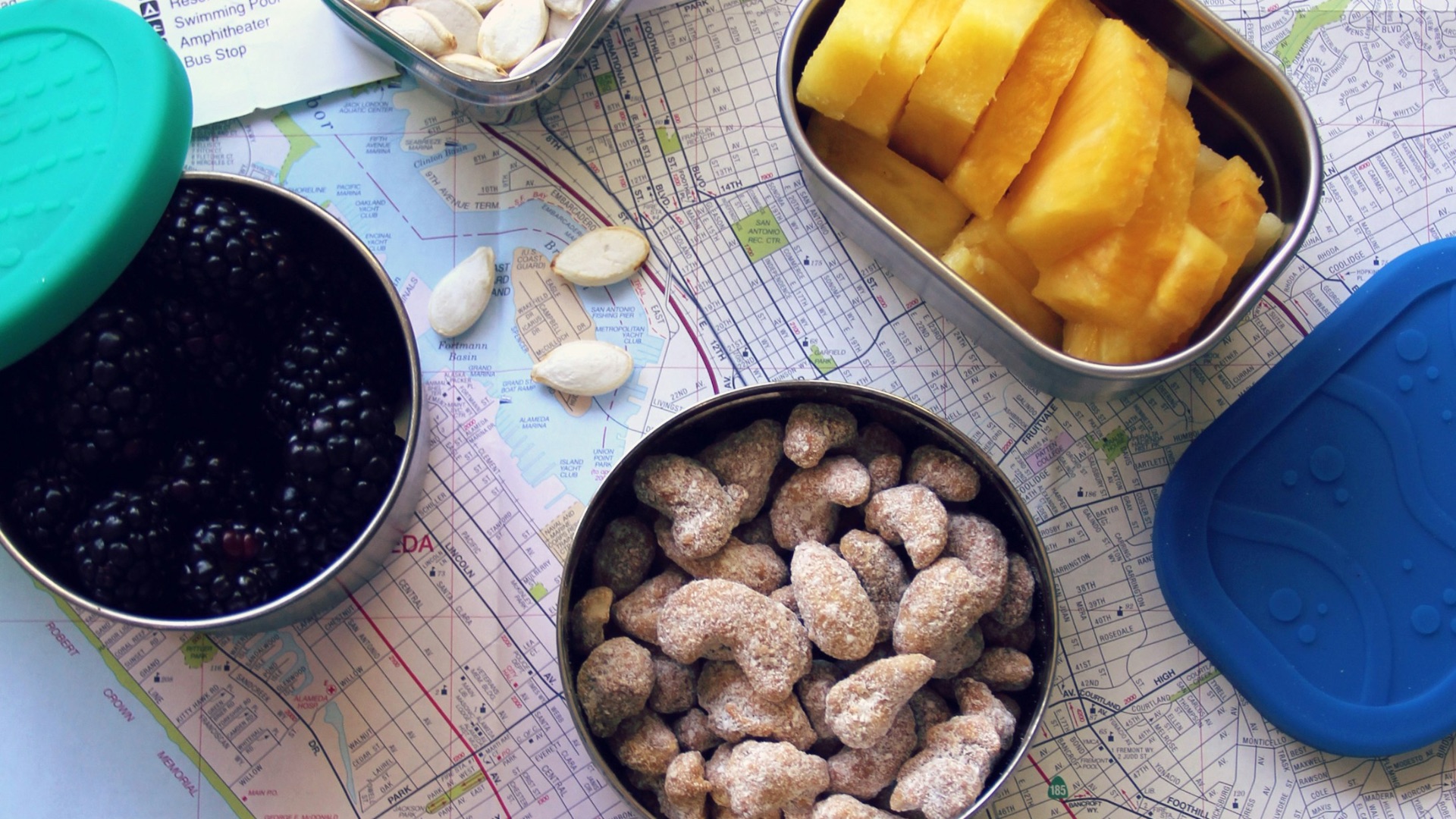
Hunger is one of the fastest ways to turn a manageable car ride into a difficult one, and having snacks ready to hand back at a moment's notice makes a real difference. Pre-portioning snacks into individual containers means you're not wrestling with a large bag while driving, and it also helps prevent overeating that can lead to upset stomachs. Stick to foods that aren't too crumbly or sticky to keep cleanup manageable.
6. Set Clear Expectations Before Getting in the Car
Taking two minutes before the trip to go over the rules with your kids can prevent a lot of arguments down the road. Let them know what behaviors are expected, what the consequences are for not following them, and what fun things are coming up so they have something to look forward to. Kids generally respond better when they know what's expected of them rather than being corrected mid-drive.

7. Use a White Noise App or Calming Music for Younger Kids
Soft background sound can work wonders for keeping babies and toddlers calm during longer stretches of driving. There are plenty of free apps that play white noise or gentle lullabies, and many parents find that this simple addition dramatically reduces fussiness on the road. It's especially helpful when you're driving through unpredictable stop-and-go traffic that can disturb a drowsy child.

8. Invest in a Quality Car Seat Organizer
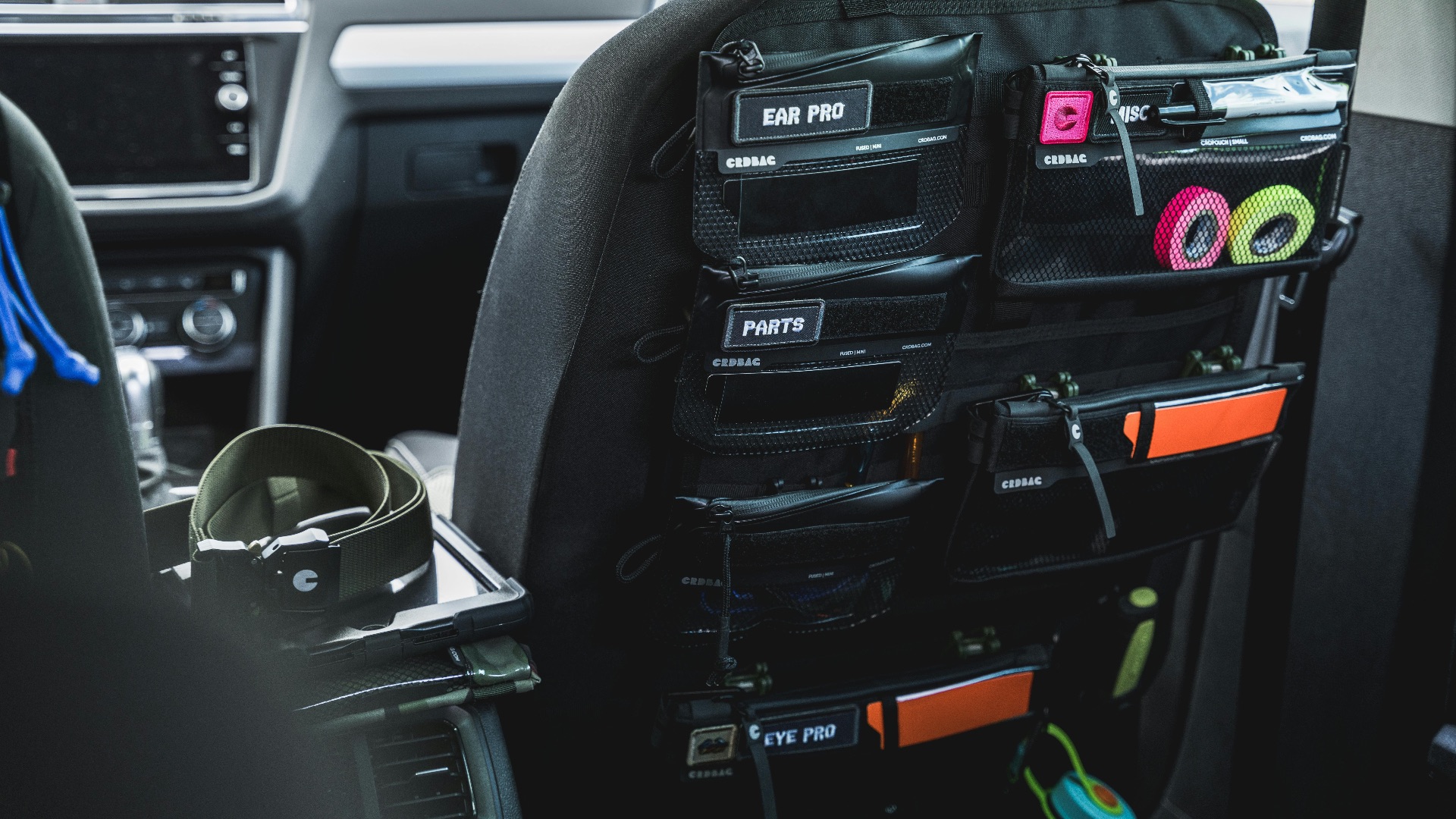
Keeping the back seat tidy with a car seat organizer means kids can reach their snacks, activities, and drinks without asking you every few minutes. It also cuts down on the number of items that fall on the floor and become instantly unreachable, which leads to tears and distraction. An organized back seat is a calmer back seat, and that makes the whole trip more pleasant for everyone.
9. Give Kids a Small Sense of Control Over the Trip
Letting your child choose between two playlist options or pick which snack they want first gives them a feeling of involvement without putting you in a tough spot when it comes to actual decisions. Kids who feel like they have some say in what's happening are generally less likely to act out, because they don't feel like they're just being dragged along. Small choices go a long way toward keeping the mood positive.

10. Communicate the Route and Timeline in Age-Appropriate Terms
Kids handle long drives better when they have a basic understanding of how long the trip will take and what's happening along the way. For younger children, you can frame it in terms of how many songs will play or how many snacks they'll have before you arrive, rather than using abstract time concepts like hours and minutes. Knowing what to expect reduces anxiety and the endless stream of are we there yet questions.
If you don't want to things to get even more chaotic in the backseat, keep reading—we'll touch on 10 mistakes that'll only stress you out further.

1. Leaving Without Confirming Everyone Has Used the Restroom
It sounds like the most obvious advice in the world, but skipping the pre-departure bathroom check is a mistake that nearly every parent has made at least once. There's almost nothing more frustrating than pulling off a highway ramp 20 minutes into a three-hour drive because someone suddenly and urgently needs a restroom. Make the bathroom stop non-negotiable before anyone gets in the car, even if the kids insist they don't need to go.

2. Handing Over Your Phone as the Only Source of Entertainment
Giving a child unsupervised access to your personal smartphone might keep them quiet for a while, but it opens the door to accidental purchases, deleted apps, and the inevitable fight when you need your phone back. It also means you're left without navigation or the ability to take a call if something comes up, which creates stress you really don't need while driving. A dedicated kids' tablet or a loaded MP3 player is a far better solution for everyone.

3. Skipping Pre-Trip Snacks and Relying on Drive-Thrus
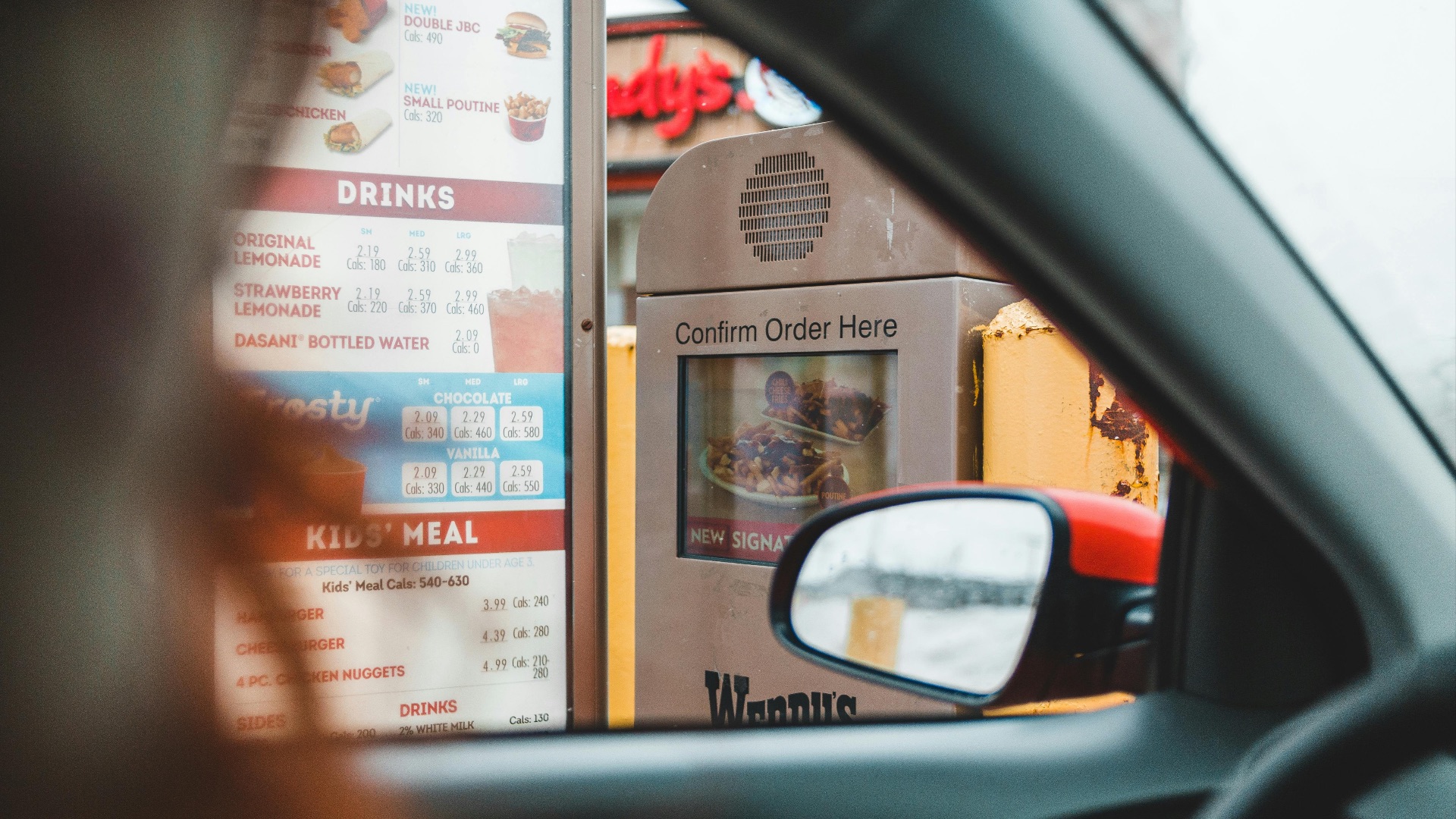
Telling yourself you'll just grab food on the way rarely works out as smoothly as it sounds, especially when the kids are already hungry and patience is running thin. Drive-through lines can be long, order confusion happens, and the stop itself turns into a negotiation over who gets what, which costs you time and sanity. Feeding the kids before you leave and packing snacks for the road is a much more reliable approach.
4. Letting Siblings Choose Their Own Seating Arrangements
Allowing older kids to decide where they sit might seem like a kind gesture, but it almost always results in arguments before you've even reversed out of the driveway. Once the disagreement starts, it tends to set a contentious tone for the entire trip that's difficult to recover from. Assigning seats ahead of time and sticking to them removes the debate entirely and gets everyone settled faster.
5. Assuming Your Kids Will Just Fall Asleep
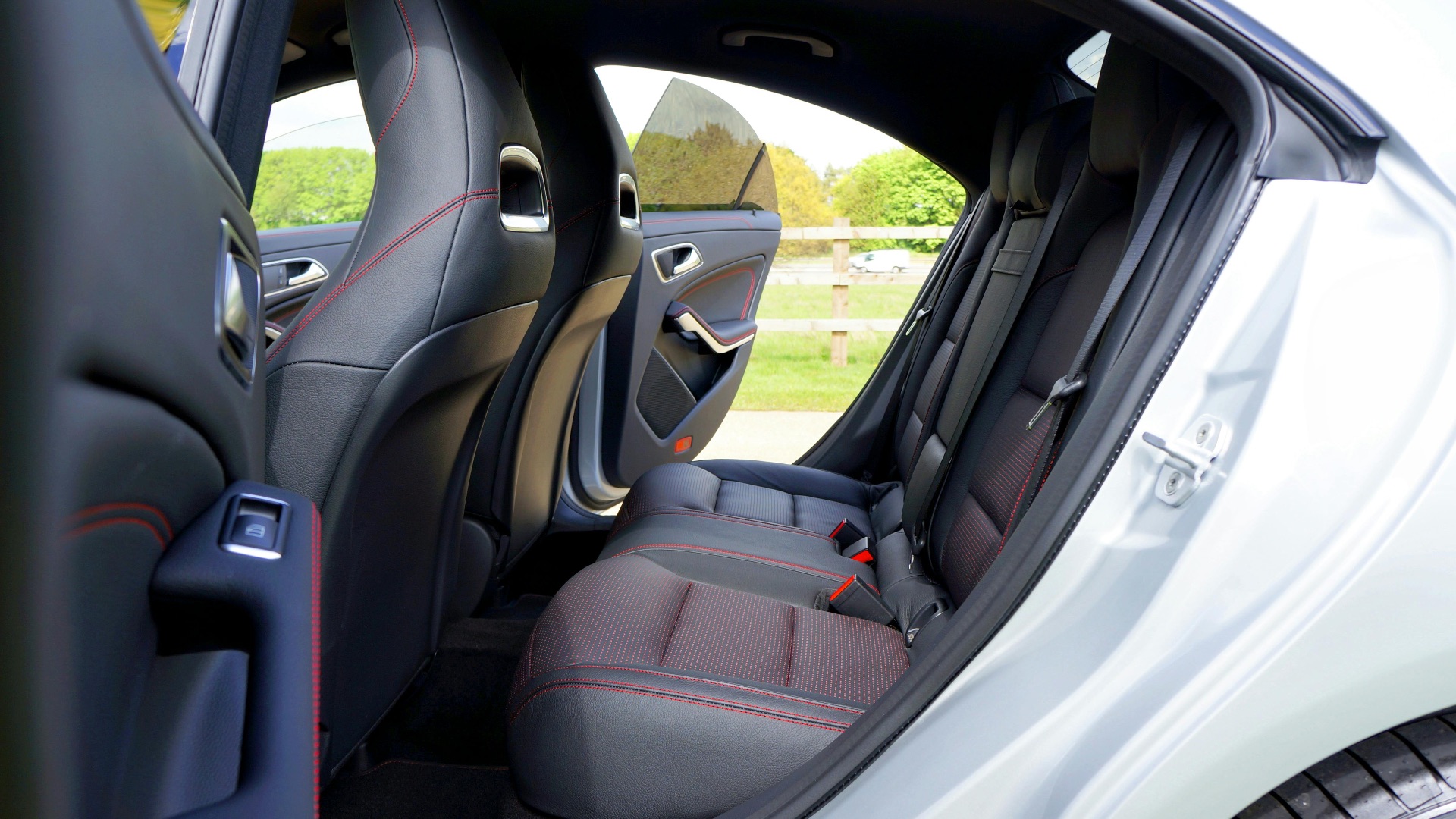
Banking on the idea that the car's movement will automatically send your children to sleep is wishful thinking, particularly for older kids or those who aren't tired at departure time. Without any setup, like a travel pillow, a blanket, or a window shade to block the sun, even a sleepy child can struggle to get comfortable enough to actually drift off. A little thoughtful preparation goes a long way toward making rest actually happen rather than just hoping for it.

6. Turning Up the Volume When Things Get Loud
When the noise level in the back seat starts climbing, the instinct to crank up your own music to drown it out doesn't actually fix anything. The kids get louder to compete with the volume, you get more frustrated, and what started as background noise escalates into a genuine cacophony that's distracting for the driver. Addressing the source of the noise calmly and early is far more effective than trying to out-volume it.
7. Overpacking the Car
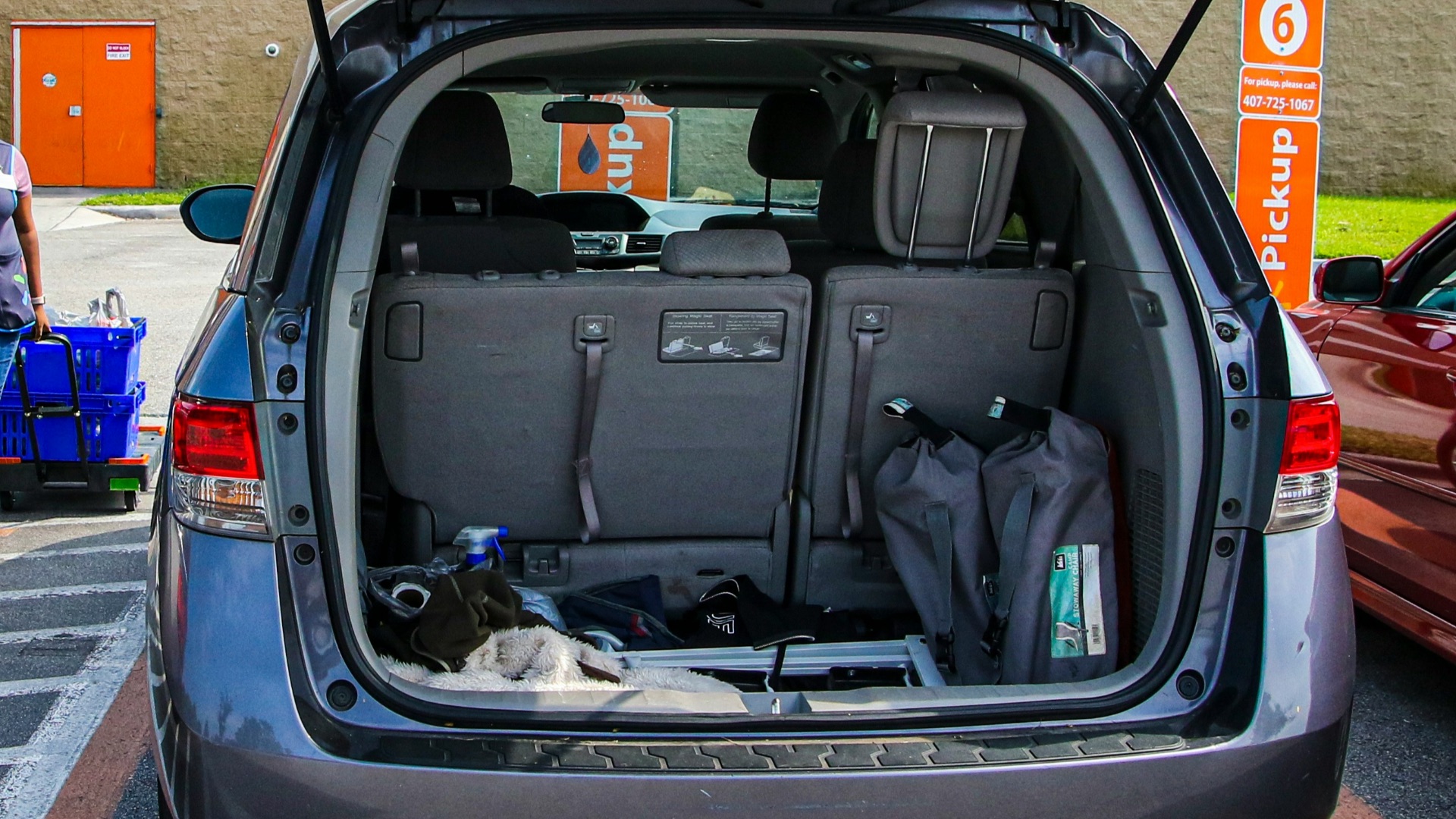
Stuffing so much luggage into the car that your kids are surrounded by bags and boxes on every side is a surefire way to make them feel cramped and irritable from the very first mile. Children need a reasonable amount of physical space to shift around, adjust their position, and feel comfortable, especially on longer trips. Being strategic about what goes in the trunk versus the back seat can make a surprising difference in the overall mood of the vehicle.
8. Promising Rewards You Can't Actually Deliver
Telling your child they'll get ice cream when you arrive, and then not following through because you're exhausted and it's later than planned, destroys trust and creates a fresh wave of disappointment right at the end of the trip. Even well-intentioned promises can fall apart when the day doesn't go as expected, and that's precisely when the real meltdown begins. Only offer rewards you're genuinely prepared to deliver, or frame things as possibilities rather than guarantees.

9. Starting a New Movie Right Before a Planned Stop
Hitting play on a feature-length film 15 minutes before you're planning to stop for gas or food is practically asking for a tantrum when you pause it. Kids get deeply absorbed in stories quickly, and being pulled out of one right as it's getting good is incredibly frustrating for them, regardless of how reasonable your explanation is. Either start the movie after a stop or save it for a stretch of driving where it can play all the way through without interruption.
10. Ignoring Early Warning Signs of Carsickness
If your child starts looking pale, gets unusually quiet, or mentions that their stomach feels funny, pulling over immediately is always the right move rather than pressing on and hoping it passes. Waiting too long to stop is a decision you'll very much regret, for obvious reasons that no amount of napkins in the glove compartment can fully address. Learning your child's specific early cues and responding to them quickly keeps a manageable situation from becoming a memorable disaster.