

A Wallet-Friendly Gut Check
Why is it that car repairs feel like a financial escape room? It could be that invoices get complicated fast. It could be that shops in prime-time locations charge out the wazoo. Worse still, even when the work is legitimate, the way it’s quoted, packaged, and billed can inflate what you pay. If you want to keep your budget intact, these signs can help you spot trouble before it eats into your savings.

1. Labor Rates Change Mid-Conversation
Pay attention to who charges you what—and how often they do it. If one person quotes a labor rate and another mentions a higher one later, you’re right to raise an eyebrow. While shops can have different rates for different jobs, they should still be consistent.
2. You’re Billed Time That Doesn’t Match the Job
It’s not unheard of to get slapped with a flat-rate guide, but they can also be abused when the billed hours don’t match the actual work. If a small add-on suddenly adds a big chunk of time with no clear reason, you might be paying more than what you bargained for.

3. The Quote Bundles Several Services
Don’t just assume that a single lump-sum price is convenient. It can actually make it harder to see what’s expensive and what’s unnecessary. Bundles often hide duplicate charges or overpriced add-ons because nothing is itemized.
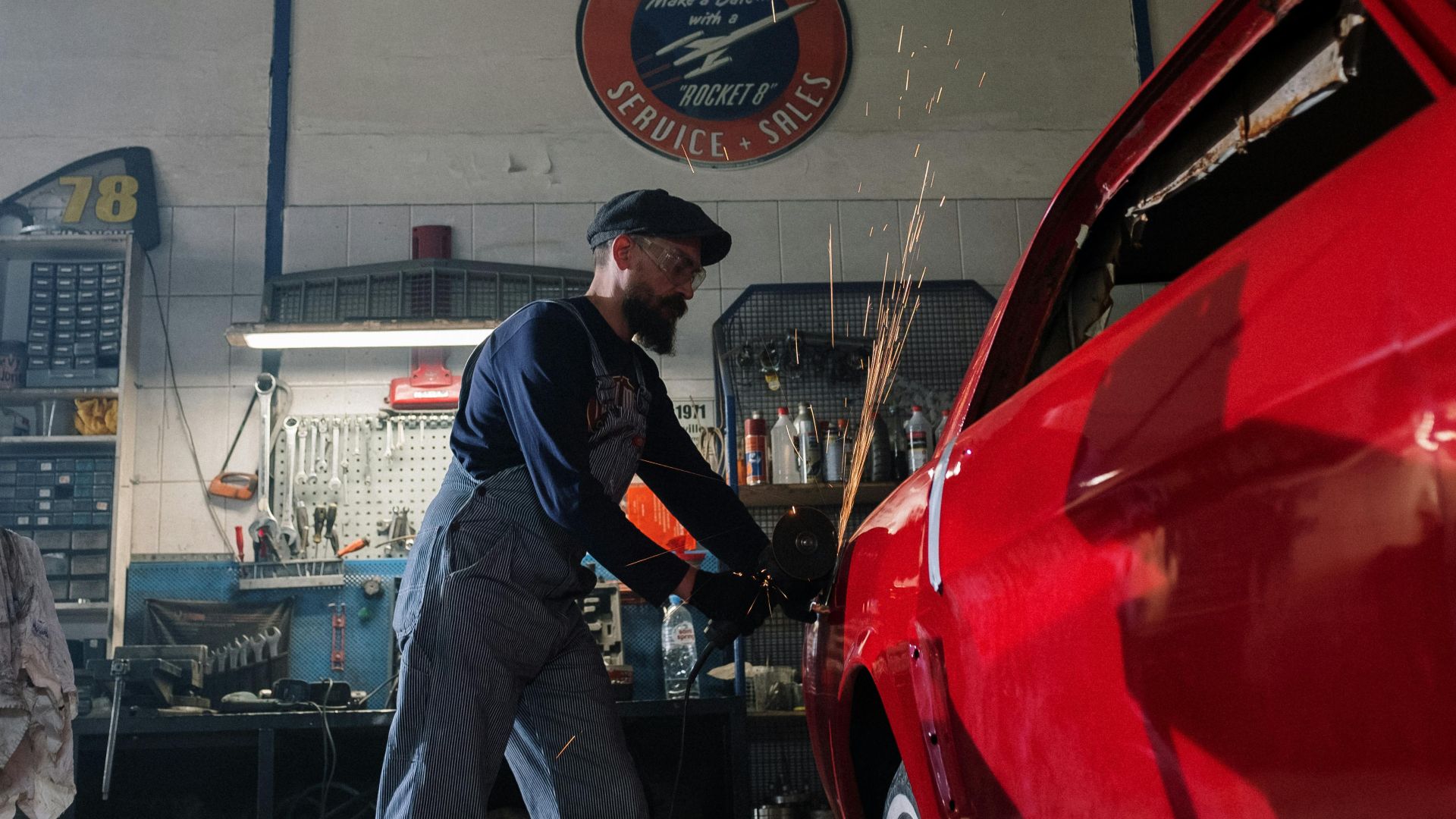
 Jimmy Nilsson Masth on Unsplash
4. Location Does the Heavy Lifting
Like anything in an expensive area, repairs in high-rent spots can carry overhead that shows up in the total. If the pricing seems steep across even basic jobs, you’re likely paying for the address as much as the fix. Do yourself a favor and compare a quote from a shop a few miles away.

5. You’re Charged Again for Pieces
Before you let a shop touch your car, it’s worth asking what’s included in the kit and why any extras were required. Though some jobs legitimately use kits, the math should still make sense. And it doesn’t make sense if the invoice lists a kit and then lists the same clips, seals, or hardware separately.

6. Fluid Quantities Look Like They Were Rounded Up
More fluids are billed by quantity, and that’s where inflation hides in plain sight. Measuring isn’t optional when it’s your money. If your vehicle takes five quarts and the invoice shows eight for no reason, the numbers deserve a second look.

7. Fees Feel Like a Subscription
A modest shop-supplies fee is pretty common, but that doesn’t mean it should balloon alongside the total bill. Take stock of how the fee is calculated—if it’s a large percentage of labor or looks unusually high for the work, you’re just funding a catch-all item.
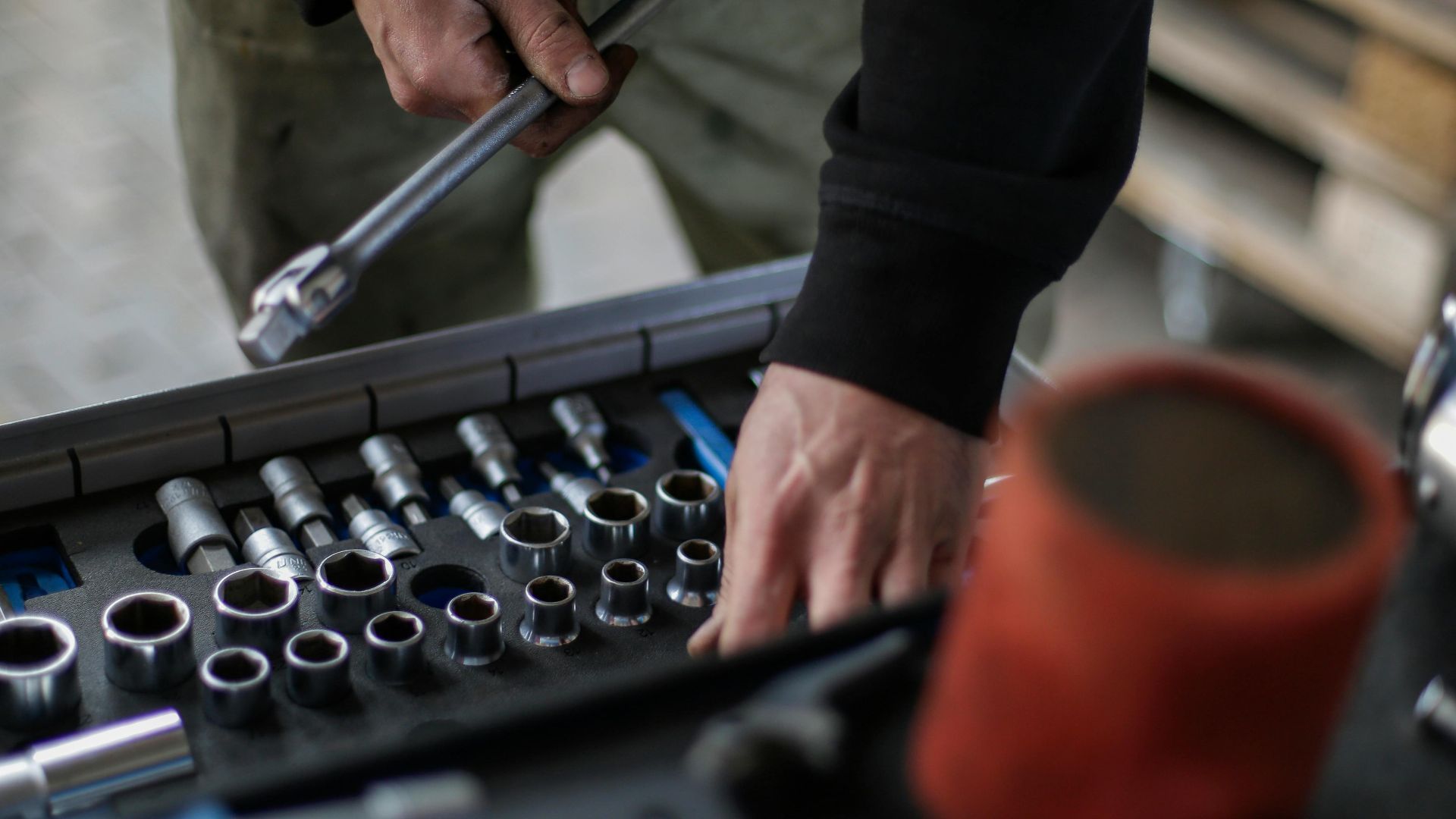
 Jimmy Nilsson Masth on Unsplash
8. You’re Paying Full List Price for OEM Parts
When it comes to OEM parts, clarity protects both your car and your wallet. While they can be the right choice, the invoice should clearly indicate that’s what you’re buying. If the price is high and the paperwork doesn’t specify OEM versus aftermarket, you’re probably paying the premium without the certainty.

9. The Repair Replaces a Whole Assembly
We’ve heard the horror stories: only one part needs tweaking, and a mechanic replaces the whole darn thing. Sure, sometimes replacing a complete unit is reasonable, but it’s often the most expensive route. If a small, replaceable part failed but the estimate jumps straight to a full assembly, the pricing skyrockets fast.
10. Remanufactured Options Aren’t Mentioned
For some parts, remanufactured components can be a smart middle ground between new and cheap. That’s exactly why you’ll never hear about them. If the only choices are brand-new and pricey, you’re missing a cost-effective alternative. A reputable shop explains when remanufactured parts are appropriate and when they’re not.

11. The Invoice Has “Miscellaneous” Lines
One miscellaneous charge is already hard enough to spot—and several of them can turn into a headache for your bill. If you see “misc.” repeated across parts, labor, and supplies, the lack of specificity is deliberate, and it becomes the problem.
12. Payment Plans Add More Than Convenience
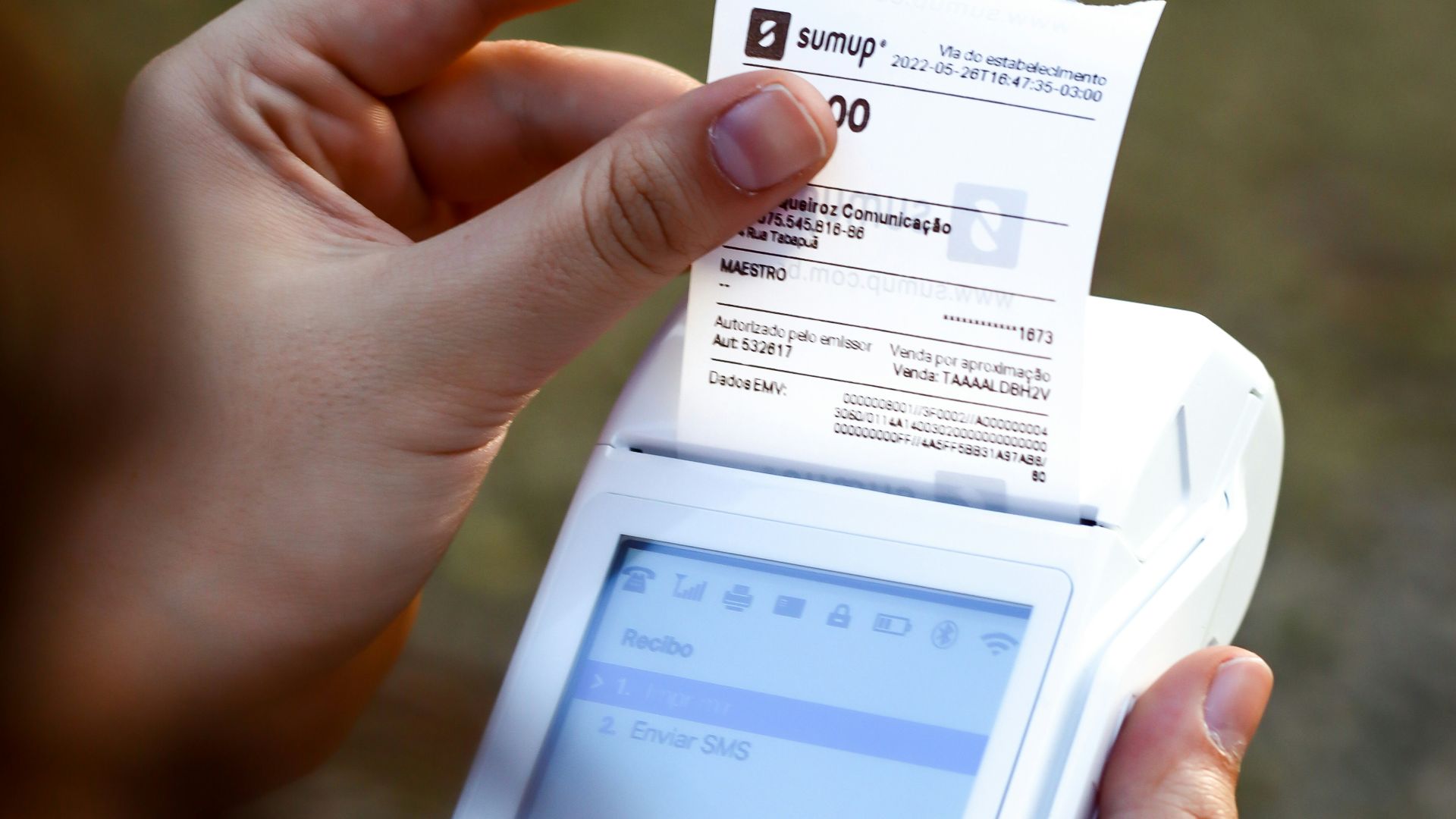
Payment plans are great for the average customer, but in some shops, they only look good in theory. If the monthly number sounds easy while the final amount jumps, you’re still overpaying, but now, you’re doing it more slowly. Ask for the total cost of financing in writing and compare it to paying outright.

13. Calibration Fees Appear Without Warning
Modern repairs sometimes require calibrations, but those steps should be tied to specific parts or procedures. It’s never good when programming fees show up on a repair that doesn’t normally involve electronics. Asking what was calibrated and why prevents costly extras.
14. The Estimate Includes Premium Scheduling
Funnily enough, some shops charge extra for same-day turnaround or guaranteed completion times. That means more money out of pocket, whether you asked for it or not. Choosing a standard timeline can trim the bill without changing the actual repair.

15. Basic Prices Get Marked Up Like Luxury Goods
Some items have predictable market ranges, which is why extreme pricing stands out so much. A quick comparison can tell you whether you’re paying for convenience or paying for someone’s vacation. If common consumables cost dramatically more than local spots, you’re looking at an unnecessary markup.

16. You’re Charged Extra for “Cleaning”
A bit of cleanup shouldn’t be treated like a separate profit center. Check whether you were billed for cleaning, degreasing, or “shop maintenance.” You’re paying for repair skill, not a tidy-up surcharge.

17. Storage Fees Show Up
Unexpected storage charges are a huge pain, and an even bigger surprise if you weren't expecting them. If the shop didn’t disclose a storage policy before keeping the vehicle, the fee is less like a policy and more like a punishment. Clear policies should be communicated early, not discovered at checkout.

18. Taxes and Fees Don’t Match the Norm
Taxes are regulated. Disposal fees often follow predictable patterns. So, what gives? When they’re wildly inconsistent, those totals require attention. A quick review of which items are taxable and which fees apply helps you catch errors fast.
19. Discounts Come Only After You Hesitate
Pay attention to discounts. Does the price suddenly drops the moment you start asking questions? That suggests the first number wasn’t the only reasonable number. Promotions exist, but they shouldn’t require you to look skeptical before they appear.

20. The Price Only Makes Sense in Certain Circumstances
Occasionally, a quote is built as a one-time transaction rather than the start of a relationship. However, a fair price usually leaves room for you to return willingly, not just because you have to. If the cost looks steep because of random extras, you may be paying for maximum revenue instead of long-term value.