

Tree Transport Done Right
You finally spot the perfect Christmas tree, tie it down, and hit the road—only to realize the drive home isn’t easy. Transporting a tree comes with hidden risks that can turn festive excitement into stress fast. Small oversights that cause real damage, and knowing what matters makes all the difference. Read on to explore this practical roundup on how to safely get your tree home—and the mistakes you should avoid.
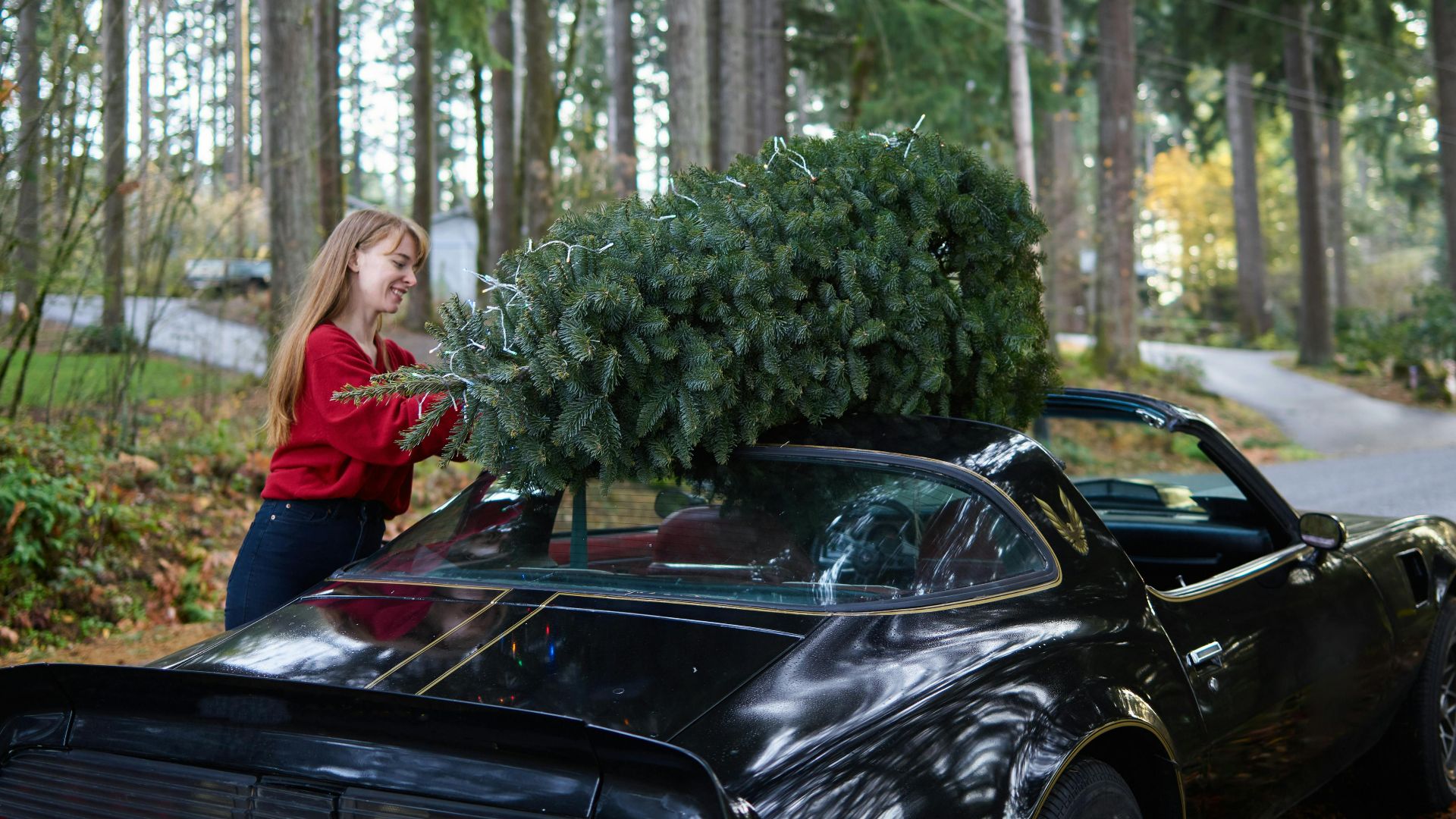
1. Measure Your Vehicle And Tree Beforehand
Start with a quick measurement before the tree goes anywhere near your car. Knowing the dimensions keeps mirrors unobstructed and protects paint or roof racks from damage. It also makes securing the tree feel far more manageable.

2. Request A Fresh Cut On The Trunk At The Lot
Once you’ve chosen the tree, ask for a fresh cut at the base. This opens the wood’s pores, which helps the tree absorb water later. As a result, branches stay flexible during loading and are less likely to snap on the ride home.

3. Have The Tree Wrapped In Netting
By pulling the branches inward, netting reduces wind resistance and keeps needles from flying everywhere. It also makes lifting and securing the tree far easier, almost like carrying a neatly wrapped gift for your home.

4. Bring Protective Gear And Supplies
Pack gloves, rope or bungee cords, and a tarp or blanket. Gloves protect hands from sap and sharp needles, while cords secure the tree firmly. Protective coverings prevent scratches and stains on your car and your hands.
 Kristin from Oslo, Norway on Wikimedia
5. Use Padding For The Vehicle’s Roof
A little padding goes a long way. Blankets or tarps shield your vehicle from scratches and sticky sap, and also distribute pressure more evenly. Year after year, some families bring out the same trusted tree blanket.

6. Orient The Tree With The Trunk Facing Forward
When loading the tree, point the trunk toward the front of the car. This position helps branches resist wind damage and keeps the tree steadier in motion. The orientation also makes unloading easier, since the tree slides off naturally from the trunk end.

7. Secure The Tree At Multiple Points
It’s tempting to use just one rope, but multiple tie-downs make a big difference. They stabilize the tree during quick stops, distribute weight evenly, and reduce the risk of branches lifting or snagging in strong winds.
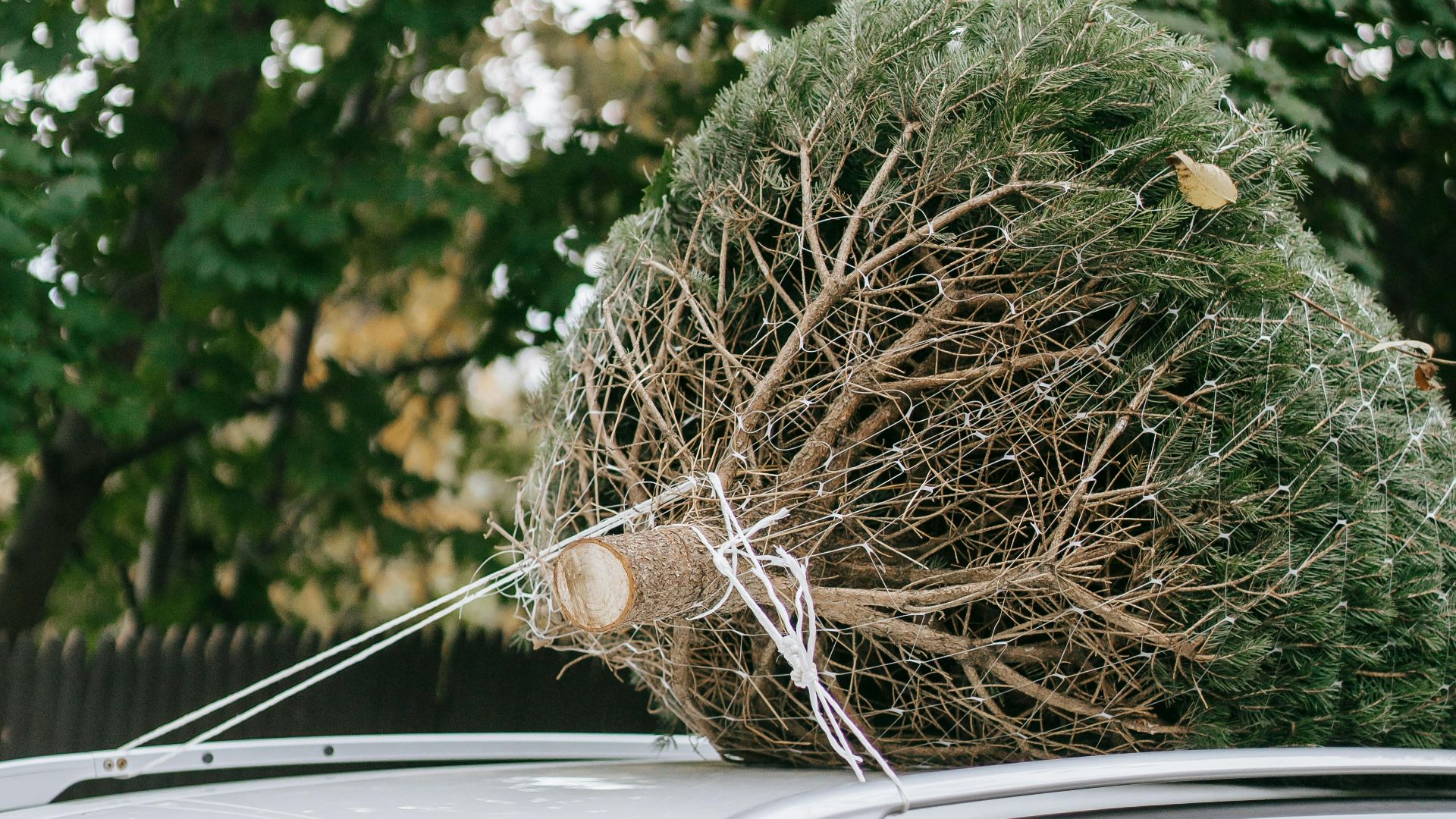
8. Use Proper Tie-Down Anchors
For a more secure hold, tie ropes to roof racks or built-in anchor points. These ties can manage tension better and prevent damage to door seals. Many cars also come with hidden anchors made for transporting holiday gear.

9. Test The Security Before Driving
Before pulling away, take a moment to tug and lightly shake the tree. This quick check helps spot loose straps early, making it easier to fix problems and avoid stress later during the drive.
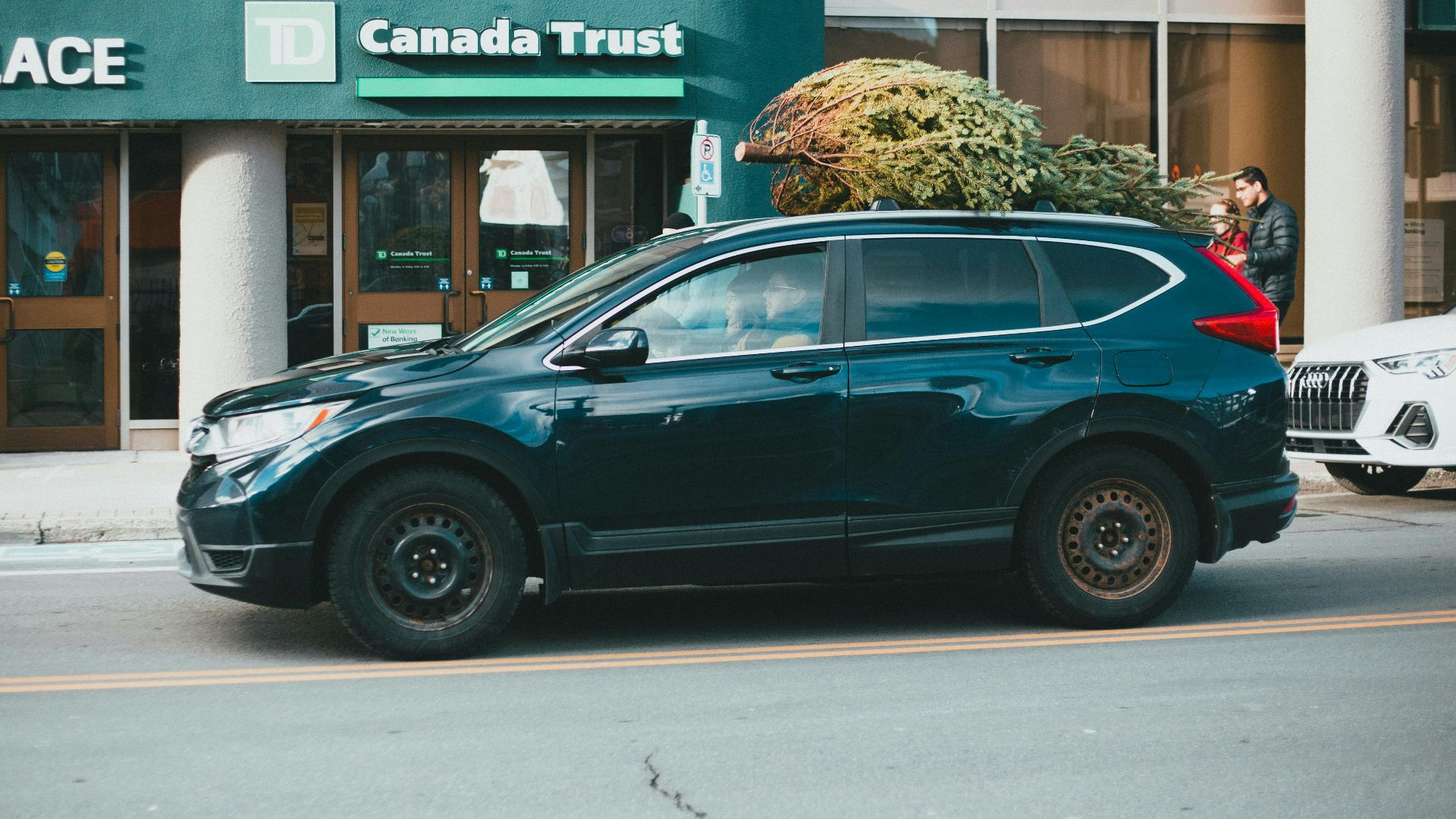
10. Drive Slowly And Avoid Highways
Once on the road, take it slow and skip highways when possible. Lower speeds reduce wind pressure on branches and keep tie-downs from loosening. Avoiding fast lanes also limits sudden maneuvers, which makes the trip calmer.

After covering the smart moves, it’s just as important to look at the common slip-ups people make.
1. Obstructing The Driver’s Mirrors Or Field Of Vision
Most people forget to check the visibility before they take off with the Christmas tree. But blocked mirrors limit awareness of surrounding traffic. Overhanging branches can hide brake lights, and impaired visibility raises accident risk.

2. Running Tie-Down Ropes Through Open Windows
While it looks practical, threading tie-down ropes through windows creates hidden problems. Winter can be harsh in most parts of the world. You do not want to expose yourself to chilly winds or sudden snowfall on your way back.
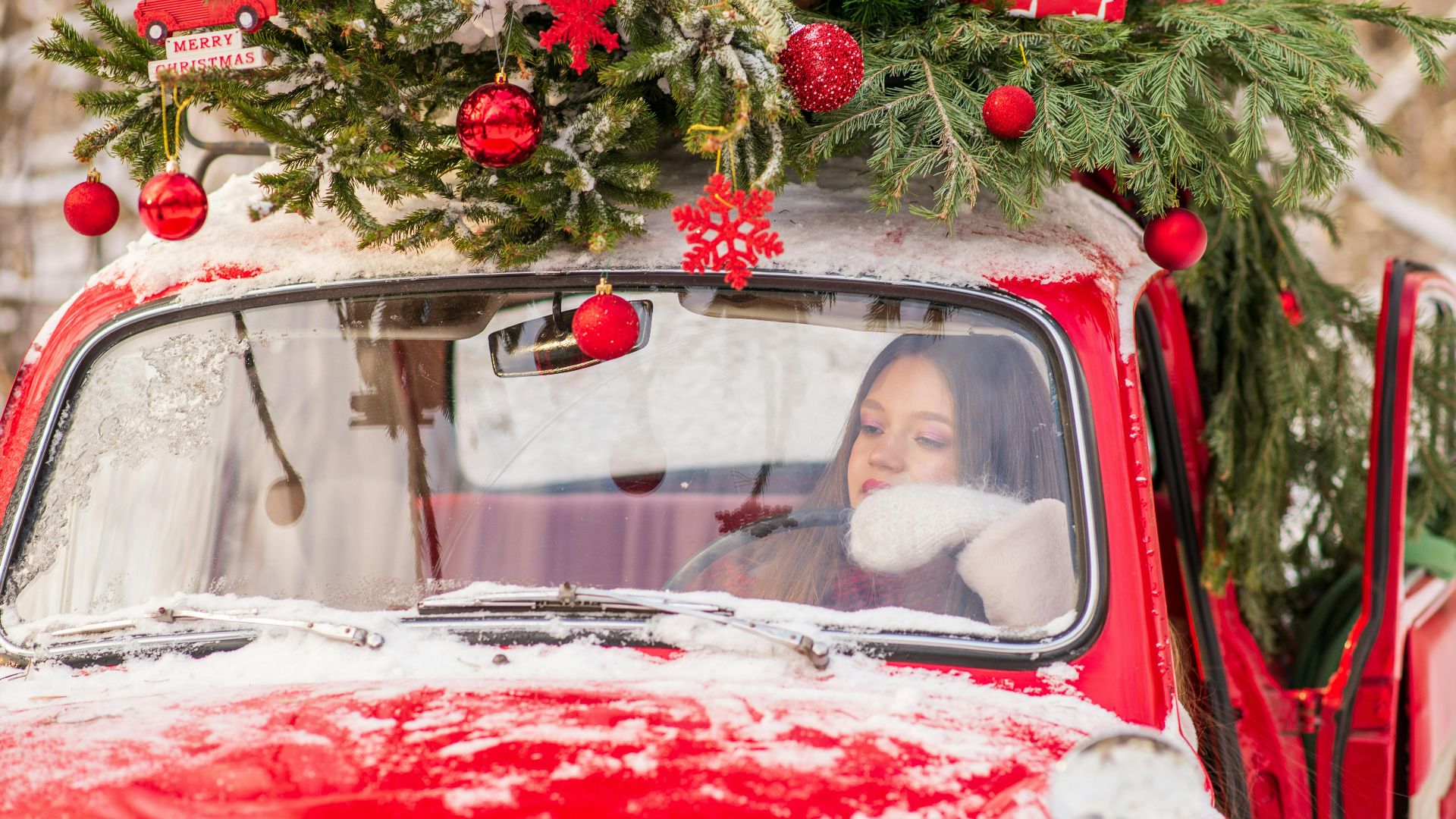
3. Failing To Flag A Long Rear Overhang
As you pull away, the back of the car matters more than you think. Overhanging trees aren’t always visible to others, especially during hailstorms. A flag provides a clear warning that encourages safer spacing and lowers the chance of rear-end accidents.

4. Forgetting To Check For Dormant Outdoor Pests
Before carrying the tree inside, it’s worth taking a moment to look closely. Insects can linger unseen in the bark or needles, and indoor warmth may revive them, which is why a quick inspection makes all the difference.

5. Overloading The Roof With An Oversized Tree
That picture-perfect tree can weigh more than your vehicle is built to handle. Large trees may exceed roof rack limits, which risks rack damage and unstable handling that makes steering and braking feel noticeably less predictable.
6. Leaving Needles And Sap Unprotected Inside The Cabin
Placing a tree inside without covering it invites trouble. Sticky sap can cling to upholstery, while loose needles embed deep into fabric and vents. This turns cleanup into a stubborn chore that lingers long after the holidays end.

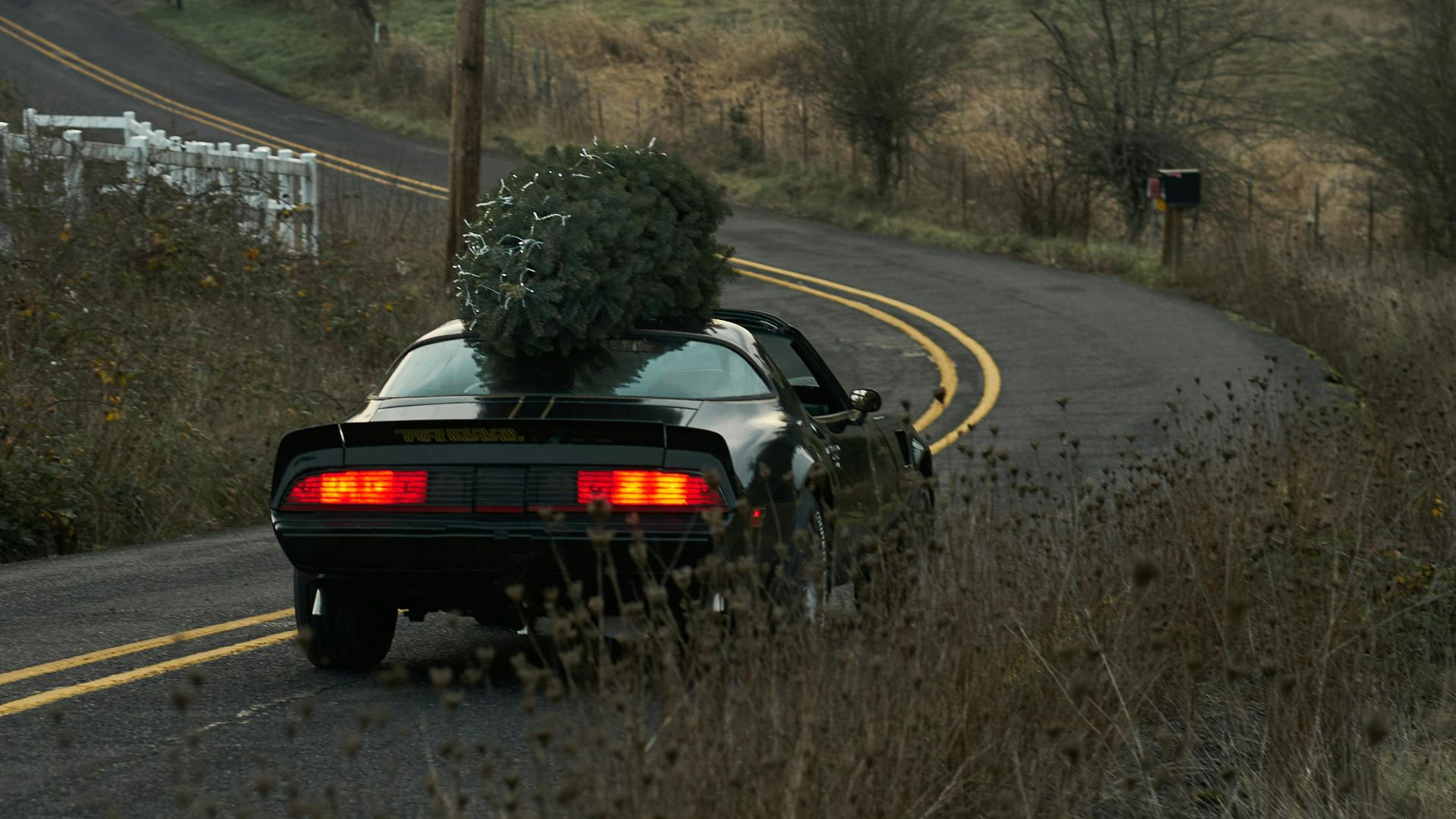
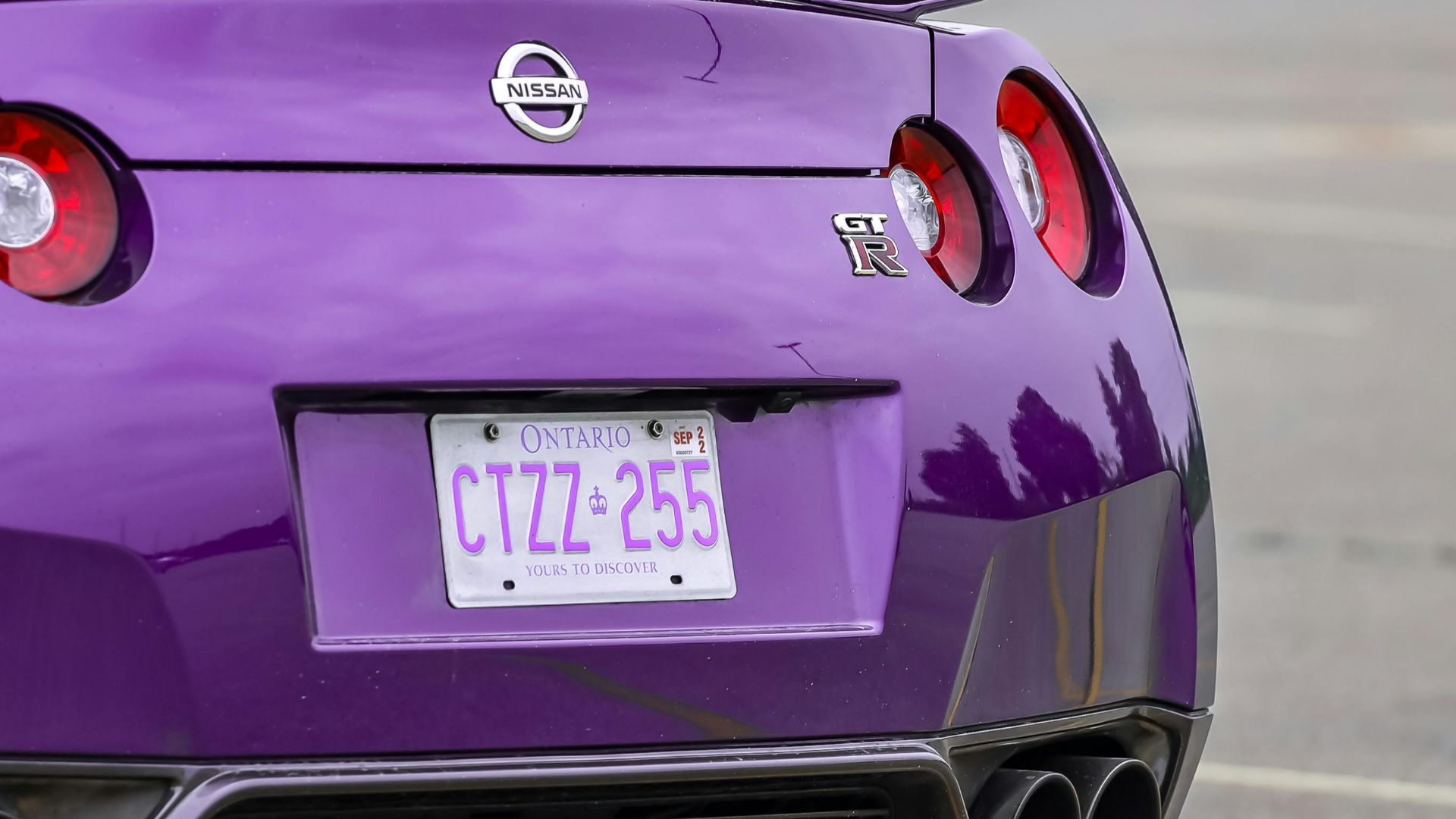
7. Blocking License Plates Or Tail Lights
When a tree hides the rear lights or the license plate, visibility drops fast. Other drivers may struggle to judge distance, and you risk traffic violations. A minor oversight can turn into an unavoidable safety and legal issue.
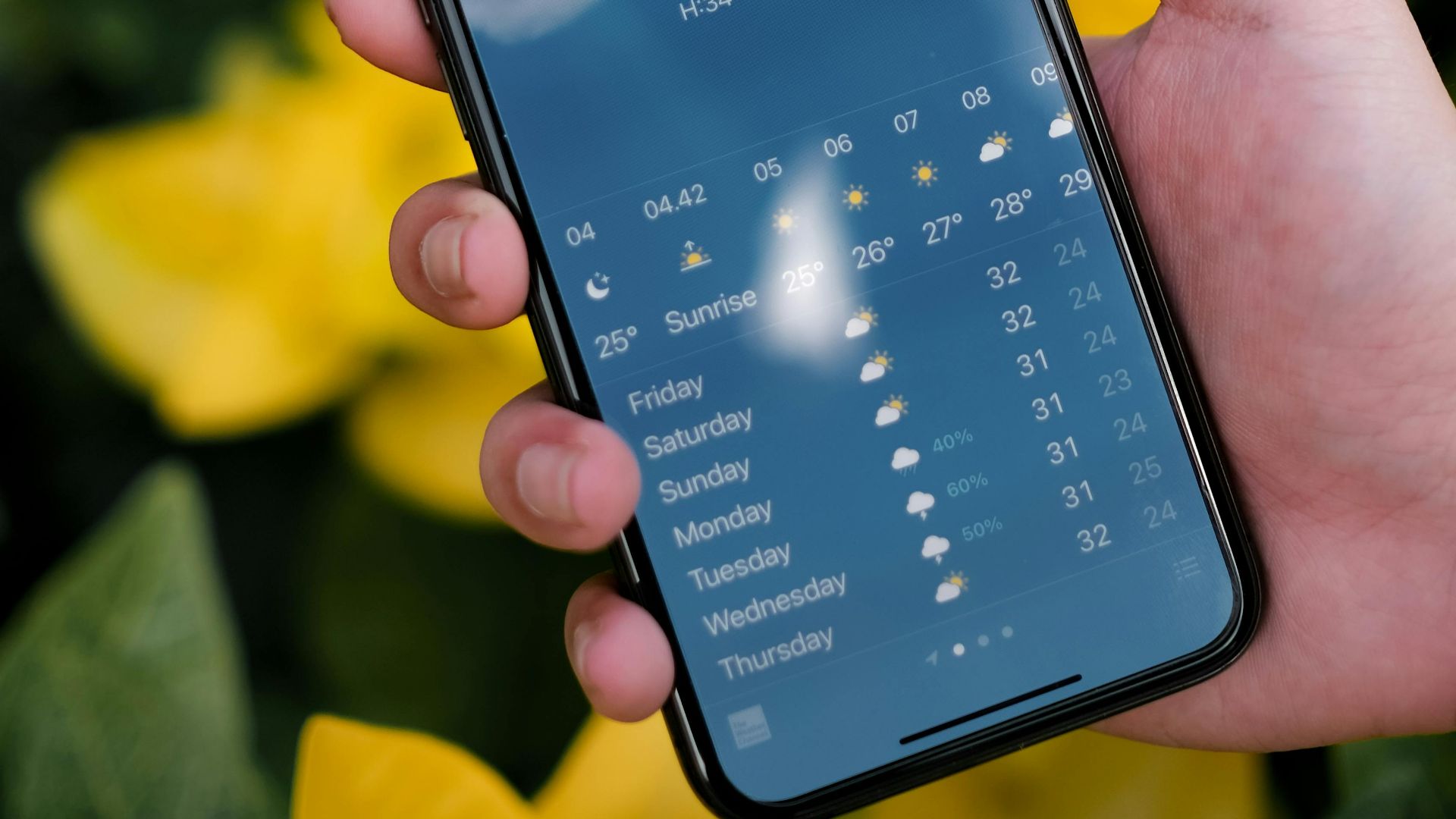
8. Transporting Without Checking Weather Conditions
Do not ignore the forecast, as it adds unnecessary risk. High winds, rain, or icy roads make roof loads harder to control, which increases sway and instability. It's best to do a quick weather check to prevent a stressful drive.
9. Leaving The Tree Unattended On The Car
It might seem harmless to step away briefly, but an unattended tree invites theft or accidental damage. Unsecured loads can fall or disappear altogether, which is why unloading promptly once you’re home saves hassle and frustration later.
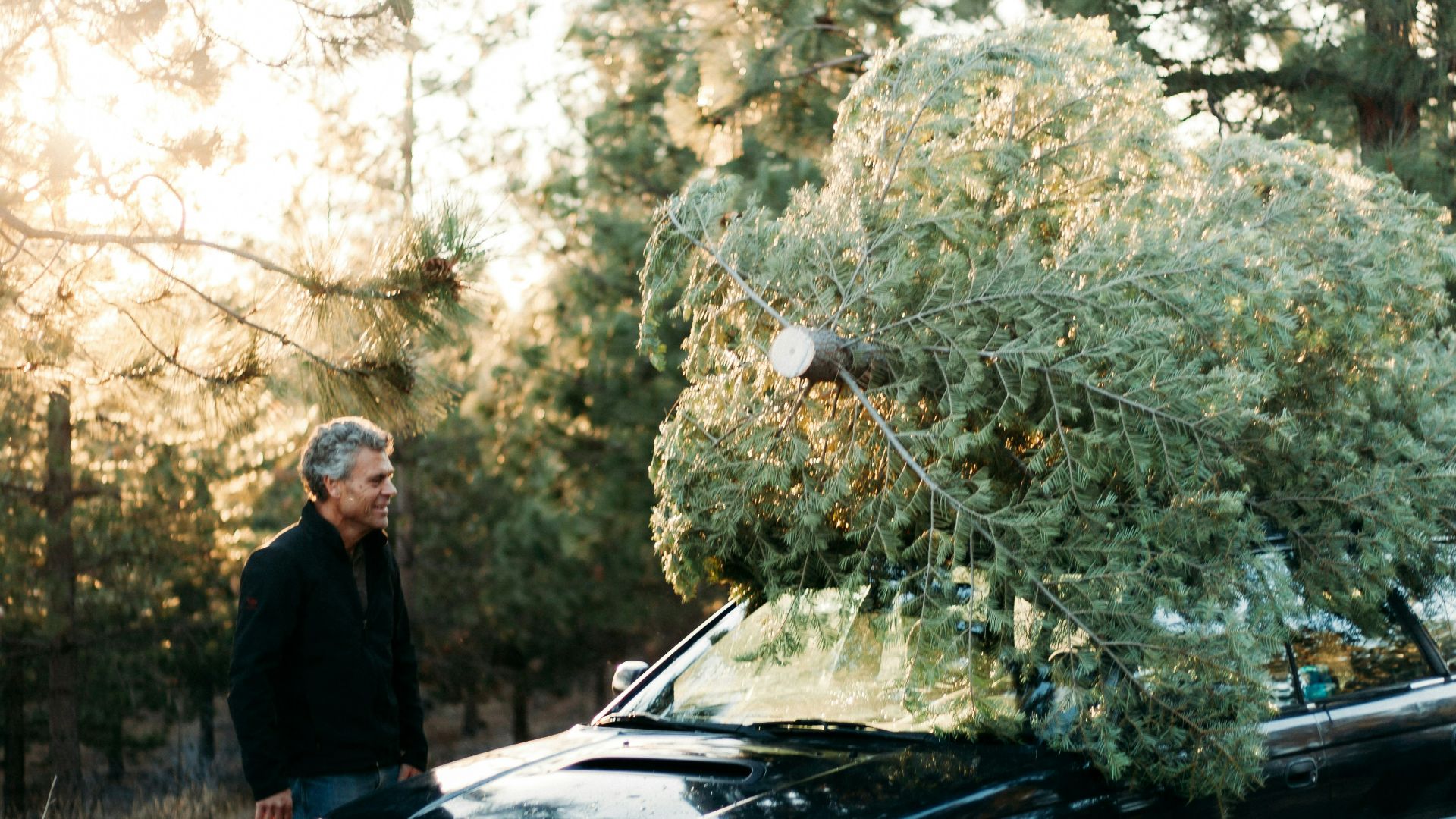
10. Failing To Account For Garage Or Driveway Clearance
Most people forget the added height on their roof by the time they reach home. Filler trees may not be able to make way into a low-hanging entrance of your driveway. Always measure the entrance as well so that it is easy to get the tree inside.