10 Things That Happen If You Never Wash Your Car & 10 Tips to Keep It Squeaky Clean
It's Car Wash Day
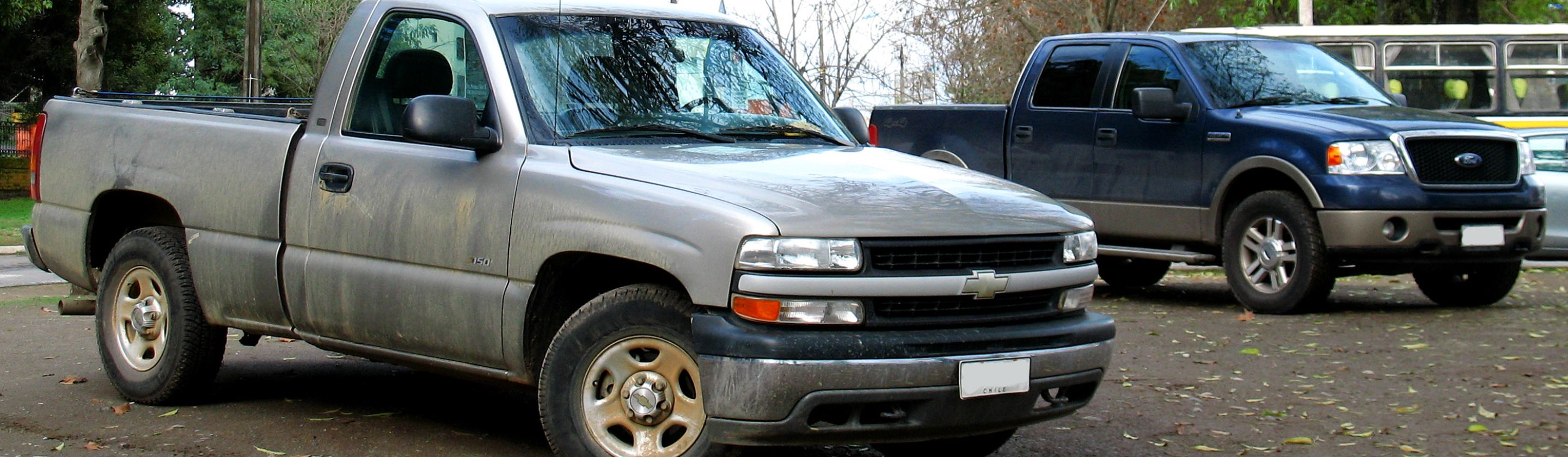
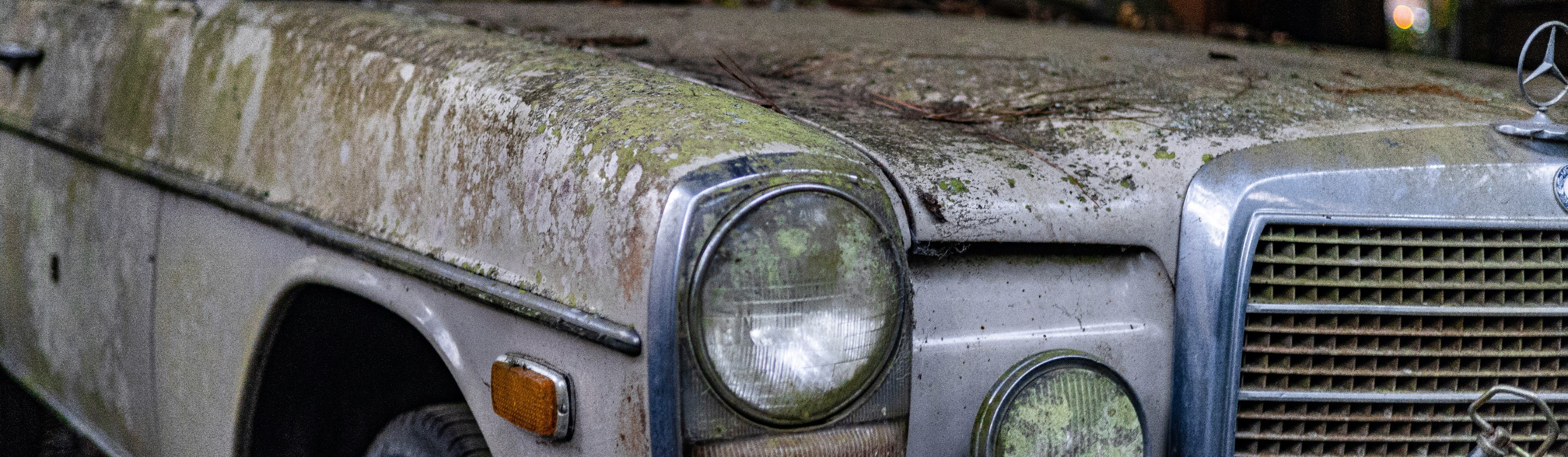
We get it: if you drive all the time, your car is bound to pick up some dirt and grime, and you don't always have so much time on your hands (or patience) to clean it thoroughly. You might even be putting it off right now. In fact, when was the last time you washed your car? While it’s easy to think of car washing as merely a cosmetic task, especially when the vehicle still runs well and doesn't seem that dirty, the buildup caked on the surface, tires, and even the undercarriage can affect far more than its outer appearance. It'll do you well to not leave unsightly bird poop sitting on your paint, too. If you don't want anyone to judge you by the horrid condition of your car, read this.
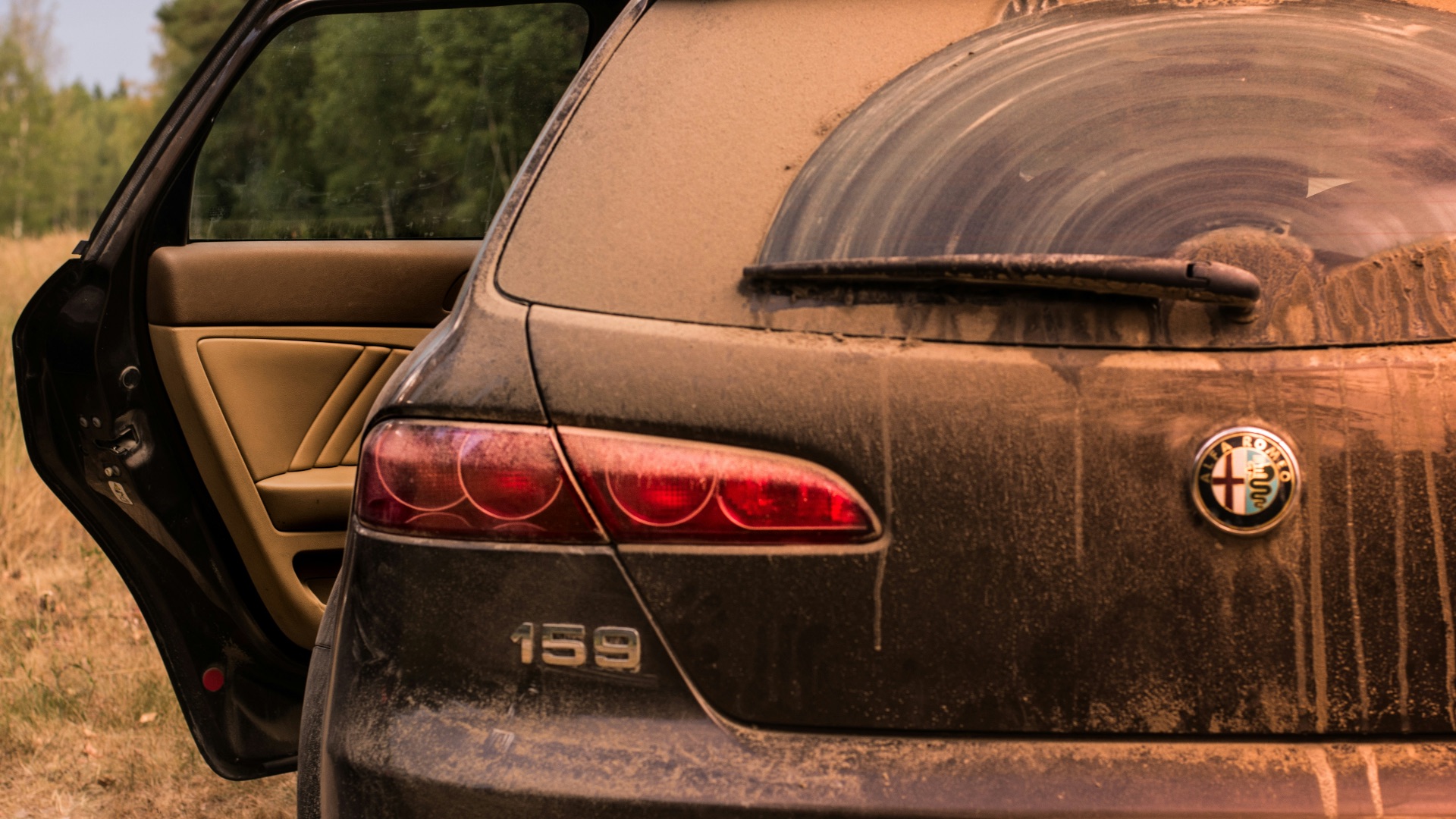
1. The Paint Gradually Loses Its Finish
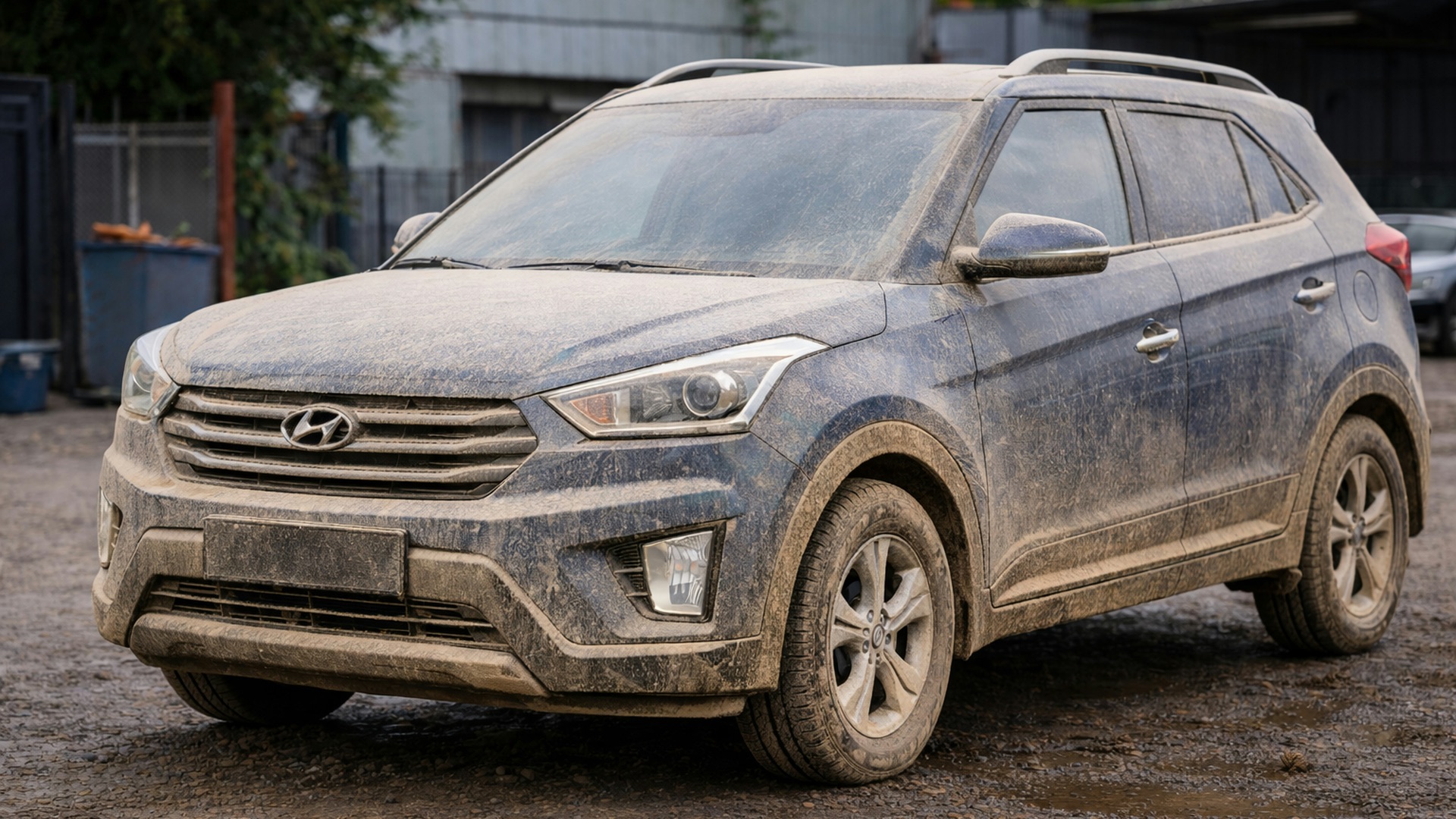
Dirt doesn’t simply rest on the surface of your car without consequence. Fine particles of sand, dust, and road debris can create small scratches whenever they’re rubbed across the paint by clothing, towels, brushes, or even your own hand. As that damage accumulates, the clear coat may begin to look hazy, uneven, and noticeably less reflective.
2. Bird Droppings Can Etch the Clear Coat
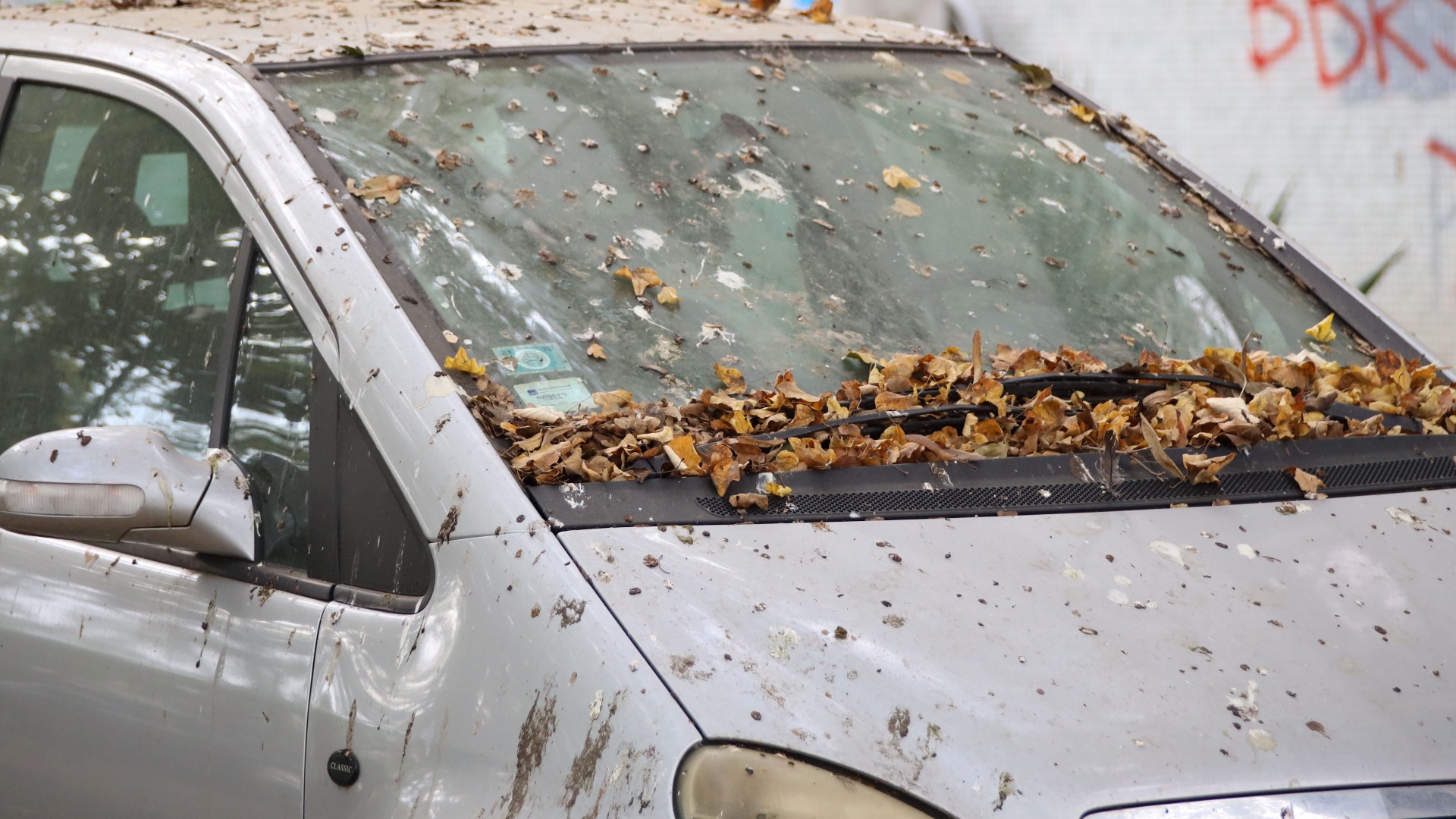
A fresh dropping may look like a minor inconvenience, but it can become a permanent blemish when it’s allowed to bake onto the paint. Sunlight and heat can accelerate the reaction between the residue and the protective clear coat, making the affected area harder to clean safely. Once etching occurs, an ordinary wash may no longer be enough to restore the finish.
 anish lakkapragada on Unsplash
3. Road Salt Speeds Up Corrosion
Winter roads can leave a heavy coating of salt on the lower body, wheel wells, and underside of the vehicle. Because salt attracts and retains moisture, it creates favorable conditions for corrosion wherever metal is exposed through chips, seams, or worn protective coatings. The most serious rust often begins in hidden areas, which means the problem can develop long before it becomes visible from the outside.

4. Visibility Through the Glass Gets Worse
A dirty windshield doesn’t always look dangerous in daylight, but the difference becomes more obvious at night or during rain. Oily traffic film, pollen, dust, and insect residue can scatter light from headlights and streetlamps, creating distracting glare across the glass. When the wipers pass over that buildup, they may leave smears and streaks that make the view even less clear.
5. Headlights Become Less Effective
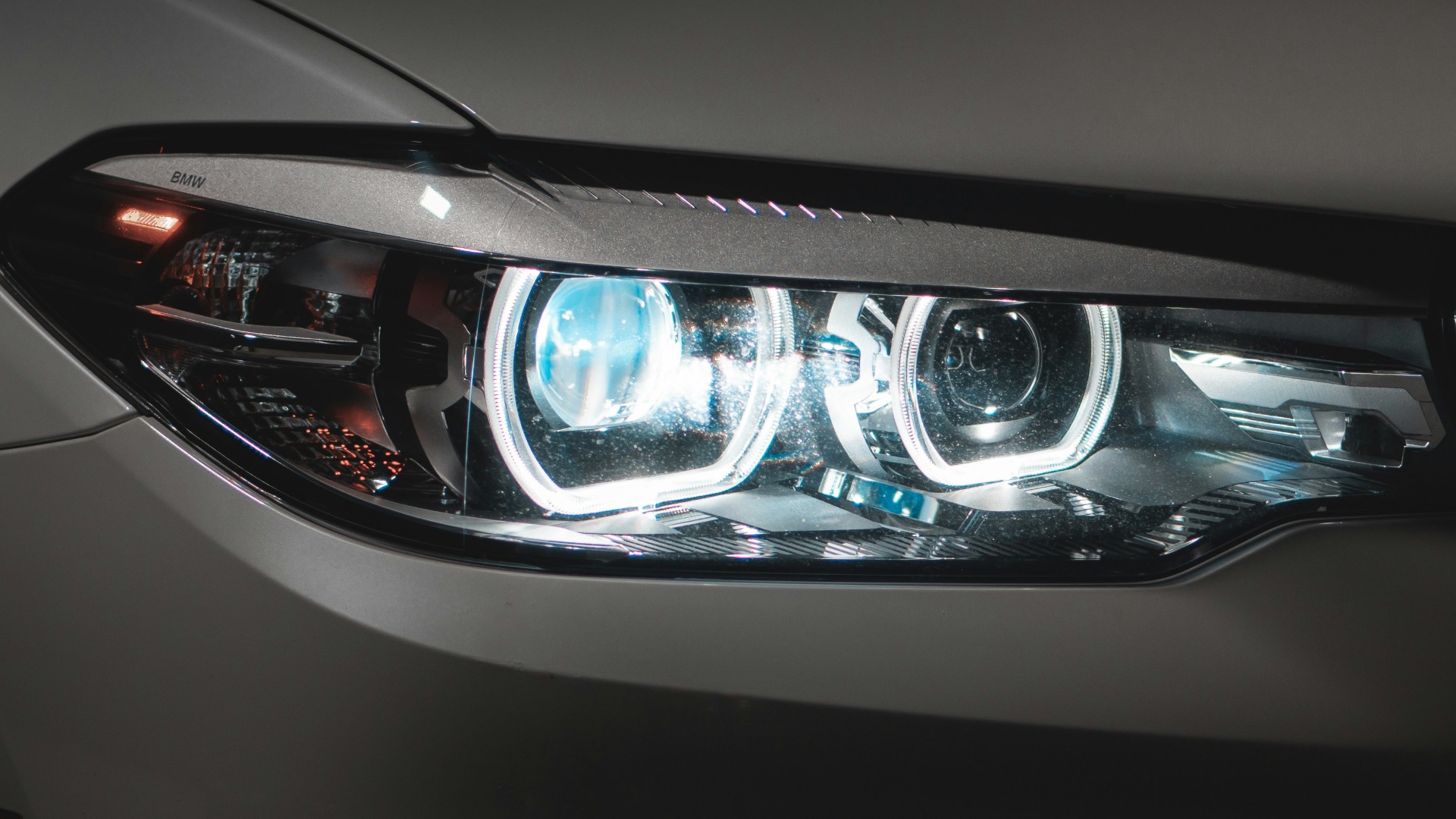
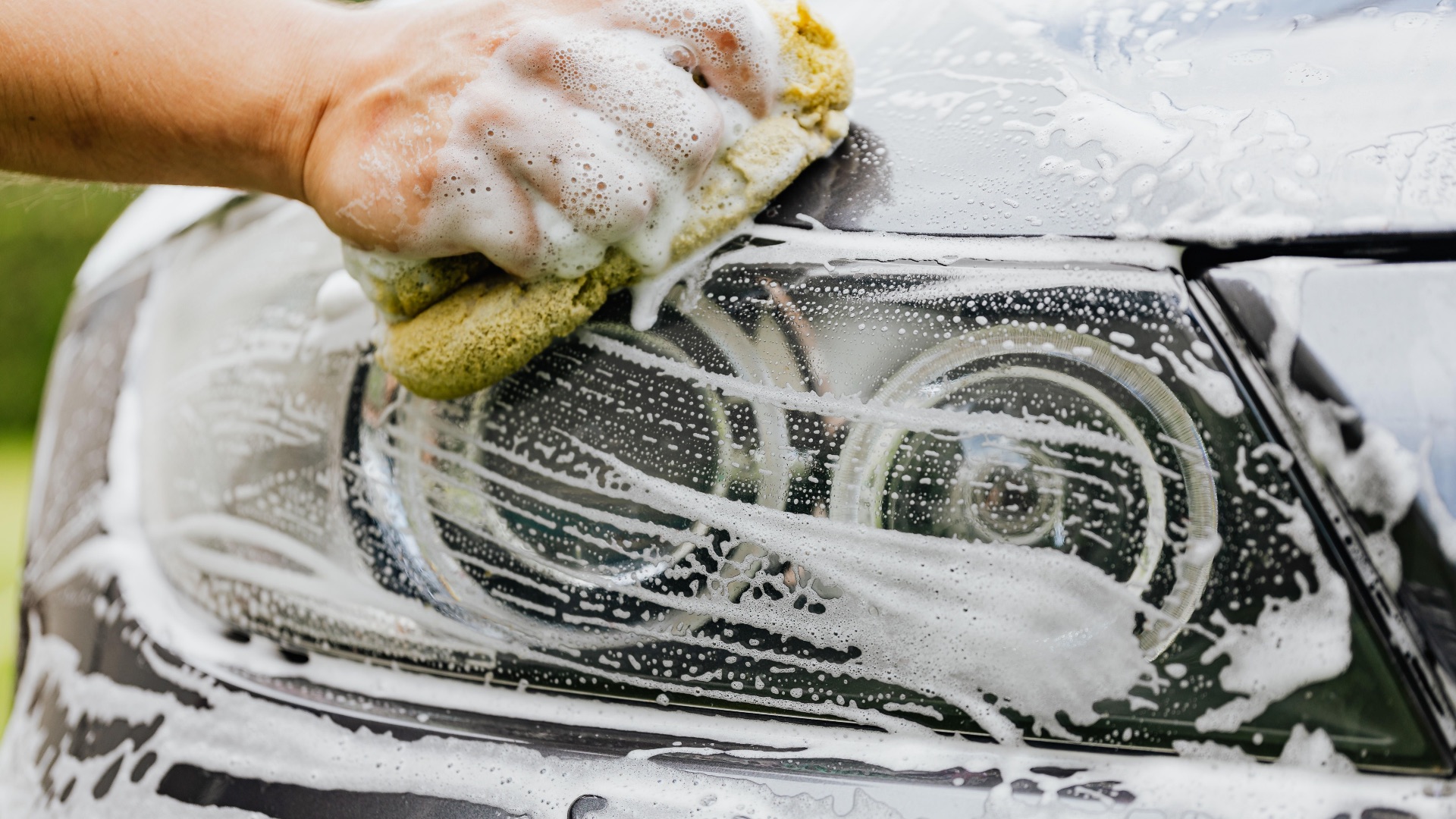
Headlights need a clean lens to project as much usable light as possible onto the road. Layers of salt spray, mud, and road film can dull their output, reducing the distance you can see in darkness or poor weather. A heavily coated lens may also make your vehicle less noticeable to drivers approaching from other directions.
6. Tree Sap Hardens Into a Stubborn Residue
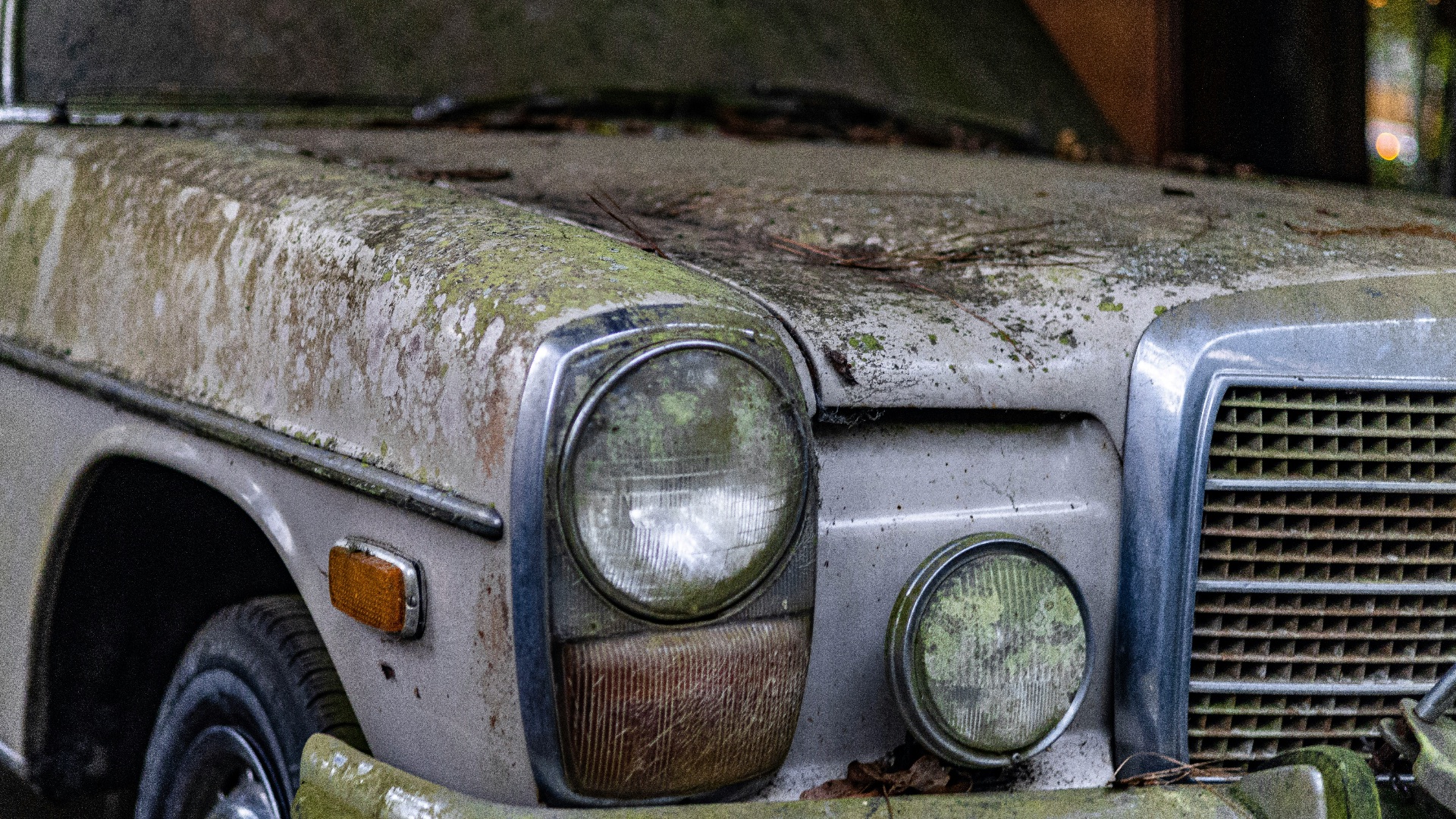
Tree sap is much easier to remove while it’s still fresh and relatively soft. After repeated exposure to heat and sunlight, it can harden into a sticky deposit that resists normal soap and water. Attempting to scrape or scrub it away too aggressively may leave scratches, discoloration, or a damaged patch in the protective coating.
7. Brake Dust Bonds to the Wheels
Brake dust is a normal result of driving, but leaving it on the wheels for long periods can create lasting cosmetic damage. The particles combine with heat, moisture, and road grime, eventually forming a dark layer that becomes increasingly difficult to remove. On some wheel finishes, prolonged buildup can contribute to staining, pitting, or deterioration of the protective surface.
8. Debris Collects Beneath the Vehicle
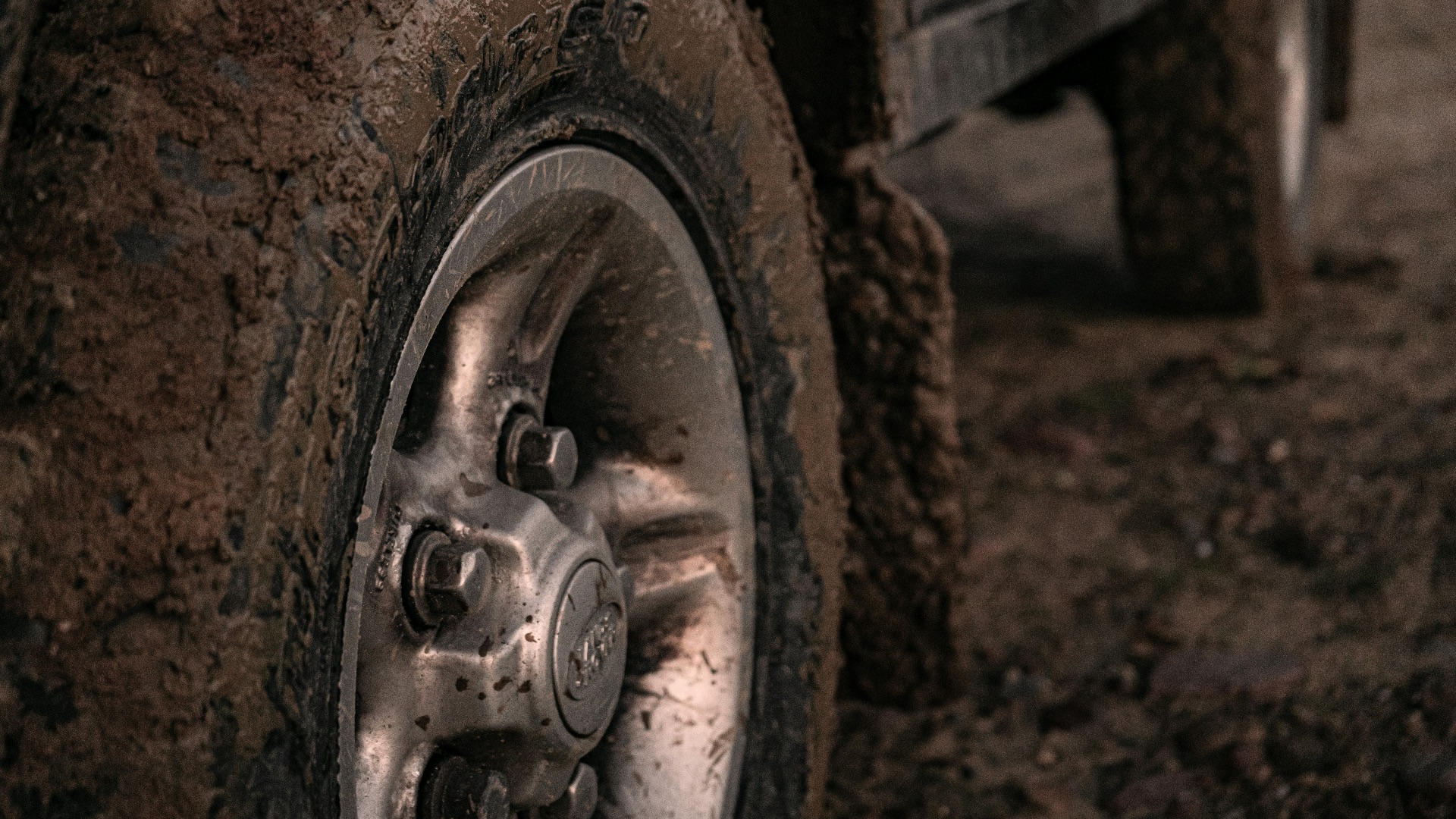
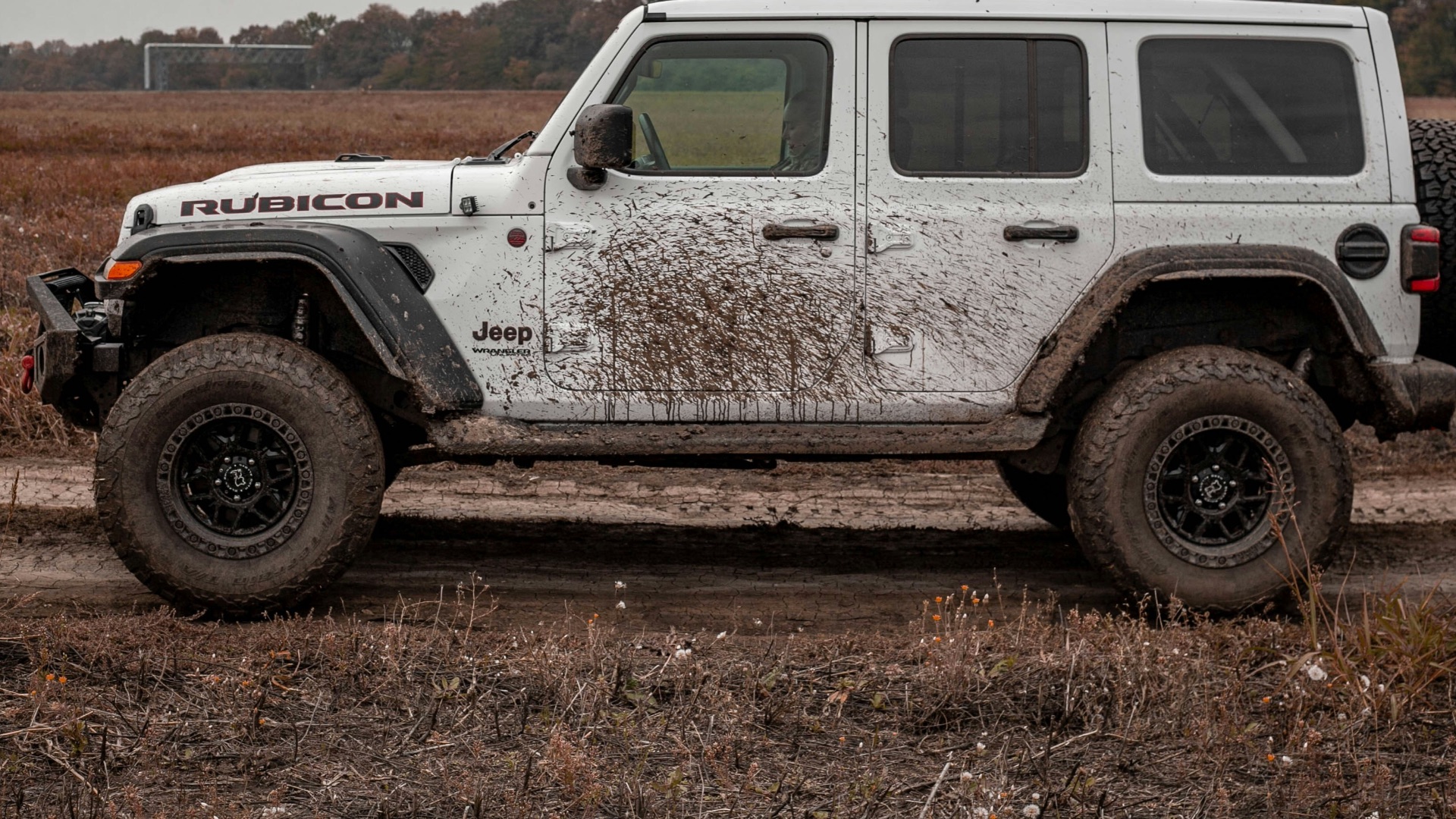
The undercarriage is exposed to water, mud, salt, gravel, and organic debris every time you drive through poor road conditions. Much of that material settles into corners, seams, and recessed areas where it can remain damp for extended periods. Without occasional rinsing, the buildup may contribute to corrosion and make it harder to inspect suspension, exhaust, and braking components.
9. Important Damage Stays Hidden
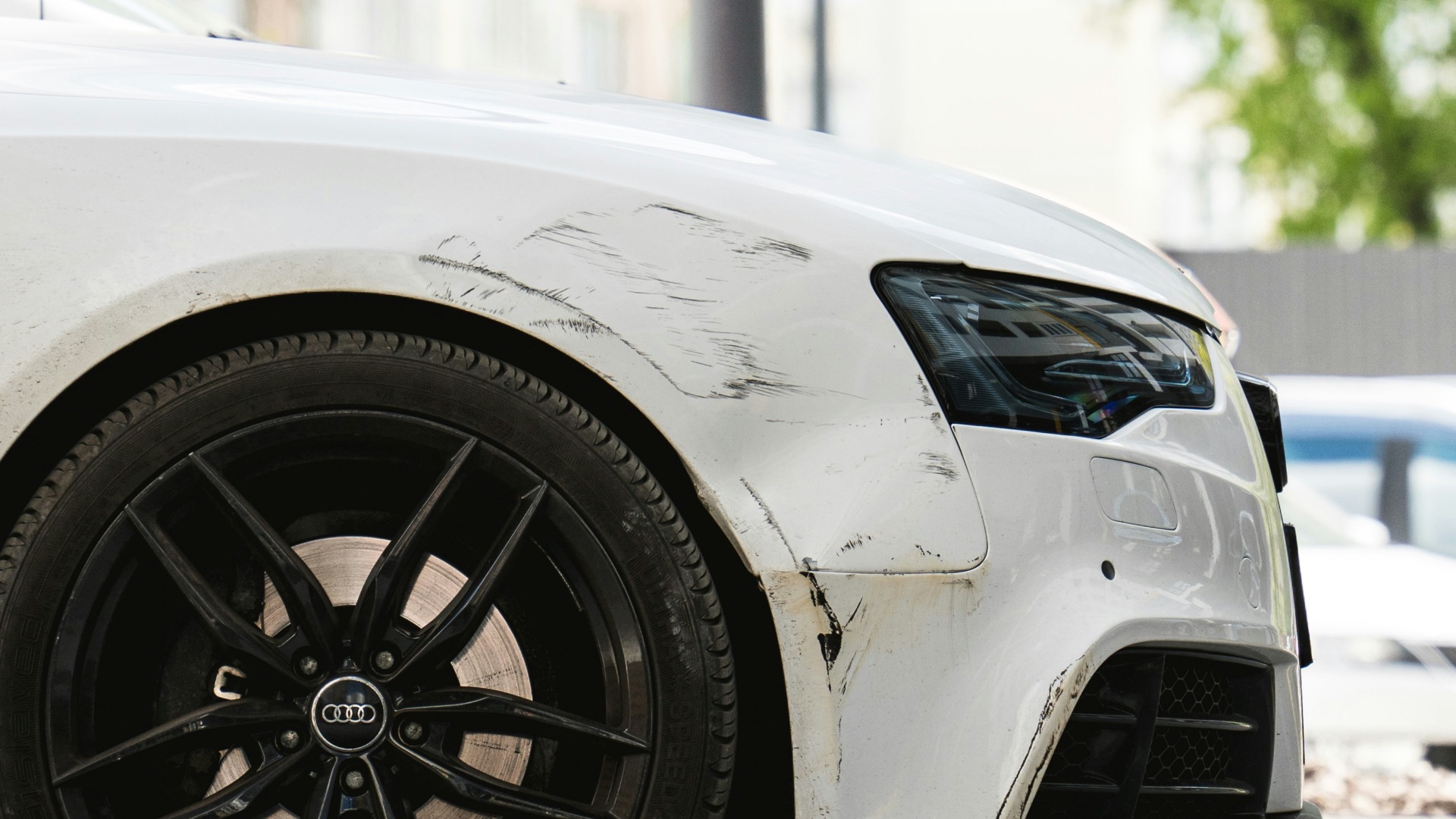
A dirty vehicle can conceal more than a few minor scratches. Thick grime may cover chipped paint, cracked trim, leaking fluids, damaged seals, or early signs of rust that would otherwise stand out on a clean surface. Washing the car gives you a useful opportunity to examine its condition and address small concerns before they become larger repairs.
 Volodymyr Dobrovolskyy on Unsplash
10. The Car Becomes Less Appealing to Buyers
Exterior condition plays a major role in how buyers judge a used vehicle, even before they take it for a test drive. Faded paint, stained wheels, neglected trim, and built-up grime can create the impression that maintenance has been inconsistent throughout the car. That perception may lower the amount someone is willing to pay, regardless of how well the engine or transmission performs.
Thankfully, protecting your car isn't as tedious as you might think. A consistent routine, the right products, and a little care during the washing process can prevent much of the damage caused by long-term neglect. Let's take a look at some easy ways to keep your ride sparkling.

1. Follow a Regular Washing Routine
The ideal washing schedule depends on how often you drive, where you park, and what kind of weather your car faces. A vehicle exposed to coastal air, winter salt, heavy pollen, construction dust, or frequent bird droppings will need more attention than one kept in a covered garage. Rather than waiting until the surface looks severely neglected, wash it often enough to prevent contaminants from settling in.

2. Remove Harsh Contaminants Promptly
Certain messes deserve attention before the next full wash. Bird droppings, insect remains, tree sap, fuel splashes, and other concentrated residues can become harder to remove the longer they remain on the paint. Use water and an automotive-safe cleaner to soften the material first, then lift it away without scraping or applying excessive pressure.
 https://kaboompics.com/ on Pexels
3. Rinse Away Loose Dirt Before Washing
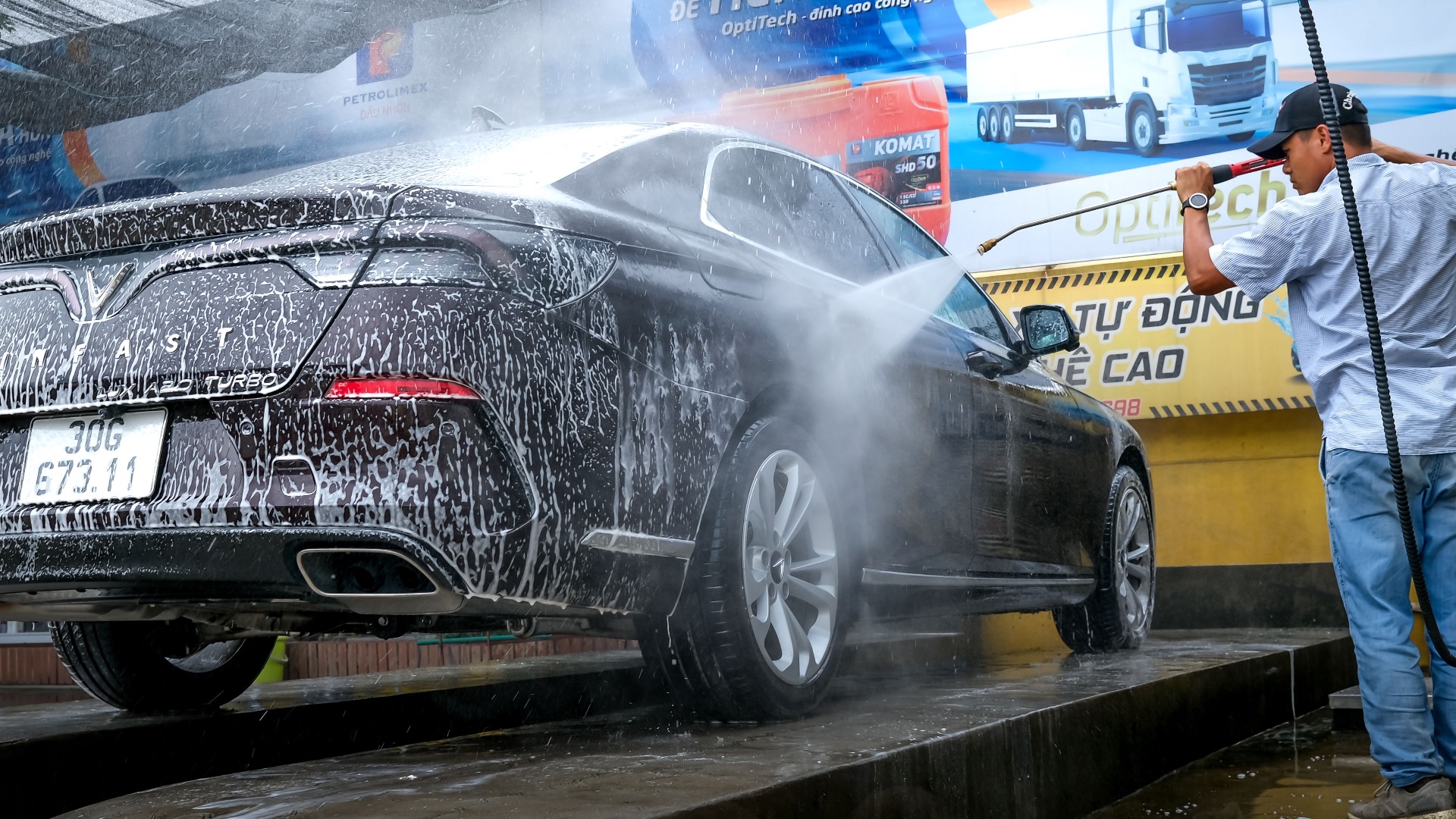
Putting a wash mitt directly onto a dry, dirty car increases the risk of dragging grit across the paint. A thorough rinse removes loose particles and softens heavier deposits before you begin making contact with the surface. Work from the roof downward, paying extra attention to the lower doors, bumpers, wheel wells, and areas behind the tires.
4. Choose a Proper Automotive Soap
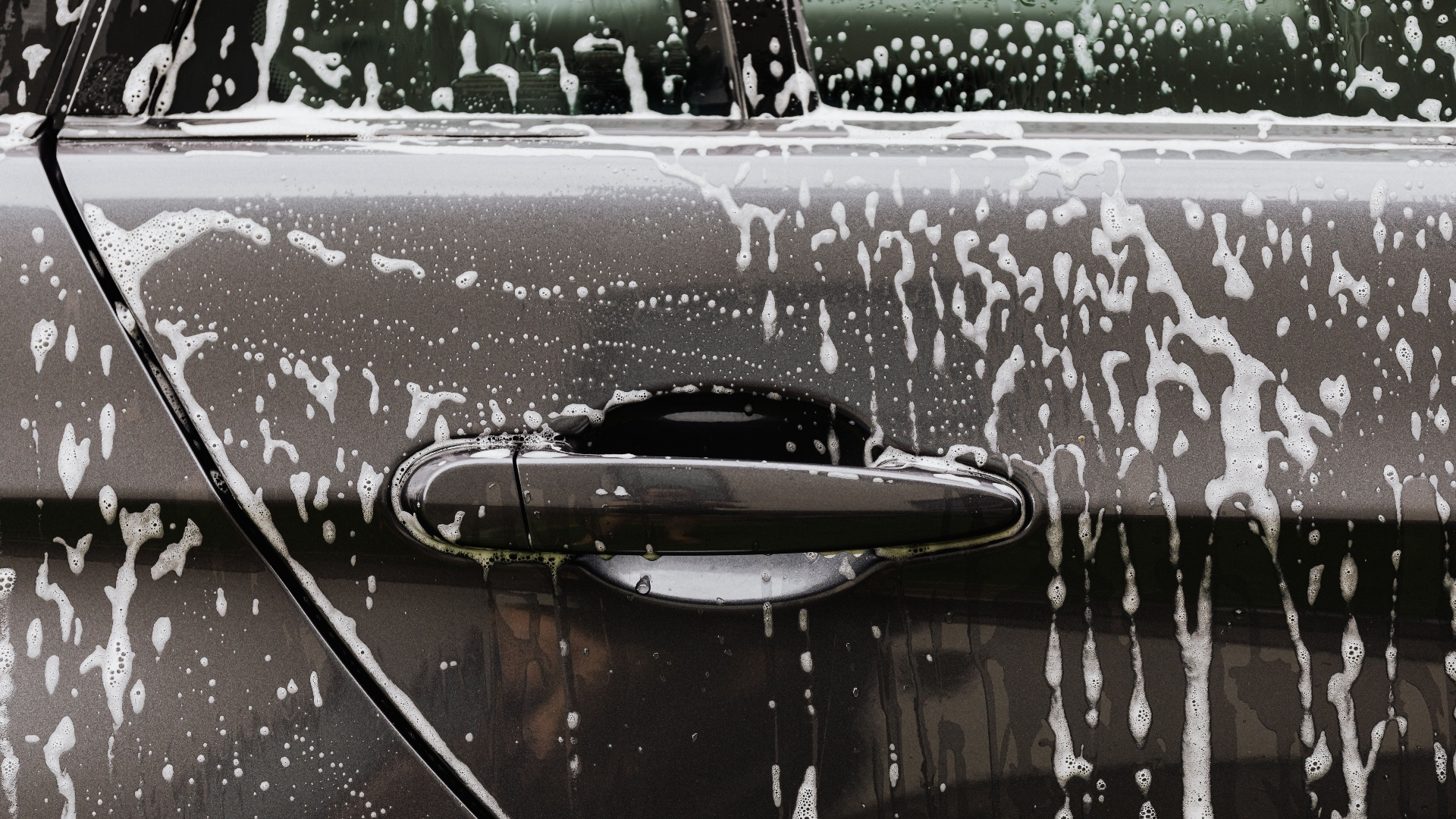
Household cleaners aren’t designed with vehicle finishes in mind and may strip wax or dry out rubber and plastic trim. A dedicated car-wash soap provides enough lubrication to help dirt slide away while remaining gentle on painted and coated surfaces. Measure it according to the directions, since an overly concentrated mixture can leave behind streaks and residue.
 https://kaboompics.com/ on Pexels
5. Keep Your Wash Mitt Clean
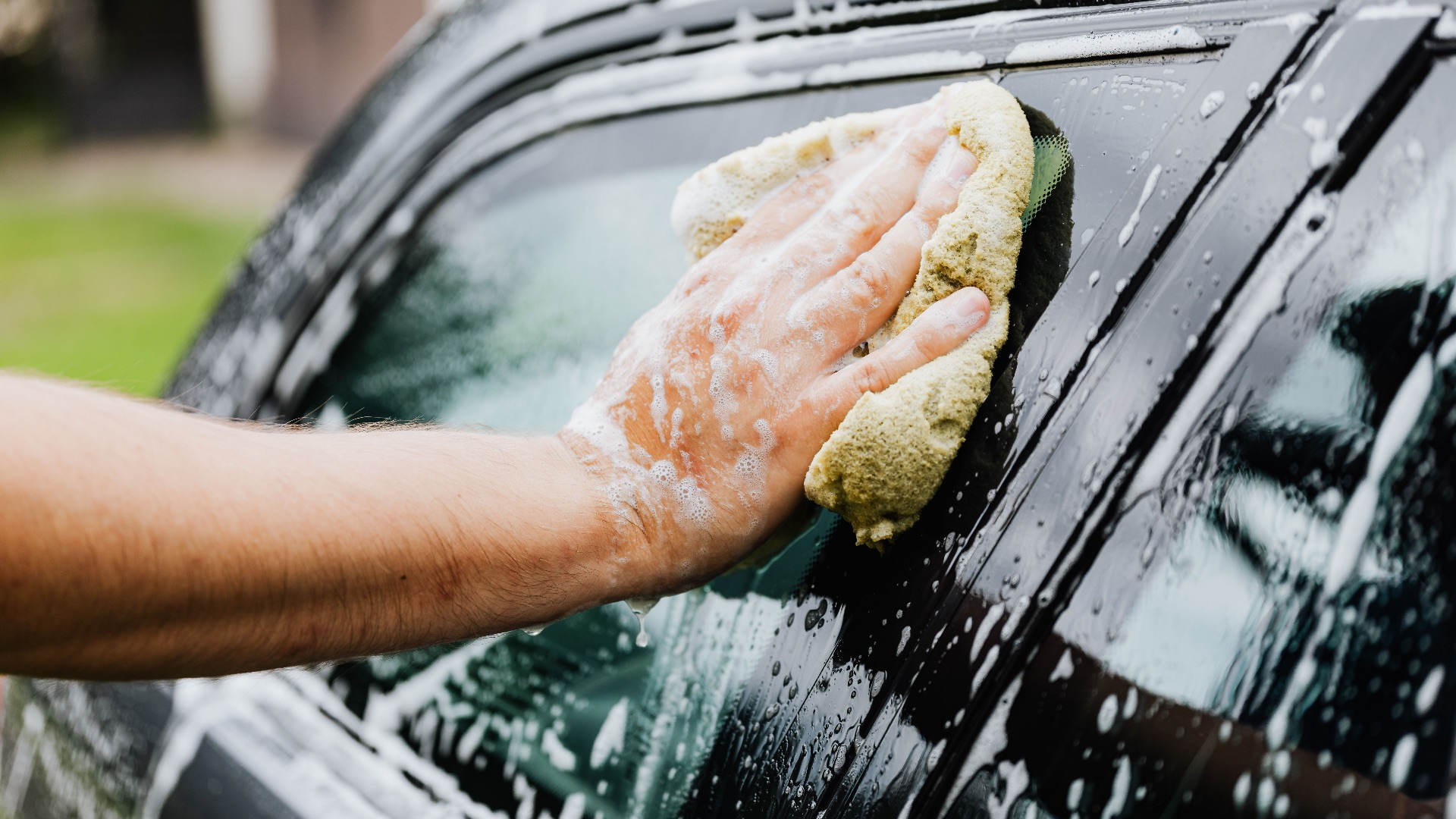
The tool touching your paint matters just as much as the cleaning solution in the bucket. A soft microfiber or lambswool-style mitt can hold plenty of soapy water while reducing harsh contact with the finish. Rinse it frequently during the wash, and never continue using it after it falls onto pavement or picks up visible grit.
 https://kaboompics.com/ on Pexels
6. Start with the Cleanest Panels
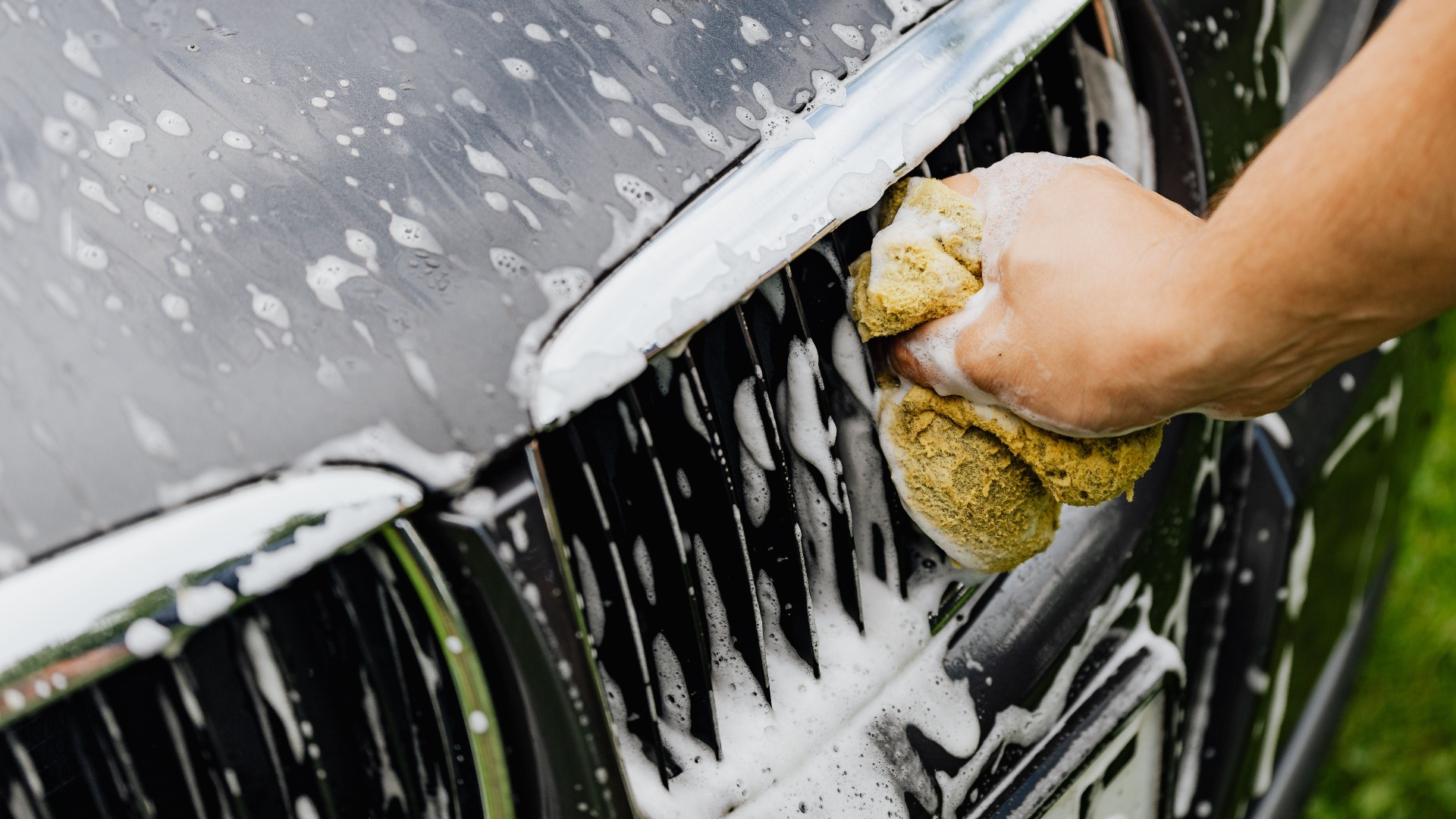
The roof, windows, hood, and upper doors usually contain less abrasive grime than the lower sections of the vehicle. Beginning at the top prevents you from transferring heavier road debris onto cleaner surfaces as you work. Leave the rocker panels, lower bumpers, and areas directly behind the wheels until the final part of the wash.
 https://kaboompics.com/ on Pexels
7. Reserve Separate Tools for the Wheels
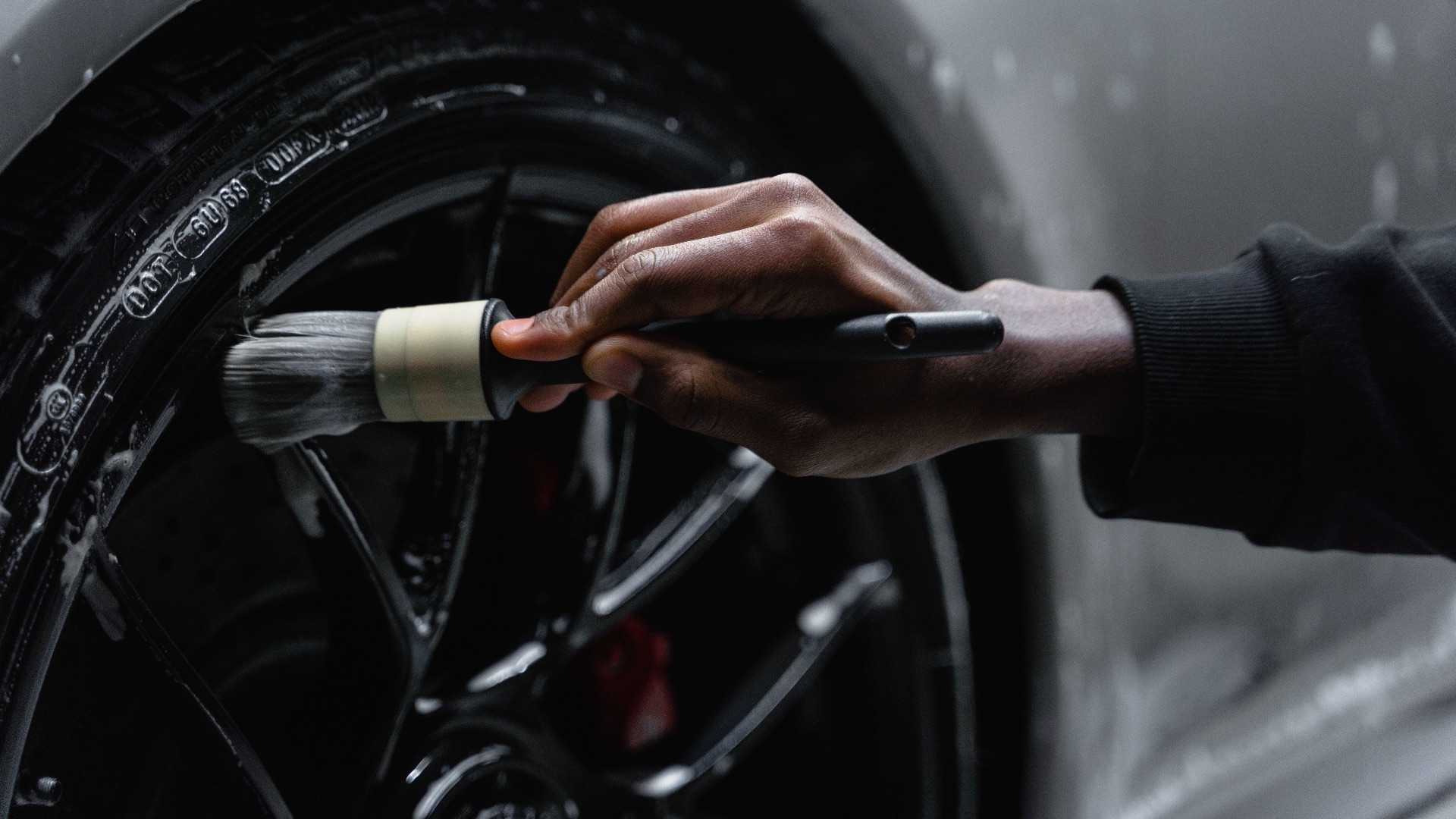
Wheel grime often contains brake dust, sand, and metal particles that you don’t want anywhere near the bodywork. Use separate brushes, towels, and buckets so that contamination from the wheels never reaches the paint. Before applying a cleaner, confirm that it’s suitable for your wheel finish, since chrome, matte, polished, and painted surfaces don’t always tolerate the same products.
8. Dry Every Surface Carefully
Letting a car air-dry can leave behind mineral deposits, especially in areas with hard water. A large, clean microfiber towel or an automotive air blower can remove moisture before those spots have a chance to form. Use light pressure and long, controlled passes rather than rubbing the surface repeatedly.

9. Add a Layer of Protection
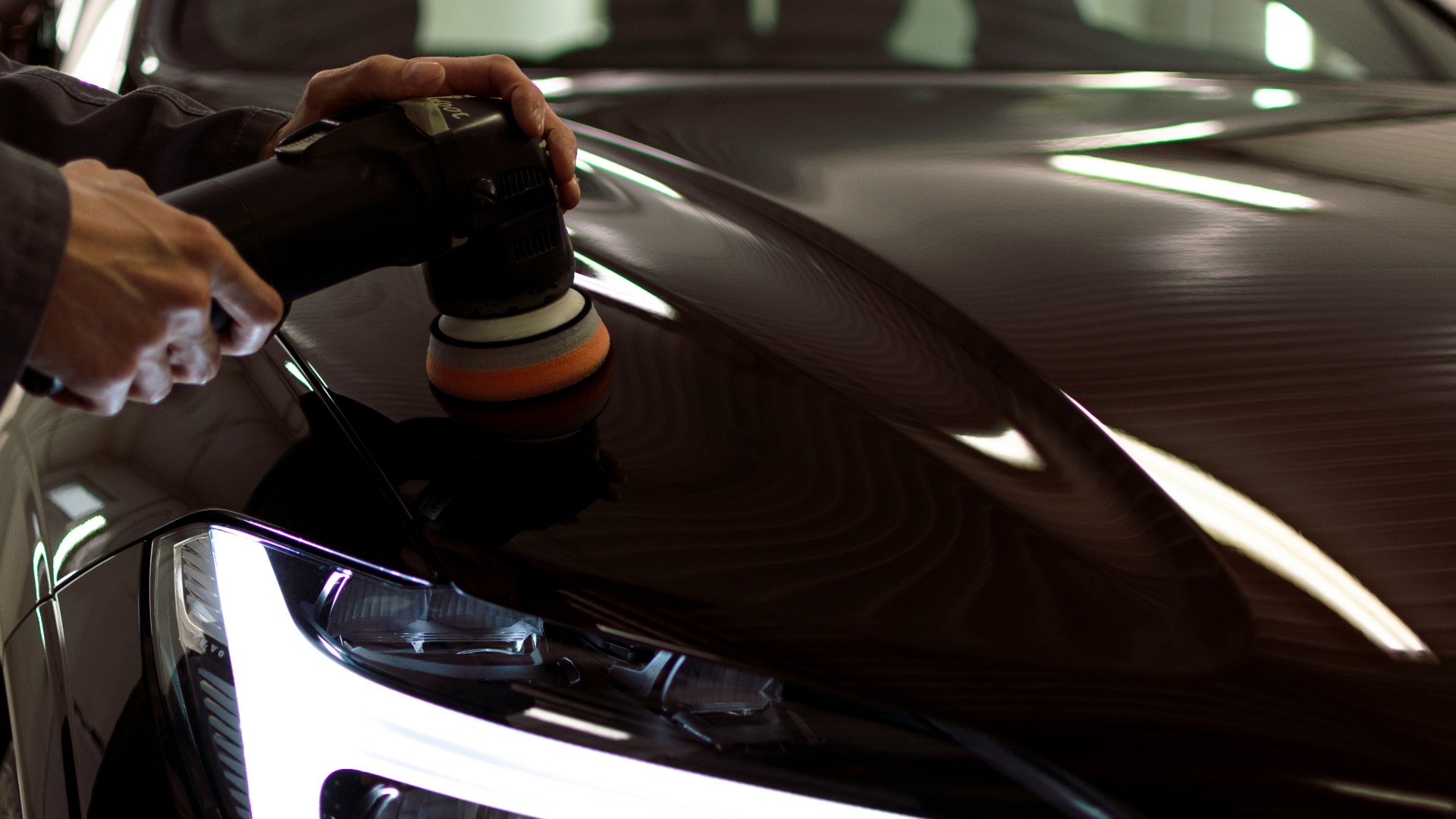
Wax, paint sealant, and spray protectants help reduce direct contact between the finish and everyday contaminants. They can also make future washes easier because dirt, water, and insect residue are less likely to cling as firmly to a protected surface. Reapply the product as recommended, especially when water no longer beads or moves away from the paint as effectively.
 Vitali Adutskevich on Unsplash
10. Maintain the Cabin Along with the Exterior
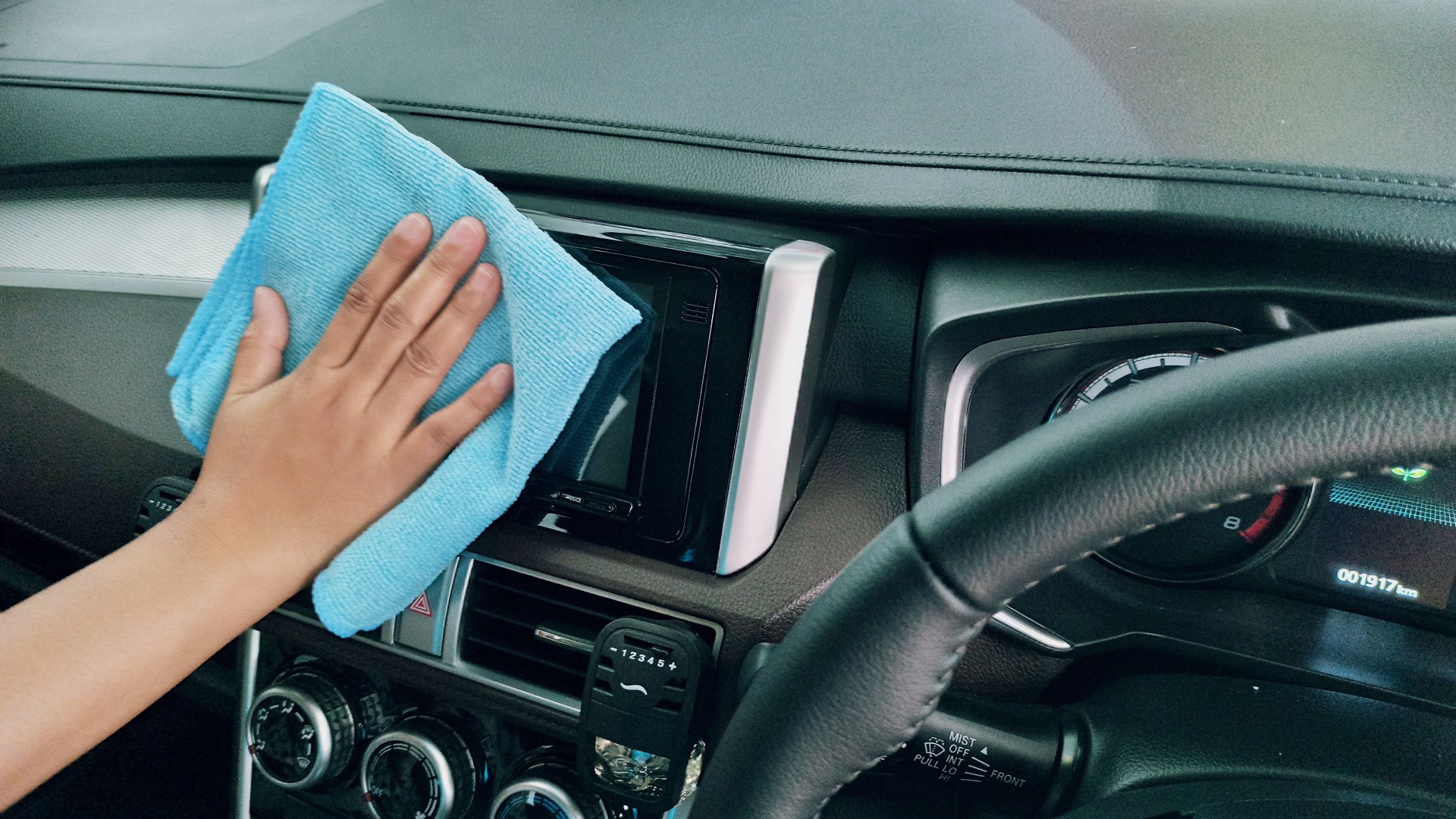
A spotless body can’t fully compensate for a cabin filled with dust, crumbs, fingerprints, and clutter. Vacuum the carpets and seats regularly, clean the interior glass, and wipe the steering wheel, console, door handles, and dashboard with products intended for those materials. Small habits, such as removing trash after each trip and keeping a microfiber cloth in the glove compartment, make the interior much easier to manage.