
Motorbikes or Cars?
You might think riding a motorbike is inherently worse and much more dangerous than a traditional passenger vehicle, but the truth may surprise you. From a bike’s narrower body to its open cabin (or lack thereof) and fewer built-in distractions, these perks can give riders a pretty good edge on the road. And yet, a motorbike is still a bike, and that means you're also far less protected when accidents occur. If you're wondering whether you should learn how to ride one or you're just interested in the stats, here are 10 advantages motorcycles have over cars, and 10 disadvantages that make them extremely risky.
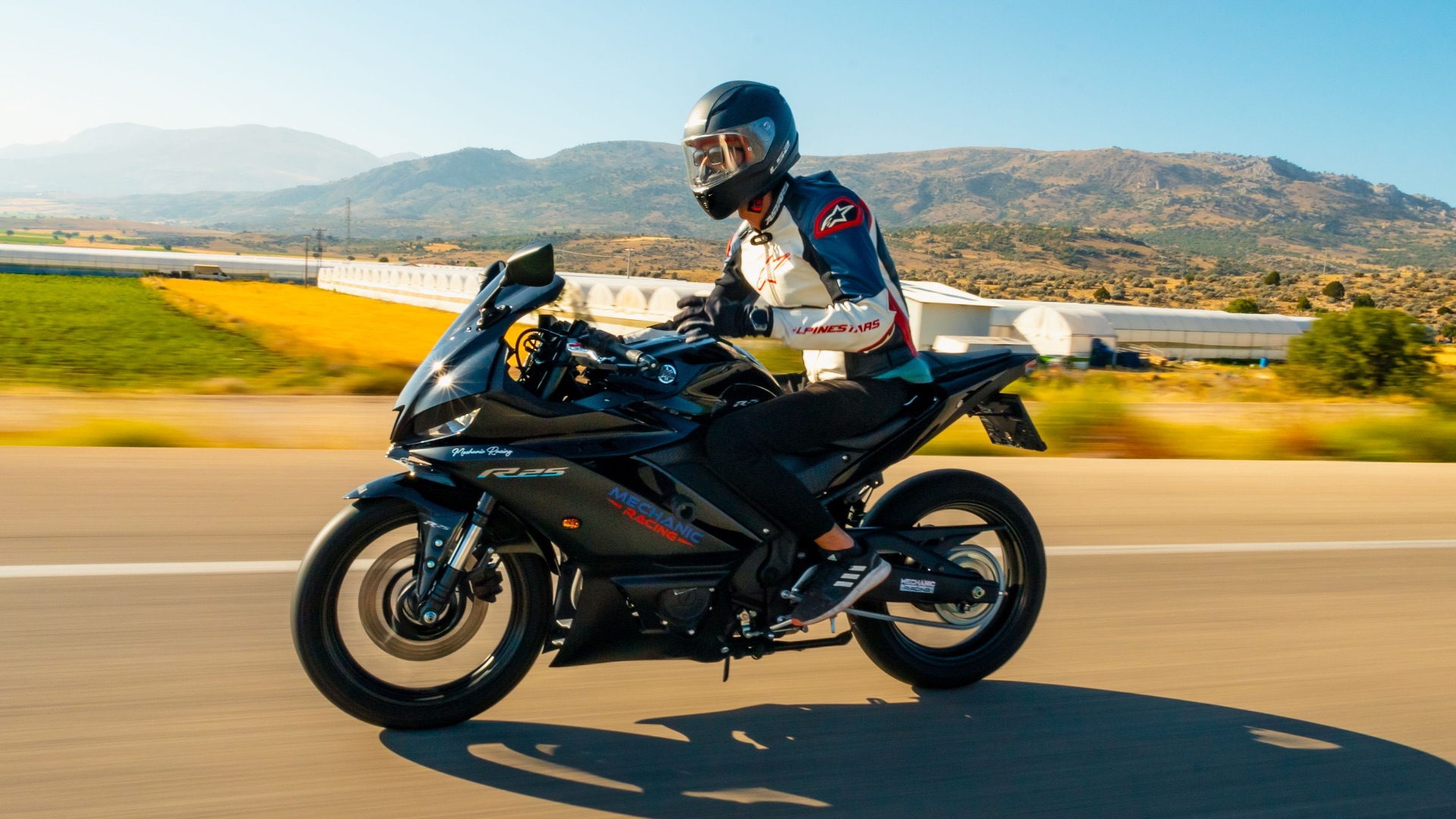
1. Can Fit Through Smaller Escape Paths
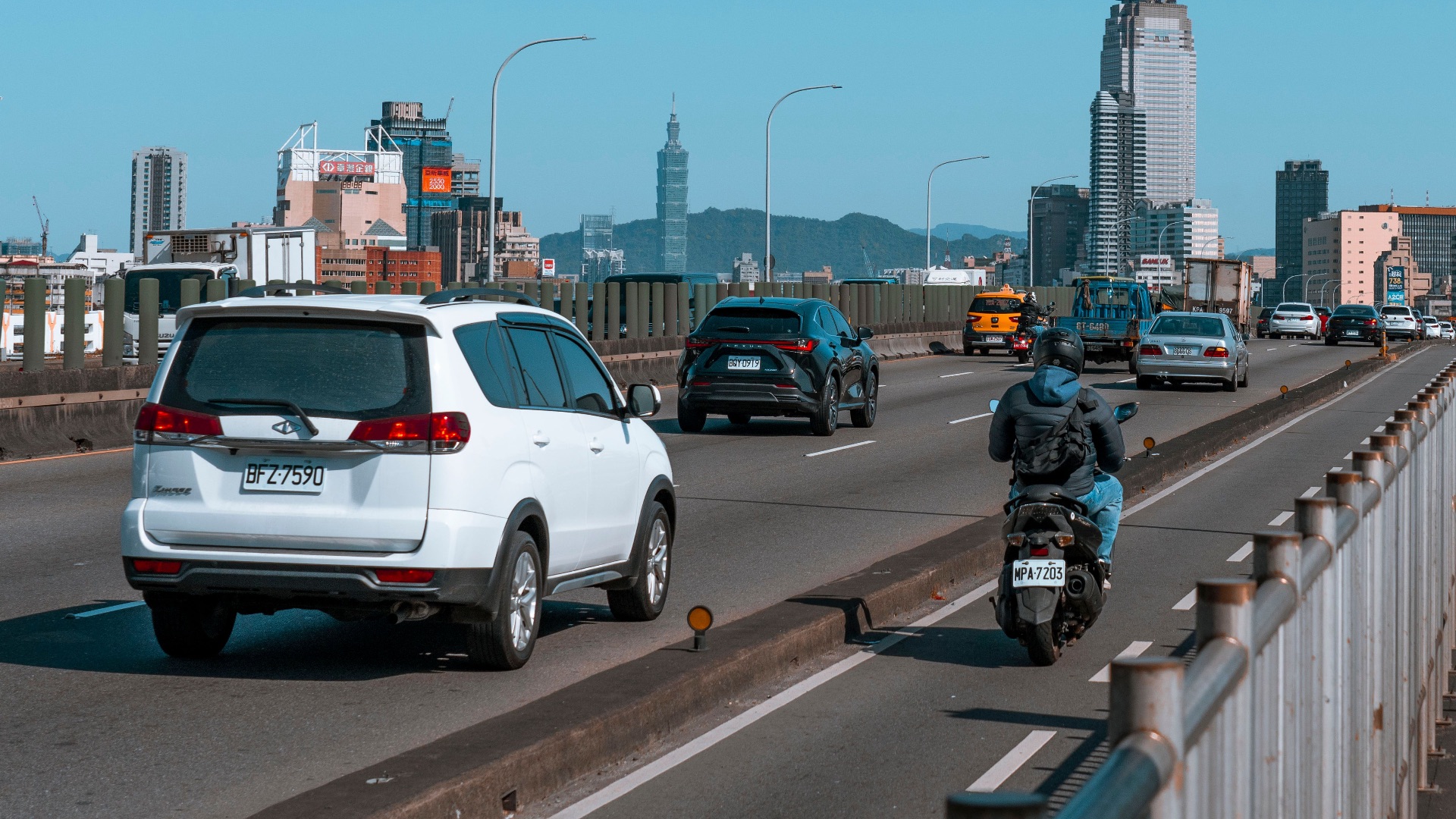
A motorcycle’s narrow shape gives its rider more usable space within a standard traffic lane. When debris, a stopped vehicle, or another sudden obstacle appears, a trained rider may be able to steer through an opening that would be too tight for a car. A bike’s narrower profile can therefore enhance its ability to maneuver around obstacles, although successfully doing so depends heavily on skill and conditions.
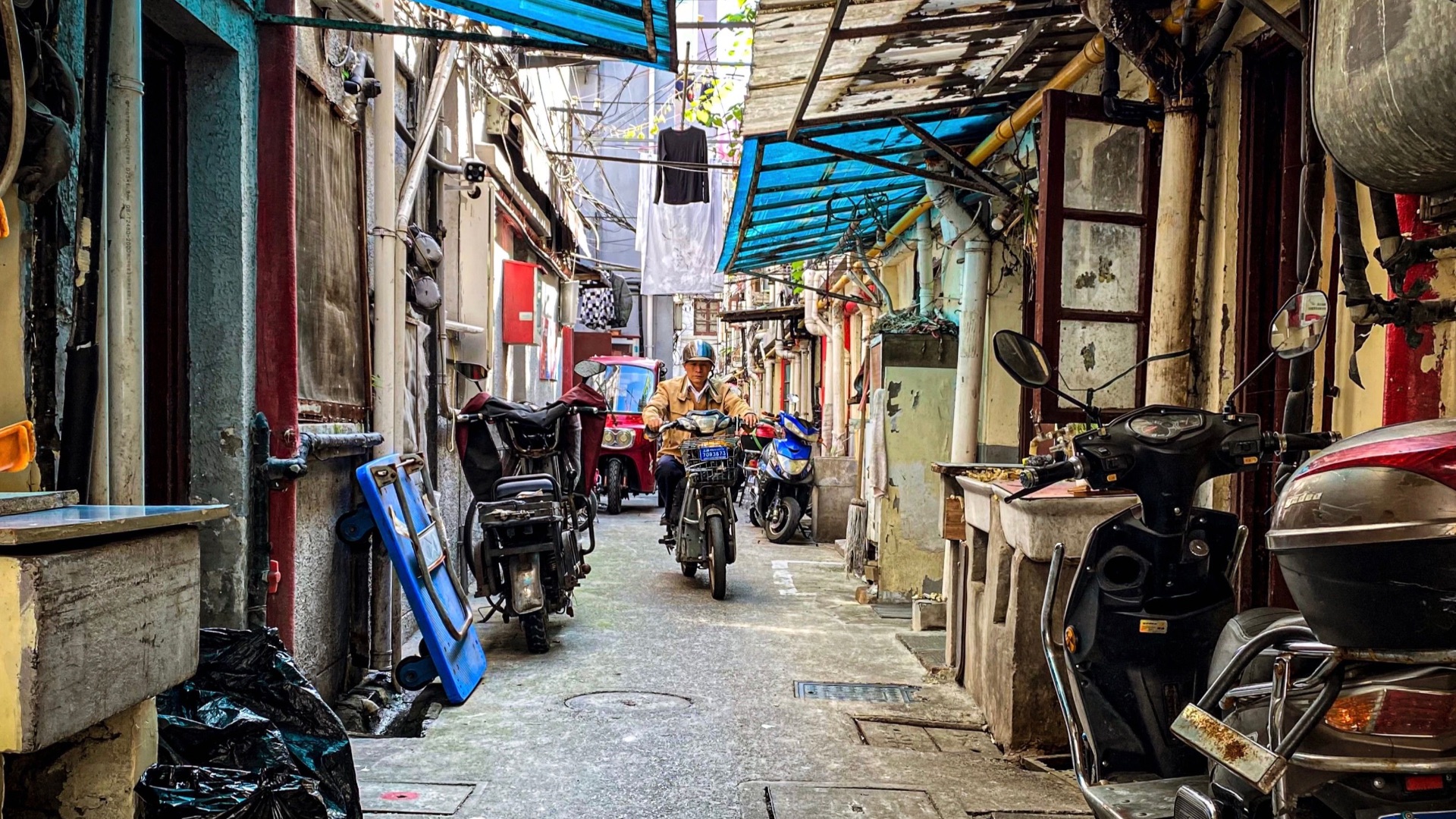
2. No Roof Pillars Blocking Your View
Cars have structural pillars, headrests, doors, and body panels that create blind spots around the driver. On a motorcycle, the rider can usually turn their head and look directly beside or behind them without peering around part of the vehicle. Mirrors still have limitations, but the open riding position can provide a clearer picture of surrounding traffic when the rider actively checks it.
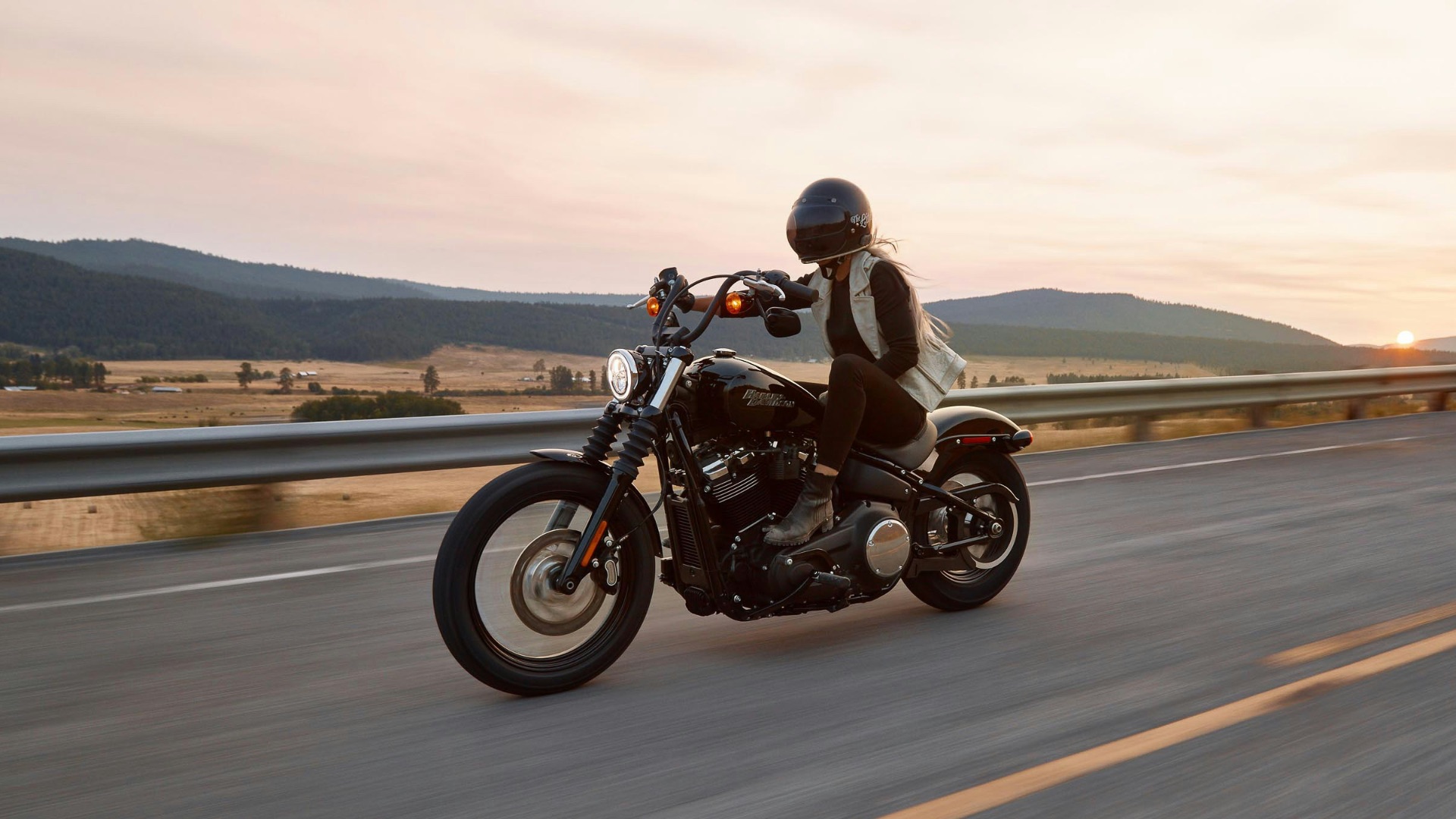
3. Riders Can Change Their Position Within the Lane
A car generally occupies most of its lane regardless of where the driver would prefer to sit. Motorcyclists can move between the left, center, and right portions of the lane to increase following distance, improve visibility, or avoid a questionable road surface. This flexibility gives an attentive rider more options for responding to traffic patterns before an emergency develops.
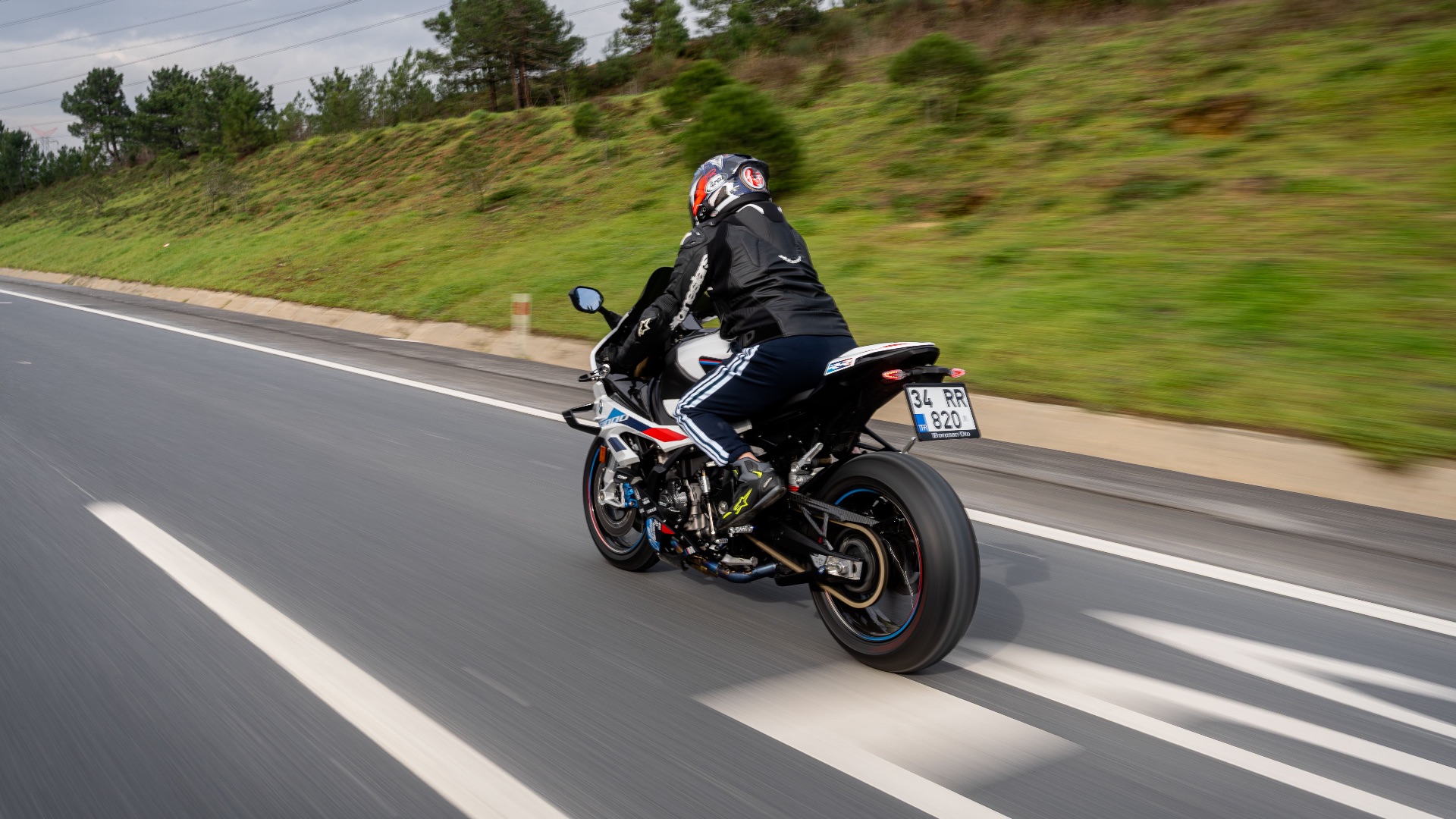
4. Smaller Size Reduces Threat to Others
At the same speed, a motorcycle generally carries far less mass than a passenger car. That doesn’t make a collision safe for the rider, but it can reduce the force transferred to another road user compared with being struck by a much heavier vehicle. Pedestrians, cyclists, and occupants of smaller vehicles are particularly vulnerable when crashes involve large, heavy automobiles.
5. Fewer Built-In Distractions
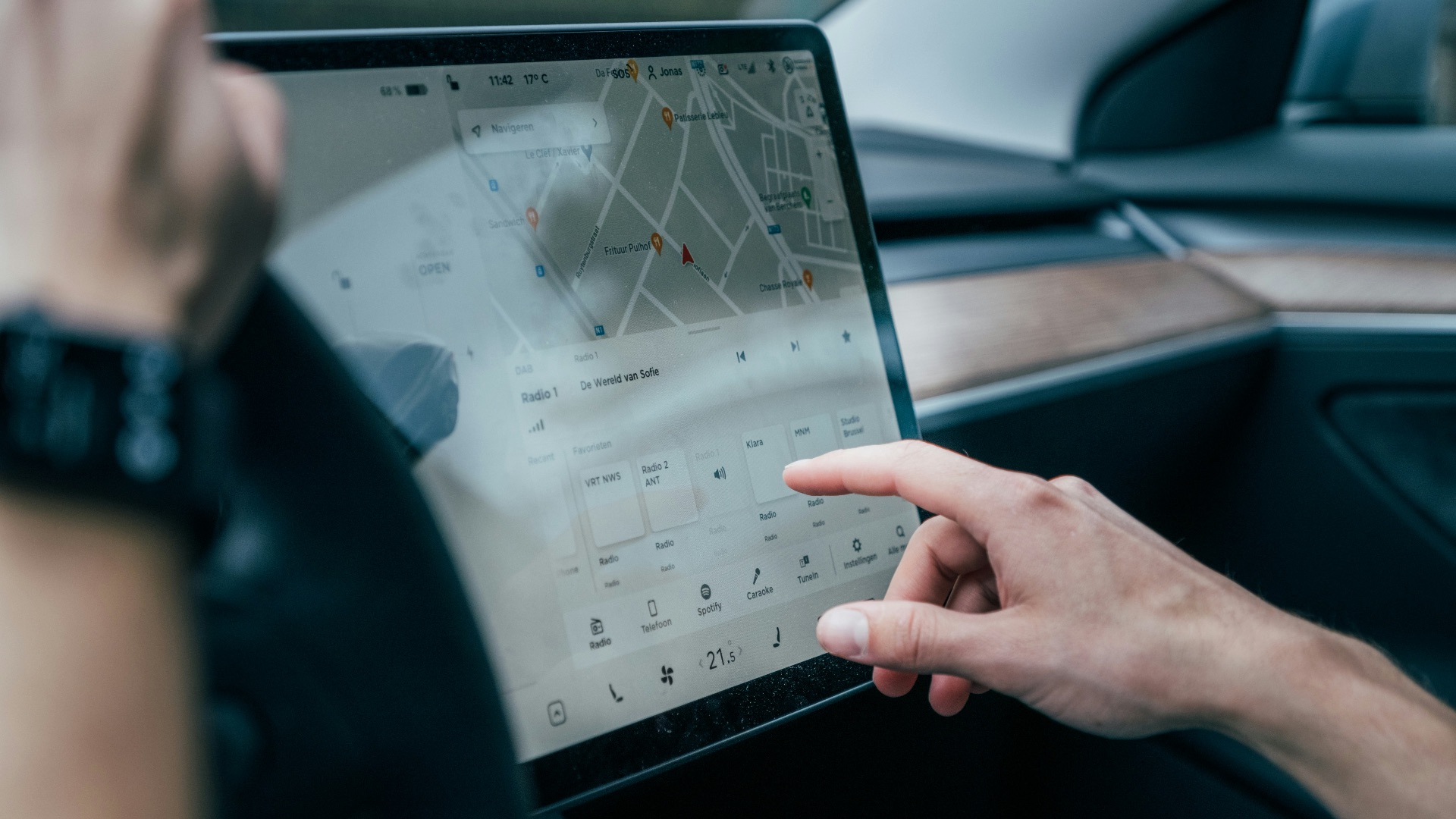
Modern cars may surround drivers with touchscreens, menus, entertainment systems, storage compartments, and numerous comfort controls. Most motorcycles offer far fewer features that tempt the operator to look away or reach around while moving. Riders can certainly become distracted by phones, navigation devices, or helmet audio, but the machine itself generally provides fewer opportunities for multitasking.
6. Mechanical Problems Can Be Easier to Notice
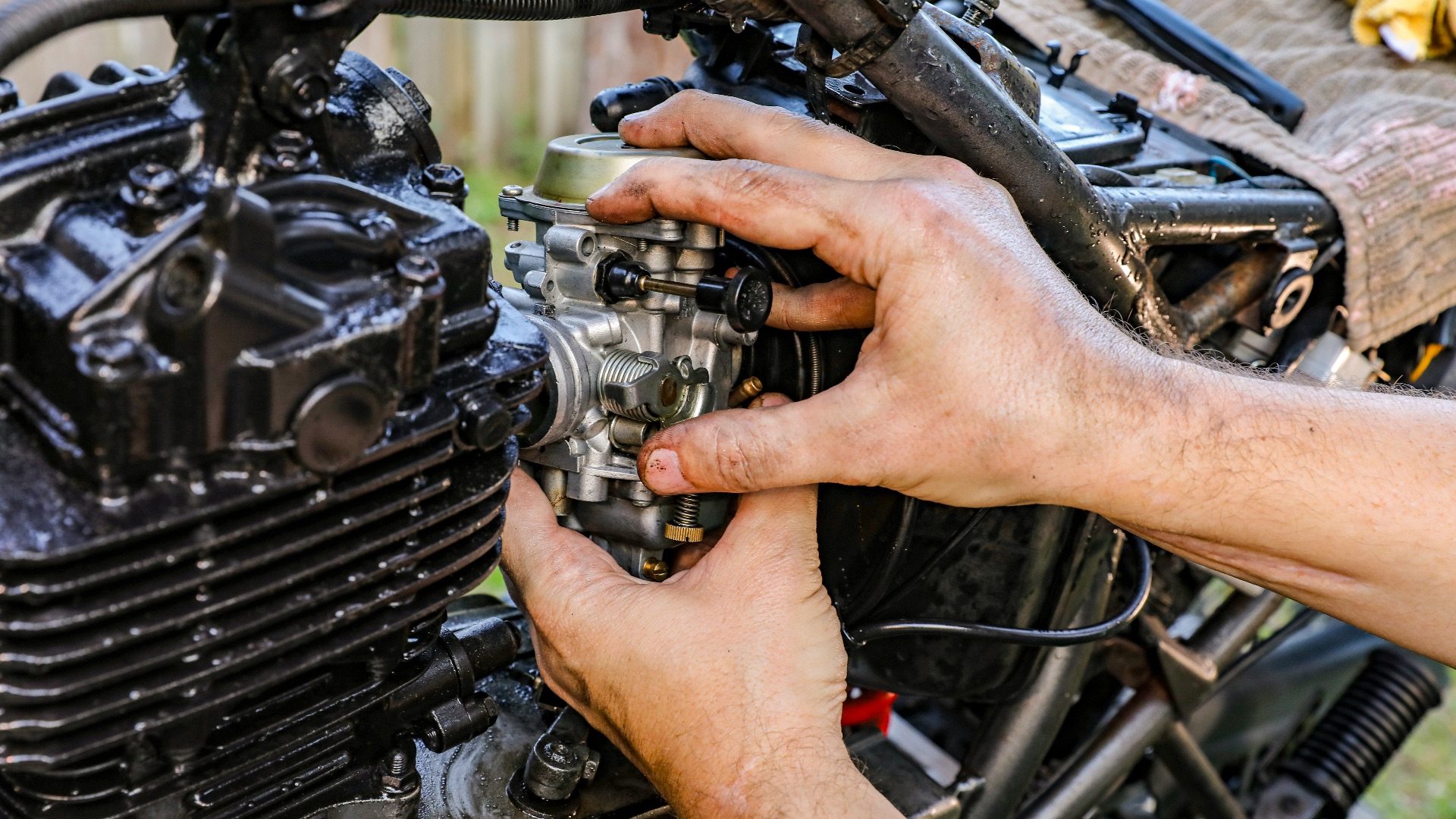
Many important motorcycle components are exposed and relatively easy to inspect before leaving. A rider can quickly look at the tires, chain or belt, fluid levels, lights, controls, and visible fasteners without opening multiple panels. Regular pre-ride checks are still the rider’s responsibility, but the bike’s simple layout can make obvious trouble harder to overlook.
7. Handling Is Highly Responsive
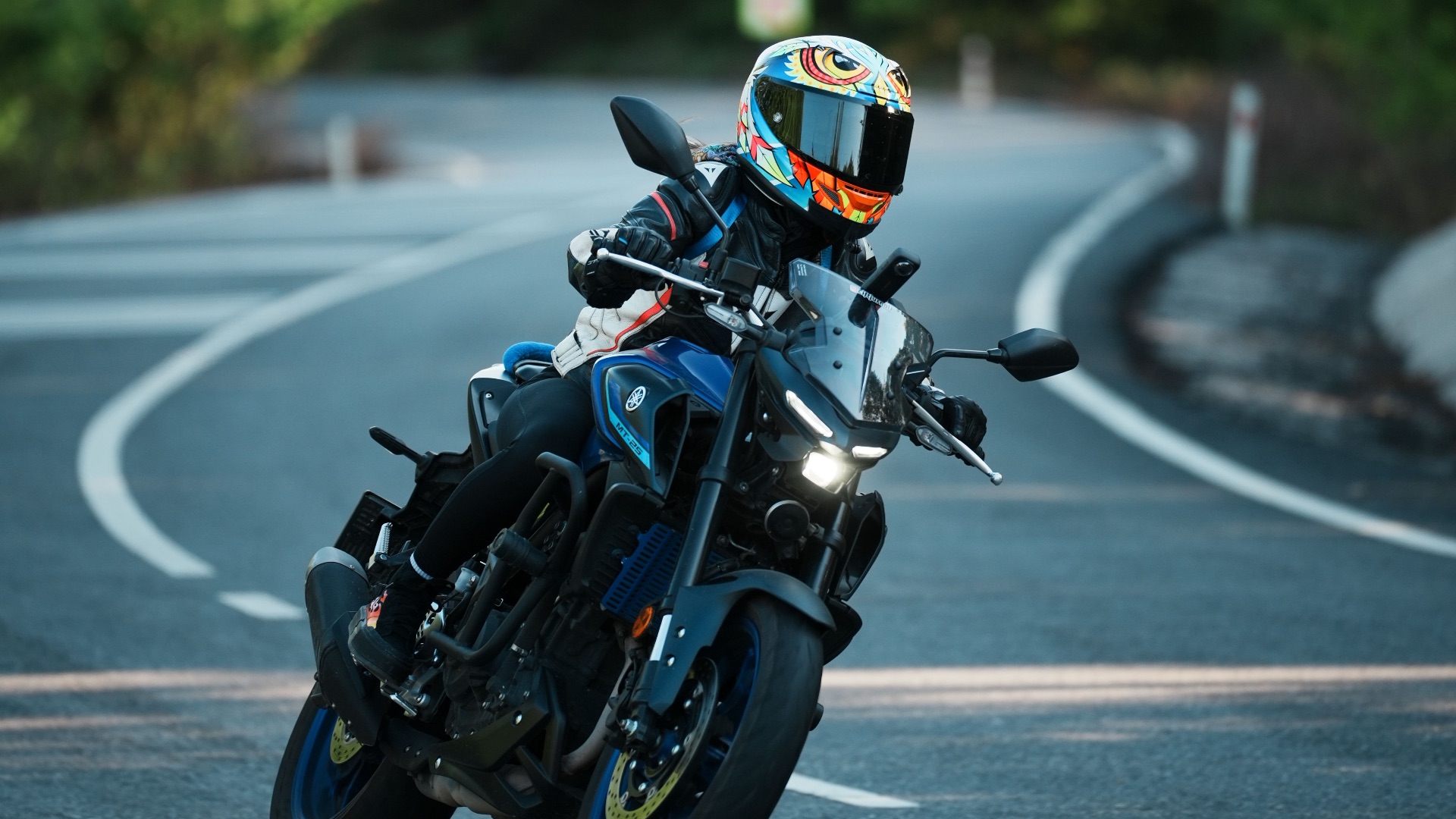
Motorcycles can change direction with relatively small control inputs, giving trained riders the ability to react promptly when something enters their path. That responsiveness is particularly useful during a properly executed swerve, which is why rider courses place so much emphasis on practicing emergency maneuvers. Responsiveness can also punish careless inputs, however, so this advantage exists only when the rider knows how to use it.
8. Riders Often Pay Closer Attention to Road Conditions
Because motorcycles react strongly to gravel, potholes, standing water, and other surface changes, experienced riders learn to scan the road continuously. They’re often searching well ahead for escape routes, turning vehicles, loose material, and changes in traction. A car driver can use the same defensive habits, but the immediate consequences of missing a hazard give motorcyclists a strong reason to remain engaged.

9. They Can Be Positioned Where Drivers Will See Them
A motorcyclist isn’t fixed in the middle of the lane and can adjust position to stay out of another vehicle’s blind spot. Moving slightly left or right may place the bike in a driver’s mirror or make its headlight more noticeable at an intersection. Good positioning can’t force anyone to pay attention, but it can reduce the chance that the rider remains hidden.
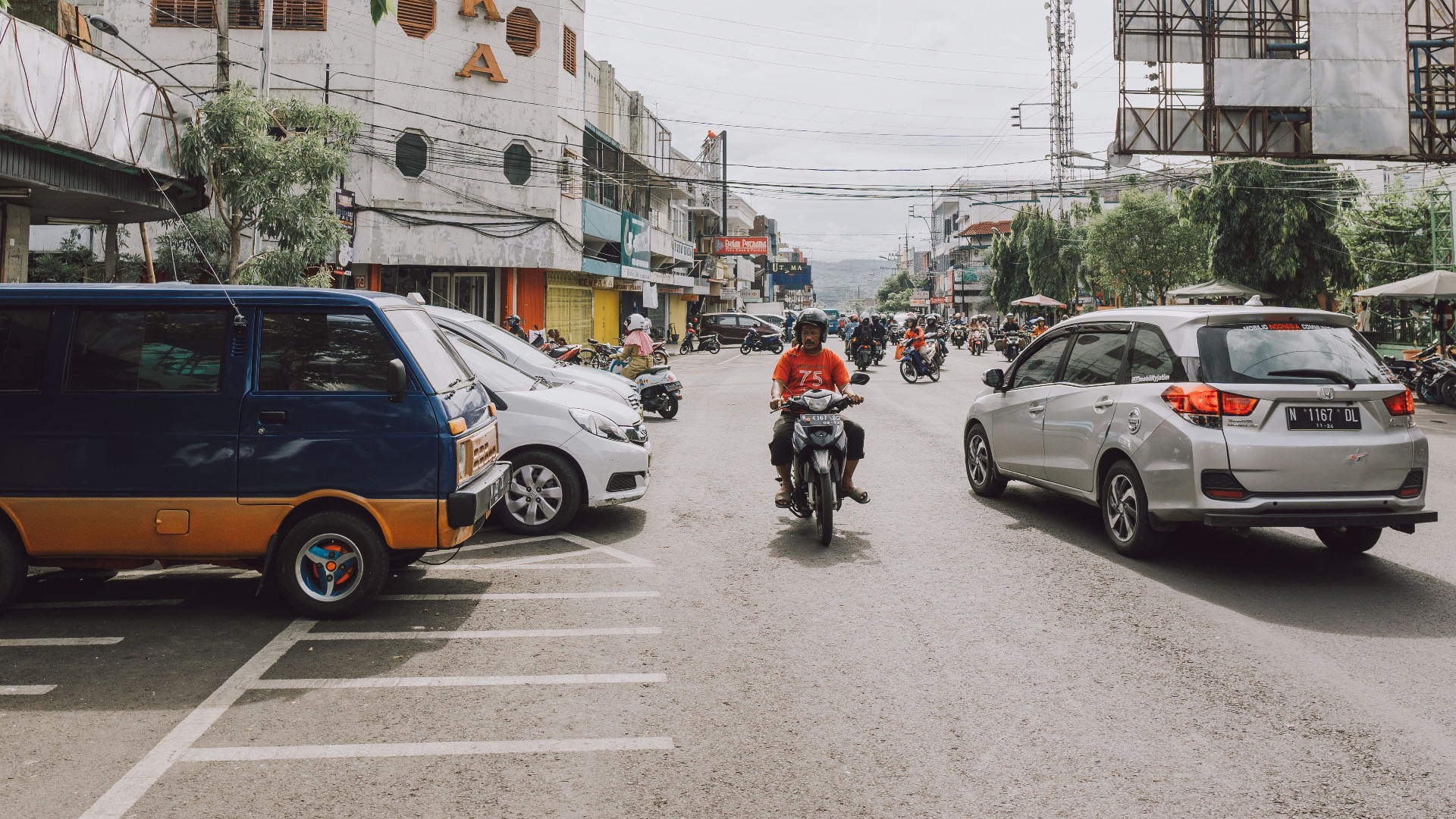
10. ABS Can Prevent Some Loss-of-Control Crashes
Antilock brakes allow a rider to brake forcefully without locking a wheel during an emergency. Research has found that motorcycles equipped with ABS had a 22% lower rate of fatal crash involvement than otherwise identical models without it. Cars have benefited from ABS for decades, so this isn’t an advantage over modern automobiles, but it makes an ABS-equipped motorcycle substantially safer than one lacking the technology.
Yet, while these advantages can certainly help a capable rider prevent a crash under the right circumstances, motorbikes aren't always so safe. In fact, riding one can be far more dangerous than being in a passenger car.
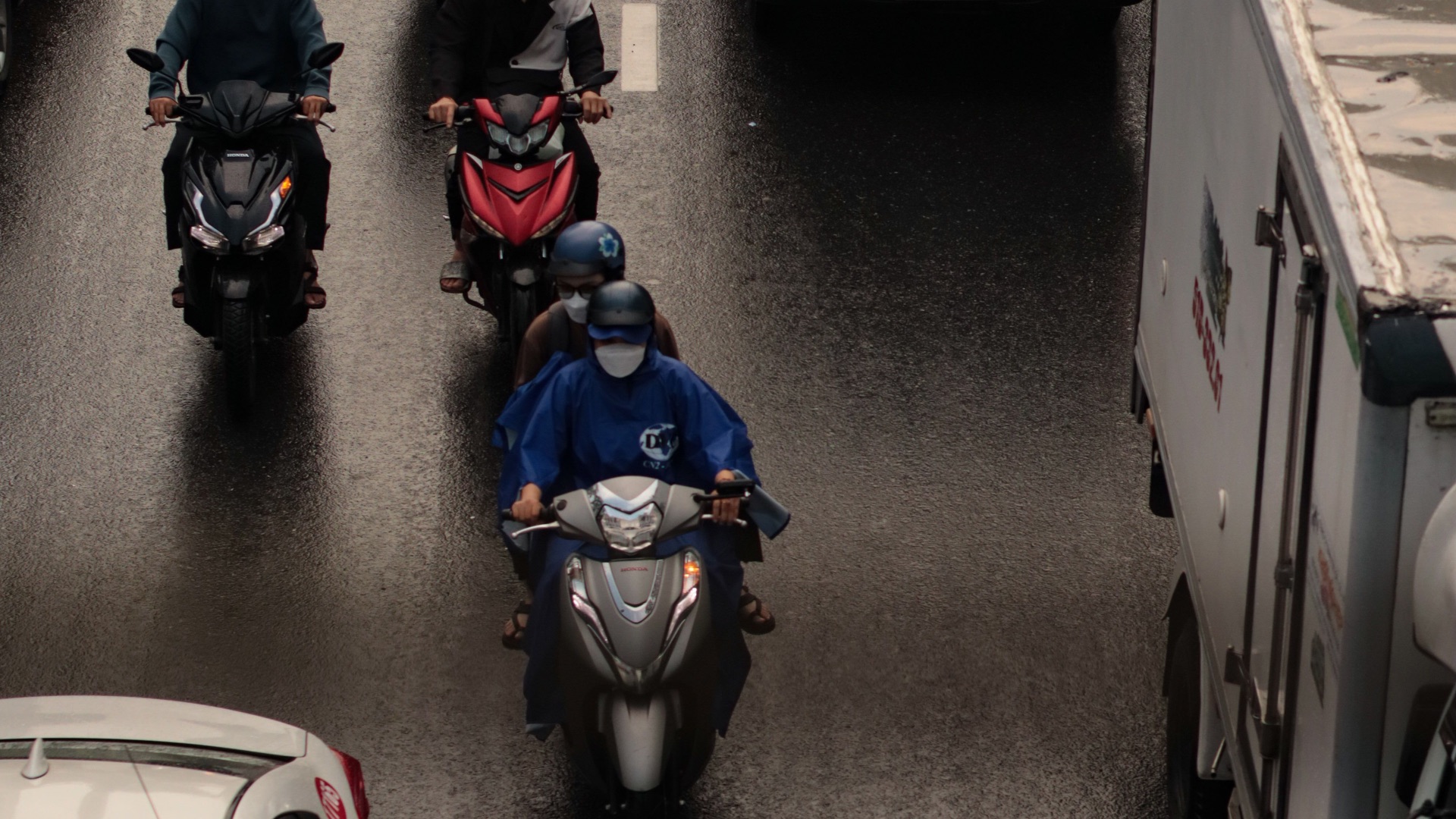
1. No Protective Cabin
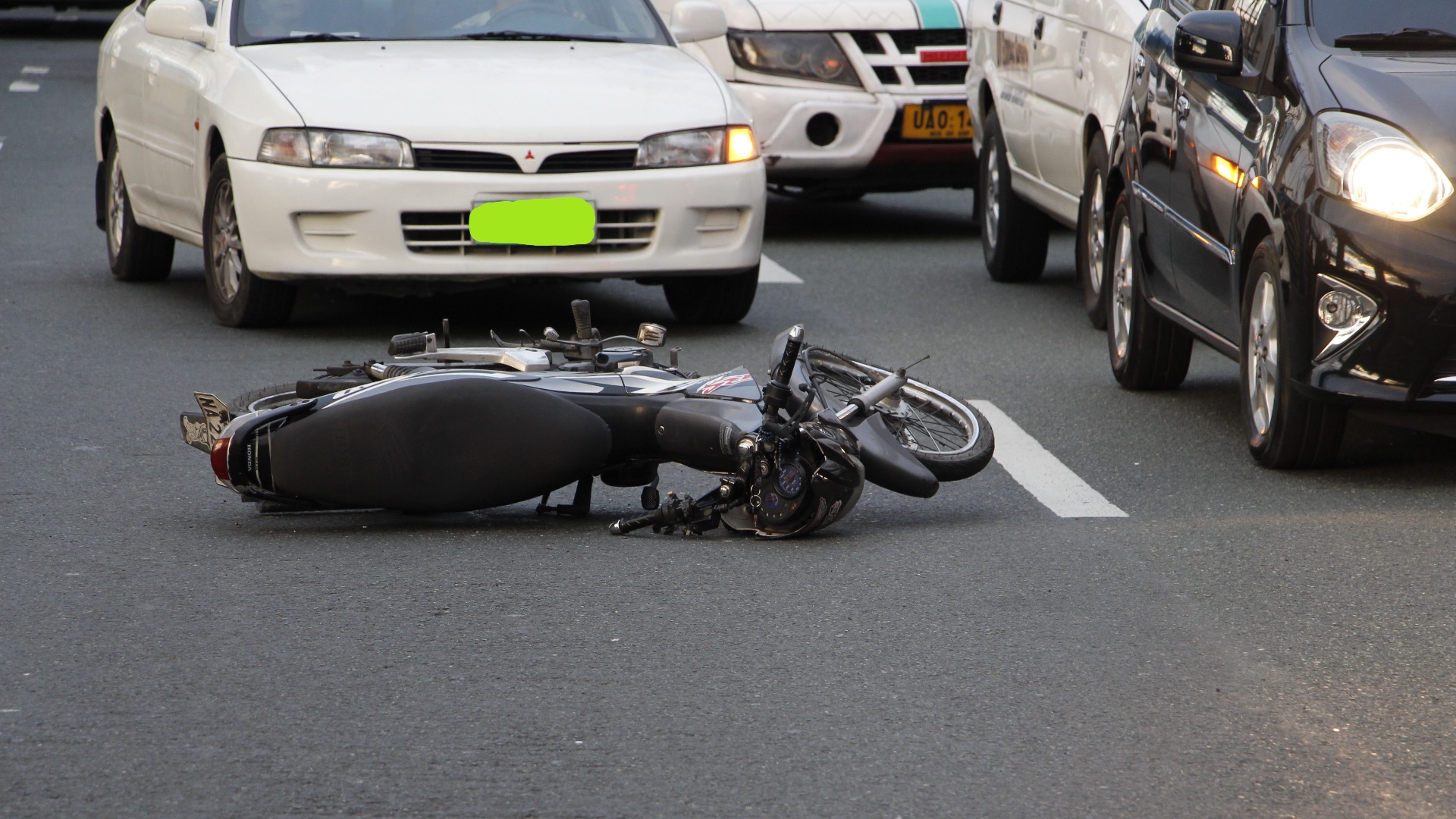
A car surrounds its occupants with a reinforced structure designed to absorb and redirect crash forces. Motorcycles provide no comparable cage, leaving the rider exposed to vehicles, pavement, barriers, and other objects. Even a relatively low-speed collision can throw someone from the bike and create multiple impacts instead of one.
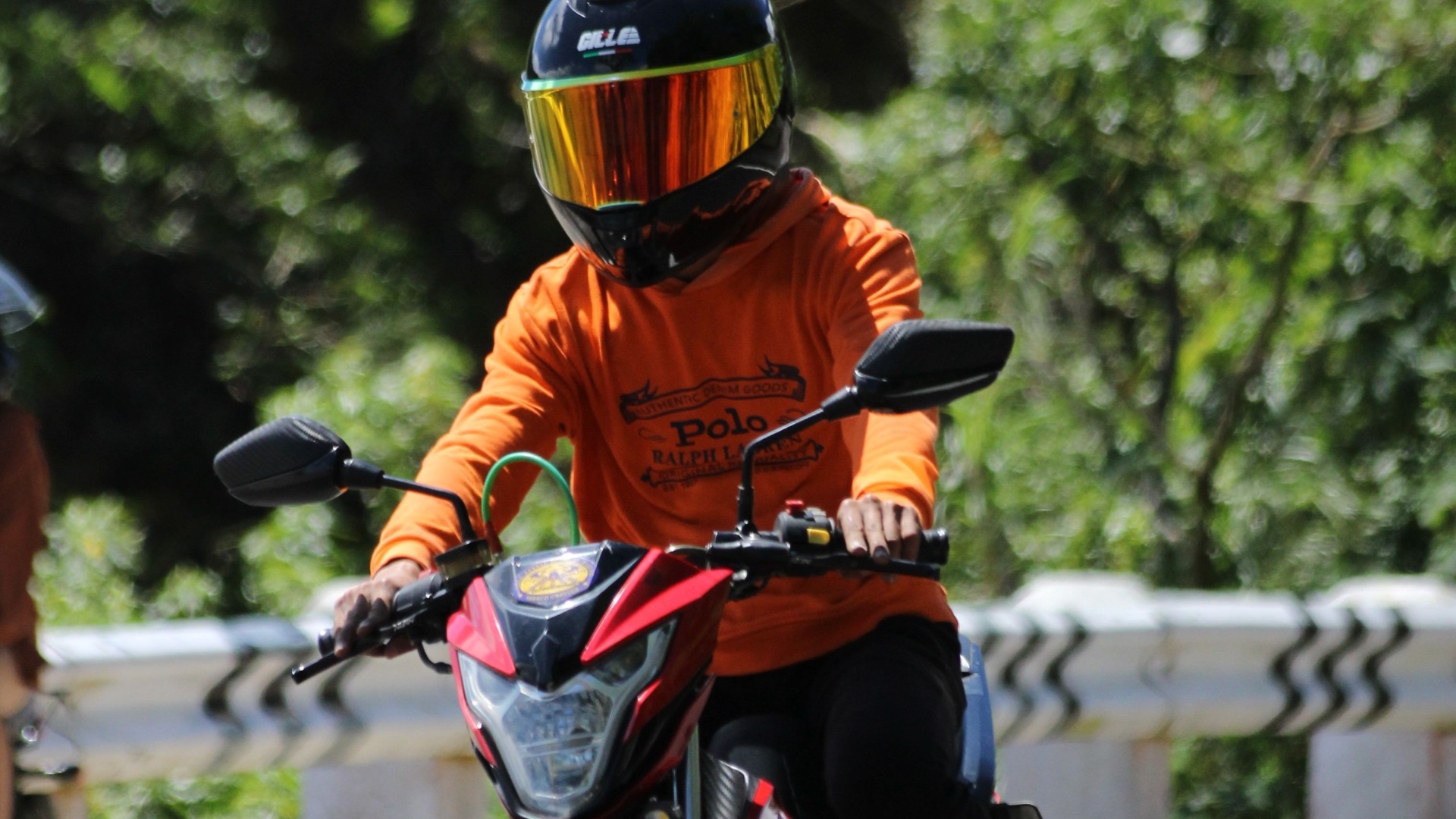
2. Other Drivers Frequently Fail to Notice Them
Motorcycles occupy much less visual space than cars, making their distance and speed harder for drivers to judge. They can also disappear behind pillars, mirrors, parked vehicles, or larger traffic with very little warning. This is especially dangerous at intersections, where a driver may turn across a rider’s path without realizing how close the motorcycle is.
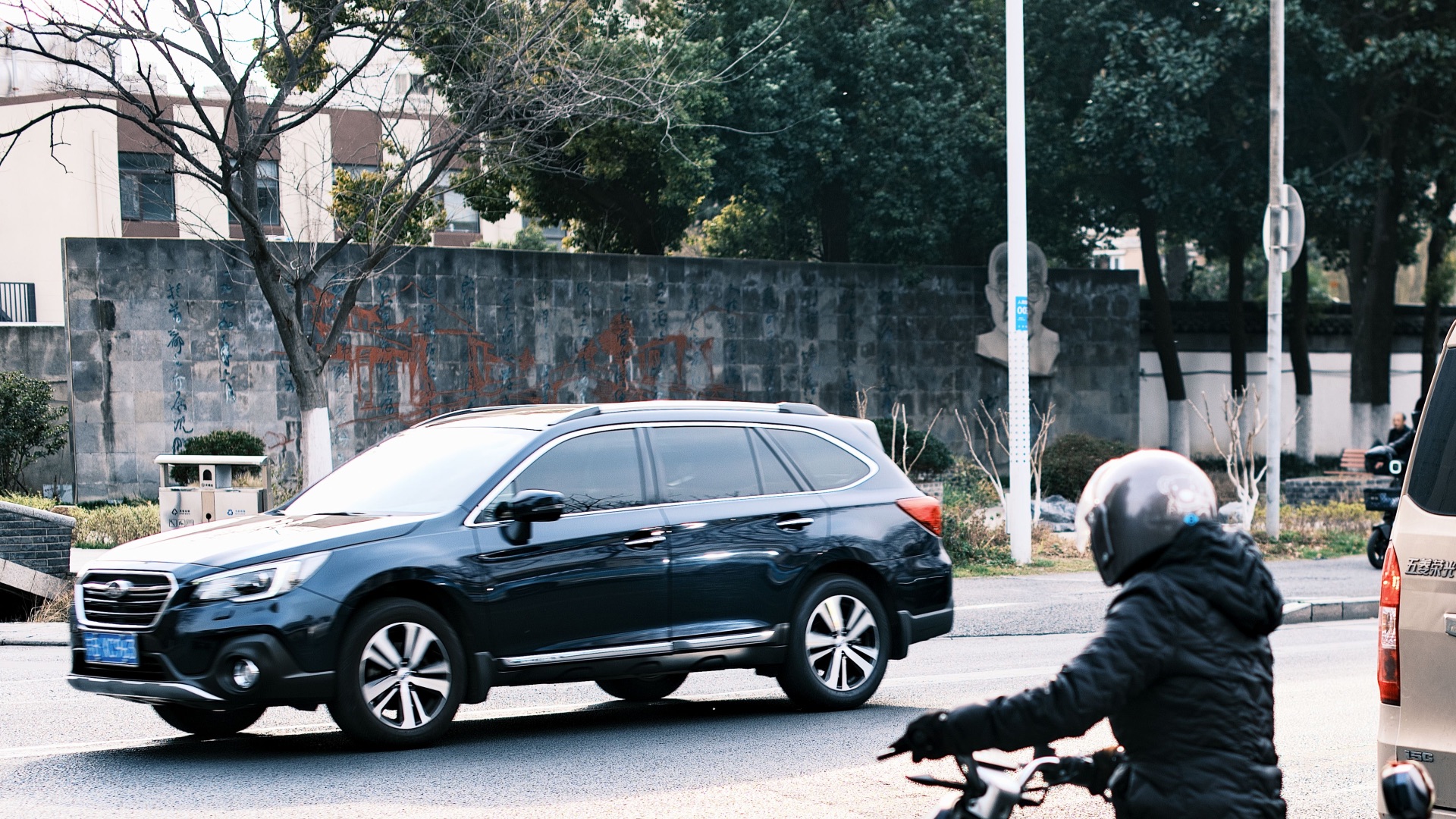
3. Two Wheels Offer Less Stability
Cars remain upright on four contact points and can tolerate many abrupt steering or braking mistakes without falling over. A motorcycle depends on balance, traction, and carefully coordinated inputs, particularly at low speeds or while cornering. Losing grip at either wheel can cause the bike to go down before the rider has time to recover.
4. Minor Road Defects Become Serious Hazards
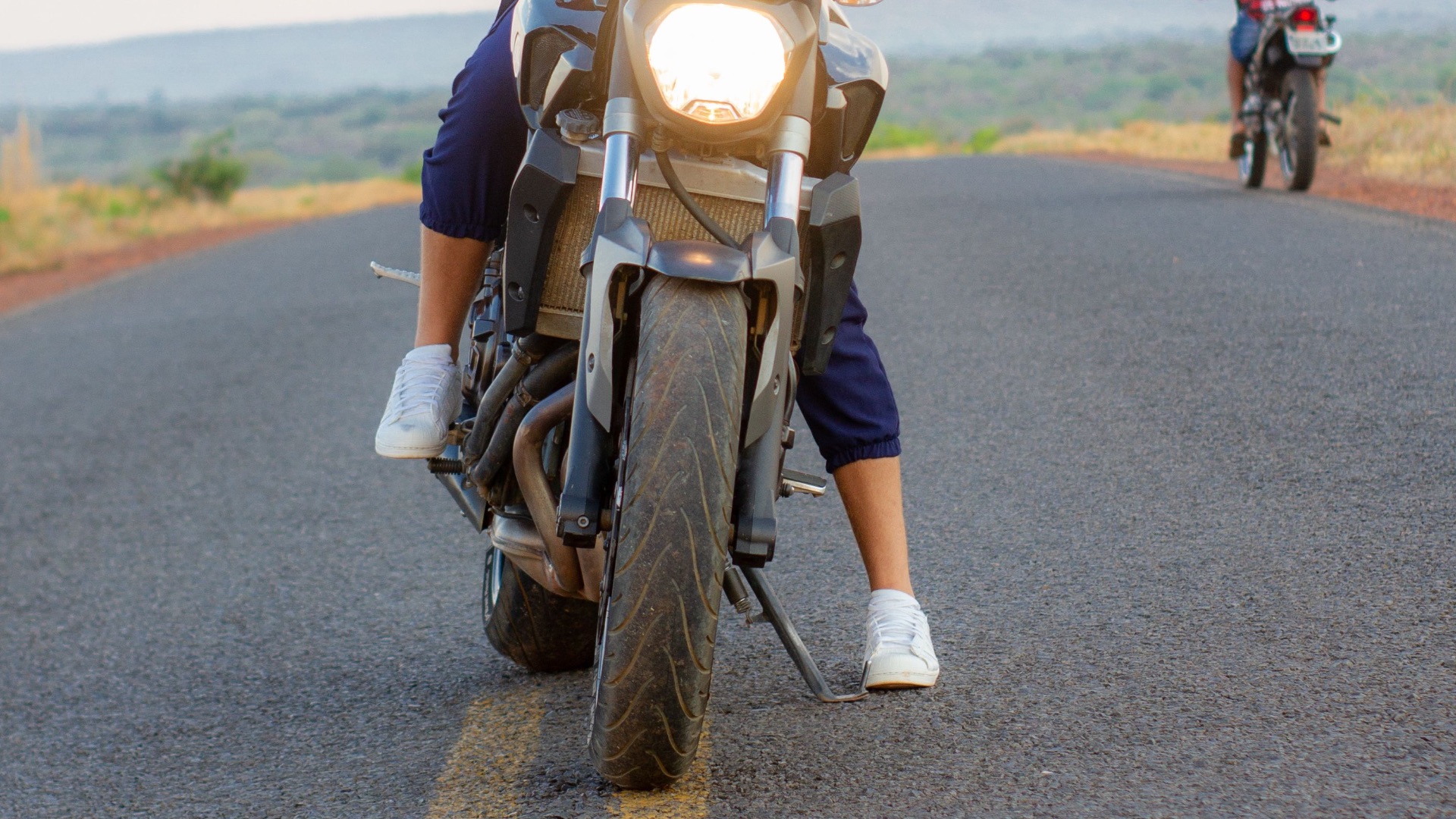
A pothole that produces an unpleasant bump in a car can sharply redirect a motorcycle’s front wheel. Gravel, wet leaves, metal plates, pavement seams, and spilled fluids can also reduce the limited traction available from two small tire patches. Riders must continually identify surfaces that most drivers can cross without giving them much thought.
5. Bad Weather Affects Nearly Everything
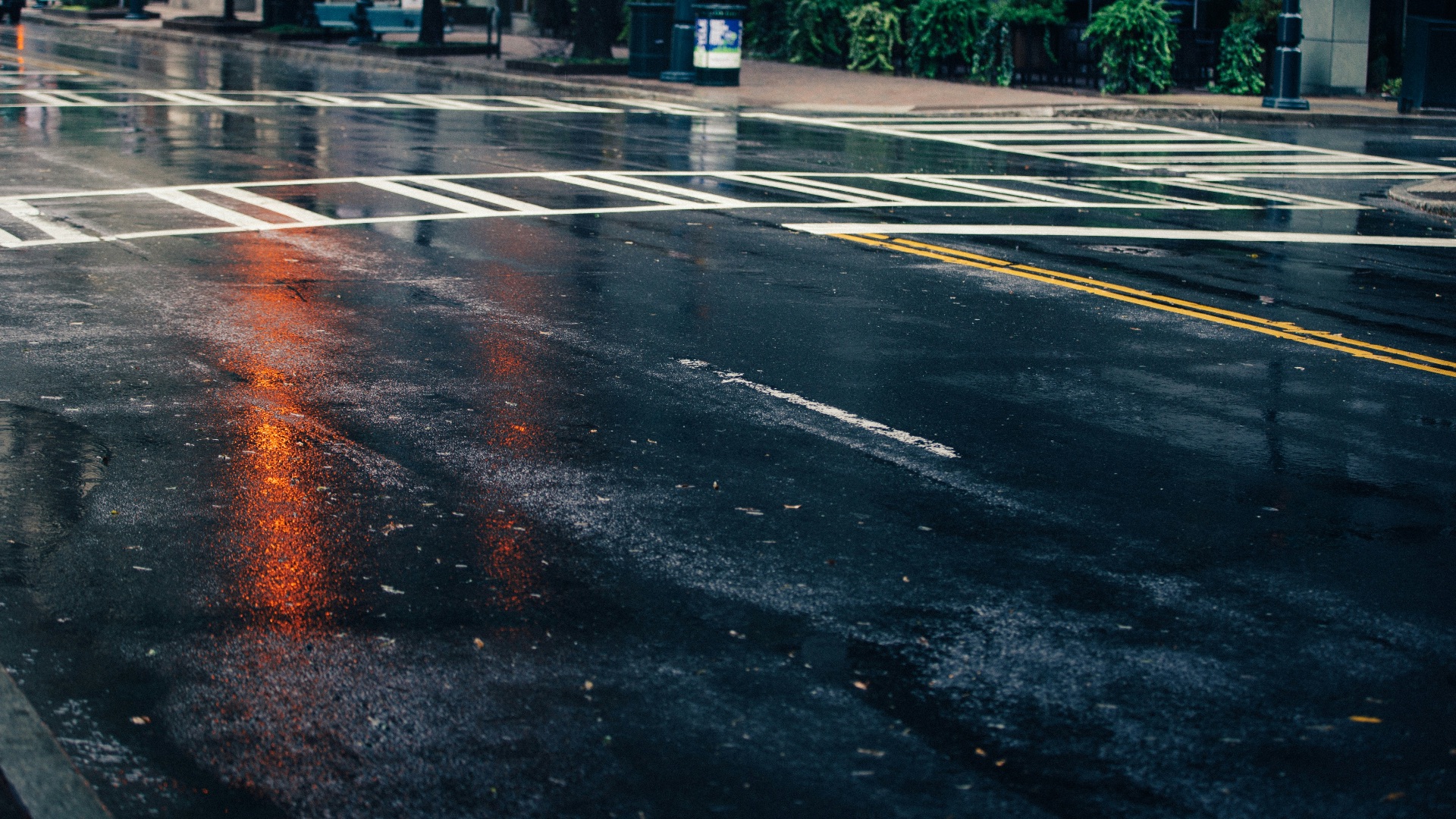
Rain reduces grip and visibility while making road markings, utility covers, and oily intersections more slippery. Strong winds can push a motorcycle sideways, and cold temperatures may affect both tire performance and the rider’s concentration. A car offers greater stability, windshield wipers, climate control, and physical shelter from the same conditions.
6. Emergency Braking Requires More Technique
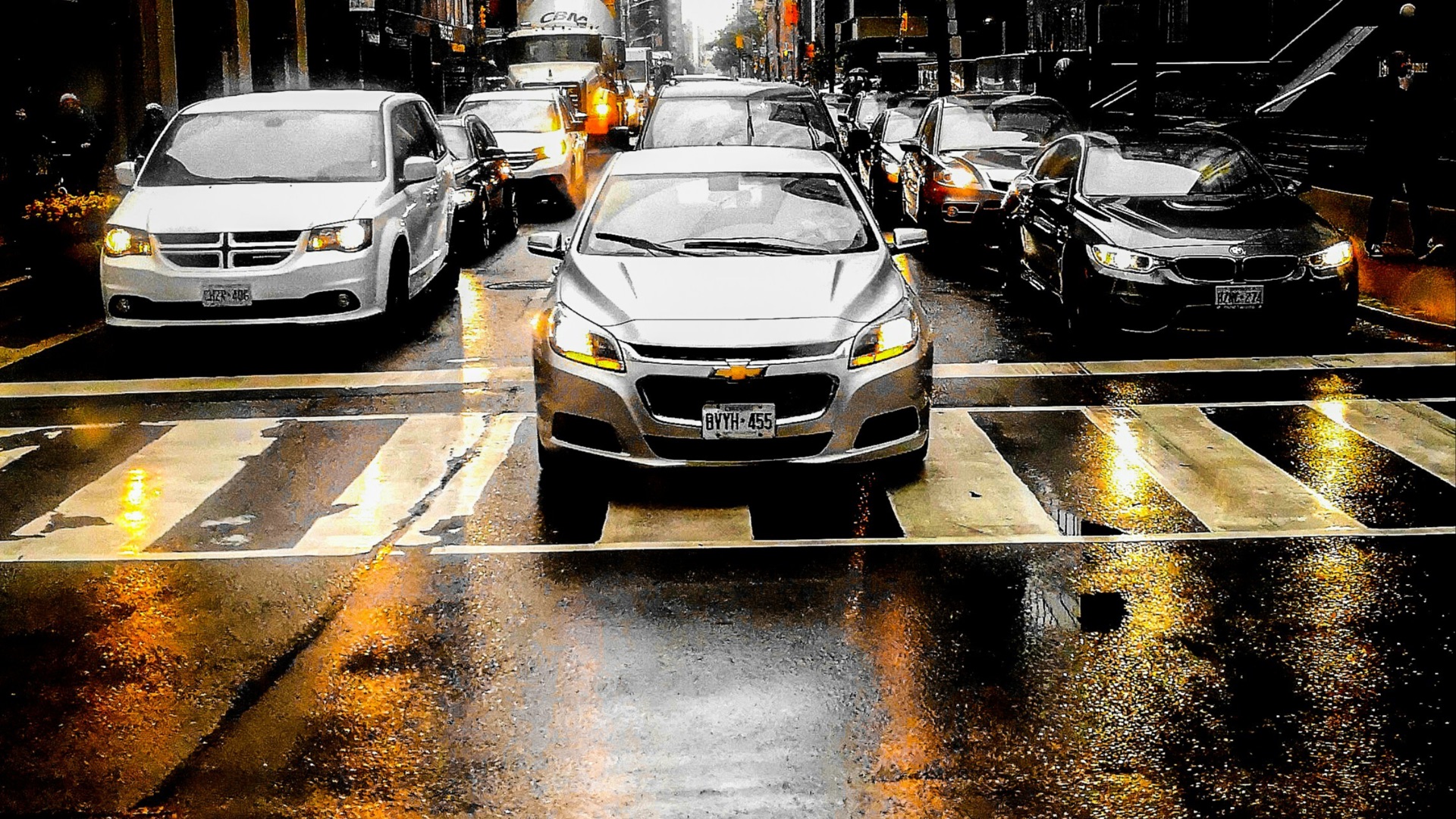
Drivers can usually press a car’s brake pedal firmly and let the vehicle’s safety systems manage much of the situation. Motorcycle riders must coordinate front and rear braking while keeping the bike balanced and, when possible, upright. ABS helps enormously, but braking in a curve, on a poor surface, or without adequate practice can still end in a loss of control.
7. Speed Can Become Dangerous Very Quickly
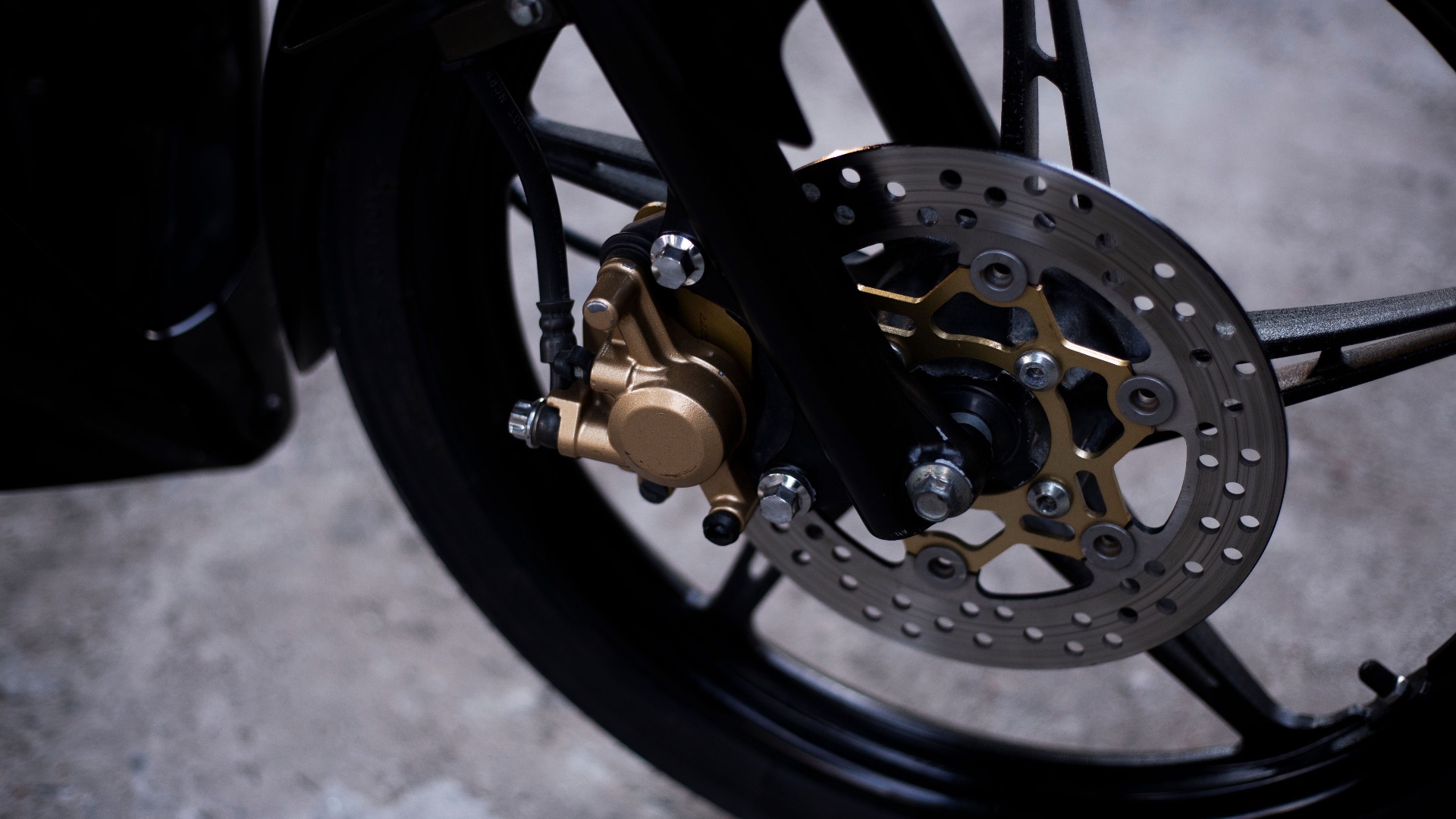
Many motorcycles offer rapid acceleration and high performance in a lightweight, relatively affordable package. That power can carry an inexperienced rider into a corner or traffic situation faster than their skills can manage. It's also been found that speeding appears more frequently in fatal crashes involving motorcycle operators than it does among other motor-vehicle operators.
8. Helmets Can’t Replace a Car’s Safety Systems
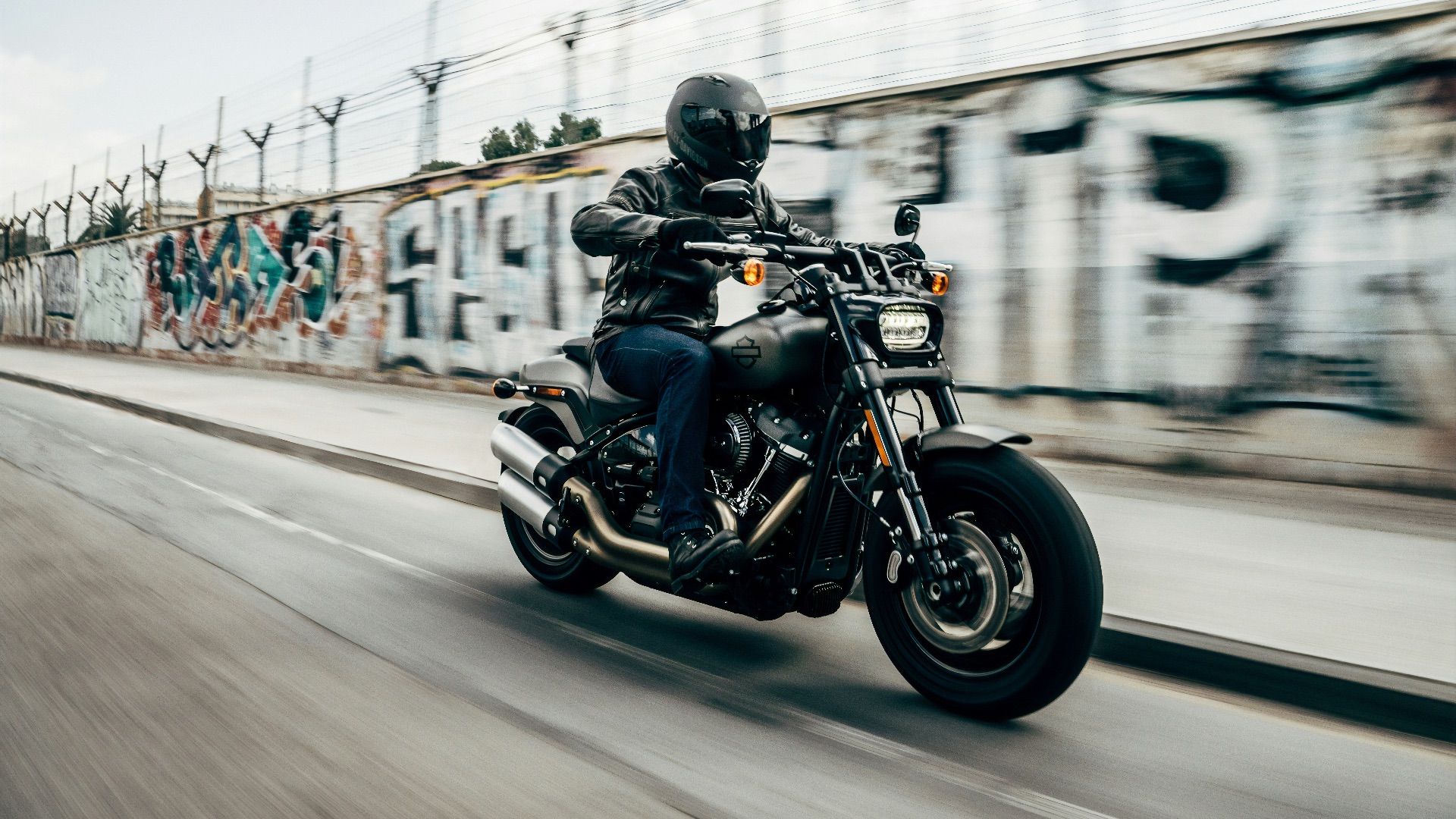
A properly certified helmet can reduce the risk of severe head injury, but it protects only part of the rider’s body. Cars combine seat belts, airbags, crumple zones, reinforced doors, head restraints, and increasingly advanced crash-avoidance systems. Motorcycle jackets, gloves, boots, and armor improve protection, yet they can’t offer the same coverage as an enclosed vehicle.
9. Passengers and Cargo Change the Handling
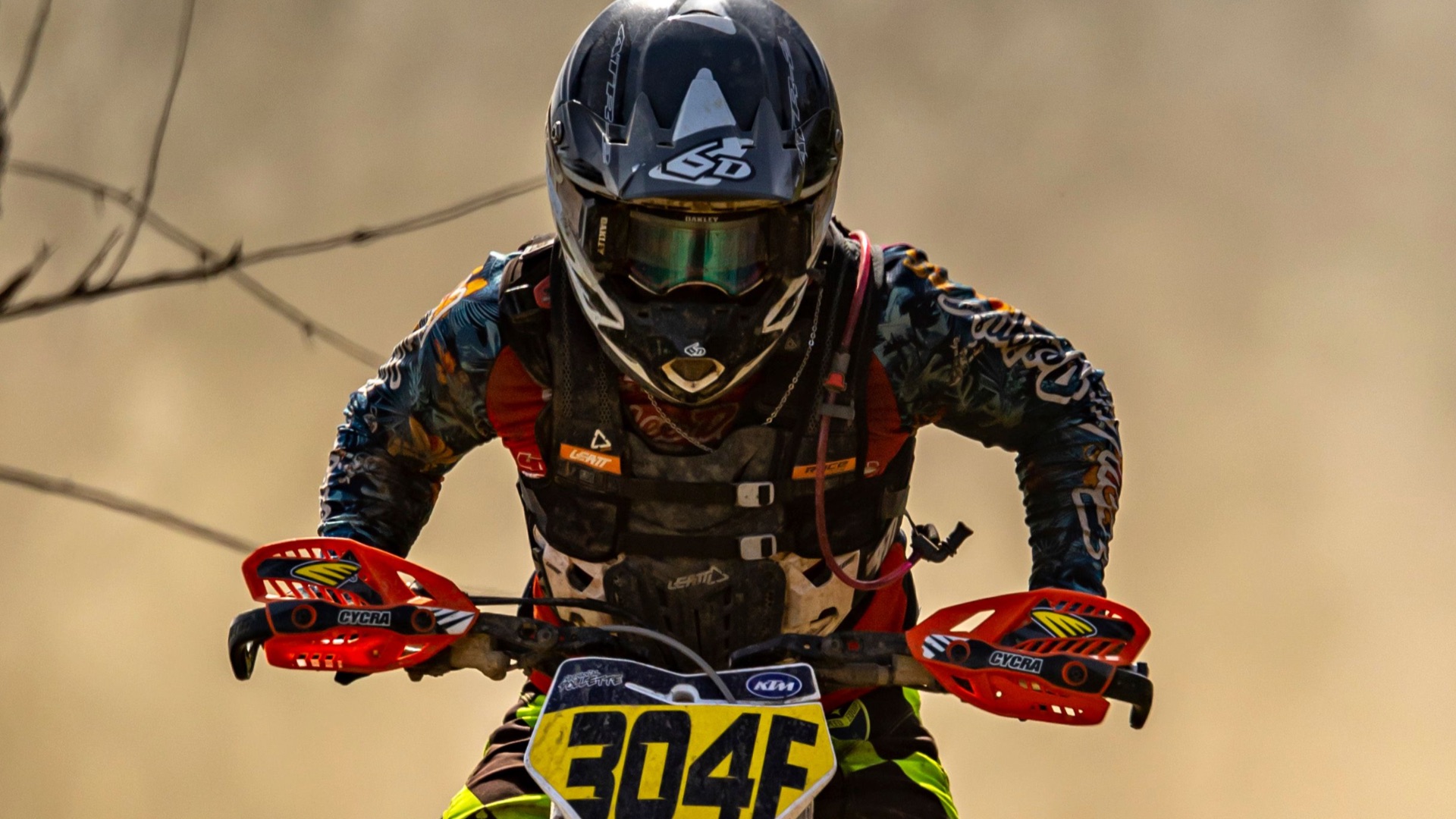
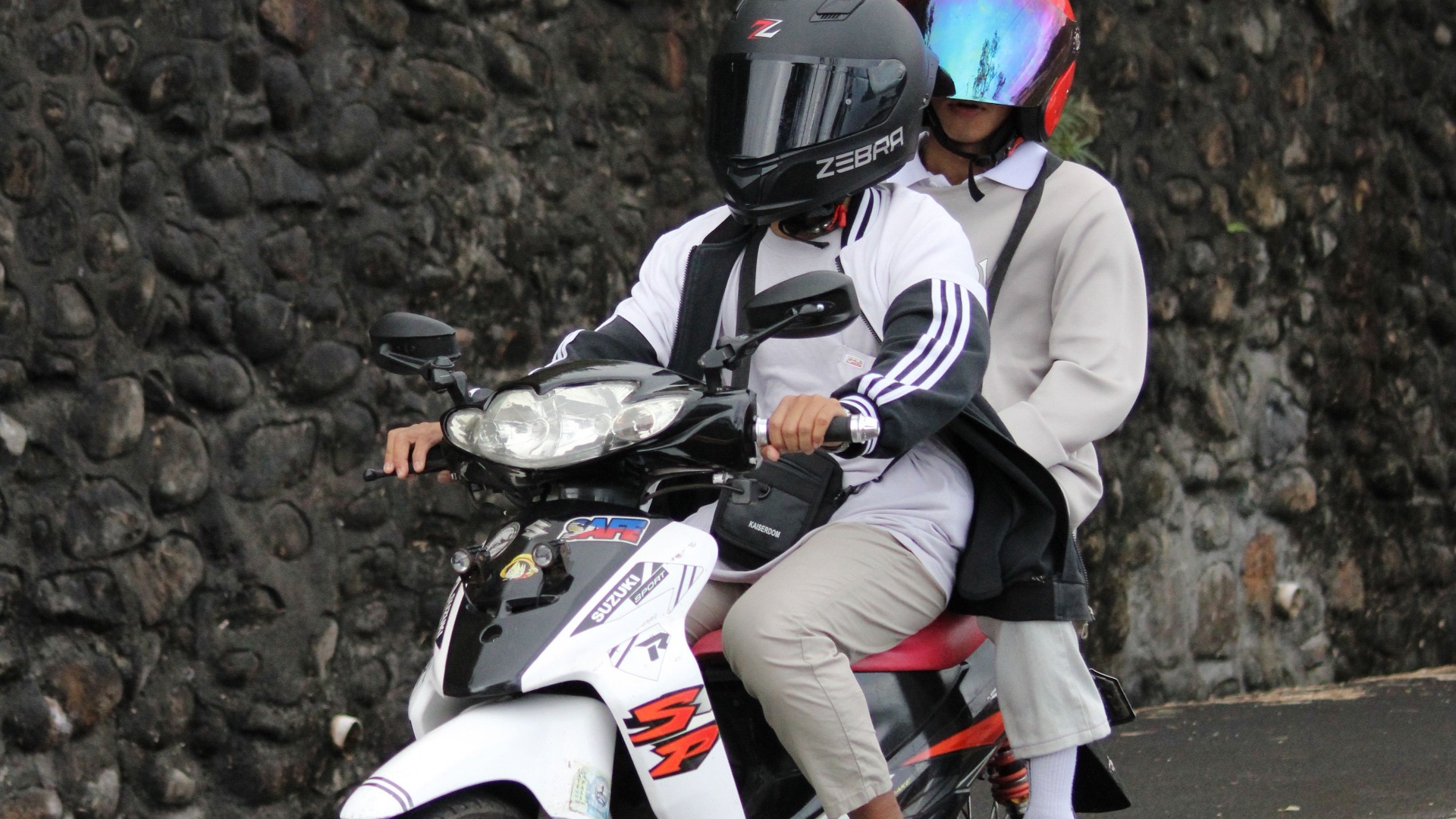
Adding a passenger alters a motorcycle’s weight distribution, acceleration, braking distance, steering response, and suspension behavior. Poorly secured luggage can shift during a turn or interfere with the rear wheel, exhaust, or controls. Cars are also affected by heavy loads, but their additional stability makes ordinary changes in passenger weight much easier to manage.
10. The Fatality Numbers Aren’t Close
The strongest evidence against motorcycles being safer overall comes from crash statistics. Per mile traveled, motorcyclists are roughly 27 times more likely than passenger-car occupants to be killed in a crash and nearly five times more likely to be injured. A skilled, sober, properly equipped rider can reduce personal risk, but no amount of experience can give a motorcycle the structural protection of a car.