Familiar Names That Quietly Left the Cup Series Behind
NASCAR careers don’t always end with a farewell tour, a packed press conference, and one final drive around the track. Some drivers retire unexpectedly, lose competitive rides, return to regional racing, or simply decide that life outside the weekly Cup Series grind sounds more appealing. They may not have disappeared completely, but you don’t hear their names during race broadcasts nearly as often as you once did. From former winners to highly promoted prospects, these 20 drivers faded from NASCAR’s national spotlight faster than many fans expected.
 United Autosports on Wikimedia
1. Casey Atwood
Casey Atwood entered the Cup Series with enormous expectations after finding success in what’s now the Xfinity Series at a young age. He joined Evernham Motorsports in 2001, but his time with the organization lasted only one full season before he was moved into a less competitive satellite ride. Atwood continued making occasional NASCAR starts, although the former top prospect gradually disappeared from the national conversation.
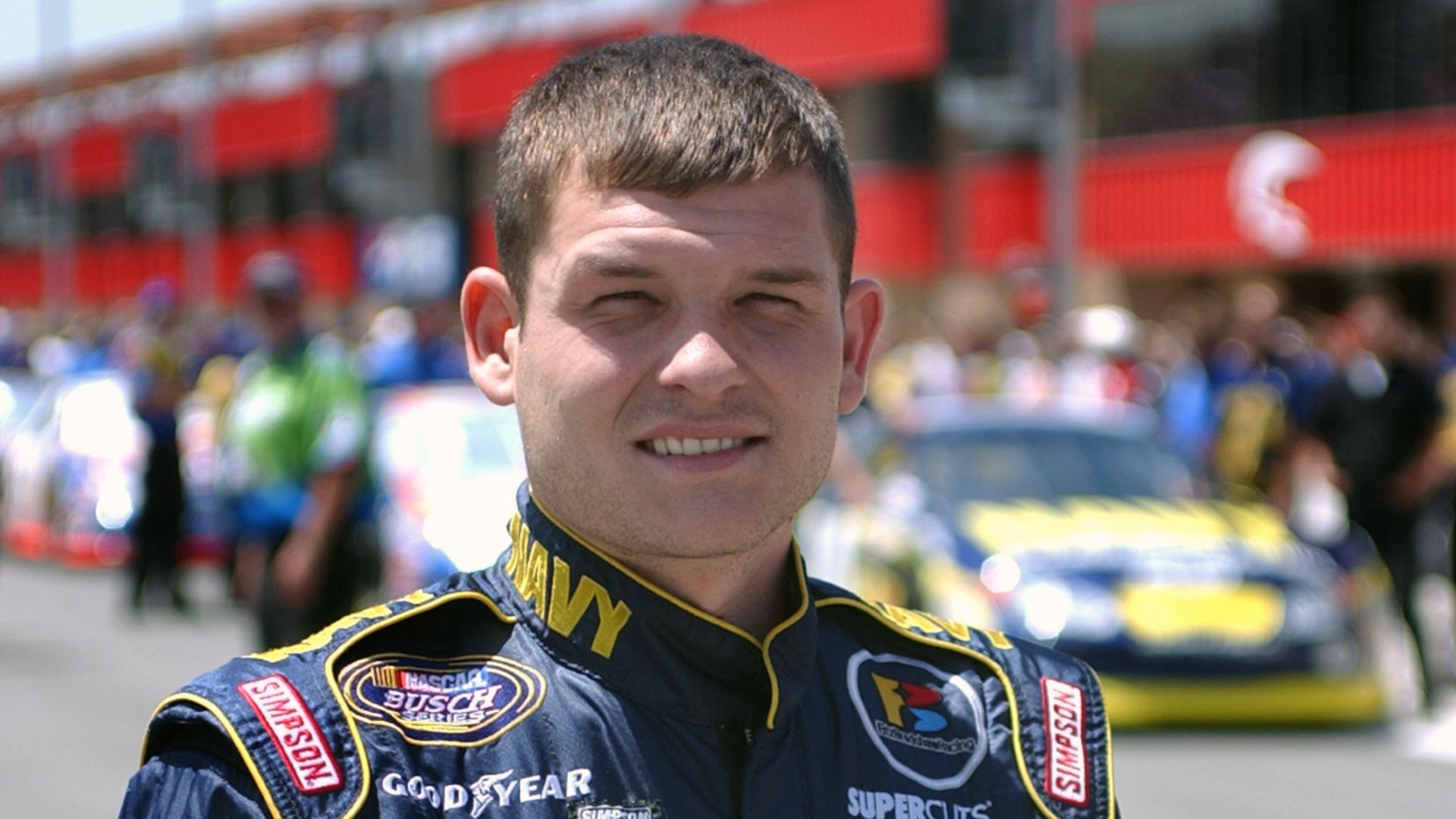 United States Navy, Chief Photographer's Mate Edward G. Martens on Wikimedia
2. Brian Vickers
Brian Vickers won races for Hendrick Motorsports, Red Bull Racing, and Michael Waltrip Racing, giving him one of the more varied résumés of his generation. Recurring blood clots repeatedly interrupted his career and eventually kept him from returning to full-time competition. His final Cup appearances came in 2016, and he largely stepped away from NASCAR’s public scene afterward.
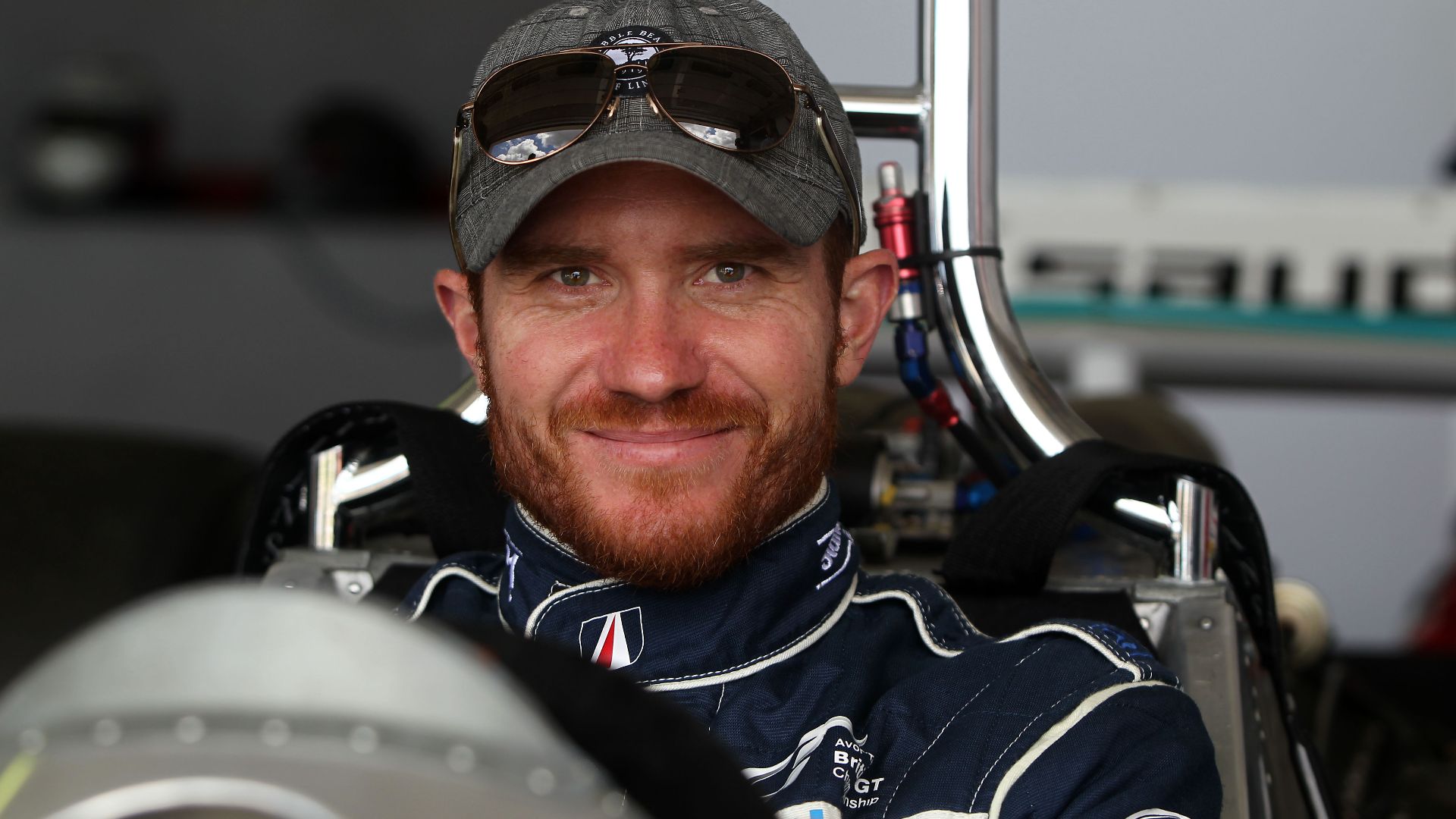 United Autosports on Wikimedia
3. Marcos Ambrose
Marcos Ambrose became one of NASCAR’s most popular road-course specialists, winning two Cup races at Watkins Glen. After the 2014 season, he left the United States and returned to Australia, where a brief Supercars comeback didn’t develop into a long second chapter. Ambrose later settled into a quieter life in Tasmania, far removed from the weekly NASCAR schedule.
4. Brian Scott
Brian Scott appeared to be reaching his prime when he walked away from full-time NASCAR competition at only 28 years old. He’d spent several seasons in the Xfinity Series before moving into a full Cup schedule with Richard Petty Motorsports in 2016. Instead of chasing another uncertain ride, Scott chose to prioritize his family and business interests back home in Idaho.
5. Reed Sorenson
Reed Sorenson was once considered part of NASCAR’s next wave of young stars, earning a Cup opportunity with Chip Ganassi Racing in his early 20s. Results never matched the initial excitement, and later seasons were spent bouncing among smaller teams with limited resources. His appearances became increasingly sporadic until he quietly slipped away from the national series.
 I, the copyright holder on Wikimedia
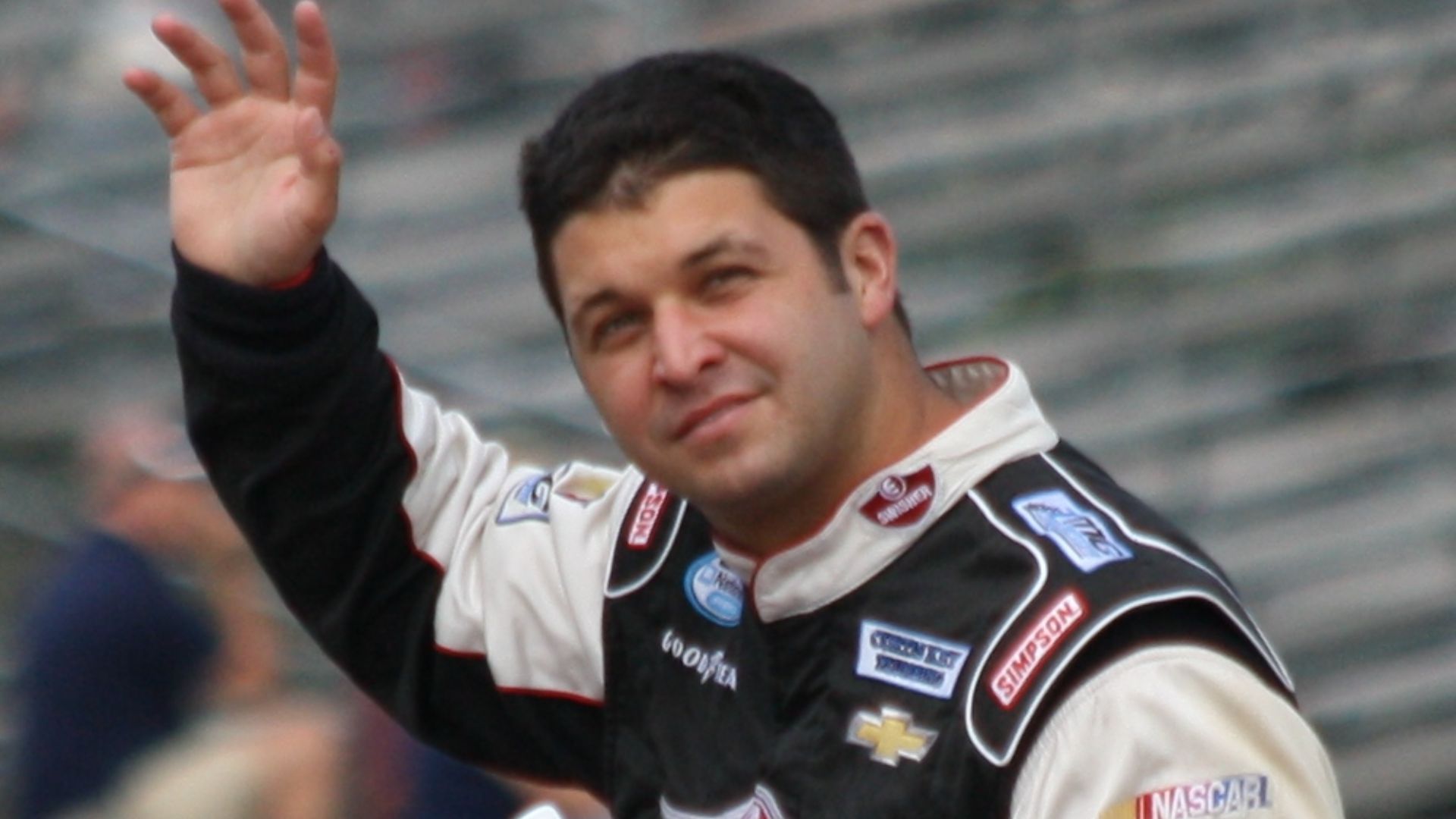
6. David Stremme
David Stremme reached the Cup Series after building a promising reputation in NASCAR’s lower divisions. He drove for major organizations, including Chip Ganassi Racing and Team Penske, but consistent results proved difficult to find. Once his full-time opportunities ended, Stremme shifted much of his attention toward dirt modified racing and chassis development.
 Photographer’s Mate 2nd Class Jayme Pastoric on Wikimedia
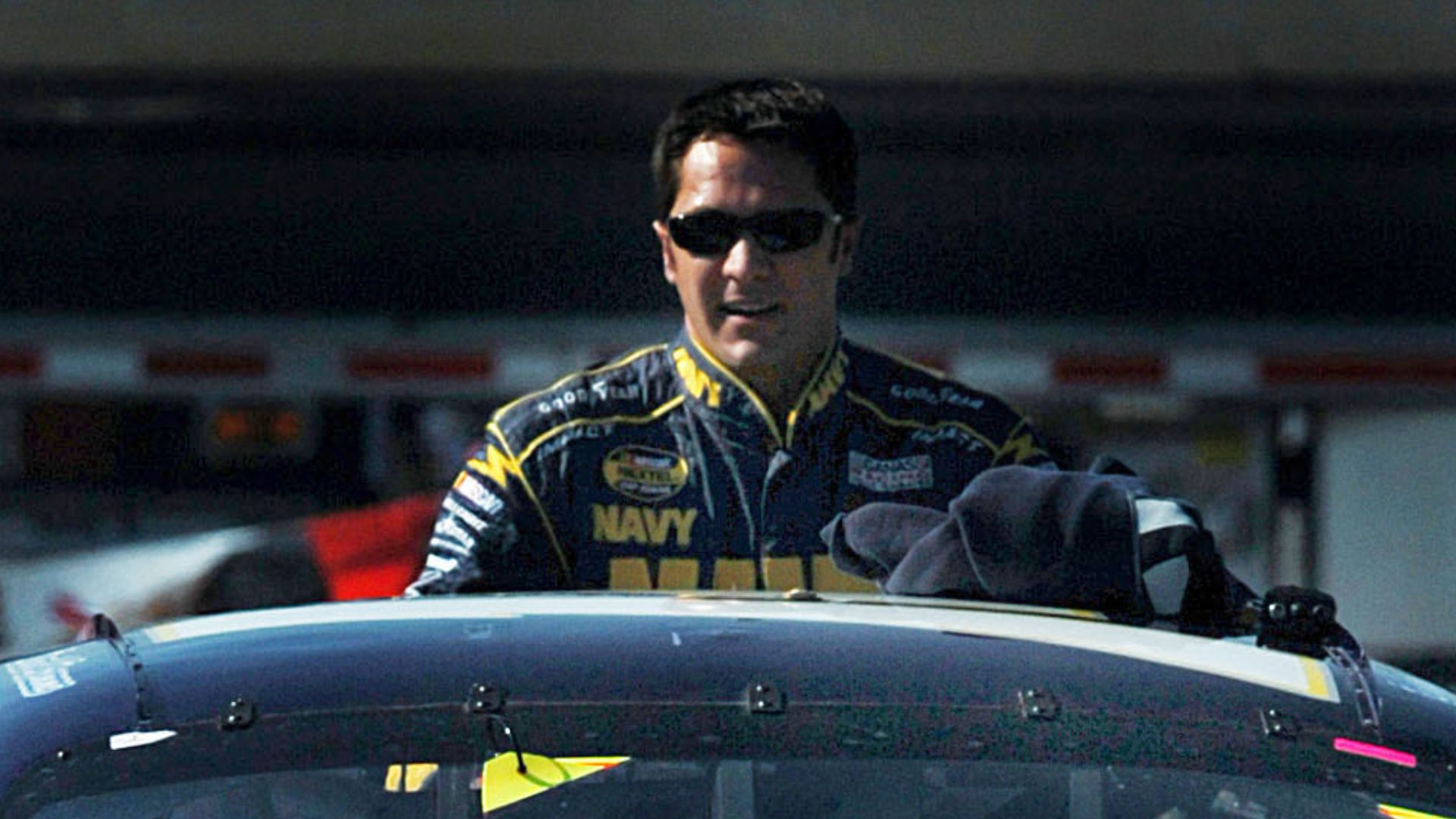
7. Scott Riggs
Scott Riggs earned attention through successful seasons in the Truck and Busch Series before moving into Cup competition. He nearly won races with MB2 Motorsports and Evernham Motorsports, but he never secured the breakthrough victory that might have changed his career. As competitive seats became harder to find, Riggs moved away from the national spotlight with little ceremony.
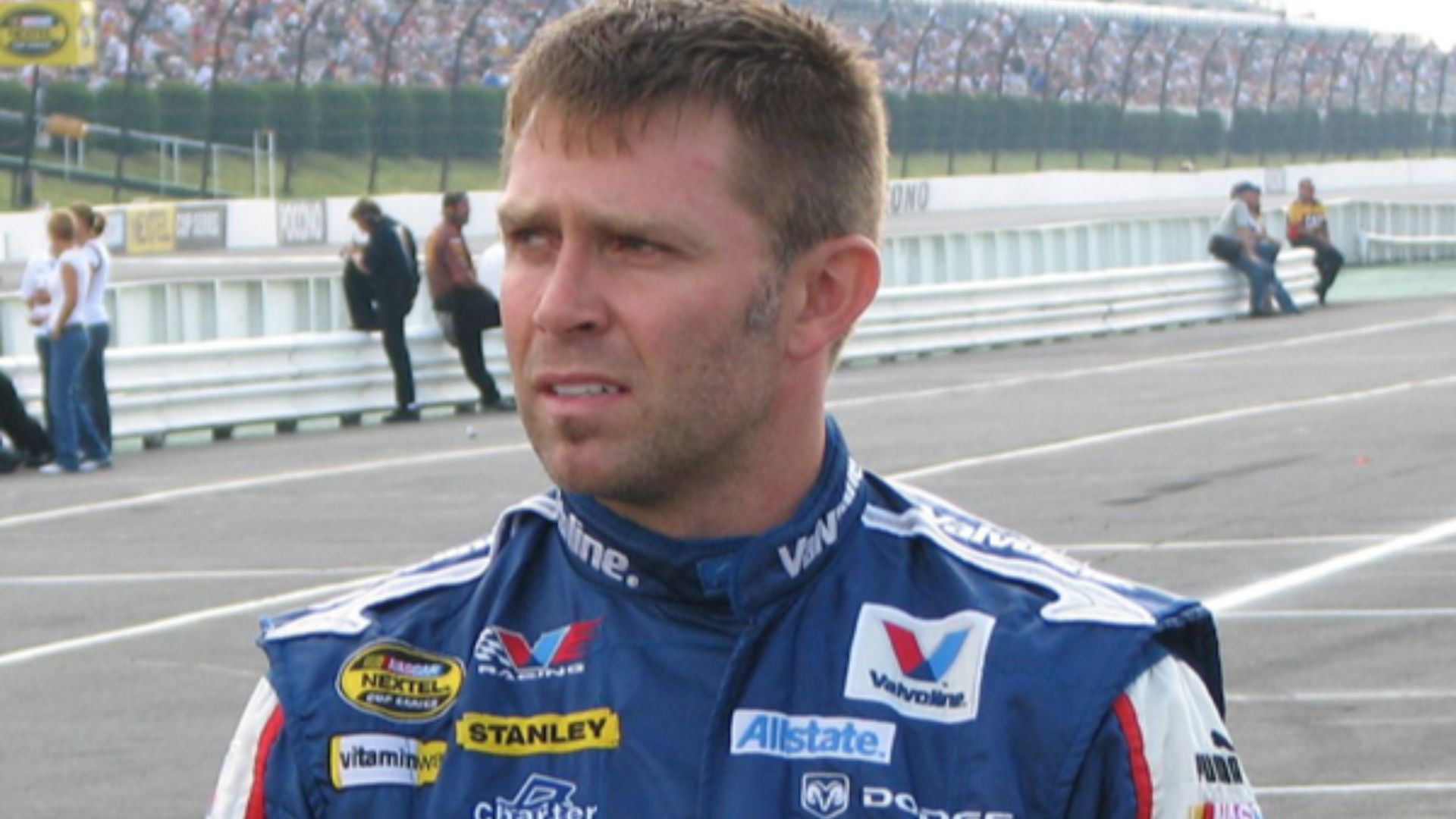
8. David Reutimann
David Reutimann delivered Michael Waltrip Racing its first Cup victory and later won again at Chicagoland Speedway. Despite those accomplishments, his career became better remembered for a controversial late-race incident at Martinsville and a series of short-term rides. By the middle of the 2010s, the two-time Cup winner had largely disappeared from NASCAR’s top divisions.
9. Sam Hornish Jr.
Sam Hornish Jr. arrived in NASCAR as a three-time IndyCar champion and Indianapolis 500 winner, so expectations were understandably high. His Cup results were uneven, though he eventually became a strong championship contender in the Xfinity Series. After winning at Iowa in 2016 and making a few later appearances, Hornish stepped away to spend more time with his family.
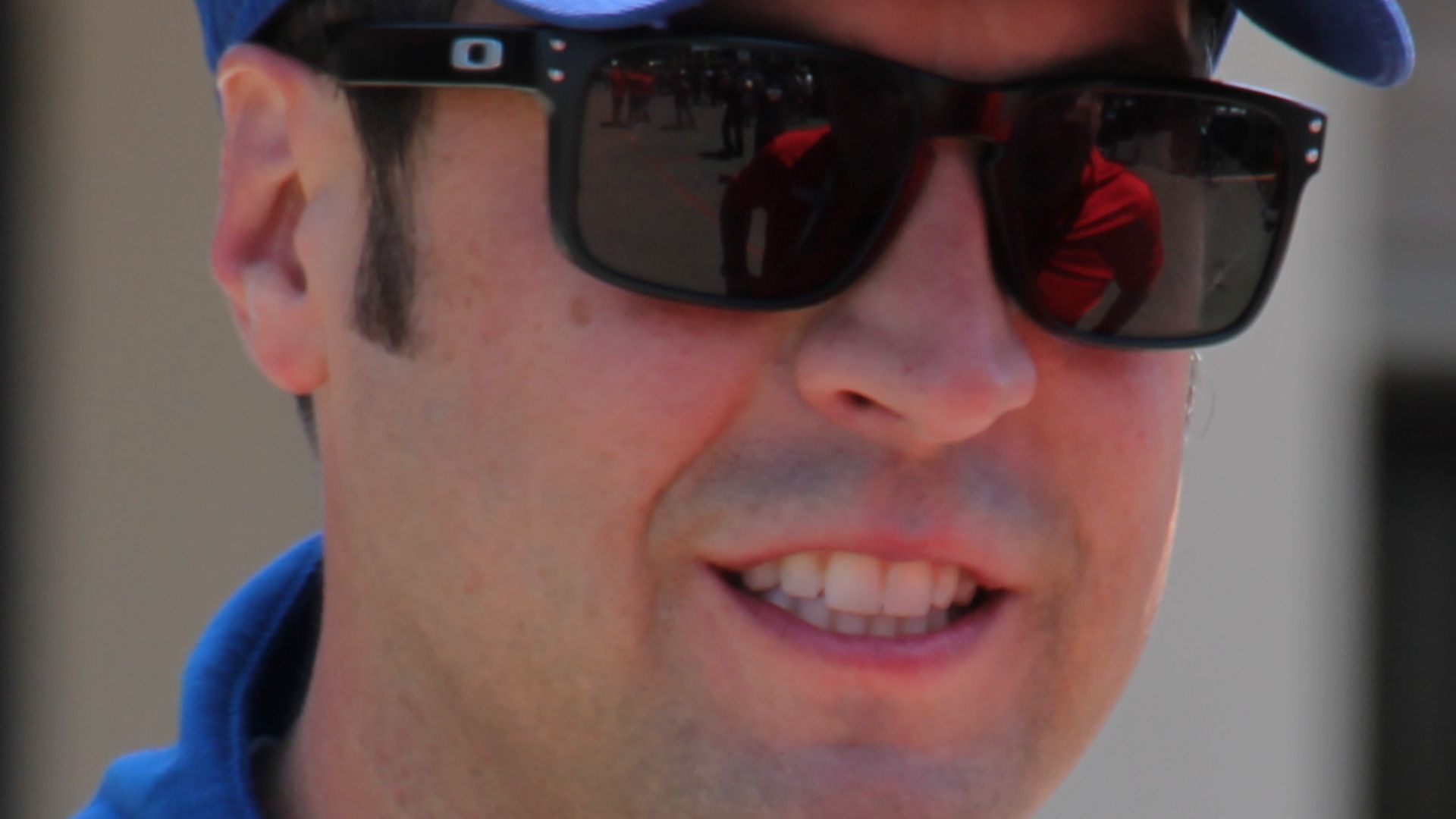
10. Travis Kvapil
Travis Kvapil won the 2003 Truck Series championship and looked capable of building a lengthy career in NASCAR’s top divisions. Cup opportunities followed, but many came with smaller teams that struggled to compete against better-funded organizations. His national-series starts eventually dried up, leaving a former champion almost entirely outside the weekly discussion.
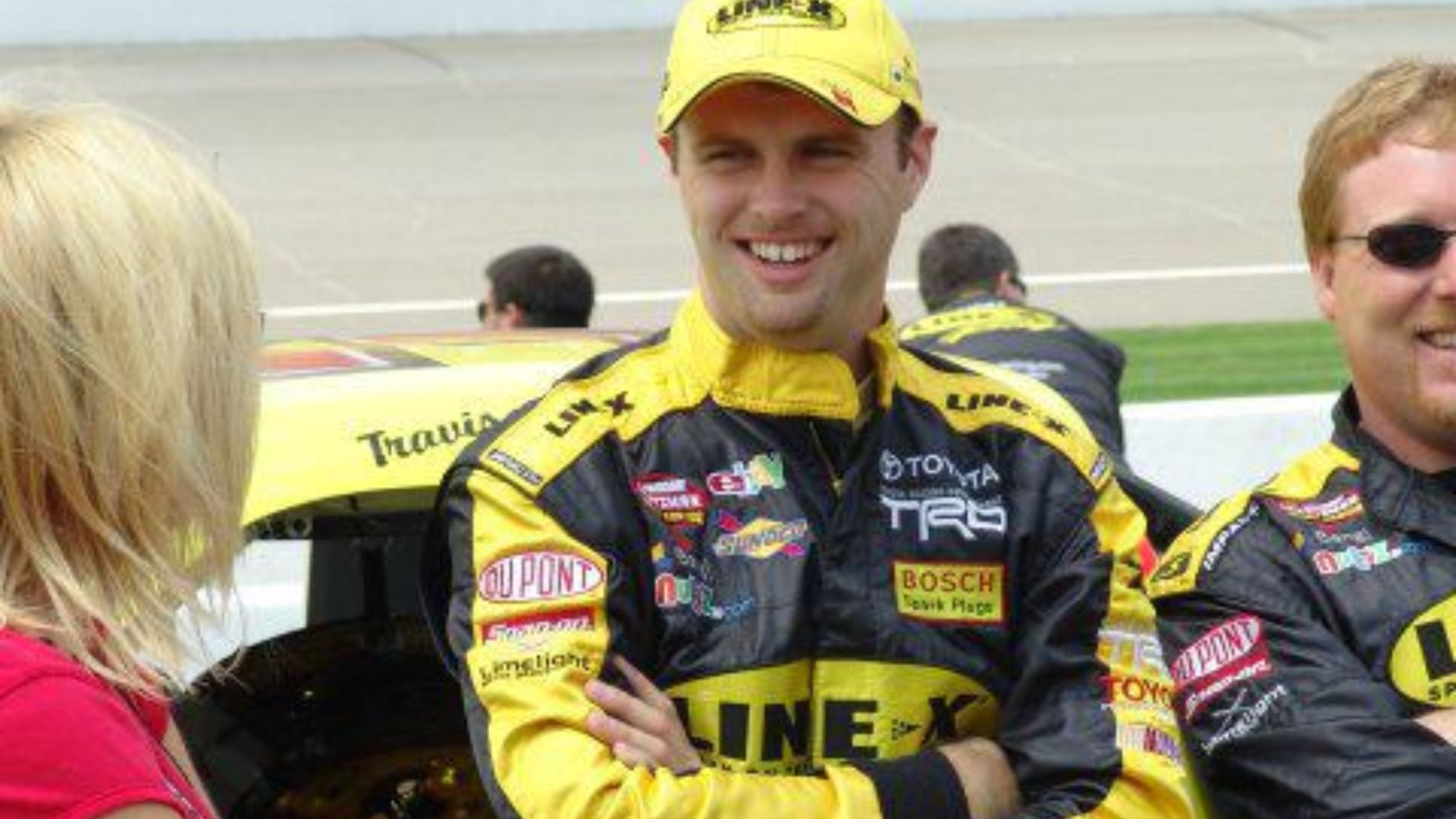
11. Stacy Compton
Stacy Compton jumped directly into Cup competition relatively late, making his series debut at 29. He became particularly noticeable at superspeedways, where he earned front-row starting positions and challenged established stars. Compton later moved into team management and business, making his disappearance from regular television coverage feel surprisingly abrupt.
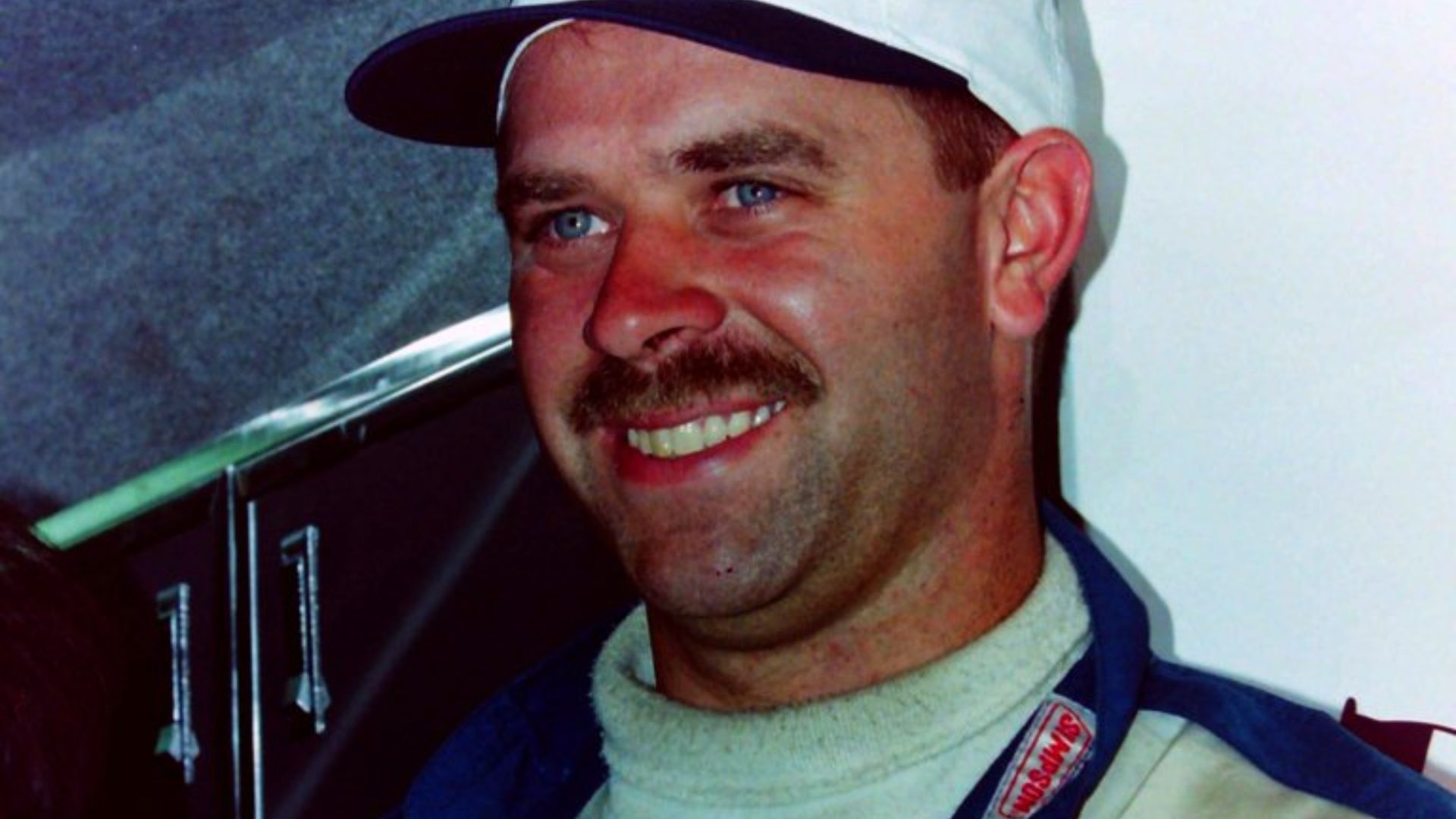
12. Kevin Lepage
Kevin Lepage spent decades racing across all three of NASCAR’s national series and made more than 500 combined starts. He rarely had top-level equipment, but his persistence kept him on entry lists long after many contemporaries had retired. Once those appearances stopped, the Vermont native settled into a lower-profile life involving driver coaching and work around short-track racing.
13. Steve Grissom
Winning the 1993 Busch Series championship put Steve Grissom on the radar as a driver with a promising Cup future. He competed for several organizations at the top level, although he never found the stable combination needed to become a regular winner. After his driving career ended, Grissom remained connected to motorsports without maintaining the public profile he once had.
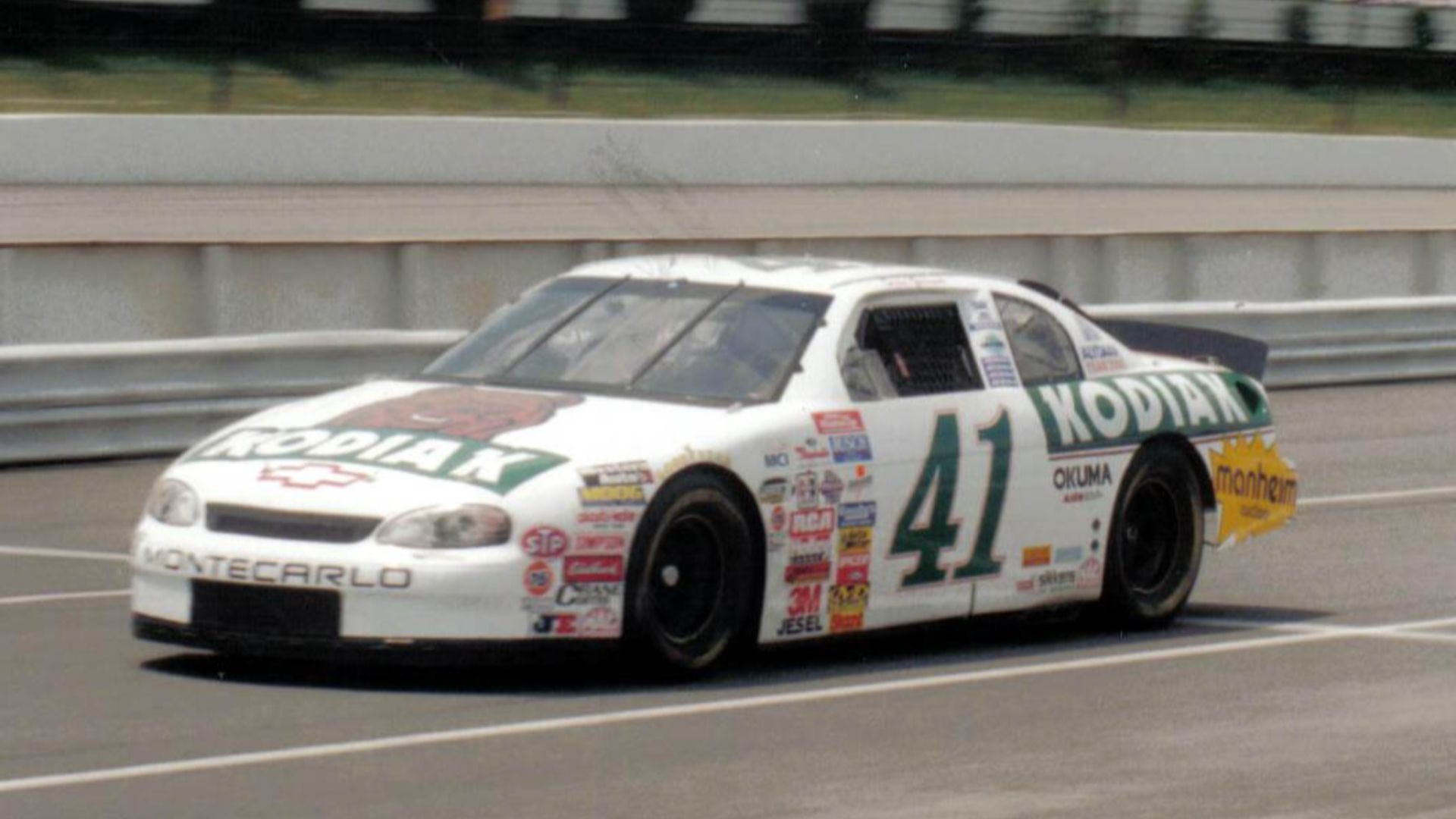
14. Mike Bliss
Mike Bliss built an impressive Truck Series career and captured the championship in 2002. Cup rides were less stable, so he became known as a dependable substitute who could step into almost any car on short notice. When his final national-series starts passed without much fanfare, one of NASCAR’s most experienced utility drivers quietly left the stage.
 I, the copyright holder on Wikimedia
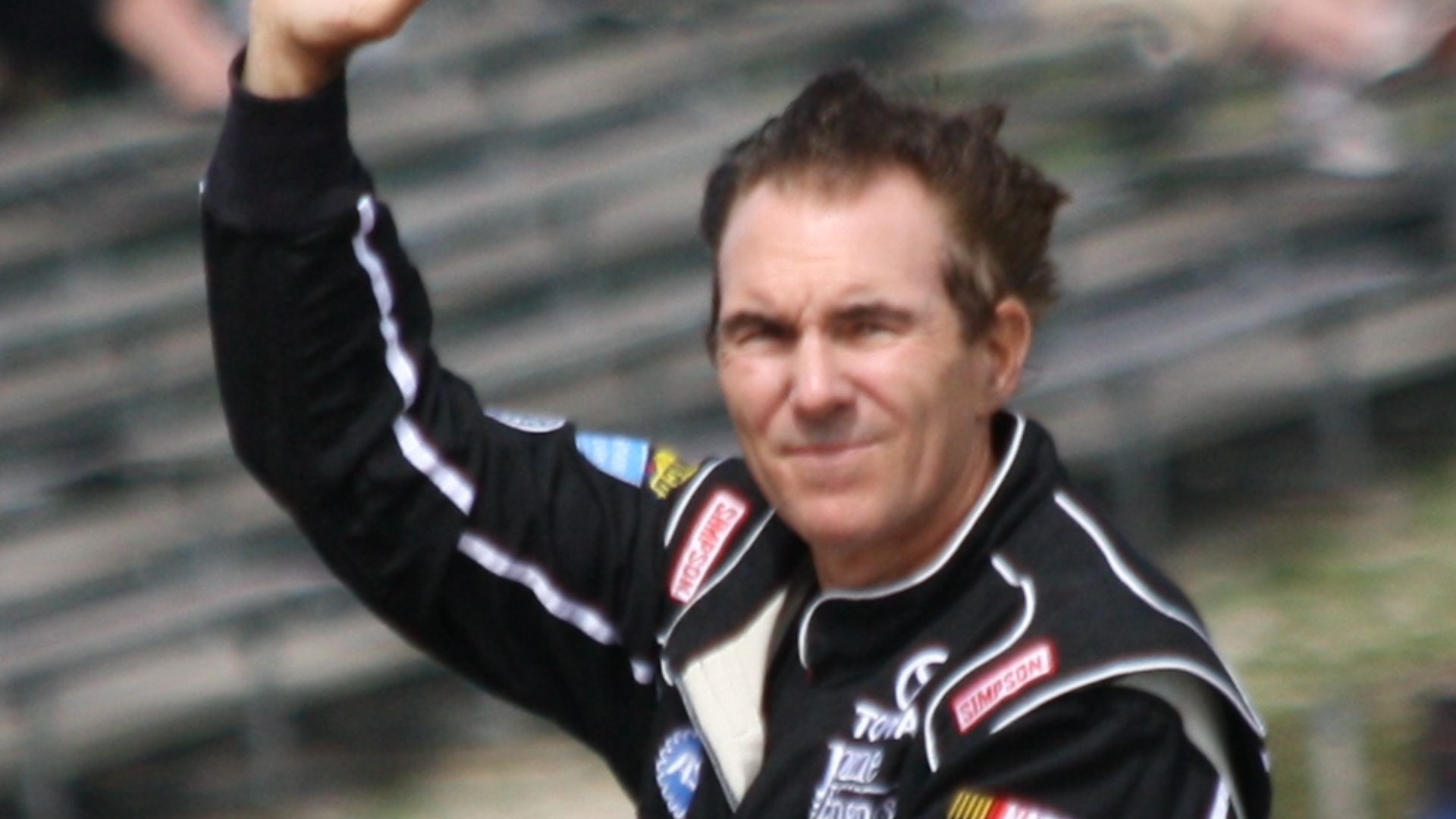
15. Johnny Benson
Johnny Benson won races in both the Cup and Busch Series before capturing the 2008 Truck Series championship. Even with that title, sponsorship problems contributed to the loss of his full-time ride almost immediately afterward. Benson later returned to regional competition, but his days as a nationally visible NASCAR regular ended much sooner than his talent suggested.
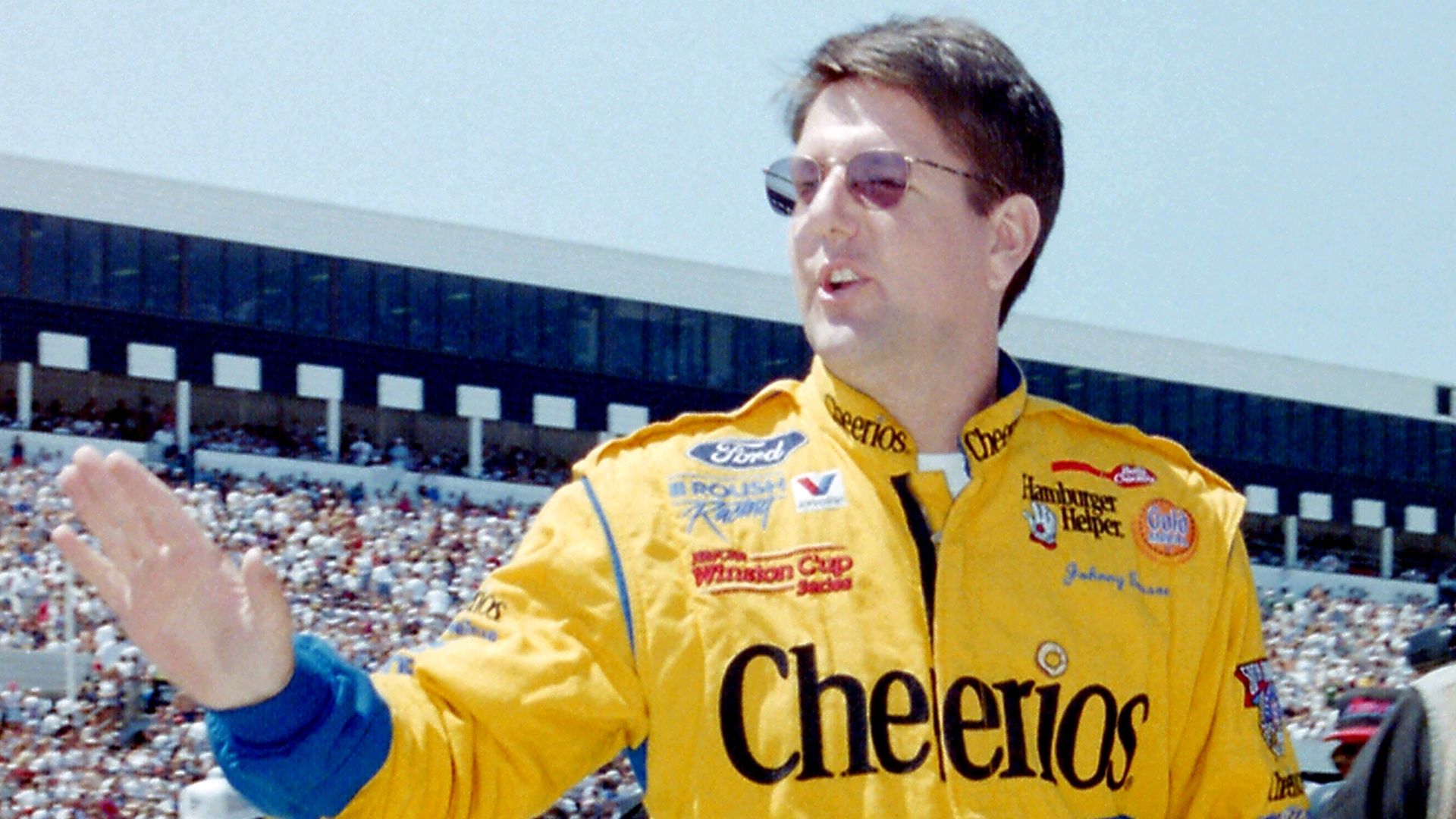
16. Ricky Craven
Ricky Craven secured two Cup victories, including his unforgettable photo finish against Kurt Busch at Darlington in 2003. However, concussion-related struggles and declining performance shortened his time as a full-time driver. He later worked in television, but eventually stepped away from regular broadcasting as well.
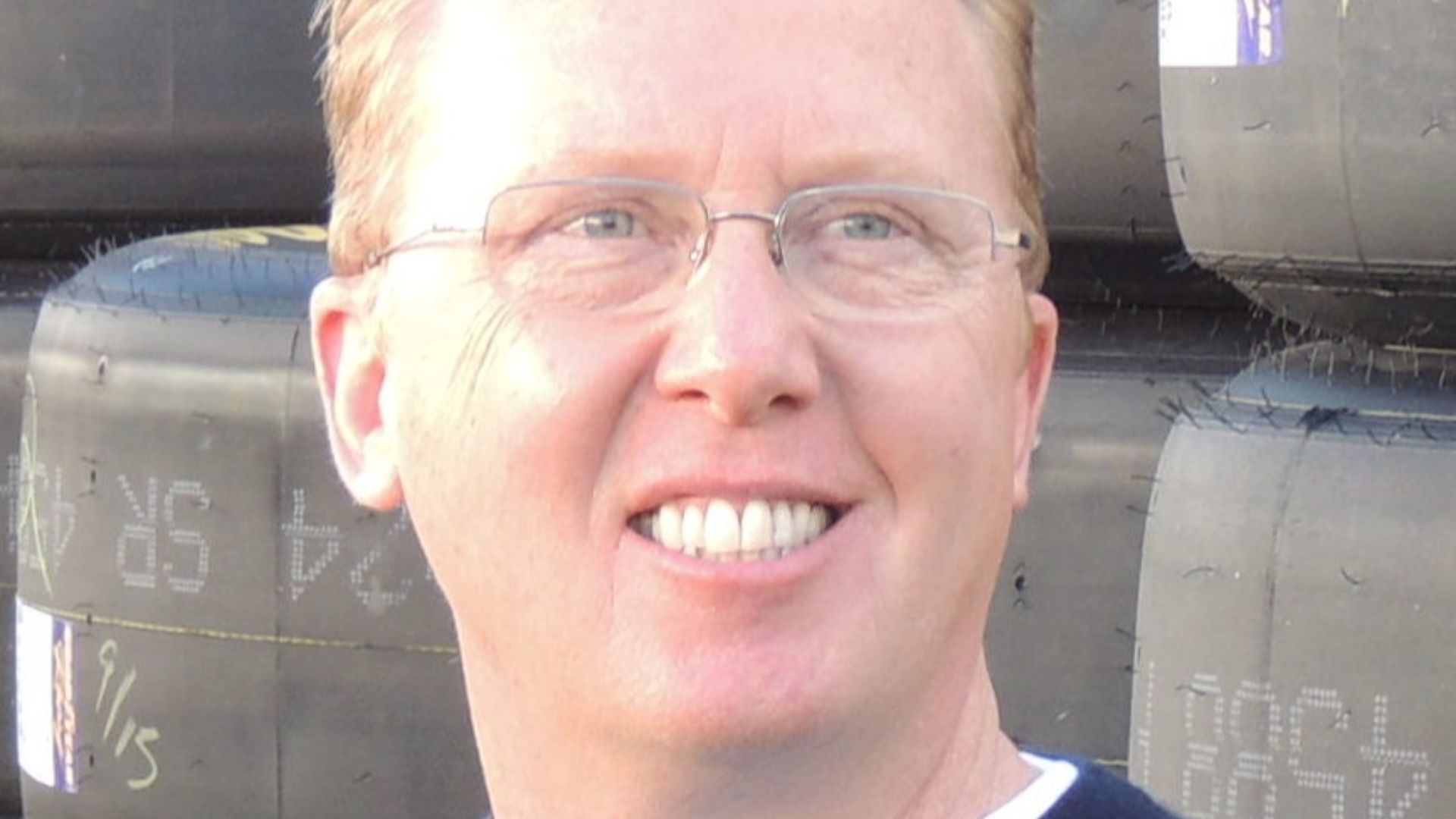
17. Jeremy Mayfield
Jeremy Mayfield won five Cup races and twice qualified for NASCAR’s postseason format. His career collapsed amid a highly public dispute with NASCAR following a failed drug test and an indefinite suspension in 2009. Although he later competed in smaller racing series, Mayfield never returned to his former place in NASCAR’s national spotlight.
 Freewheeling Daredevil on Wikimedia
18. Robby Gordon
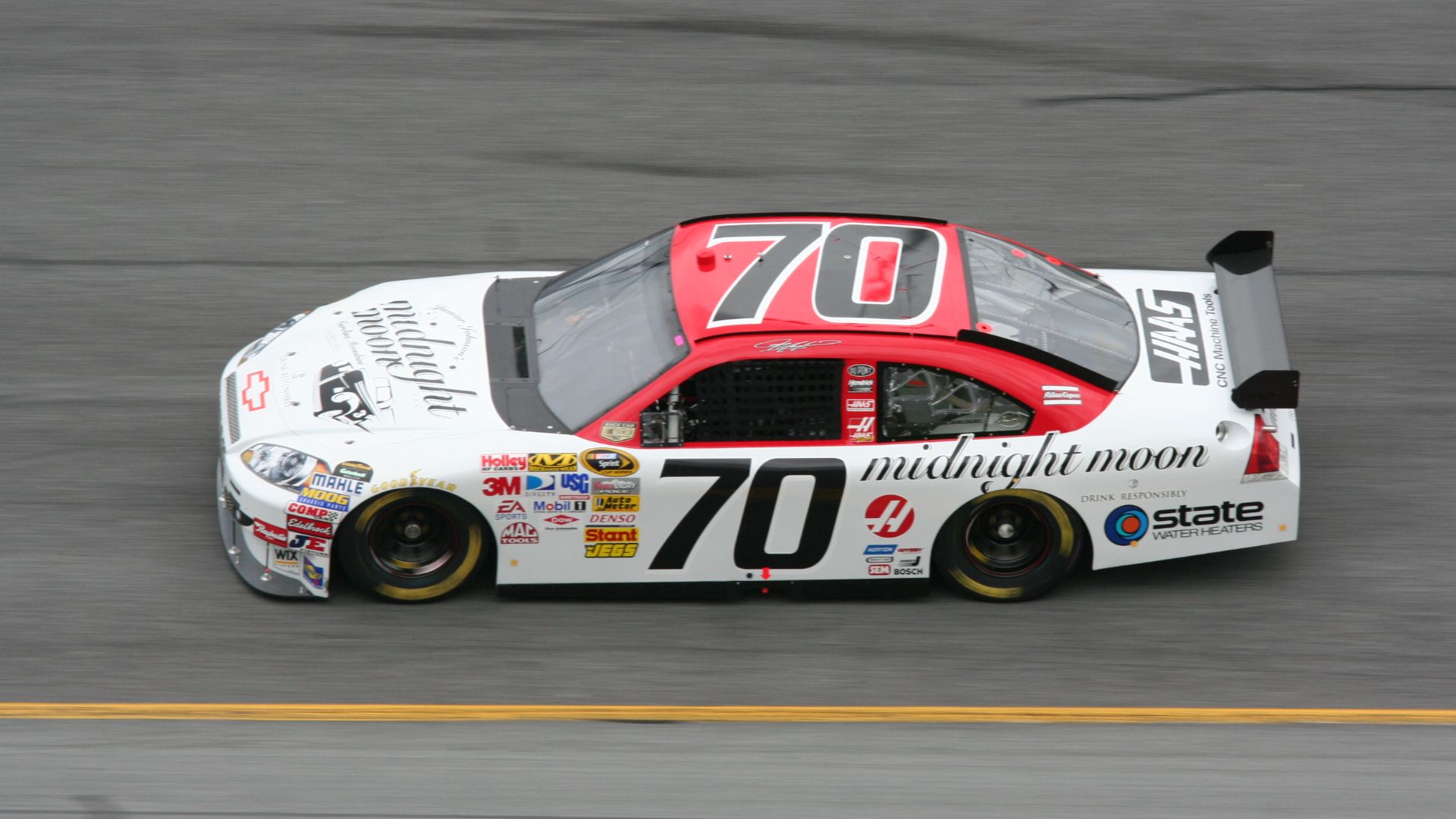
Robby Gordon was one of NASCAR’s boldest personalities, winning three Cup races while also competing in IndyCar, sports cars, and off-road events. After operating his own Cup team for years, he shifted his attention toward the Stadium Super Trucks series and other racing ventures. Gordon never stopped being a racer, but his exit from NASCAR made him much less visible to the sport’s mainstream audience.
19. Shawna Robinson
Shawna Robinson broke barriers across stock-car racing and became one of the few women of her era to compete in the Cup Series. Her national career included notable qualifying performances, though sponsorship and equipment limitations made sustained progress difficult. Robinson later stepped away from driving and served on the National Motorsports Appeals Panel, taking on an important role that rarely placed her in front of television cameras.
20. Ernie Irvan
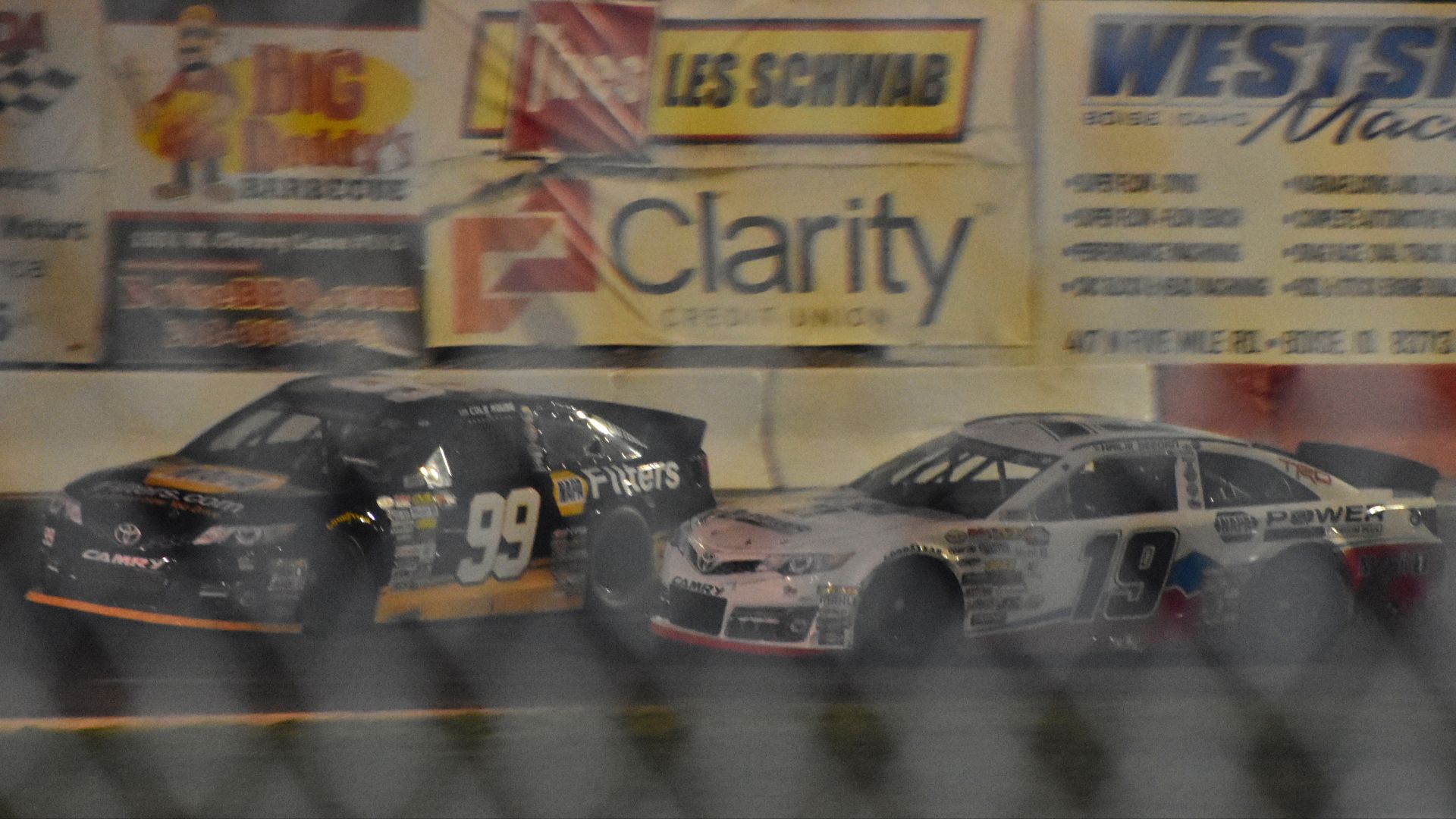
Ernie Irvan won 15 Cup races and was a championship contender before a severe 1994 crash at Michigan nearly took his life. He made an impressive comeback and won again, but another serious crash at the same track contributed to his retirement in 1999. Irvan has remained connected to motorsports and safety advocacy, although the star once known as “Swervin’ Irvan” has lived mostly outside NASCAR’s modern spotlight.