
Driver Fatigue? 10 Things That Only Make It Worse & 10 That Help Kick Out Drowsiness
Driver Fatigue? 10 Things That Only Make It Worse & 10 That Help Kick Out Drowsiness
Drowsy Driving
Have you ever driven before dawn broke, when the streets were still dimly lit and quiet? If you've had work shifts in the early morning, you've likely made that kind of drive hundreds of times before. With that experience, you're probably pretty confident you wouldn't fall asleep behind the wheel in other similar scenarios. But not so fast: fatigue can sneak up on you fairly suddenly, and thousands of accidents every year trace back to drivers who thought they could push through minor drowsiness. Before you know it, you could be drifting off, veering out of your lane, and endangering yourself and everyone around you. Here are 10 things that will only make drowsy driving worse and 10 strategies that actually help you fight it off.

1. Eating a Heavy Meal Before Driving
A large, carb-heavy meal sends blood rushing to your digestive system, leaving less energy available for the rest of your body to stay alert. You might feel a temporary sense of satisfaction after finishing a big plate, but that satisfaction often gives way to sluggishness within thirty minutes. Truck stops and highway diners are notorious for this exact trap, so it's worth choosing something lighter if you know you've got hours left to drive.

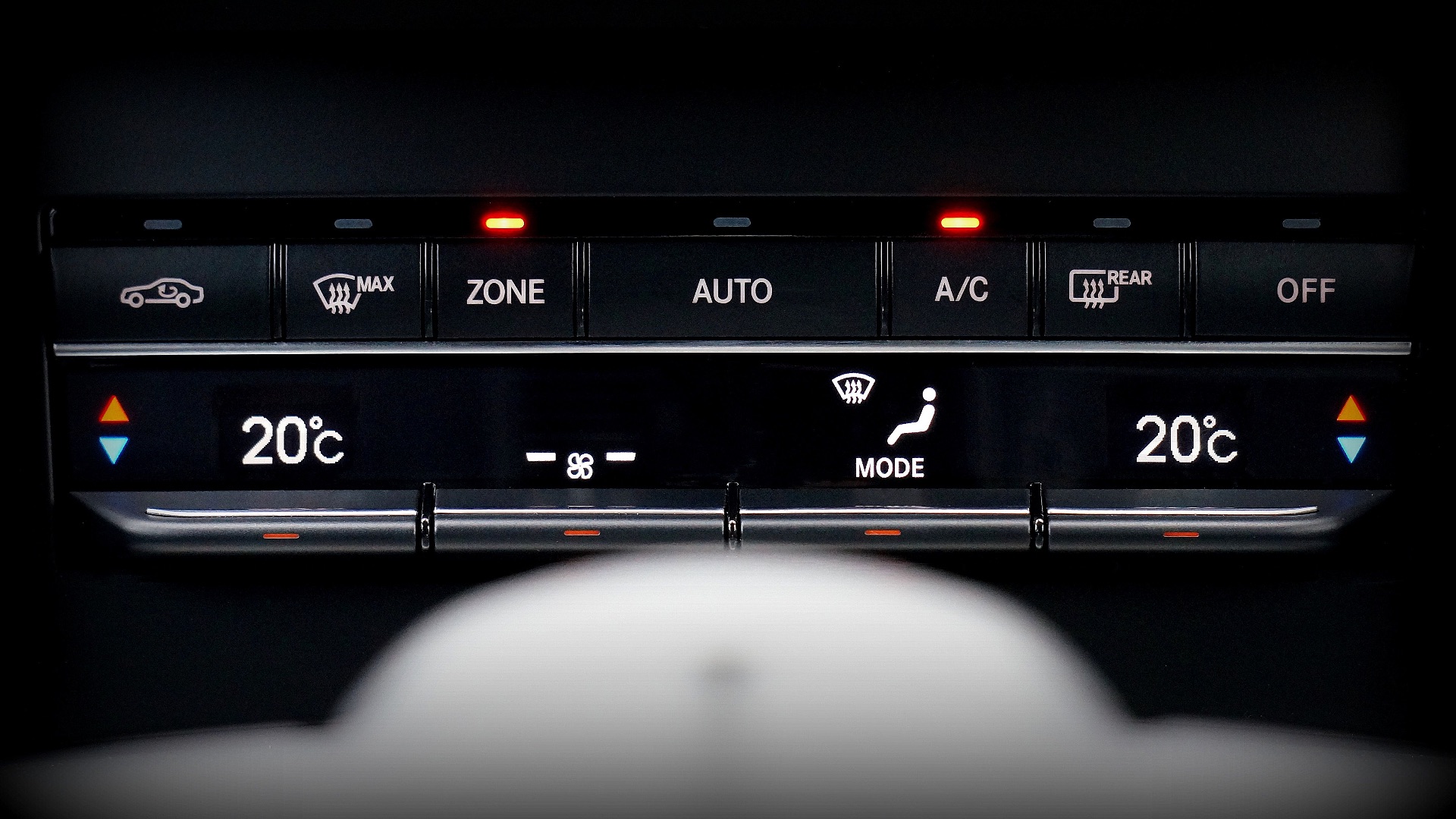
2. Cranking the Heat in Your Car
Keeping your car toasty warm might feel cozy, but that warmth actually encourages your body to relax and your eyelids to grow heavy. Cold air, on the other hand, keeps your senses more alert and less likely to drift toward sleep. If you notice yourself getting comfortable behind the wheel, that's usually a sign to dial the temperature down rather than up.
3. Driving During Your Body's Natural Dip
Your circadian rhythm has built-in low points, typically in the early afternoon and the middle of the night, when your body craves sleep regardless of how much rest you got the night before. Ignoring these natural dips and pushing through a drive during these windows sets you up for dangerous microsleeps. Planning trips around these hours, when possible, gives your body a fighting chance to stay engaged.
4. Relying on One Cup of Coffee for a Long Trip
A single cup of coffee at the start of a long drive wears off faster than most people expect, sometimes within an hour or two depending on your tolerance. Assuming that one dose will carry you through several more hours on the road is a common miscalculation that leaves you crashing hard later. Spacing out smaller amounts of caffeine, or timing a second cup strategically, works far better than a single large jolt.

5. Skipping Sleep the Night Before a Big Drive
Telling yourself you'll catch up on sleep later doesn't change the fact that your reaction time and judgment are already compromised the moment you get behind the wheel. Even a few hours of lost sleep can impair your driving as much as having a couple of drinks would. Prioritizing a full night's rest before any lengthy trip isn't optional if you want to stay safe.

6. Listening to Music That's Too Mellow
Soft, slow music creates a calming atmosphere that works against you when you're already fighting fatigue. That gentle, soothing quality can lull your mind into a state that's closer to relaxation than alertness. Upbeat or unpredictable music tends to serve you better during long stretches when you need to stay engaged.

7. Driving Alone on Overnight Trips
Solo overnight drives remove one of the simplest safeguards against fatigue: another set of eyes and a voice to keep you engaged. Without someone to talk to or notice if you're struggling, you're left entirely responsible for catching your own warning signs. If an overnight trip is unavoidable, having a passenger who can share driving duties or simply keep conversation going makes a real difference.

8. Ignoring Early Warning Signs
Yawning repeatedly, drifting slightly out of your lane, or struggling to remember the last few miles are all signals that your body is already past the point of pushing through safely. Brushing these signs aside because you're close to your destination is a gamble that doesn't pay off nearly as often as people assume. Recognizing these moments as your body's clear message to stop is far smarter than hoping you'll catch a second wind.

9. Taking Medication That Causes Drowsiness
Certain allergy medications, cold remedies, and even some prescription drugs list drowsiness as a side effect, yet plenty of drivers overlook the warning label before a trip. Combining these medications with an already tired body creates a much steeper decline in alertness than either factor alone. Checking labels ahead of time, or asking a pharmacist about alternatives, protects you from a mistake that's easy to avoid.
 Christina Victoria Craft on Unsplash
10. Believing Willpower Alone Can Beat Exhaustion
Plenty of drivers convince themselves that sheer determination will get them through the last stretch of a long trip, but fatigue doesn't respond to willpower the way people hope. Your brain will eventually force the issue through microsleeps, whether you're mentally prepared for it or not. Recognizing that exhaustion is a physical state rather than a mental weakness makes it easier to accept when it's time to stop.
Now that you know which habits tend to work against you, it's worth turning to the other side of the equation. These next 10 strategies focus on what actually helps you regain alertness and finish your trip safely.
 Samuele Errico Piccarini on Unsplash
1. Pulling Over for a Short Nap
A nap lasting fifteen to twenty minutes can restore a surprising amount of alertness without leaving you groggy afterward. Finding a safe, well-lit spot such as a rest area gives your body the chance to reset before continuing. Setting an alarm ensures you won't oversleep and end up feeling worse than before you stopped.

4. Chewing Gum or Snacking on Something Crunchy
The physical act of chewing keeps your jaw muscles active and sends signals to your brain that help maintain alertness. Crunchy snacks in particular require more effort to eat, which adds another small layer of engagement during a long stretch of road. Keeping a bag of something crunchy within reach gives you an easy tool to use whenever you feel your focus slipping.

3. Rolling Down the Window for Fresh Air
Fresh air moving through the car does more than just cool you down; it also introduces a change in sensation that can jolt your senses back into focus. Stale, recycled air inside a closed car tends to make you feel drowsier the longer you're exposed to it. Cracking a window every so often gives you a quick reset without needing to stop the car entirely.

4. Timing Caffeine Strategically
Rather than relying on one large dose, spacing out smaller amounts of caffeine throughout a long drive keeps your alertness more consistent. Pairing a caffeine intake with a short nap, sometimes called a caffeine nap, allows the substance to kick in right as you wake up. Planning these moments ahead of time turns caffeine into a tool rather than a last-minute fix.

5. Taking Regular Breaks Every Couple of Hours
Stopping every two hours or so gives your body a chance to move around and your mind a chance to reset before fatigue builds up too much. Even a short walk around a rest stop can shake off some of the stiffness and mental fog that come from sitting still for too long. Building these breaks into your route ahead of time makes them easier to stick to once you're actually on the road.

6. Bringing a Passenger Along for Conversation
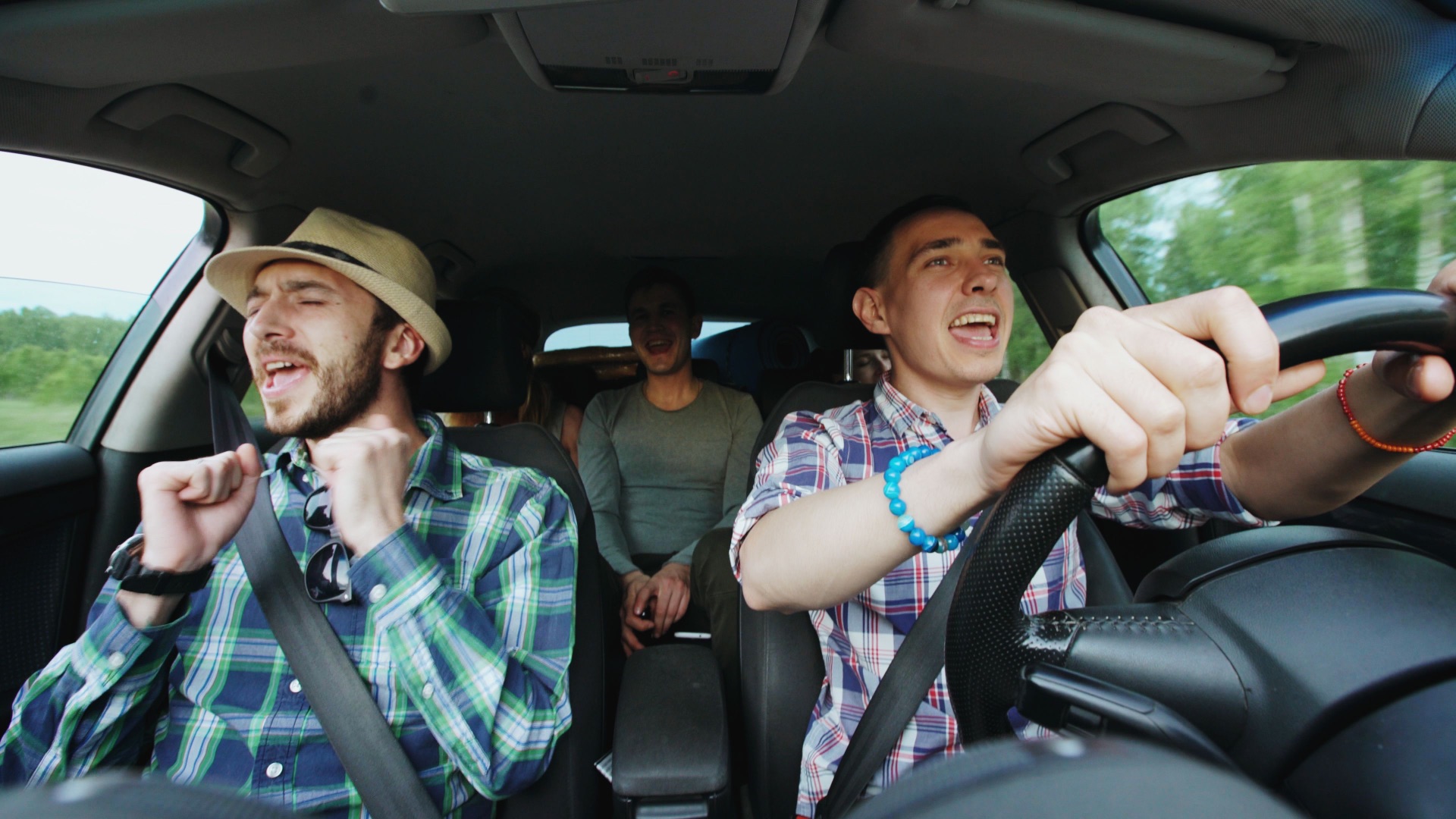
Having someone else in the car gives you a built-in way to stay engaged through conversation, which naturally keeps your mind more active. A passenger can also help watch for signs of fatigue that you might not notice in yourself, like drifting attention or slower reactions. Splitting driving duties with that person adds an extra layer of safety for longer trips.
7. Exposing Yourself to Bright Light
Bright light, whether from the sun or from stopping under well-lit gas station canopies, helps signal to your brain that it's time to stay awake rather than wind down. This kind of light exposure works against the natural release of melatonin that makes you feel sleepy. Making a point to step into bright light during rest stops can help reset your internal clock during a long haul.
8. Staying Hydrated Throughout the Trip
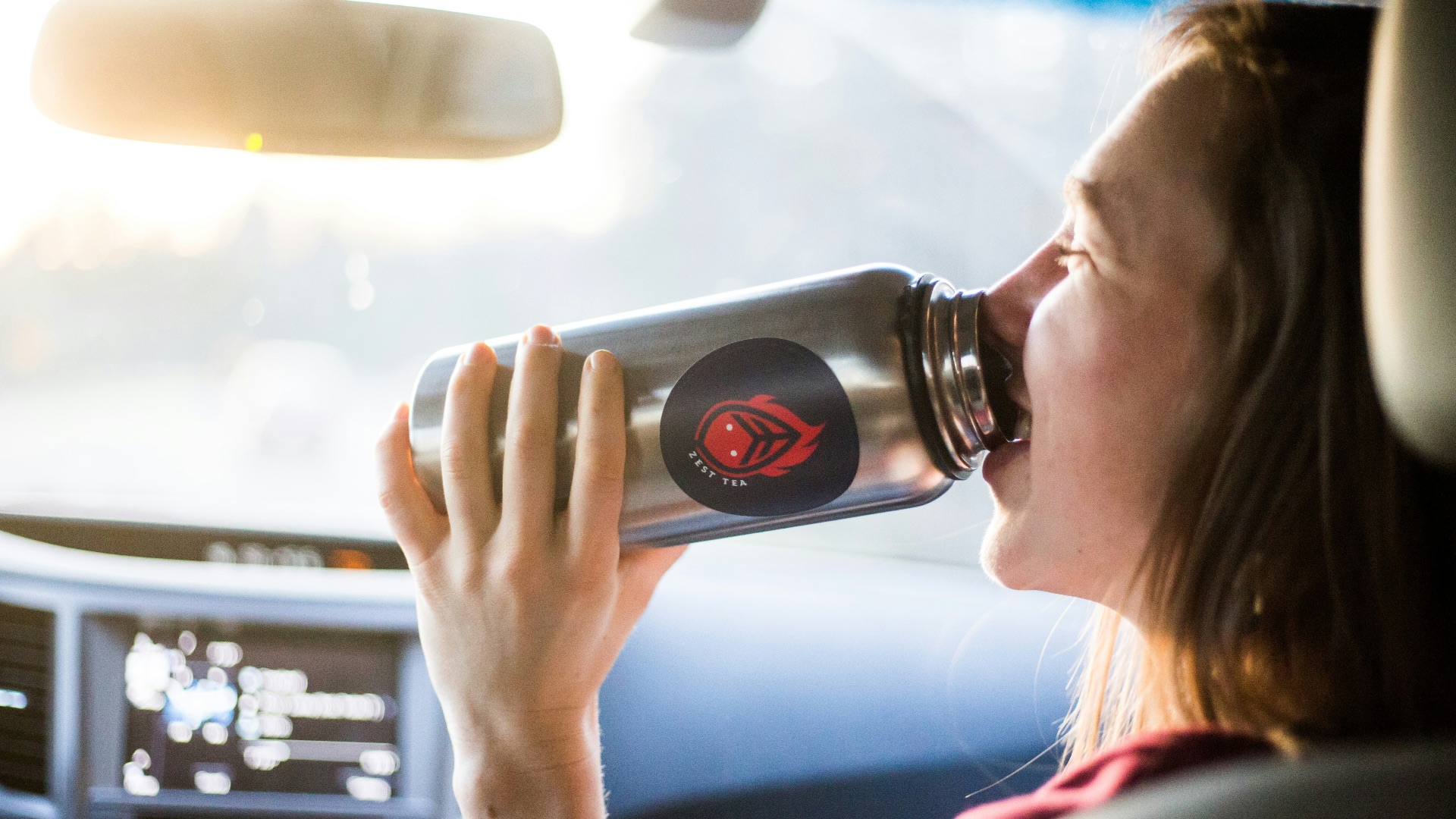
Dehydration contributes to fatigue in ways that many drivers don't realize, making you feel sluggish and less mentally sharp than you would be otherwise. Keeping a water bottle within reach and sipping regularly helps you avoid this dip in alertness. Choosing water over sugary drinks also helps you avoid the energy crash that often follows those sweeter options.
9. Doing Quick Stretches During Stops
Simple stretches at a rest stop, like reaching your arms overhead or rolling your shoulders, get blood flowing again after sitting in one position for hours. This kind of movement counters the stiffness that often makes drivers feel more lethargic the longer they stay behind the wheel. Taking just a few minutes to stretch before getting back in the car can leave you feeling noticeably more awake.

10. Knowing When to Stop for the Night
Sometimes the smartest decision is admitting that continuing isn't worth the risk, even if it means arriving later than planned. Booking a room or pulling into a safe rest area to sleep for several hours protects you far more than pushing through on fumes. Accepting that a delayed arrival beats a dangerous one is the mindset that keeps you and everyone else on the road safe.