10 Ways Drivers Make Traffic Worse Without Realizing It & 10 Tips for Smoother Roads
10 Ways Drivers Make Traffic Worse Without Realizing It & 10 Tips for Smoother Roads
Small Habits Can Create Major Delays
Your drive to work isn't pleasant. Of course, it isn't; no one likes driving during peak congestion. But did you know you could be the one at fault? You might actually be shooting yourself in the foot inadvertently, thinking you've got great habits behind the wheel when in reality you're slowing everyone and yourself down. From bad lane merges to rubbernecking and driving distracted (and did we mention bad merges?), here are 10 ways you could be contributing to traffic jams without realizing it, and 10 tips to keep in mind if you want smoother, less stressful drives.
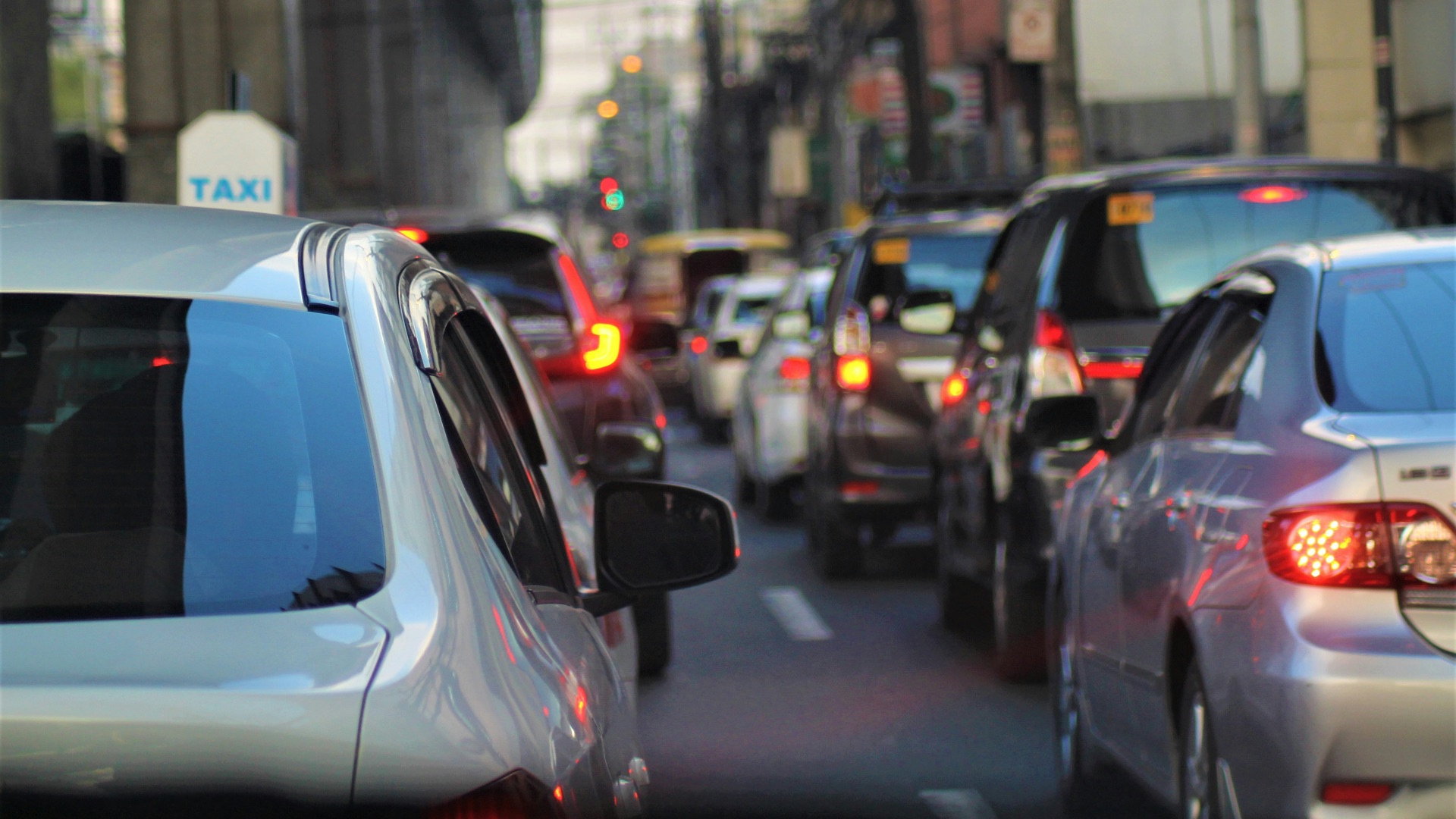
1. Tailgating the Car in Front of You
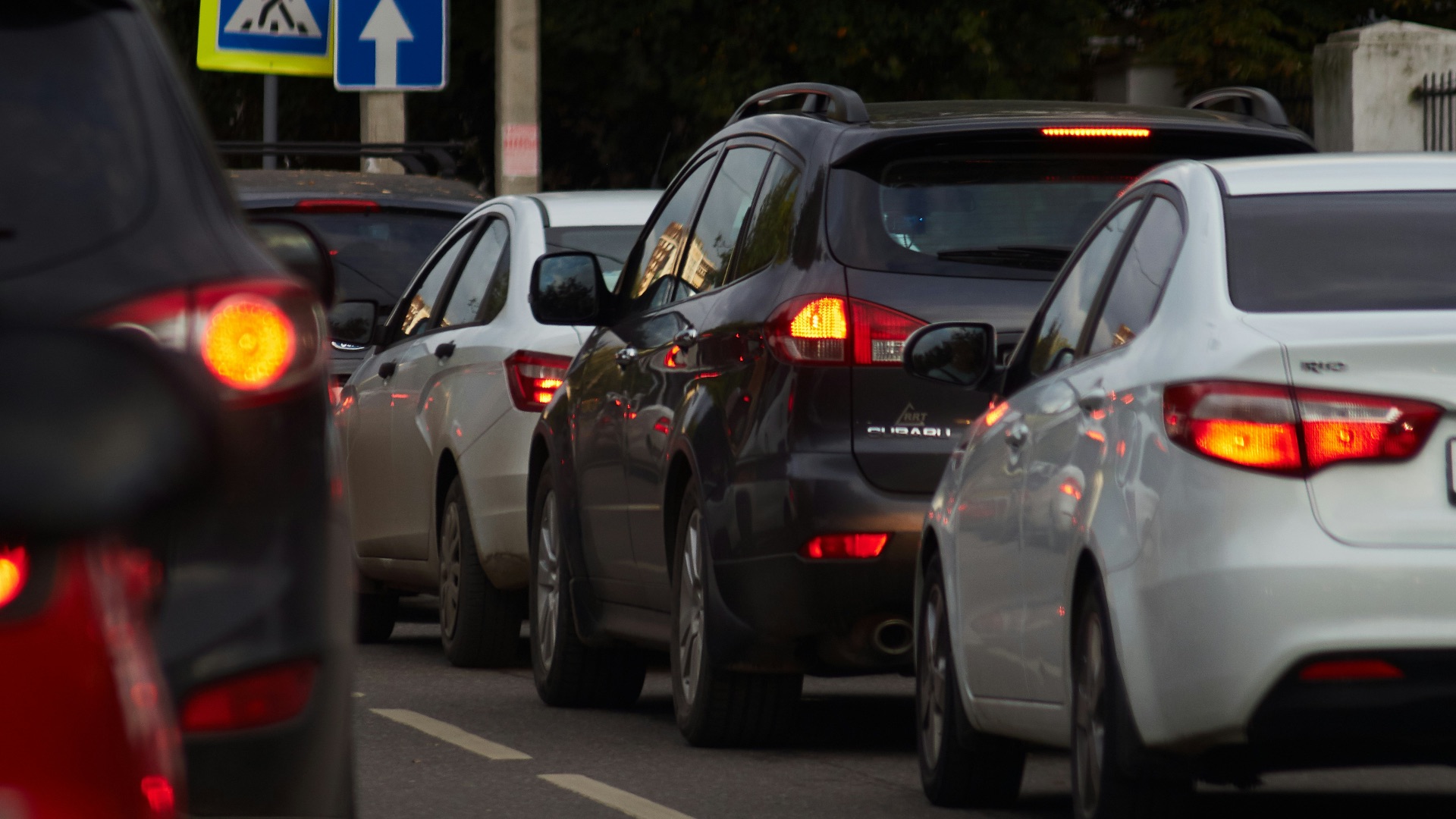
When you follow too closely, you leave yourself no room to react smoothly to changes in speed, so you end up braking harder than necessary. That sudden braking then forces the driver behind you to do the same thing, and this chain reaction can travel backward through traffic for miles. Keeping a few extra car lengths of space actually helps traffic flow more evenly, even though it might feel counterintuitive when you're in a hurry.

2. Riding the Brakes for No Reason
Some drivers tap their brakes out of habit even when there's no obstacle or slowdown ahead, and this can confuse everyone behind them. Those brake lights signal danger to other drivers, causing a cascade of unnecessary slowing that spreads through several lanes. If you catch yourself doing this, try to get comfortable coasting instead, since it keeps traffic moving at a more consistent pace.
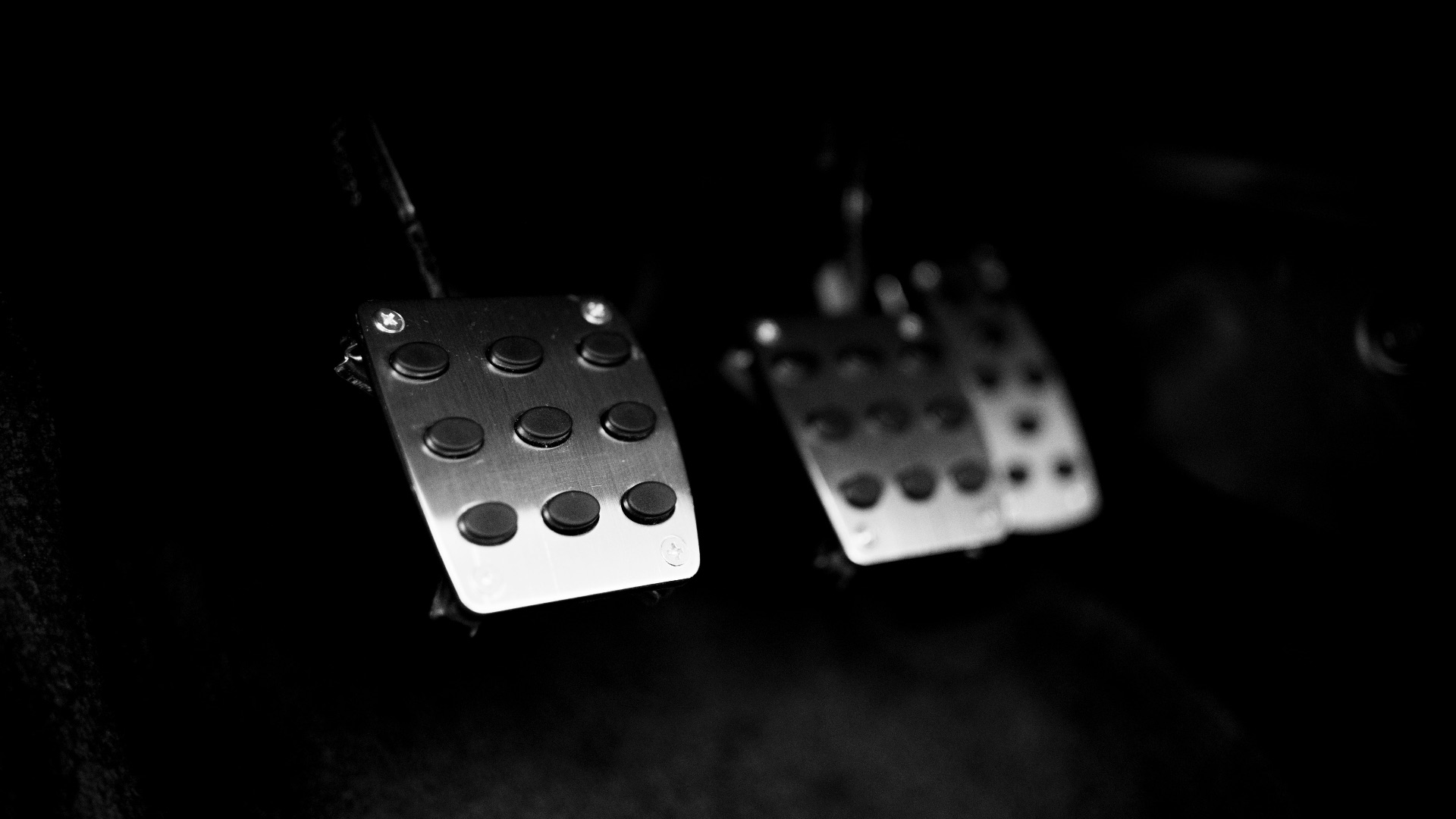
3. Merging at the Last Possible Second
Waiting until the very end of a merge lane to squeeze in might feel like you're saving time, but it actually causes more backups than merging early. Other drivers have to slam on their brakes to let you in, and that sudden stop ripples backward through the line of cars. Merging earlier and more gradually keeps traffic flowing at a steadier speed for everyone involved.
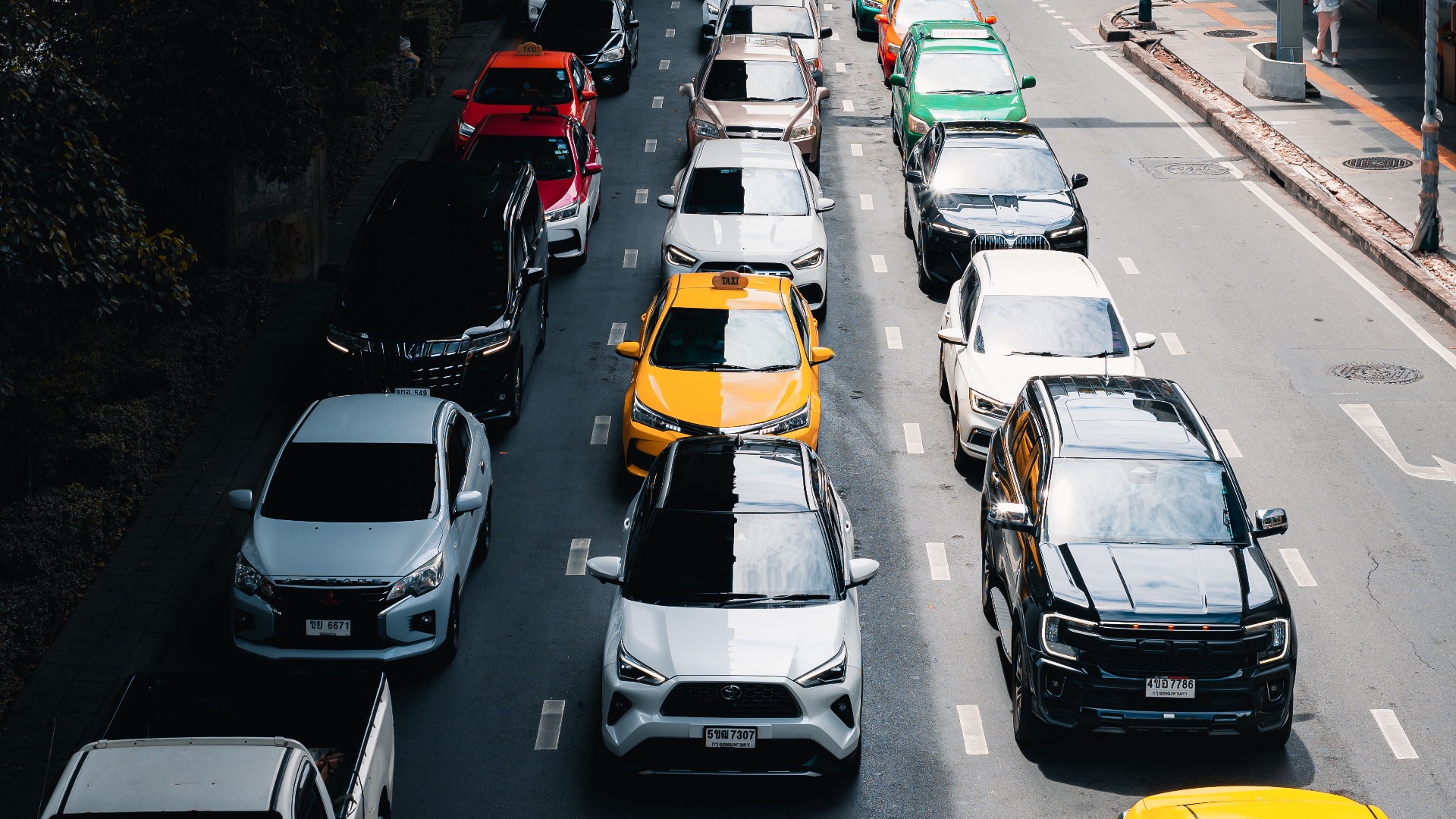
4. Camping in the Passing Lane
Sitting in the left lane at a slower speed forces faster traffic to either tailgate you or make unsafe passes on the right. This kind of blocking creates bottlenecks that wouldn't exist if drivers simply moved over once they finished passing. Staying aware of your surroundings and shifting back to the right lane when you're not actively overtaking someone makes a noticeable difference in traffic flow.
5. Rubbernecking at Accidents or Roadside Stops
It's natural to want to look at what's happening when you pass an accident or a car pulled over, but slowing down to stare creates a bottleneck that has nothing to do with the actual incident. This phenomenon, sometimes called a "gaper's block," can cause traffic jams that stretch for miles even when the accident itself has been cleared from the road. Keeping your eyes on the road ahead instead of the scene beside you helps traffic move at a normal pace.

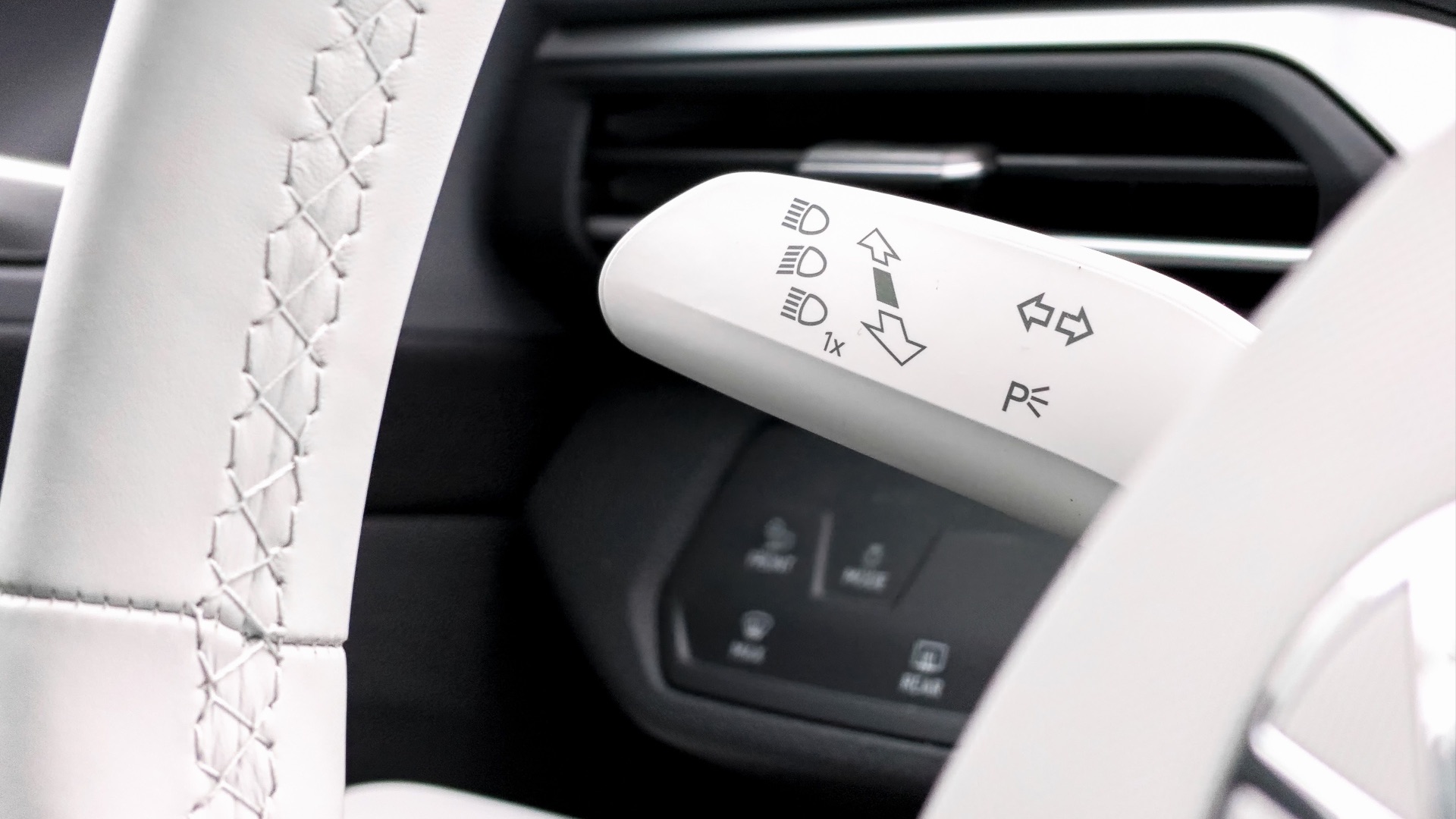
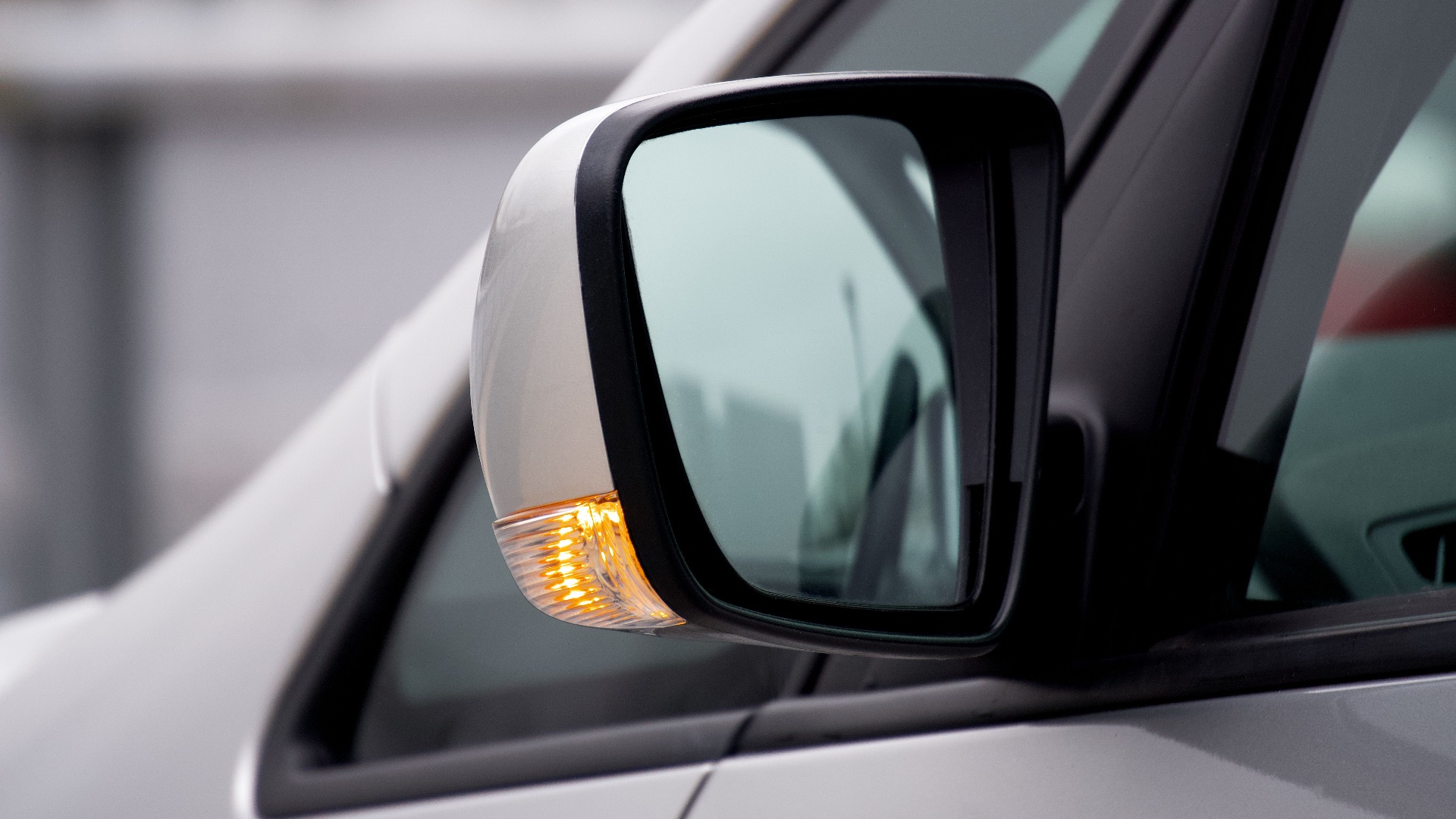
6. Not Using Turn Signals Consistently
Failing to signal before changing lanes or turning forces other drivers to guess your next move, which often leads to hesitation and sudden braking. That uncertainty spreads through traffic because drivers around you have to slow down just in case you're about to cut them off. Something as simple as flicking on your blinker a few seconds before you move can prevent this kind of unnecessary slowdown.
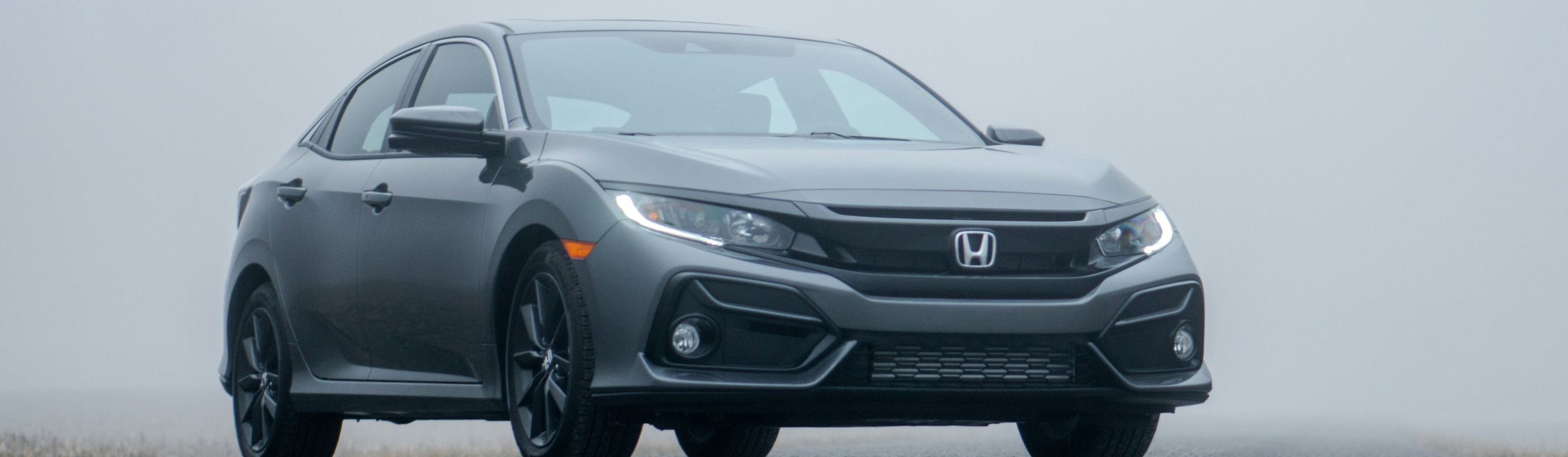
 Karen Radley Volkswagen on Pexels
7. Accelerating and Braking Unevenly
Some drivers speed up quickly and then brake hard, creating an inconsistent rhythm that other cars have to constantly adjust to. This stop-and-go pattern, often called a phantom traffic jam, can happen even without any accident or obstruction causing it. Maintaining a steady speed instead of constantly speeding up and slowing down helps keep the flow of traffic much smoother for the cars around you.
8. Blocking Intersections During Gridlock
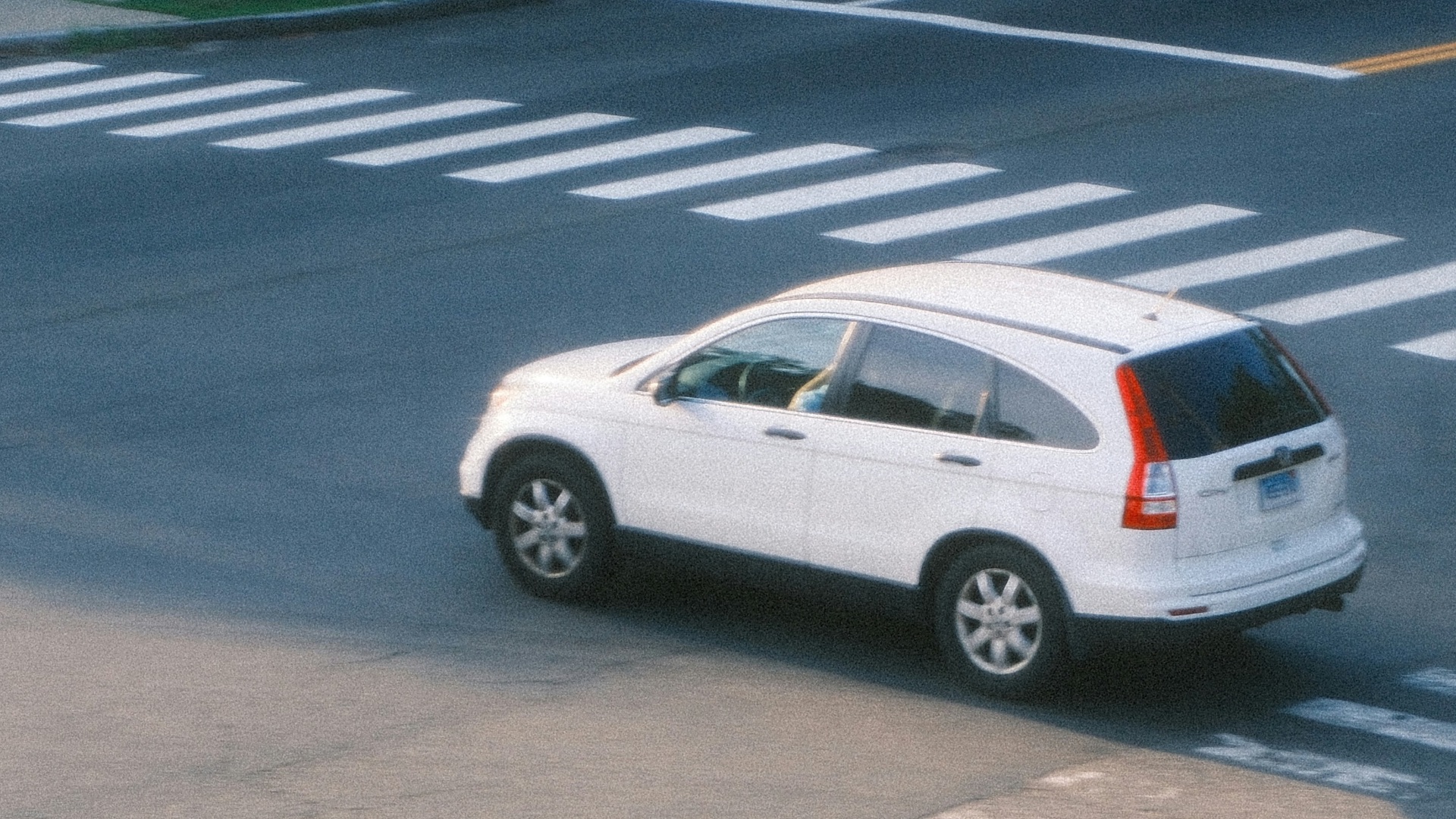
When you pull into an intersection even though there isn't enough room on the other side, you end up blocking cross traffic once the light changes. This creates a domino effect where multiple lanes of traffic get stuck, sometimes for several light cycles. Waiting until you know you can clear the intersection completely, even if it means missing your turn, prevents this kind of gridlock from spreading.
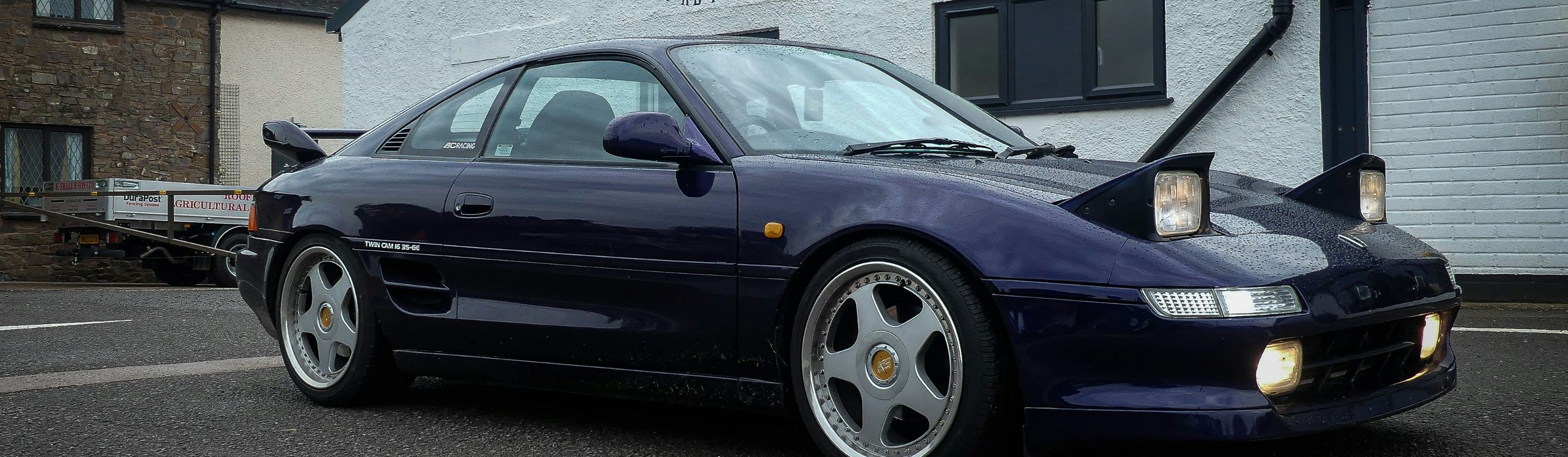
 Abhishek Mamidipally on Unsplash
9. Ignoring Zipper Merging During Lane Closures
Many drivers move over as soon as they see a lane closure sign, leaving one lane packed and another nearly empty for a long stretch. This actually makes the backup longer because it wastes usable road space that could be helping traffic move faster. Using both lanes until the actual merge point and then taking turns, known as zipper merging, gets everyone through the bottleneck more efficiently.
10. Driving Distracted and Reacting Late
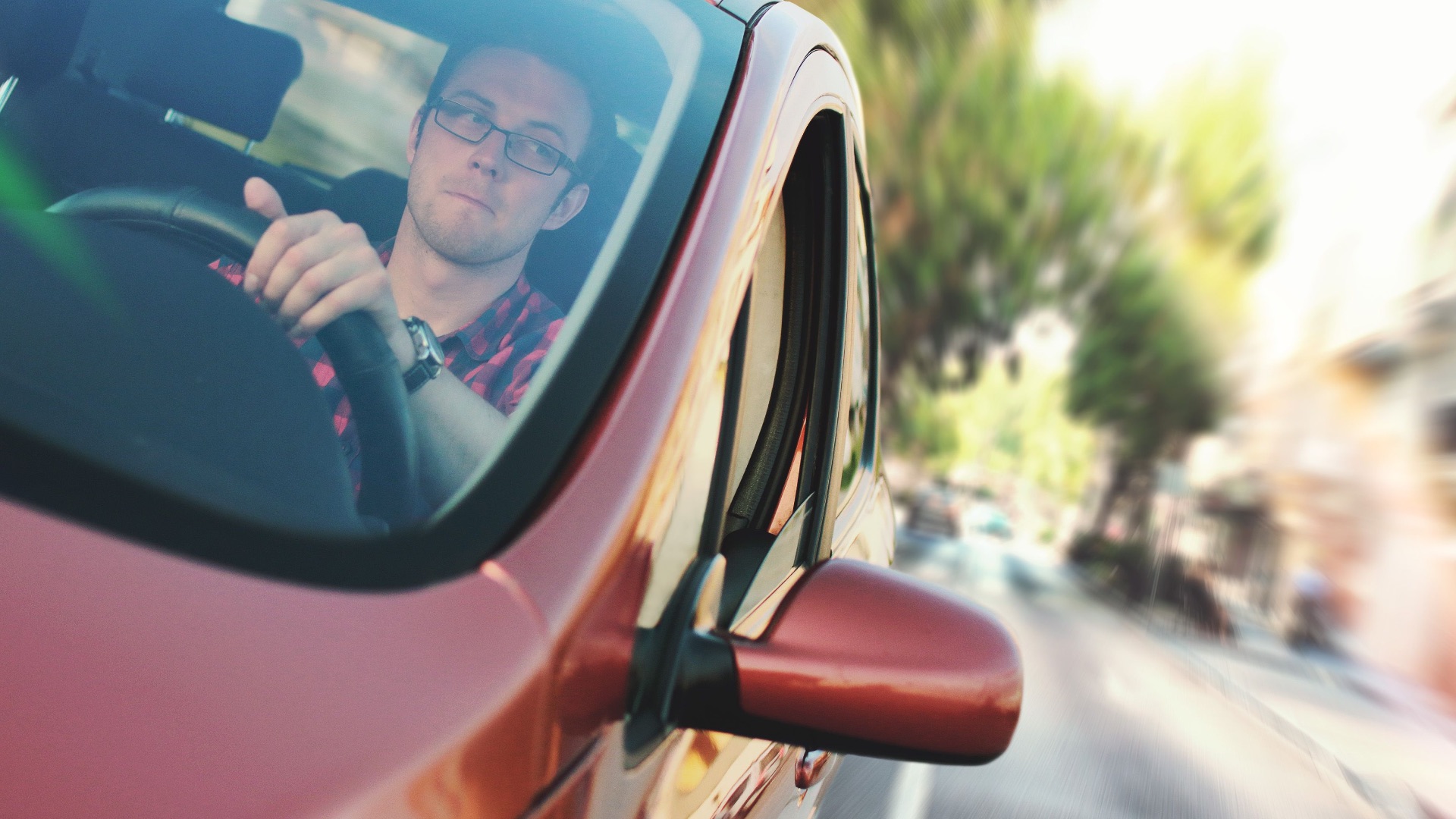
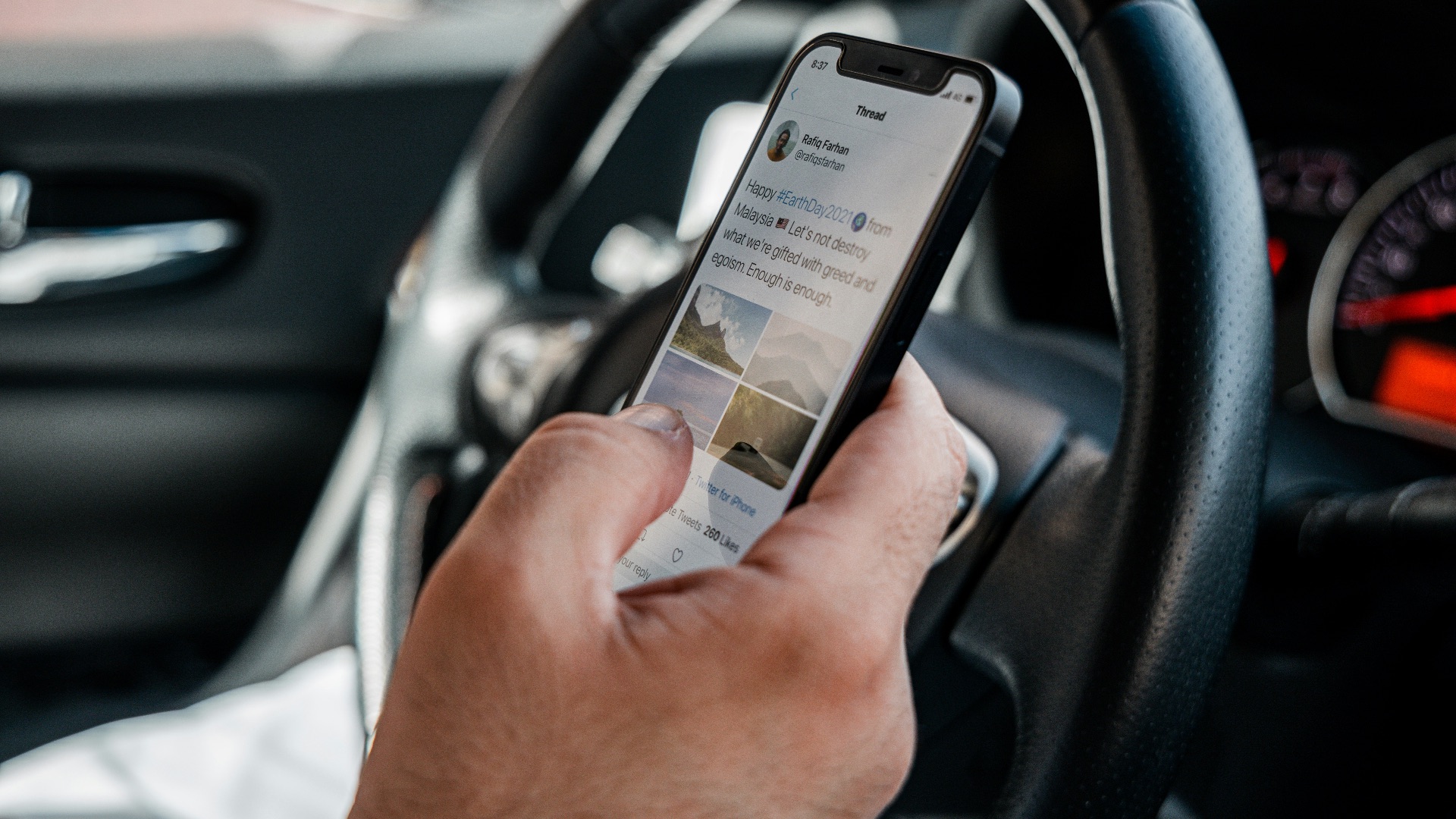
Glancing at your phone or getting lost in thought delays your reaction time, and that delay forces the cars behind you to slow down as well. Even a few extra seconds of distraction can throw off the rhythm of traffic for everyone following you. Staying focused on the road, especially in heavy traffic, keeps your reactions quick enough that you don't accidentally cause a slowdown for the drivers around you.
Now that you know some of the habits that tend to make traffic worse, it's worth looking at what you can actively do to help things run more smoothly. Here are some smarter tips to keep in mind when you're behind the wheel:
1. Leave a Consistent Following Distance
Giving yourself a reliable gap between your car and the one ahead of you allows you to absorb small speed changes without needing to brake suddenly. This buffer acts as a cushion that keeps the flow of traffic steady instead of forcing a chain reaction of stops. A general rule of thumb is to keep at least a three-second gap, and more if the weather isn't cooperating.
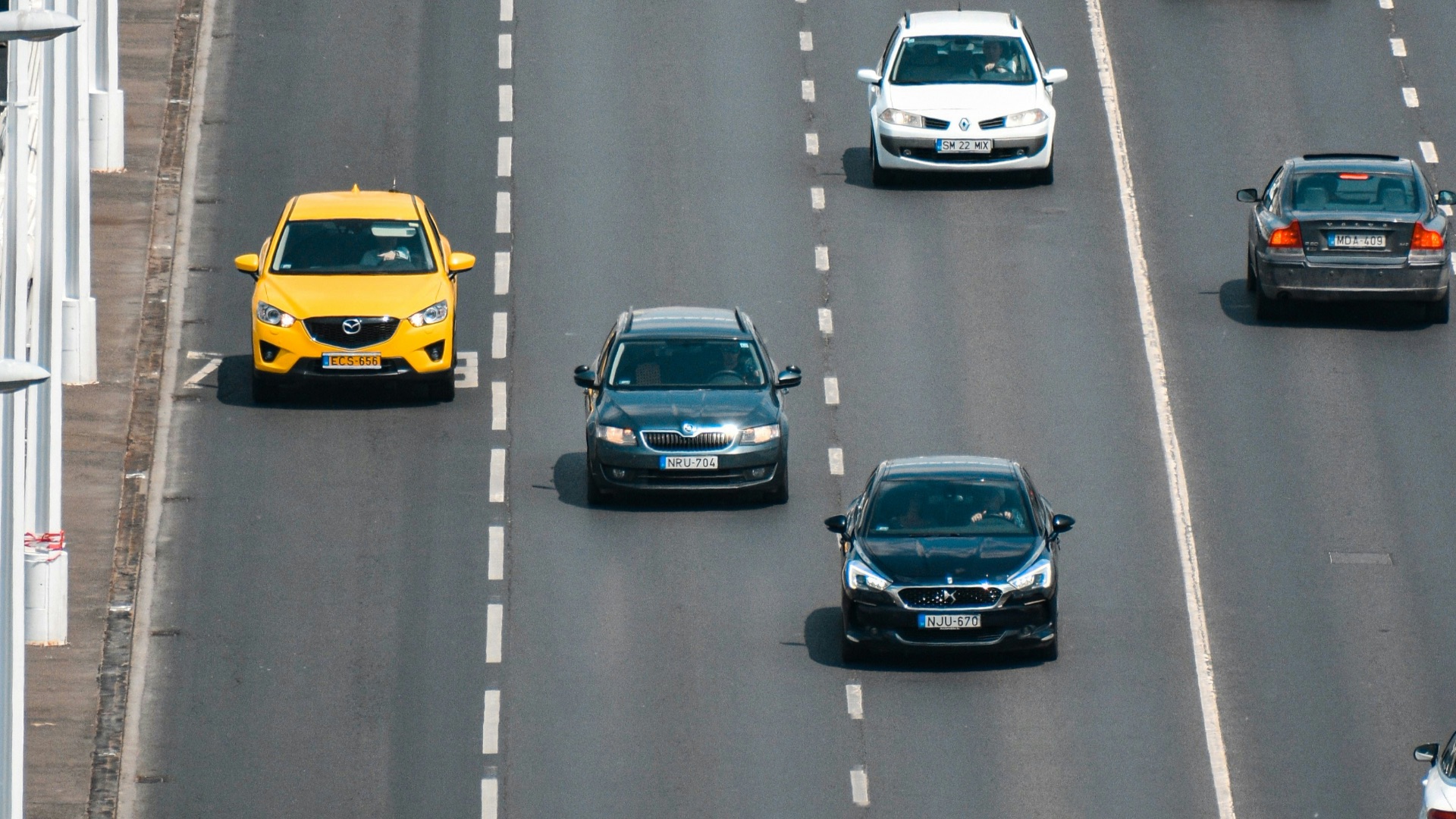
2. Match the Flow of Traffic Around You
Rather than driving noticeably faster or slower than everyone else, try to match your speed to the general flow of traffic when it's safe to do so. Drivers who go too slow can create backups just as easily as those who speed, since both force others to adjust unexpectedly. Paying attention to the overall rhythm of the road helps you blend in and keep things moving.
3. Plan Your Lane Changes Early
Instead of waiting until the last minute to switch lanes for a turn or exit, try to plan your move a few blocks ahead of time. This gives you the chance to merge gradually without forcing anyone else to brake or swerve. Looking ahead at your route and anticipating upcoming turns makes for a much calmer driving experience overall.
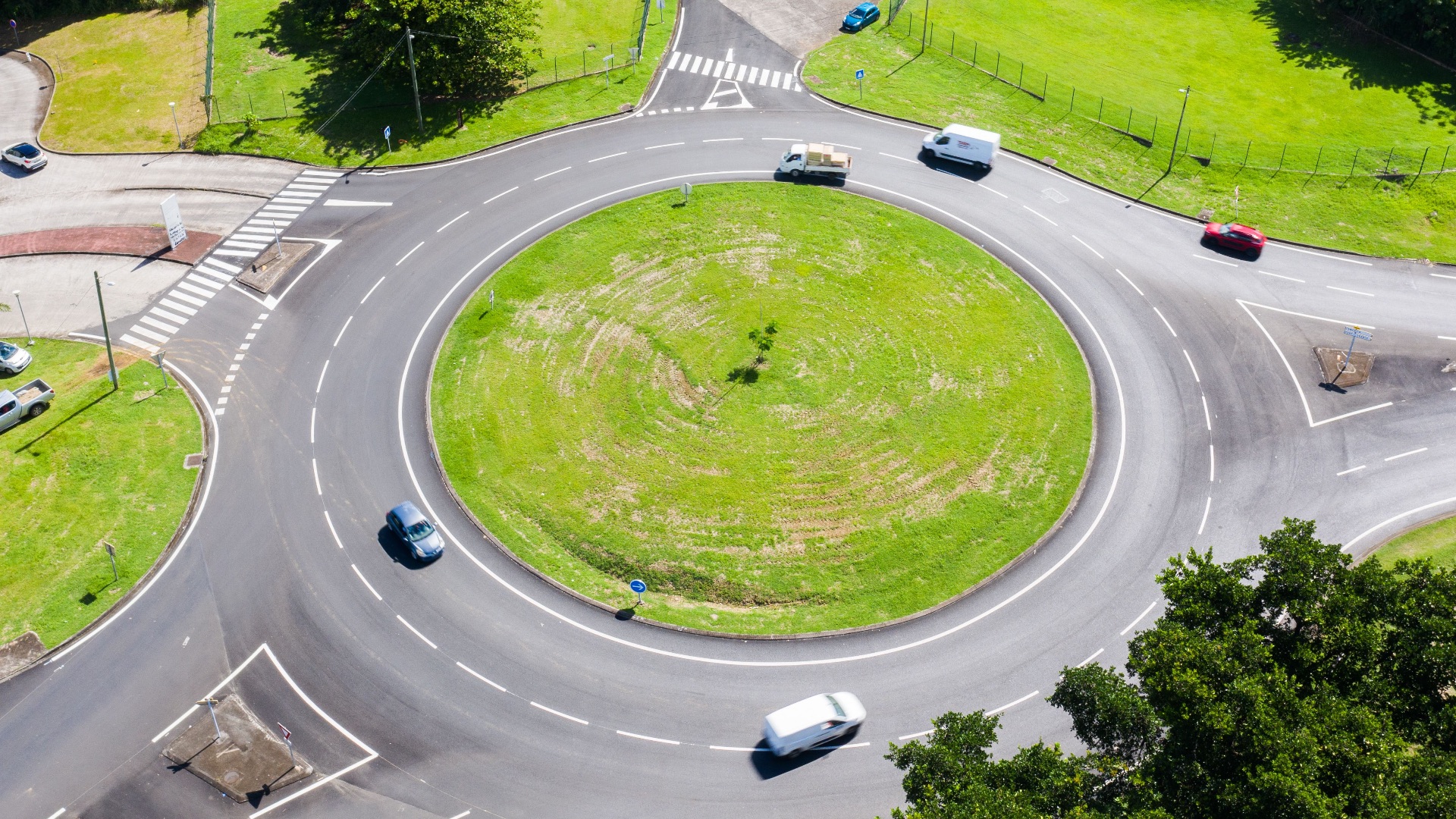
4. Use Roundabouts and Intersections Efficiently
When you approach a roundabout or a busy intersection, keep moving at a steady pace instead of stopping unnecessarily if you have the right of way. Hesitating when you don't need to creates confusion for the drivers behind you and can back up the whole intersection. Trusting the traffic patterns and moving confidently through these areas keeps things flowing the way they're designed to.
5. Time Your Commute to Avoid Peak Congestion
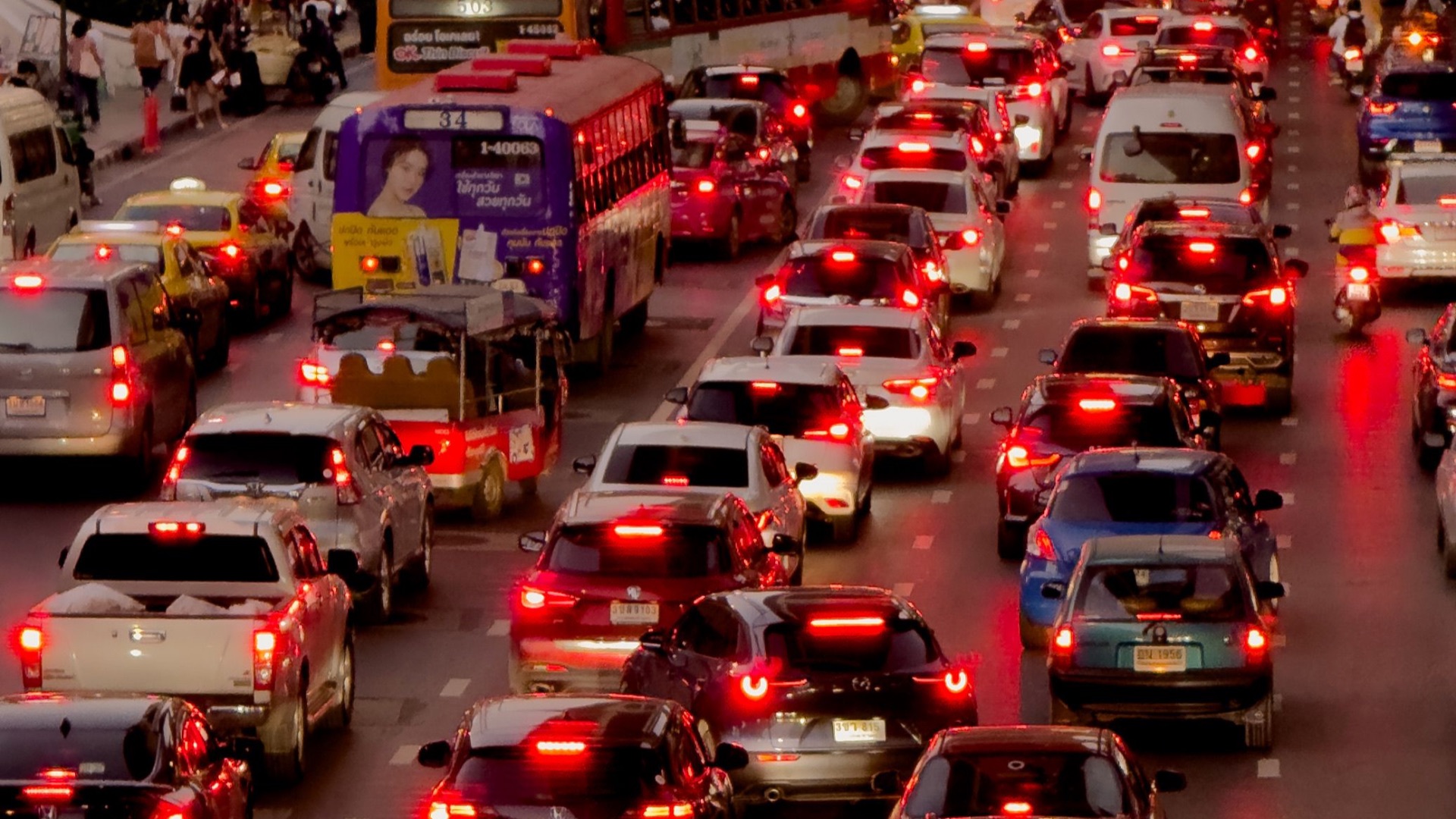
If your schedule allows for any flexibility, shifting your commute by even thirty minutes can help you avoid the worst of rush hour traffic. Fewer cars on the road during off-peak times means less opportunity for the small mistakes that cause bigger slowdowns. Checking traffic patterns ahead of time can help you figure out which windows tend to be the calmest for your specific route.
6. Practice Zipper Merging When Lanes Close
When you see a lane closure ahead, try to use both lanes until you reach the actual merge point instead of moving over too early. Taking turns letting cars in right at the bottleneck, rather than jockeying for position early, keeps traffic moving at a more even pace. This method takes some getting used to, but it genuinely reduces the length of backups caused by construction or accidents.

7. Stay Off Your Phone While Driving
Keeping your phone out of reach or using hands-free settings helps you stay alert and ready to react to whatever's happening around you. Even brief distractions can cause you to miss a change in traffic flow, which then forces the drivers behind you to compensate. Making a habit of putting your phone away before you start driving keeps your reaction time sharp for the whole trip.
8. Use Turn Signals Every Time
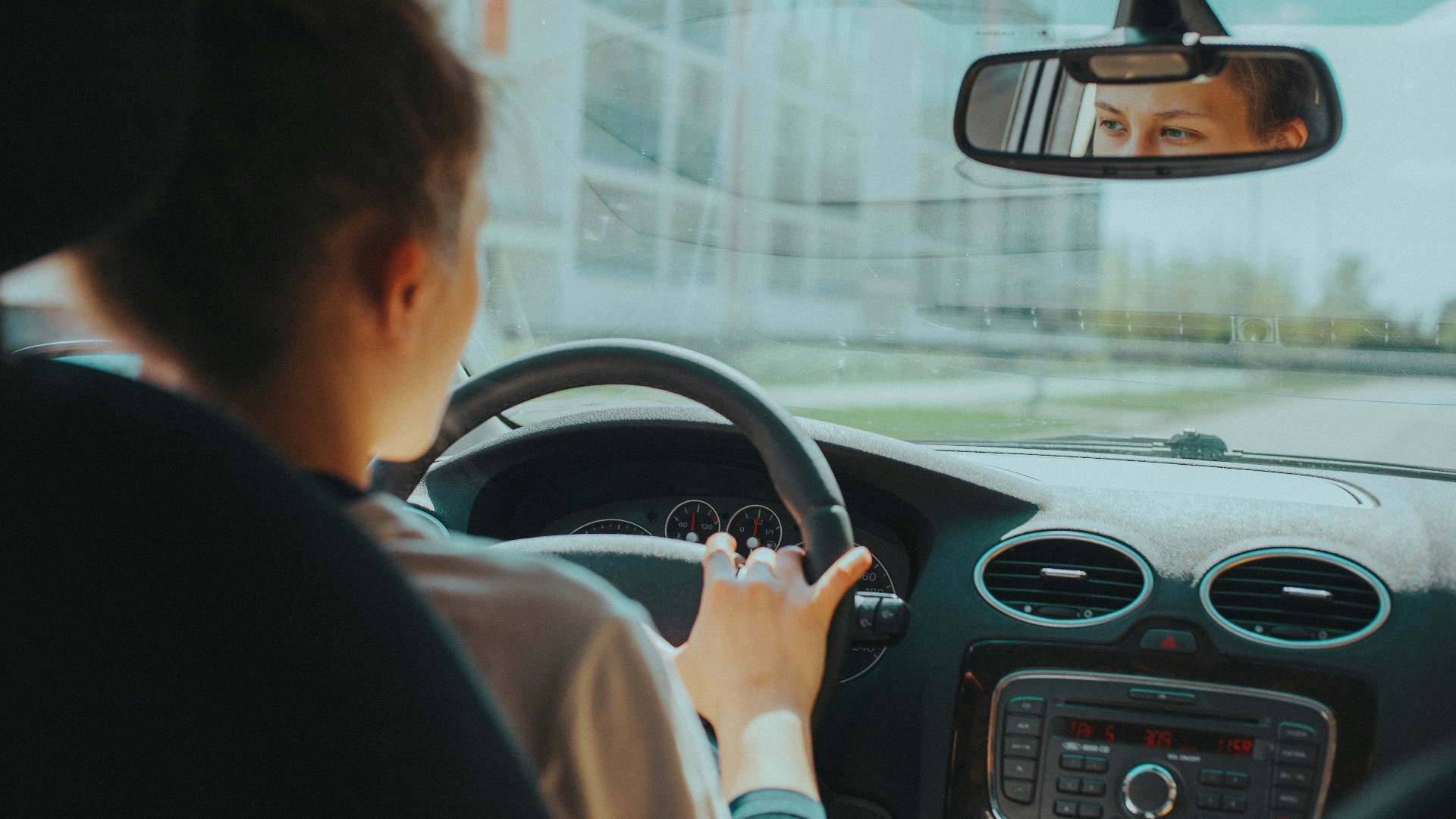
Signaling well before you change lanes or make a turn gives the drivers around you time to adjust instead of reacting suddenly. This small habit removes a lot of the guesswork that leads to hesitation and unnecessary braking. Making it a consistent part of your routine, rather than something you only do occasionally, helps traffic move more predictably for everyone.
9. Choose Alternate Routes When Possible
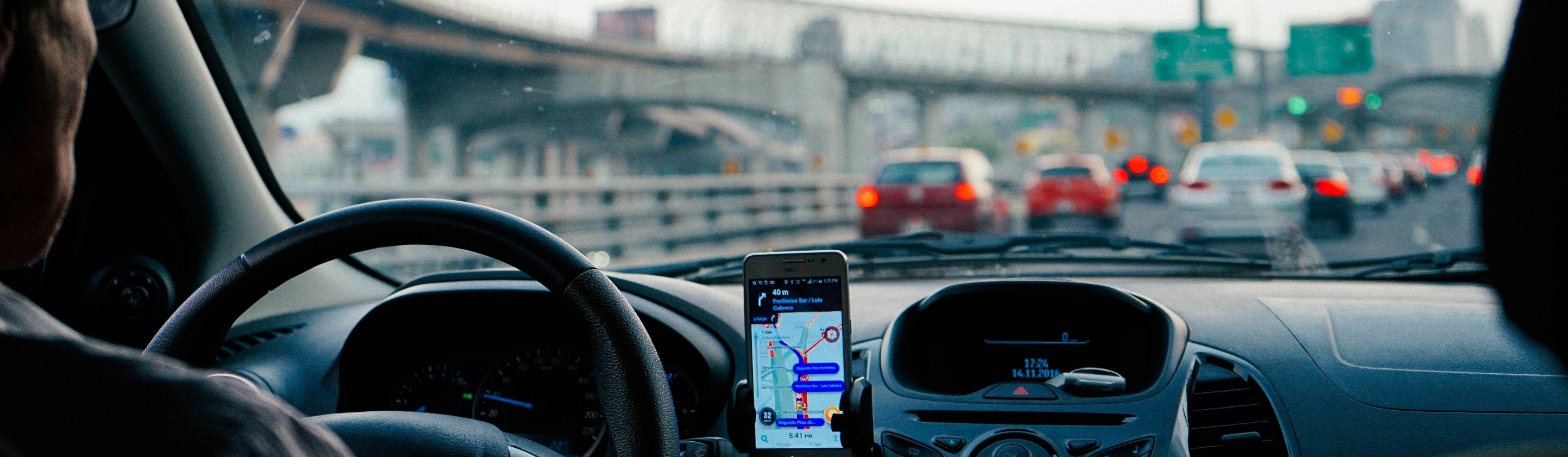
Familiarizing yourself with a few backup routes for your regular drives gives you options when your usual road gets congested. Spreading traffic across multiple roads instead of everyone funneling into the same route can ease pressure on the busiest corridors. Using a navigation app that shows real-time traffic can help you make quick decisions about which path will get you there fastest.
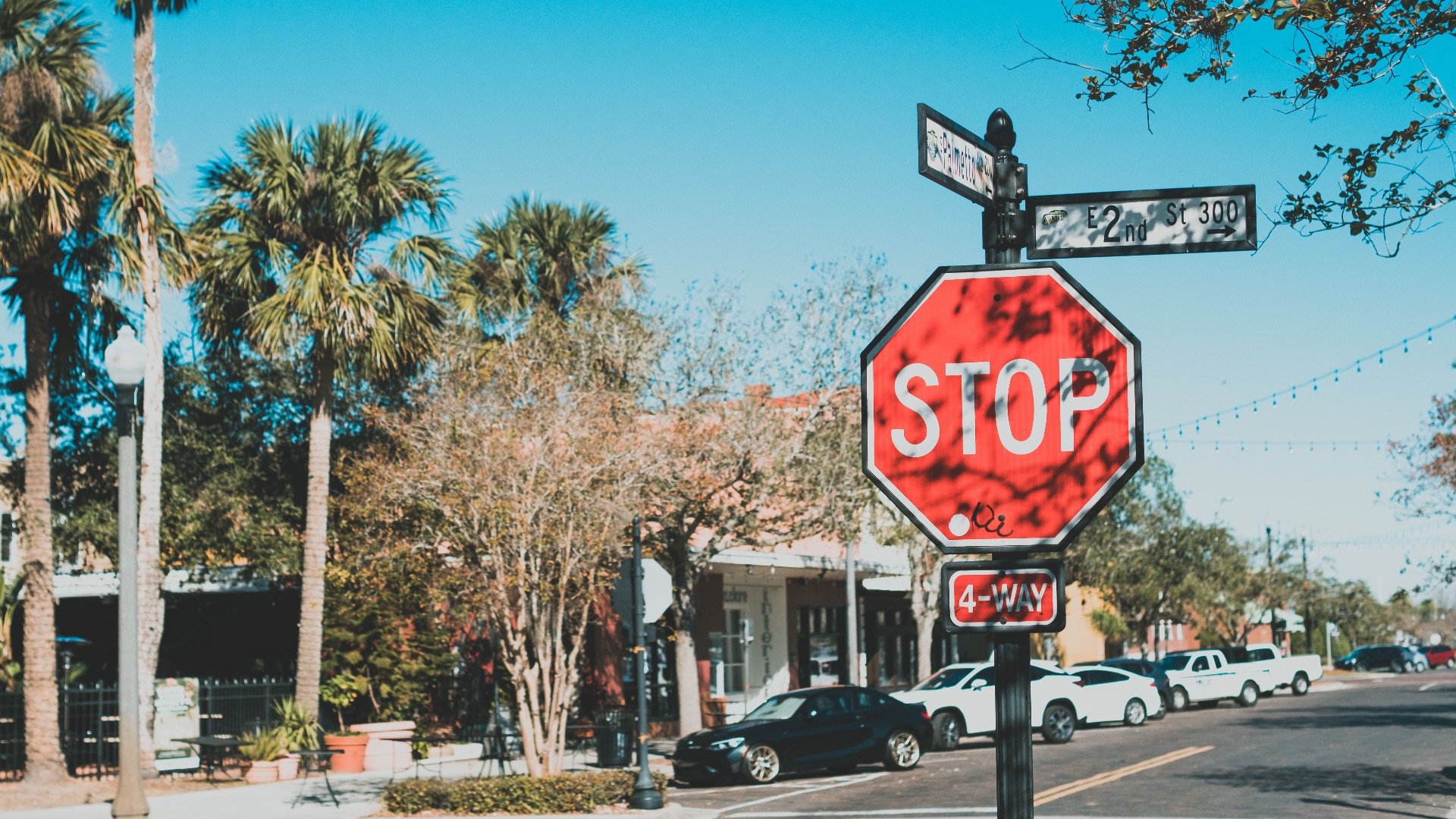 Connor Scott McManus on Pexels
10. Stay Calm and Patient Behind the Wheel
Traffic can be frustrating, but reacting with aggressive driving or sudden lane changes usually makes the situation worse rather than better. Staying patient and giving other drivers the benefit of the doubt helps you make smarter decisions that don't add to the congestion. Remembering that everyone around you is just trying to get somewhere too can make the whole experience feel a lot less stressful.