

Sharing the Commute
Sharing a car with your spouse sounds simple enough on the surface, but the reality is a lot more complicated than splitting the gas bill. Whether you're considering going down to one vehicle to save money or you're already deep in the logistics of a shared-car arrangement, there's plenty to weigh on both sides of the debate. From financial perks to scheduling headaches, here are 10 pros and 10 cons that break down exactly what you're getting into—and what you might be giving up.

1. Your Schedules Will Constantly Clash
If you and your spouse work different hours, share a single car, and live in an area without great public transit, you're setting yourself up for daily stress. Someone will always need the car at the exact moment the other person has it, and no amount of planning fully eliminates that friction. Over time, those scheduling conflicts can turn into genuine resentment, which is a high price to pay for cutting one car payment.

2. Your Independence Takes a Hit
Having your own vehicle means you can run errands, visit friends, or stay late at work without checking in with anyone first. When you share a car, every spontaneous decision suddenly requires coordination, and that loss of freedom can feel surprisingly suffocating. Most people underestimate how much they rely on the simple ability to just go somewhere without a second thought.

3. Different Driving Habits Become a Daily Argument
One of you drives conservatively and the other accelerates hard out of every stoplight, and sharing a car means those differences are always on display. You'll notice every seat adjustment, every preset radio station, and every fast-food bag left in the back seat, and those little things add up quickly. What starts as a minor annoyance has a way of becoming a recurring argument that neither of you actually wants to be having.

4. Maintenance Disagreements Can Get Ugly
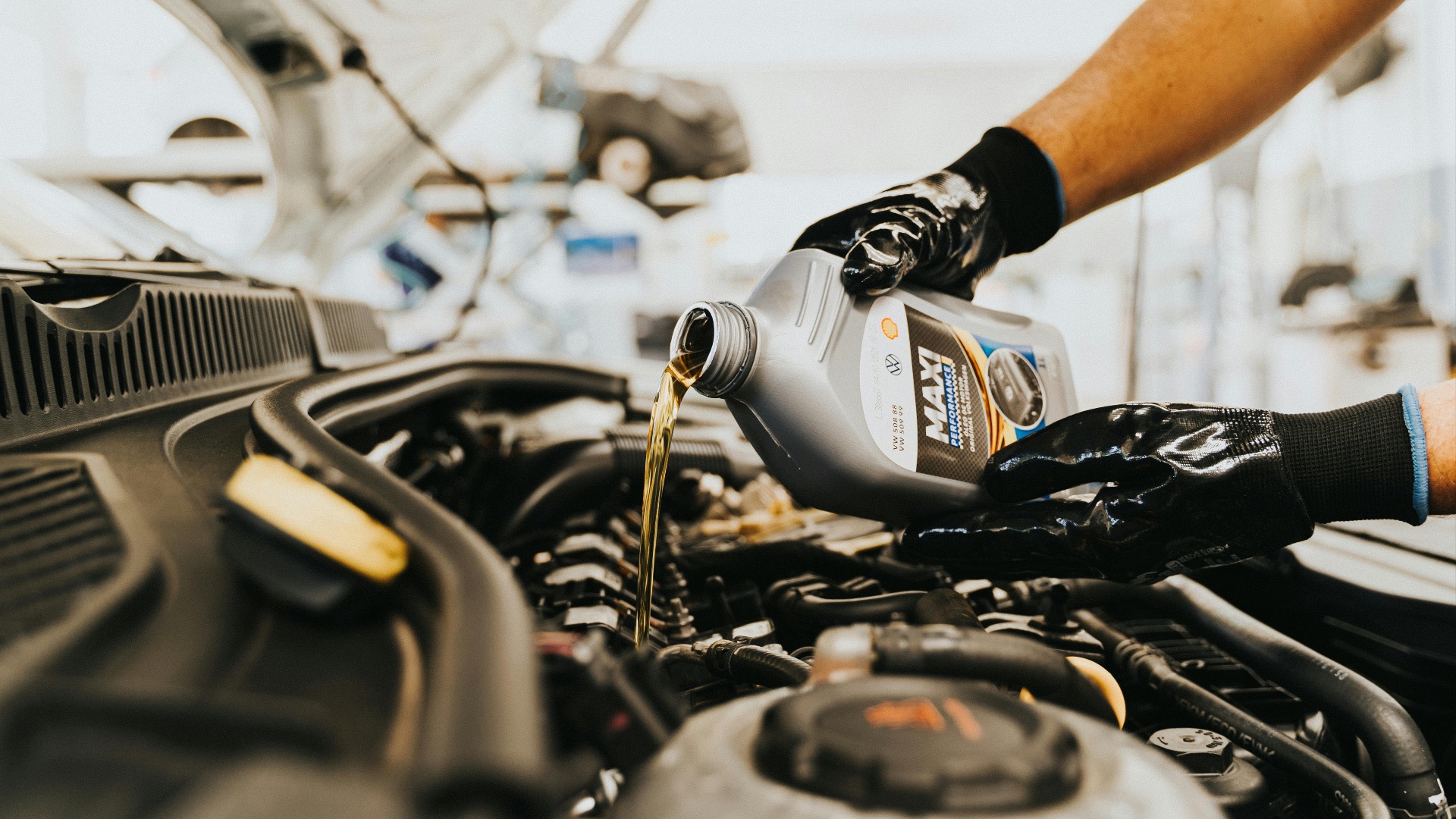
When a car belongs to both of you equally, deciding when to get it serviced or how much to spend on repairs becomes a negotiation rather than a personal choice. One spouse may be a stickler for oil changes every 3,000 miles while the other thinks the car is fine as long as it starts in the morning. That disconnect in priorities can lead to the car being neglected or, worse, can create a pattern of financial disagreements that extends well beyond the vehicle itself.
5. Work Emergencies Become Logistical Nightmares
If your job ever requires you to stay late, head in early, or make an unexpected trip across town, having to arrange alternative transportation at the last minute is genuinely stressful. Your spouse may have their own obligations that day, which means you're suddenly scrambling for a rideshare or calling in a favor from a friend. That kind of disruption can affect your professional reputation in ways that no amount of money saved on a second car is worth.

6. Personal Space in the Car Disappears
Your car is often one of the few places where you get a few quiet minutes entirely to yourself, and sharing it means that private space no longer exists in the same way. Your spouse's belongings, their preferred temperature settings, and their choice of air freshener all become part of your daily driving experience whether you like them or not. For people who genuinely value alone time, that loss is more significant than it might seem from the outside.

7. Errands Become a Coordinated Team Effort
Running a quick errand after work is no longer something you can just do on your own timeline when you share a vehicle with your spouse. You'll need to either combine your errands into one trip, drop each other off, or carefully stagger your needs around a single car's availability. That extra layer of coordination adds time and effort to tasks that used to be completely straightforward.

8. Road Trips Can Reveal Compatibility Problems
You might think you know how your spouse handles long drives, but sharing a single car over the course of a year will expose travel habits you never noticed before. Things like how they handle highway merging, whether they speed, and how they respond to traffic can all become points of tension when you're always in the same vehicle together. It's one thing to enjoy a vacation road trip and another thing entirely to share every drive to the grocery store.

9. Insurance Complications Can Arise
Depending on your policies and coverage levels, sharing one car doesn't always mean halving your insurance costs, and the financial math doesn't always work out the way you'd expect. If one spouse has a less-than-perfect driving record, consolidating onto one policy could actually raise your premiums rather than lower them. It's worth talking to your insurance provider before you commit to a one-car arrangement, because the savings you're counting on may not materialize.

10. Resale Value Can Drop Faster
Two drivers putting miles on a single vehicle means that the car is going to age more quickly than it would if each of you had your own. Higher mileage, more frequent wear and tear on the interior, and a longer list of minor repairs can all reduce what the car is worth when you eventually decide to sell or trade it in. From a purely financial standpoint, running one car into the ground faster isn't always the money-saving strategy it seems to be at first glance.
But sharing a car with your spouse isn't always so bad; in fact, there are plenty of perks it brings, too. Let's jump into that next.

1. You'll Save a Significant Amount of Money
Owning and operating a second vehicle costs far more than most people realize once you factor in insurance, registration, fuel, maintenance, and depreciation. Cutting those costs in half can free up hundreds of dollars every month that you could put toward savings, travel, or paying down debt faster. For couples who are genuinely trying to improve their financial situation, eliminating one car payment is one of the most impactful changes you can make.

2. It Encourages Better Communication
Sharing a car requires you and your spouse to talk regularly about your plans, schedules, and needs in a way that separate vehicles never demand. That built-in communication practice can actually strengthen your relationship by keeping you both more informed about each other's daily lives. Couples who coordinate well around shared logistics tend to develop stronger teamwork skills across the board.

3. You'll Naturally Combine Trips More Efficiently
When you only have one car between the two of you, you'll start planning your errands and outings more strategically, which saves both time and fuel. Instead of two separate trips to the same area of town on the same day, you'll naturally start consolidating your to-do lists and heading out together. That kind of efficiency is good for your schedule, your wallet, and your environmental footprint all at once.

4. It Reduces Your Environmental Impact
Running one vehicle instead of two cuts your household's carbon emissions and fuel consumption in a very straightforward, measurable way. If environmental responsibility matters to you and your spouse, sharing a car is one of the most concrete steps you can take as a household to reduce your impact. It's a practical commitment that goes beyond small daily habits and actually makes a meaningful difference over the long term.

5. You'll Spend More Time Together
Carpooling to work, running errands together, or simply driving each other to appointments adds up to genuine quality time that busy couples often struggle to find. Those short windows of time in the car can turn into real conversations that get crowded out by the demands of daily life at home. Some couples actually find that the car becomes one of their most consistent spaces for connecting throughout the week.

6. It Simplifies Your Household Logistics
Managing two vehicles means tracking two sets of registration renewals, inspection dates, insurance policies, and maintenance schedules, and that administrative load is easy to underestimate. Dropping down to one car eliminates half of that paperwork and mental overhead immediately. For households that are already managing a lot of moving parts, that simplification can feel like a genuine relief.

7. It Pushes You Toward Healthier Habits
When the car isn't always available, you're more likely to walk, bike, or use public transit for shorter trips, and those habits can have real health benefits over time. Many couples who share a vehicle find that they naturally become more active without making any formal commitment to exercise. It's a practical lifestyle shift that tends to happen gradually and stick around long after the novelty of sharing a car has worn off.

8. It Can Make You More Intentional About Where You Live
Committing to one car as a couple often encourages you to think more carefully about where you live in relation to your workplaces, grocery stores, and other essentials. If you're planning a move, that conversation can lead you to prioritize walkability or transit access in ways that genuinely improve your quality of life. The decision to share a vehicle can serve as a useful prompt for a broader lifestyle evaluation that benefits the whole household.

9. It Builds a Stronger Sense of Partnership
Successfully sharing a car requires flexibility, consideration, and a genuine willingness to put your spouse's needs on equal footing with your own. When both partners navigate that arrangement gracefully, it reinforces a dynamic of mutual respect and cooperation that carries over into other areas of the relationship. The practical challenge of sharing something as essential as transportation can actually be a quiet but meaningful test of how well you work together as a team.

10. It Prepares You for Bigger Financial Decisions Together
Learning to manage one shared asset thoughtfully is excellent practice for the larger financial decisions you'll face as a couple, whether that's buying a home, managing a joint budget, or planning for retirement. When you share a car successfully, you develop habits of transparency and compromise around money that serve you well in every other financial context. It's a relatively low-stakes way to build the kind of financial partnership that couples need in order to thrive long-term.