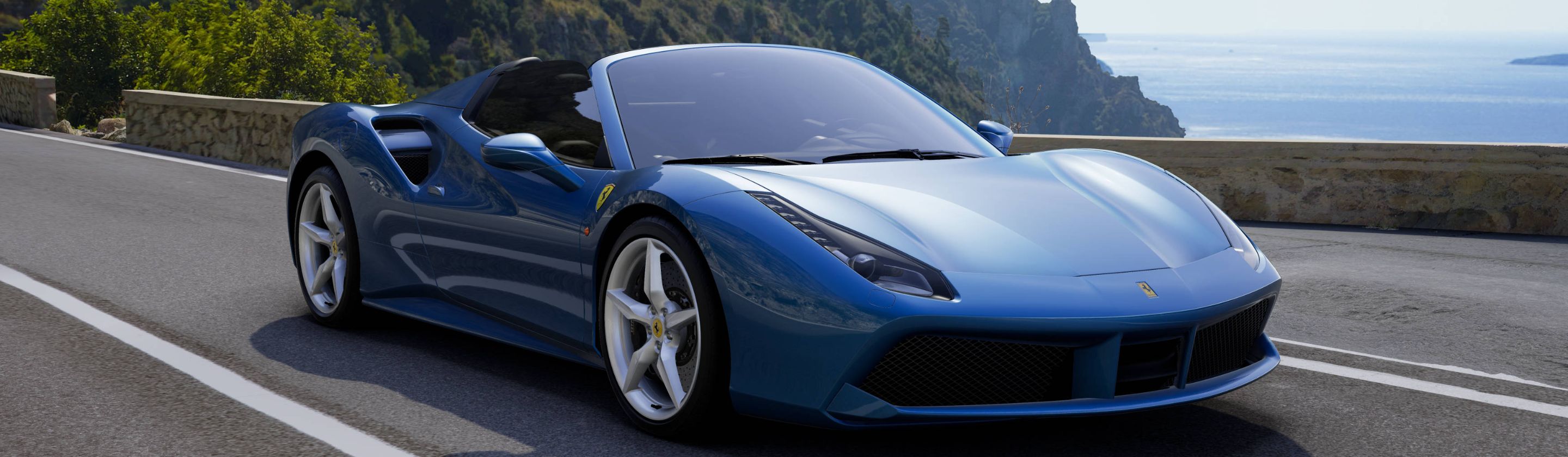

10 Cars With The Cheapest Insurance Rates & 10 With The Priciest
Insurance Isn’t Random, Even If It Feels Like It
Car insurance pricing can seem like a mysterious equation cooked up to ruin your day, but a lot of it comes down to risk and repair bills. Cars that are common, safe, and reasonably priced to fix tend to be cheaper to insure, while high-performance machines and pricey-to-repair vehicles usually get slapped with higher premiums. With that in mind, here are 10 models that are typically on the cheaper side to insure and 10 that often land in the “brace yourself” category.
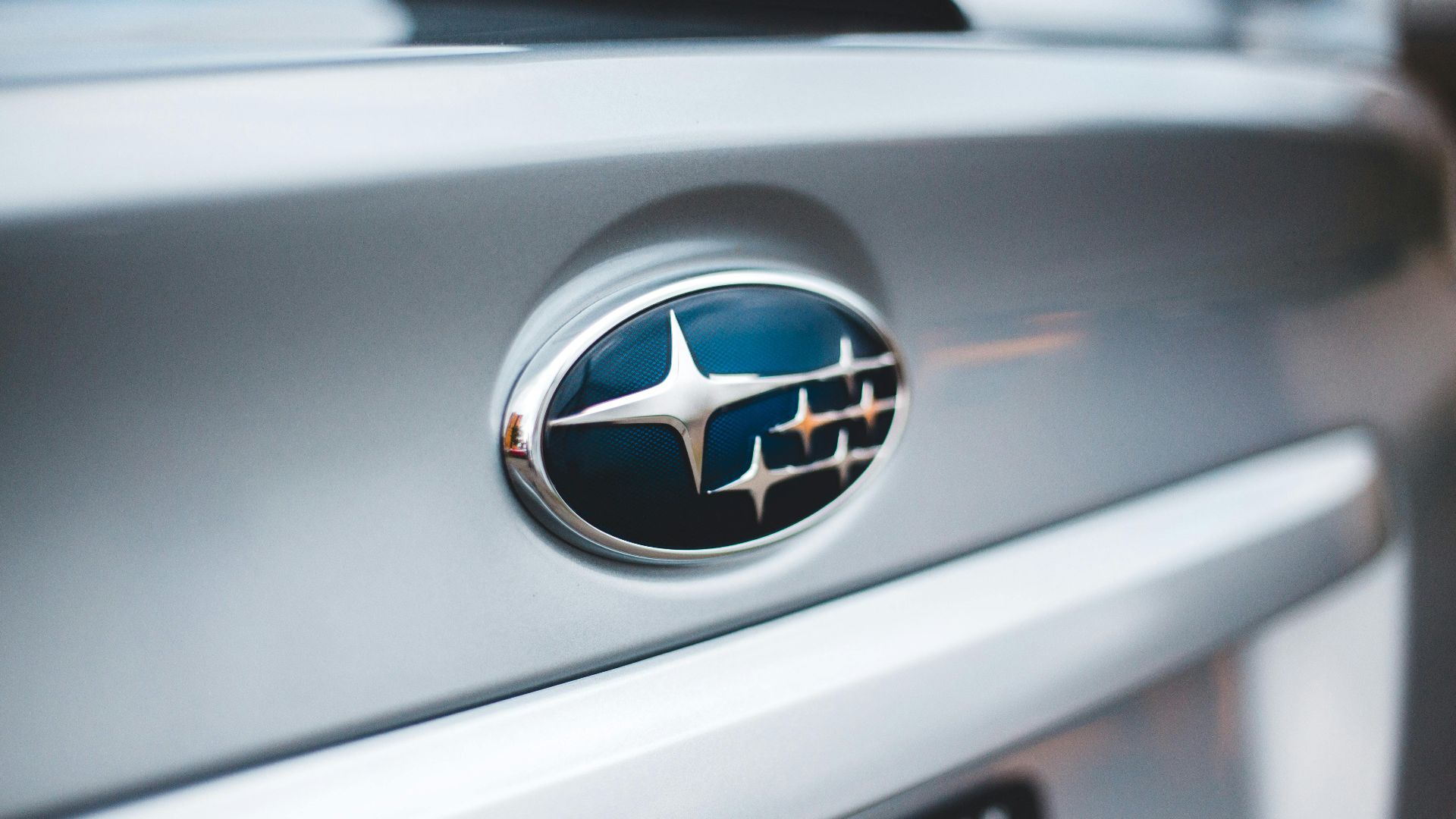
1. Mazda CX-5
The CX-5 is a classic “no drama” pick, and insurers tend to like that. It’s a mainstream SUV with strong safety tech and generally manageable repair costs. If you want something practical that won’t punish your wallet every month, it’s a good place to start.
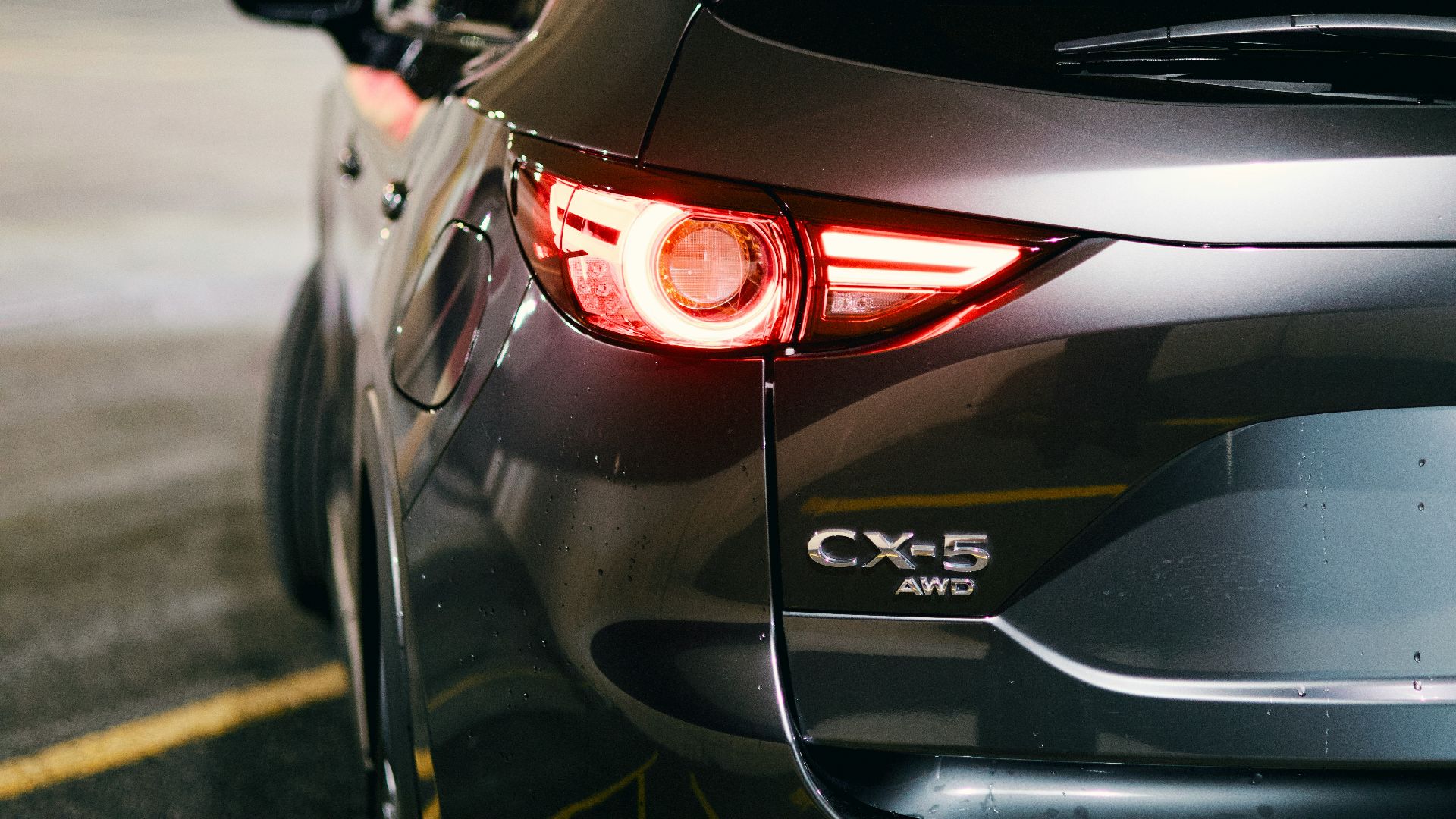
2. Honda CR-V
The CR-V’s whole brand is reliability, and that often translates well to insurance pricing. Because it’s common on the road, parts and repairs are usually less exotic and easier to source. You also don’t see it topping “most stolen” or “most reckless” lists in the same way some flashier models do.
3. Hyundai Kona
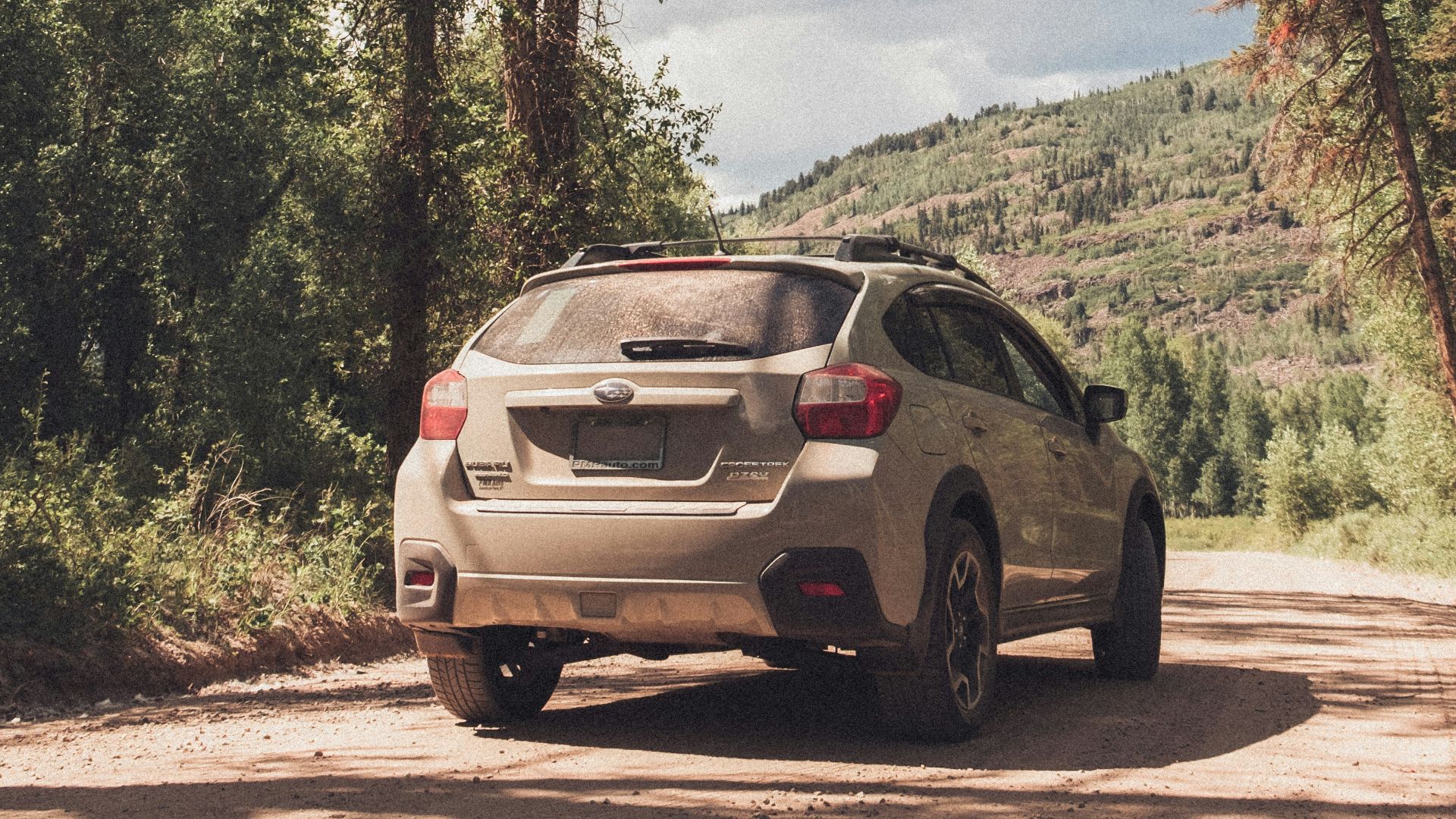
The Kona’s smaller size and mainstream positioning can make it easier on insurance costs than bigger, pricier vehicles. It’s not trying to be a race car, which is a quiet advantage when insurers think about claim risk. If you’re looking for a compact daily driver, this one tends to play nice.
4. Subaru Outback
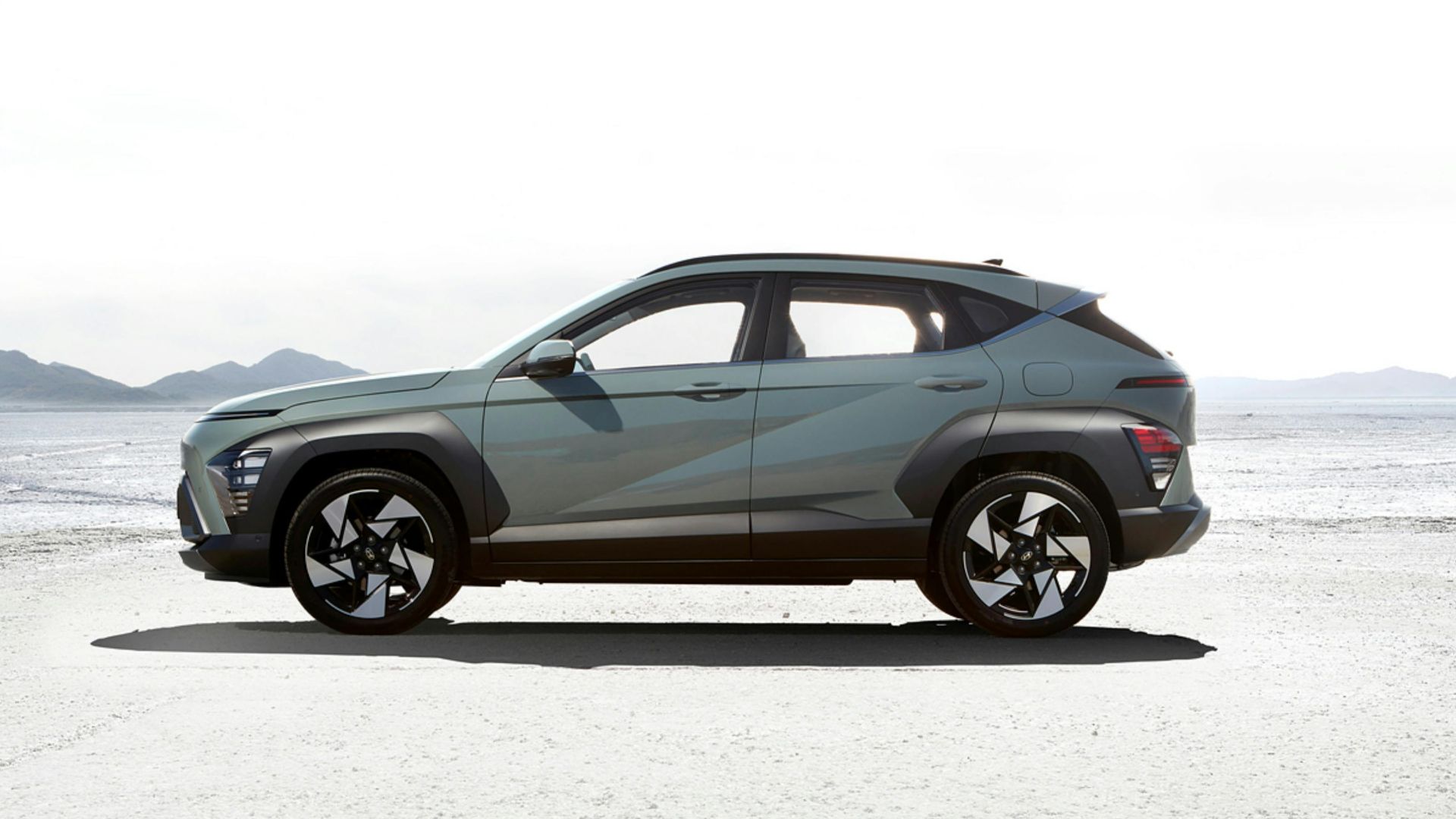
People who drive Outbacks are known for loving the outdoors, and generally just use their car to transport themselves to the forest. They aren't seeking thrills on the road, but on the trails. As such, this car is known for safety, practicality, and having enough space to pack a tent.
5. Chrysler Voyager
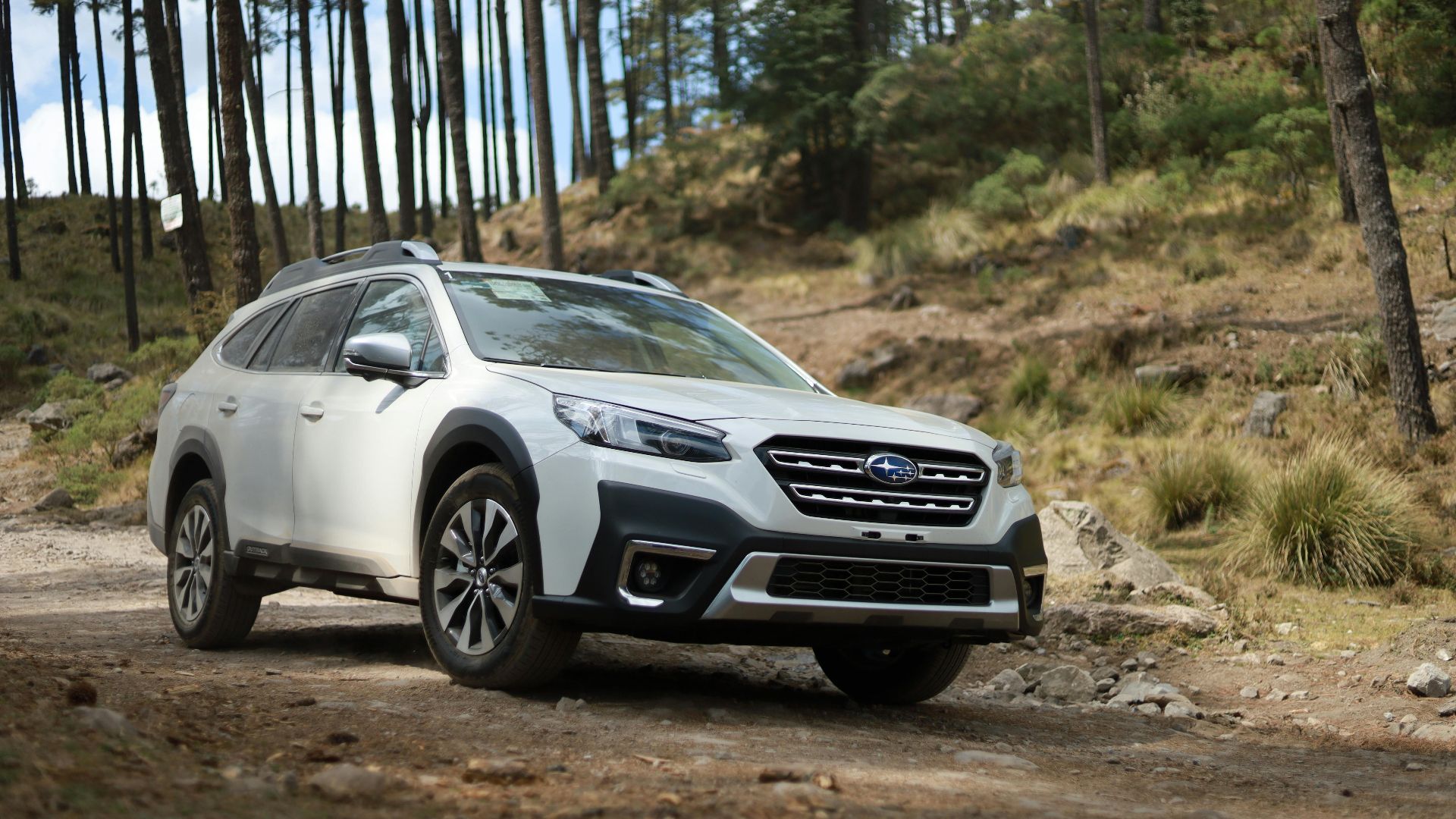
Minivans don’t usually attract the kind of driving behavior that makes insurance companies sweat. The Voyager is built for hauling people, not flexing horsepower, and that matters. If your life includes car seats or airport pickups, your premium might thank you.
6. Subaru Crosstrek
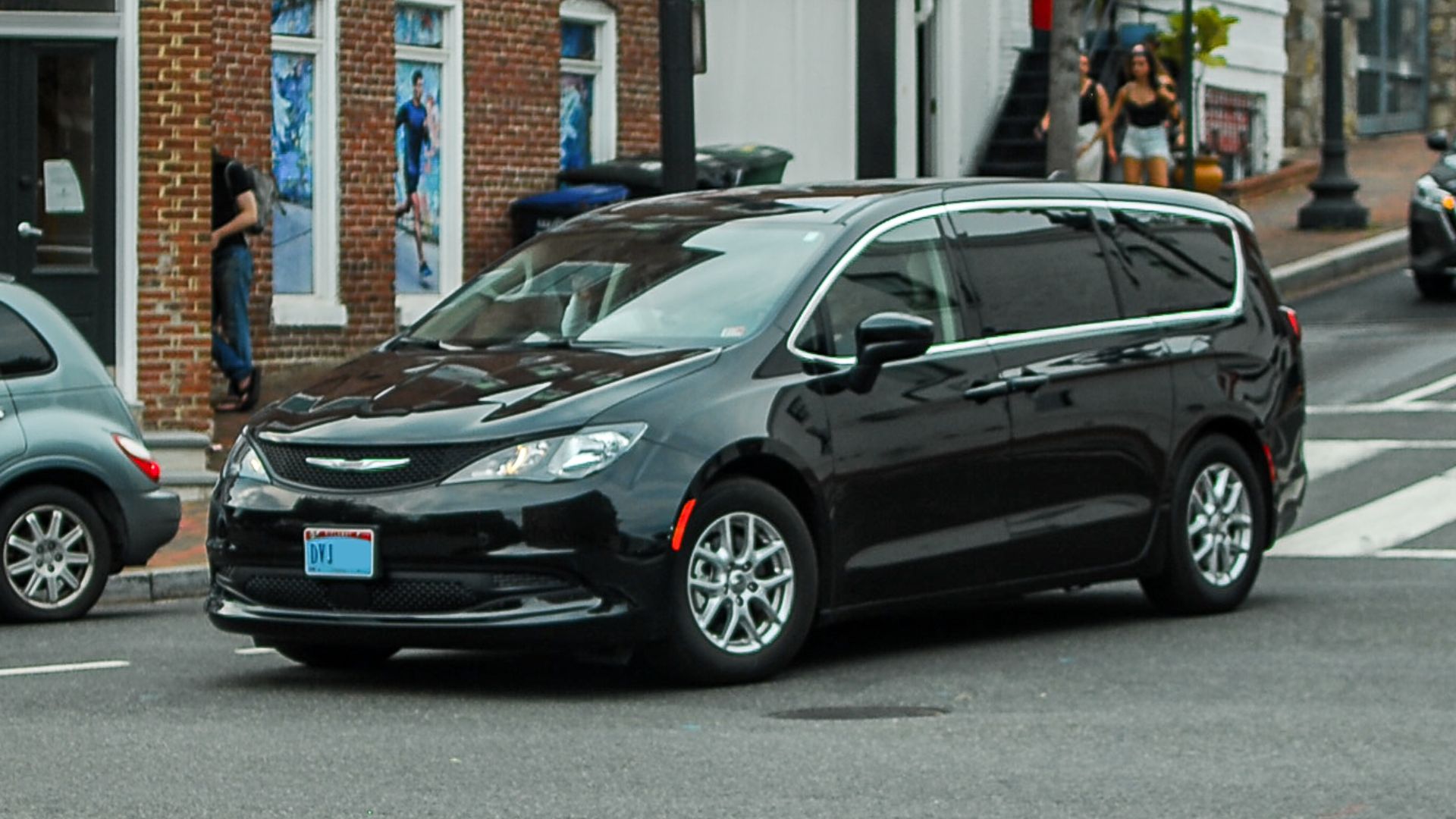
The Crosstrek sits in that sweet spot where it’s practical, safety-focused, and not overly expensive to put back together after a fender bender. It also tends to be driven like a normal human vehicle, not a weekend stunt machine. If you want “outdoorsy” without “expensive,” it’s a solid candidate.
7. Hyundai Tucson
The Tucson is another mainstream SUV that benefits from being common and generally straightforward to insure. It’s not a luxury status symbol packed with ultra-pricey parts. For a daily driver with decent features, it often lands on the more affordable side.
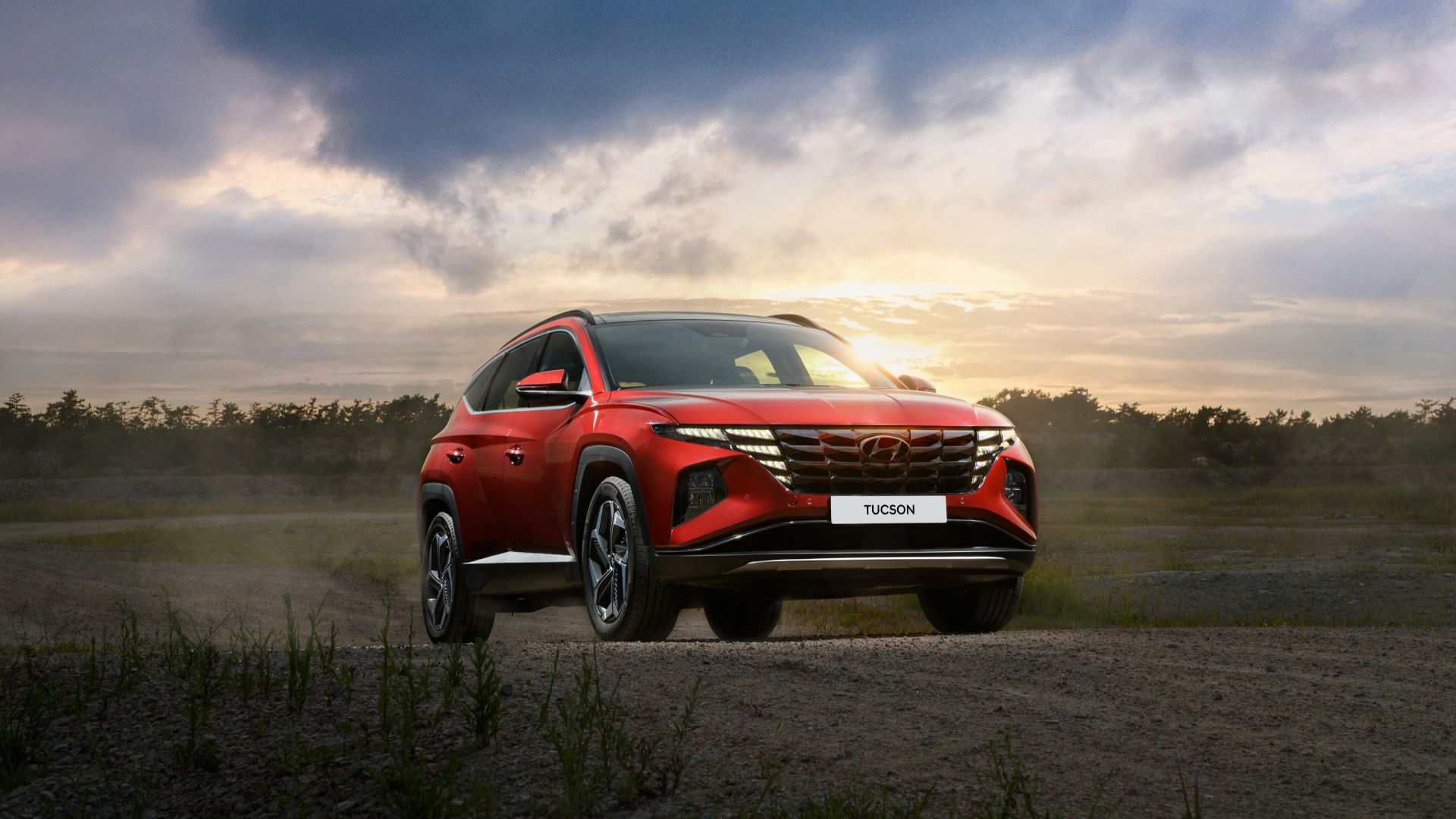 Hyundai Motor Group on Unsplash
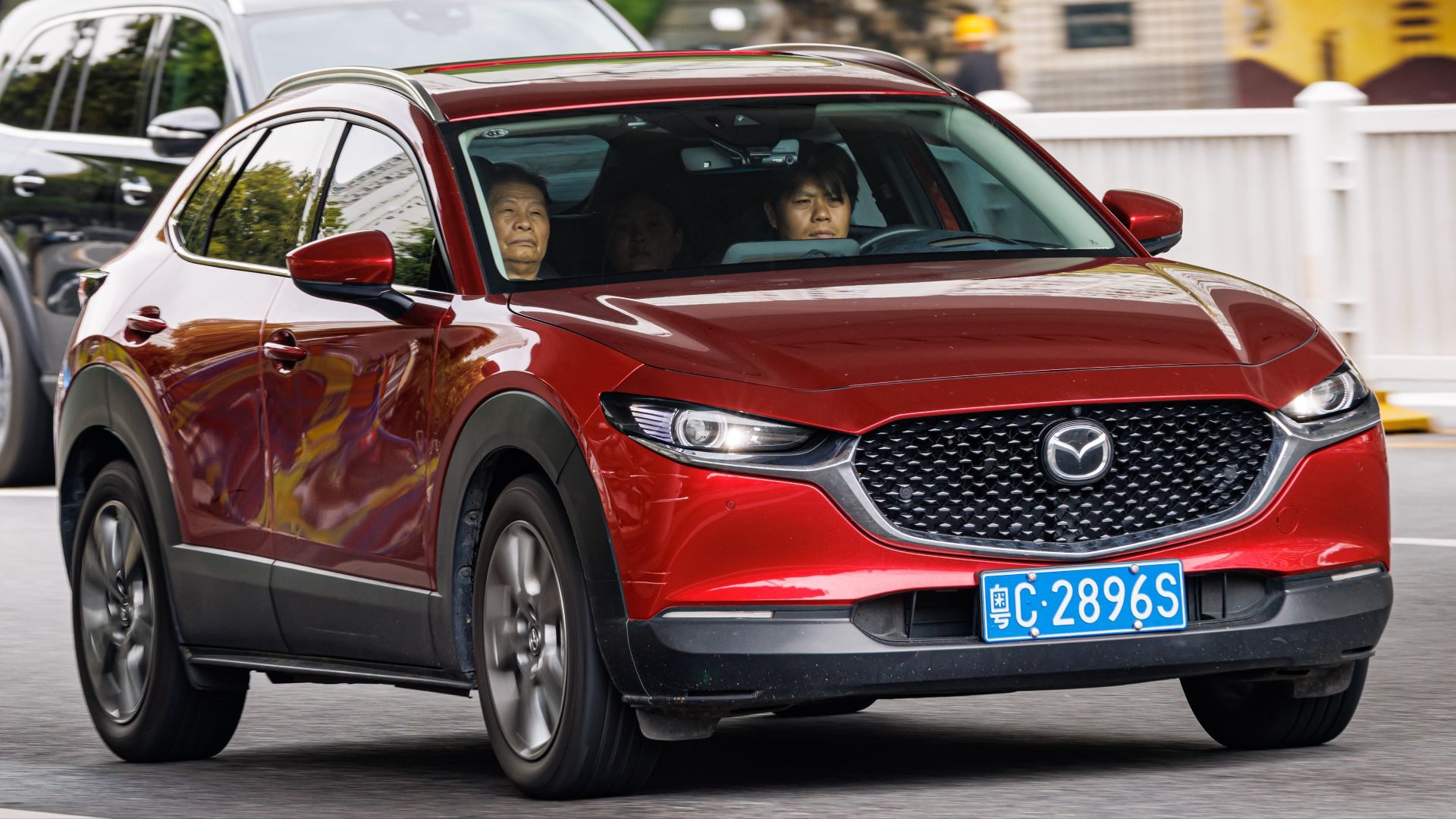
8. Mazda CX-30
The CX-30 tends to stay in the sensible lane, both literally and financially. It’s positioned as an attainable crossover, so repair and replacement costs usually don’t spiral into luxury territory. If you like a more stylish look without premium-level pain, it’s a smart compromise.
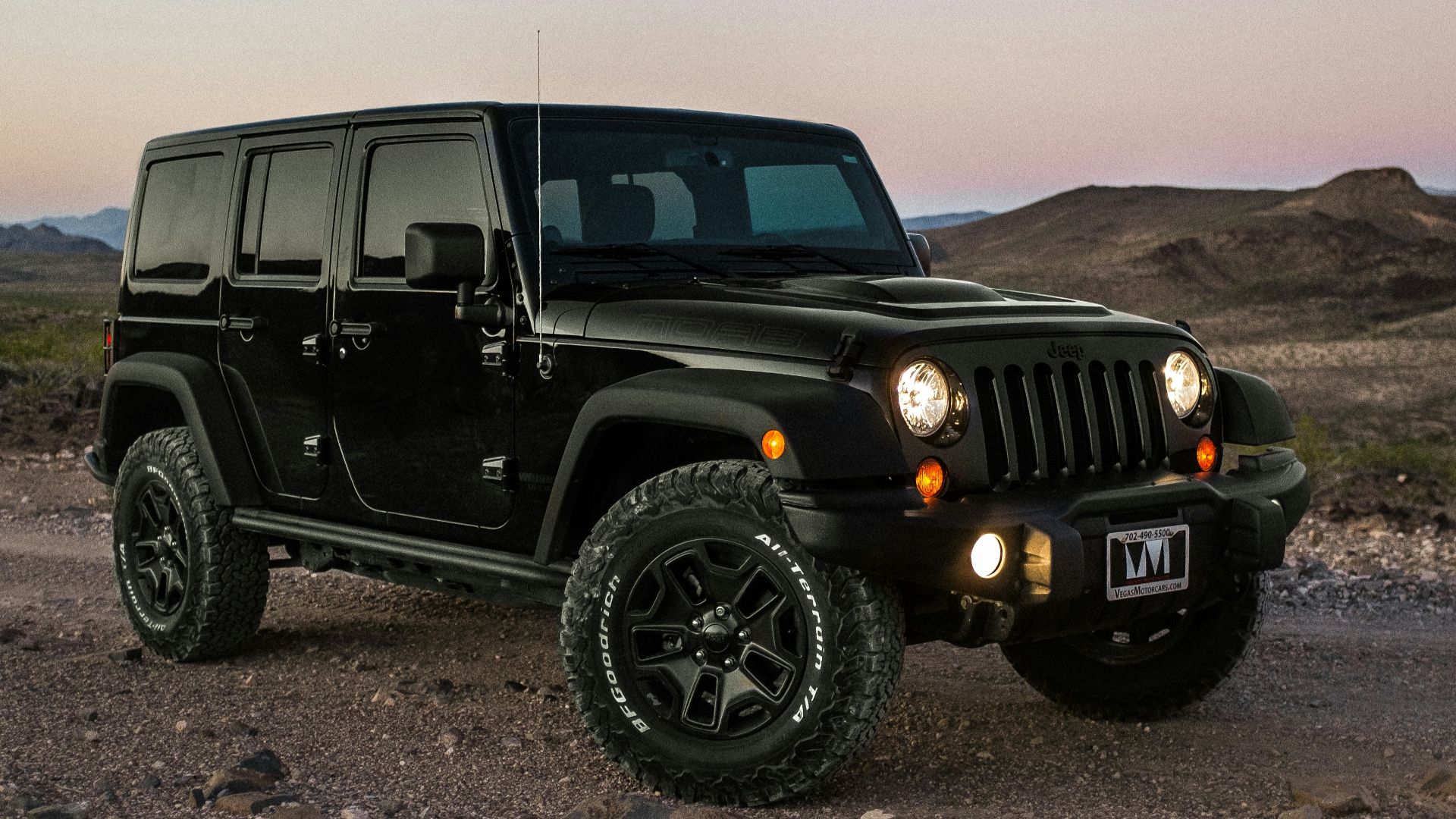
9. Jeep Wrangler
This one surprises people because Wranglers feel rugged and adventure-coded, but their long-running design and strong resale value can help. They’re also extremely common, which often helps with parts availability and repair familiarity. Just don’t drive it like you’re auditioning for an action movie.
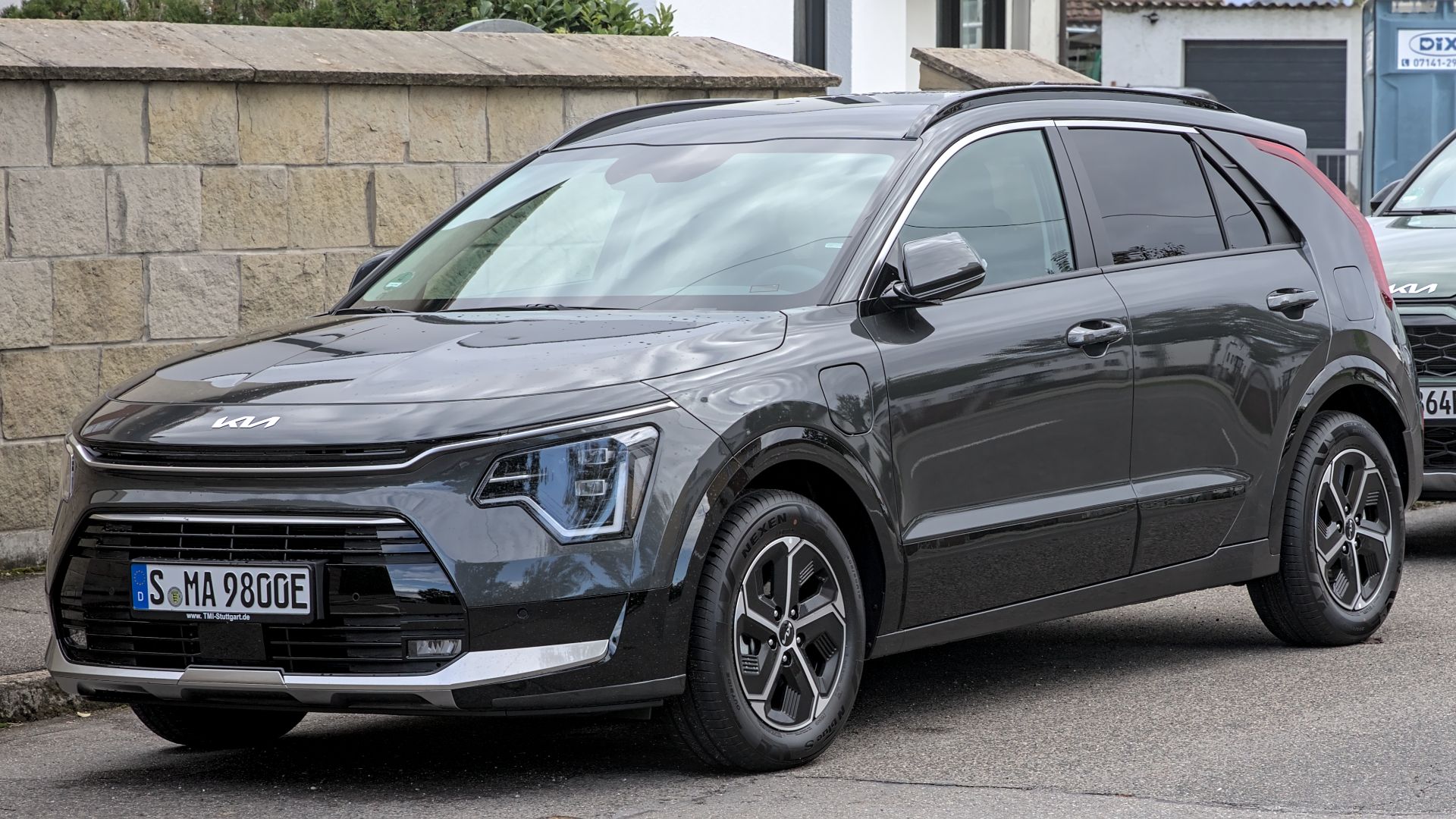
10. Kia Niro
The Niro’s practical, efficiency-minded reputation tends to keep it out of the “high-risk” bucket. It’s built for commuting, not corner-carving, and that usually shows up in insurance pricing. If you want a greener engine without luxury pricing, it can be a nice fit.
Now that we've talked about the cars with the most reasonable insurance rates, let's talk about the ones where you'll feel the pain in your premium
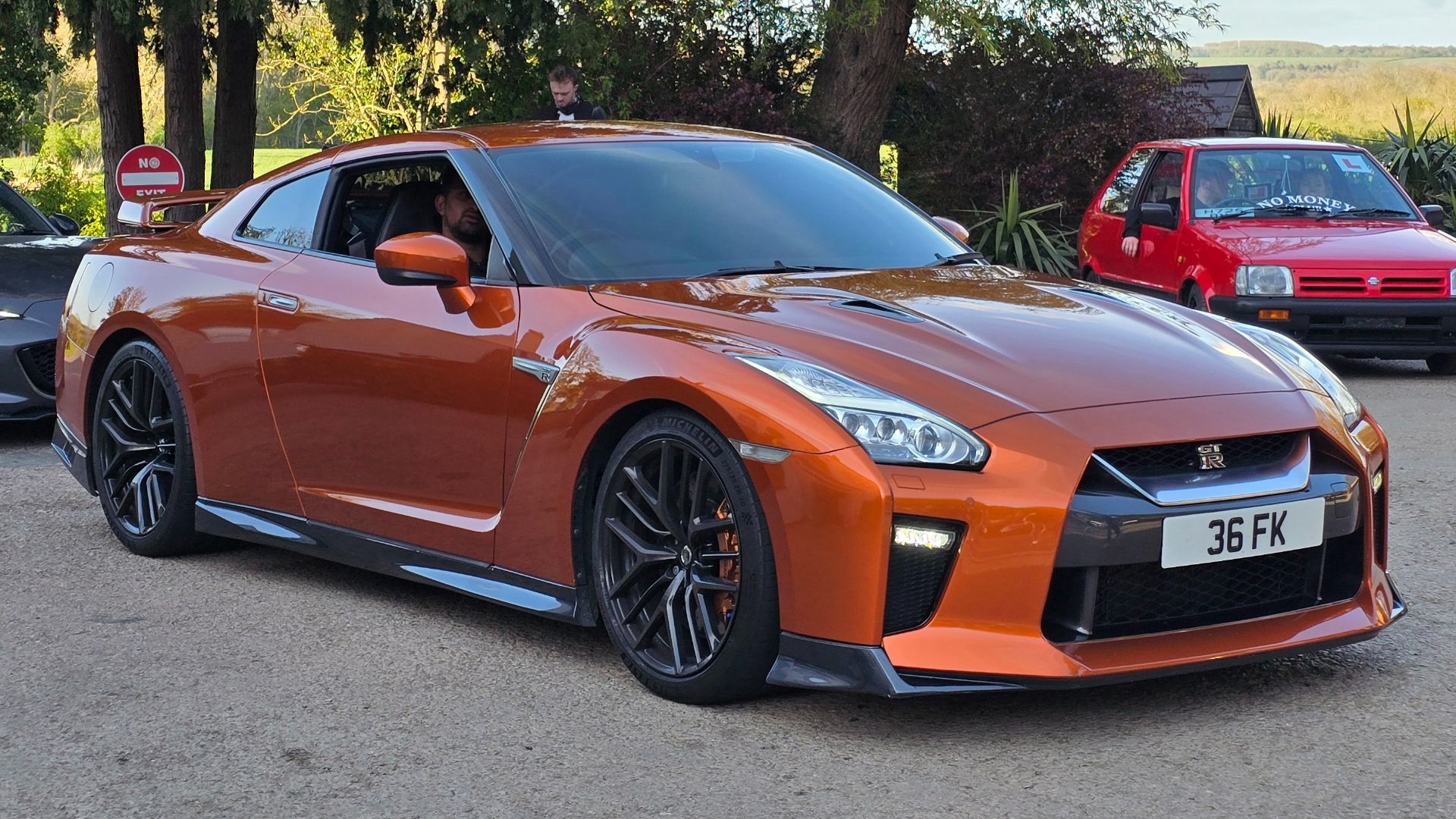
1. Nissan GT-R
The GT-R is fast, expensive, and built to tempt you into testing limits, which insurers absolutely price in. Repairs can be specialized and costly, even for smaller incidents. Basically, it’s the kind of car that turns “oops” into a large invoice.
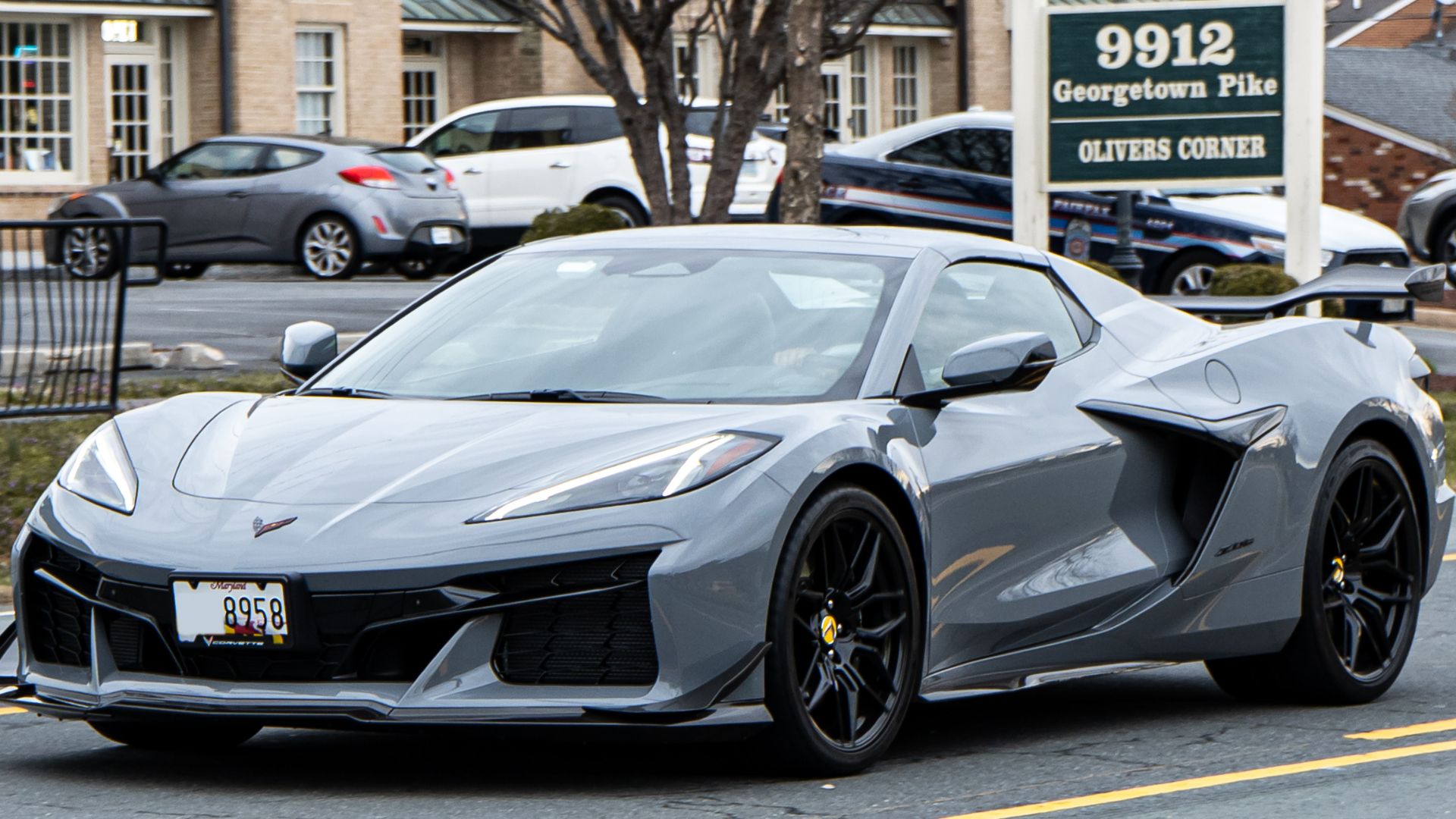
2. Chevrolet Corvette Z06
The Z06 is performance-first, and high performance often means higher claim severity when things go wrong. The parts and labor for a serious sports car aren’t exactly bargain-bin items. Even if you’re a responsible driver, the car’s risk profile comes along for the ride.
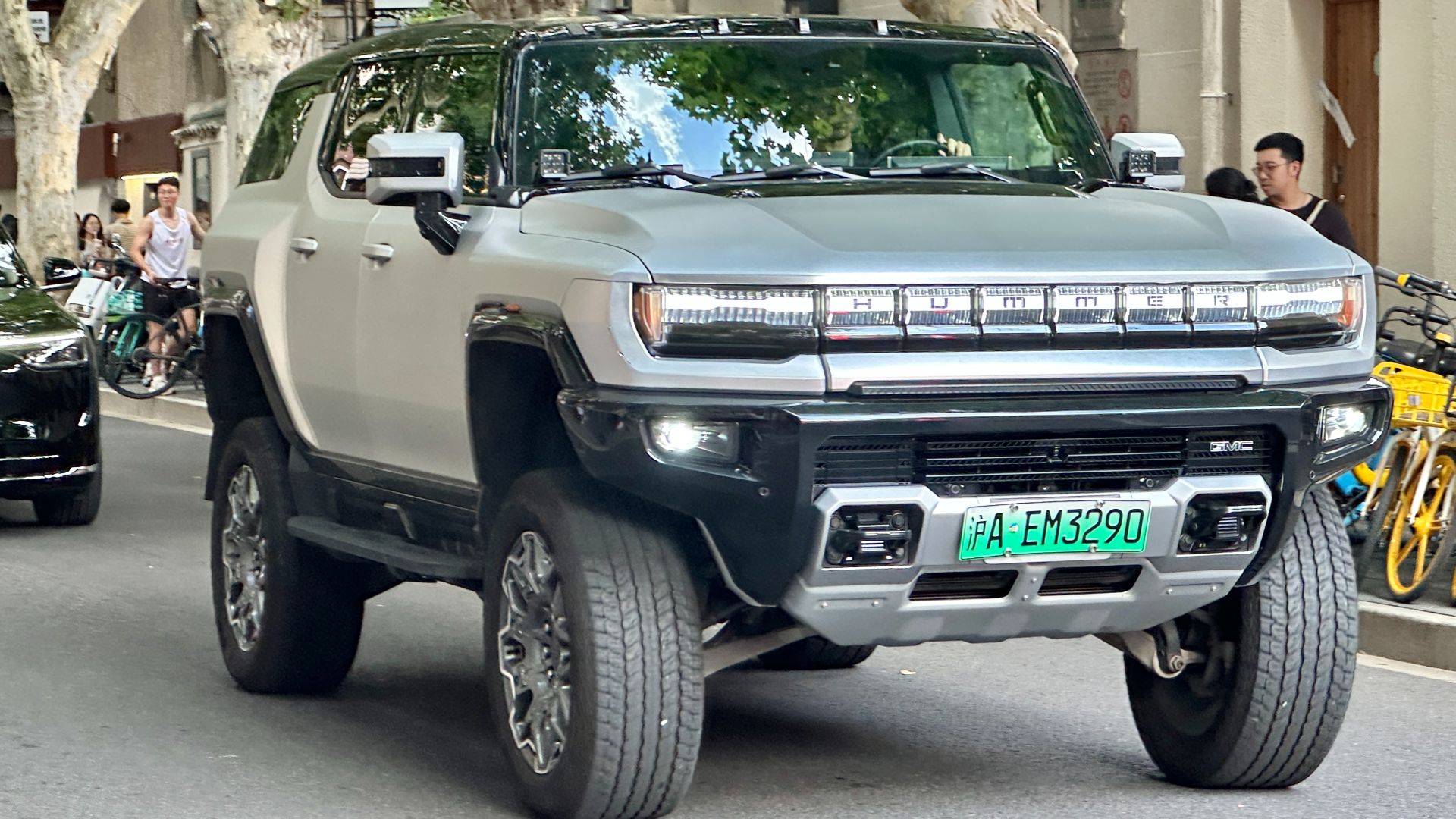
3. GMC Hummer EV SUV
Big vehicle, big battery, and big repair costs tend to be the insurance trifecta nobody wants. EV repairs can get pricey fast, especially when specialized components are involved. It’s impressive tech, but it can result in a less impressive premium.
 JustAnotherCarDesigner on Wikimedia
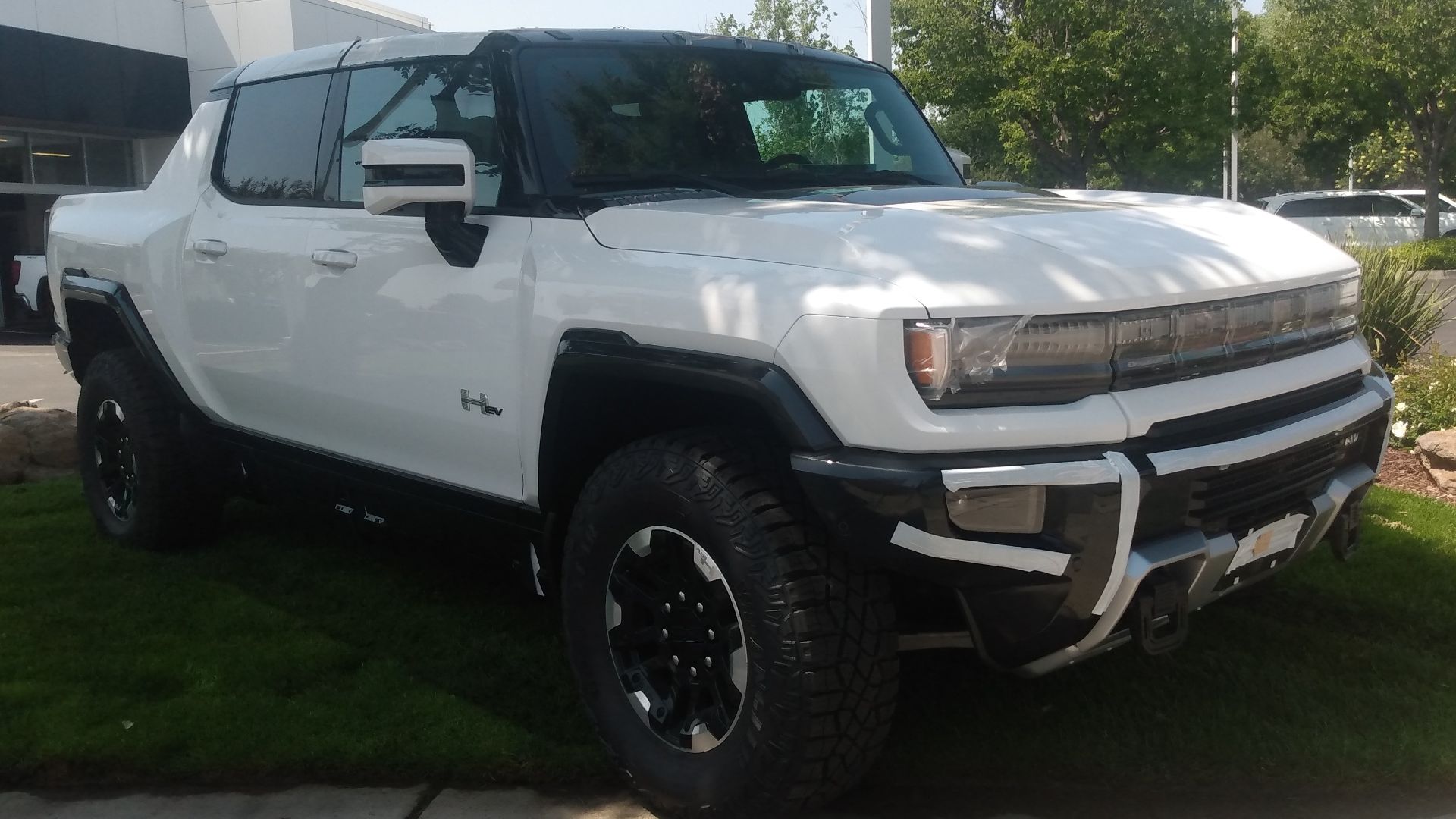
4. GMC Hummer EV Pickup
If the SUV version already makes insurers nervous, the pickup doesn’t exactly calm anyone down. Size and weight can increase potential damage in a crash, and that affects liability. Add expensive components, and you’ve got a recipe for higher rates.
 DestinationFearFan on Wikimedia
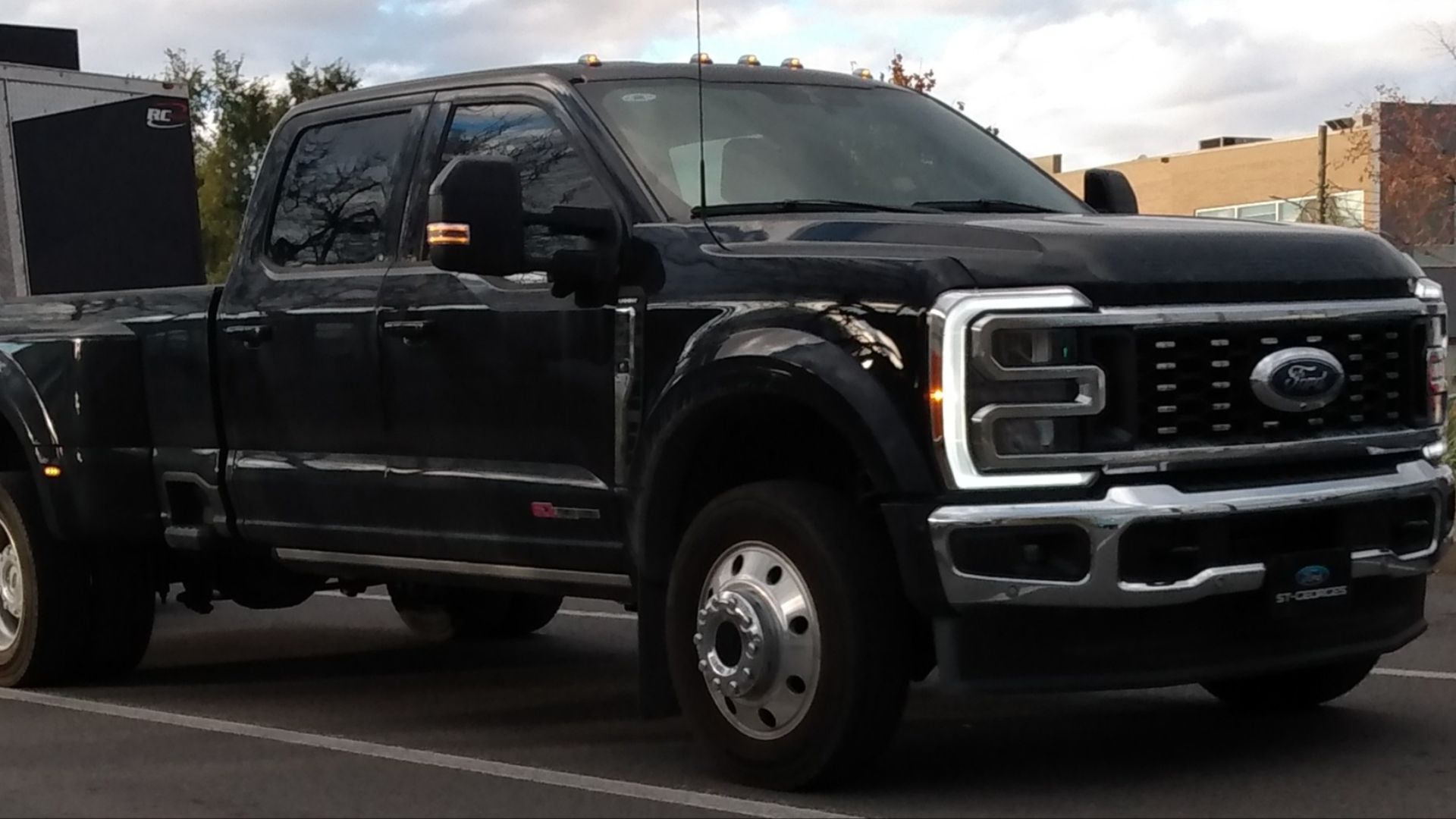
5. Ford F-450
Heavy-duty trucks can cost more to insure because they can cause more damage in a collision, even at lower speeds. They’re also expensive to repair and replace, because everything about them is oversized. If you don’t truly need this much truck, your insurance bill might be the thing that convinces you.
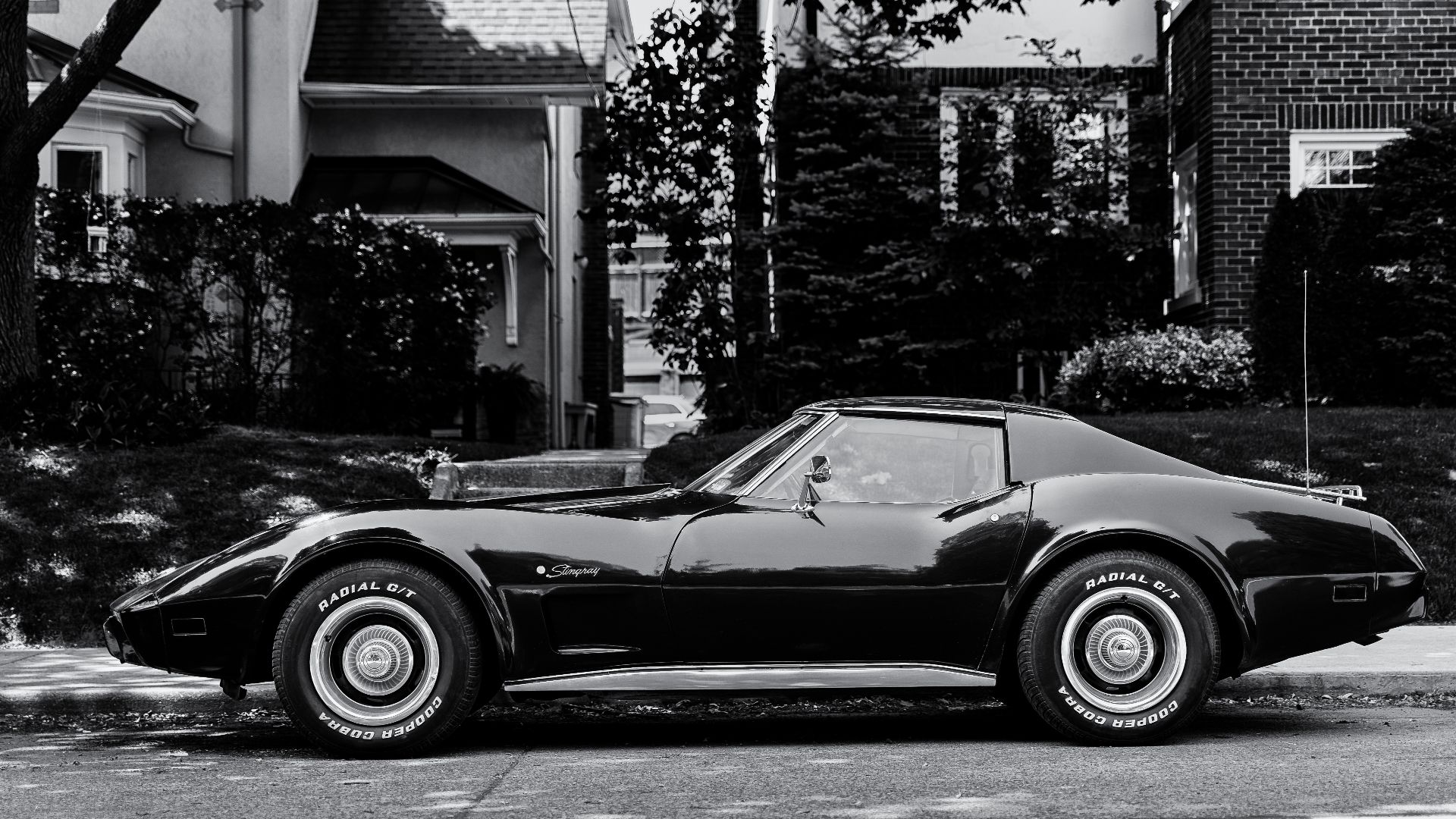
6. Chevrolet Corvette Stingray
Even the “regular” Stingray is still a serious sports car with serious repair costs. Insurers also look at how these models tend to be driven, and the data is pretty telling. It’s a blast to own, but it’s rarely a bargain to insure.
 Maksim Sokolov (maxergon.com) on Wikimedia
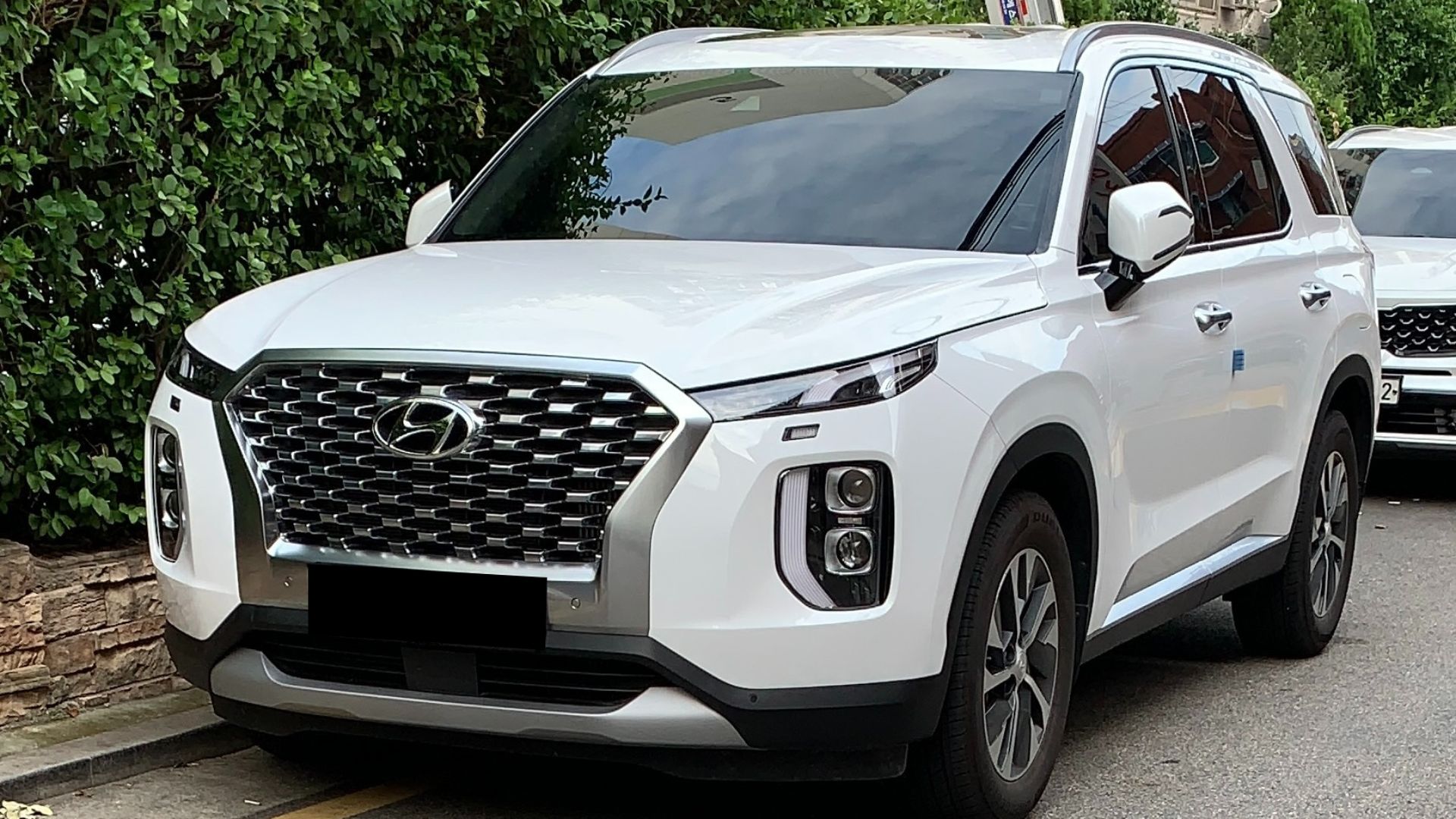
7. Hyundai Palisade
This one feels unexpected because it’s a family SUV, not a track toy. Still, higher repair costs, more expensive trims, and claims history can push rates up even for sensible-looking vehicles. It’s a good reminder that “practical” doesn’t automatically mean “cheap to insure.”
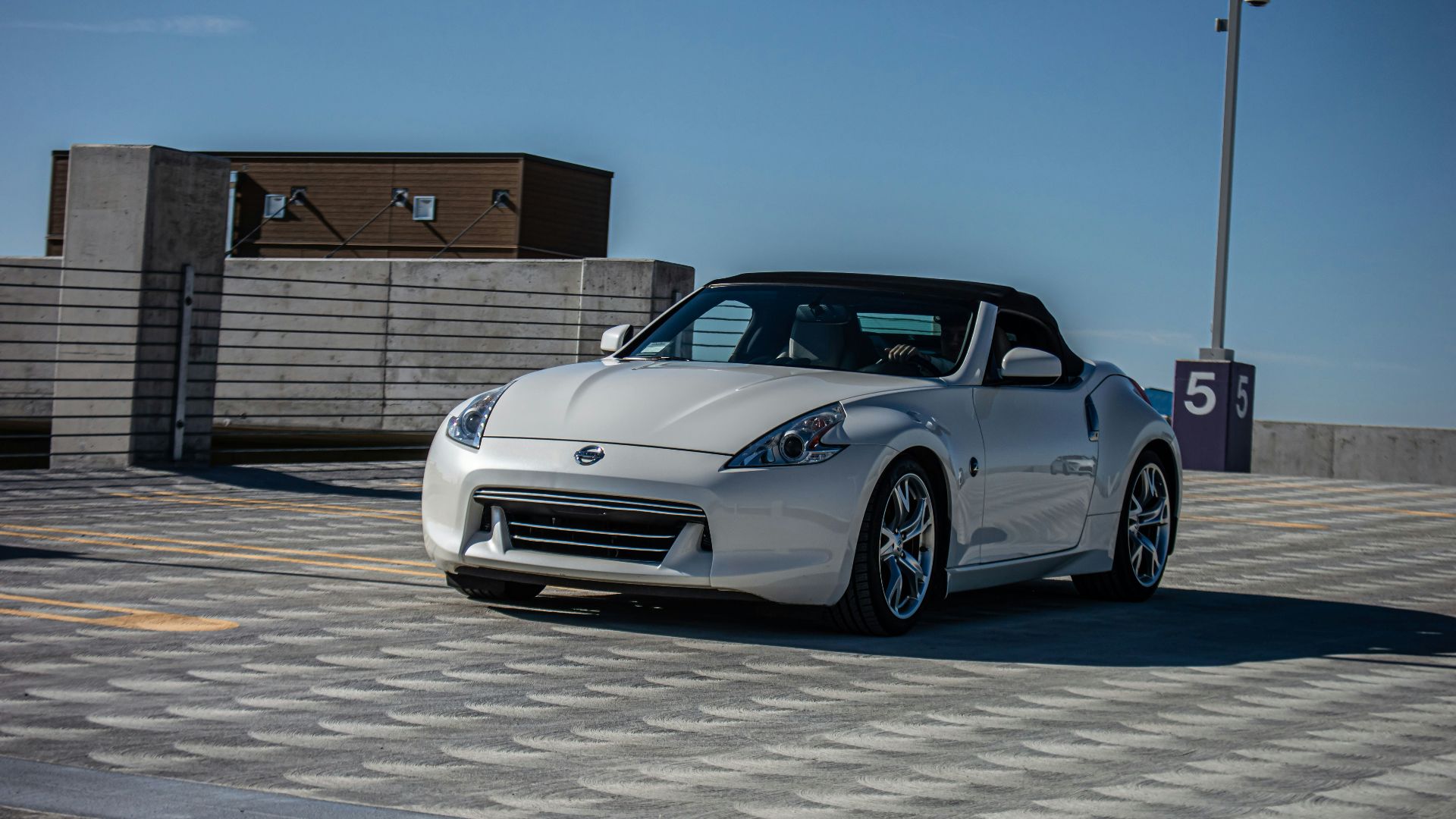
8. Nissan Z
Sports coupes tend to carry higher premiums because they’re associated with higher-risk driving patterns and costlier losses. The Z also sits in that zone where people buy it specifically to have fun, and insurers aren’t naïve about that. If you’re shopping for one, remember to factor insurance into your budget.
9. Toyota GR Supra
The GR Supra is stylish, powerful, and not designed for timid little errands. Performance parts and repairs can be pricier than what you’d deal with on a typical Toyota commuter. It’s the kind of car where the premium reflects the temptation factor.
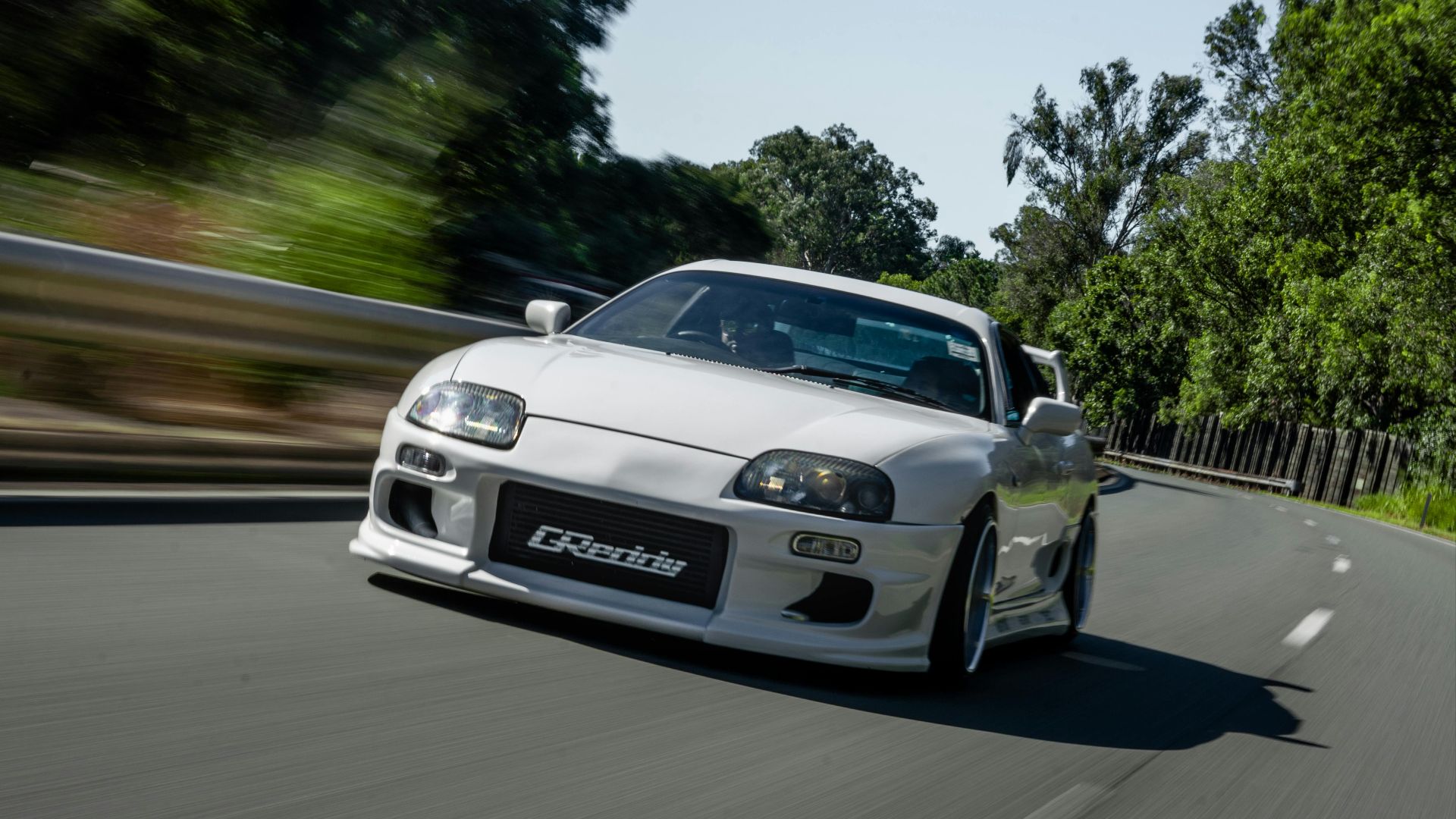
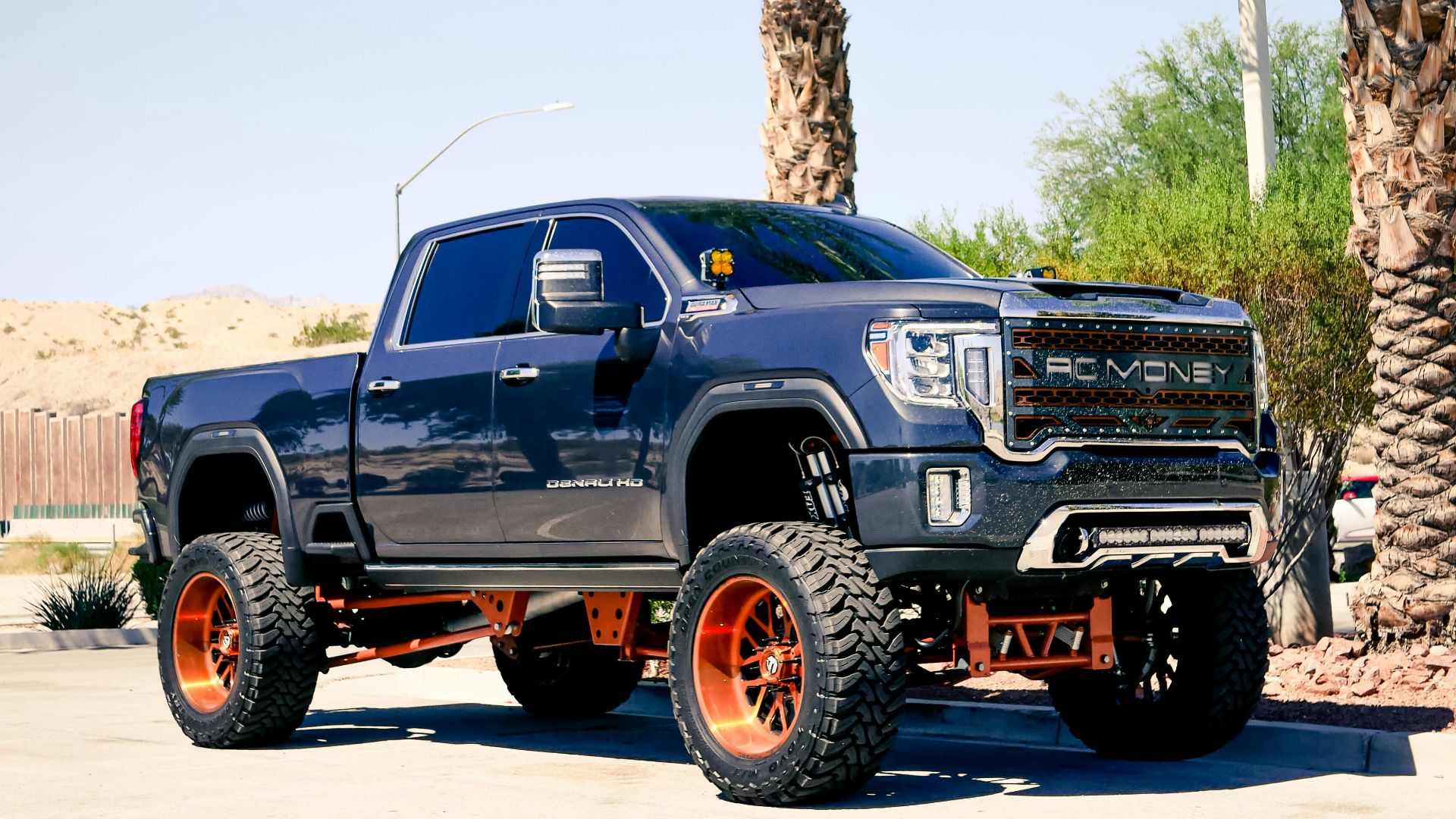
10. GMC Sierra 3500HD
Like other heavy-duty trucks, the Sierra 3500HD can carry higher liability exposure because of its size and weight. The build and components are also expensive, which raises the “cost to make you whole again” number insurers care about. If it’s a workhorse you truly need, the premium may be worth it; just know that it usually won’t be light.