Life Looks Different Without The Traffic
To think about a city without cars feels unusual at first, but the idea becomes surprisingly inviting once you picture streets built for wandering and fresh air. Car-free environments shift the entire rhythm of urban life, as they trade constant noise for calmer spaces where cycling and community activity take the lead. Here, you'll find some places where this idea is already a reality and the benefits of kicking cars out. Let's start with the cities.
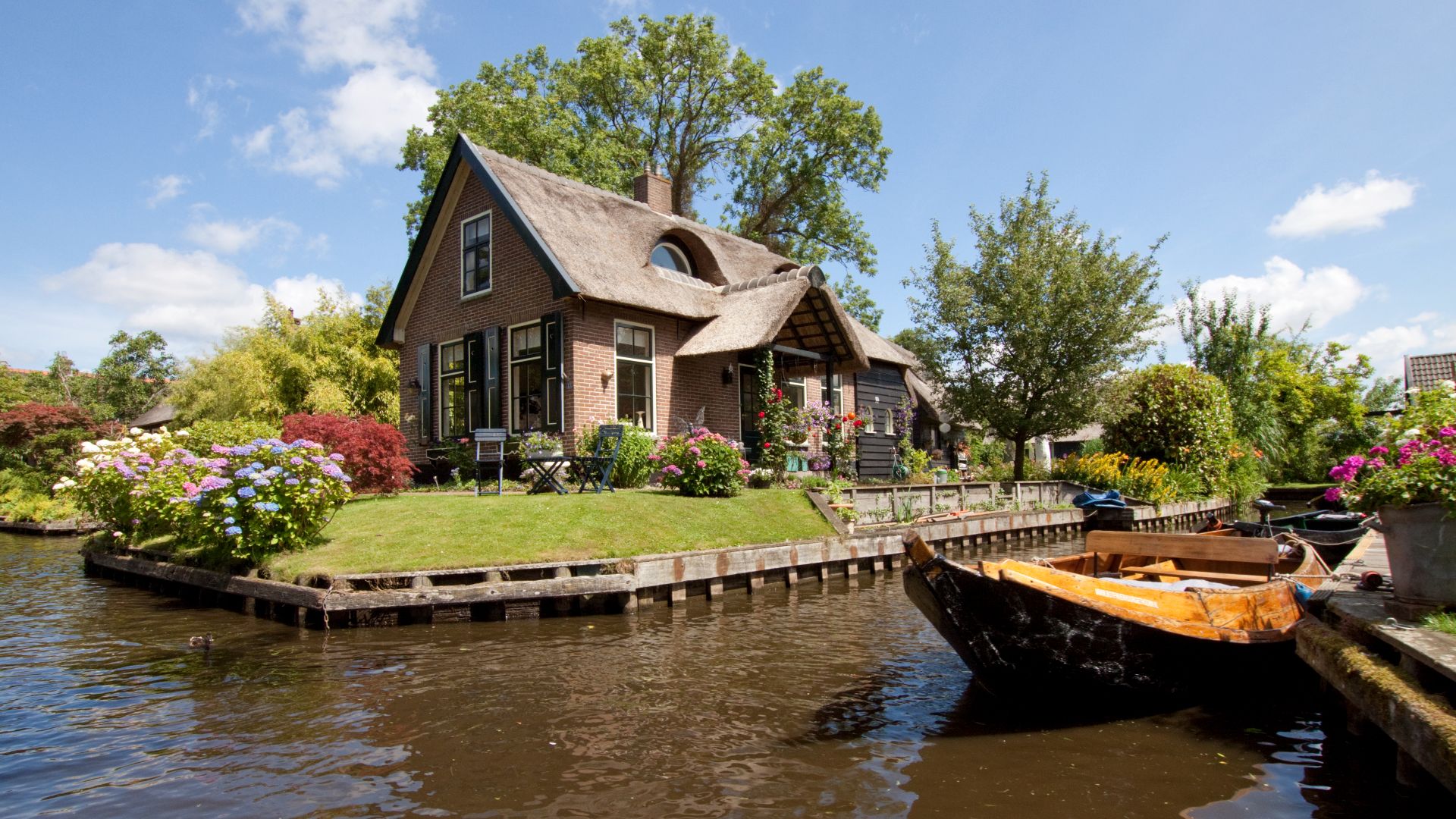
1. Venice, Italy
In the largest car-free city on the European continent, the historic center can't be reached by car at all. The city rests on 117 to 118 small islands linked by roughly 400 bridges and more than 150 canals that act as its streets. Boats shine here, from water ambulances and police boats to garbage collection vessels.
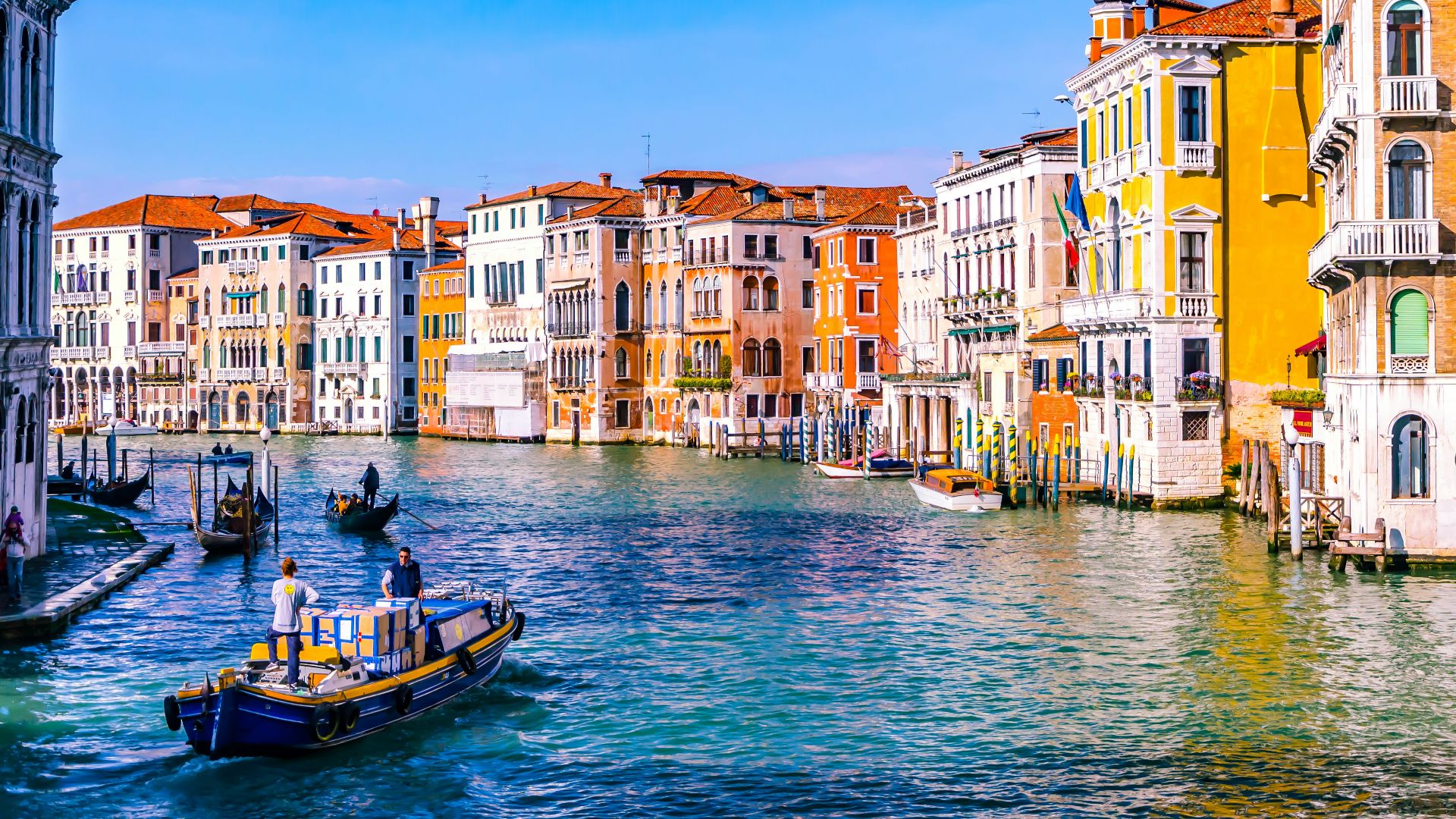
2. Mackinac Island, USA
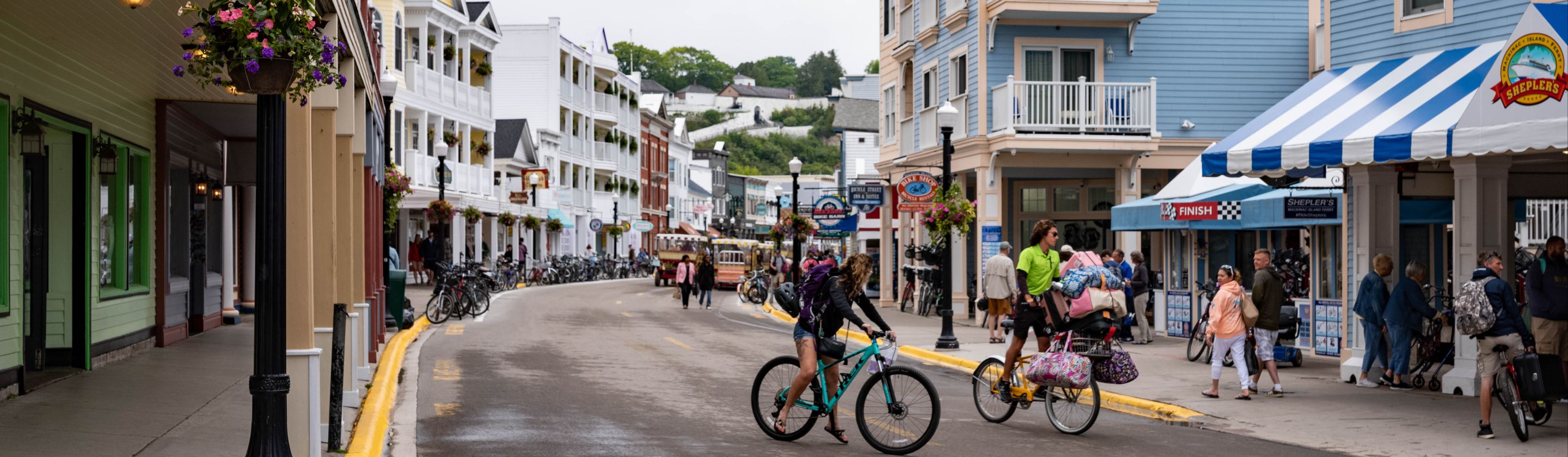
Life on Mackinac Island has followed a different rhythm since 1898, when almost all motor vehicles were banned. Bicycles and horse-drawn carriages take their place. The ban stemmed from the noise that scared horses, which still shapes daily life. Only a tiny handful of motorized vehicles handle essential services.
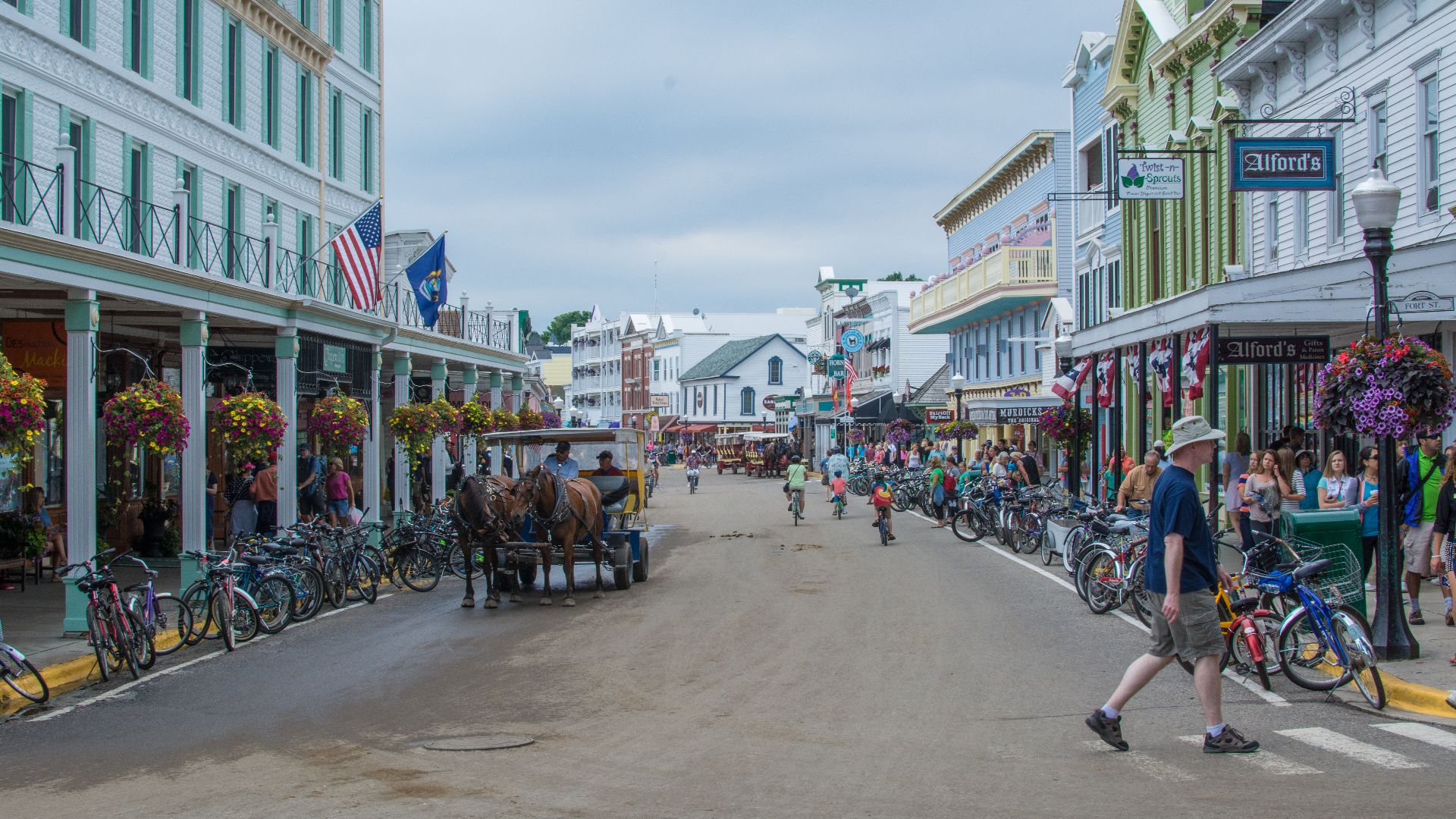
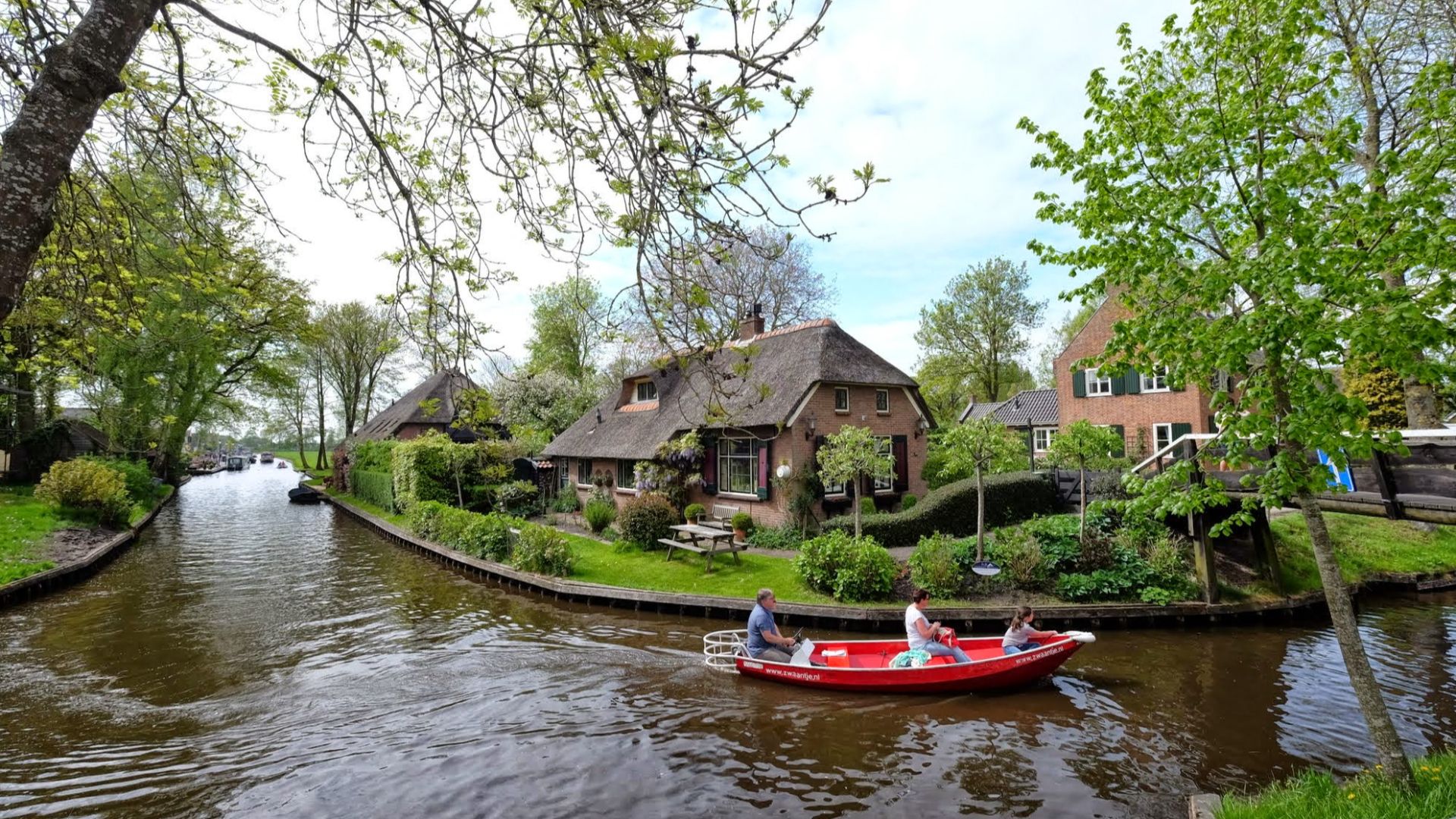
3. Giethoorn, Netherlands
Giethoorn’s central area has no roads. Transportation here relies on canals and footpaths, with cars limited to the outskirts. More than 170 wooden bridges curve over waterways that earned it the nickname “Dutch Venice.” Locals slip through the village using whisper boats, and in winter, those same canals turn into natural ice skating routes.
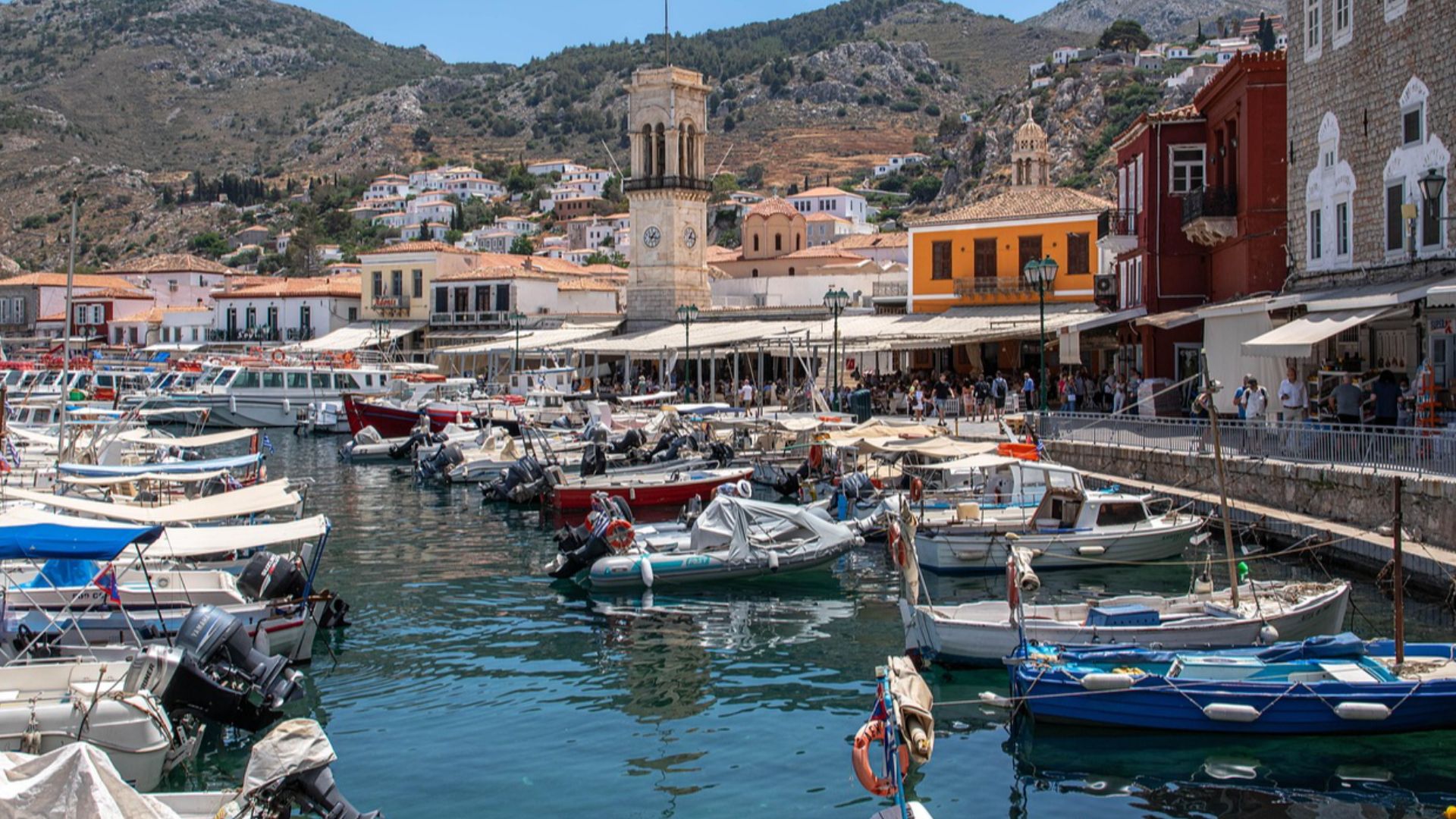
4. Hydra, Greece
Cars, motorcycles, and bikes are all prohibited in Hydra, except for a few licensed emergency and utility vehicles. People rely on walking, donkeys, and water taxis to move around the island. This restriction protects Hydra’s traditional architecture and maintains its peaceful streets.
5. La Digue, Seychelles
La Digue keeps motor vehicles to a minimum, and a 2022 land transport policy restricts new car imports to essential needs. Bicycles dominate travel here, supported by a few golf carts and taxis. The island's quiet roads and steady pace are central to its appeal.

6. Matheran, India
In this hill station, all motor vehicles are banned within town limits. Travelers arrive by narrow-gauge railway or drive only as far as Dasturi Naka, the final point for cars. Inside the town, movement depends on horses and hand-pulled rickshaws. It’s Asia’s only automobile-free hill station.
 Historical Trains on Wikimedia
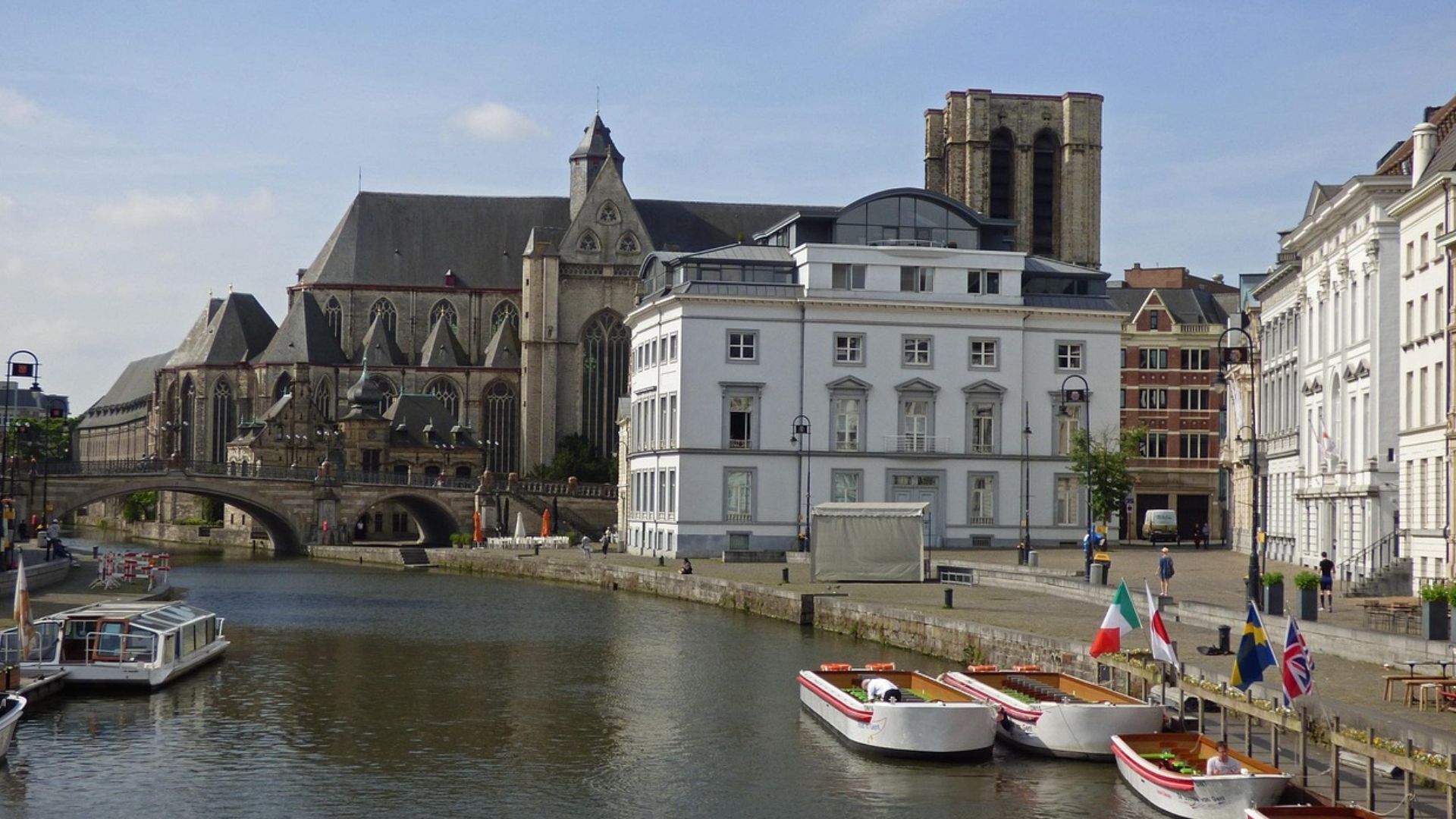
7. Ghent, Belgium
Ghent’s car-free center reflects a push to curb congestion and pollution. The shift led to more cycling and heavy public transit use throughout the area. Spanning about 70 hectares, the historic car-free zone is Belgium’s largest.
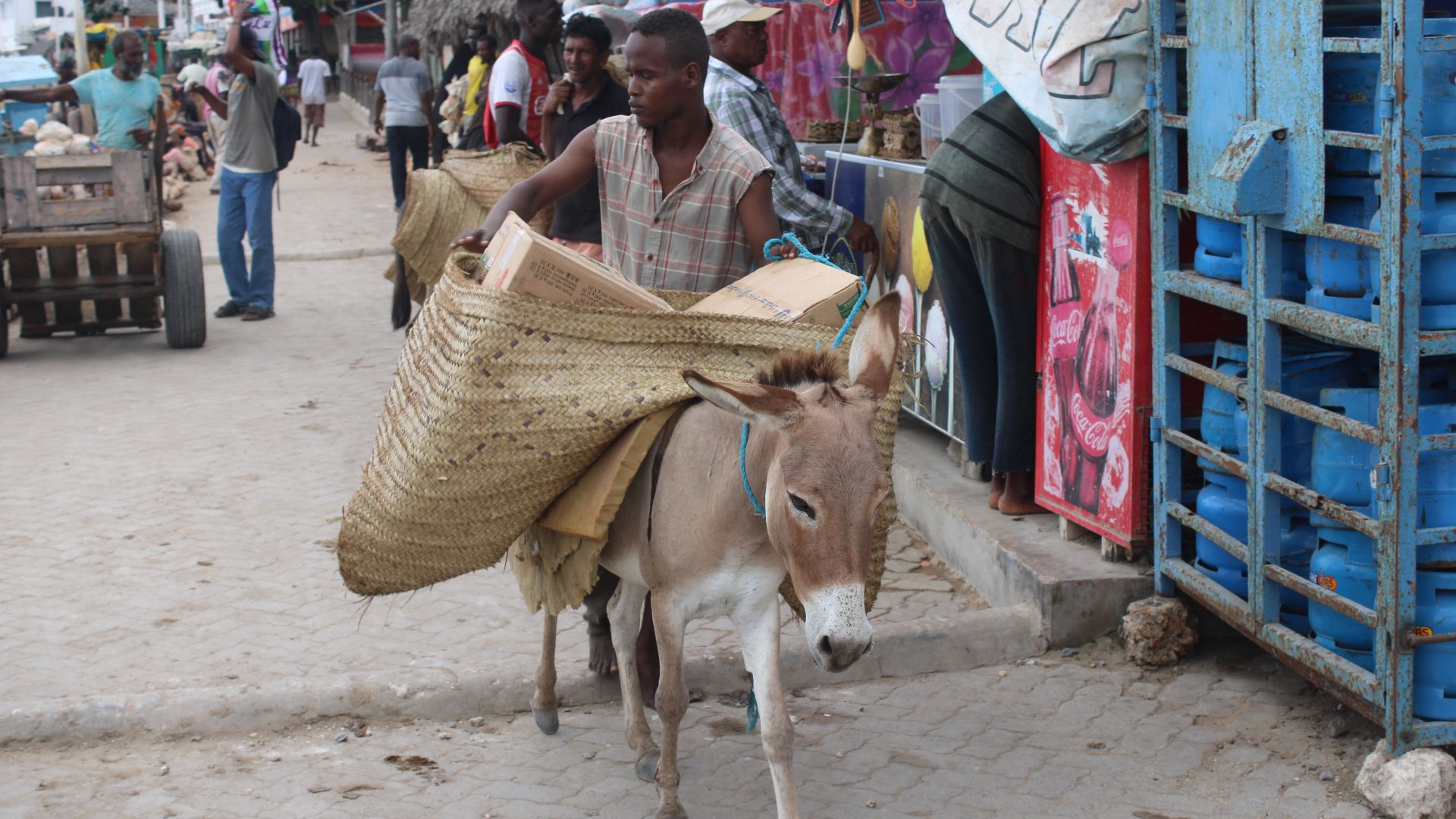
8. Lamu, Kenya
Cars are almost nonexistent here, and donkeys serve as the main mode of transport. The narrow streets were built centuries ago and can’t accommodate vehicles anyway. Its preserved Swahili architecture earned UNESCO World Heritage recognition.
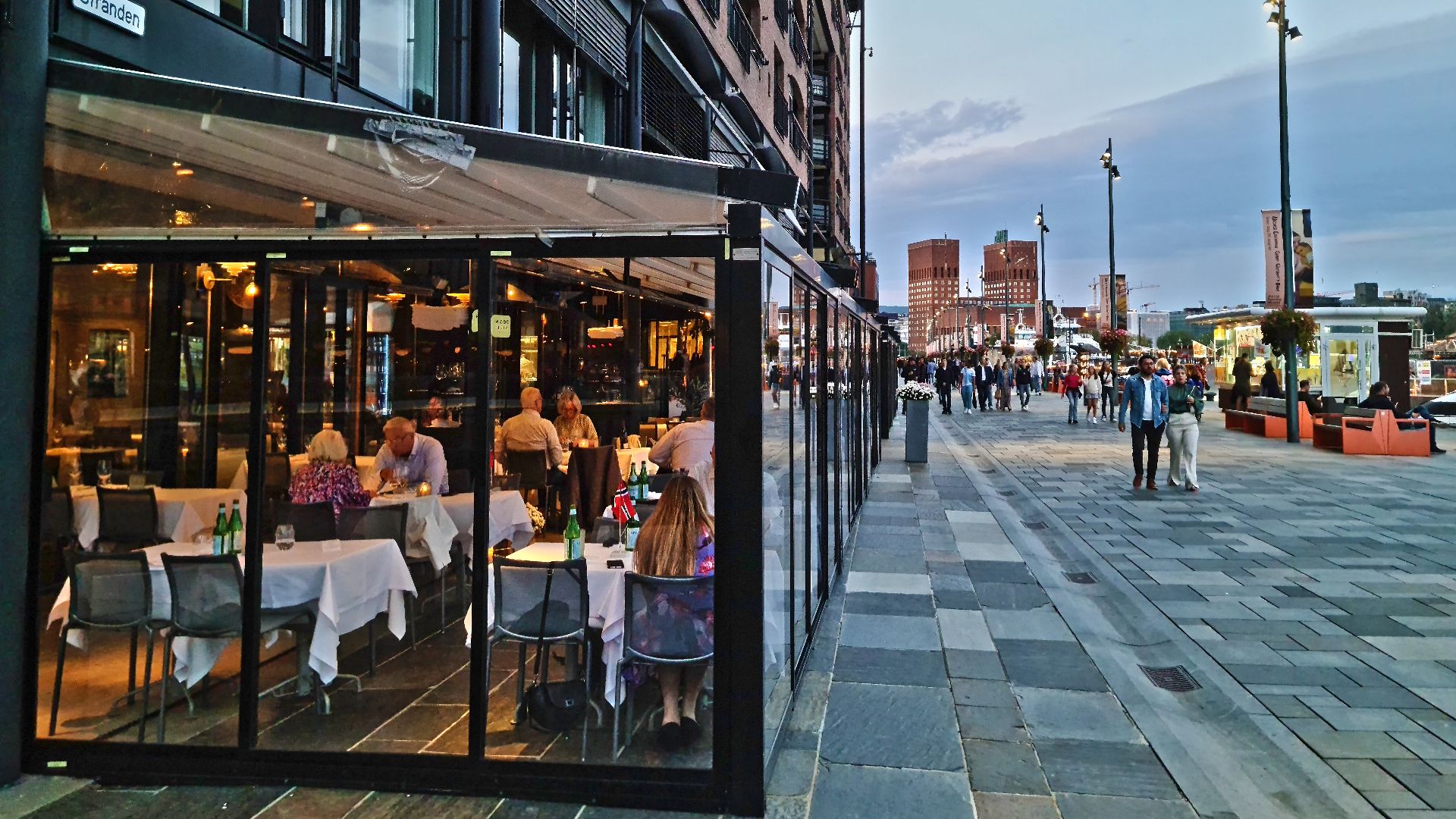
9. Oslo, Norway
In an effort to improve air quality and urban life, Oslo has removed most cars from its city center. Parking spaces have been converted into bike lanes, public seating, and playgrounds. This transformation contributed to a noticeable reduction in citywide greenhouse gas emissions and noticeably cleaner air.
 Geir Hval (www.MacWhale.eu) on Wikimedia
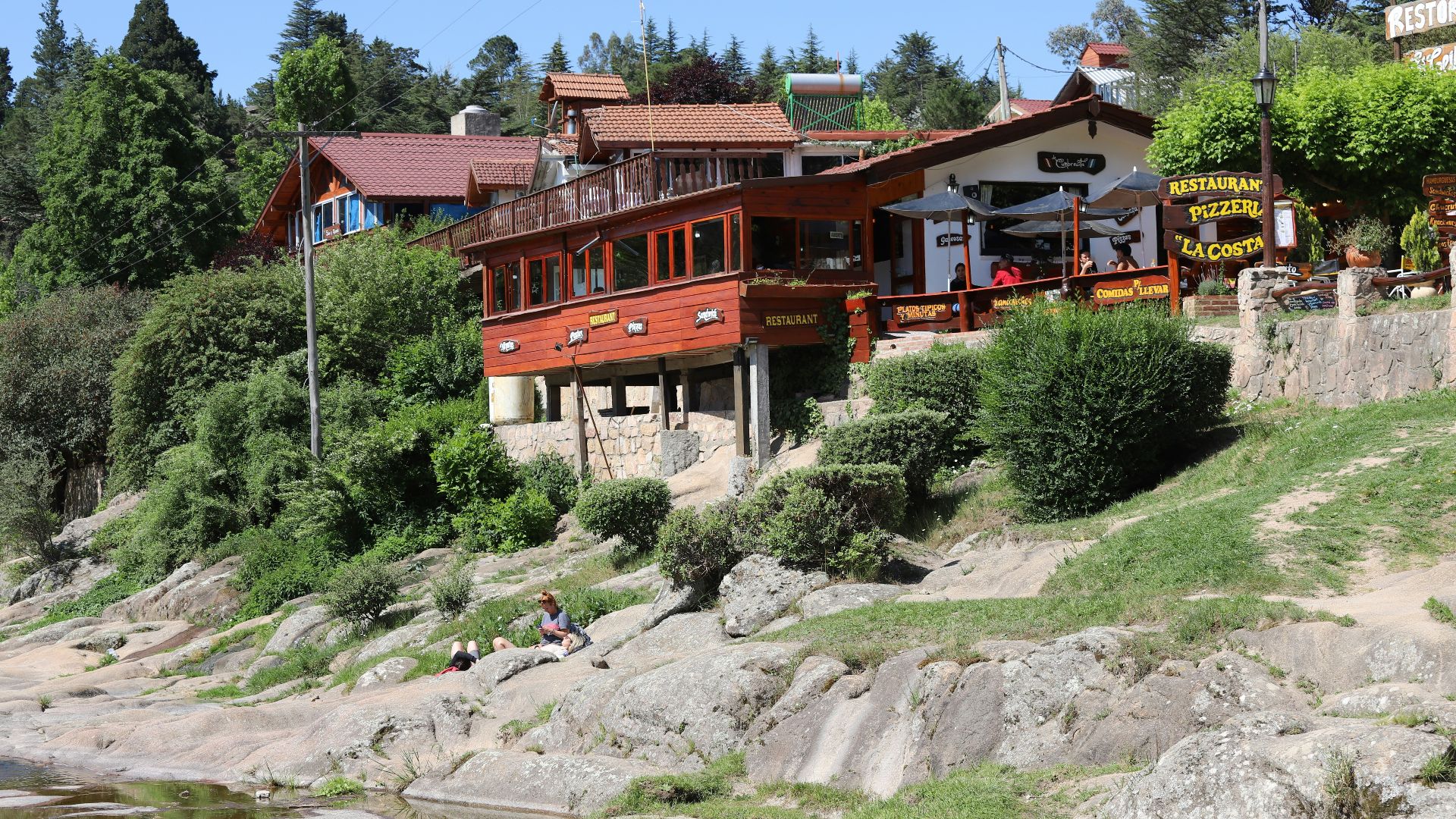
10. La Cumbrecita, Argentina
La Cumbrecita invites visitors into a fully pedestrianized mountain village. Cars stay outside the entrance while people walk through it. Founded by German immigrants, the village features Alpine-style buildings, and the surrounding forests draw eco-tourists.
Now that you know which cities are car-free, let’s see the advantages of choosing this path.
1. Cleaner Air Quality
Cleaner air begins the moment traffic disappears, since removing cars reduces pollutants that mostly come from vehicle emissions. With fewer vehicles on the road, city residents breathe less pollution and enjoy noticeably fresher air. These car-free spaces give people of every age a safer way to enjoy parks.

2. Lower Greenhouse Gases
Cutting polluting vehicles from urban centers leads to reductions in CO2 emissions. Many places now limit car use to support cleaner transportation. As the number of vehicles falls, greenhouse gases decline, not only helping cities reduce pollution but also contributing to climate change efforts.
3. Reduced Noise Pollution
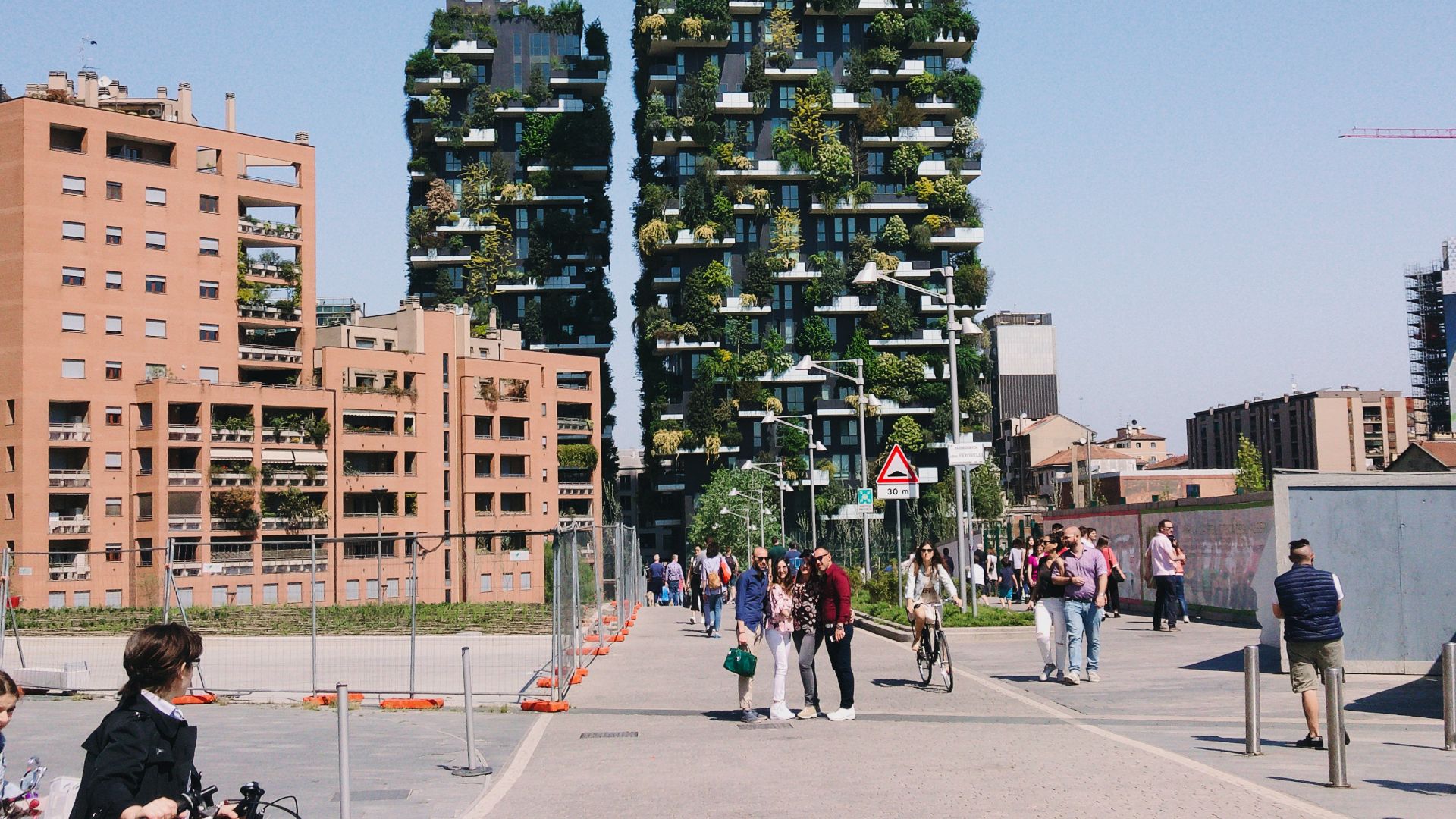
Calmer urban life follows when cars move out, as both air and noise pollution reduce. Car-free plans also support a people-first city model and shape environments that feel more relaxed. Many redesigned areas add green spaces and public zones that soften daily noise.
4. Safer Streets
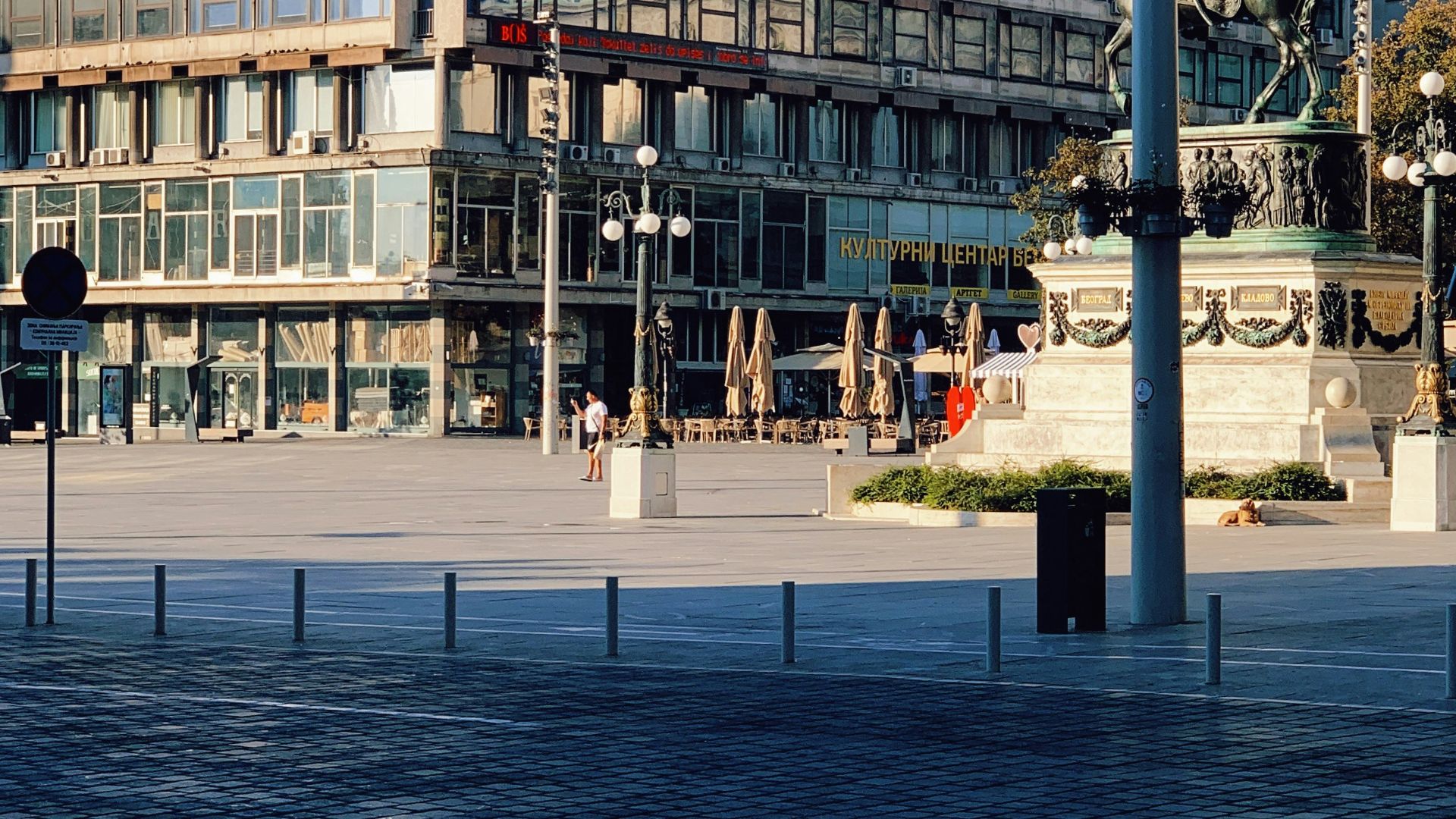
Removing vehicles results in fewer traffic accidents, creating safer neighborhoods. Streets that are closed to cars often turn into lively places for walking and cycling. With calmer roads, families and children feel more comfortable spending time outdoors.
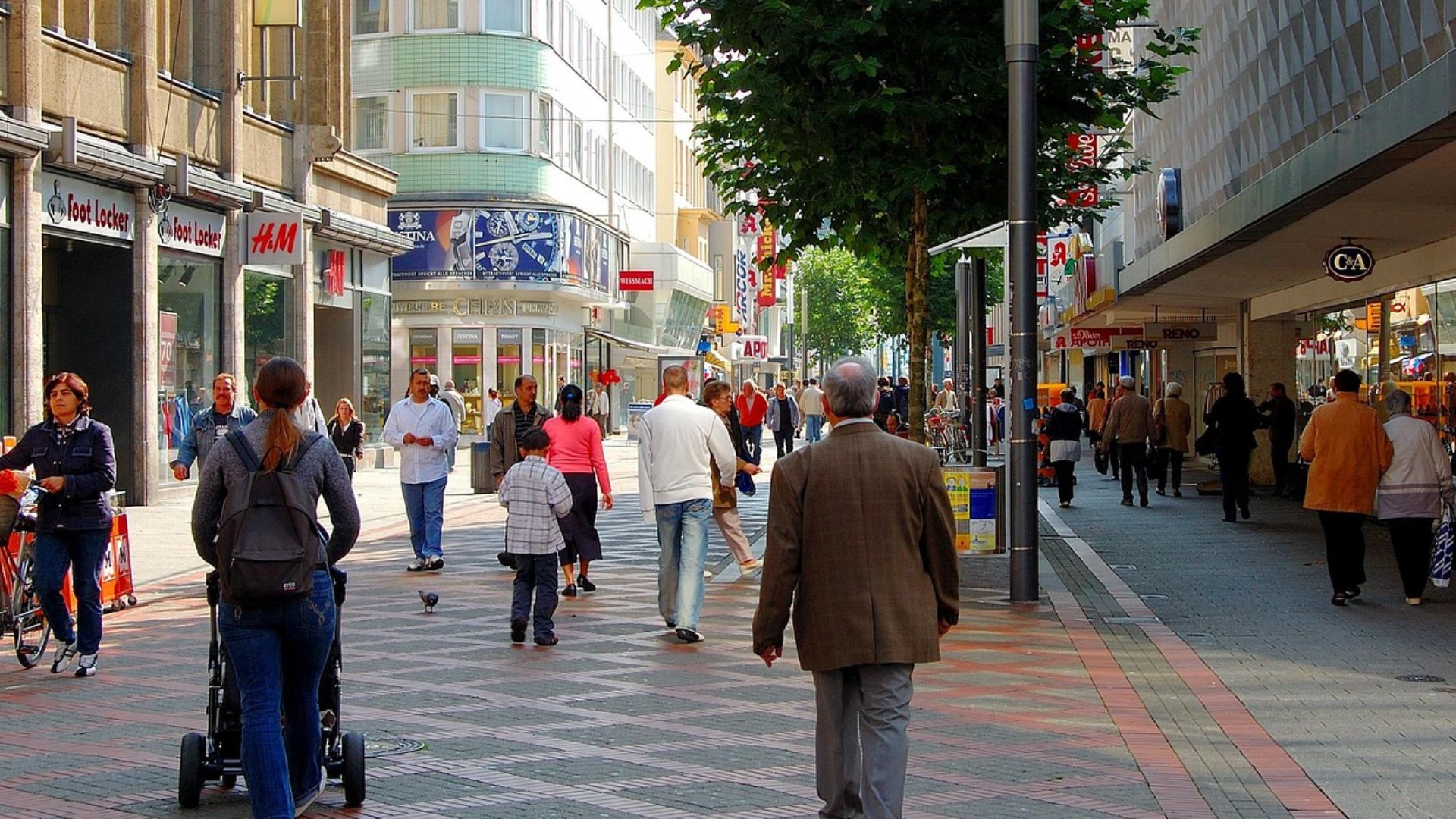
5. Expanded Pedestrian Zones
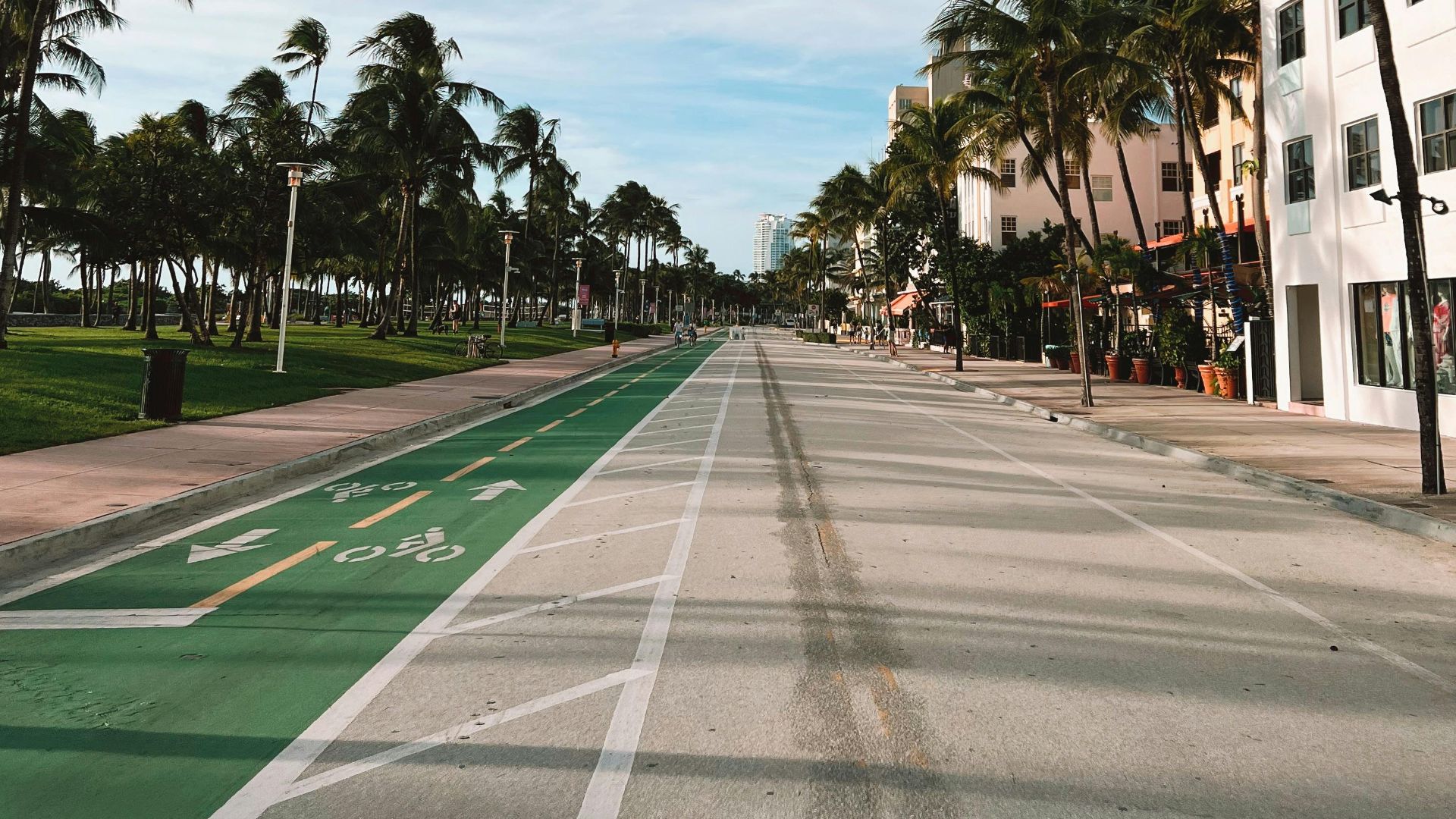
The closure of streets to cars instantly opens more room for walking and cycling and gives people larger public spaces to use. As pedestrianization expands, urban areas naturally spark more social interaction. These zones become lively spots where people meet and enjoy outdoor activities.
6. Increased Cycling Infrastructure
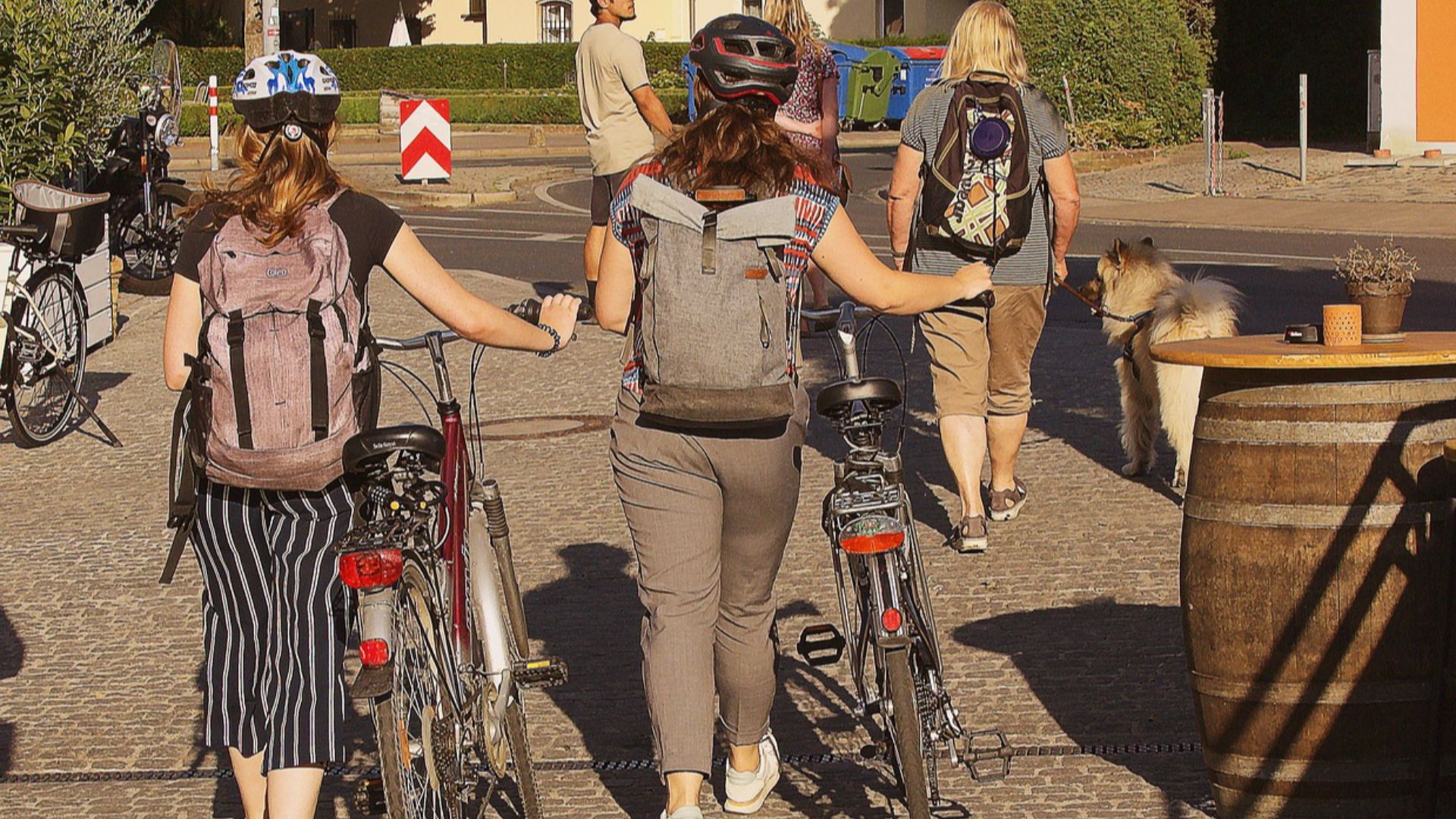
Car-free initiatives frequently add new cycle lanes that link different areas, which makes biking safer and more appealing. With extra room for cyclists, staying active becomes easier. Cities continue improving bike networks, which turns cycling into a practical way to travel.
7. Boosted Local Businesses
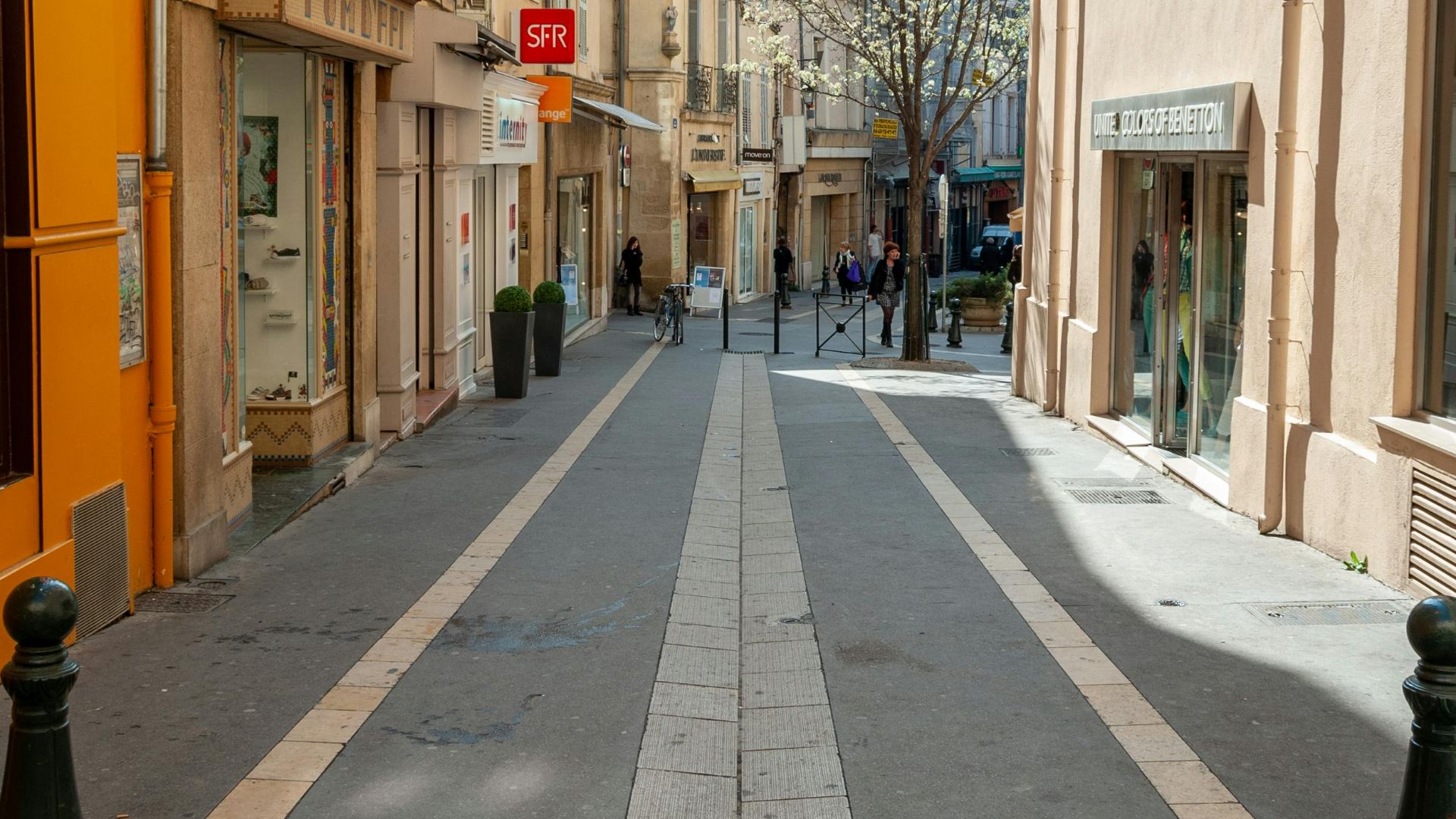
Cars leaving walkable shopping streets help local businesses attract more customers. People linger longer and spend more in areas designed for pedestrians. Reducing car traffic can even revive struggling downtowns by improving walkability.
8. Preservation Of Historic Districts
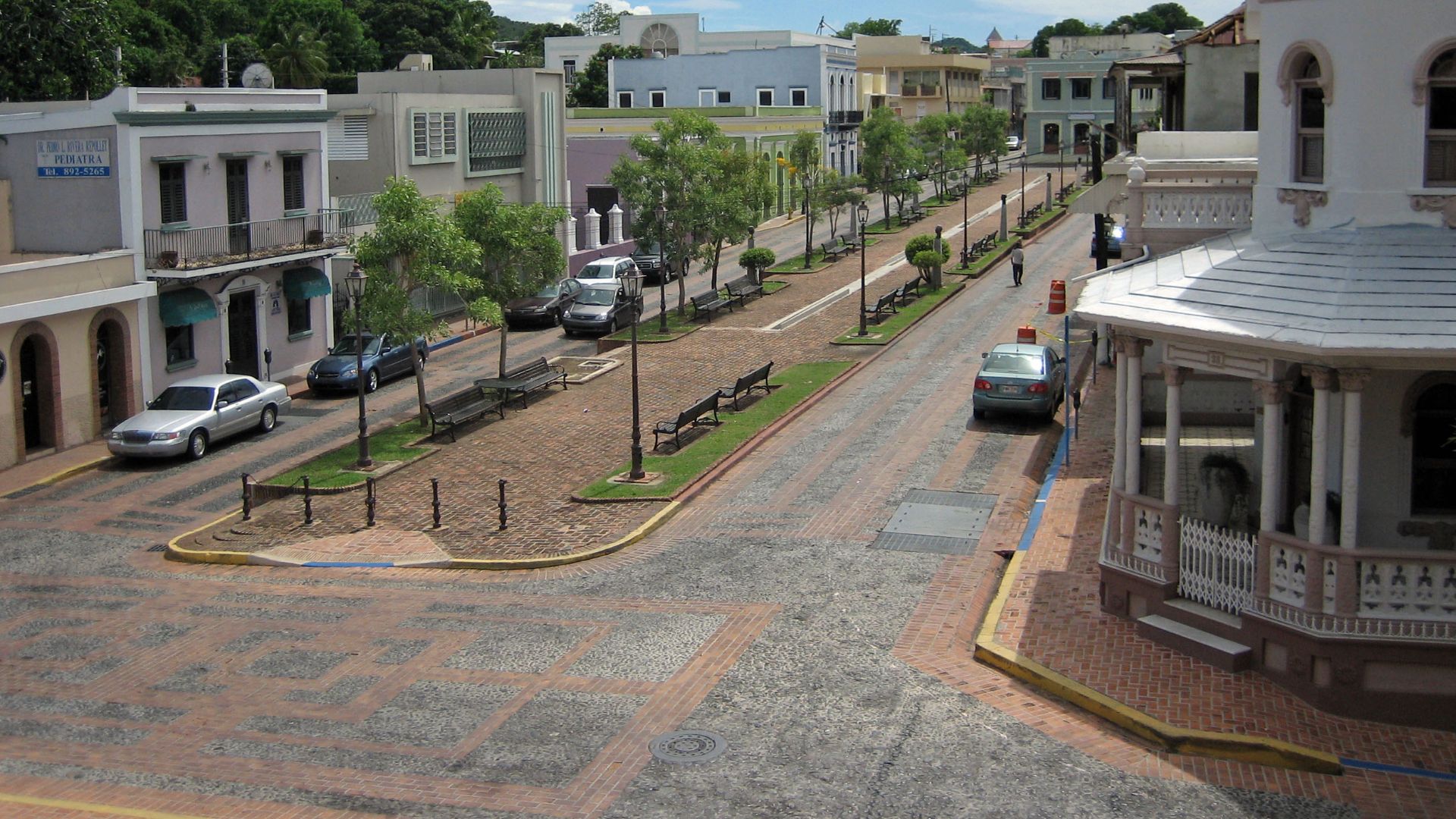
Protecting historic districts becomes simpler when car-free policies reduce congestion. Without heavy traffic, older buildings face less pollution and traffic damage. Once freed from vehicles, these areas often rise as popular tourist destinations.
 Oquendo from Freeport, NY on Wikimedia
9. Enhanced Mental Well-Being
In places where reduced traffic creates quieter surroundings, mental well-being improves. These calmer environments help people feel less stressed and more at ease. Green spaces also offer quiet corners for reflection and relaxation.

10. Lower Infrastructure Costs
Cities save money when car-free policies shrink the need for extensive roads and parking. Many programs remove public parking spaces as part of their plans. Former roadways often become parks, playgrounds, or green zones, which lowers overall maintenance demands.