
10 Toyota Models That’ll Last Forever & 10 That Age Faster Than You’d Expect
The Toyota Reputation Is Earned, But Not Even Toyota’s Perfect
Toyota’s “it’ll run forever” legend exists for a reason, but the badge doesn’t magically freeze time for every model and every era. Some Toyotas are the kind you hand down, while others feel dated, fussy, or financially annoying sooner than you’d expect. A lot of this comes down to drivetrain choices, niche tech, and a few specific problem-era engines that can sour the reputation. Here are 10 Toyotas that tend to go the distance and 10 that can feel like they’re aging in dog years.
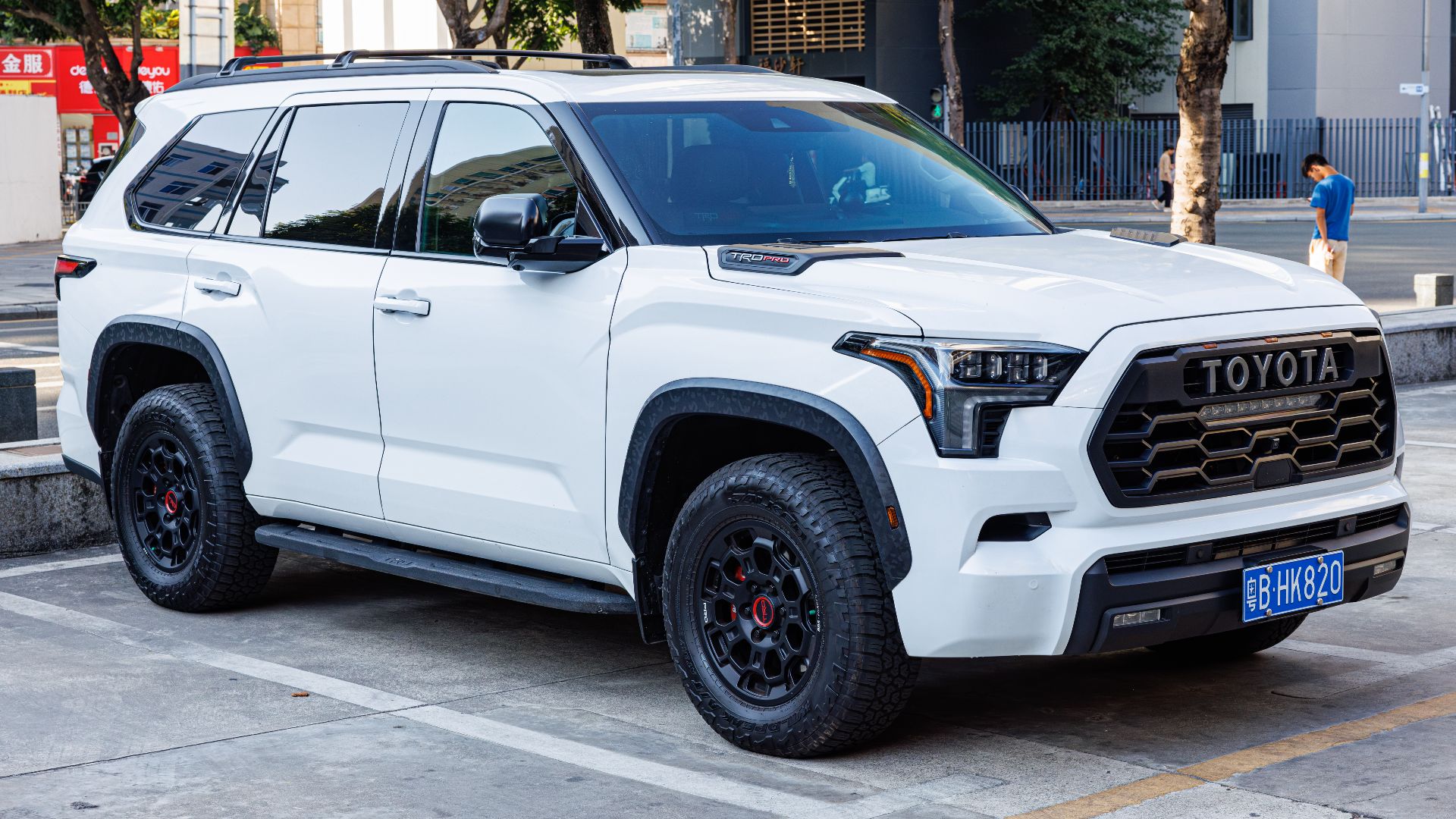
1. Toyota Sequoia
If you want a Toyota that treats high mileage like a warm-up lap, the Sequoia has a strong track record. Data-focused longevity studies regularly put it at the very top for reaching truly huge mileage totals. It’s big, it’s thirsty, and it’s built for the long haul.
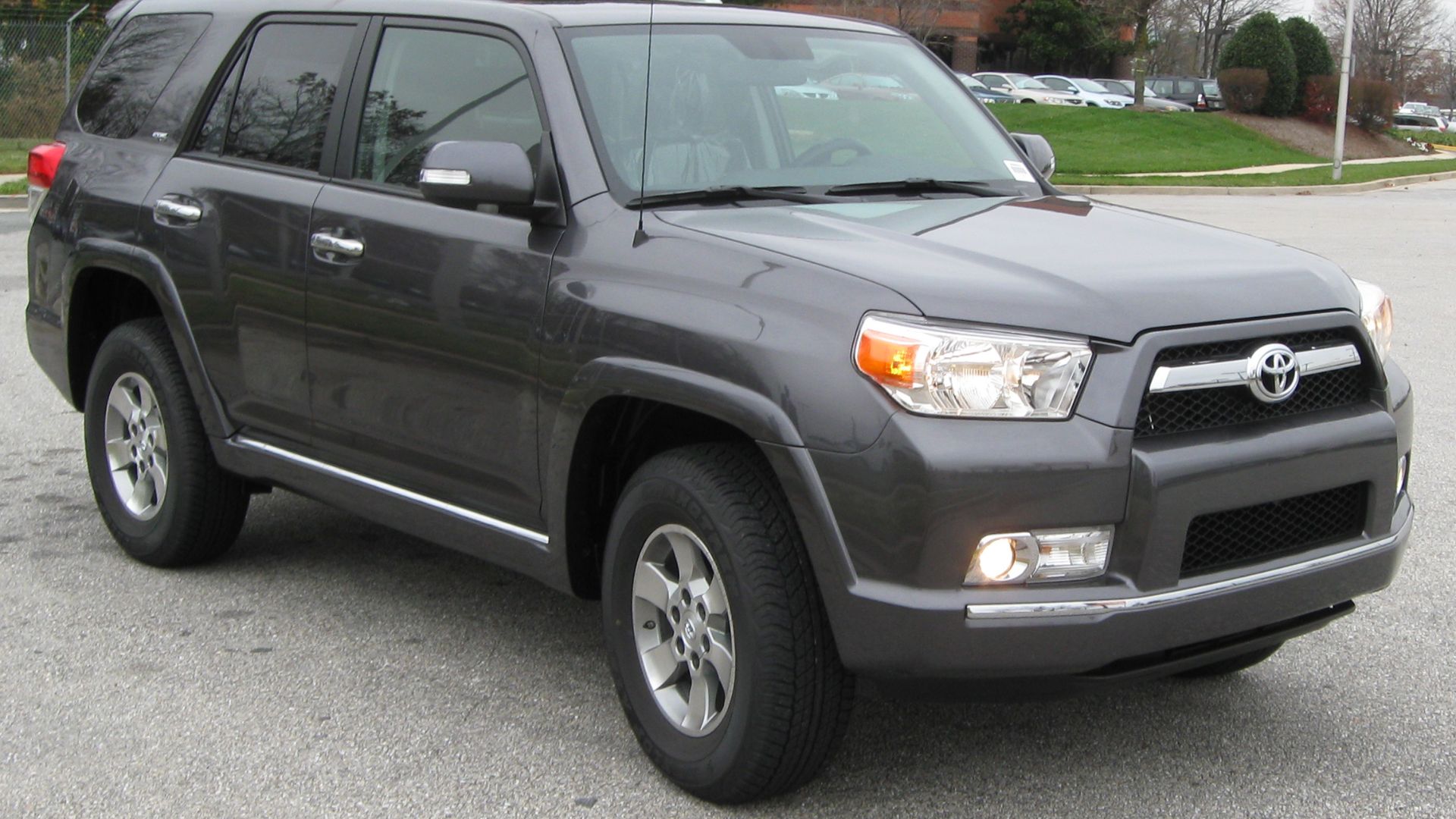
2. Toyota 4Runner
The 4Runner may be old-school, but it's a true workhorse because simple, proven hardware ages gracefully. You’ll give up some modern efficiency, but you often gain years of service.
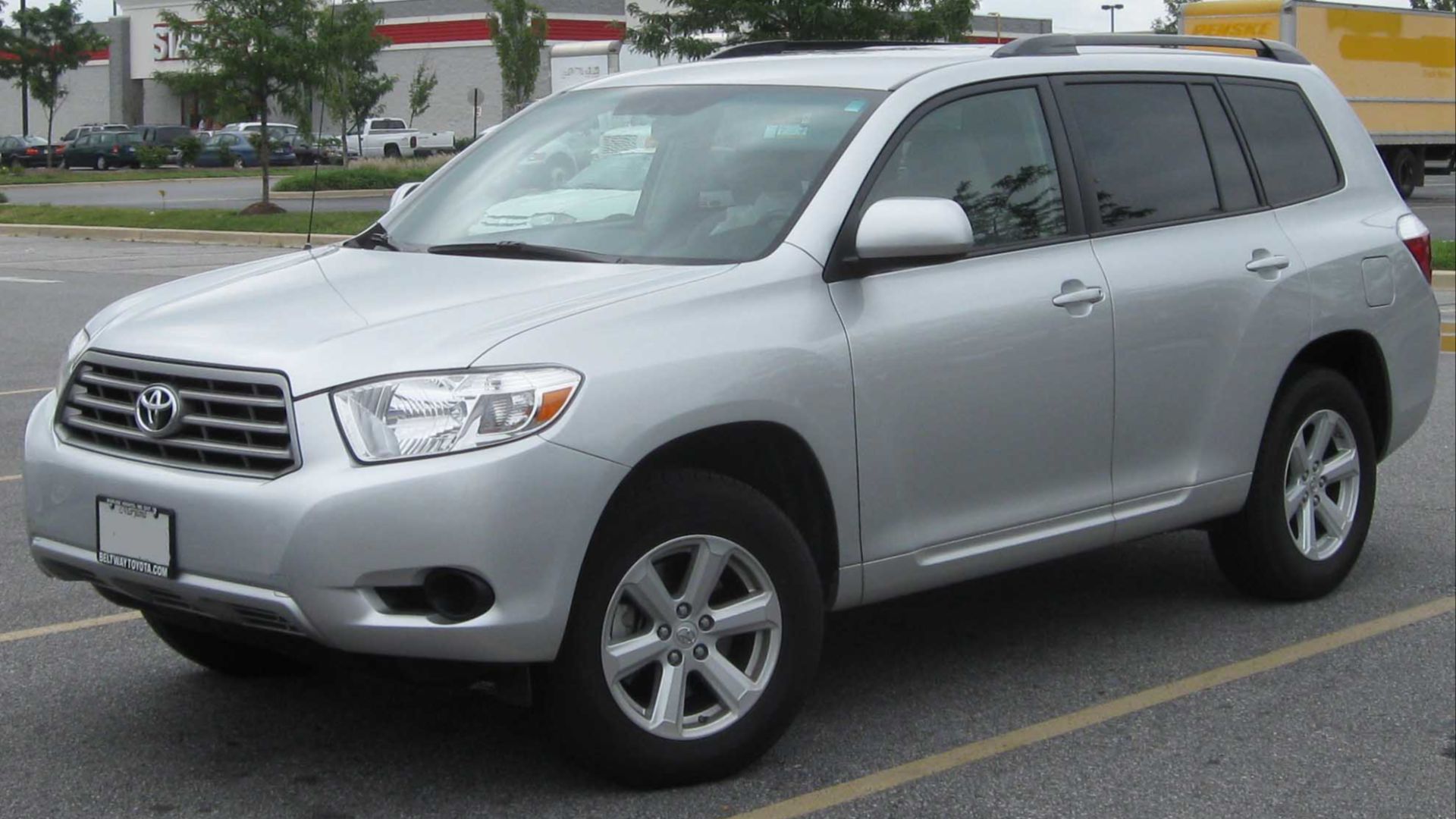
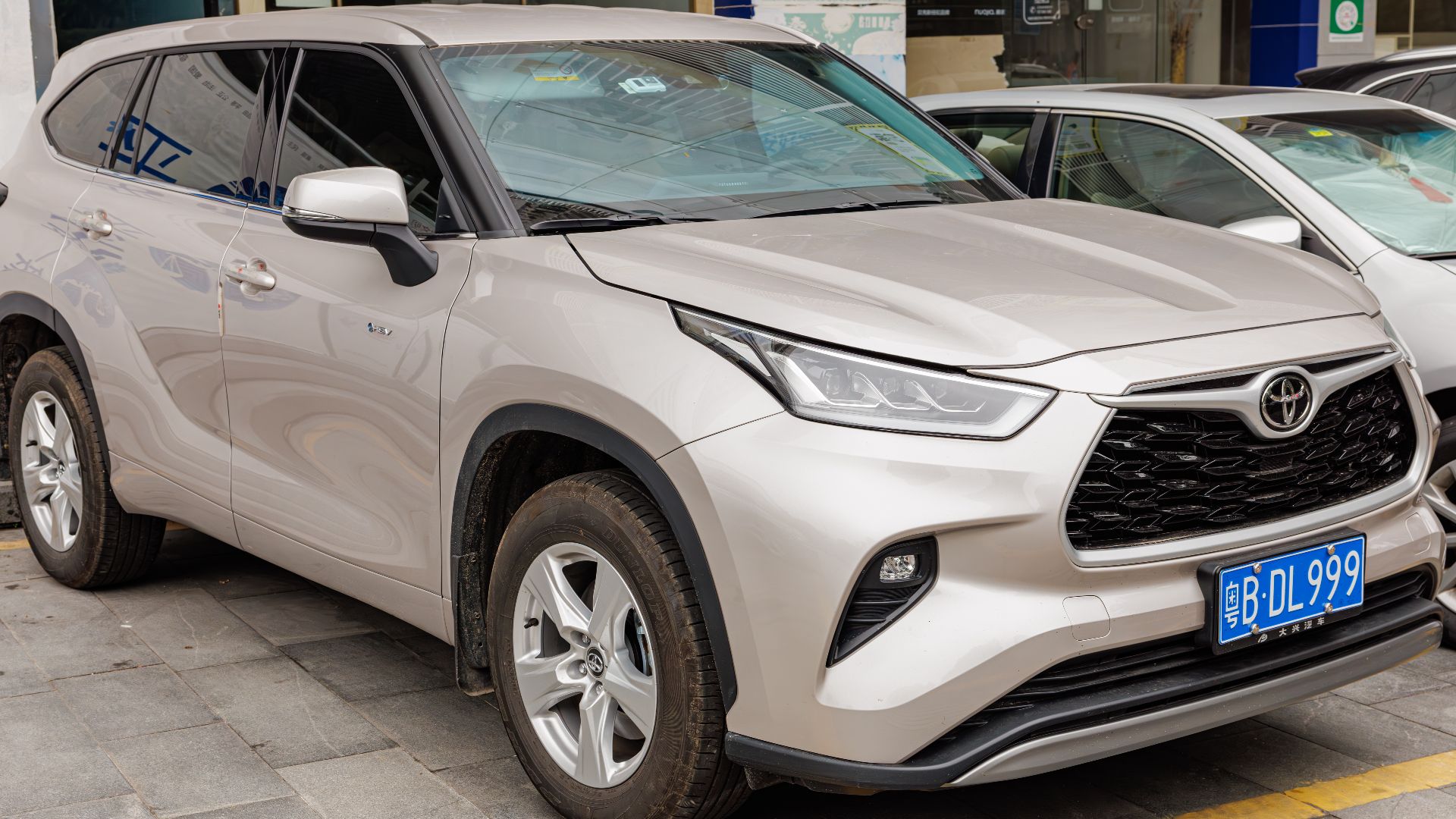
3. Toyota Highlander Hybrid
A Highlander Hybrid is the kind of practical choice that wins the long game. It shows up near the top of long-life rankings, which is impressive for a family-hauler that’s likely to rack up daily miles. If you keep up with routine maintenance, it’s typically a steady, low-drama steed.
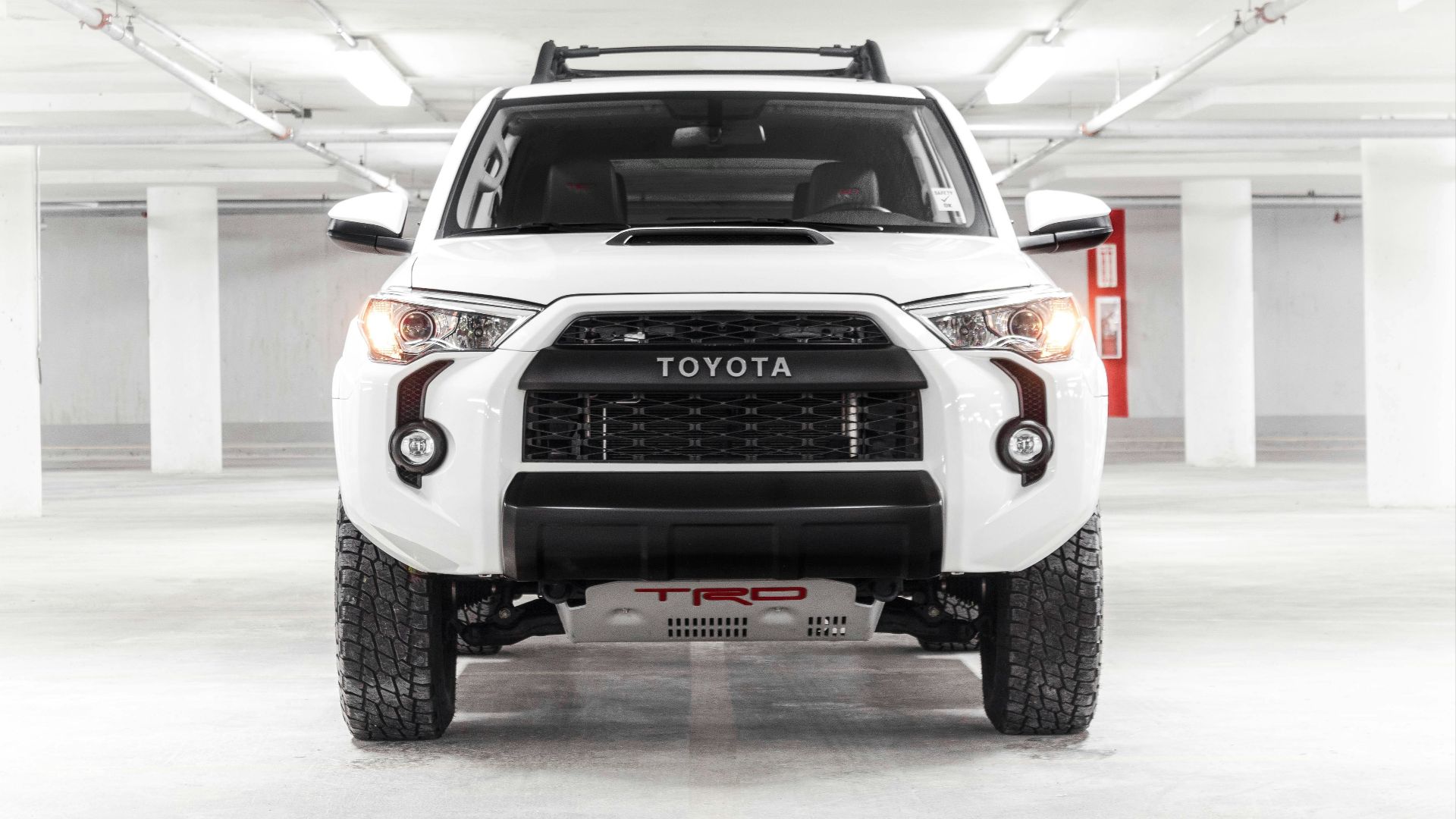
4. Toyota Tundra
Tundras have a reputation for taking work, weather, and mileage without blinking an eye. Longevity studies repeatedly rank it among the models most likely to clear 250,000 miles. You might pay more at the pump, but it tends to pay you back in years.
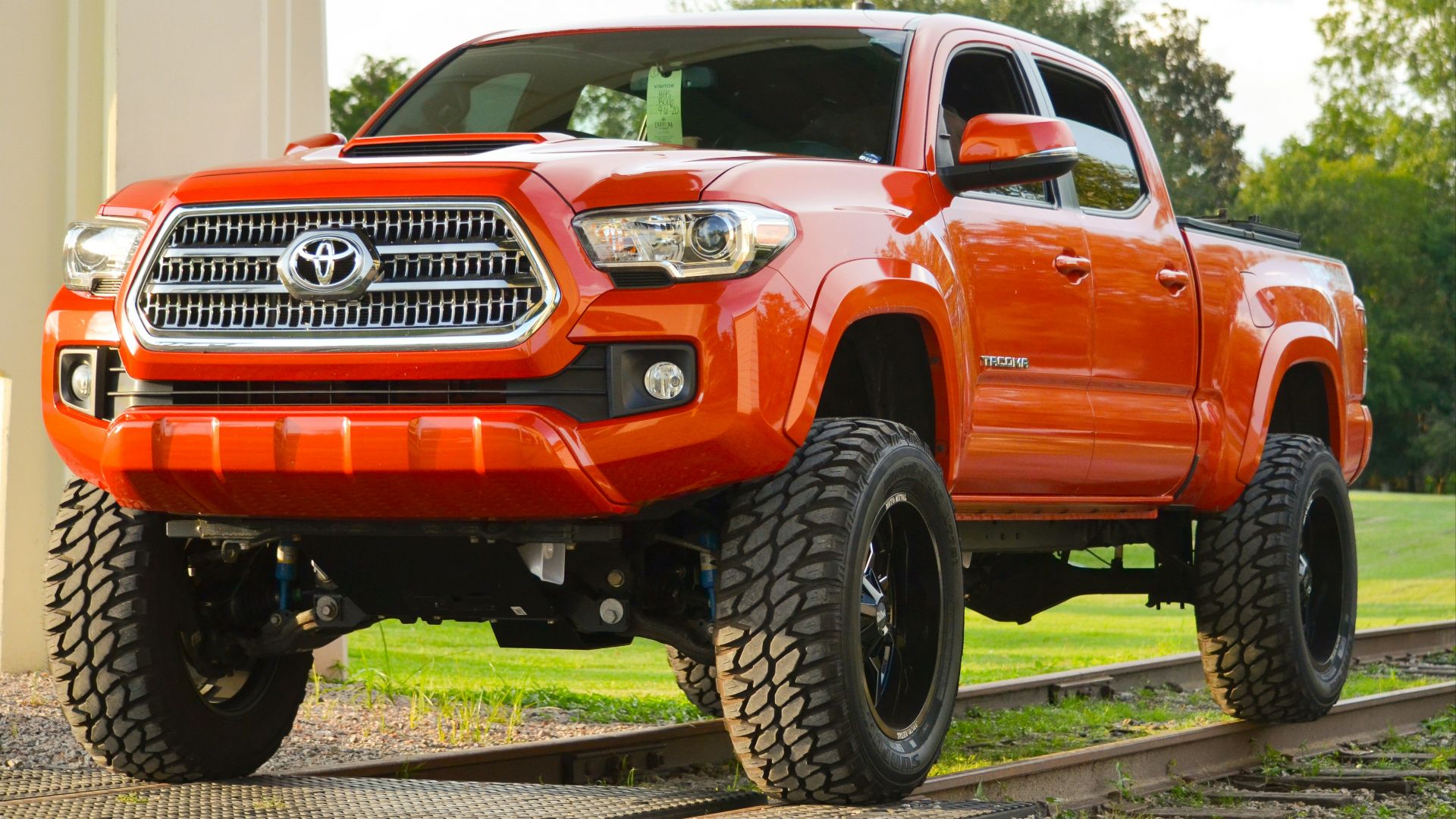
5. Toyota Tacoma
Tacomas are famous for hanging around long after you thought you’d “eventually upgrade.” The model consistently lands high in long-lasting vehicle rankings, which lines up with what you see on the road. If you want a truck that keeps showing up, this is a classic bet.
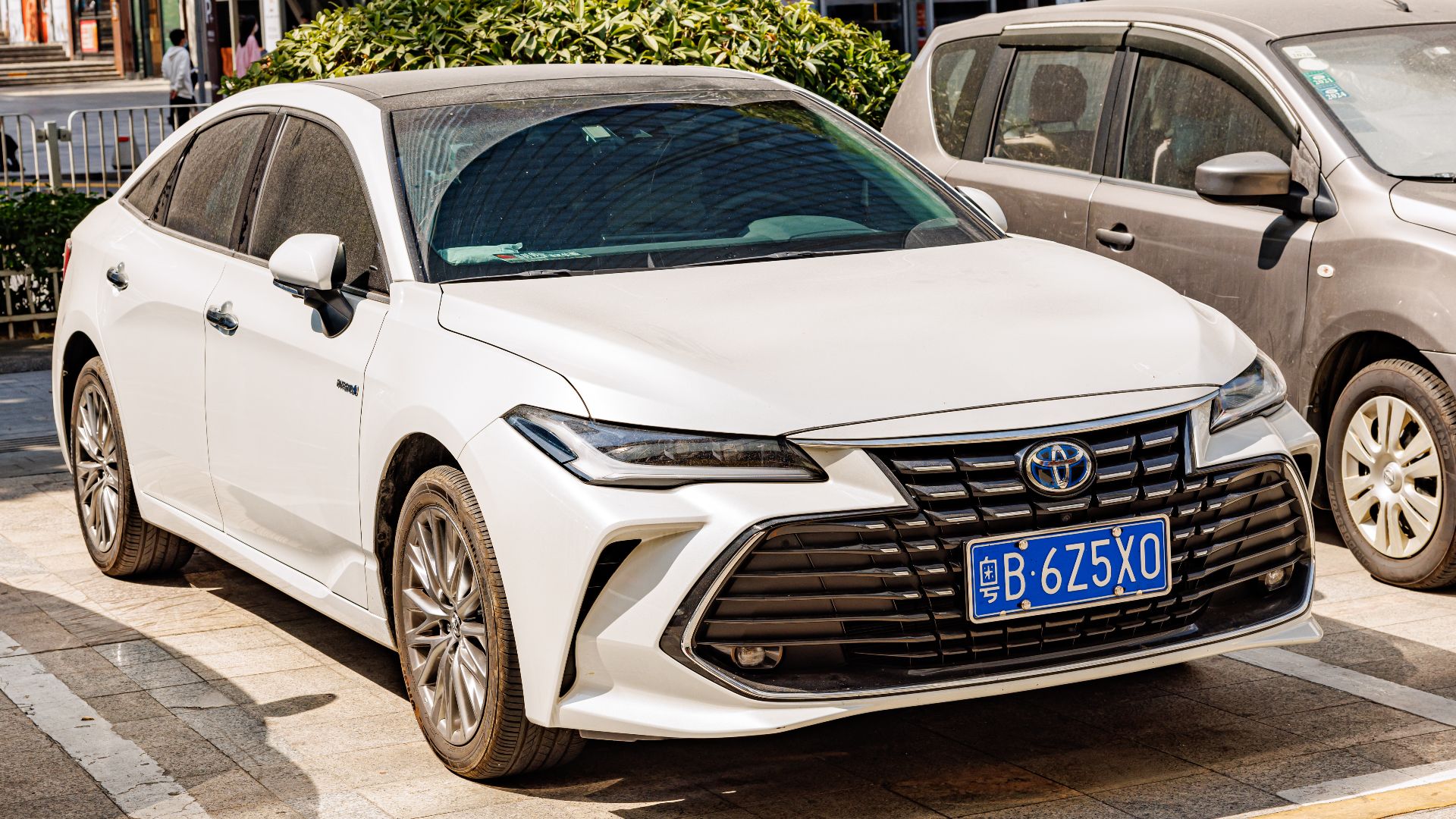
6. Toyota Avalon
Avalon is proof that “comfortable” and “durable” can coexist just fine. It ranks strongly for long lifespan potential, and owners often keep them for ages because they’re easy to live with. It’s basically competence in sedan form.
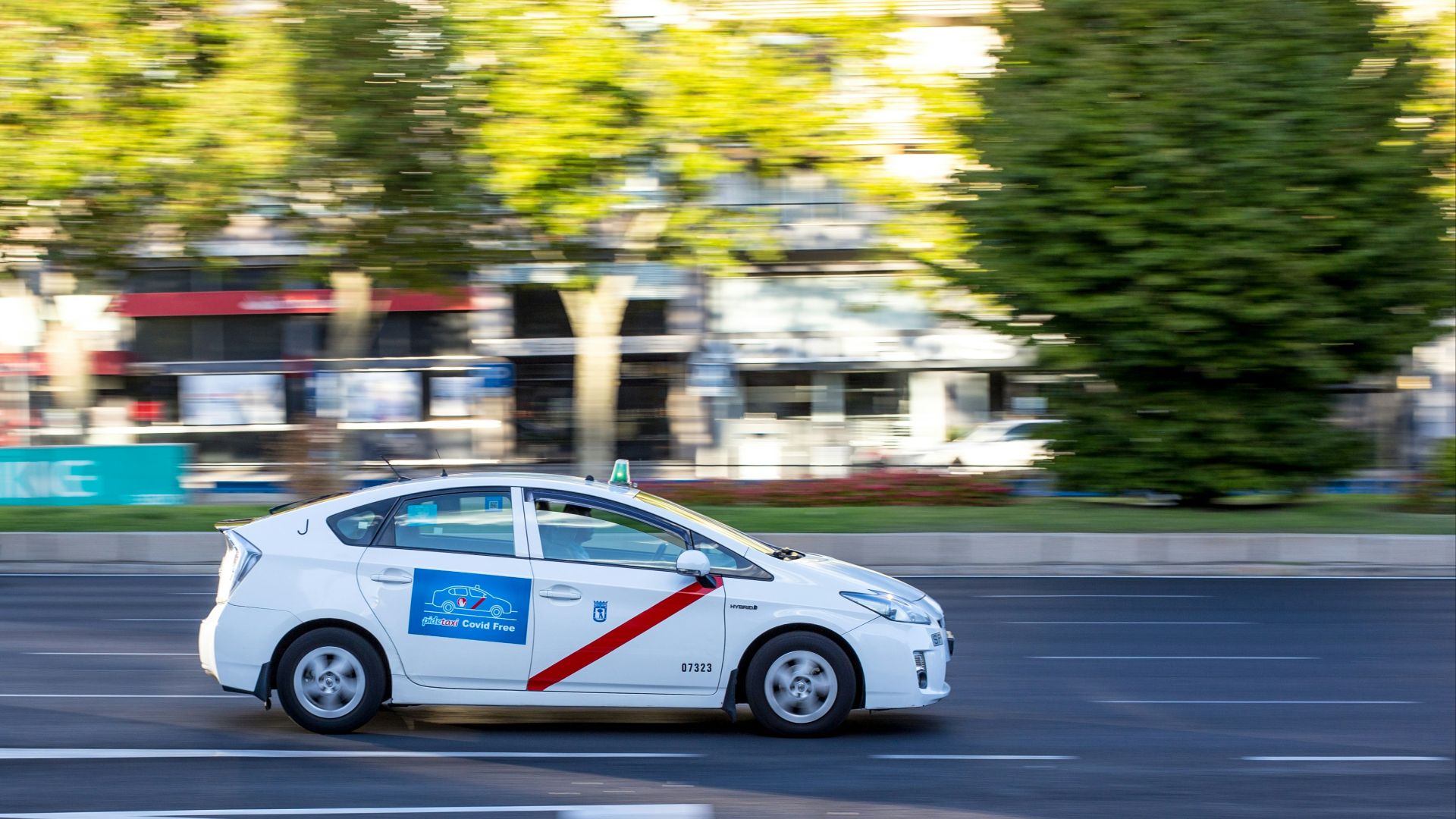
7. Toyota Prius
As the OG hybrid, the Prius has been around long enough that there are plenty of high-mile examples still doing their thing. Longevity data often places it above average for surviving to very high mileage. The big win is that it’s economical while it’s doing all that commuting.
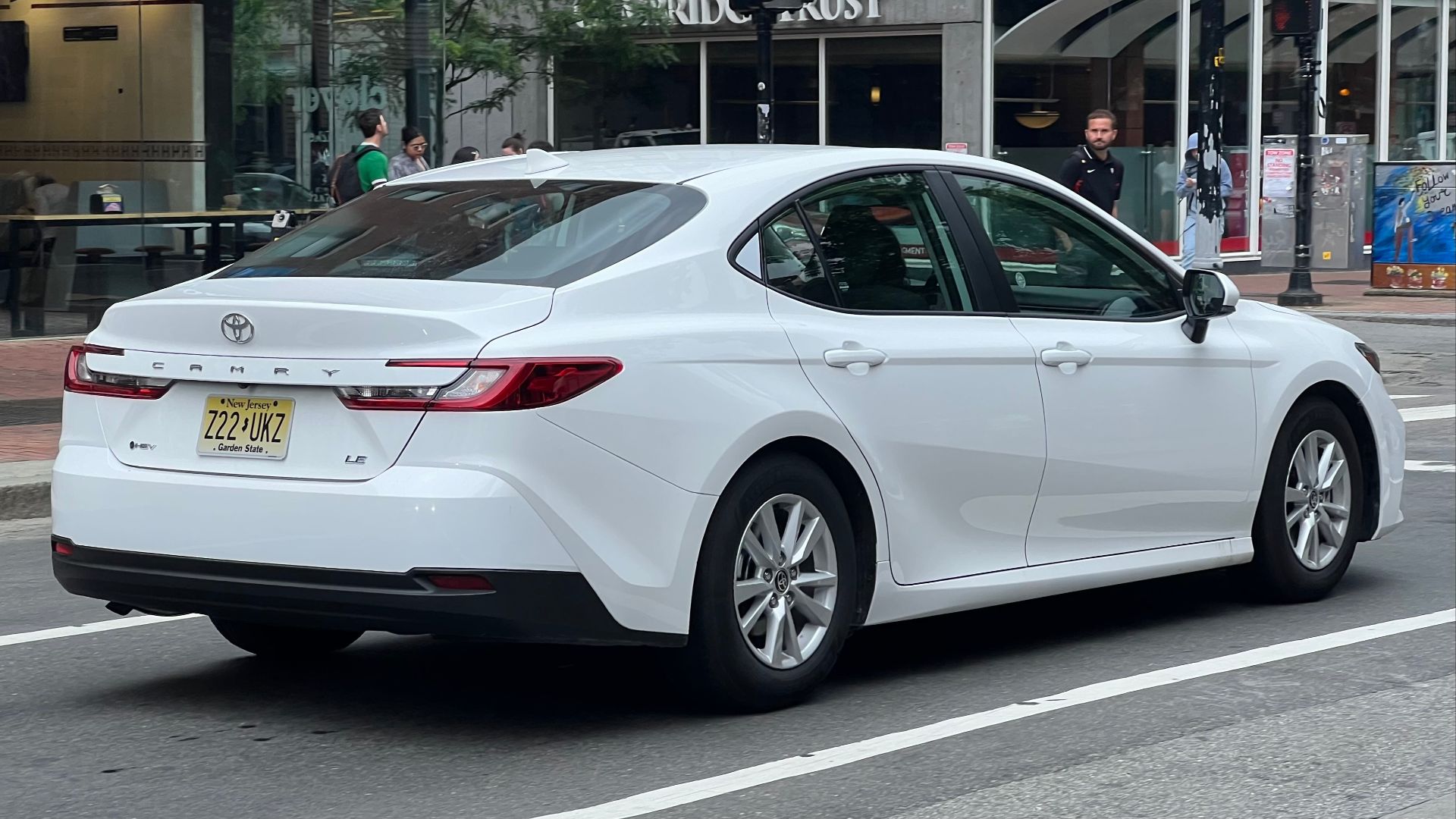
8. Toyota Camry Hybrid
Camry Hybrids tend to age like a sensible adult: not flashy, but consistently reliable if you treat them decently. They appear in long-life rankings as a passenger-car option with above-average odds of hitting big mileage. If you want efficiency without feeling like you bought a science project, it’s a solid lane.
9. Toyota Camry
The regular Camry is the default “I just need it to start” car for a reason. It’s commonly listed among passenger cars with better-than-average long-term survival odds. You won’t get the most exciting drive, but you’ll usually get a lot of years.
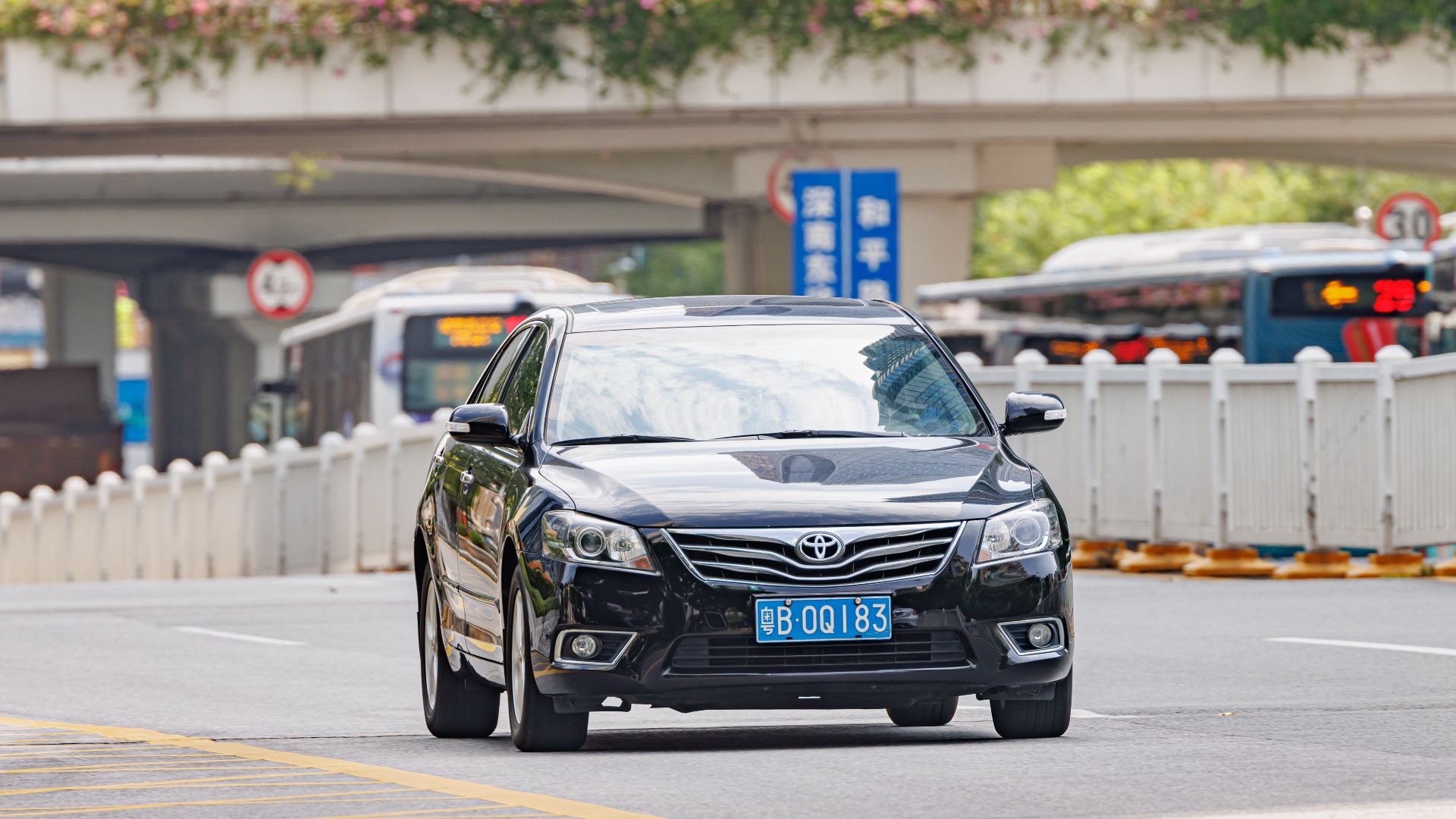
10. Toyota Corolla
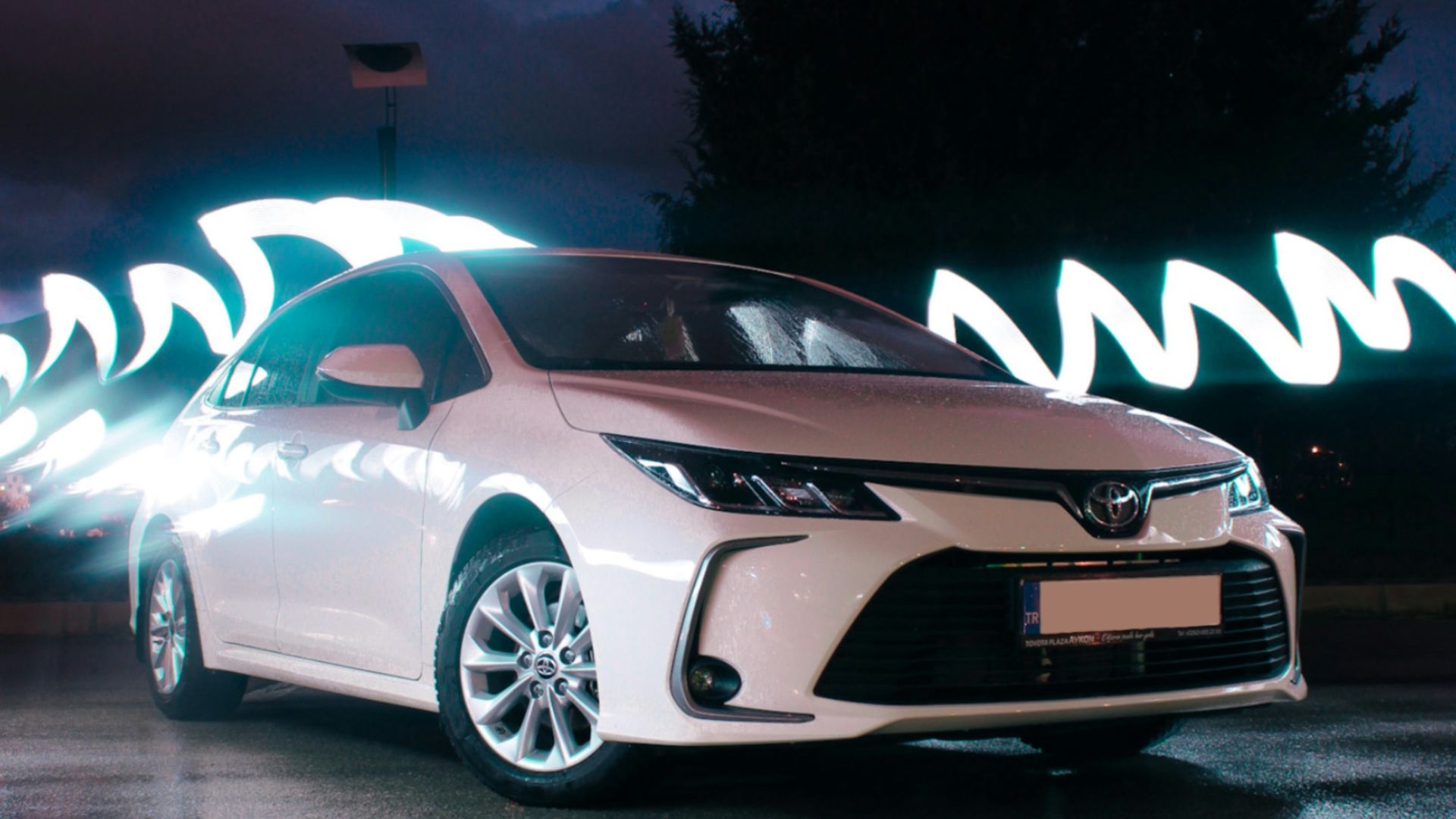
Corolla is the low-key endurance champ that never tries to impress you. It shows up in longevity lists as a car that can outlast expectations with basic care. If you want a commuter that doesn’t crave attention, this is it.
Now that we've talked about the models that gave Toyota that indestructible reputation, let's go over the flops.
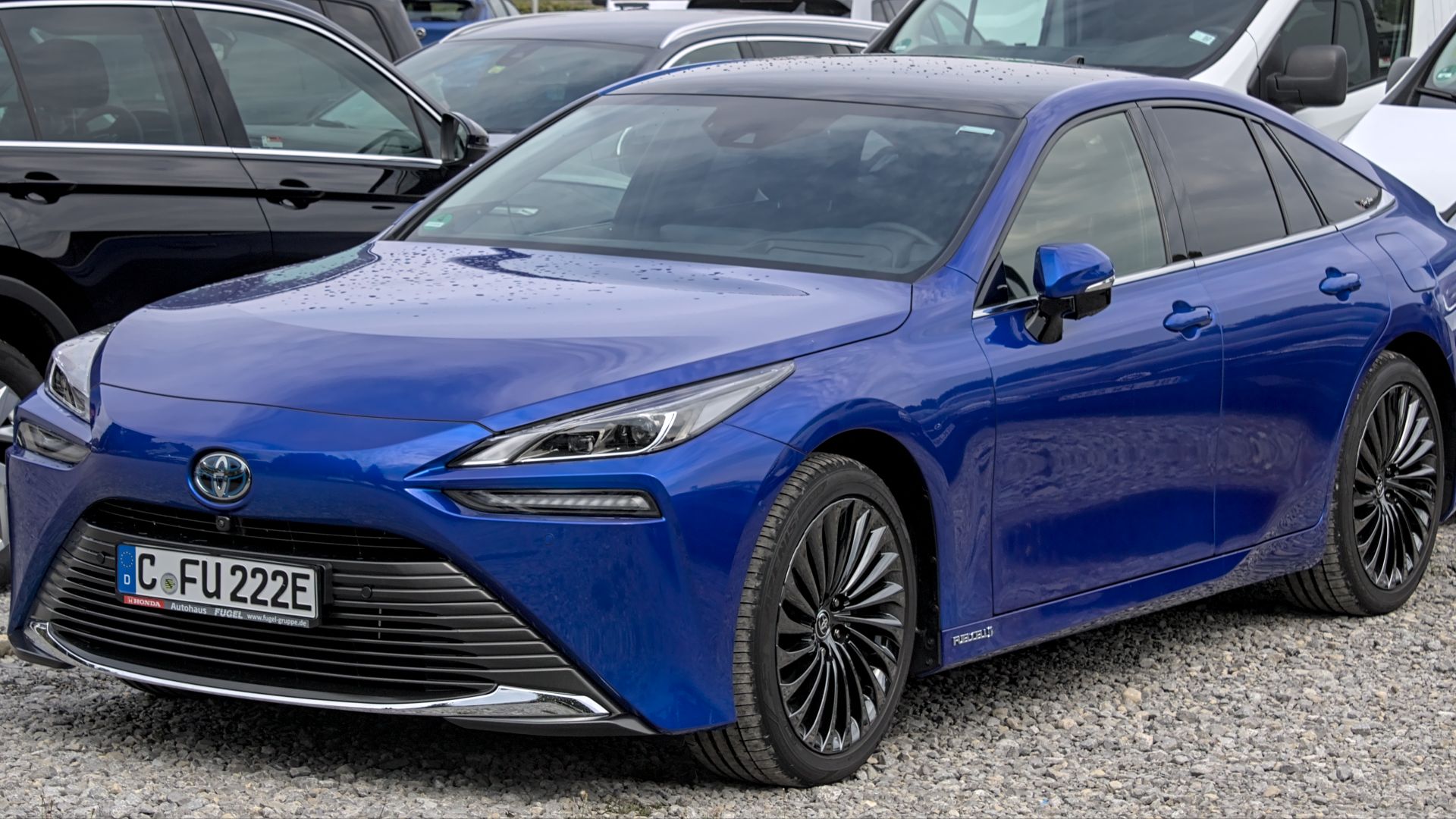
1. Toyota Mirai
The Mirai can feel like it ages fast for a simple reason: owning one depends on a hydrogen refueling network that isn’t consistently convenient. Reports of station closures and refueling challenges have driven serious frustration, including lawsuits from the owner.
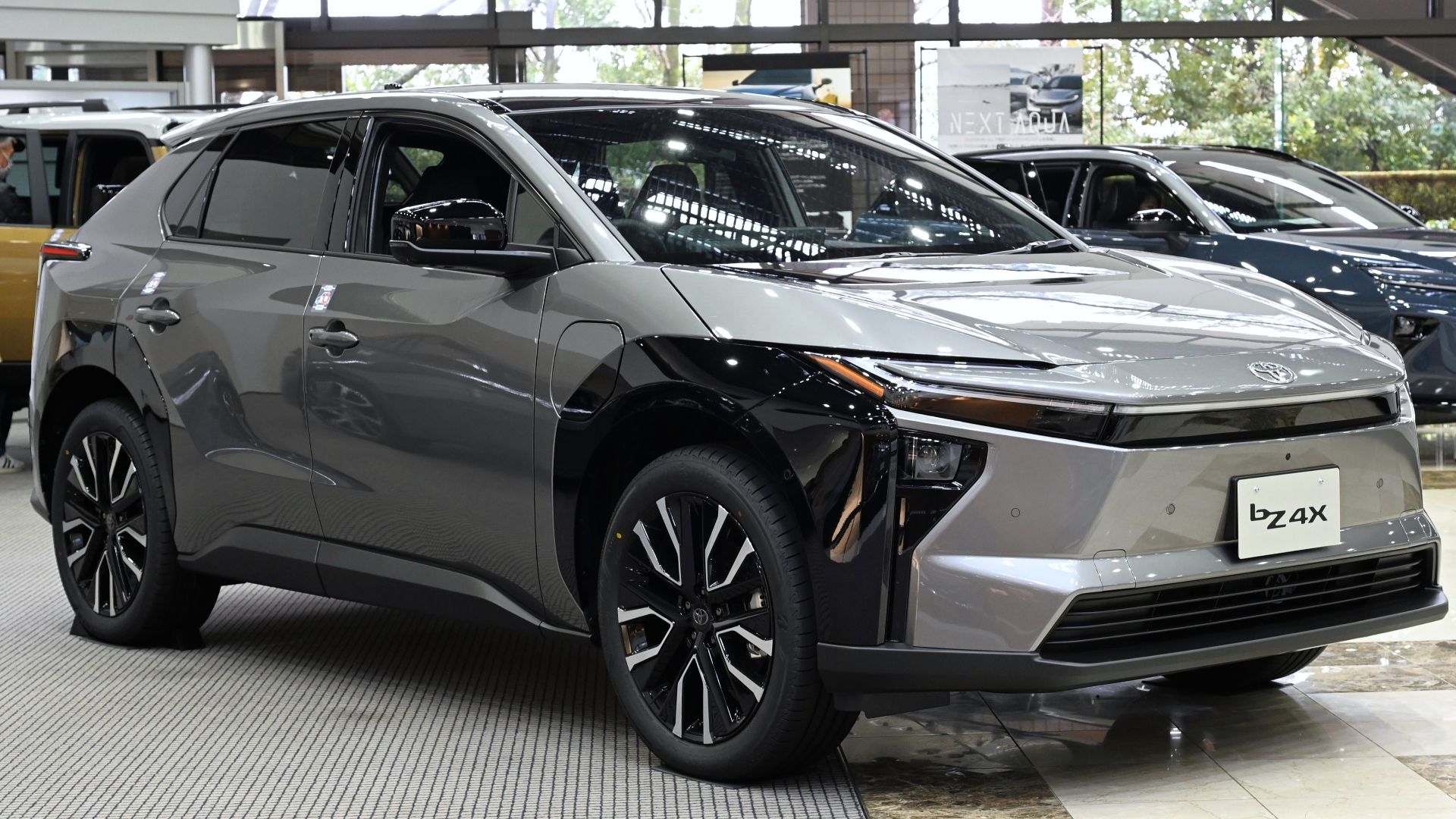
2. Toyota bZ4X
Early bZ4X ownership got defined by a very public wheel hub bolt recall, which is not the kind of first impression anyone wants. NHTSA documents describe a scenario where hub bolts can loosen enough for a wheel to detach, and Toyota advised owners not to drive until fixed. On top of that, reviewers have criticized the outgoing model for lagging range and charging compared to rivals.
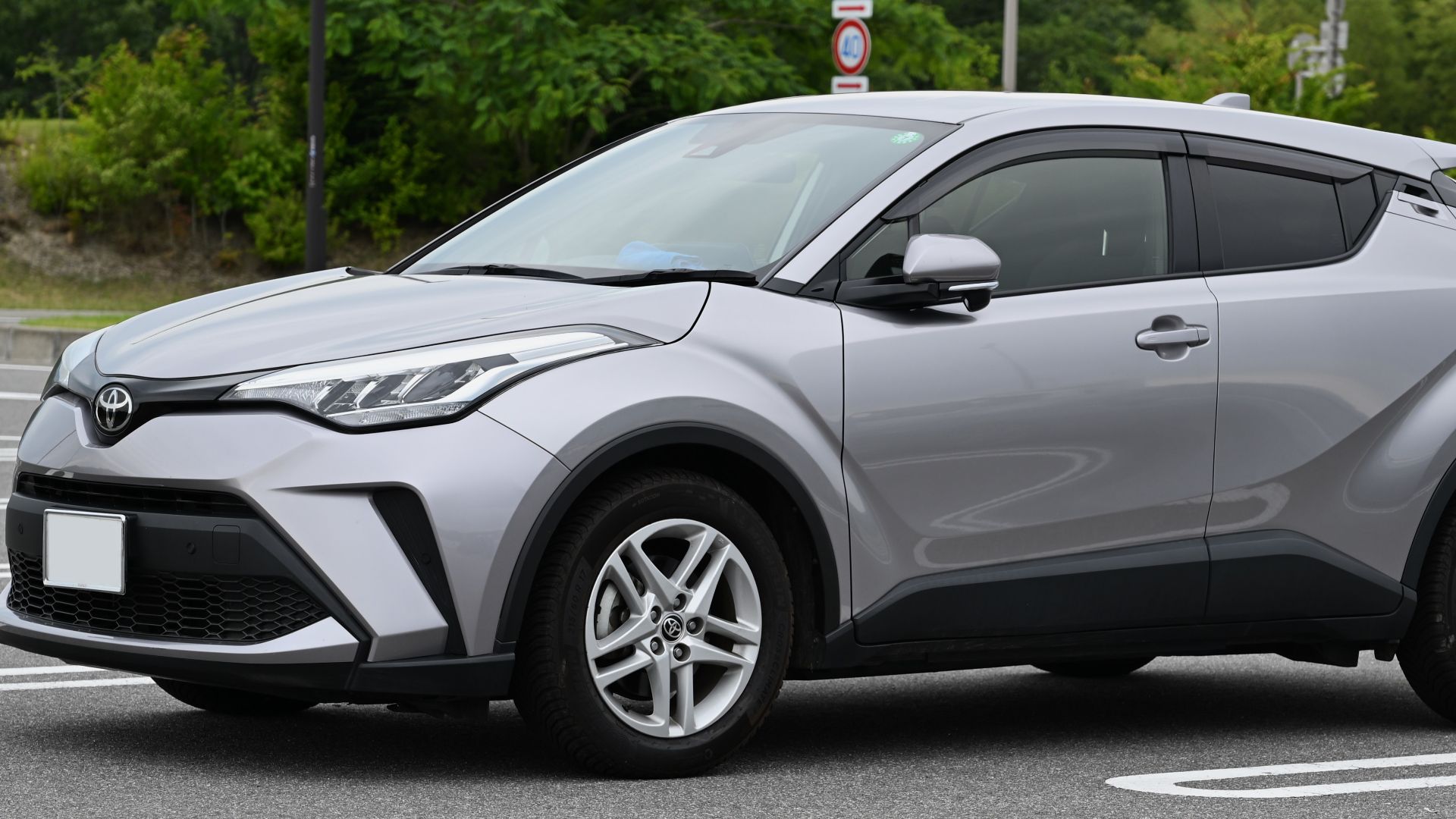
3. Toyota C-HR
The C-HR’s styling had personality, but its U.S. run was short, and a discontinued model can start feeling dated in a hurry. When a vehicle disappears from the lineup, resale value and parts familiarity can change abruptly. It’s not that it instantly becomes unusable, but it can lose momentum faster than more mainstream Toyotas.
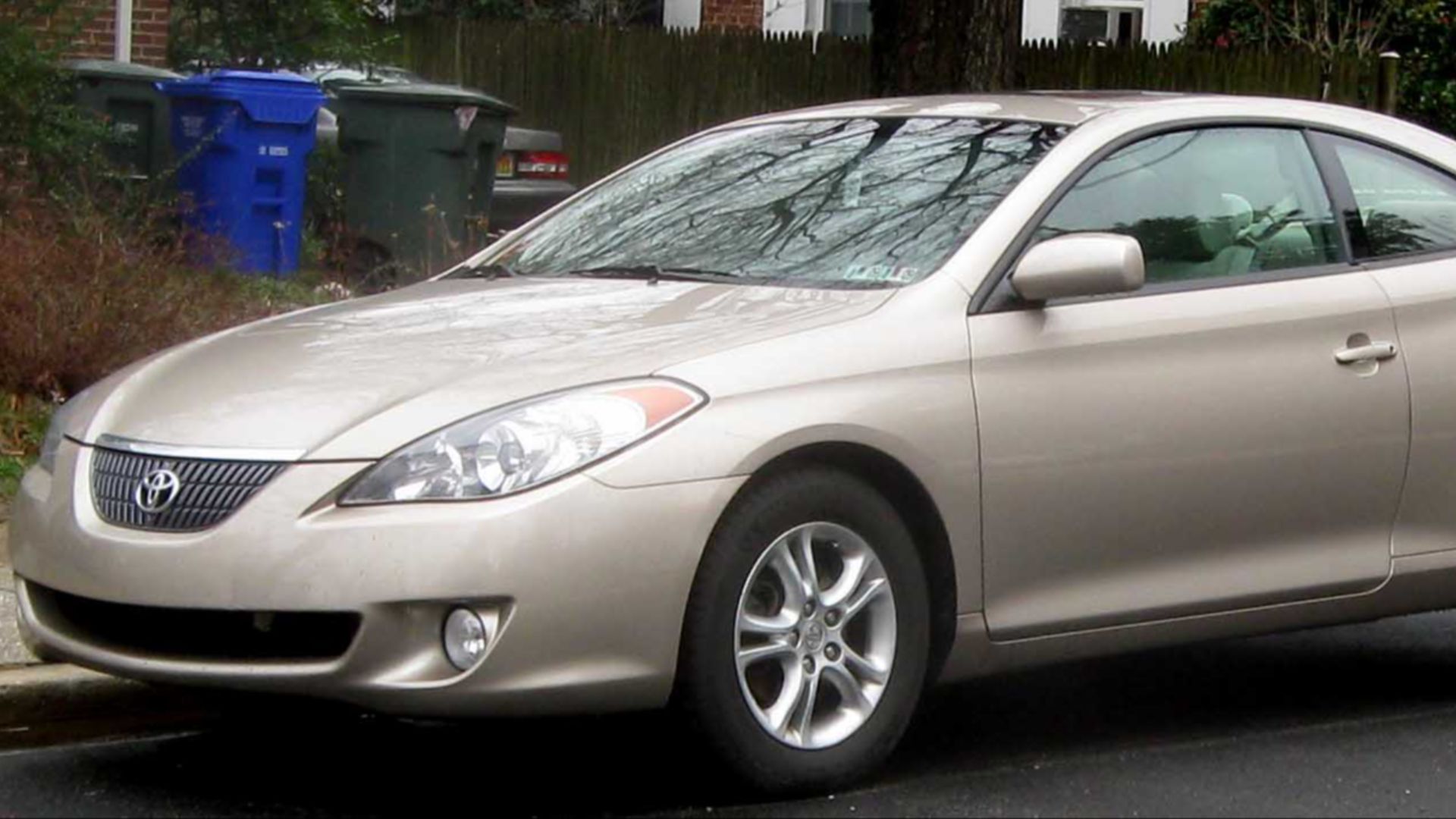
4. Toyota Solara (2007–2008)
Some Solara years are tied to the 2AZ-FE oil consumption issue that Toyota addressed in a technical service bulletin. Burning oil doesn’t always kill a car, but it can make ownership feel like homework if you’re constantly monitoring levels. A coupe/convertible also tends to date out in the market sooner than a plain sedan, even if it’s still running fine.
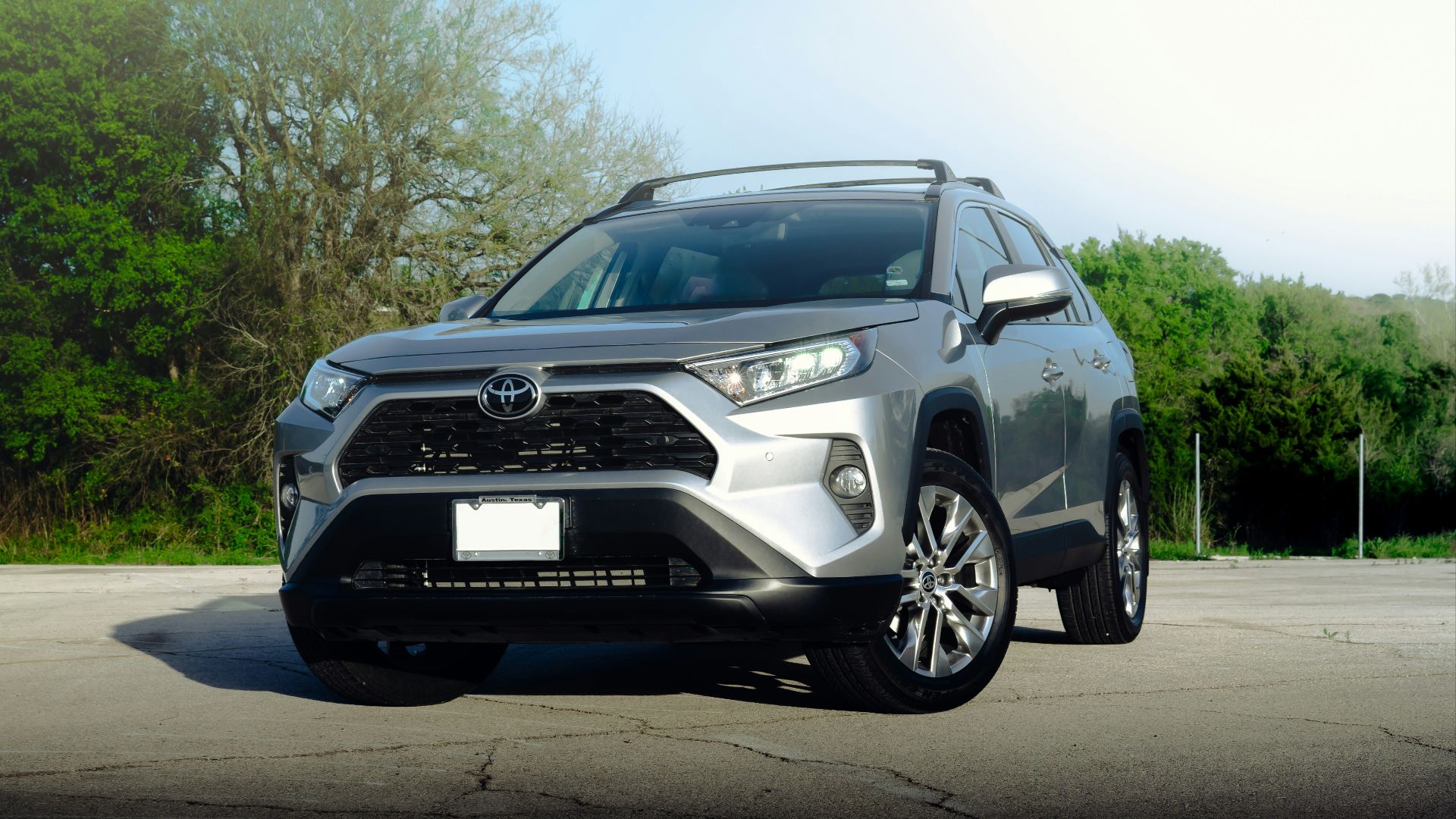
5. Toyota RAV4 (2006–2008)
Certain RAV4 years made Toyota’s oil-consumption bulletin list as well. If you’re unlucky with the severity, it’s the kind of issue that makes a vehicle feel older than its mileage suggests. You can still have a good RAV4 experience, but these particular years can be more of a gamble.
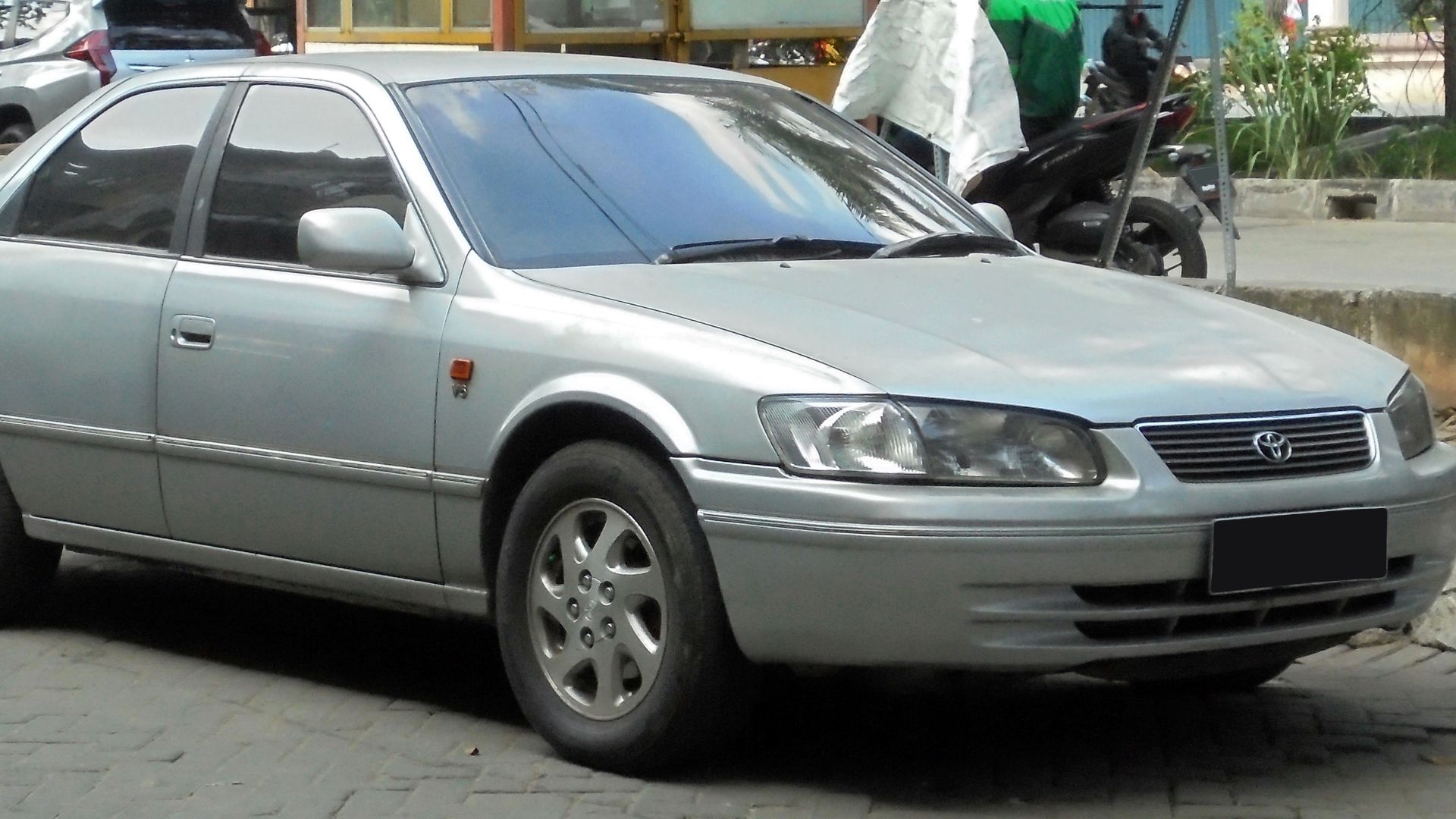
6. Toyota Camry (2007–2009)
Camry is legendary overall, but some model years with the 2AZ-FE are included in Toyota’s own documentation for excessive oil consumption. That kind of known-pattern annoyance can turn a normally chill ownership experience into a routine of checks and top-offs. It’s a good reminder that “Camry” isn’t one single story across every year.
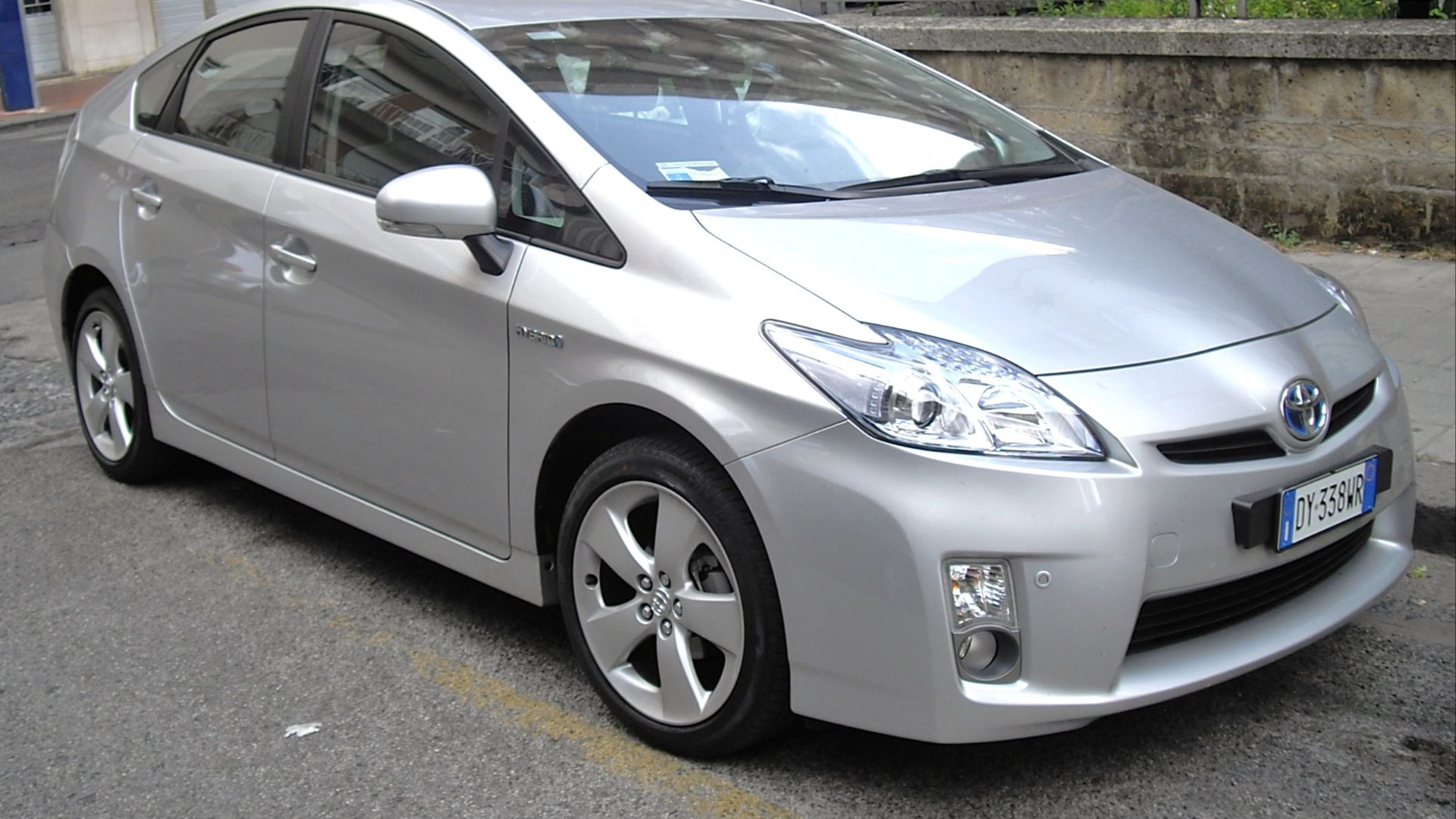
7. Toyota Prius (2010)
Some Prius years are loved for longevity, but the 2010 model year has owner-reported head gasket complaints that can be expensive when they hit. The frustrating part is that a car can otherwise feel fine until the issue suddenly becomes the whole plot. If you’re shopping used, this is where checking maintenance history matters more than the badge.
8. Toyota Sienna (Late ’90s to Early 2000s)
Toyota faced a class-action settlement tied to engine oil sludge claims covering millions of Toyota and Lexus vehicles from that era, including models like the Sienna. Sludge issues don’t happen to every vehicle, but when they do, they can make a car feel like it aged a decade overnight.
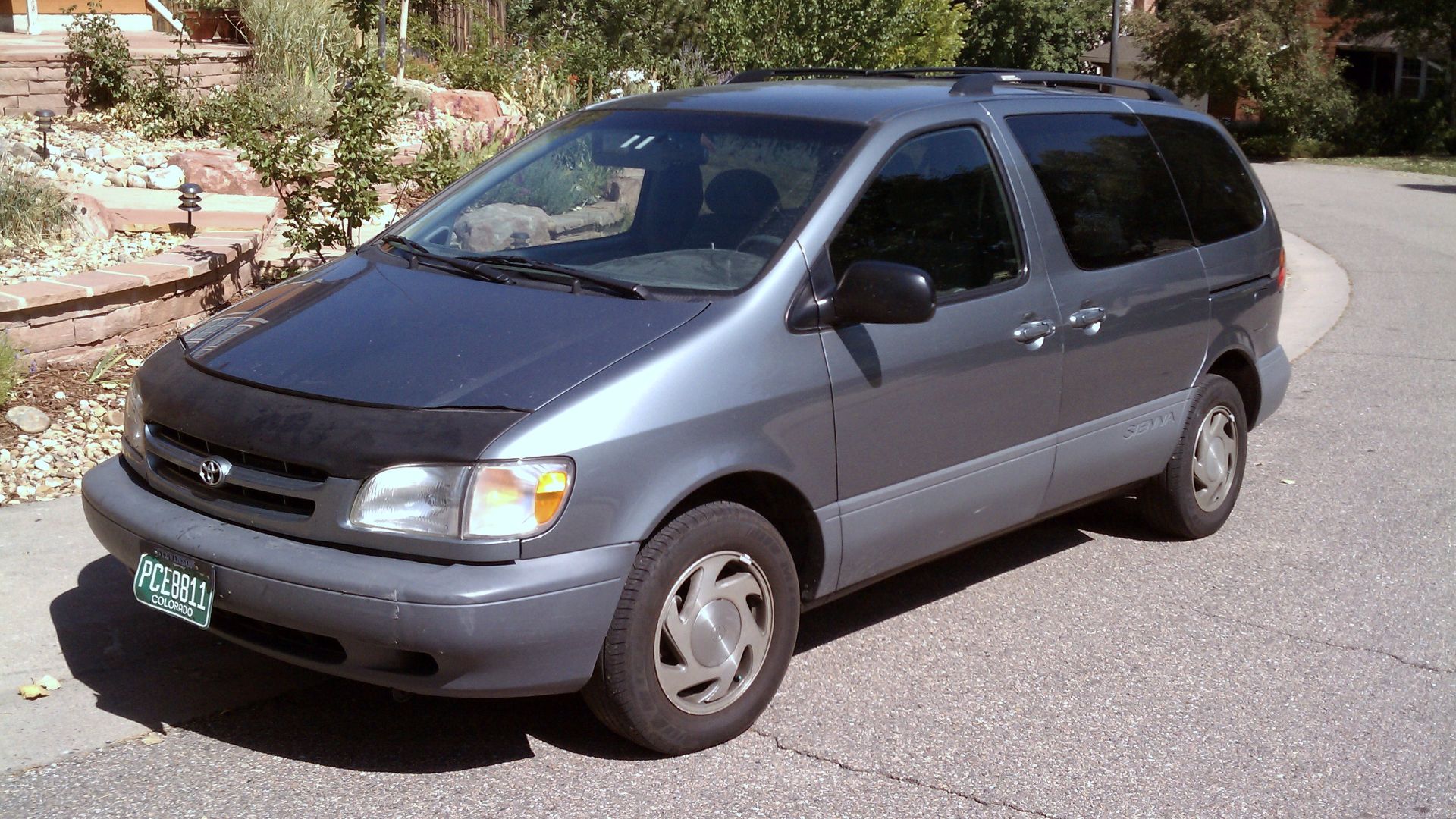 Dave & Margie Hill / Kleerup on Wikimedia
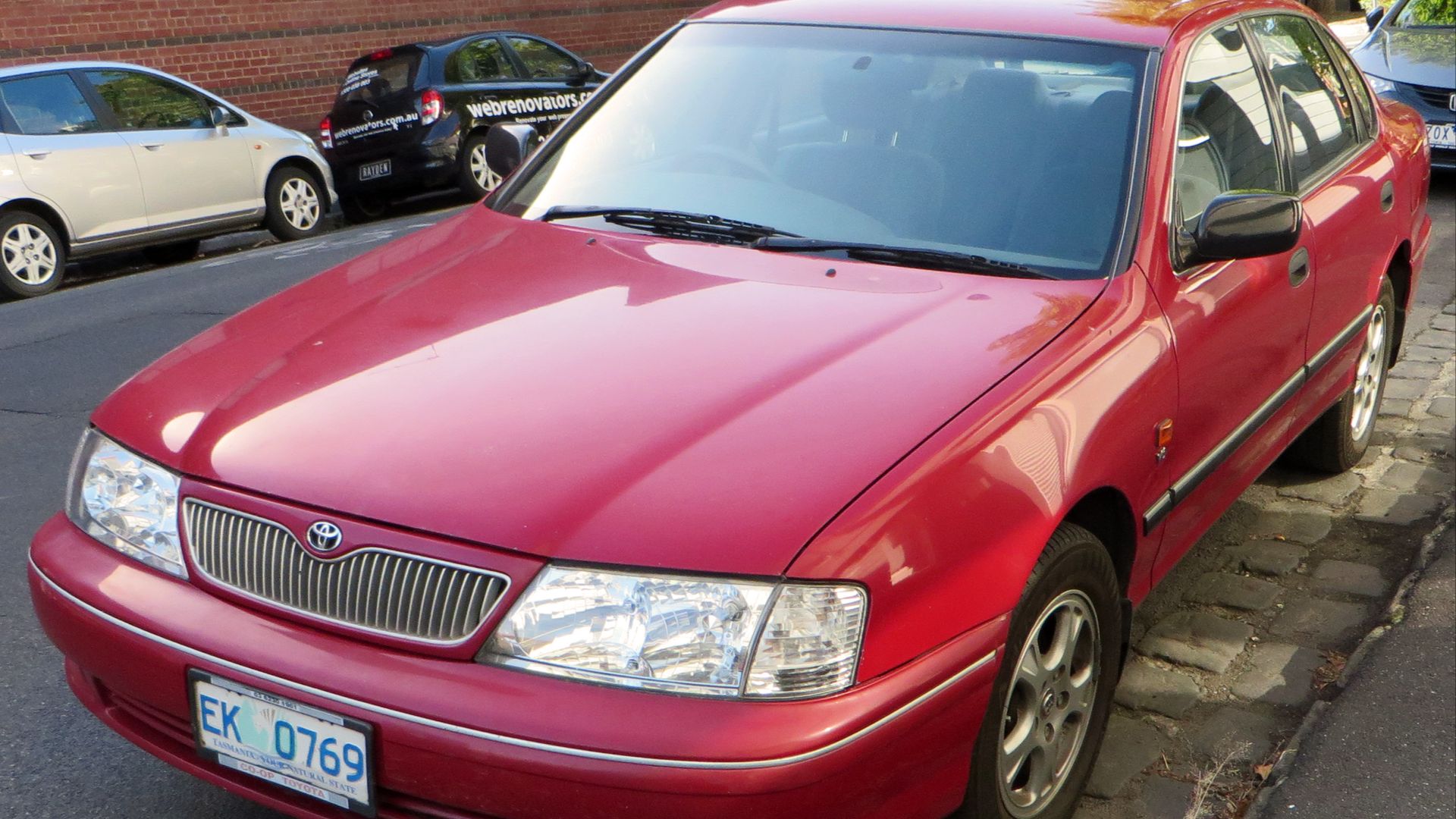
9. Toyota Avalon (Late ’90s to Early 2000s)
Yes, Avalon is on the “last forever” list in general, and it also shows up in the sludge-settlement era, depending on year and engine. That’s not a contradiction, it’s just what happens when a model spans multiple generations and powertrains. If you’re looking at an older Avalon from that window, maintenance records are your best friend.
10. Toyota Highlander (Late ’90s to Early 2000s)
The sludge settlement coverage included multiple popular Toyota models from the era, and the Highlander is often mentioned among them. When an engine has a known historical issue, especially if it's sludge-related, it can impact how “forever-proof” it feels in the used market, even if many owners never experienced it.