
The Secrets of the Showroom Floor
Picture yourself walking onto the showroom floor of a car dealership. Feel like a fish out of water? You should. That salesperson’s been studying you since you drove up to the front of the dealership and has already sized you up. With that in mind, here are 20 assumptions the dealer probably made depending on your behavior.
 Antoni Shkraba Studio on Pexels
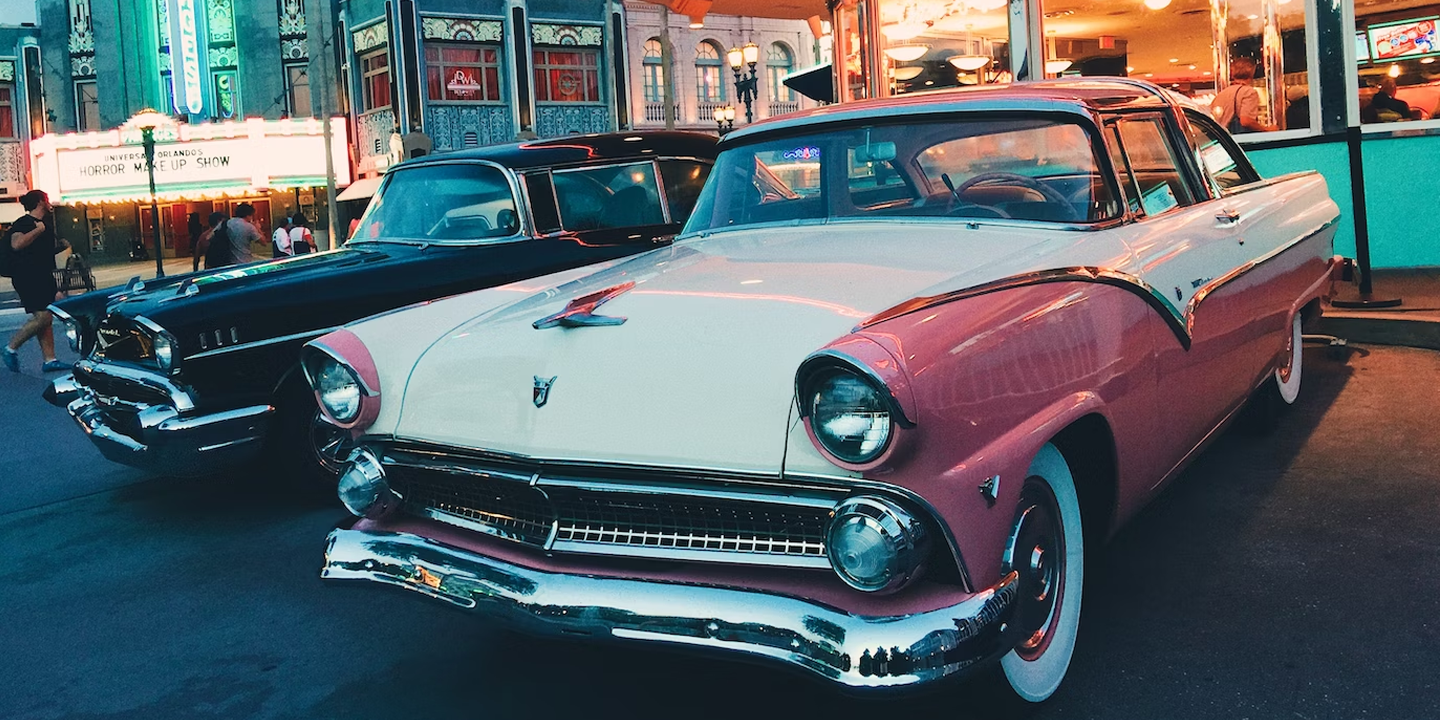
1. Your Current Set of Wheels
You bought your current car from someone. The second they meet you, they’re looking at your vehicle to determine what you drive and how you take care of it. That way, they can figure out your brand loyalty and if you’re there to trade up.
2. The Way You’re Dressed
You don’t need to don a tux to purchase a sedan, but your clothes do speak volumes to how you earn a living or how much money you like to spend. If you’re wearing a suit, they may assume you just came from work. Jeans? They might peg you as someone who’s just passing the time on a Saturday afternoon.
3. Your Body Language
It also helps them determine if you’re eager about buying a car or if you’re just browsing to pass the time. Are you striding confidently towards a vehicle, or are you ambling around aimlessly?
4. Who You Brought Along
Do you have a significant other, parent, or maybe a car guru with you? Whoever you bring to the dealership will clue them in on who’s probably going to make the final decision. They know to look for your glance when mentioning a price point or talking about a feature you may or may not want.
 Antoni Shkraba Studio on Pexels
5. Your First Destination
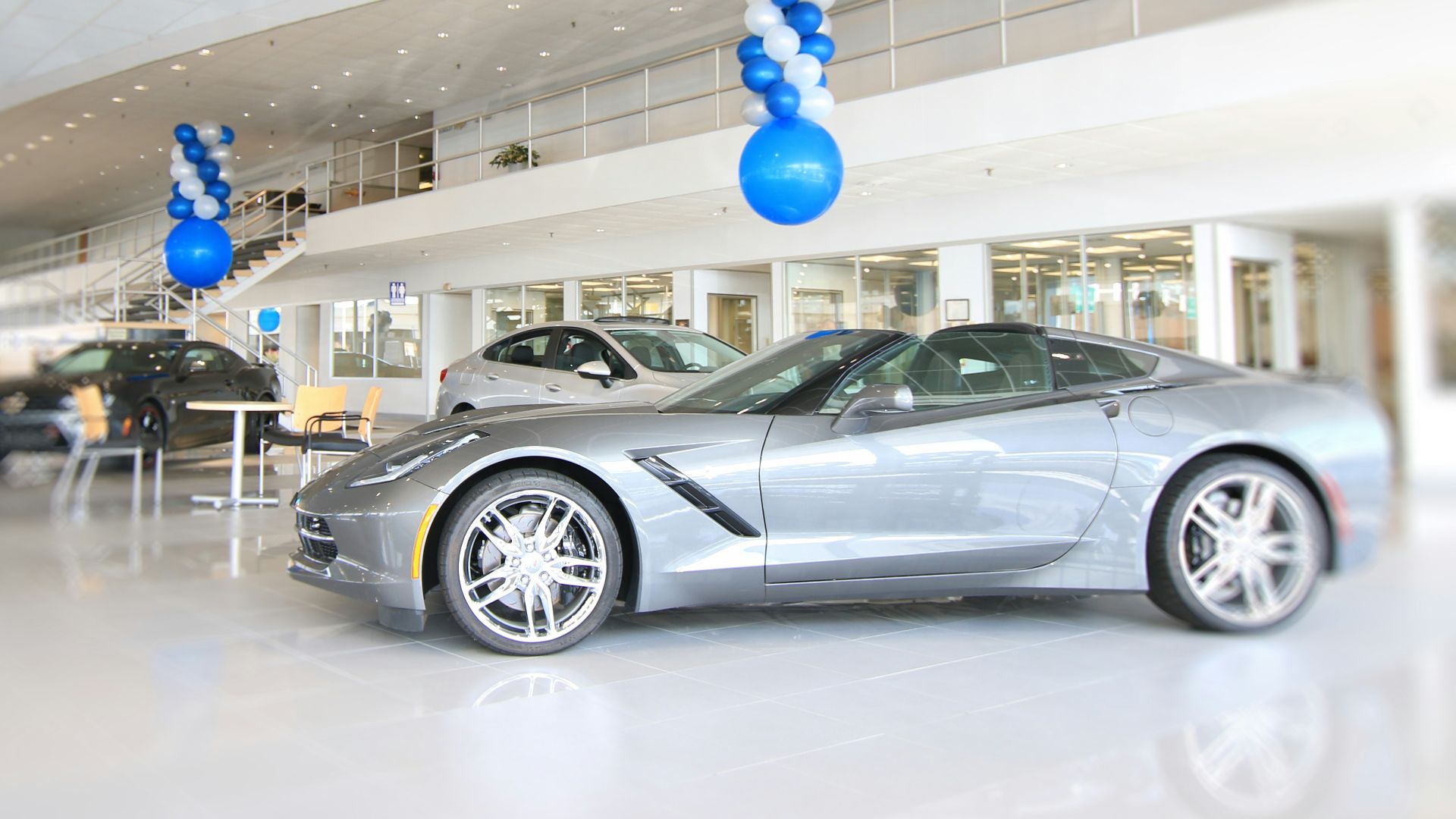
Your initial stop will clue them in on what you’re looking for. Do you prefer trucks? Sports cars? Maybe you’re only interested in new or used? Judging by your first destination, they’ll know what you want and won’t waste time discussing vehicles you have no interest in.
6. The Research You’re Carrying
Whether it’s a folder of printouts or you’re glued to one particular app on your phone, your belongings will clue them in that you came prepared. Salespeople love it when you’ve done your research beforehand because then they can skip the introductory stuff and jump into MPG and advanced tech options.
7. Your Initial Questions
Your very first question will clue them in on whether you care about your monthly payment, overall cost, or safety features. If you ask about horsepower off the bat, you’re obviously a performance kind of car buyer. If you ask how many car seats will fit in the back, your agenda is clear.

8. How You Inspect the Car
Just by watching you pop the trunk or squeeze into the backseat gives them an idea of what you really care about in a daily-driven vehicle. Salespeople notice if you examine the tire treads on a used car versus how you spend more time looking at the new car’s touchscreen features.
9. Your Reaction to the Sticker Price
It doesn’t matter if you’re an expert poker face; your facial expression usually gives you away when you glance at the final cost on the window. Whether you grimace or nod proudly, the salesperson is taking mental notes on how you react and how flexible they think you’ll be on pricing.
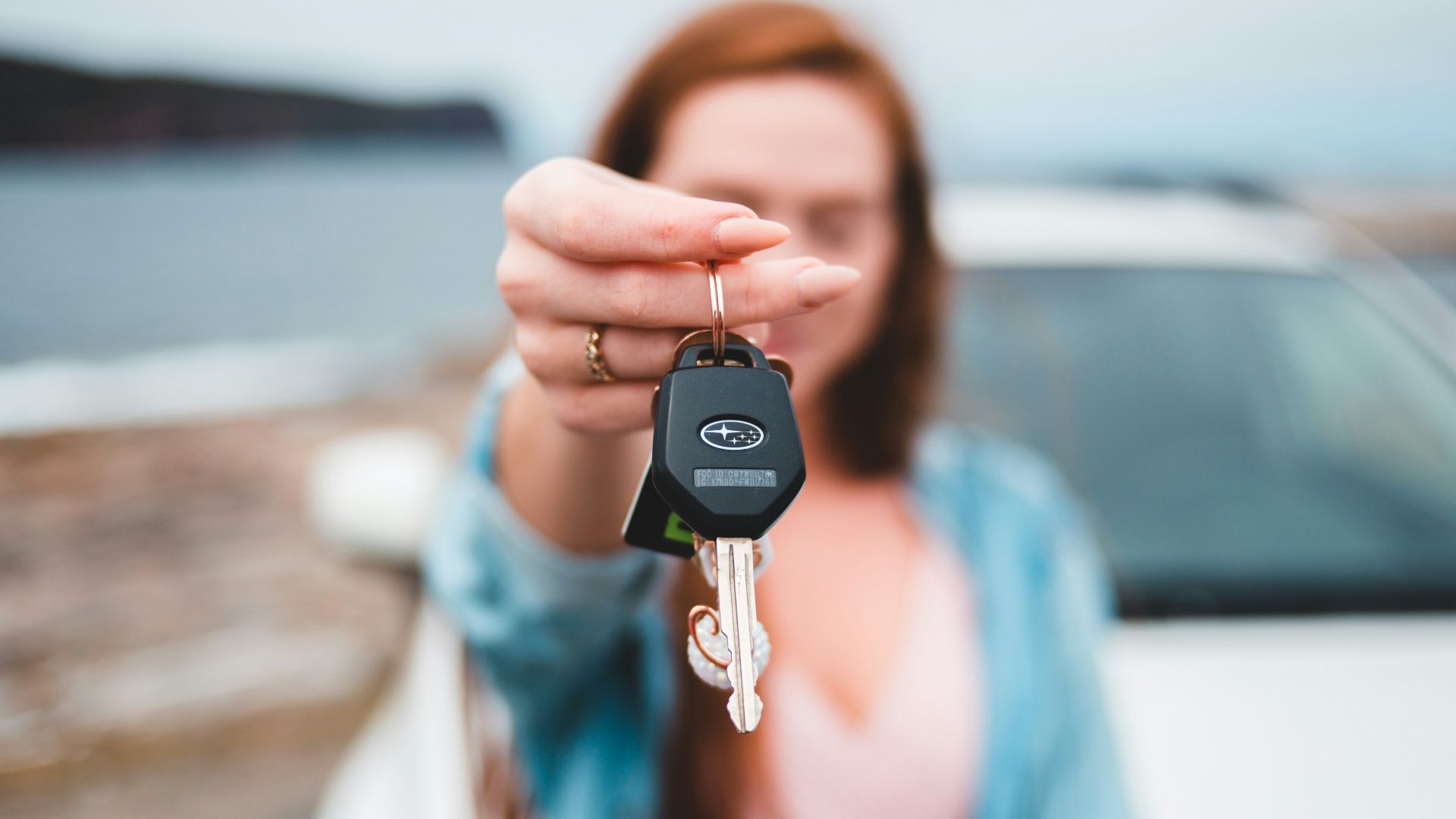
10. The Keys in Your Hand
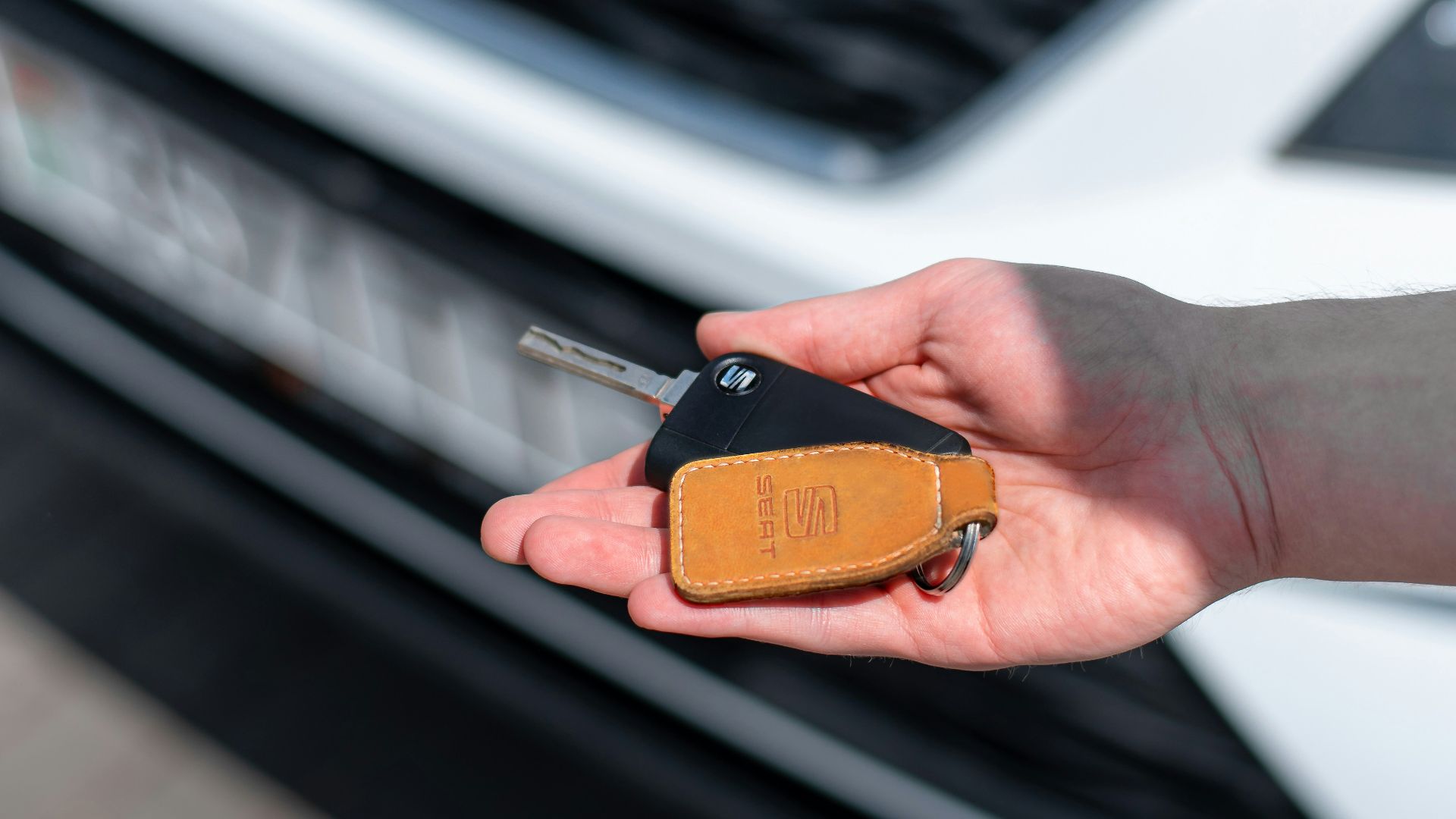
Are you nervously fidgeting with your current car keys? Perhaps they’ll assume you’re trying to convince yourself to buy today so you can leave your old car behind. Many salespeople examine your keys to determine if you have house keys, your work ID, or maybe other car keys on your keychain.
11. Your Level of Eye Contact
Confidence is key, and eye contact can say a lot about your intentions when shaking hands at the beginning of the negotiations. Do you avoid looking at them? They’ll assume you’re weak, not a serious buyer, or too anxious.

12. How You Talk About Your Trade-In
Pay attention to how you describe your trade-in vehicle because, believe it or not, the salesperson is listening to how you feel about your old car. Do you focus on every negative detail about it? Well then, they know they can low-ball you on that price.
13. Your Familiarity with Technology
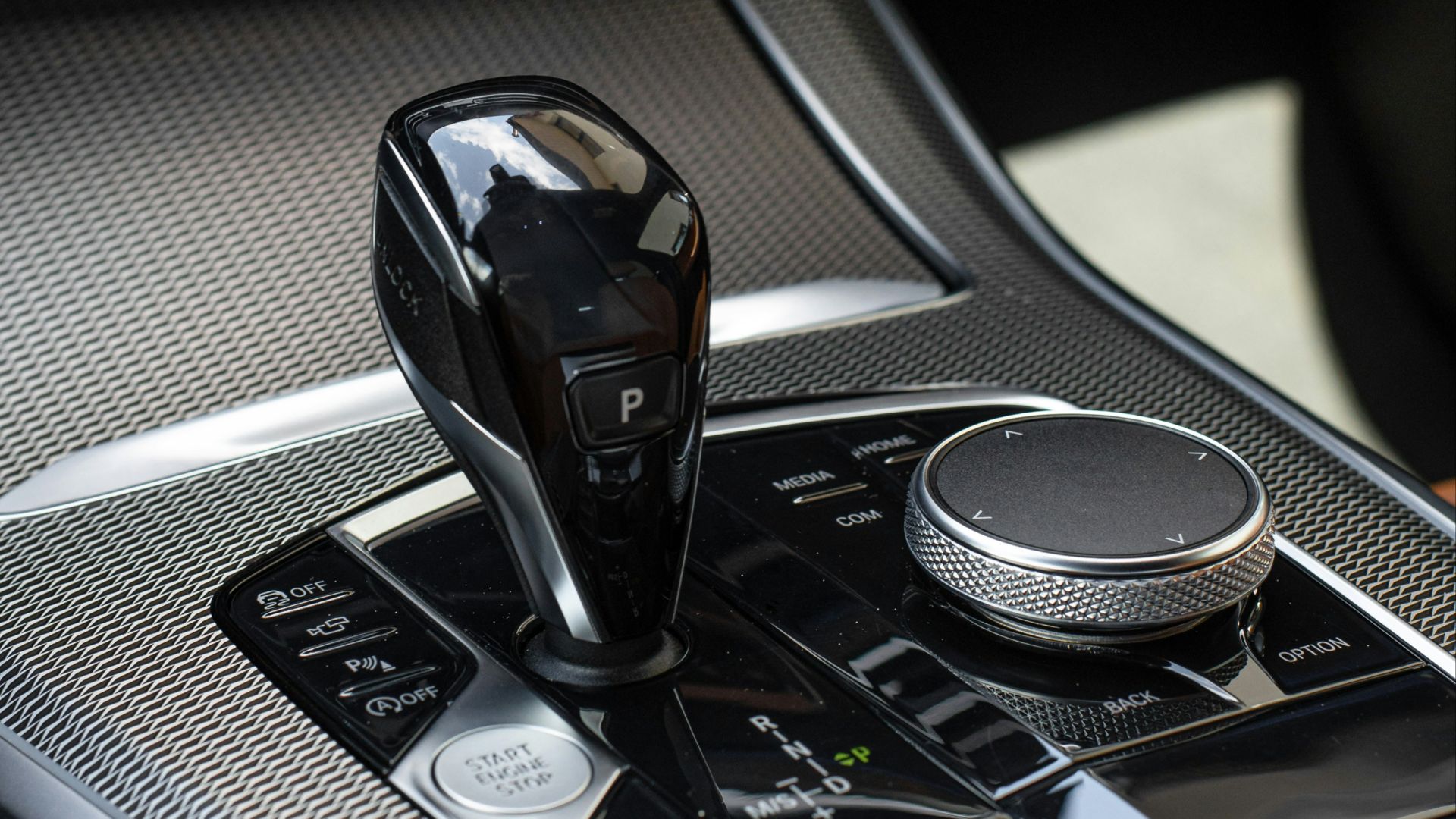
How you browse on your phone while waiting for them to finish with another customer or how you approach the vehicle’s technology, will tell them if you’re a nerd or what tech means to you. Basic radio. They don’t want to waste your time going over things you would never care about.

14. Your Tone of Voice
Are you polite yet stern? They’ll know you’re a businessman and don’t have time for nonsense. Chatty and giggly? They’ll try to become your new best friend because then selling to you becomes more like doing you a favor. The voice you start the conversation with will set the tone for the rest of your afternoon.
15. The Time of Day You Visit
Walking into a dealership 10 minutes before closing gives them an immediate impression as opposed to walking in when they open on a Tuesday morning. Customers who walk in late are perceived as desperate to get a deal and hope someone is too lazy to negotiate. Morning people are there to shop and have cleared their schedules just to spend the day at the dealership.

16. Your Handshake
Yes, it’s a little cliché, but your handshake does say a lot about who you are and how motivated you are to buy. When a salesperson first touches your hand, they are sizing you up to see how aggressive or passive you will be during your conversations. It’s the start of your relationship and helps them determine how to approach selling to you.
 Cytonn Photography on Unsplash
17. How Often You Check Your Watch
If you’re glancing at your watch every two minutes, chances are the salesperson will realize they better speed things up or lose your attention. This strategy can be good if you want to cut to the chase and get right to pricing. However, it also alerts them that you may be in a hurry to buy and could decide quicker than you’d like.

18. Your Knowledge of Financing
Mentioning interest rates or telling them you have pre-approved financing through your credit union sets them up to know you’re aware of your financing options. They will pick up on whether you’ve figured out what you can afford versus what you want to spend.
19. The “New Car” Excitement
This isn’t something you can easily control, but some people cannot contain their excitement when driving a luxury car for the first time. Obviously, you want to look excited to test drive, but if they catch your smile while you’re running your hand along the leather seats, you’re already halfway sold.

20. Your Exit Strategy
Your departure tells them whether you will actually return to buy or drive to the competitor across town. If you ask for a card and a specific day to follow up, they will keep your file on top of their pile. Wave goodbye without a solid plan to come back, and they may file you away at the bottom of their stack.