When Defects Forced The Auto Industry To Rethink Safety
Automotive recalls are more than inconvenient trips to the dealership. Throughout history, some major defects have exposed serious weaknesses in vehicle design, manufacturing oversight, and government regulation. While these recalls often damaged company reputations, they also pushed automakers and lawmakers to create safer standards that changed the way vehicles are built today.
 vishal bonthapally on Unsplash
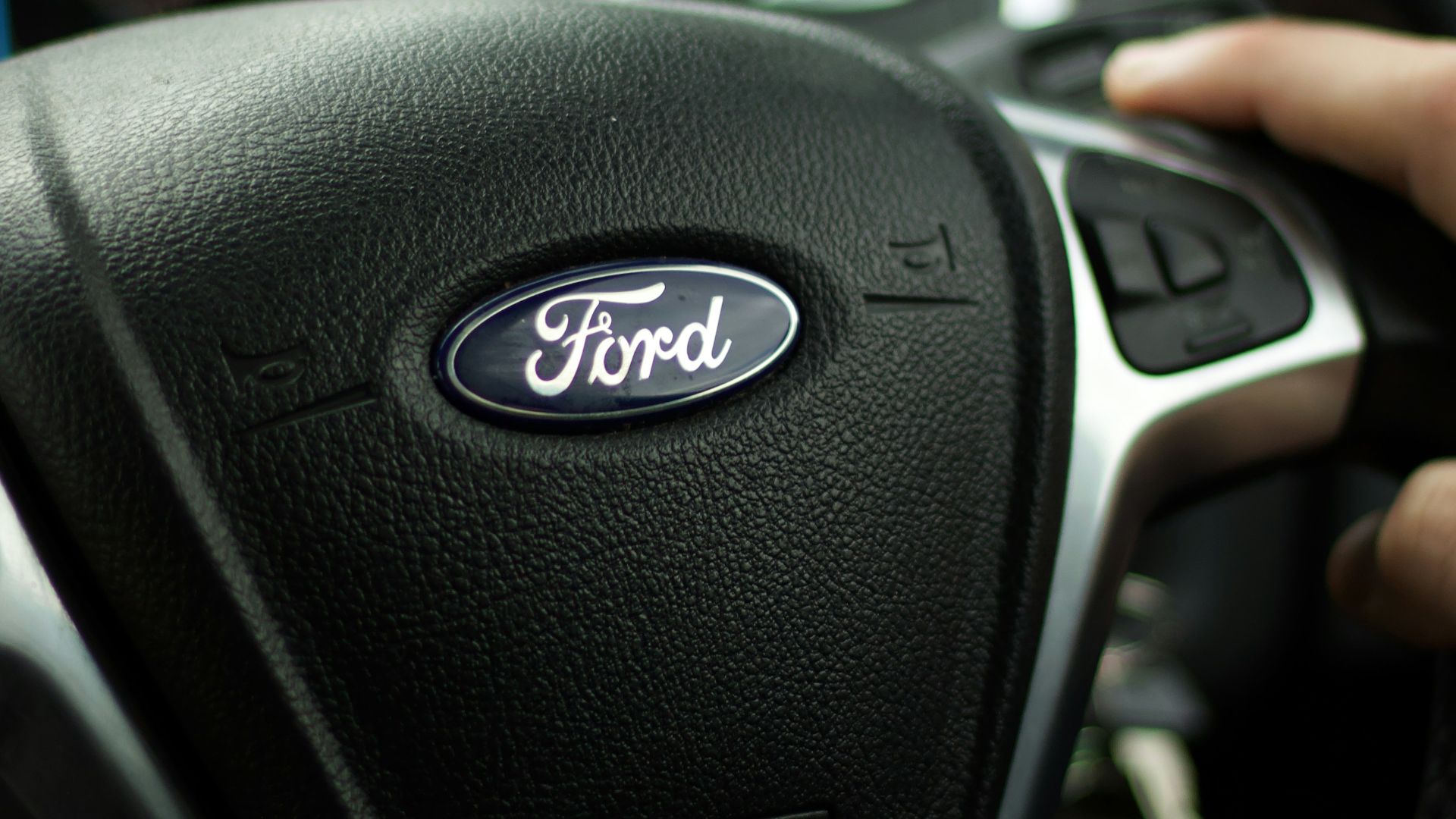
1. Ford Pinto Fuel Tank Recall
The Ford Pinto became one of the most famous examples of a vehicle safety controversy in American automotive history. Concerns about the placement of its fuel tank led to a massive recall and years of public criticism. The controversy helped fuel discussions about stronger safety testing and greater accountability for manufacturers.
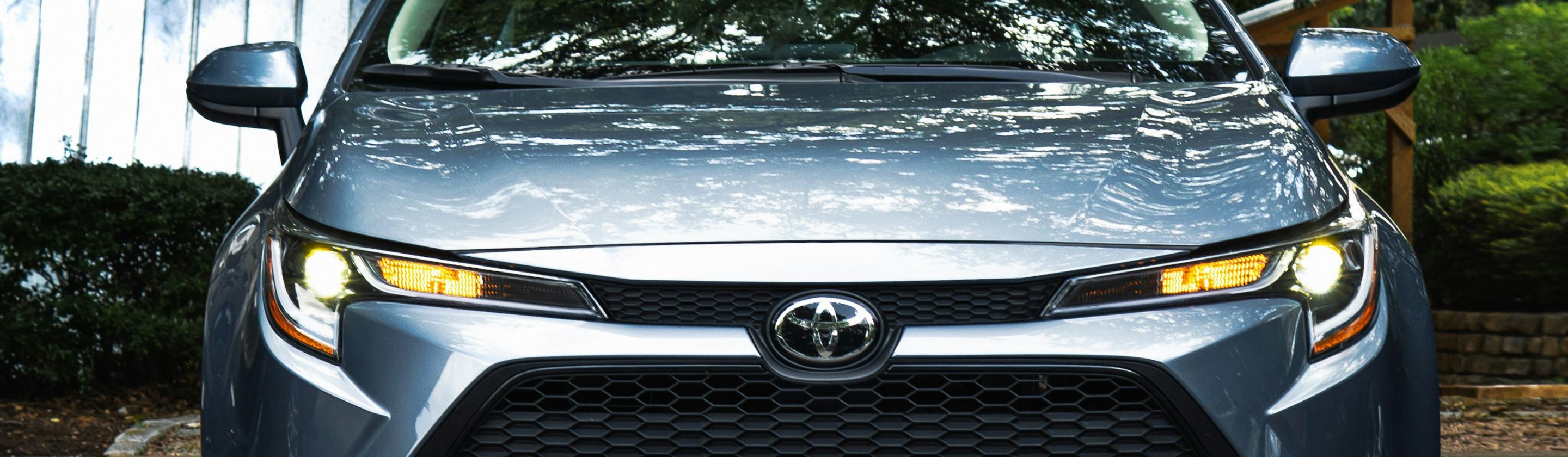
2. Toyota Unintended Acceleration Recall
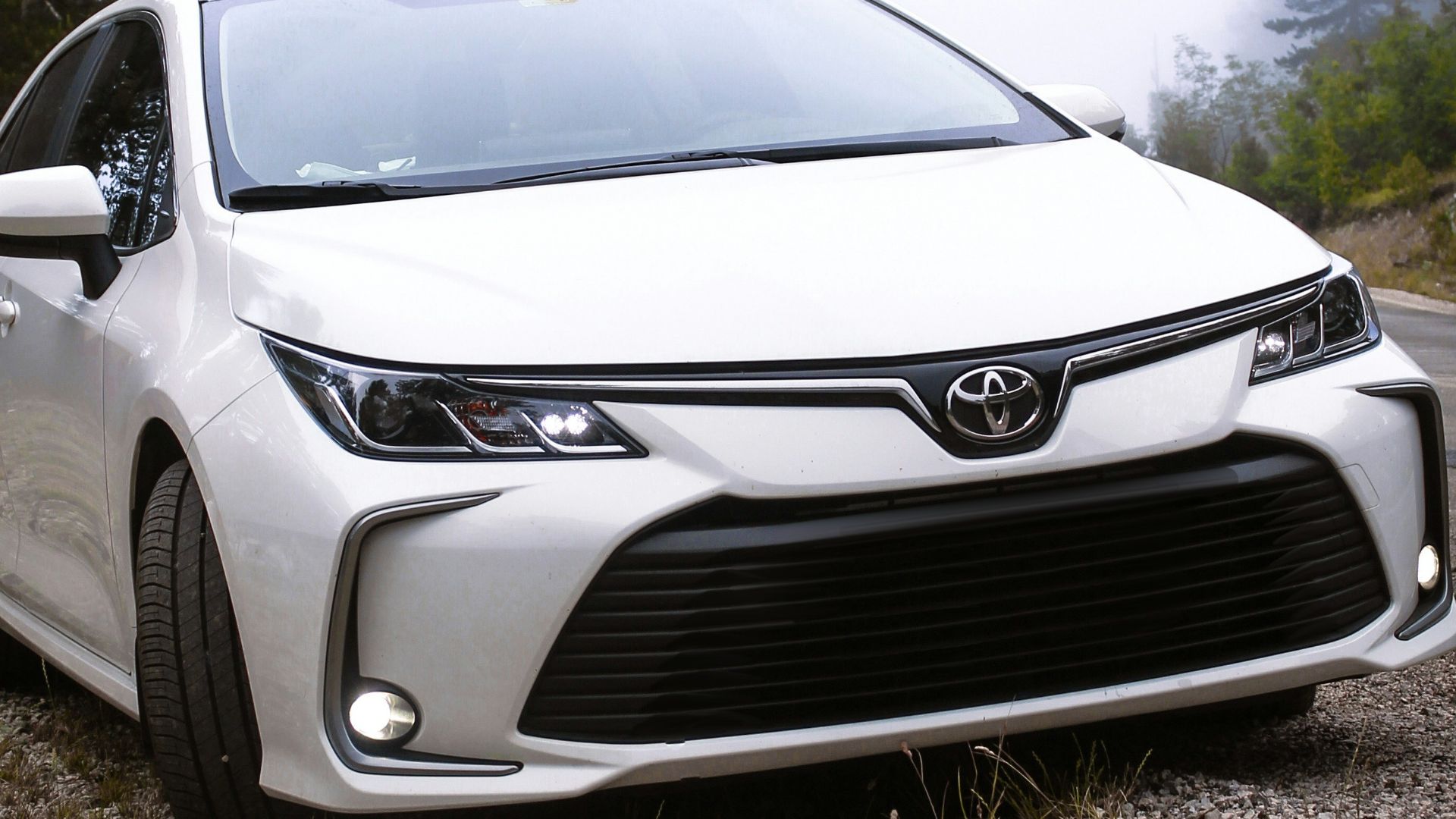
Toyota faced a major crisis when reports of unintended acceleration led to recalls affecting millions of vehicles. Investigations focused on issues involving floor mats and accelerator pedals, creating widespread concern among drivers. The situation contributed to increased attention on electronic systems, driver safety technology, and federal oversight.
3. General Motors Ignition Switch Recall
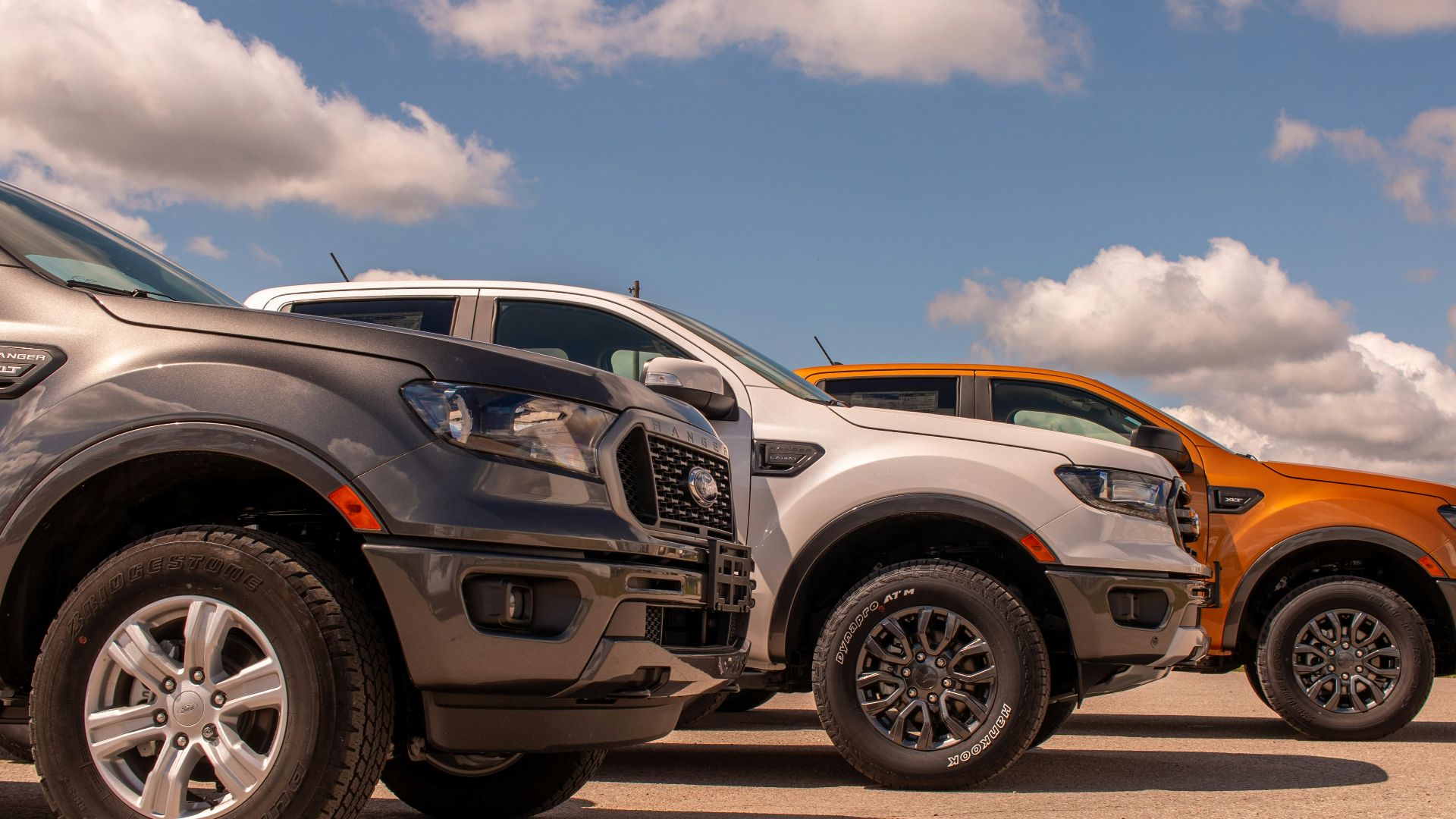
GM recalls shook its foundation after faulty ignition switches were installed in millions of cars. The problems caused switches to unexpectedly move out of the run position and disrupt critical vehicle functions. Millions of cars were recalled, and GM made sweeping changes to how it reacted to automotive recalls.
4. Takata Airbag Recall
The Takata airbag recall became one of the largest automotive recalls ever recorded. Faulty airbag inflators affected vehicles from many different manufacturers and raised concerns about long-term component reliability. The recall pushed the industry to improve airbag technology and supplier oversight.

5. Firestone Tire Recall On Ford Explorers
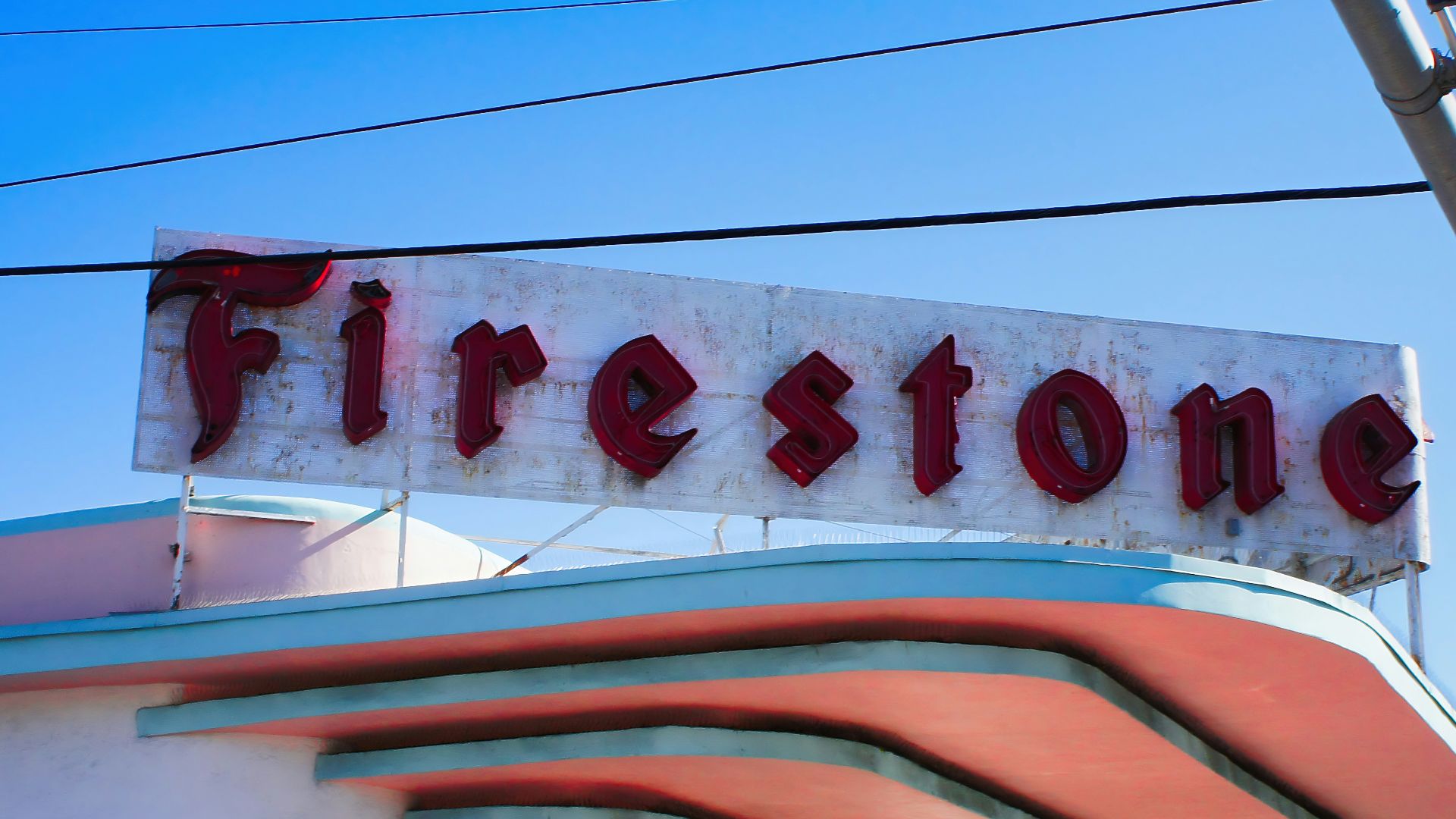
Ford Explorers were affected by one of the largest tire recalls in history. Faulty Firestone tires were linked to rollover accidents, leaving the public concerned about tire safety. Additional tread depth monitoring and other industry testing methods were implemented as a direct result of the Ford/Firestone recall.
6. Volkswagen Diesel Emissions Recall
Volkswagen's diesel emissions scandal involved software designed to manipulate emissions testing results. The company recalled and repaired affected vehicles while facing significant legal and regulatory consequences. The incident changed how regulators approached emissions compliance and vehicle software oversight.
7. Chrysler Jeep Fuel Tank Recall
Certain Chrysler Jeep models were recalled due to the positioning of the fuel tank, which raised safety concerns if hit from the rear. Millions of Jeeps were recalled, and negotiations between Chrysler and NHTSA continued for years. Crashes aren’t always frontal, so protections were increased for rear passengers.
8. Audi Unintended Acceleration Recall
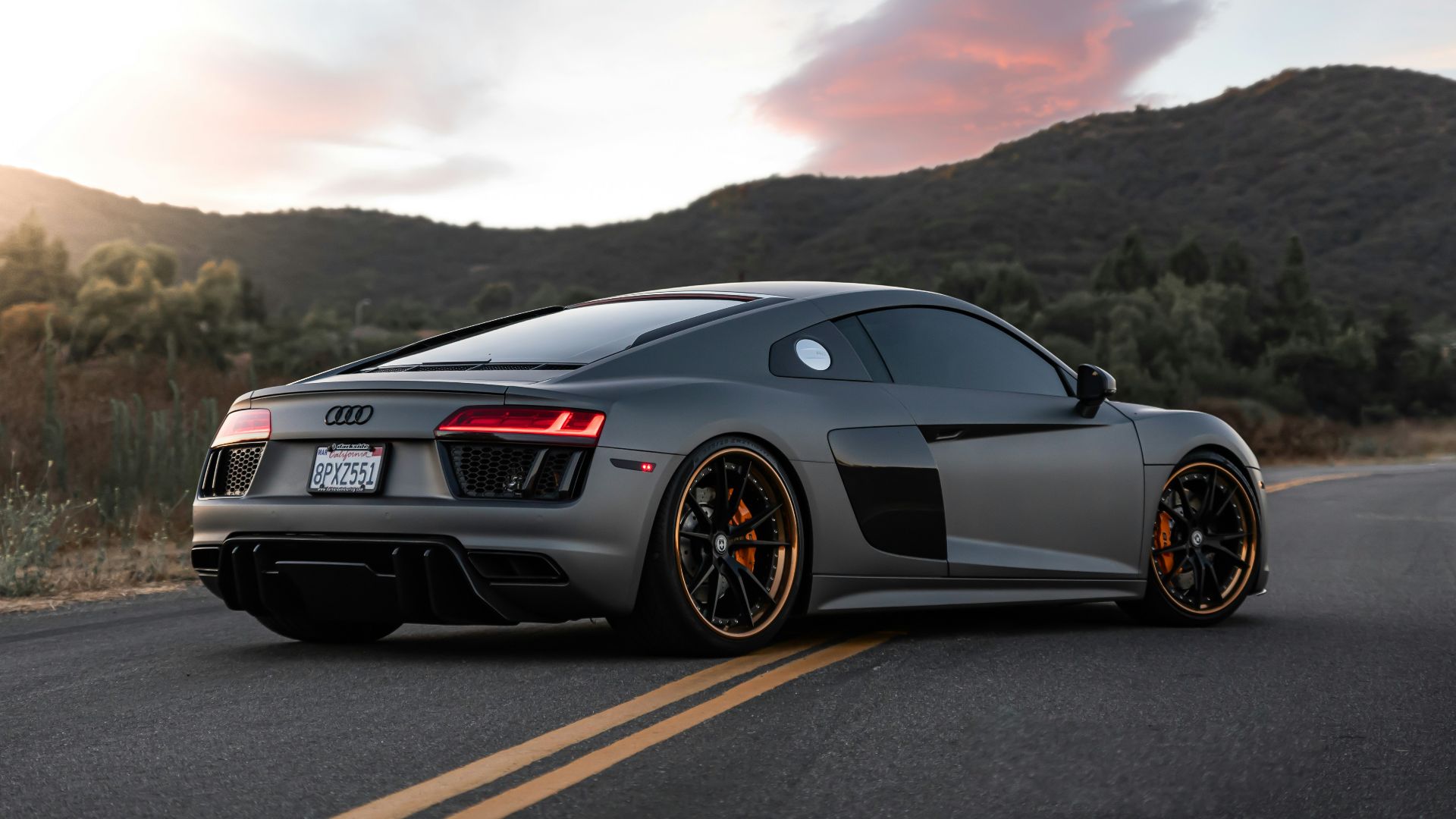
Audi experienced a major public relations crisis during the 1980s after reports of sudden acceleration incidents. The controversy led to investigations, recalls, and increased attention on automatic transmission design. It also influenced how manufacturers communicate safety information to consumers.
9. Ford Cruise Control Fire Recall
Faulty cruise control allowing the transmission to be shifted out of park caused Ford to recall millions of vehicles. Components that could fail while a vehicle is parked and lead to fires have been around for decades. This situation prompted manufacturers to take a closer look at potential hidden failure modes.
10. Hyundai And Kia Engine Recall Crisis
Hyundai and Kia recalled millions of vehicles after concerns about engine failures and manufacturing defects. The companies faced criticism over how quickly problems were identified and addressed. The situation led to stronger monitoring of engine production processes and quality control.
11. Honda Airbag Recall Expansion
Honda had to issue recalls for millions of vehicles equipped with defective Takata airbags. Honda and Acura car owners had their vehicles recalled in order to fix the faulty airbags. Additional airbag safety testing and improved supplier communication were added because of Honda’s massive recall.
12. Nissan Fuel Pump Recall
Nissan recalled vehicles after fuel pump issues raised concerns about potential loss of power while driving. The defect affected a large number of vehicles and required widespread repairs. It highlighted the importance of reliable fuel delivery systems in modern cars.
13. General Motors Fuel Tank Recall
General Motors recalls have been talked about plenty on this list. Years before GM’s ignition switch problem, Chevrolet Cavalier models were recalled over fears of crash-induced fires. Design aspects that may contribute to fire risk are constantly being evaluated by safety agencies.
14. Mercedes-Benz A-Class Moose Test Controversy
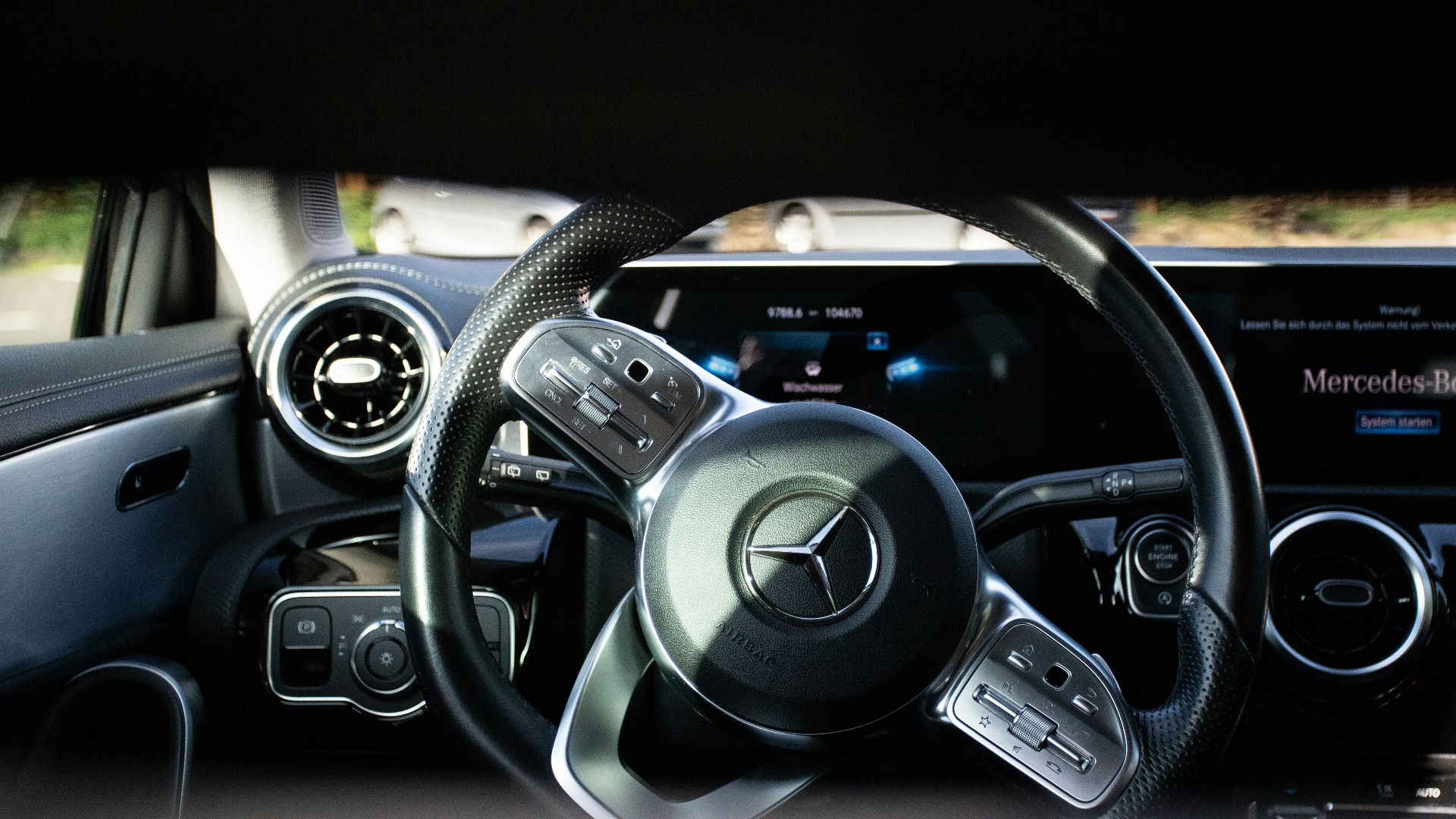
The Mercedes-Benz A-Class faced a major setback after failing a famous handling test designed to simulate a sudden obstacle avoidance maneuver. The company responded by delaying production and adding electronic stability control as standard equipment. The incident helped accelerate the adoption of stability systems across the automotive industry.
15. Ford Explorer Tire And Rollover Crisis
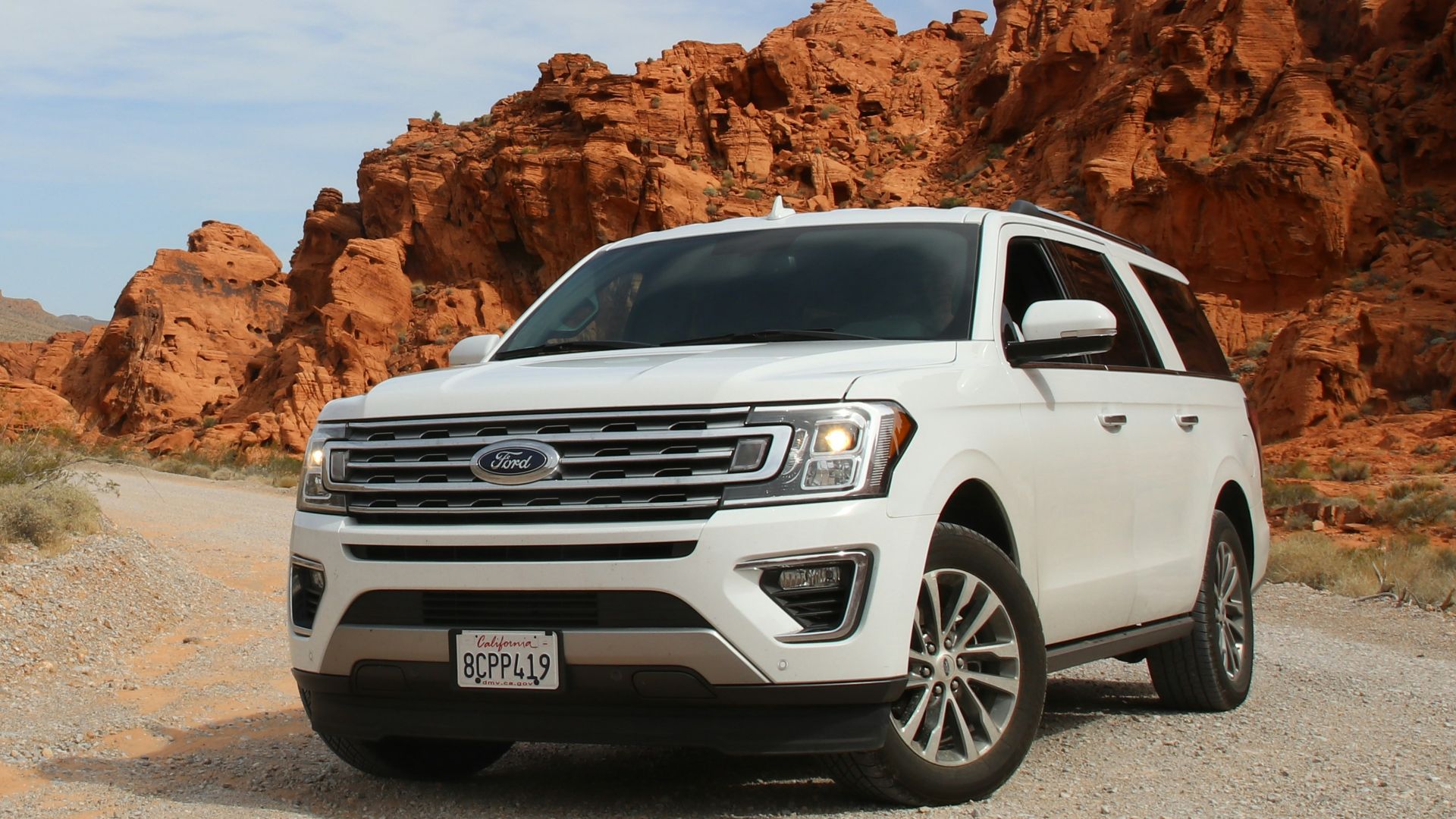
Blowouts became a huge concern for Ford after faulty tire models were installed on Ford Explorer models. Acceleration loss, vehicle handling, and stability became a major focus after Ford’s SUV recall. Manufacturers changed the way SUVs and passenger trucks were rated because of Ford’s mistakes.
16. Mazda Rotary Engine Recall Issues
Mazda's rotary-powered vehicles experienced several recalls involving engine reliability and emissions concerns over the years. While these issues weren't as large as some others on this list, they highlighted the challenges of maintaining unique engine designs. The lessons helped manufacturers improve durability testing for specialized technologies.

17. Subaru Fuel Pump Recall
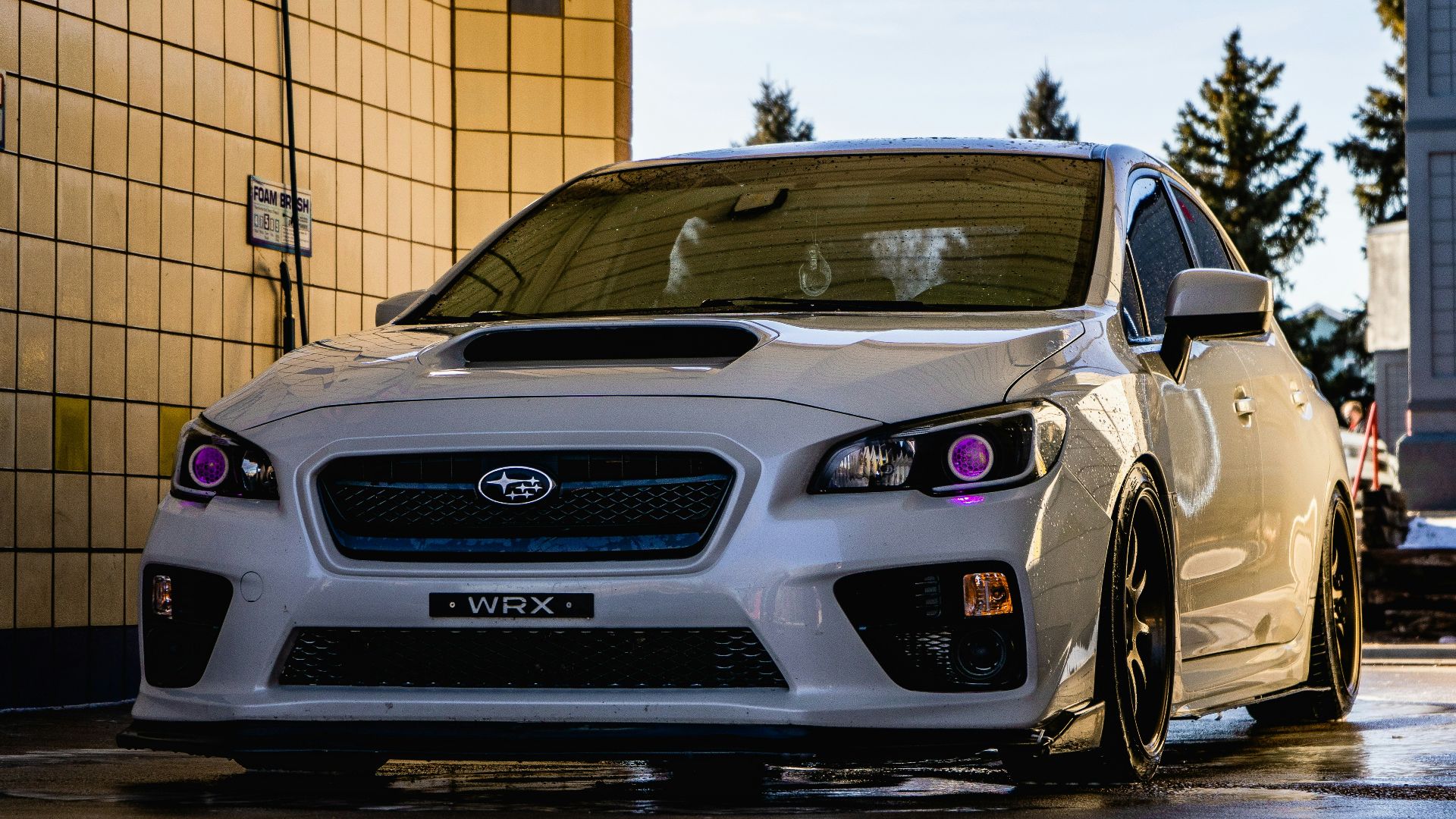
Oil pressure shouldn’t reach zero while your car is running. Subaru vehicles were recalled to fix fuel pump problems that caused engines to lose power. As vehicle systems become more intricate and supply chains expand, suppliers are facing more pressure to produce reliable parts.
18. BMW Cooling System Recalls
BMW has experienced multiple recalls involving cooling system components in certain vehicle generations. Problems with parts such as electric water pumps showed how even luxury vehicles require careful attention to reliability. These recalls encouraged manufacturers to improve testing of advanced systems.

19. Jeep Wrangler Steering Recall
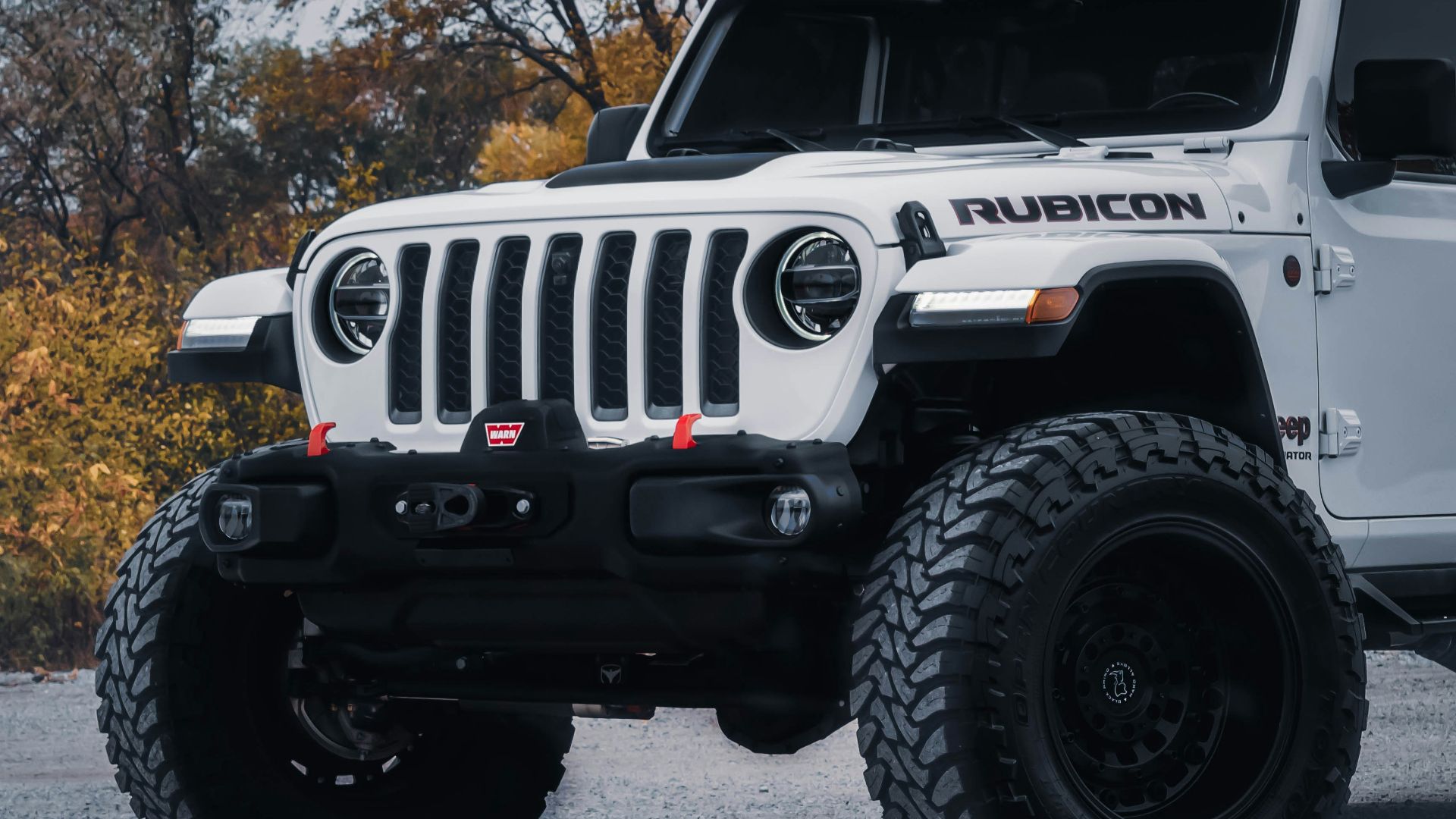
Certain Jeep Wrangler models faced recalls related to steering components that could affect vehicle control. The issue brought renewed attention to the importance of suspension and steering inspections. It also showed how safety concerns can emerge even in vehicles with decades of popularity.
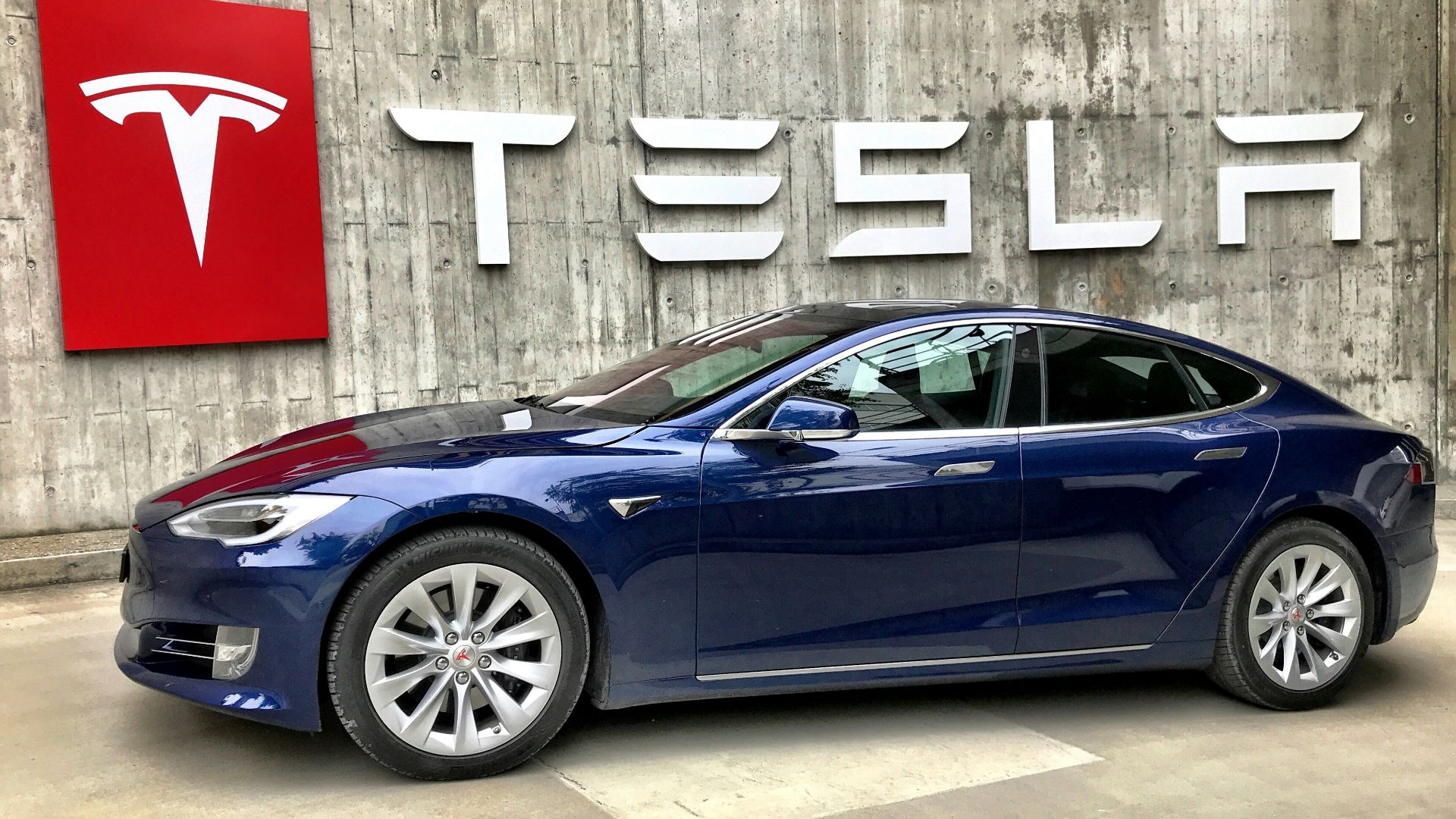
20. Tesla Autopilot And Software Recalls
Tesla has introduced a new type of recall through over-the-air software updates rather than traditional repair visits. Several recalls involving driver assistance features showed that modern vehicles face safety challenges beyond mechanical parts. These cases pushed regulators to consider how software-based systems should be monitored and improved.