Why Toyota Surpasses The Rest
Toyota has developed a reputation for building engines that can remain on the road for remarkably long periods, and plenty of high-mileage examples have earned that reputation the hard way. Reaching 200,000 miles isn't guaranteed simply because an engine has a Toyota badge, since maintenance, driving conditions, and individual engine design still matter enormously. However, Toyota's emphasis on conservative engineering, proven components, effective cooling, and long-term durability helps explain why they last so long.

1. Conservative Engine Tuning
Rather than squeezing every ounce of power out of a relatively small engine, Toyota often opts for realistic power outputs. While this might not provide the most exciting numbers on paper, it can reduce internal stresses because parts like pistons, bearings, and cooling components don’t have to work as hard to meet those numbers. There’s practical value to this philosophy when your engine is supposed to keep running for decades.

2. Strong Engine Blocks
Strong block designs provide a good foundation for a durable engine. Toyota has built hundreds of engines with cast-iron blocks throughout history, while modern aluminum engine blocks can also offer impressive longevity when designed correctly. A rigid block helps keep the cylinders and internal components properly supported throughout countless heat cycles and miles.

3. Durable Bottom-End Components
Crankshafts, connecting rods, pistons, and bearings are placed under extreme stress with every combustion cycle. Toyota's long-running engine families have generally used components designed with durability in mind rather than relying exclusively on lightweight construction. When these internal parts remain healthy, there's much less reason for a properly maintained engine to stop.

4. Effective Cooling Systems
Internal engine temperatures can wreak havoc on an engine’s components, so keeping things cool is mandatory for longevity. Toyota cooling systems do this by regulating engine temperature with radiators, thermostats, water pumps, cooling fans, and coolant passages. Keep everything maintained and leak-free, and you’re eliminating one of the biggest killers of engine wear.

5. Well-Designed Lubrication Systems
Internal engine temperatures can wreak havoc on an engine’s components, so keeping things cool is mandatory for longevity. Toyota cooling systems do this by regulating engine temperature with radiators, thermostats, water pumps, cooling fans, and coolant passages. Keep everything maintained and leak-free, and you’re eliminating one of the biggest killers of engine wear.

6. Reliable Timing Systems
Failures in your engine’s timing system can cause serious problems. Toyota has utilized both timing belts and chains throughout its engine history, each with their own lifespan requirements. As long as you follow the recommended maintenance schedule, you can prevent a simple timing-system issue from creating larger engine damage.

7. Proven Engine Families
By building on existing designs, Toyota can improve engines over time without having to start from scratch with each generation. While new engines are still developed, many of Toyota’s longstanding engine families benefit from decades' worth of refinements and improvements. By the time a design is decades old, many potential issues are already known.
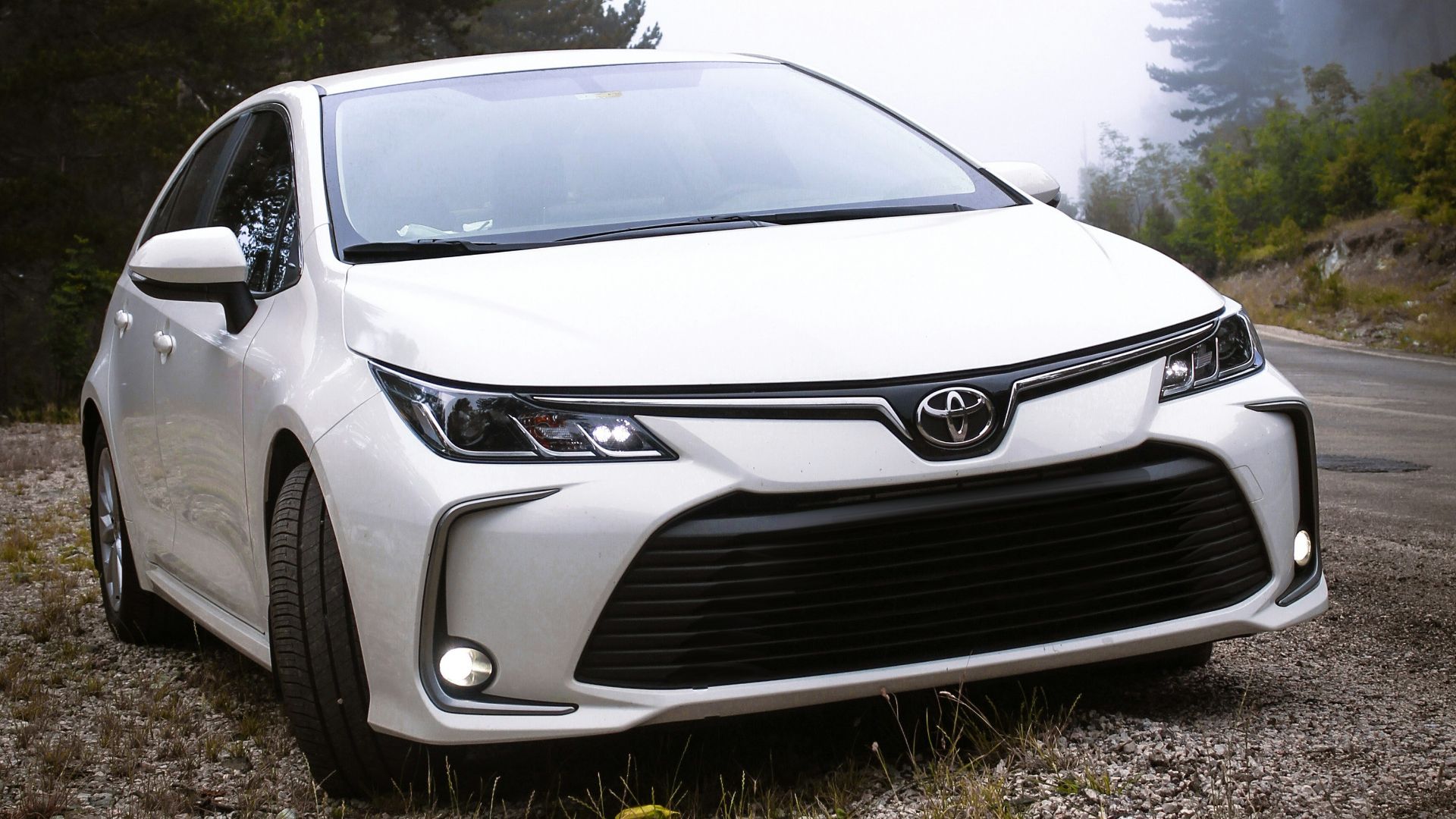
 vishal bonthapally on Unsplash
8. Strong Manufacturing Quality
Engine tolerances mean little if the engines themselves aren’t built to match those specs. Toyota has always put a strong emphasis on manufacturing processes that produce reliable engines with little variance. Precision machining and assembly mean components should fit and work together as intended, letting them live up to their lifespan potential.

9. Efficient Fuel Injection
Precise fuel injection allows for better throttle control, more efficient combustion, and improved emissions. Toyota has utilized a wide variety of fuel injection systems to help improve the way engines operate. Better control over the combustion process can also help reduce unnecessary stress and deposits when the system is functioning correctly.

10. Durable Valve Trains
The valve train works continuously whenever an engine is running, controlling the flow of air and exhaust gases through the cylinder head. Toyota engines have used a variety of overhead-camshaft and variable-valve-timing designs while maintaining an emphasis on durability. Regular oil maintenance is particularly important here because many modern valve-control systems depend on clean oil and consistent hydraulic pressure.

11. Effective Filtration
Oil and air filters do their best work when you don’t think about them. Toyota uses filtration systems designed to keep contaminants away from vital internal components. Filters are inexpensive maintenance items that you should replace regularly to avoid dirty oil and burnt gasoline deposits from entering the engine.

12. Moderate Operating Temperatures
Temperature control is another common theme with Toyota engines. Operating temperatures can affect everything from your oil’s ability to lubricate to how well gaskets and seals expand and contract. An engine’s lifespan isn’t directly tied to mileage alone because it also goes through repeated heating and cooling every time it’s turned on and off.

13. Strong Gasket And Seal Design
Engine seals and gaskets are another important part that doesn’t get noticed until it starts to fail. Maintaining a good seal keeps coolant and oil where they belong and keeps contaminants out of sensitive areas. Toyota engines will develop the occasional leak as they get older, but sturdy seals and gaskets limit the potential for contamination.

14. Useful Warning Systems
Repairable problems are a lot better than problems that cause complete engine failure. Engine oil pressure lights, temperature gauges, check-engine lights, and other warnings can clue you in to developing problems. If you respond to these warnings by servicing your vehicle, you can prevent minor issues from turning into 200k-mile engine nightmares.
15. Sensible Powertrain Matching
Toyota also takes into consideration how an engine will perform under the horsepower it produces. Engines that are matched correctly to a vehicle’s weight and transmission won’t have to work nearly as hard during normal use. Avoiding extreme combustion pressures and mechanical loads can reduce unnecessary wear over the life of the vehicle.

16. Good Parts Availability
High mileage isn’t always possible if you can’t afford to repair your vehicle. Years of building millions of vehicles means plenty of parts availability and mechanic familiarity for many Toyota engines. That makes it easier for owners to keep older vehicles running rather than abandoning them when a component eventually needs replacement.

17. Easy Access To Maintenance Knowledge
Mechanics have been working on high-mileage Toyota engines for years. Since these engines are common, maintenance procedures and known issues are usually well documented. If you’re looking to keep your Toyota running past the 200k mark, having mechanics who know your engine will go a long way.

18. Engines Often Have Plenty Of Remaining Strength
It’s a common misconception that an engine is worn out once it reaches a milestone like 200k miles. Engine wear is dependent on how well the engine was maintained, and many Toyota engines are still quite healthy long after 200k miles. Your engine's condition is much more important than your odometer reading.

19. Maintenance-Friendly Designs
It’s no coincidence that some of Toyota's most durable engines are among the easiest to perform basic maintenance on. When oil changes, spark plug replacements, filter changes, belts, coolant hoses, and other routine services can be done without excessive headaches, you’re more likely to keep up with maintenance schedules.
20. Durability Is Built Into The Ownership Philosophy
You probably noticed that several of these factors work in tandem with each other. Durability isn’t the result of a single great idea that Toyota figured out one day and then refused to change. Using strong materials, realistic power output, effective cooling, and realistic maintenance intervals are just a few of the reasons Toyota engines can last.