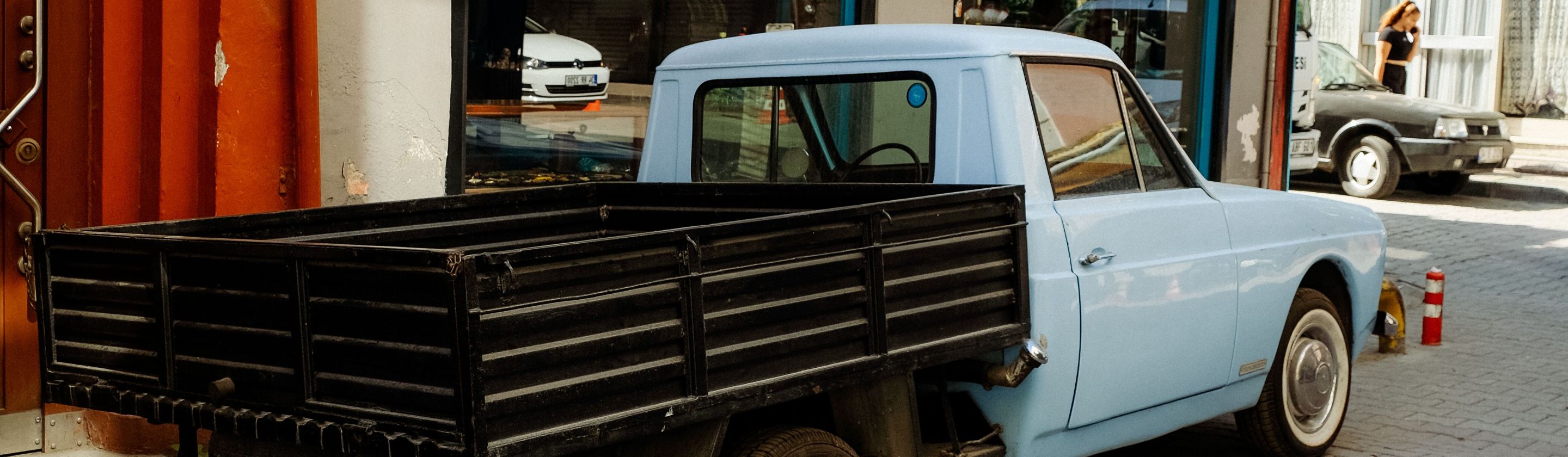
Hollywood Makes Classics Look Far Too Easy
Put a beautiful 1960s muscle car on screen, and Hollywood makes it something that it’s not. Older cars can be fantastic to drive, don’t get us wrong, but the reality is that many demand more physical effort and driver involvement than their movie versions suggest. Filmmakers love to make decades-old machinery behave like something that just rolled off a modern dealership lot, but not anymore! We’re here to share a few ways the screen always gets it wrong.
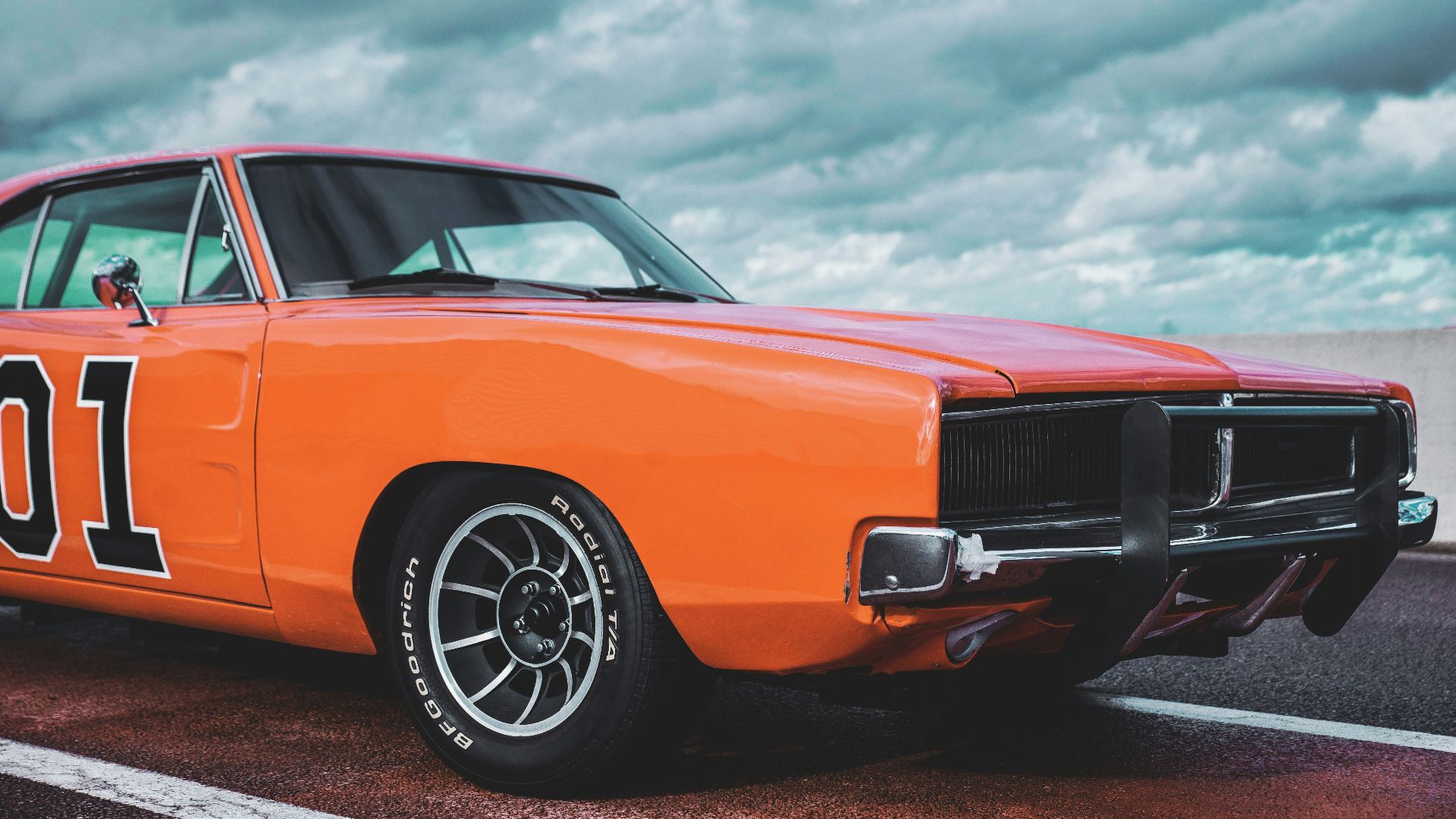
1. They Always Start Immediately
Movie characters can abandon a 40-year-old car for months, hop in, and have the engine fire on the first turn of the key. If only, right? Carbureted cars actually require some combination of pumping the accelerator, using a choke, and patiently warming the engine. It’s even more important in cold weather.
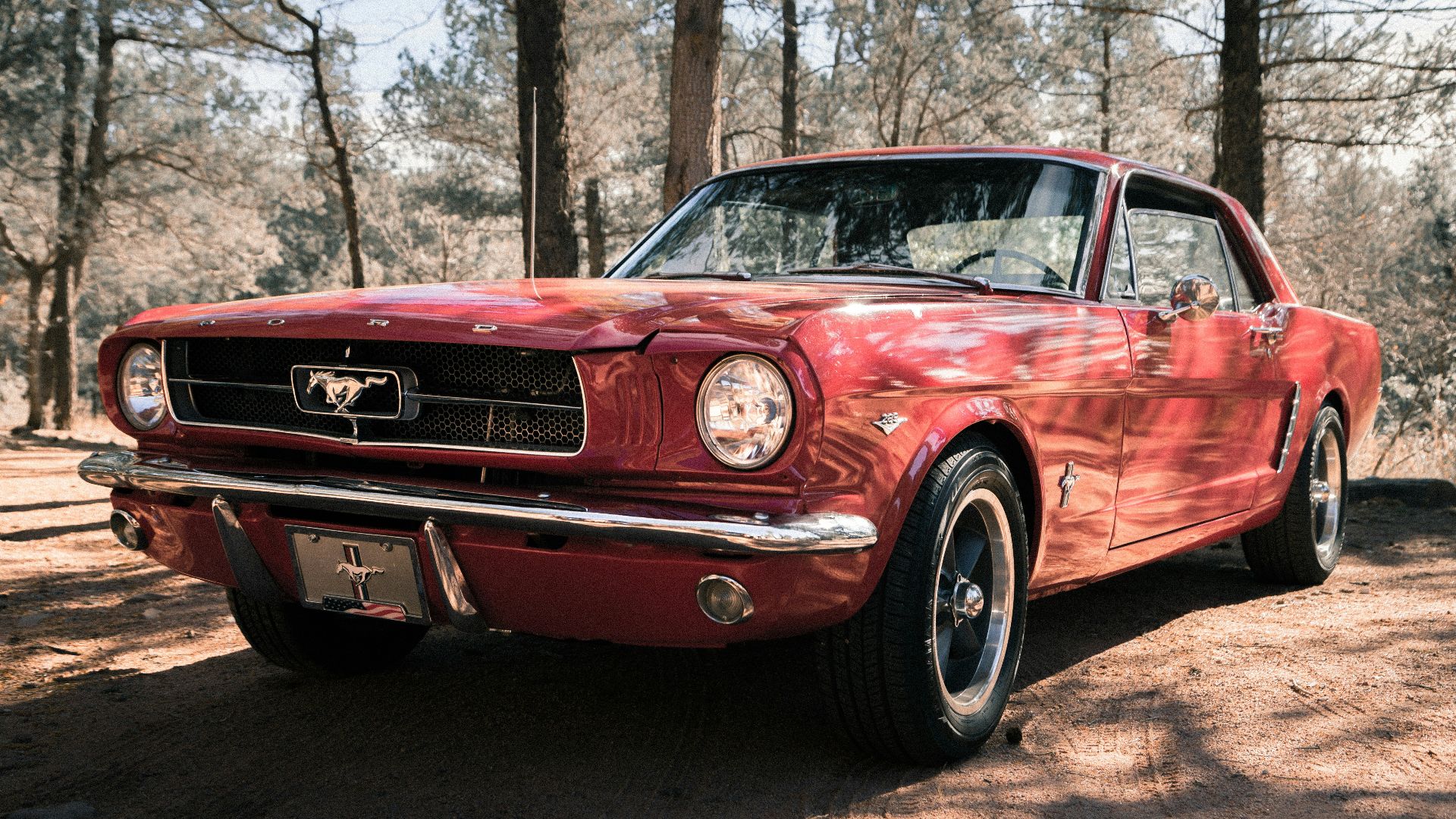
2. Nobody Lets the Engine Warm Up
A character starts an old sports car and immediately floors it without a second thought. As nice as that would be, older engines in real life benefit from being given a little time for oil to circulate, particularly after a cold start. Treating a classic like that from dead cold isn't exactly an owner's dream routine.
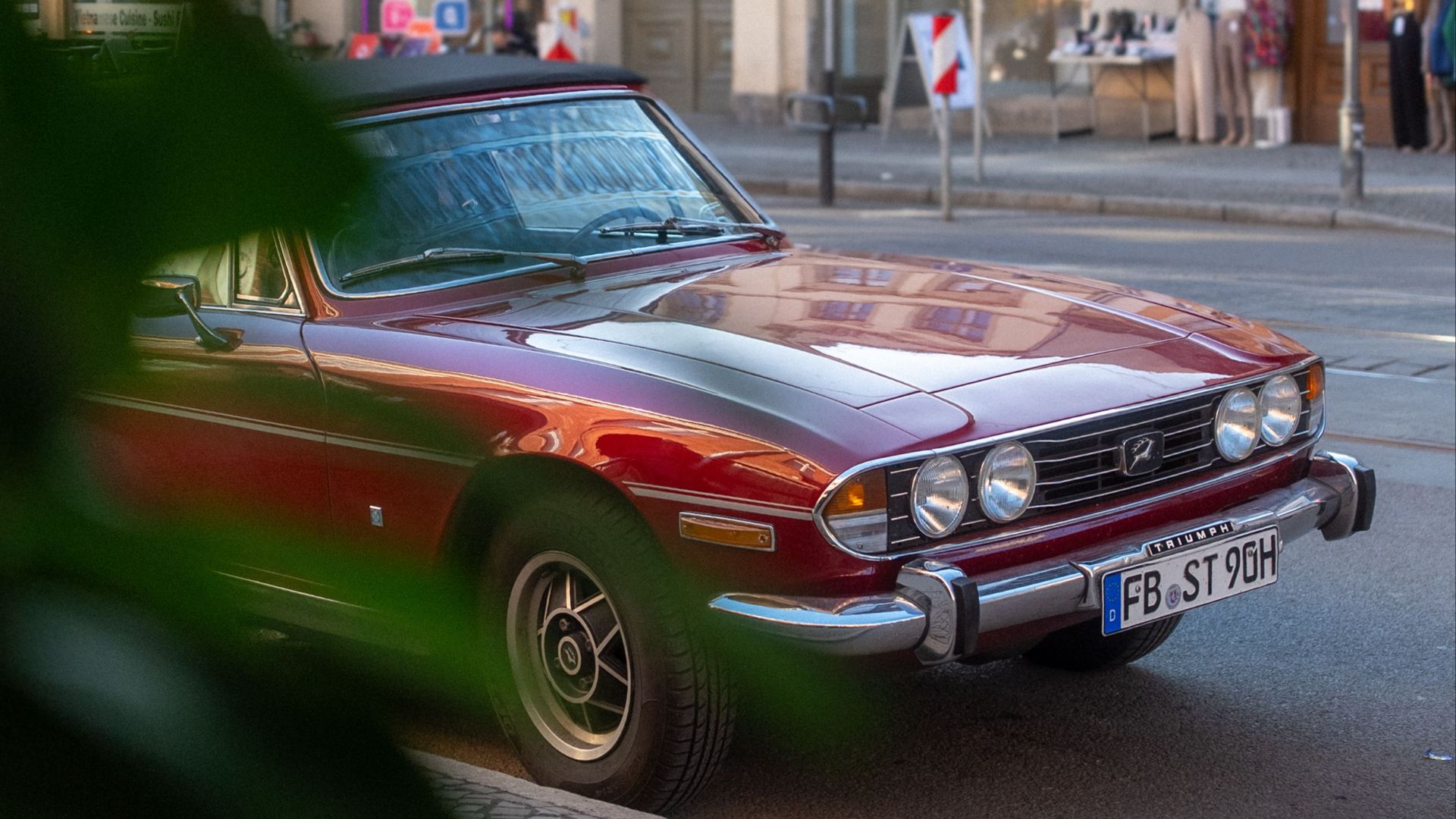
3. The Brakes Work Like Modern Ones
Classics in chase scenes always stop from high speeds, and while it’s cool to watch, there’s no way an old model would survive that. Many classic vehicles originally used drum brakes, lacked anti-lock braking systems, and needed much longer stopping distances than today's cars. But movies can’t really acknowledge repeated hard braking.
4. Power Steering Came Standard
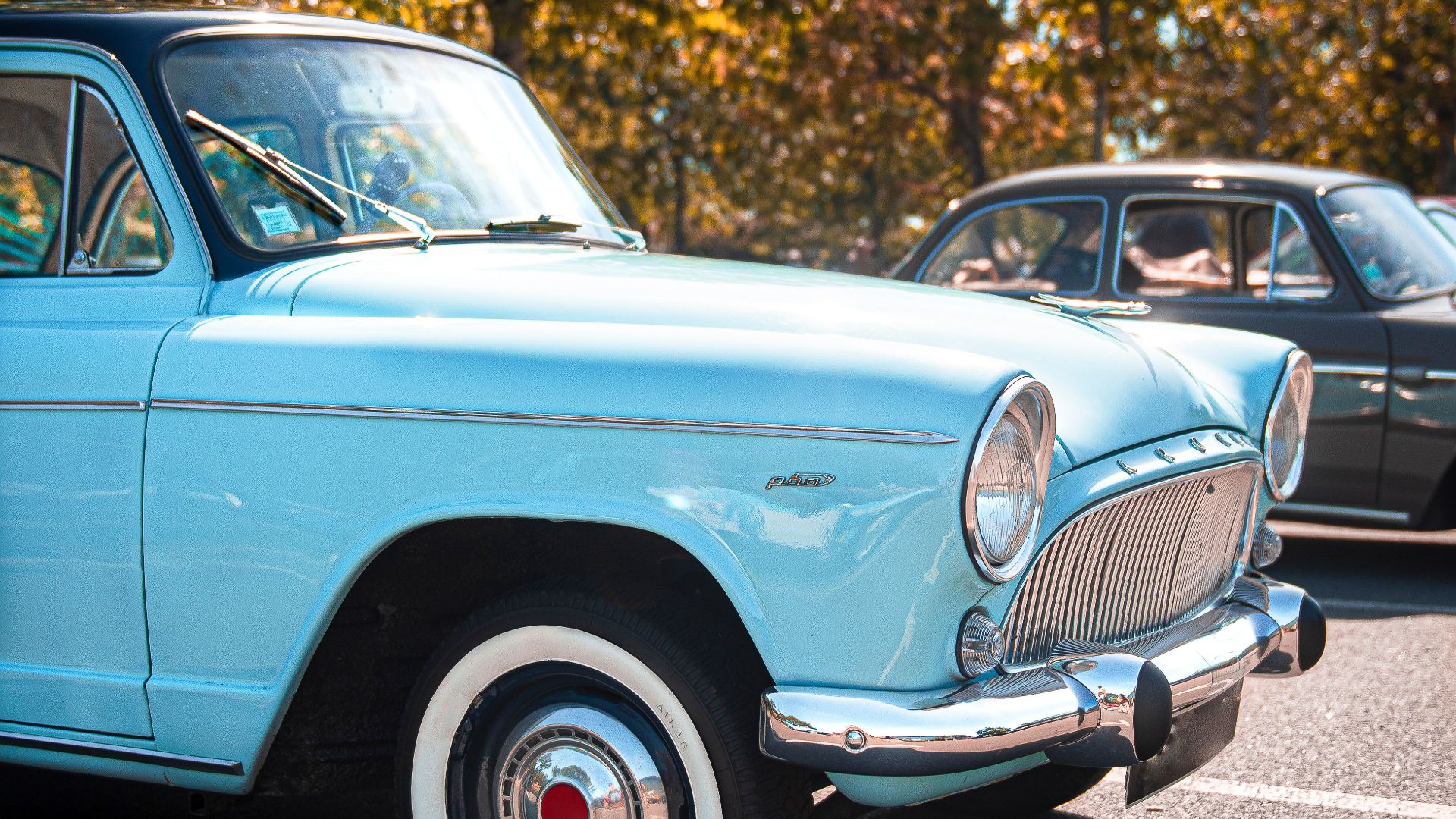
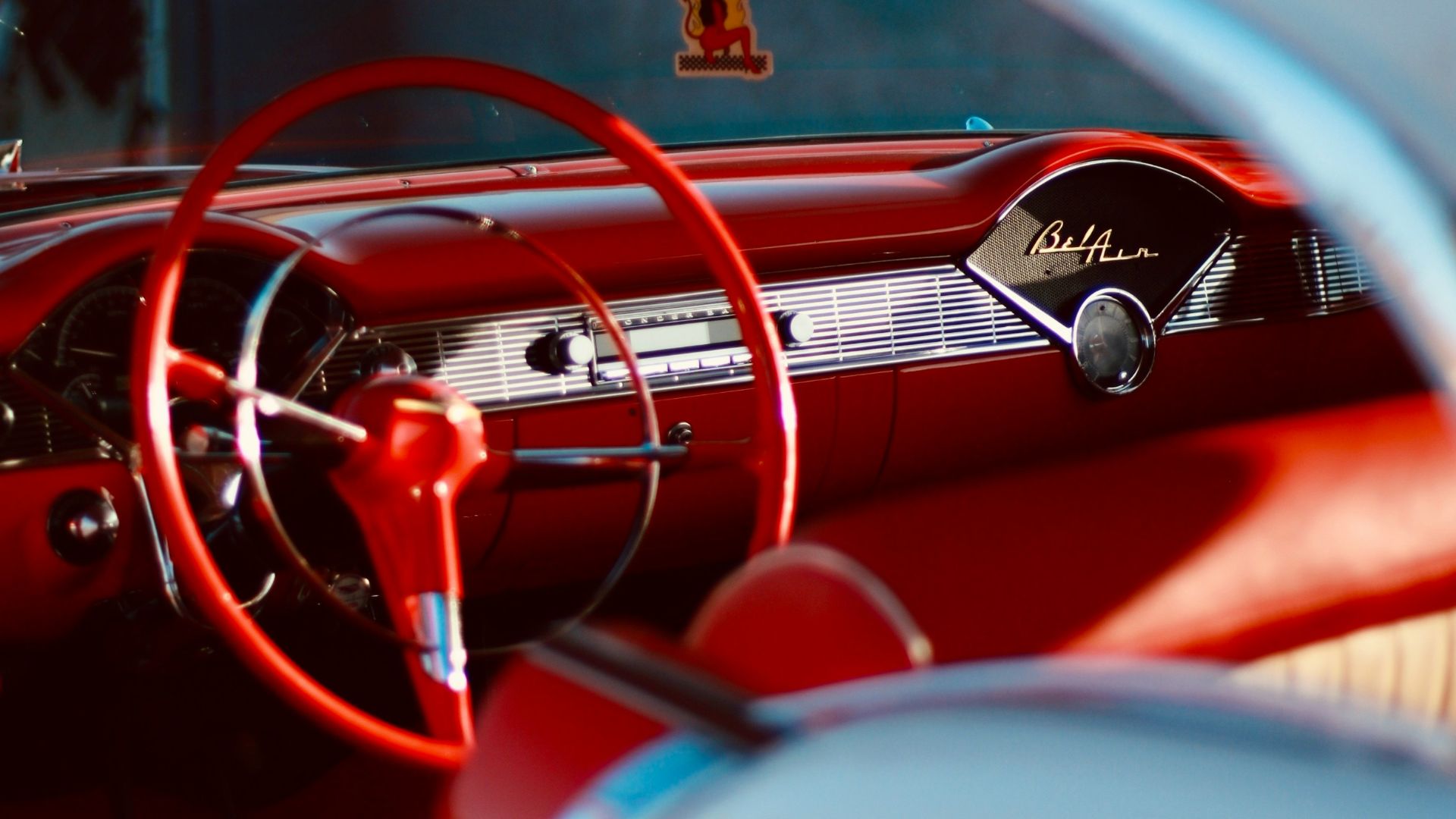
There he is—an actor swerving a giant vintage sedan while the steering wheel turns effortlessly with one hand. Definitely don’t try that in real life! Plenty of older cars lacked power steering, making low-speed turns and parking noticeably more physical.
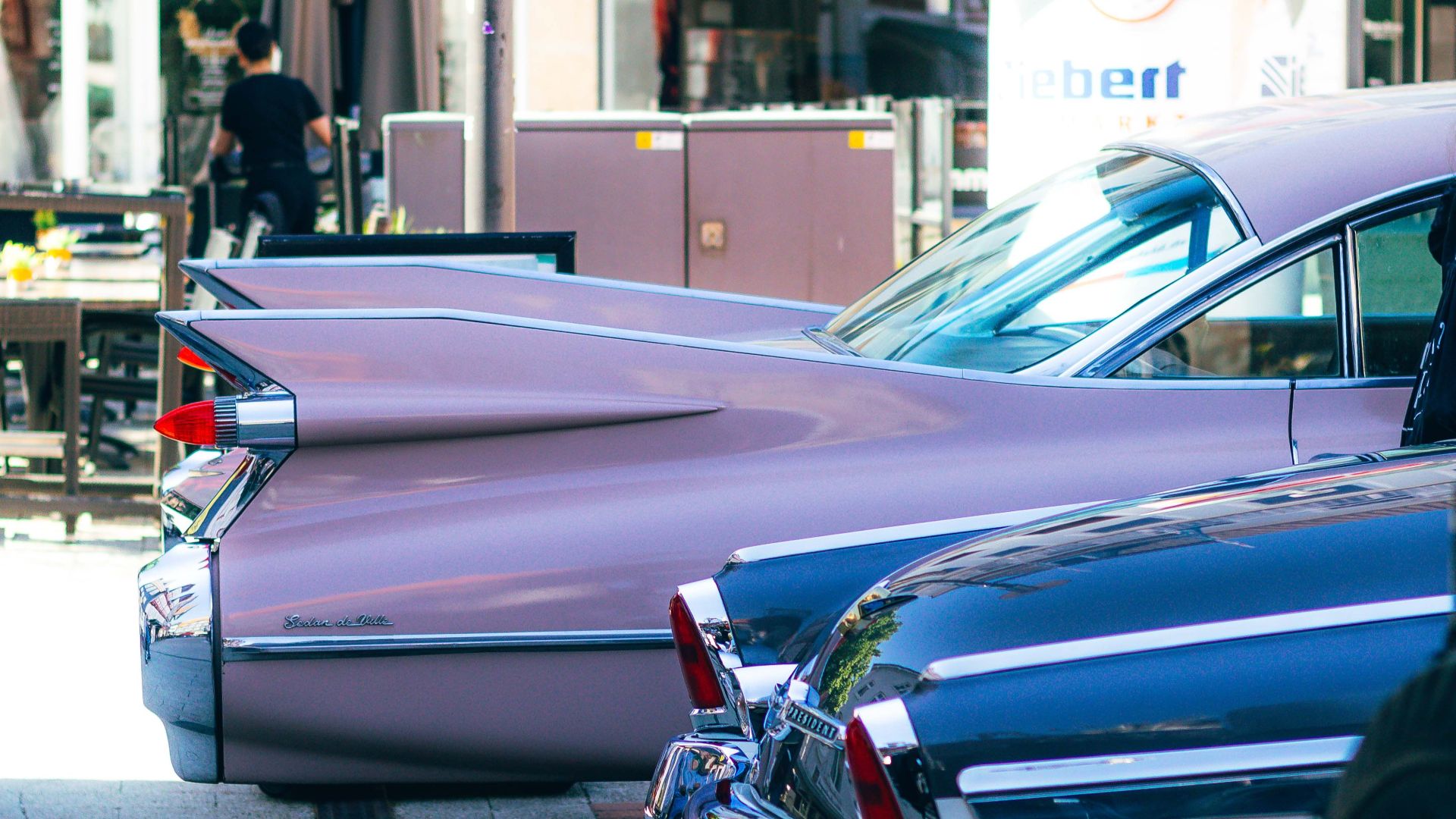
 Stephanie Valencia on Unsplash
5. Everyone Masters Old Manual Transmissions
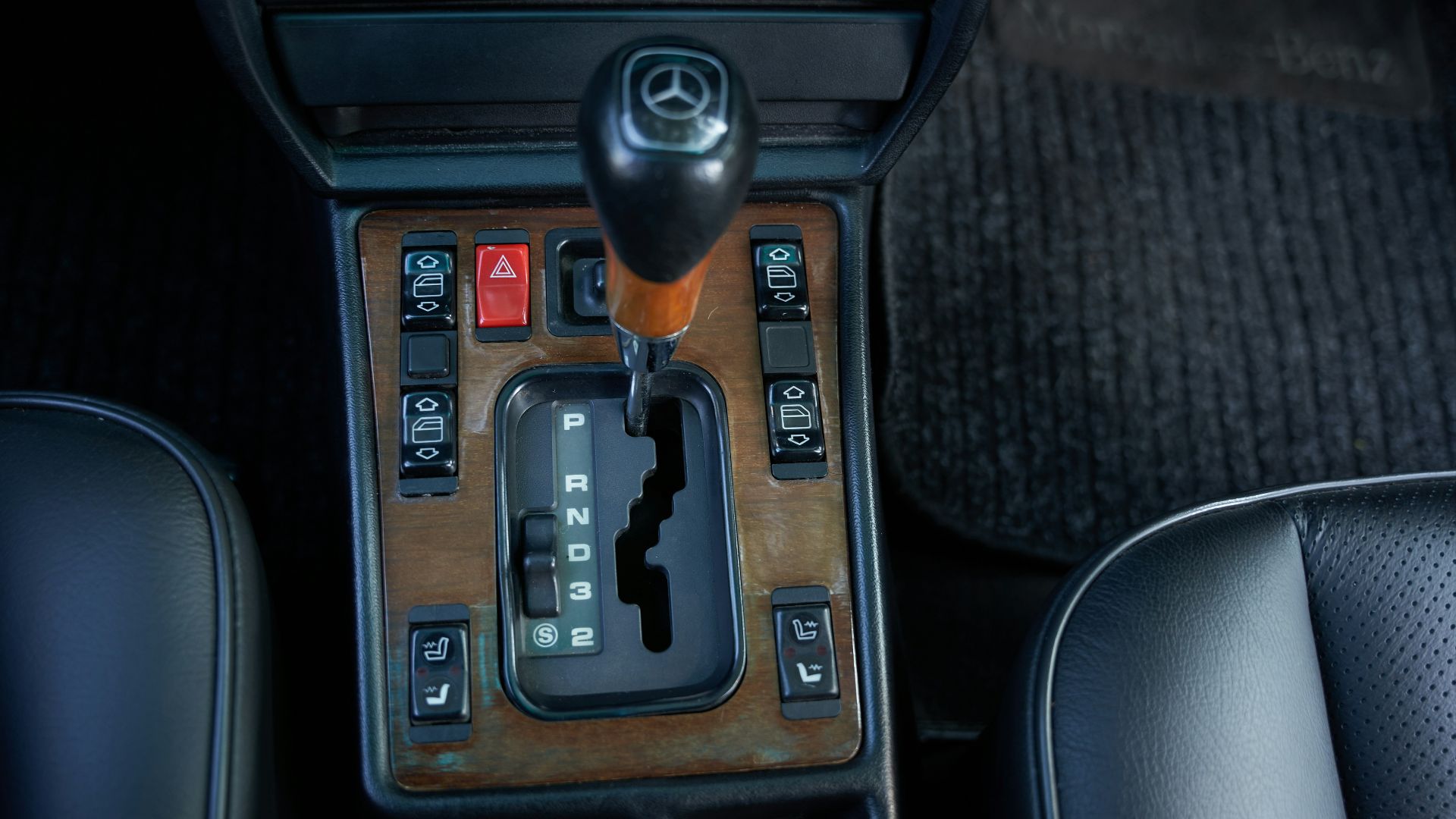
It’s Hollywood, so in stumbles the hero who’s never even seen the car before. And yet, he shifts its transmission perfectly. Well, older gearboxes can have unfamiliar shift patterns, heavy clutches, long throws, or no synchronizers. Some older models even demand double-clutching that many modern drivers have never heard of.
6. Highway Speed Looks Relaxed
Films happily send cars from the ‘50s and ‘60s cruising at modern speeds while their occupants have everyday conversations. Have you ever tried to burn rubber in an old guy? Exactly! Depending on its gearing, tires, and engine, a vintage vehicle can be noticeably louder at 70 mph than today’s sedans.

7. Old Tires Have Endless Grip
A glamorous classic in a movie can corner hard and brake violently without ever being short on traction. Any gearhead knows that period-correct tires were actually much narrower and less capable than today's rubber. Fitting modern tires also transforms a classic's behavior.
8. Rain Never Seems Dangerous
A wet road usually just makes a movie chase more exciting, but any good driver knows that there’s no room for speeding in poor conditions. Older cars especially combine rear-wheel drive, no traction control, and no electronic stability control, leaving far more responsibility with the driver. Throw in dated wipers, and the rain gets even worse.
 Mehmet Turgut Kirkgoz on Pexels
9. Every Classic Corners Flat
Large 1960s and 1970s cars fly around bends on screen—but not in real life. Soft suspension and tall tire sidewalls could easily produce plenty of body roll. It’ll happen just as quickly in vehicles designed more for comfortable cruising than attacking corners.
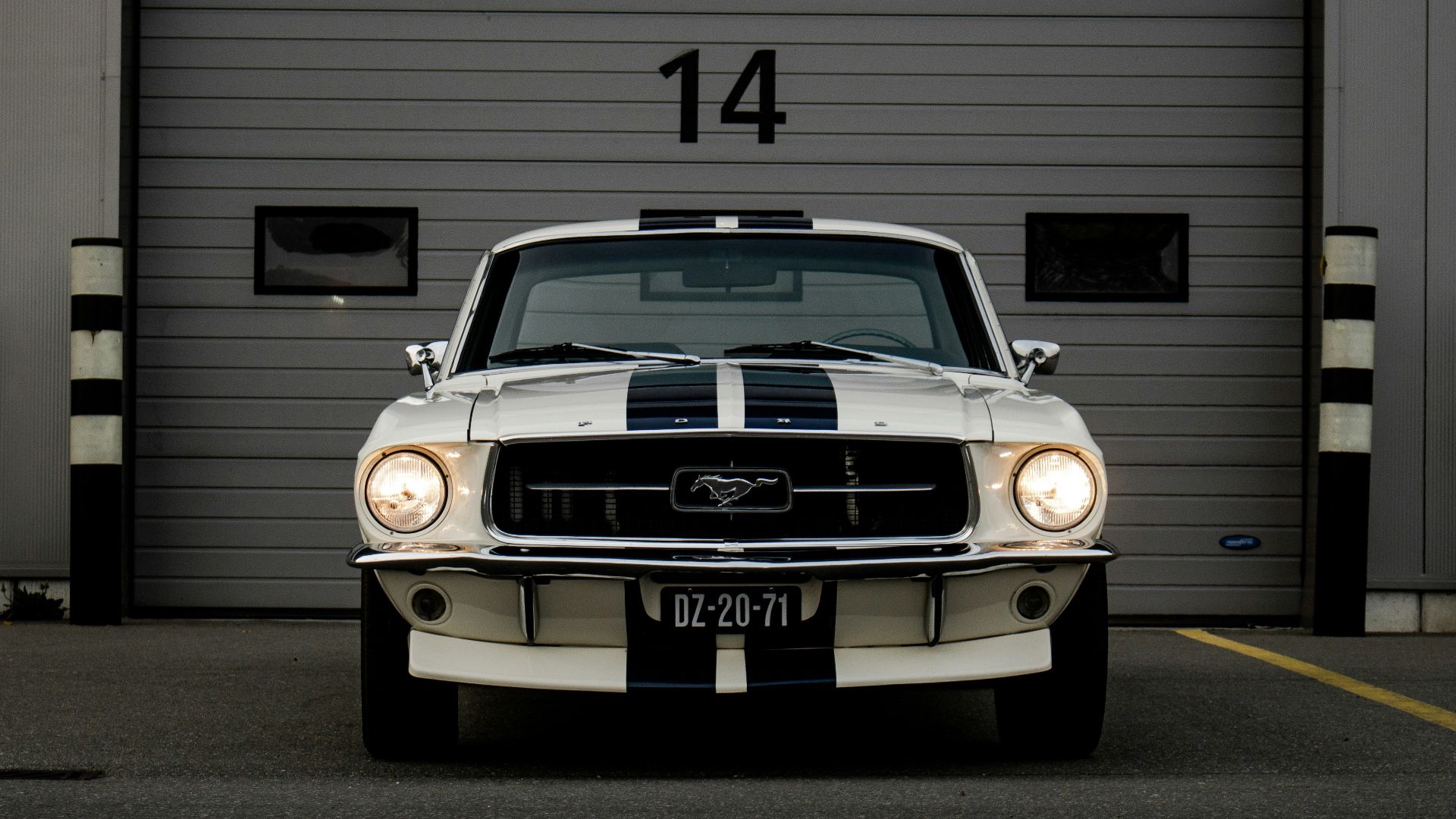
10. Trustworthy Fuel Gauges
Movie heroes rarely question the little needle telling them how much gas is left in an aging tank. Anyone who actually owns an old boy, though, knows that ancient gauges and wiring don't always age gracefully. Knowing how far you've driven since your last fill-up is often safer than trusting decades-old electronics.
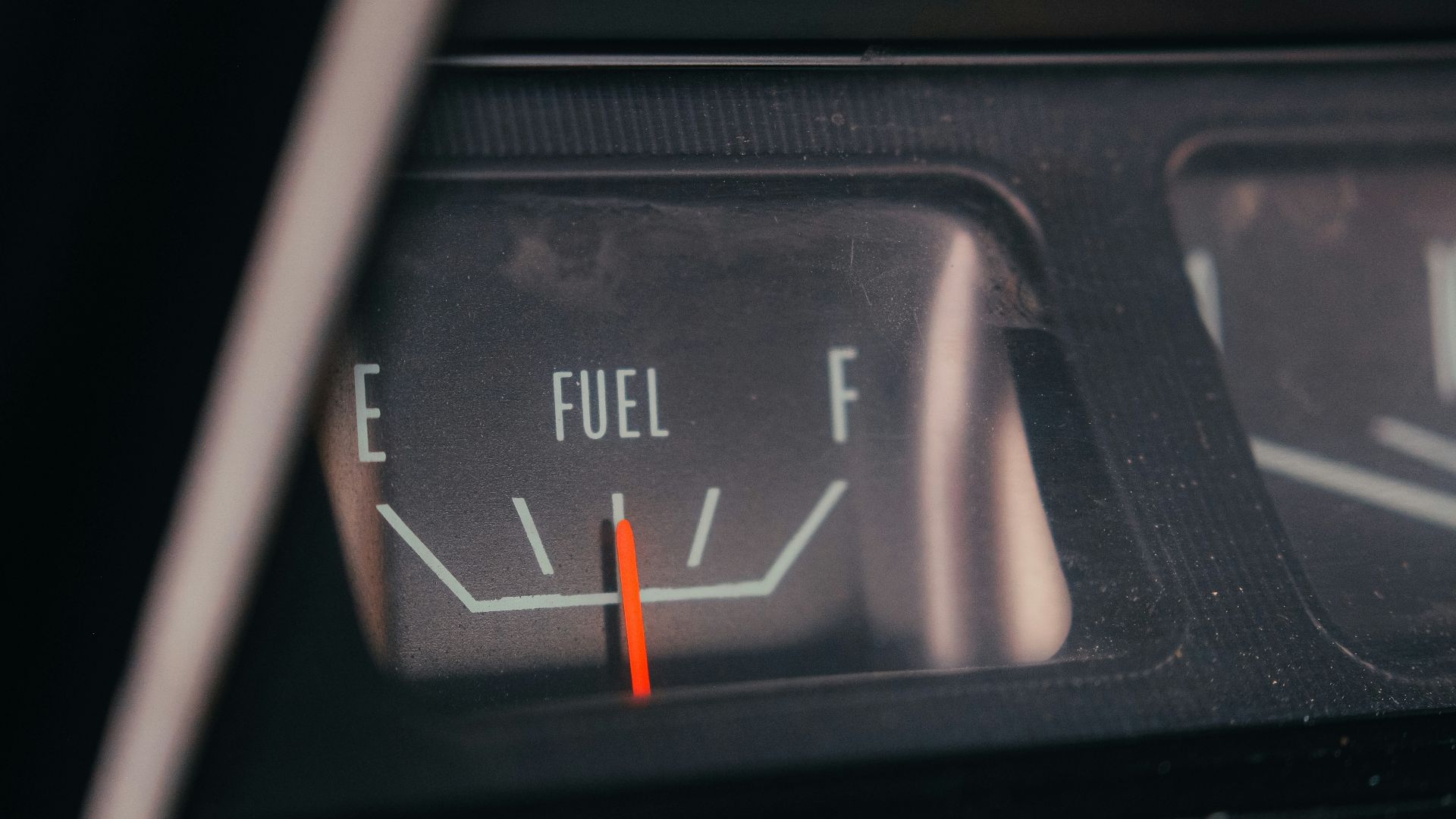
11. Nobody Ever Deals With Vapor Lock
Carbureted vehicles can suffer vapor lock when fuel gets hot enough to vaporize before reaching the carburetor properly. Long story short? That can cause stalling or make restarting harder than you think. It isn't glamorous, but movie cars definitely aren’t cruising through scorching deserts without a heat-related problem.
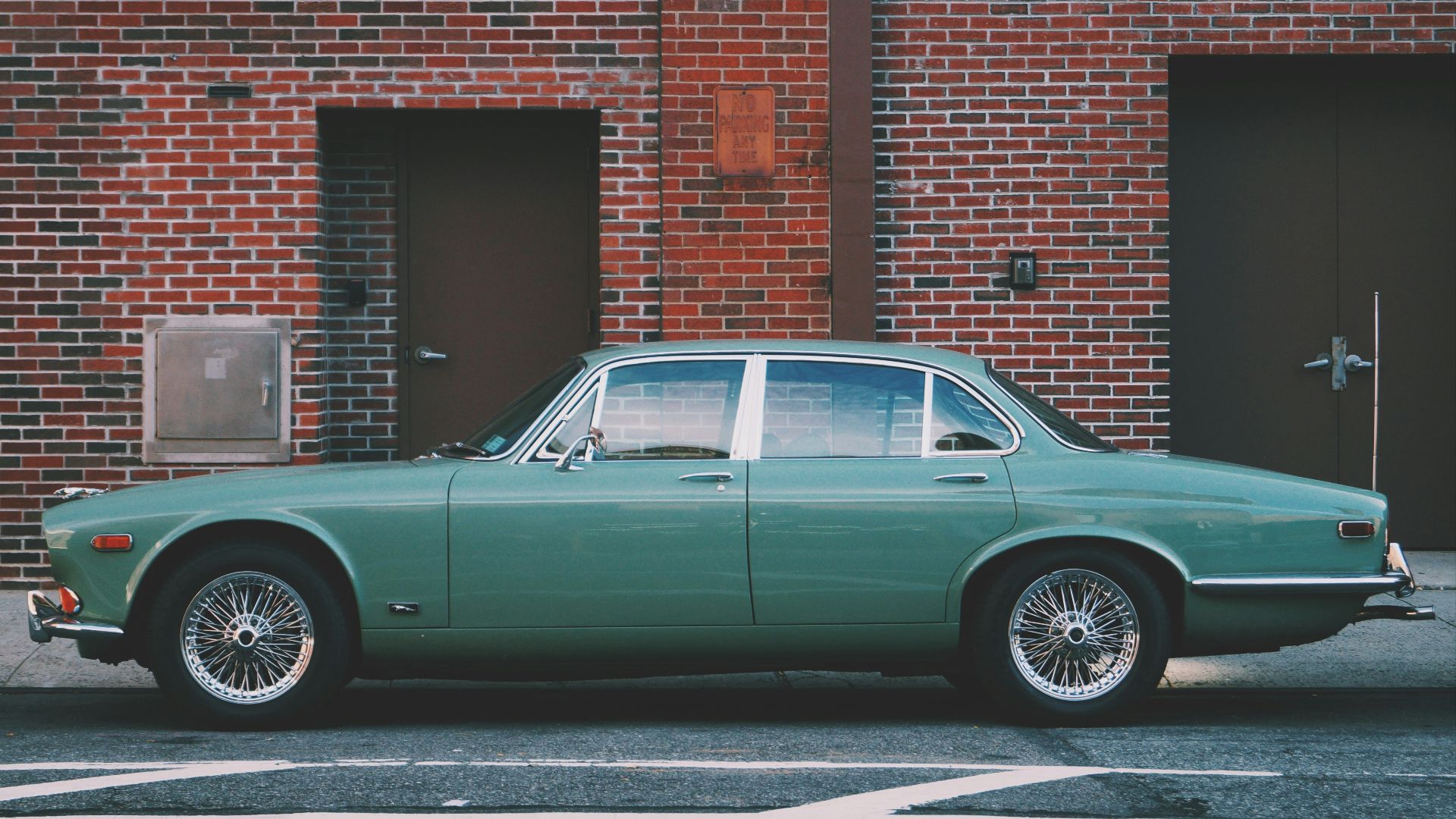
12. Perfect Visibility
We’d love it if a vintage coupe guaranteed perfect vision, but it never will. Between small mirrors, thick roof pillars, and differently shaped glass, visibility isn’t exactly promised. But sure enough, movie characters still reverse at full speed without so much as turning their heads.
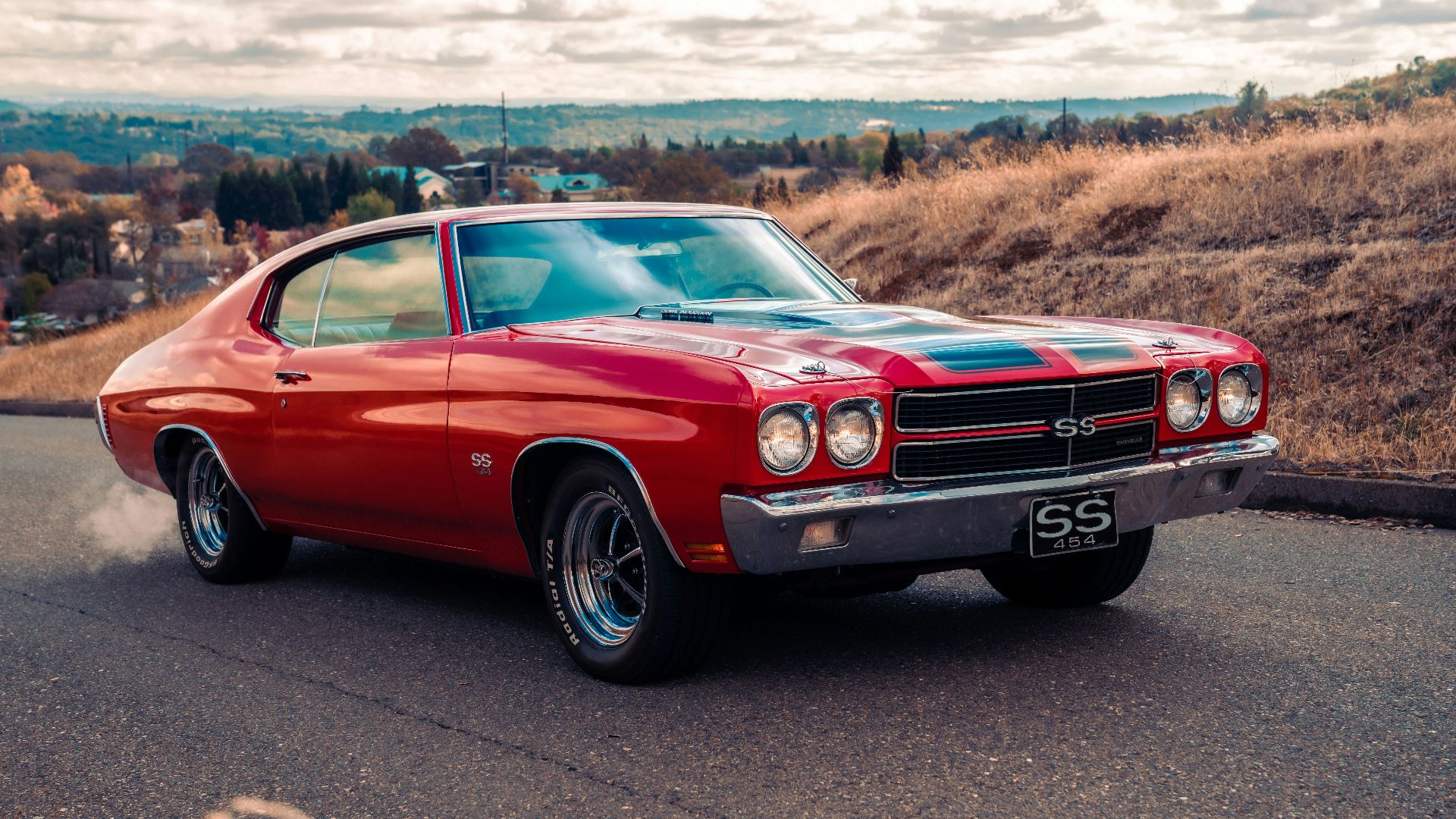
13. They Take Endless Abuse
Jumping curbs. Smashing through boxes. Bouncing across rough roads. It doesn’t matter what happens—your car can apparently have no lasting problems. Yeah, in the movies! In the real world, even a well-restored car deserves more mechanical sympathy than fictional drivers provide.
14. Seat Belts Are Ignored
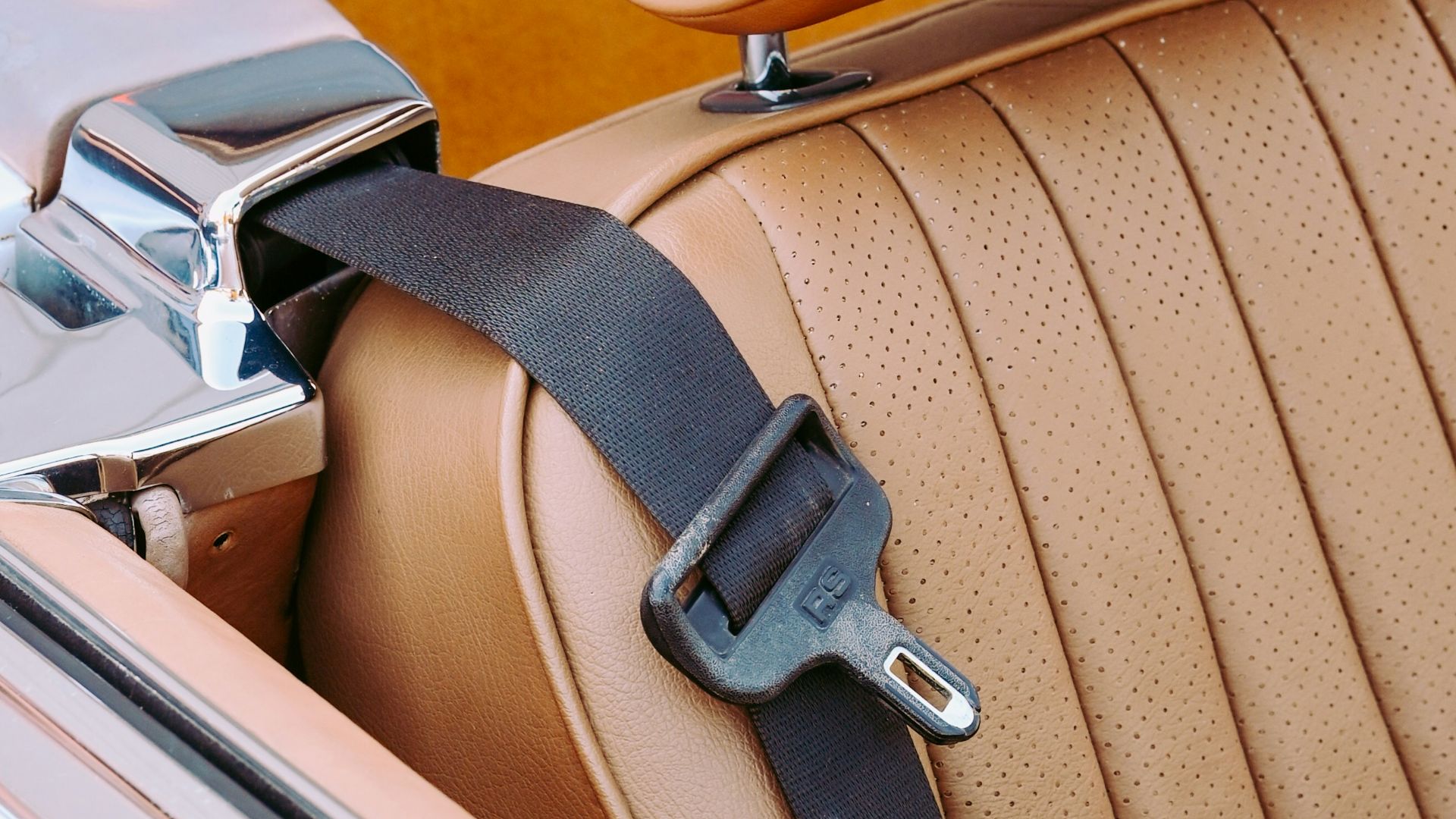
For some reason, characters tear around in vintage cars without even glancing at the seat belt. We know it isn’t boss to strap in before a car chase, but later classics had simple lap belts rather than today's three-point restraints. Though this one might actually make sense in some older cars—the further back you go, the fewer seatbelts and airbags there even were.
15. Heavy Cars Accelerate Like Rockets
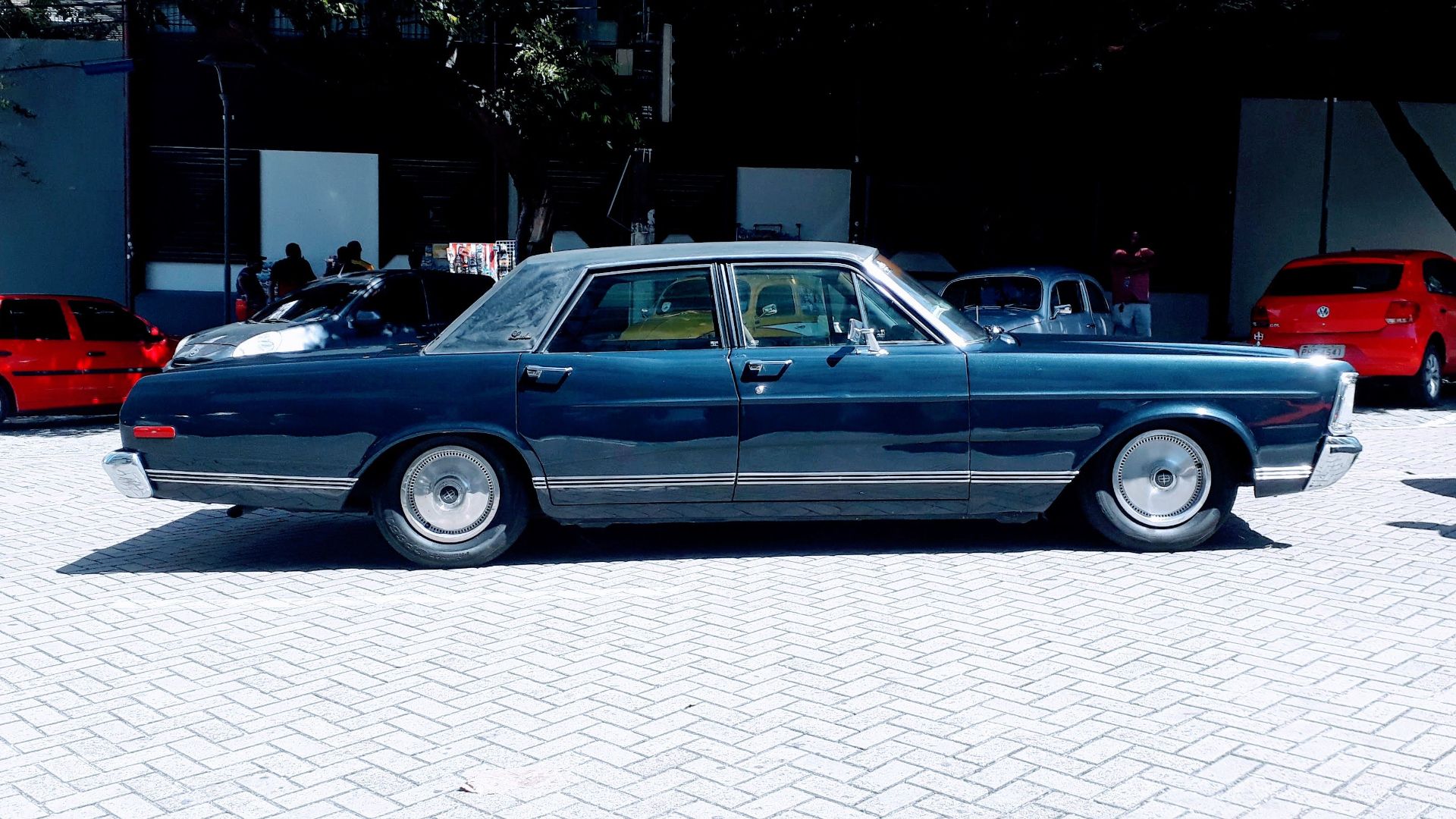
A giant American car gets a V8 badge in a movie, and suddenly it’s capable of anything on the road. Well, plenty of classic V8s made impressive torque, but modest period horsepower limited real-world acceleration. We hate to say it, but a 1970s luxury barge isn't a muscle car just because eight cylinders are under the hood.
 Valdemaras Januška on Unsplash
16. Overheating Barely Exists
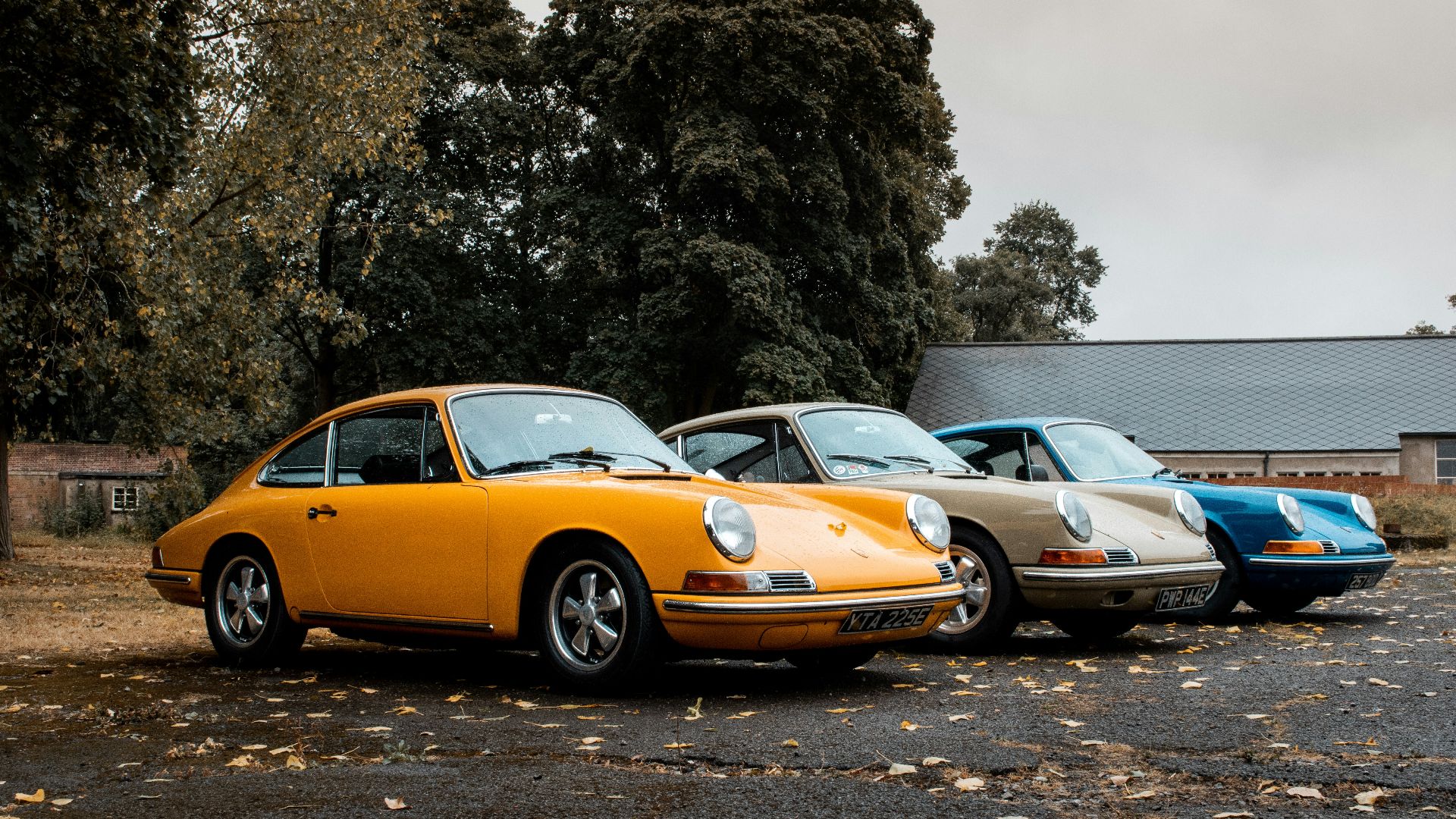
Old cars in films will idle through traffic without the temperature gauge moving. Unfortunately, aging cooling systems involve all sorts of real-world problems: clogged radiators, weak fans, failing thermostats, or simply designs less tolerant of extreme conditions.
17. Brilliant Headlights
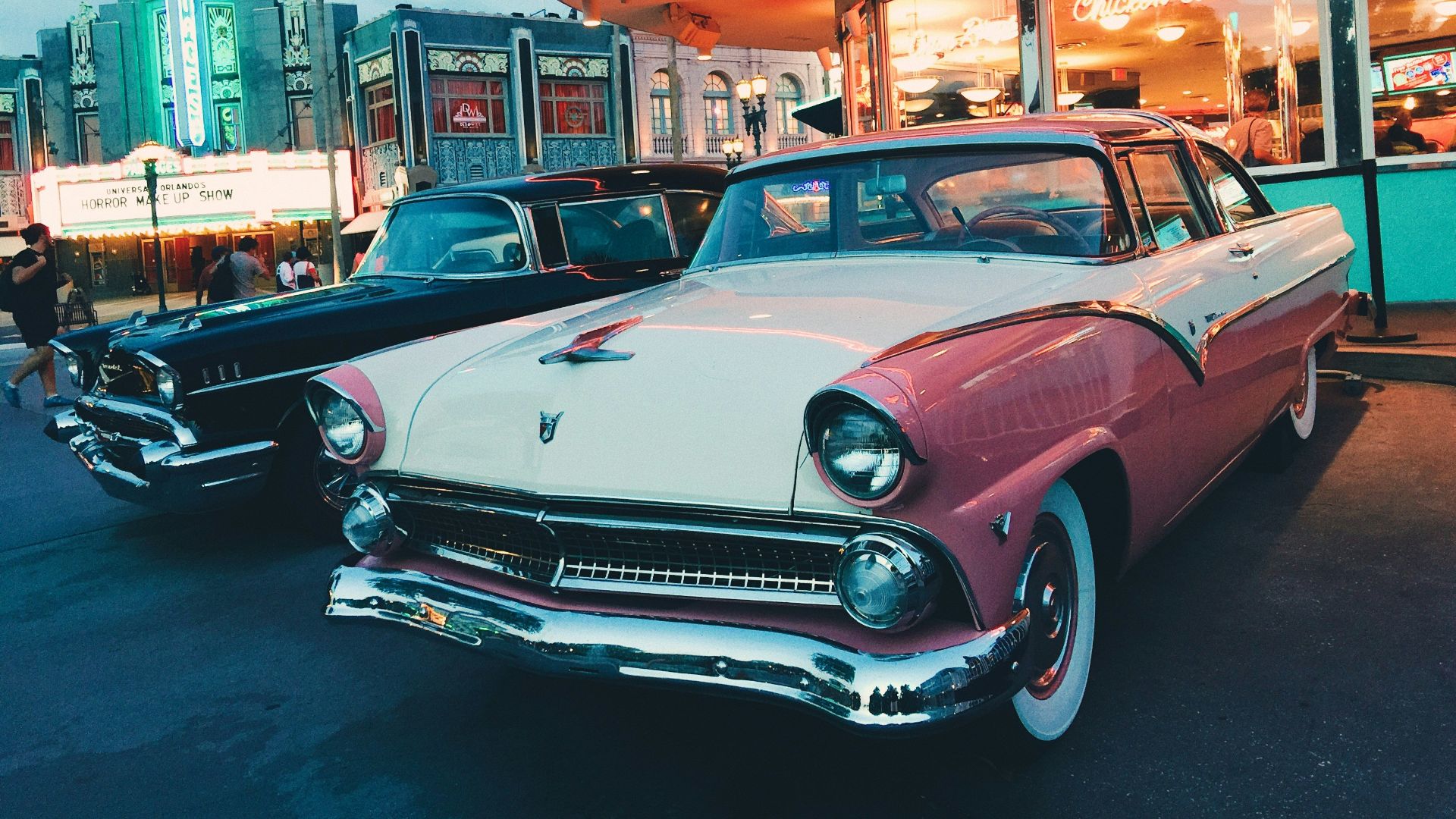
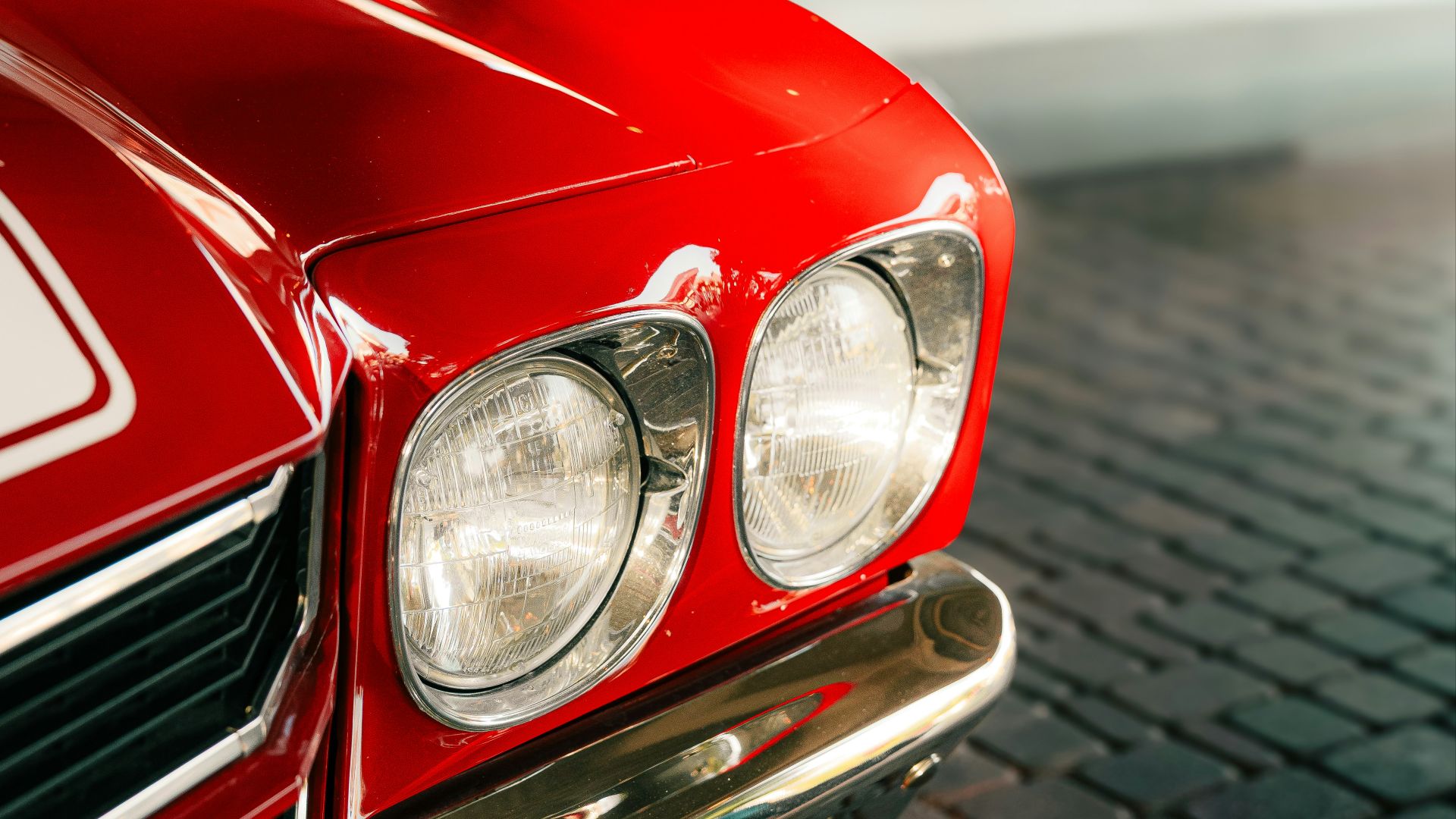
Don’t get us wrong—we hate today’s LED lights as much as the next guy. However, nighttime chase scenes somehow give every old car enough illumination to make them look modern. Say what you want about today’s lights, but driving an untouched classic at night will make you appreciate just how much things have improved.
18. They Never Need Adjustments
Hollywood treats a restored classic as though restoration fixes every quirk. It doesn’t, and every gearhead knows that! Carburetors can need tuning, fluids need monitoring, and little leaks have a habit of popping up at the worst times. Keeping an old car happy means noticing small changes in real life.

19. Effortless Parking
Movies slide enormous old cars into curbside spaces without cameras, sensors, or hesitation. Though we’d all like to think we’re that skilled, long hoods and wide bodies make a full-size 1970s sedan way more demanding. Trying to parallel park one means actual patience, not a stylish swing of the steering wheel.
20. You Can Drive One Like a Modern Car
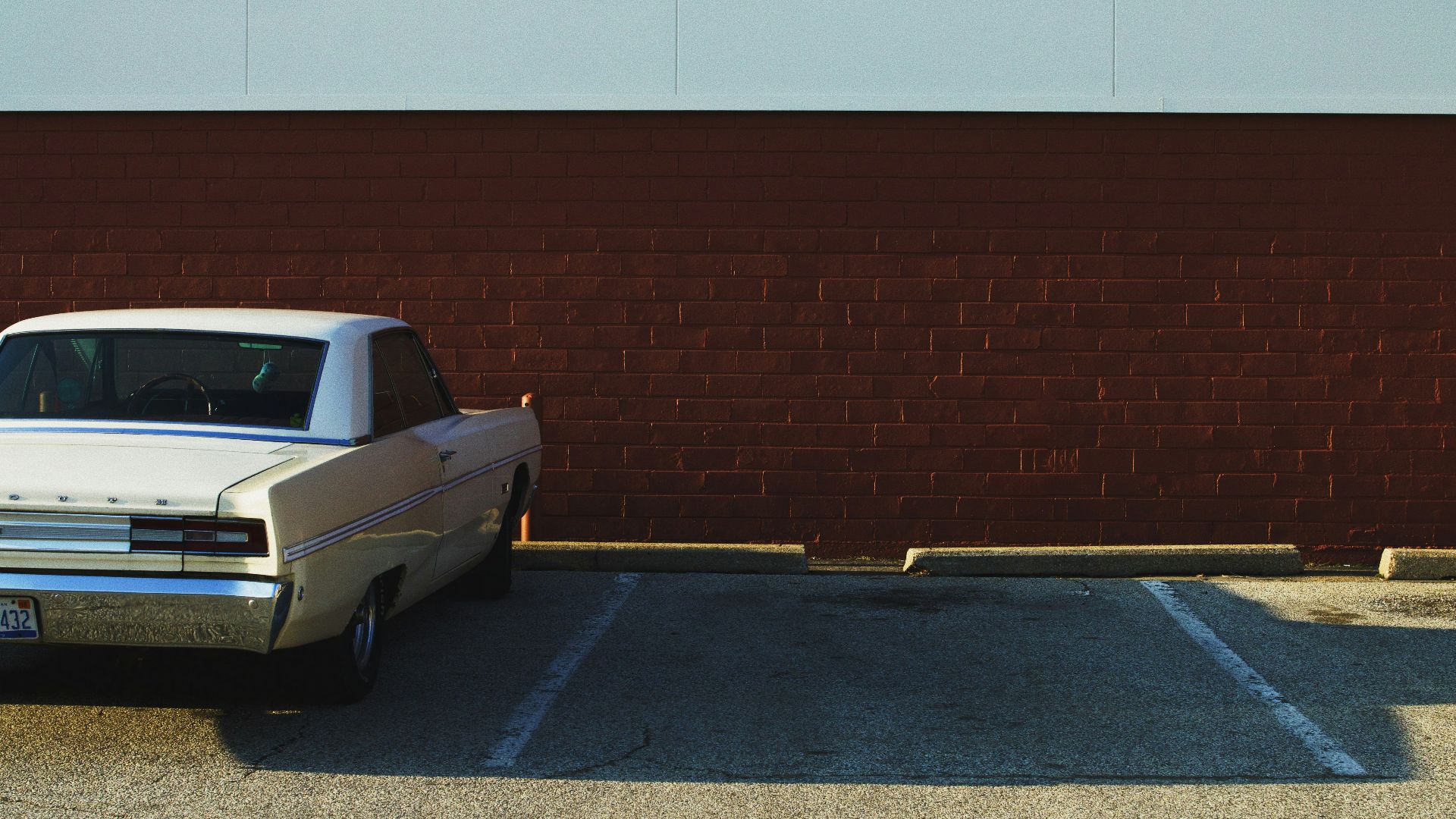
The biggest myth is that age changes a car's appearance, not its performance. Ask an actual restorer what the deal is, though. Older brakes, steering, tires, safety systems, and engines require you to plan farther ahead and pay closer attention.