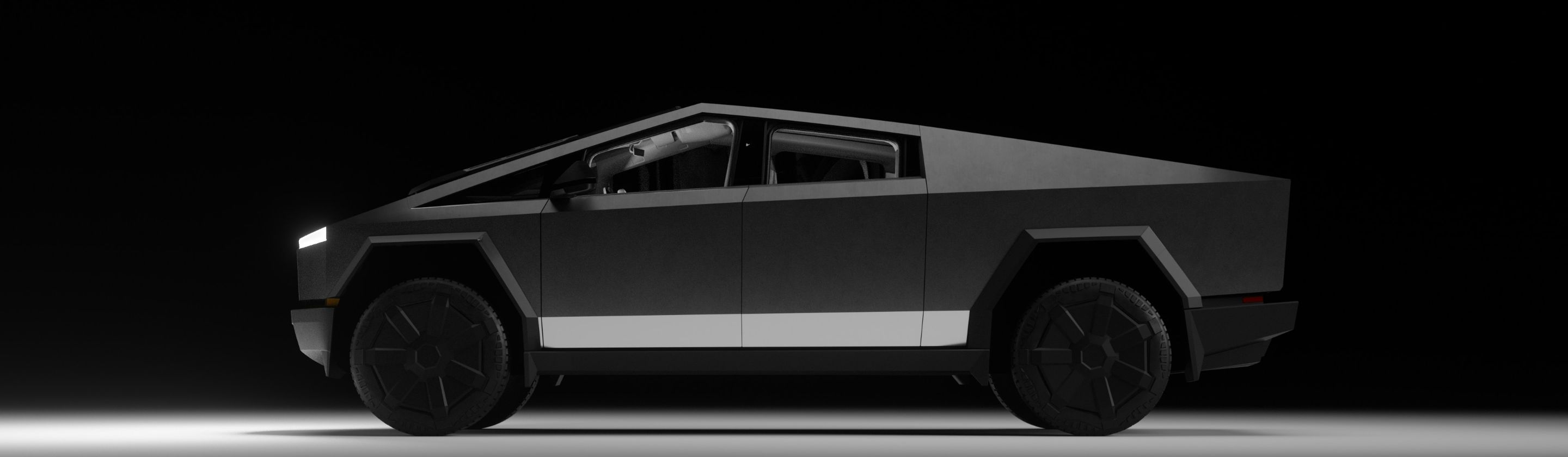
20 Chinese Cars That Are Changing the Future
Are Chinese Cars the Future?
It's easy to think your choices are only between Ford and Chevrolet, or even between Tesla and Toyota, when you're shopping in the American market. Heck, you might not even know what's going on overseas and what kind of revolutionary technology is being developed at the moment. And, while it wasn’t that long ago that Chinese cars had little presence outside their home market, things have since changed. China’s automakers are now experimenting with charging speeds, battery construction, digital cabins, driver-assistance systems, high-performance electric motors, and even steer-by-wire technology at such a rapid pace that it's even forcing established manufacturers to respond. If you're thinking of straying from the usual lineup, these 20 futuristic Chinese cars might just give you a run for your money.
 David Merrett from Daventry, England on Wikimedia
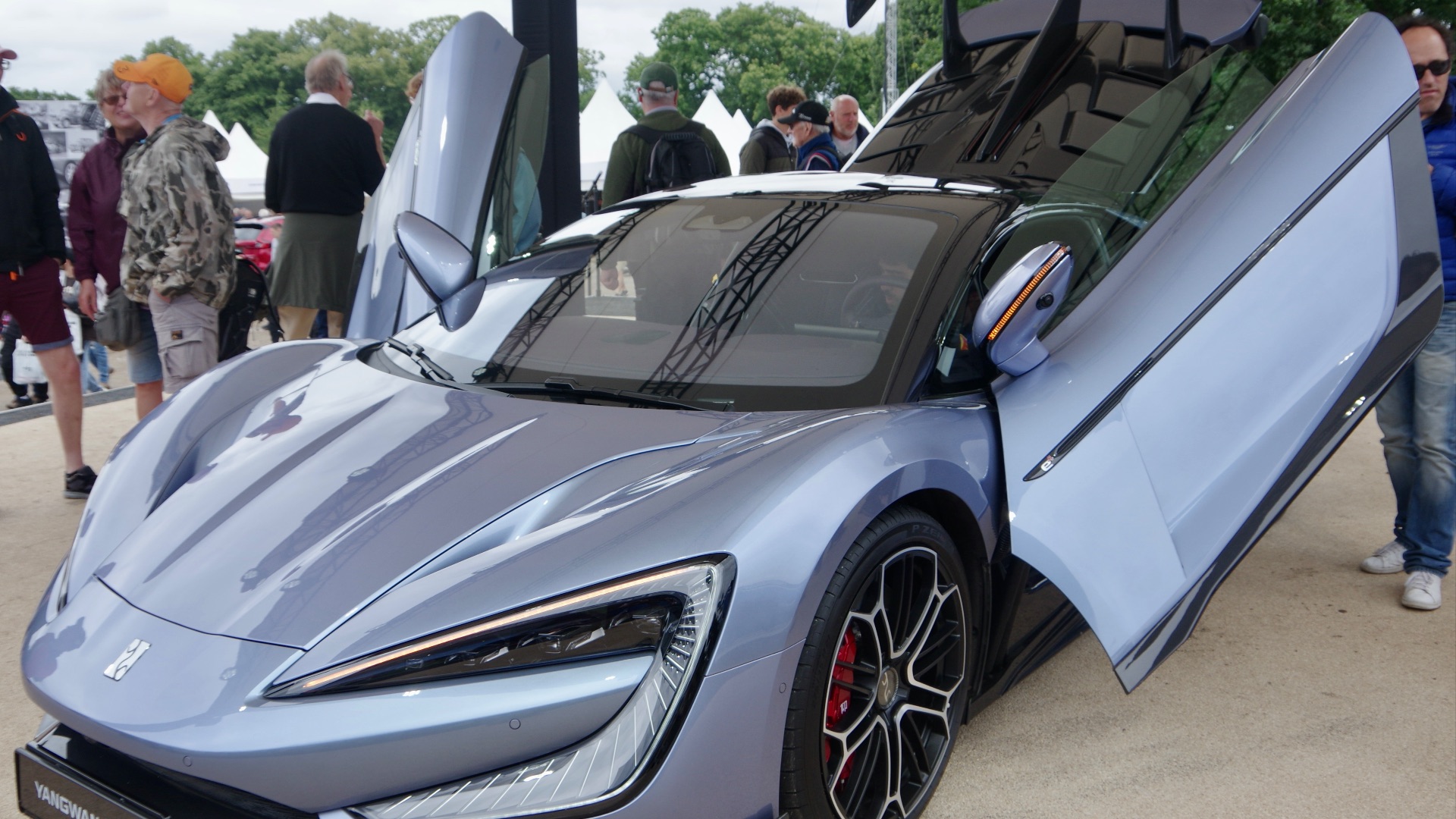
1. BYD Han L EV
The BYD Han L EV tackles one of the biggest complaints about electric cars: charging time. Built on the company’s Super e-Platform, it was among the first vehicles (if not the first) designed around BYD’s 1,000-volt architecture and megawatt-level charging technology. According to its own testing, BYD says compatible Flash Charging can add roughly 249 mi (around 400 km) of rated range in five minutes, bringing an EV charging stop considerably closer to the length of an average fuel stop.
 JustAnotherCarDesigner on Wikimedia
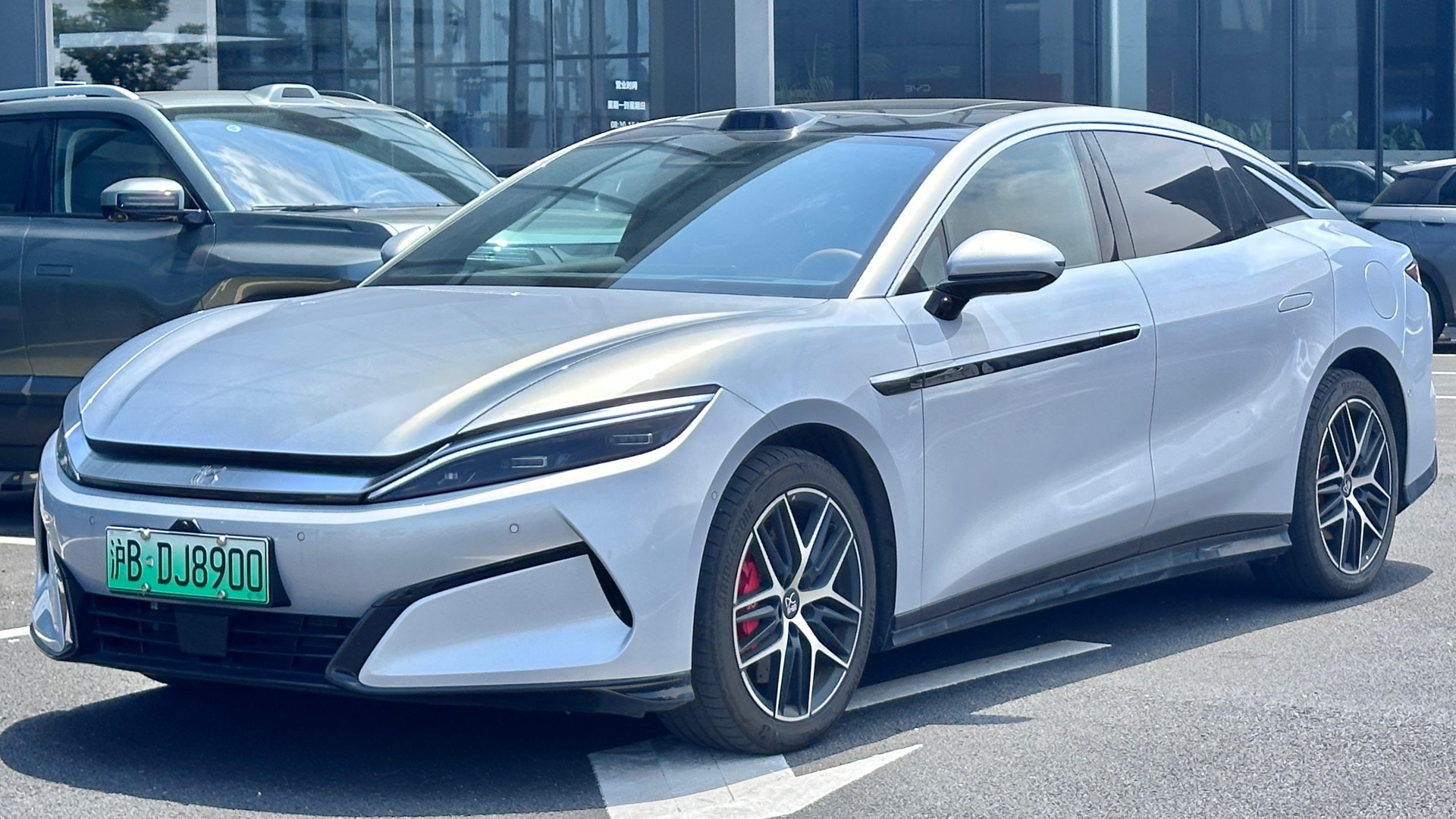
2. BYD Tang L EV
The second vehicle on the list also belongs to BYD, and, sharing much of its underlying technology with the Han L, the Tang L packages all the latest, nifty electrical hardware into a large family SUV. The Super e-Platform combines extremely high-voltage charging with a new generation of motors capable of spinning at up to 30,000 rpm, showing that faster charging isn't only reserved for small or lightweight vehicles.
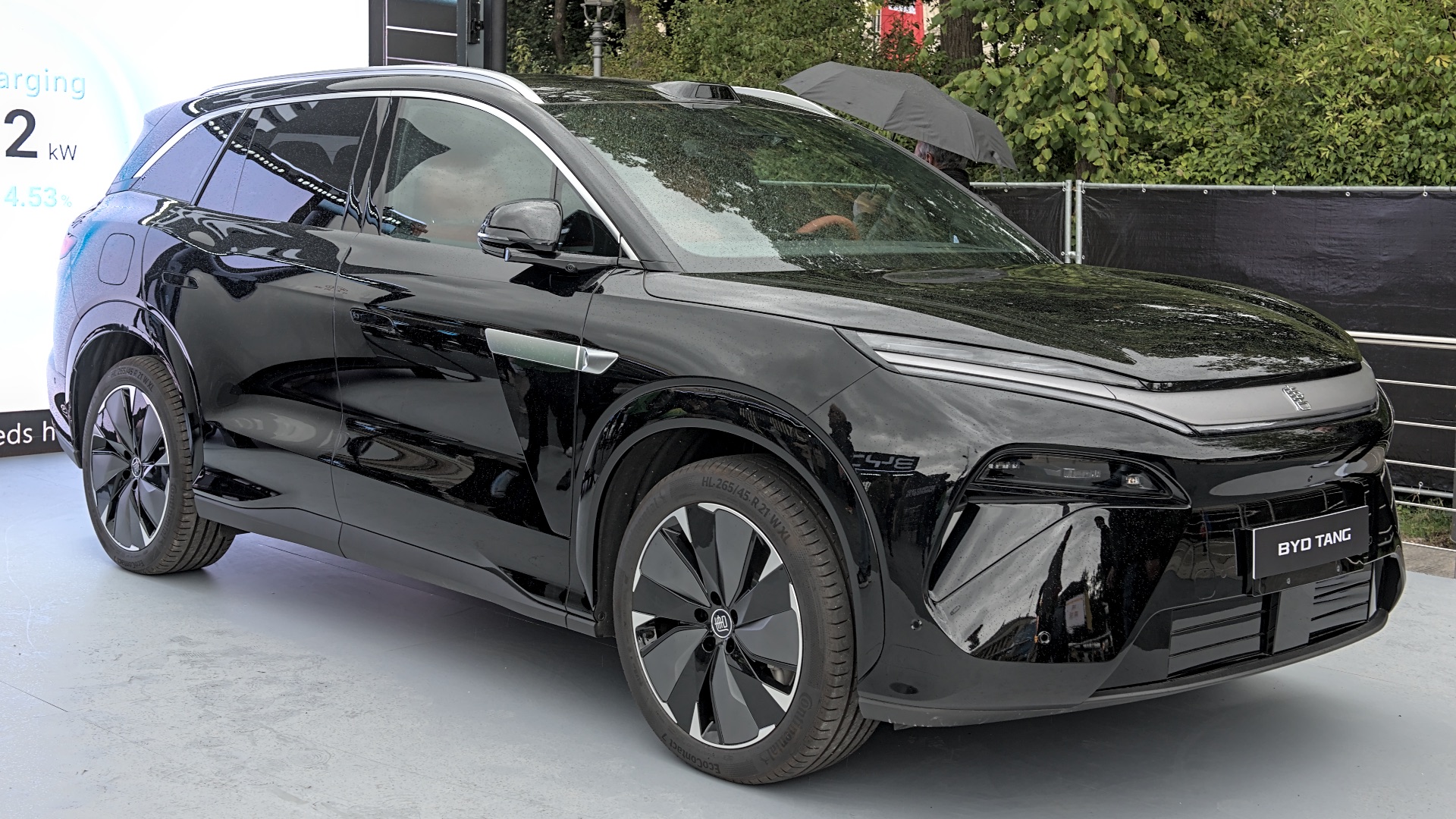
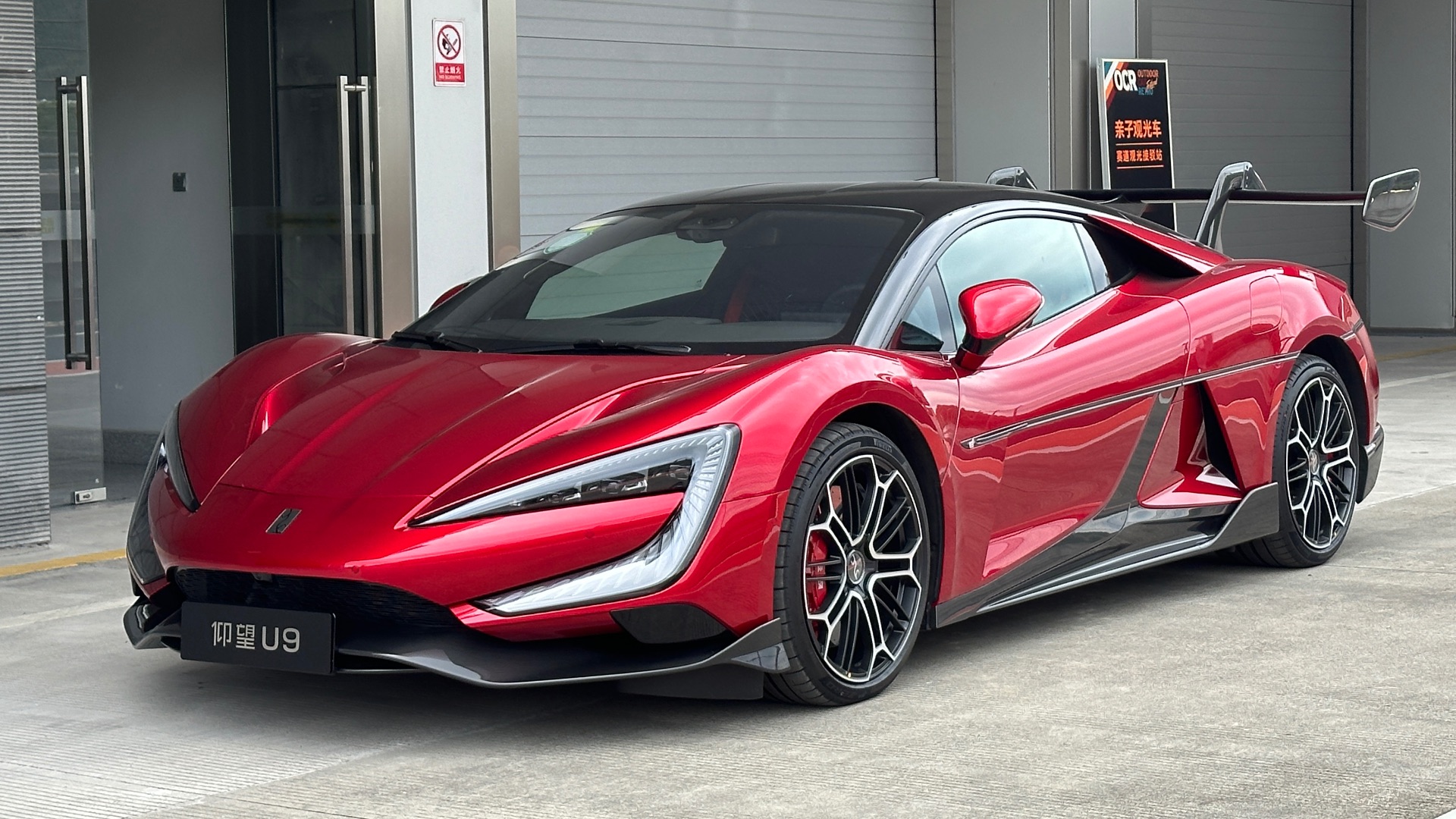
3. Yangwang U9
Chinese automakers aren’t limiting their ambitions to affordable EVs, though. Case in point: BYD’s exotic electric supercar, Yangwang U9, uses four independently controlled motors along with the DiSus-X body-control system, which can rapidly adjust the vehicle’s suspension at each corner. Its roughly 1,300-horsepower output also demonstrates how Chinese manufacturers are increasingly relying on advanced electric hardware to compete in a territory once dominated almost entirely by European performance brands.
 JustAnotherCarDesigner on Wikimedia
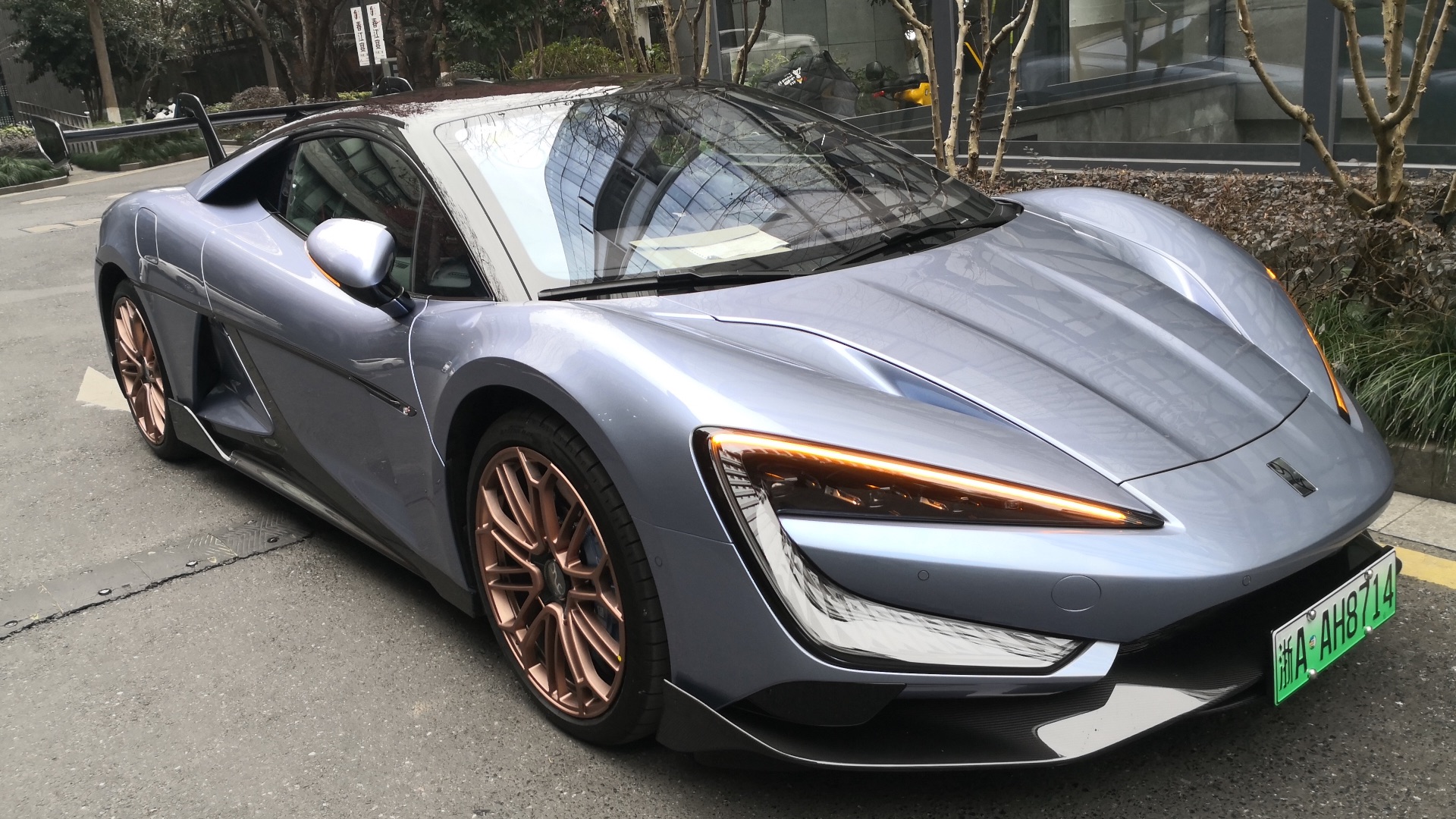
4. Yangwang U9 Xtreme
The regular U9 might already seem extreme, but the U9 Xtreme blows it out of the water. In fact, the limited-production model uses a 1,200-volt platform, four motors producing more than 3,000 horsepower combined, and motors capable of reaching 30,000 rpm. It also recorded a 496.22-km/h (nearly 310 miles per hour) test speed and a 6:59.157 lap of the Nürburgring Nordschleife, which is pretty groundbreaking.
5. Yangwang U7
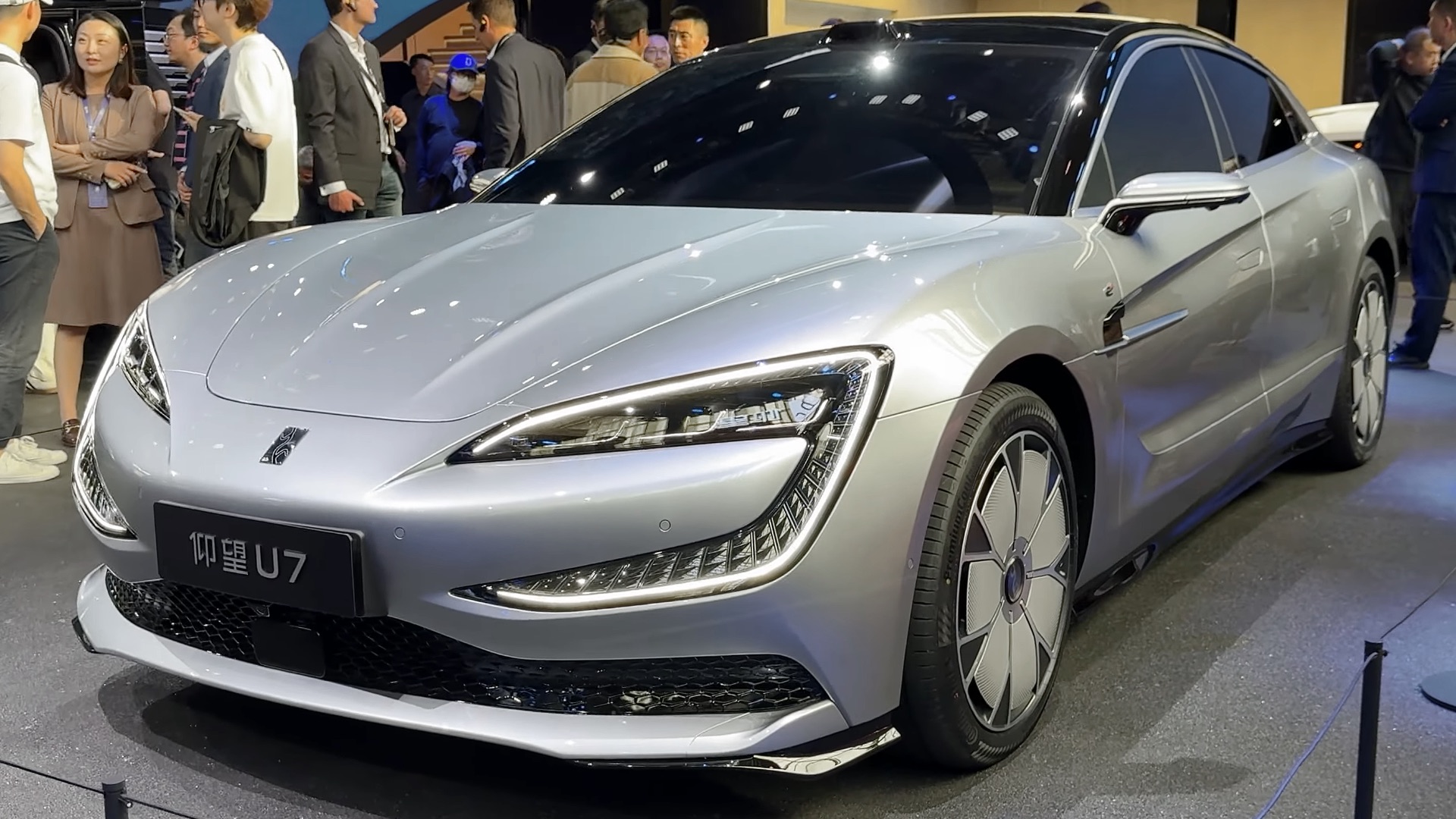
We're not done with Yangwang just yet. The U7, for one, is a massive luxury sedan, with a four-motor architecture that can independently manage torque at each wheel. The current lineup also includes an EV rated for as much as 1,006 km under China’s CLTC testing cycle, illustrating how range, chassis electronics, and performance are increasingly being developed together.
6. Xiaomi SU7 Ultra
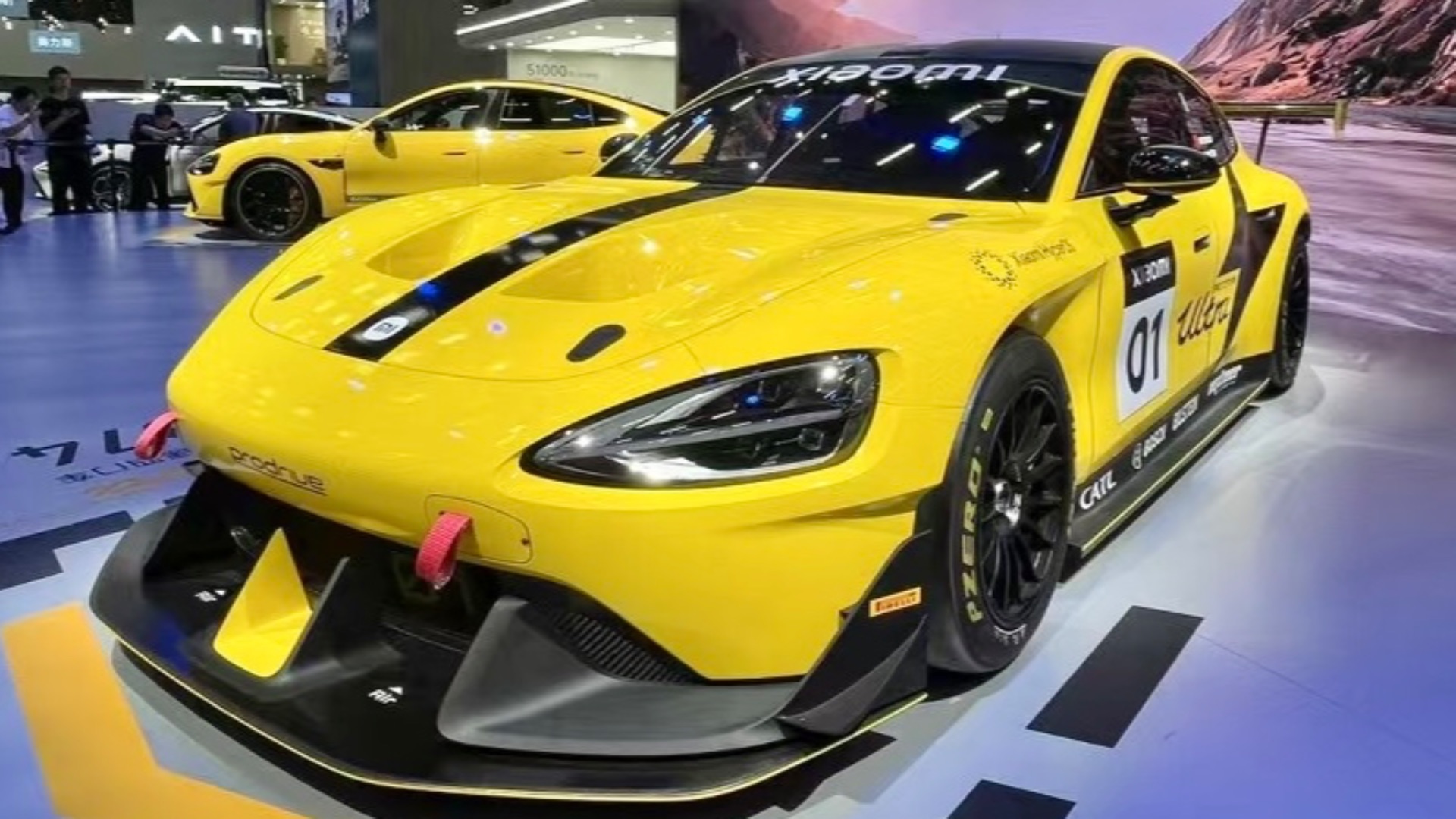
You might recognize Xiaomi as a smartphone brand, but that's not all the company does. Ever driven a Xiaomi-made car? Well, let the SU7 Ultra be your first if you do: with a tri-motor drivetrain producing a claimed 1,548 metric horsepower, Xiaomi says that this beast of a vehicle can go from 0 to 100-km/h in just 1.98 seconds under its stated test conditions. Talk about power!
7. Xiaomi YU7
If the SU7 Ultra doesn't blow your mind, the YU7 just might. In fact, by moving into the fiercely competitive electric SUV category, Xiaomi is testing whether they can build a mainstream automotive brand around connected devices, software, and consumer electronics. Their project also increases pressure on established automakers as others may rush to make the vehicle’s digital experience feel as integrated as the devices people already use every day.
8. NIO ET9
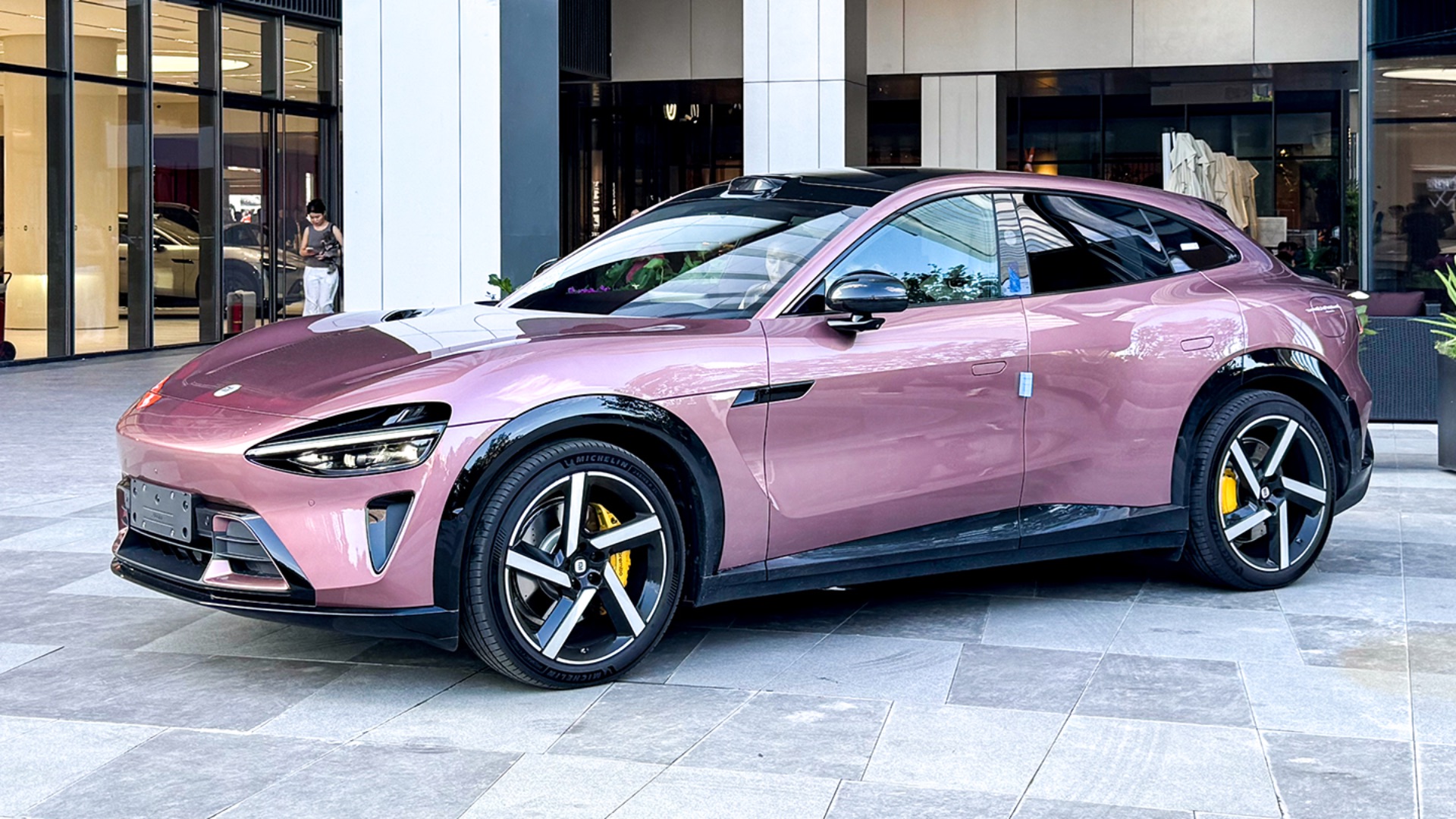
Few production cars illustrate the idea of a software-defined chassis as clearly as the NIO ET9. Its SkyRide system combines steer-by-wire, rear-wheel steering, and fully active suspension, while a 900-volt electrical architecture supports charging power of up to 600 kW. NIO has also developed its own automotive computing hardware for the car, making the ET9 a remarkable demonstration of how many key vehicle systems a modern automaker can bring in-house.
 JustAnotherCarDesigner on Wikimedia
9. NIO Firefly
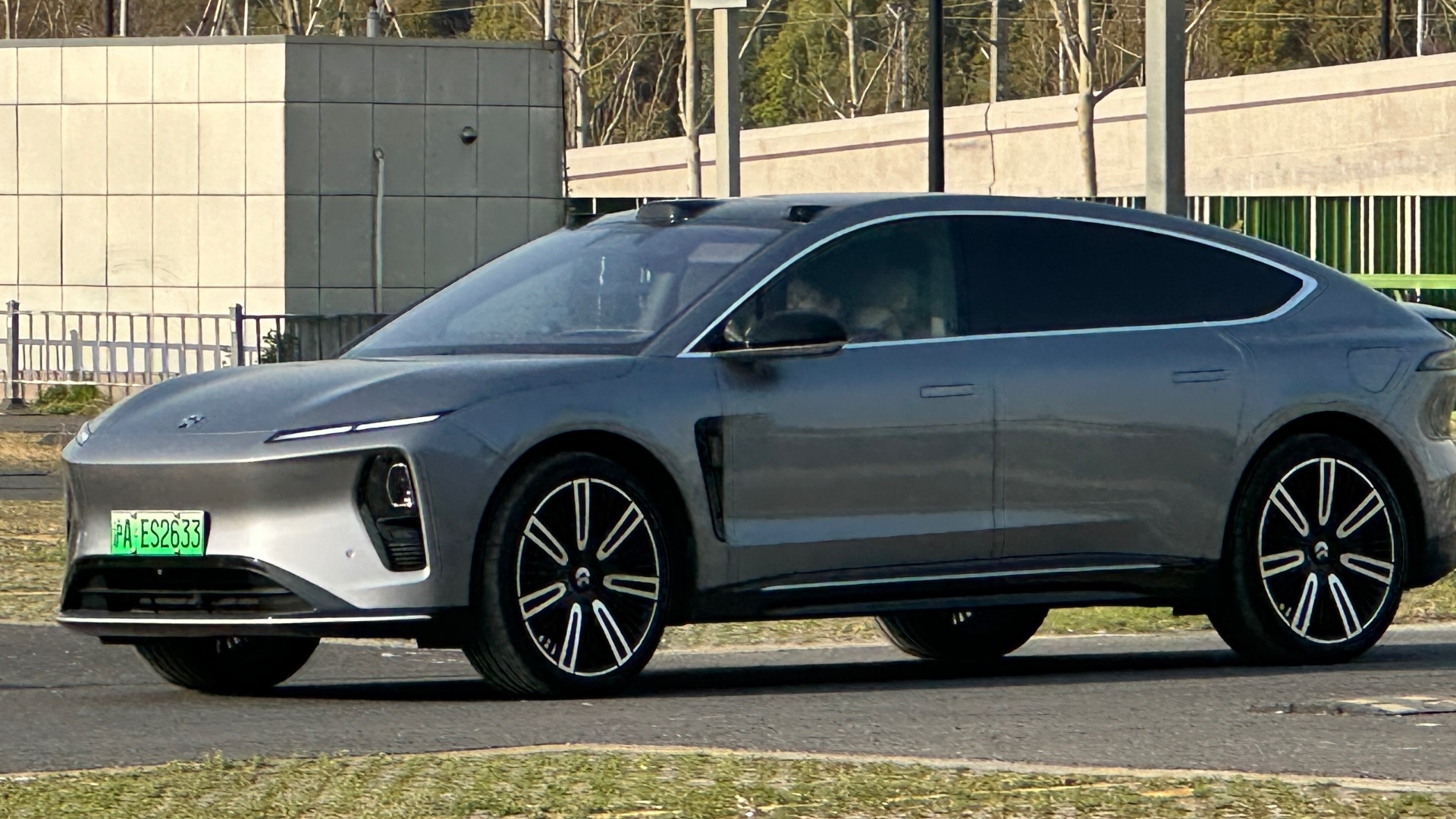
Not every forward-looking EV needs enormous horsepower or an enormous battery. The NIO Firefly, for example, is a smaller, more accessible electric-car brand that has plans to make it into the international market, making it an important test of whether Chinese premium-EV expertise can truly translate into compact urban transportation.
 JustAnotherCarDesigner on Wikimedia
10. Onvo L60
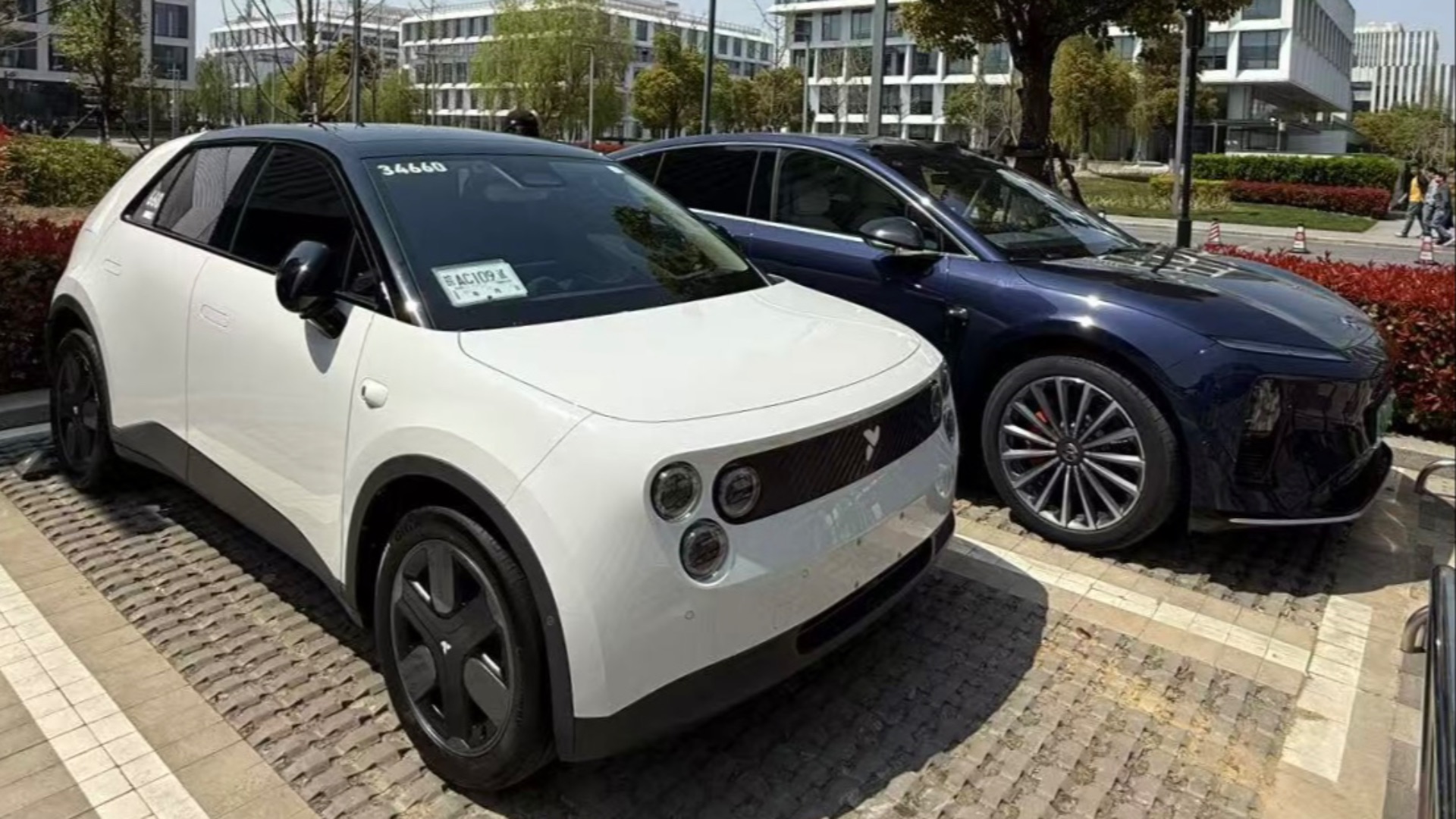
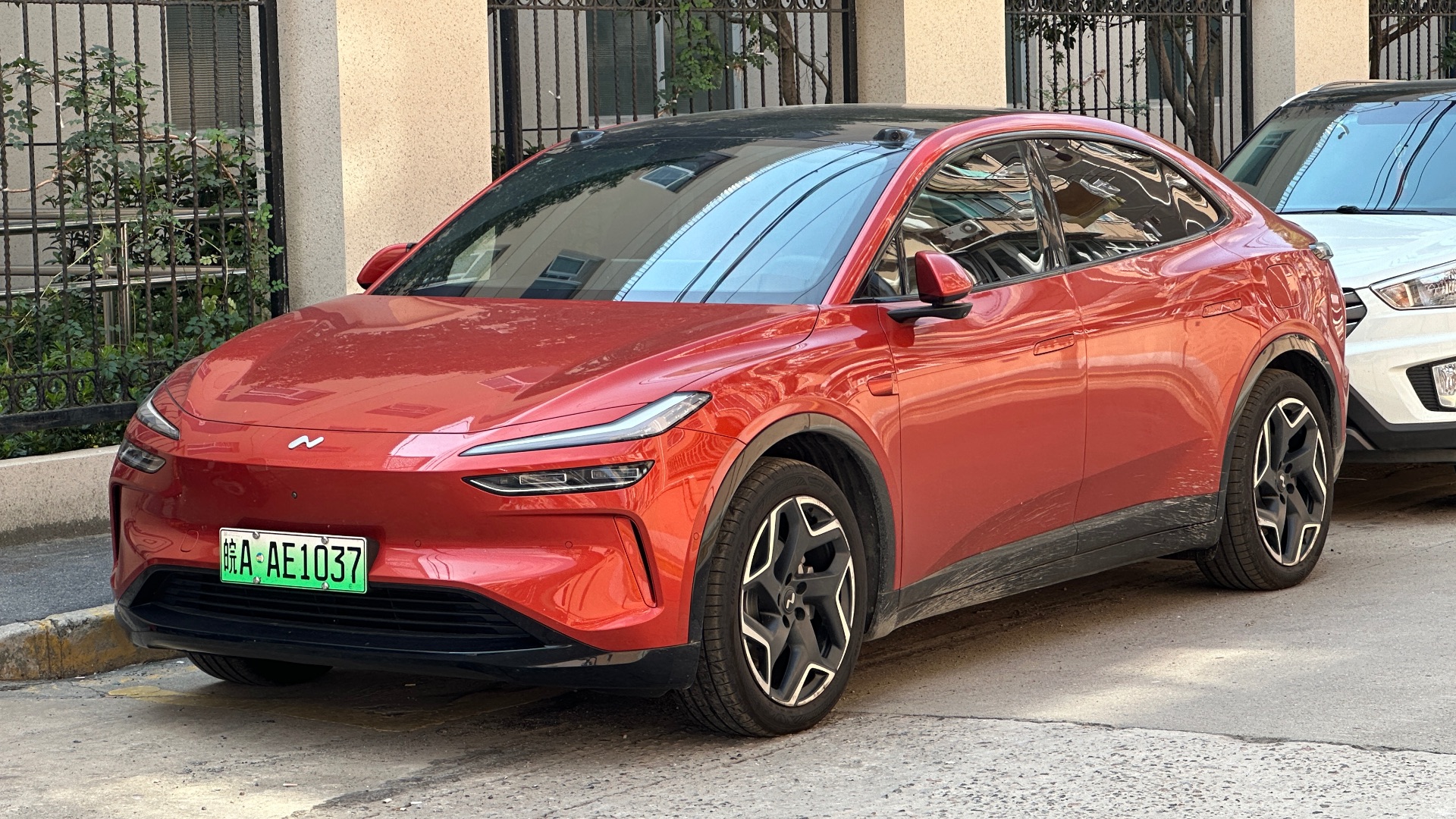
The Onvo L60 takes one of NIO’s most distinctive ideas, battery swapping, and applies it to a more mainstream part of the market. Rather than positioning every advanced EV feature as a luxury, NIO created Onvo to reach family buyers who might otherwise go for one of the industry’s established electric crossovers instead. It's an approach that could help determine whether swappable batteries remain a premium niche or develop into a realistic alternative to conventional fast charging.
 JustAnotherCarDesigner on Wikimedia
11. XPeng G6
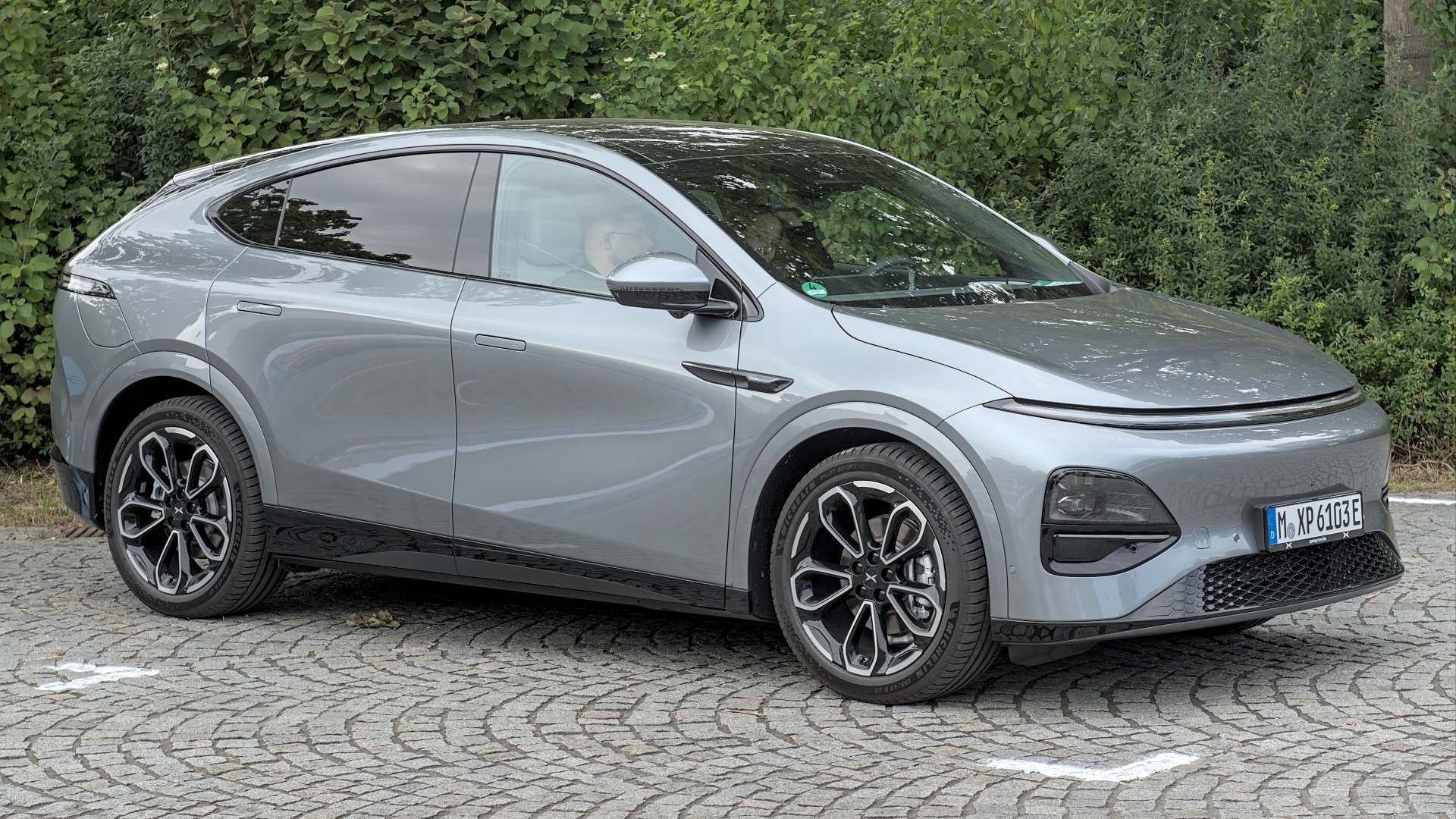
XPeng has made charging speed one of the G6’s greatest strengths. In fact, the newest versions use an 800-volt electrical platform and 5C battery technology, and some configurations are capable of going from 10 to 80% charge in around 12 minutes. With those numbers on the paper, it's hard to pick a slower-charging rival over the G6.
12. XPeng X9
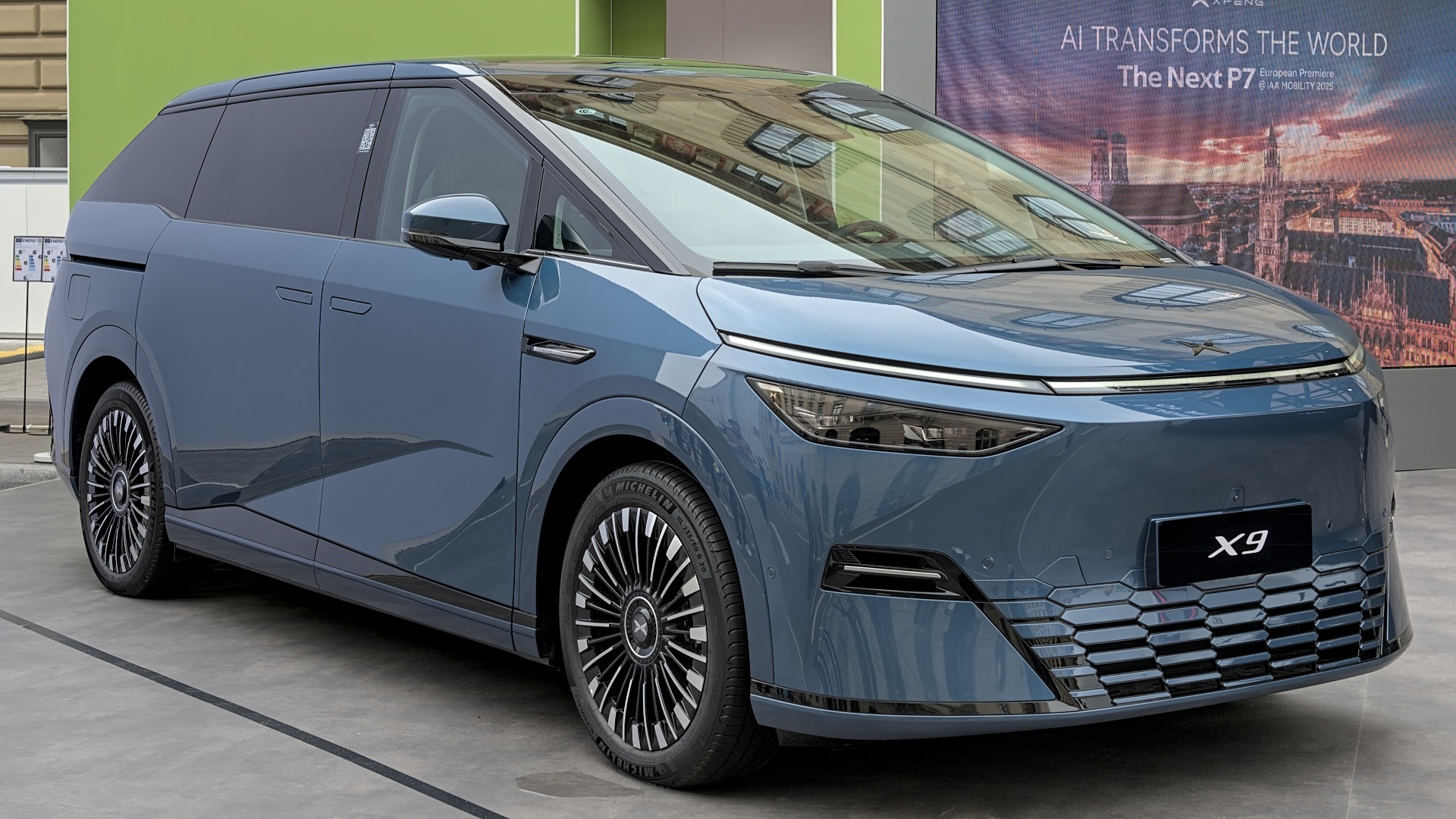
The X9 brings futuristic EV technology into a category that’s normally associated more with passenger comfort, so now you can have the best of both worlds. XPeng’s electric MPV combines a spacious three-row layout with sophisticated electronics, advanced driver assistance, and rapid-charging hardware, showing that a family car can have the latest and greatest technology, too. It also reflects China’s growing influence on the modern luxury MPV, which is becoming far more technologically ambitious than the minivans many American buyers remember.
13. Geely EX5
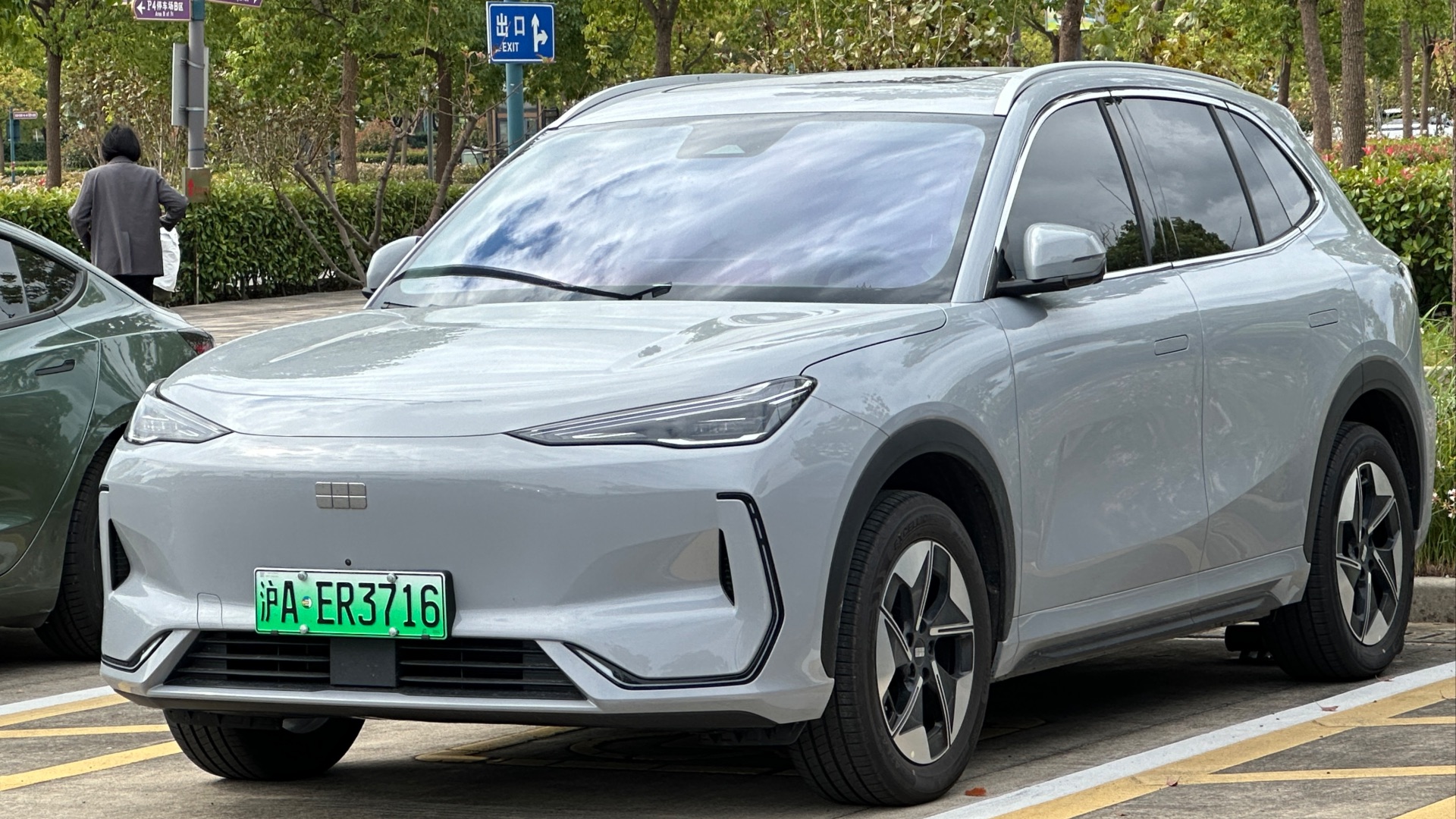
Designed specifically with international expansion in mind, the EX5 is probably more of an influential pick than more expensive Chinese EVs. Geely developed it on its Global Intelligent Electric Architecture and equipped it with a compact 11-in-1 electric drive and the company’s Short Blade battery technology. To put things into perspective, it has already earned five-star ratings from both Euro NCAP and ANCAP, which challenges the outdated assumption that globally competitive Chinese EVs are only about low prices.
 JustAnotherCarDesigner on Wikimedia
14. Zeekr 7X
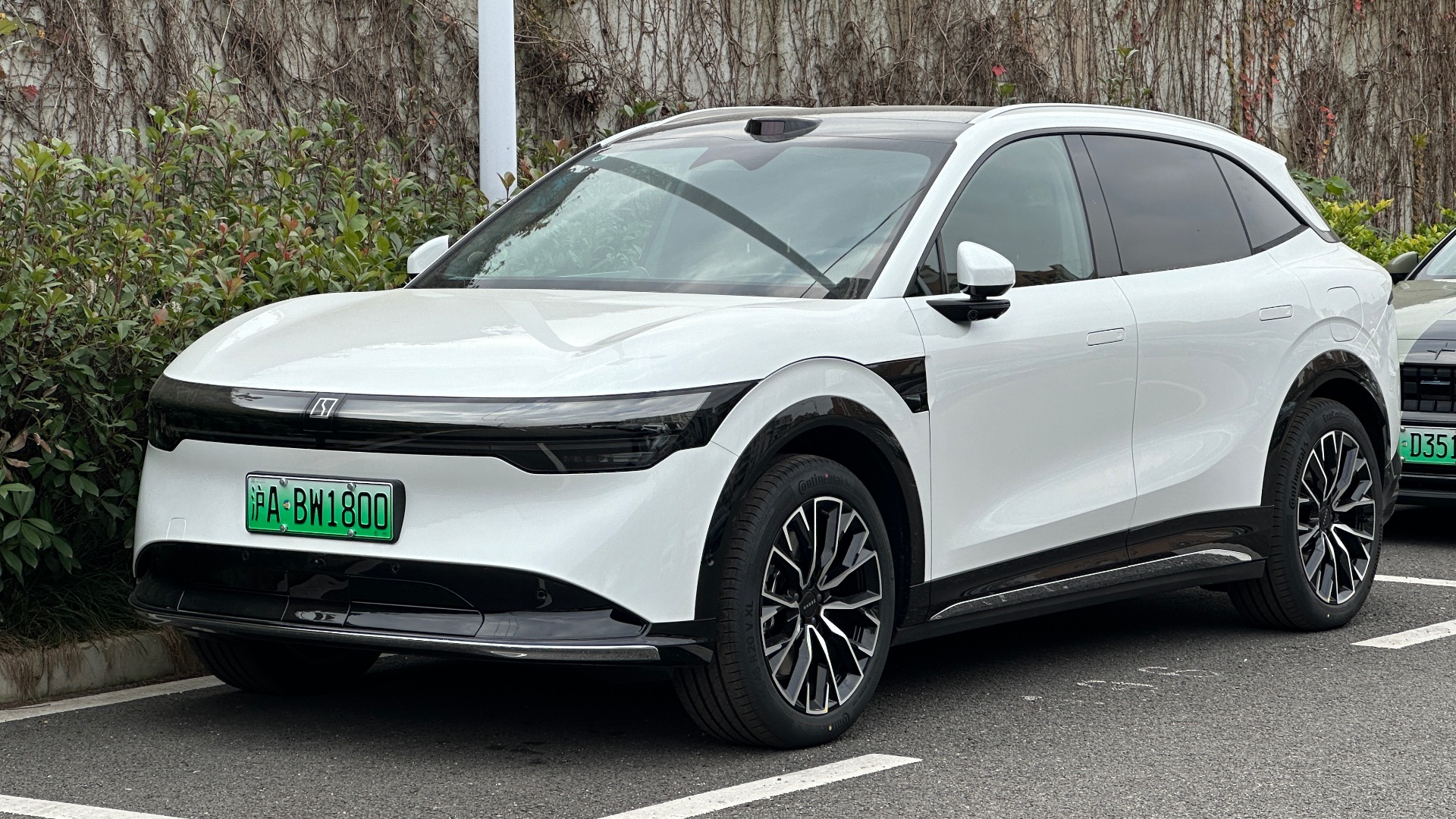
The Zeekr 7X represents another direction Chinese automakers are taking: premium EVs with extremely advanced electrical architectures at what's considered pretty much a bargain price. Zeekr has emphasized, in particular, rapid charging, high-output drivetrains, and a highly digital interior, all while still designing the 7X as a practical midsize crossover. Cars like this are forcing global competitors to offer more technology simply to remain competitive in an increasingly crowded segment.
 JustAnotherCarDesigner on Wikimedia
15. Zeekr MIX
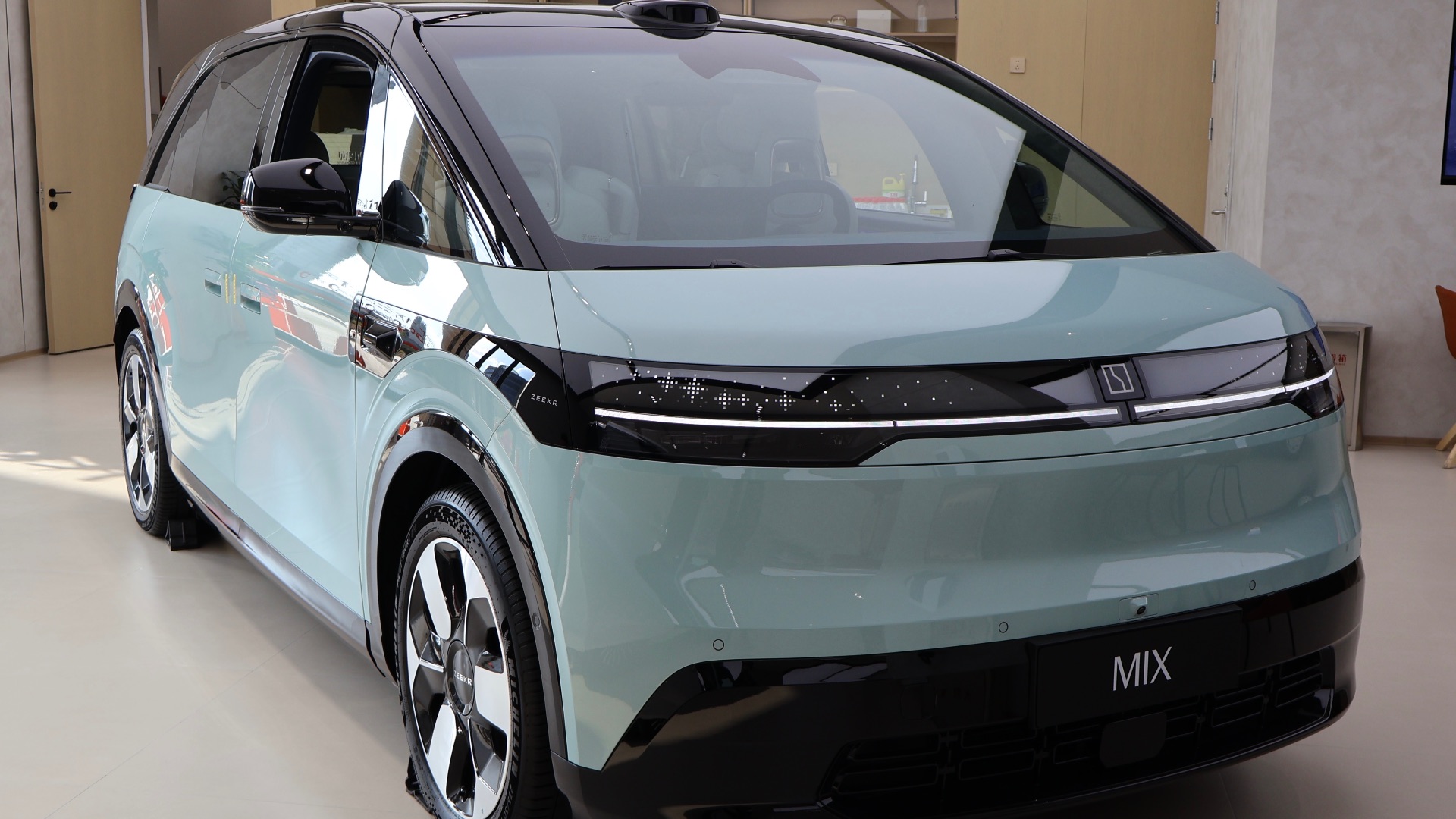
The 7X isn't the only beast Zeekr has to offer. The MIX, for example, offers a pretty quirky design; its unusual door arrangement and highly configurable cabin put greater emphasis on interior space and flexibility. As EV platforms remove some of the mechanical constraints designers once had to work around, vehicles like the MIX show just how much passenger compartments could change.
16. Denza Z9GT
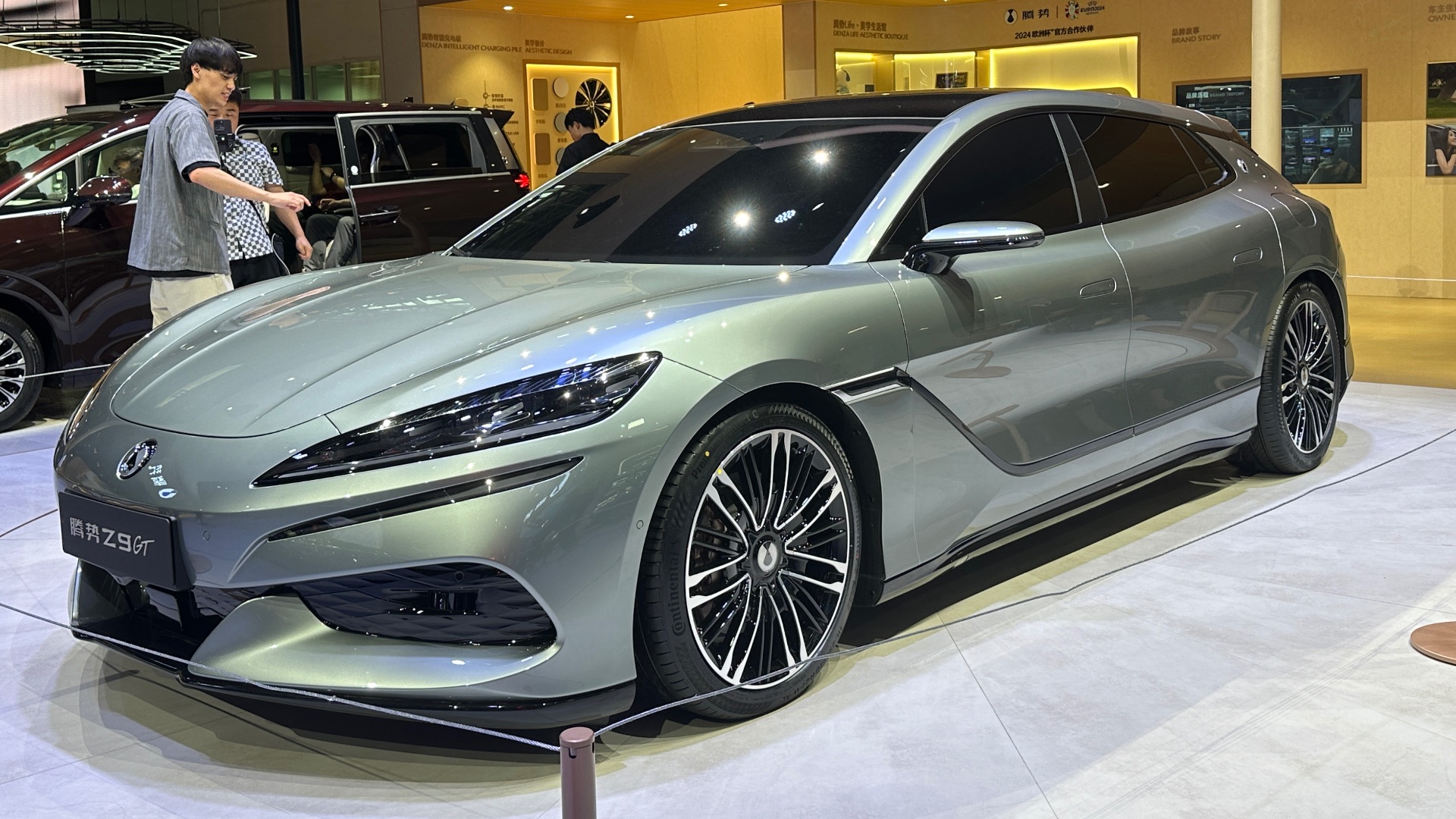
The Denza Z9GT gives BYD yet another way to challenge established luxury manufacturers. Its long, low body mixes grand-touring styling with an advanced electrified drivetrain and sophisticated chassis controls, and—good news for Europe—Denza is hoping to expand beyond China into European and global markets. You could very soon get to take one of these out for a ride.
 JustAnotherCarDesigner on Wikimedia
17. Denza D9
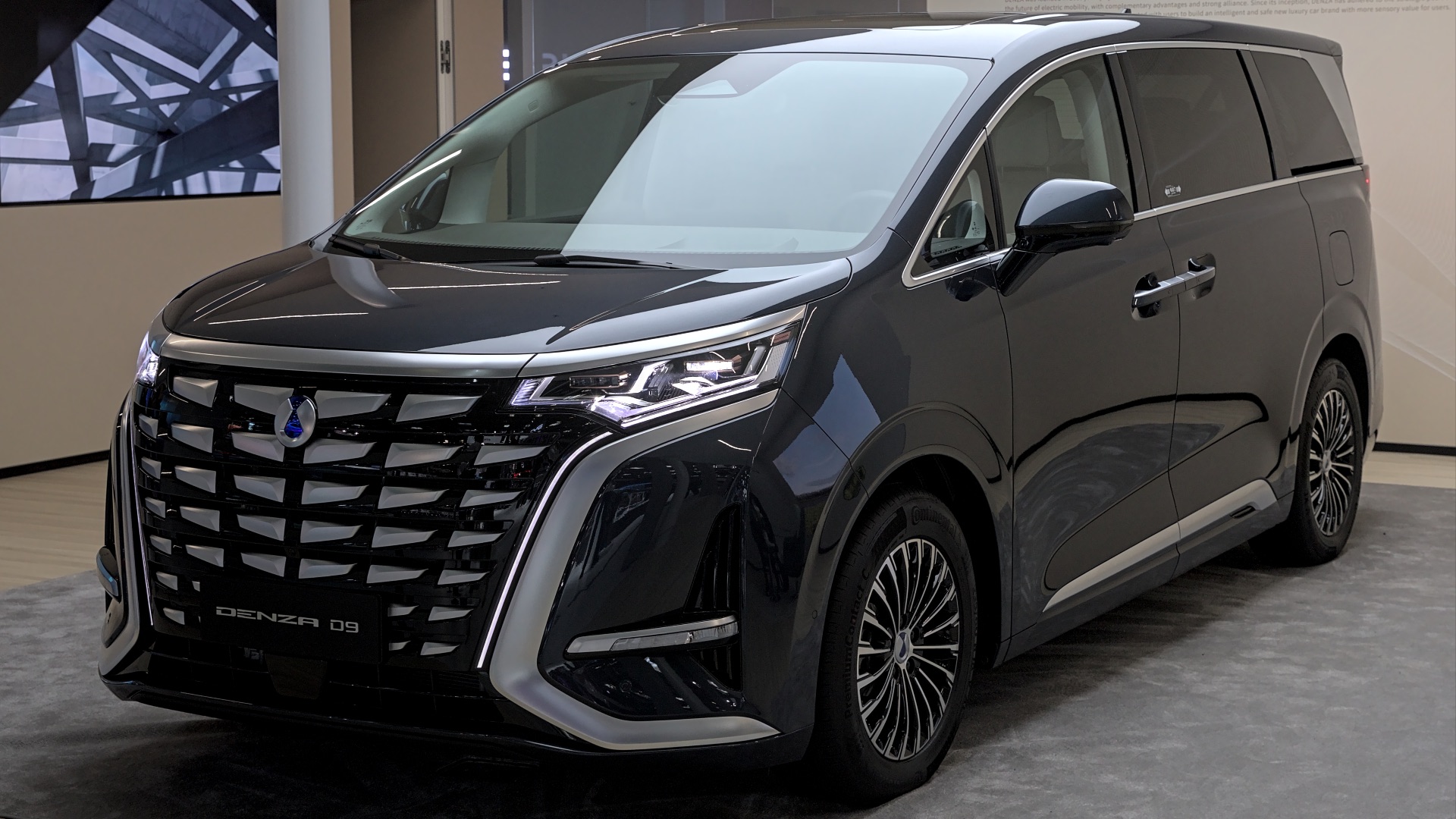
If you're all about design, the Denza D9 might just sate your desires. The second-generation model introduced in 2026, for example, boasts a lavish passenger-focused cabin with BYD’s newer battery and charging technology, including versions claiming up to 800 km of rated electric range. No need to pick design over power, or vice versa!
18. AITO M9
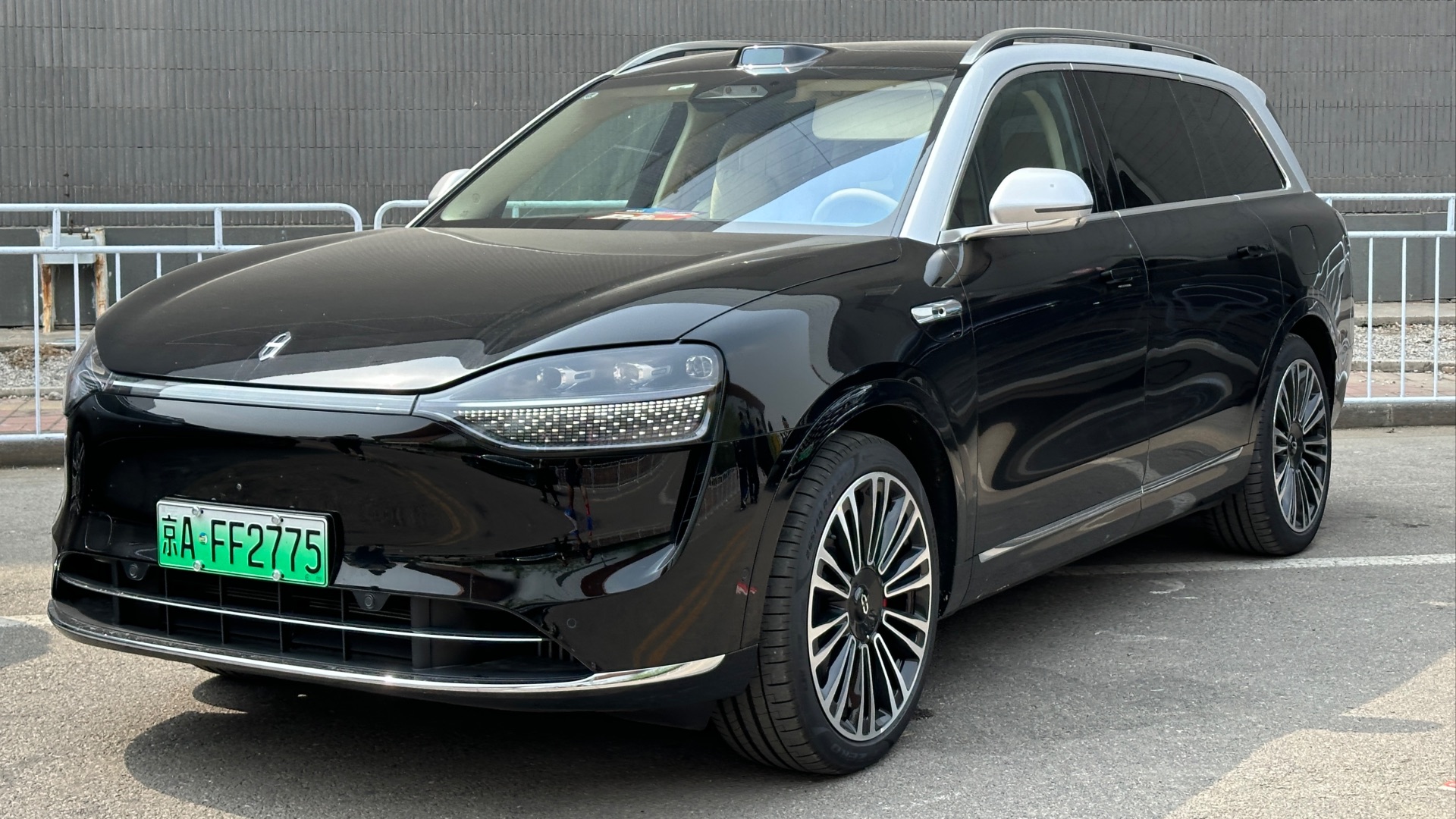
A collaboration with HIMA, an automotive alliance and network managed by Huawei (yep, another major tech company), the AITO M9 is another vehicle to keep an eye out for. Its digital ecosystem, for one, relies heavily on Huawei's technology, including its driver-assistance functions, connected interface, and multimedia experience. Its close integration with smartphones and other devices also points toward a future where choosing which car to drive may be increasingly influenced by its broader technology ecosystem as well.
 JustAnotherCarDesigner on Wikimedia
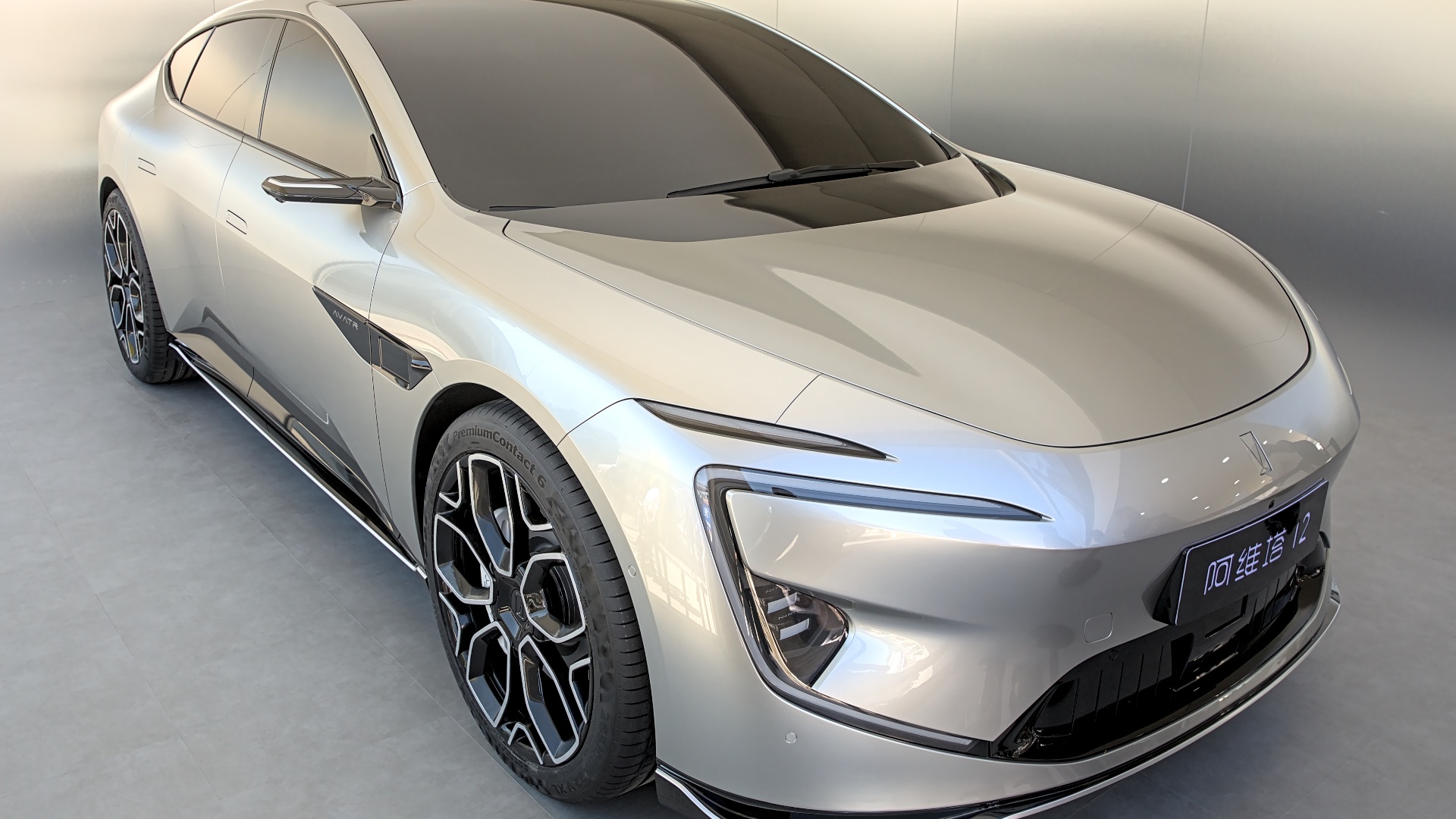
19. Avatr 12
The Avatr 12 is another perfect example of how Chinese automakers are combining luxury, performance, and advanced electrical technology in a single package. Its latest EV versions use an 800-volt architecture and ultra-fast-charging battery technology, with the brand claiming that some models can charge from 30 to 80% in about 10 minutes. High-performance variants also use three motors producing up to 712 kW, proving that advanced charging and serious performance no longer have to belong to completely different types of electric cars.
20. BYD Seagull
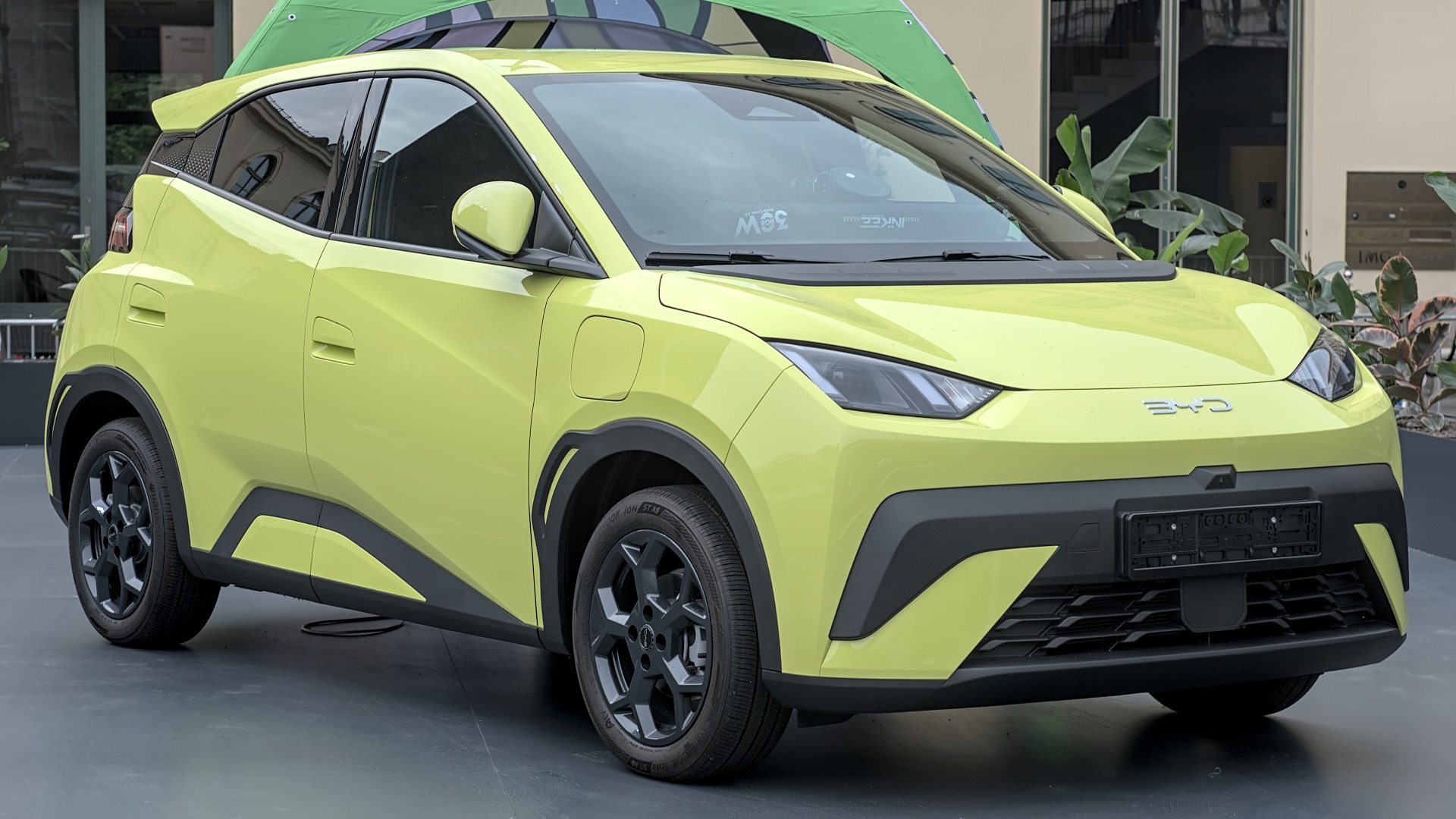
Since we started the list with BYD, why not end with BYD? Though maybe not as exotic as some of the others we've covered, the BYD Seagull is perhaps the most important Chinese car of the future. Sure, the Seagull is compact, but it also shows how much technology can be packed into a relatively inexpensive vehicle, and BYD is no stranger to adding increasingly sophisticated driver-assistance technology throughout its lineup. If inexpensive models with features once reserved for pricier vehicles start dominating the market, that shift may have a much greater global impact than any electric supercar ever could.