

Driving Skills Can Slip Over Time
Most people assume that the longer they've been driving, the better they'll be at it, but experience doesn't automatically guarantee improvement. Nobody stays at their driving peak forever, and even people who've been behind the wheel for decades can pick up bad habits without realizing it. From changing traffic laws to rusty reflexes and constant distractions, many things can make you less attentive than you once were. You might even get an angry earful from the people you drive every day, or from other road users around you. Here are 10 signs your driving skills may be slipping, followed by 10 practical ways to sharpen them again.

1. You're Getting Honked at More Often
An occasional horn is part of driving, but frequent honking can suggest that other motorists are reacting to something you're doing. Maybe you're hesitating too long at green lights, drifting toward another lane, or pulling out when there isn't quite enough room. If those irritated beeps are becoming a regular part of your commute, it may be worth paying closer attention to why they're happening.

2. Parking Suddenly Feels Much Harder
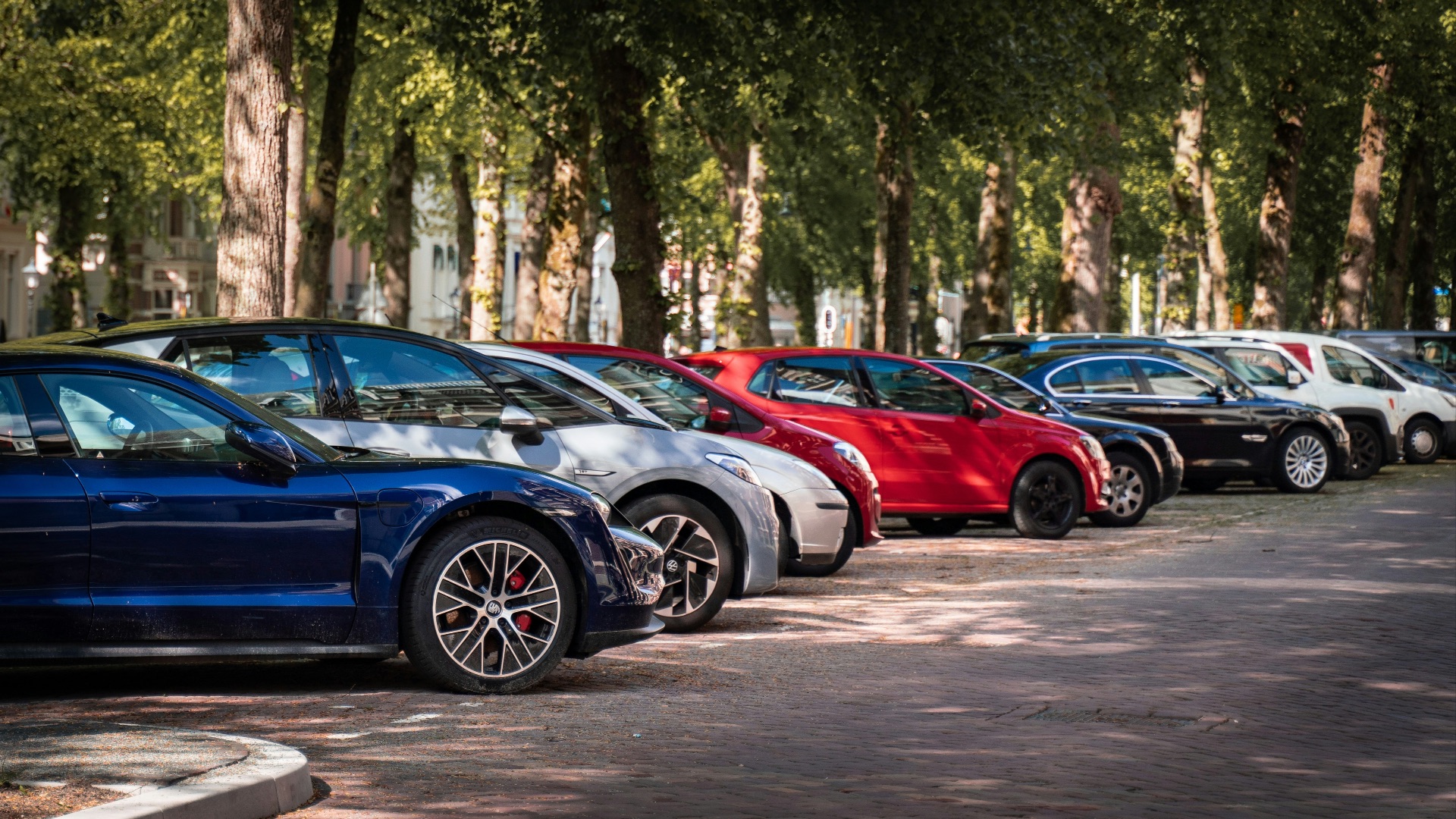
A spot you would've backed into without thinking a few years ago may now require multiple corrections. You might misjudge the distance between your car and the curb or struggle to tell whether you're centered between the lines. A noticeable decline in parking accuracy can reveal that your spatial judgment or vehicle awareness isn't as sharp as it used to be.
3. You're Missing More Turns and Exits
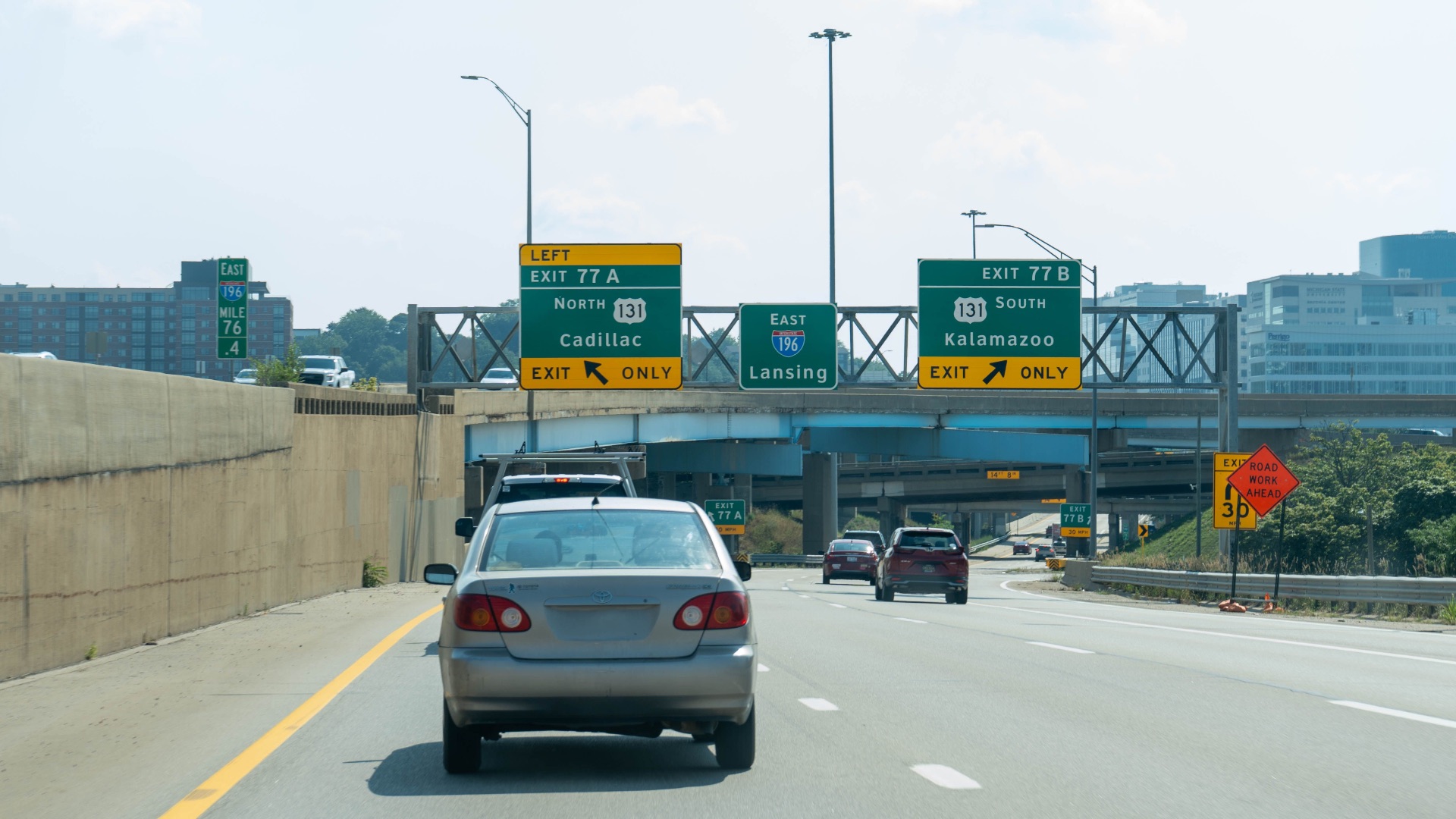
Everybody takes a wrong turn occasionally, especially somewhere unfamiliar, but routinely blowing past familiar exits is different. It may mean your attention is wandering or you're not scanning far enough ahead to anticipate what comes next. If you're constantly making last-second lane changes because you nearly missed a turn, your driving has become more reactive than it should be.
4. You Get Distracted More Easily
Phones, passengers, snacks, and wandering thoughts can all pull your attention away from the road, and if you're finding it harder to stay focused, that's worth noting. Distraction doesn't always look like texting while driving; sometimes it's as subtle as replaying a conversation in your head while you drift out of your lane. An increase in these lapses often means your mental bandwidth for driving has shrunk without you realizing it.

5. You Feel More Anxious Behind the Wheel
Some nervousness is normal, especially in bad weather or heavy traffic, but persistent anxiety while driving can indicate that your confidence has eroded. This unease can come from a near-miss you experienced, a general decline in physical ability, or just accumulated stress that's bleeding into how you handle the car. Feeling on edge every time you drive somewhere unfamiliar is a signal that shouldn't be brushed aside.

6. Night Driving Has Gotten Way Harder
Struggling to see clearly after dark, feeling more fatigued on evening drives, or finding headlights from oncoming traffic more disorienting than they used to be are all signs worth taking seriously. Night vision naturally declines with age, and it's often one of the first areas where driving ability shows measurable change. If you're avoiding nighttime trips because they feel harder than they should, your instincts are probably telling you something accurate.
 Samuele Errico Piccarini on Unsplash
7. Your Passengers Seem More Nervous
Friends and family sometimes notice changes in your driving before you do. They may grab the door handle, comment on your following distance, or repeatedly warn you about traffic you haven't acknowledged yet. One nervous passenger doesn't prove anything, but similar reactions from several people are worth taking seriously.

8. You're Struggling to Keep a Consistent Speed
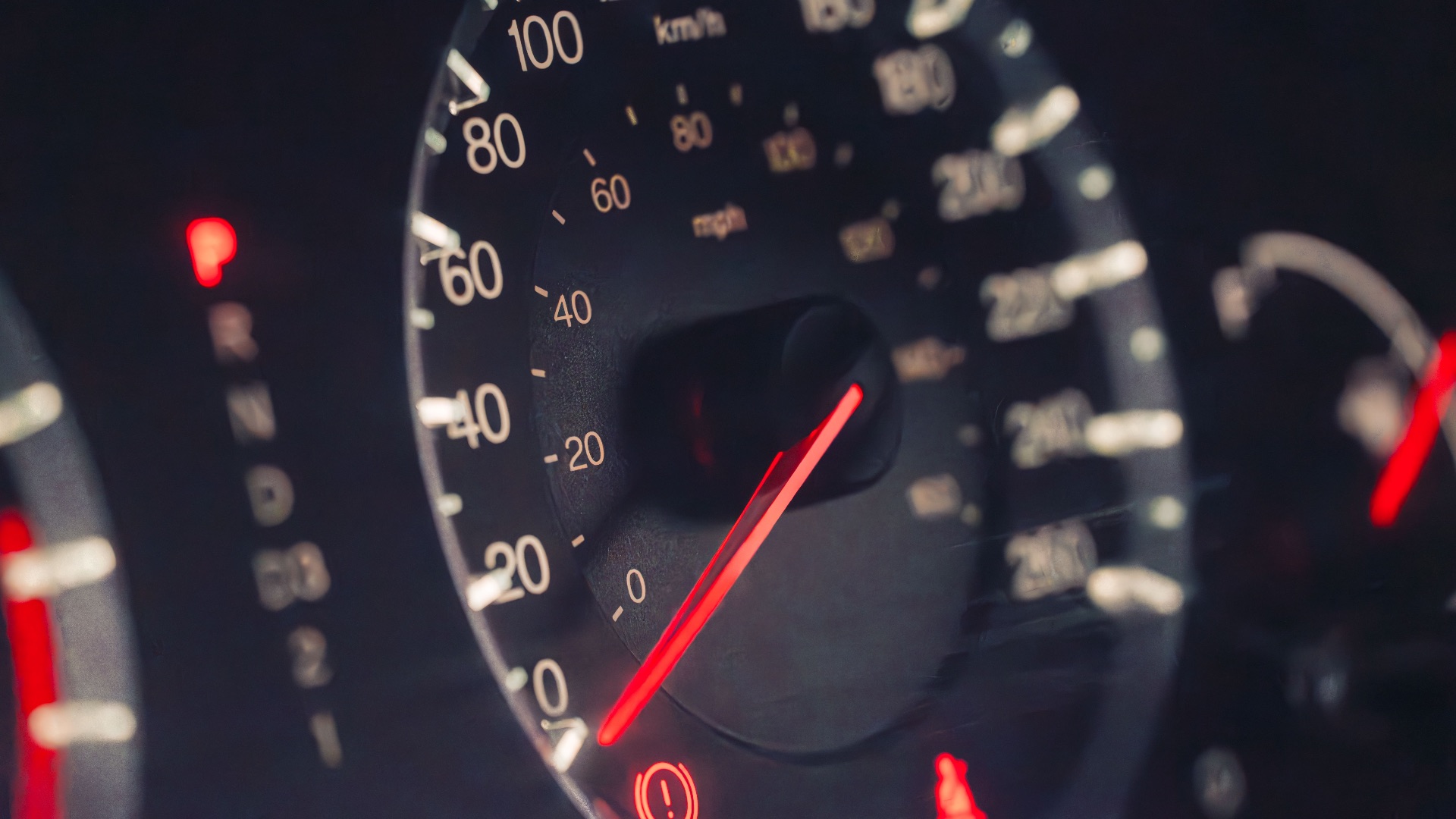
Constantly speeding up and slowing down without a traffic-related reason can make your driving unpredictable. You might discover that you're several miles per hour over the limit, ease off dramatically, and then creep upward again a few minutes later. This can happen when you're paying less attention to your speedometer or aren't controlling the accelerator as smoothly as before.
9. Near Misses Are Becoming More Common
A close call once in a great while can happen to even an excellent driver. Several near collisions in a short period, however, shouldn't simply be dismissed as bad luck or terrible drivers surrounding you. Missing a cyclist, almost rear-ending someone, or repeatedly pulling into traffic too late may point to declining observation or decision-making.
10. Your Reaction Time Feels Slower
You might notice that you're braking a split second later than you used to, or that your foot doesn't move to the pedal as fast as it once did. Slower reaction times can result from fatigue, stress, medication, or simply the natural aging process, and they tend to sneak up gradually rather than all at once. If you catch yourself thinking "that was close" more often than before, your reflexes may need some attention.
Recognizing these signs is only half the battle, but thankfully most of them are reversible with a bit of effort and awareness. Once you've identified where your driving has slipped, you can start making targeted changes that rebuild your skills and your confidence at the same time.

1. Take a Defensive Driving Course
Enrolling in a refresher course is one of the most effective ways to sharpen skills that have gotten rusty over time. These courses cover everything from updated traffic laws to practical techniques for anticipating hazards, and many insurance companies even offer discounts for completing one. Beyond the knowledge you'll gain, the structured practice can help rebuild the confidence that daily driving alone doesn't always provide.

2. Get Your Eyes and Hearing Checked
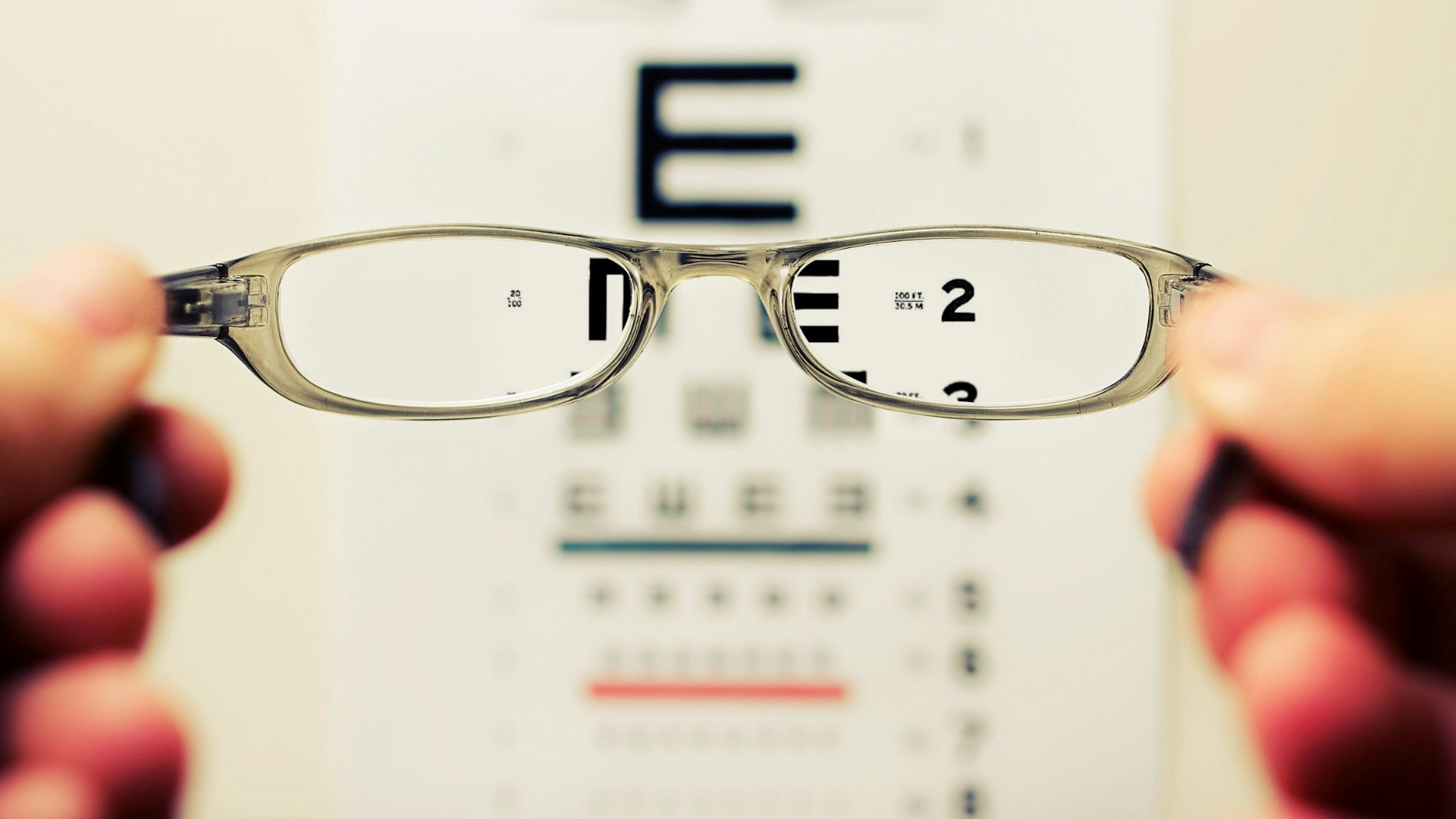
Vision and hearing changes happen gradually, which means you might not notice a decline until it's already affecting your driving. Scheduling a checkup can catch issues early, whether that means updating your prescription glasses or addressing hearing loss that makes it harder to notice sirens or honking. Taking care of these basics gives you a stronger foundation for every other improvement you make.
3. Eliminate Phone Distractions Completely
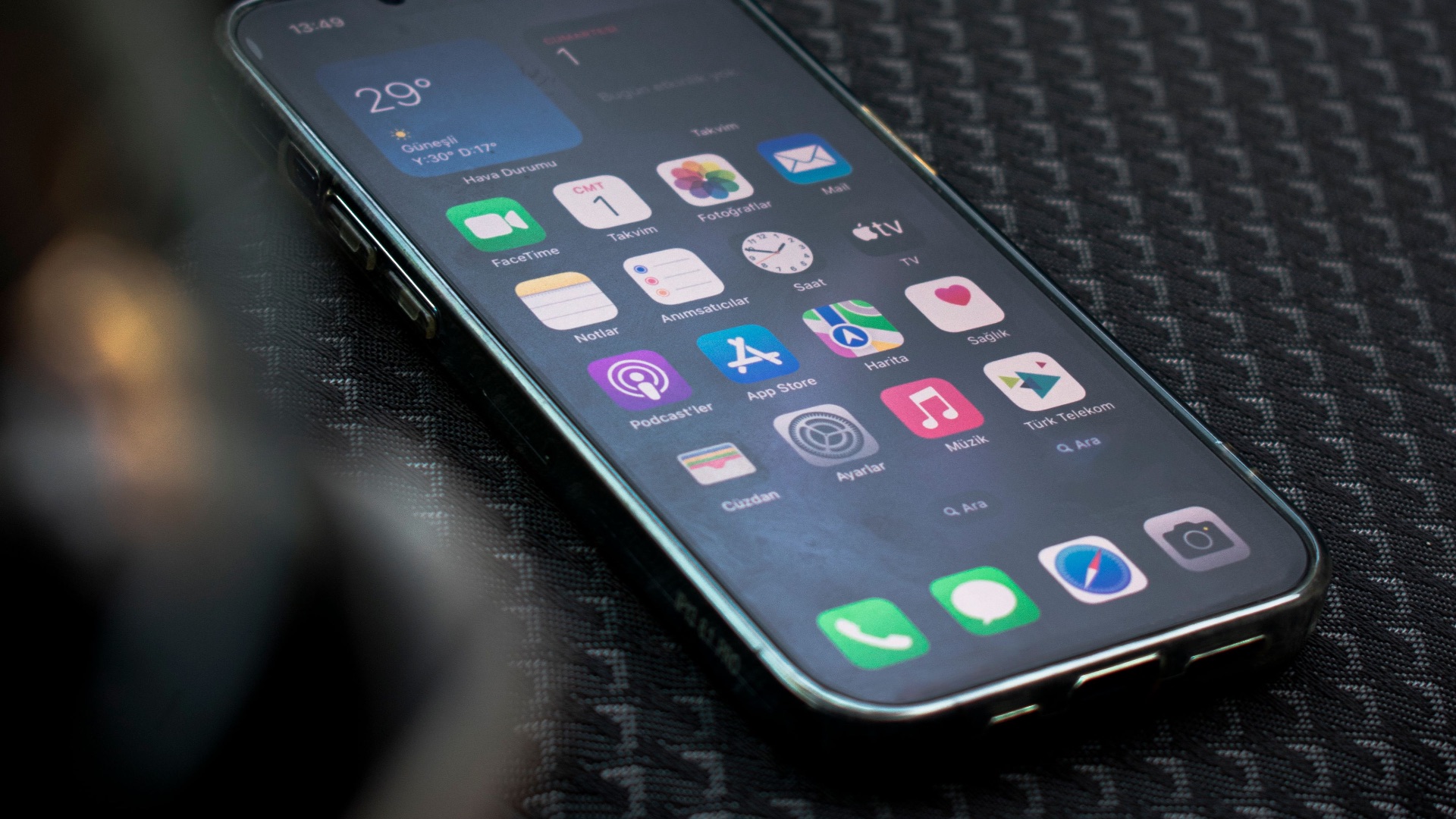
Put your phone on silent or in the glove compartment before you start driving, and resist the urge to check it at red lights. Even a glance at a notification pulls your attention away from the road for longer than most people realize, and that split second can make a real difference. Building this habit takes discipline at first, but it becomes second nature once you commit to it consistently.
4. Practice Driving in Challenging Conditions
If certain situations make you nervous, like highway merging or driving in rain, look for low-stakes opportunities to practice them with a calm mindset. Gradual exposure helps rebuild comfort and competence without the pressure of a real emergency forcing you to learn on the fly. Choosing a quiet time of day for this kind of practice can make the experience far less stressful.

5. Review and Refresh Traffic Laws
Rules of the road change more often than people expect, and it's easy to fall behind on updates related to speed limits, right-of-way, or new signage. Spending a little time reviewing your state's current driver's manual can fill in gaps you didn't know you had. This kind of refresher is especially useful if it's been years since you last studied for any kind of driving test.

6. Get More Consistent Sleep
Fatigue affects reaction time and judgment in ways that are surprisingly similar to the effects of alcohol, yet it's often overlooked as a factor in declining driving performance. Prioritizing regular, quality sleep can noticeably improve your alertness and reduce the mental fog that leads to mistakes. If you know you're prone to drowsy driving, planning trips around your natural energy levels can help you avoid dangerous situations altogether.

7. Have Your Car Inspected Regularly
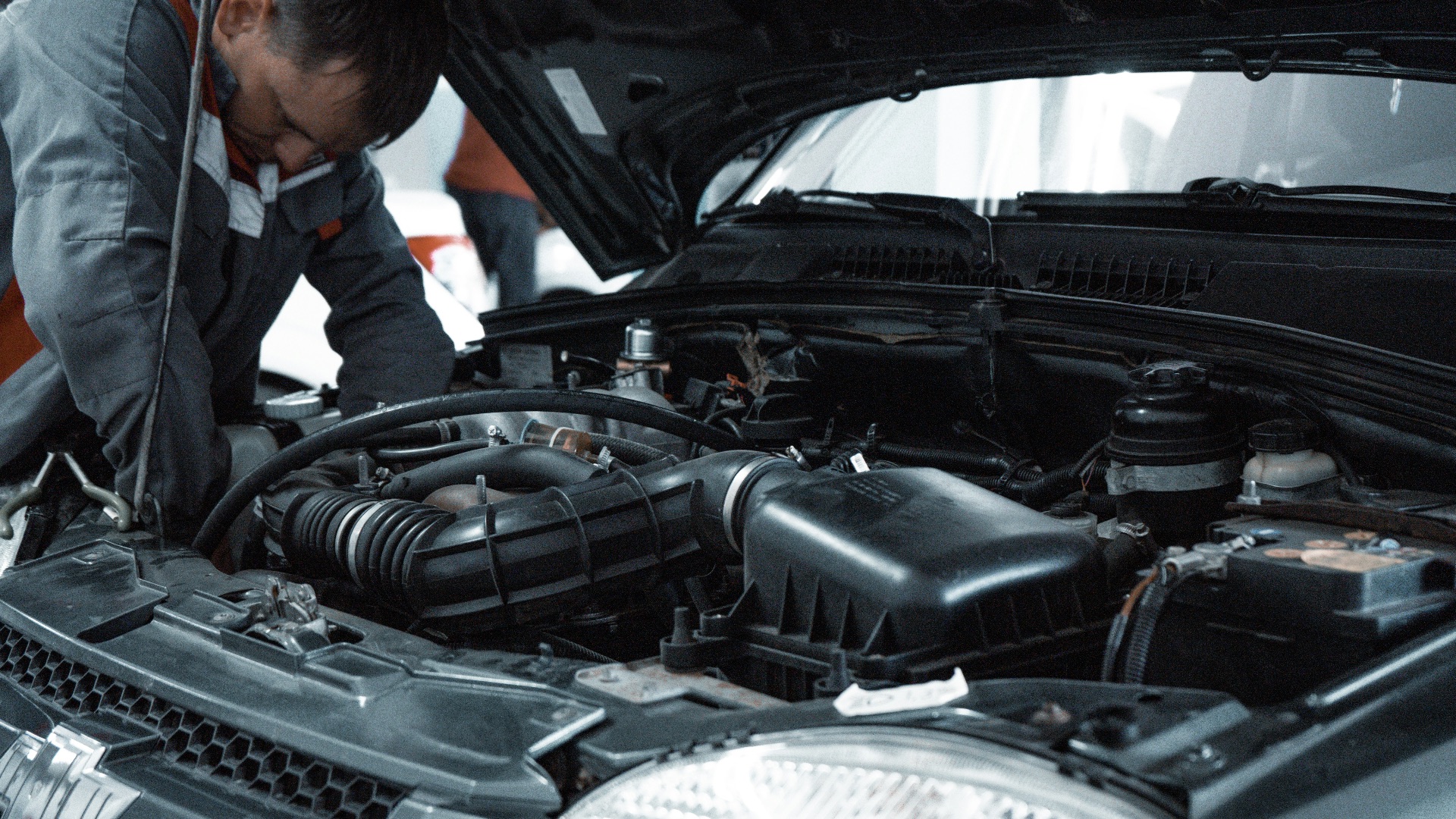
Sometimes what feels like a personal driving problem is actually a mechanical issue, like worn brakes, misaligned tires, or a windshield that's harder to see through than it should be. Routine maintenance checks can catch these problems before they compound the challenges you're already facing. A well-maintained vehicle gives you one less variable to worry about while you're working on the rest.
8. Ask for Honest Feedback
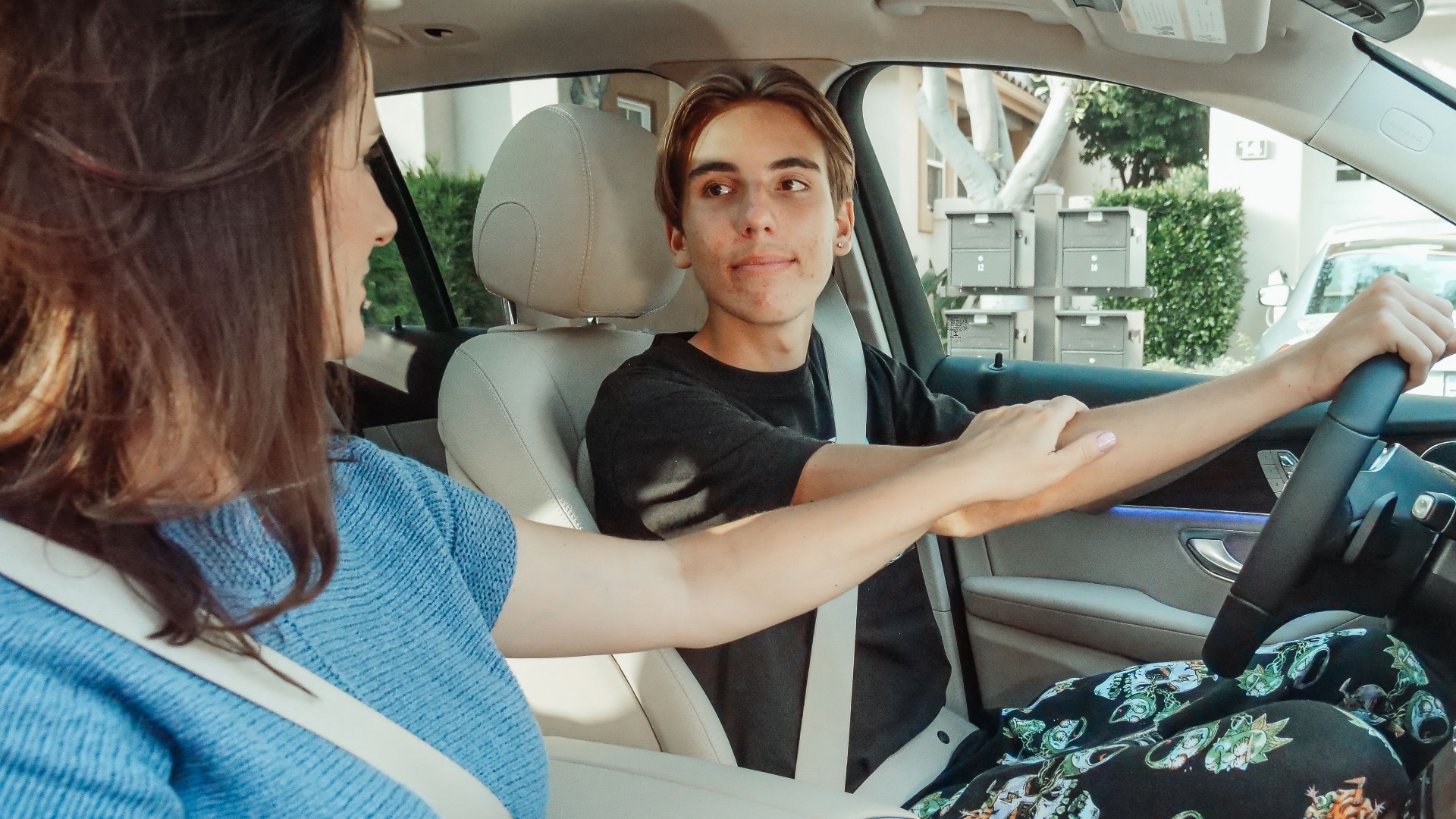
Instead of getting defensive about comments from friends or family, try inviting specific feedback during a low-pressure drive. Ask them to point out moments when you seem hesitant, distracted, or too aggressive, and treat their observations as useful data rather than criticism. This kind of open conversation can reveal blind spots that are much harder to catch on your own.
9. Don't Multitask Behind the Wheel
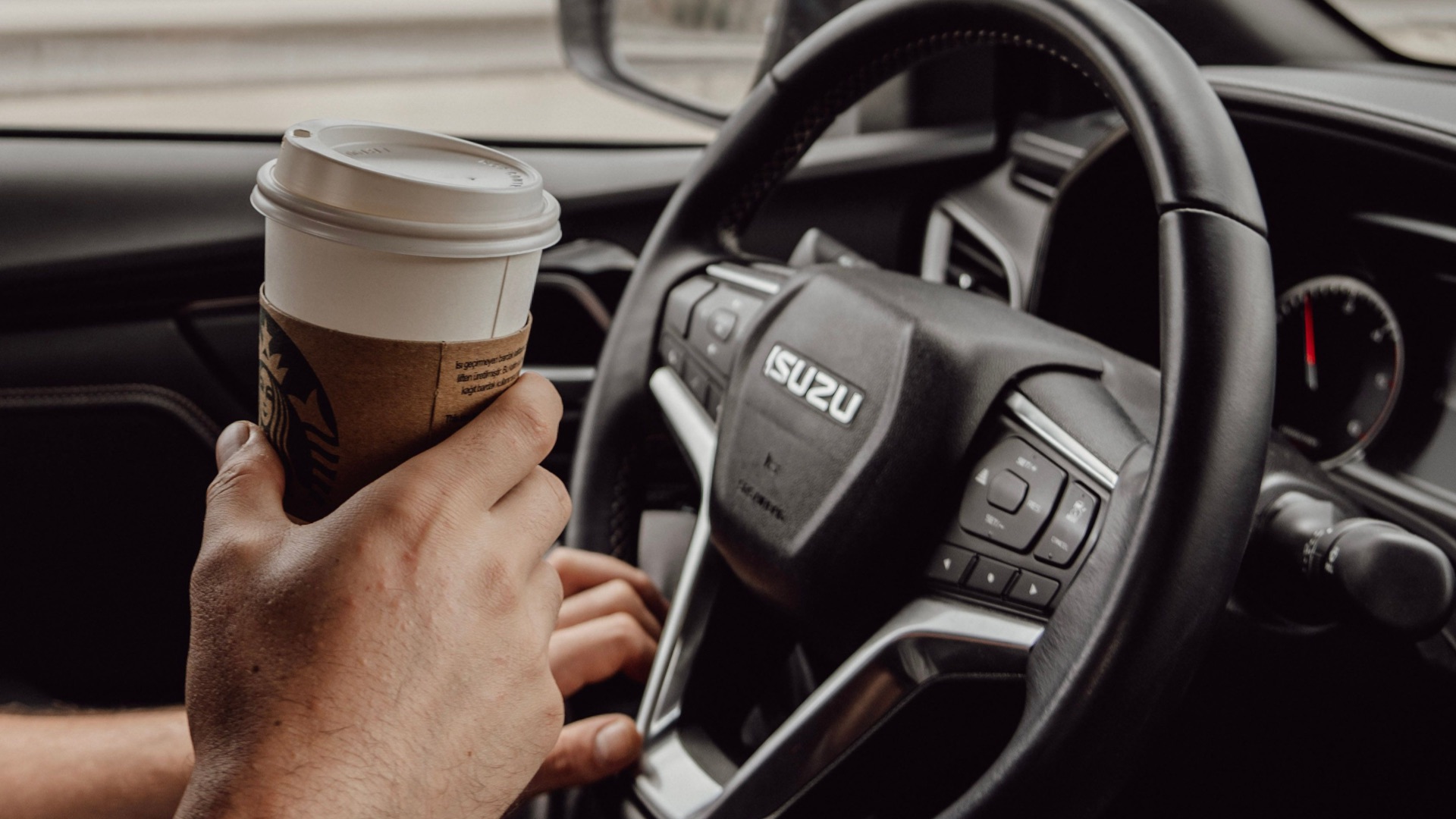
Eating, adjusting the radio, or having intense conversations while driving all chip away at the attention you need for the road. Cutting back on these habits, even gradually, frees up mental space for the kind of active awareness that keeps you safer. Treating driving as its own dedicated task rather than something to do alongside everything else makes a noticeable difference over time.
10. Reassess Your Comfort Zones Honestly
Take an honest inventory of where you feel capable and where you don't, whether that's highway speeds, nighttime drives, or navigating unfamiliar cities. Adjusting your habits to match your current abilities, like avoiding rush hour or sticking to routes you know well, isn't a failure; it's a smart way to stay safe while you rebuild your skills. Over time, as your confidence and competence grow, you can gradually expand those boundaries again on your own terms.