Once Everywhere, Now Hard to Spot
Just like the phone in your pocket, the cars we drive have changed dramatically over the decades. Plenty of the beloved models we used to see all the time are now vehicles we might see once in a blue moon, bringing back with them a pang of nostalgia. While you may still encounter a beautifully preserved example at a weekend car show, you're unlikely to see any of these 20 classic American cars on the road anymore.
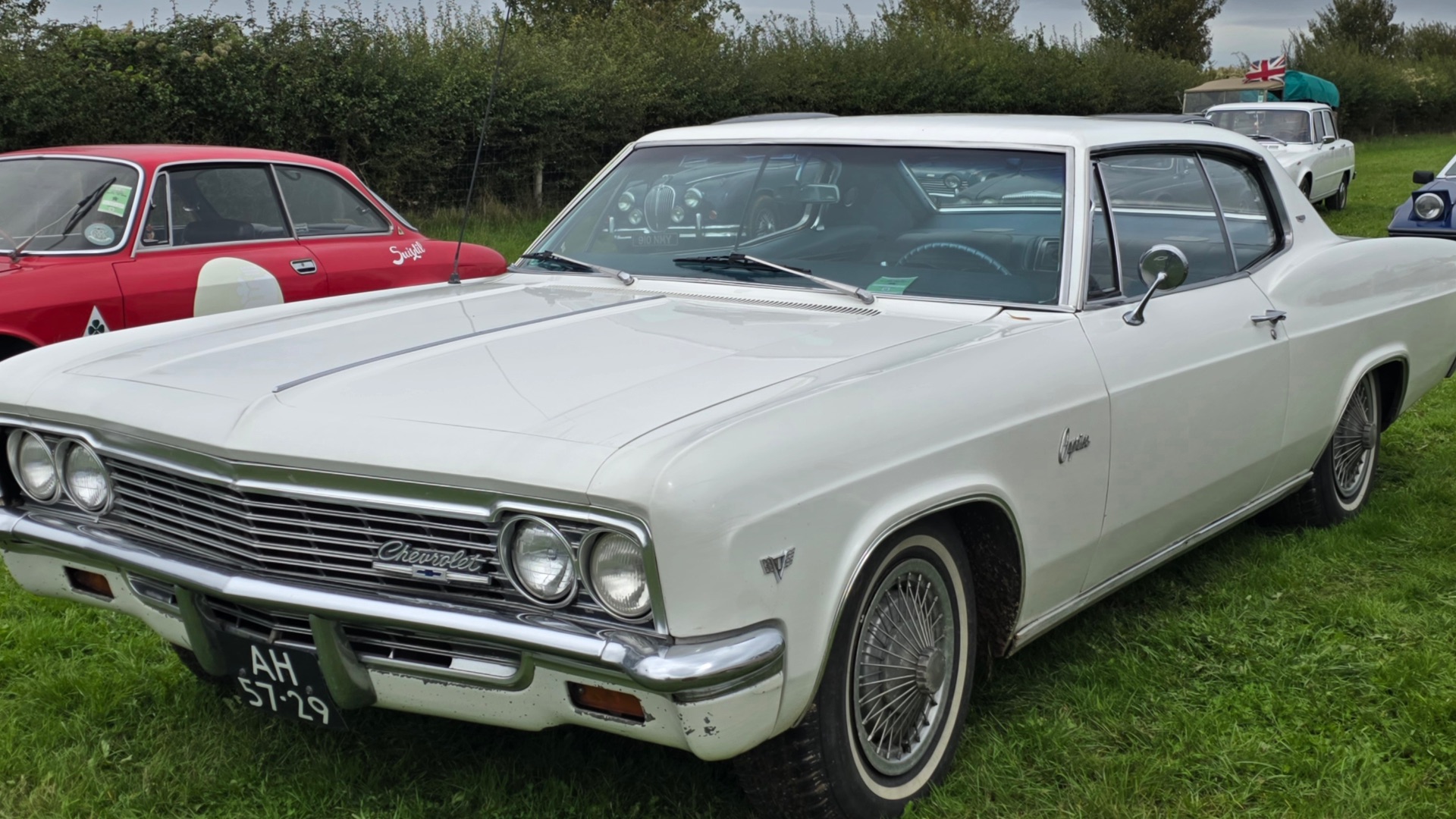
1. Chevrolet Caprice
For decades, the Chevrolet Caprice was exactly the sort of big American sedan you expected to see cruising down the highway. Its roomy cabin, substantial proportions, and available V8 engines helped keep it popular with families, police departments, and taxi fleets alike. Chevrolet ended U.S. production of the traditional rear-wheel-drive Caprice in 1996, and the surviving examples are increasingly more likely to be collector cars than everyday transportation.
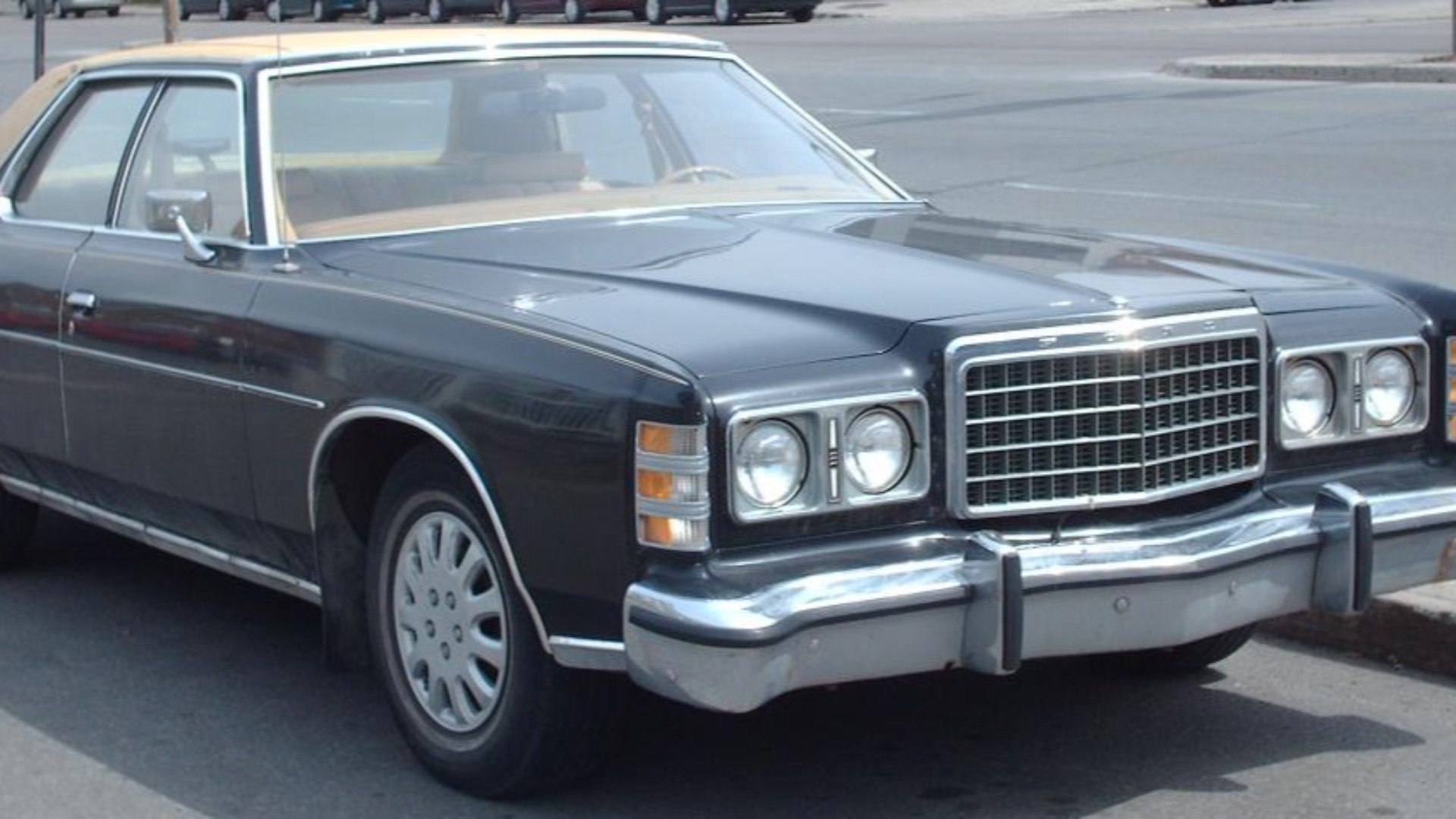
2. Ford LTD
Introduced for the 1965 model year, the Ford LTD eventually became one of the most recognizable full-size cars in Ford's lineup. Earlier versions offered the generous dimensions, plush interiors, and large engines associated with traditional American luxury. Ford discontinued the LTD name in 1991, and the once-common sedan has become an unusual sight outside enthusiast circles.
3. Oldsmobile Cutlass
There was a time when finding an Oldsmobile Cutlass in an American parking lot required almost no effort at all. The Cutlass name appeared on several body styles over its long life, with the Cutlass Supreme becoming particularly successful during the 1970s and 1980s. Oldsmobile stopped building the Cutlass in the late 1990s, and General Motors eliminated the Oldsmobile brand altogether in 2004.
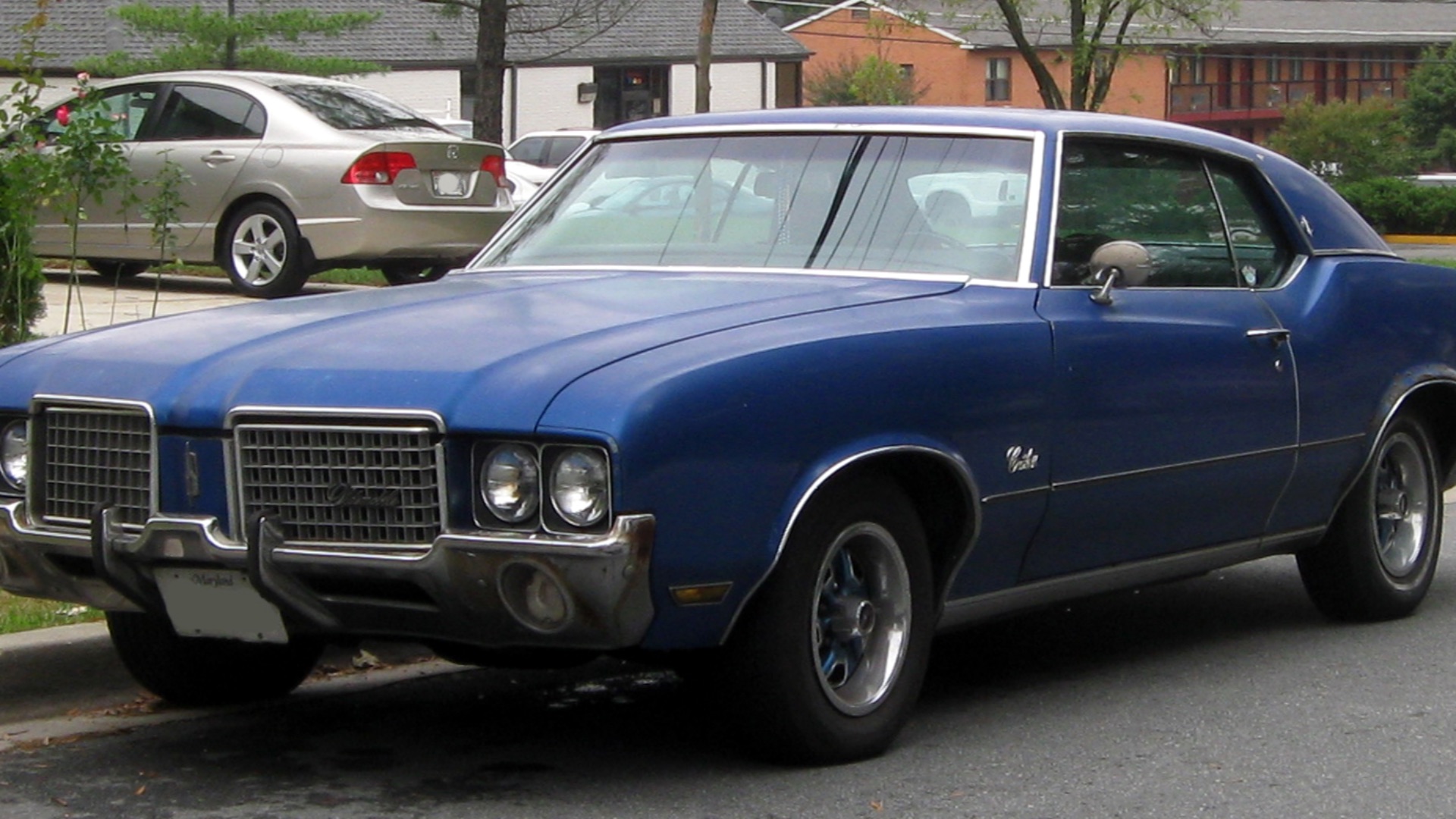
4. Buick LeSabre
The Buick LeSabre spent decades serving buyers who wanted a comfortable full-size car without moving all the way up to Cadillac territory. It became a familiar choice among American sedan buyers and remained in production through the 2005 model year. There are still LeSabres running around today, but their numbers have dwindled considerably as aging examples have gradually left daily service.
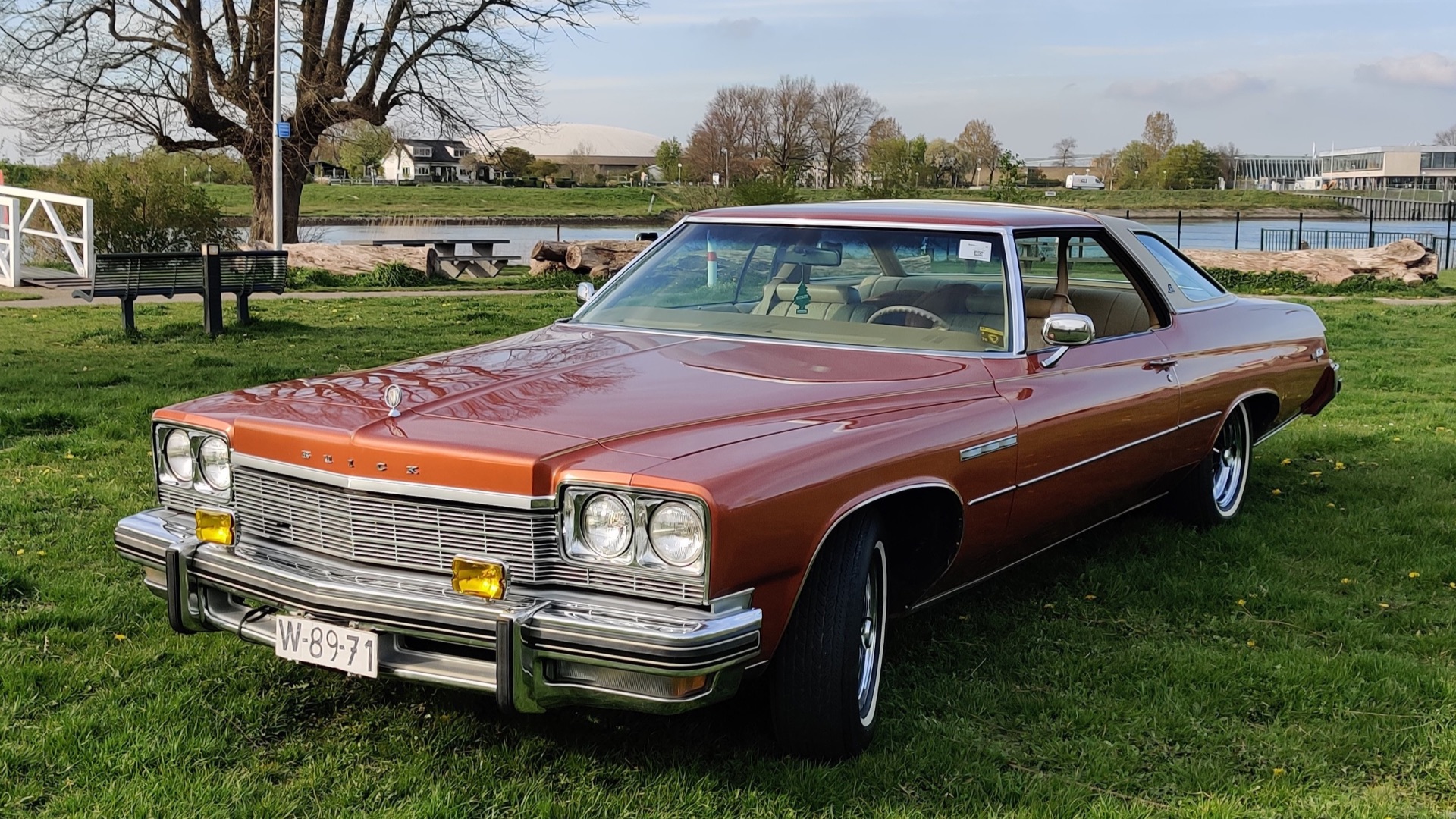 Merijn Buick LeSabre on Wikimedia
5. Plymouth Fury
The Plymouth Fury went through an impressive number of transformations during a production run that began in the 1950s. Depending on the year, buyers could find everything from dramatic full-size models to comparatively restrained family sedans wearing the Fury badge. Plymouth retired the name after 1989, meaning even the newest examples are now several decades old.
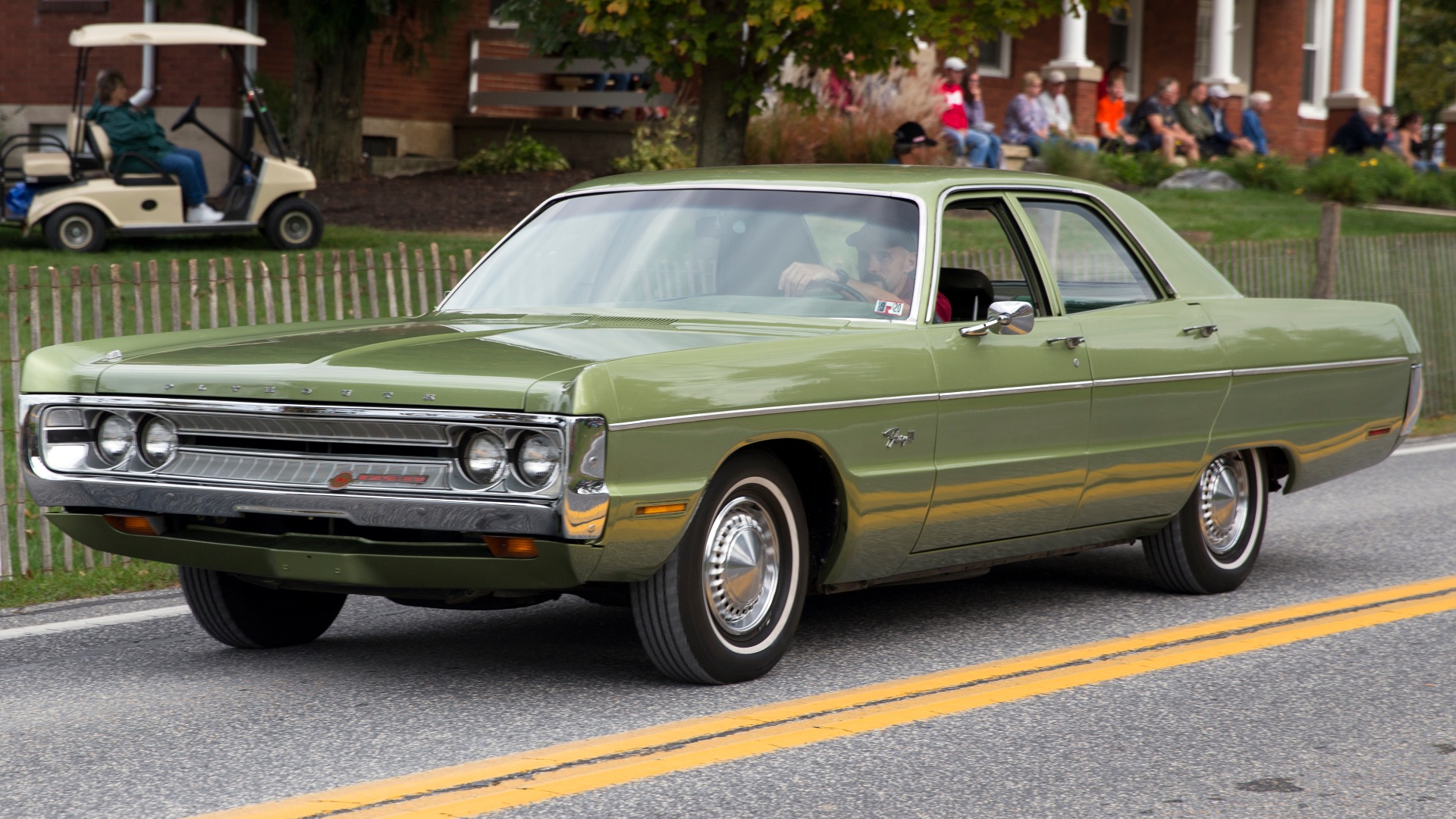
6. AMC Gremlin
Few cars represent 1970s American motoring quite as distinctly as the AMC Gremlin. American Motors introduced the unusual subcompact in 1970 as domestic manufacturers responded to increasing demand for smaller, more economical vehicles. More than 670,000 were produced before production ended in 1978, yet spotting one in normal traffic today is decidedly uncommon.
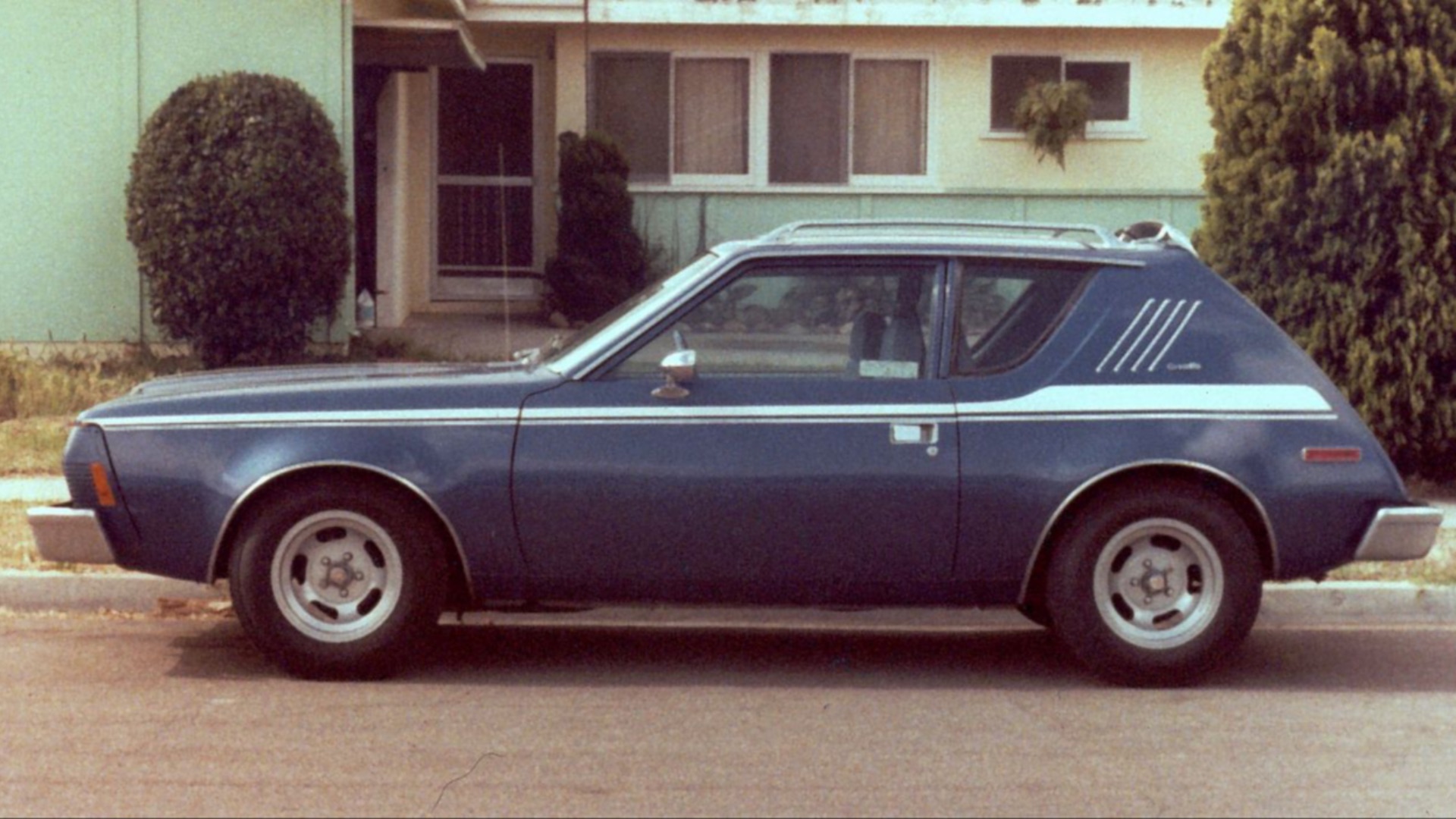 Users Interiot, Rsduhamel on en.wikipedia on Wikimedia
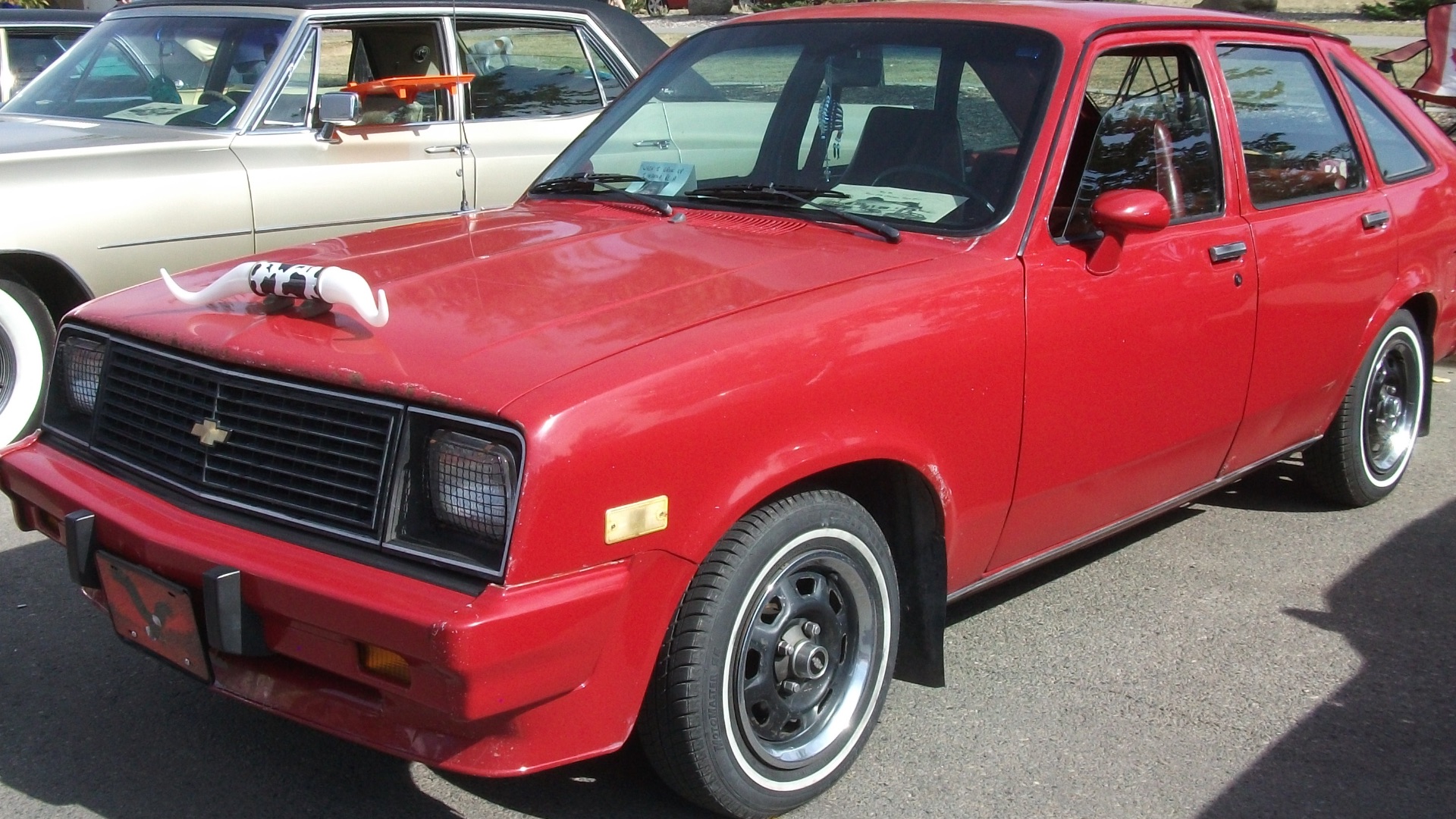
7. Chevrolet Chevette
The Chevrolet Chevette wasn't glamorous, but affordability and decent fuel economy made it useful transportation for an enormous number of Americans. Chevrolet sold the rear-wheel-drive subcompact in the United States from the 1976 through 1987 model years. Most were purchased as inexpensive daily drivers rather than preserved as future classics, which helps explain why so few remain visible on the road.
 dave_7 from Lethbridge, Canada on Wikimedia
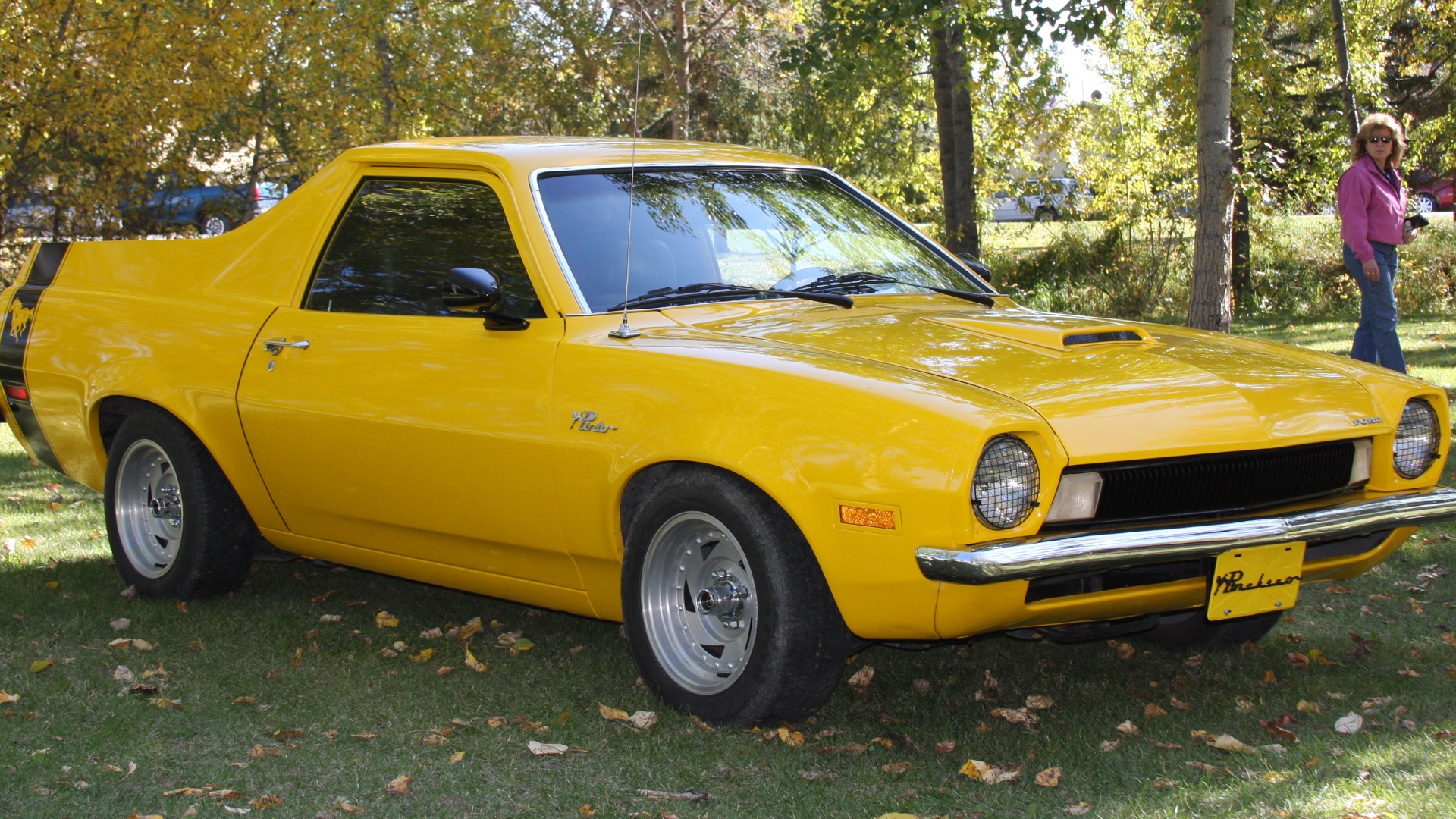
8. Ford Pinto
During the 1970s, the Ford Pinto became one of America's best-known compact cars, though its reputation would eventually be overshadowed by controversy surrounding rear-impact fuel-tank fires. Ford produced the model from 1970 through 1980 and sold millions of examples along the way. Despite those massive original numbers, surviving Pintos are now far more likely to attract attention at an automotive gathering than appear in rush-hour traffic.
 dave_7 from Lethbridge, Canada on Wikimedia
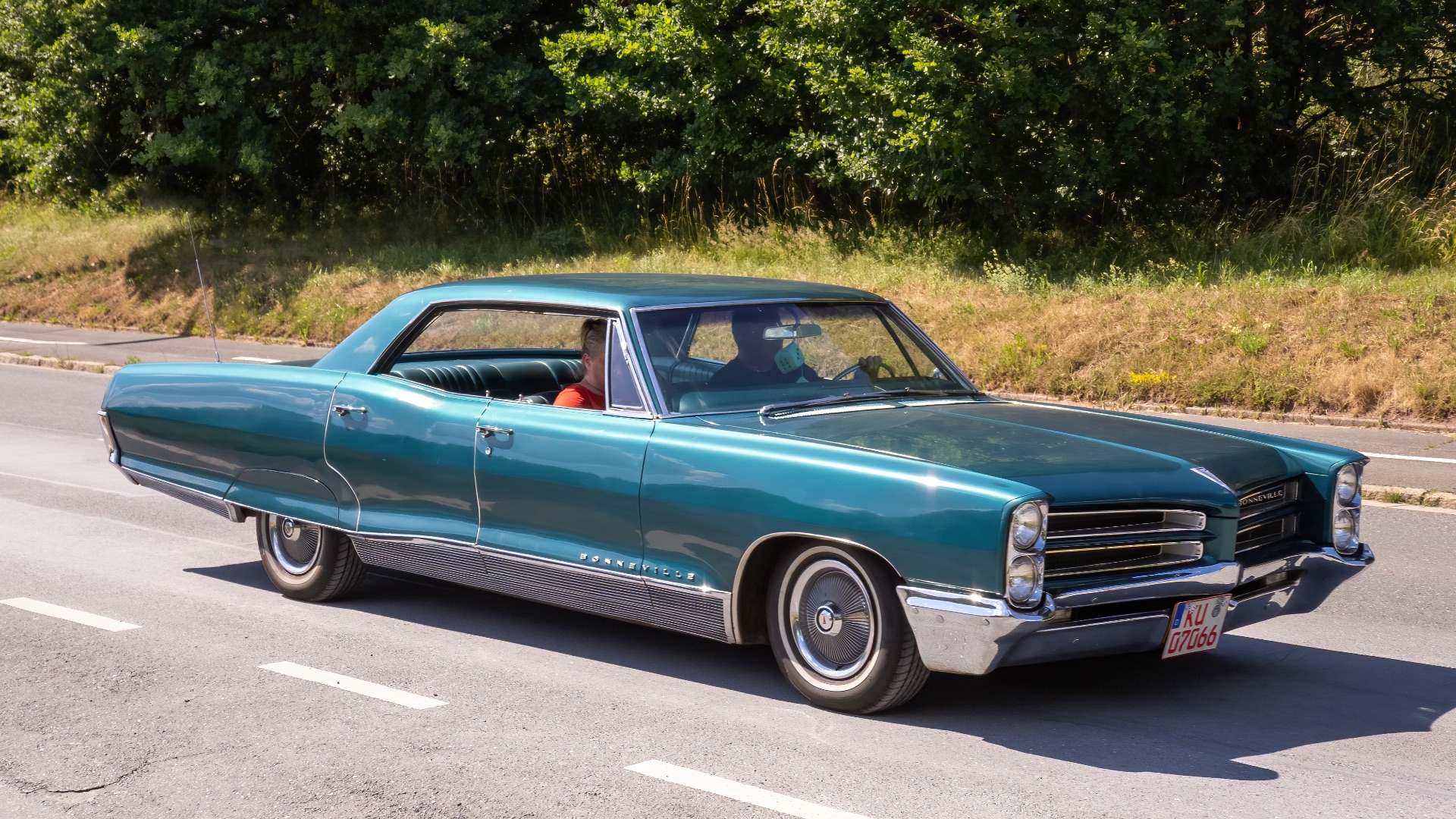
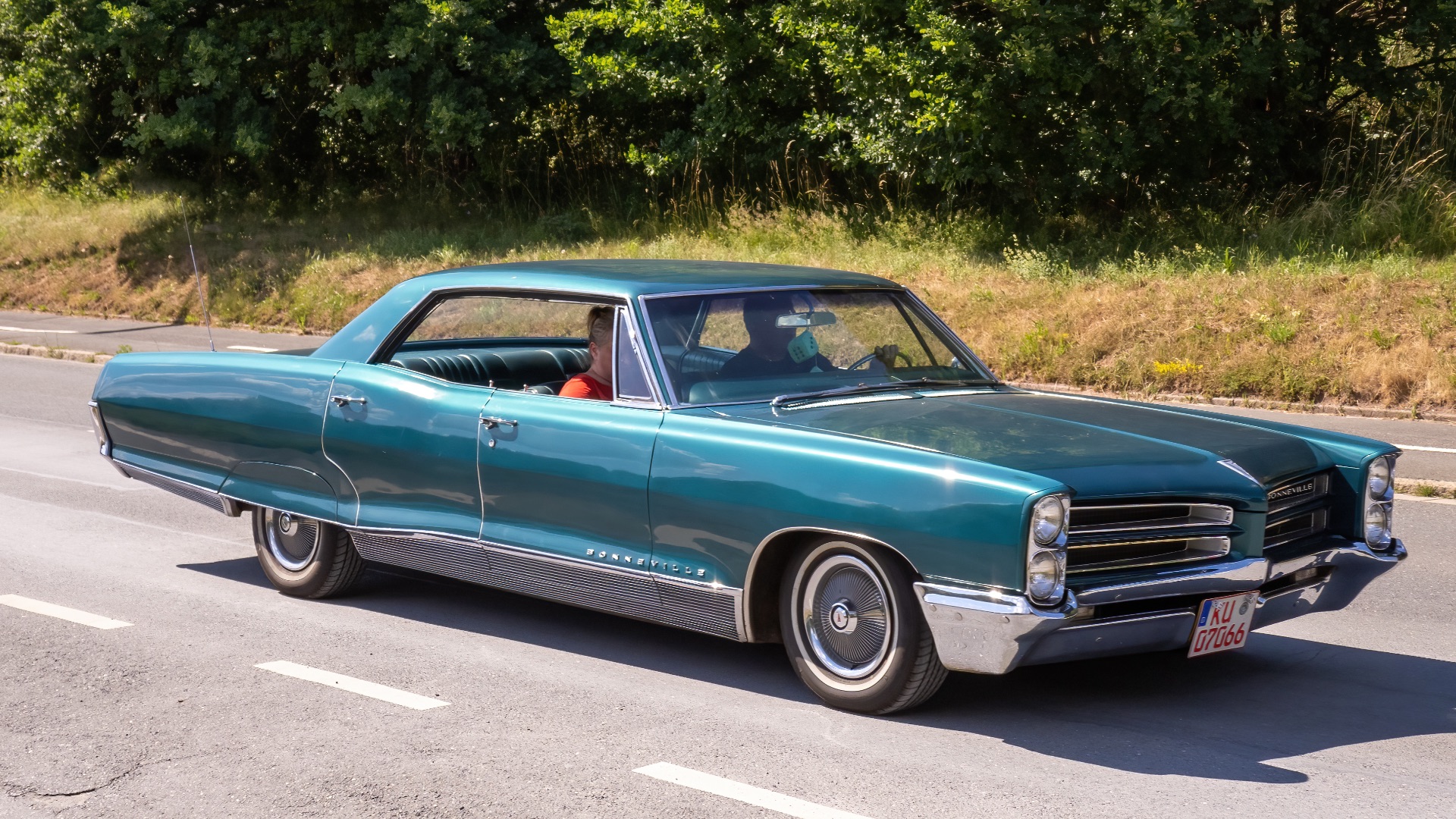
9. Pontiac Bonneville
Pontiac used the Bonneville name for nearly half a century, giving several generations of Americans their own version of the large, comfortable family car. Over time, it evolved from a flashy full-size model into a more modern front-wheel-drive sedan while retaining a distinctly Pontiac identity. Production ended after the 2005 model year, several years before General Motors discontinued Pontiac itself in 2010.
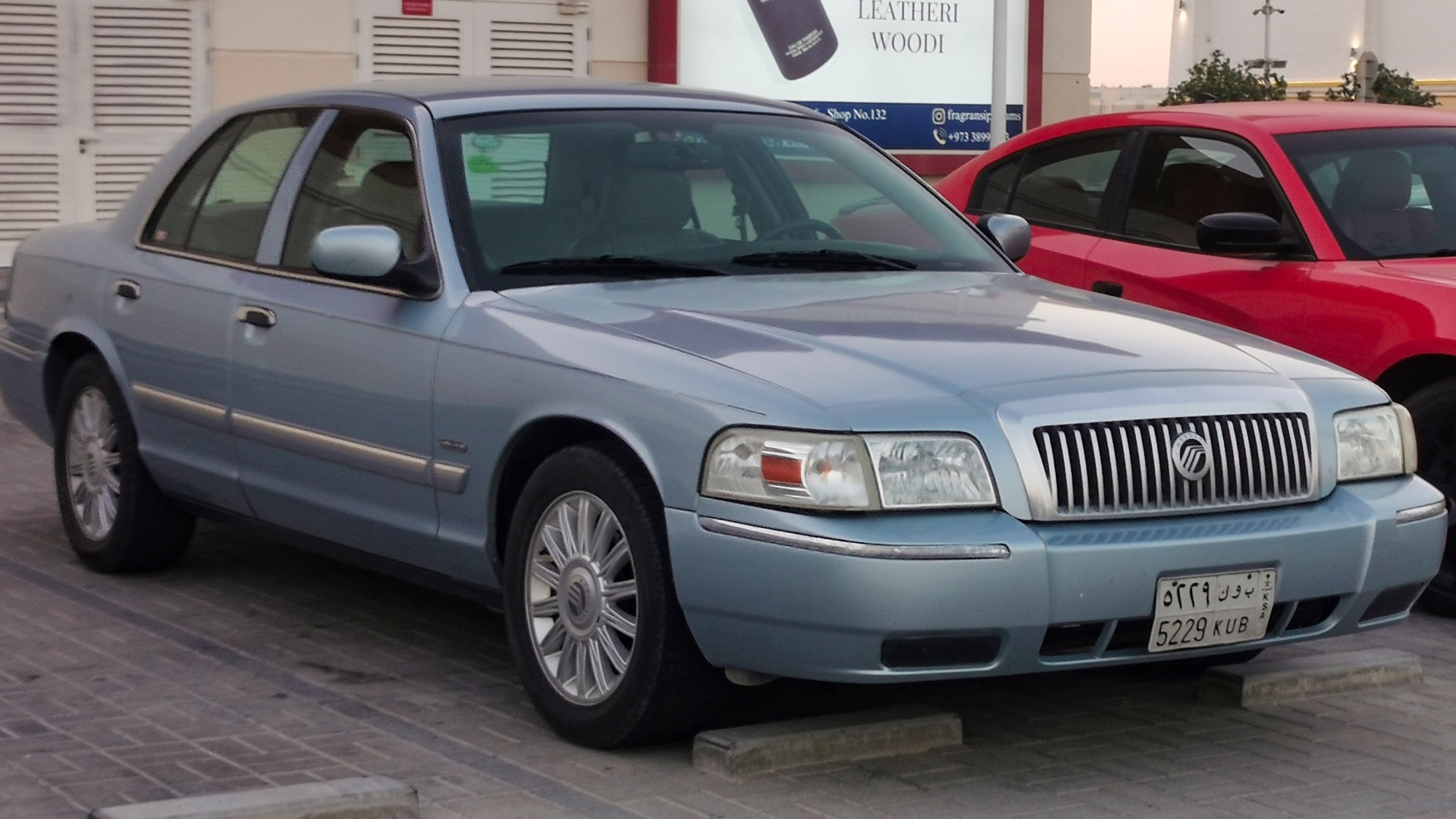
10. Mercury Grand Marquis
If you remember American streets in the 1990s and 2000s, there's a good chance you remember seeing Mercury Grand Marquis sedans everywhere. Closely related to the Ford Crown Victoria, it combined rear-wheel drive, V8 power, and an exceptionally roomy interior in a package that remained deliberately traditional. Mercury ended Grand Marquis production in 2010 (with the final fleet rolling out in early 2011), and the entire Mercury brand disappeared shortly afterward.
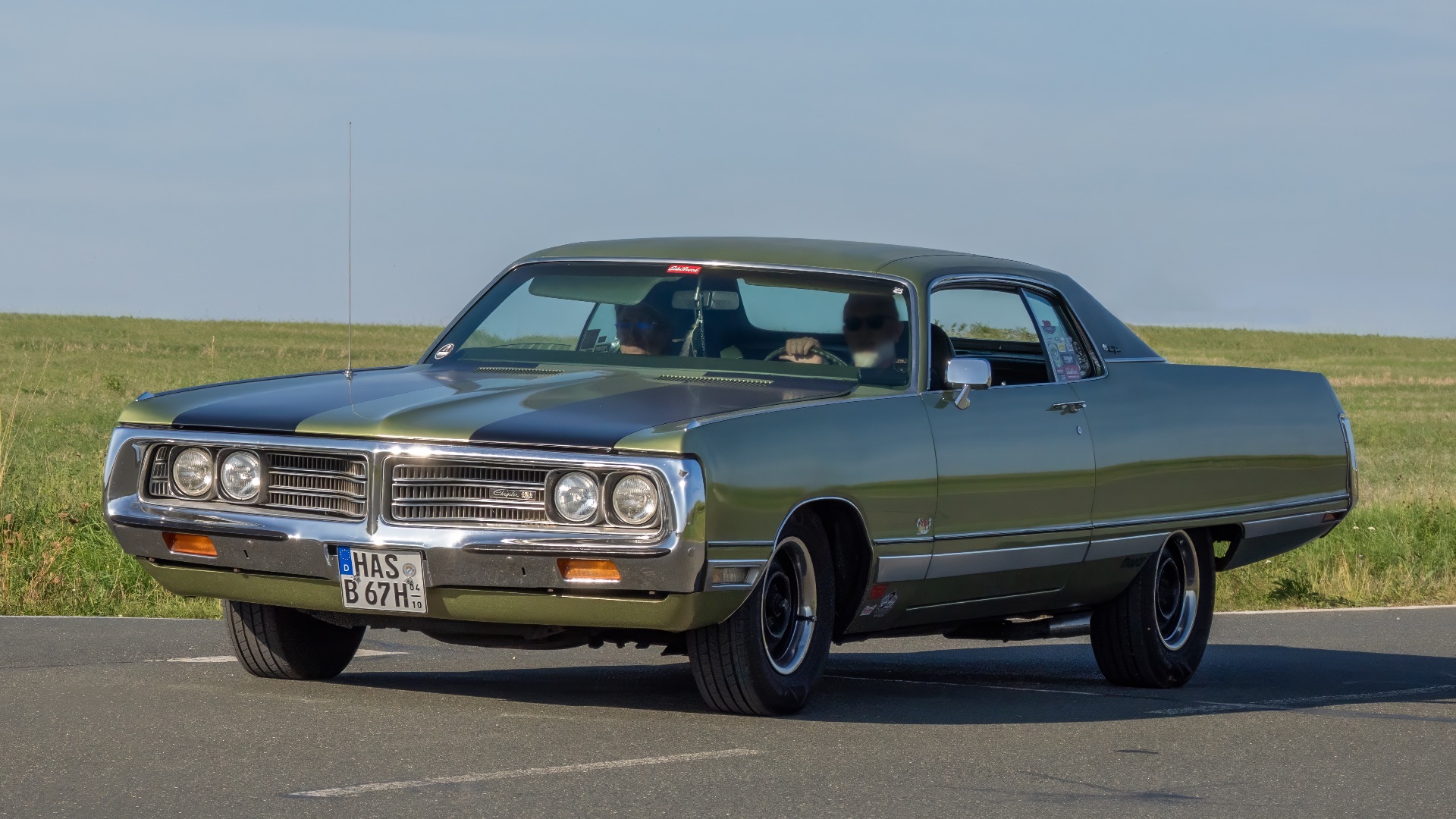
11. Chrysler New Yorker
The New Yorker name survived for an extraordinary span of American automotive history, appearing on Chrysler vehicles from the 1940s into the 1990s. Its character changed considerably along the way, but the model was usually positioned as one of Chrysler's more upscale offerings. The final New Yorker disappeared after the 1996 model year, making something that once represented mainstream American luxury increasingly difficult to encounter.
12. Plymouth Reliant
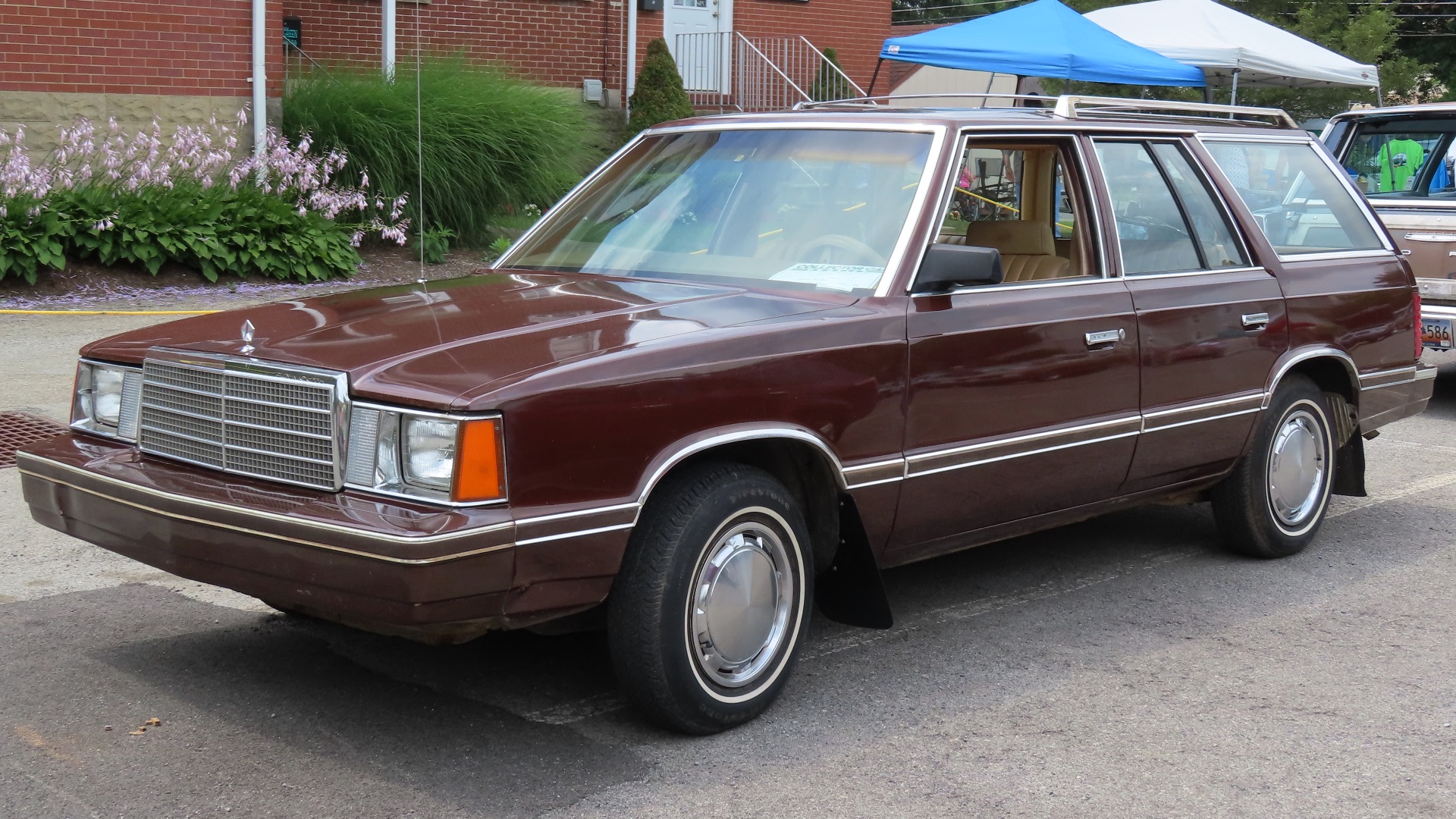
Chrysler's K-cars played an important role in the company's recovery during the early 1980s, and the Plymouth Reliant was one of the best-known members of that family. It wasn't designed to excite enthusiasts; instead, it offered relatively affordable, efficient, front-wheel-drive transportation at a time when Chrysler desperately needed strong sellers. Production lasted through the 1989 model year, and very few Reliants seem to have survived decades of ordinary commuting.
13. Dodge Aries
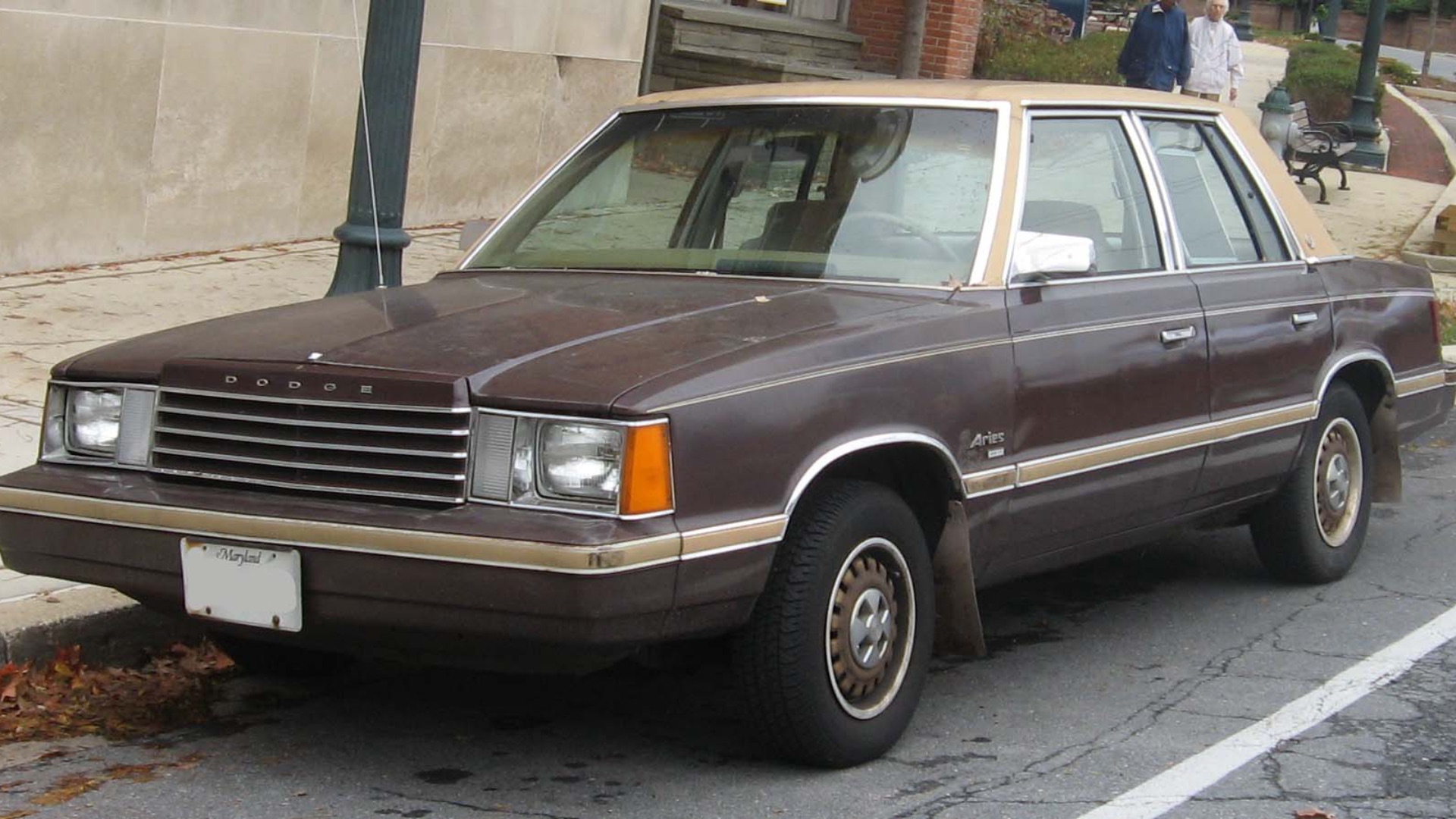
The Dodge Aries shared its basic architecture with the Plymouth Reliant and became another familiar presence in American suburbs during the 1980s. Buyers could get it as a sedan, coupe, or station wagon, making the practical little Dodge suitable for a surprisingly broad range of households. Once plentiful and inexpensive, the Aries is now precisely the kind of former everyday car you can go years without seeing.
14. Chevrolet Citation
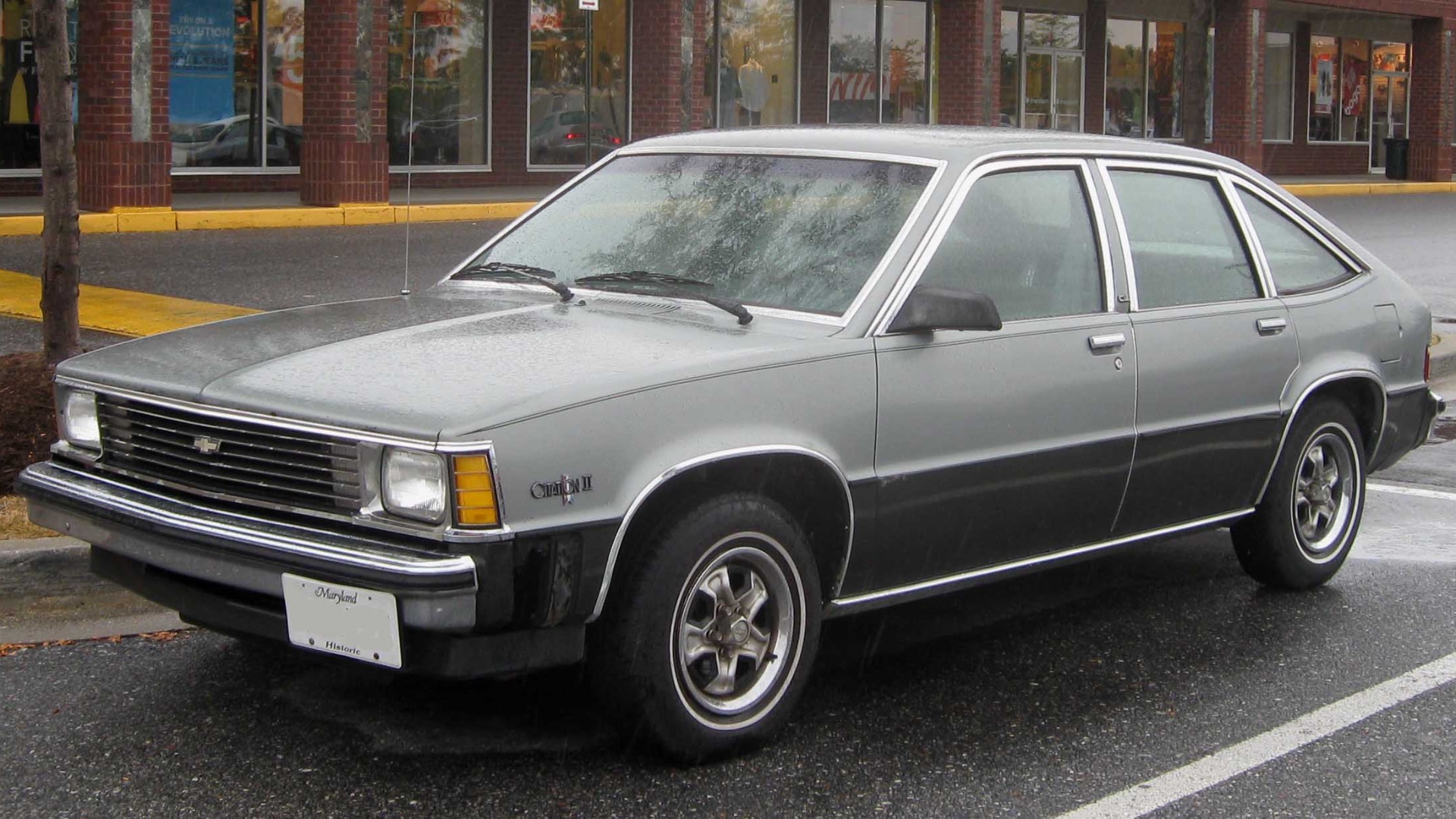
Chevrolet had enormous expectations for the Citation when it arrived for the 1980 model year as one of General Motors' new front-wheel-drive X-cars. Sales initially surged, but quality problems and recalls damaged the model's reputation, and production ended after 1985. A vehicle that entered the decade in huge numbers subsequently disappeared from America's roads with remarkable thoroughness.
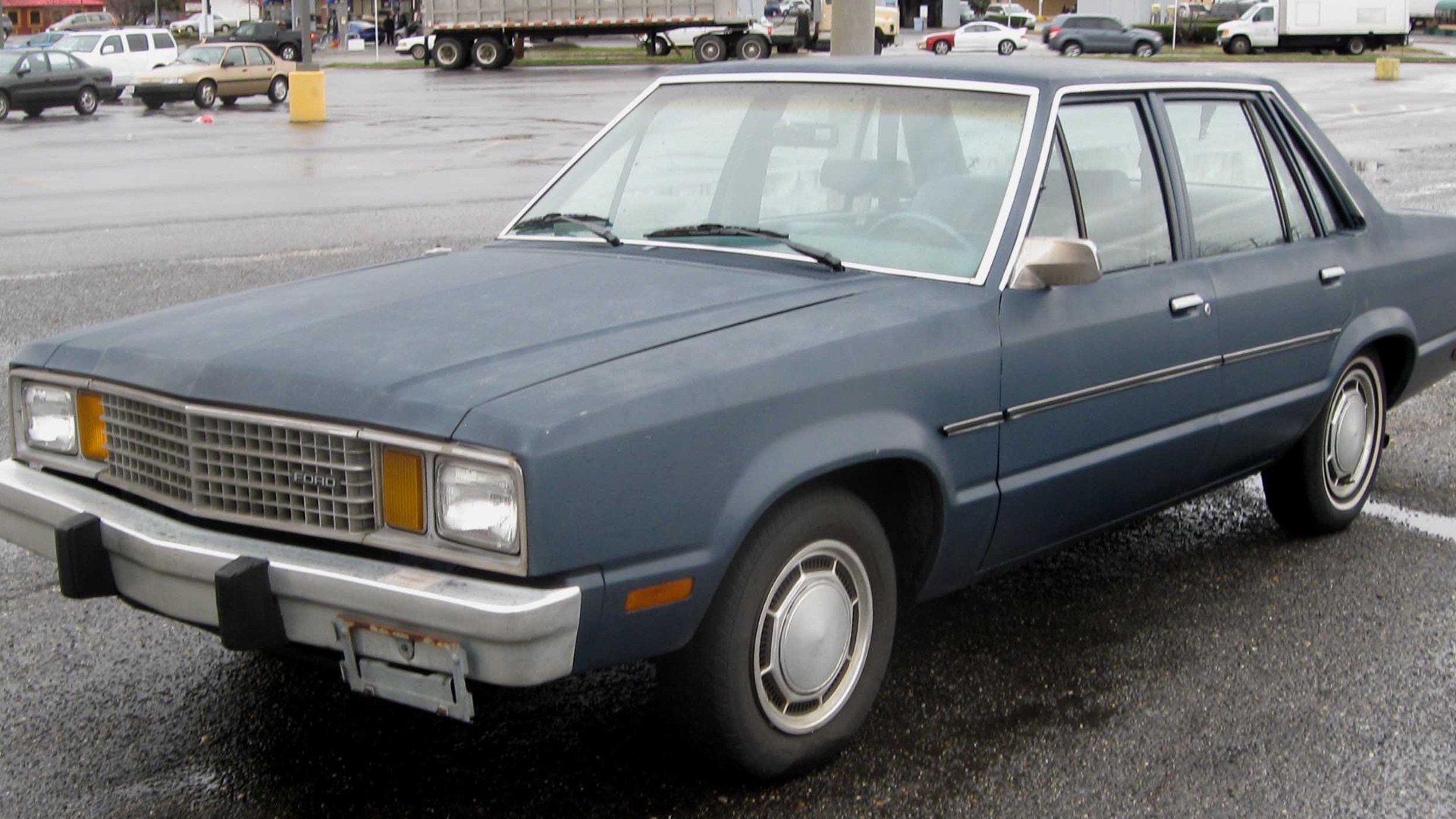
15. Ford Fairmont
Introduced for 1978, the Ford Fairmont was built to handle the ordinary responsibilities of family transportation. Available in several body styles and built on Ford's versatile Fox platform, it sold well without developing the same lasting enthusiast following as the Mustang that eventually shared that architecture. Fairmont production ended after 1983, and surviving examples have become surprisingly scarce considering how common the model once was.
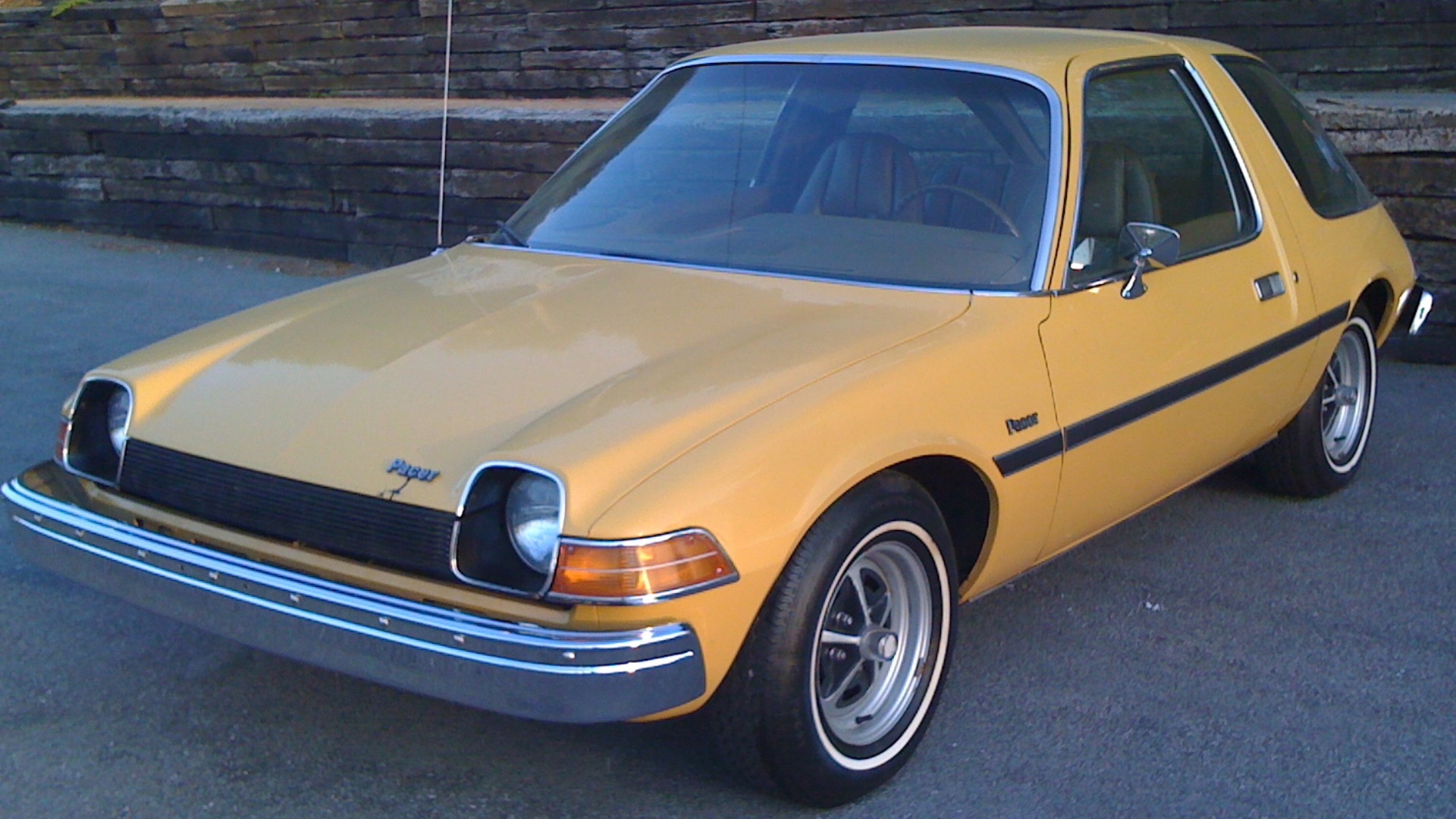
16. AMC Pacer
The wide-bodied AMC Pacer is instantly recognizable to many car enthusiasts, even though actually seeing one in traffic is another matter. American Motors sold the distinctive compact from 1975 through 1980, promoting its unusually spacious interior and extensive glass area. Time wasn't especially kind to ordinary Pacers, so surviving cars have largely moved into the hands of collectors and devoted AMC fans.
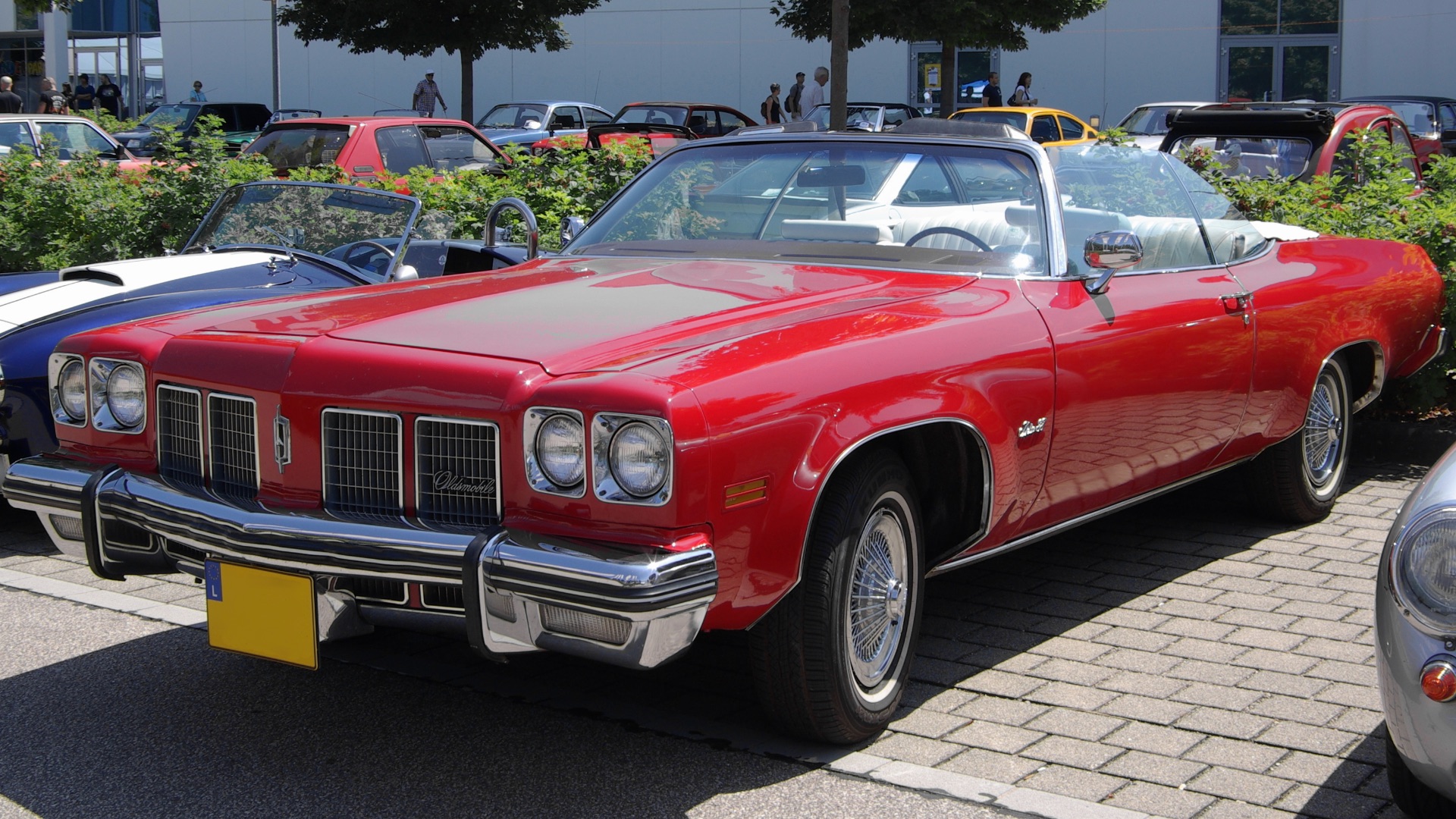
17. Oldsmobile Delta 88
For generations of motorists, the Delta 88 represented the traditional Oldsmobile formula of generous space, comfortable cruising, and restrained styling. The badge appeared on enormous rear-wheel-drive sedans before eventually moving to smaller front-wheel-drive models as the American market changed. Oldsmobile dropped the 88 after the 1999 model year, and the disappearance of the brand itself soon made these cars even less common.
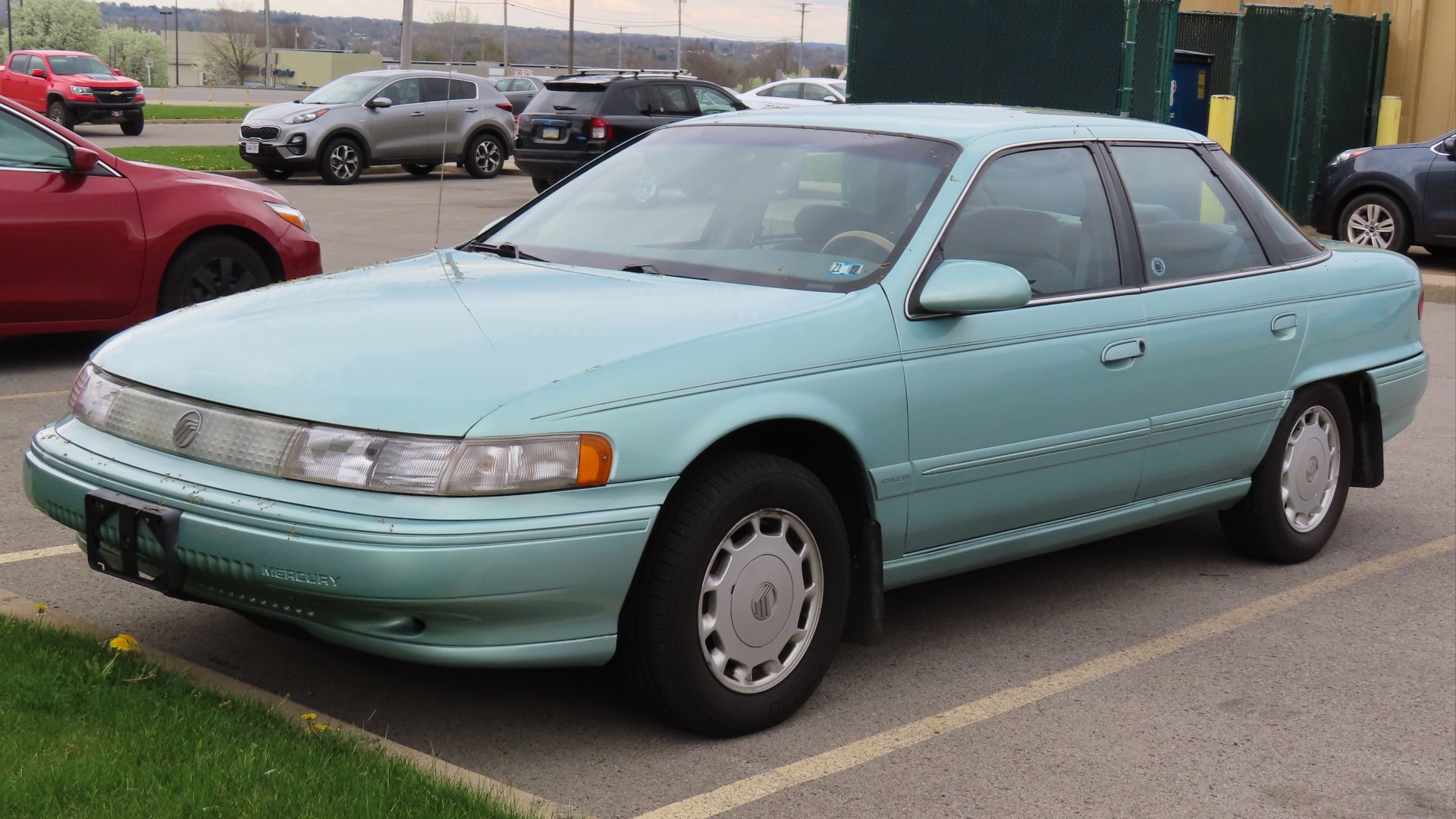
18. Mercury Sable
Launched alongside the Ford Taurus for 1986, the Mercury Sable looked strikingly modern compared with many boxier sedans still roaming American streets at the time. It went through several generations and even returned after a brief absence before Mercury finally retired the model for good in 2009. Once a perfectly normal sight in school parking lots and suburban driveways, the Sable has become increasingly easy to forget until you happen across a survivor.
19. Pontiac Sunbird
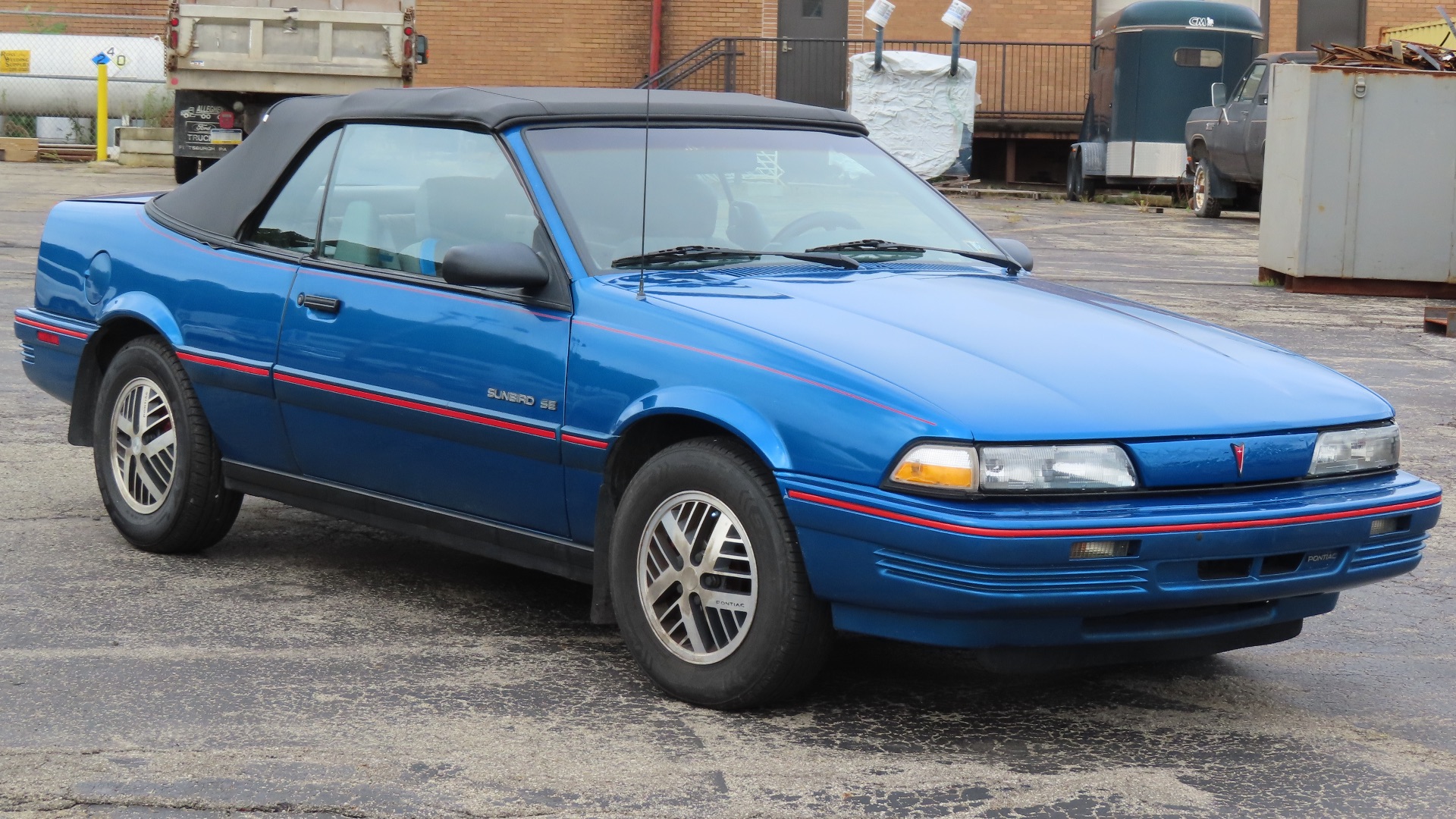
Before small crossovers became the default affordable vehicle for countless buyers, compact cars such as the Pontiac Sunbird handled much of that work. Pontiac offered the Sunbird in numerous configurations over the years, including sedans, coupes, wagons, hatchbacks, and convertibles depending on the generation. The name disappeared after the 1994 model year when Pontiac replaced it with the Sunfire, leaving relatively few Sunbirds still serving as routine transportation today.
20. Chevrolet Impala
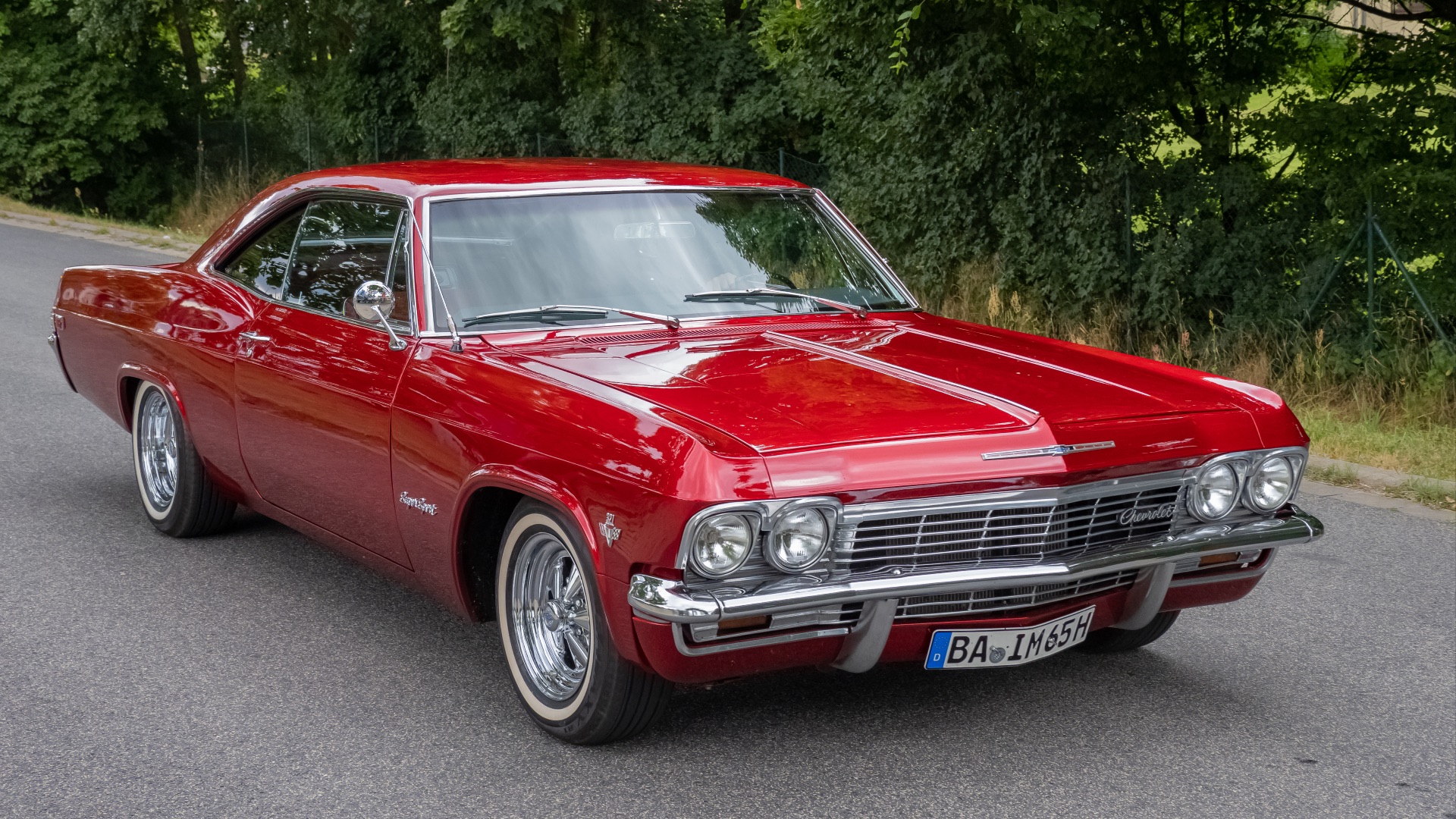
Few names are more closely associated with the American automobile than Chevrolet Impala, which first appeared in 1958 and returned in several very different forms over the following decades. Millions were sold across its various generations, ranging from huge V8-powered cruisers to the considerably more modern sedans built during its final years. Chevrolet ended Impala production in 2020, so newer examples aren't exactly extinct, but the classic generations that once dominated American streets have become increasingly rare outside shows, collections, and carefully maintained weekend cars.