
Garage Hacks from Your Kitchen Cupboard
You don't always need a professional mechanic and a trunk full of expensive tools to keep your vehicle in tip-top shape. Sometimes, the best solutions for common automotive annoyances are sitting right under your kitchen sink or tucked away in your medicine cabinet. It’s pretty satisfying to realize that a few cents' worth of a household staple can prevent a hundred-dollar trip to the repair shop. We’ve gathered twenty clever ways to use everyday items to maintain your ride, so you can save your hard-earned cash for your next big road trip instead of a hefty service bill.
1. Toothpaste for Foggy Headlights
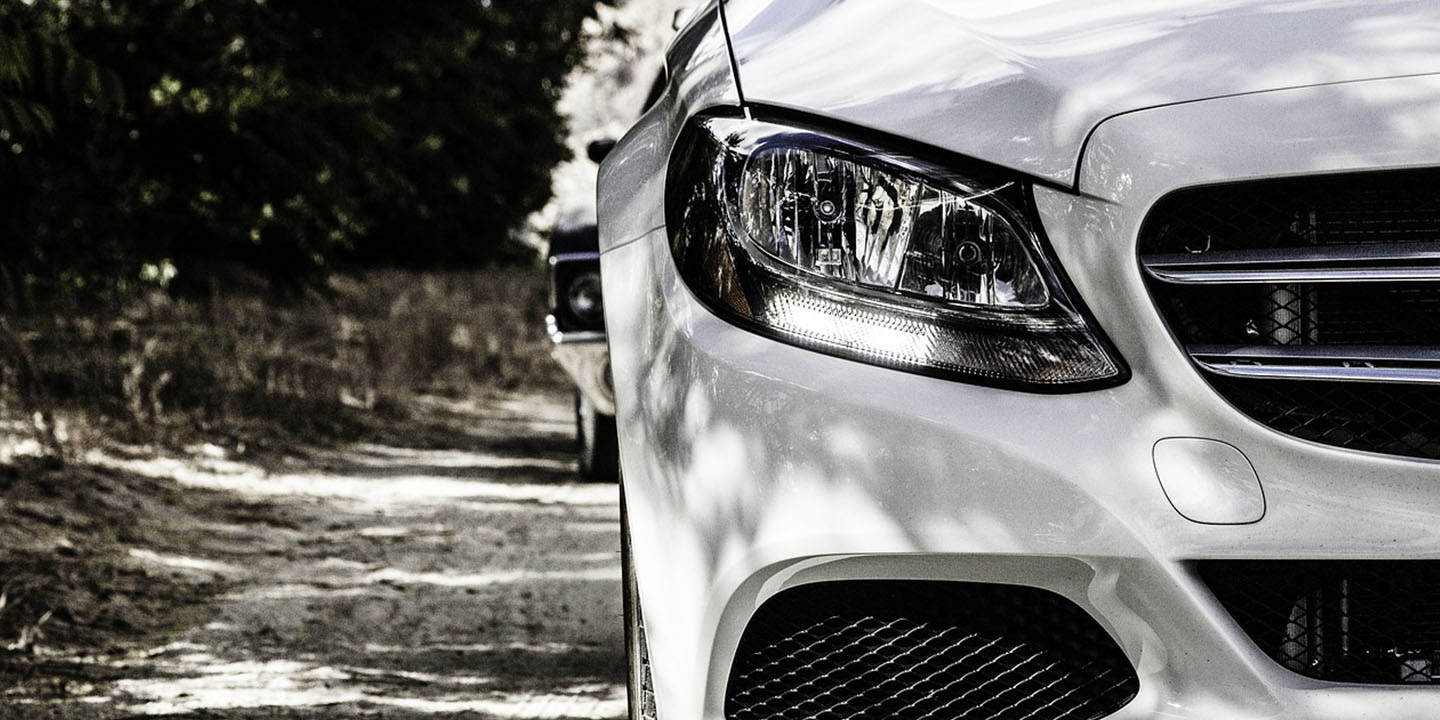
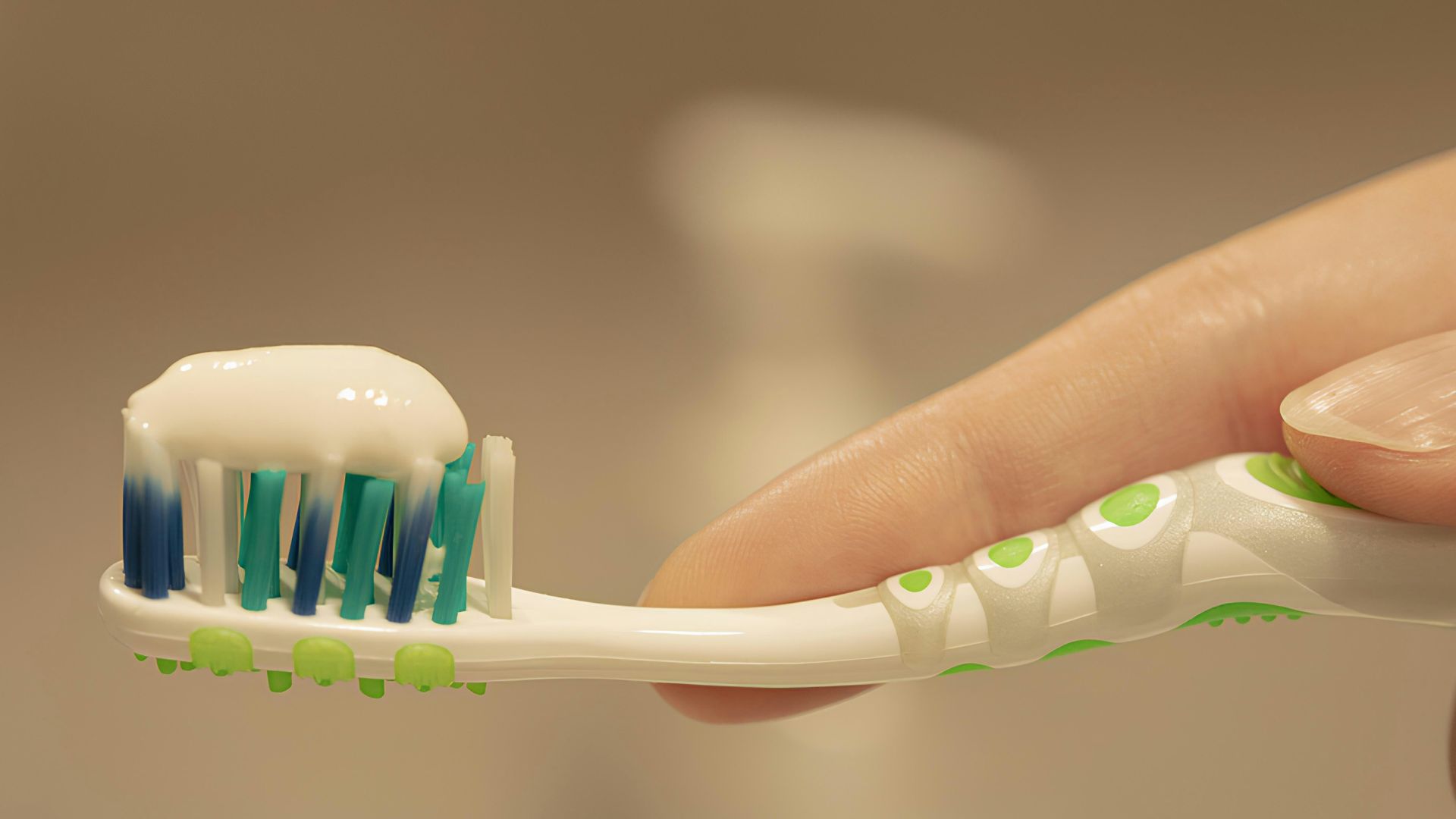
If your plastic headlight covers have become yellowed and cloudy over the years, a tube of standard white toothpaste can work wonders. The mild abrasives in the paste act as a polishing agent that gently scrubs away the oxidized layer of plastic without scratching the surface. Just rub it on in a circular motion with a soft cloth, rinse it off with water, and you'll see a massive improvement in your nighttime visibility.
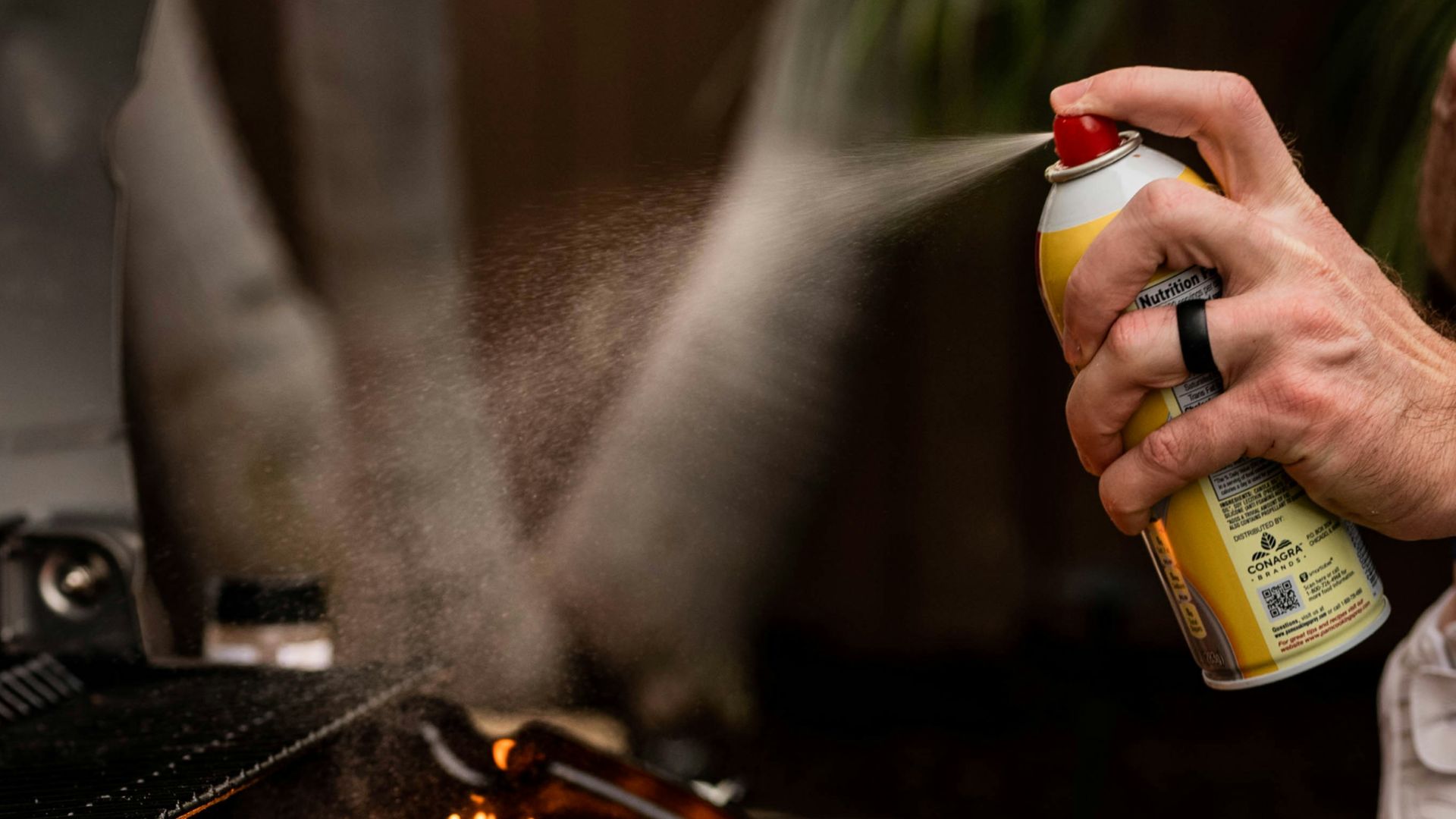
2. Cooking Spray for Bug Splatters
Dealing with dried-on insects on your front bumper is a total chore, but a quick spritz of non-stick cooking spray can make the job much easier. If you apply a light coating before a long drive, the bugs won't be able to bond to the paint as firmly. When you finally get home, you'll find that the grime wipes right off with a simple sponge and some soapy water.
3. Clear Nail Polish for Windshield Chips
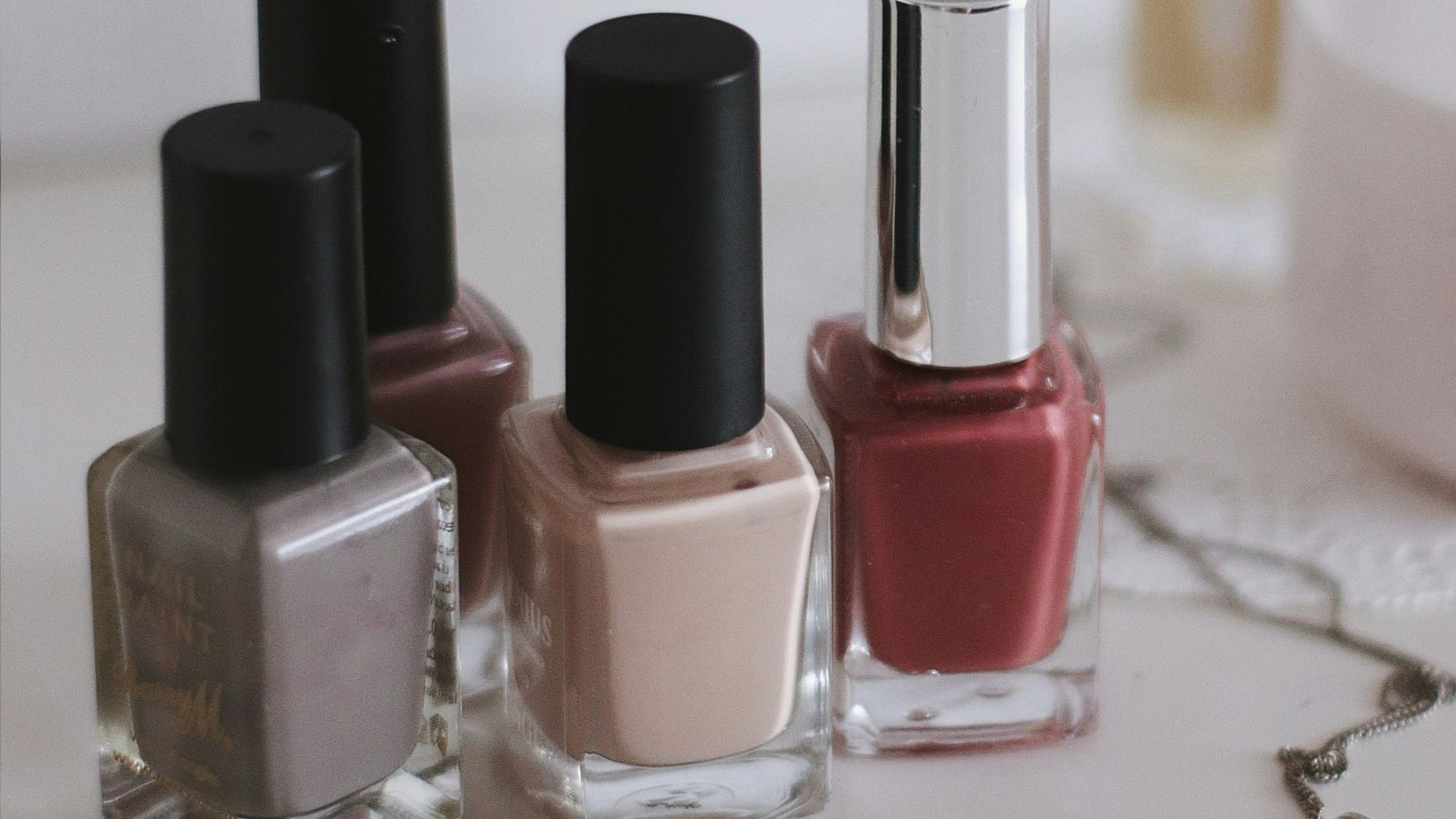
Small rock chips in your glass can quickly turn into giant cracks that require a full windshield replacement if they aren't handled early. You can temporarily seal the damage by dabbing a tiny bit of clear nail polish into the pit to keep moisture and dirt from getting inside. This cheap fix buys you time until you can get a professional resin repair, which is way less expensive than buying a whole new piece of glass.
4. Vinegar for Wiper Blade Maintenance
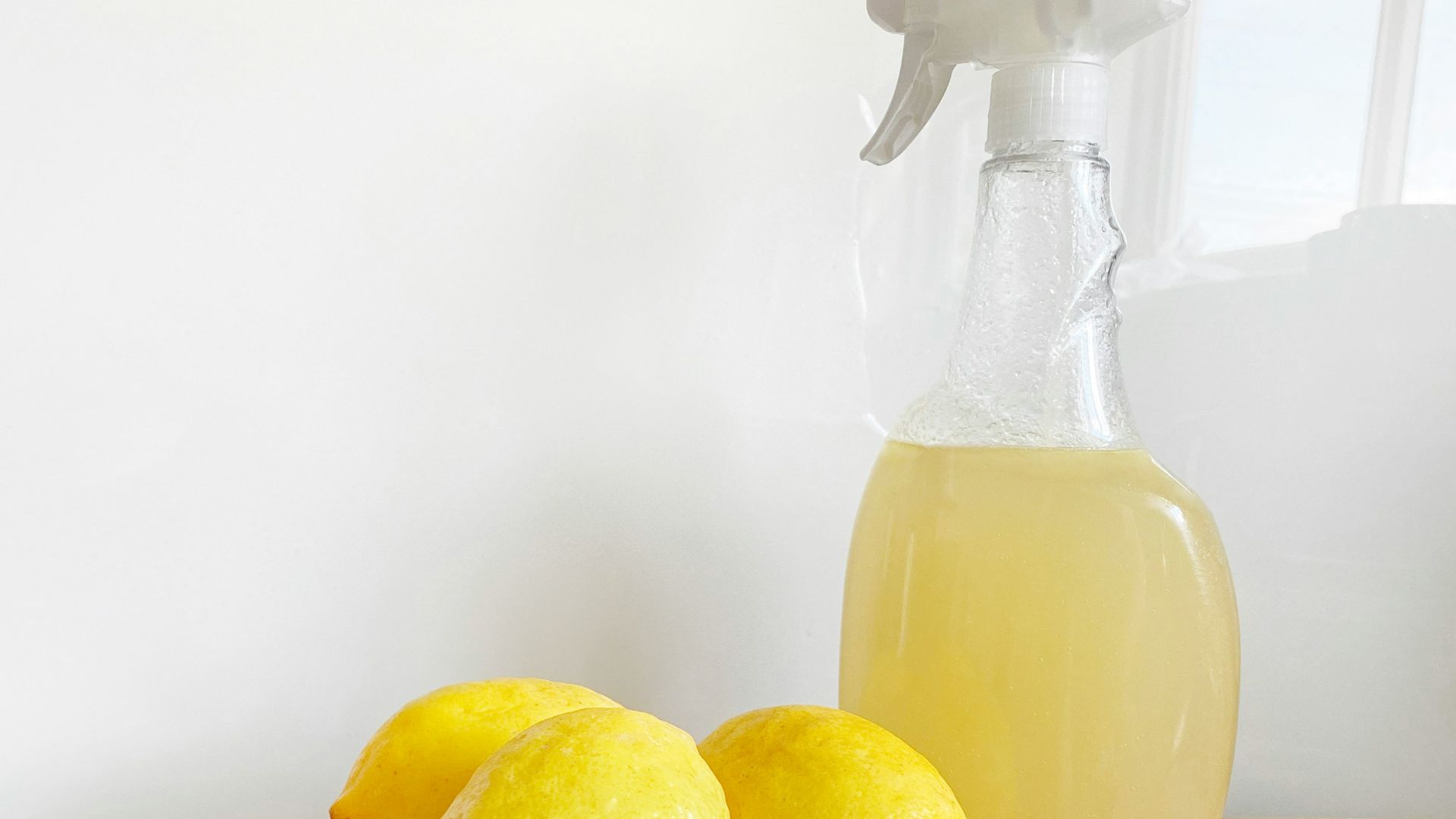
When your wipers start leaving streaks across the glass, they might just be dirty rather than worn out. Wiping the rubber edges with a cloth soaked in white vinegar removes the built-up road film and restores the flexibility of the blades. This simple trick can extend the life of your wipers for several months, saving you from having to buy a pricey new set every time it rains.
 Precious Plastic Melbourne on Unsplash
5. Baking Soda for Battery Corrosion
Those crusty white deposits on your battery terminals can prevent your car from starting and eventually damage the electrical system. You can neutralize the acidic buildup by pouring a mixture of baking soda and warm water over the metal connectors. Once the fizzing stops, scrub the area with an old toothbrush to ensure a clean connection that keeps your alternator from working harder than it needs to.
6. Hand Sanitizer for Frozen Locks
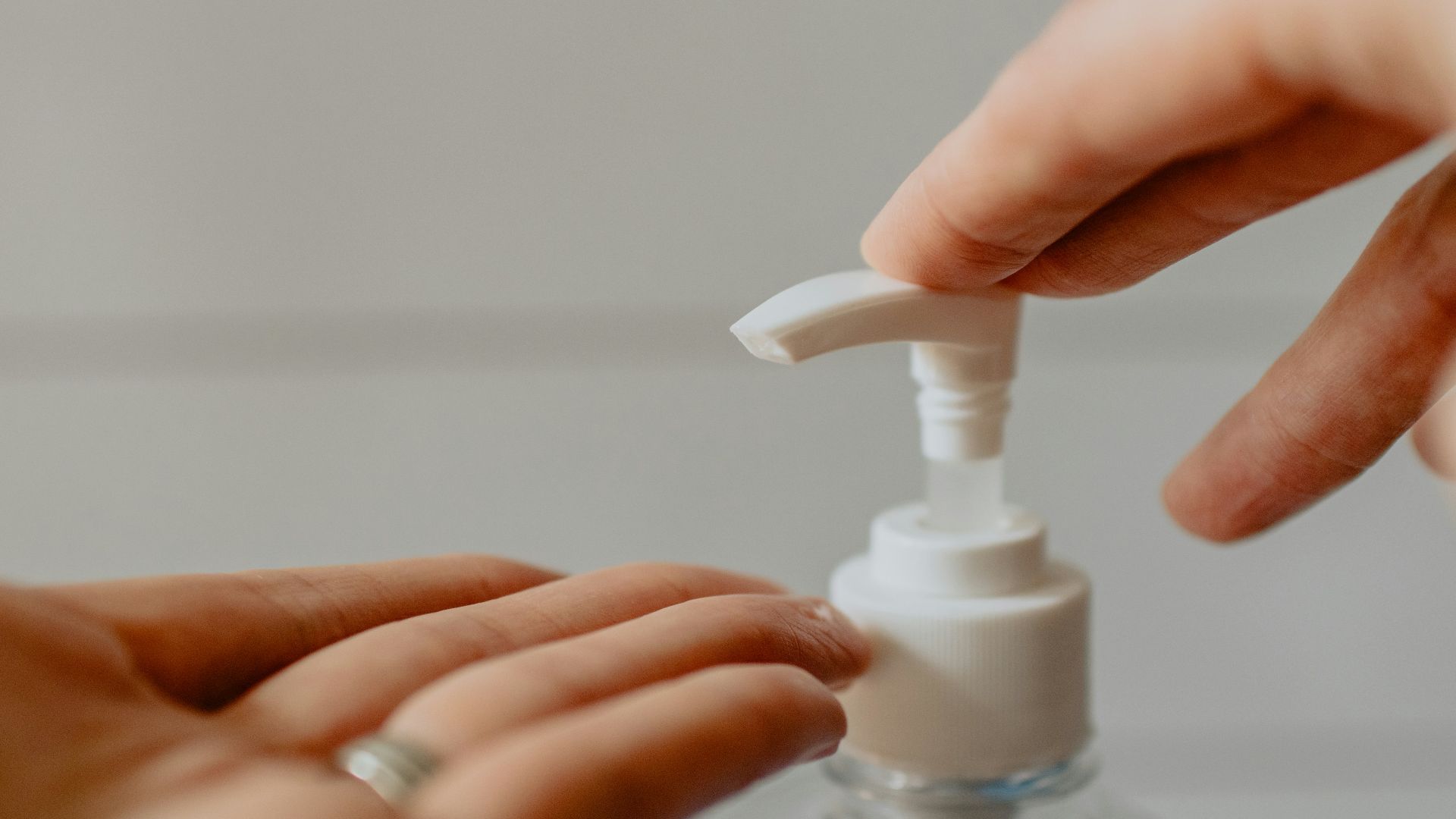
Getting locked out of your car on a freezing morning is incredibly frustrating, but a bottle of alcohol-based hand sanitizer can solve the problem in seconds. The high alcohol content lowers the freezing point of the ice, melting it away so you can turn your key without snapping it off. Simply coat your key with the gel or squirt a little directly into the lock cylinder to get back on the road.
7. Dish Soap for Finding Tire Leaks
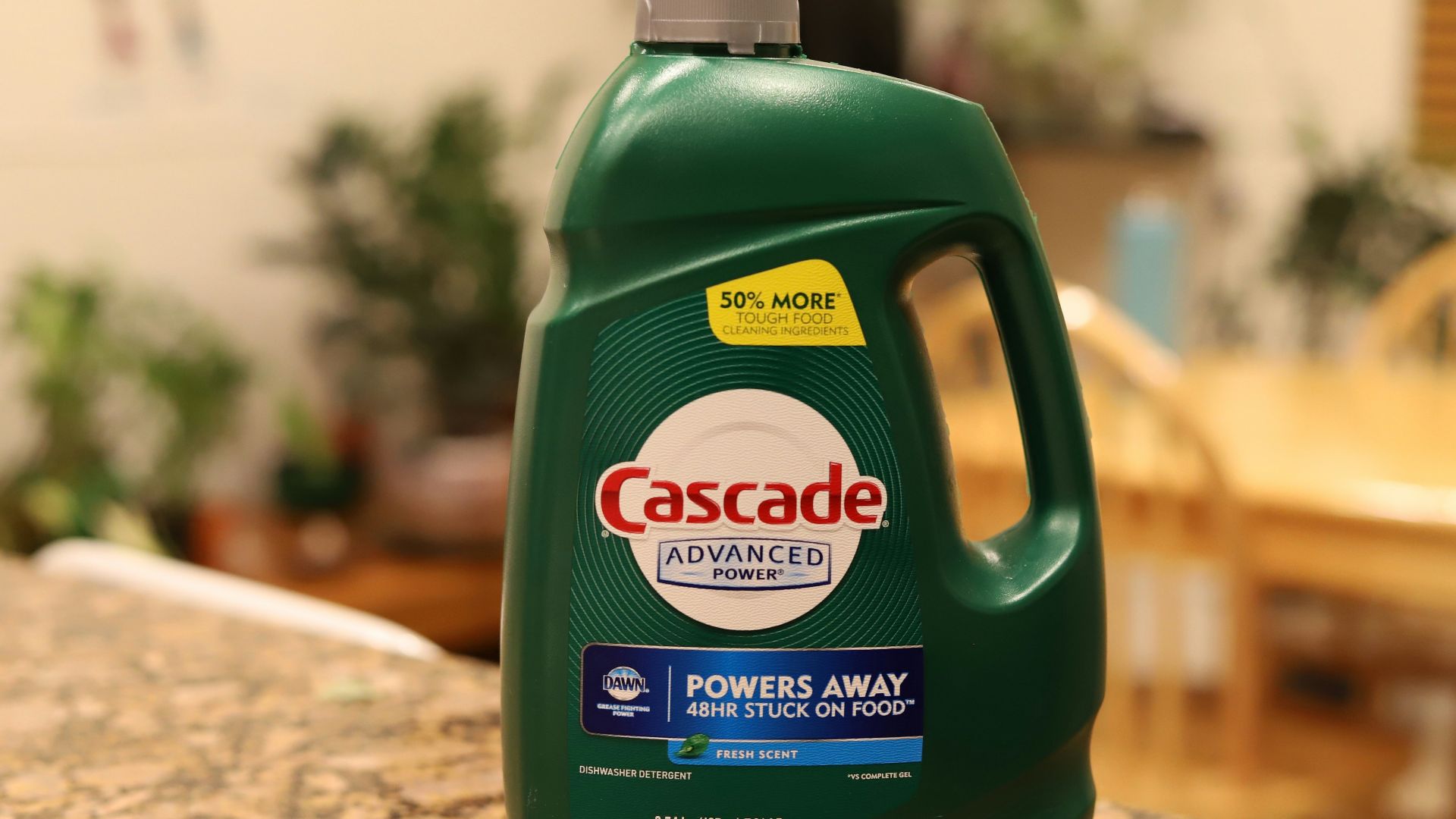
If you suspect your tire has a slow leak but can't see the hole, grab a spray bottle filled with water and a few drops of dish soap. Spray the soapy liquid all over the tread and the sidewall, then keep an eye out for any growing bubbles. The air escaping from the puncture will create a clear sudsy signal, letting you know exactly where the tire needs a cheap patch instead of a total replacement.
 soumya parthasarathy on Unsplash
10. Cornstarch for Window Buffing
Most people struggle with the hazy film that forms on the inside of car windows, but cornstarch is a secret weapon for a streak-free finish. Mixing a tablespoon of the powder into your glass cleaner provides just enough friction to lift away the stubborn oils that standard sprays leave behind. Your glass will be so clear that it’ll look like it completely disappeared, which is great for reducing glare from oncoming traffic.
9. Rubbing Alcohol for Sticky Residue
Whether it’s a leftover sticker from a parking pass or some stubborn tree sap, rubbing alcohol is excellent at breaking down tough adhesives. It evaporates quickly and generally won't hurt your glass or most interior plastics as long as you don't let it soak for too long. A quick wipe-down can save you from accidentally scratching your surfaces with a razor blade or a harsh scouring pad.
10. A Plunger for Small Dents
You might be able to pop out a shallow dent in a plastic bumper or a flat metal door using a standard bathroom plunger. By creating a vacuum seal and giving it a firm pull, you can often snap the body panel back into its original shape without damaging the paint. It’s a hilarious-looking technique that actually works on many minor "fender benders," saving you from an expensive visit to a body shop.

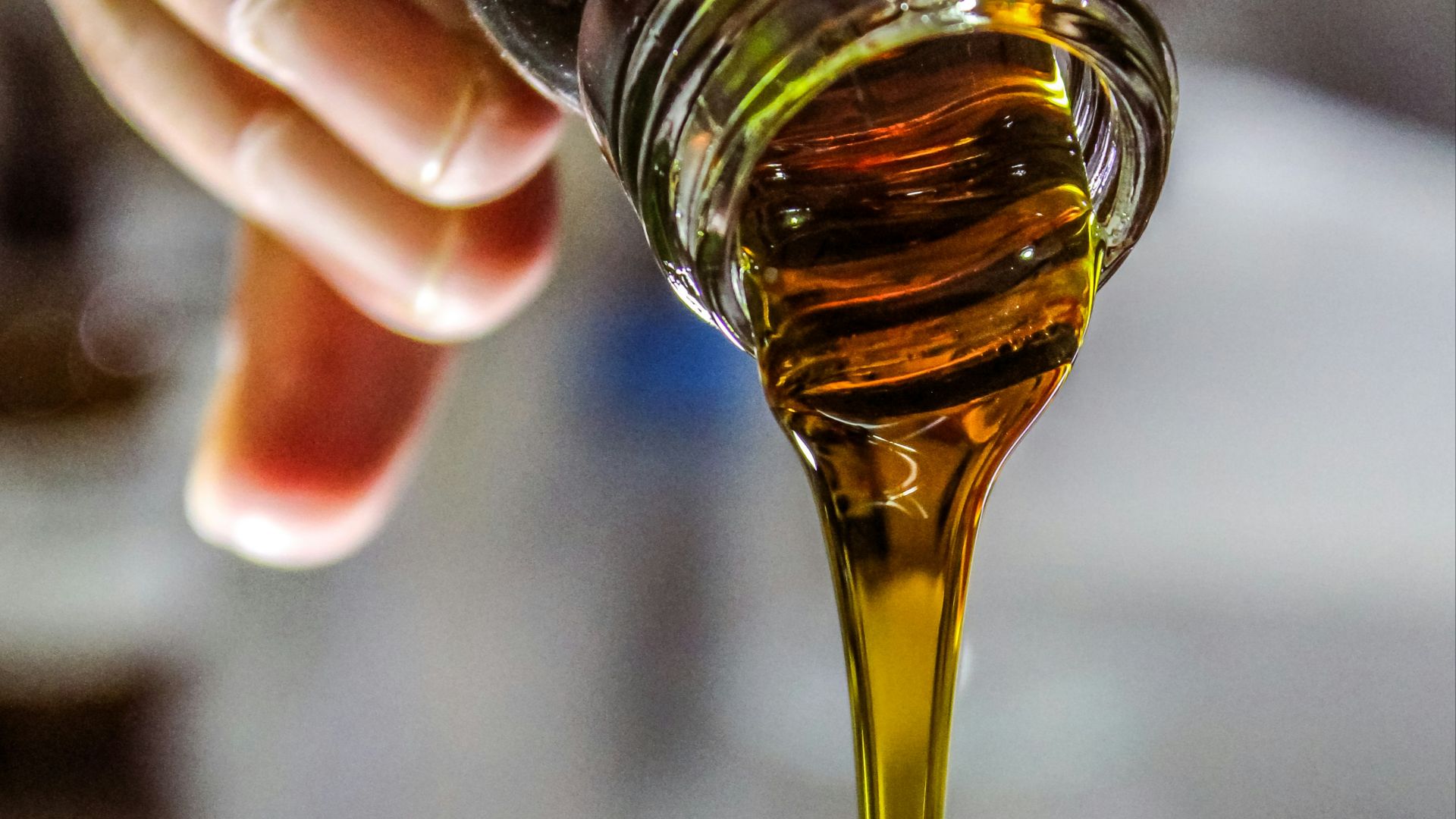
11. Olive Oil for Dashboard Shine
Commercial interior protectants can be pricey and full of strong chemicals, but a few drops of olive oil on a cloth can give your dash a beautiful, low-luster glow. It keeps the plastic from drying out and cracking in the sun, and it doesn't leave behind that greasy, artificial feeling. Just make sure to buff it thoroughly so the surface isn't slippery, especially if you’re cleaning the steering wheel or gear shifter.
12. Club Soda for Seat Stains
Spilling coffee or juice on your upholstery is a nightmare, but club soda is a fantastic emergency spot cleaner for fabric seats. The carbonation helps lift the stain particles to the surface before they have a chance to set into the fibers permanently. Blot the area with a clean towel instead of rubbing it, and you'll find that even stubborn marks disappear without needing a professional detailing service.
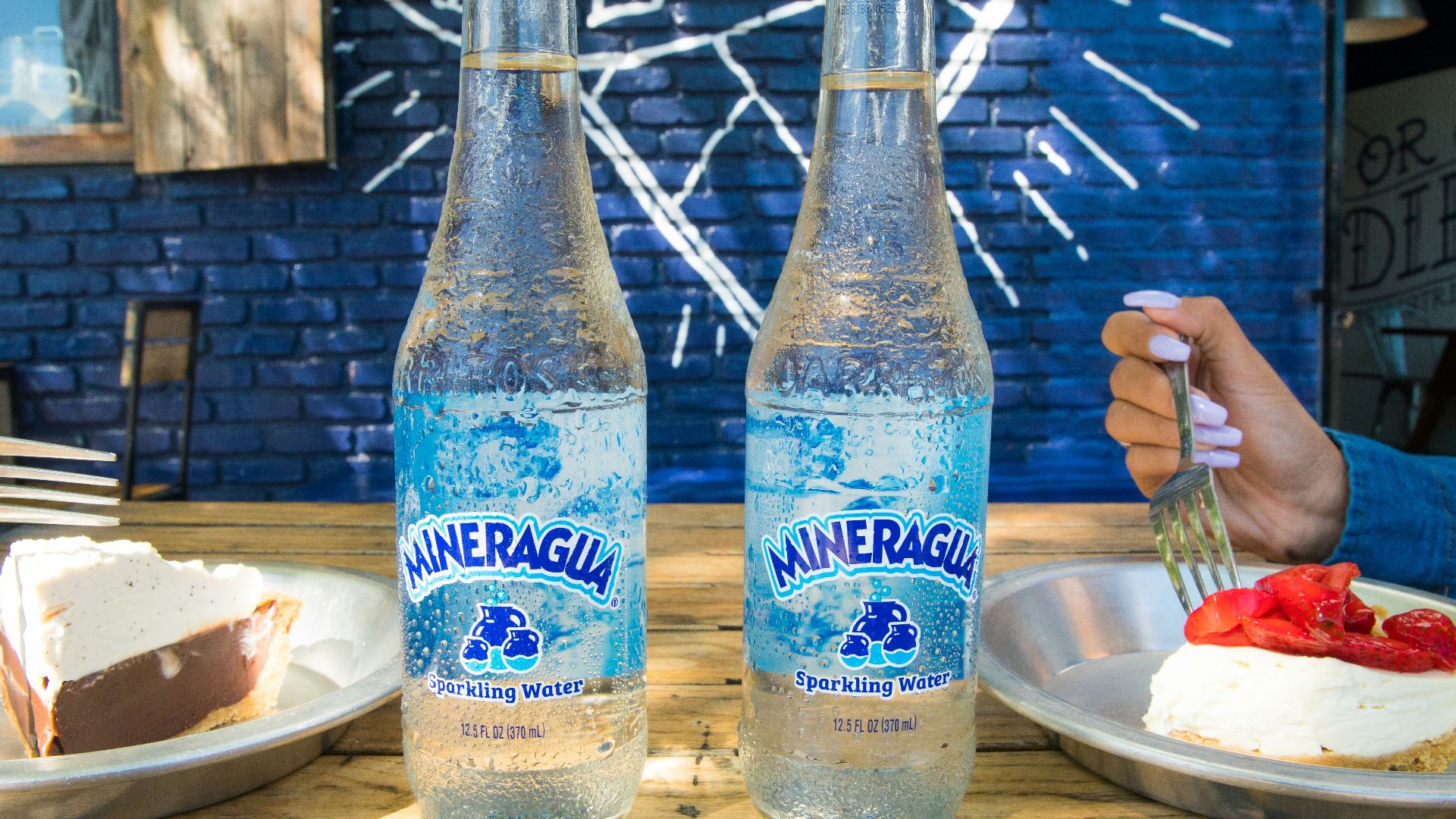 Mineragua Sparkling Water on Unsplash
13. WD-40 for Removing Scuff Marks
If another car’s bumper has left a "paint transfer" mark on your door, a light spray of WD-40 can often dissolve the scuff without ruining your clear coat. Let the lubricant sit for a minute to soften the foreign paint, then gently wipe it away with a microfiber towel. It’s a much cheaper alternative to professional buffing or repainting a whole panel just for a cosmetic blemish.

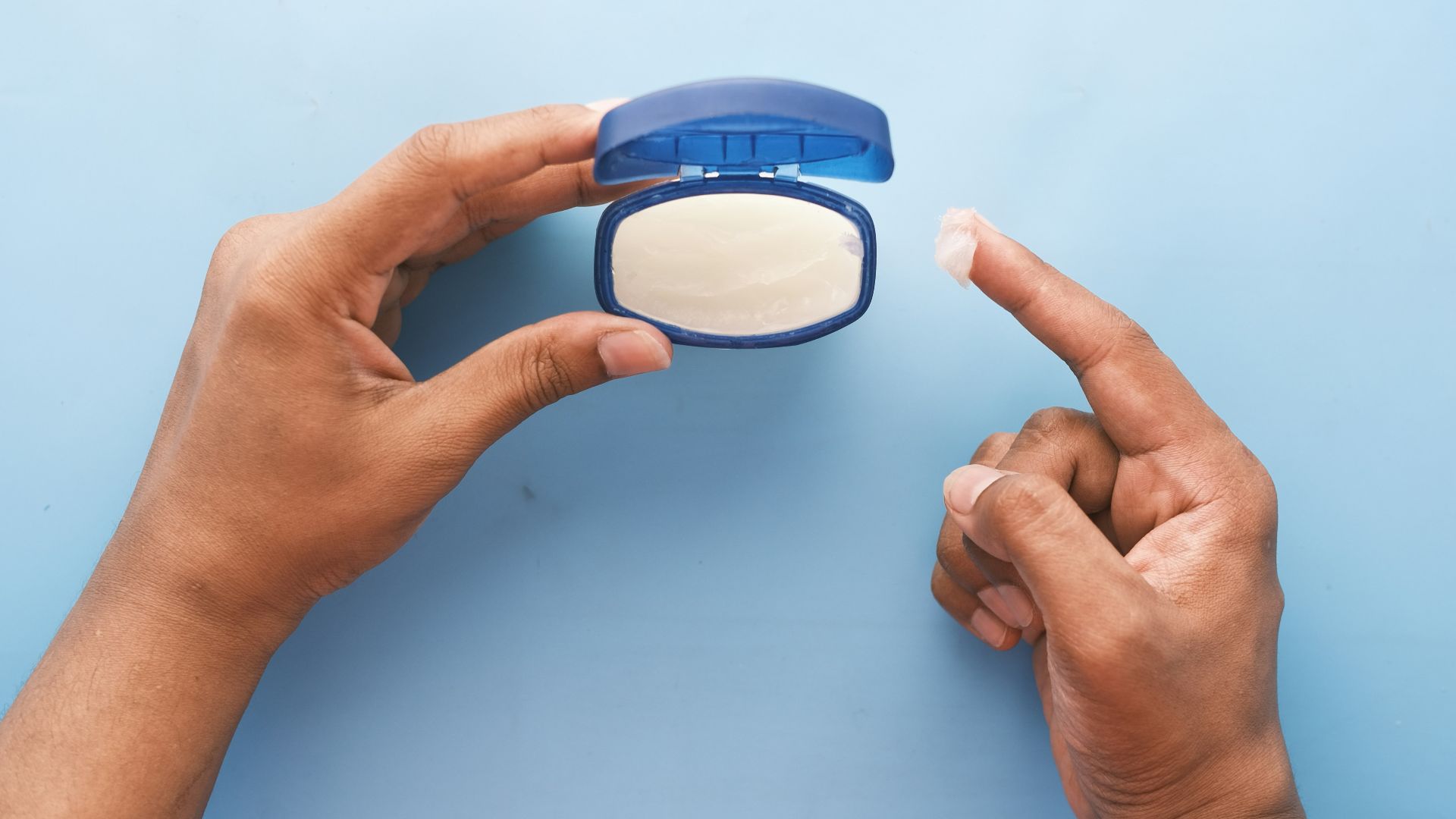
14. Petroleum Jelly for Door Seals
Rubbing a thin layer of petroleum jelly onto the rubber weatherstripping around your doors can prevent them from sticking shut in the winter. The jelly acts as a moisture barrier, so melting snow won't freeze the door to the frame overnight. It also keeps the rubber supple and prevents it from drying out, which helps maintain a quiet cabin and prevents annoying wind whistles at highway speeds.
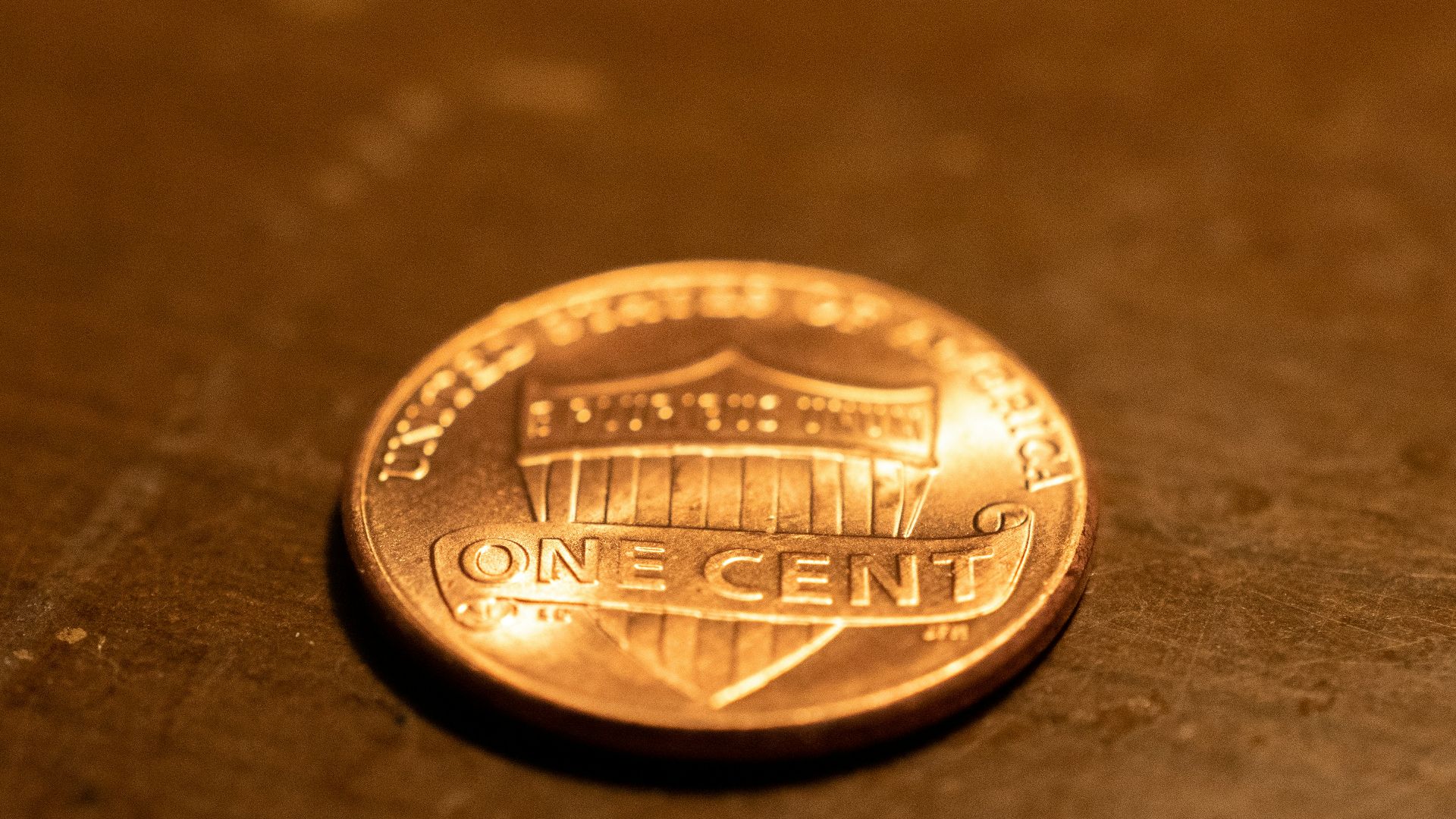
15. A Penny for Tire Tread Checks
You don't need a fancy gauge to know when your tires are getting dangerously thin and need to be replaced. Insert a penny into the tread with Lincoln’s head facing down, and if you can see the top of his hair, your tires are worn out. This quick check helps you stay safe and prevents you from failing a state inspection or getting a ticket for bald tires.
16. Dryer Sheets for Removing Bugs
While cooking spray prevents bugs, a wet dryer sheet is surprisingly effective at scrubbing off the ones that are already stuck there. The chemicals in the sheet are specifically designed to soften fibers, and they work just as well on the dried-out exoskeletons of gnats and beetles. It’s much gentler on your car's finish than a heavy-duty scrub brush and takes about half the effort.
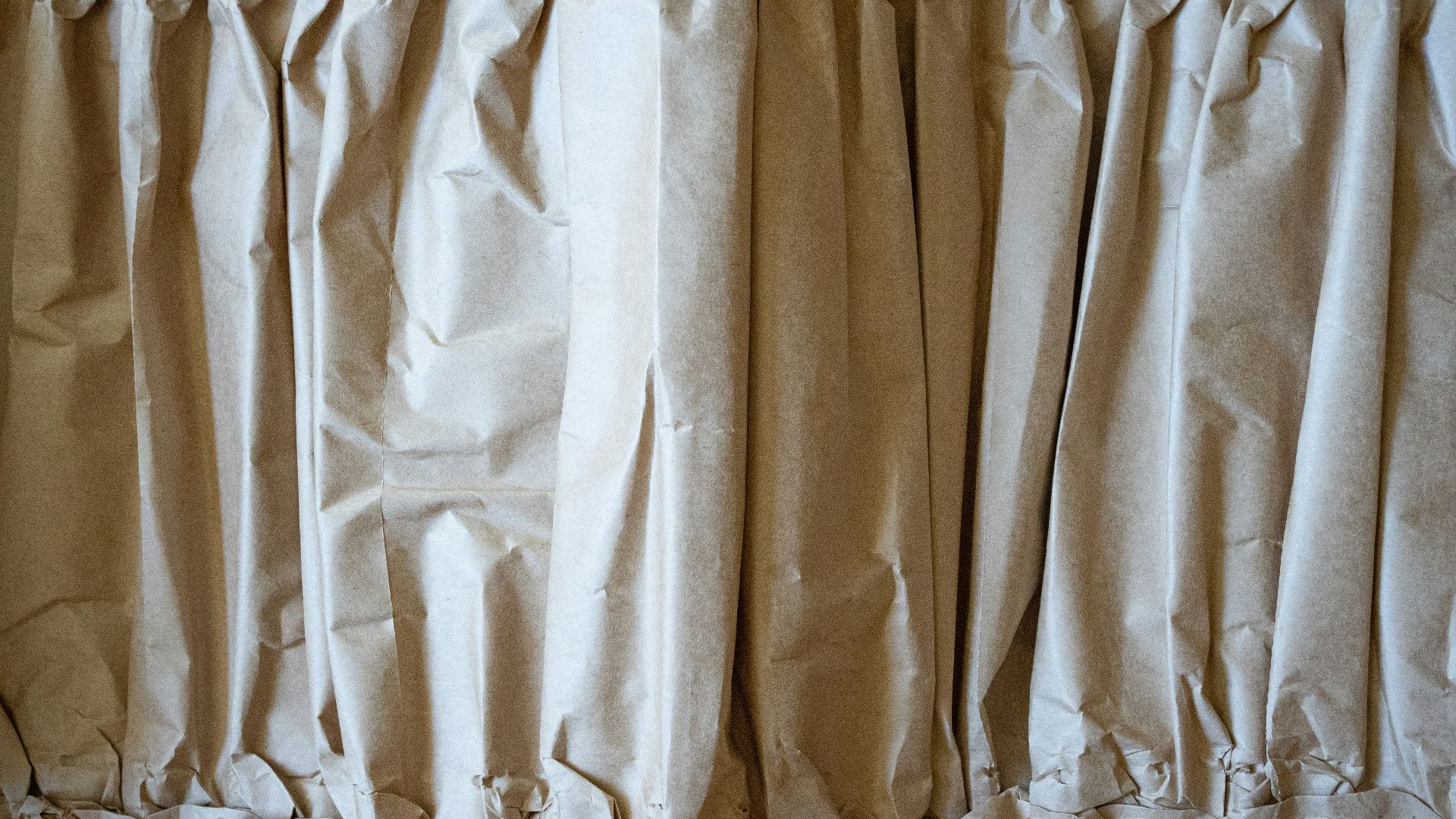
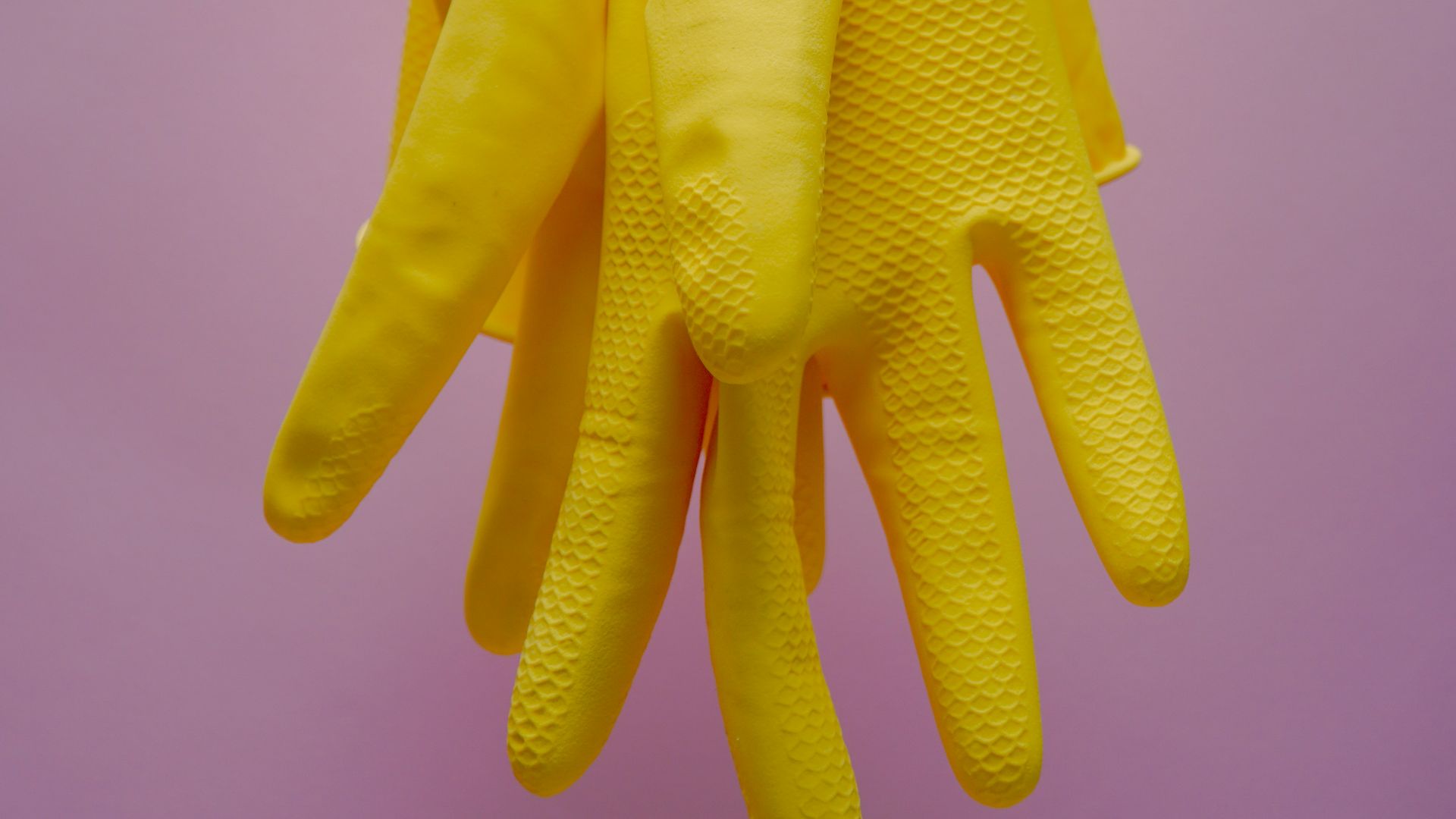
17. Rubber Gloves for Pet Hair
If your dog leaves a layer of fur on the back seat, put on a pair of standard rubber dishwashing gloves and rub your hands over the fabric. The static electricity and the grip of the rubber will pull the hair into easy-to-grab clumps that your vacuum would usually miss. It’s a fast and free way to keep your interior looking fresh without paying for an expensive deep-clean.
 Karolina Kołodziejczak on Unsplash
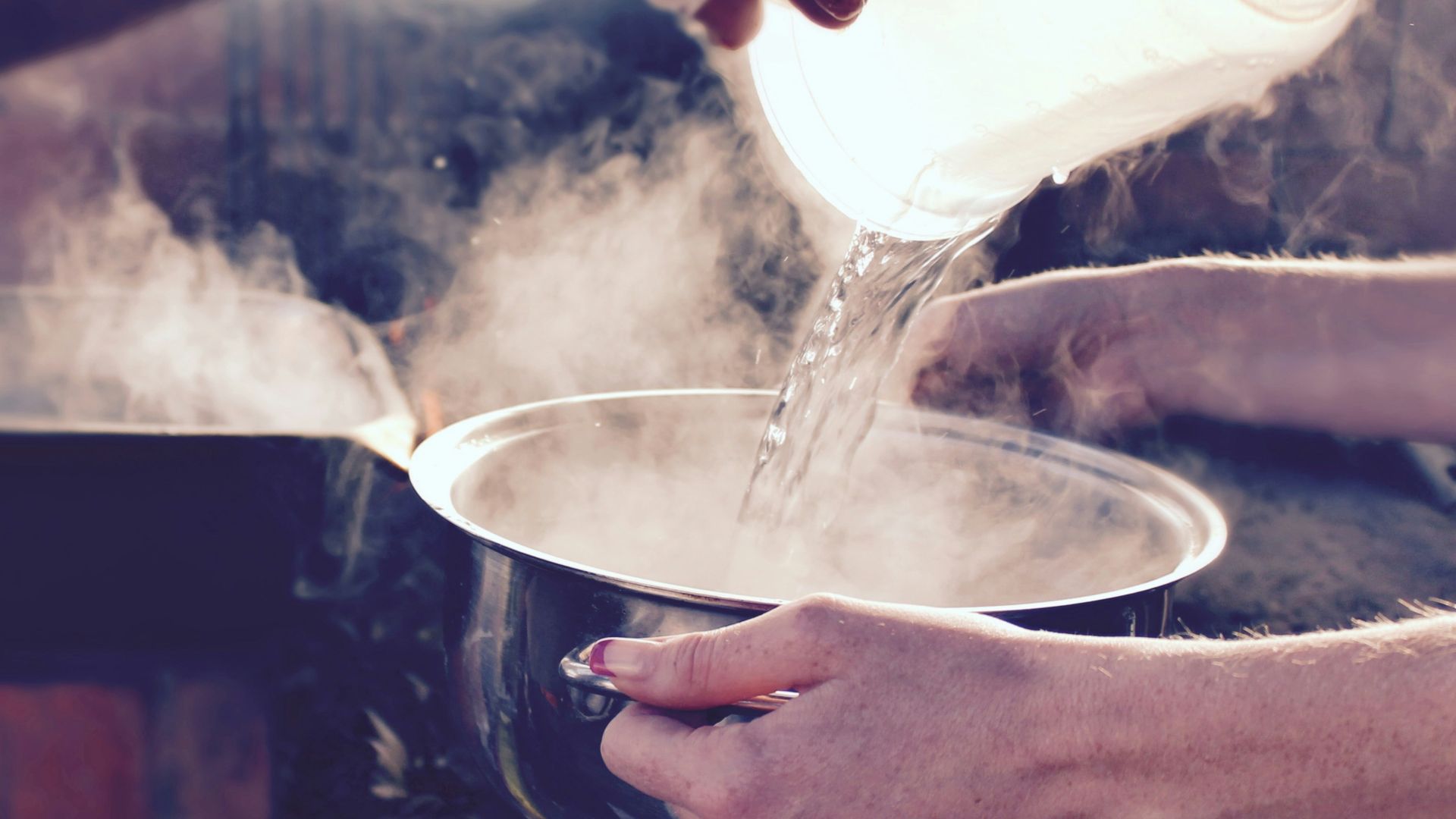
18. Hot Water for Bumper Reshaping
Modern plastic bumpers are designed to be flexible, and you can often pop out a significant dent just by pouring a pot of boiling water over the area. The heat softens the plastic, allowing it to expand back to its factory molded shape with just a little bit of manual pressure from behind. This trick works best on unpainted or textured plastic trim and can save you hundreds on a replacement part.
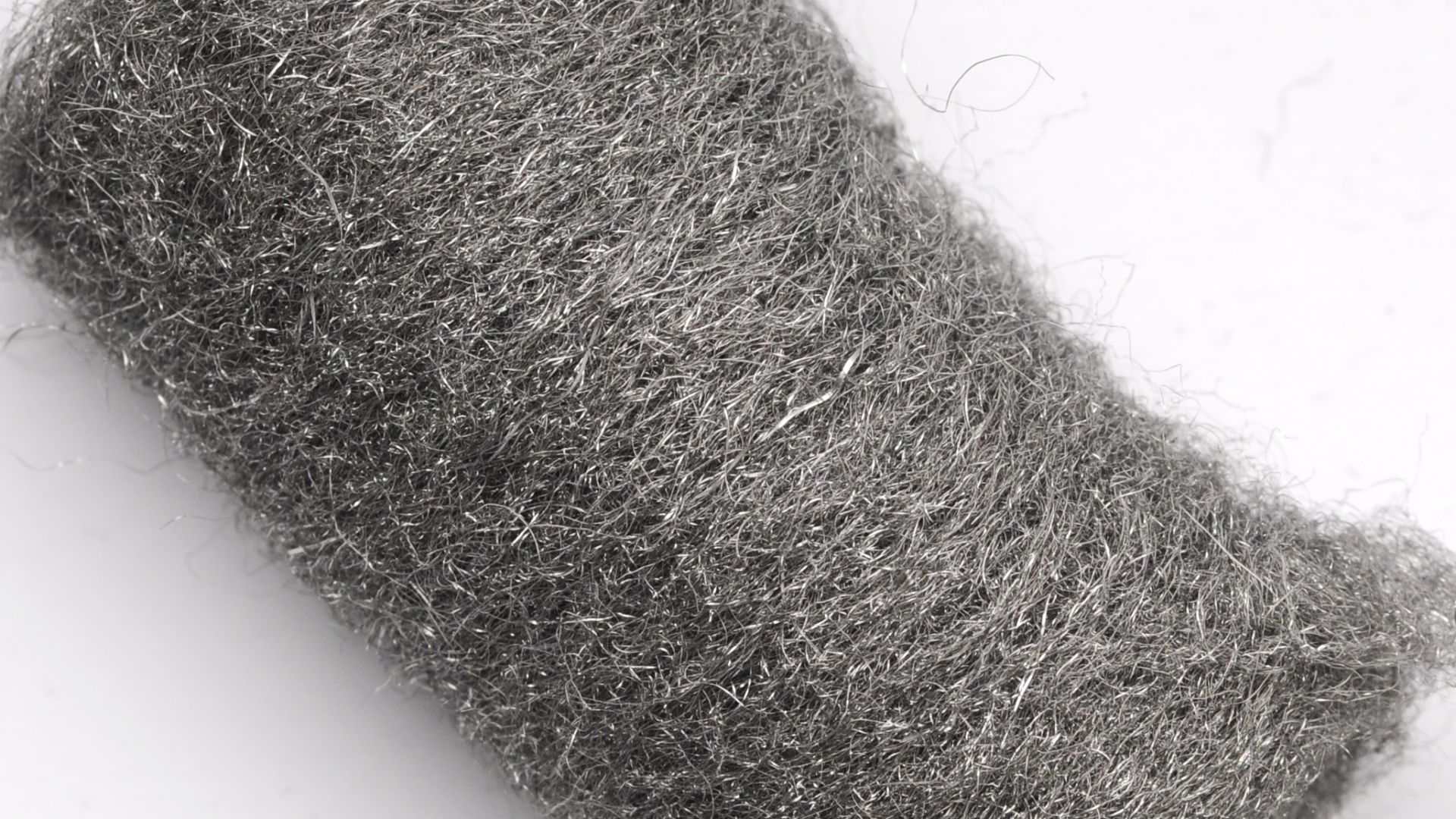
19. Steel Wool for Chrome Polishing
If you have chrome bumpers or exhaust tips that are starting to show signs of rust, a very fine grade of steel wool can bring back the shine. Make sure you use "0000" grade wool and plenty of soapy water to avoid leaving deep scratches in the metal. It’s a very effective way to remove surface corrosion and restore that "new car" sparkle to your favorite exterior accents.
20. Essential Oils for Air Freshening
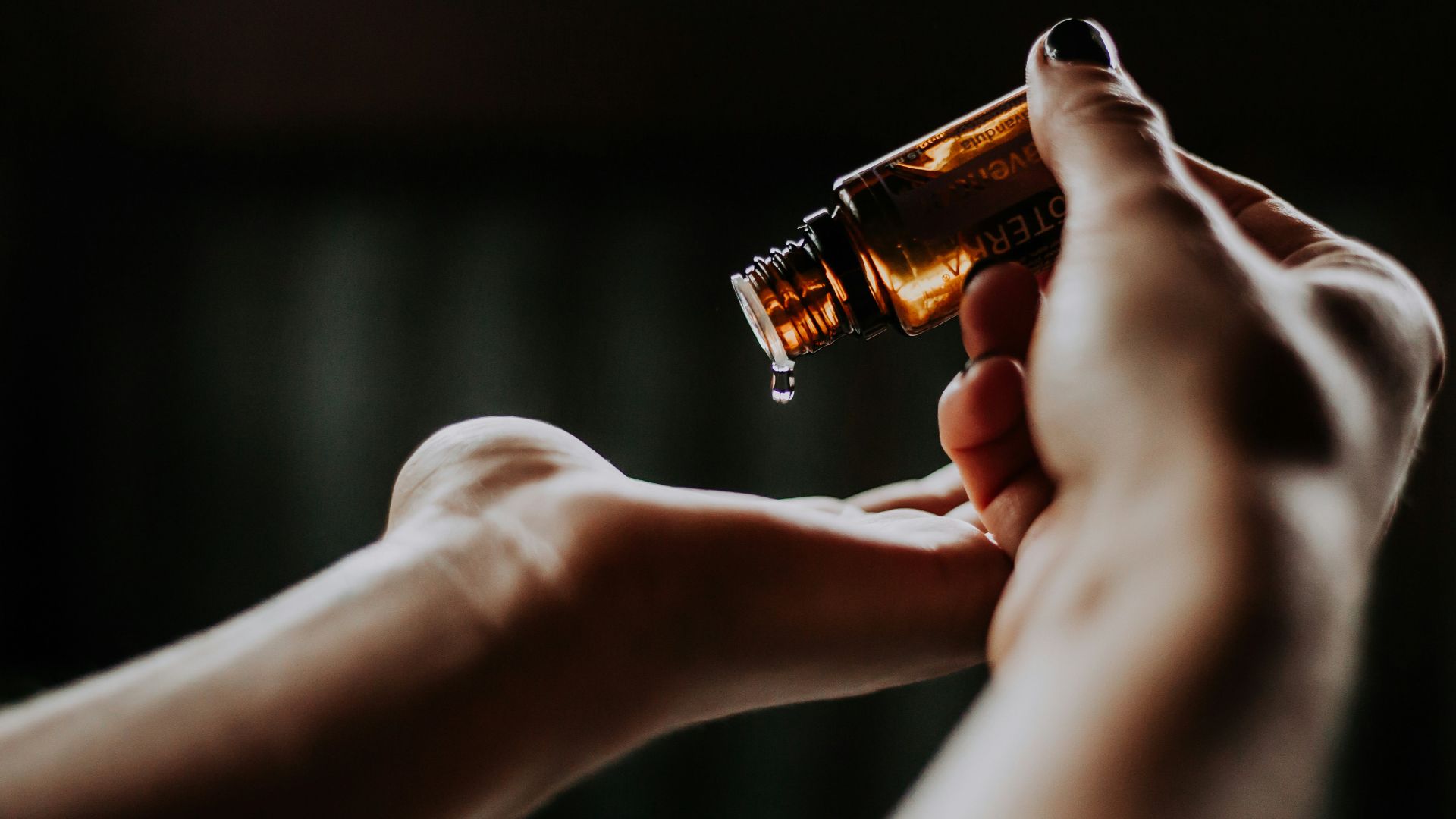
Instead of buying those cardboard trees that lose their scent in a few days, you can put a couple of drops of your favorite essential oil on a wooden clothespin. Clip the pin onto one of your air vents, and the flow of the heater or A/C will naturally distribute the aroma throughout the cabin. It’s a much more customizable and long-lasting way to keep your car smelling great for just pennies per month.