20 Classic Cars That Cost More to Restore Than They’ll Ever Be Worth
Some Projects Make More Sense With Your Heart Than Your Wallet
Restoring an old car is rarely a brilliant financial decision, with restorations often costing more than the finished vehicle can sell for. The problem becomes especially obvious with classics that are inexpensive to buy but still require the same costly paintwork, upholstery, rust repair, chrome, and labor as something far more collectible. That doesn't make these cars bad projects, since sentimental value and sheer enjoyment can justify plenty of questionable spending. Still, if you're hoping to recover every dollar you put into one, these 20 cars can make that goal very difficult.
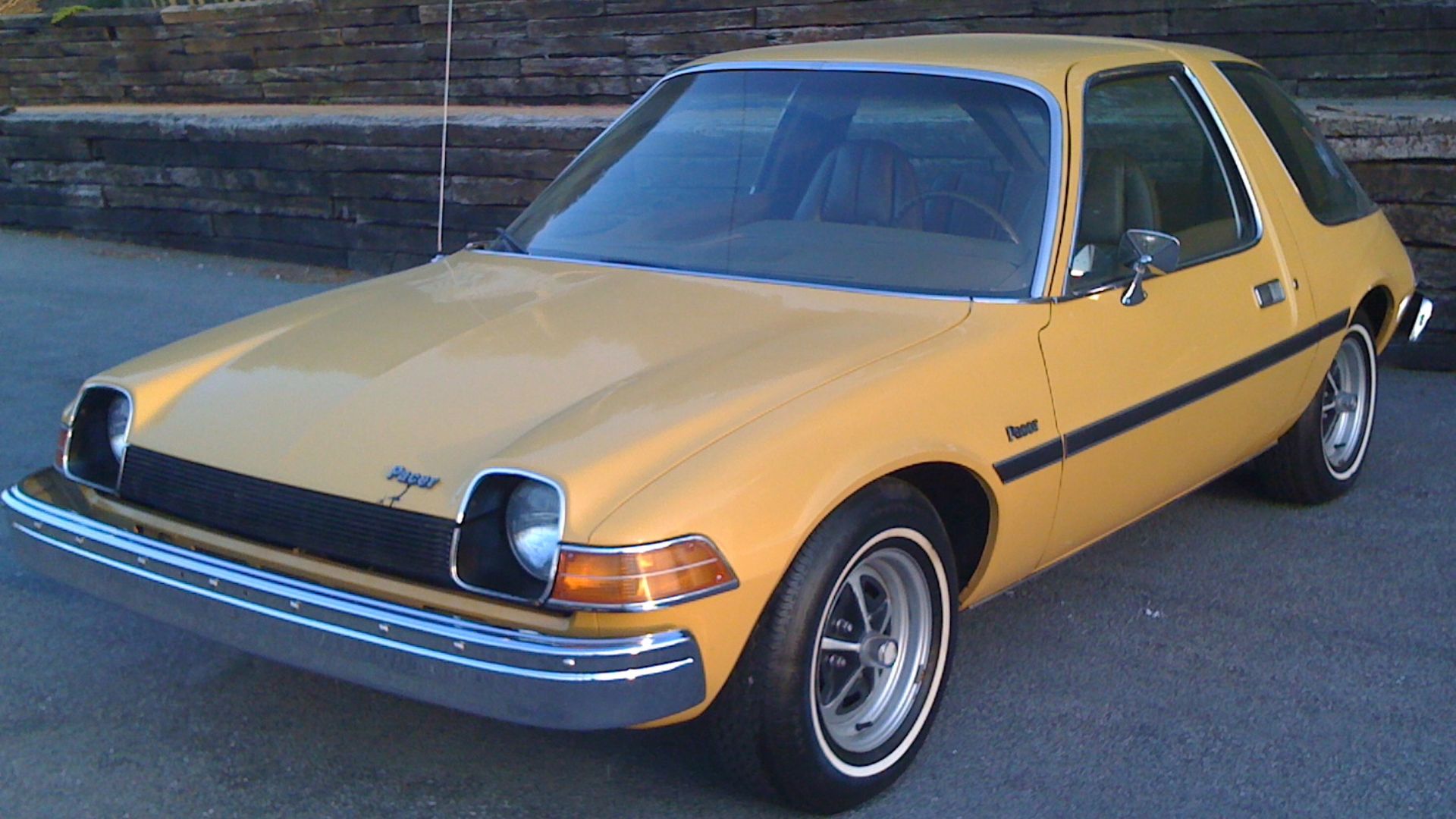
1. AMC Pacer
The Pacer's oddball styling has earned it considerably more affection than it received when new, but affection hasn't necessarily translated into huge prices. Fixing extensive rust, recreating the interior, and replacing that enormous curved glass can turn a cheap project into an expensive one surprisingly fast. Unless you've found an unusually special example, buying a nice Pacer is usually cheaper than creating one.
 CZmarlin — Christopher Ziemnowicz on Wikimedia
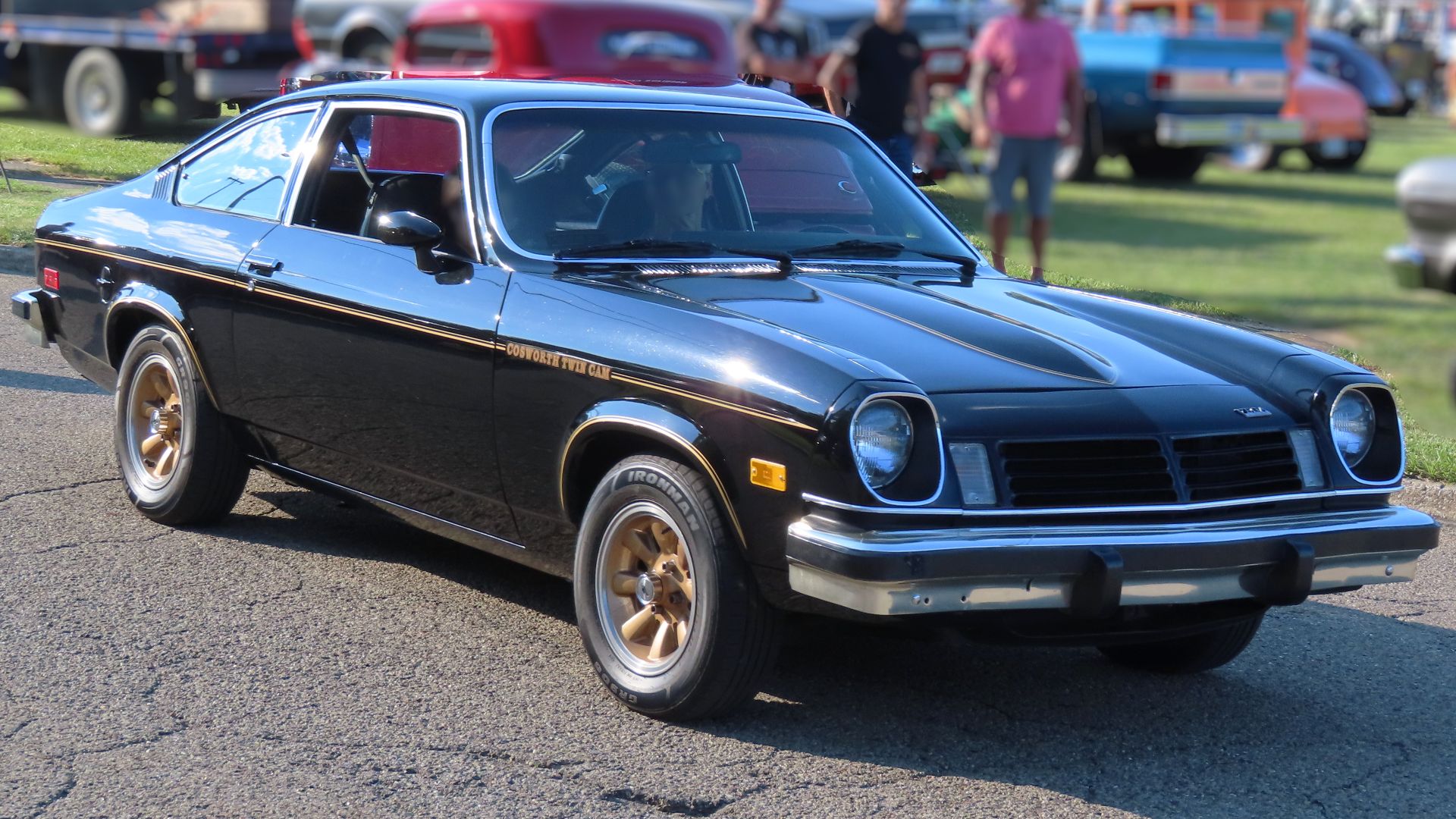
2. Chevrolet Vega
A neglected Vega can look temptingly inexpensive until you start investigating what's underneath the paint. Rust was famously unkind to these cars, and restoring one properly can involve substantial sheet-metal work before you've even touched the engine, suspension, or interior. Standard Vegas also don't command the money associated with more desirable Chevrolet performance cars.
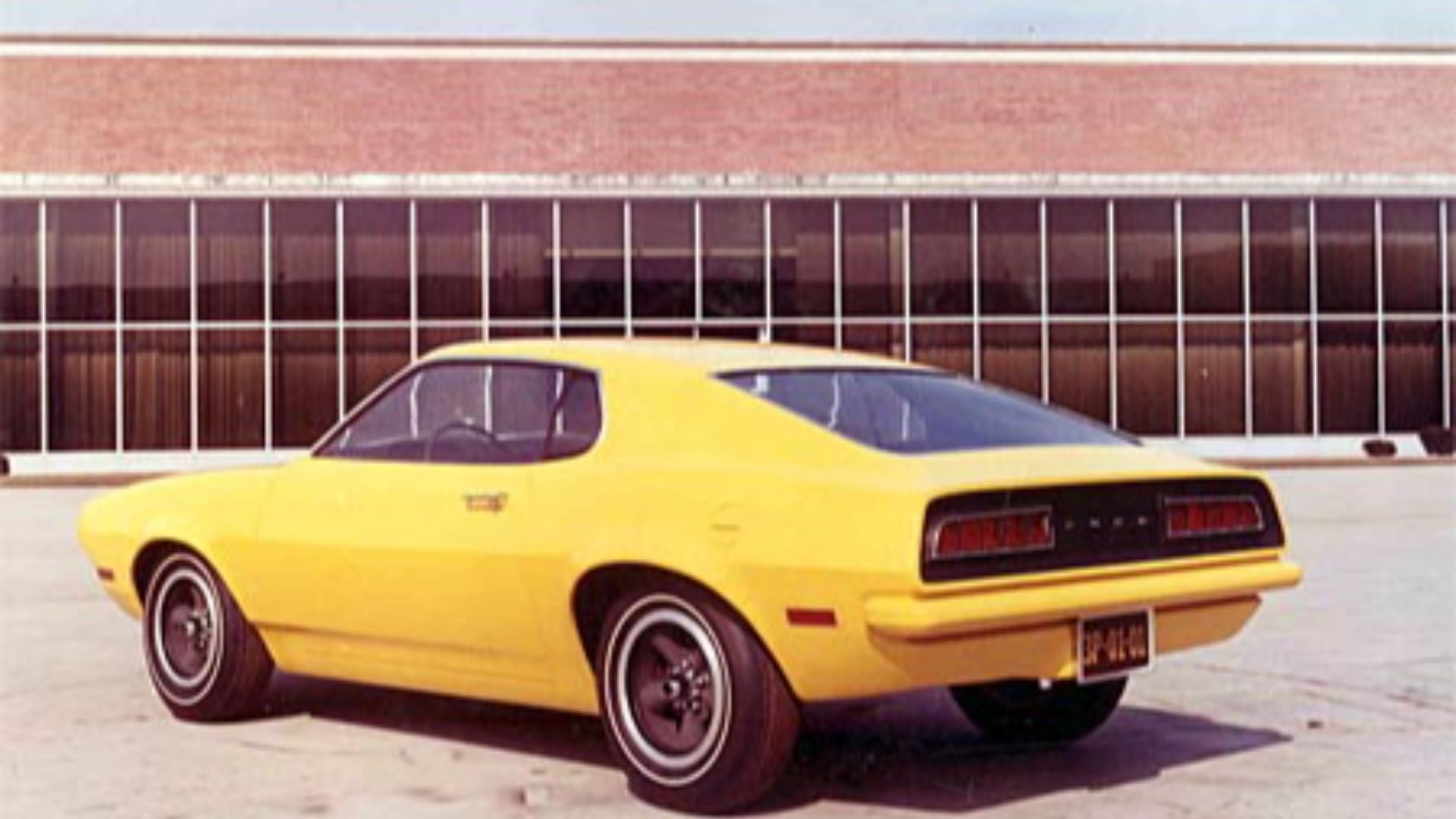
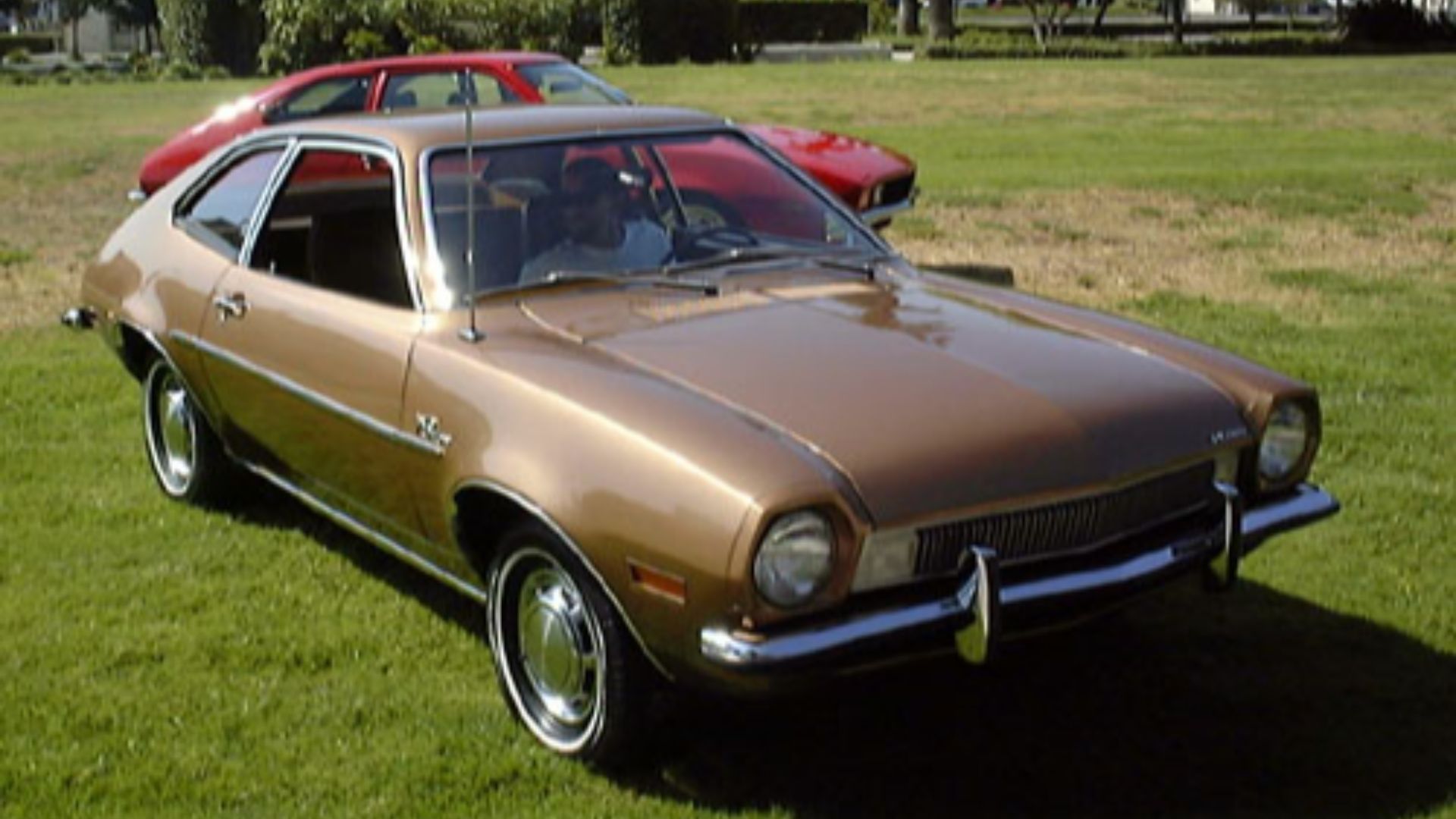
3. Ford Pinto
Pintos have become legitimate pieces of 1970s automotive history, but most haven't turned into big-ticket collectibles. A comprehensive restoration still requires paint, bodywork, upholstery, suspension components, weatherstripping, and countless little pieces that don't magically become cheaper because the finished car is a Pinto. Particularly rough bodies can erase the advantage of the low purchase price almost immediately.
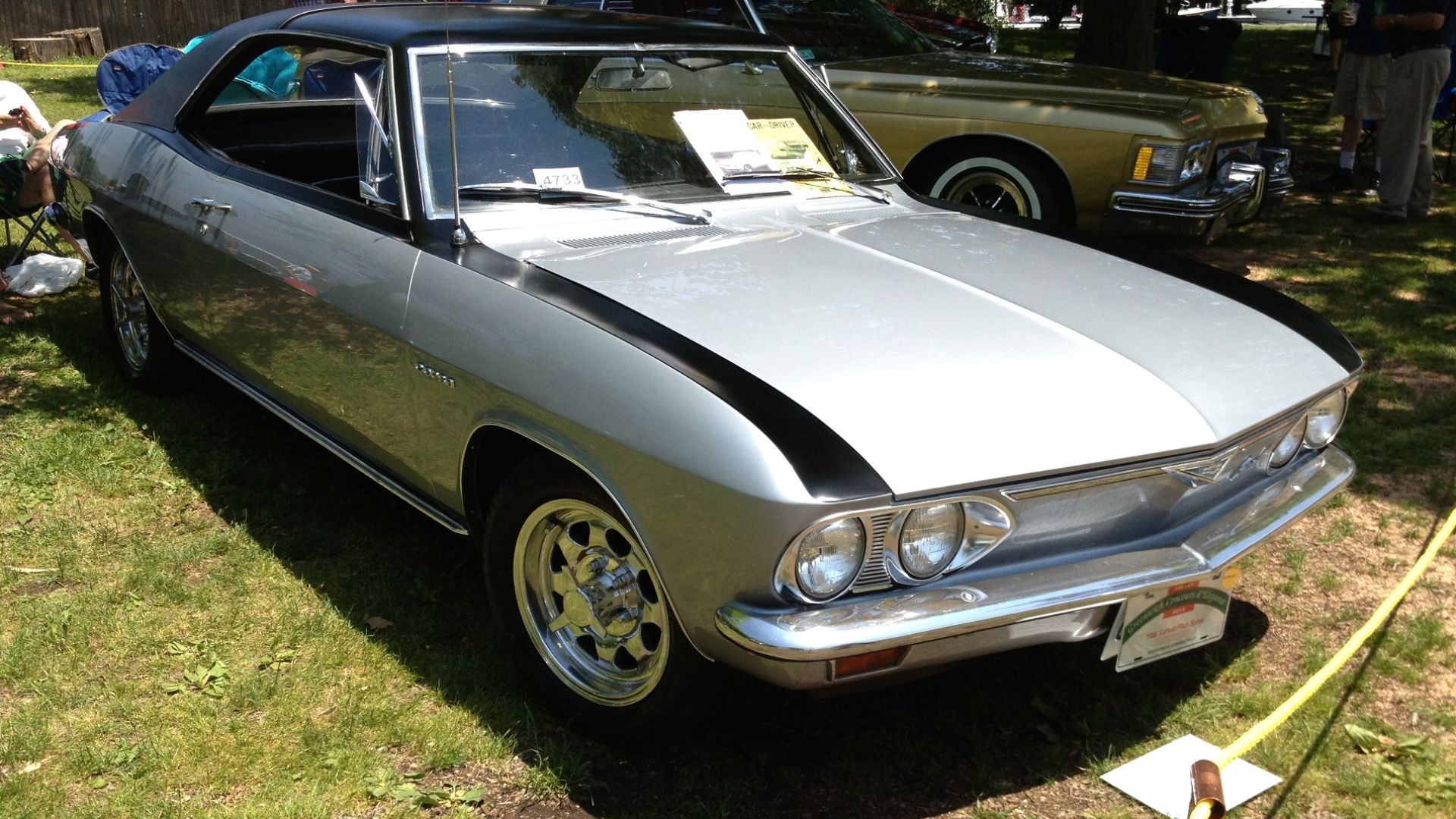
4. Chevrolet Corvair 500 Sedan
Certain Corvair Corsas, convertibles, and turbocharged cars have stronger collector appeal, but humble sedans are another story. Restoring the body, interior, suspension, and unusual air-cooled drivetrain of a neglected sedan can sail past the highest resale price before the car looks remotely finished. The basic four-door is interesting history, just not particularly forgiving restoration math.
5. AMC Gremlin
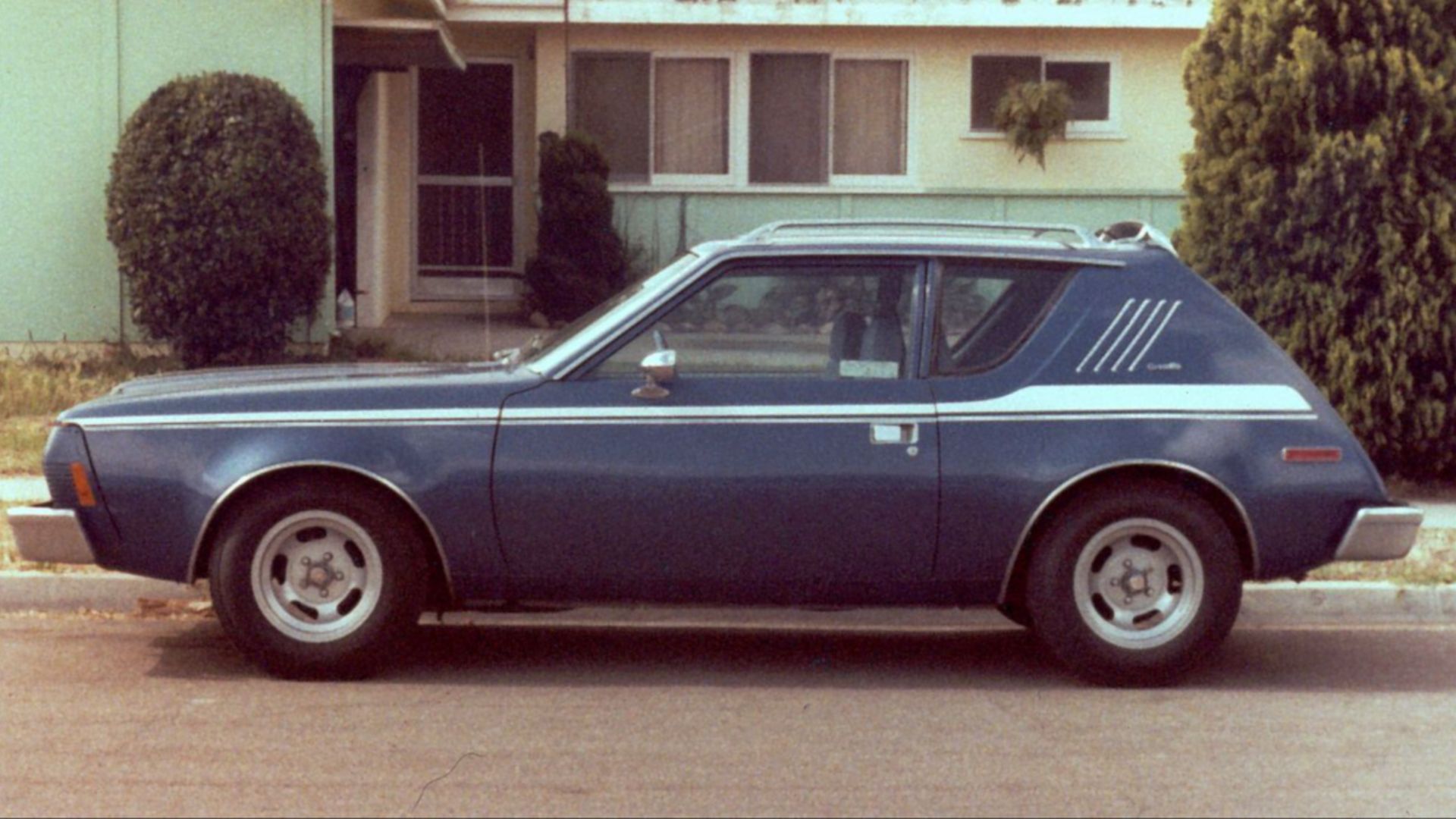
There's plenty to like about a Gremlin today, especially because few surviving classics look anything like it. Unfortunately, ordinary versions still occupy the affordable end of the collector market, while a professional paint job costs roughly the same whether it's being applied to a Gremlin or a much more valuable muscle car. Interior pieces and model-specific trim can add another layer of frustration when you're chasing originality.
 Users Interiot, Rsduhamel on Wikimedia
6. Triumph Spitfire 1500
The Spitfire provides classic British roadster fun without the prices attached to a Jaguar E-Type or Austin-Healey, which is both its greatest strength and its restoration problem. Labor-intensive rust repair, paint, upholstery, chrome, and an engine rebuild can quickly exceed what an average finished Spitfire commands. Its simple construction can help owners who do much of the work themselves, but professional labor changes the equation dramatically.

7. MGB
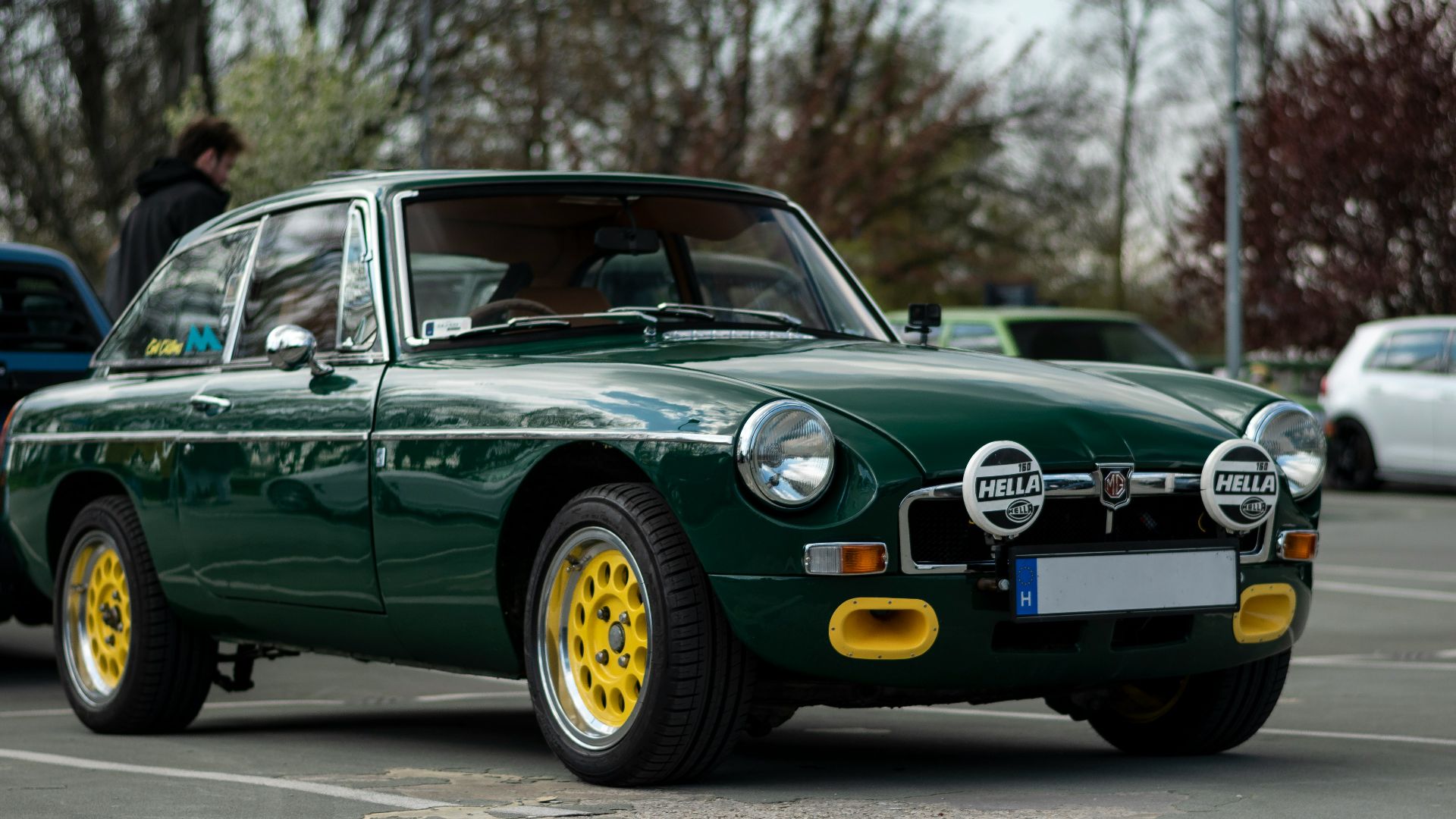
MGBs are plentiful, well supported, and charming, but those same qualities keep ordinary examples relatively affordable. Hagerty specifically notes that the MGB remains quite affordable and benefits from decades of production, which also makes it a sensible first restoration for someone doing much of the work personally. Hand a rusty example to professional restorers, however, and the bill can easily outrun the price of an already-good car.
8. Triumph TR7
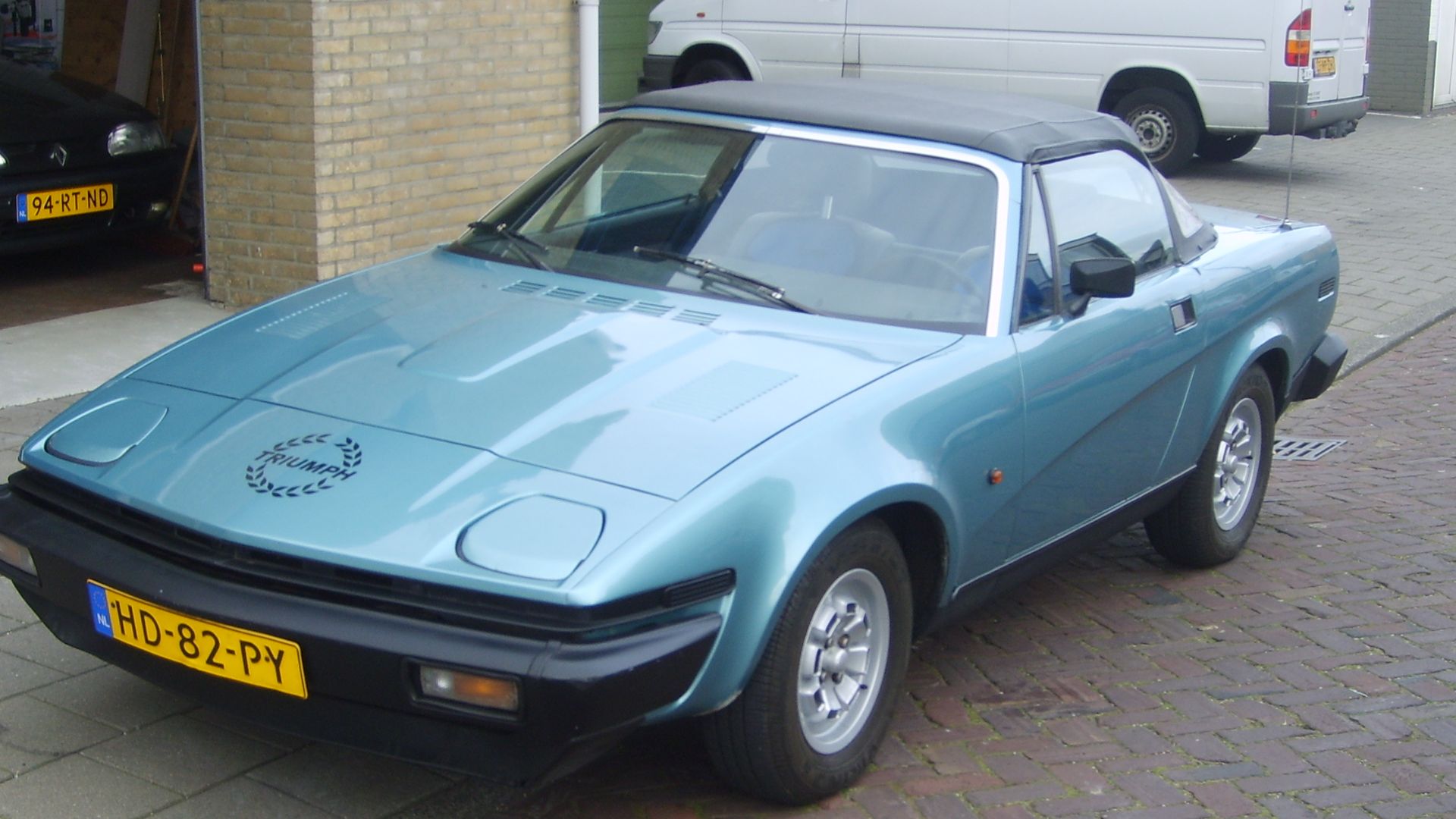
The TR7 doesn't have the market strength of the TR6 that preceded it, even though restoring either car requires plenty of expensive hours. Rust can affect structural areas, neglected electrical systems take patience to sort out, and interiors are hardly improved by decades of sun and moisture. Once body and paint work enter the equation, that cheap wedge-shaped project no longer looks like the economical choice.
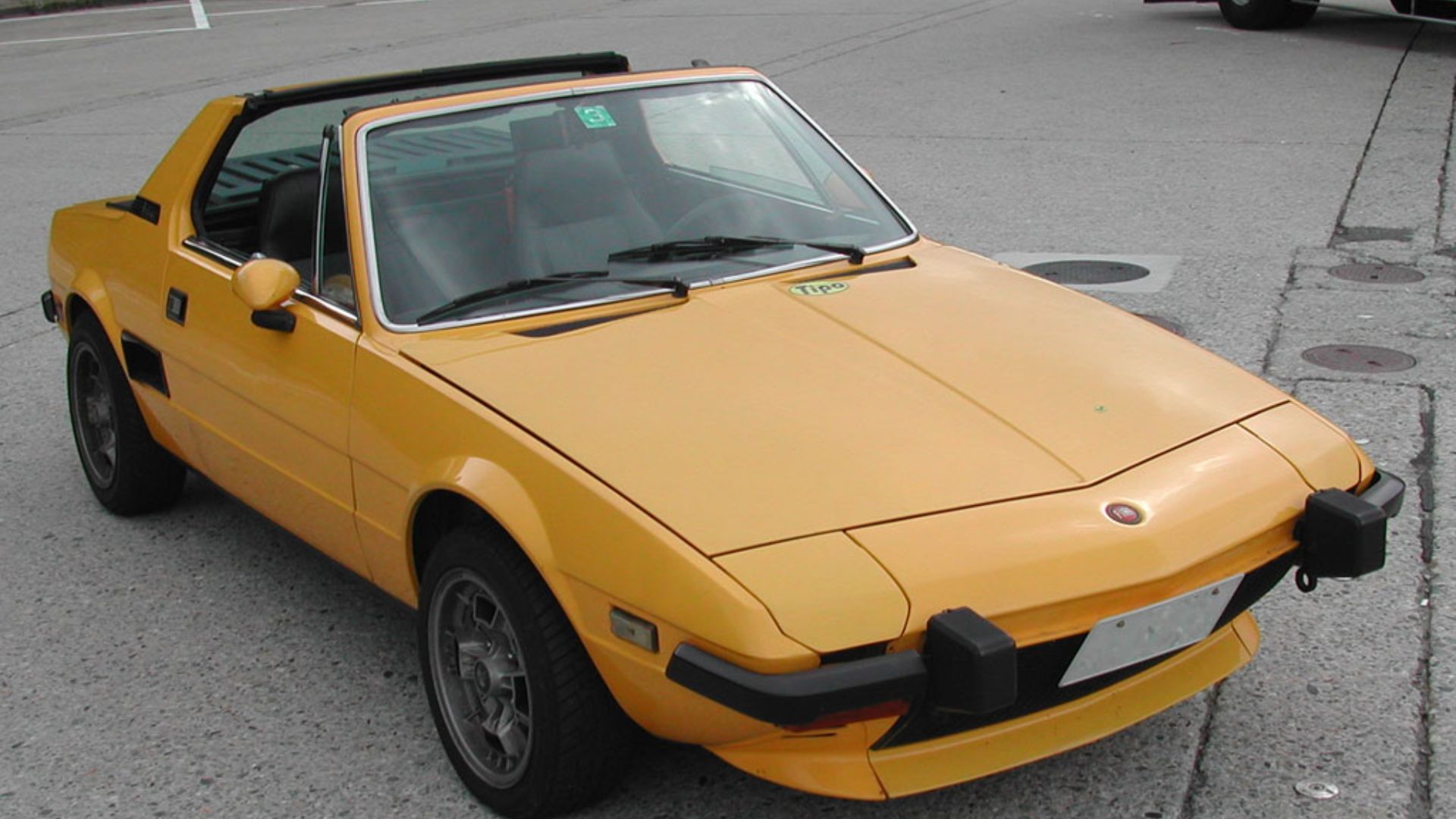
9. Fiat X1/9
A tiny mid-engine Italian sports car certainly sounds valuable, but the X1/9 remains one of the more accessible ways into classic-car ownership. Hagerty calls it one of the most affordable entry points into the hobby while also warning buyers to watch carefully for rust. That's exactly why restoring a badly corroded example can become a trap, since complicated body repairs can overwhelm its finished value.
10. Studebaker Lark Four-Door
The Lark helped Studebaker compete in the compact market, but ordinary four-door versions never gained the collector following enjoyed by the company's more aesthetic coupes and performance models. Restoring one still means paying for proper paint, replating chrome, rebuilding mechanical components, and tracking down pieces from a manufacturer that disappeared decades ago. None of those bills care that you're working on the least desirable body style.
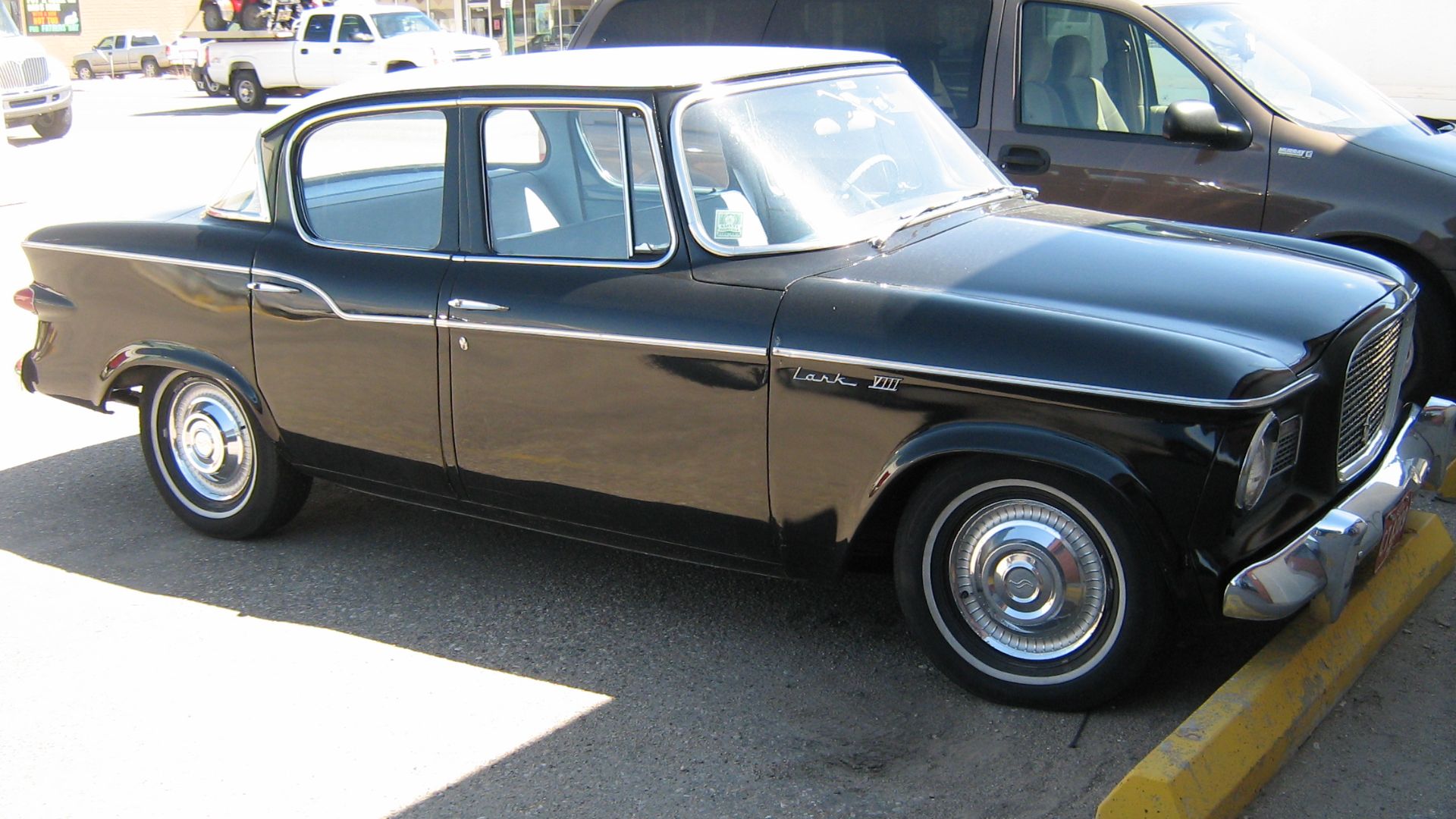 dave_7 from Lethbridge, Canada on Wikimedia
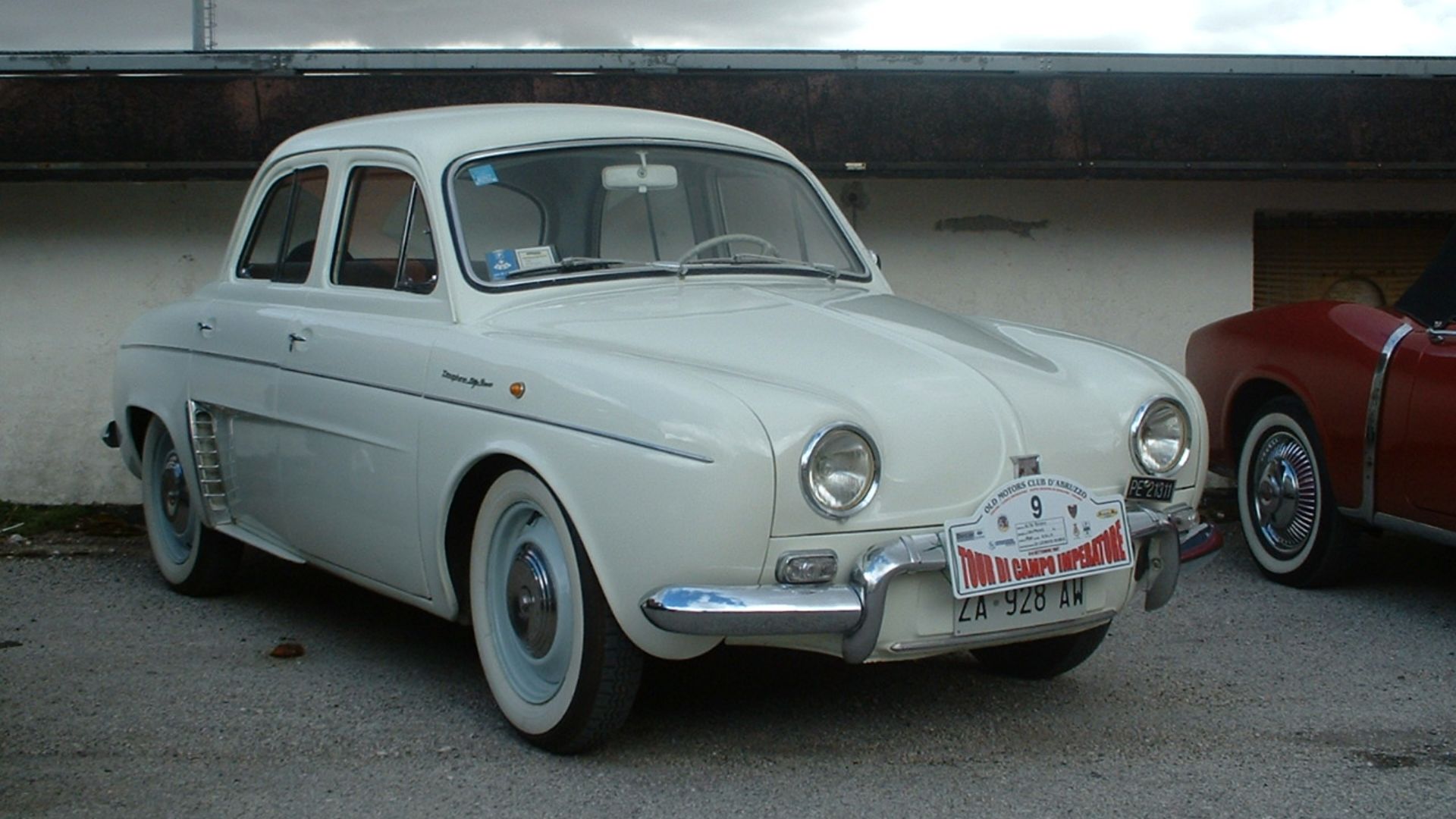
11. Renault Dauphine
Finding a Dauphine today can feel like discovering something genuinely rare, but rarity alone doesn't guarantee value. These little French sedans had a reputation for corrosion, and sourcing certain trim or model-specific pieces in North America can turn a simple restoration into a prolonged hunt. Add professional rust repair and paint, and you've suddenly invested heavily in a car with a fairly small buyer pool.
12. Plymouth Volaré
The Volaré represents a very particular slice of late-1970s American motoring, but ordinary sedans haven't become major collectibles just because they're getting scarce. Rust, deteriorated vinyl interiors, missing trim, and decades-old mechanical systems can demand thousands of dollars individually if you're chasing a factory-fresh result. Meanwhile, survivors can still be purchased without the premium attached to earlier Mopar muscle.
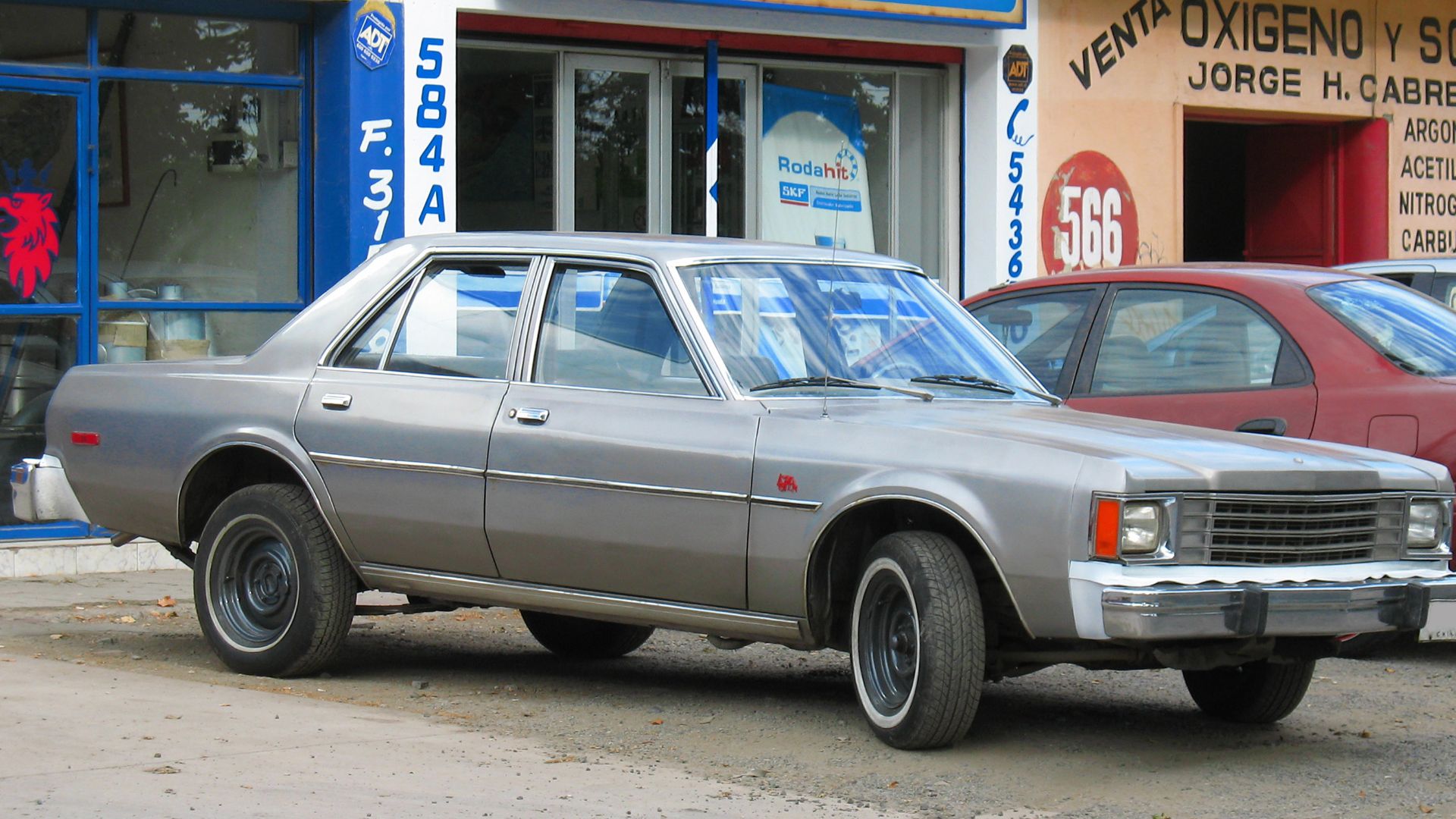 order_242 from Chile on Wikimedia
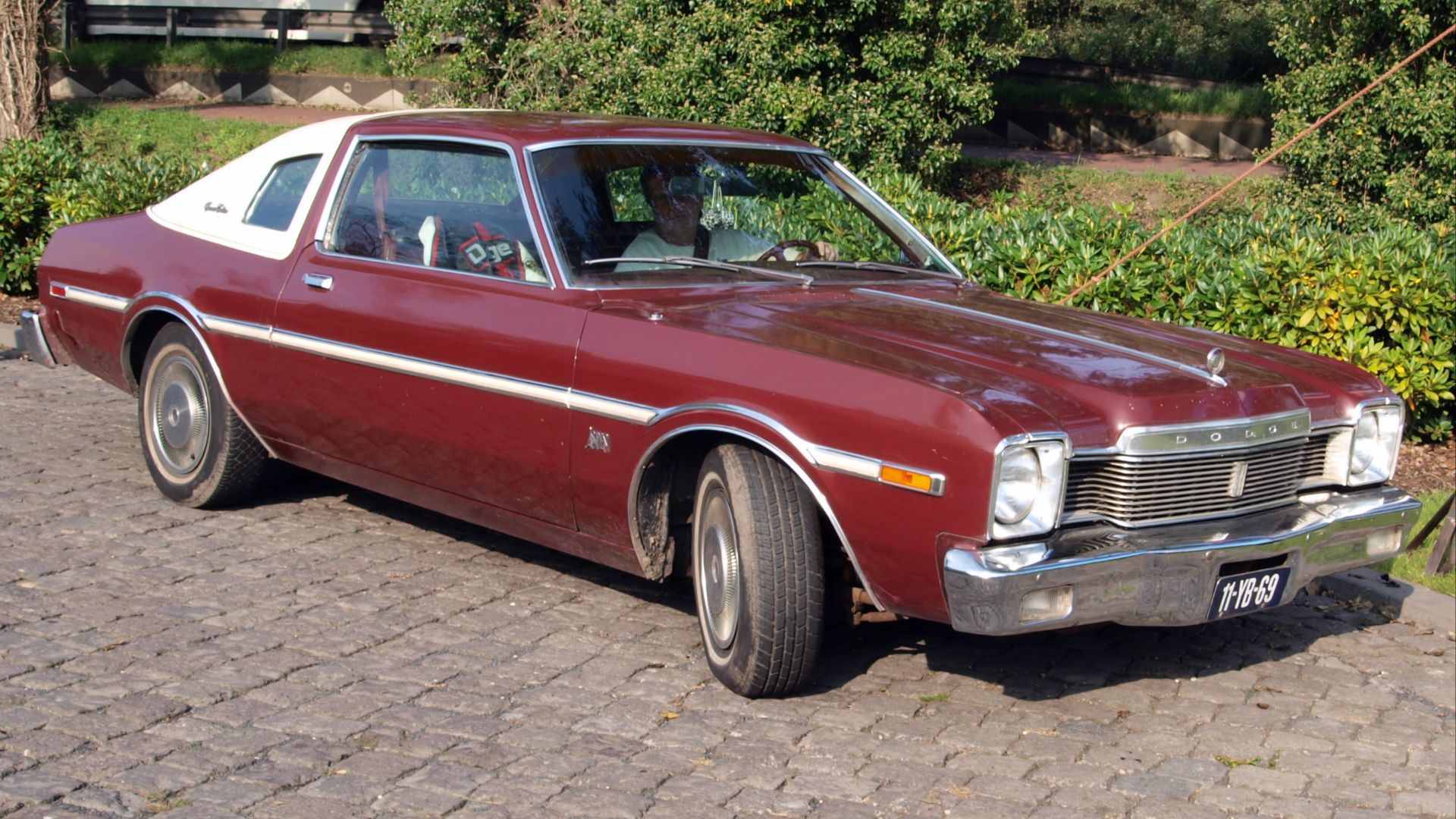
13. Dodge Aspen
Like its Plymouth Volaré sibling, the Aspen is far more interesting historically than the collector market has traditionally suggested. Performance-oriented versions have their fans, but a basic sedan or six-cylinder coupe can consume an unreasonable restoration budget relative to its value. Bodywork is the dangerous part because structural rust doesn't disappear just because you bought the car for next to nothing.
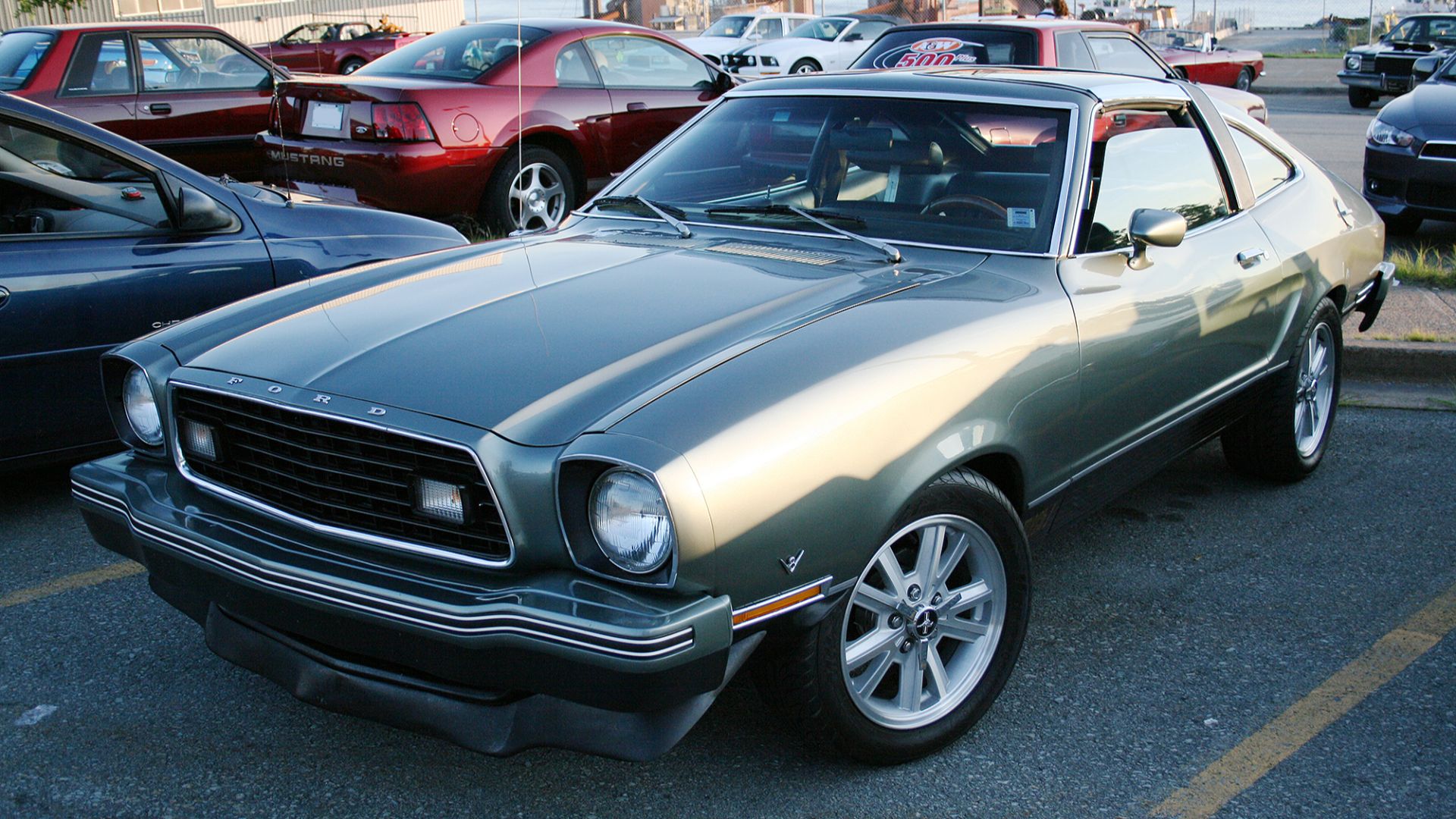
14. Ford Mustang II
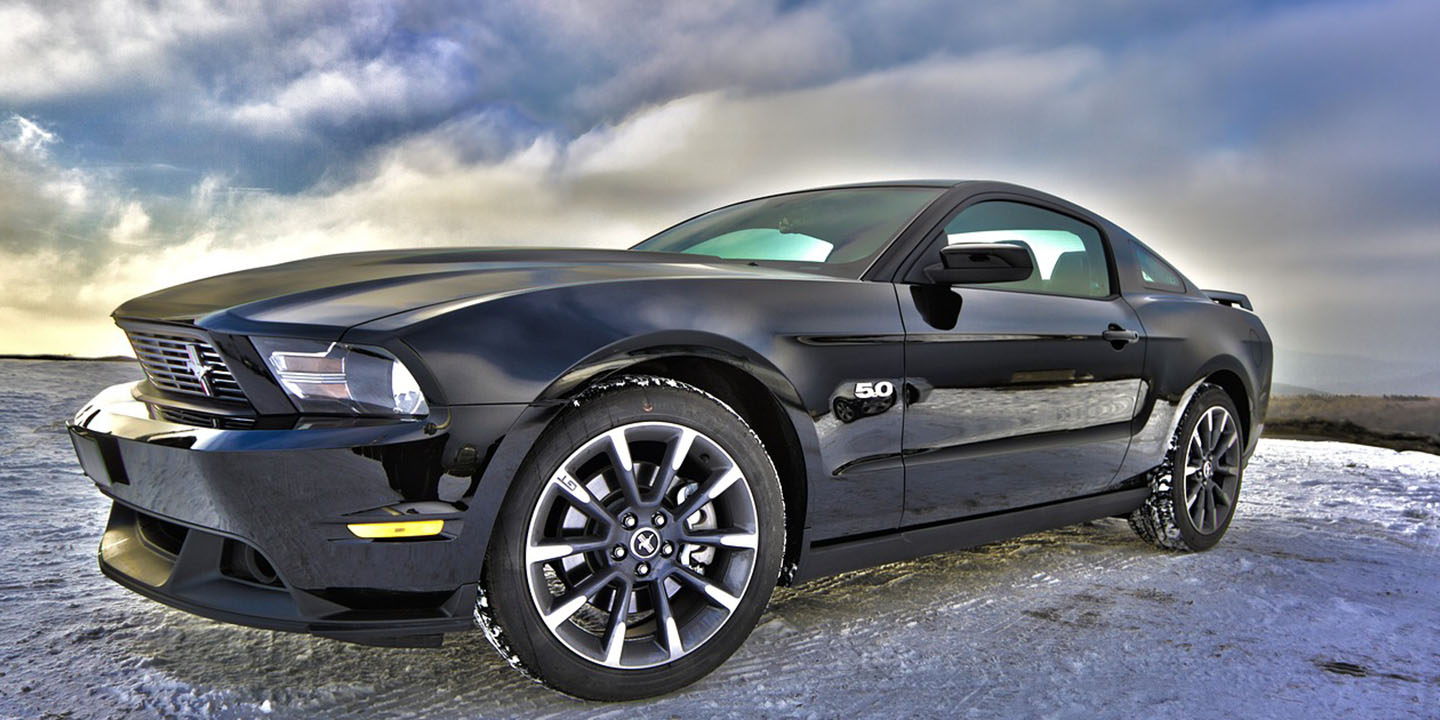
Having "Mustang" on the decklid doesn't automatically produce first-generation Mustang prices. Although interest in the Mustang II has increased, standard coupes and less desirable configurations generally remain affordable enough that a complete professional restoration can be difficult to justify. Fixing corrosion, refreshing aging interiors, and returning all that 1970s trim to showroom condition isn't necessarily cheap.
15. Mercury Bobcat
If restoring a Pinto can be questionable financially, doing essentially the same thing with its less famous Mercury relative can be even harder to rationalize. Bobcats are uncommon today, but their scarcity hasn't created an enormous collector market. Model-specific grille, trim, badges, and interior components can be annoyingly difficult to locate even when mechanical parts aren't.
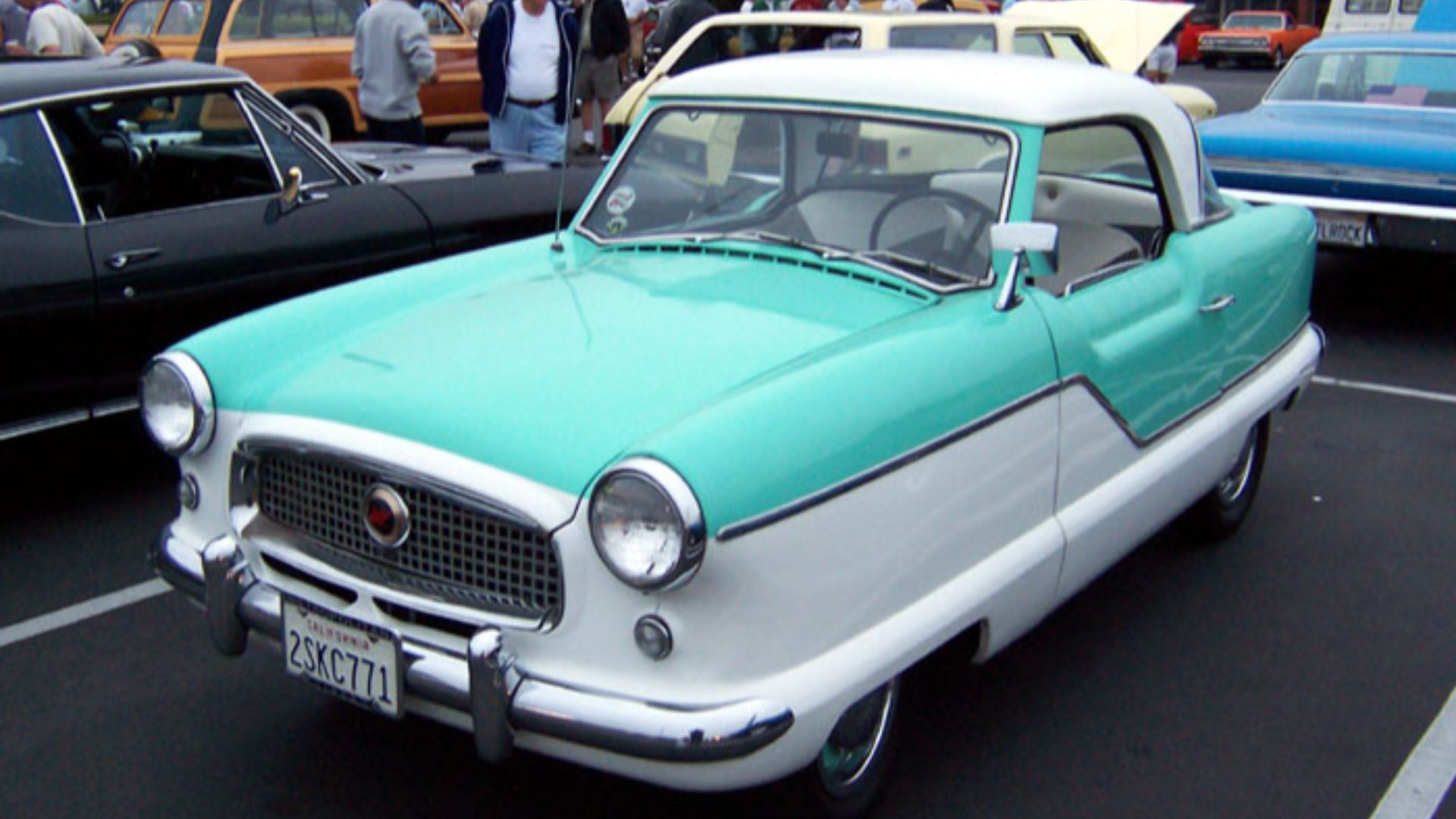
16. Nash Metropolitan
The Metropolitan is cute, recognizable, and small enough to make a restoration look deceptively manageable. However, all of its chrome, two-tone paintwork, upholstery, rubber, and rust-prone body panels require real money to put right, while finished cars remain relatively attainable. You're usually better off paying extra for one whose previous owner already handled the expensive cosmetic work than buying a rough one and putting the money in yourself.
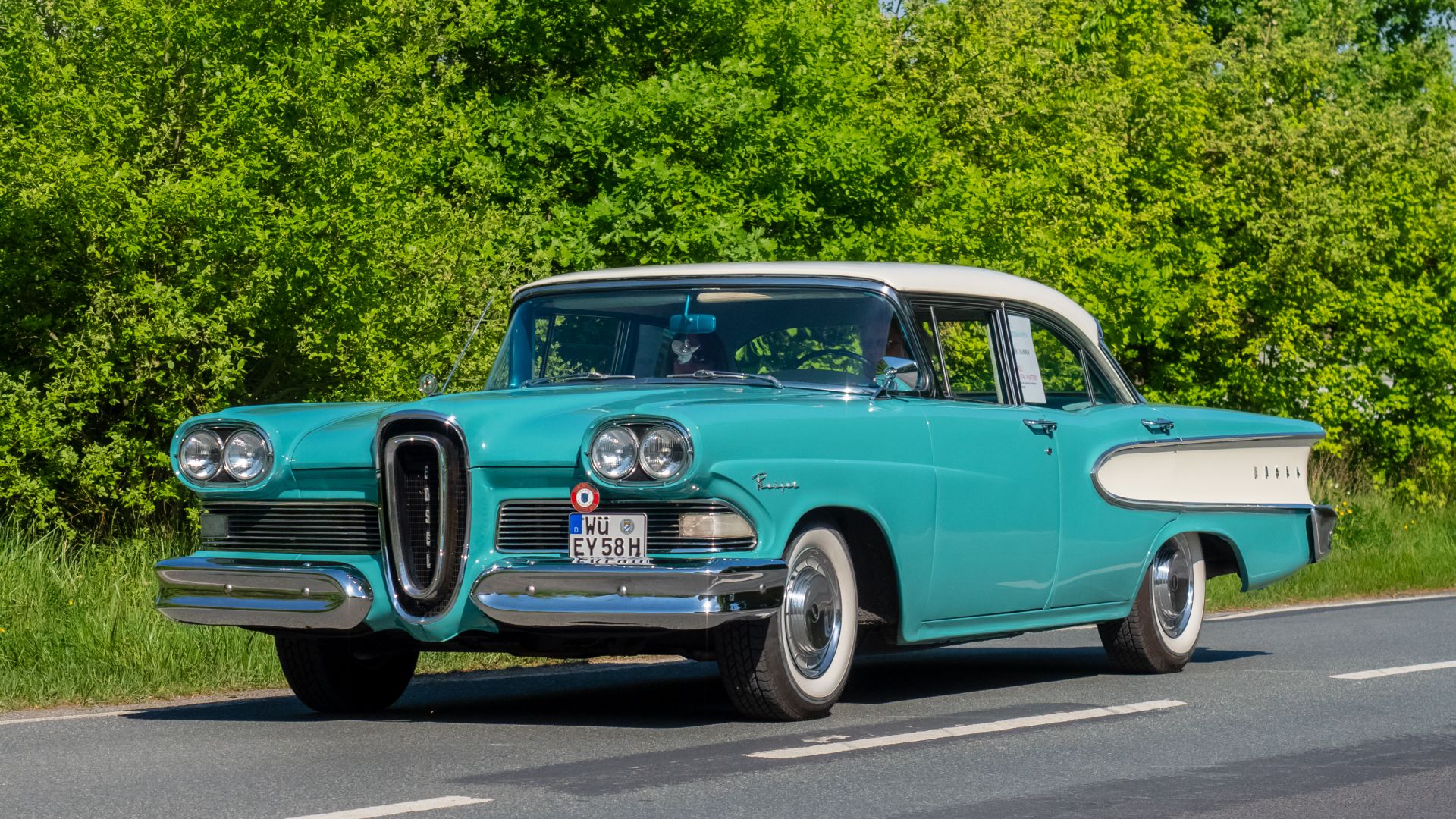
17. Edsel Ranger Sedan
An Edsel's reputation and unmistakable styling make it fascinating, but not every Edsel carries the same value. A basic Ranger sedan can demand extensive chrome work, upholstery, body repair, and hard-to-source Edsel-specific decorative pieces without gaining the value of rarer convertibles or higher-end models. The car's relatively short production history can make seemingly insignificant missing parts especially irritating.
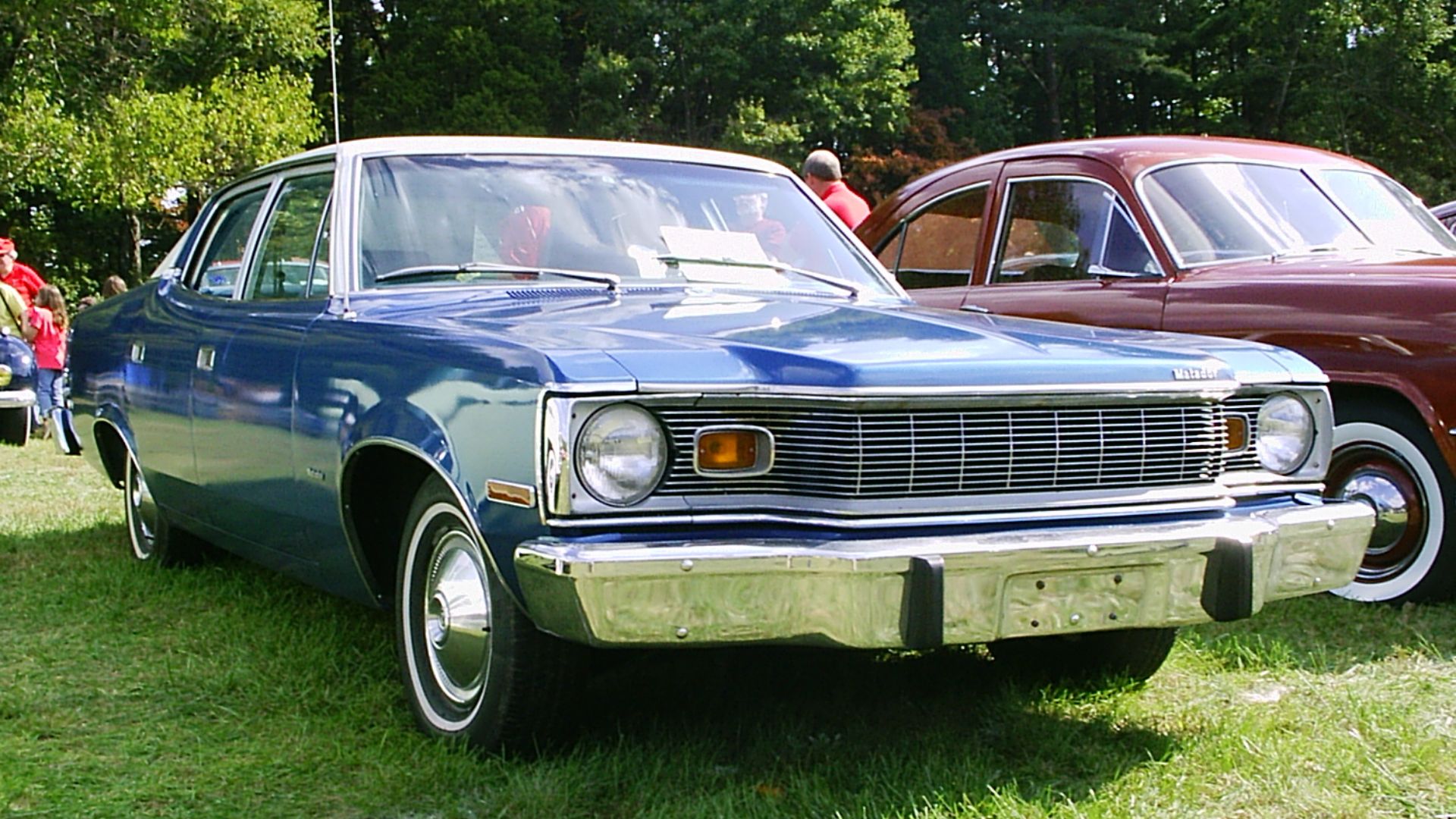
18. AMC Matador Sedan
The Matador's name has become more familiar to enthusiasts, yet the big four-door versions still lack the broad appeal of traditional American muscle. A deteriorated example can need acres of bodywork and paint, a complete interior, vinyl-top repairs, and plenty of mechanical attention simply because there's so much car to restore. Special coupes and unusual versions can be more desirable, but that doesn't rescue the economics of every sedan.
 CZmarlin — Christopher Ziemnowicz on Wikimedia
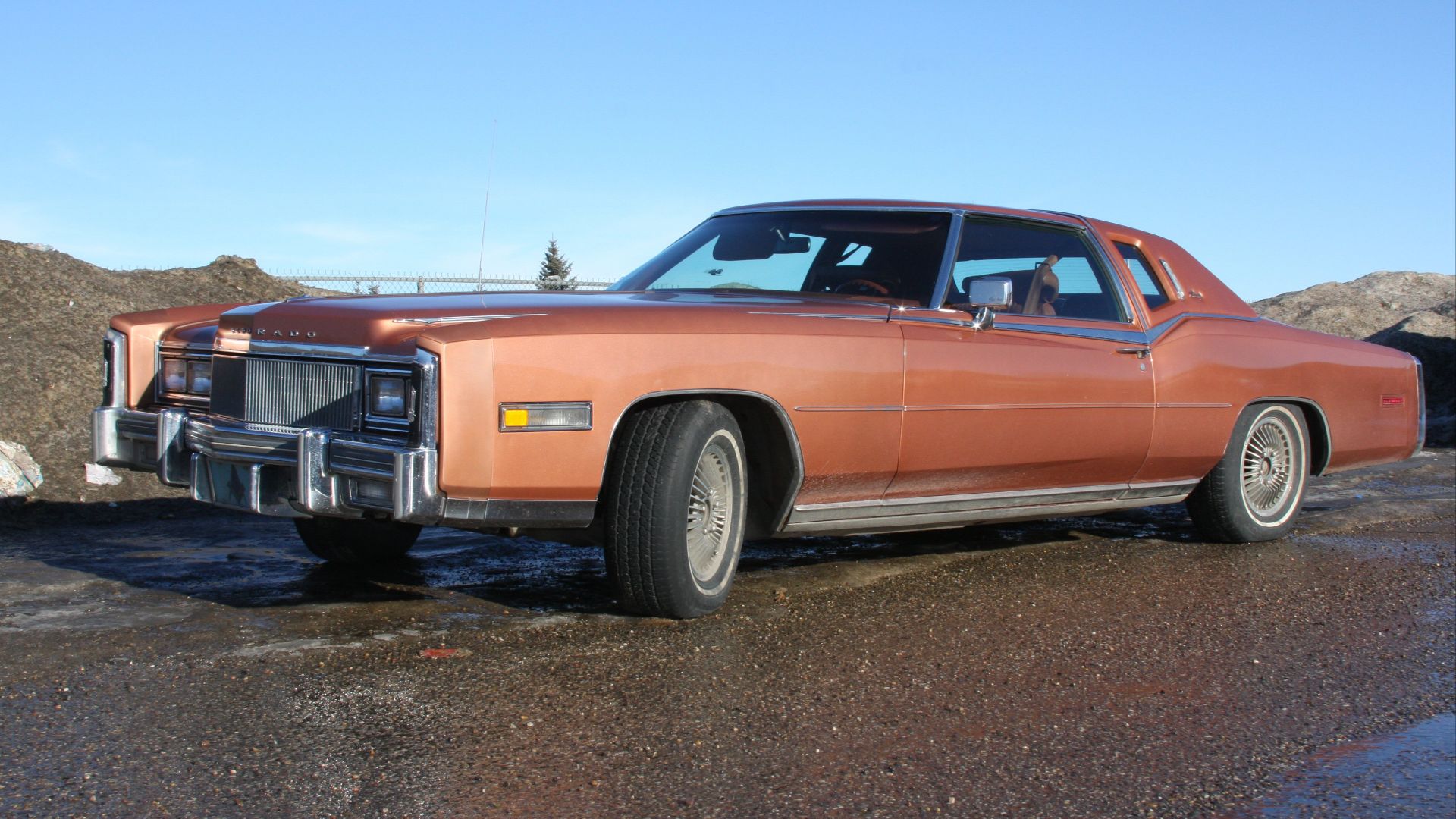
19. 1970s Cadillac Eldorado
A giant 1970s Eldorado delivers an impressive amount of Cadillac for surprisingly reasonable money, until you try returning a neglected one to showroom condition. Leather, woodgrain trim, intricate accessories, chrome, vinyl tops, enormous body panels, and complicated front-wheel-drive mechanicals provide countless opportunities to spend. Ordinary examples don't usually have the six-figure values necessary to absorb a cost-no-object rebuild.
20. Lincoln Continental Mark IV
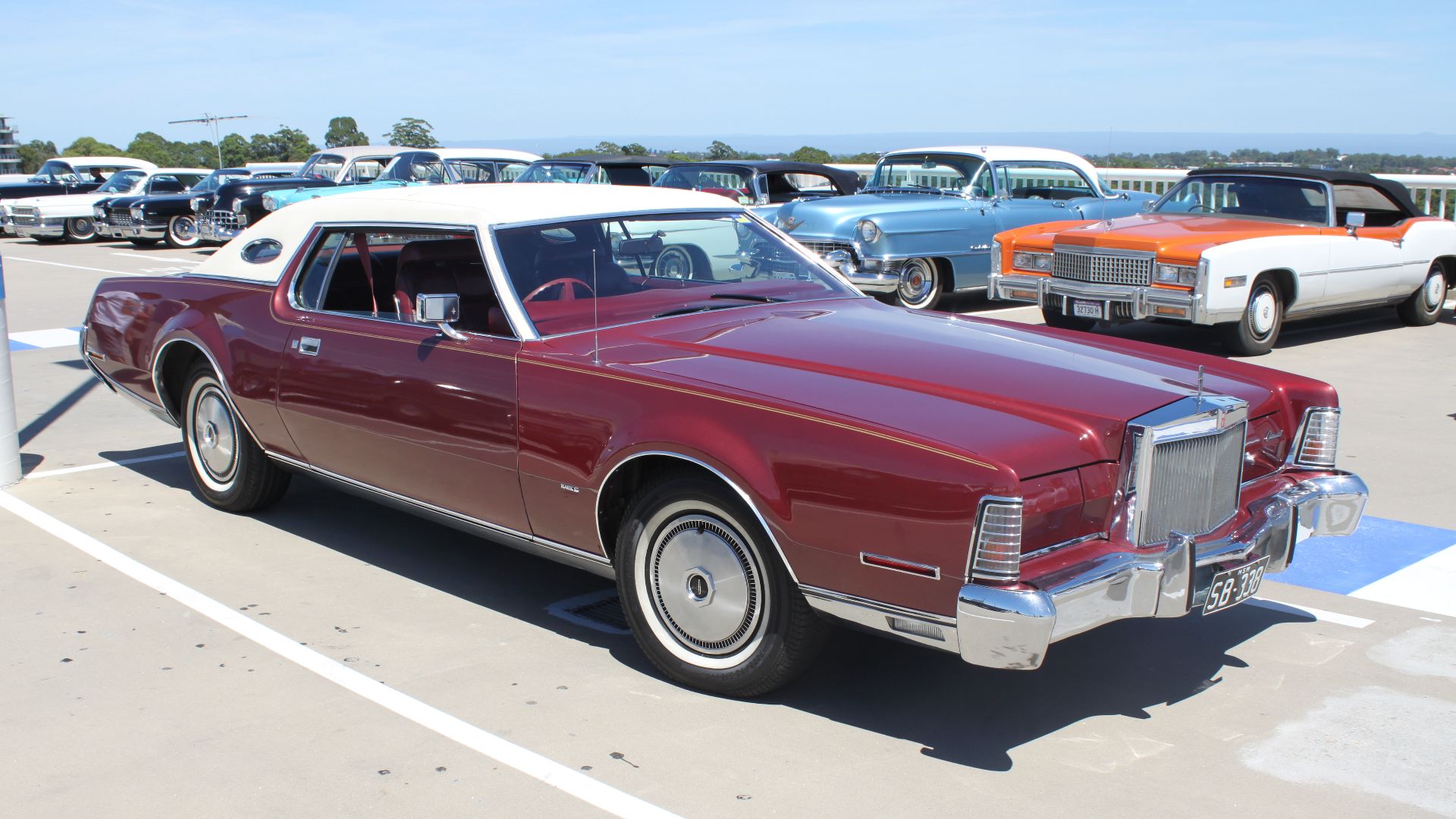
The Mark IV was an expensive luxury statement when new, so bringing a shabby one back properly means recreating an expensive luxury car rather than simply fixing an old Ford. Its vast paintwork, plush interior, vinyl roof, chrome, hidden headlights, accessories, and model-specific trim can pile thousands onto the restoration bill. Even though clean examples are increasingly appreciated, there's still a ceiling on what most buyers will pay for one.