
Some Cars Were Born From Very Strange Ideas
The most interesting cars usually didn't begin as neat little product-planning exercises. Some were created because a country needed cheap transportation, a company needed saving, an executive wanted revenge, or an engineer refused to let a good idea die. A few started as practical solutions and accidentally became cultural icons, while others were built because someone thought the car world had become too boring. These 20 origin stories prove that great cars aren't always born from calm meetings and sensible spreadsheets.
1. Volkswagen Beetle
The Volkswagen Beetle began as a “people’s car” project in 1930s Germany. Ferdinand Porsche and his team developed a simple, affordable, rear-engined car that ordinary families were supposed to buy. World War II interrupted civilian production, but the design survived and became a global postwar success. Its cheerful later image is especially striking because its origins were tied to a much darker political moment.

2. Citroën 2CV
The Citroën 2CV was created for rural France, and its brief was wonderfully specific. It needed to carry farmers, goods, and even eggs across rough fields without breaking them. Development began before World War II, but the car was hidden from occupying forces and finally launched after the war.
3. Mini
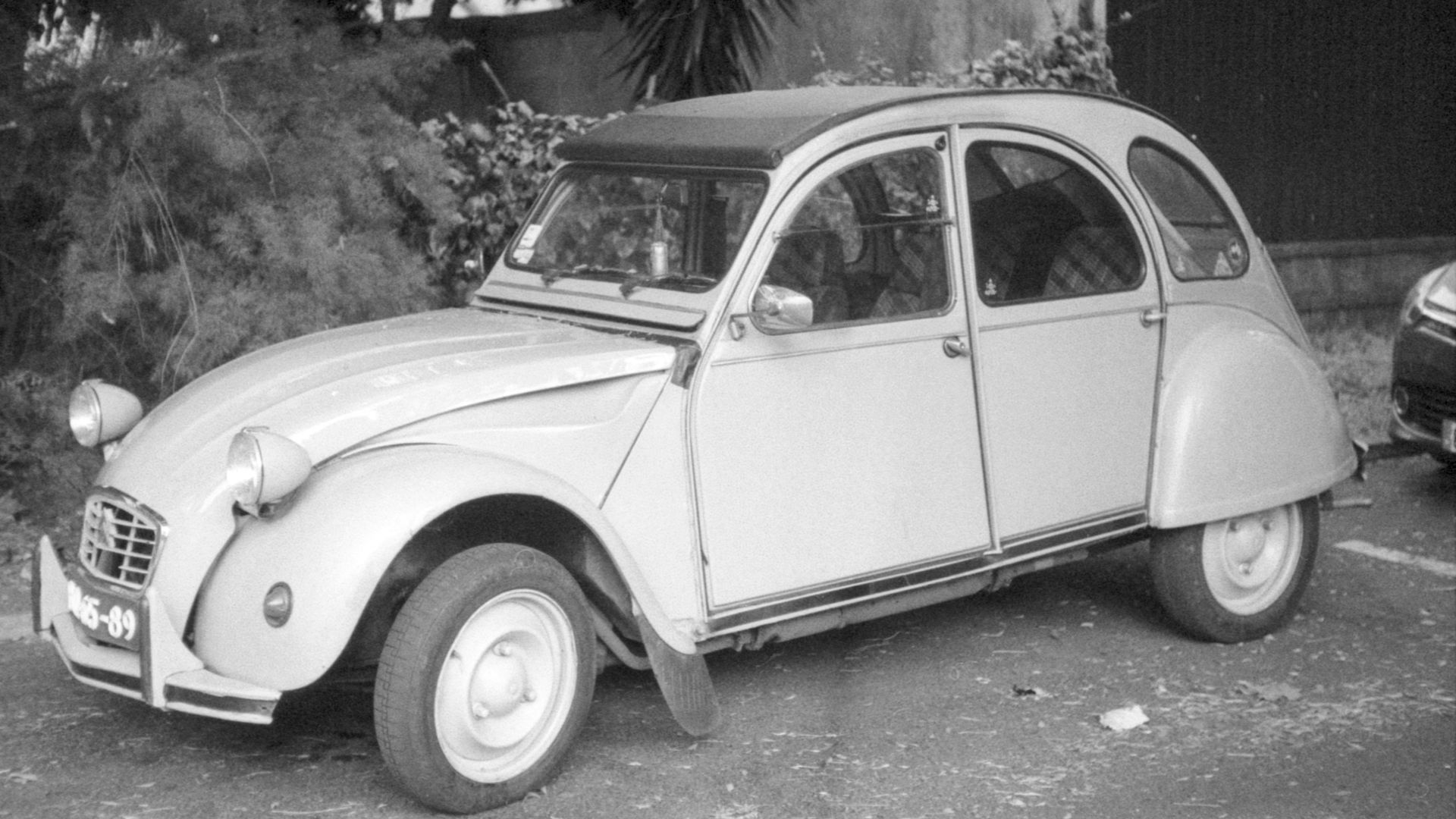
The original Mini was born from a fuel crisis and a need for extreme efficiency. British Motor Corporation wanted a small car that could fit four people while using very little space. Alec Issigonis answered with a tiny front-wheel-drive design that pushed the wheels to the corners and turned packaging into an art form.
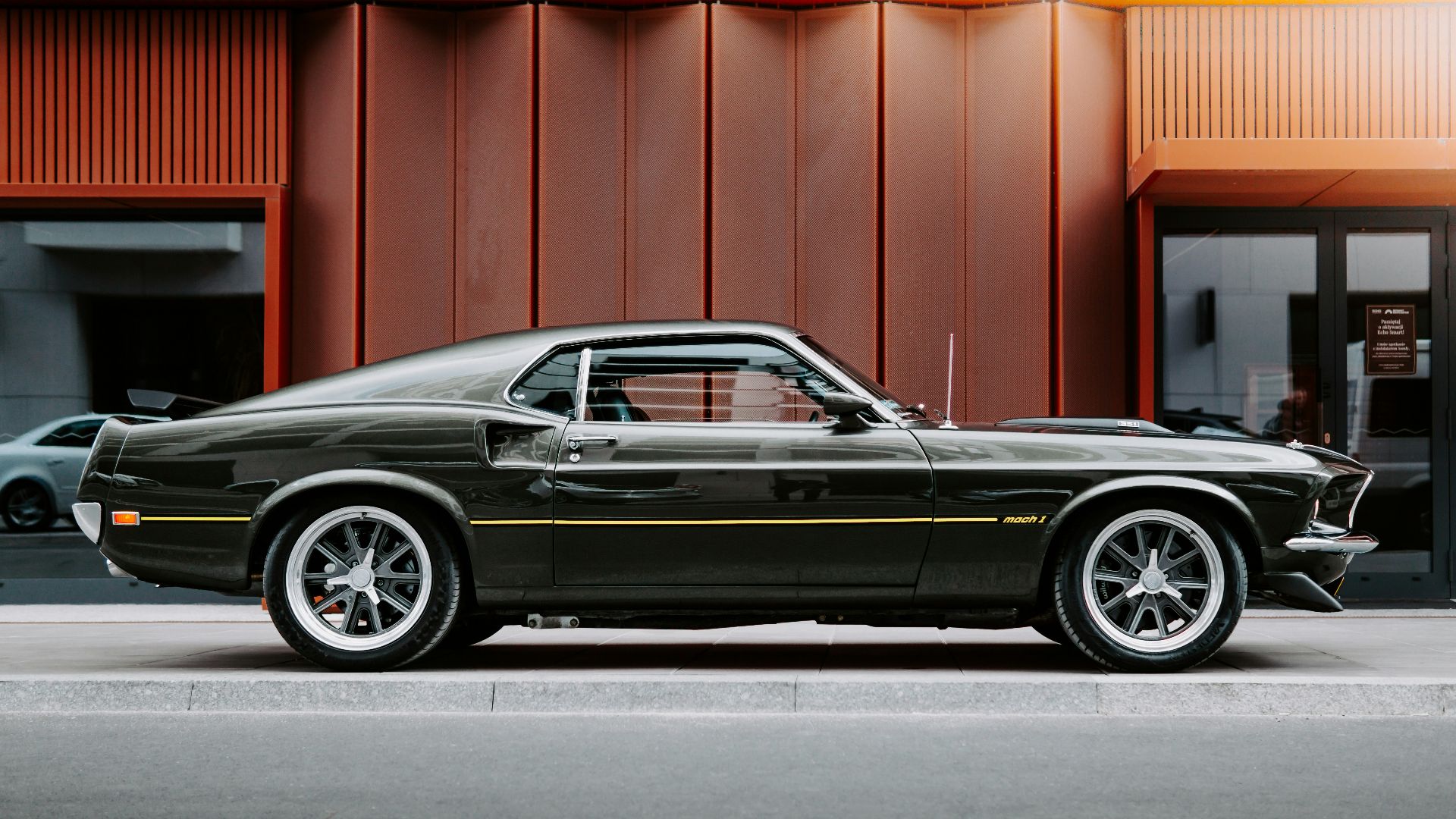
4. Ford Mustang
The Ford Mustang came from the idea that young buyers wanted something sportier, stylish, and still affordable. Lee Iacocca and his team helped push a car that borrowed ordinary Ford parts but wrapped them in a much more exciting shape. The Mustang did not just create a hit car; it helped define the whole pony car category.
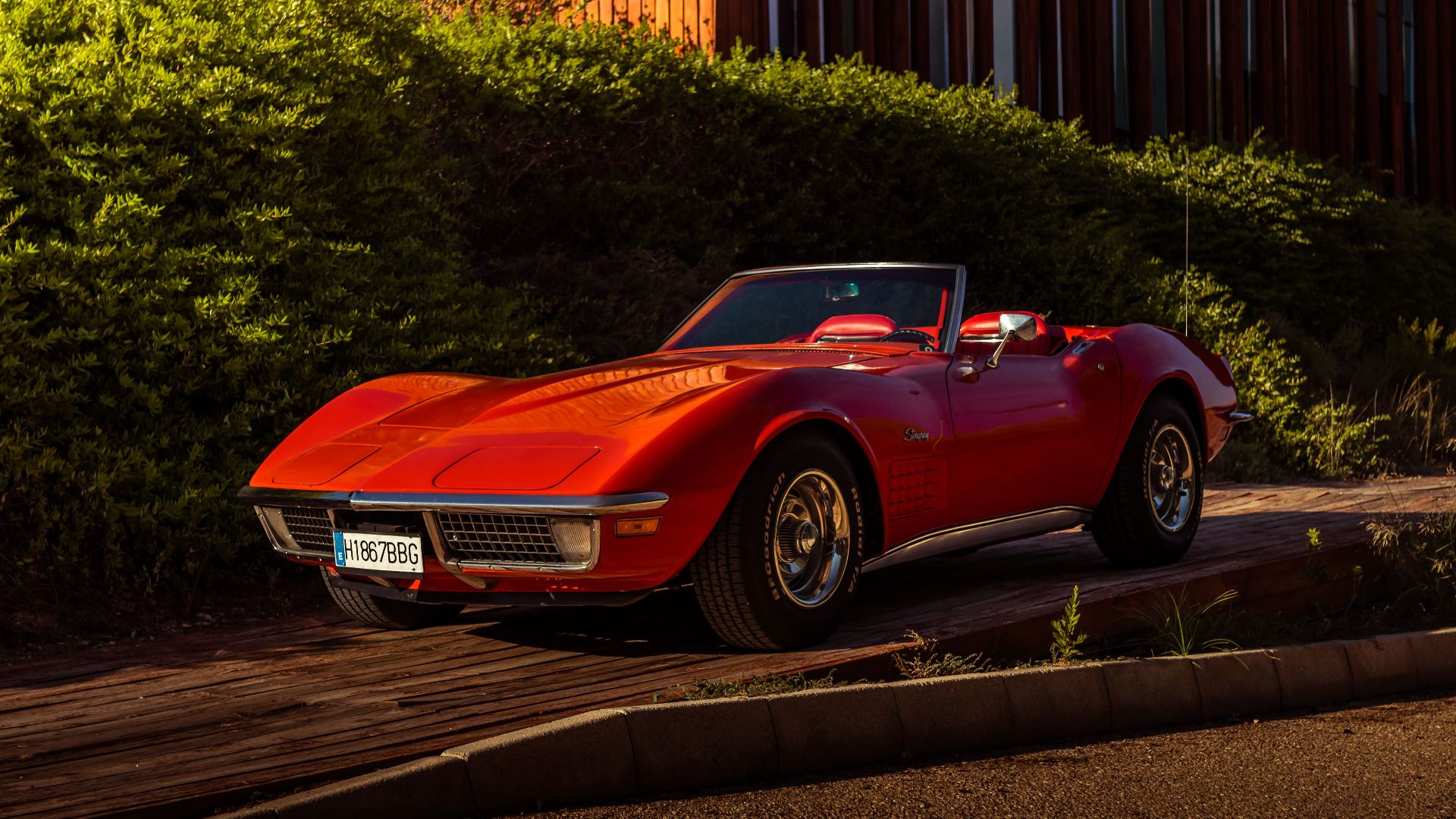
5. Chevrolet Corvette
The Corvette started as America’s answer to European sports cars. General Motors wanted something glamorous to show that an American company could build more than practical family transportation. The early Corvette wasn't perfect, and sales were shaky, but it slowly found its identity with V8 power and sharper performance.
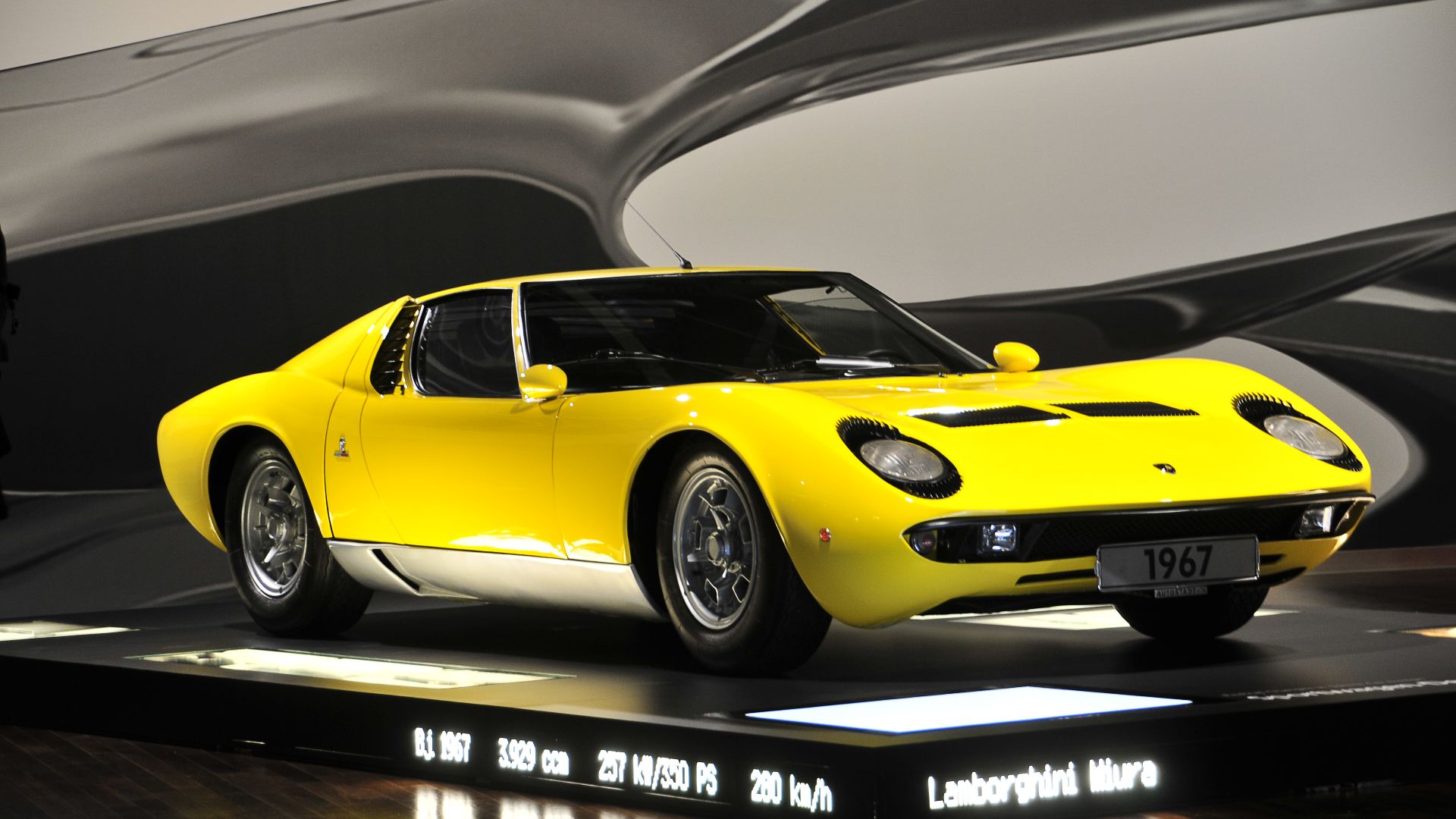
6. Lamborghini Miura
The Lamborghini Miura began with engineers working on an idea that Ferruccio Lamborghini wasn't fully convinced would sell. They imagined a mid-engine road car that borrowed thinking from racing and put it into something outrageously beautiful. Once the Miura appeared, it shocked the public and helped establish the template for the modern supercar.
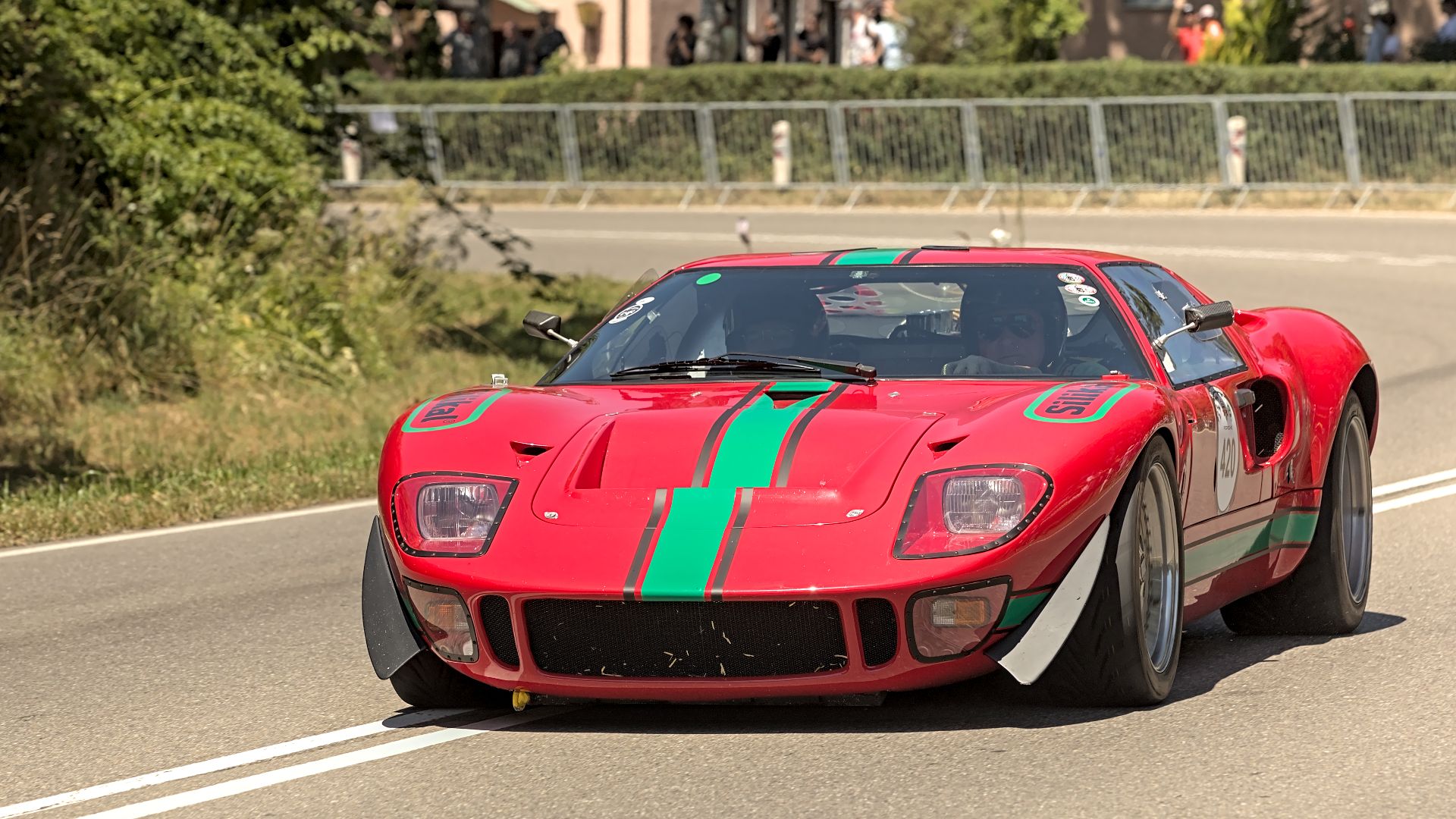
7. Ford GT40
The Ford GT40 was born from corporate frustration and a very public rivalry. After Ford tried and failed to buy Ferrari, the company decided to beat Ferrari at its own game. The result was a purpose-built endurance racer aimed at winning Le Mans, which it did so successfully that it went down in history as the most famous revenge project in automotive history.
8. Jeep Willys MB
The Jeep Willys MB came out of a military need for a small, rugged, go-anywhere vehicle during World War II. Soldiers used it for transport, scouting, towing, and almost anything else that needed wheels. After the war, its practical toughness helped shape the civilian Jeep brand.

9. DeLorean DMC-12
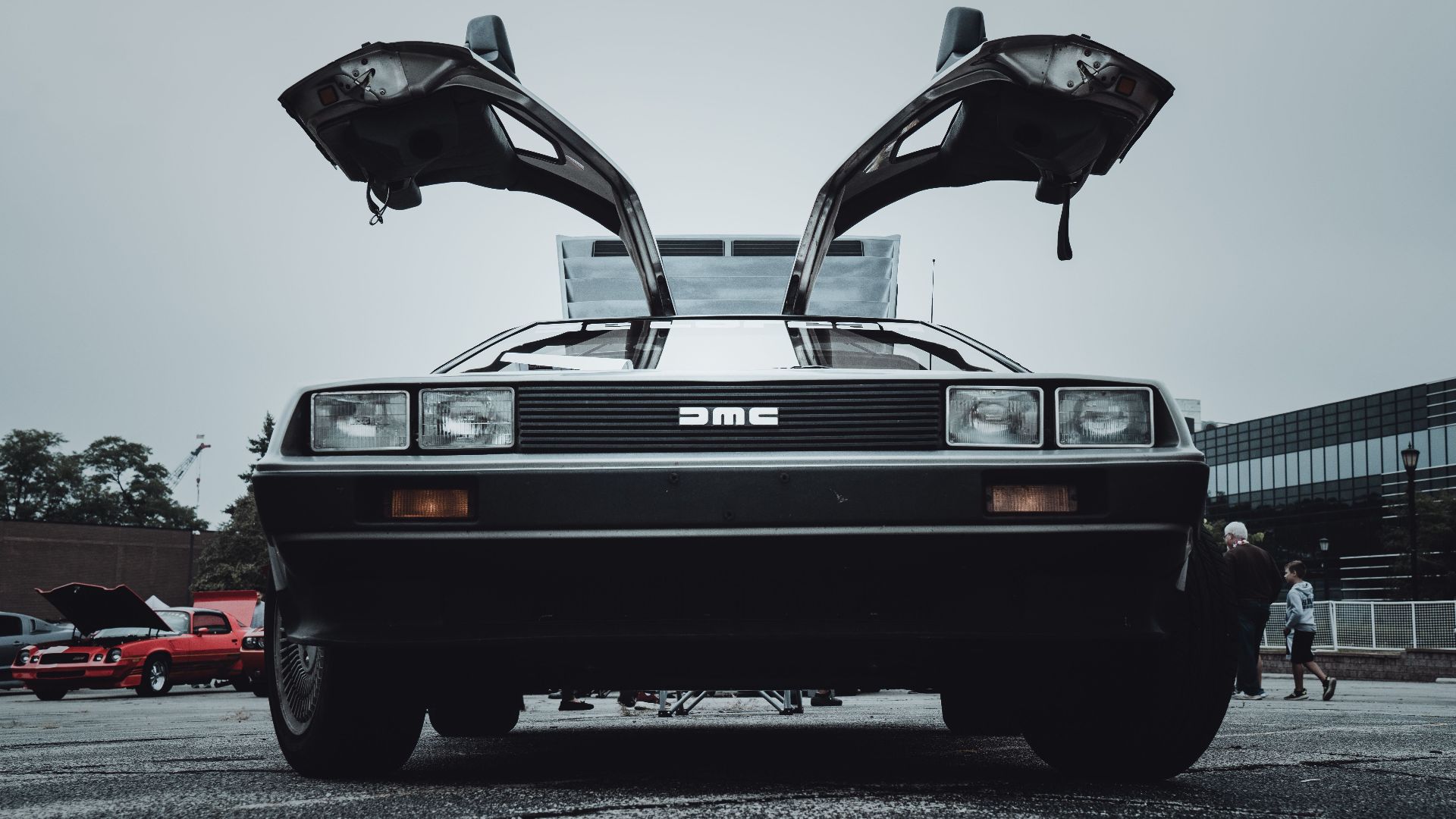
The DeLorean DMC-12 began as John DeLorean’s bold attempt to build a futuristic sports car under his own name. It had stainless-steel body panels, gullwing doors, and the kind of styling that made it impossible to ignore. The company struggled financially, and the car’s performance didn't quite match its dramatic appearance, but Hollywood turned it into a pop-culture legend anyway.
10. Mazda MX-5 Miata
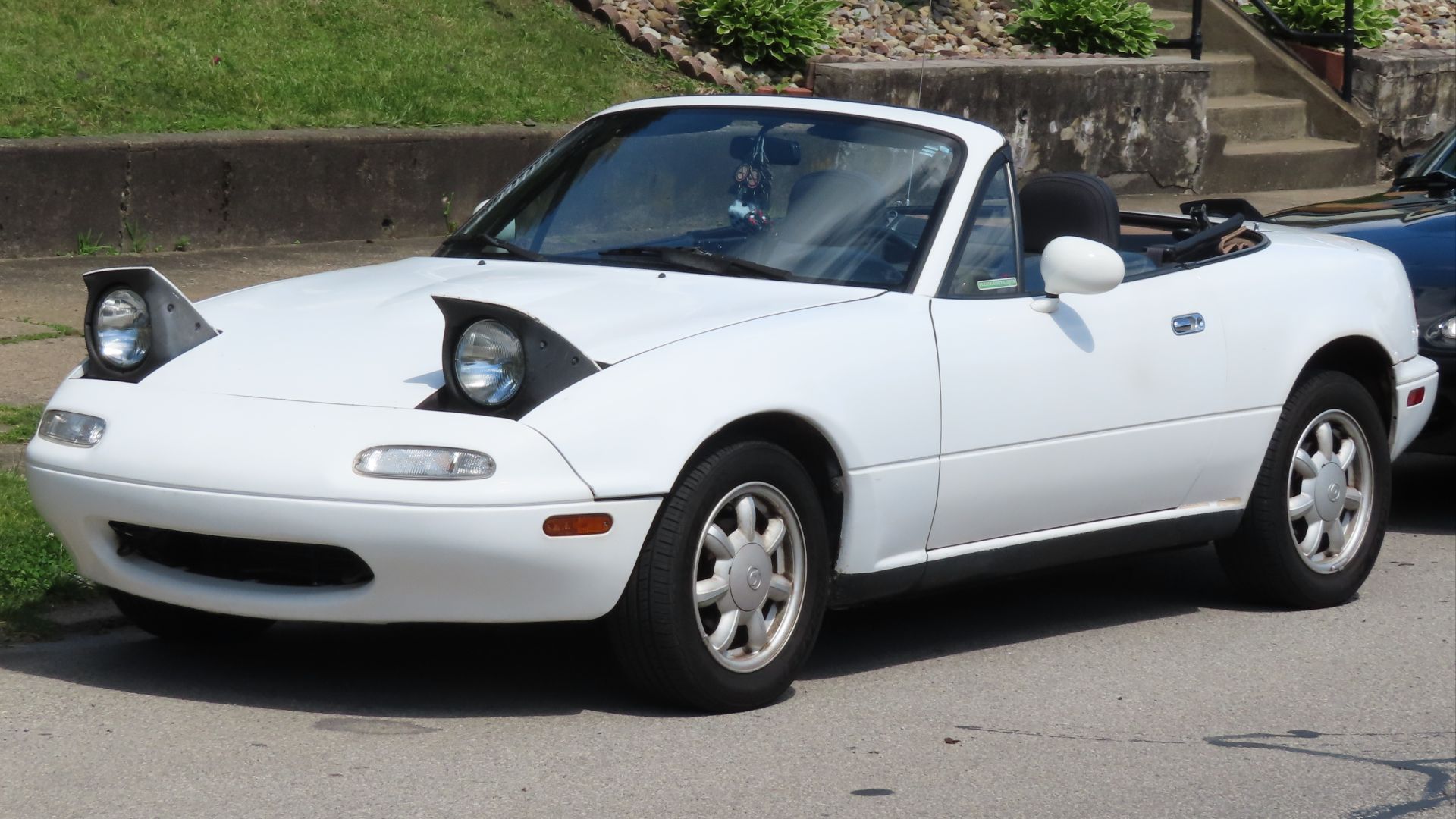
The Mazda MX-5 Miata was pitched by an automotive journalist who believed Mazda should build a modern version of the classic British roadster. He imagined something light, simple, rear-wheel drive, and fun, but with Japanese reliability instead of the usual old-roadster drama. Mazda took the idea seriously, and the result was a small sports car that revived an entire category.
11. Chrysler Minivan
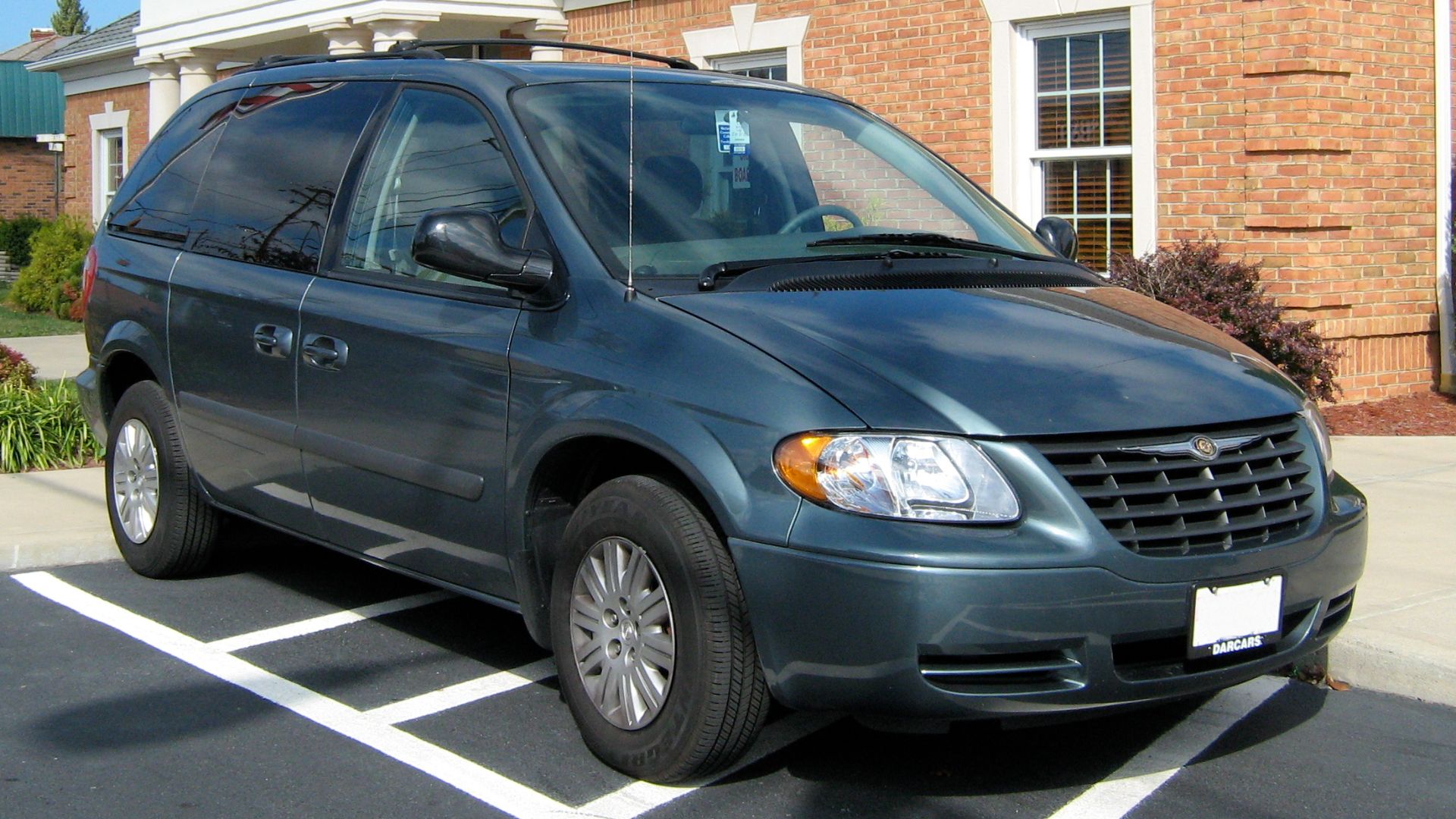
The Chrysler minivan was created after an idea rejected at Ford found a home at Chrysler. Hal Sperlich and Lee Iacocca believed American families wanted something more practical than a station wagon but easier to live with than a full-size van. Chrysler used front-wheel-drive packaging to make the vehicle lower, roomier, and more carlike, and the gamble helped reshape family transportation in the 1980s and beyond.
12. Lamborghini 350 GT
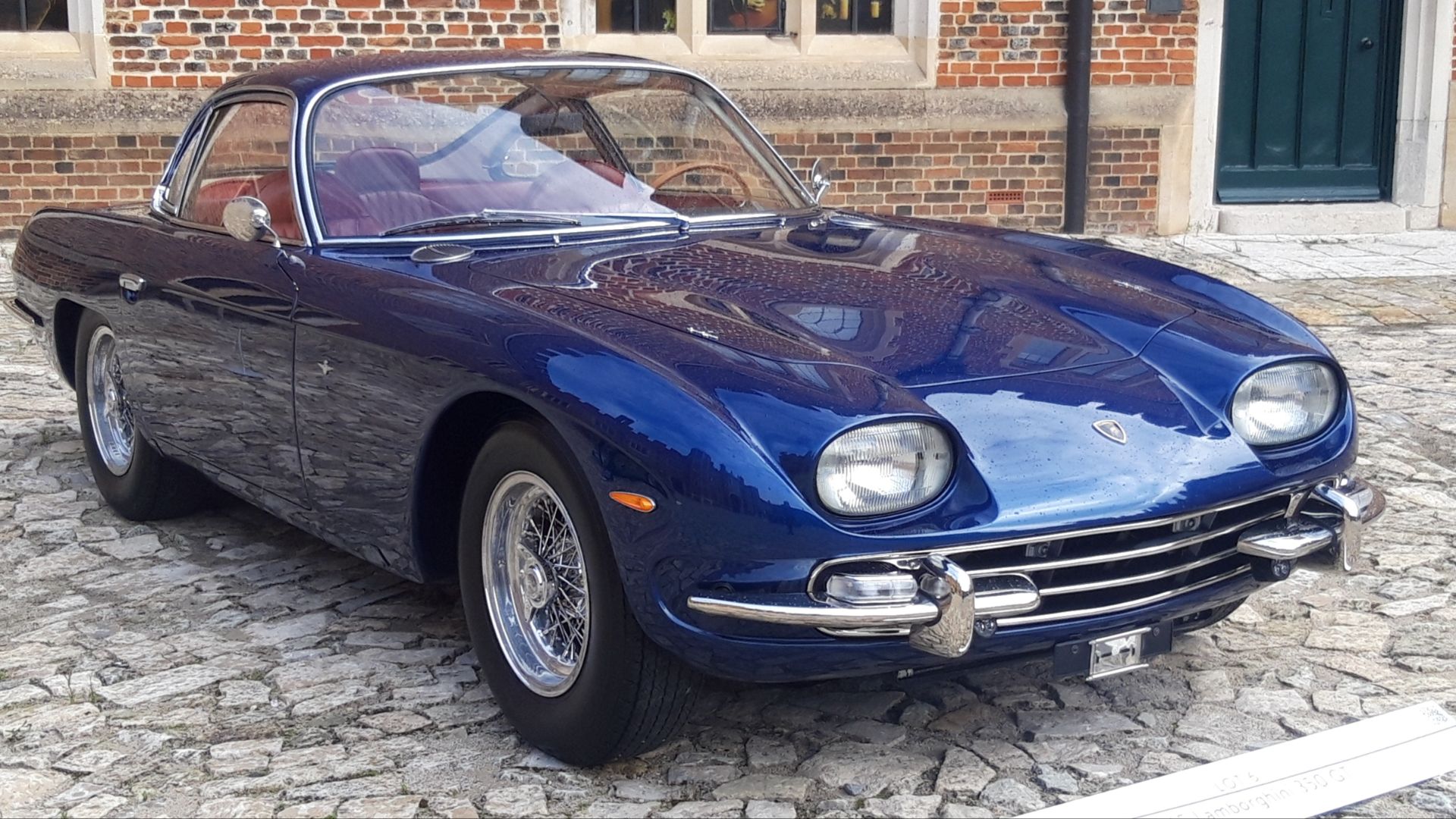
The Lamborghini 350 GT was the first production car from a company started by a successful tractor manufacturer who thought he could build a better grand tourer. Ferruccio Lamborghini wanted a refined, powerful road car that could challenge Ferrari without being too temperamental for regular use. It's the car that turned Lamborghini from one man’s frustration into a serious name in Italian performance.
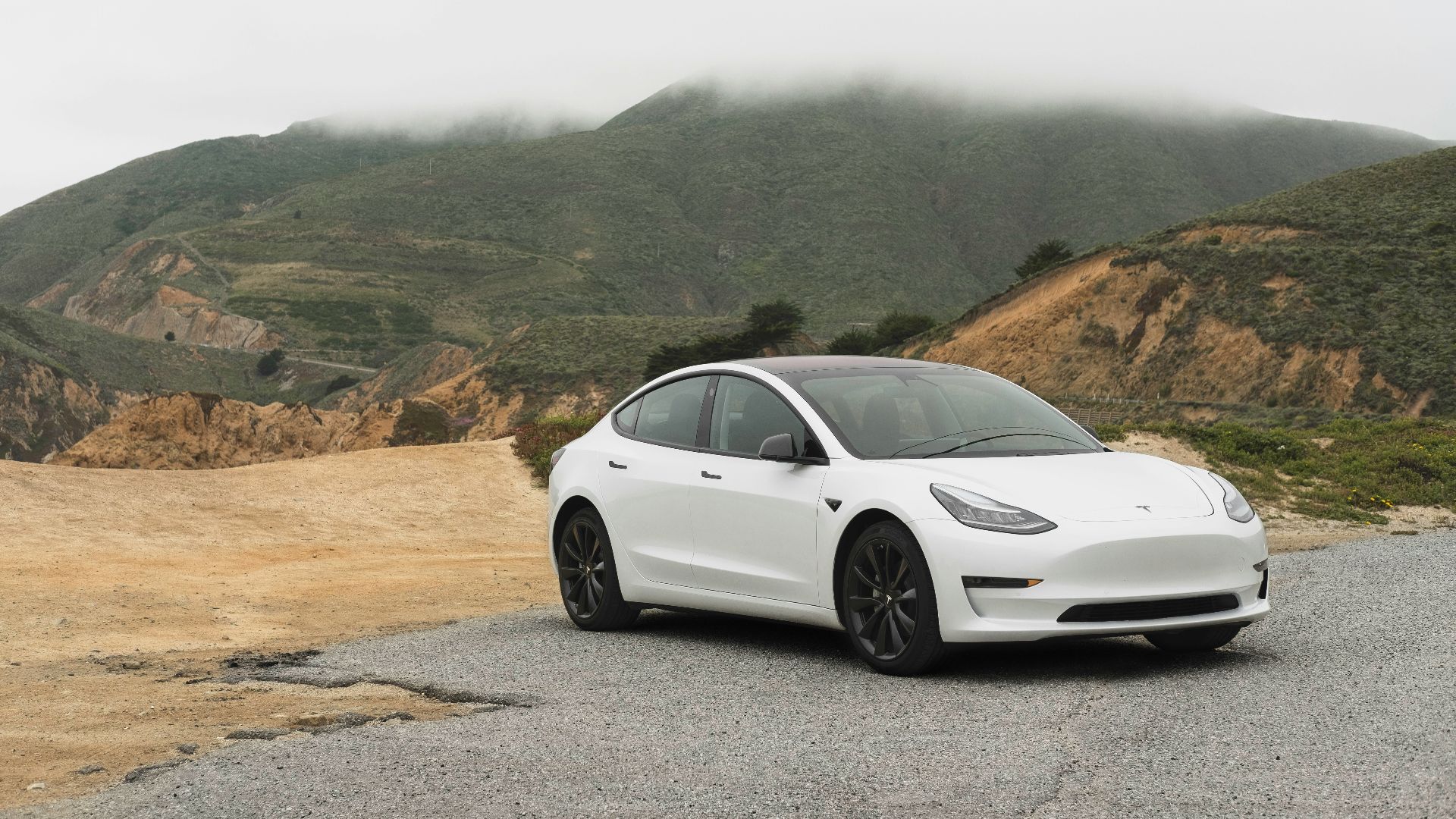
13. Tesla Model S
The Tesla Model S grew out of Tesla’s need to prove that electric cars could be desirable, fast, and practical. After the Roadster showed what batteries could do in a sports car, the Model S aimed at the luxury sedan market. It arrived with long range, strong performance, and a tech-heavy personality that made traditional automakers pay attention.
14. Audi Quattro
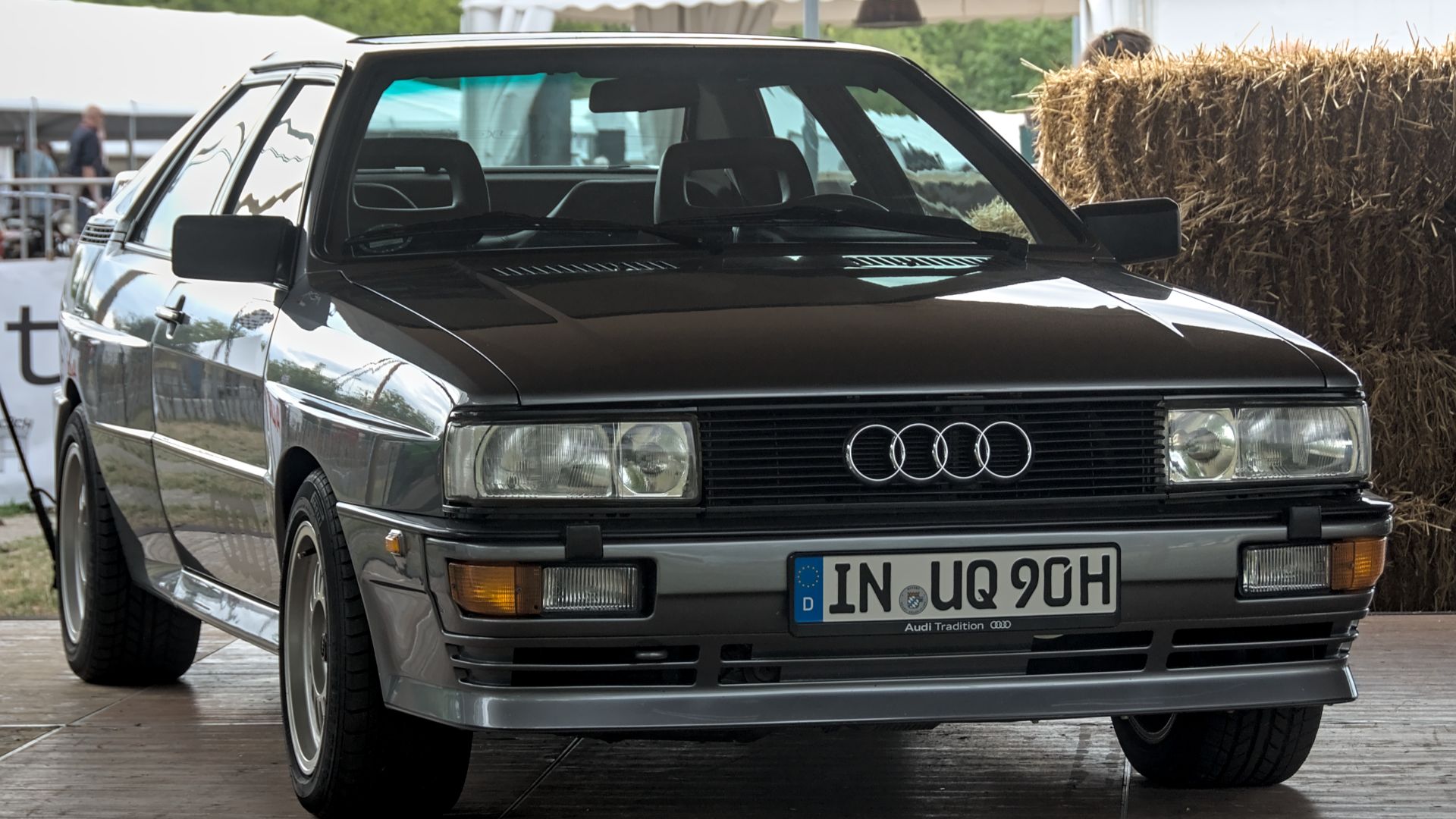
The Audi Quattro came from the idea that all-wheel drive could do more than help trucks and military vehicles. Audi engineers saw performance potential in sending power to all four wheels, especially in rallying. The Quattro proved them right by changing the way people thought about traction, speed, and bad weather. It turned a technical decision into one of the most influential performance ideas of its era.
15. Subaru Outback
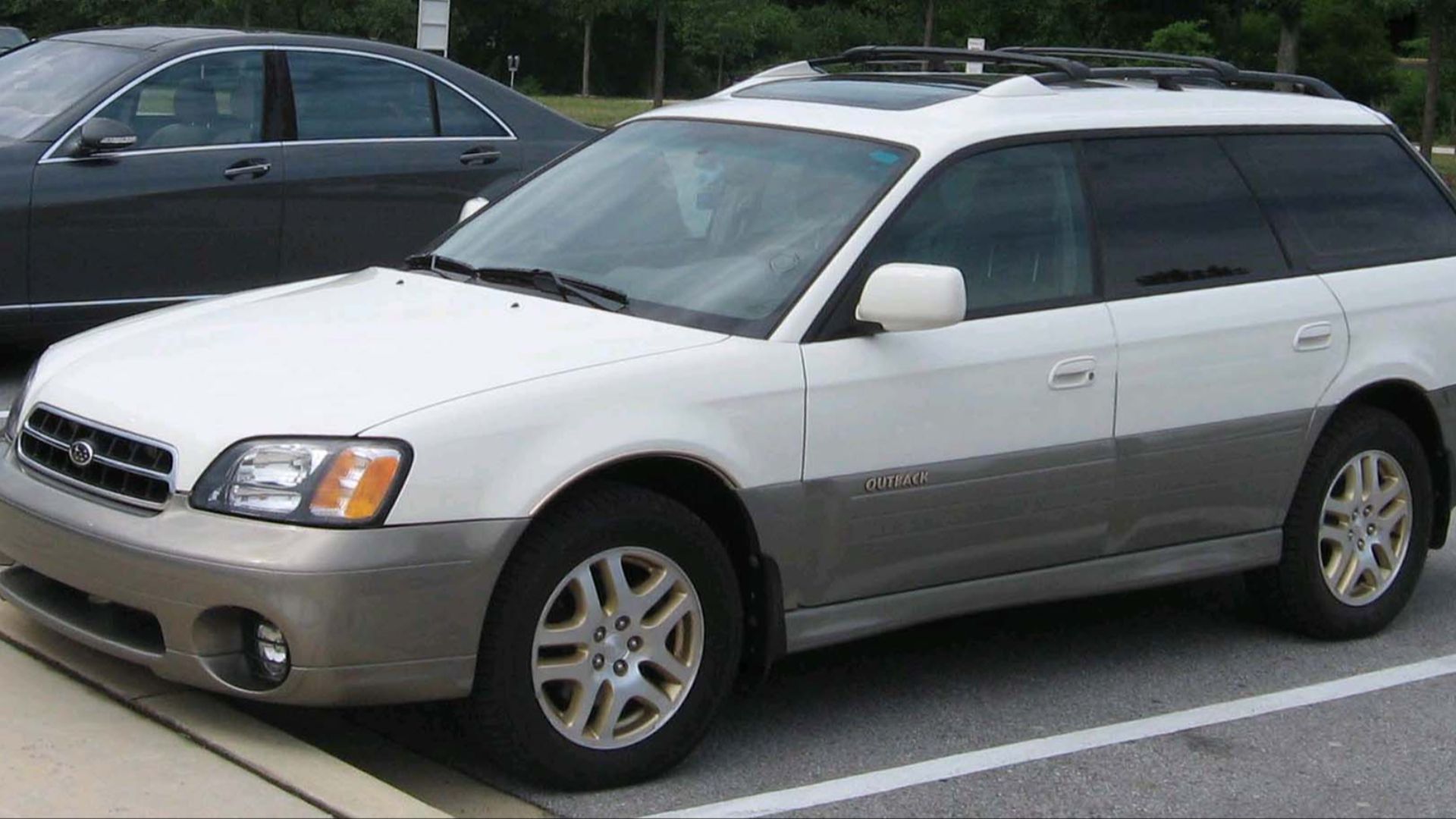
The Subaru Outback was born from a clever way to make a wagon feel adventurous. Subaru took the Legacy wagon, raised it, added rugged styling, and marketed it with outdoorsy confidence. The result arrived before crossovers fully took over the market, which made it feel oddly ahead of its time. It helped prove that many buyers wanted SUV attitude without giving up carlike manners.
16. Dodge Viper
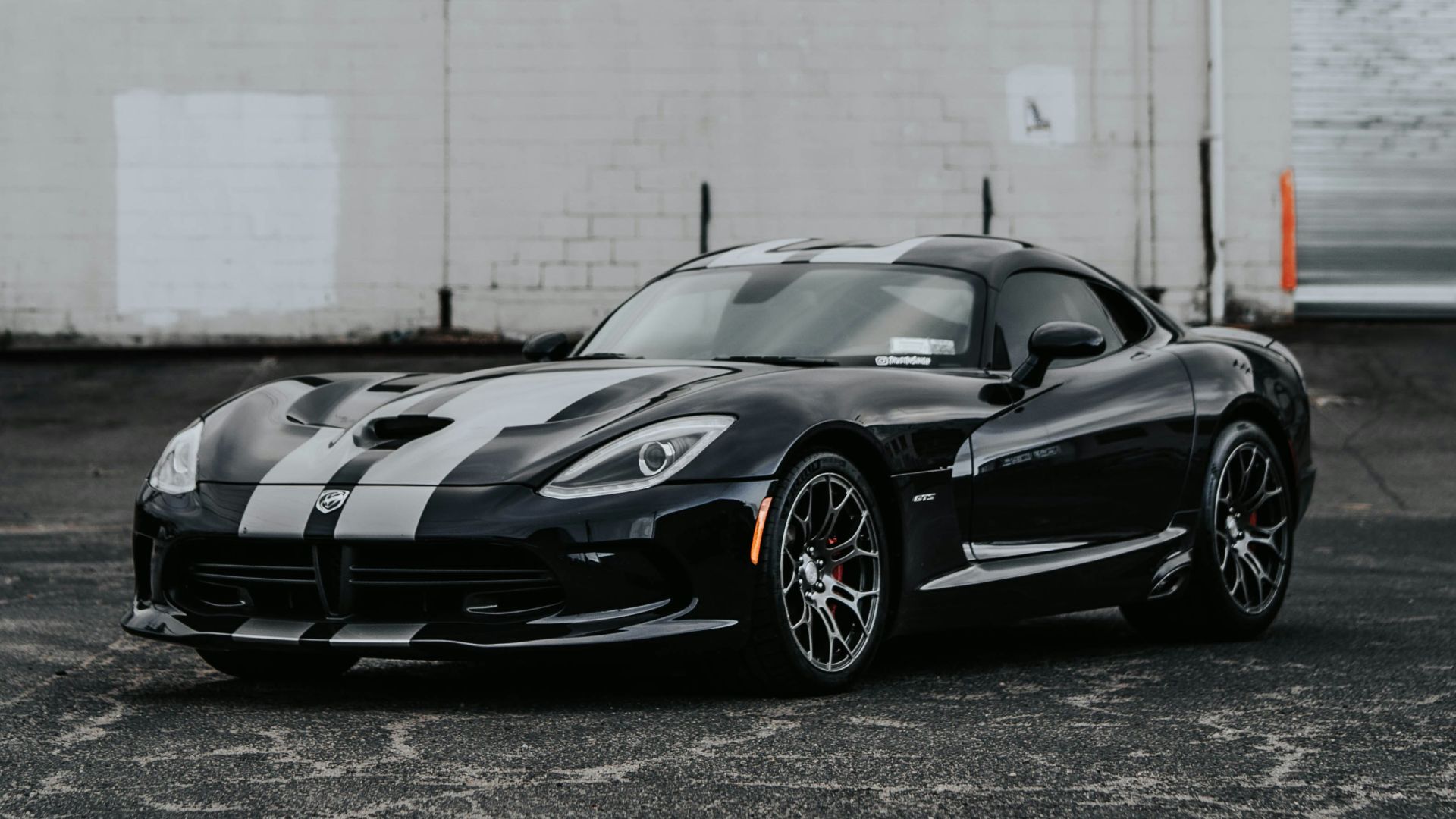
The Dodge Viper began as a wild idea to bring back the spirit of raw American performance. Chrysler wanted a modern roadster that felt powerful, simple, and deliberately excessive. With a huge V10 engine and minimal comfort early on, the Viper wasn't designed to behave politely, and that was exactly the point.
17. Porsche 911
The Porsche 911 was created to replace the Porsche 356, but it ended up becoming the company’s defining car. Its rear-engine layout was unusual, and early versions carried the basic idea into a more modern, capable shape. Porsche kept refining the formula instead of abandoning it, even when critics questioned the setup. The 911’s origin is fascinating because a practical replacement became a lifelong identity.

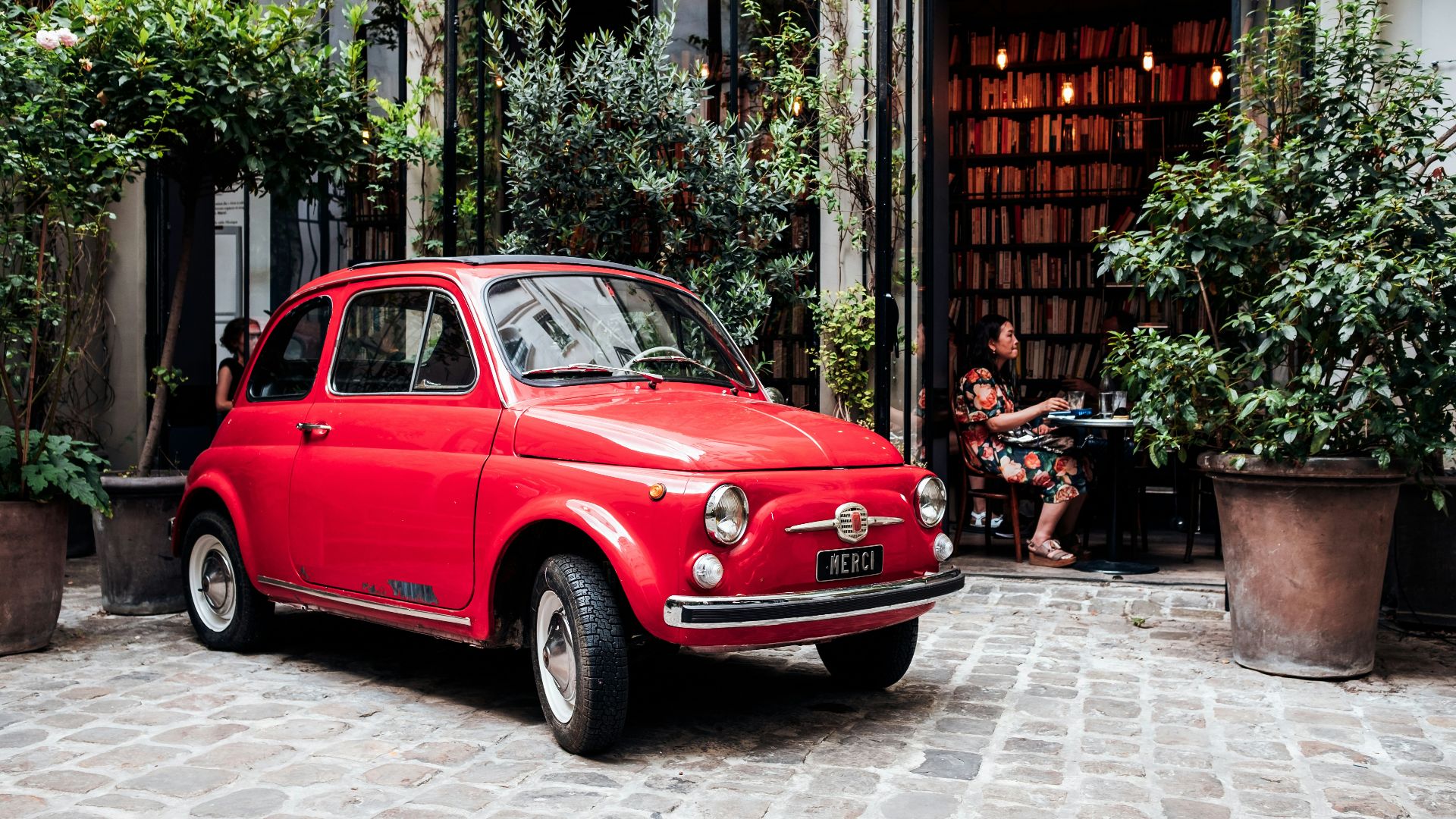
18. Fiat 500
The Fiat 500 was designed to put postwar Italy on wheels. It was tiny, affordable, and built for crowded streets where large cars made no sense. Its rear-mounted engine and compact proportions made it practical for ordinary families. The little Fiat became beloved because it matched the needs of its time so perfectly.
19. Honda Civic
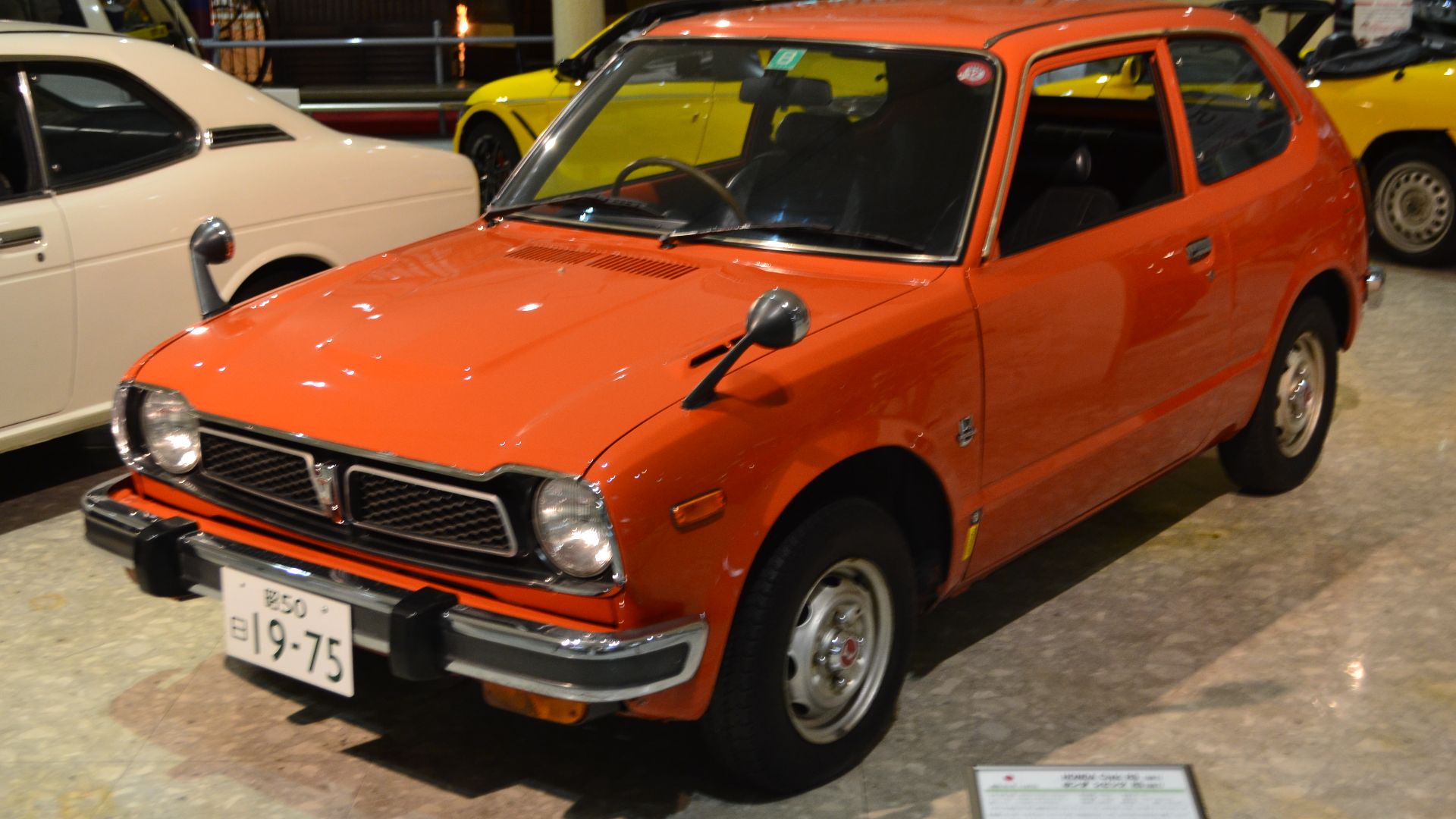
The Honda Civic arrived because Honda’s engineers saw a future that even Honda himself wasn't ready to accept. The company’s founder had built his empire on motorcycles and wasn't eager to pour resources into a conventional small car, but a team inside Honda secretly pushed ahead developing a compact, practical model. Their timing turned out to be ridiculously perfect, because the first-generation Civic launched just before the 1973 oil crisis.
20. Range Rover
The original Range Rover came from the idea that an off-road vehicle could also be comfortable enough for everyday use. Land Rover wanted something more refined than a farm tool but still capable in serious conditions. Wealthy customers were so enamored with its high riding position and elegant drive that it quickly evolved into a premium status symbol. Its design was so groundbreaking and perfectly balanced that its chassis was famously displayed at the Louvre as a work of industrial art.