What's That Smell?
Ever had a passenger hop into your car, only for them to make a disgusted face? No, it's not your driving (or, well, it could be); it might be the filth sitting in your car. The thing about bad car odors is that, while you might have gotten desensitized to them, other people will definitely notice on the first whiff. From leaving food wrappers in the backseat to having perpetually damp carpets, here are 10 things that can make your car stink, and how you can freshen it up again.

1. Forgotten Food and Drink Spills
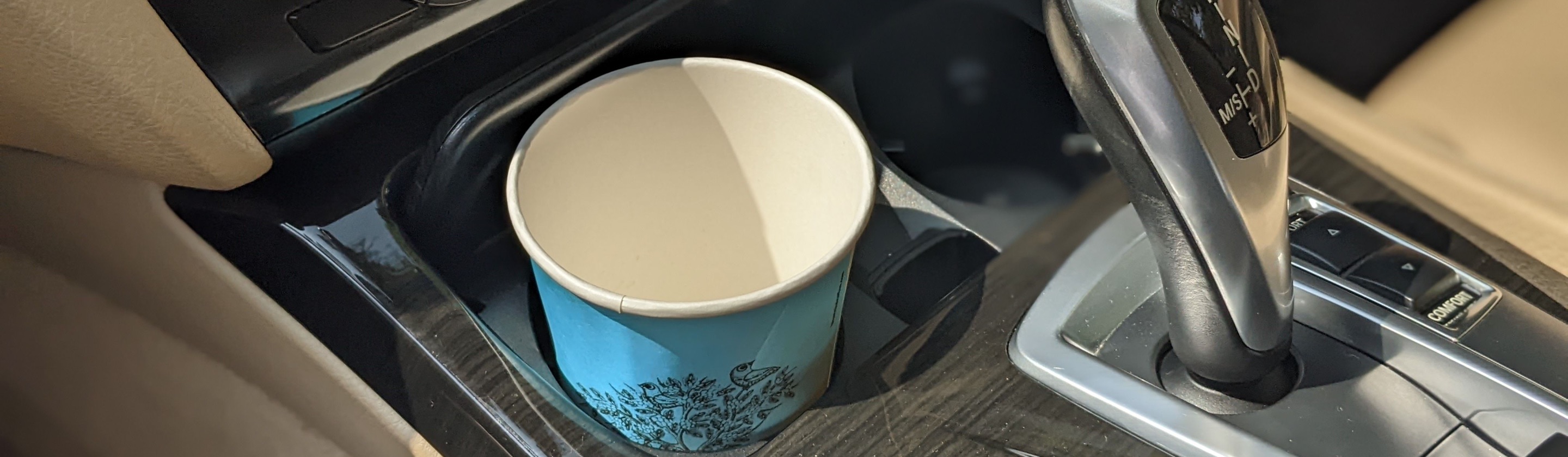
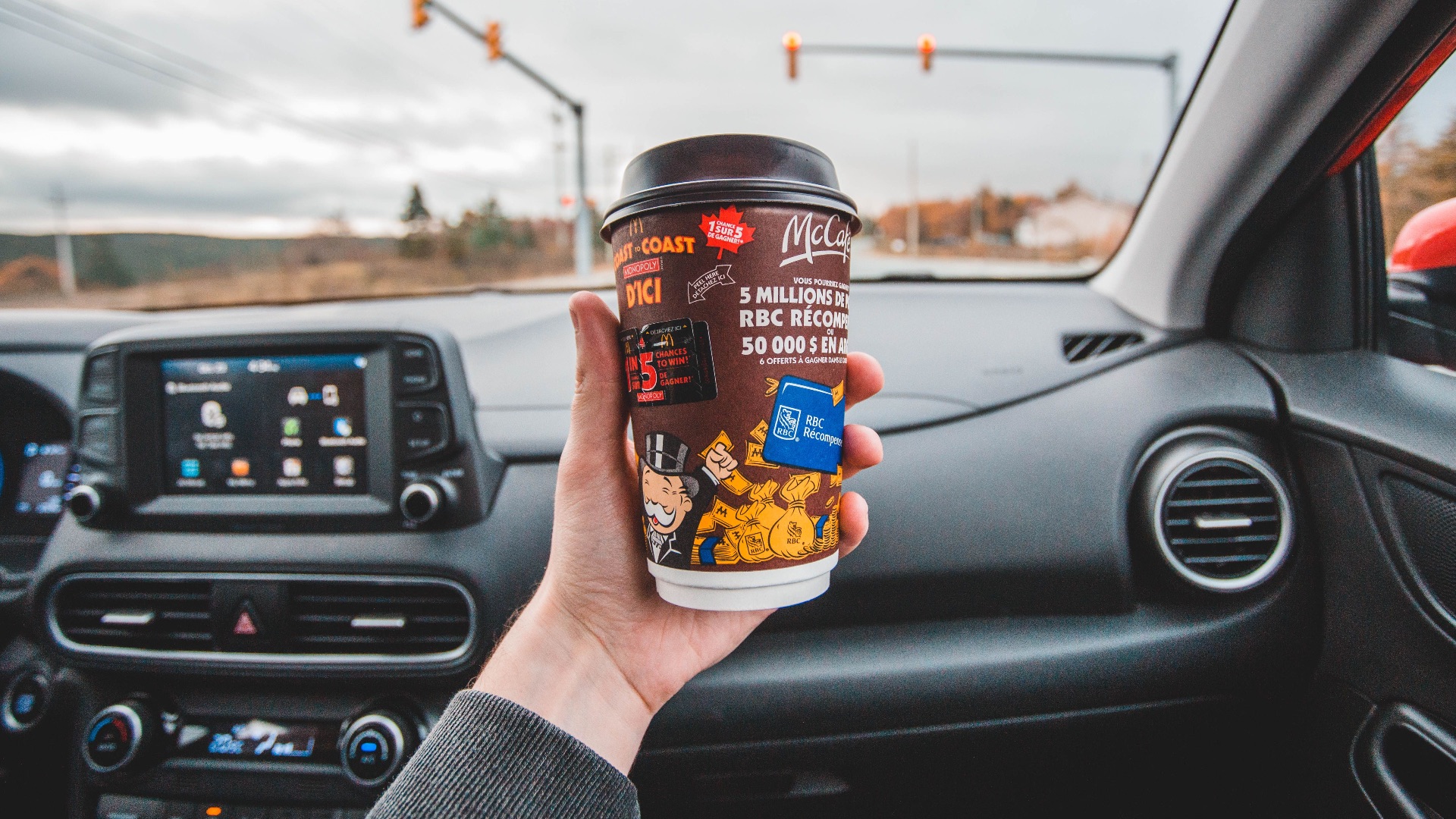
Food wrappers, takeout containers, and spilled drinks can start smelling much worse than you’d expect after a few warm days inside a car. Sugary drinks can soak into carpet fibers or upholstery, leaving behind sticky residue that attracts bacteria and makes the smell linger. Even a small spill under a floor mat can become noticeable if it isn’t cleaned properly.
2. Damp Carpets or Floor Mats
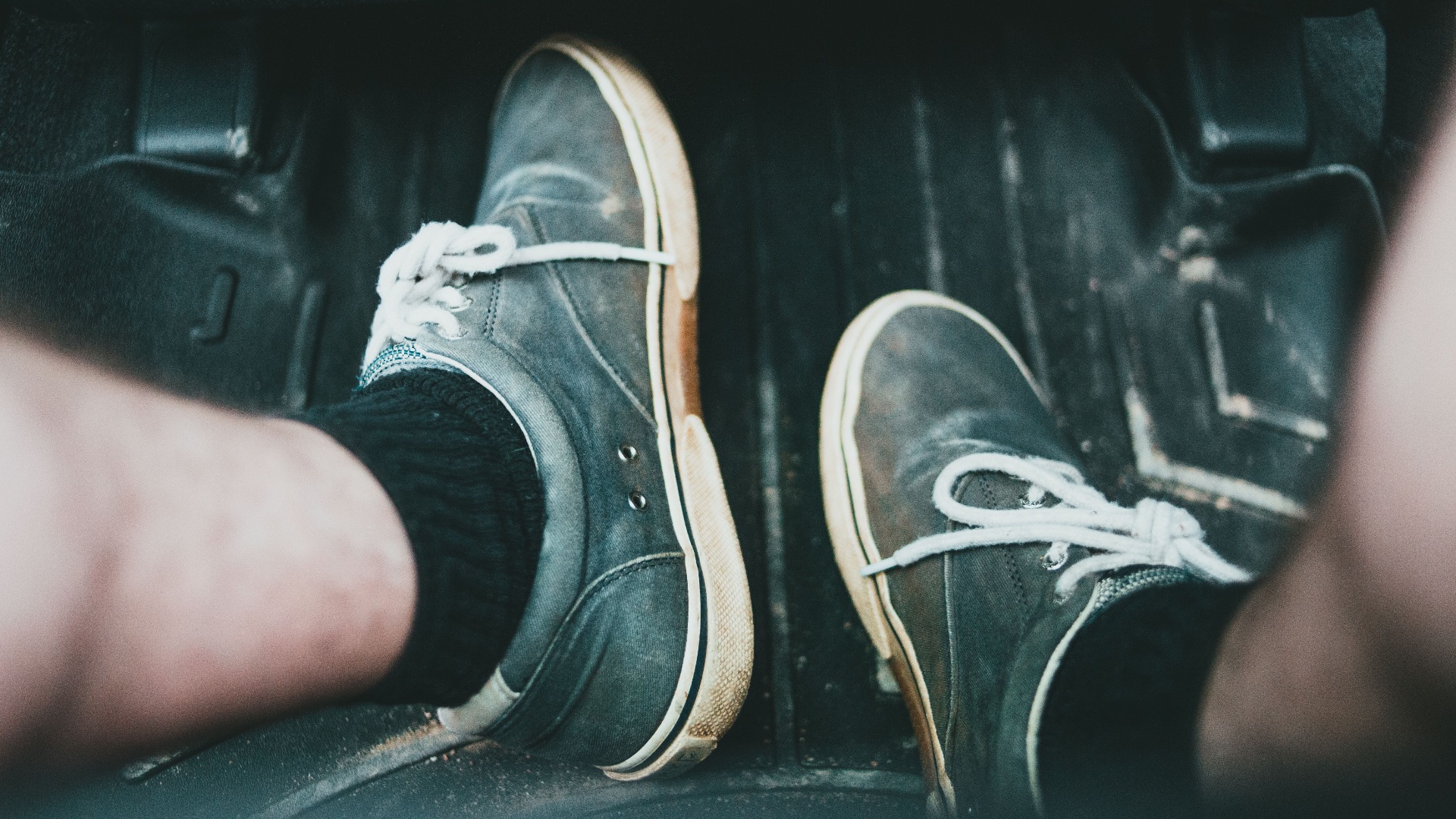
Moisture trapped in carpets or floor mats can give your car a musty odor that doesn’t go away with a quick spray of air freshener. This can happen after tracking in rain, snow, or mud, especially if the mats don’t dry out fully. If the smell keeps returning, it’s worth checking whether water is leaking in through a door seal, window, or sunroof.
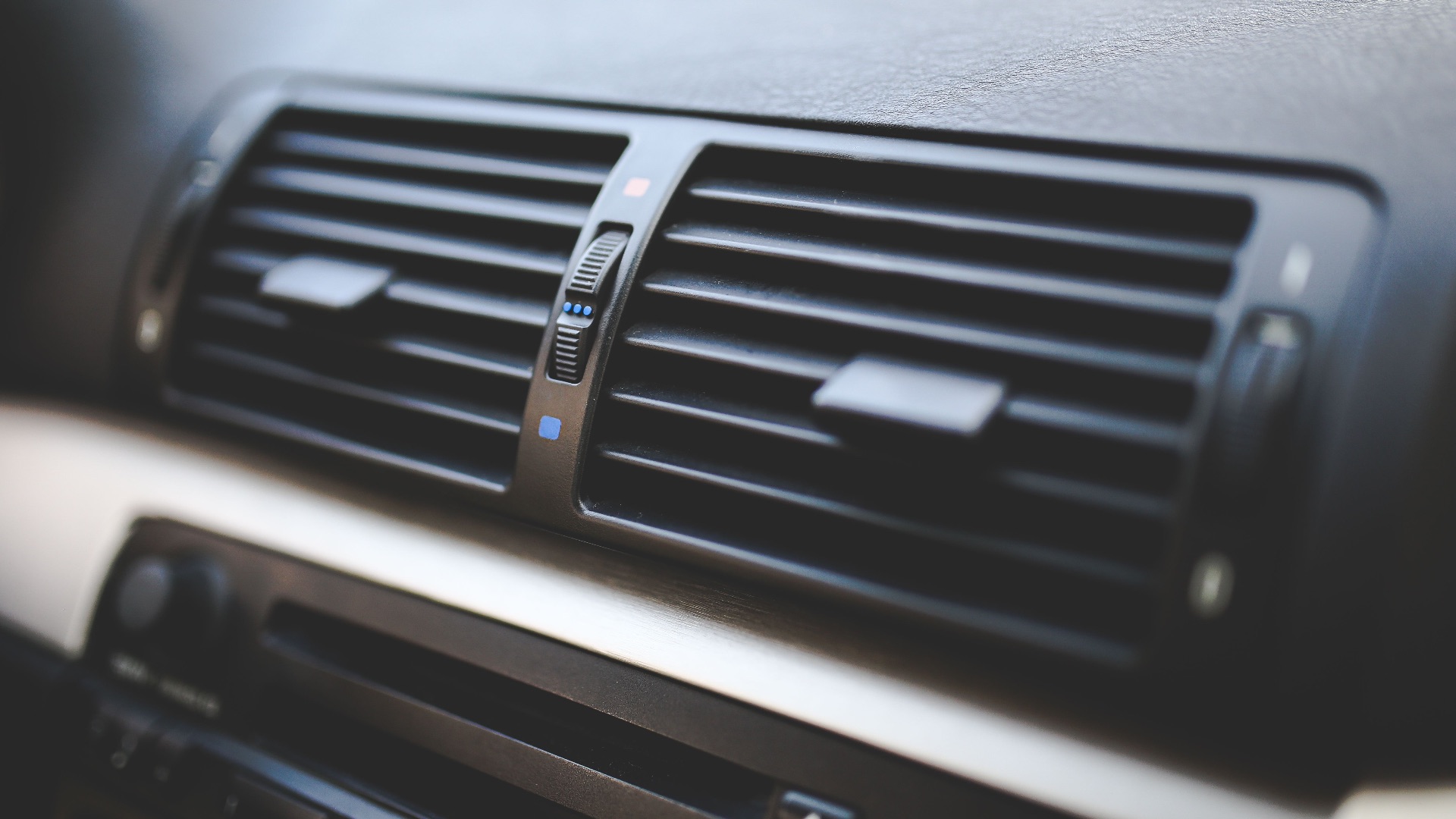
3. Dirty Air Vents
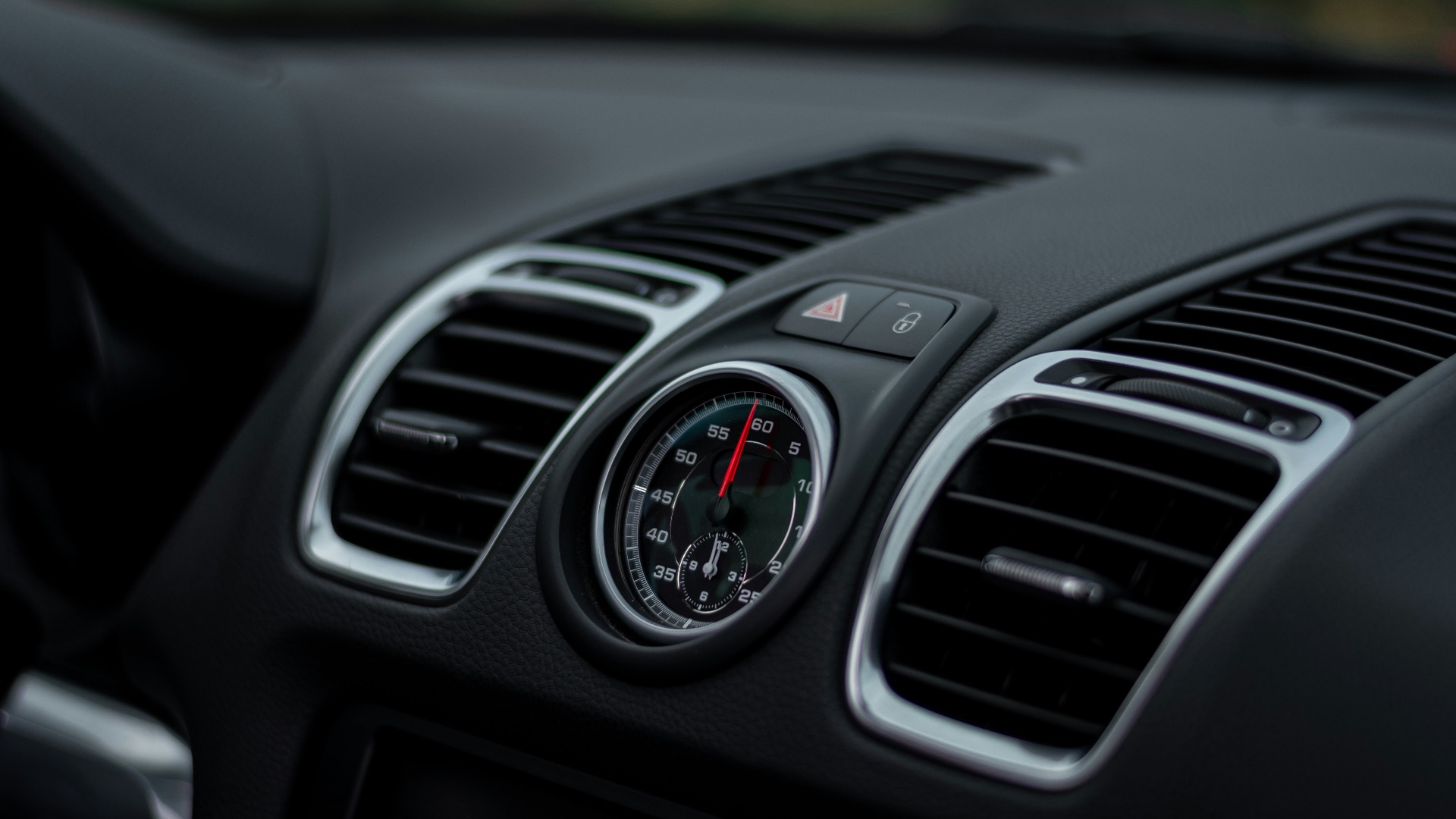
Your car’s ventilation system can collect dust, moisture, and debris over time, which may create an unpleasant smell whenever the fan turns on. In some cases, the odor is strongest when you first start the car or switch on the air conditioning. Cleaning the vents and replacing the cabin air filter can often make a noticeable difference.
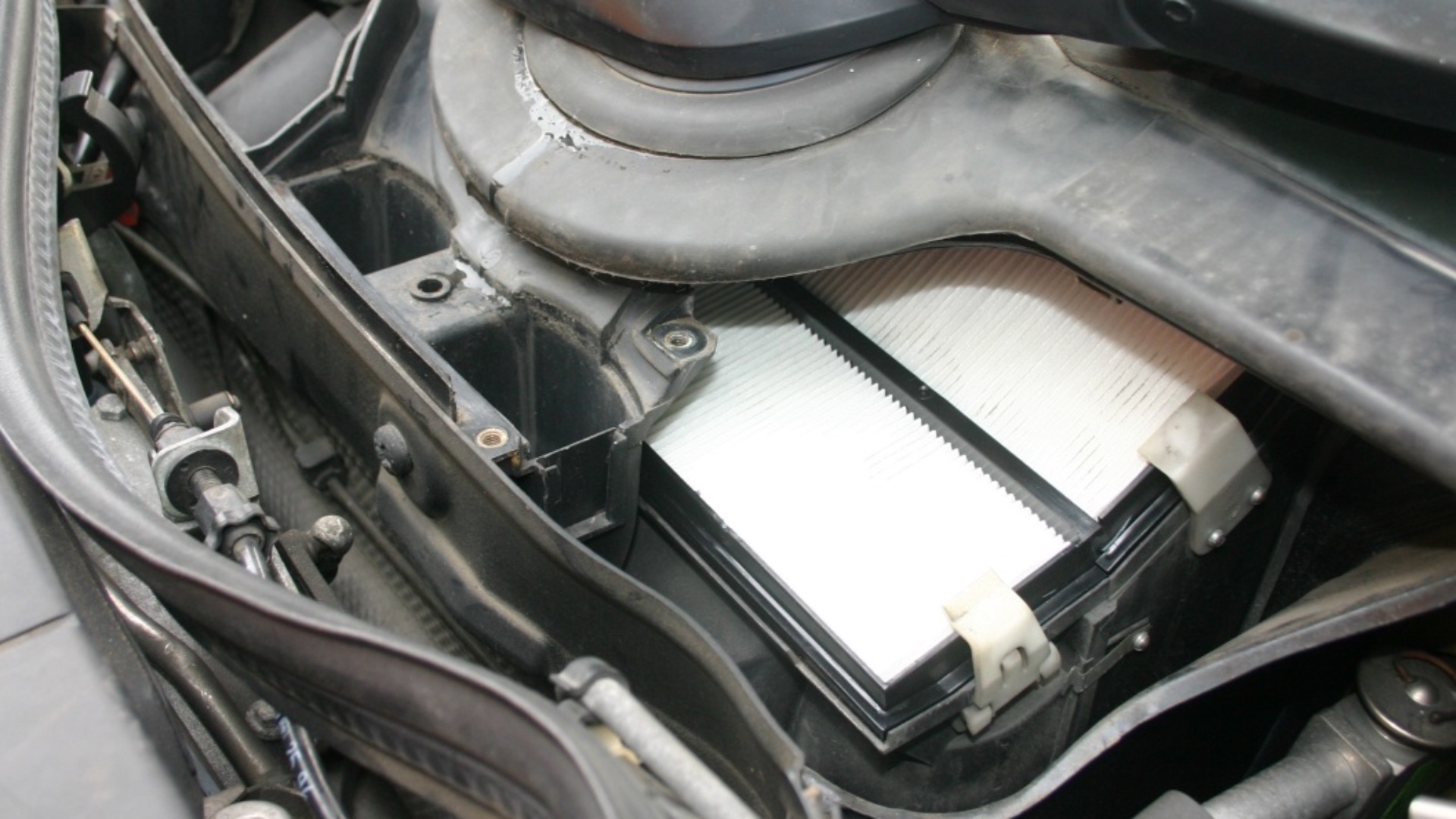
4. A Clogged Cabin Air Filter
The cabin air filter helps catch dust, pollen, and other particles before they enter the interior, but it can become dirty and stale over time. When it’s overdue for replacement, airflow may feel weaker, and the air coming through the vents can smell musty or unpleasant. Swapping it out is usually a simple maintenance task that can improve both odor and air quality.
5. Pet Hair and Dander
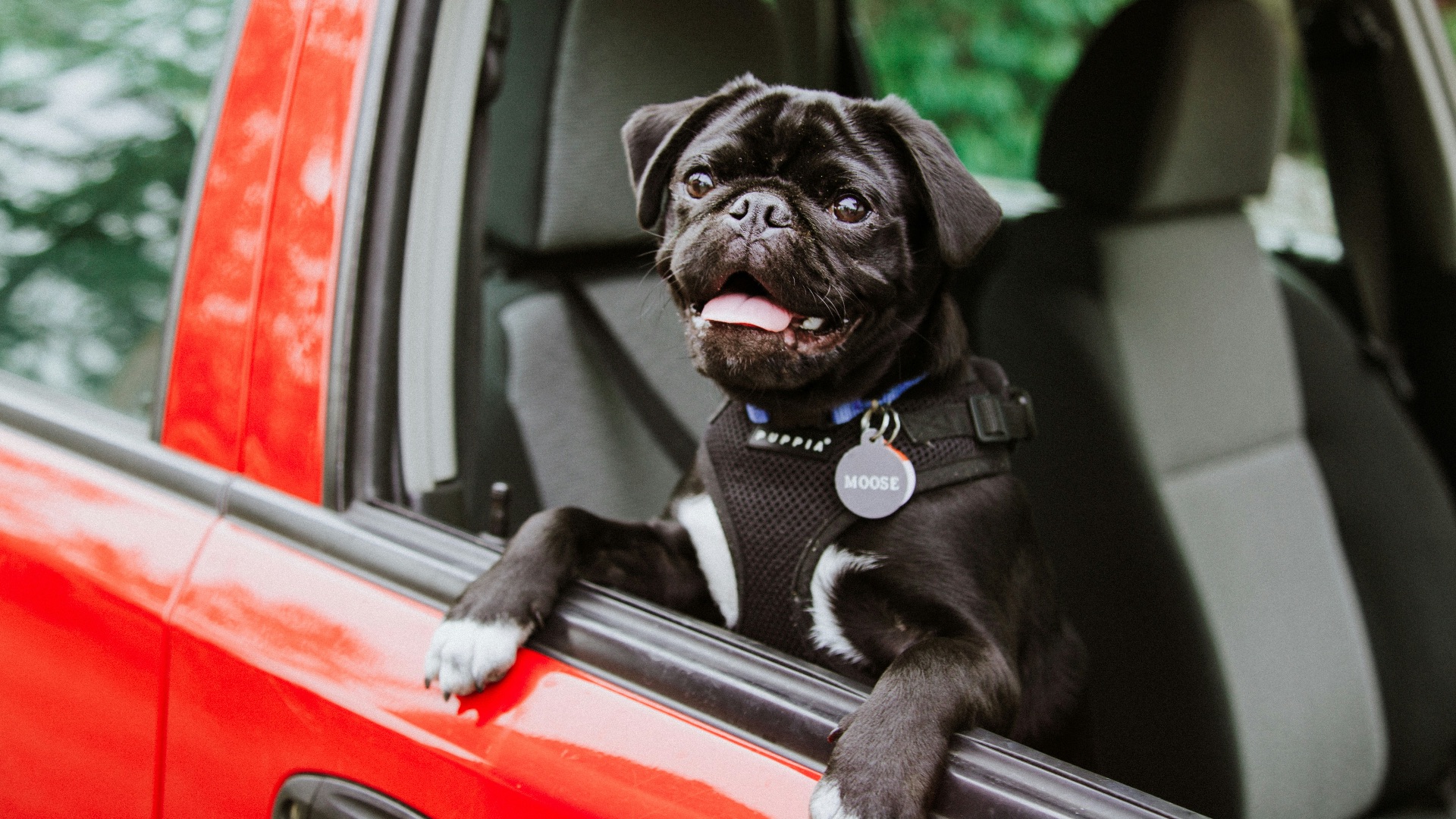
As cute as your fluffy friends are, pets can leave behind hair, dander, drool, and outdoor odors that settle into seats and carpets. Even if your car looks fairly clean, pet smells can build up in fabric and become more obvious when the cabin gets warm. Regular vacuuming helps, but deeper cleaning may be needed if the odor has been around for a while.
 Priscilla Du Preez 🇨🇦 on Unsplash
6. Smoke Residue
Smoke can cling to upholstery, headliners, seat belts, and even hard surfaces inside the car. Unlike some smells that disappear after airing out the cabin, smoke residue often stays embedded and may return whenever the interior heats up. Removing it usually takes thorough cleaning rather than simply covering it with fragrance.

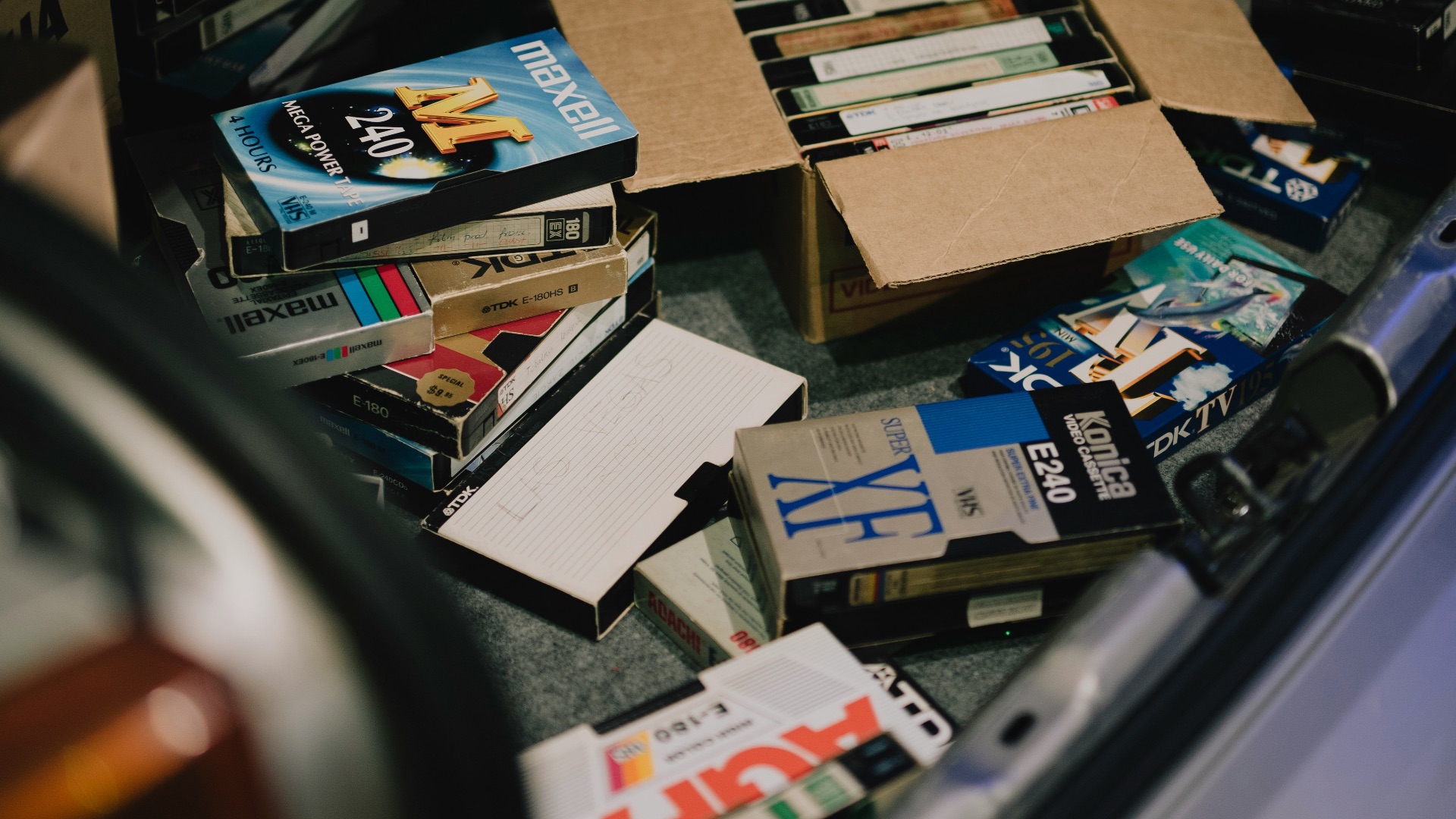
7. Trash Left in the Cabin
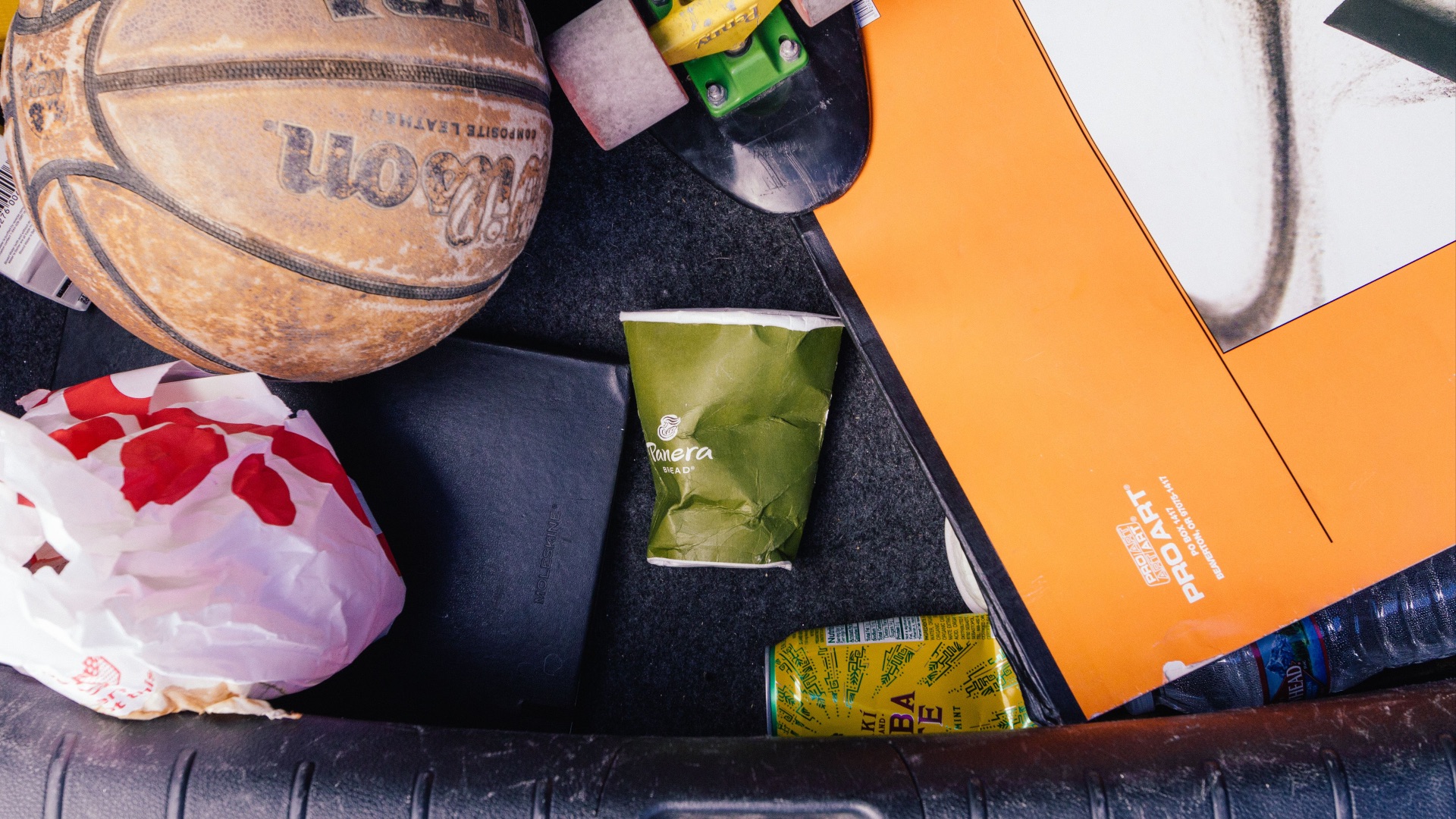
Receipts, tissues, bottles, snack bags, and other everyday clutter can pile up faster than you realize. Once trash collects under seats, in door pockets, or between cushions, odors can start to develop, especially if anything damp or food-related is mixed in. A quick cleanout every few days can prevent small messes from turning into a bigger smell problem.
8. Mold or Mildew Growth
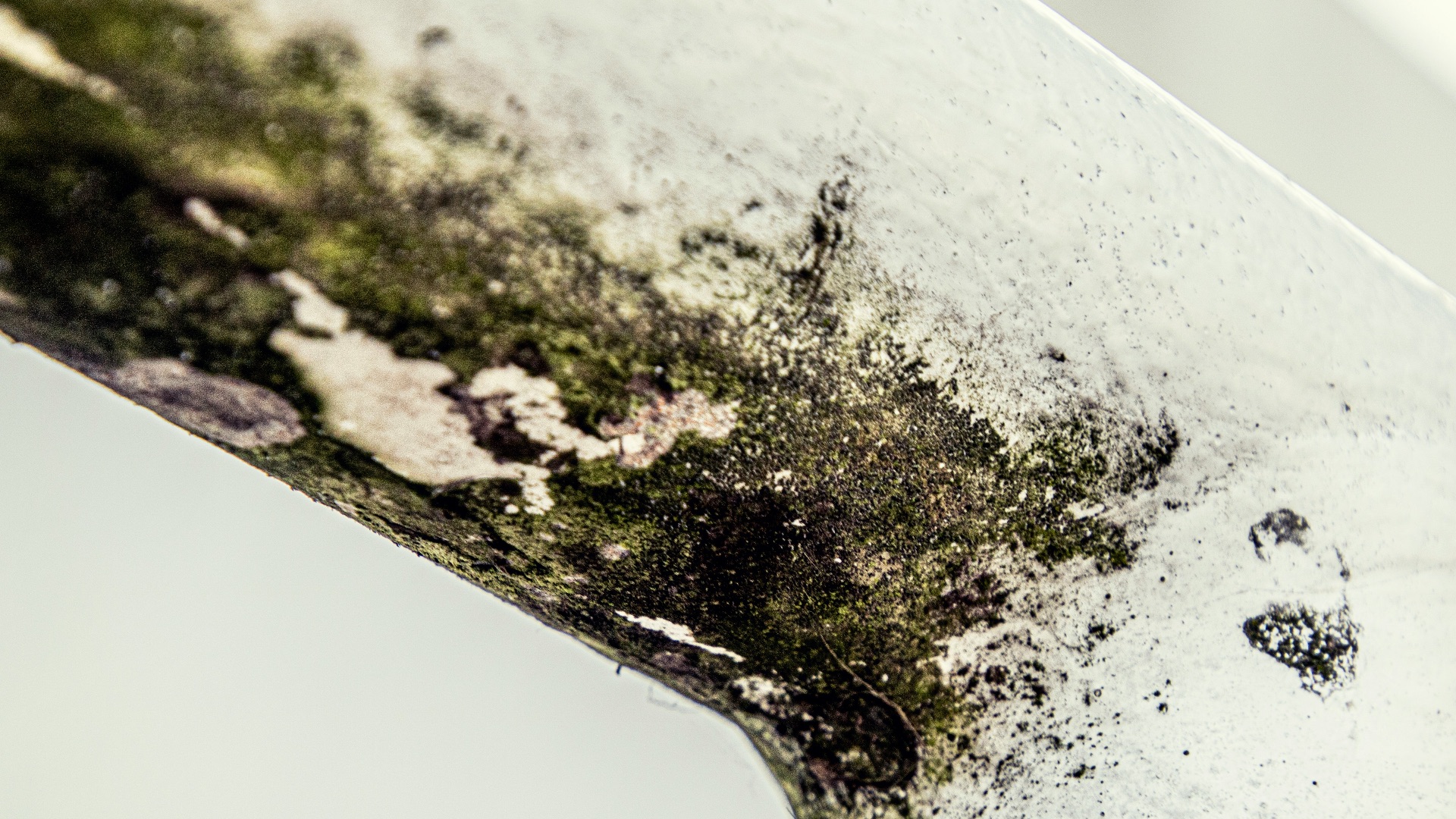
Mold and mildew can develop when moisture sits too long in upholstery, carpets, or the ventilation system. The smell is often earthy or musty, and it may become stronger when the heater or air conditioner runs. Since mold can spread if ignored, it’s important to find the moisture source and clean the affected area carefully.
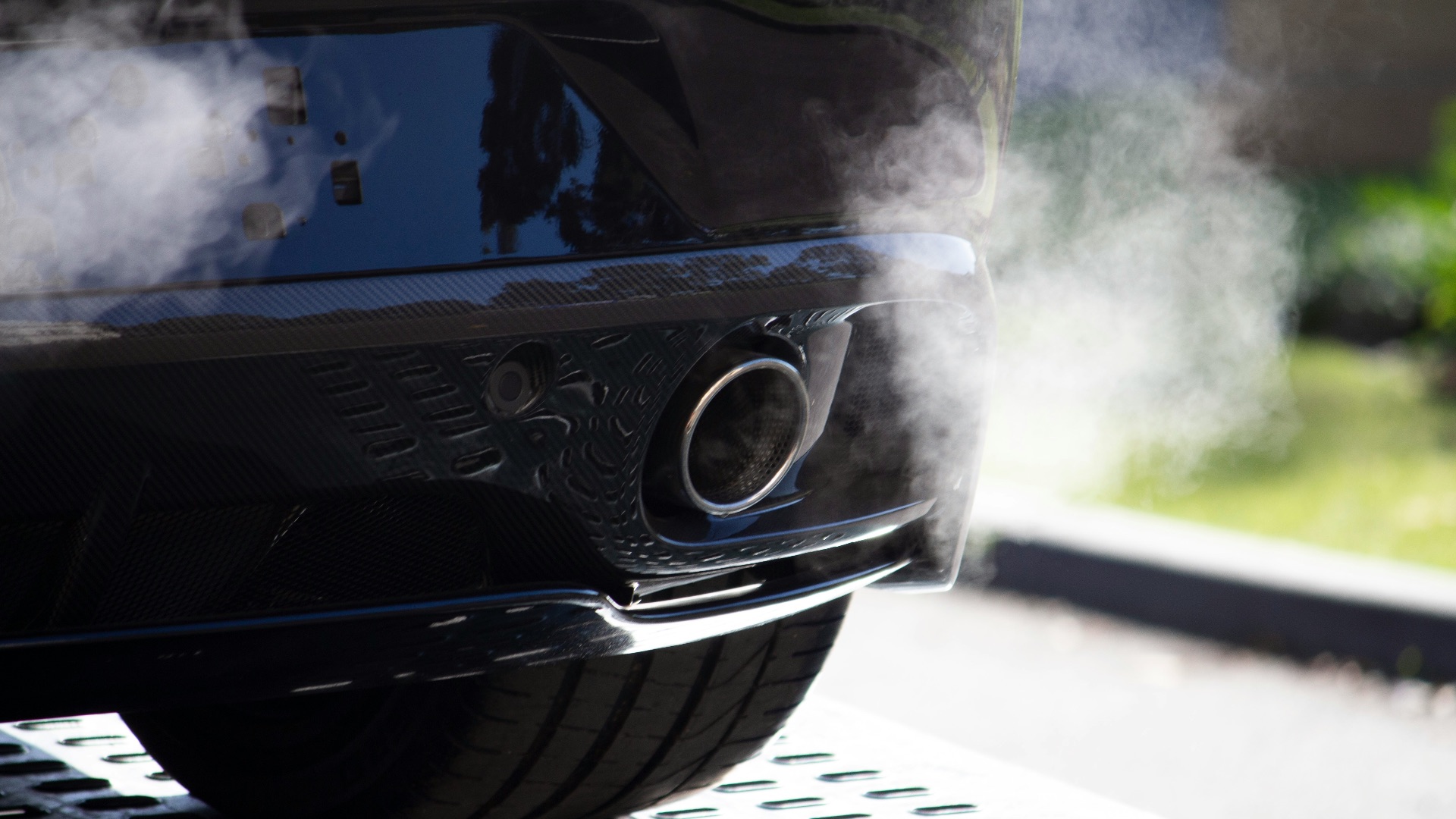
9. Fuel or Exhaust Smells
A gasoline or exhaust odor inside your car should never be brushed off as just another bad smell. It may point to a fuel leak, exhaust leak, or another mechanical issue that needs professional attention. If the smell is strong or sudden, it’s safest to stop driving and have the vehicle checked as soon as possible.
10. Gym Bags and Sweaty Gear
Workout clothes, sneakers, sports equipment, and damp towels can leave a strong odor when they sit in a closed car. Fabric items hold sweat and bacteria, and the smell can spread into seats or carpeting if they’re left there too long. Taking gear out after each use can keep your car from smelling like a locker room.
Once you’ve identified what might be causing the odor, the next step is making the cabin smell and feel clean again. Here's how to freshen up your ride:

1. Remove Trash and Clutter Regularly
The easiest way to freshen your car is to take out anything that doesn’t belong there. Old cups, snack wrappers, receipts, and forgotten bags can all contribute to stale odors, even if none of them seem especially messy on their own. Keeping a small trash bag in the car can make it easier to stay ahead of buildup.
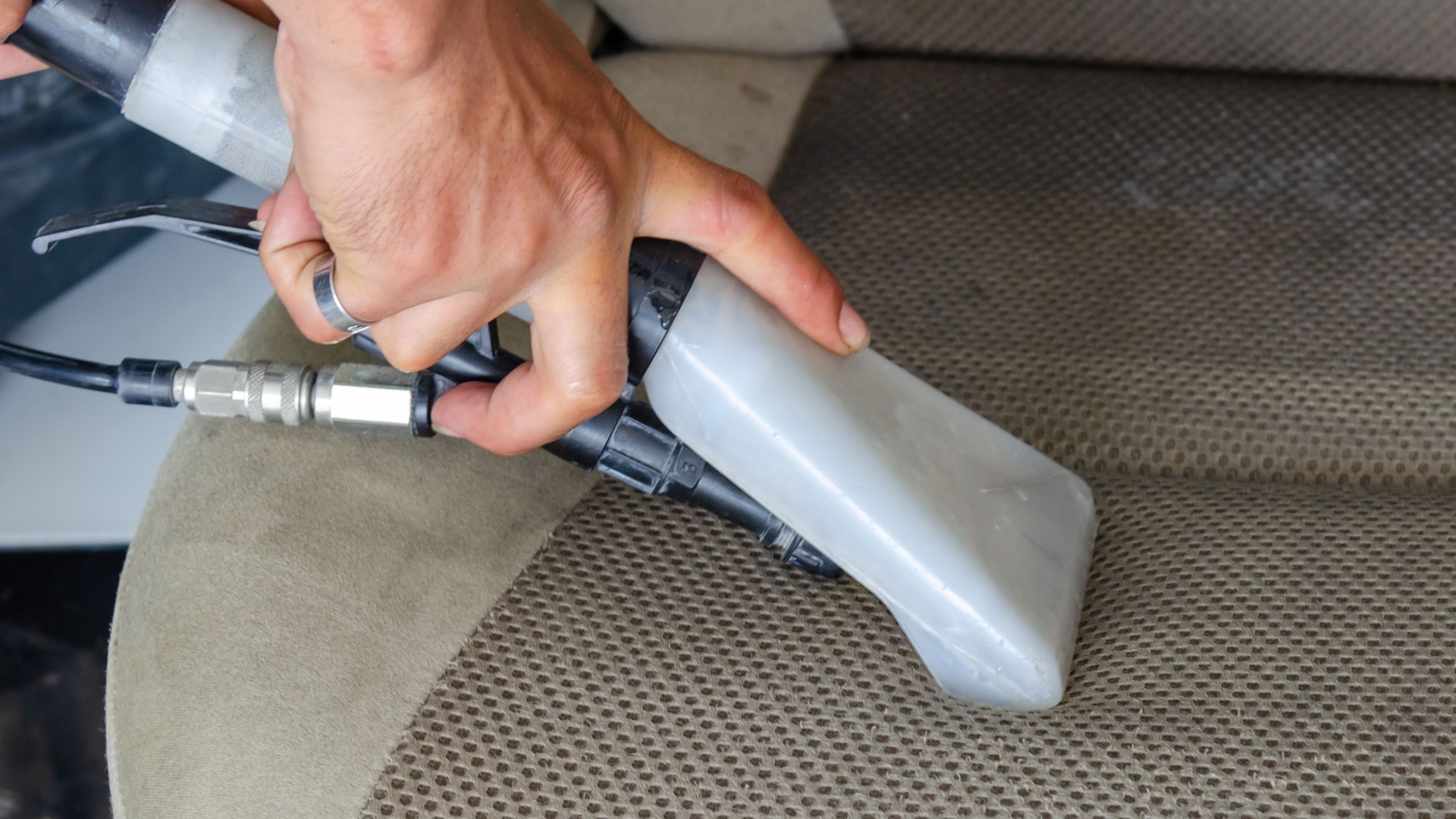
2. Vacuum the Seats and Carpets
Vacuuming removes crumbs, dirt, hair, and dust that can trap odors inside the cabin. Pay attention to the areas under the seats, around seat tracks, and along the edges of floor mats, since debris often collects there. A more thorough vacuuming routine can make the car feel cleaner before you even add any scent.
3. Avoid Eating or Drinking in Your Car
One of the simplest ways to keep your car smelling fresh is to limit eating and drinking inside it whenever possible. Crumbs, grease, and accidental spills can quickly find their way into seats, carpets, and hard-to-reach areas where odors may develop over time. If you do bring food or drinks along, cleaning up any mess right away can help prevent lingering smells.

4. Replace the Cabin Air Filter
Changing the cabin air filter can improve the smell of the air coming through your vents. A dirty filter can hold dust, pollen, and stale odors, especially if it hasn’t been replaced in a long time. Check your owner’s manual for the recommended schedule, or ask your mechanic to inspect it during routine service.
 Karolina Grabowska www.kaboompics.com on Pexels
5. Air Out the Interior
Opening the doors or windows for a short time can help release stale air from the cabin. This works especially well after cleaning, transporting pets, or carrying strong-smelling items. For best results, choose a dry day so you’re not adding extra moisture to the interior.
6. Wash Floor Mats
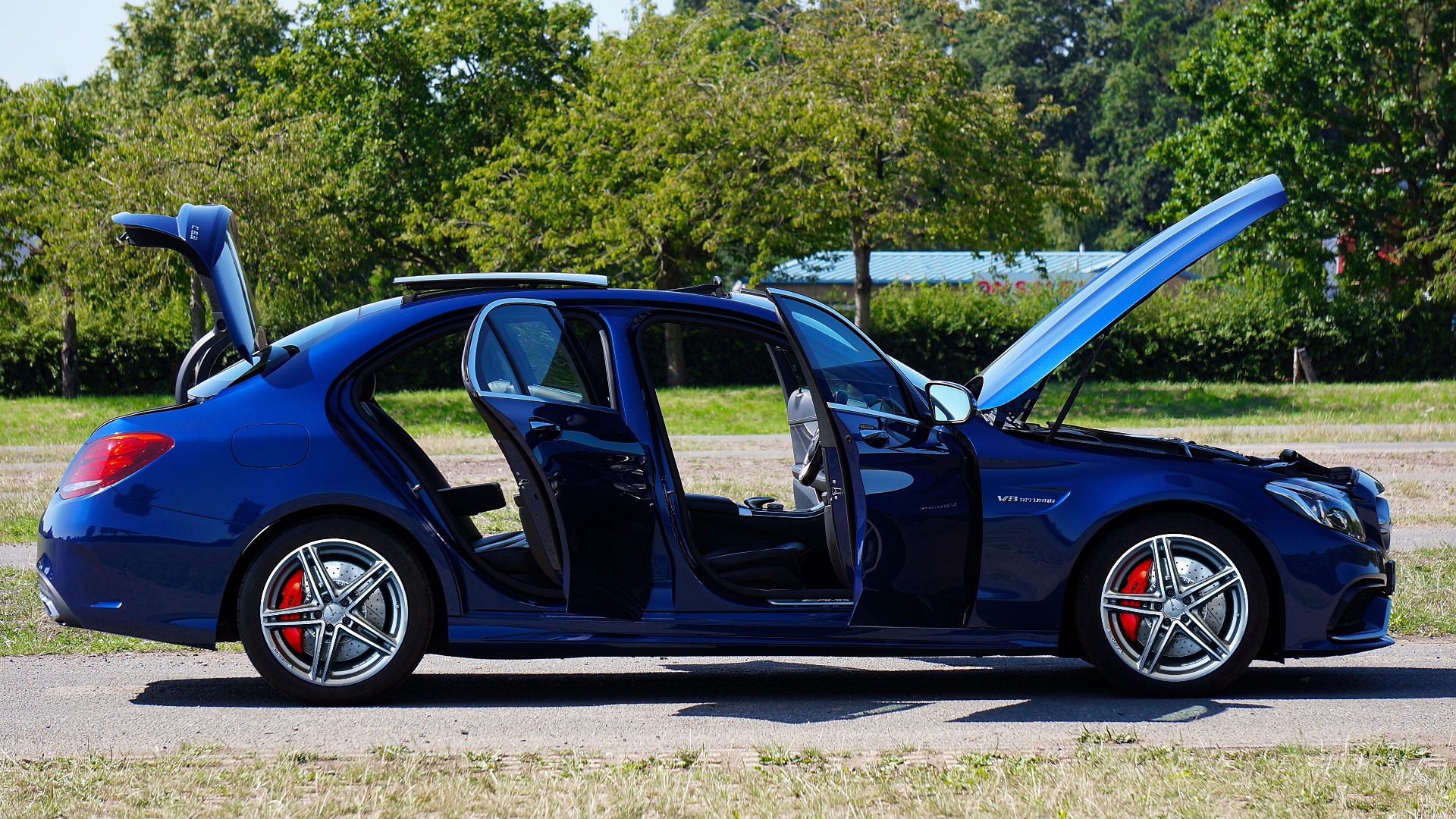
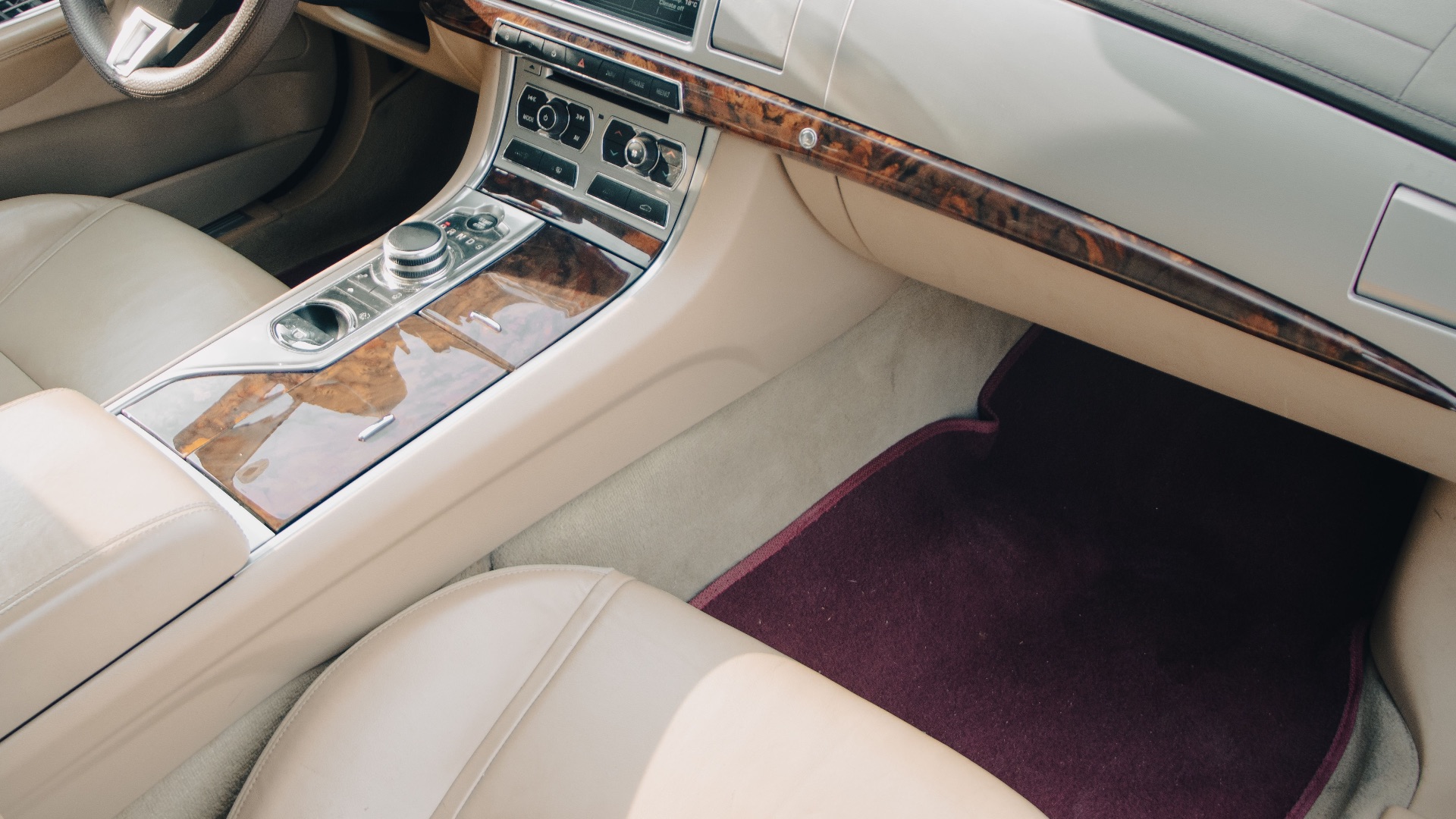
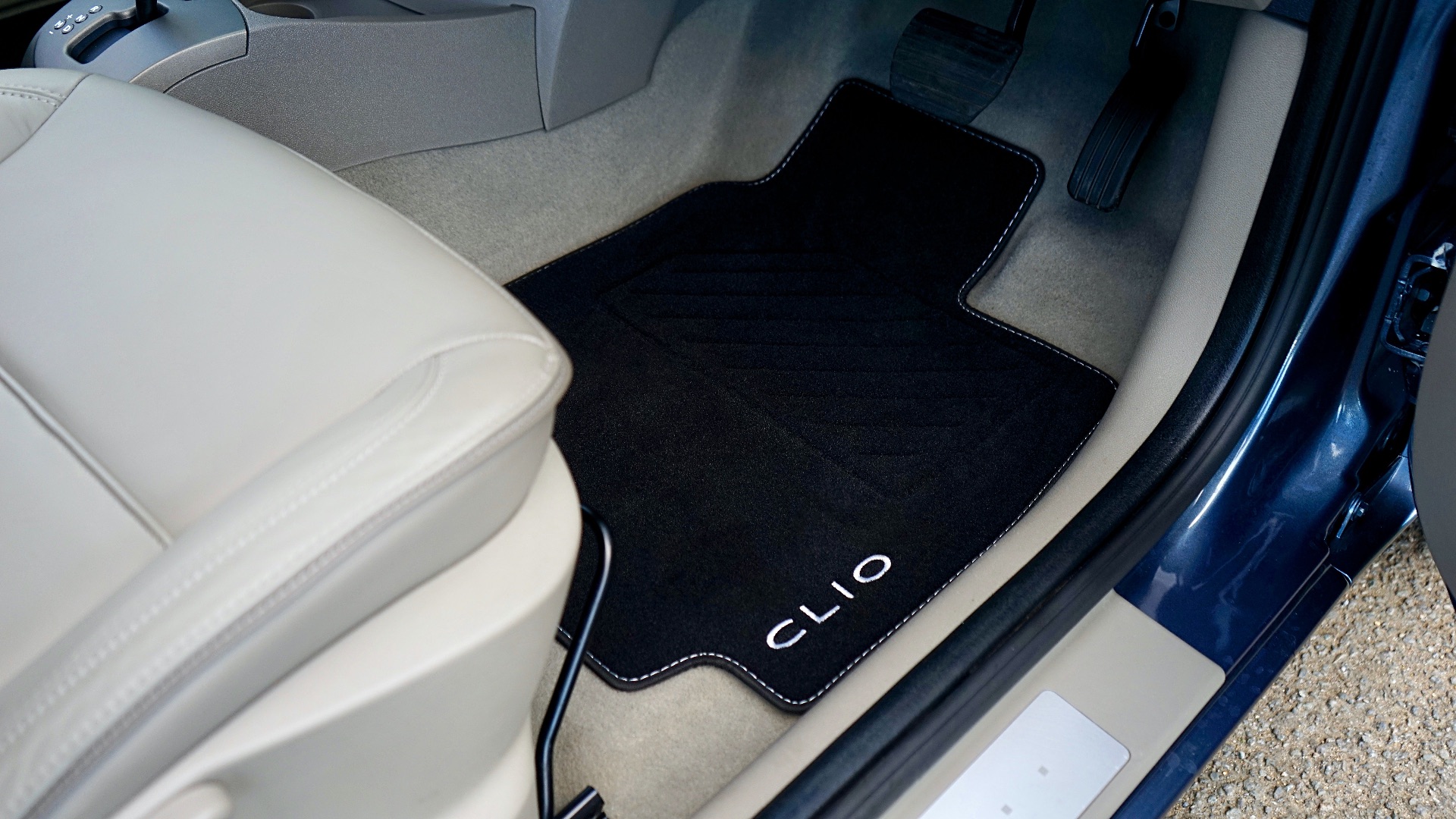
Floor mats collect dirt, moisture, road salt, food crumbs, and plenty of everyday grime. Removing them from the car and washing them separately allows them to dry more completely than they would inside the cabin. Once they’re clean and dry, the whole interior can feel fresher almost immediately.
7. Use Baking Soda on Fabric Surfaces
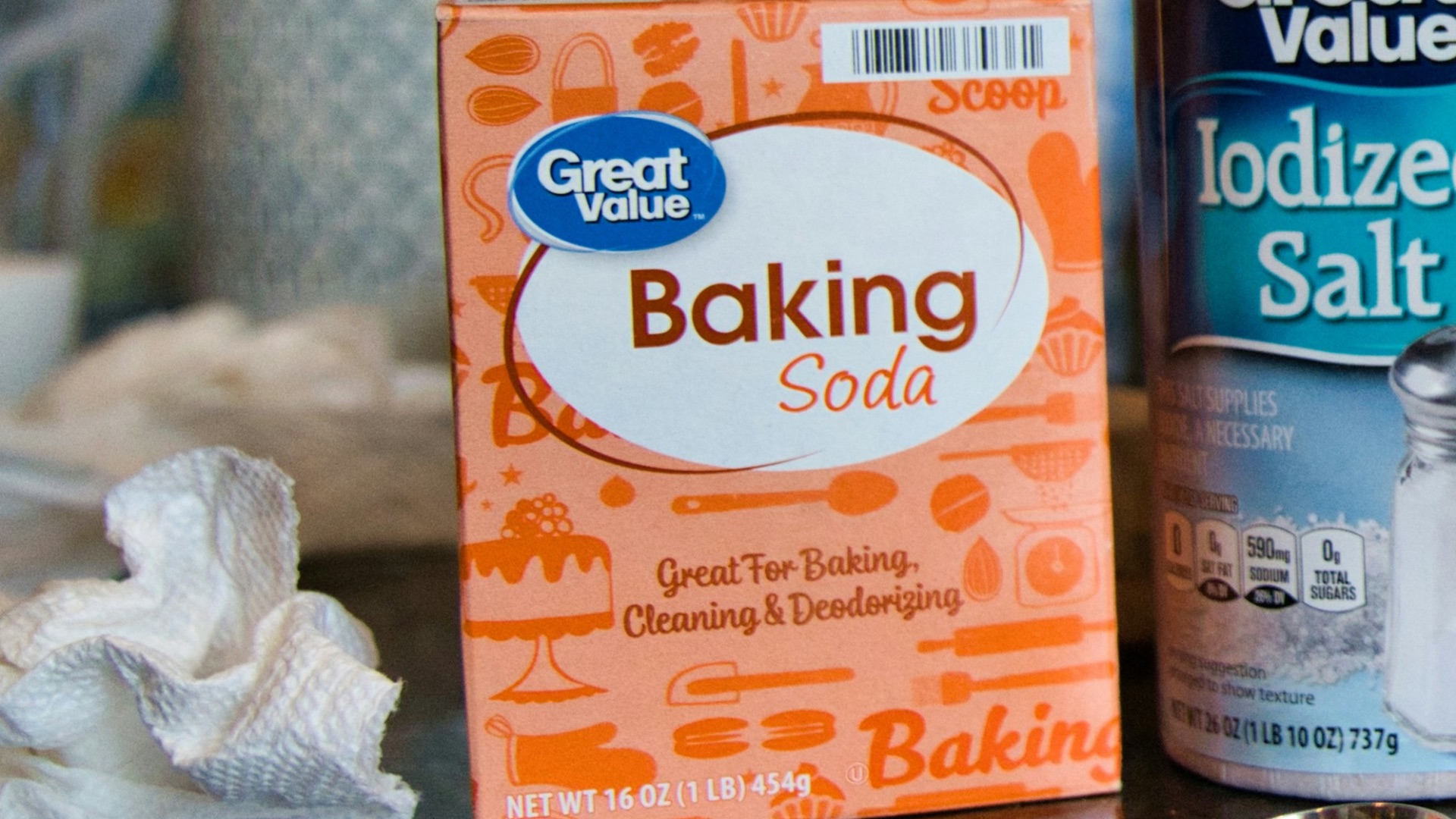
Baking soda can help absorb odors from carpets and cloth seats when used carefully. Sprinkle a light layer on the affected area, let it sit for a while, and then vacuum it up thoroughly. It’s a simple option for mild smells, though strong or persistent odors may still need more targeted cleaning.
8. Do a Regular Wipe-Down
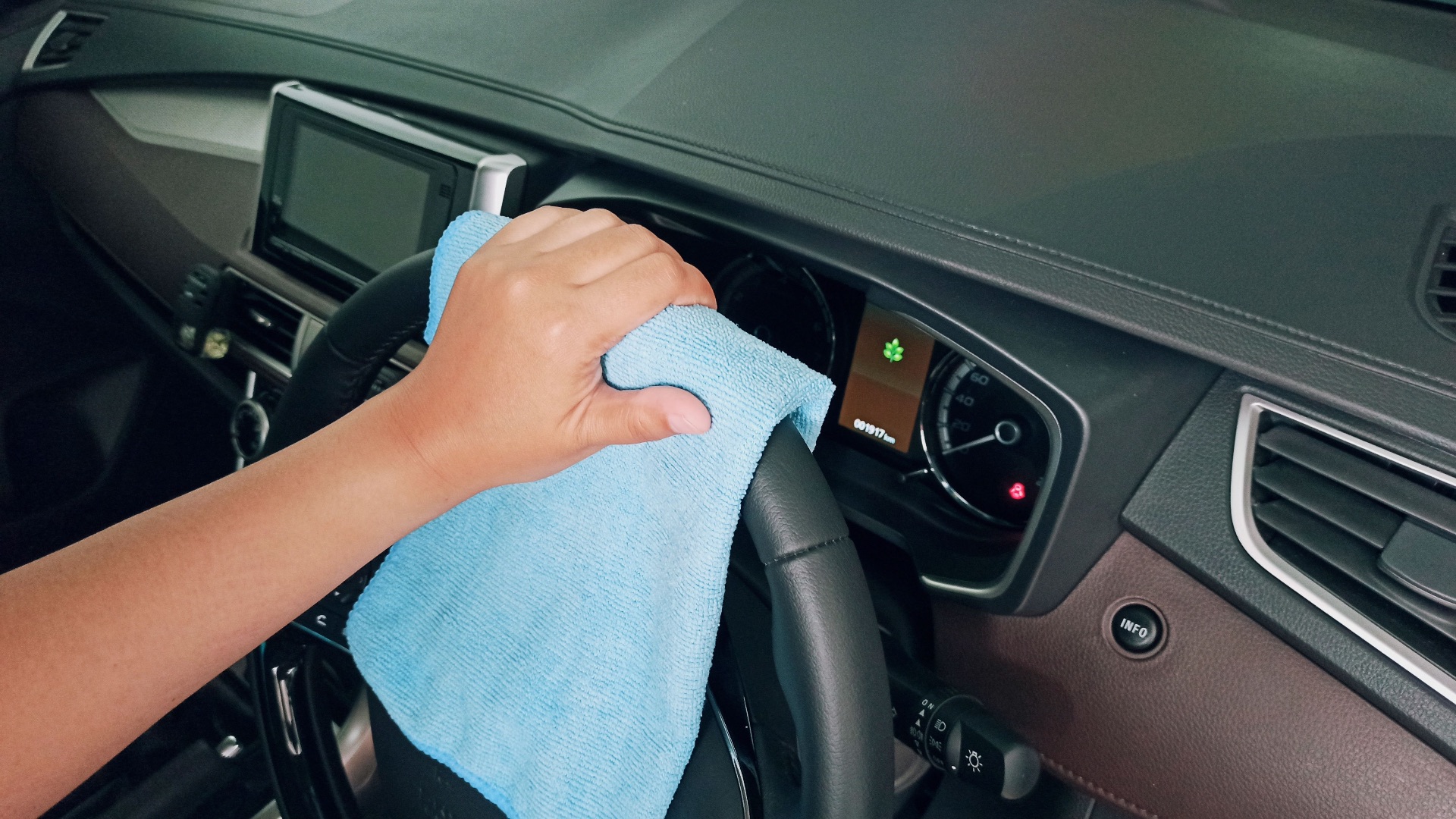
Dashboards, cupholders, door panels, center consoles, and even your steering wheel can hold sticky residue, dust, and odor-causing grime. A gentle interior cleaner can remove buildup that you might not notice at first glance. Cupholders deserve extra attention because spilled coffee, soda, and other drinks often collect there.
9. Dry Out Moist Areas Completely
If your car smells musty, drying it out is just as important as cleaning it. Remove wet mats, blot damp carpets, and let the interior ventilate until everything is fully dry. Moisture that remains trapped can bring the odor back, even after the surface looks clean.
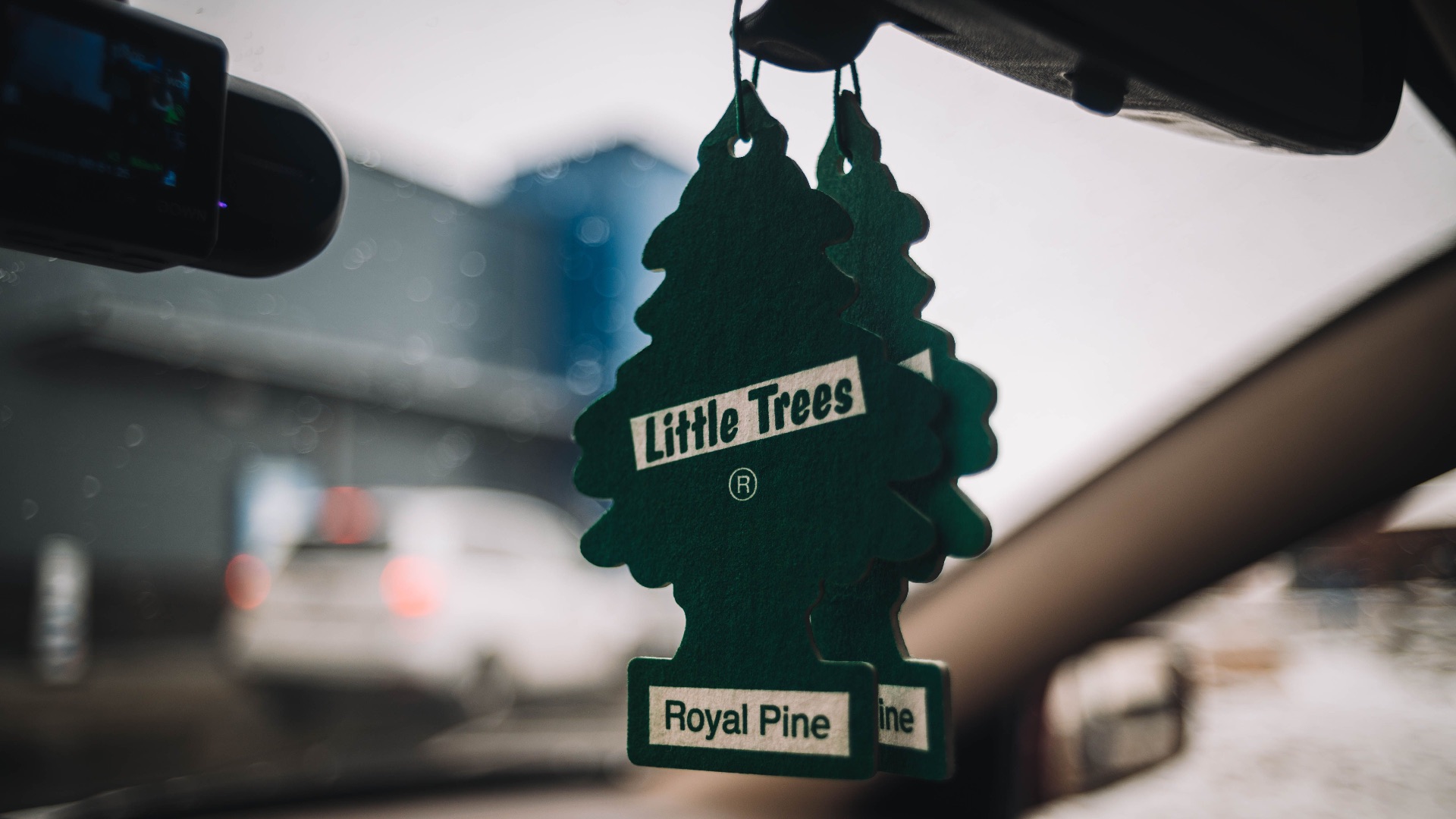
10. Choose a Light, Clean Scent
After the source of the odor is handled, a light air freshener can help the car smell more inviting. It’s best to choose something subtle, since strong fragrances can become overwhelming in a small enclosed space. A clean scent works better when it complements a freshly cleaned cabin instead of trying to cover up an old odor.