
20 Cars That Were Mocked at Launch but Aged Surprisingly Well
When the Enthusiasm Came Too Late
First impressions can be brutal in the car world, especially when a new model looks strange, challenges an established formula, or arrives before buyers understand what it’s trying to do. Plenty of vehicles that were laughed at, criticized, or dismissed when they first appeared have since earned a much warmer reputation. Here are 20 models that prove that being unpopular at launch doesn’t always mean history will agree.
1. Pontiac Aztek
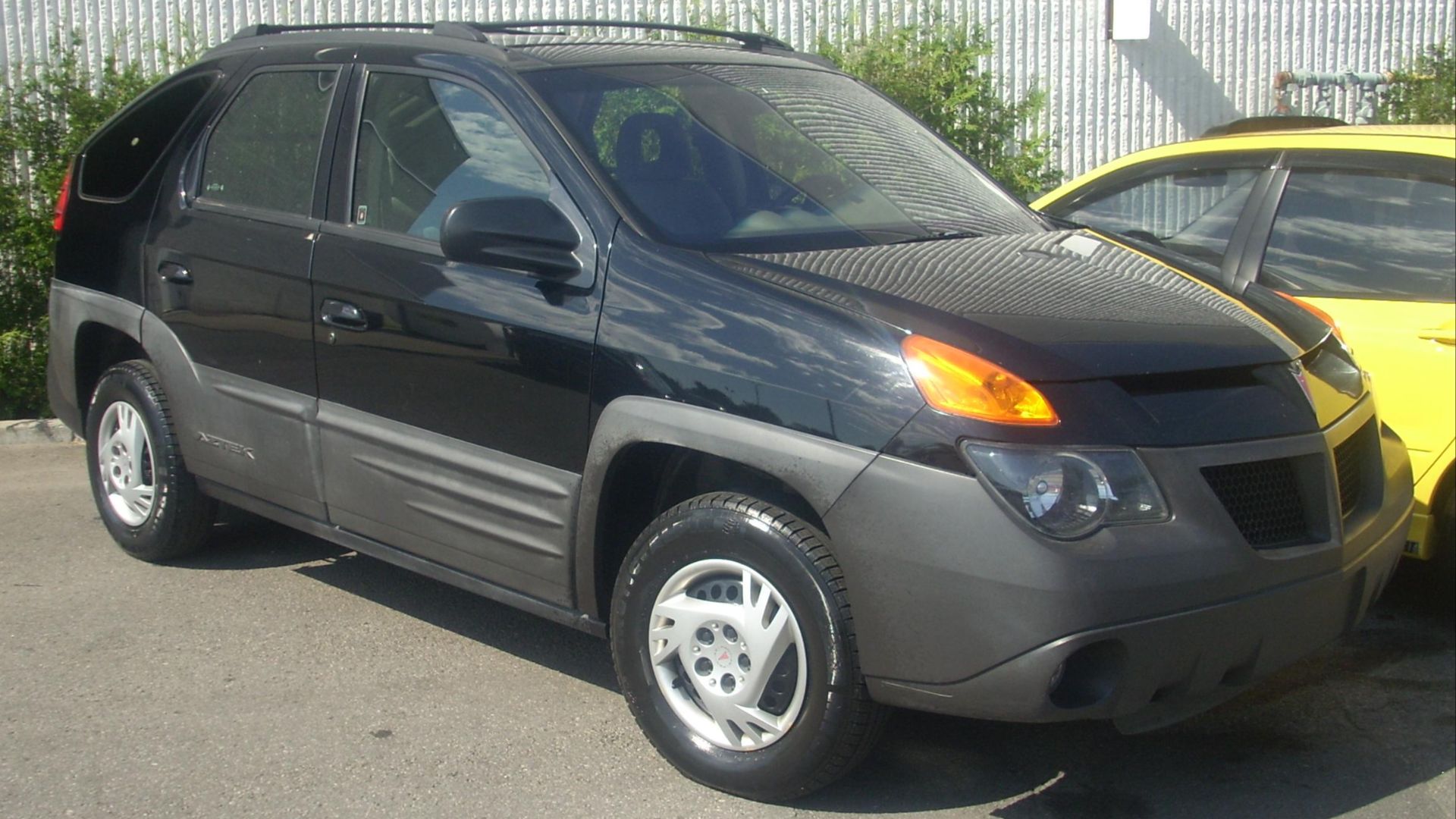
Few vehicles were ridiculed as relentlessly as the Pontiac Aztek when it arrived for the 2001 model year. Its unusual proportions and busy bodywork made it an easy target, and disappointing sales eventually helped cement its reputation as a design disaster. Look beyond the styling, though, and the Aztek offered clever storage, available all-wheel drive, and even accessories designed for camping. Its famously strange styling actually worked in its favor, helping it gain a cult following and pop-culture status.
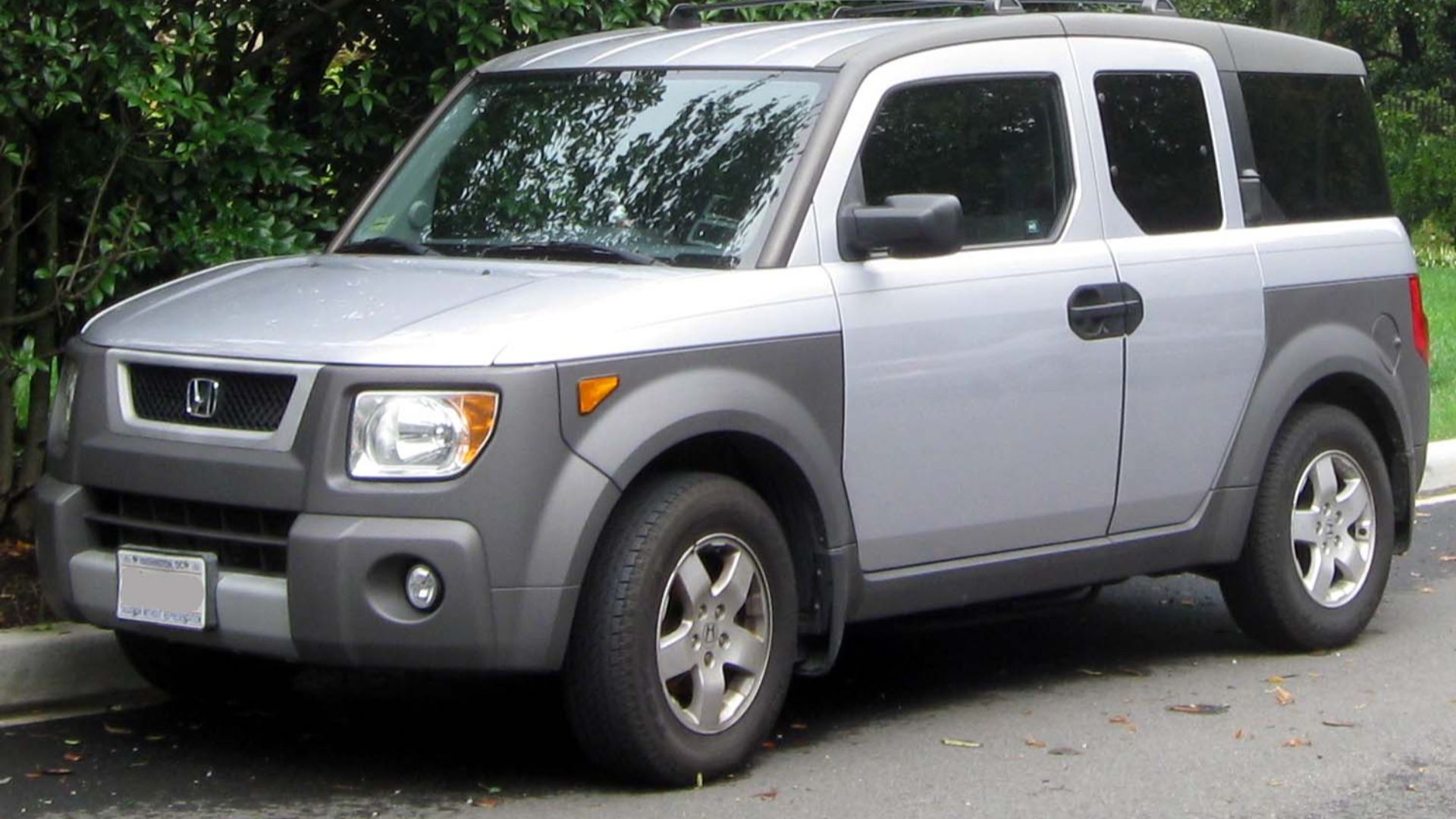
2. Honda Element
The Honda Element's boxy shape immediately divided people when it debuted for 2003, with critics comparing its appearance to everything from a shipping container to a toaster. That unconventional body turned out to hide one of Honda's smartest interiors, complete with a flat floor, wide-opening doors, and highly configurable rear seats. Owners discovered that it was fantastic for hauling bikes, pets, camping gear, and almost anything else you could squeeze inside, and used Elements now have an enthusiastic following.
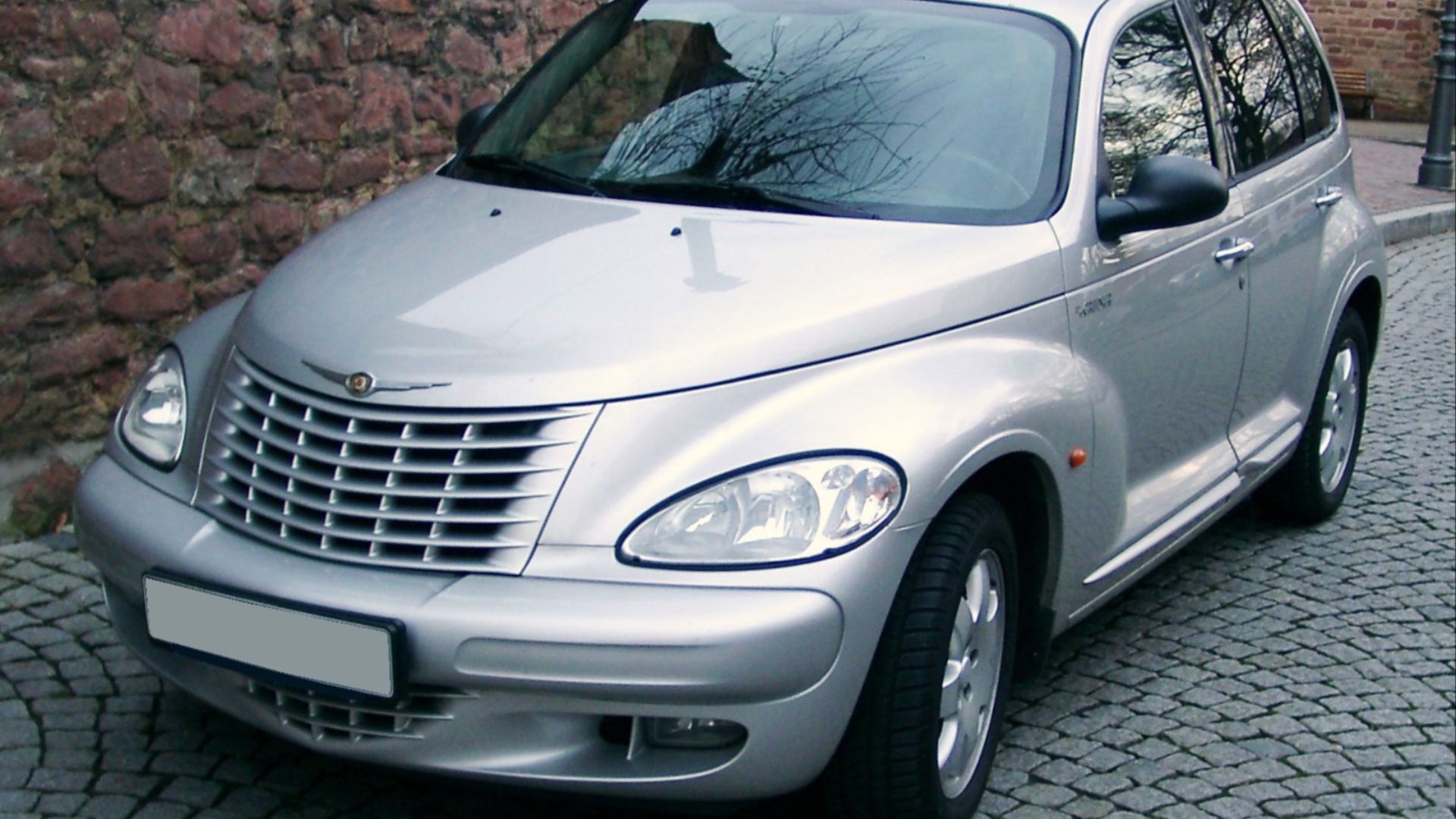
3. Chrysler PT Cruiser
When the Chrysler PT Cruiser appeared in 2000, its exaggerated retro styling generated plenty of eye-rolling alongside all the initial hype. Once the novelty faded, it became fashionable to make fun of the little Chrysler, particularly as its performance and interior began feeling dated. Time has been surprisingly kind to its distinctive appearance, though, and clean examples now stand out in a sea of more conventional compact vehicles.
4. Fiat Multipla
The original Fiat Multipla might still be one of the strangest-looking production cars ever sold, and its unconventional face attracted mockery almost immediately after its late-1990s debut. However, the bizarre exterior wrapped around a remarkably clever cabin with two rows of three individual seats. That gave six occupants useful space without forcing the Multipla into the footprint of a huge minivan. Its looks remain an acquired taste, but it has a genuine cult following.

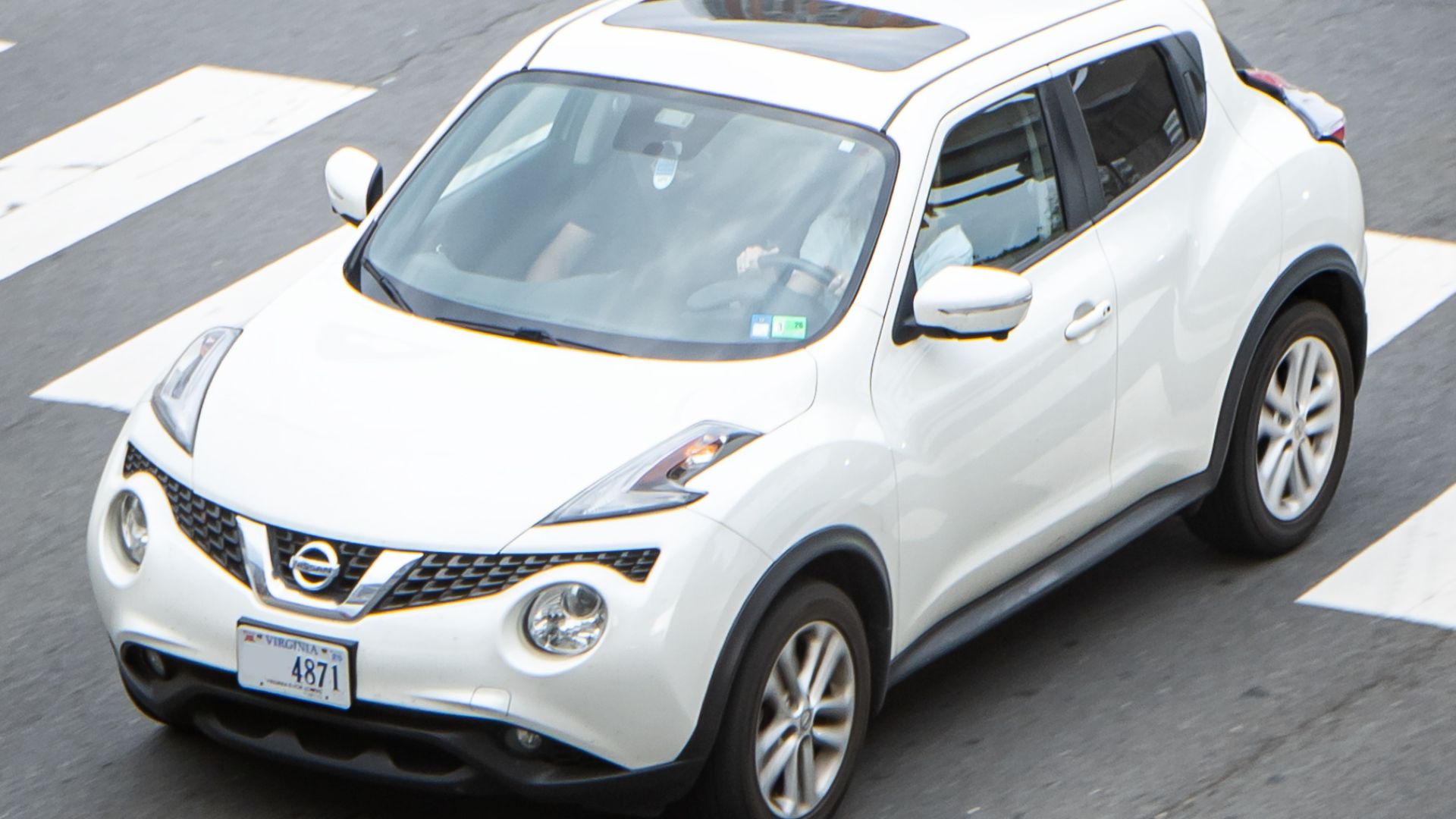
5. Nissan Juke
The Nissan Juke arrived with headlights seemingly scattered across several different levels of its front end, so restrained styling clearly wasn't part of the plan. Plenty of drivers hated the appearance, while others struggled to understand why anyone needed a tiny SUV with such dramatic bodywork. More than a decade later, compact crossovers with coupe-inspired shapes, unusual lights, and bold styling have become completely normal. The Juke didn't just age reasonably well; in some ways, the rest of the industry caught up with it.
6. BMW i3
BMW's electric i3 looked nothing like the company's familiar sport sedans when it reached showrooms, and that alone guaranteed plenty of criticism. Its narrow tires, unusual proportions, rear-hinged doors, and futuristic cabin made it seem more like an experiment than a conventional luxury car. Beneath the odd styling was extensive carbon-fiber construction, recycled interior materials, and an electric-focused design created from the ground up. As automakers increasingly experiment with sustainable materials and dedicated EV platforms, the i3 feels much less strange than it did in 2013.
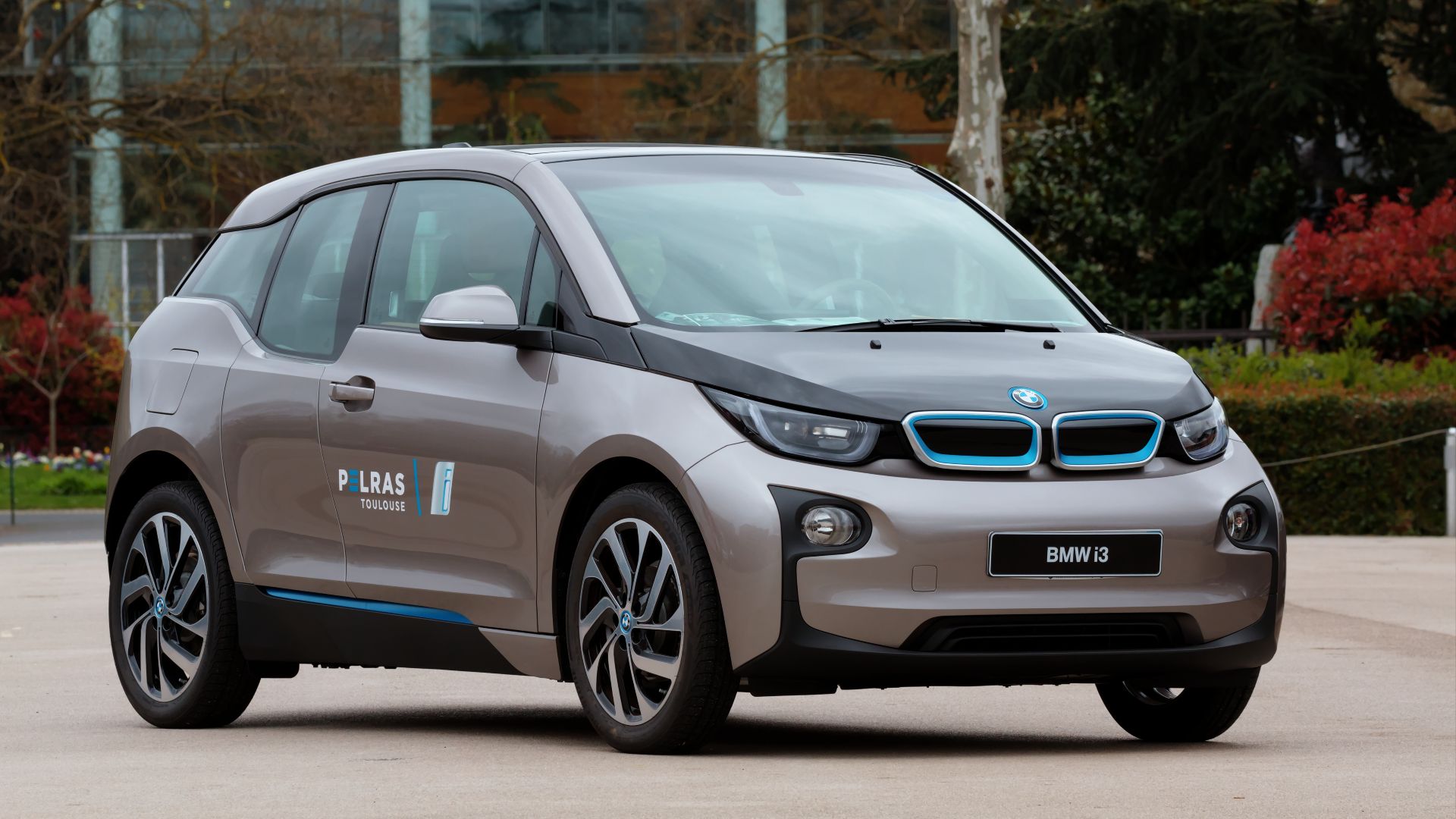 Pierre-Selim Huard on Wikimedia
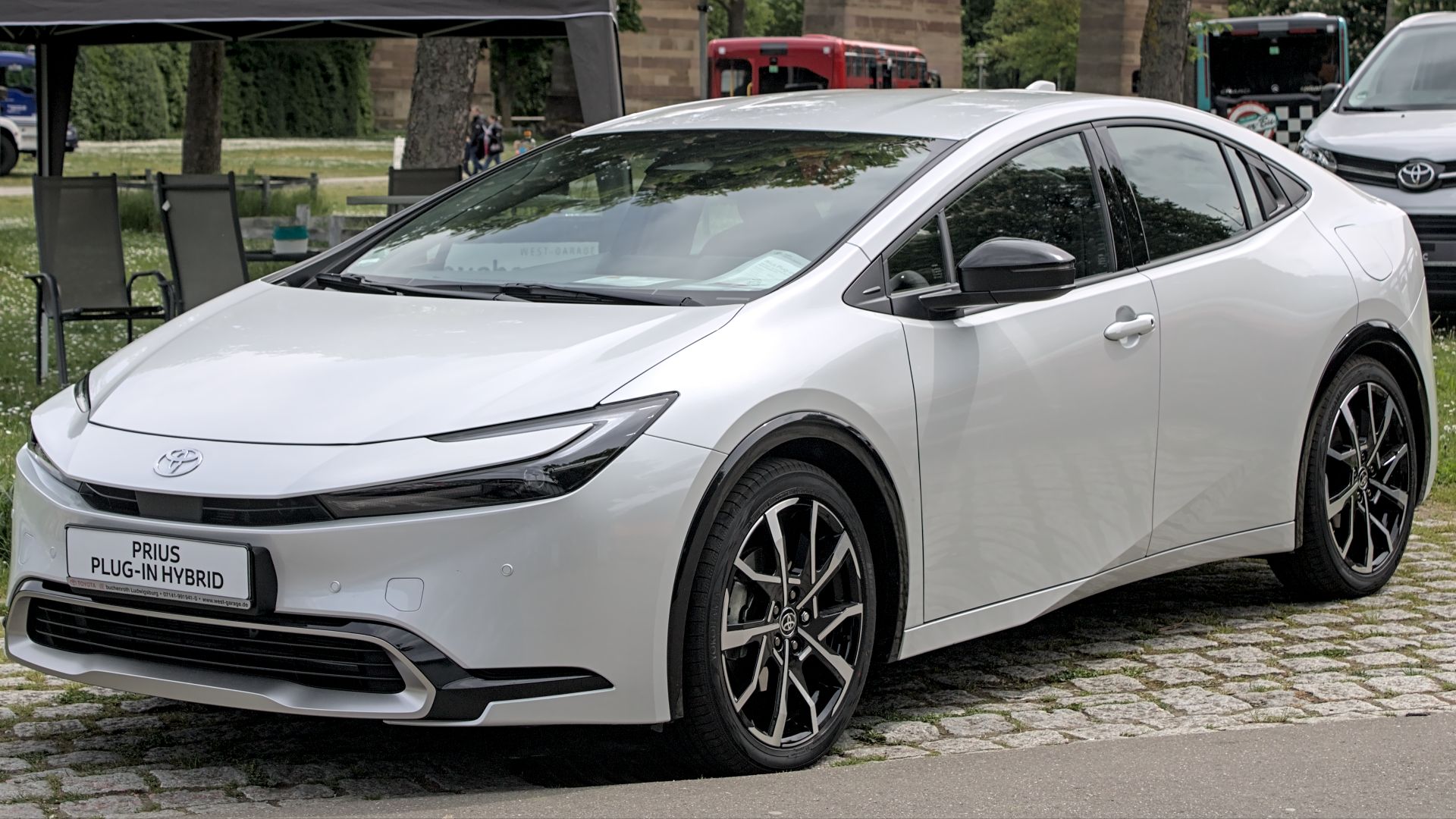
7. Toyota Prius
Early versions of the Toyota Prius weren't exactly designed to excite traditional car enthusiasts. The unusual styling, hybrid drivetrain, and emphasis on fuel economy made it an easy punchline for anyone who considered gasoline-powered performance part of a car's personality. Toyota ultimately proved there was enormous demand for hybrids, and the Prius became one of the most recognizable electrified vehicles ever produced.
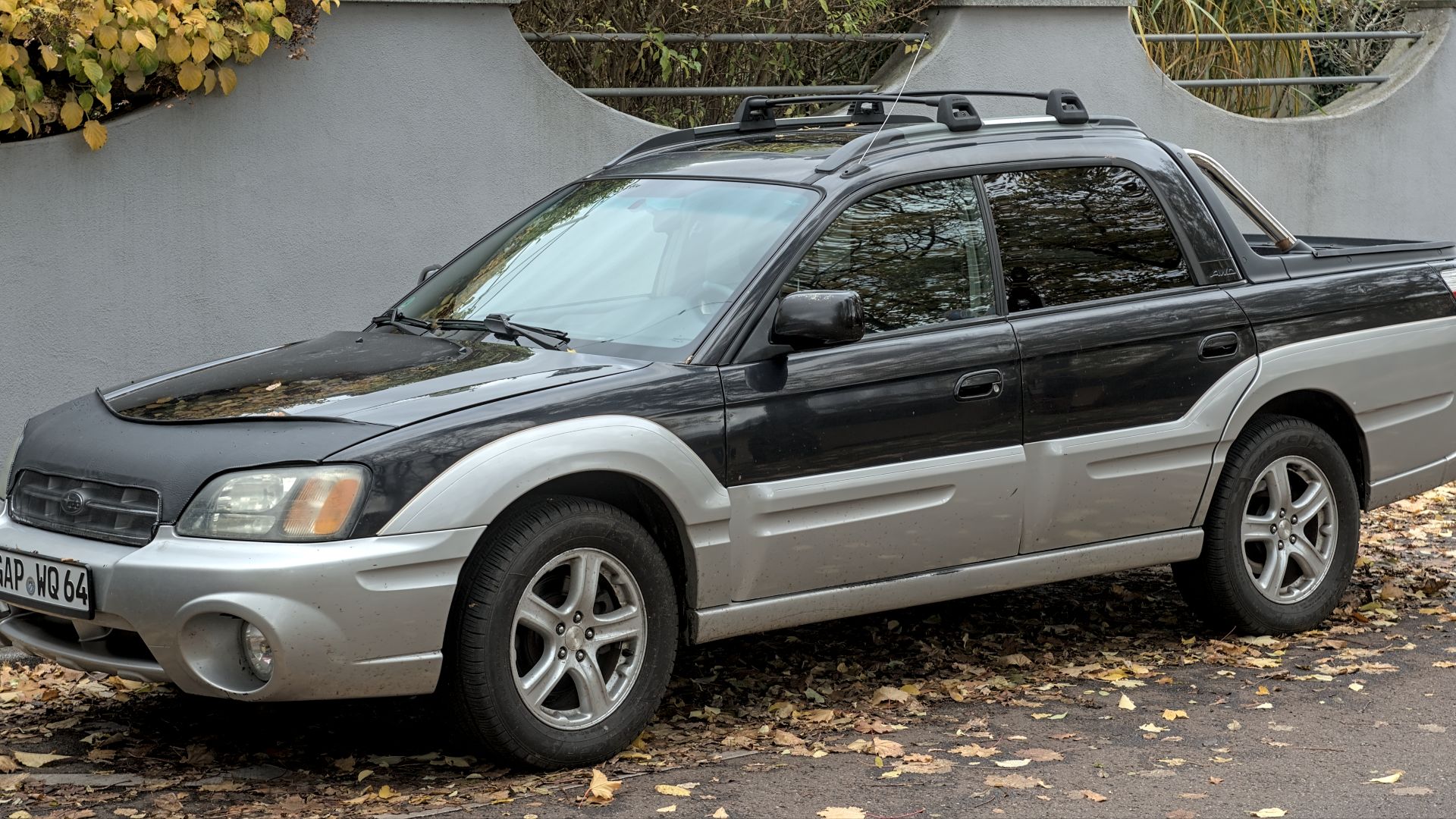
8. Subaru Baja
The Subaru Baja mixed a four-door passenger cabin with a tiny pickup bed, leaving buyers unsure whether they were looking at a truck, wagon, or something in between. Its unusual design didn't translate into strong sales, and Subaru discontinued it after only a few model years in the U.S. Today, however, lifestyle-focused compact pickups have returned to prominence, while used Bajas have developed a dedicated fan base.
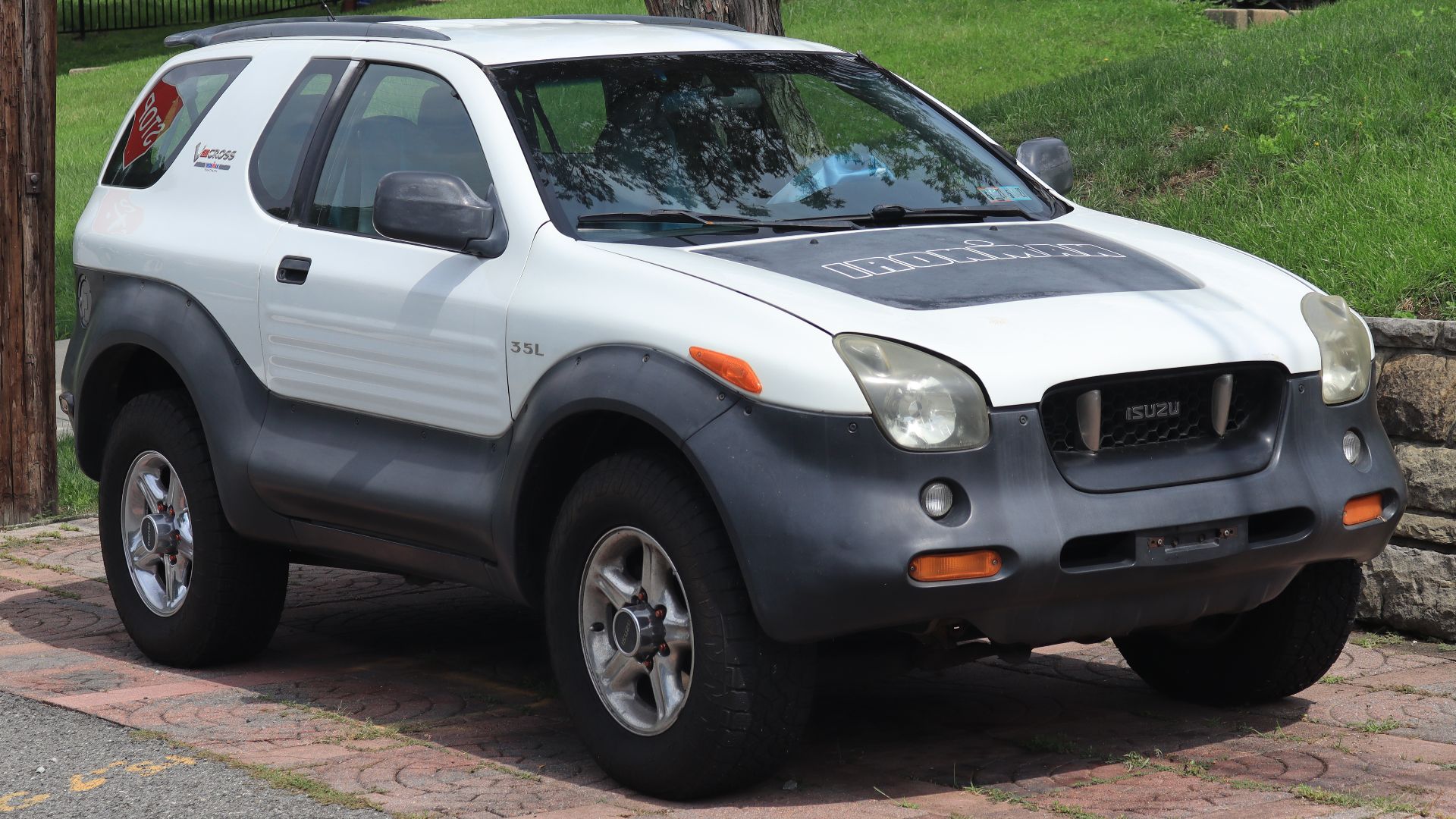
9. Isuzu VehiCROSS
Everything about the Isuzu VehiCROSS looked experimental when it appeared in the late 1990s, from its aggressive body cladding to its unusual proportions. It was a dramatic departure from the straightforward SUVs drivers were accustomed to seeing, which made the styling difficult for some buyers to accept. Years later, those same features help it look far newer than many SUVs from its era.
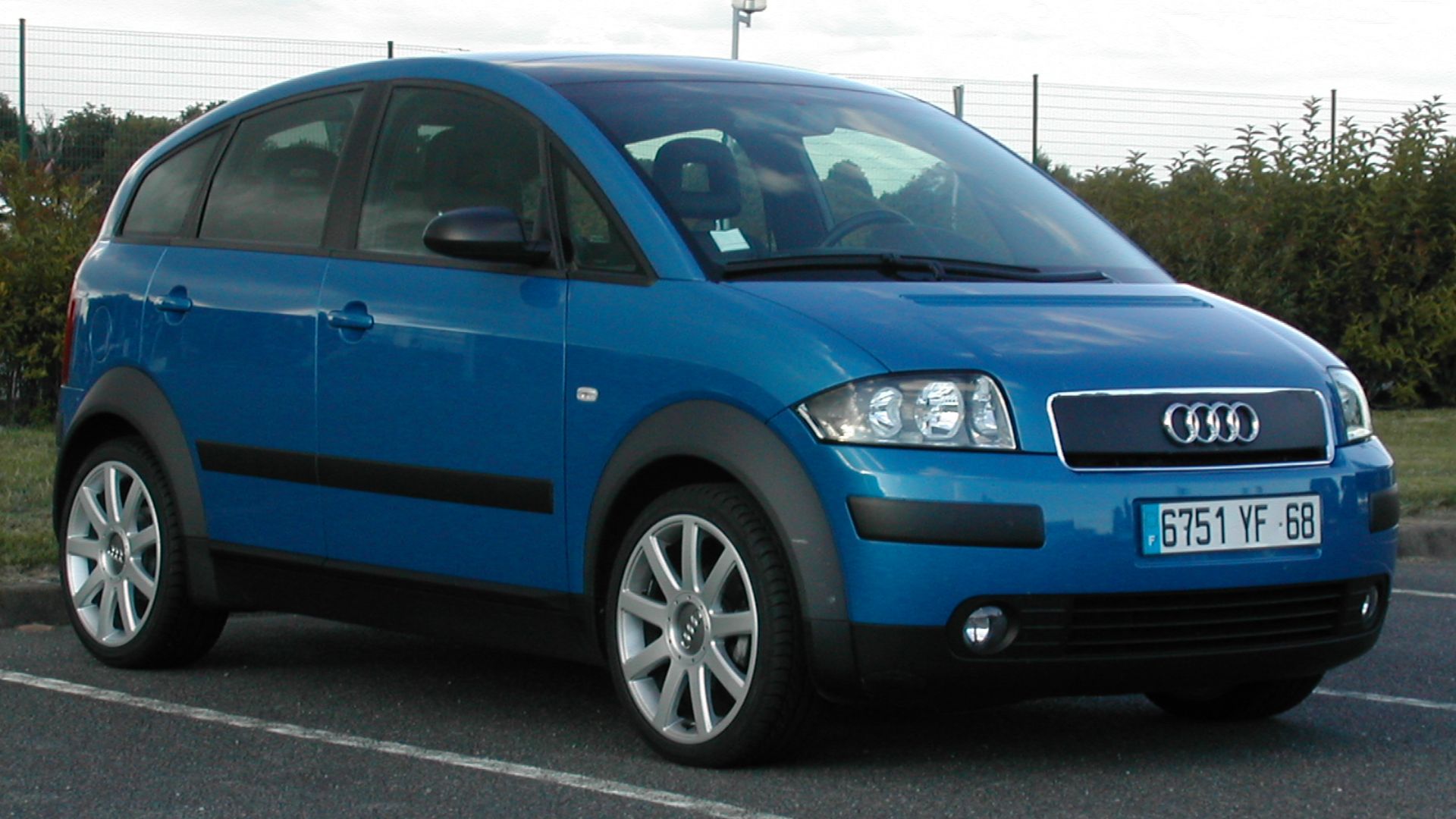
10. Audi A2
Audi's A2 was an aluminum-bodied compact hatchback with tall proportions and an efficiency-first design, which wasn't exactly what many customers expected from the German luxury brand. Its appearance attracted criticism, while its relatively high price made an already unconventional car even harder to sell. What seemed odd then now looks remarkably forward-thinking, particularly its focus on lightweight construction, aerodynamics, and fuel efficiency. The A2 has become a textbook example of an ambitious vehicle arriving before the market was ready for it.
11. Nissan Cube
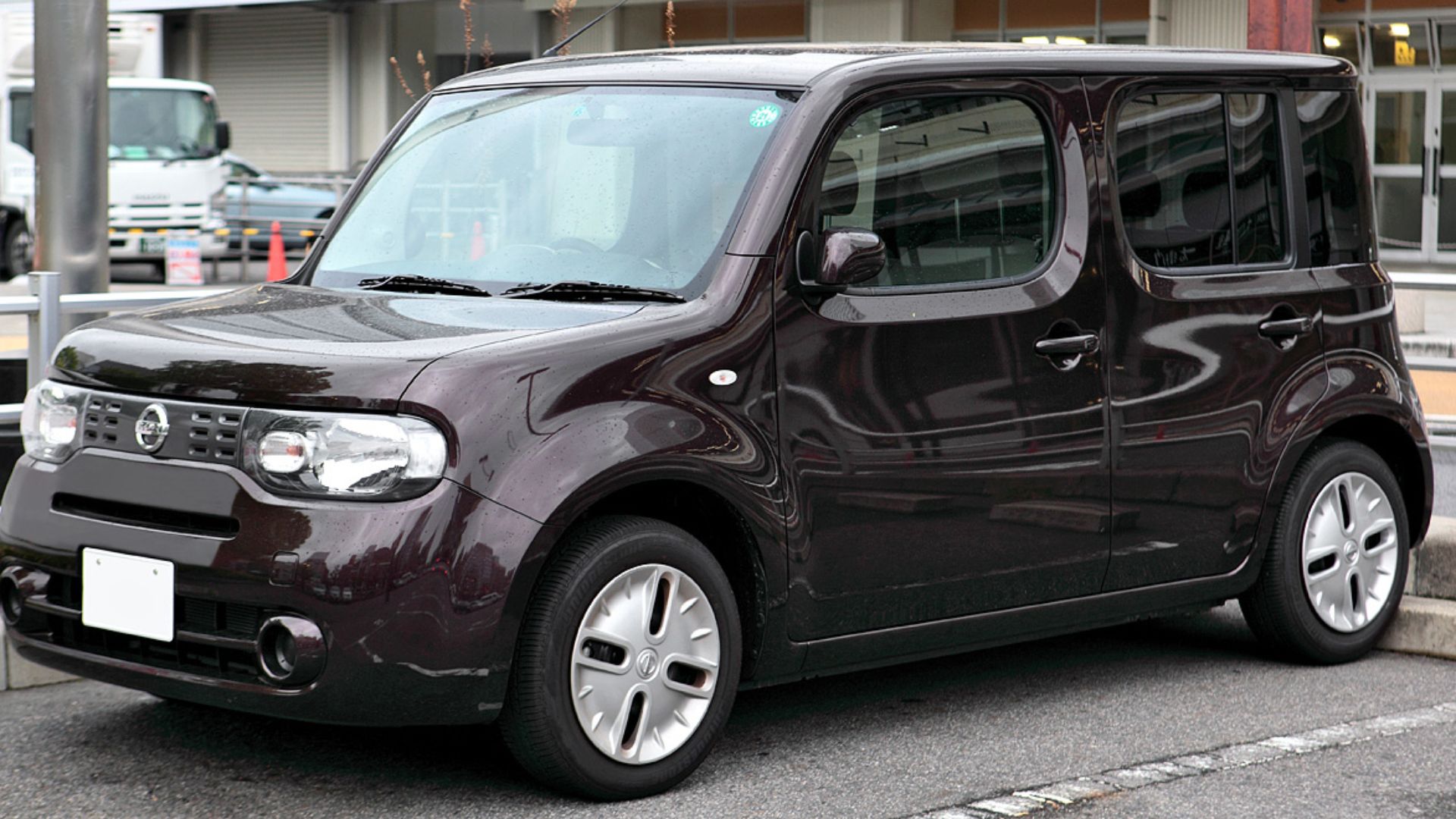
The Nissan Cube made asymmetry part of its identity, particularly with its unusual wraparound rear window and refrigerator-like proportions. Unsurprisingly, drivers who preferred conventional hatchbacks weren't always convinced by its playful styling when it came to the U.S. However, where mainstream buyers find it too weird, enthusiasts and design lovers celebrate it today as a cult classic that dared to look different.
12. Honda Ridgeline
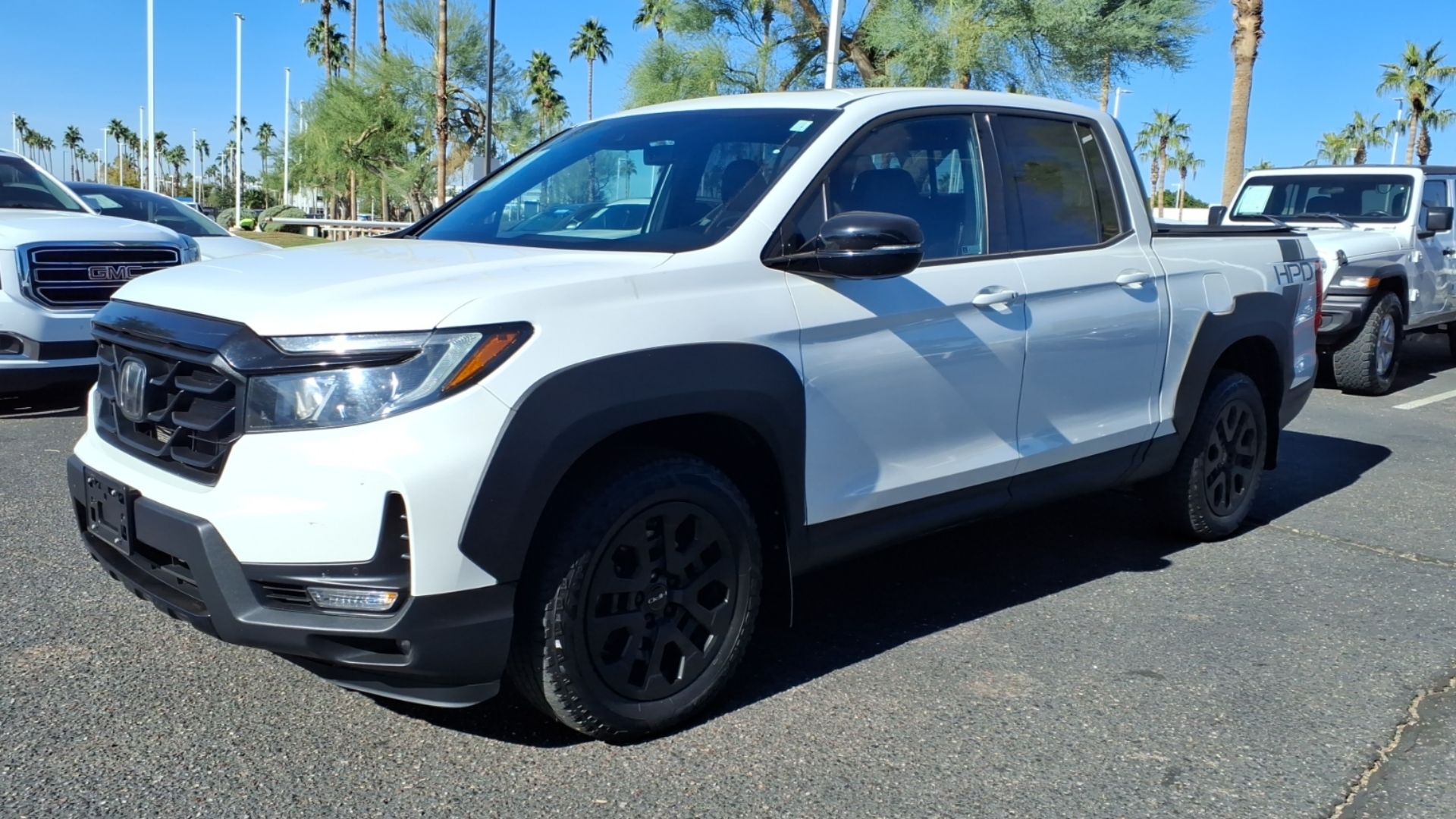
Truck traditionalists weren't particularly welcoming when Honda introduced the Ridgeline for the 2006 model year. Its unibody construction, independent rear suspension, and front-wheel-drive-based layout violated several unwritten pickup rules, leading some critics to question whether it counted as a "real" truck at all. Owners cared less about those arguments and enjoyed its comfortable ride, lockable in-bed trunk, and useful dual-action tailgate. As unconventional pickups become more common, Honda's approach no longer seems nearly as radical.
13. Chevrolet Avalanche
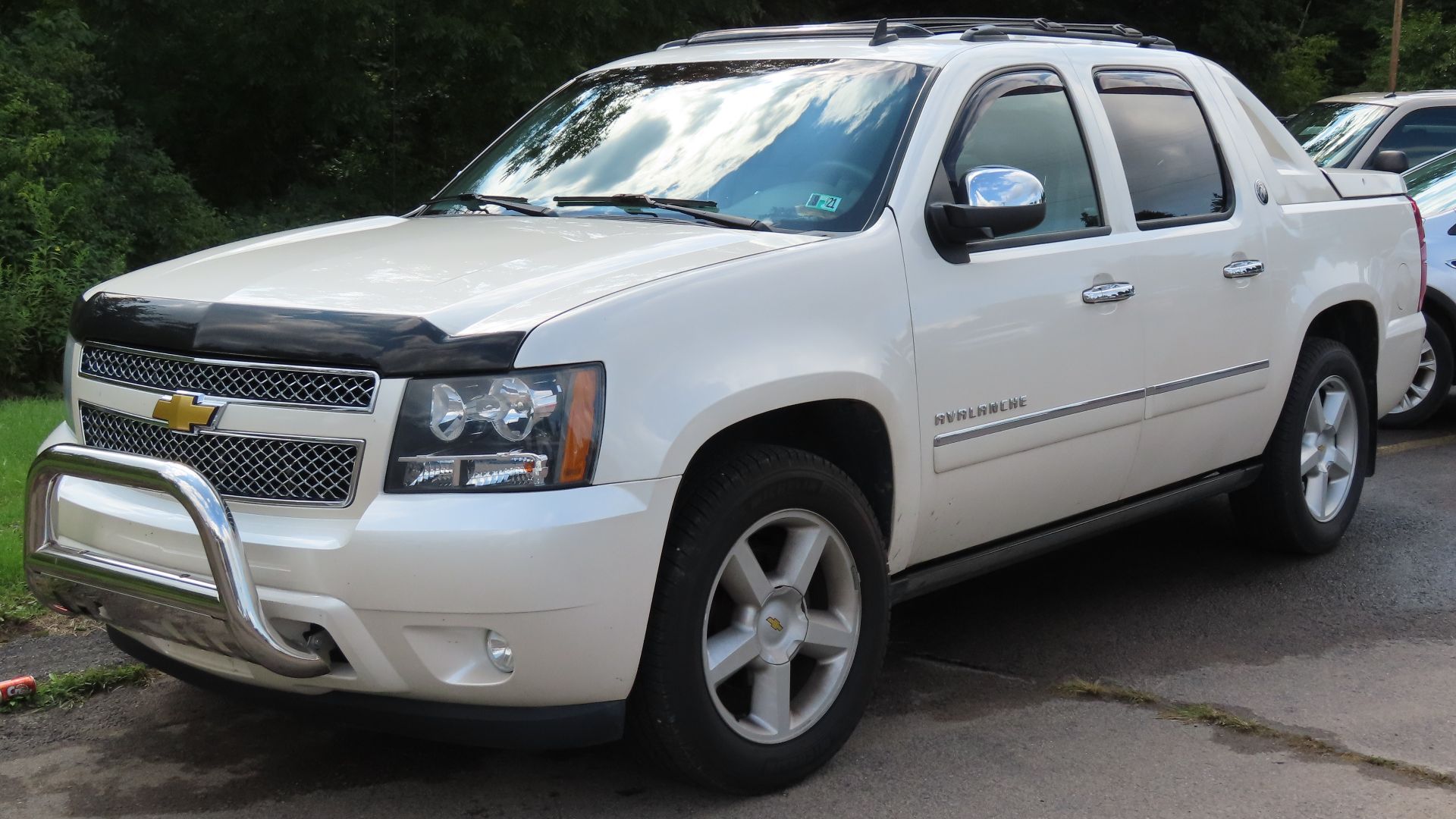
The Chevrolet Avalanche's enormous plastic body cladding and combination of SUV cabin with a pickup bed made it a polarizing sight when it launched for 2002. Some buyers loved its flexibility, but others saw an oversized vehicle that couldn't decide what it wanted to be. Its clever Midgate allowed owners to extend the cargo area into the passenger compartment when more bed space was required. With today's market full of expensive lifestyle trucks intended to handle both family duty and weekend adventures, the Avalanche's mission makes considerably more sense.
14. Plymouth Prowler
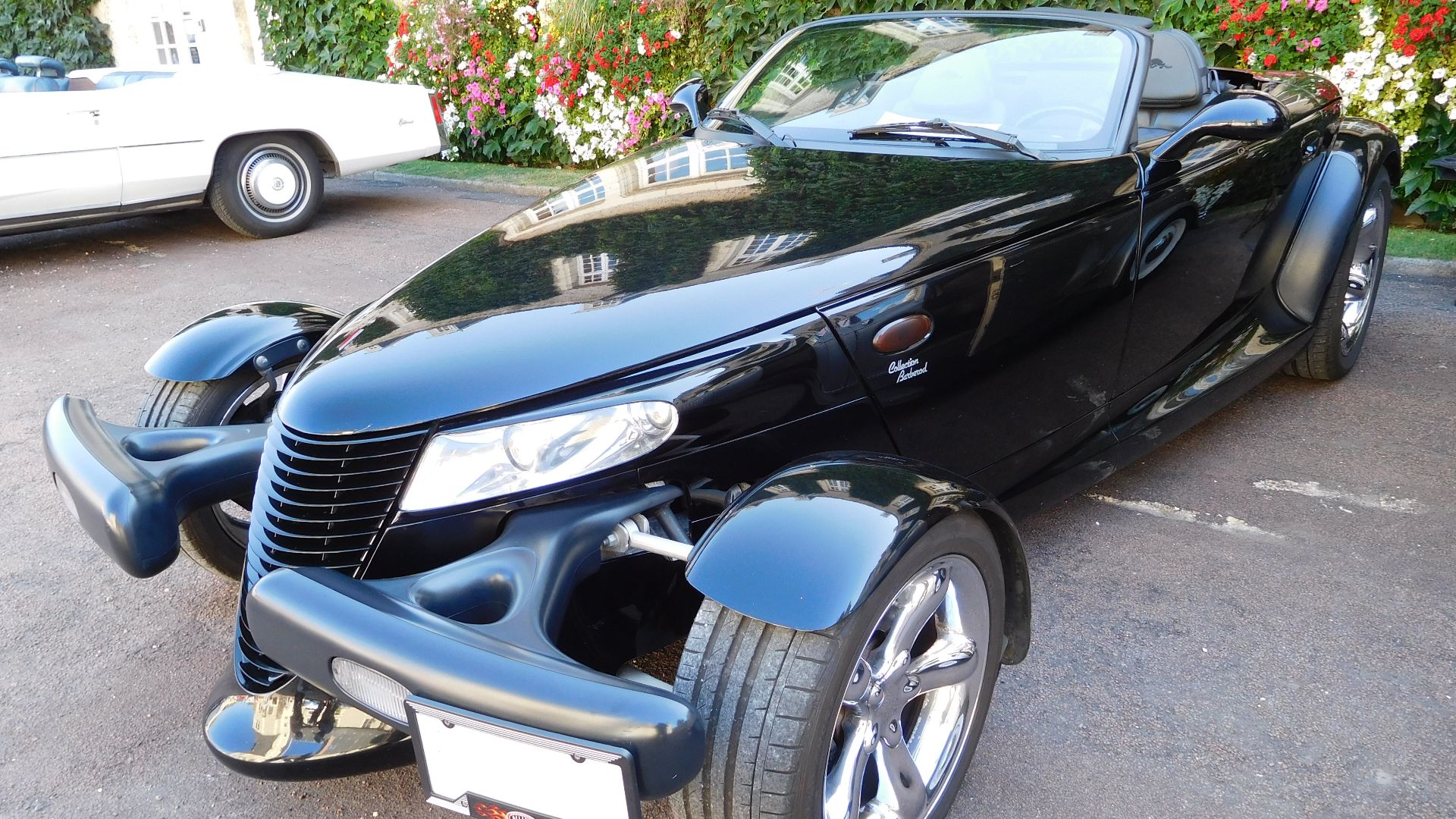
Plymouth deserves credit for actually building the Prowler, even if enthusiasts quickly found reasons to complain about it. Its dramatic hot-rod-inspired shape promised serious performance, but the lack of a V8 and its automatic transmission disappointed people expecting an old-school muscle machine. Decades later, performance expectations matter less than the fact that the Prowler looked like almost nothing else produced by a major manufacturer, turning it into a genuine collectible.
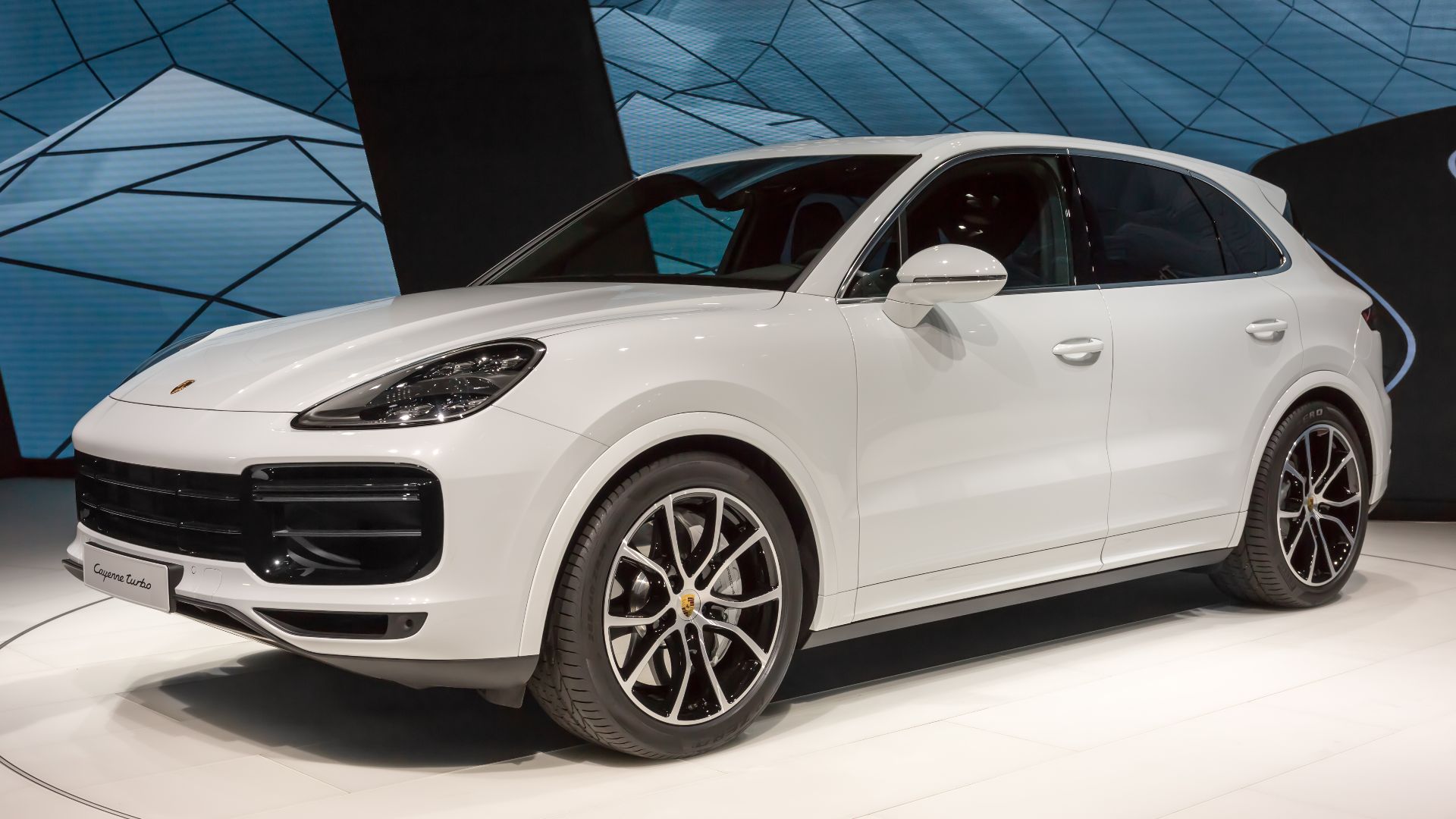
15. Porsche Cayenne
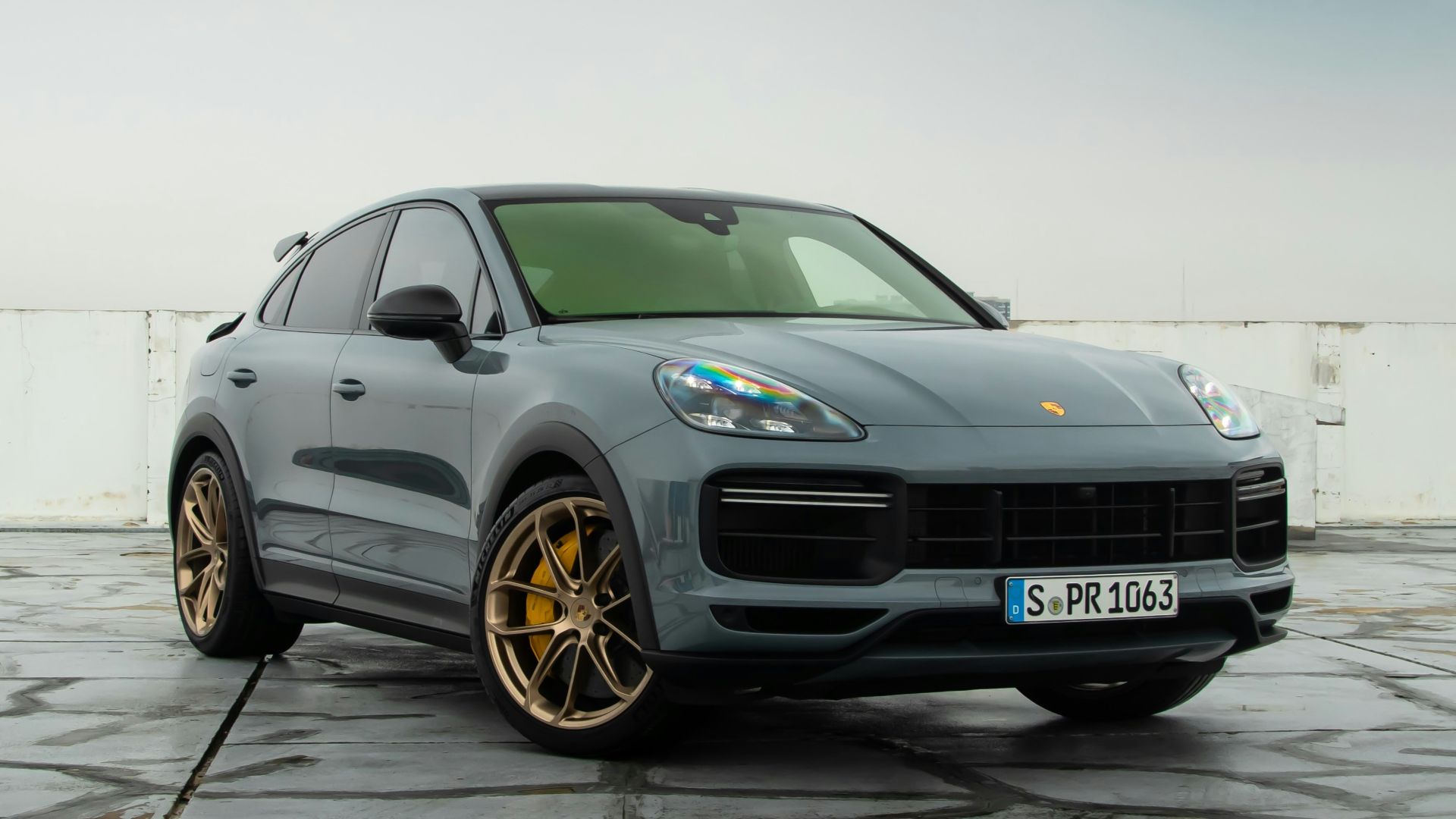
A Porsche SUV sounded almost offensive to some enthusiasts when the Cayenne was announced, especially to people who associated the brand exclusively with sports cars. Critics worried that a large luxury utility vehicle would dilute Porsche's identity and wondered why the company needed one at all. Instead, the Cayenne became hugely important to Porsche while proving that an SUV could still deliver impressive road manners and performance. Nearly every major luxury and performance brand now sells SUVs, making the original controversy seem almost quaint.
16. BMW X6
The BMW X6's sloping roofline sacrificed some SUV practicality in favor of a sportier shape, leaving many critics wondering what problem it was supposed to solve. When it arrived in the late 2000s, the idea of an "SUV coupe" seemed contradictory enough to inspire plenty of jokes. Buyers clearly weren't bothered, and competitors eventually produced similar models across multiple price ranges. You don't have to love the design to admit BMW correctly predicted that people would want SUVs chosen as much for style as cargo space.

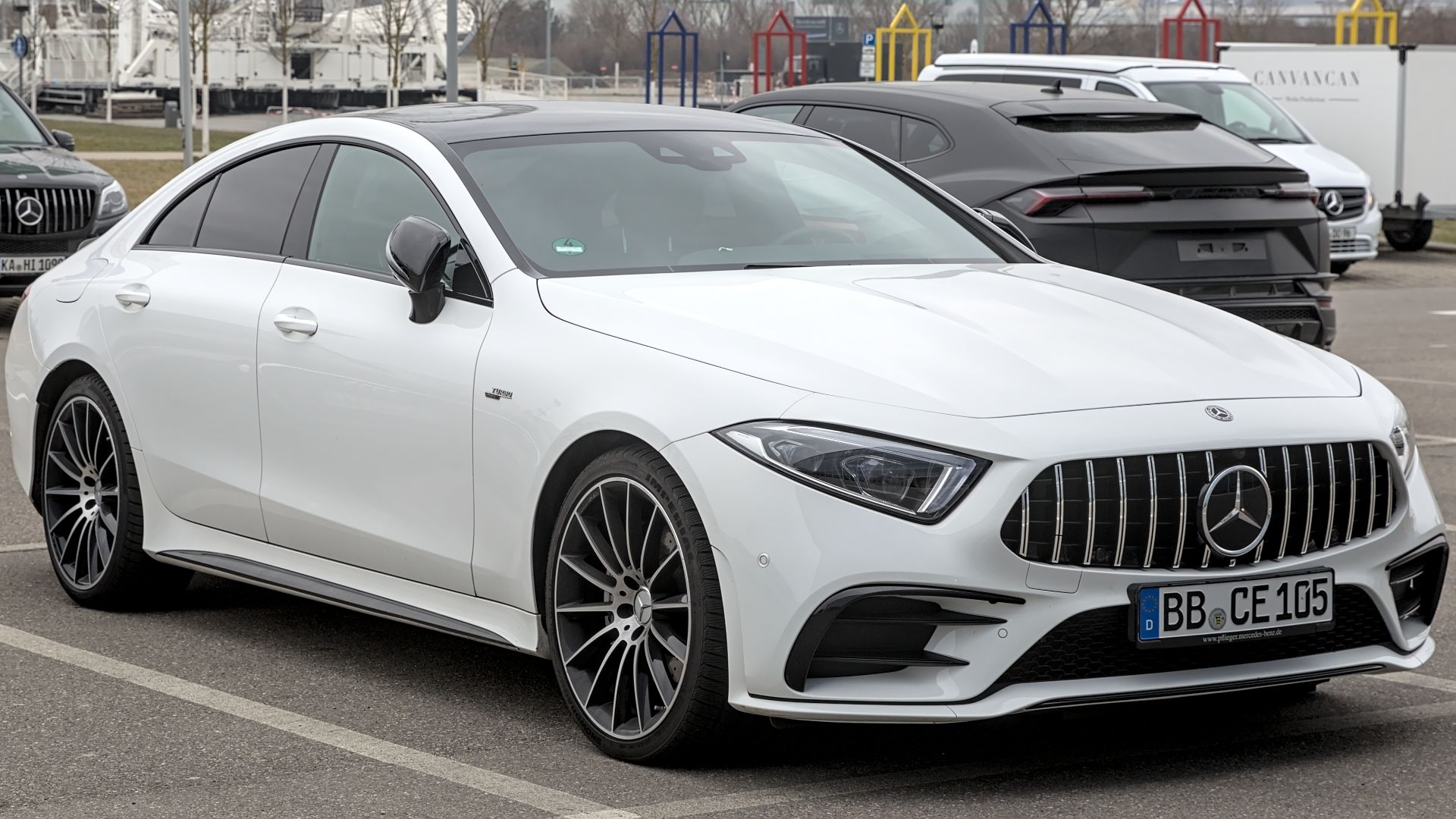
17. Mercedes-Benz CLS
The first Mercedes-Benz CLS caused plenty of debate because its low roof and swooping body prioritized appearance over the straightforward practicality traditionally associated with a four-door sedan. Even the idea of calling a sedan a "four-door coupe" sounded like marketing nonsense to some observers. Its influence became impossible to ignore once competitors began releasing similarly sleek sedans. Two decades later, that silhouette feels familiar precisely because so many manufacturers followed Mercedes' lead.
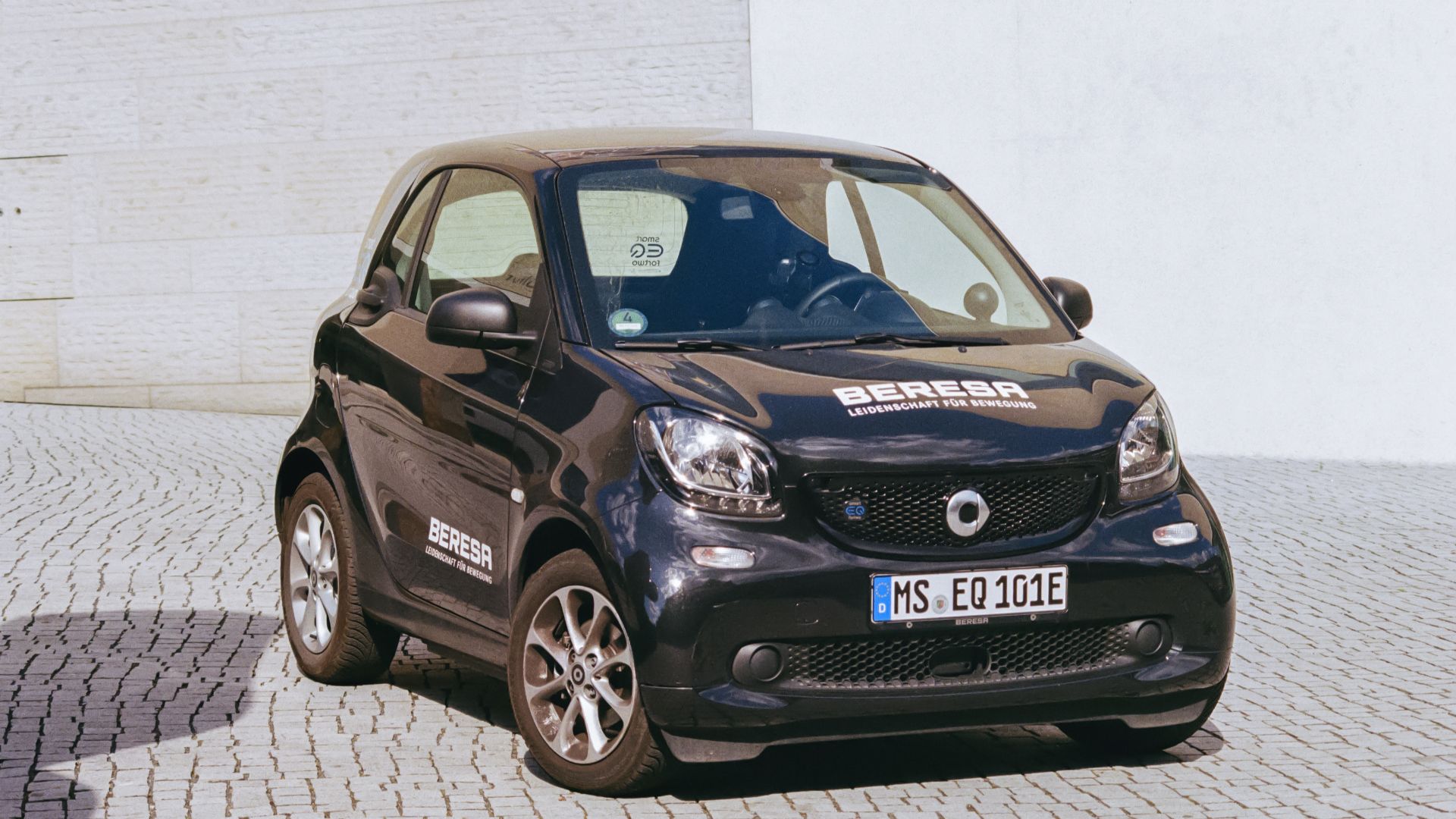
18. Smart Fortwo
The tiny Smart Fortwo seemed absurd to many North American drivers accustomed to pickups, SUVs, and much larger compact cars. Its short body, two-seat cabin, and unconventional transmission gave critics no shortage of material when Smart expanded into the U.S. market. In dense cities, however, the Fortwo's tiny footprint made parking and maneuvering effortless. While it never acheived huge commercial success, the die-hard community continues to celebrate the Fortwo as an ahead-of-its-time city car experiment.
 Johannes Maximilian on Wikimedia
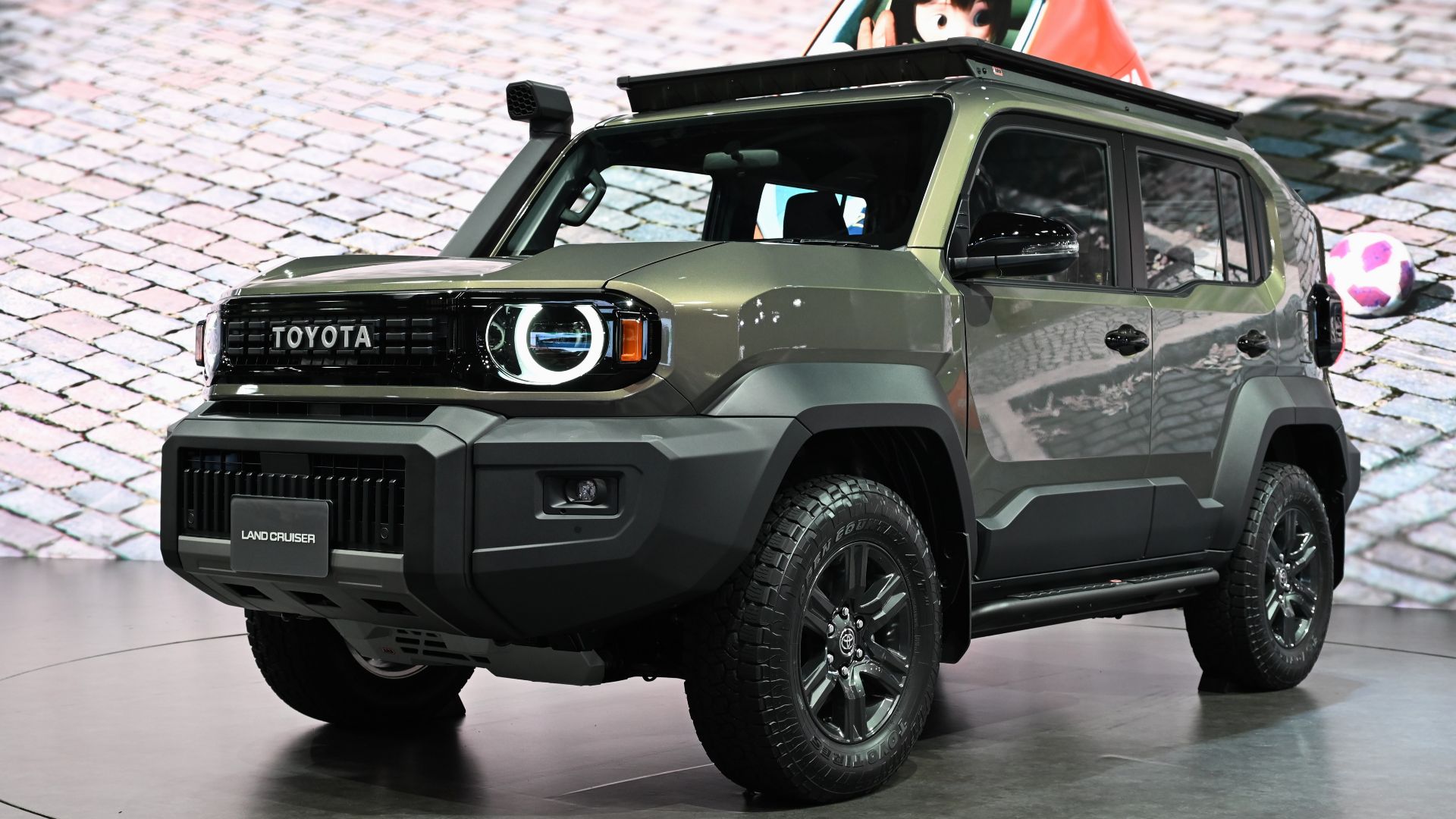
19. Toyota FJ Cruiser
Toyota deliberately gave the FJ Cruiser chunky retro styling and unusual rear access doors, and not many people loved the formula when it debuted. Thick roof pillars also compromised visibility, while its unconventional appearance made it somewhat difficult to categorize alongside more ordinary SUVs. Once production ended in the U.S., appreciation grew quickly for its legitimate off-road capability and distinctive design. Clean FJ Cruisers can now command impressive used prices, which is quite a turnaround for a vehicle once dismissed for looking strange.
20. Volkswagen New Beetle
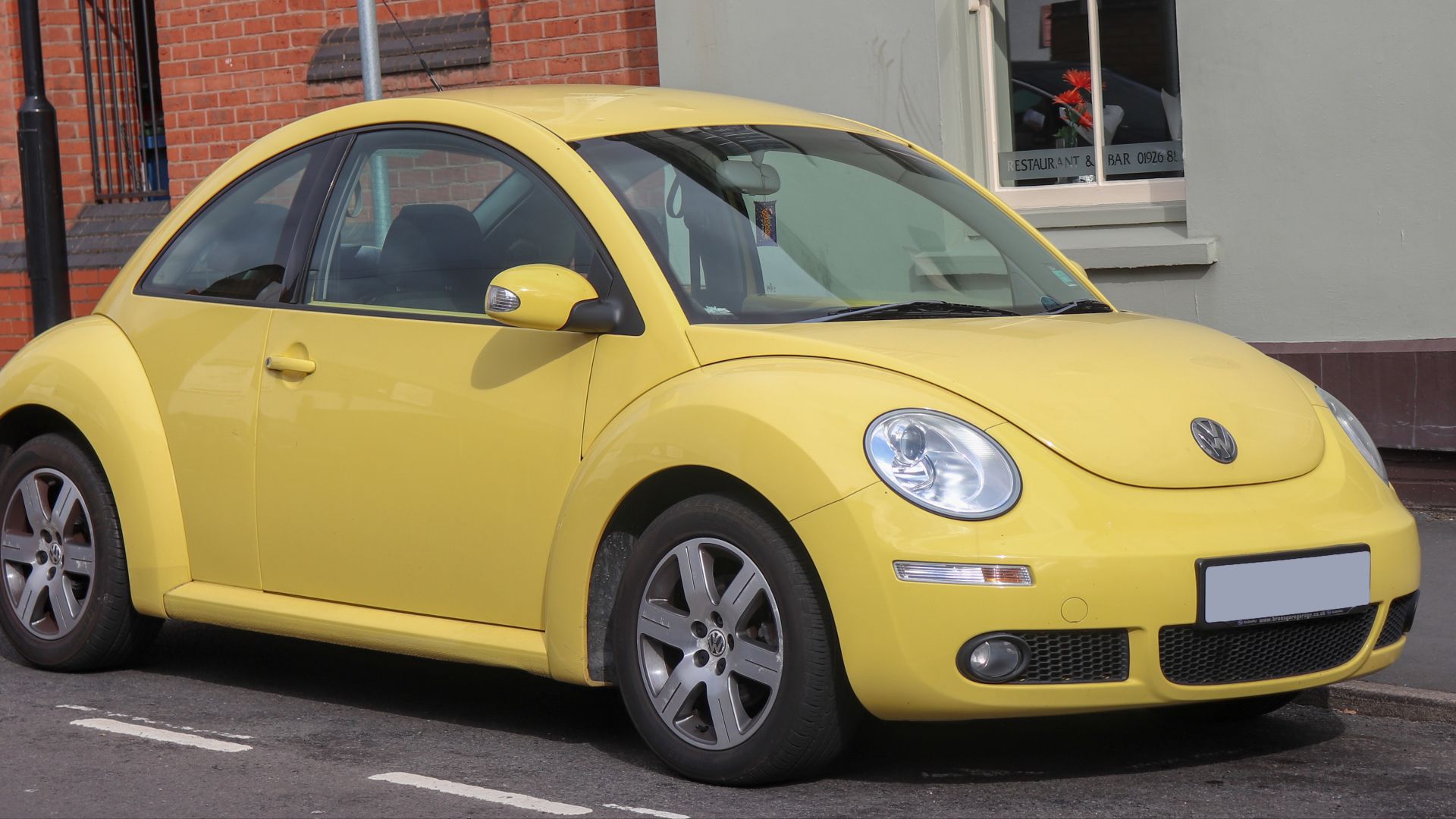
Volkswagen's New Beetle arrived in the late 1990s with a dashboard flower vase, rounded bodywork, and enough nostalgia to make some serious enthusiasts roll their eyes. Critics sometimes treated it as a styling exercise rather than a car deserving much attention, especially compared with Volkswagen's more conventional models. Its retro design ultimately helped launch an era when automakers realized old nameplates and familiar shapes could attract new generations of buyers. Even if the New Beetle wasn't everyone's favorite, it's had an undeniable influence on the retro-car boom.