Do You Trust Your Mechanic?
Unless you know your way around an engine bay, you'll need to take your car to a shop every now and then, and that requires a considerable amount of trust. Worse yet, the less you know about cars, the more vulnerable you are; some mechanics might prey on you specifically when they know you can't tell the difference between what's necessary versus mere decoration for your vehicle. So, the next time you bring your car in for maintenance, make sure you're paying for what your car actually needs—otherwise, you might be handed a heavily padded bill.
1. They Tell You When Something Can Wait
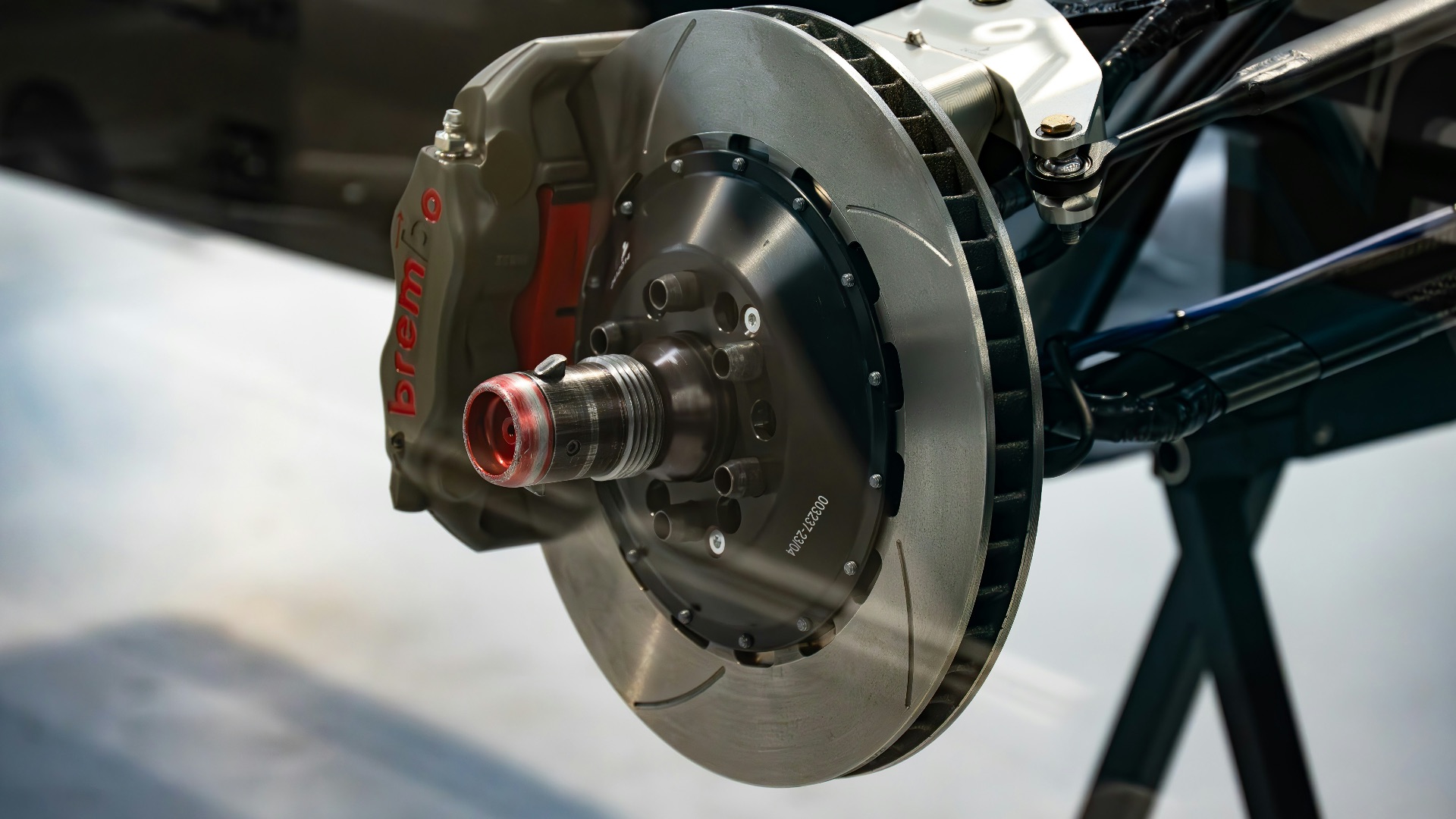
Not every worn component needs replacing, and a trustworthy mechanic understands the difference between urgent and eventual. You might be told that your brakes will need attention in a few months, but nothing needs fixing immediately. Being willing to postpone work means they understand your car's actual condition.
2. They Check the Basics First
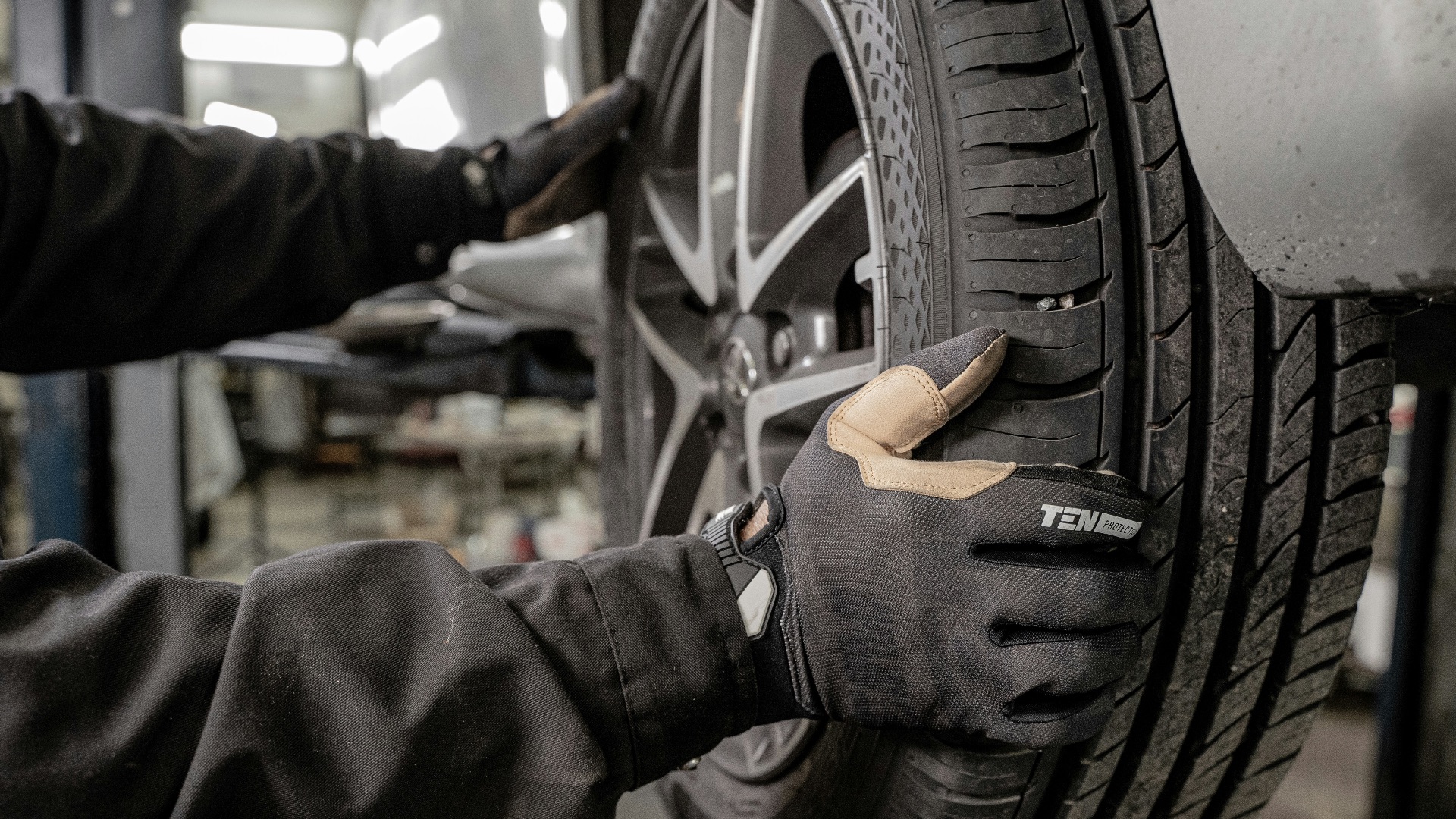
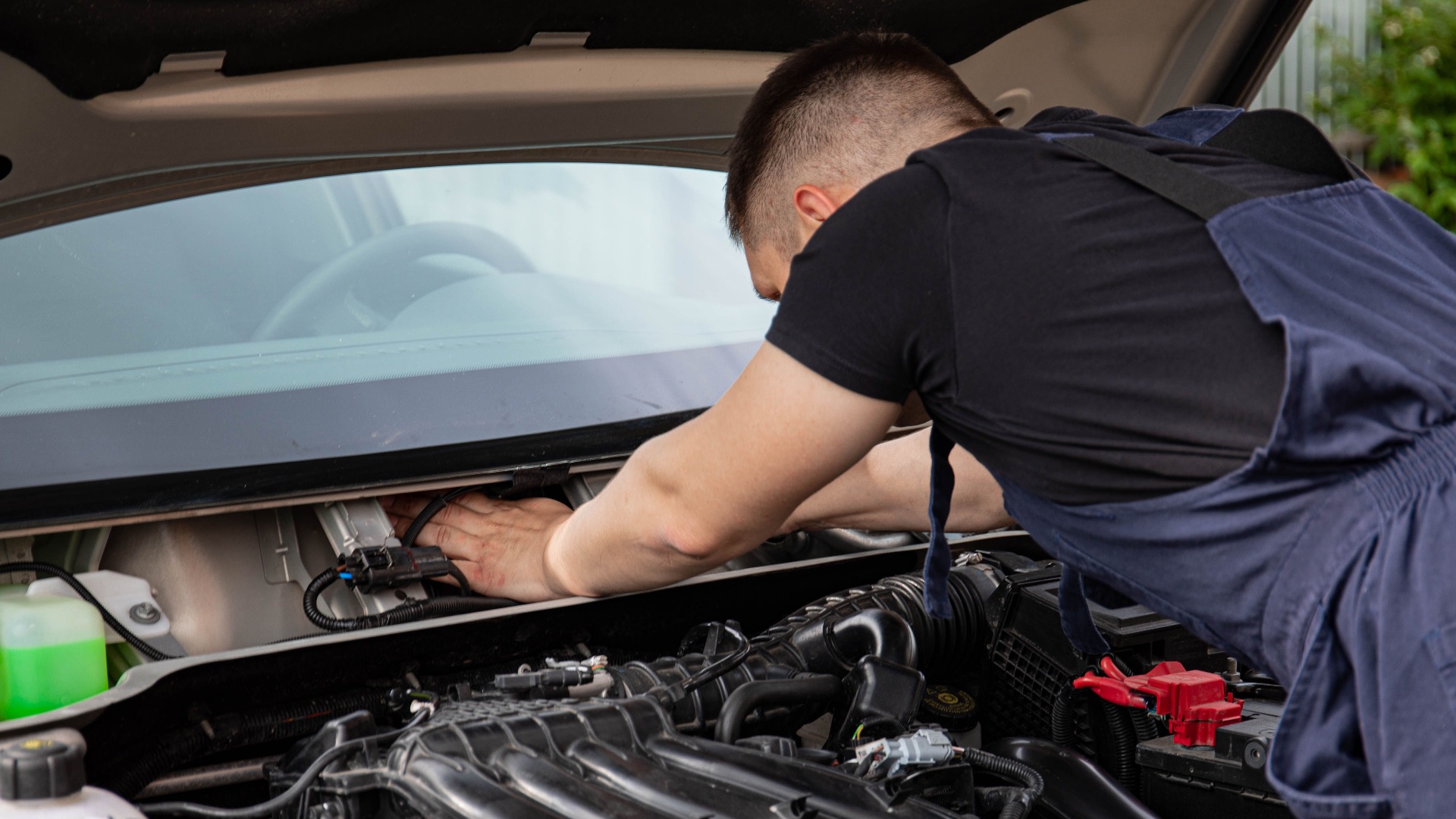
Did you turn it off and on again? Sure, a car is a different beast than your computer, but a good diagnosis often begins with simple possibilities. A mechanic may test a battery, inspect a connection, or check a fuse before deciding that a larger system, or a more expensive component, has failed.
 Jimmy Nilsson Masth on Unsplash
3. They Admit When Nothing Is Wrong
Cars make unfamiliar sounds all the time, and (thankfully) not every oddity indicates a failure. Following that line of thinking, an honest technician won't invent a repair just because. If an inspection shows that everything is operating normally, they'll send you on your merry way.

4. They Separate Needs from Nice-to-Haves
As mentioned, necessary maintenance and work that would merely improve the car are two different things. A dependable mechanic will make sure to make that distinction clear, especially when you're working with a strict budget.
5. They Consider Your Car's History
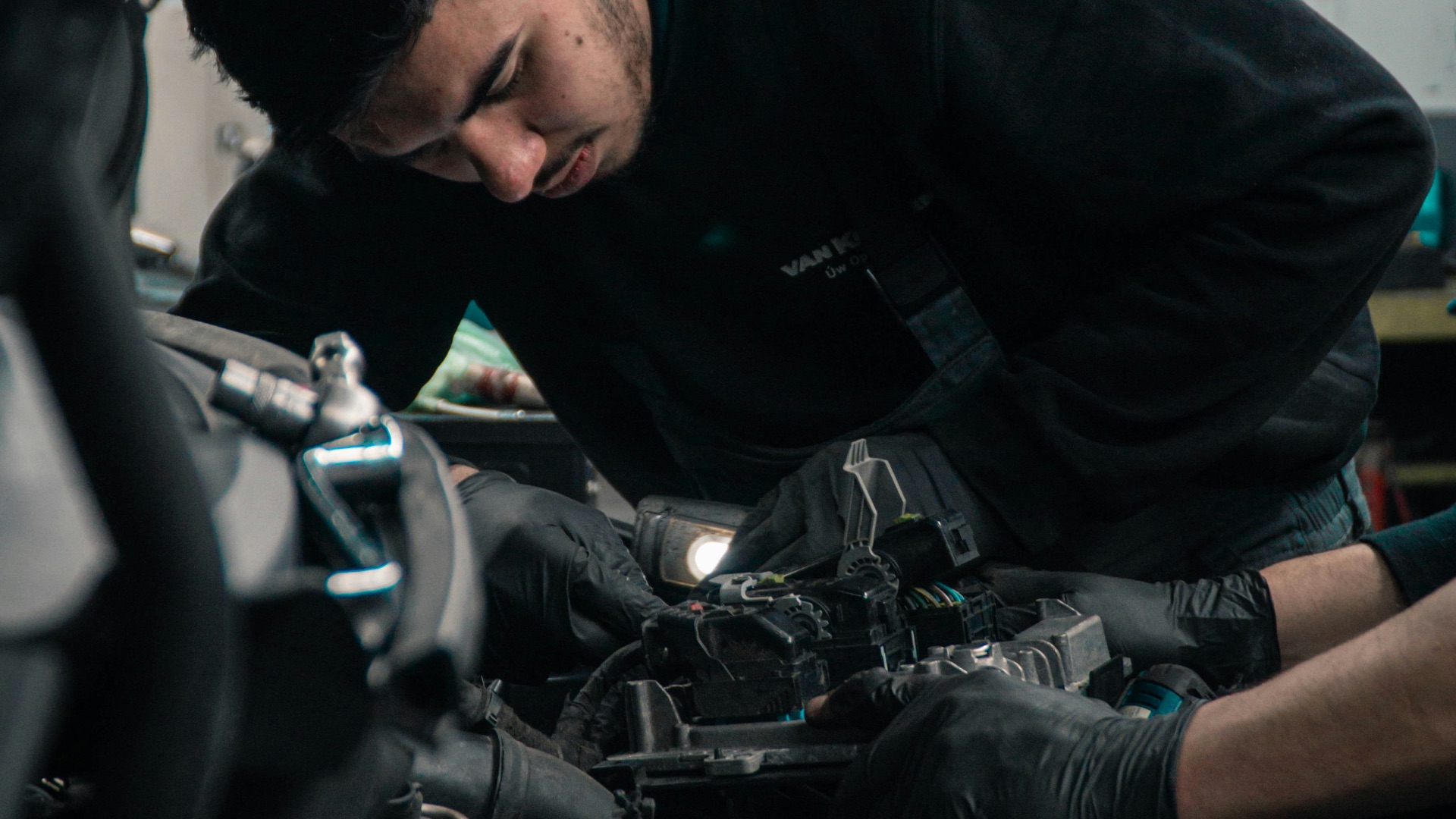
Attentive mechanics look at previous maintenance, mileage, and repair history before deciding what should come next. They don't simply say things need replacing, and especially not if they've already been recently swapped out. That prevents you from paying more for work that doesn't need to be done yet.
6. They Follow the Manufacturer's Schedule
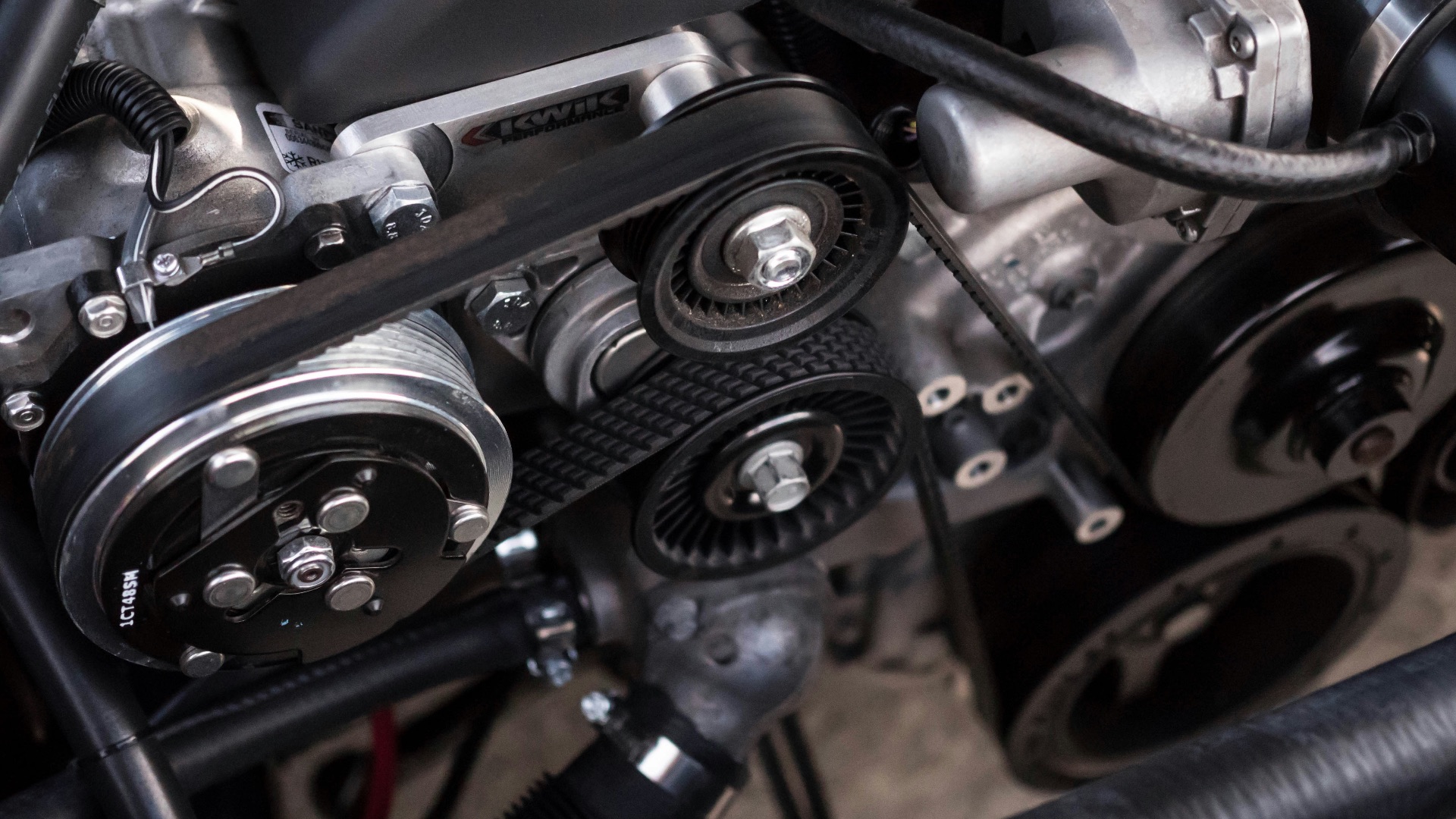
Your owner's manual already provides a useful framework for many routine maintenance intervals, so an honest shop will take those recommendations into account. They'll also explain when certain driving conditions or an identified problem might mean you'll need to fix something sooner.

7. They Give You Several Repair Paths
Depending on your car's age, condition, and how long you intend to keep it, some problems can be handled in several ways. A good mechanic may discuss all the possible paths with you; they won't force you down one route. At the end of the day, you're in control.
8. They Back Up Recommendations
If you're ever confused about why something needs to be fixed a certain way, run. After all, recommended services should be supported with actual numbers rather than vague descriptions, so pay attention to whether your mechanic refers to measurable conditions.

9. They Tell You When a Second Opinion Makes Sense
Another sign your mechanic is honest? They ask you to get a second opinion, or admit that they're not sure about their inspection. If a repair involves complex transmission work or a brand-specific issue, they may push you to consult a specialist instead.
10. They Remember That an Older Car Has Limits
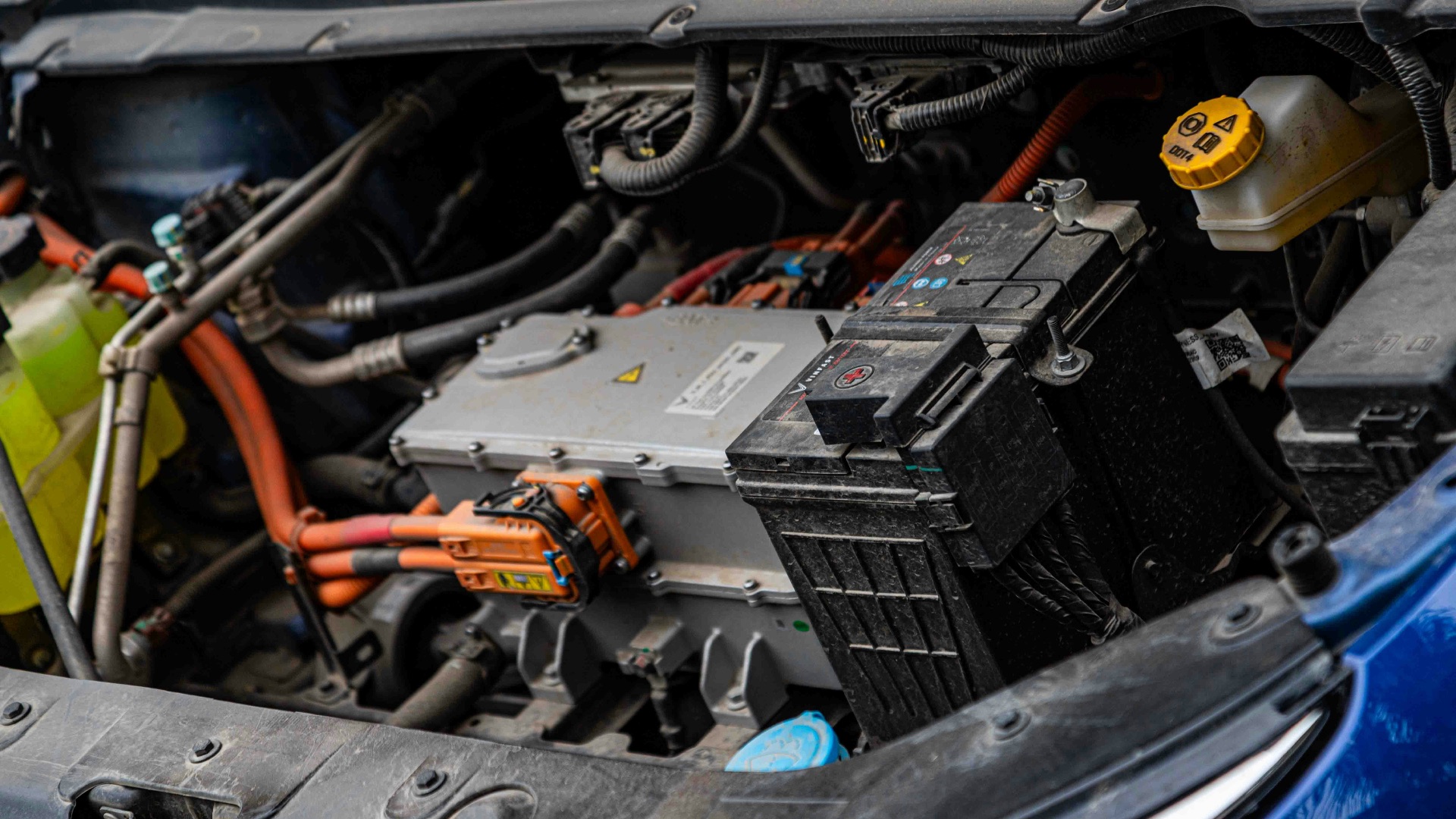
Putting thousands of dollars into a used vehicle that's worth only a couple grand is probably not the smartest thing to do. Instead of doing the work just to get your money, a reliable shop will factor in the car's age, mileage, and overall condition. Sometimes the most useful advice they can give is that repairs are not worth your investment.
As you've seen, honesty often shows up in what a mechanic doesn't try to sell you. Let's take a look now at when a mechanic only sees you as a money grab.

1. Every Visit Somehow Requires a Fluid Flush
Fluid services are legitimate maintenance items, but if you spot them on the bill every time, you should be wary. Be especially skeptical if numerous flushes are recommended regardless of your car's specific condition and history.

2. They're Replacing Parts Far Ahead of Their Useful Life
Just because you have maintenance scheduled doesn't mean your relatively new parts need to be swapped out. If recommendations appear unusually frequent, trust your gut and compare them with your records and the manufacturer's guidance.
3. Small Problems Keep Becoming Complete Assemblies
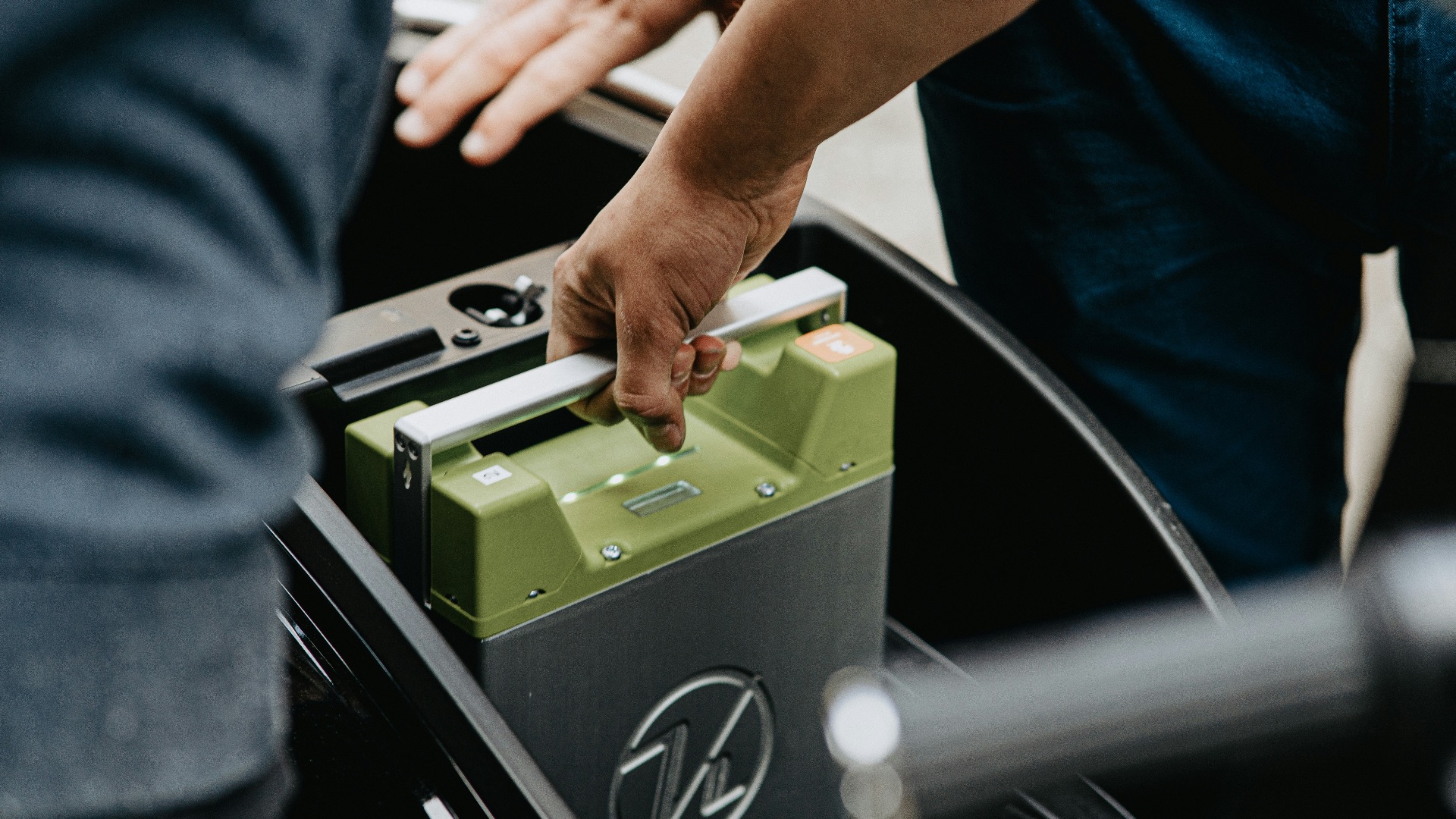
Modern cars sometimes require whole assemblies because individual components aren't separately serviceable, but that isn't universally true. If every failed switch or connector seems to require a larger fix or replacement, your mechanic might be taking you for a fool. Always ask whether the smaller component can be serviced independently.
4. Labor Charges Don't Reflect Overlapping Work
Two repairs performed in the same area of a vehicle can sometimes share part of the disassembly process. A dishonest mechanic, however, may bill both jobs as completely separate, meaning you'd be paying twice for overlapping labor.
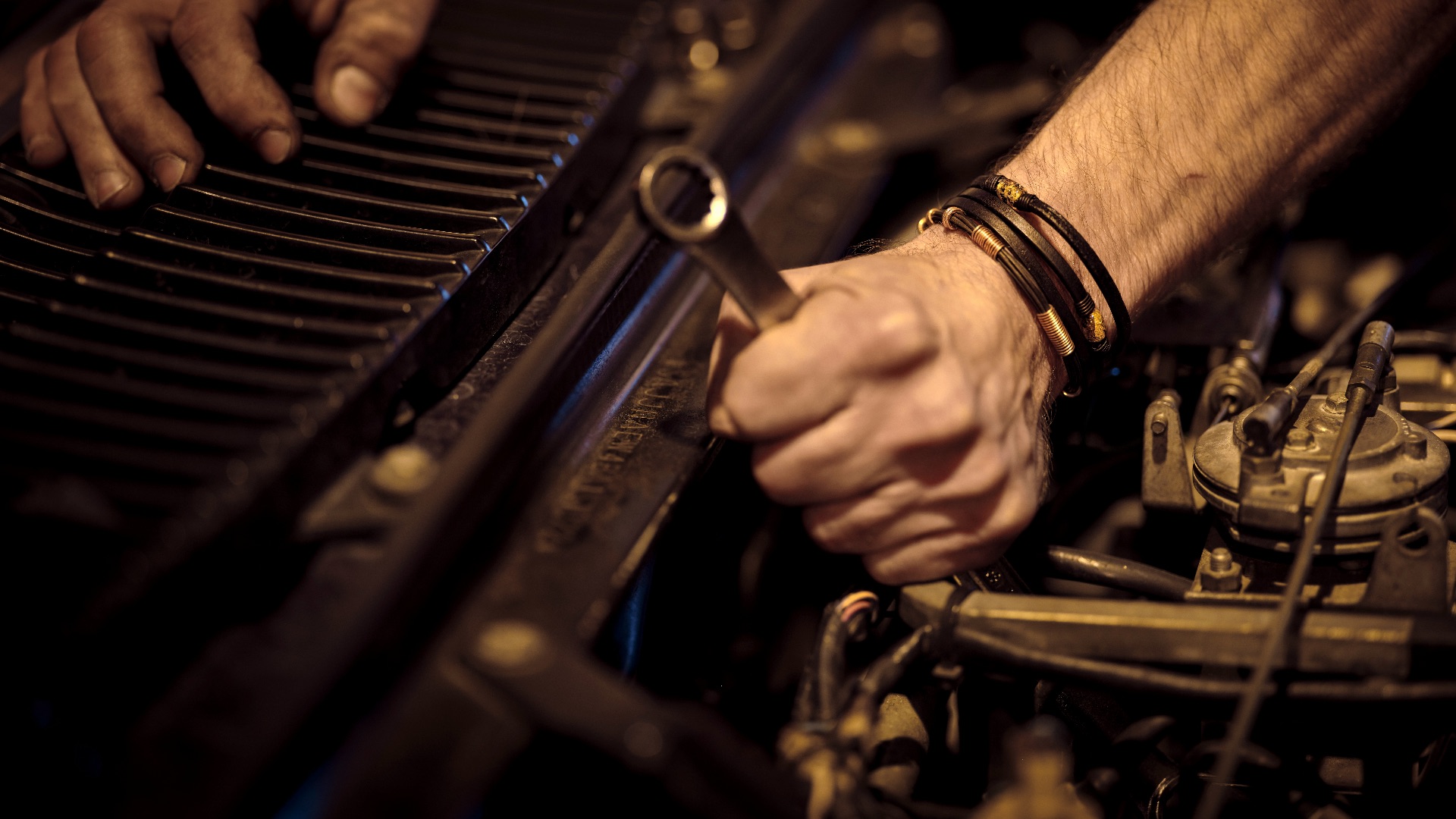
5. They Recommend Alignments Without Checking
Wheel alignments are useful, but only when your car shows relevant symptoms that signal an adjustment is needed. If the maintenance shop automatically adds one after unrelated work or when nothing is affecting the steering, that should immediately raise a warning bell.
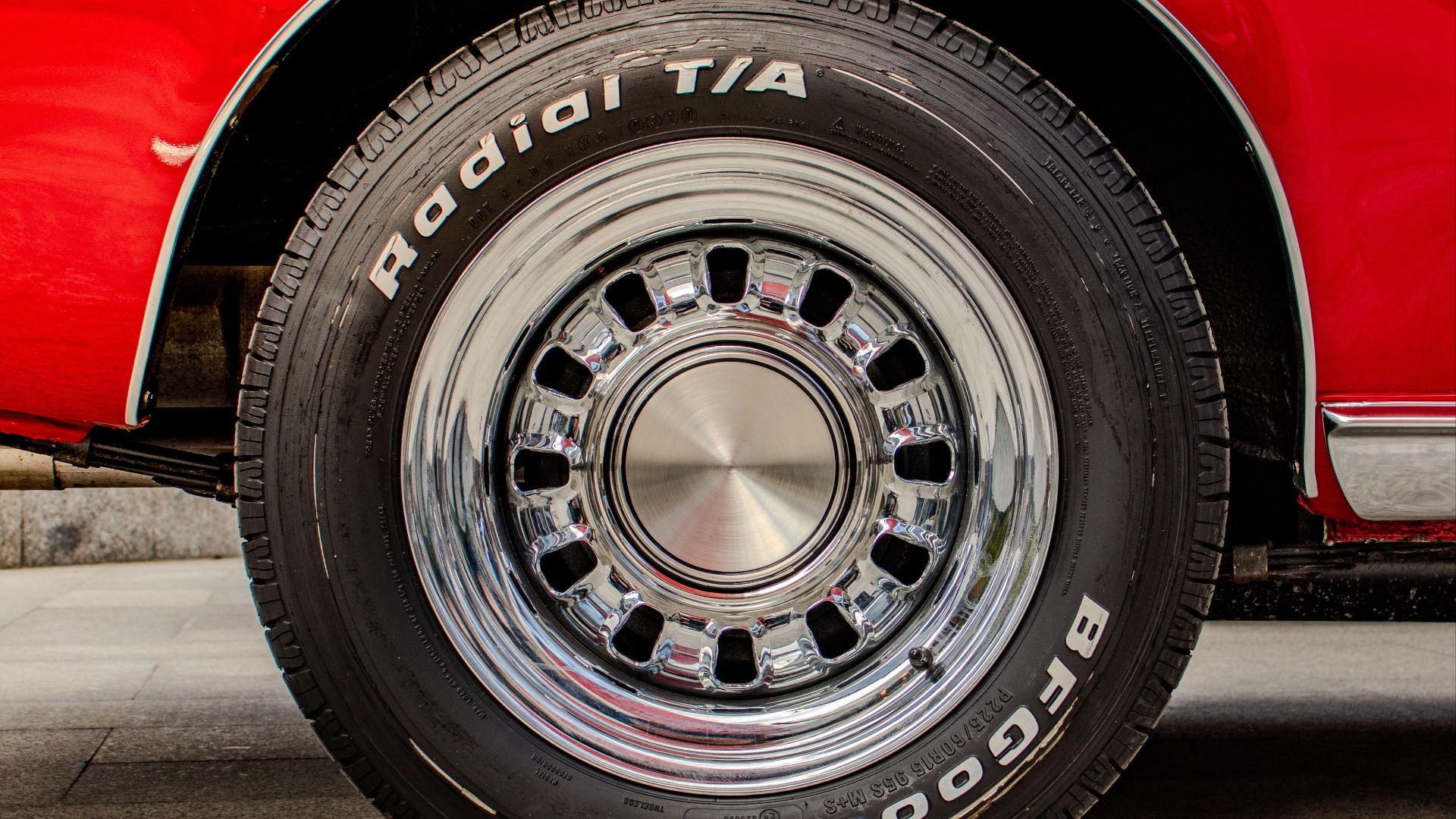
6. Filters Are Always Declared Filthy
Engine and cabin air filters are easy services to sell (drivers rarely inspect them themselves), so a bad mechanic will pad your bill with them. To prevent yourself from getting duped, keep track of when they were last changed and, better yet, consider checking the recommended interval.
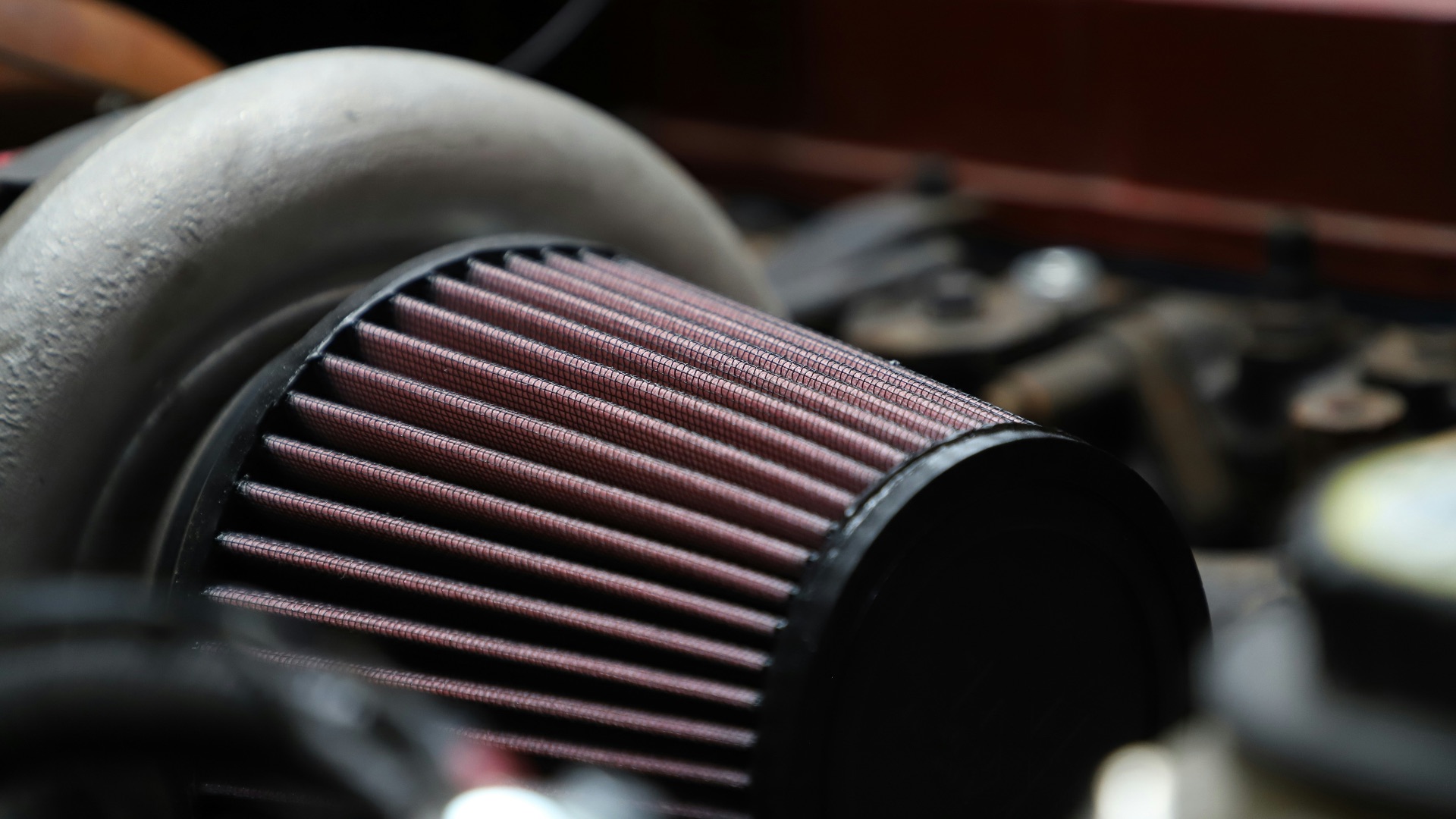
7. They Keep Adding Premium Treatments
Fuel additives, oil treatments, cleaning products, conditioners—the list goes on and on. Sure, some products might actually be necessary for your vehicle, but they shouldn't be automatically applied every time. A long menu of seemingly unnecessary treatments deserves extra scrutiny.
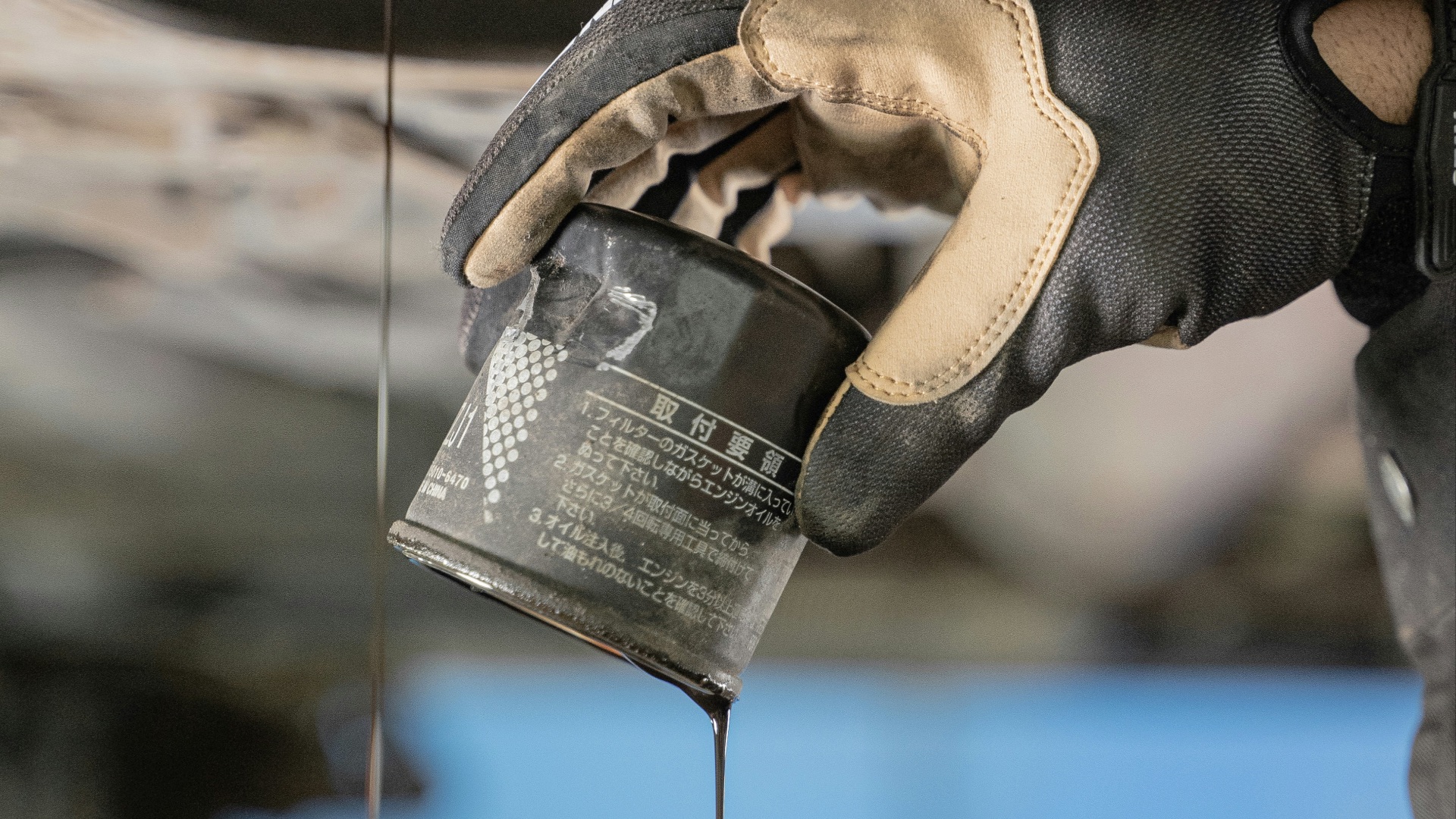 Jimmy Nilsson Masth on Unsplash
8. One Worn Part Somehow Means Replacing Everything
Finding one failed component doesn't automatically mean every neighboring part needs the same attention. Alas, an untrustworthy shop might recommend replacing related items together, even when there isn't a clear reason. You can probably see how your bill can climb much faster if this happens.
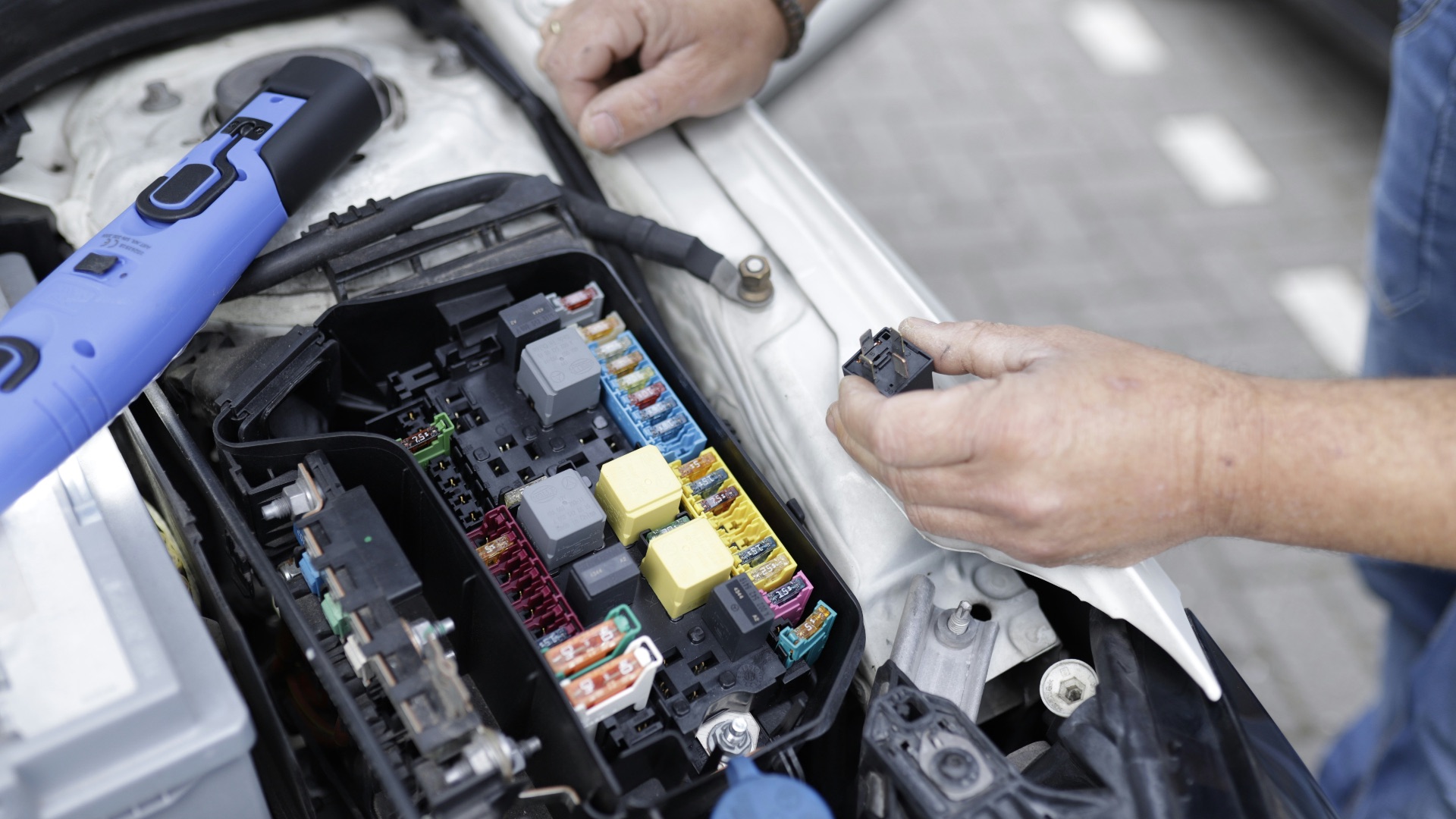
9. They're Selling Maintenance That Doesn't Apply
Service menus often aren't interchangeable, and your vehicle may require entirely different maintenance from another model; some older service procedures may not even apply at all. Keep this in mind the next time you're sold a generic package. It's a reminder to always inspect each line before approving it.
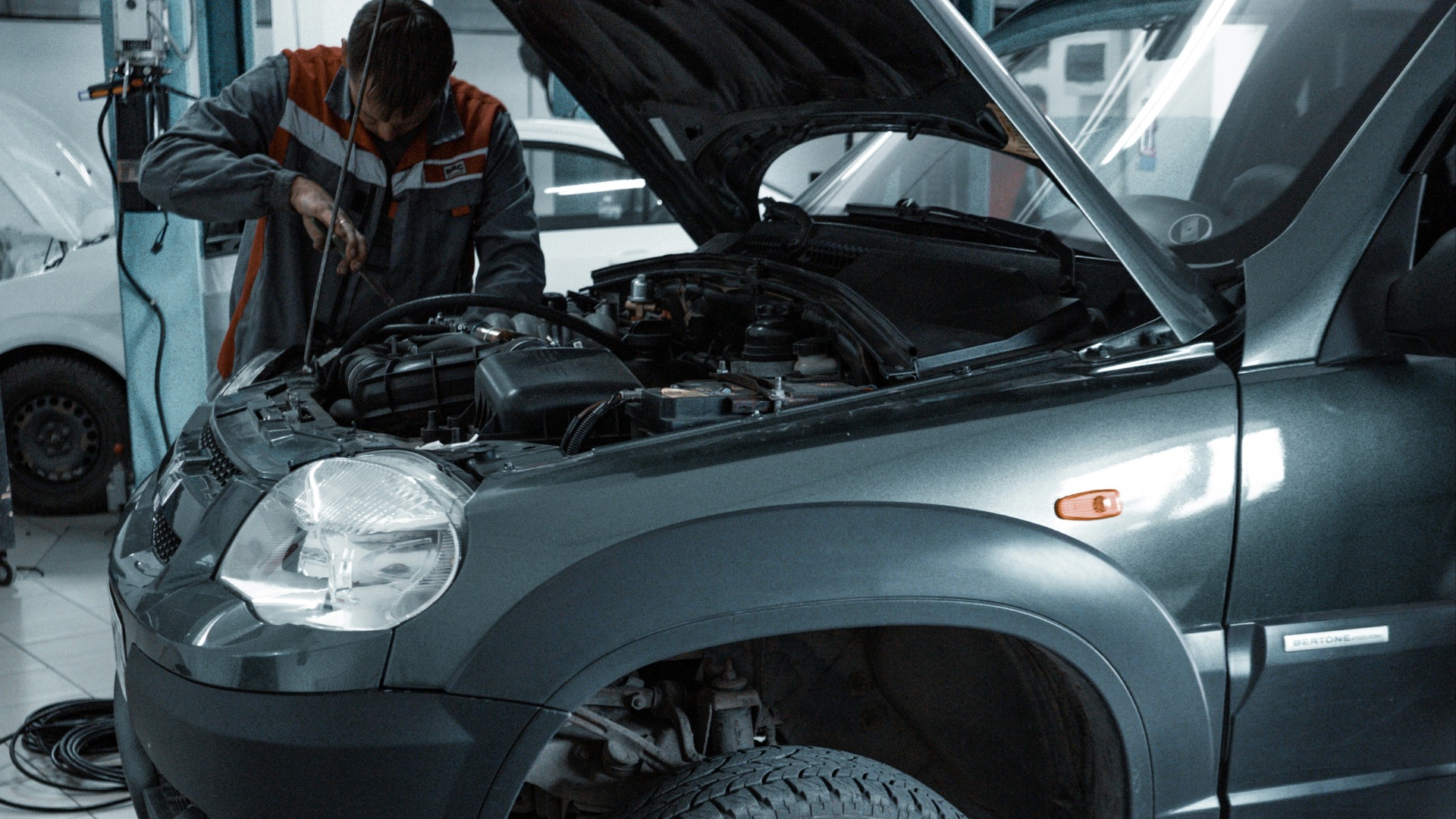
10. Every Recommendation Defaults to the Premium Option
No, don't get the basic one—get the premium one. While there are certainly times when higher-quality components are worth paying for, the most expensive product on the shelf shouldn't automatically be treated as your only choice. If premium parts and top-tier service packages appear on every job, the shop likely sees you as nothing more than a money grab.