
Forget Everything You Thought You Knew About EVs
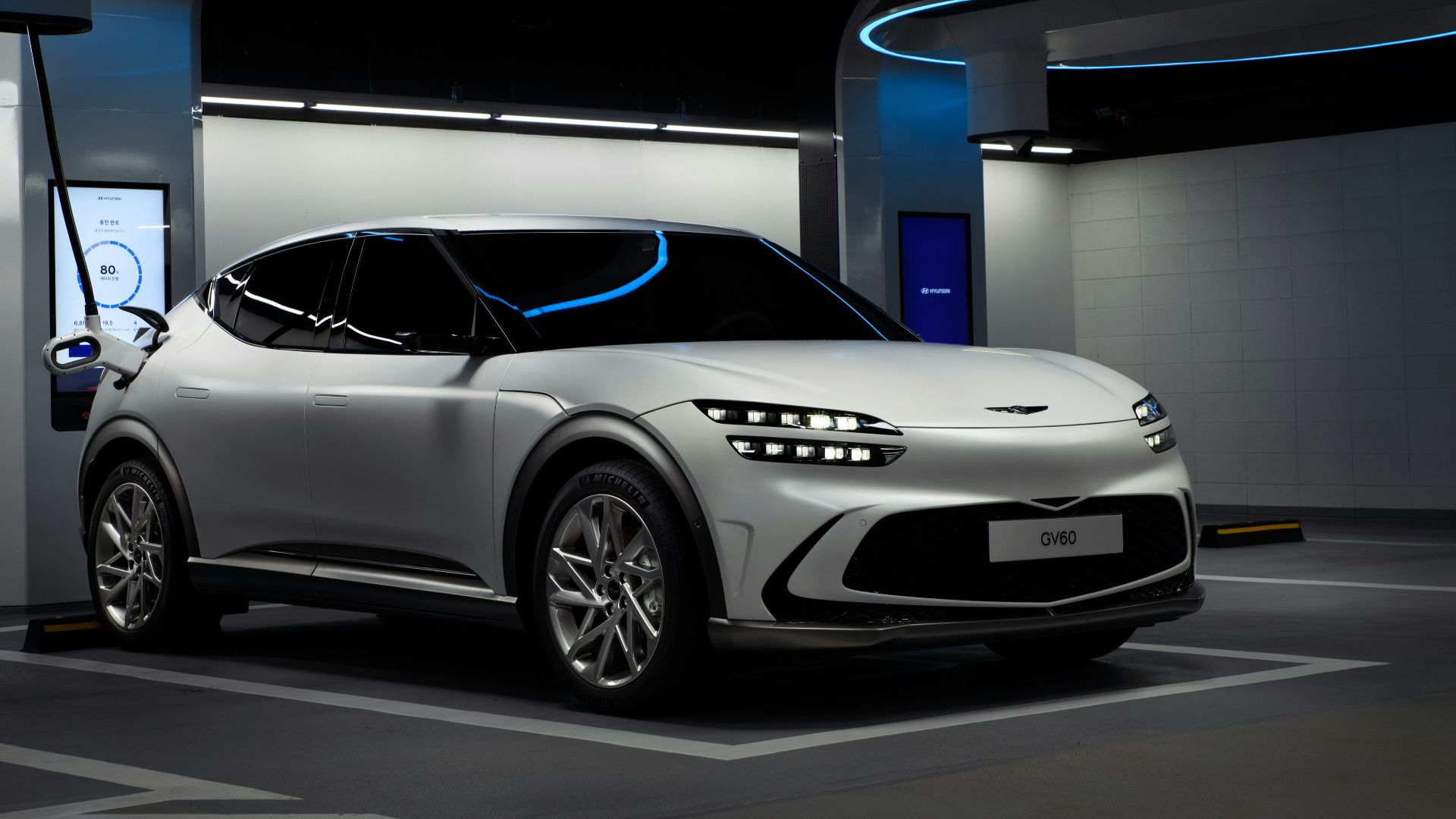
Electric vehicles have been around long enough that the conversation should be calmer than it often is, but myths still travel faster than facts. Some misconceptions come from outdated experiences with early models, and others only get repeated because they “sound right” in a headline. But there’s a lot more to these models than you think, so let’s clear the air on what’s fact and what’s actually fiction.
1. EVs Can’t Go Far Enough to Be Practical
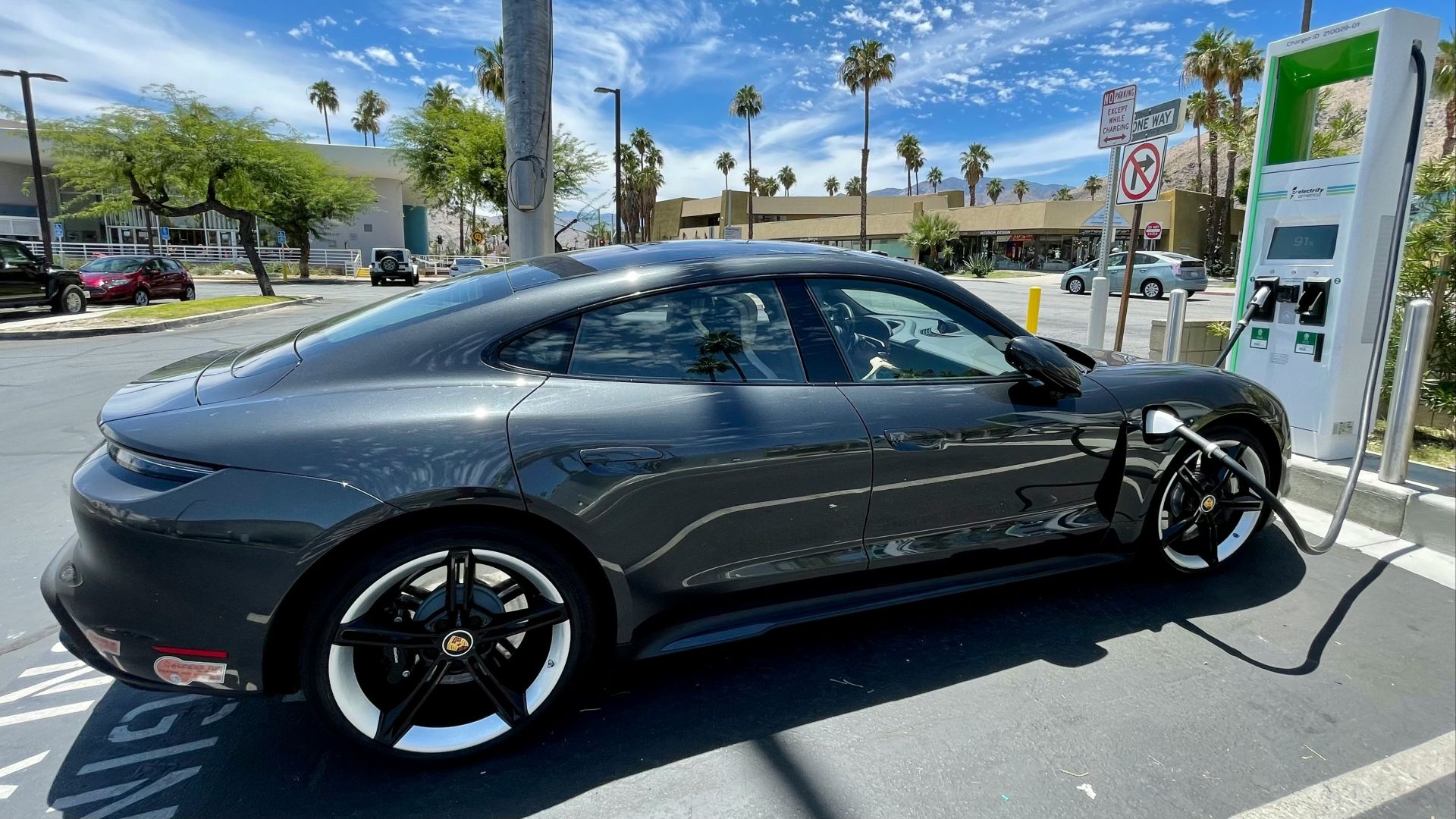
It’s common to assume that you won’t get far driving an electric car. But range anxiety often comes from imagining worst-case scenarios instead of looking at your real driving habits. Plenty of EVs now offer ranges that cover typical weekly driving without any special planning. For many drivers, daily commutes, school runs, and errands fall well inside what even modest-range models can handle. It’s also easy to forget that you can start each day with a “full tank” if you charge at home. When you do need to travel farther, fast-charging options are expanding, and trip planning tools have gotten much better.
 Precious Madubuike on Unsplash
2. Charging Takes Forever
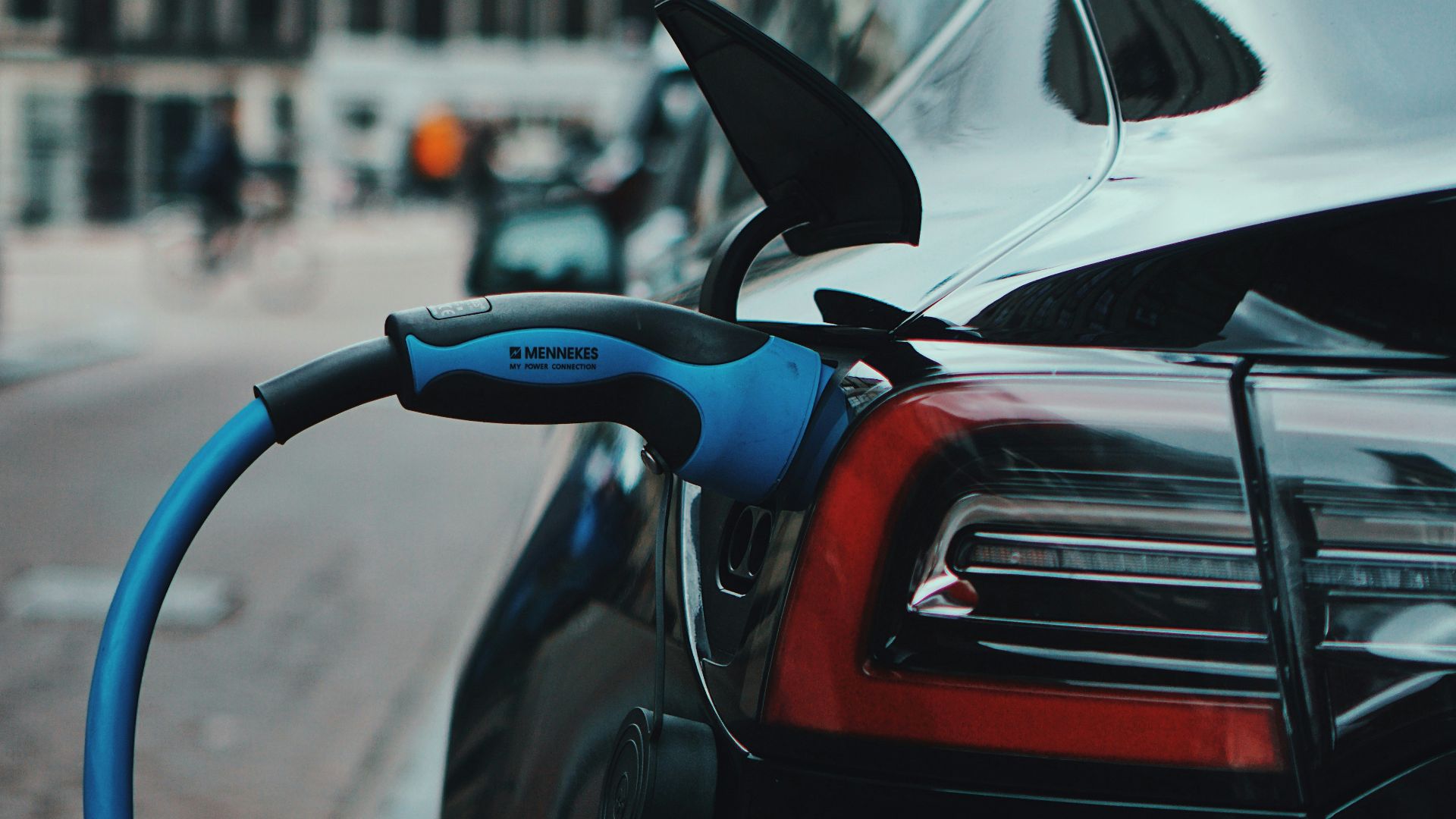
Charging isn’t one single experience, and that’s where the myth sneaks in. Home charging is usually slow by design, but it happens while you’re sleeping, working, or doing literally anything else. Public fast charging, on the other hand, can add a meaningful chunk of range in the time it takes to grab a coffee and use the restroom, especially on newer vehicles.
Of course, charging speed depends on the charger, the car, battery temperature, and how full the battery already is. The important thing to remember is that most charging time isn’t “waiting time” in the way gas station time is.
3. EV Batteries Wear Out Quickly and Cost a Fortune To Replace
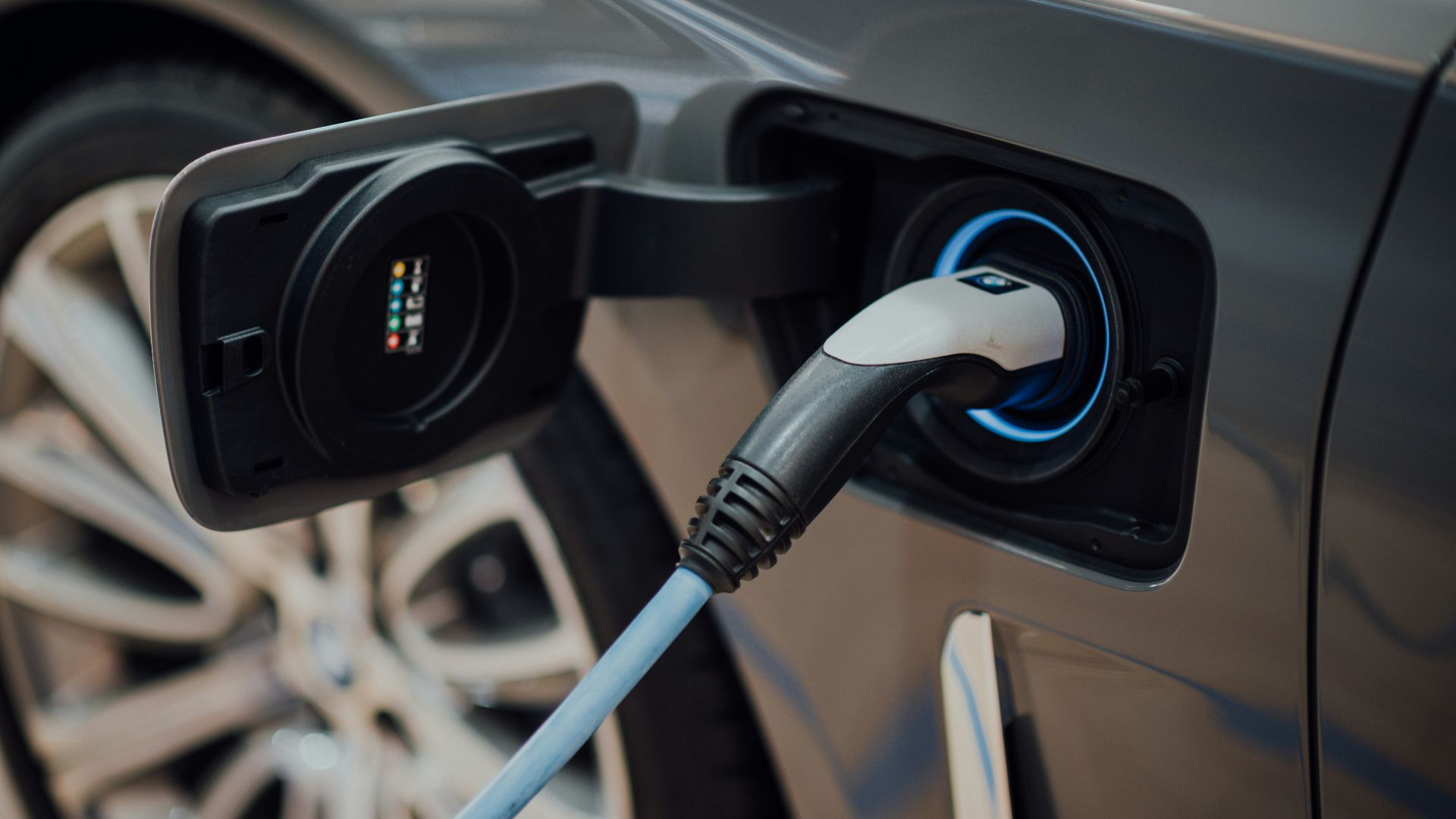
Batteries do degrade over time, but the scary stories usually leave out context and real-world data. Many EVs retain a large share of their original capacity after years of use, especially with improved battery management systems. Automakers also tend to back batteries with long warranties, which changes the risk calculation for owners.
Replacement costs have historically been high, but battery prices and repair strategies are changing as the industry matures. You’re also less likely to face certain expensive failures that can happen in gas vehicles, like major engine or transmission work. If you’re shopping used, checking battery health and warranty coverage is a sensible step, not a reason to panic.

4. EVs Are Worse for the Environment Because of Fossil Fuels
Even on a grid that still uses fossil fuels, electric vehicles can reduce overall emissions compared with many gas ones—electric drivetrains are actually highly efficient. The grid is also getting cleaner over time in many places, which means an EV’s emissions profile can improve as it ages.
That said, manufacturing an EV, especially the battery, can definitely have a higher upfront footprint, and that’s worth acknowledging. The tradeoff is that operational emissions are typically lower, so the “break-even” point can arrive sooner than people assume. Recycling and second-life uses for batteries are developing as well, which can further reduce impacts.
5. EVs are Always More Expensive
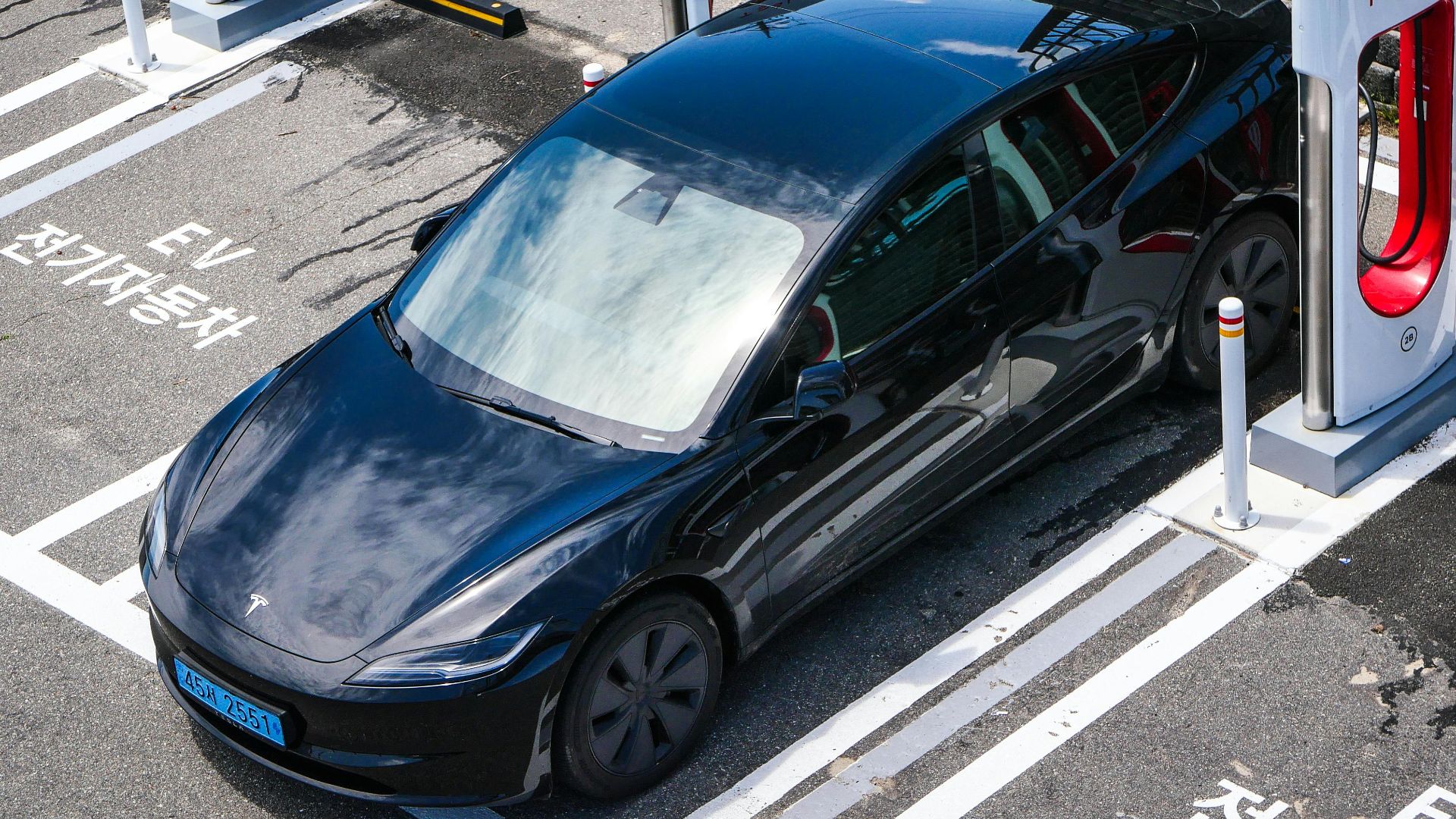
With fancy batteries and sleek designs, it’s easy to assume that EVs would cost a heck of a lot more than your average car. Sticker prices can be higher on some models, but the picture changes when you factor in total ownership costs. Electricity is often cheaper per mile than gasoline, and EVs generally need less routine maintenance. For example, you might not be buying oil changes, spark plugs, or many of the other service items that quietly add up over the years.
Used EV options are growing, too, which matters a lot for affordability. Some models are priced competitively even new, especially as more manufacturers enter the space and production scales up.
6. EVs Don’t Work in Cold Weather
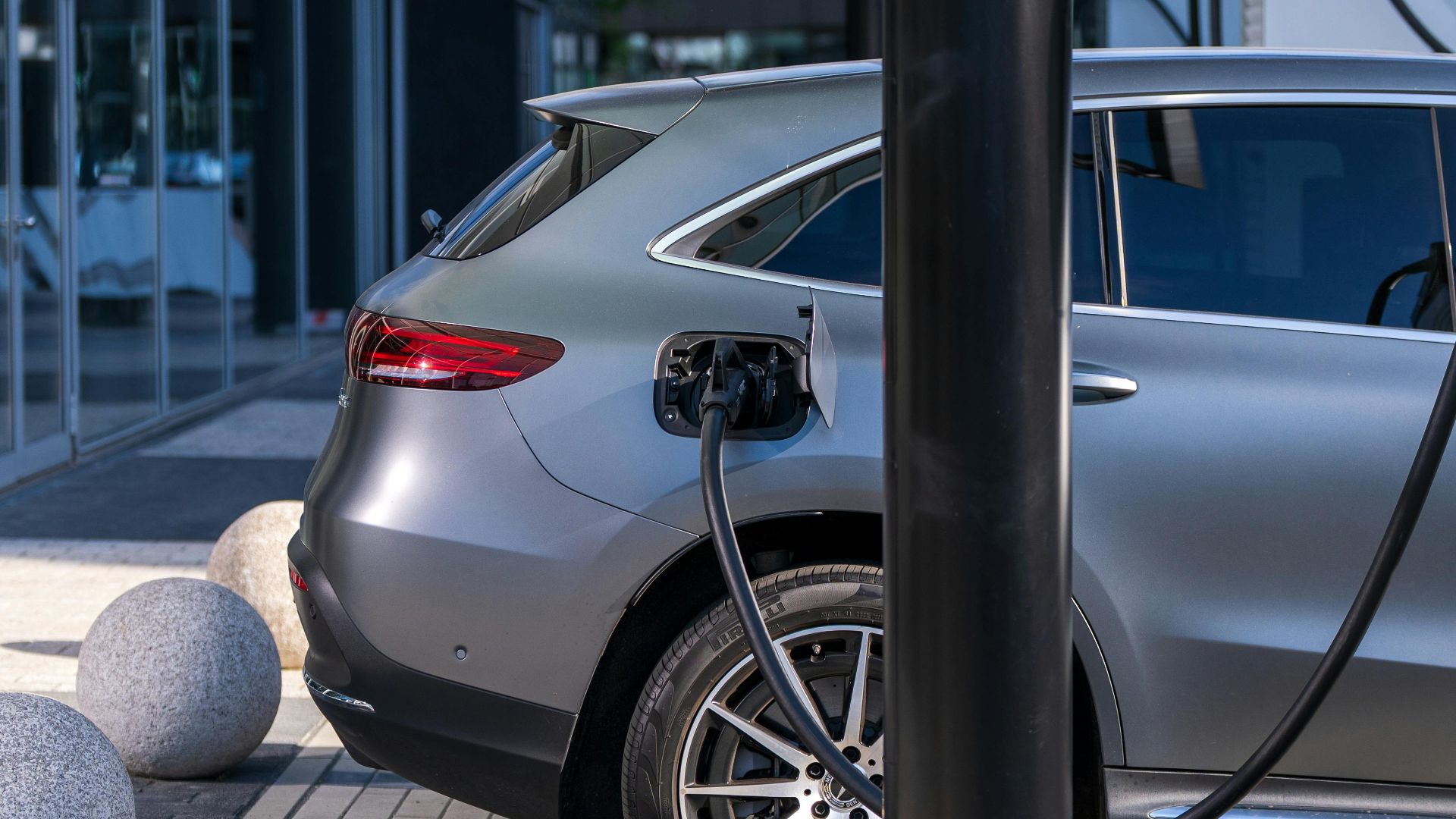
Cold temperatures can reduce your range of motion in any car, but it’s always been a hot topic with EVs. However, unlike gas cars, EVs have tools to manage Old Man Winter, such as preconditioning and efficient cabin heating in many newer models. If you can charge at home, you can even warm the cabin before you leave without idling an engine.
Driving style, tire choice, and speed still matter, too—just like winter driving with any car. In short, winter changes how you plan, but it doesn’t make EVs unusable unless you’re already operating on the edge of your car’s capabilities.
7. There Aren’t Enough Chargers
Depending on where you live, finding a reliable charging station isn’t always easy. Though it’s true that public charging infrastructure still varies by region, this myth still assumes you’ll rely on public chargers for everything. The thing is, many EV owners actually do most of their charging at home. Even for apartment dwellers, growing public networks can bridge the gap, so just about everyone has a chance to get where they’re going reliably. Apps and in-car navigation can now also help you locate chargers, check status, and plan routes with charging stops as well. The truth is that charging stations are closer than you think.
8. The Electric Grid Can’t Handle EVs
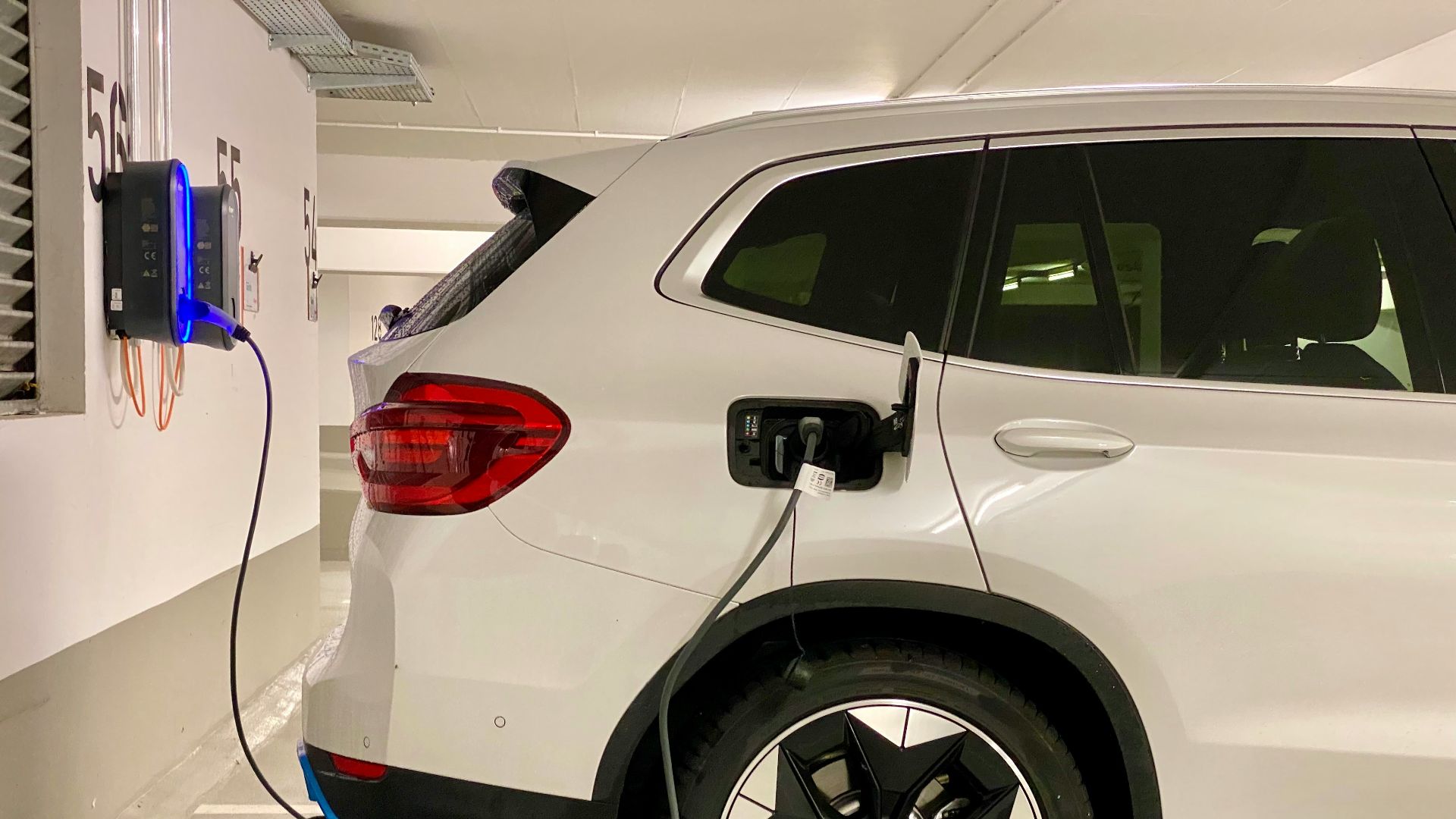
The EV collapse narrative tends to skip how utilities actually plan for demand. EV charging can be managed through time-of-use rates, smart chargers, and incentives that shift charging to off-peak hours. Most cars sit parked for long stretches, which gives the grid flexibility that people don’t always appreciate. Okay, it’s true that upgrades will be needed in some places, but those investments are part of normal infrastructure maintenance cycles.
EVs can even support grid stability in the future through managed charging and vehicle-to-grid concepts where appropriate. The grid challenge is solvable engineering and policy work, not a sudden cliff you drive off the moment EVs become common.
9. Evs Are More Likely to Catch Fire Than Gas Cars
As terrifying as it is, the truth is that any vehicle can catch fire—but for some reason, electric vehicles caught all the heat. Don’t get us wrong, EV battery fires do happen, but it’s not exactly a common ghost story you should buy into, either.
Battery packs are built to last and made to protect motorists. They often come with protective casings, monitoring systems, and safety controls, all of which are designed to reduce risk. The practical takeaway is that safety matters for all vehicles, and it’s worth looking at credible statistics rather than letting the loudest anecdote set your expectations.

10. EVs Are Boring to Drive
We’ve been pandered to with incredible sports cars and the latest SUVs, so surely, electric cars won’t top what’s on the market…right? Well, if you haven’t driven a modern EV, this myth can sound plausible, but it doesn’t hold up once you get behind the wheel. Many models deliver quick acceleration and smooth power delivery. Some EVs prioritize comfort, others go for sportier dynamics, and plenty fall somewhere in between.
You’ll also find differences in user interfaces, driver assistance features, and overall cabin design that affect how the car feels day to day. Whether you like the experience is personal, but it’s hard to argue they’re universally dull.

Electric vehicles attract big opinions, but day-to-day reality is usually more practical than the arguments. If you’re considering an EV, you’ll make better decisions when you understand the tradeoffs as they exist now, so let’s dive into some hard-hitting truths.
1. Home Charging is the Biggest Convenience
Remember what we said about charging at home? As it turns out, that’s actually one of the biggest perks of owning an EV. If you can charge where you park, the electric car experience gets way easier. You’ll spend far less time “fueling up” because the car can recharge while you carry on with your life. To make it even easier, a basic home setup is often enough for typical daily driving, too, even if you don’t install the fastest equipment. So, say what you want about electric vehicles, but home charging consistency is one of the most underrated quality-of-life upgrades.
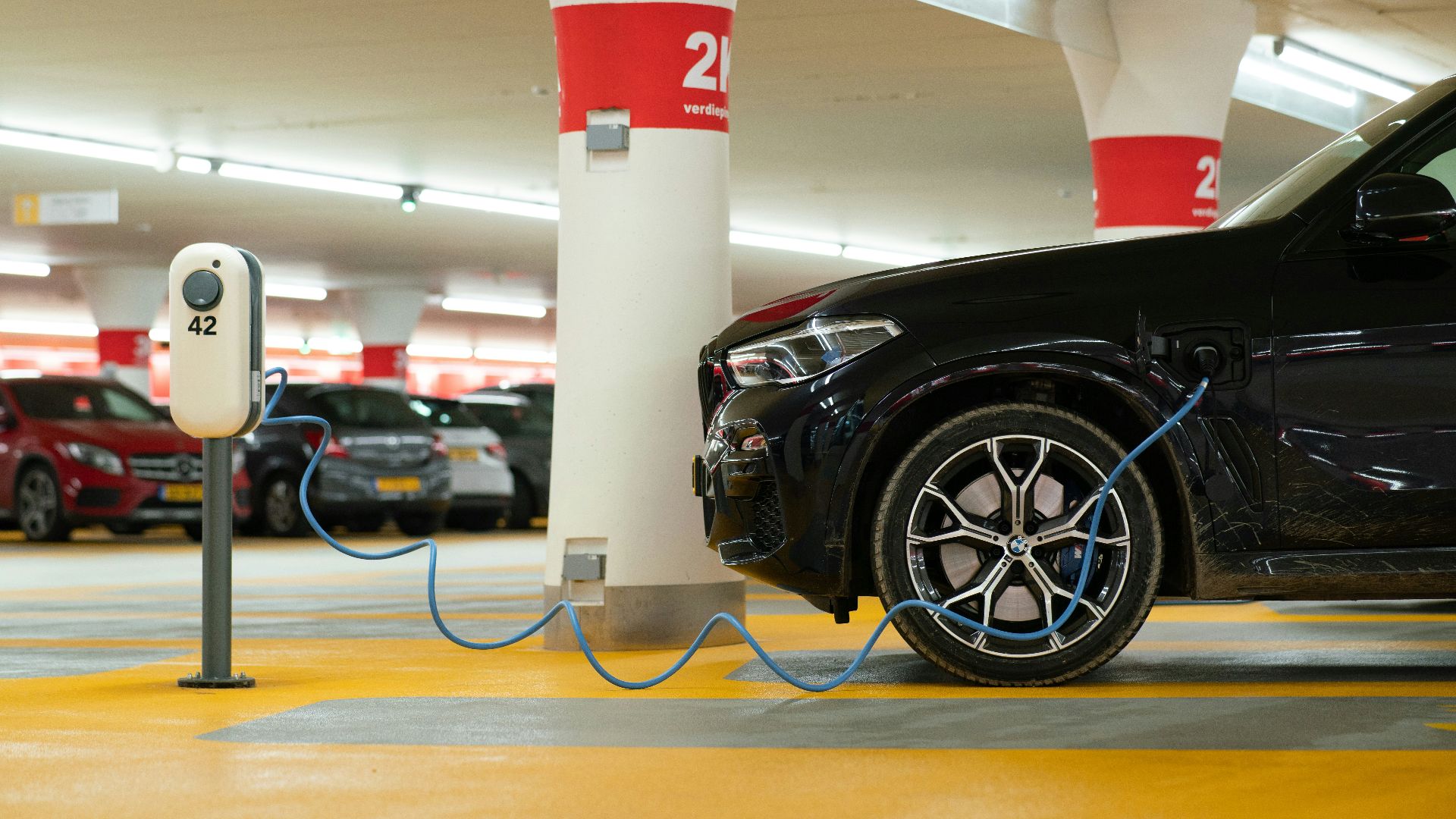
2. Public Charging Works Best When You Treat It As Occasional, Not Constant
Fast chargers are most valuable for road trips or busy weeks when your usual routine changes. However, as mentioned, you’ll have a better time if you arrive with a warm battery when possible and choose chargers that match your car’s capabilities. It really boils down to what your day-to-day looks like.
It’s also important to remember that reliability varies by location and network, so it’s worth having two or three go-to stations mapped out. (Even if you never use them, you don’t know when they’ll come in handy.) Many cars and apps can also route you to chargers, which reduces guesswork.
3. Range is Real, But Your Habits Determine Whether It Matters
The range number on a spec sheet is a guide, not a promise carved in stone. EVs can experience the exact same wear-and-tear as their gas-guzzling competition; don’t just assume that one will automatically outlast the other.
Speed, temperature, wind, hills, and tire choice can all influence how far you’ll go on a single charge. For everyday use, you may never come close to the limits because most trips are short and predictable. On long drives, however, smart routing and a willingness to stop briefly can make the experience nice and smooth. It’s all about building your strategy around your schedule.
4. Winter Ownership Can Still Be Straightforward
We hate to break it to you, but gas cars also suffer during the winter—especially if your precious vehicle is stored outside. You should expect fewer miles per charge in cold conditions, especially if you run cabin heat frequently. Preconditioning the cabin while plugged in can help you stay comfortable without sacrificing as much range. Battery warming also matters for charging speed, so navigating to a fast charger can trigger the car to prepare itself. When it comes to winter tires, make sure you invest in a good set; they reduce efficiency, but they improve safety, which is usually the bigger priority.

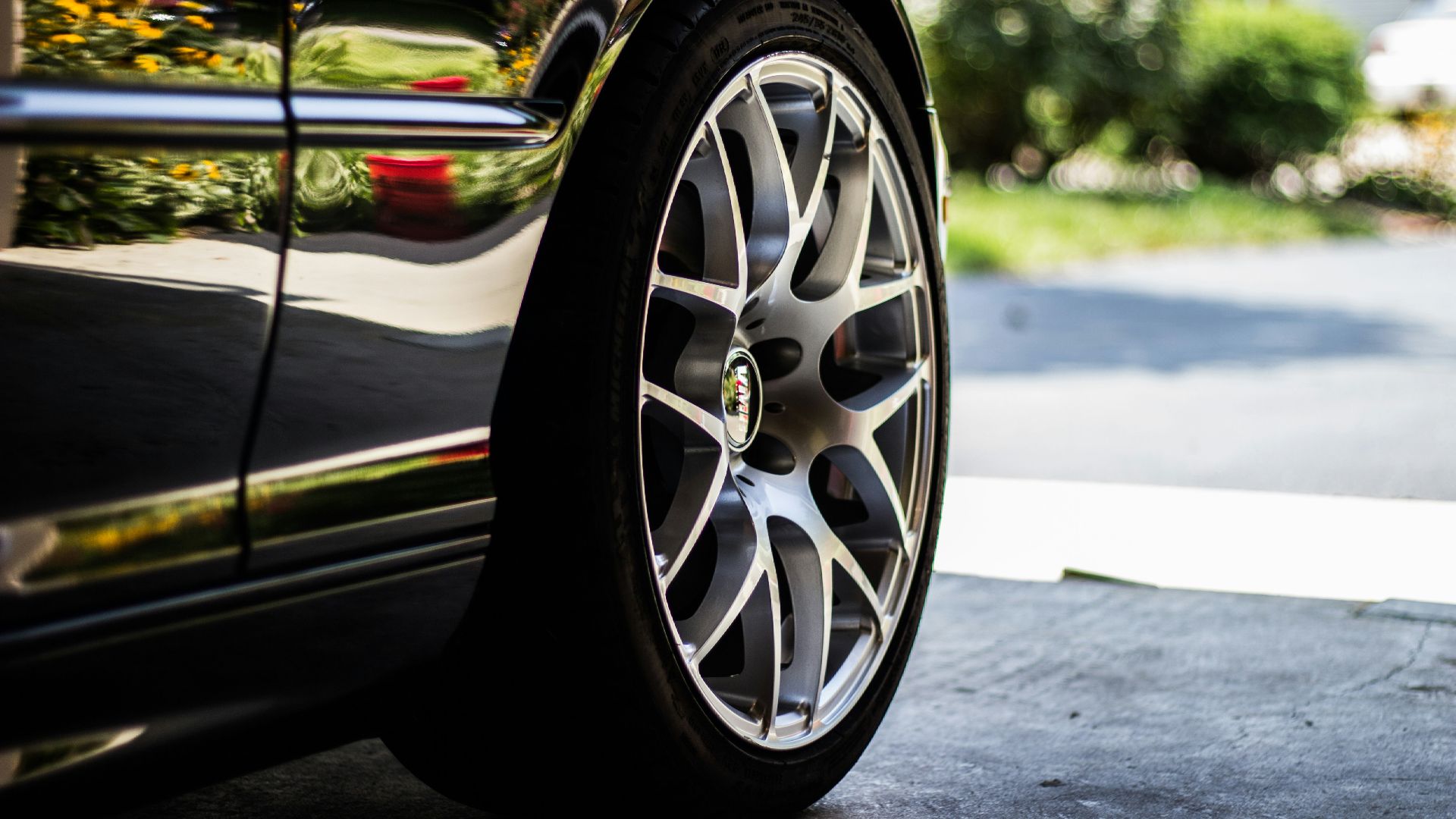
5. Tires and Brakes Still Deserve Attention
EVs skip oil changes and many engine-related service items, which reduces routine maintenance. But that doesn’t mean you should turn your back on standard maintenance for the rest of your car. For example, remember that regenerative braking can lower brake wear because the motor slows the car and recaptures energy.
That said, EVs can be heavier, and instant torque can wear tires faster if you drive enthusiastically and a lot. Alignments and tire rotations matter, and you’ll want to stay on top of them—the best approach is to treat an EV like a normal car while enjoying fewer mechanical chores overall.
6. Battery Health Lasts Longer Than Most People Assume
Don’t believe the internet hoopla about quick-dying batteries. The truth is that most modern battery packs are designed with thermal management and conservative buffers to slow degradation. Many drivers will actually see gradual capacity loss rather than a sudden failure, which makes ownership more predictable than you think.
Battery warranties are also often lengthy, and they can cover certain defects and capacity thresholds depending on the manufacturer. Just make sure you read the fine print and choose a reputable company! Charging habits can play a role, too, so using DC fast charging constantly isn’t ideal if you can avoid it.
7. Total Cost Depends on Your Driving Patterns
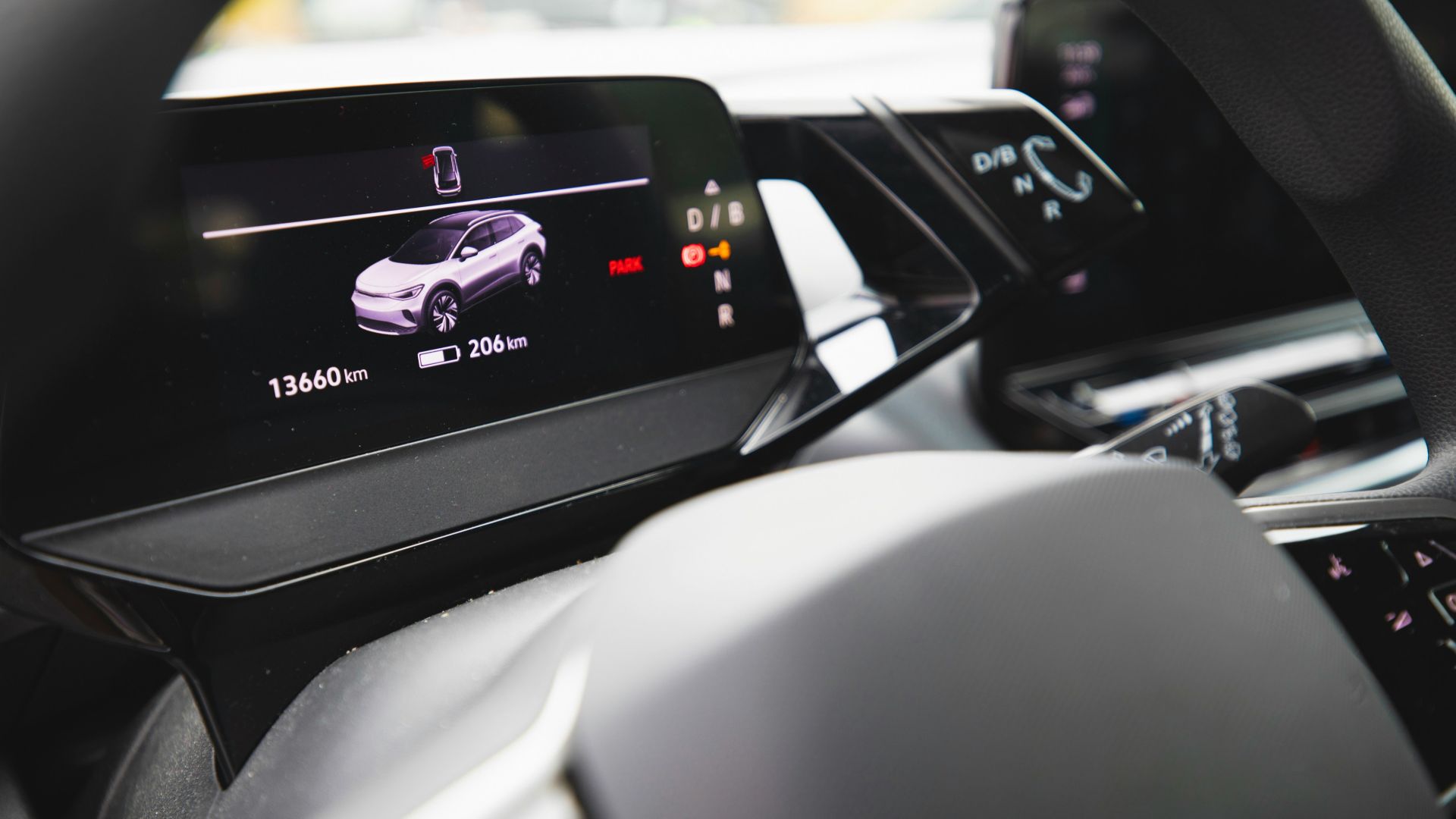
Upfront price is only one part of the cost equation, and it’s not always the deciding factor for a lot of motorists. Electricity rates, home charging equipment, and available incentives can shift the math significantly, so it’s worth paying attention to the numbers.
If you drive a lot of miles, lower energy costs per mile can add up in your favor. Insurance and registration fees can vary pretty significantly, so it’s smart to check local numbers rather than your best guess. The truth is that EV affordability is highly personal, and you can calculate it with a few realistic inputs.

8. EVs Can Be Cleaner Overall
An EV’s environmental impact all boils down to manufacturing, the electricity mix where you charge, and how long you keep the vehicle. Building the battery has an upfront footprint, yes, yet operational emissions are often lower than those of gas vehicles. As grids add more renewable energy, the emissions associated with charging can also drop over time, which is a big win. If you keep a car for many years, the long-term benefits tend to improve because the manufacturing impact is spread across more miles, so looking at the whole lifecycle gives you a more honest conclusion than picking only one stage.
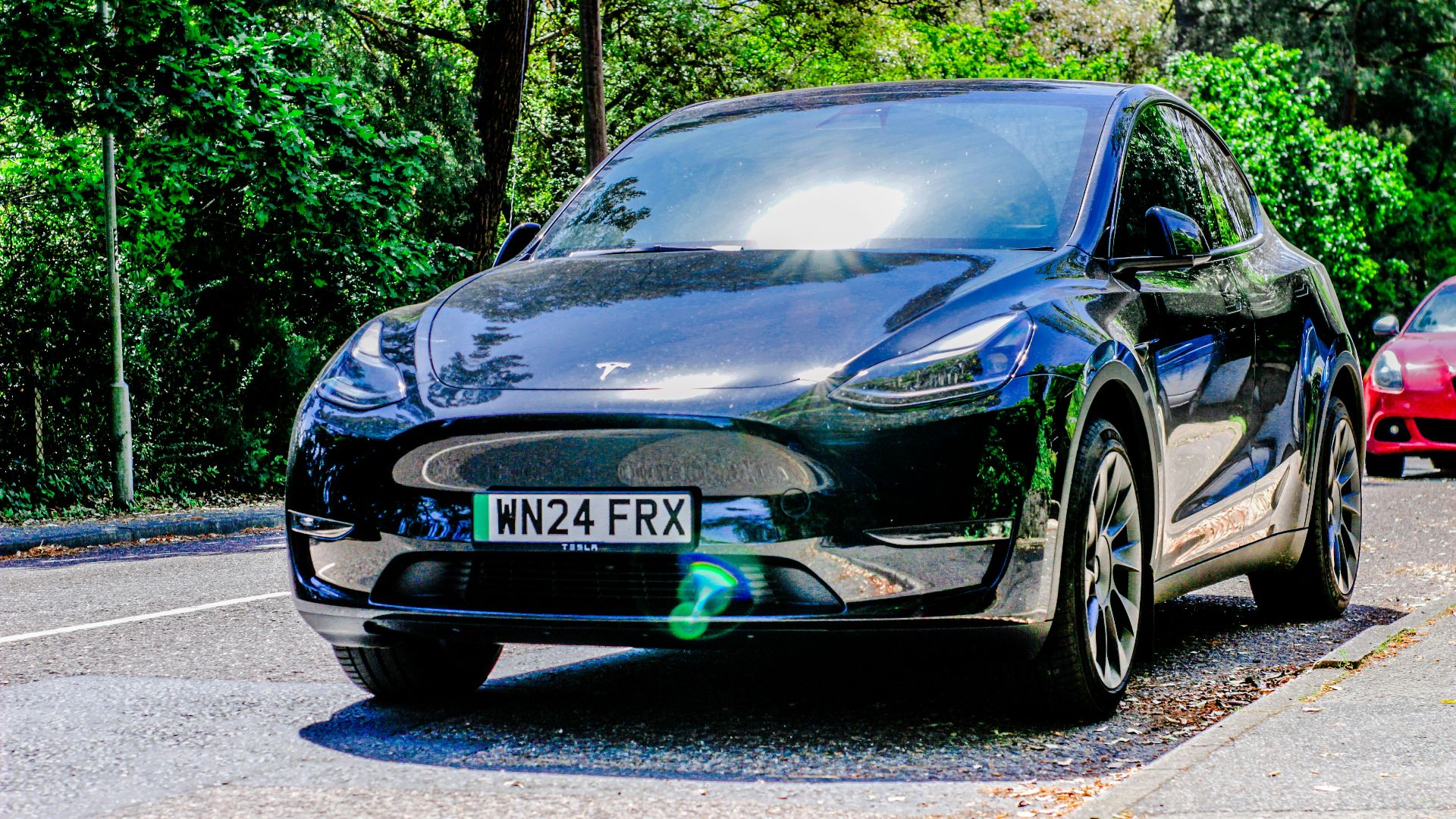
9. Charging Standards and Access Are Improving
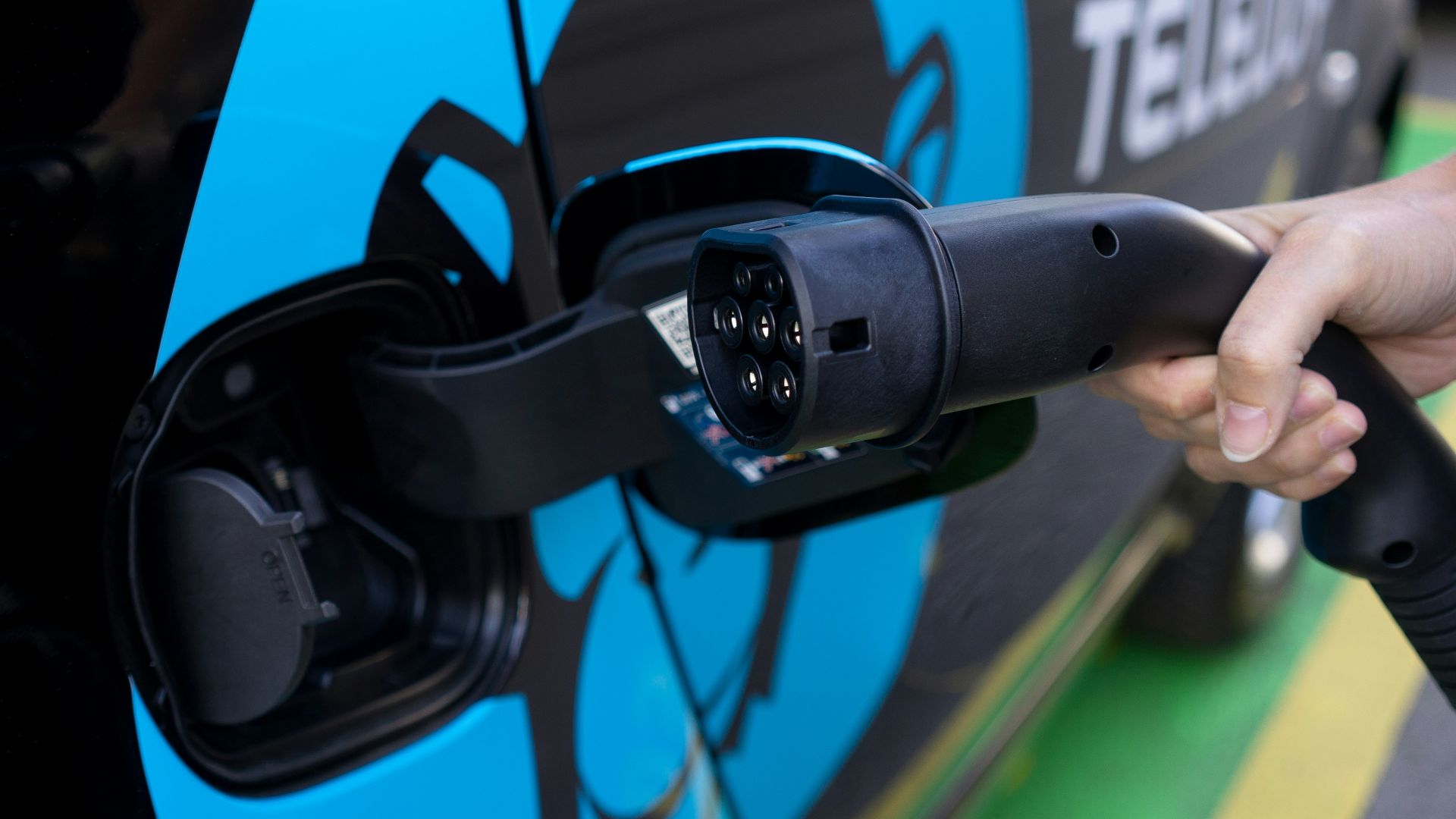
The charging ecosystem is moving toward greater consistency, and that’s good news for drivers. Still, your experience will depend on connector compatibility, network reliability, and local build-out. It’s wise to learn what plugs your car uses, what adapters are supported, and where you can charge near home and work.
Admittedly, apartment and street-parking situations can be harder, but keep in mind that solutions are also expanding for those stranded in buildings. A quick check of your local charging landscape can also prevent most unpleasant surprises, so it’s important that you do your homework before griping about the lack of options.
10. EVs Are Genuinely Enjoyable to Drive
Electric vehicles offer smooth driving to the modern motorist, and they’re anything but boring. Instant torque makes everyday driving feel responsive, especially when merging or passing. The cabin experience can feel calmer because there’s less engine noise and fewer vibrations. Many EVs also offer one-pedal driving, which can be relaxing once you get used to it. Of course, not every model is tuned the same way, so test drives still matter. But the point is, you should aim for a test drive! If you like smooth power and quiet comfort, you’ll probably get why EV owners keep smiling about it.