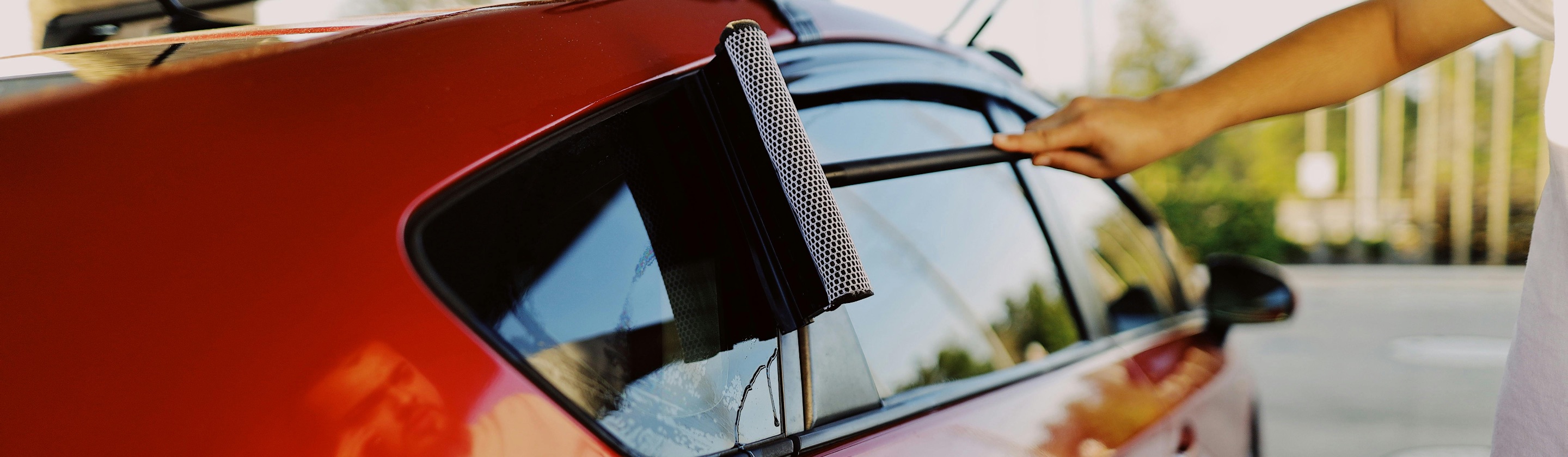

Cars Vs City Life
With crowded streets, rising costs, and alternative transportation options everywhere, driving can feel more like a burden than a benefit. Still, the answer isn’t the same for everyone or every situation. Understanding both sides helps you make smarter, less stressful choices about how you move through urban life.
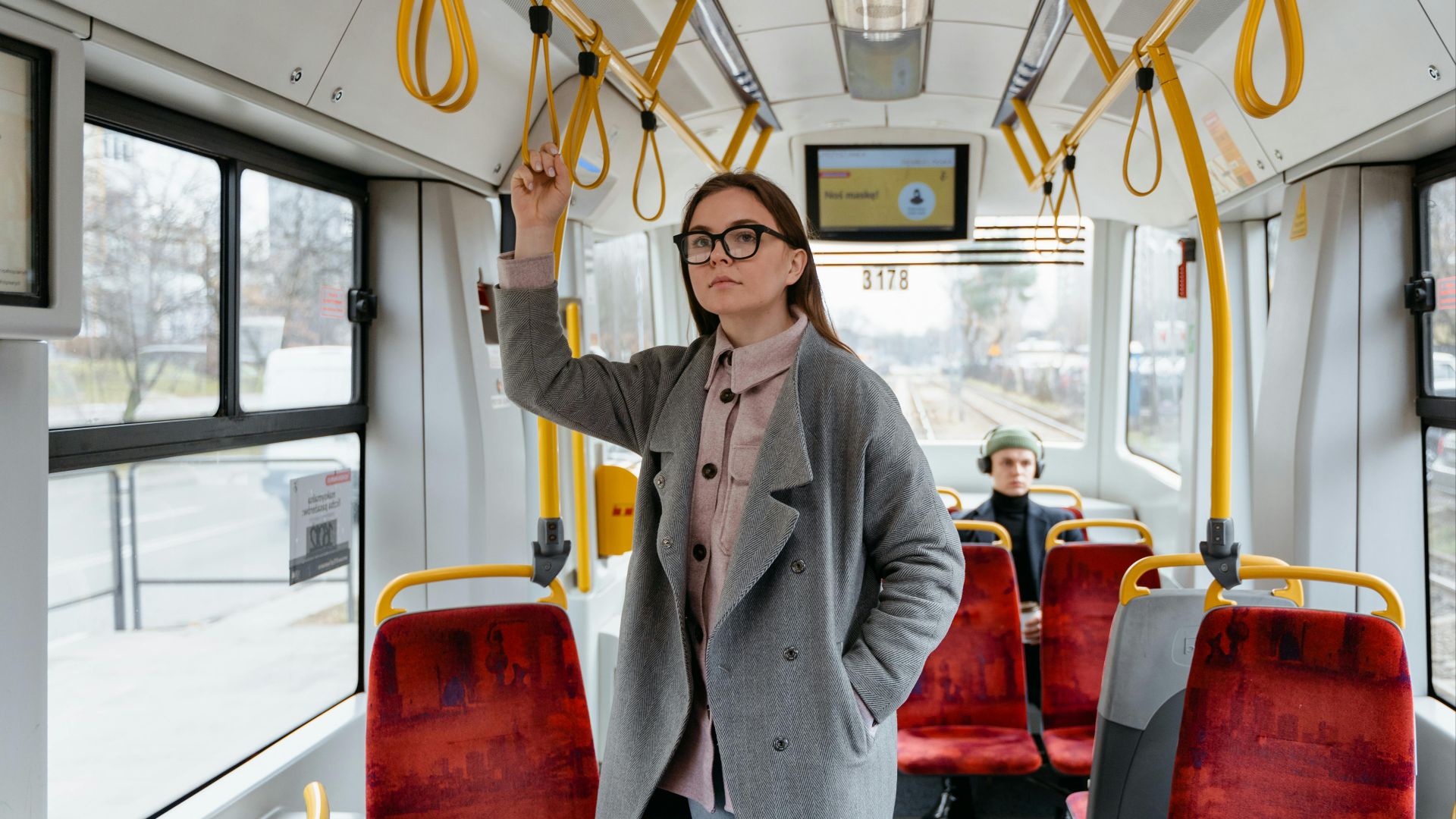
1. Public Transportation Covers Most Routes
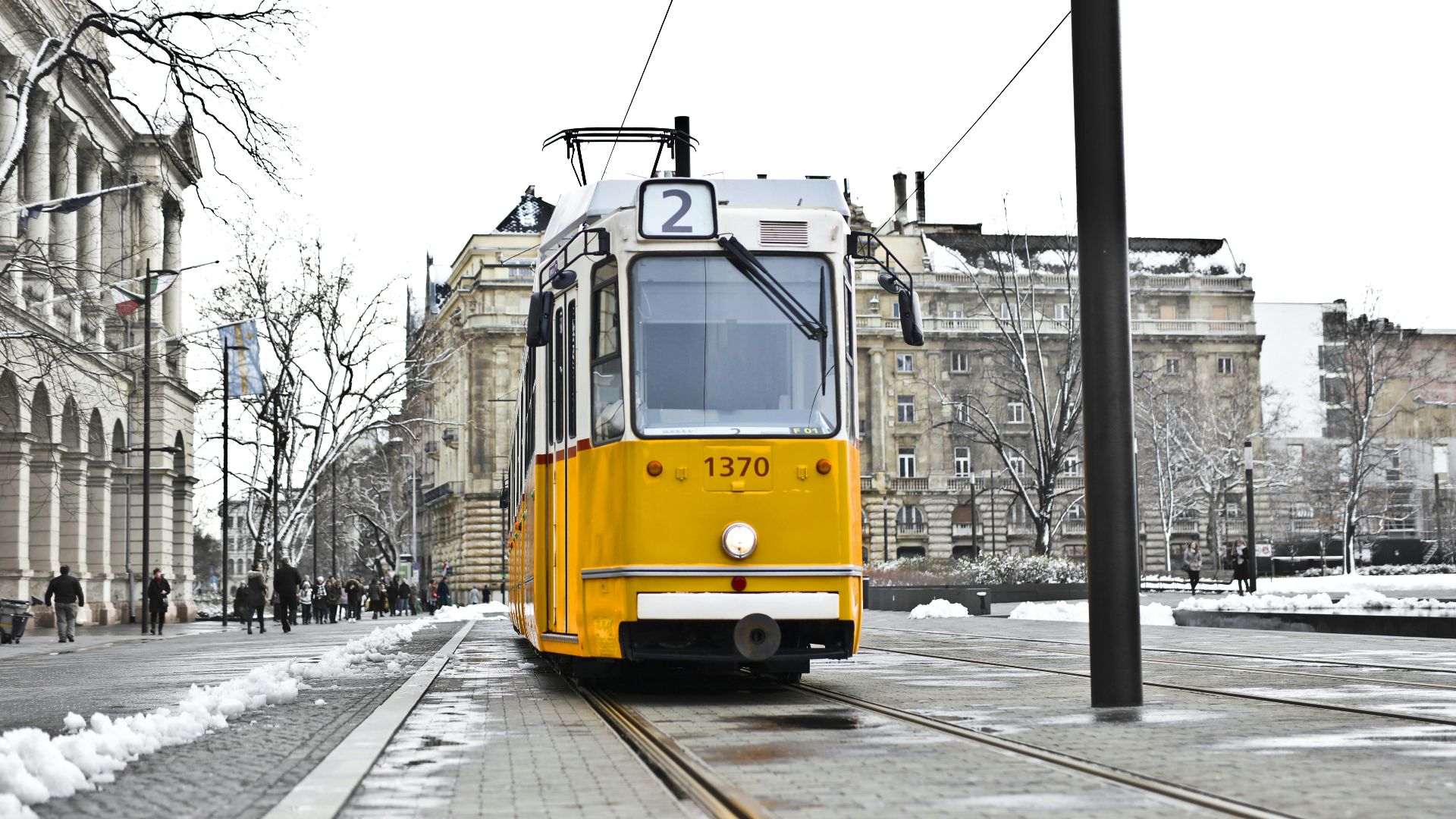
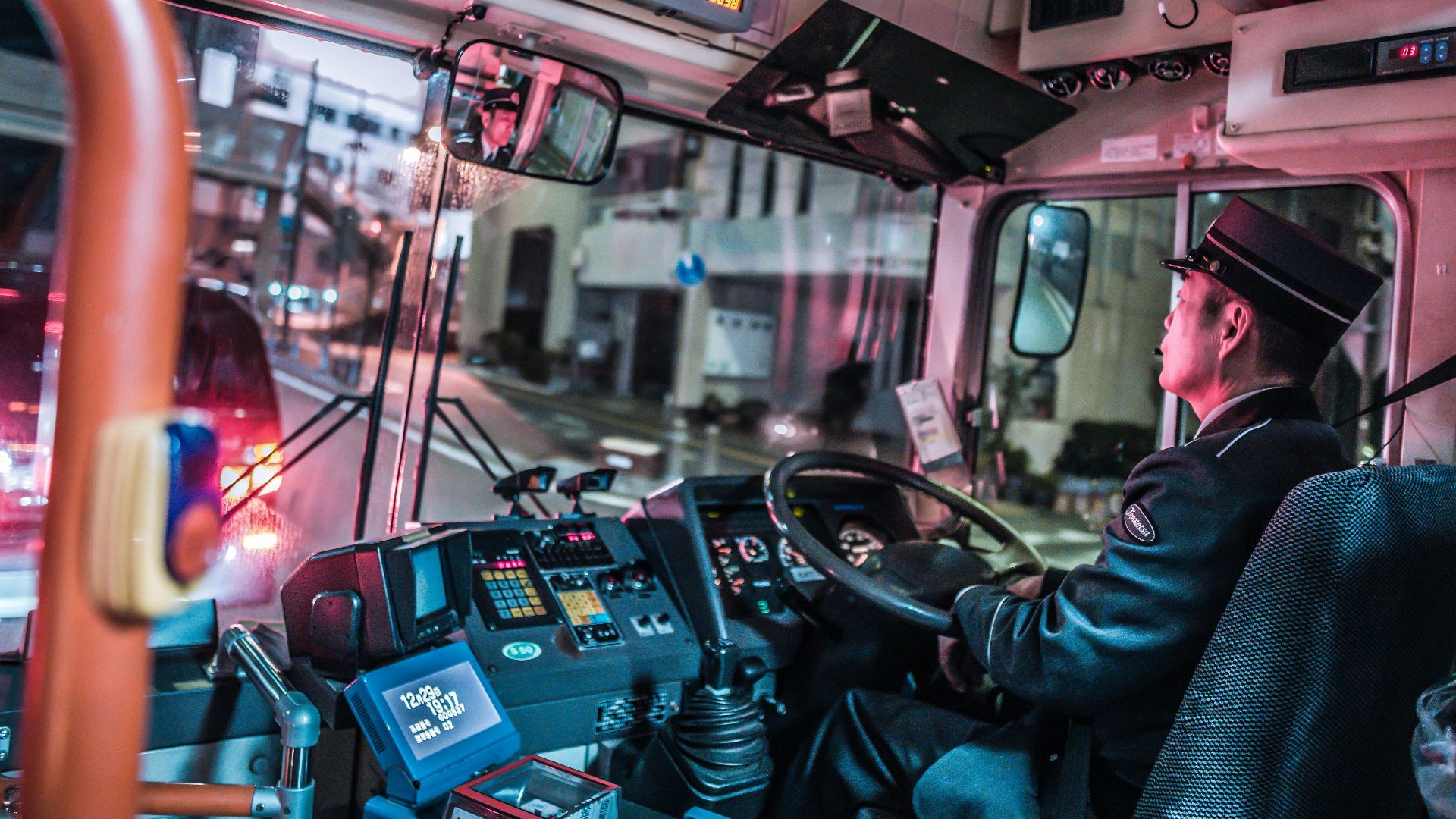
City transit systems link homes with workplaces so efficiently that cars become optional rather than necessary. Frequent buses and trains mean you're rarely waiting long for your next ride somewhere. Many cities even offer scenic tram or bus routes that double as mini tours.
2. Traffic Congestion Wastes Significant Time
Stop-and-go traffic increases commute duration way beyond what the actual distance should take, especially during morning and evening rushes that dramatically reduce overall efficiency. Avoiding your car during peak congestion gives back hours weekly for things you actually enjoy.
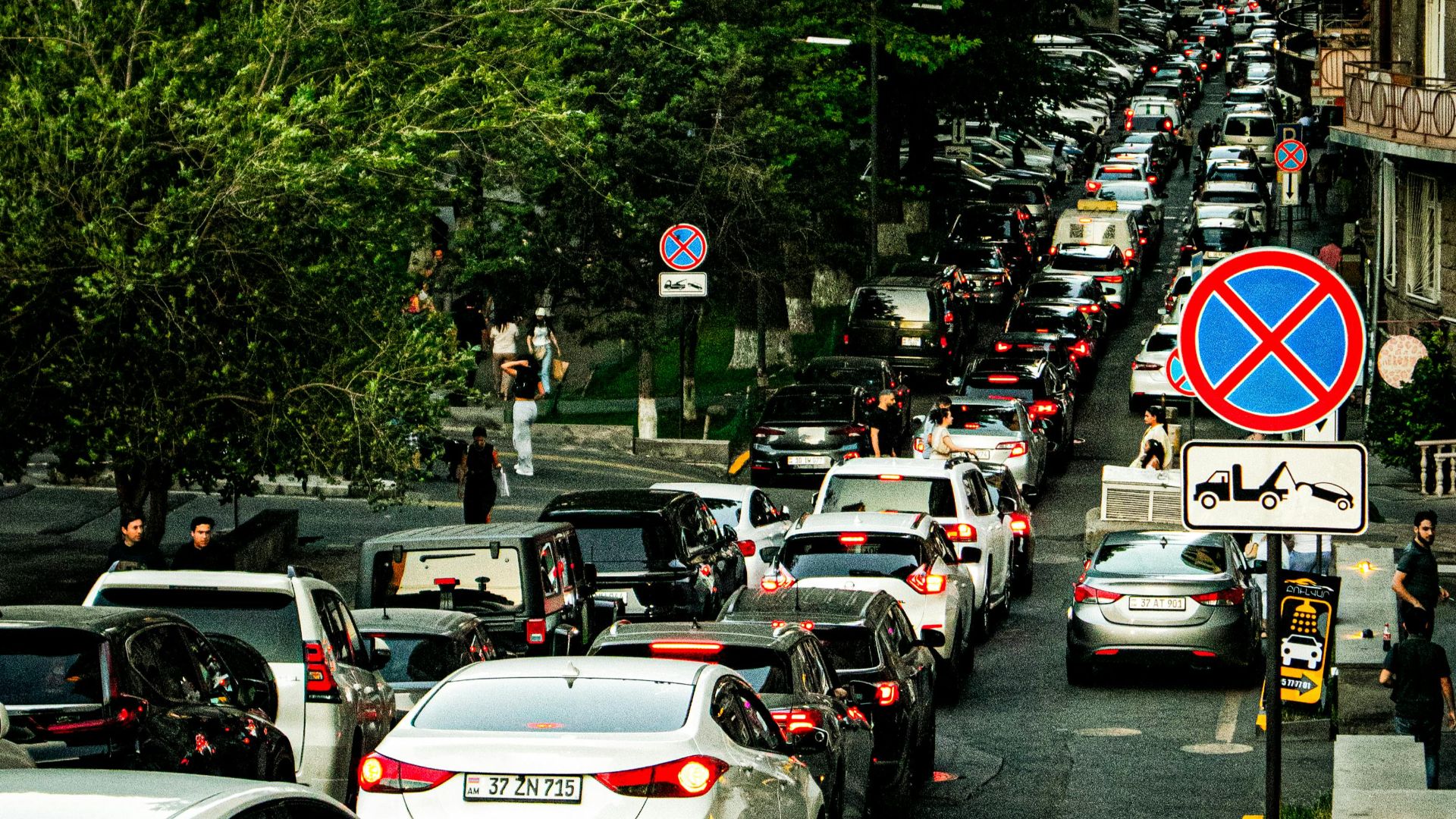
3. Parking Availability is Extremely Limited
Drivers waste serious time cruising around looking for nonexistent parking spots in busy areas. Frustration builds when commuters circle forever, hoping someone leaves right when they arrive. When you skip the parking hassle, the result is quicker arrivals and a smoother start to your day.
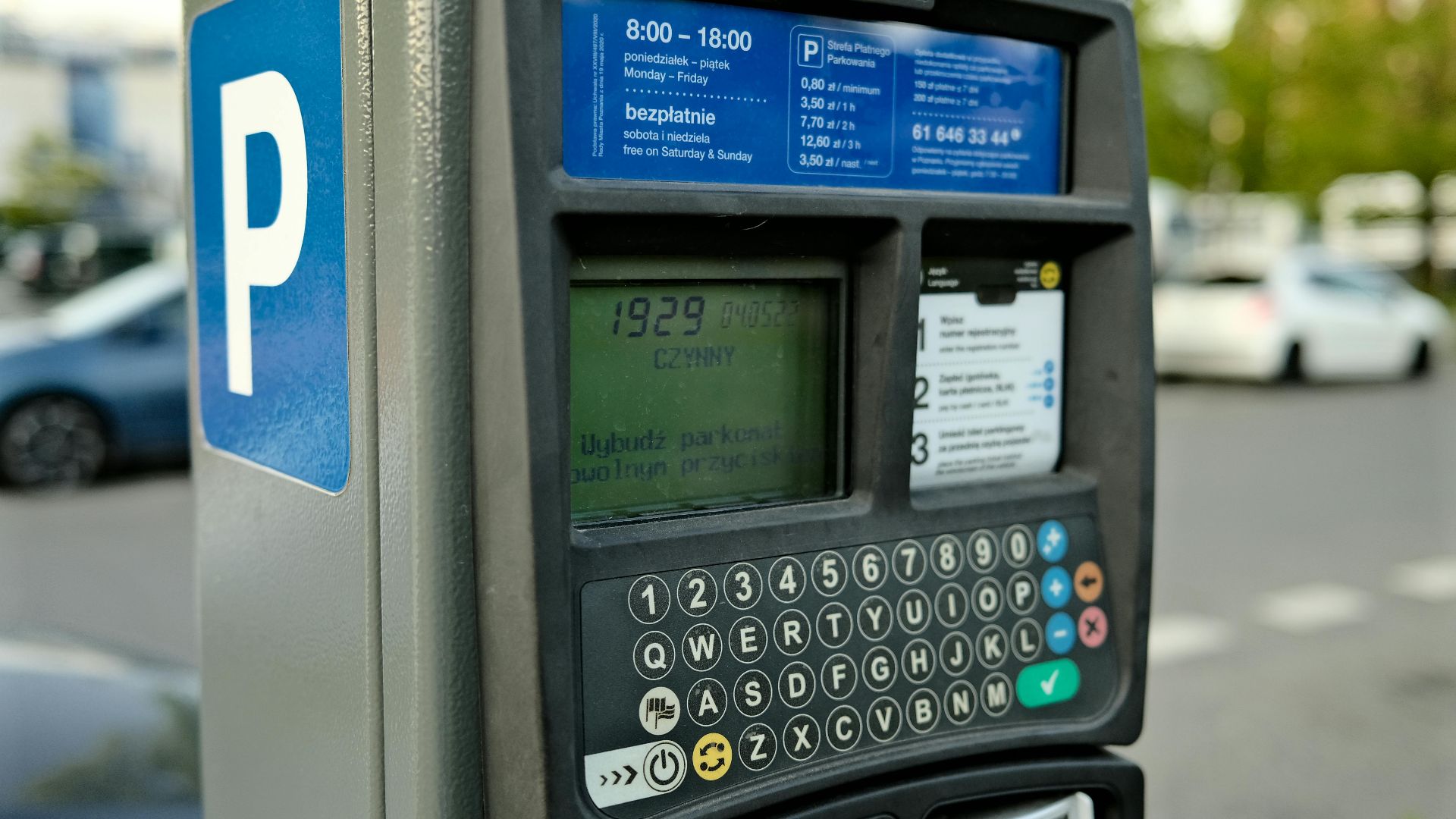
4. Parking Fees Increase Daily Expenses
City parking quickly drains wallets through premium lot rates and constant meter or permit fees. What feels minor each day adds up across weeks, and turns routine trips into costly habits. Driving into crowded areas often means paying far more than expected.
5. Ride-Hailing Services are Widely Accessible
Ride‑hailing apps provide flexible transport without the burden of car ownership. Services like Uber or Bolt remain available almost anytime and offer quick access with a simple tap. Instead of searching for your parked vehicle, you’re on the road within minutes.
6. Walking Distances are Often Short
Fuel and parking expenses disappear completely when city destinations fall within comfortable walking distance. Plus, you'll stumble upon amazing hidden spots, like little cafés, quirky shops, that car windows would never let you notice!

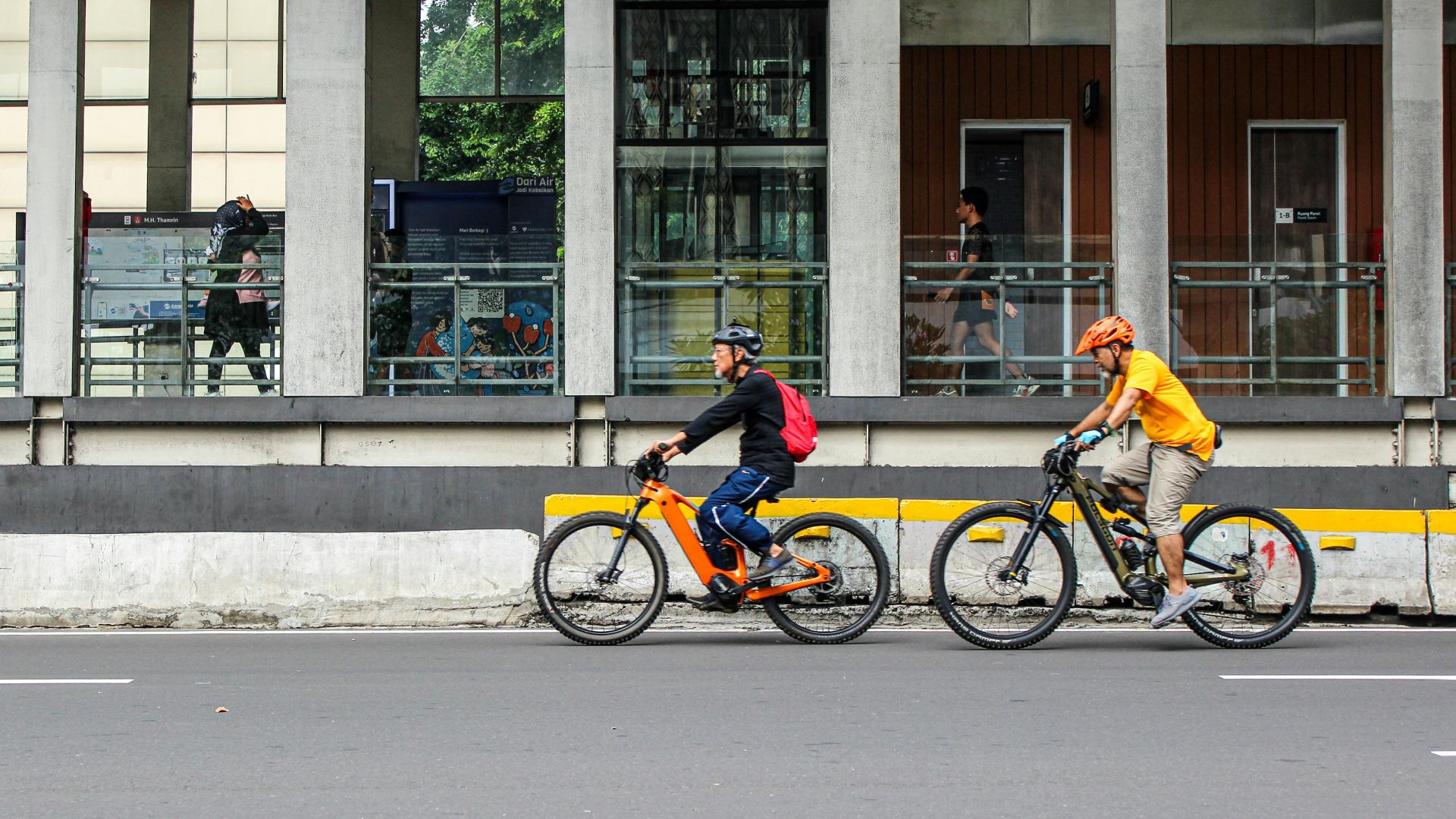
7. Cycling Infrastructure Supports Short Trips
Bike lanes and secure racks throughout cities make cycling viable for quick errands and commutes. Congested areas actually favor bikes over cars since you zip past gridlocked traffic effortlessly. Environmental impact shrinks dramatically when you pedal instead of burning fuel sitting still.
8. Navigation Stress Affects Daily Well-Being
City driving demands constant focus on traffic signals, while detours and road closures pile on stress. Crowded streets drain mental energy, leaving people exhausted. Choosing to skip the car often results in calmer moods and a more refreshed arrival.

9. Vehicle Wear Increases in Stop-and-Go Traffic
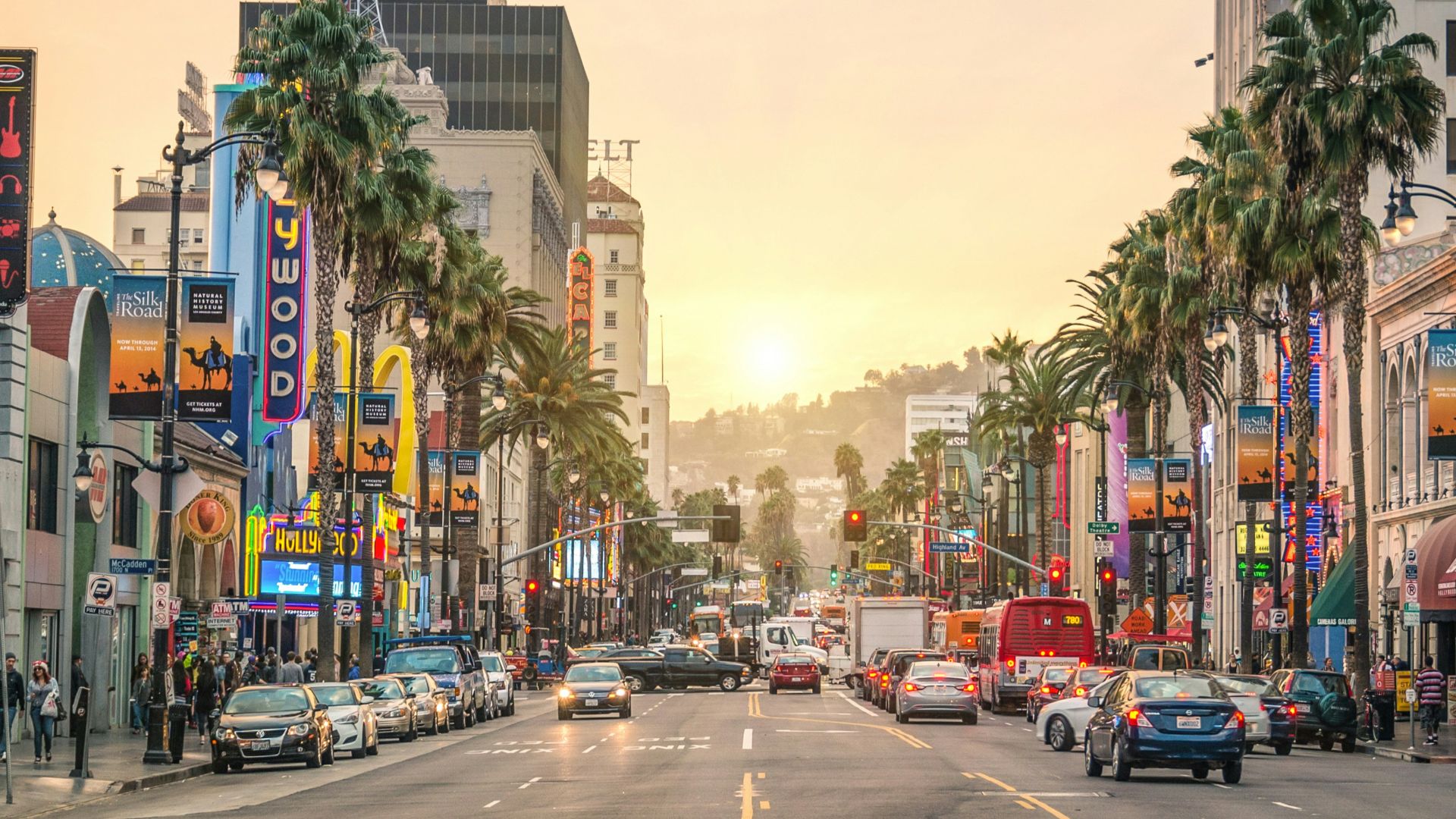
Congested streets punish cars. Engines aren’t built for endless idling, and tires wear unevenly when traffic crawls. Less driving also means fewer breakdowns and repair bills, proving that avoiding city congestion saves money while extending the lifespan of your vehicle.
10. Fuel Costs are Higher in Cities
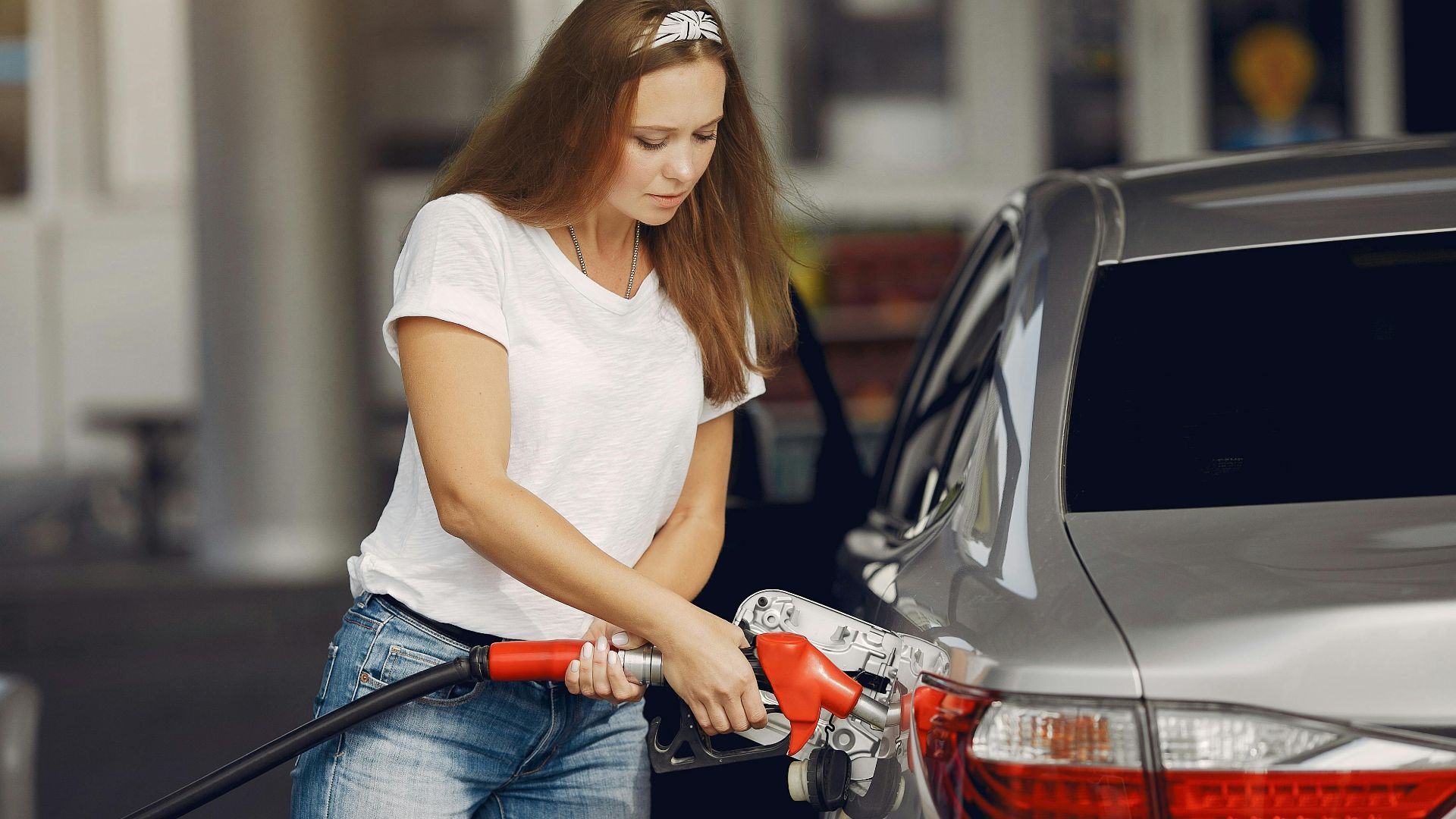
Stop-and-go traffic guzzles fuel way faster than steady highway driving ever does. Local fuel prices also tend to run higher in cities due to increased demand. Skipping the pump entirely frees up cash for entertainment rather than burning it literally.
While many people thrive without a car in cities, certain situations make driving not just convenient, but genuinely necessary—let’s explore those.
1. Transporting Heavy Items
Public transport turns impractical fast when you're dealing with oversized loads that barely fit anywhere. Vehicles reduce physical strain from lugging heavy goods across multiple blocks to your apartment. Your trunk basically becomes a personal delivery service on demand.

2. Jobs Requiring Frequent Site Visits
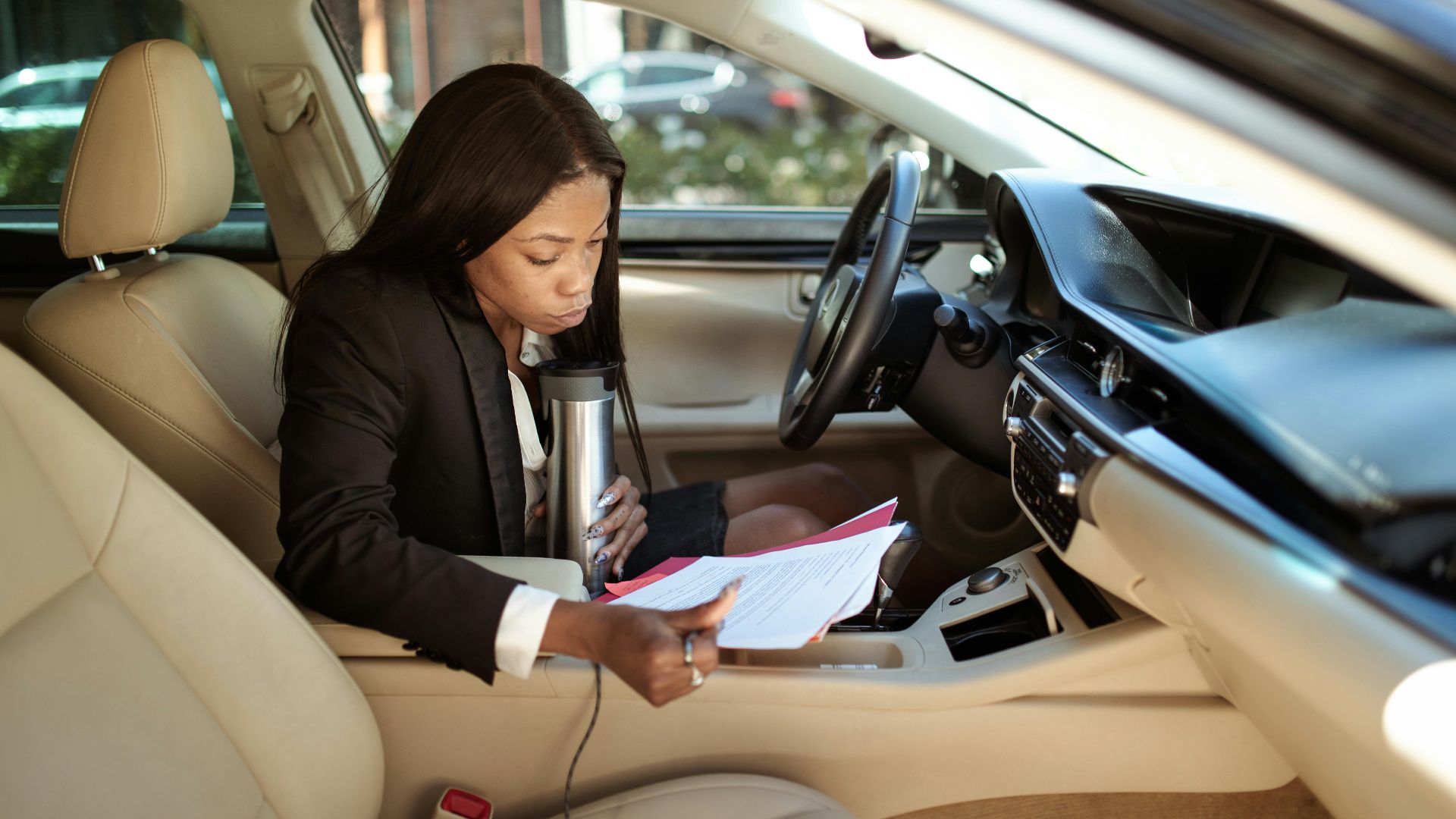
Professionals who move between several client sites rely on cars to keep schedules under control. Public transit rarely matches their routes, and delays risk punctuality. A vehicle also secures documents, samples, and equipment, turning travel into a dependable extension of their workday.
3. Working Night or Early-Morning Shifts
Off-peak hours leave you stranded when buses and trains reduce service drastically or stop completely. Driving guarantees you'll reach work on time, regardless of whether it's 3 a.m. or 5 a.m. Cars also provide safety for late-night travel that exposed transit stops and empty streets can't offer.

4. Caring for Dependents With Mobility Needs
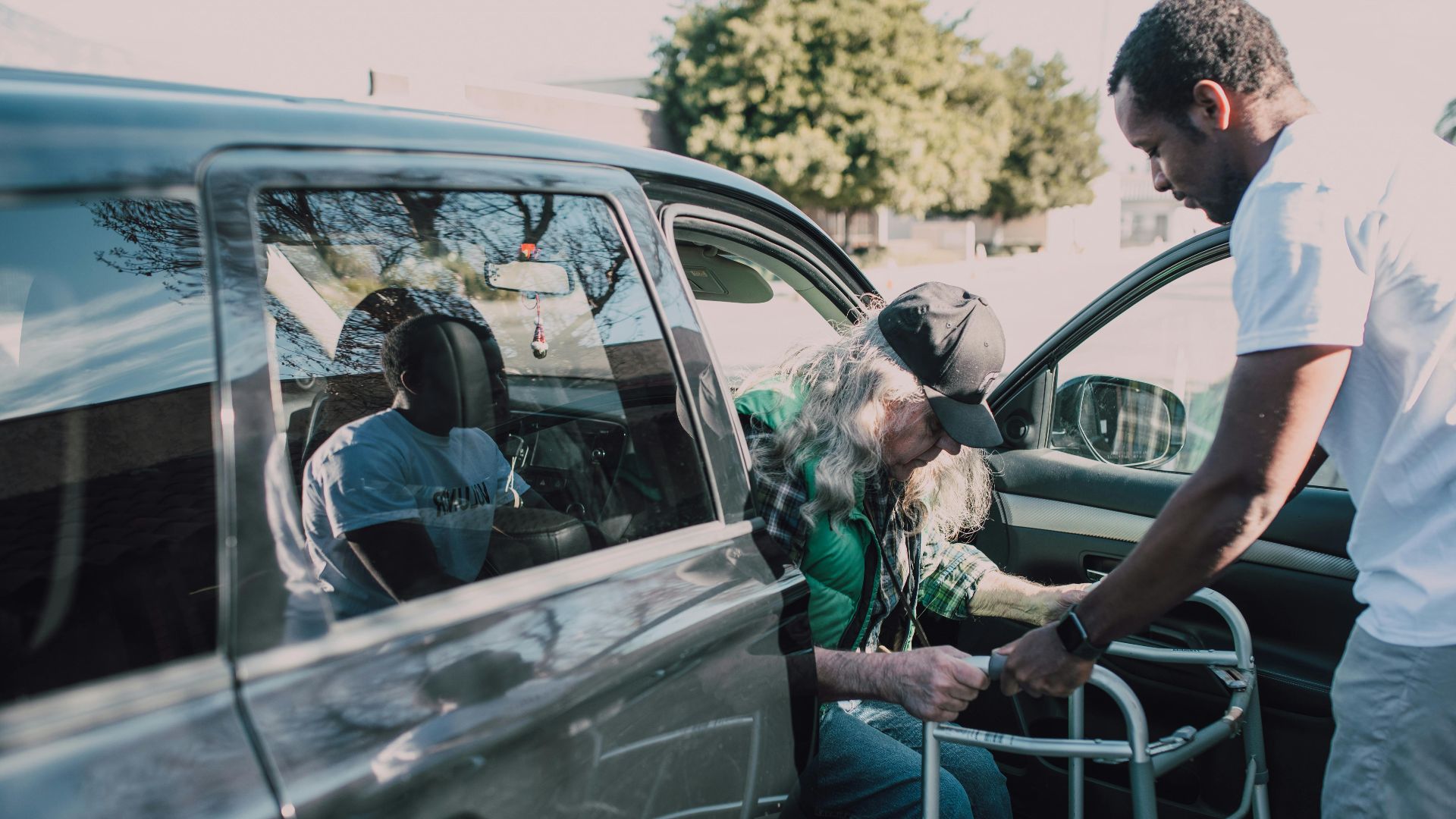
Vehicles accommodate the mobility equipment that dependents need without the hassle transit creates for wheelchair users. You can adjust appointment schedules flexibly rather than conforming to rigid bus or train timetables, and those car rides together become quality time that families actually cherish.
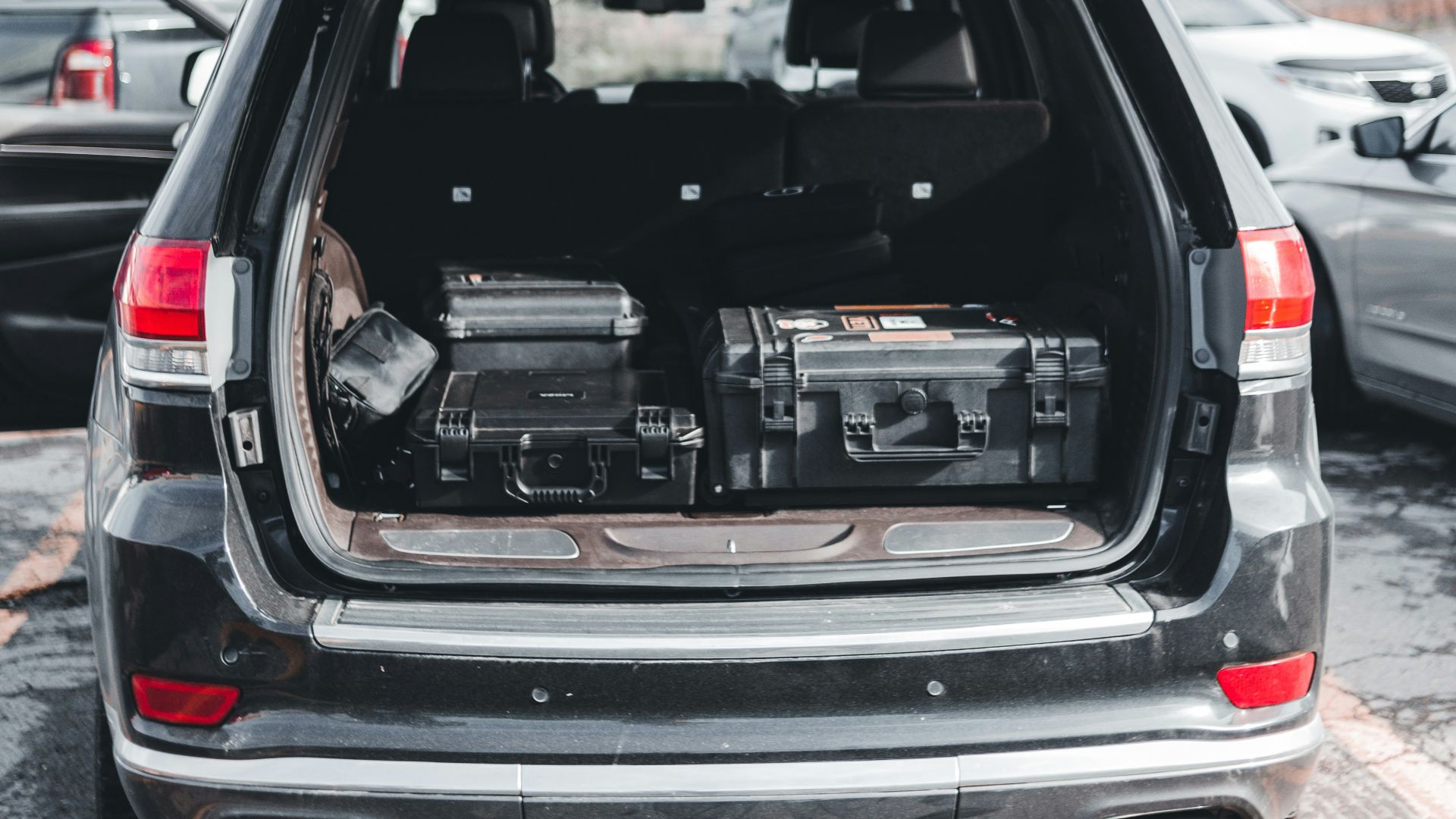
5. Carrying Professional Tools
Heavy equipment arrives intact and on time when you're driving directly rather than transferring it across multiple transit connections. Many jobs depend on transporting tools that public transport absolutely won't carry safely or practically.
6. Emergency Situations Needing Immediate Travel
Cars allow rushing to hospitals or family immediately when emergencies strike, and they don’t cause transit delays. Driving ensures the most direct path during urgent situations, and that instant mobility makes the car your most dependable lifeline.

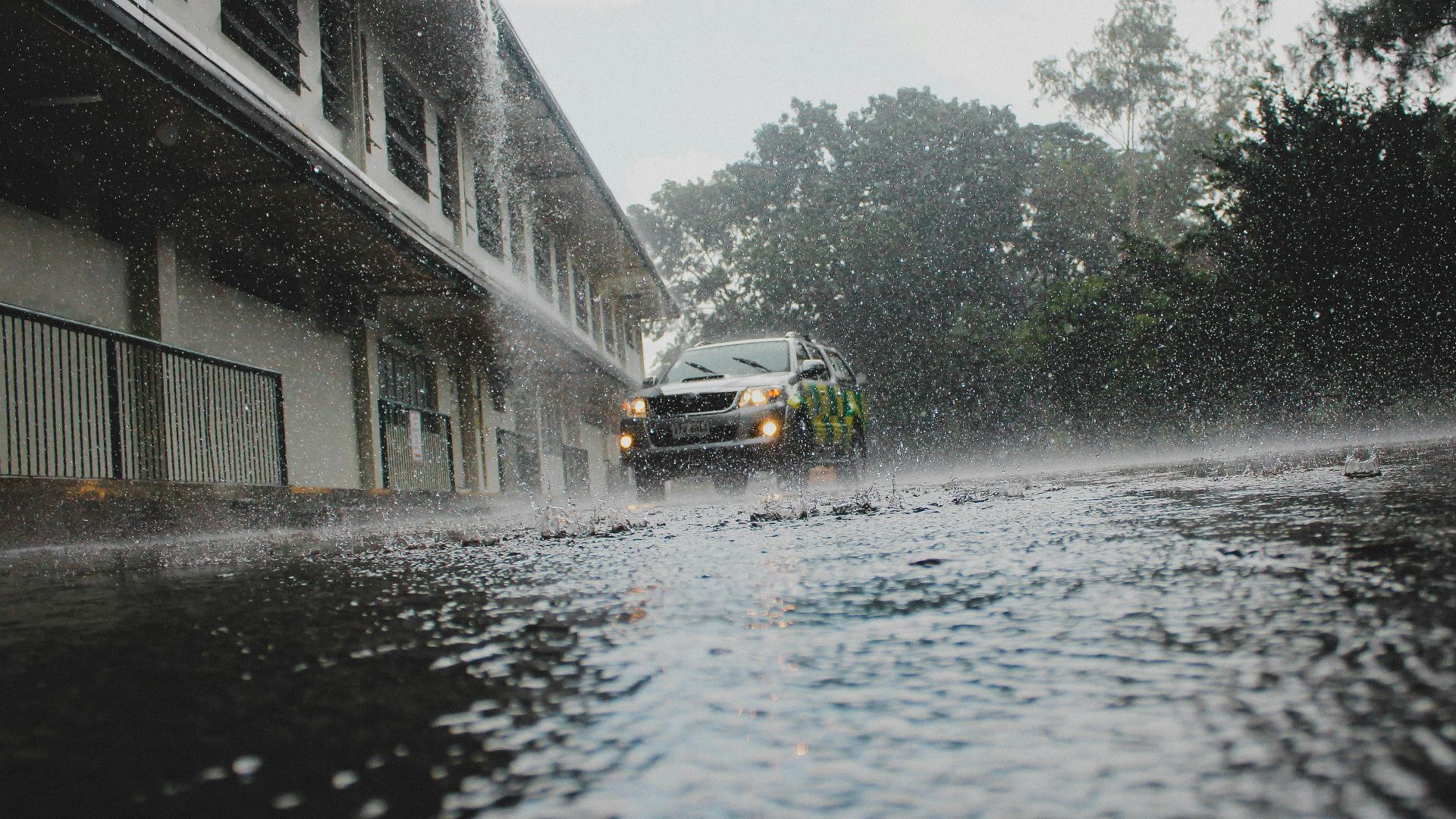
7. Handling Unpredictable Weather
Heavy rain, scorching heat, or winter storms can make transit miserable. Cars shield passengers from harsh conditions, keeping commutes safe and comfortable. Reliable shelter on wheels also keeps plans moving smoothly regardless of sudden weather changes.
8. Commuting From Poorly Connected Districts
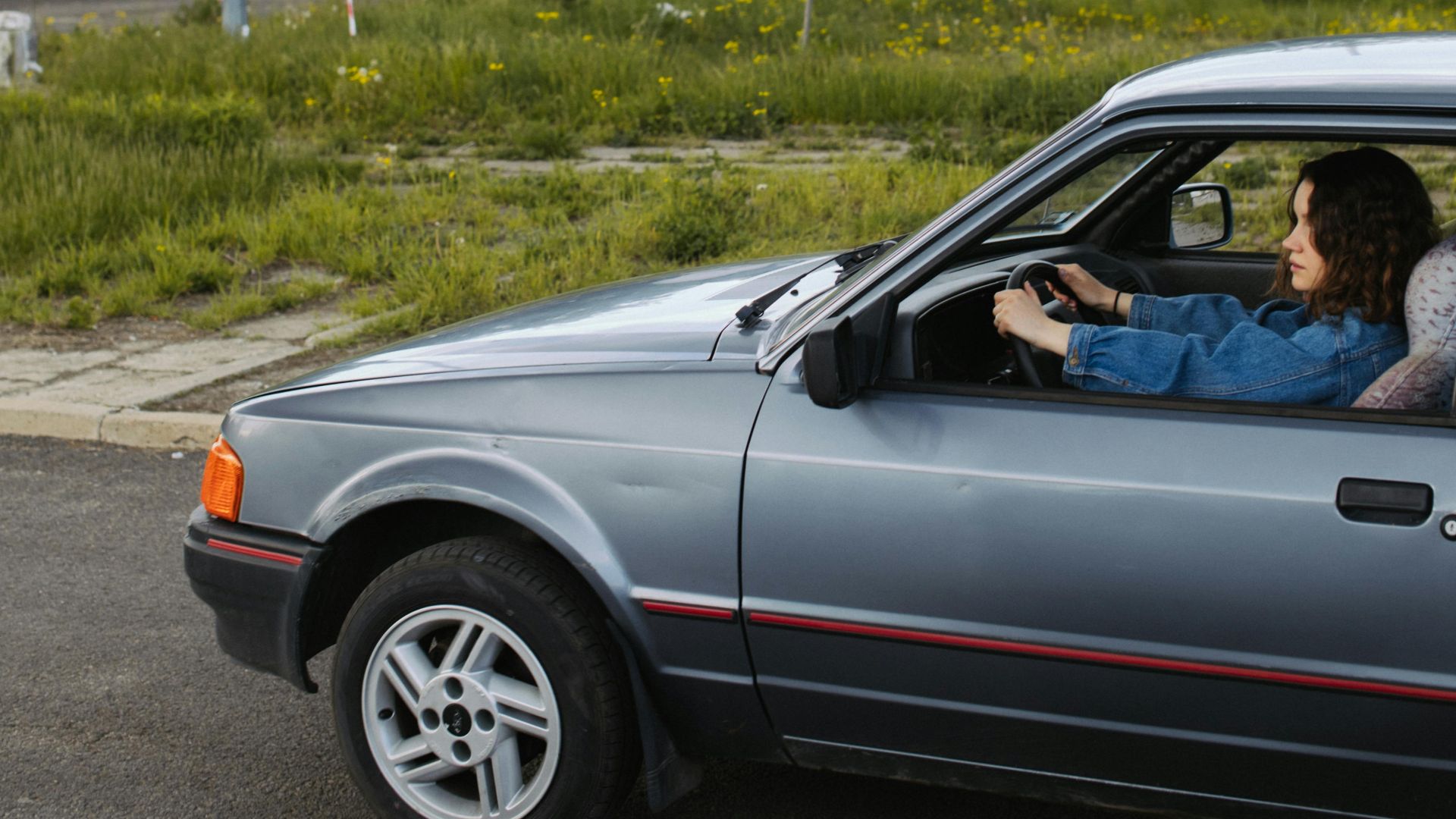
In districts with poor transit, a personal car becomes the only dependable way to commute across town. More importantly, they guarantee consistent arrival when buses are unreliable or nonexistent. Solo drives can also provide quiet reflection before hectic workdays.
9. Attending Events Across Town
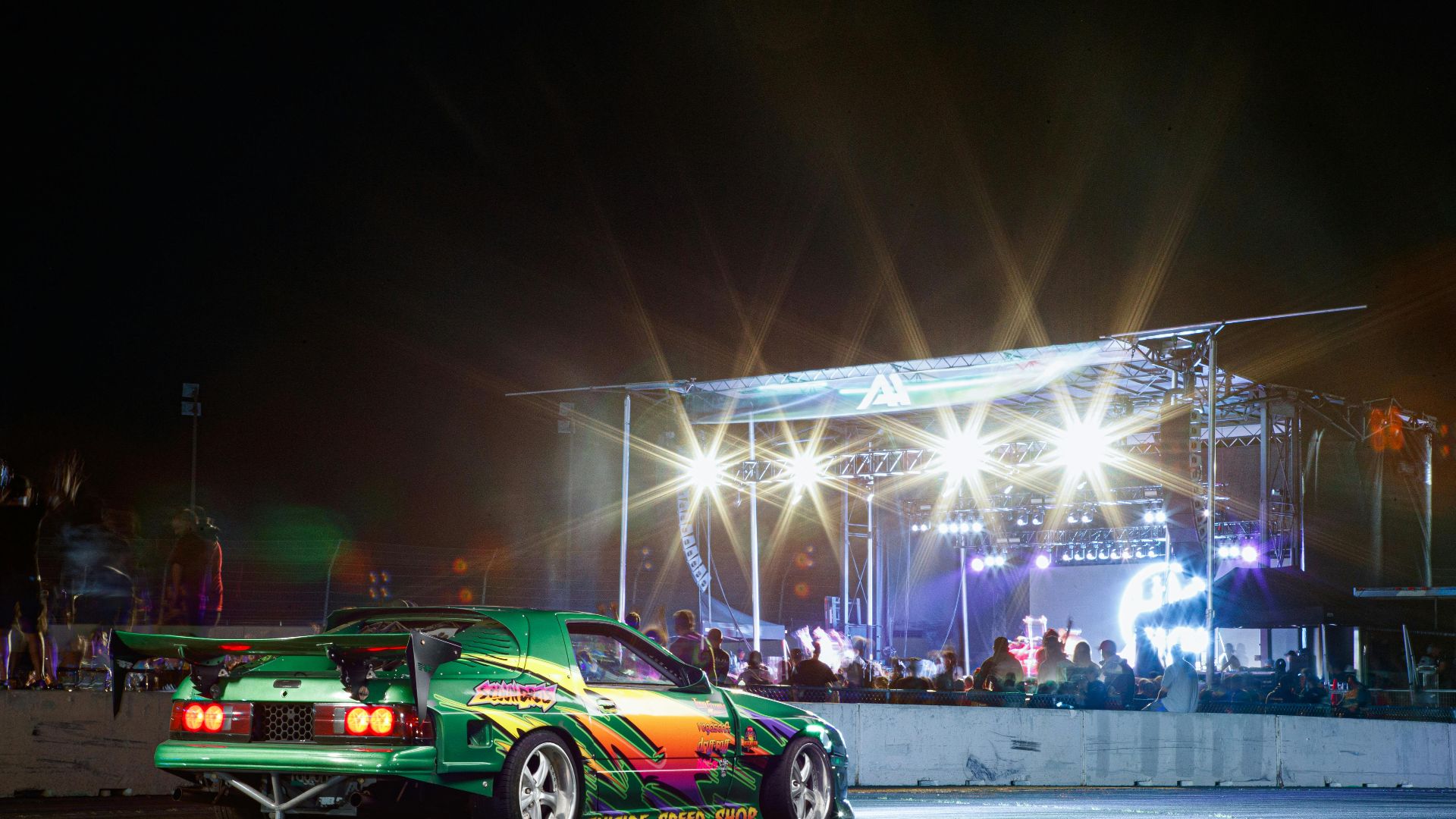
Concerts, sports matches, and festivals usually end late in areas where transit stops running early or doesn't reach at all. Your car handles the distance easily while keeping you safe heading home after midnight with whatever souvenirs or gear you're hauling back.
10. Managing Tight Family Schedules
Juggling appointments and activities for multiple family members becomes possible when you control transportation timing yourself. Cars keep everyone arriving on time. Without them, unreliable transit creates stress‑building delays that turn normal days into exhausting coordination nightmares nobody enjoys.