
A Little Preparation Can Make the Drive Much Easier
Have a long road trip planned? While it can be exciting to start your journey as soon as possible, it’s a lot more enjoyable when your car is ready for the miles ahead. Taking time to check the essentials before you leave can help you avoid preventable delays, expensive repairs, and stressful surprises on the road; you don't want to realize you're underprepared at the worst possible moment! So, how do you prep? Here are 20 things to tick off your checklist before you hit the open road.

1. Check Your Tire Pressure
Your tires play a major role in safety, fuel economy, and overall comfort, so start by checking the pressure in all four tires. Use the recommended PSI listed in your owner’s manual or on the sticker inside the driver’s door rather than relying on the number printed on the tire itself. Don’t forget to check the spare tire if your vehicle has one, since it won’t help much in an emergency if it’s underinflated. It’s best to check tire pressure when the tires are cold for the most accurate reading.
2. Inspect Tire Tread
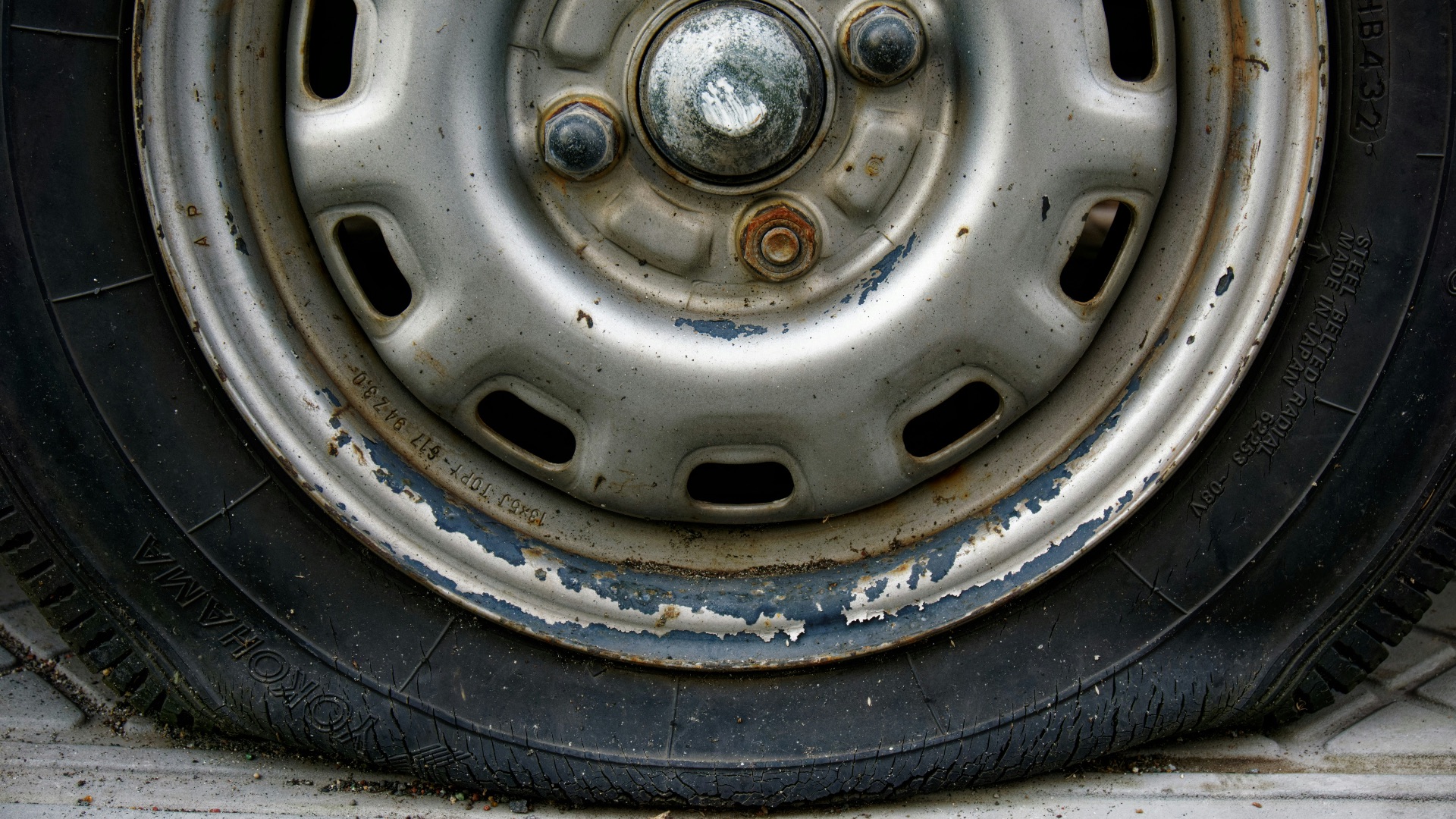
Even if your tire pressure looks good, the tread still needs attention before a long drive. Worn tread can reduce traction, especially if you run into rain or rough road conditions. You can use a tread depth gauge or the penny test to get a quick sense of whether the tires are still road-ready. If the tread is uneven, that could also point to an alignment or suspension issue worth addressing before you leave.
3. Schedule an Oil Change If Needed
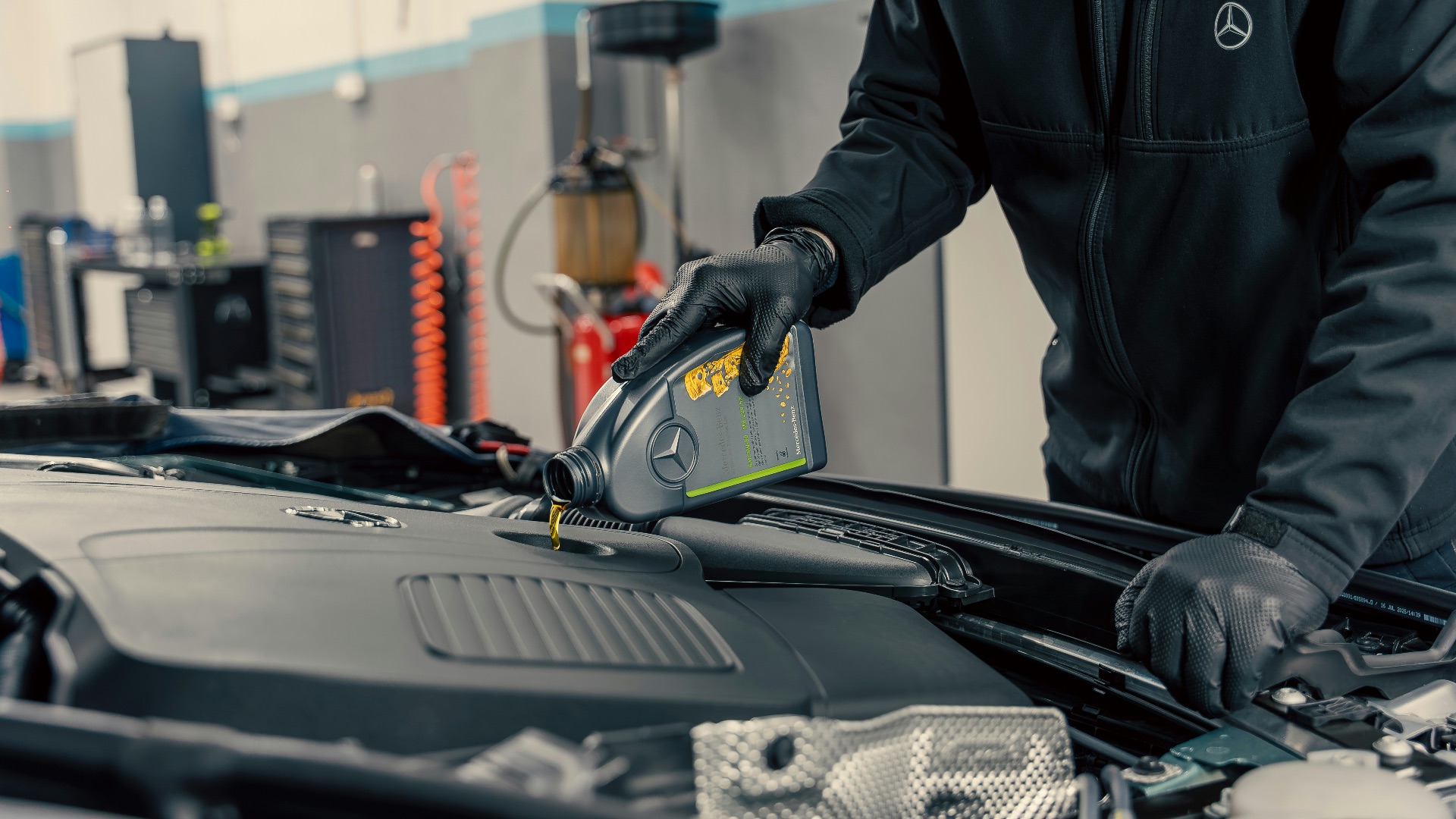
Oil helps protect your engine from heat, friction, and wear, so it’s one of the most important things to check before a road trip. Look at your mileage and compare it with your vehicle’s recommended oil change interval. If you’re close to being due, it’s smarter to take care of it before the trip rather than pushing your luck over hundreds of miles. Fresh oil can give your engine a better chance of handling long stretches on the highway without added strain.
4. Top Off Essential Fluids
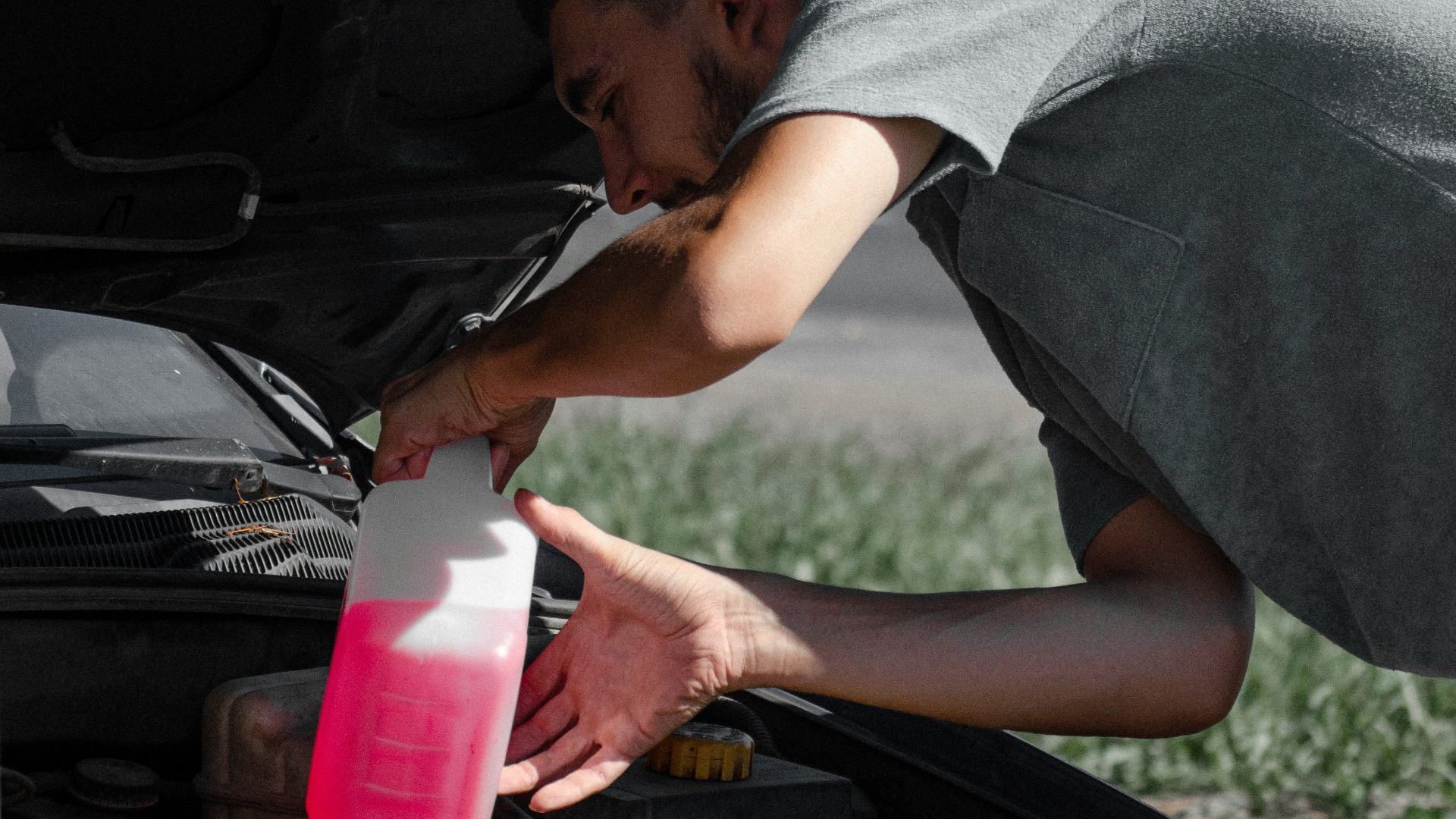
Your car relies on several fluids to stay safe and functional, so don’t stop at the oil. Check the coolant, brake fluid, transmission fluid, windshield washer fluid, and power steering fluid if your vehicle uses it. Low or dirty fluids can lead to overheating, poor braking, visibility issues, or other problems that are much harder to fix once you’re already on the road. If you notice a fluid level keeps dropping, have the source checked instead of simply refilling it.
5. Test the Battery
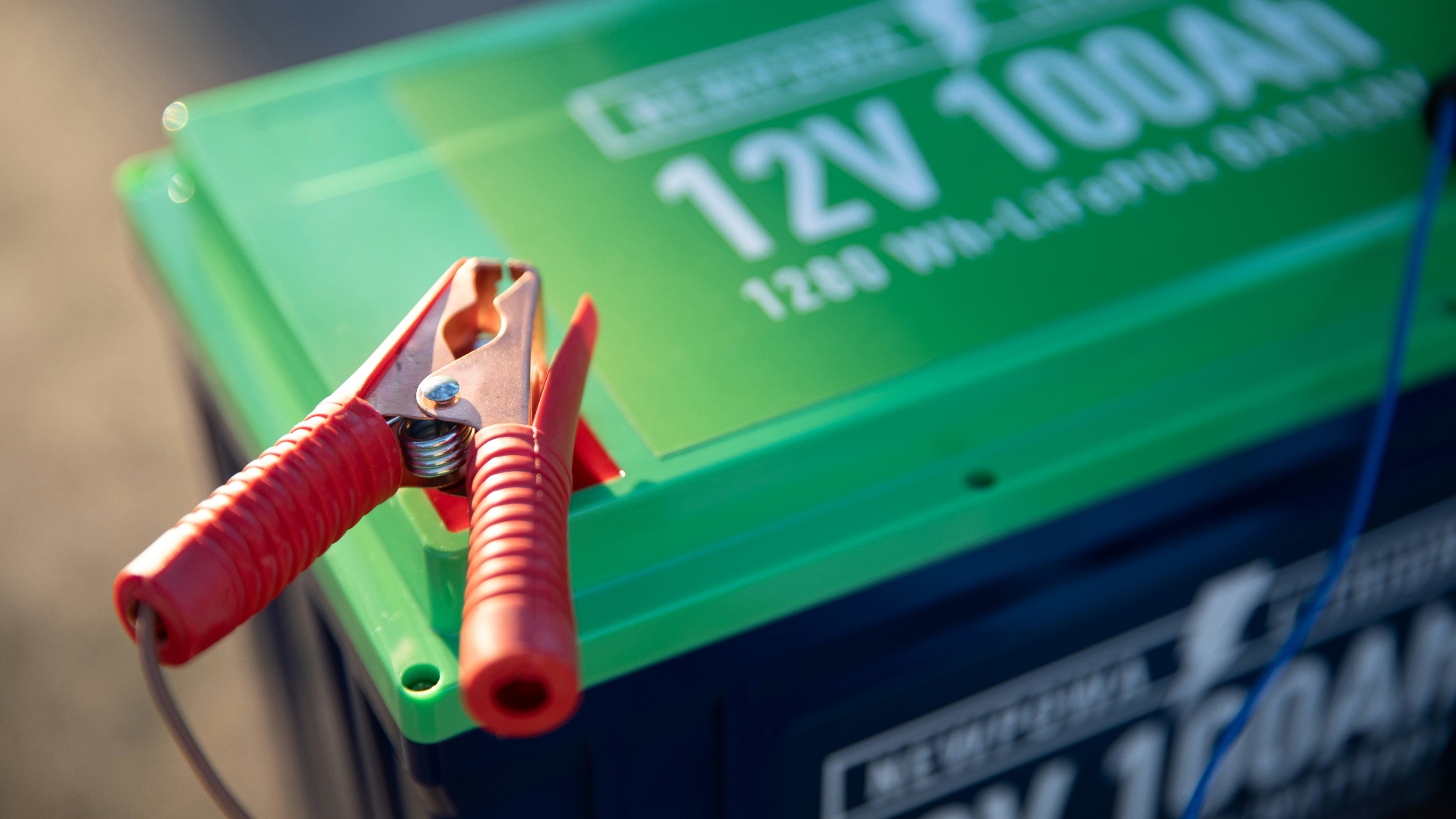
A weak battery can leave you stranded at a gas station, rest stop, or hotel parking lot, which is not the kind of road trip memory anyone wants. Look for corrosion around the terminals, loose connections, or any signs that the battery case is swollen or damaged. Many auto parts stores and repair shops can test your battery’s strength quickly. If it’s nearing the end of its life, replacing it before a long trip is usually worth the peace of mind.
6. Examine Your Brakes
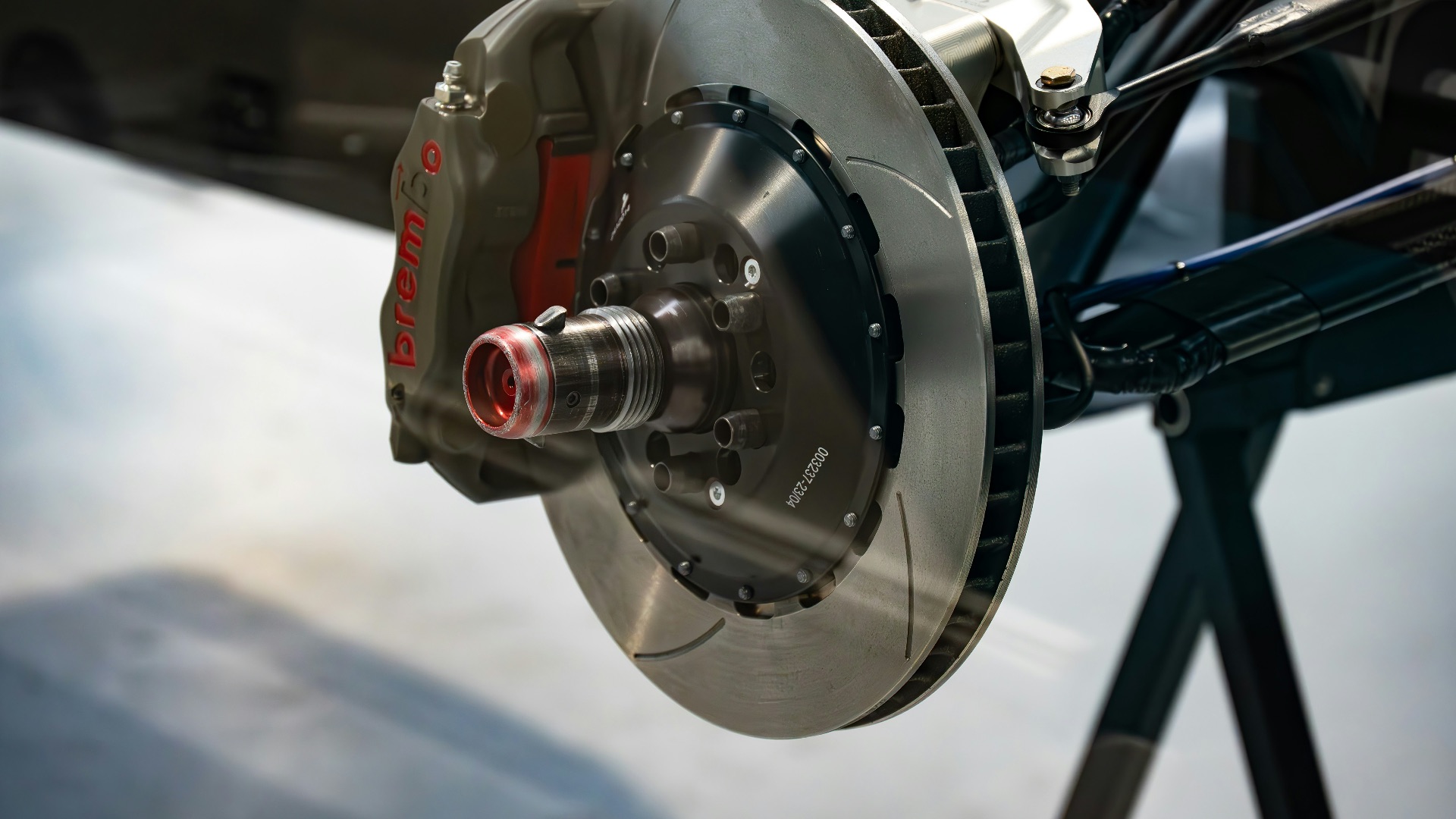
Brakes should never be an afterthought, especially when you’ll be driving through traffic, hills, or unfamiliar areas. Pay attention to squeaking, grinding, pulsing, or a brake pedal that feels softer than usual. These signs can point to worn pads, warped rotors, or other issues that need professional attention. A brake inspection before you leave can help you catch problems while they’re still manageable.
7. Check All Exterior Lights
Working lights help you see clearly and make sure other drivers can see what you’re doing. Test your headlights, brake lights, turn signals, hazard lights, reverse lights, and license plate lights. It helps to have someone stand outside the car while you operate each light, though you can also use a reflective surface like a garage door in a pinch. Replace any burned-out bulbs before the trip, since a simple light issue can become a safety concern or even lead to a ticket.

8. Replace Worn Wiper Blades
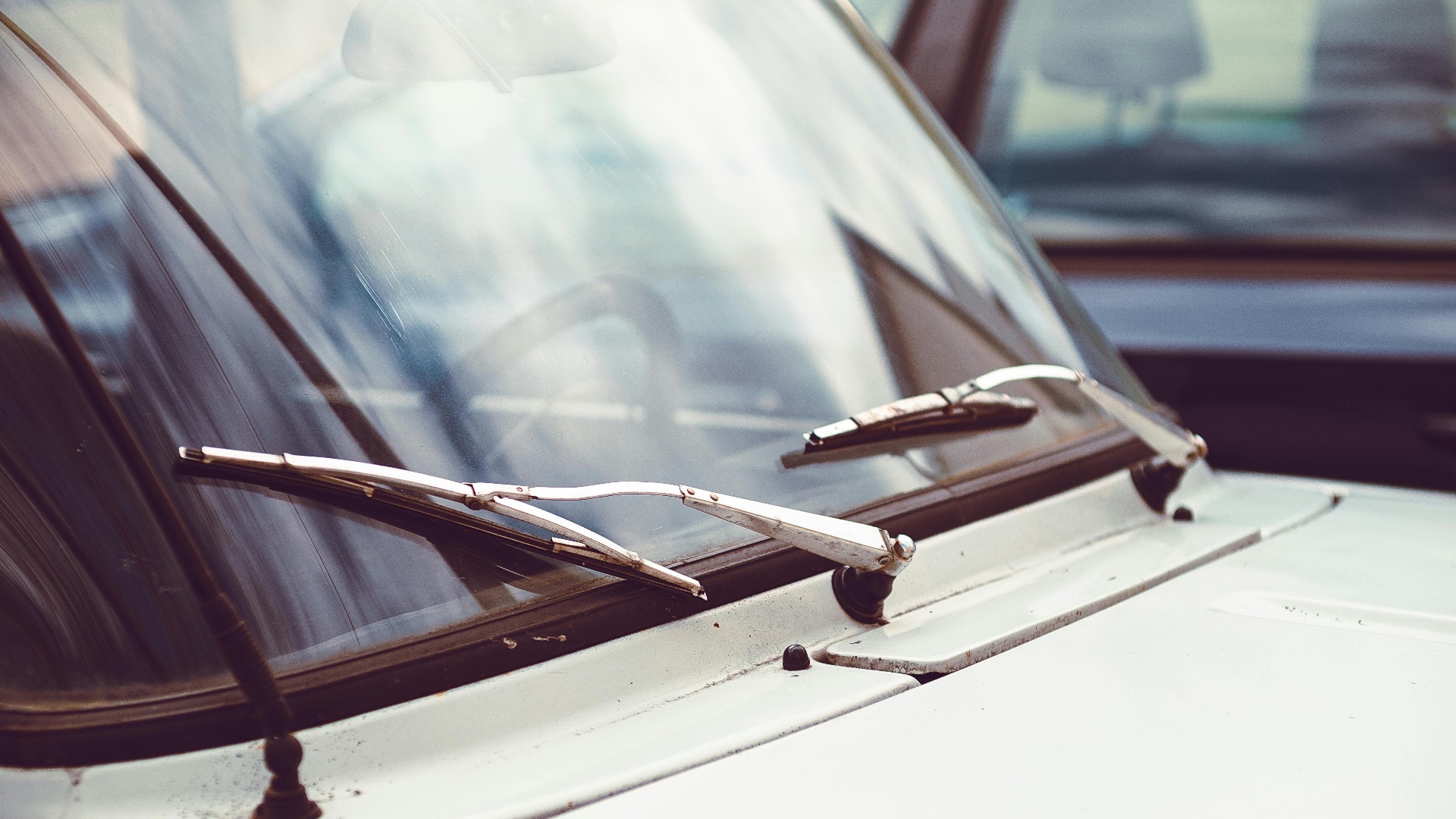
Windshield wipers are easy to overlook until you’re caught in a storm and can’t see well. If your blades streak, skip, squeal, or leave patches of water behind, they’re ready to be replaced. This is a simple and inexpensive fix that can make a huge difference during sudden rain, road spray, or bug-heavy stretches of highway. While you’re at it, fill your washer fluid reservoir with a formula suited to the season and conditions.
9. Make Sure the Air Conditioning Works
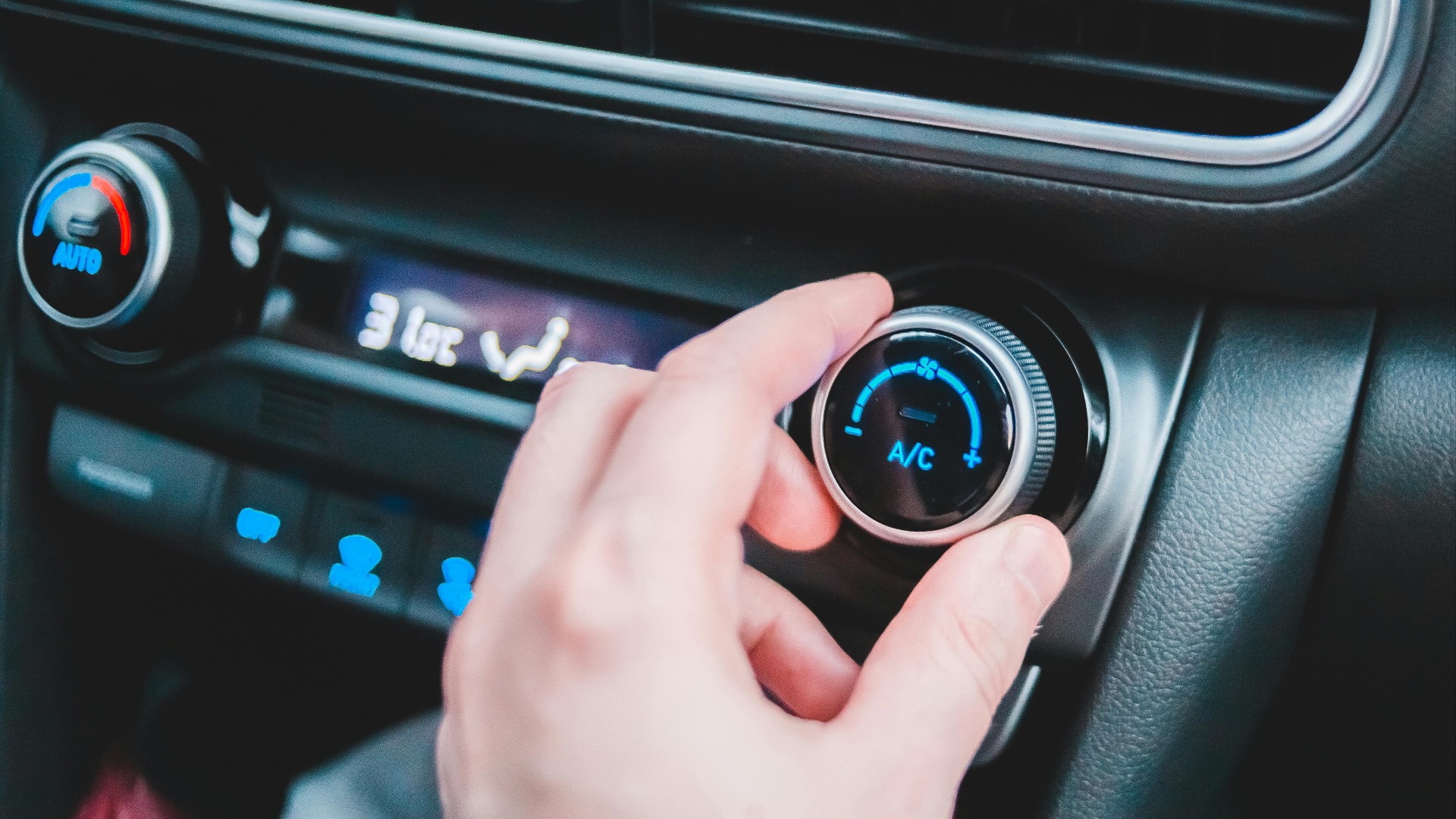
A long drive can become uncomfortable fast if your air conditioning stops working, especially during warm-weather travel. Test the system before your departure and make sure it cools properly at different fan speeds. If the air smells musty, feels weak, or never gets cold enough, there may be a filter, refrigerant, or mechanical issue involved. Handling that ahead of time can keep everyone in the car more comfortable.
10. Review Your Owner’s Manual
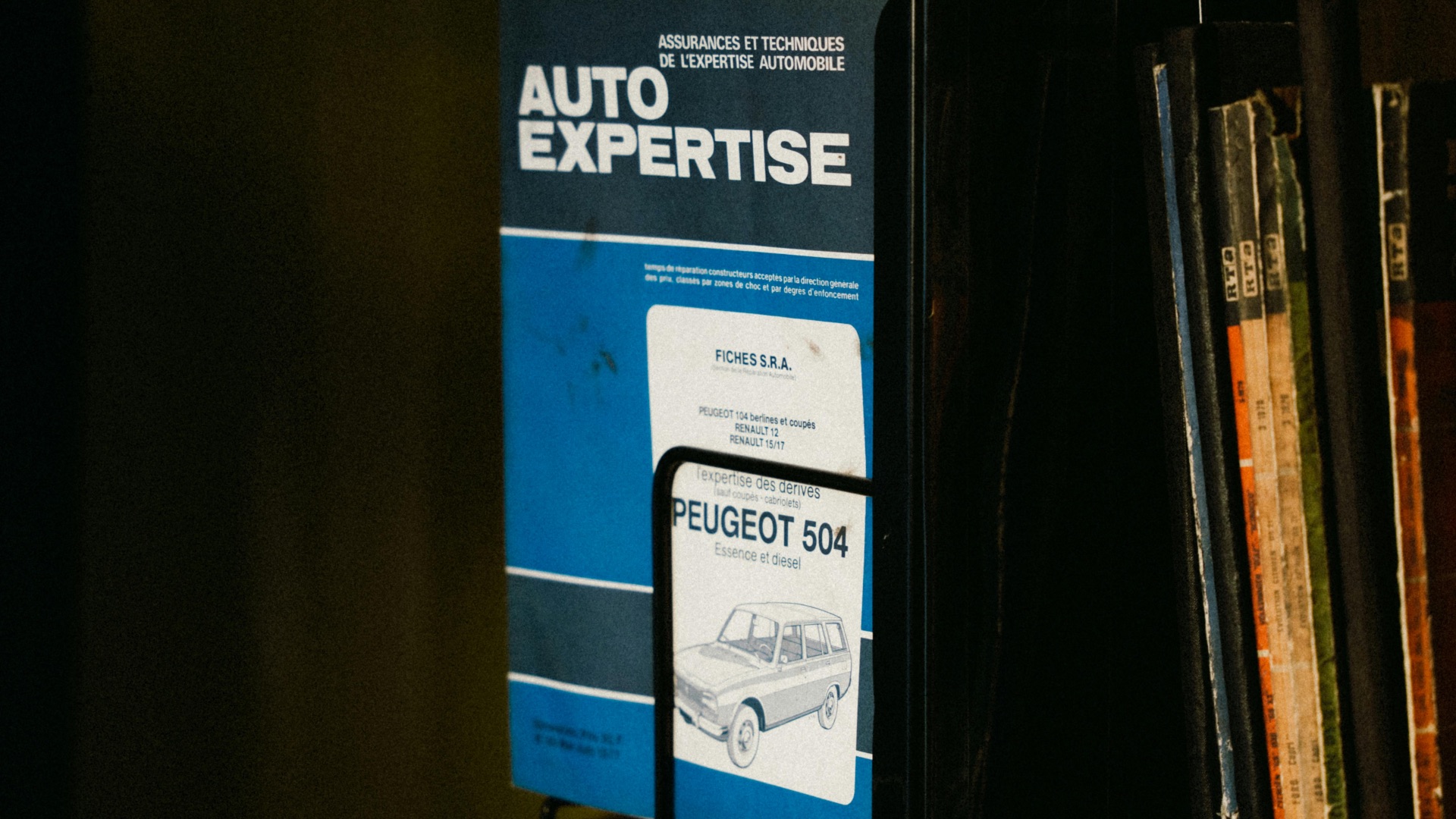
Your owner’s manual may not be the most exciting reading, but it can answer practical questions before a long trip. It includes recommended maintenance intervals, fluid types, tire pressure details, towing limits, and instructions for features you might not use often. This is especially helpful if you’re driving a newer vehicle, a rental, or a car you don’t take on long trips very often. Keep the manual in the glove compartment so you can reference it if something comes up.
11. Pack an Emergency Kit
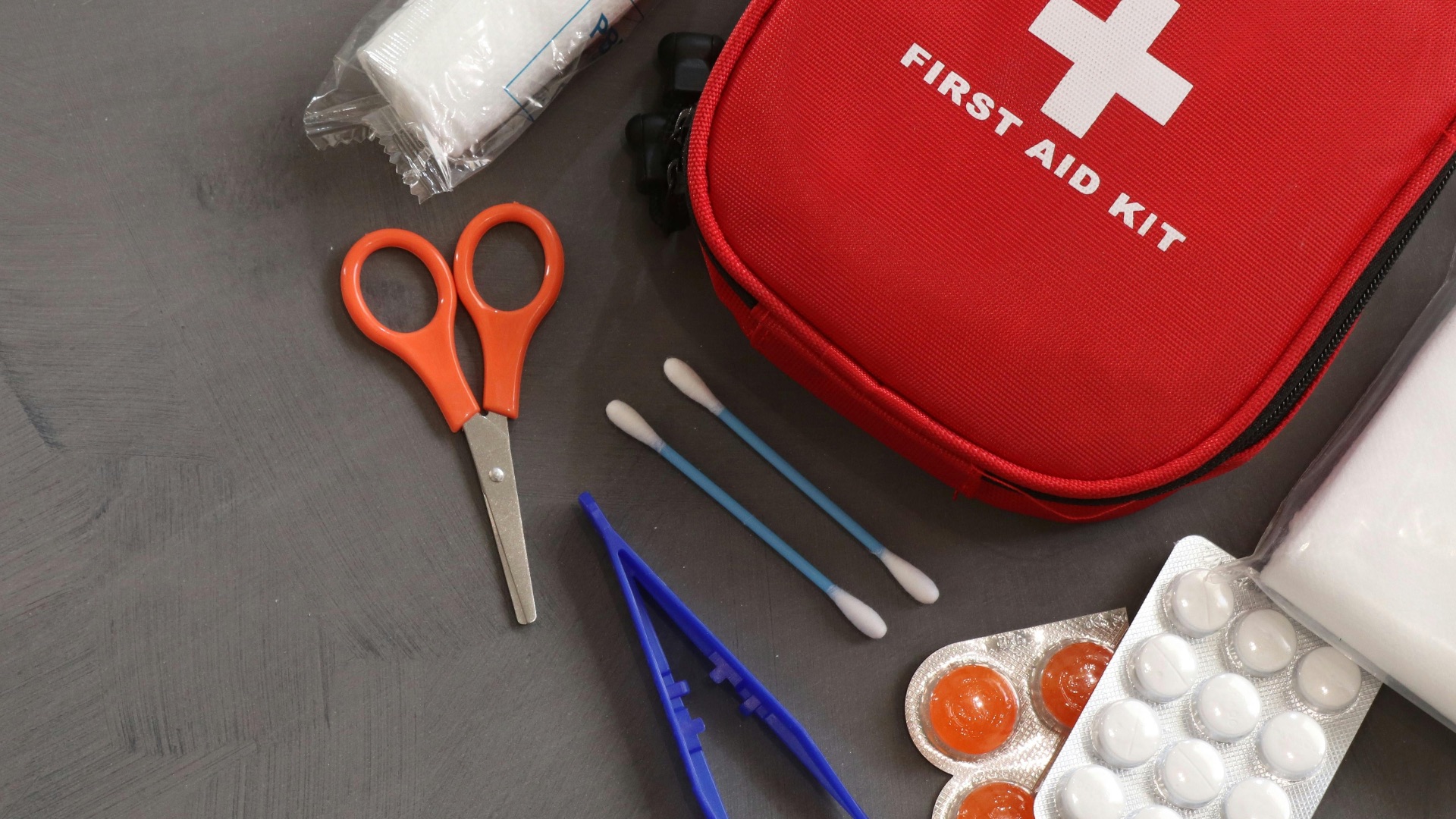
An emergency kit can make a difficult roadside situation safer and less stressful. Include jumper cables, a flashlight, extra batteries, reflective triangles, basic tools, a tire pressure gauge, gloves, bottled water, and a first aid kit. You may also want a blanket, portable phone charger, paper towels, and nonperishable snacks. Think about the route and season as well, because mountain roads, desert highways, and winter travel all call for different supplies.
12. Confirm Your Spare Tire and Jack Are Ready
Having a spare tire is only useful if the full setup is in working condition. Check that the spare is inflated, the jack is present, and the lug wrench fits your wheels. If your car uses a tire repair kit instead of a spare, make sure the sealant hasn’t expired and that you know how to use the compressor. It’s worth reviewing the process at home so you’re not learning it for the first time on the shoulder of a busy road.

13. Clean the Windshield and Mirrors
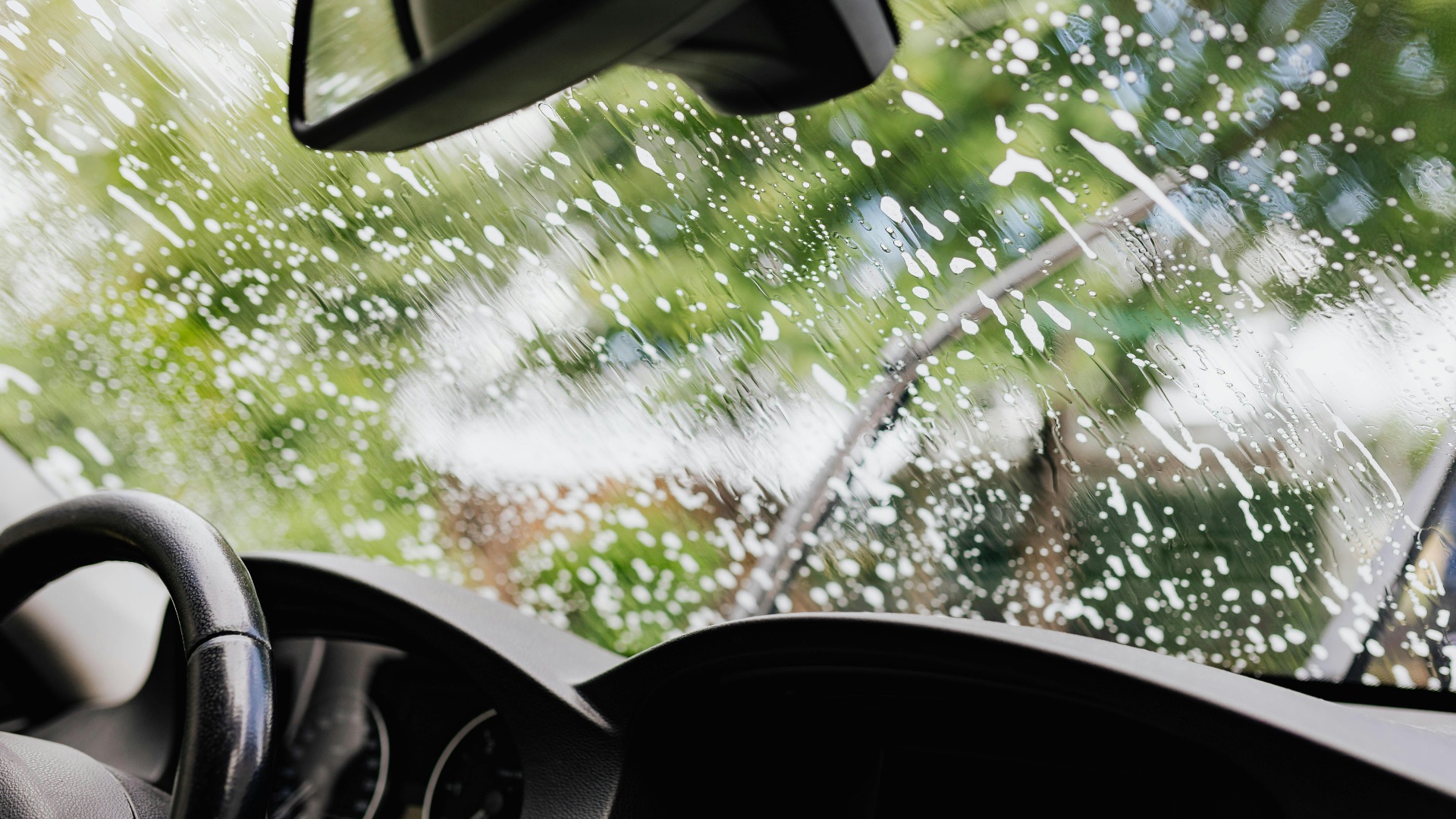
Good visibility starts with clean glass, both inside and outside the vehicle. Wipe down the windshield, side windows, rear window, and mirrors before you leave. Interior film can create glare at sunrise, sunset, or nighttime, so don’t ignore the inside surface of the windshield. A few minutes of cleaning can make driving less tiring and help you spot hazards sooner.
14. Plan Your Route Before You Leave
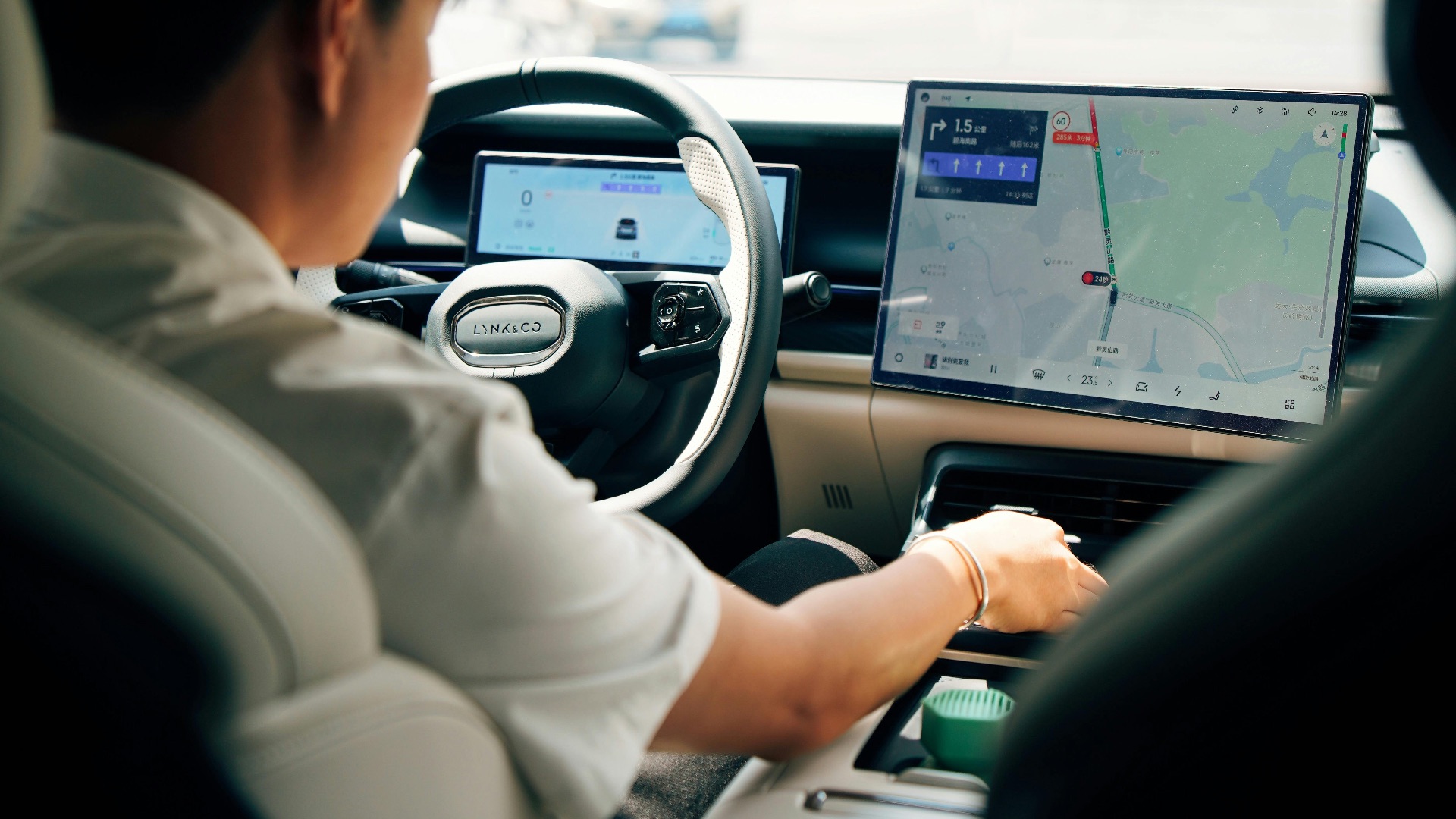
GPS is useful, but it shouldn’t be your only preparation. Review your route ahead of time so you know the major roads, possible construction zones, tolls, and areas where fuel or food stops may be far apart. Download offline maps in case you lose service, especially in rural or mountainous regions. Having a general plan makes it easier to adjust if the weather, traffic, or road closures change your timing.
15. Check Your Registration, Insurance, and Roadside Assistance
Before a long trip, make sure your registration and insurance documents are current and easy to access. If you have roadside assistance through your insurer, car manufacturer, credit card, or a membership service, confirm what’s covered and save the contact information. You don’t want to search for policy details while you’re already dealing with a breakdown. Keeping digital copies on your phone can help, but it’s still smart to carry physical copies as a backup.

16. Avoid Overloading the Vehicle
Packing too much can affect braking, handling, fuel economy, and tire wear. Check your vehicle’s payload rating if you’re carrying several passengers, luggage, coolers, sports gear, or rooftop cargo. Place heavier items low and secure them so they don’t shift during sudden stops. A balanced load helps the car feel more stable and keeps the drive safer for everyone inside.

17. Prepare Your Phone and Chargers
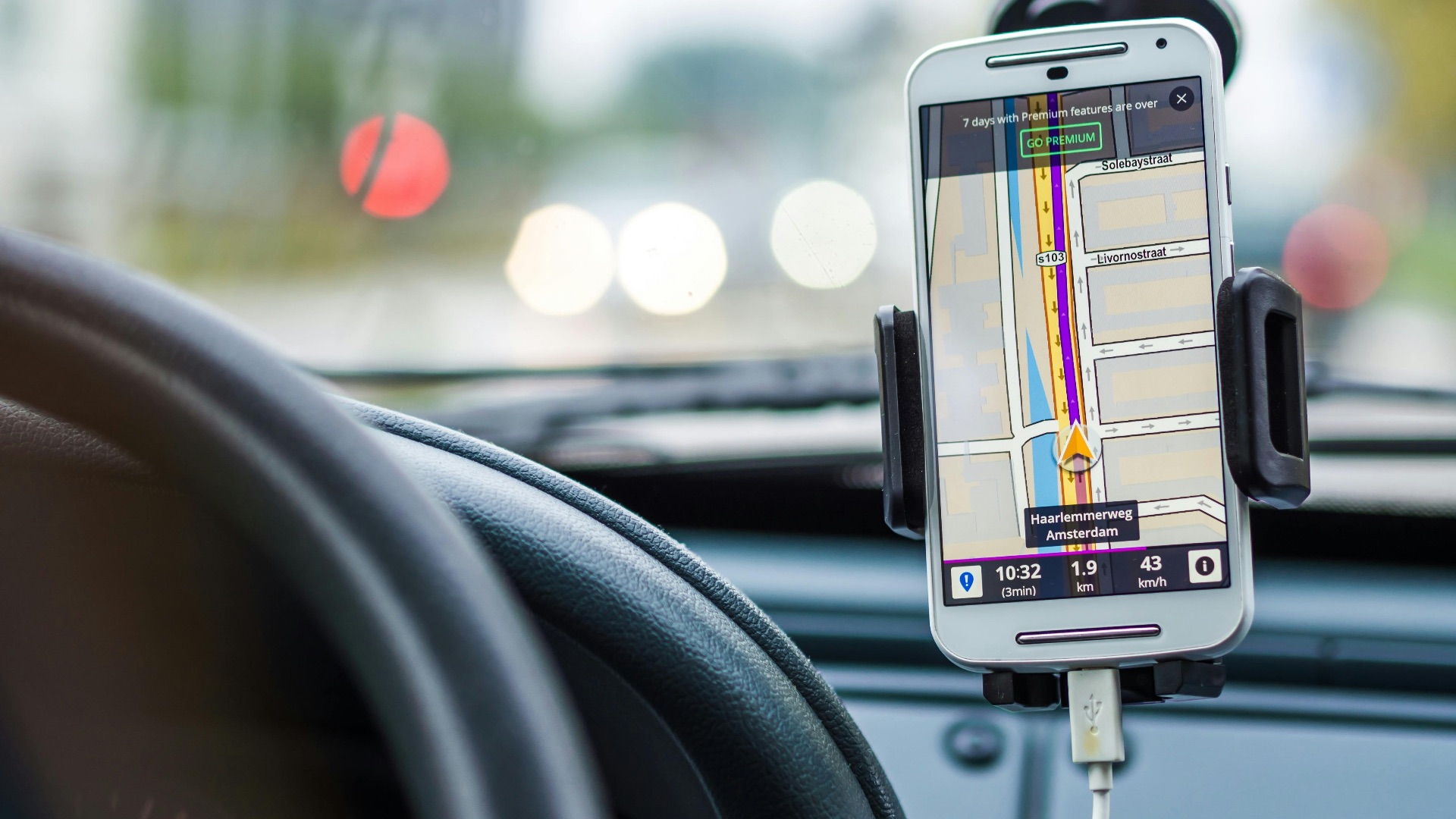
Your phone may handle navigation, music, emergency calls, hotel confirmations, and payment apps, so keeping it charged matters. Pack a reliable charging cable, a car adapter, and a portable power bank. Set up playlists, podcasts, and navigation before you start driving so you’re not distracted later. It’s also helpful to share your route or estimated arrival time with someone who isn’t traveling with you.
18. Take Care of Small Repairs Early
Small problems can become bigger once your car is under the stress of a long drive. Pay attention to warning lights, strange smells, loose trim, slow leaks, odd vibrations, or unusual sounds. Even if the car still seems drivable, it’s better to have a technician look at anything suspicious before you commit to hours on the highway. Fixing a minor issue at home is usually easier than finding a repair shop in an unfamiliar town.

19. Fuel Up Before Departure
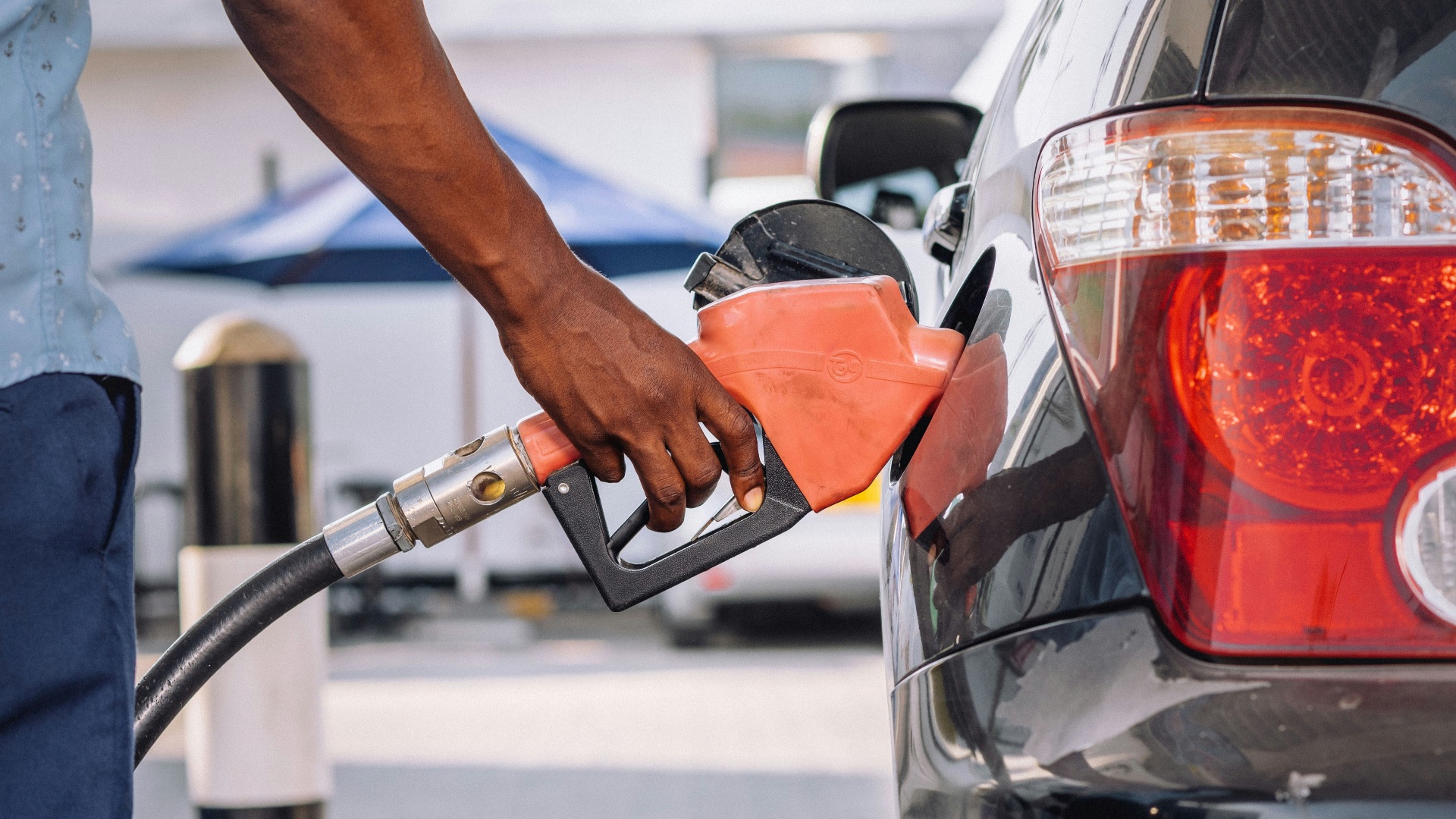
Starting with a full tank gives you one less thing to worry about as you get out of town. It also gives you more flexibility if traffic, weather, or detours change your route. On longer drives, try not to let the tank get too low, especially in remote areas where gas stations may be spread out. Refueling before you’re desperate helps keep the trip calmer and more predictable.
20. Give the Car a Final Walkaround
Before you pull out of the driveway, take a few minutes to look over the entire vehicle. Check for visible leaks, low tires, loose items, open windows, unsecured cargo, and anything left behind on the roof or near the car. Make sure passengers have what they need within reach so you don’t have to stop right away. That final check may feel simple, but it can catch the kinds of details that are easiest to miss when everyone is eager to leave.