
Staying Sharp Behind the Wheel
Road trips are fun, but the long drive it takes to get to your destination can be anything but. Being on the road for near-infinite stretches can take an extreme toll on your body, even when you’re well rested, which can lead to safety hazards behind the wheel. So, how do you stay alert? These 20 tips might just come in handy the next time you travel across the state.
1. Get Plenty of Sleep Before the Trip
The best way to stay alert on a long drive starts before you ever get in the car. Aim for a full night of sleep the night before, rather than trying to make up for rest later. When you begin a trip already tired, even coffee, music, and open windows can only help so much.

2. Start Driving Earlier in the Day
Your body is usually more alert in the morning than late at night, so starting early can give you a safer advantage. Daylight also tends to make driving feel less tiring because you’re not fighting darkness and reduced visibility. If you can plan your route around your natural energy levels, the trip often feels more manageable.

3. Take Breaks Before You Feel Exhausted
Don’t wait until you’re struggling to keep your eyes open before pulling over. Regular breaks give your mind and body a chance to reset before fatigue builds up too much. Even a short stop to stretch, walk around, and breathe in fresh air can help you return to the road more focused.
4. Share the Driving When Possible
If you’re traveling with another licensed driver, switching seats can make a long trip much safer. Rotating drivers gives each person a chance to rest instead of forcing one person to handle the entire route. It also helps reduce the mental strain that comes from hours of constant attention.

5. Avoid Driving During Your Usual Sleep Hours
Your body has a natural rhythm, and it often gets drowsy at the time you’d normally be asleep. Driving through the middle of the night can be especially risky if you’re not used to staying awake then. If the schedule allows, plan your trip so the longest stretches happen when you’re usually alert.
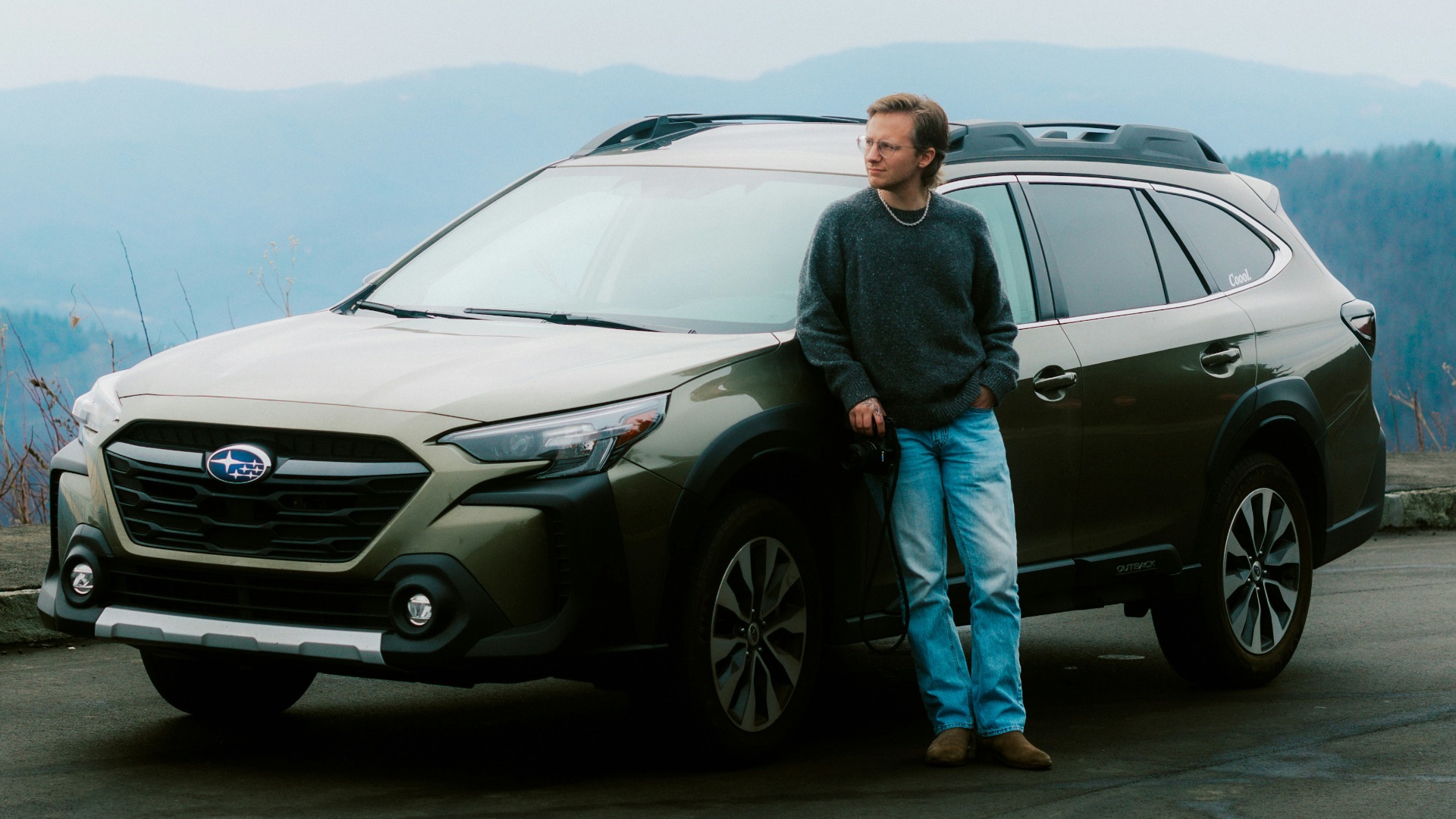
 Volodymyr Proskurovskyi on Unsplash
6. Drink Water Regularly
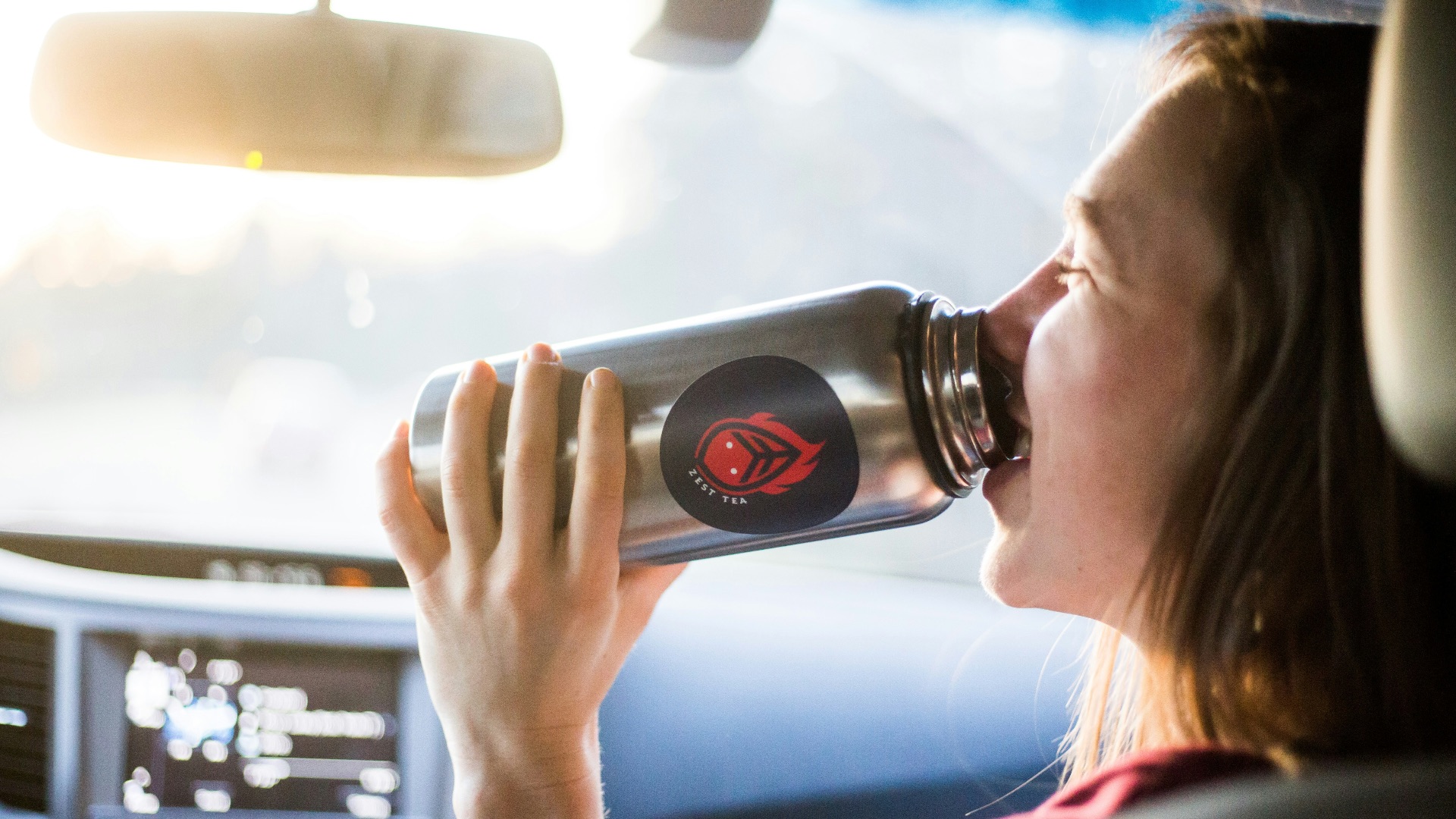
Dehydration can leave you feeling sluggish, foggy, and less focused than usual. Keep a water bottle within reach and sip from it throughout the drive instead of waiting until you feel thirsty. You may need a few extra bathroom stops, but those breaks can also help you stay refreshed.
7. Eat Light, Balanced Meals
Heavy meals can make you feel sleepy, especially when you’re sitting still for hours afterward. Choose foods that give you steady energy, such as lean protein, fruit, whole grains, and vegetables. A balanced meal helps you avoid the uncomfortable crash that can come from greasy food or too much sugar.

8. Use Caffeine Strategically
Coffee or tea can help with alertness, but it works best when you use it thoughtfully. Rather than drinking too much at once, consider having a moderate amount when you know a long stretch is coming up. Keep in mind that caffeine can wear off, so it shouldn’t be your only plan for staying awake.

9. Pull Over for a Short Nap
When you’re truly tired, a short nap is often more effective than trying to force yourself to keep going. Find a safe, legal place to stop, set an alarm, and let yourself rest for a brief period. Even 15 to 20 minutes can help you feel more alert before you continue.

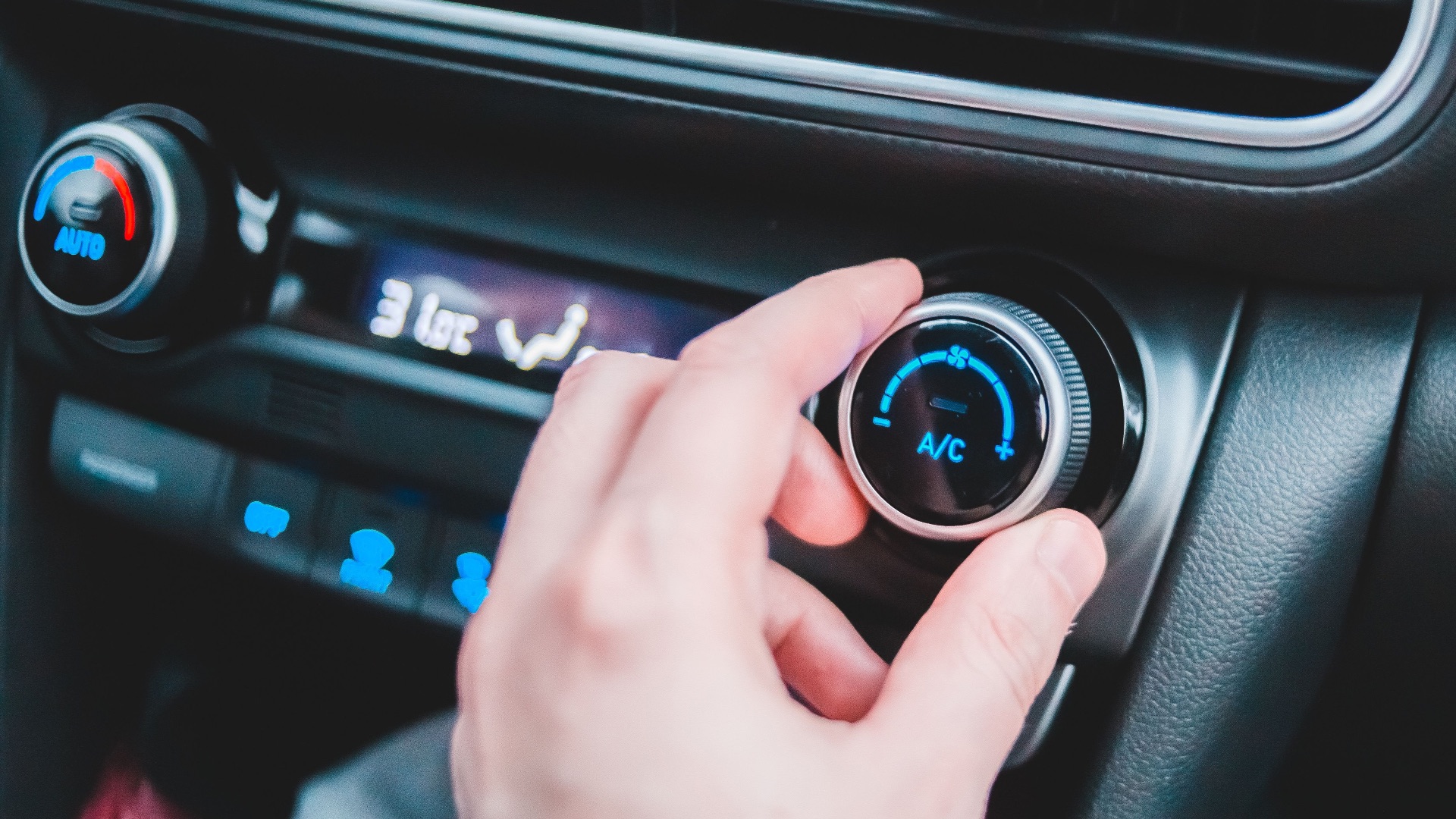
10. Keep the Car Comfortably Cool
A warm, stuffy car can make drowsiness worse during a long drive. Adjust the temperature so the cabin feels comfortable but not too cozy. Good airflow can help you feel more awake without relying on it as a substitute for proper rest.
11. Change Your Audio Choices
Listening to the same playlist or station for hours can make your mind drift. Switch between music, podcasts, audiobooks, or radio segments to give your brain something fresh to process. Choose audio that keeps you engaged without becoming distracting or overwhelming.

12. Sit with Good Posture
Slouching can make your body feel more tired and uncomfortable over time. Adjust your seat so you’re upright, supported, and able to reach the wheel and pedals easily. A better driving position can help you stay more physically engaged during long stretches.

13. Stop for Movement, Not Just Fuel
Fuel stops are useful, but they’re even better when you treat them as a chance to move. Walk around the parking area, stretch your legs, roll your shoulders, and loosen your back before getting in again. Physical movement helps break up the stiffness that can make you feel drained.

14. Watch for Early Signs of Fatigue
Fatigue often shows up before you realize how tired you are. Yawning often, missing exits, drifting within your lane, blinking more than usual, or struggling to remember the last few miles are all warning signs. When those signs appear, it’s time to stop rather than convince yourself you can push through.

15. Plan Overnight Stops for Very Long Trips
Some drives are simply too long to do safely in one day. If your route takes many hours, consider booking a hotel or planning a rest stop before you leave. Breaking the trip into shorter sections can make the whole experience safer and less stressful.

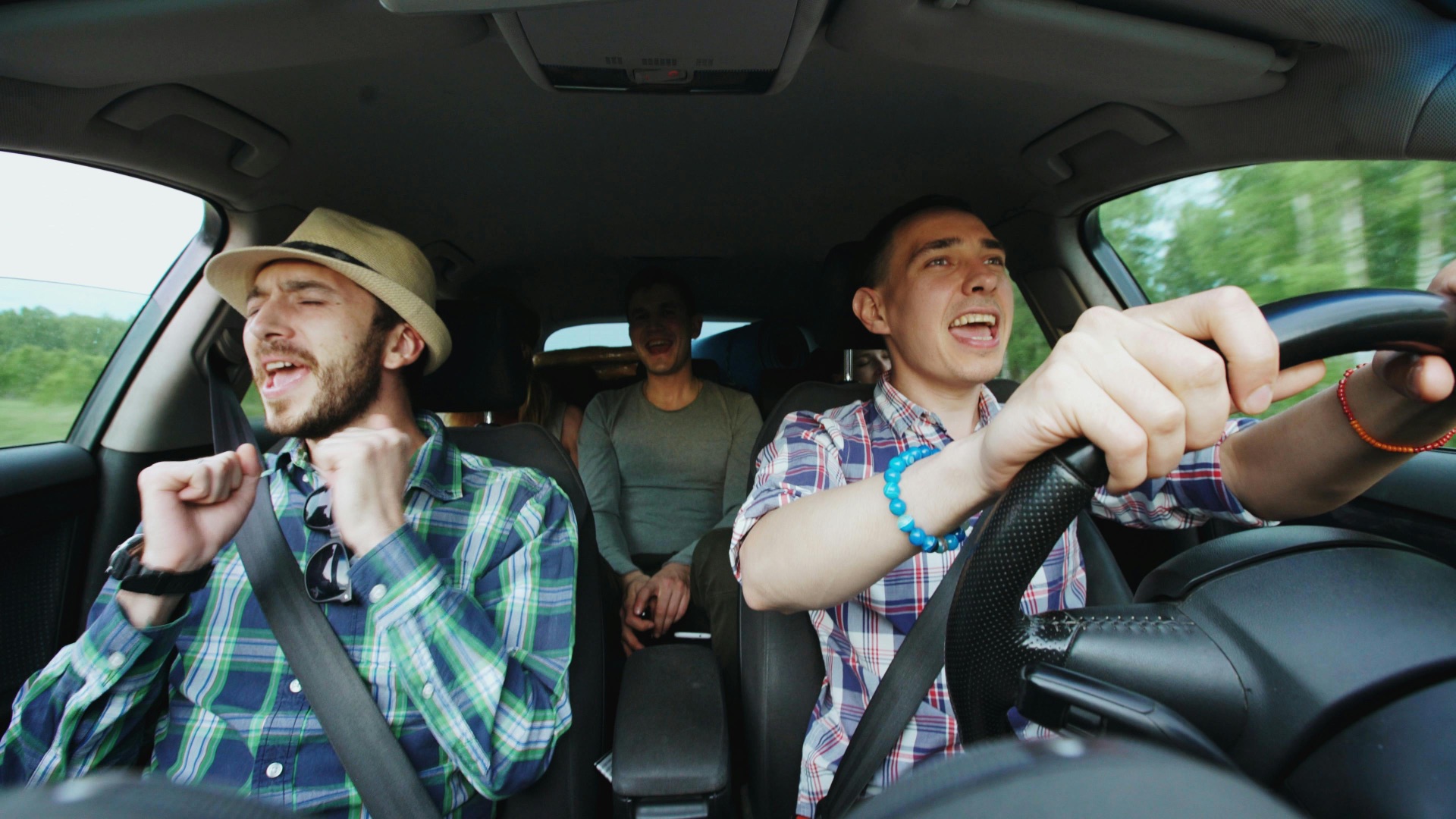
16. Keep Conversation Going with Passengers
A good conversation can help you stay mentally active while driving. Passengers can also notice signs of fatigue you might miss, such as slower reactions or repeated yawning. Just make sure the conversation supports your focus instead of pulling your attention away from the road.
17. Avoid Alcohol the Night Before
Alcohol can affect the quality of your sleep, even if you go to bed at a reasonable hour. It may also leave you feeling groggy the next morning, which isn’t ideal before a long drive. Skipping alcohol before a road trip gives your body a better chance to rest properly.

18. Use Rest Areas Wisely
Rest areas exist for a reason, and they can be extremely helpful on long routes. Use them to stretch, use the restroom, eat a snack, check your route, or take a short break from concentrating. Planning these stops ahead of time can also reduce the temptation to keep driving when you shouldn’t.

19. Don’t Rely on Tricks That Mask Tiredness
Turning up the music, opening a window, or chewing gum may give you a temporary lift, but they won’t fix serious fatigue. These tactics can help for a short moment, but they shouldn’t replace sleep, breaks, or switching drivers. If you’re fighting to stay awake, the safest decision is to stop.

20. Know When to End the Drive for the Day
There’s no prize for finishing a long drive while exhausted. If you’re tired enough that driving feels difficult, find a safe place to rest or stay overnight. Getting there later is far better than taking unnecessary risks on the road.
 Samuele Errico Piccarini on Unsplash