
Breakdowns Usually Aren’t Random
Uh-oh, your car suddenly won't start and now you're stuck on the side of the road. While you might be puzzled (you're pretty sure your tank was full, and you think you've been keeping up with regular maintenance), anything from everyday wear to aging parts and silent warning signs can all spiral into bigger issues if you ignore them for too long. Thankfully, many common breakdowns are preventable if you know how to stay on top of them. Here are 10 of the most common reasons why your car suddenly won't work, and 10 smart tips to help you stay out of trouble.

1. Dead or Weak Battery
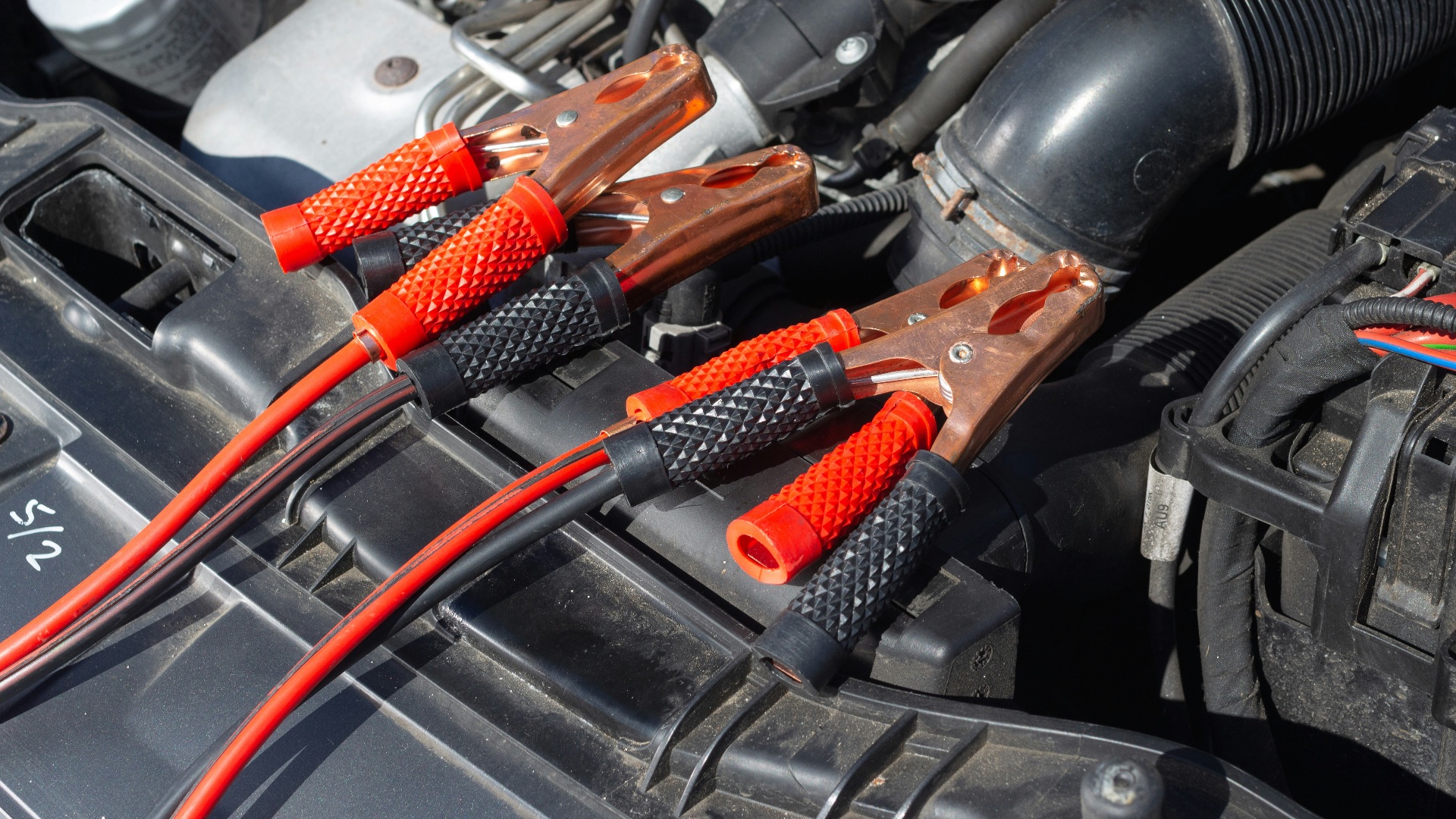
A dead battery is one of the most common reasons a car won’t start, especially after extreme heat, cold weather, or long periods without driving. Batteries naturally lose strength over time, and many start to fail after three to five years. You may notice slow cranking, dim lights, or electrical features acting strangely before the battery dies completely. If those signs show up, it’s better to test the battery early than wait until the car refuses to start.

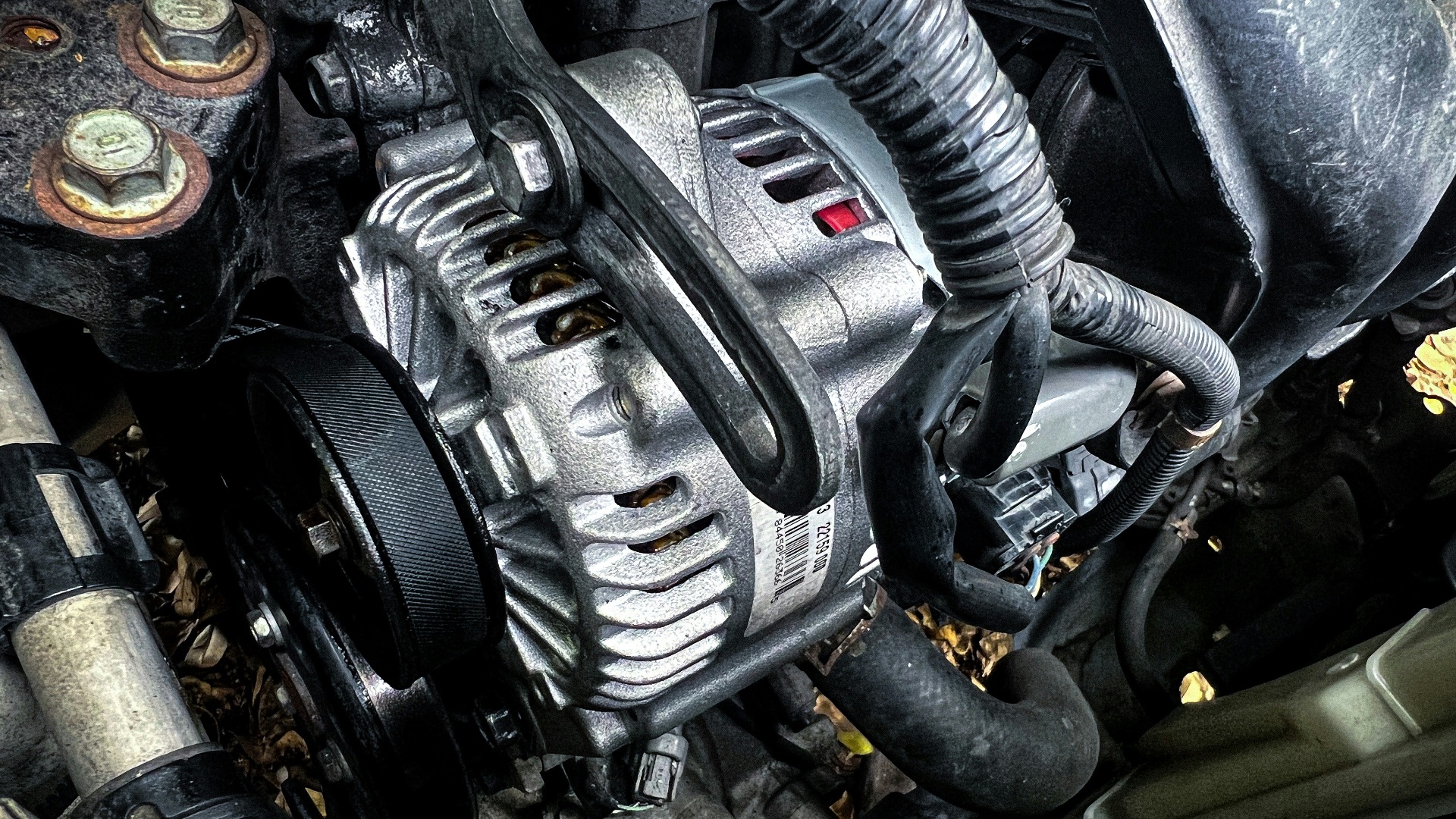
2. Alternator Failure
The alternator keeps the battery charged while the engine is running, so when it fails, the car can lose power even if the battery itself is fairly new. Warning signs may include flickering dashboard lights, a battery warning light, or trouble using electrical features. Since the alternator supports so many systems, a failing one can quickly turn into a no-start or stall situation. Drivers sometimes mistake this for a battery problem, but the underlying issue may be the charging system.
3. Flat or Damaged Tires
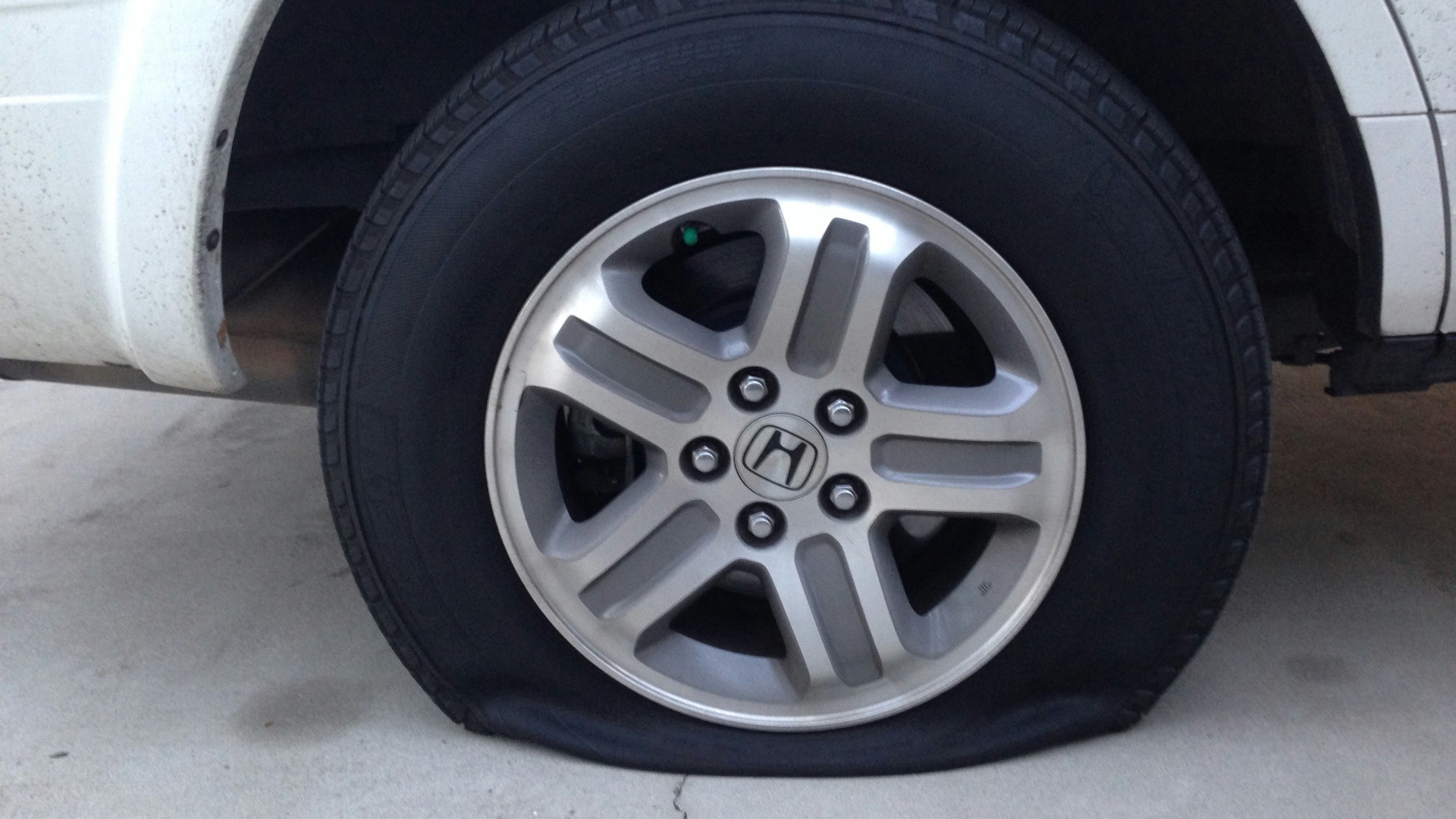
Tires take constant abuse from potholes, road debris, improper inflation, and general wear. A flat tire can happen suddenly, but worn tread or low pressure often increases the risk long before the problem becomes obvious. Damaged tires can also affect steering, braking, and fuel efficiency, making them more than just an inconvenience. When tires are neglected, they can leave you stranded or create a serious safety risk.
4. Overheating Engine
An overheating engine can happen when coolant levels are low, the radiator is clogged, the thermostat fails, or the water pump stops working properly. Once the temperature climbs too high, serious engine damage can happen fast. You might see steam, notice a rising temperature gauge, or smell something hot before the issue gets worse. Pulling over safely and turning the engine off is important because continuing to drive can make repairs much more expensive.
5. Starter Motor Problems
The starter motor is responsible for getting the engine turning when you start the car. When it begins to fail, you may hear a clicking sound, experience intermittent starting trouble, or get no response at all when turning the key or pressing the start button. Starter problems can be frustrating because the car may work one day and fail the next. That inconsistency often causes drivers to delay repairs until the vehicle finally won’t start.

6. Fuel System Issues
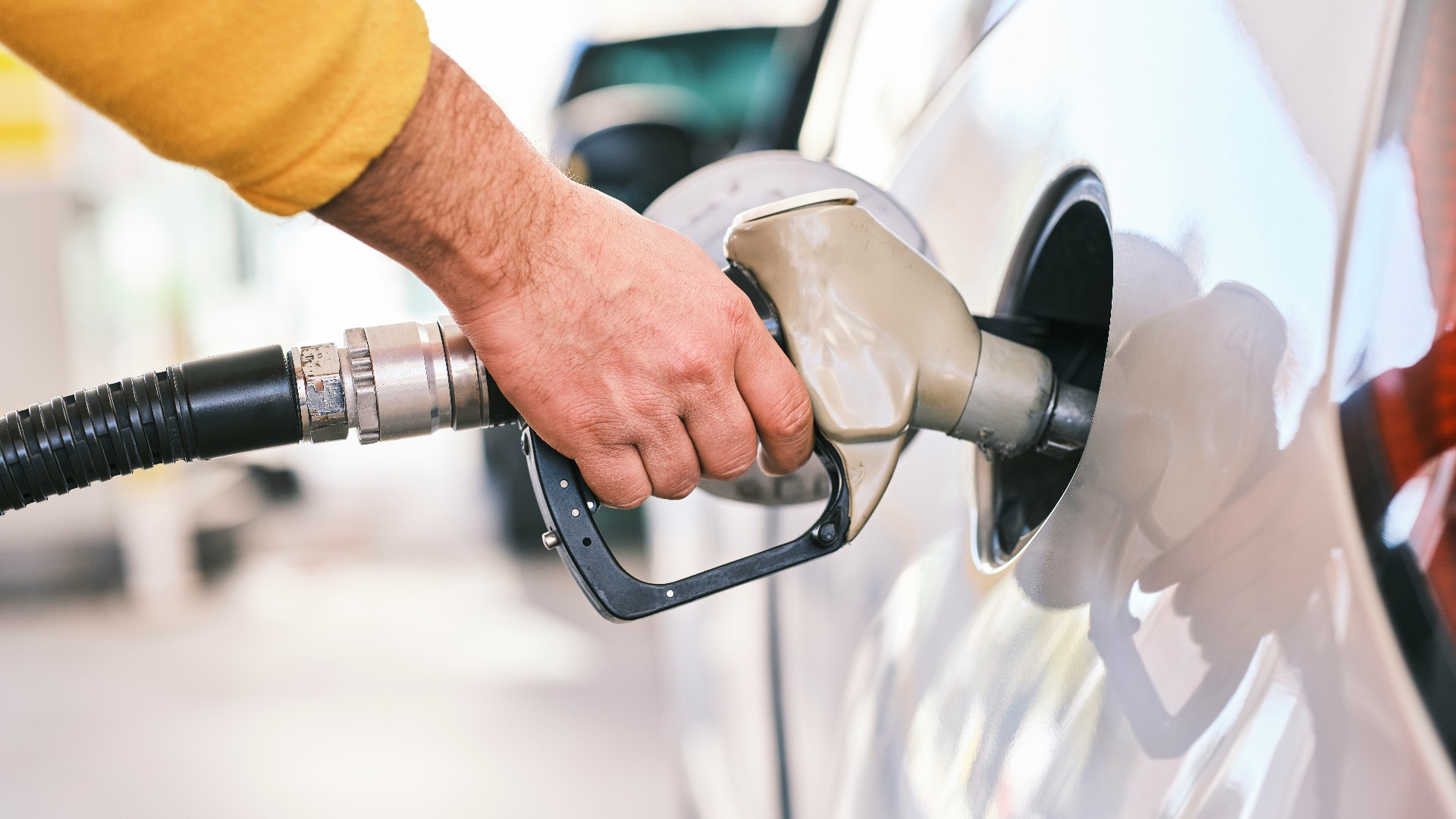
A car can break down when fuel isn’t reaching the engine properly, whether because of a failing fuel pump, clogged filter, contaminated fuel, or an empty tank. In some cases, the engine may sputter, hesitate, or lose power before it stalls. Running a vehicle very low on fuel often can also strain the fuel pump over time. Even a small fuel delivery problem can make the car unreliable if it isn’t addressed.
7. Faulty Spark Plugs or Ignition Coils
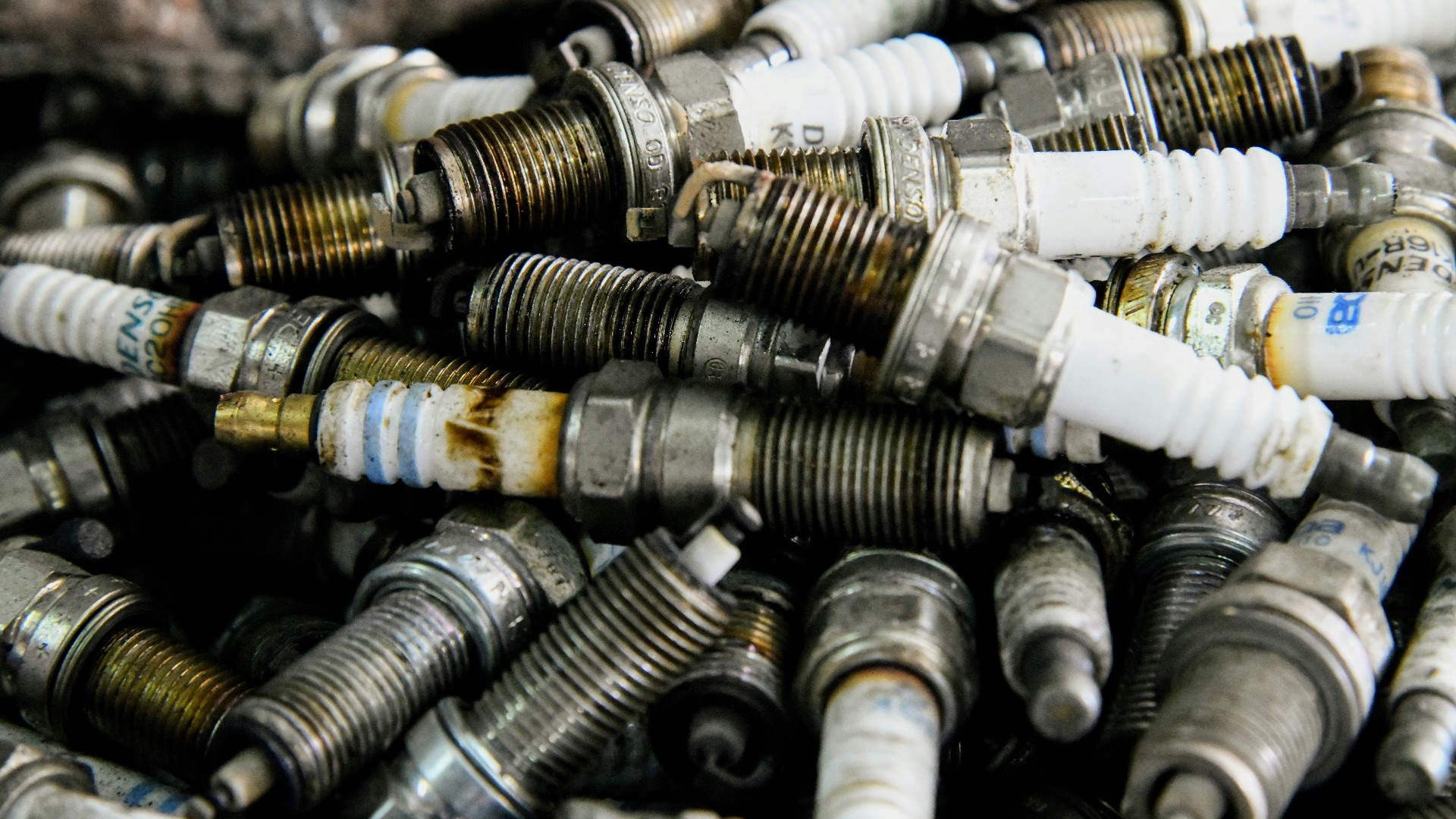
Spark plugs and ignition coils help ignite the fuel-air mixture inside the engine, so problems with either can cause rough running, misfires, or difficulty starting. You might feel shaking, sluggish acceleration, or reduced fuel economy when the ignition system isn’t working well. These parts wear out gradually, which means symptoms can start mild and become more noticeable over time. If ignored, ignition problems can lead to additional engine stress.
8. Transmission Trouble
Transmission problems can leave a car unable to shift properly, move smoothly, or drive at all. Warning signs often include slipping gears, delayed engagement, burning smells, strange noises, or leaking fluid. Because transmission repairs can be costly, early attention matters a lot. Waiting too long can turn a manageable repair into a major mechanical failure.

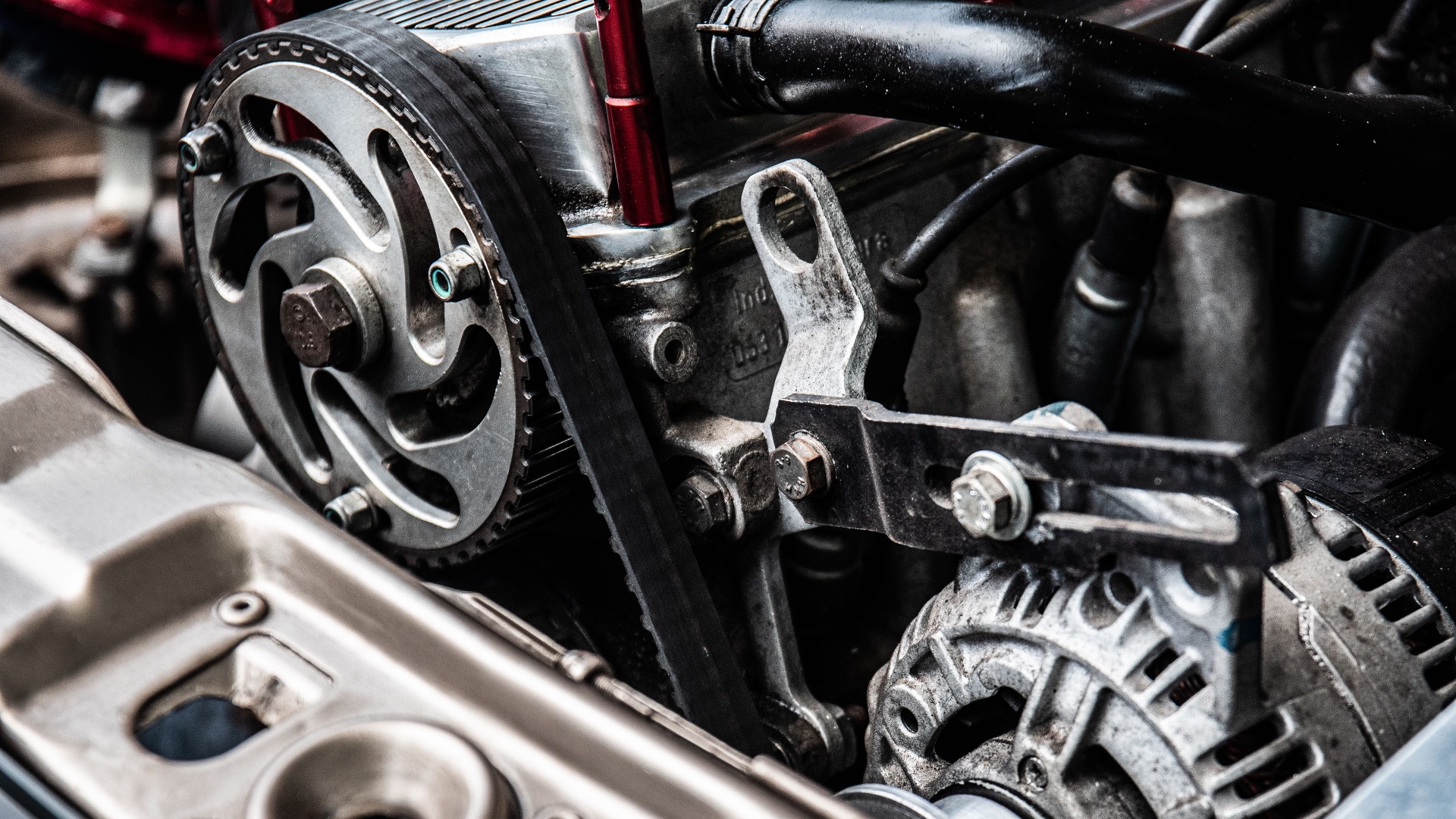
9. Broken Serpentine Belt
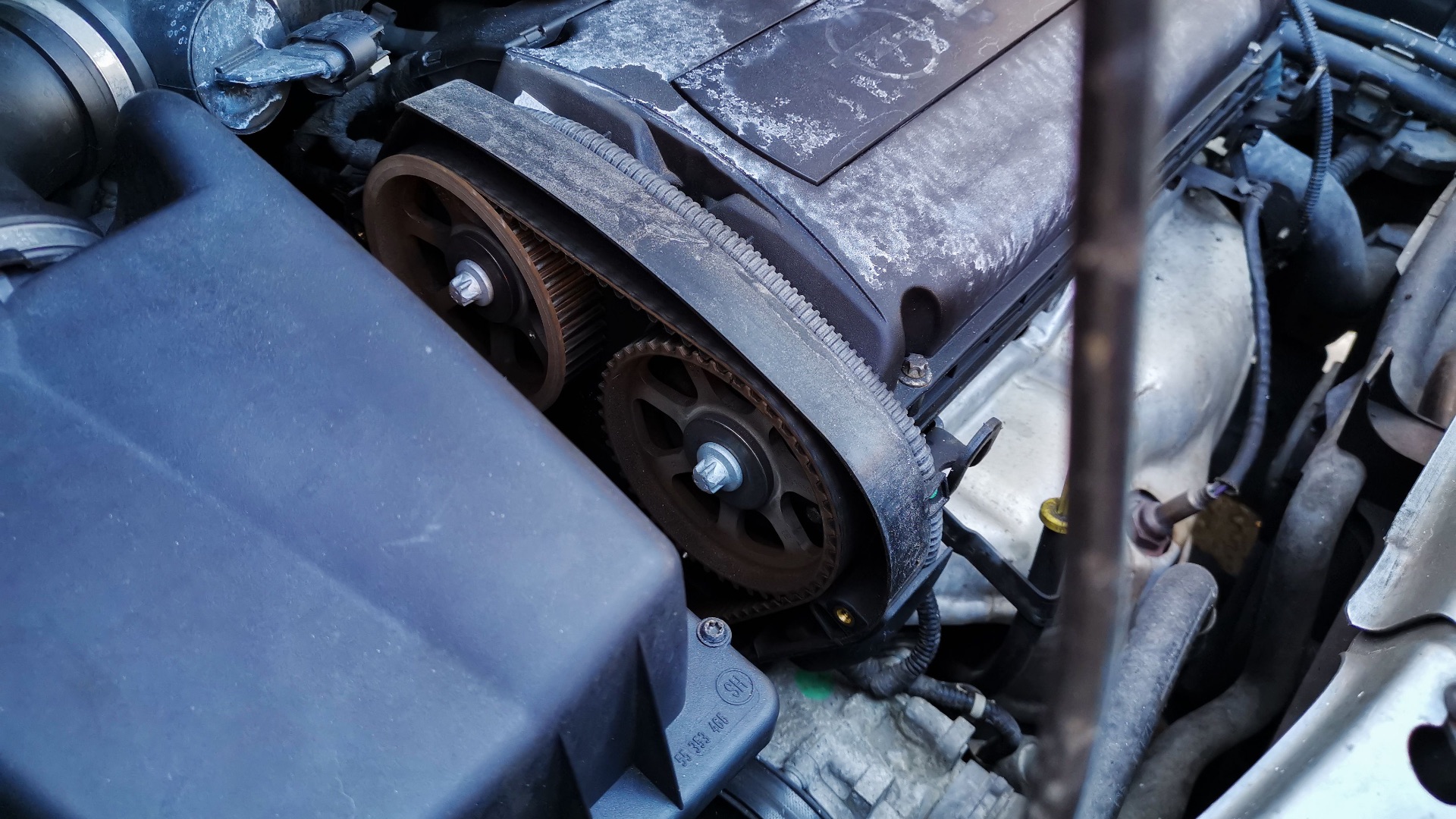
The serpentine belt helps power important components such as the alternator, power steering pump, and air conditioning compressor. If it breaks, several systems can stop working at once, and the car may become unsafe or impossible to drive. A worn belt may squeal, crack, fray, or look glazed before it fails. Since it plays such an important role, replacing it on schedule is much better than waiting for it to snap.
 Frederick Adegoke Snr. on Pexels
10. Electrical System Failures
Modern cars depend heavily on electrical systems, from sensors and wiring to fuses, control modules, and safety features. A loose connection, damaged wire, blown fuse, or faulty sensor can cause anything from a warning light to a sudden stall. Electrical issues can be tricky because symptoms may appear and disappear without a clear pattern. That’s why unusual dashboard messages, flickering lights, or repeated fuse problems shouldn’t be brushed off.
Now that we've looked at the most common reasons cars break down, it's time to jump into the more important part: how to prevent them from happening in the first place.
 Daniel @ bestjumpstarterreview.com on Unsplash
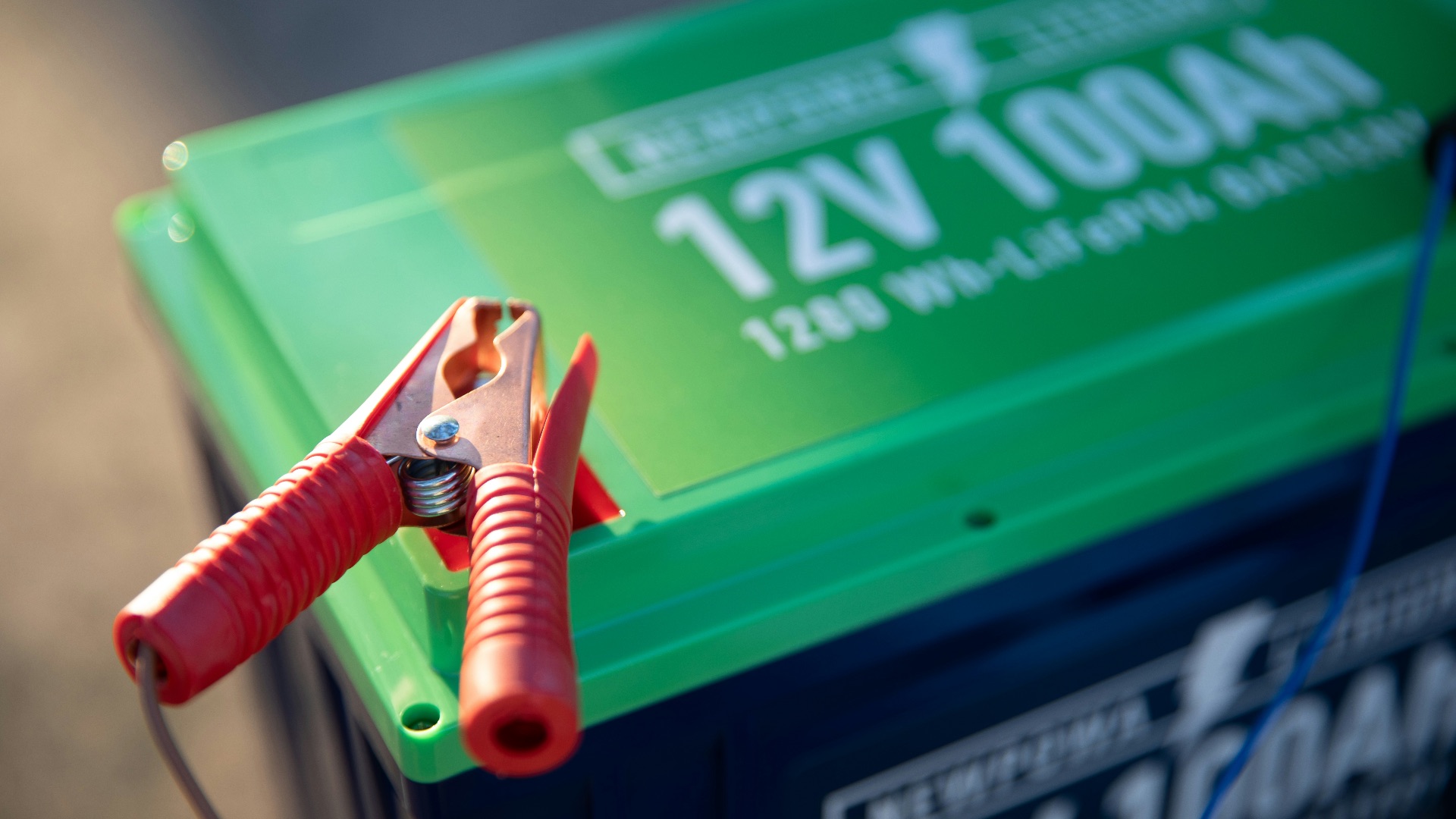
1. Check Your Battery Regularly
Have your battery tested at least once a year, especially if it’s more than three years old or you live somewhere with harsh weather. A simple test can show whether the battery still has enough strength to start the car reliably. It’s also smart to make sure the terminals are clean and the connections are secure. Taking a few minutes to check the battery can save you from being stuck with a car that won’t start.
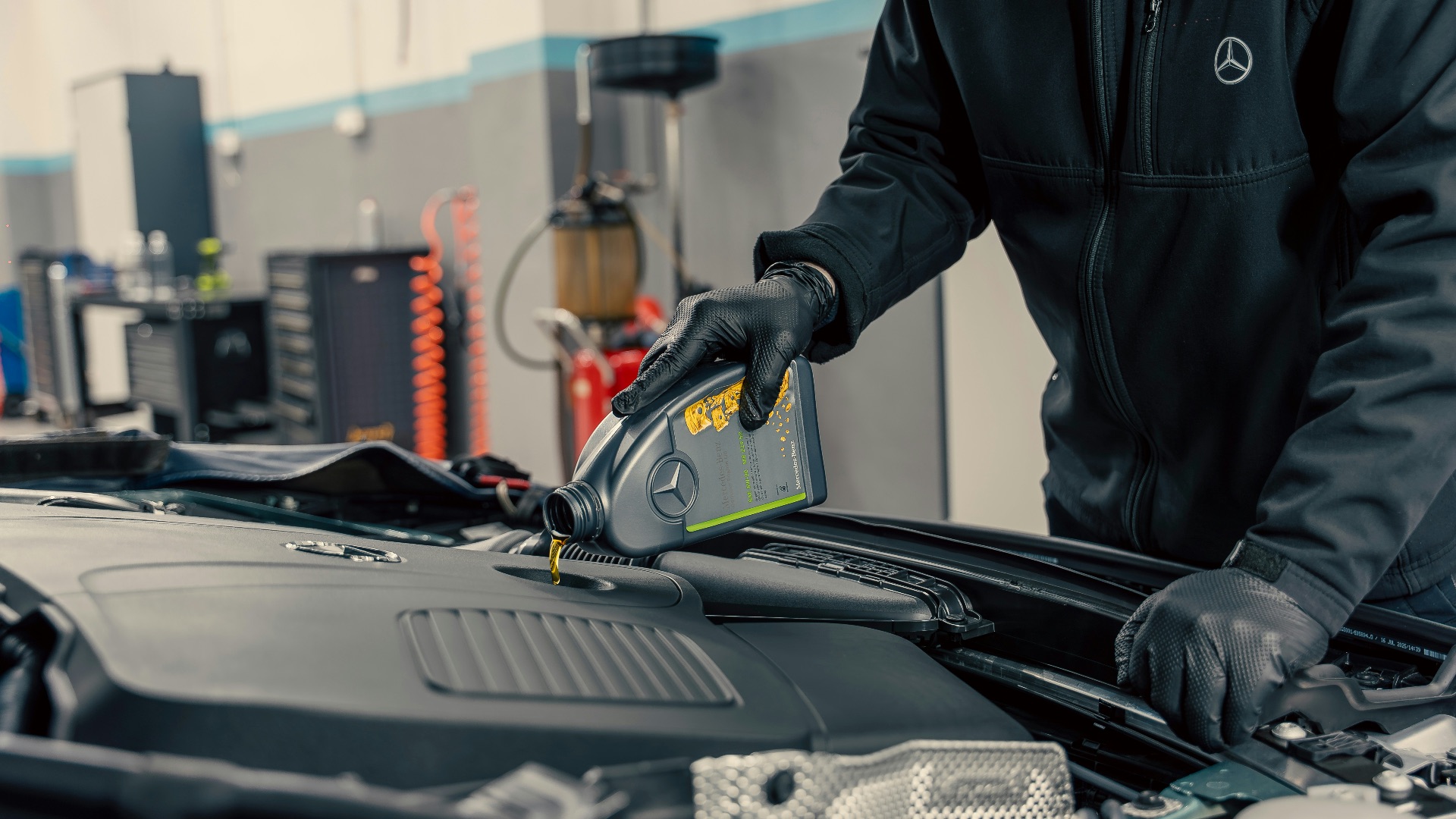
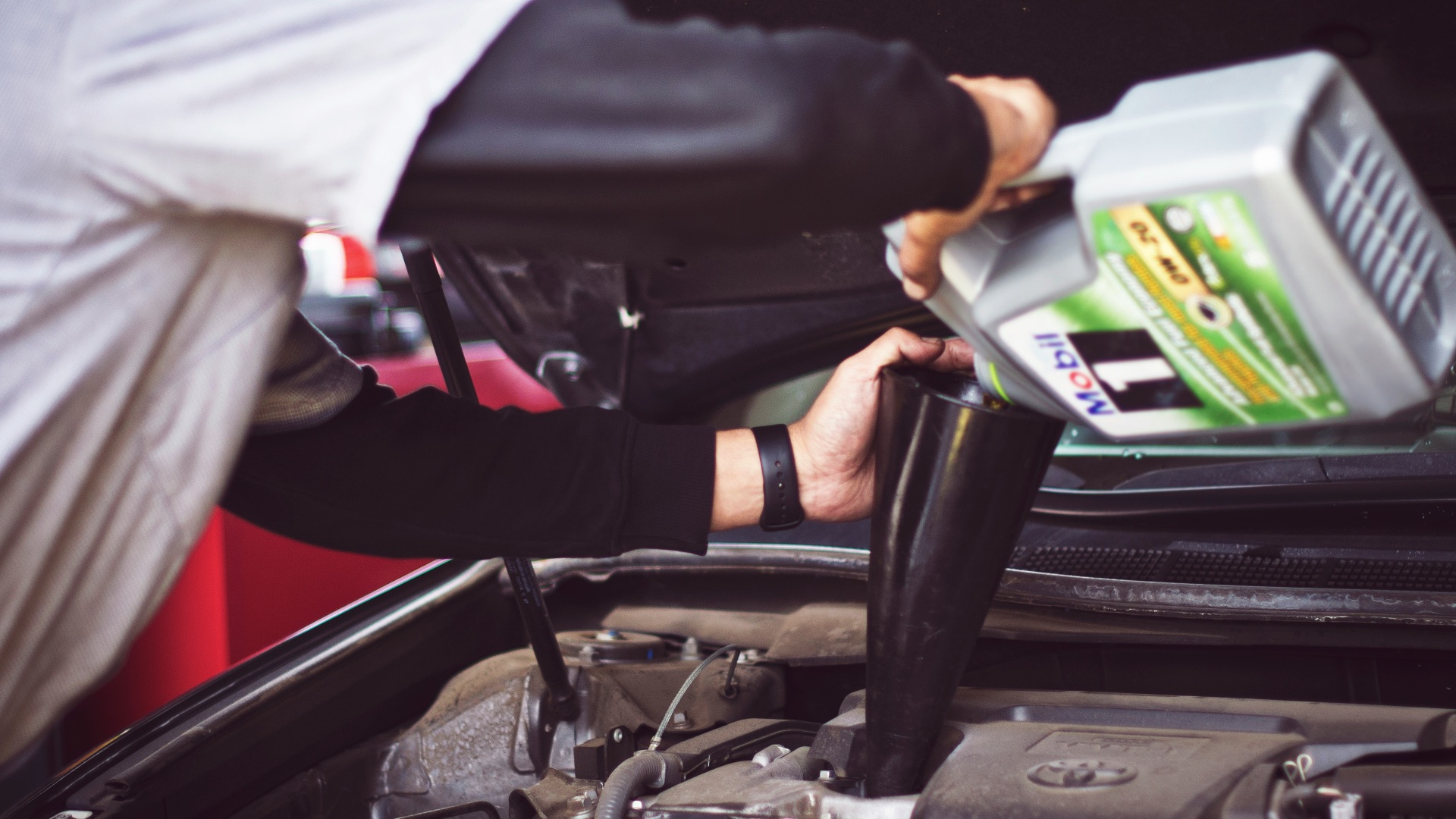
2. Keep Up with Oil Changes
Regular oil changes help protect the engine by reducing friction, heat, and buildup. When oil gets old or too low, it can’t lubricate moving parts as well, which increases wear and raises the risk of engine damage. Follow your vehicle’s recommended oil change schedule instead of guessing based on how the car feels. Engines often keep running normally until the damage has already started.
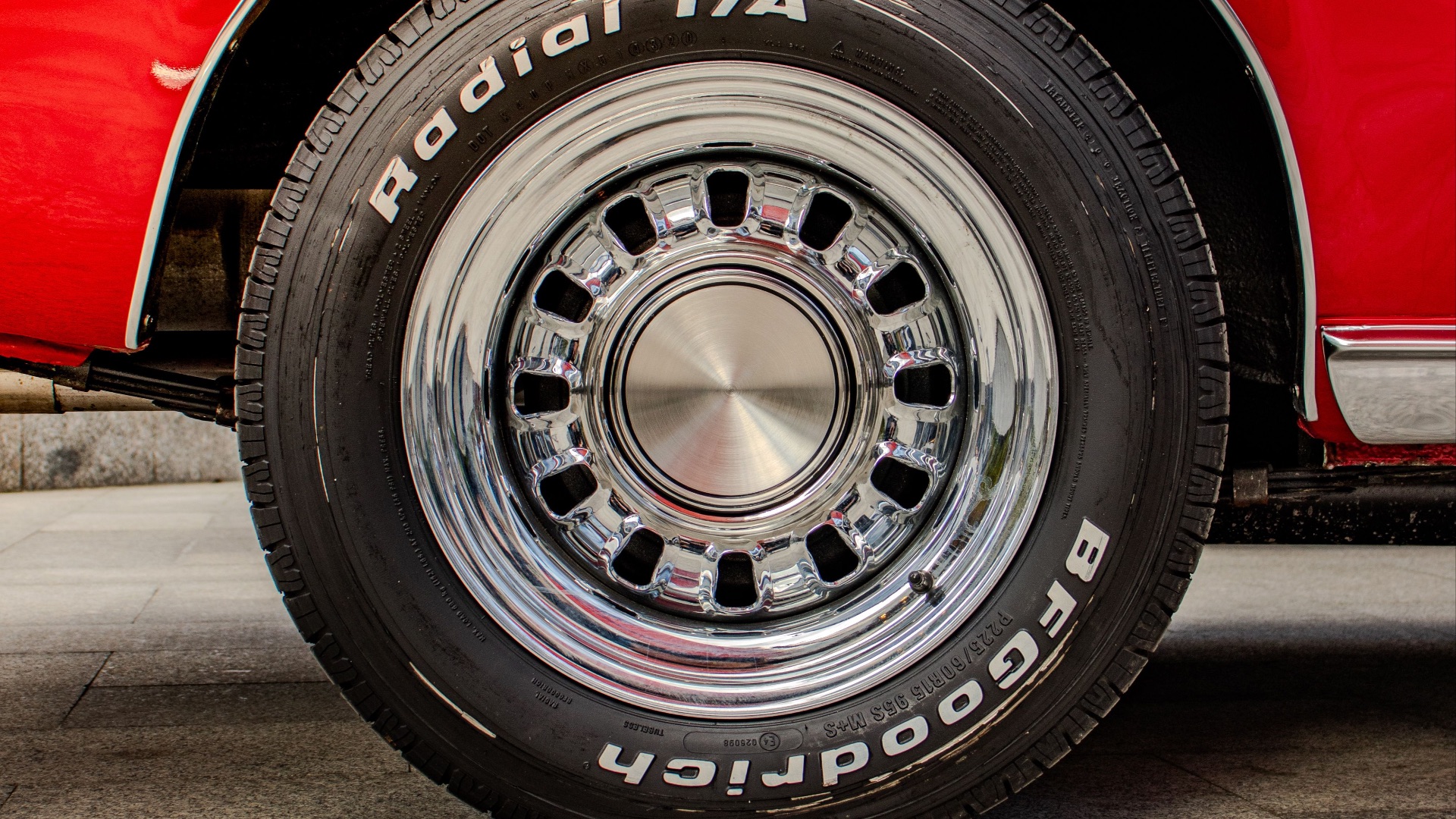
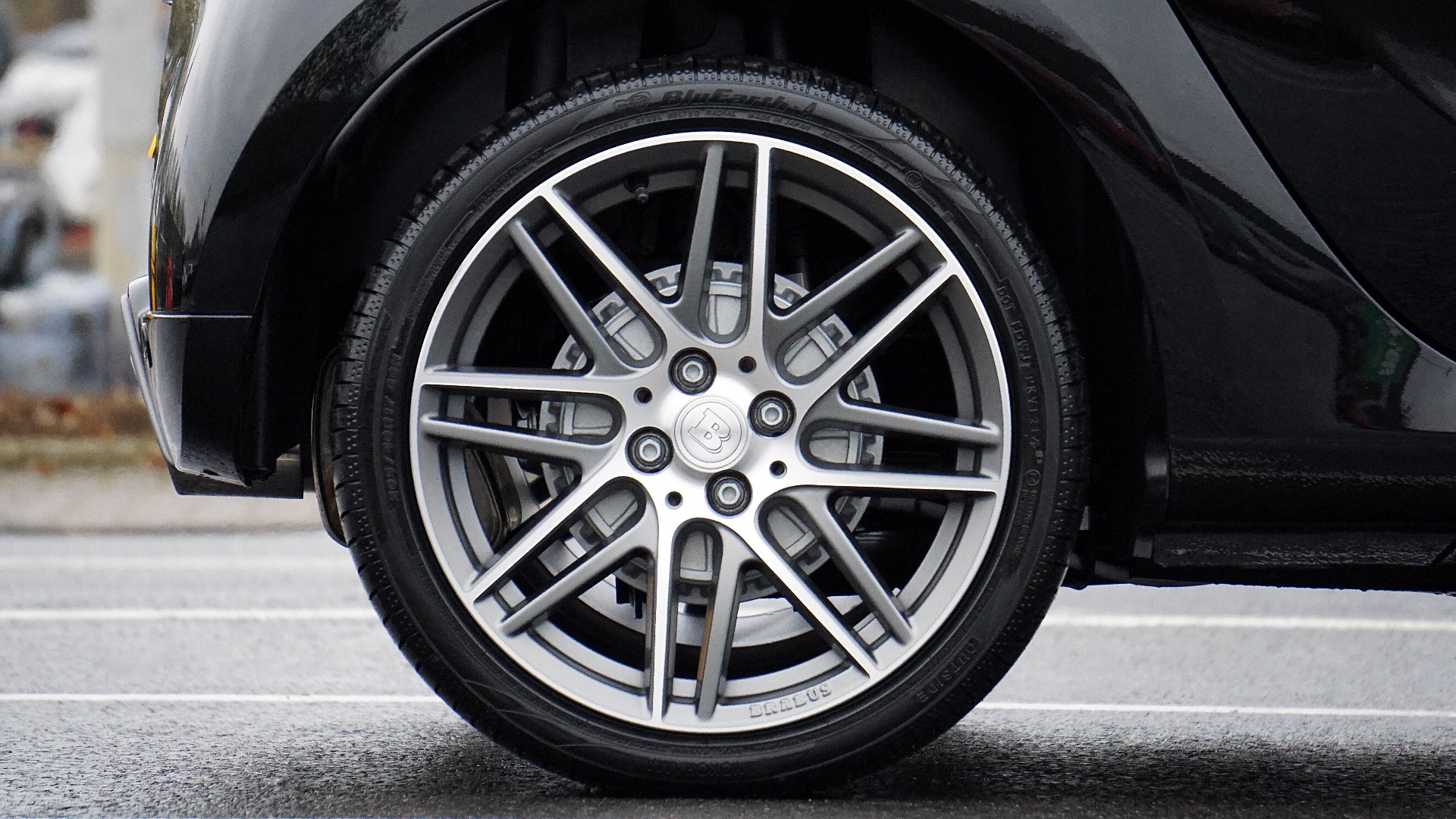
3. Monitor Tire Pressure and Tread
Check your tire pressure regularly and make sure it matches the numbers listed for your vehicle, not just the number printed on the tire sidewall. Low pressure can cause poor handling, uneven wear, and a higher chance of a blowout. You should also look at the tread depth and inspect for cracks, bulges, or objects stuck in the rubber. Tires are easy to overlook, but they’re one of the most important parts of your car’s safety.
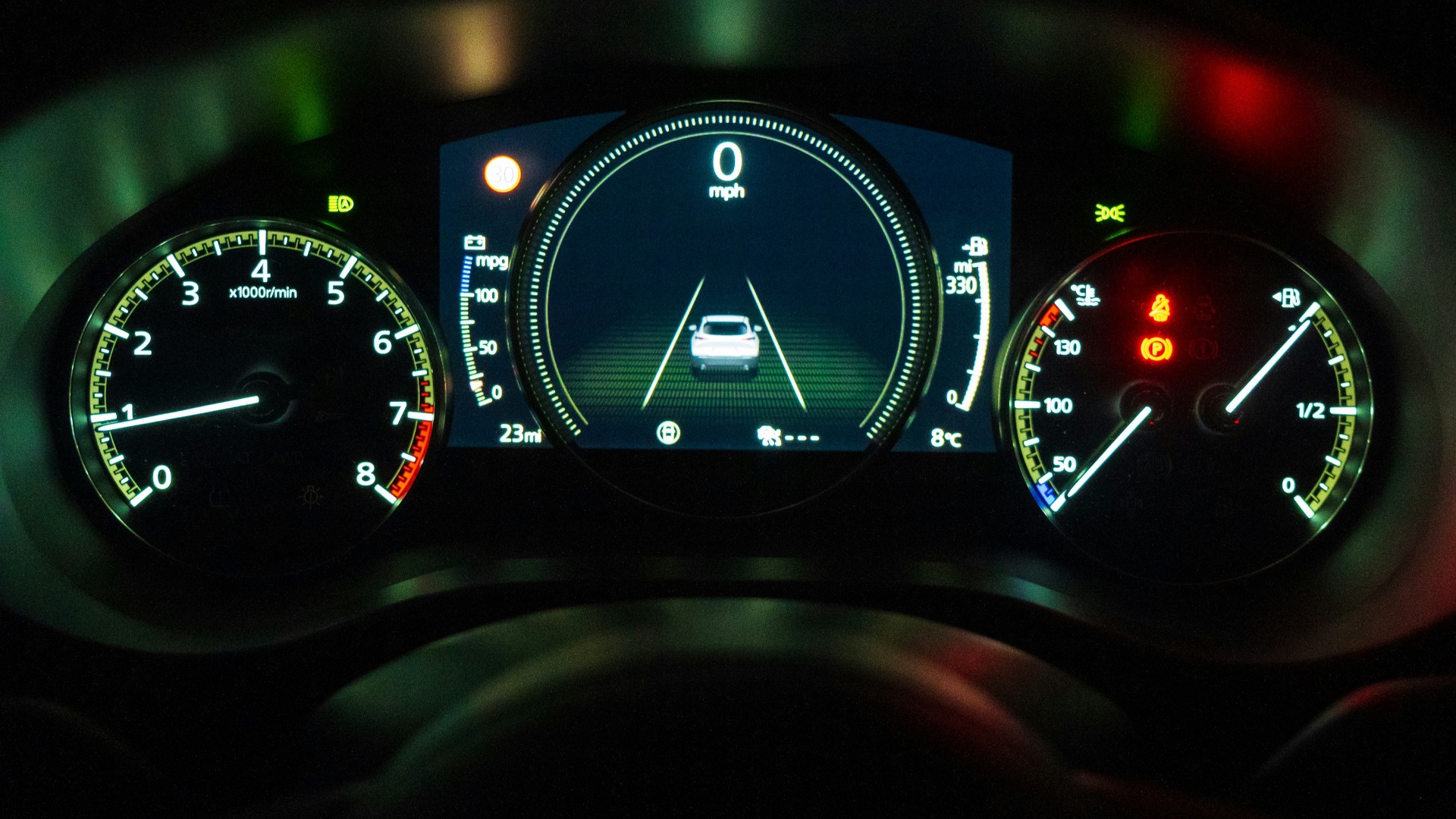
4. Pay Attention to Dashboard Warning Lights
Dashboard warning lights are there to tell you when something needs attention, so don’t ignore them or assume they’ll go away for good. Some lights may point to simple issues, while others can indicate serious problems with the engine, brakes, charging system, or temperature. If a warning light stays on or flashes, check the owner’s manual and get the car inspected. Responding early can prevent a breakdown and help keep repair costs lower.
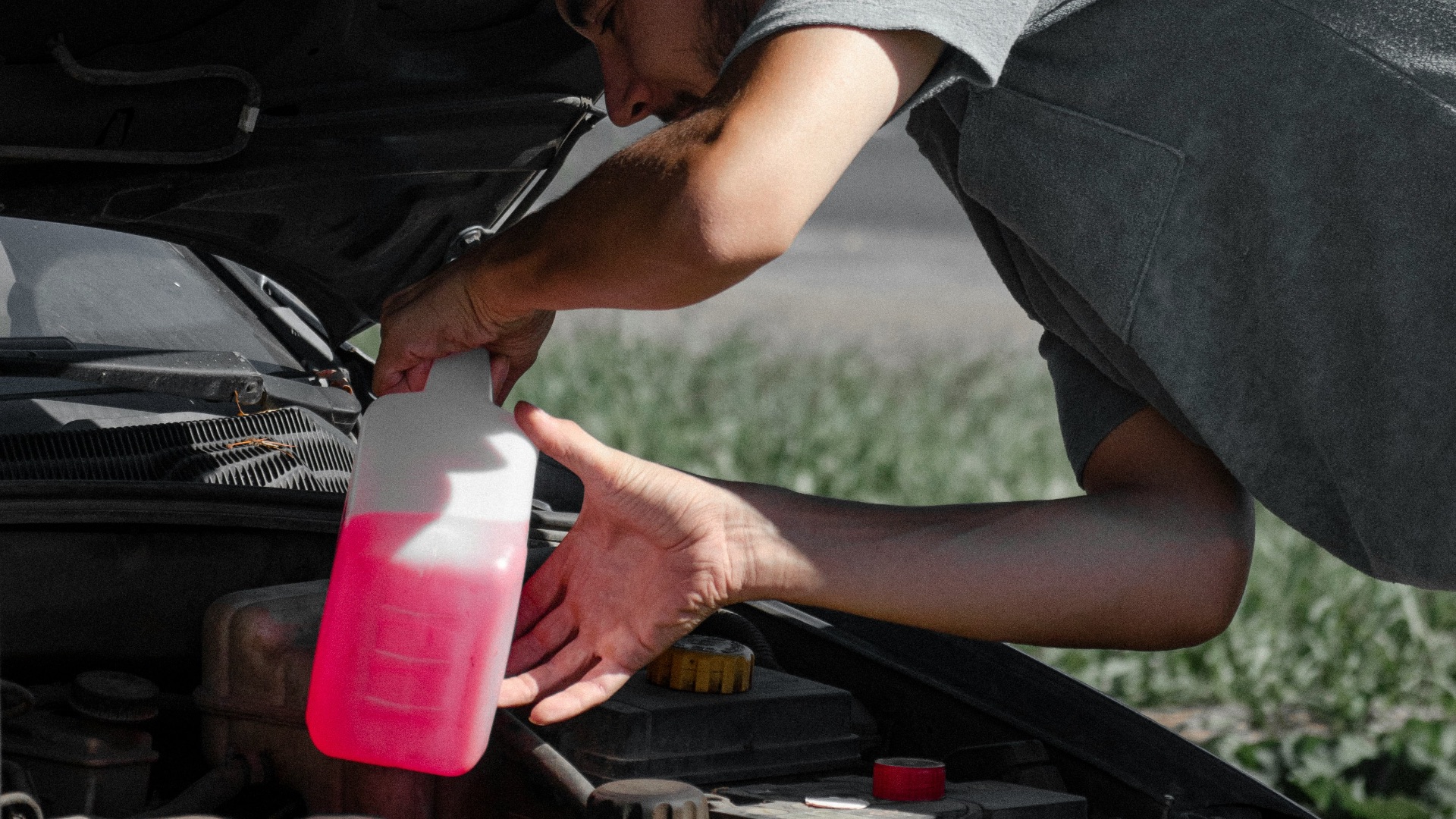
5. Inspect Fluid Levels Often
Your car relies on several fluids, including coolant, brake fluid, transmission fluid, power steering fluid, and windshield washer fluid. Low or dirty fluids can cause overheating, poor braking, shifting problems, or steering trouble. Make a habit of checking fluid levels between service appointments, especially before long drives. If you notice a fluid dropping repeatedly, there may be a leak that needs professional attention.
6. Replace Worn Belts and Hoses
Belts and hoses may not seem exciting, but they’re essential to keeping the engine and related systems working properly. Over time, rubber parts can crack, soften, swell, or become brittle from heat and age. A broken belt or burst hose can quickly lead to overheating, loss of power steering, or charging problems. Asking your mechanic to inspect them during routine service is a simple way to prevent bigger trouble.
7. Don’t Skip Scheduled Maintenance
Your vehicle’s maintenance schedule is designed to replace or inspect parts before they fail. Services such as filter changes, spark plug replacement, brake inspections, and fluid flushes all help the car stay reliable. It can be tempting to delay maintenance when the car seems fine, but that’s often when preventive work matters most. Staying on schedule usually costs less than repairing damage caused by neglect.
8. Listen for Unusual Sounds
New noises can be early clues that something is wearing out, loose, or not working correctly. Grinding, squealing, knocking, humming, or clicking sounds should be taken seriously, especially if they get louder or happen more often. Try to notice when the sound happens, such as during braking, turning, accelerating, or starting the car. Sharing those details with a mechanic can make diagnosis faster and more accurate.
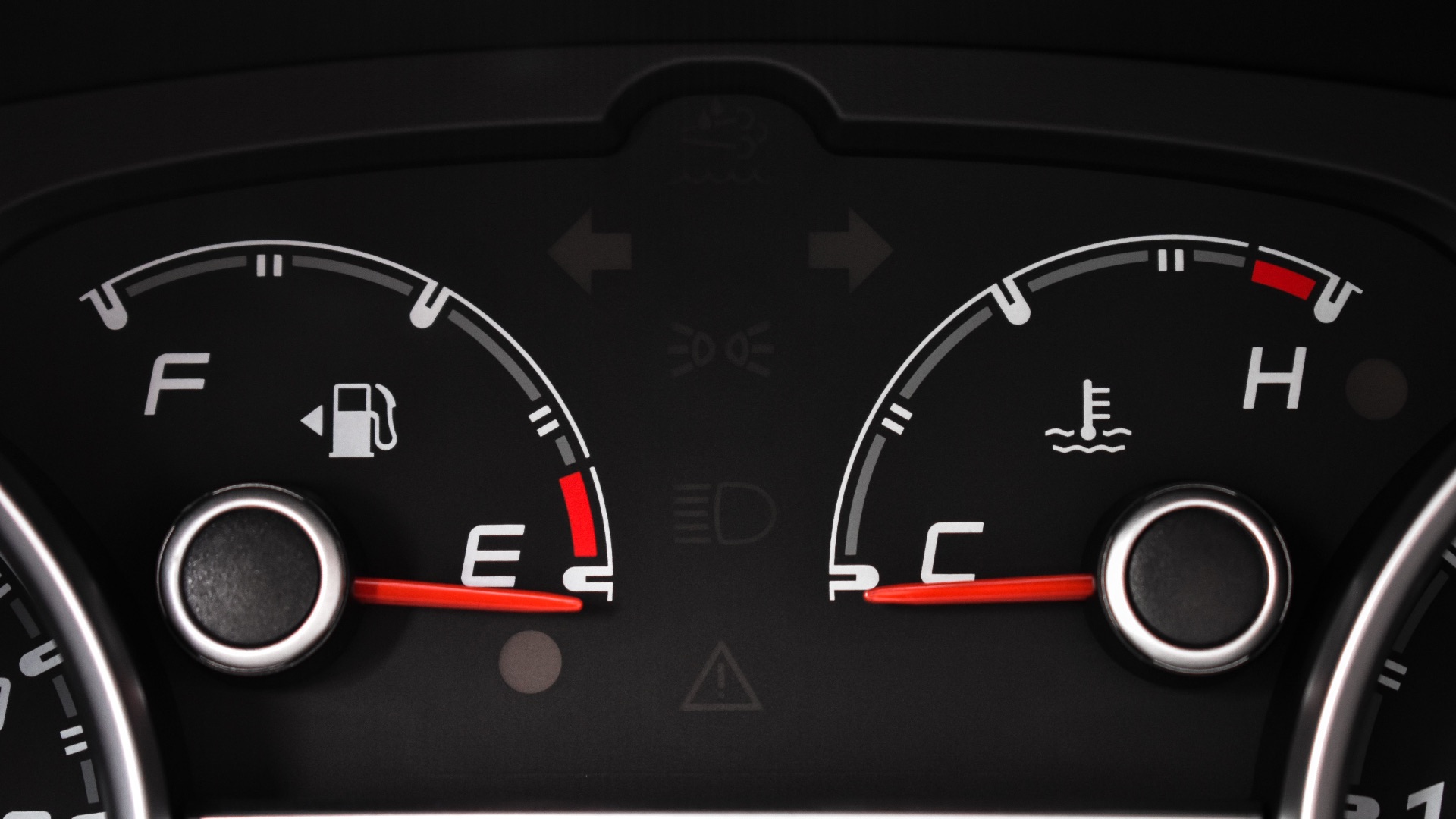
9. Avoid Driving on an Almost Empty Tank
Running your car close to empty too often can put extra strain on the fuel pump, especially because the pump depends partly on fuel for cooling. It can also increase the chance that sediment from the bottom of the tank gets pulled into the fuel system. While doing it once in a while may not cause immediate damage, making it a habit isn’t ideal. Keeping a reasonable amount of gas in the tank helps the fuel system work more reliably.
10. Get Small Problems Checked Early
A small issue rarely becomes cheaper or easier to fix by being ignored. Strange smells, fluid spots, rough starts, reduced power, or changes in braking can all be signs that something needs attention. Even when the car still drives, those clues can point to parts that are wearing out or systems that aren’t working as they should. Getting problems checked early gives you a better chance of avoiding a breakdown and planning repairs before they become urgent.