Road Safely Starts with Awareness
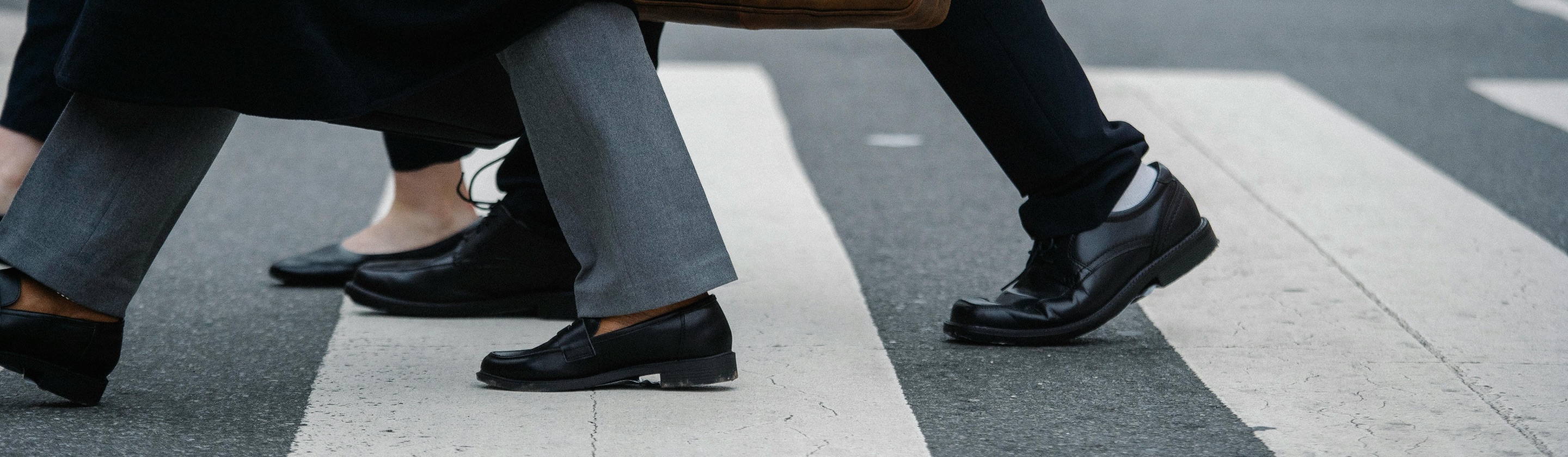
Streets work best when everyone understands they’re shared spaces, not when everybody assumes it's their right of way. Believe it or not, many pedestrian accidents happen not because of reckless behavior, but because of small lapses in attention or assumptions about what the other person will do. Whether you’re the one behind the wheel or the one crossing the street, a few mindful habits, like slowing down and establishing eye contact, can go a long way. Here are 10 helpful tips for drivers and 10 for pedestrians to help keep our roads safe.
1. Always Expect Pedestrians
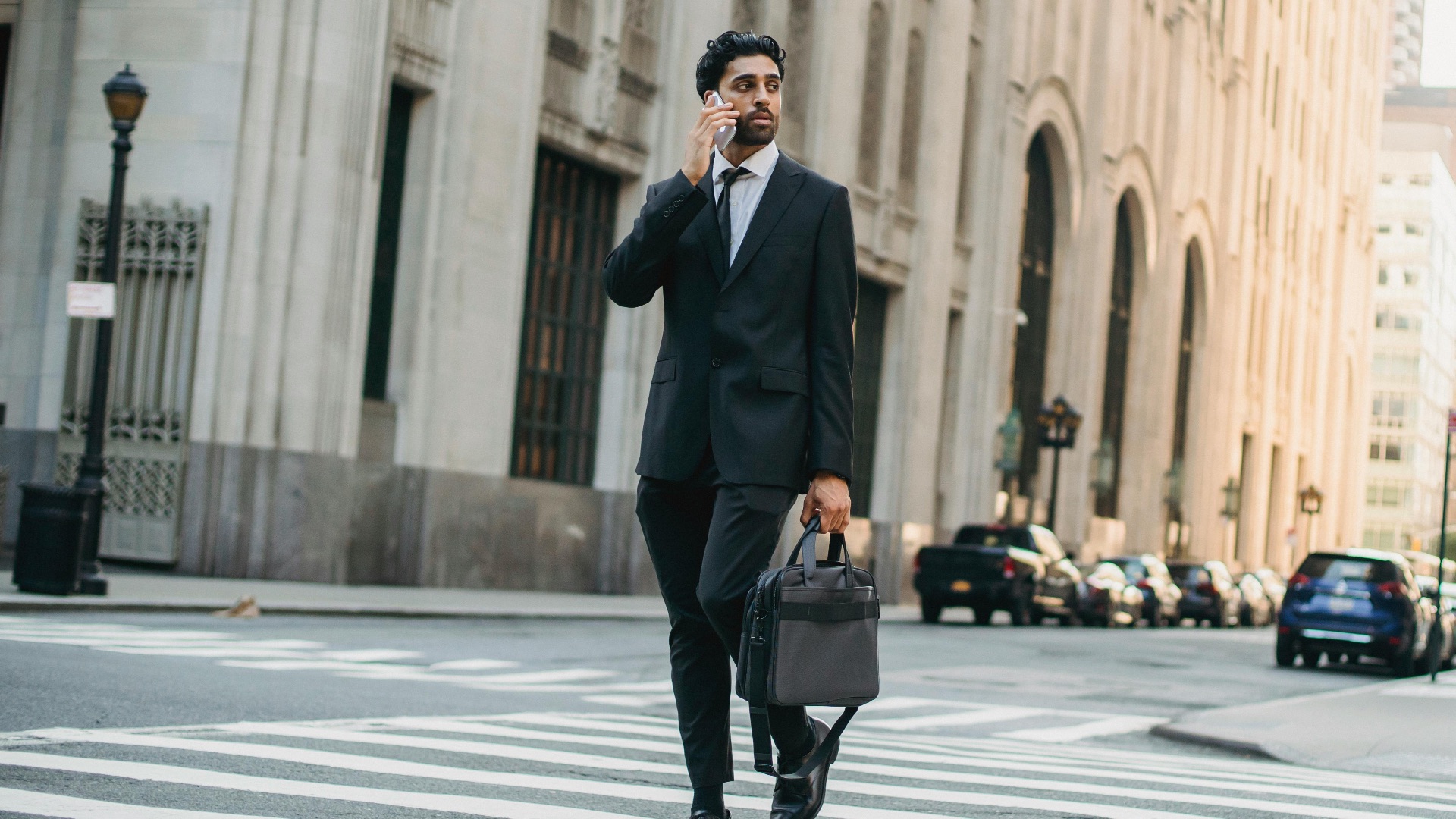
Pedestrians don’t only appear at crosswalks; they can step out from between parked cars or emerge from poorly lit areas with little warning. Driving slowly and keeping in mind that someone might cross at any moment helps you stay prepared.
2. Slow Down in Residential & High-Foot-Traffic Areas
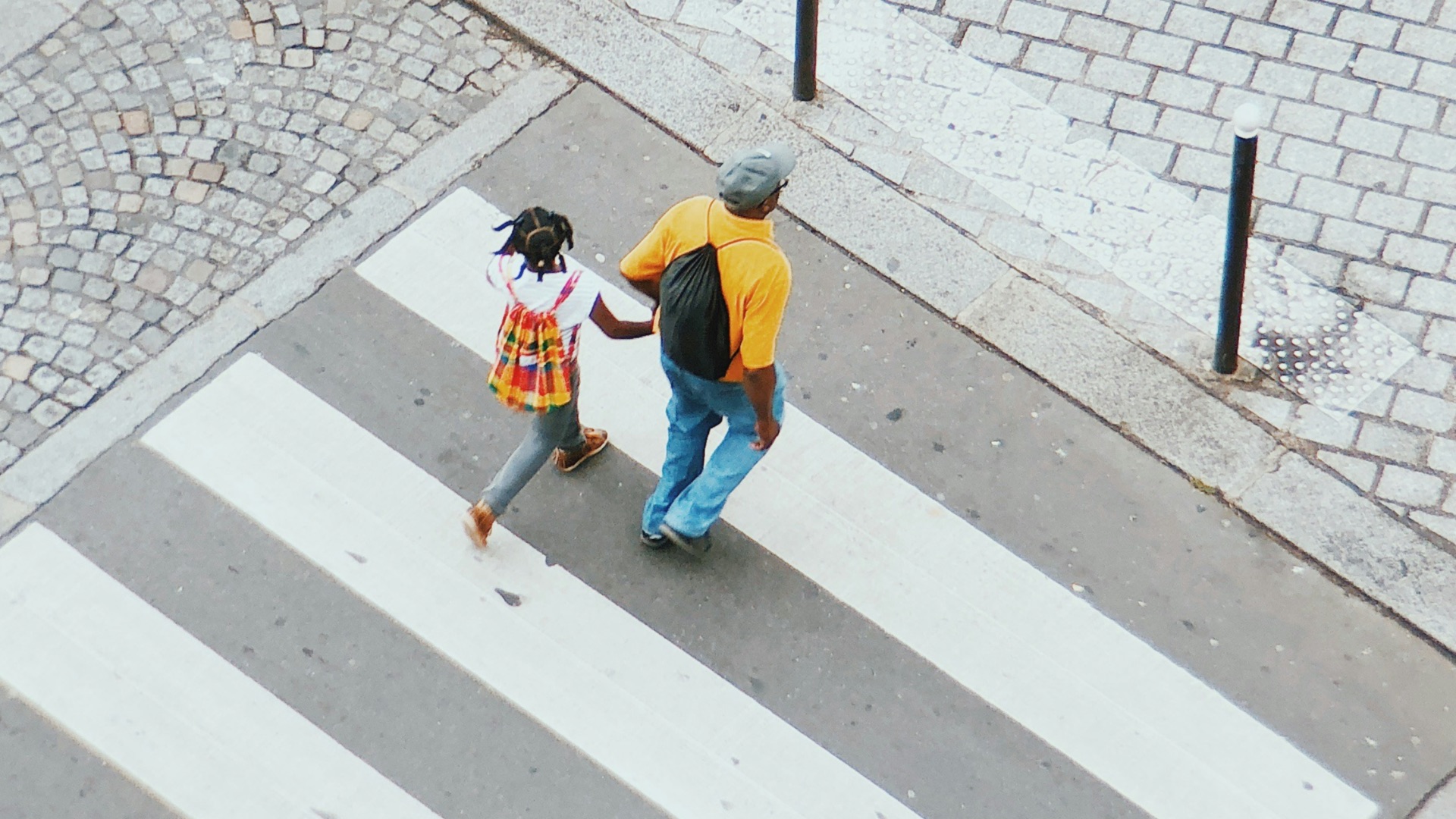
It should go without saying, but lower speeds give you more time to react and drastically reduce injury severity if a collision happens. Neighborhoods, school zones, and downtown streets deserve extra caution. A few seconds saved isn’t worth the risk.
3. Stop Fully at Crosswalks & Stop Signs
Rolling stops can be dangerous, especially when pedestrians assume you’ve seen them. Always, always come to a complete stop and make sure the crosswalk and your surroundings are fully clear before moving again. This builds trust and predictability, and keeps everyone safe.

4. Be Careful When Turning
Many pedestrian accidents happen during left or right turns. It’s easy to focus on traffic and forget to check who might suddenly step onto the crosswalk. Remember to take an extra moment to double-check before completing your turn.
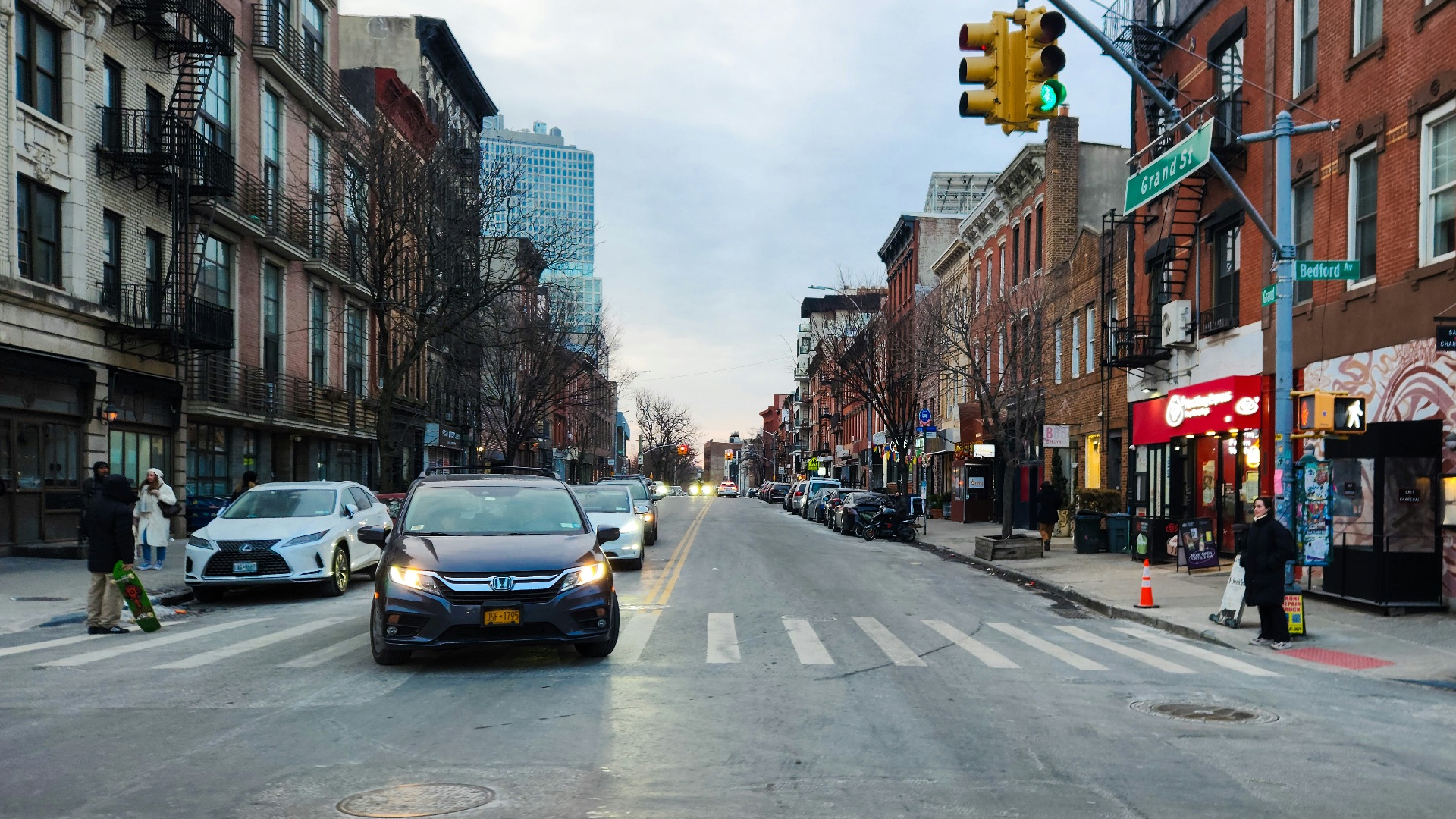
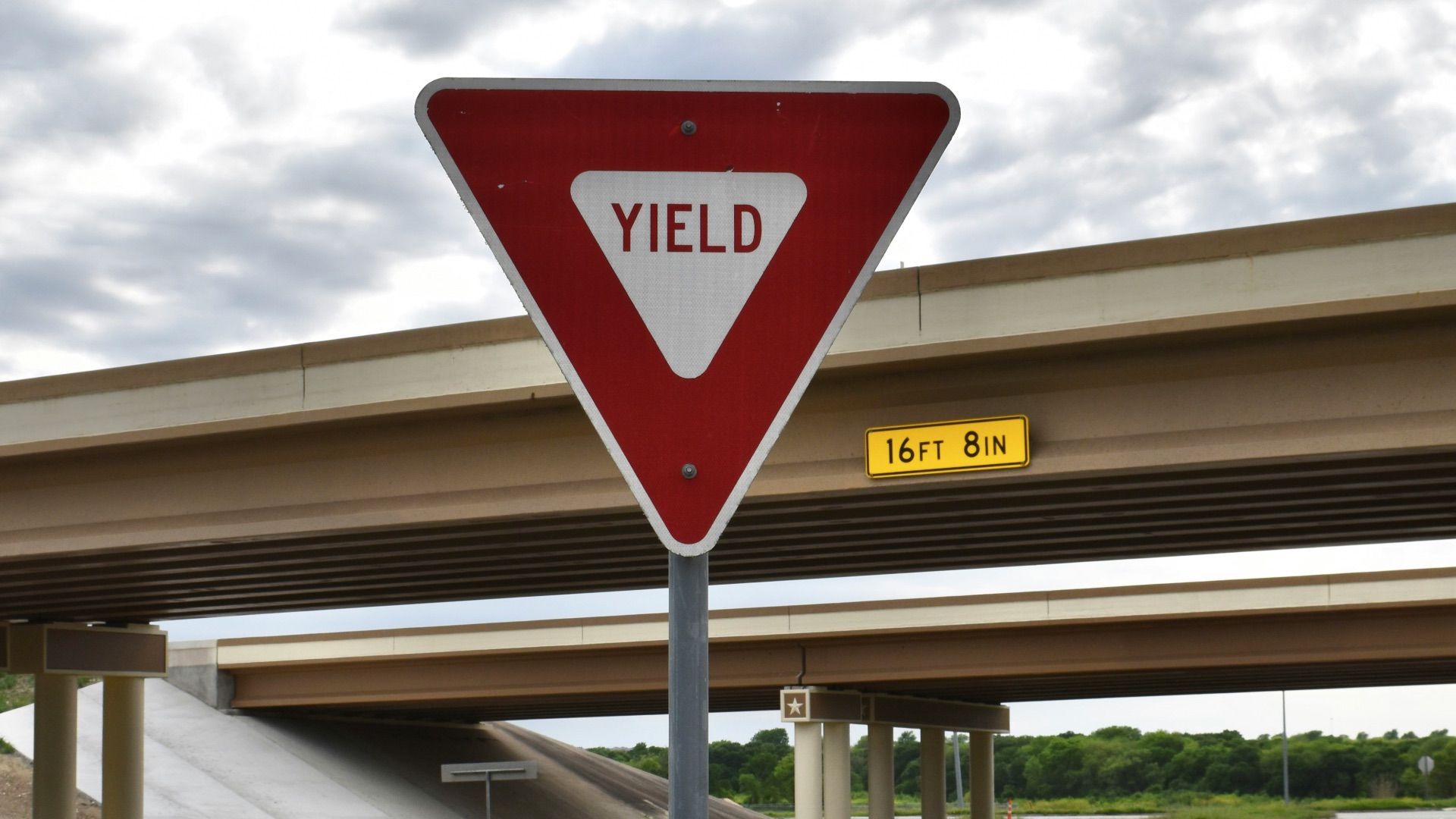
5. Yield at Intersections
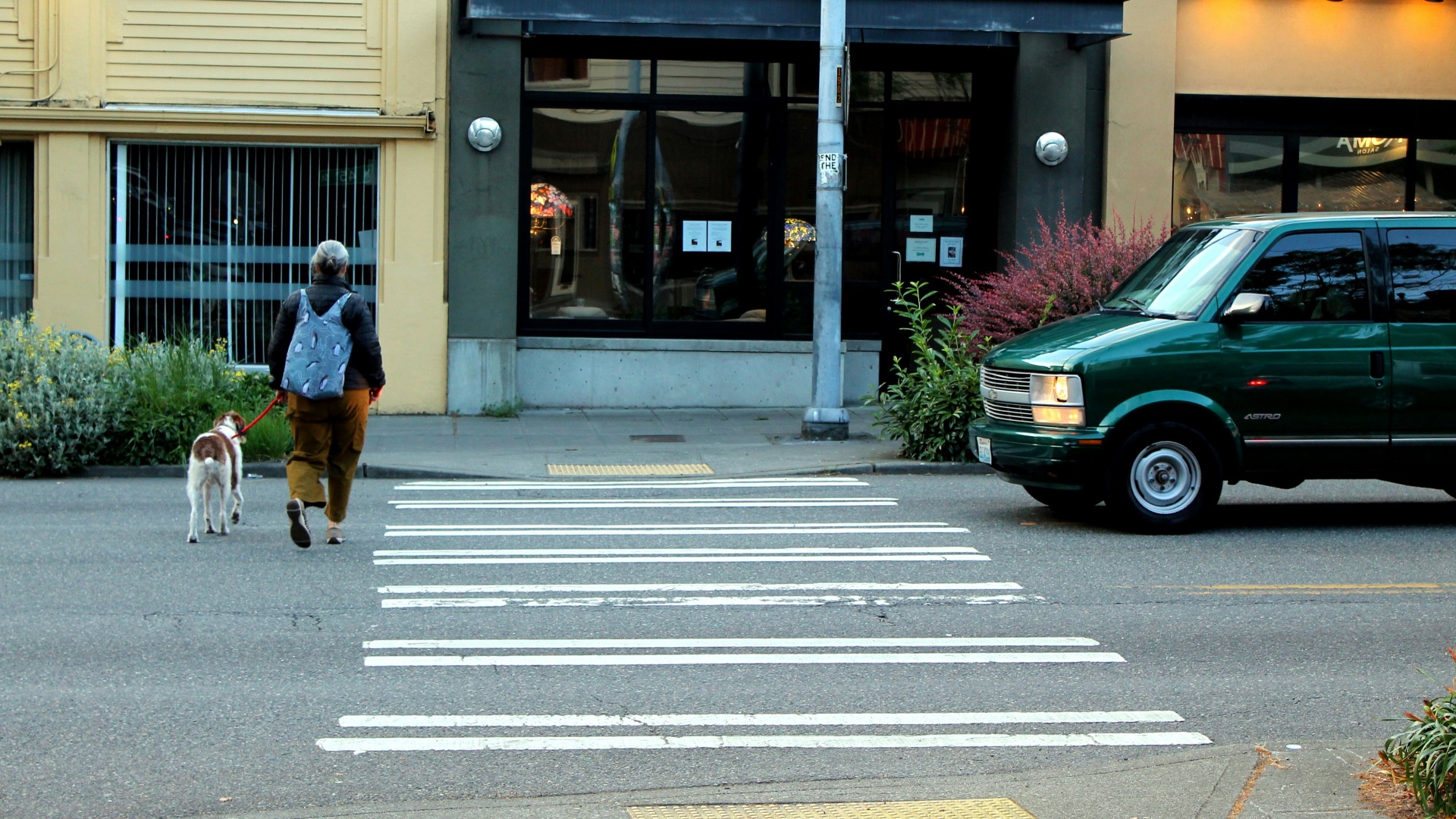
Unmarked crosswalks still count. If someone is waiting to cross, the law often requires you to stop even without lights or signs, and ignoring this might run you into trouble. When in doubt, the best option is to yield.
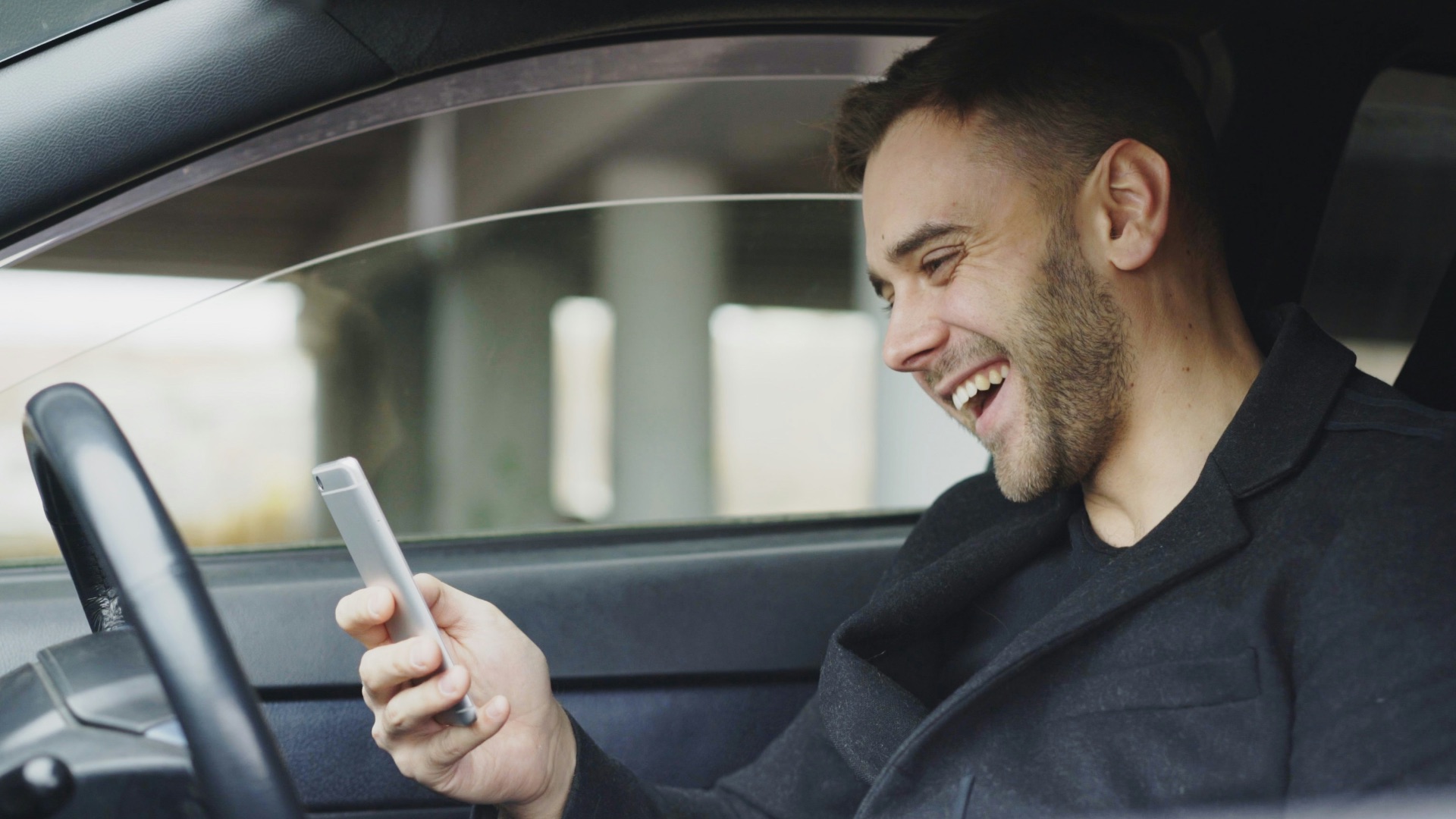
6. Avoid Distractions Behind the Wheel
Phones, dashboards, and even conversations can pull your focus away at the worst possible moment. A brief distraction is all it takes to miss someone stepping into the street, so always keep your attention solely on the road in front of you.
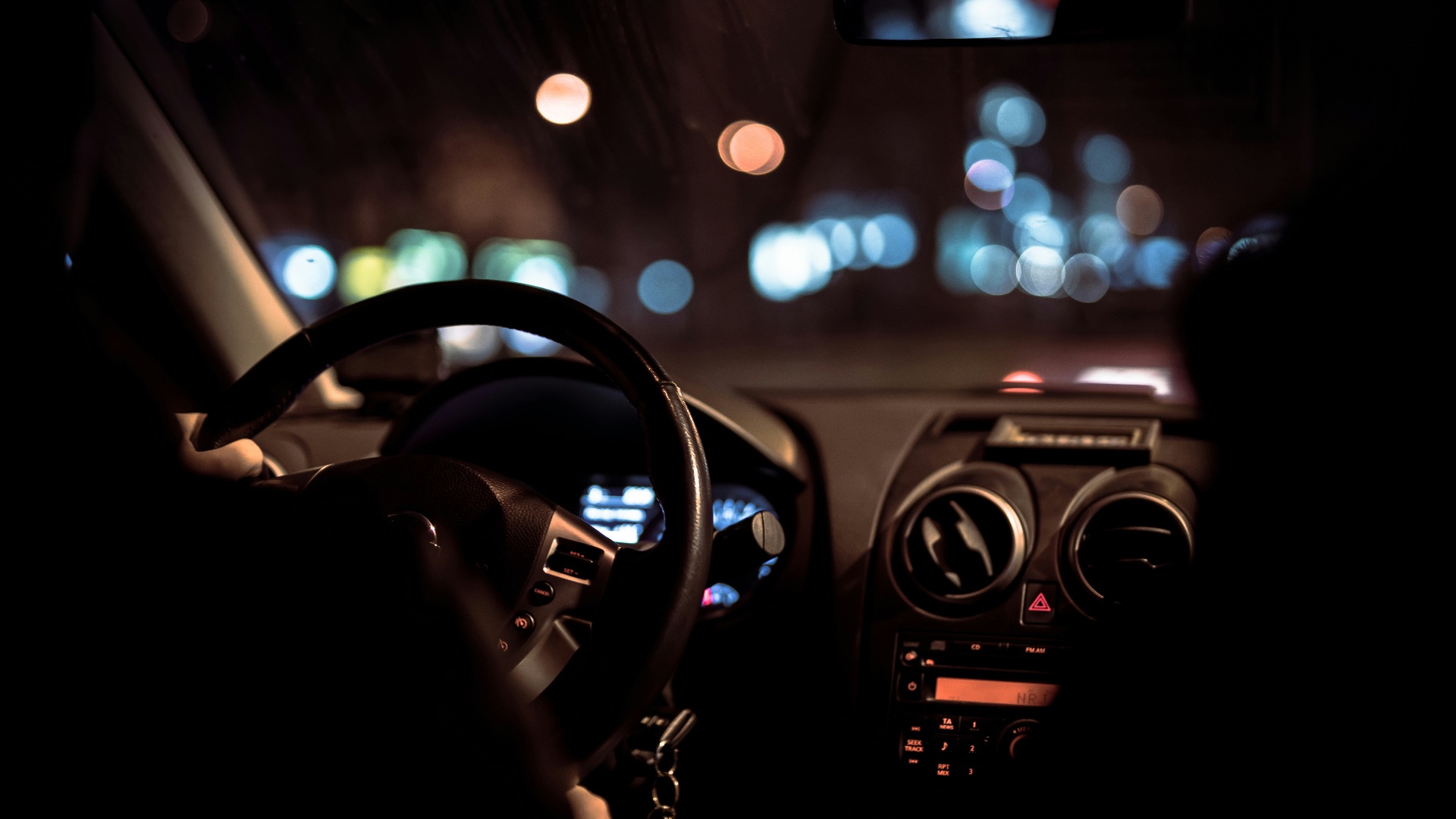
7. Be Extra Careful at Night
Pedestrians are harder to see in low light, especially if they’re wearing dark clothing. Use your headlights properly, slow down after sunset, and stay vigilant. Reduced visibility calls for increased caution, so always double-check to make sure before performing or completing a maneuver.
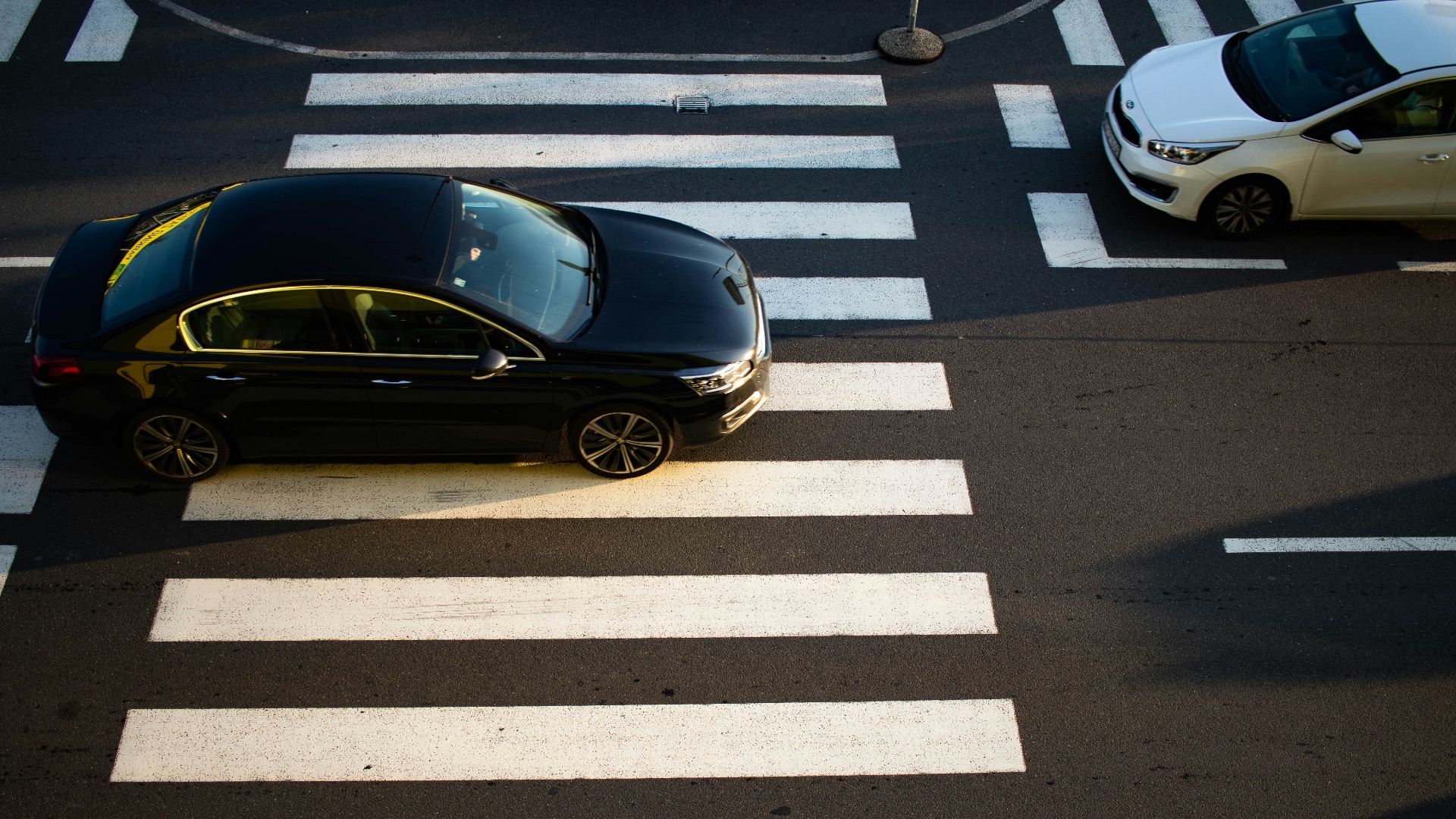
 Volodymyr Proskurovskyi on Unsplash
8. Respect School Zones and Buses
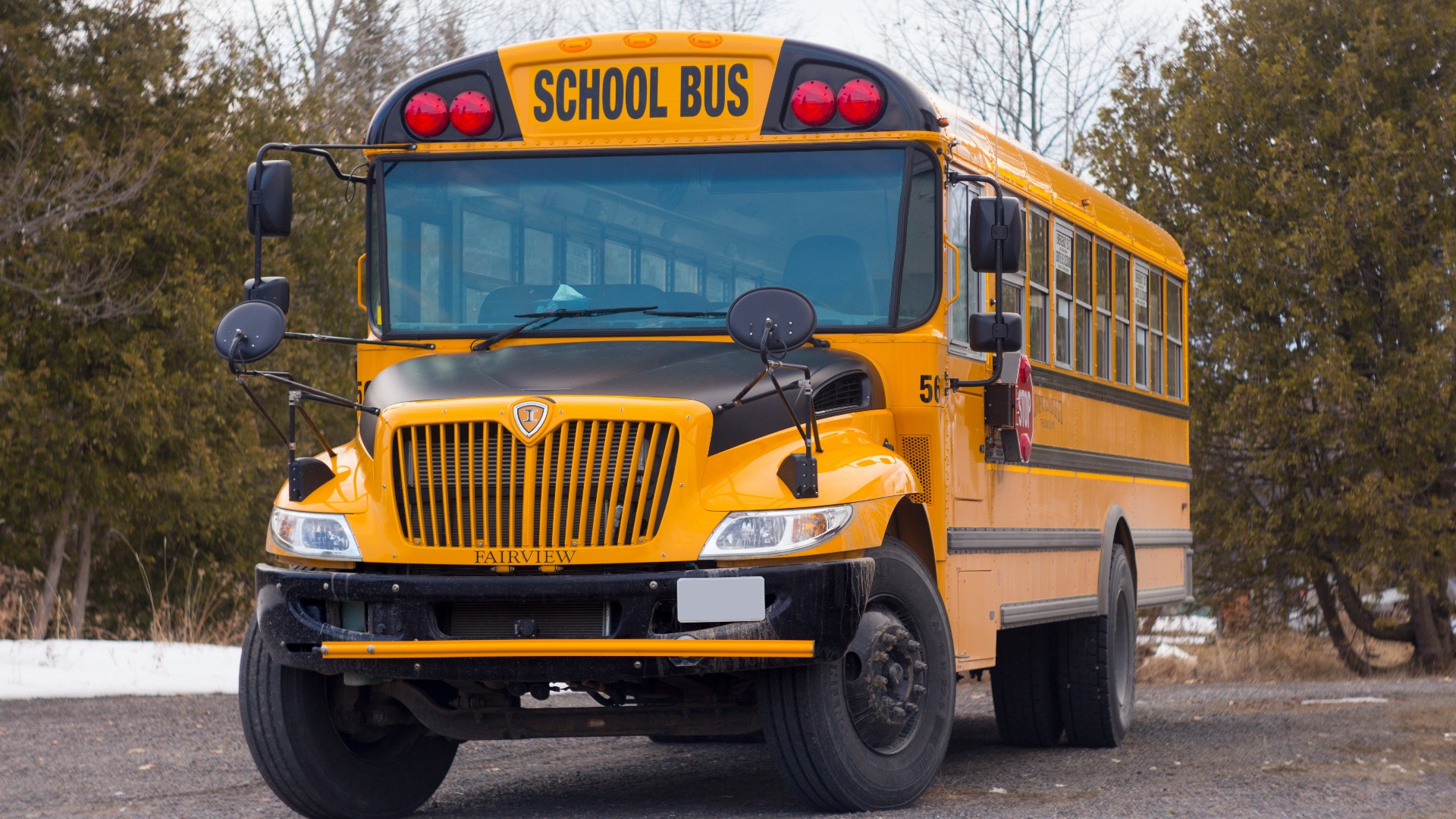
Children are often unpredictable and may not judge traffic well. Whenever you're driving near a school, obey school zone speed limits and stop fully for school buses. These rules exist for a reason, and you definitely don't want to ignore them.
9. Never Pass a Vehicle Stopped for a Pedestrian
If another car has stopped at a crosswalk, always assume that someone is crossing; never, ever speed up. Passing a stopped car is also extremely dangerous and often illegal, so remember to exercise patience—it can prevent serious accidents.
10. Make Eye Contact When Possible
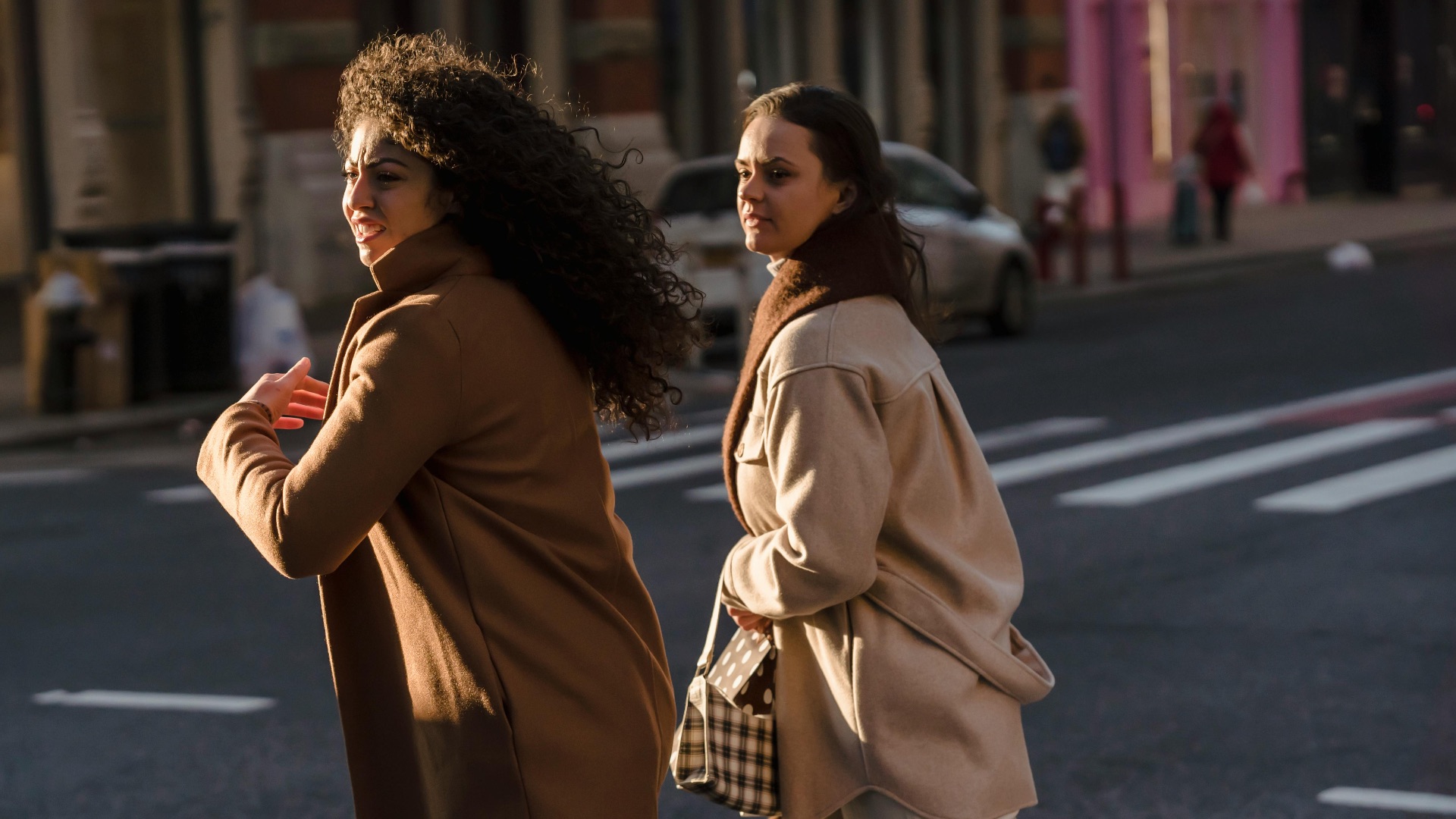
Before you make a turn or do any maneuver, try establishing eye contact with a pedestrian. A quick glance or gesture helps confirm that you both see each other, and this simple acknowledgment helps avoid misunderstandings. Clear communication matters, even without words.
Now that we've covered some helpful tips for drivers, let's jump into ones for pedestrians, so we can all stay safe on the road.
1. Use Crosswalks Whenever Available
Never, ever jaywalk—you could cause serious accidents on the road or get yourself severely injured. Crosswalks make you more visible and predictable to drivers, and they’re designed to give you a safer place to cross. Even if it takes a few extra steps, it’s worth it.

2. Always Look Both Ways
Mistakes happen, and drivers don’t always follow the rules. Checking all directions helps you catch unexpected movement, so you don't accidentally put yourself in harm's way. Never assume traffic will behave perfectly, especially at night or in poor weather conditions.

3. Make Sure Drivers See You Before Crossing
Just because you have the right of way doesn’t mean you’ve been noticed. Make sure to establish eye contact or wait until the car comes to a full stop. Gestures help others notice you better as well, so don't be afraid to raise a hand.
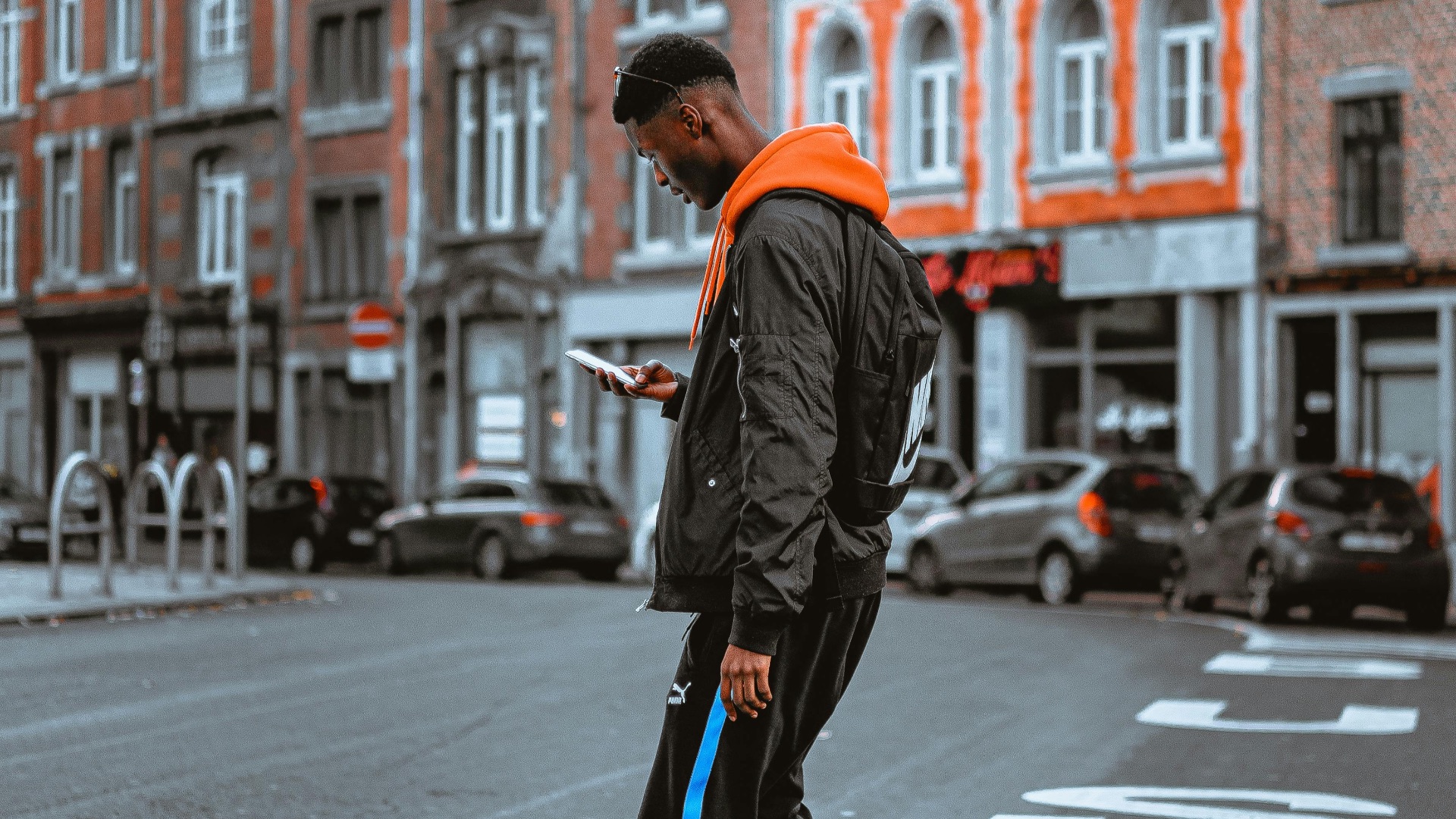
4. Avoid Distractions While Walking
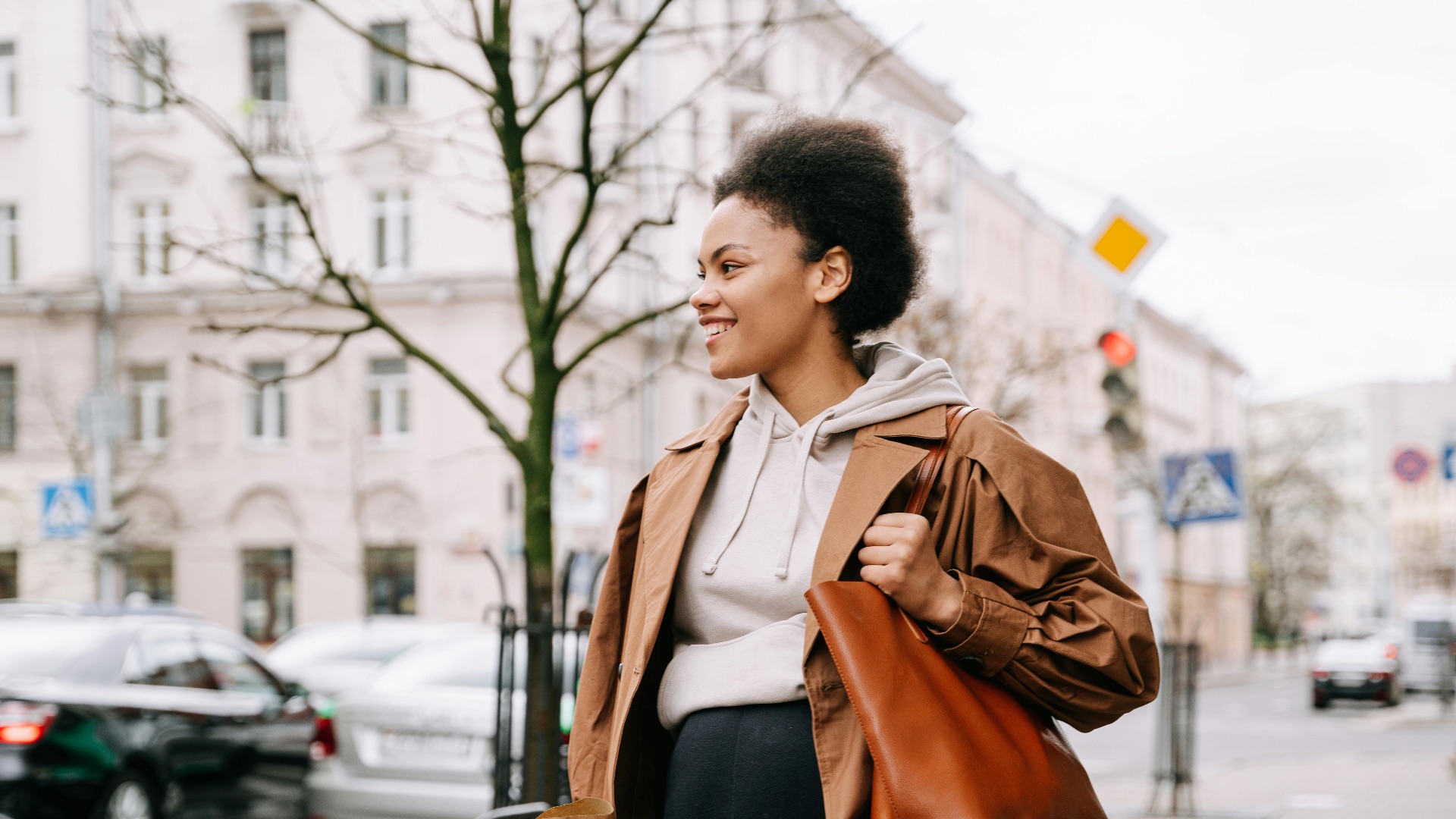
Keep your head up when walking. Phones, headphones, and scrolling can all pull your attention away from traffic sounds and signals, and staying alert helps you react quickly if something goes wrong. A few seconds of awareness can greatly prevent injury.
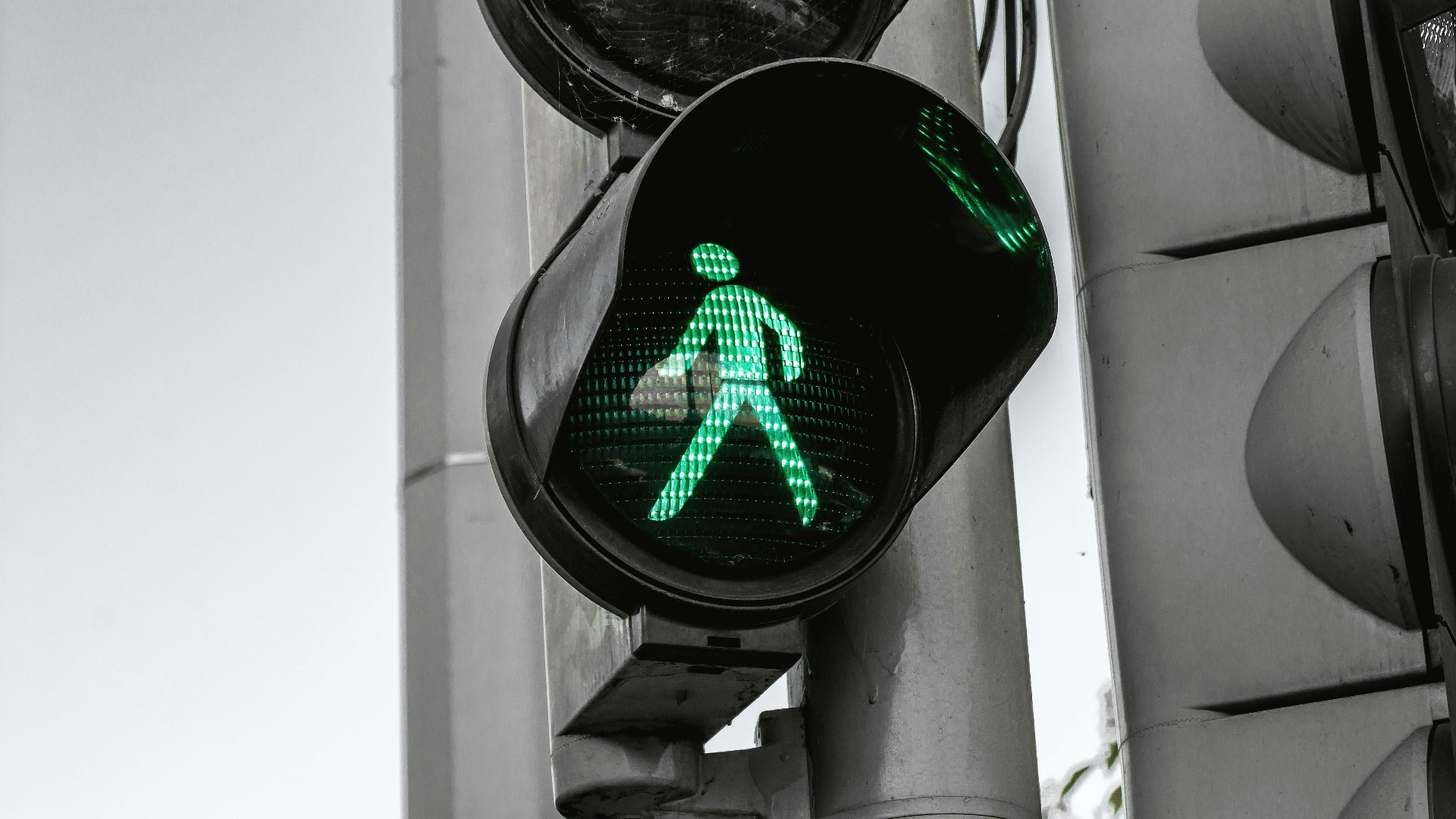
5. Follow Traffic Signals
Walk signs and countdown timers exist to keep you safe, so don't ignore them and step out onto the street on your own terms. Crossing against the signal increases your risk, even if the road looks clear. Remember: timing matters.
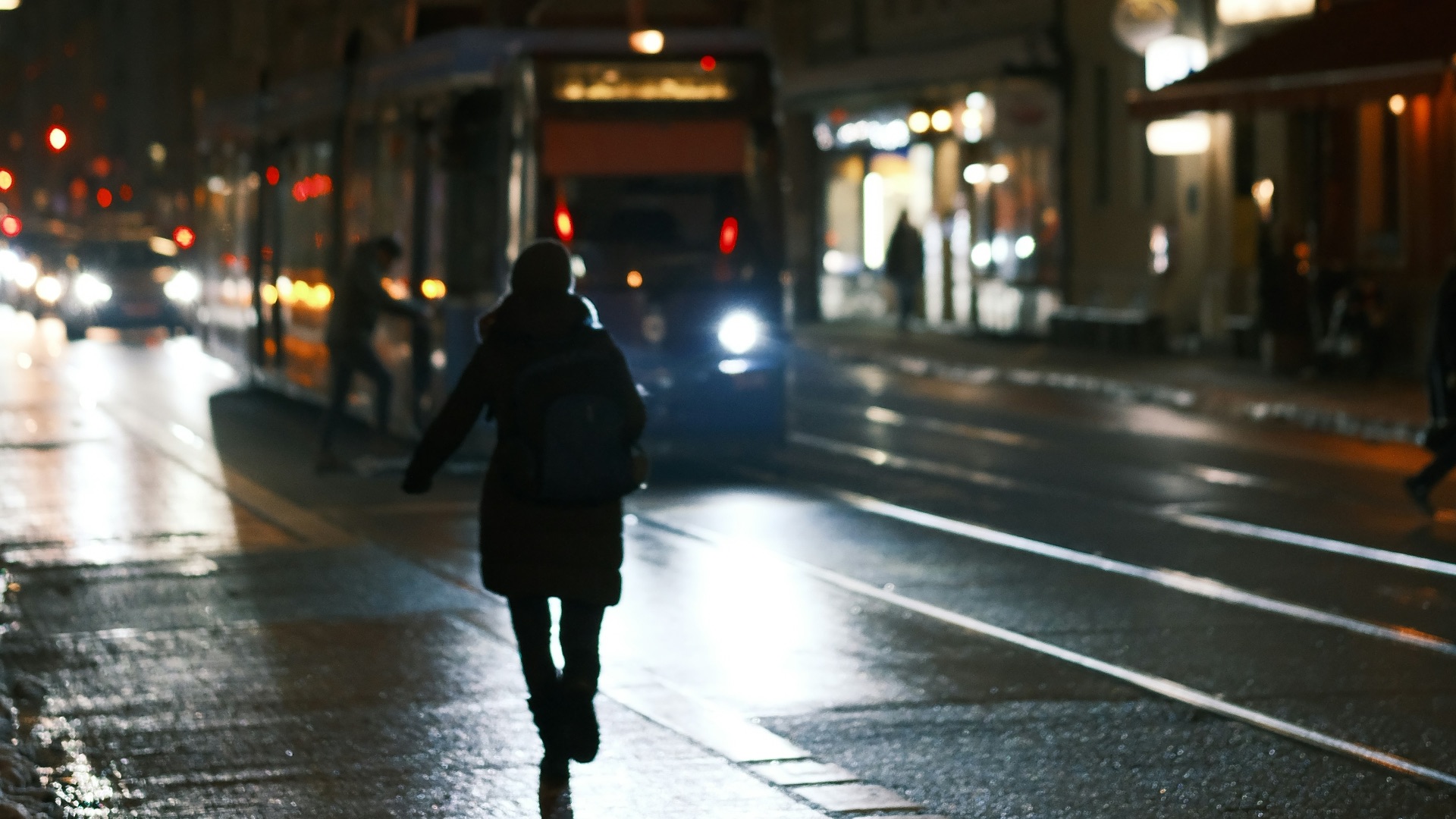
6. Wear Visible Clothing at Night
Bright or reflective clothing makes it easier for drivers to spot you in low light, while dark outfits can blend into the road after sunset. Being seen is a major safety advantage, so be extra careful when walking around or crossing streets at night.
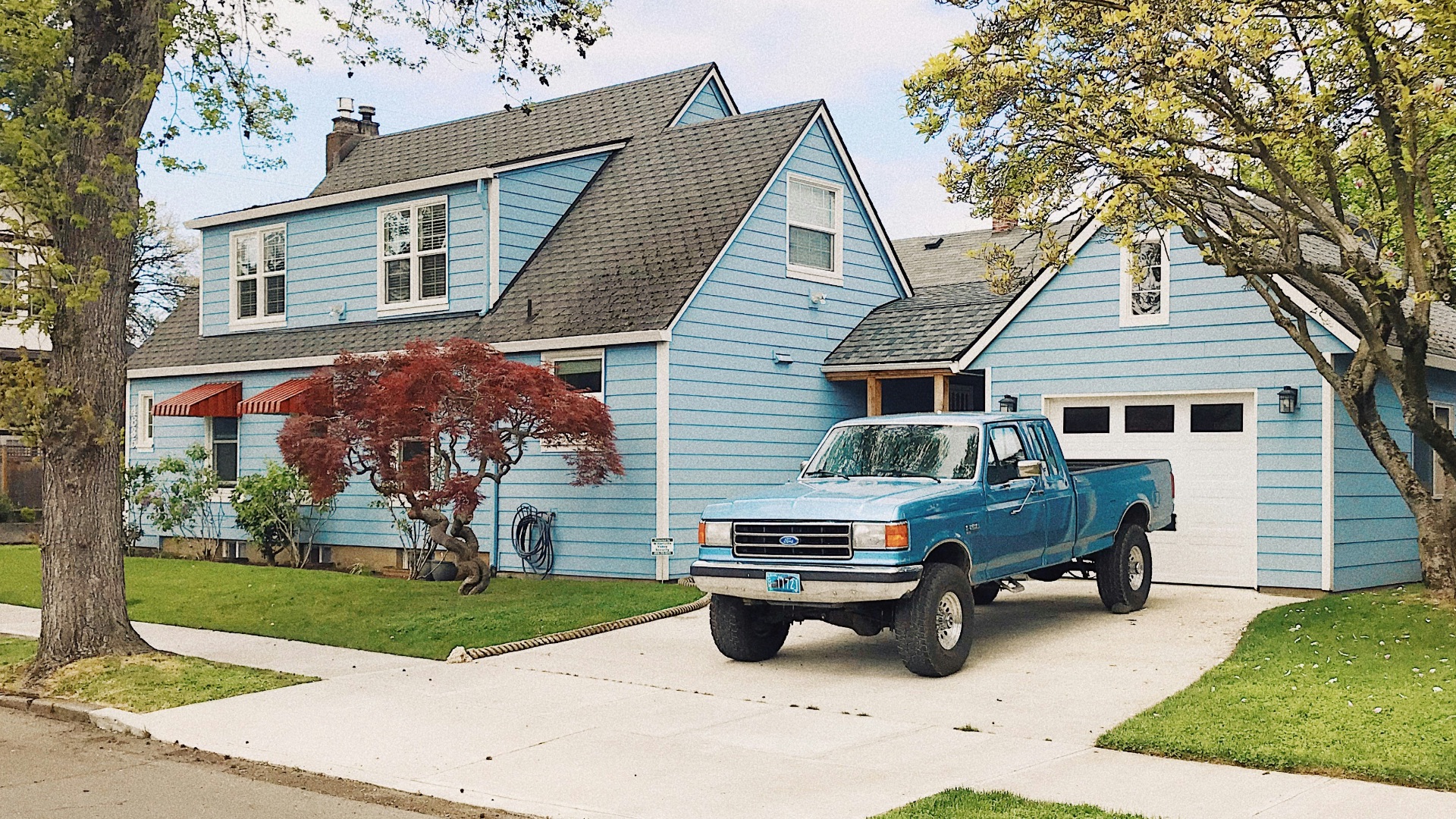
7. Be Cautious Around Driveways and Parking Lots
Cars may pull out from parking bays or driveways suddenly without expecting (or seeing) foot traffic. Slow down and look carefully in these areas, and only continue when you know the driver has seen you. Believe it or not, many accidents happen outside main roads.
8. Walk Facing Traffic When There’s No Sidewalk
Facing oncoming cars lets you see what’s approaching, and this helps give you more control and time to react should anything unexpected happen. It’s much safer than having vehicles come up behind you.

9. Don’t Assume Cars Will Stop
Even when the law is on your side, it’s always safer to wait and confirm. Some drivers like to think the road is theirs, and assume it's their right of way even when it isn't. Defensive walking helps account for human error or unexpected maneuvers. Your safety comes first.
10. Teach Kids Safe Walking Habits Early
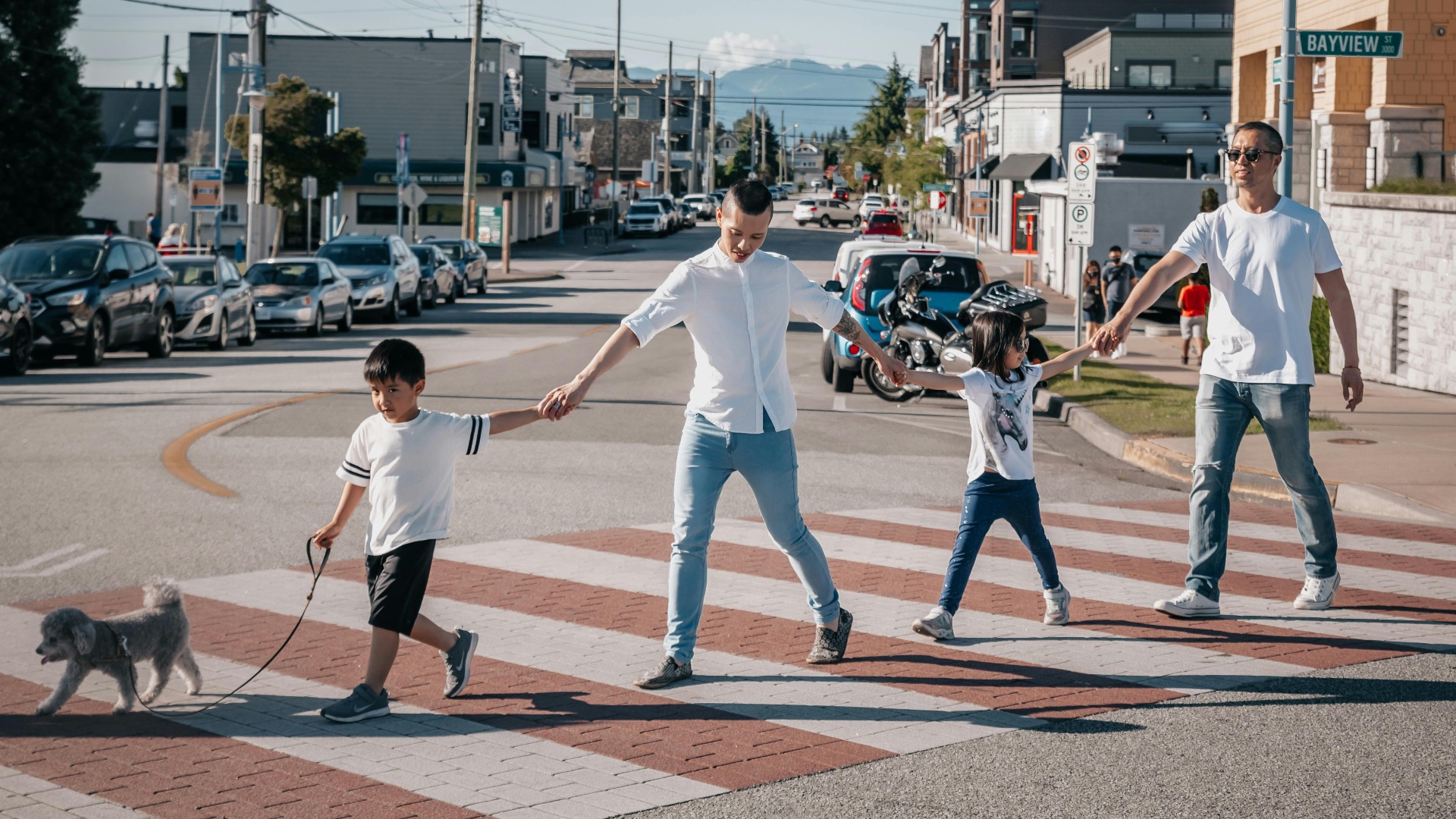
Children learn by example, so start by showing them how to stop, look, and listen; this helps build lifelong habits that keep them safe on the roads. Consistency helps those lessons stick, so model good pedestrian behavior to them.