I Spent Five Years Building My Career Until My Mentor Stole Everything—So I Destroyed Her at Her Own Victory Lunch
I Spent Five Years Building My Career Until My Mentor Stole Everything—So I Destroyed Her at Her Own Victory Lunch
Five Years of Building Something Real
Five years. That's how long I'd been at Whitmore & Associates, and honestly, I couldn't believe how far I'd come. I started as a junior analyst fresh out of college, the kind of person who triple-checked every email before hitting send and stayed late just to prove I belonged there. But I worked my ass off, you know? I learned the business inside and out, took on projects nobody else wanted, and slowly built a reputation as someone who delivered results. By year three, I'd made senior strategist, and by year five, I was leading campaigns for our biggest clients. The firm felt like a meritocracy back then—work hard, produce quality results, and you'd move up. I genuinely believed that. My colleagues respected me, my presentations landed with clients, and I'd developed this quiet confidence that came from knowing I was good at what I did. The marketing strategies I'd crafted had generated millions in revenue for our clients, and I took pride in every single win. I'd found my place in the corporate world, built something real from the ground up. I had no idea that my greatest professional achievement was about to become my deepest betrayal.
 Image by RM AI
The Mentor I Thought I Had
Brenda Hartwell was everything I aspired to be when I first walked through those glass doors five years ago. She was the senior vice president of client strategy, impeccably dressed in designer suits that probably cost more than my monthly rent, with honey highlights that looked expensive and a smile that made you feel like you were the only person in the room. She'd taken me under her wing during my first week when I was drowning in acronyms and office politics I didn't understand. We started having coffee meetings every Tuesday morning, and she'd share insights about navigating corporate culture, building client relationships, and positioning myself for advancement. She'd introduce me to the right people, recommend me for high-profile projects, and celebrate my wins like they were her own. I trusted her completely. She'd been at the firm for twenty years and knew everyone who mattered. When I landed the senior strategist role, she'd sent champagne to my apartment with a note that said 'Just the beginning.' We'd grab lunch at least twice a week, and she'd ask about my projects with genuine interest, offering advice that always seemed spot-on. Brenda told me that with her support, I could go as far as I wanted in this company.
 Image by RM AI
The Project That Would Change Everything
The email came on a Wednesday morning: our biggest client, Meridian Tech, wanted a complete digital marketing overhaul. We're talking a fifteen-million-dollar account, the kind that could define a firm's reputation for years. My boss assigned it to me, and I felt this surge of adrenaline mixed with terror. This wasn't just another campaign—Meridian wanted something revolutionary, a strategy that would integrate their presence across platforms in ways that hadn't been done before. I spent the first week just researching, mapping out their current digital footprint, analyzing their competitors, identifying gaps in their approach. The scope was massive: social media, content marketing, influencer partnerships, SEO, paid advertising, all of it needed to work together seamlessly. I started sketching frameworks on my whiteboard, connecting dots between different channels, thinking about how to create a unified brand experience that would feel organic rather than forced. Brenda stopped by my office that Friday, leaning against the doorframe with her coffee. 'How's the Meridian project coming?' she asked, and I gave her the overview, watching her eyes light up with interest. This was the kind of work that could define a career, and I poured every ounce of creativity I had into it.
 Image by RM AI
Building the Foundation
I couldn't do this alone, obviously. James Porter from analytics became my right hand on the project—this earnest guy with perpetually rumpled button-downs who could make data tell stories in ways that blew my mind. We'd sit in conference rooms for hours, building out the framework, testing different integration models, running projections on potential ROI. James would crunch numbers while I mapped the creative strategy, and somehow it all started clicking together. I brought in a few other team members for specific pieces: content strategy, social media expertise, technical implementation. The energy in those meetings was electric, everyone contributing ideas, building on each other's suggestions, getting genuinely excited about what we were creating. I led the brainstorming sessions but made sure everyone felt ownership over their piece of the puzzle. We'd order pizza and work through lunch, sketching on whiteboards, debating approaches, refining the vision. Brenda would check in periodically, asking thoughtful questions about our progress, nodding approvingly at our direction. The team dynamic felt healthy, collaborative, exactly what you'd want on a high-stakes project. The pieces were coming together better than I had hoped, and I could feel we were onto something special.
 Image by RM AI
The Breakthrough Moment
I hit a wall around week three. I had all these brilliant individual components—the social strategy was solid, the content calendar was innovative, the paid advertising approach was data-driven and smart—but they weren't connecting. They felt like separate campaigns rather than one cohesive ecosystem. I stayed late every night that week, staring at my whiteboard, rearranging sticky notes, trying to find the thread that would tie everything together. Then, at like ten o'clock on a Thursday night, it hit me. What if we used customer journey mapping not just to inform the strategy, but as the actual organizing principle? We could track users across all three major channels—social, search, and direct engagement—and create feedback loops where each touchpoint informed and enhanced the others. Nobody had attempted integration at this level before. I called James even though it was late, and he validated the data models within an hour. This could actually work. This could revolutionize how we thought about digital strategy. The next morning, Marcus Chen from the executive team stopped by my desk, all sharp suit and calculating eyes. 'The buzz about your project is reaching the C-suite,' he said with this assessing look. Marcus from the executive team stopped by my desk and said the buzz about my project was reaching the C-suite.
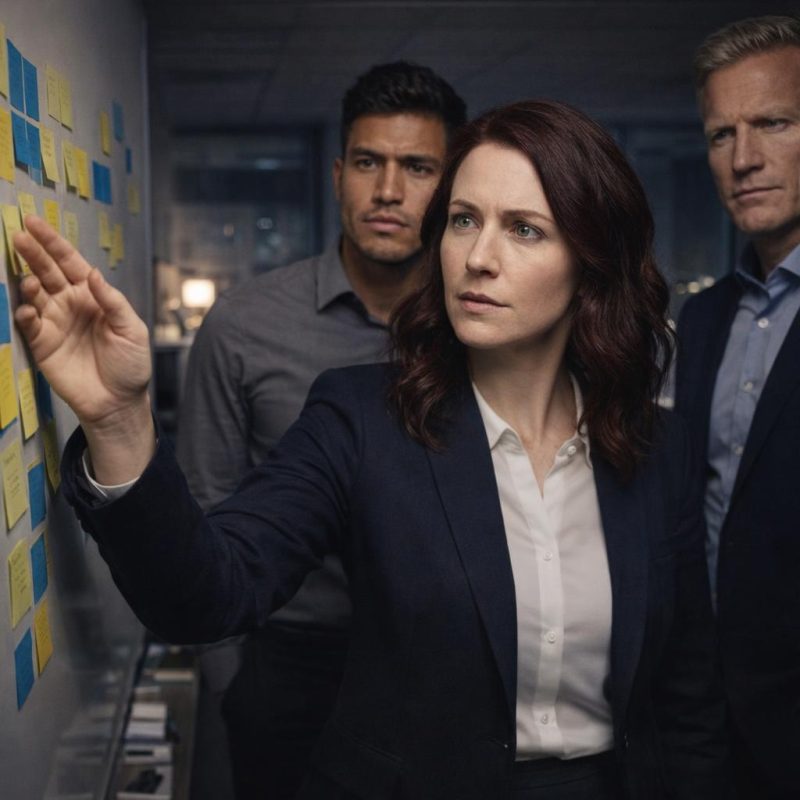 Image by RM AI
Sharing My Vision
I scheduled a meeting with Brenda the following Tuesday, bringing my laptop and a printed outline of the complete strategy. Her office had floor-to-ceiling windows overlooking the city, and she gestured for me to sit at her small conference table. I walked her through everything—the customer journey framework, the three-channel integration model, the proprietary data tracking system James and I had developed, the projected ROI that honestly looked almost too good to be true. She leaned forward, asking detailed questions about implementation timelines, technical requirements, potential obstacles. It felt like the kind of thorough vetting a good mentor does, stress-testing your ideas to make them stronger. I showed her the preliminary slide deck, explained my presentation strategy for the executive board, shared the data visualizations we'd created. She took notes on her tablet, nodding thoughtfully, occasionally stopping me to dig deeper into specific aspects. 'This integration approach,' she said, tapping her pen against her notepad, 'walk me through exactly how the data flows between platforms.' So I did, explaining the technical architecture, the API connections, the real-time analytics dashboard. The meeting ran ninety minutes, and I left feeling energized by her engagement. Brenda smiled and told me this was the best work she had seen in her twenty years at the firm.
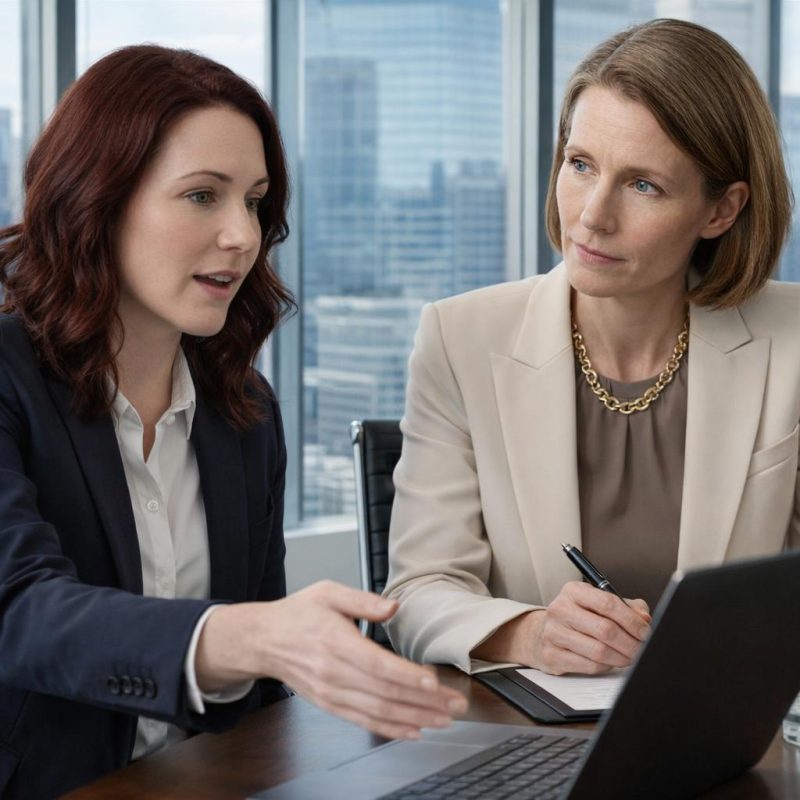 Image by RM AI
The Final Push
The final two weeks before the presentation were brutal. I practically lived at the office, staying until midnight or later, perfecting every single slide, every data point, every transition. James stayed late with me most nights, double-checking analytics, running additional models to anticipate any questions the board might ask. We'd order Thai food around eight and keep working, fueled by coffee and the knowledge that this presentation needed to be flawless. I refined the narrative arc, making sure the story flowed logically from problem to solution to projected results. I practiced my delivery, timing each section, anticipating questions, preparing backup slides for different scenarios. The data visualizations went through probably fifteen iterations until they were clean and compelling. I color-coded everything, created a comprehensive appendix, built in interactive elements that would let me drill down into specifics if needed. On the final night, I sat alone in my office at two in the morning, reviewing the deck one last time. Every detail was perfect. Every argument was airtight. Every number was verified. I uploaded the final version to my personal cloud storage, backed it up twice, and sent a copy to my work email. As I saved the final version to my cloud drive at two in the morning, I felt exhausted but triumphant.
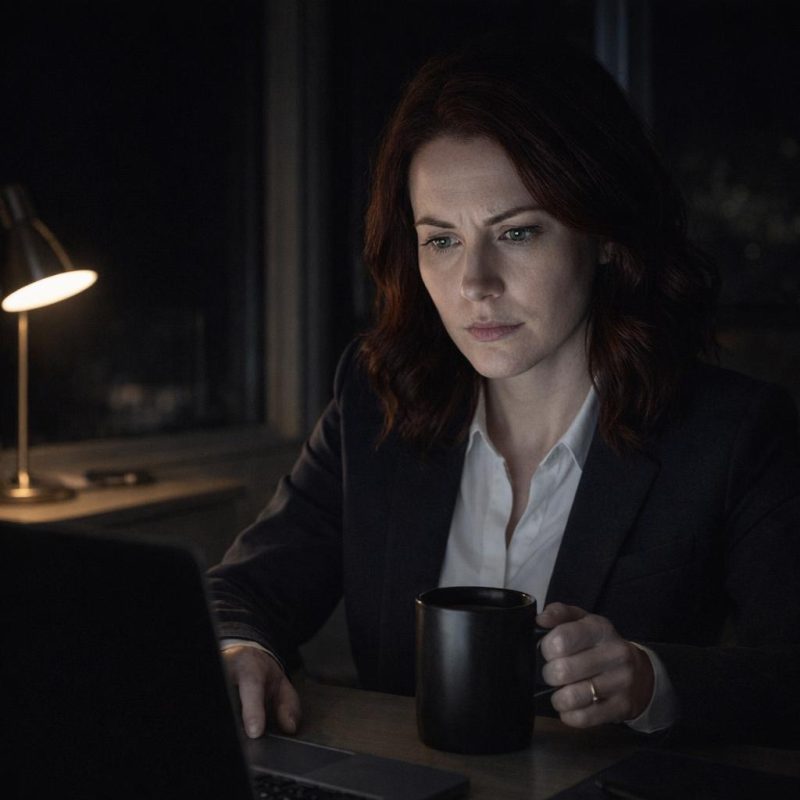 Image by RM AI
The Stage Is Set
The email arrived on Monday morning: my presentation had been scheduled for the full executive board meeting, two weeks out. I read it three times, my heart pounding. This wasn't just department heads—this was the entire C-suite, including CEO Richard Sterling, the man who'd built Whitmore & Associates from a boutique agency into an industry powerhouse. Sterling had this reputation for being brilliant and terrifying in equal measure, the kind of executive who could see through bullshit in seconds and who remembered every detail of every presentation. Getting face time with him was rare, and getting to present your own work directly to the board? That was the kind of opportunity that could launch you into a completely different tier of your career. I started rehearsing immediately, timing my delivery, practicing in front of James, refining my responses to potential questions. Brenda stopped by that afternoon with encouragement and presentation tips—maintain eye contact with Sterling, don't rush through the data, be confident but not arrogant. I felt this mix of excitement and sheer terror. Everything I'd worked for over five years was building toward this moment. This was my chance to present directly to the people who shaped the firm's future, and my hands trembled with anticipation.
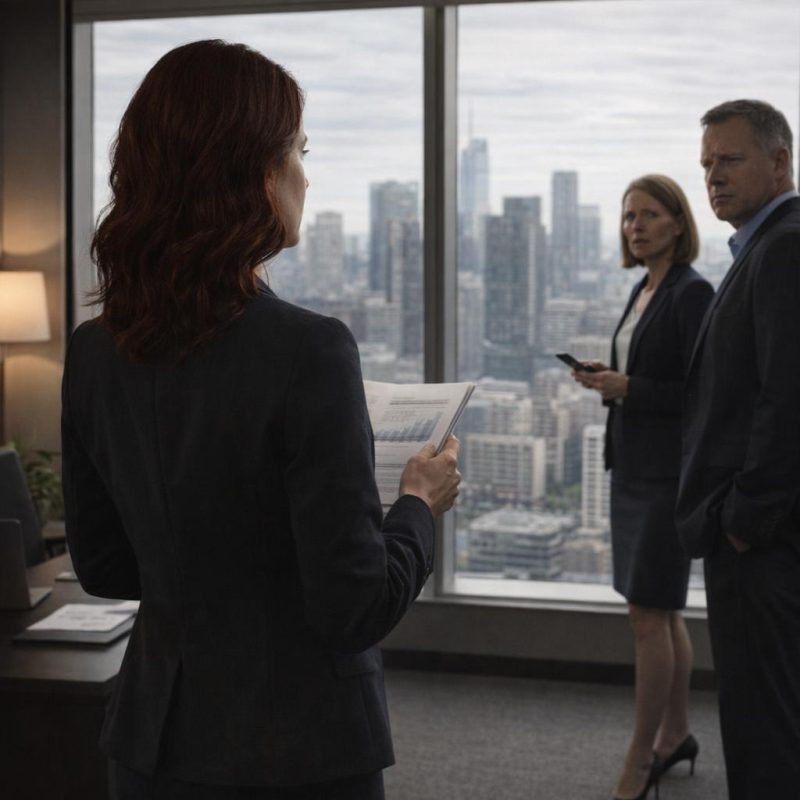 Image by RM AI
Everything in Place
The Friday before the presentation, I did my final quality check. Every slide transitioned smoothly, every data point was verified, every visual was crisp and professional. I'd rehearsed the timing so many times I could deliver it in my sleep. The presentation was perfect—I knew it in my bones. I uploaded the final version to the company's secure cloud system, the one we used for all board materials, and watched the progress bar fill. There was something satisfying about seeing that green checkmark appear, confirming the upload was complete. As I was logging the file location in my notes, Victoria Lansing stopped by my desk. The CFO rarely ventured down to our floor, but she'd apparently reviewed the preliminary financials tied to my strategy. "Impressive projected ROI," she said, her tone clinical but approving. "Sterling will want to see the implementation timeline broken down further, but the framework is solid." I thanked her, trying not to let my voice shake with excitement. After she left, I sat back in my chair and allowed myself one moment of pure satisfaction. Everything was ready. Everything was in place. I shut down my computer, grabbed my bag, and headed home to rest up for what would be the biggest day of my career.
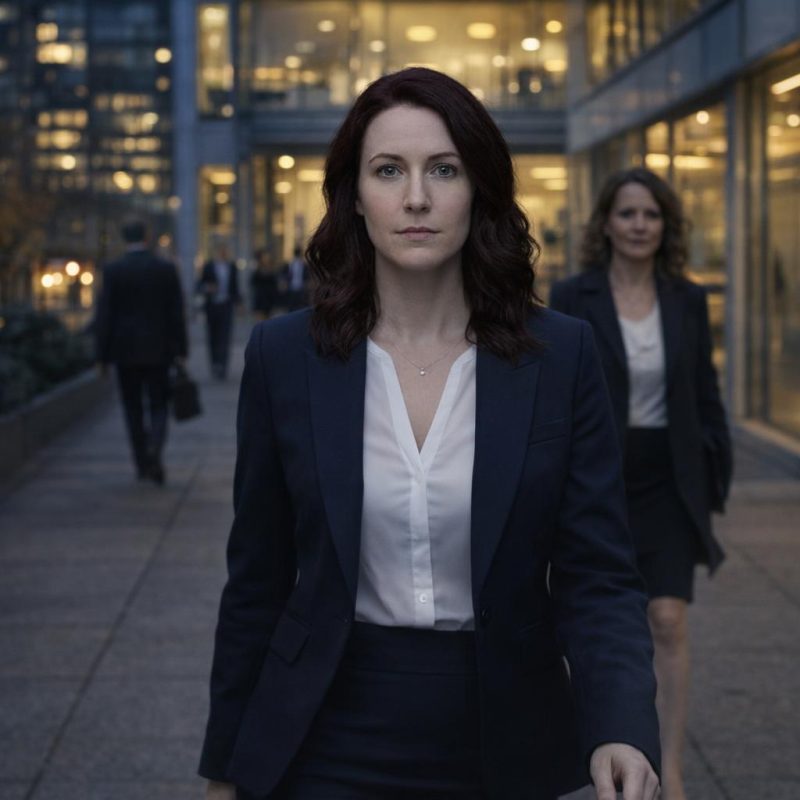 Image by RM AI
When Everything Started to Unravel
I woke up Tuesday morning and immediately knew something was wrong. My head felt like it was stuffed with cotton, and when I tried to sit up, the room tilted sideways. I made it to the bathroom and saw my flushed face in the mirror, felt the heat radiating off my skin. The thermometer confirmed what I already knew: one hundred and one point four. My body ached in that deep, bone-level way that meant this wasn't just fatigue or stress. I crawled back into bed and stared at my phone, trying to calculate whether I could push through it. The presentation wasn't until Thursday—I had two days to recover. People worked through colds all the time, right? But when I tried to stand again, my legs felt like they might give out. I called the office and got James, my voice hoarse and unfamiliar. "I'm sick," I told him. "Some kind of flu. Can you let Brenda know?" He said he would, told me to feel better, said not to worry about anything. I hung up and told myself it was just a temporary setback. I'd sleep it off, drink fluids, take medicine. By Thursday, I'd be fine. I had to be fine.
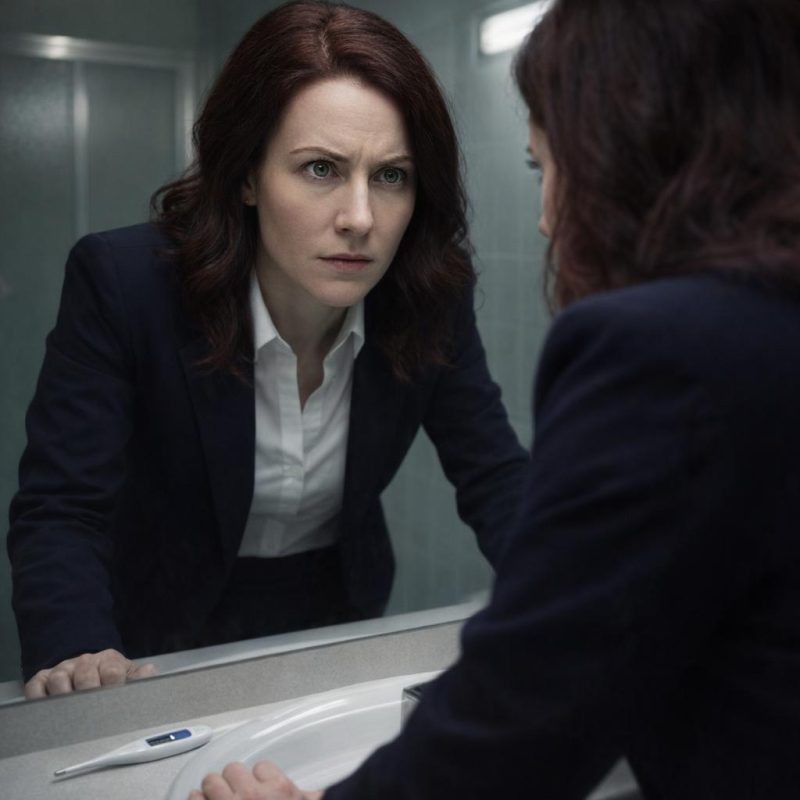 Image by RM AI
Fever Dreams and Darkness
I lost track of time after that. The fever climbed to one hundred and three by Wednesday, and the world narrowed to my bedroom, the bottles of water on my nightstand, and the haze of illness that made everything feel distant and unreal. I'd wake up disoriented, not knowing if it was morning or evening, take medicine, and fall back into feverish sleep. My phone buzzed occasionally, but looking at the screen made my head pound worse, so I ignored it. At some point, I think it was Thursday, I had this vague thought that I should check in with the office, but I couldn't focus long enough to form a coherent message. The fever dreams were vivid and strange—presentations that went on forever, slides that melted and reformed, Brenda's voice echoing from somewhere I couldn't see. I'd surface briefly, realize I was in my own bed, and sink back under. Days blurred together. I took medicine when I remembered, drank water when I could, and mostly just existed in that disconnected fog where nothing felt quite real. The presentation, the office, my career—all of it seemed to belong to some other version of my life, something that existed outside this small, hot, miserable space where I was trapped.
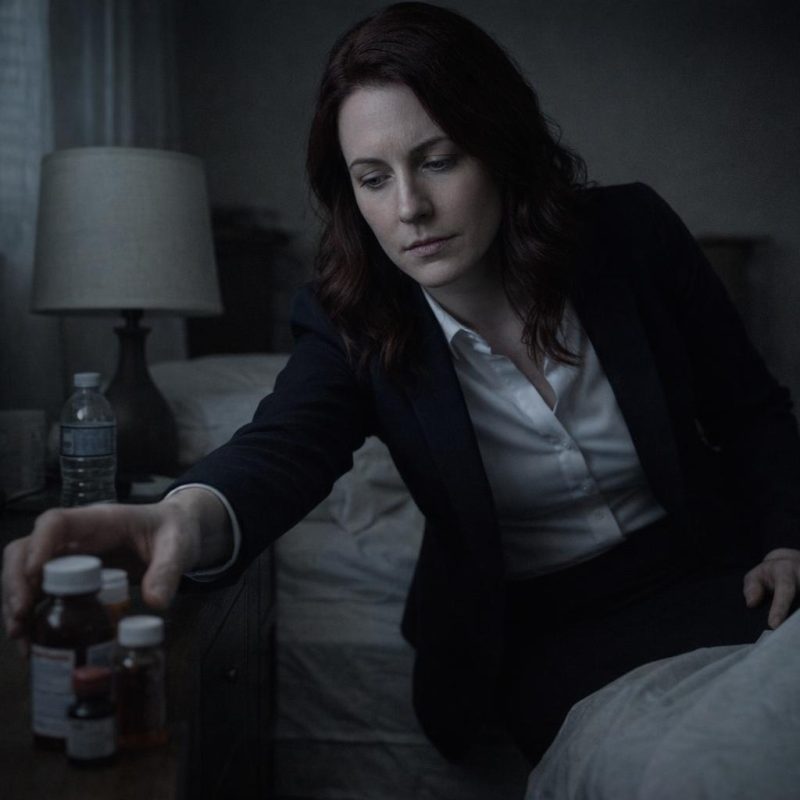 Image by RM AI
The Day I Missed
Thursday came and went, though I wouldn't know that until later. I was deep in fever sleep when the board meeting happened, when the executives gathered in the conference room, when my presentation was supposed to begin. I didn't hear my phone buzzing with messages. I didn't see the calendar notifications. I didn't know that anything was happening at all. The world outside my apartment might as well have stopped existing. I was too sick to track time, too disconnected to worry about work, too lost in the haze of illness to sense that something was terribly wrong. While I tossed in fever dreams, while I struggled to keep water down, while I measured out medicine with shaking hands and collapsed back into bed, the presentation I'd spent months creating was being delivered to the executive board. But I knew none of that. I just knew I was sick, that I needed to sleep, that eventually this would pass and I could get back to my life. I assumed the presentation had been rescheduled. I assumed my colleagues understood. I assumed everything would be waiting for me when I recovered. I had no idea that while I lay there in the dark, everything I'd worked for was being taken from me.
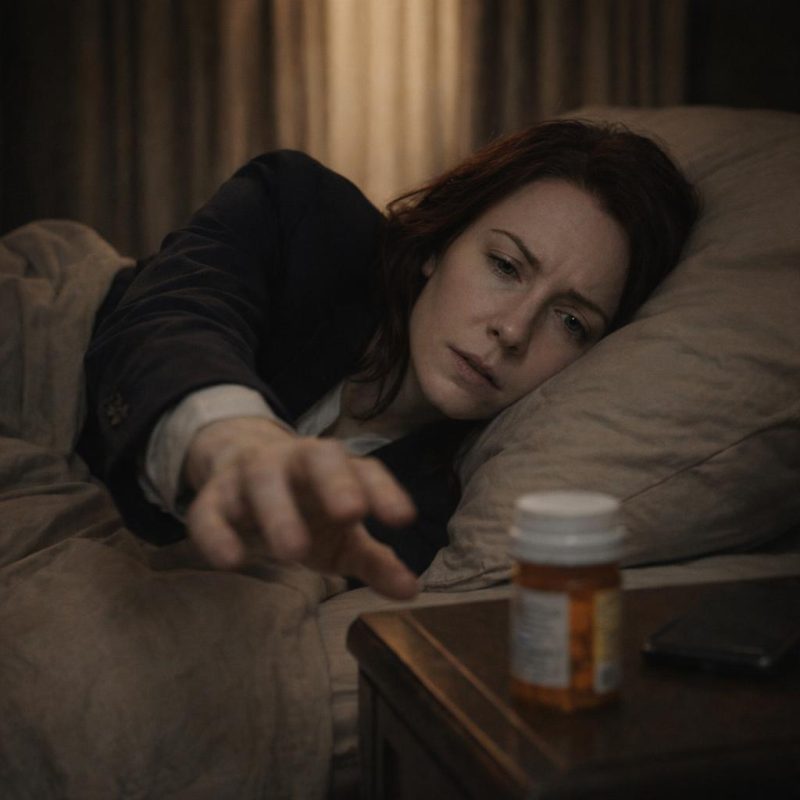 Image by RM AI
Returning to the World
On Friday morning, I woke up and the fever had finally broken. My head still ached and my body felt wrung out, but for the first time in days, I could think clearly. I could focus on something for more than thirty seconds without the world going fuzzy. I reached for my phone and saw the battery was nearly dead—I must have forgotten to plug it in. When I connected the charger and the screen lit up, I blinked at the notification count. Forty-seven messages. Twelve missed calls. That seemed like a lot for a few sick days, but I figured people had been worried about me. James had probably checked in multiple times. Maybe Brenda had called to see how I was doing. I scrolled through the preview text, seeing names from the office, but my head still hurt too much to read through everything carefully. I'd catch up properly tomorrow when I went back in. The important thing was that I was finally recovering, finally able to rejoin the world. I set the phone down and went to take a shower, letting the hot water wash away days of fever sweat. By Monday, I'd be back to normal. By Monday, I'd finally get to deliver my presentation.
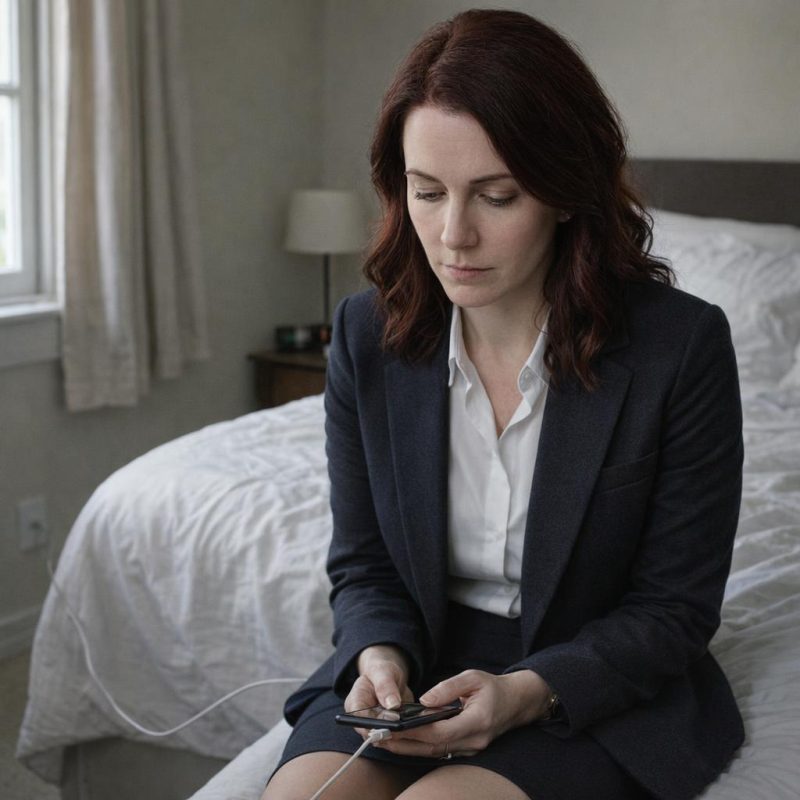 Image by RM AI
Ready to Return
Saturday morning, I felt almost human again. I showered, put on real clothes instead of pajamas, and started preparing to return to the office. The presentation had obviously been postponed—there was no way they'd held the board meeting without me. Sterling would have rescheduled it for when I was back. I pulled out my notes and started reviewing the key points, refreshing my memory on the data and the delivery. My voice was still a little hoarse, but that would clear up by Monday. I stood in front of my bathroom mirror and practiced my opening lines, watching my posture, making sure I looked confident and professional. "The digital transformation strategy I'm presenting today represents a fundamental shift in how we approach client engagement." The words felt good in my mouth, strong and clear. I ran through the transition points, the moments where I'd pause for questions, the closing statement that tied everything together. My excitement started building again, that same anticipation I'd felt before I got sick. This was still my moment. This was still my chance to show the executive board what I could do. I laid out my best blazer and pressed it carefully, planning exactly what I'd wear. Everything was going to be fine. Better than fine—I was going to walk in there and absolutely nail this presentation.
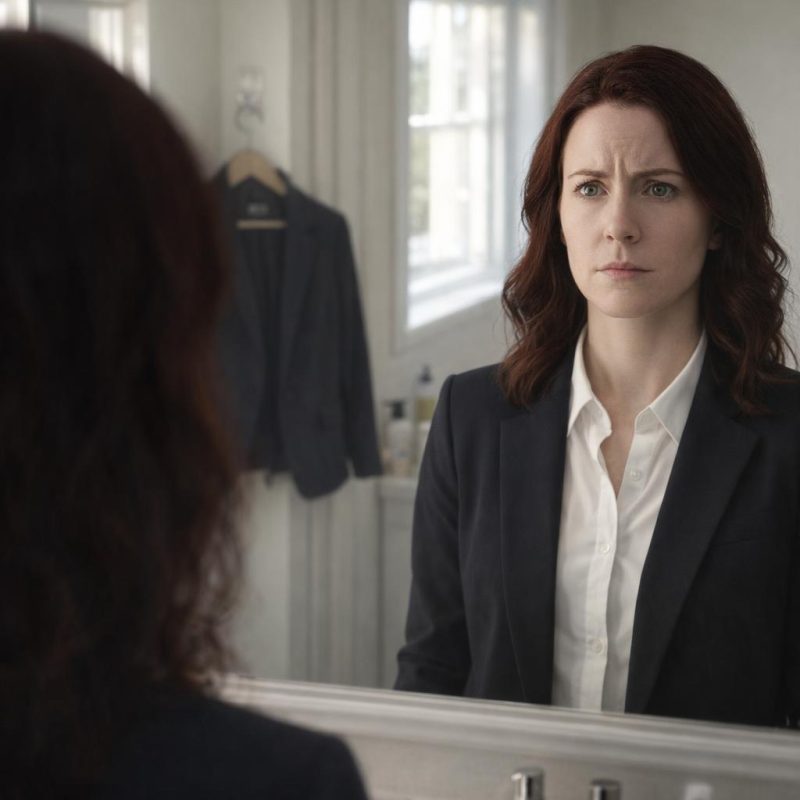 Image by RM AI
Something Felt Wrong
Monday morning, I walked into the office feeling ready. A little tired still, but sharp enough, prepared enough. But the moment I stepped through the door, something felt off. The usual morning chatter seemed muted, and when people saw me, their conversations stopped mid-sentence. Rachel from accounting looked at me, then quickly looked away. Tom from creative gave me this weird, almost pitying expression before hurrying past. I walked toward my desk, confused by the strange atmosphere, wondering if I'd missed some major office drama while I was sick. Marcus passed me in the hallway and didn't even acknowledge me—no nod, no greeting, nothing. That was unusual. Marcus always made a point of networking with everyone. I set my bag down at my desk and looked around. The office felt tense in a way I couldn't quite identify, like everyone knew something I didn't. People were glancing at me and then looking away too quickly. Conversations died when I got close. My stomach started to knot with unease. What had happened while I was gone? Then I saw James across the room, and when our eyes met, his expression held something I couldn't quite read—concern, maybe, or discomfort, or something else entirely.
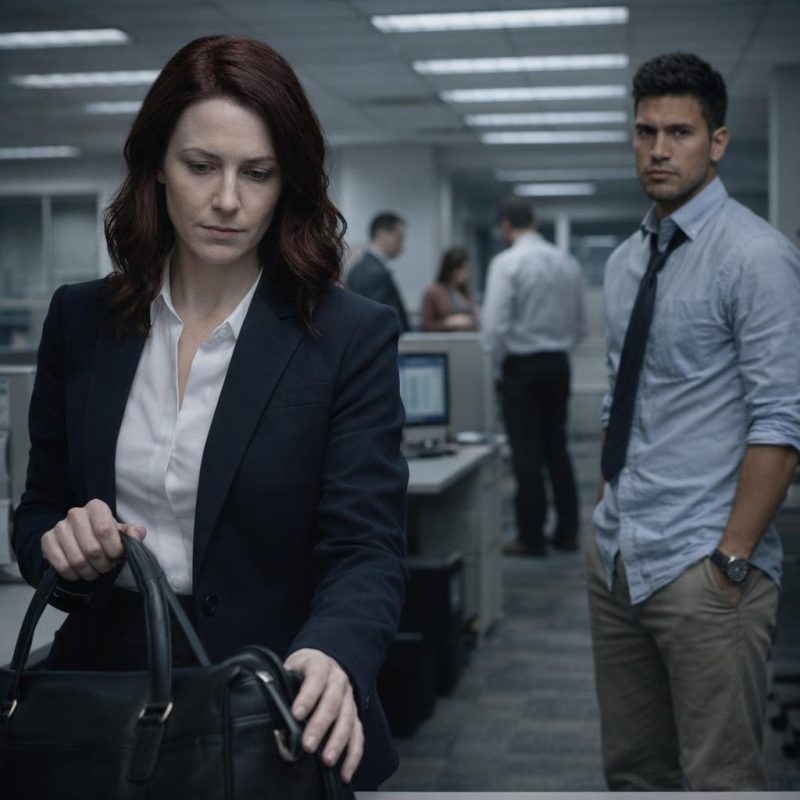 Image by RM AI
The Theft
James walked over to my desk, and I could see he was choosing his words carefully. "Can we talk?" he asked quietly. "In the conference room?" My confusion deepened, but I followed him. He closed the door behind us and stood there for a moment, looking like he'd rather be anywhere else. "Sarah, I don't know how to tell you this," he started, and my stomach dropped. "The board meeting happened on Thursday. Your presentation—" He paused, and I felt my pulse start to race. "Brenda presented it. She presented your digital strategy to the executive board." I stared at him, not understanding. "What do you mean she presented it? Like, she filled in for me because I was sick?" James shook his head, and his expression was pained. "No. She presented it as her own work. She took credit for the entire strategy, all the research, all the frameworks. Sterling loved it. The board approved the implementation budget on the spot." My vision tunneled. The room felt like it was tilting sideways again, but this time it wasn't the fever. "Say that again," I heard myself say, my voice coming from somewhere far away. "Tell me exactly what happened."
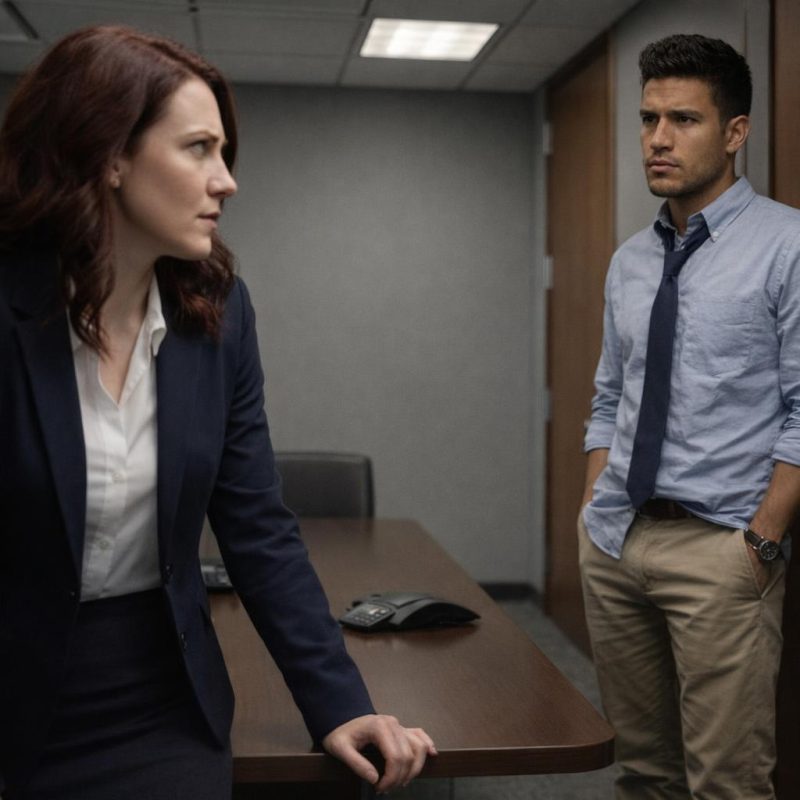 Image by RM AI
The Reward for My Work
James wasn't finished. He pulled out his phone and showed me the company-wide email that had gone out that morning. "There's more," he said quietly, and I watched his thumb scroll down the screen. The subject line read: Congratulations to Our Rising Star. My hands went numb as I read it. Brenda had been awarded a fifty-thousand-dollar performance bonus for what they called "exceptional strategic innovation and leadership." Fifty thousand dollars. For my work. For the presentation I'd spent months developing while she took credit calls and went to networking lunches. But that wasn't even the worst part. The email went on to announce that Brenda was being fast-tracked for vice presidency, with her promotion review moved up by a full year. Sterling himself had written a paragraph praising her vision and strategic thinking. Marcus appeared in the doorway then, and I could see the discomfort on his face. "The announcement went out yesterday," he said. "The whole executive floor has been celebrating." I stood there in that conference room, the fluorescent lights buzzing overhead, and felt something crack open inside my chest. The full scope of her betrayal crashed over me like ice water.
 Image by RM AI
The Company's True Face
I walked toward the HR department with my jaw clenched so tight my teeth ached. Diane Robbins had been with the company for fifteen years. She'd know what to do about intellectual property theft. She'd have to help me. I turned the corner into the HR corridor and heard Diane's voice floating out from her half-open office door. "Brenda, I just wanted to call personally and say congratulations," she was saying, her tone warm and enthusiastic. "The board is absolutely thrilled with your presentation. Sterling told me himself it was the most innovative strategy proposal he'd seen in years." I stopped walking. Stood there frozen in the hallway. "You're exactly the kind of leader this company needs," Diane continued. "I'm so proud to see women like you breaking through that glass ceiling." Through the gap in the door, I could see Diane leaning back in her chair, smiling as she talked. The HR department's job was to protect the company, I realized. Not the employees. And right now, Brenda was the company's golden girl, their success story, their proof that hard work and talent got rewarded. I turned around and walked back the way I'd come. I understood then that HR would protect the company's golden girl, not the person who had been wronged.
 Image by RM AI
The Cold Calculation Begins
I sat down at my desk and stared at my computer screen without really seeing it. My hands were shaking, but not from the fever anymore. This was different. The hot, desperate anger I'd felt in the conference room was cooling into something else entirely. Something sharp and focused. James came by again, hovering near my cubicle with that worried expression. "Sarah, are you okay? Do you want to grab coffee or something?" I looked up at him and managed what I hoped was a reassuring smile. "I'm fine," I said. "Just processing everything. Thank you for telling me." He nodded slowly, clearly not convinced, but he didn't push. "If you need anything, I'm here," he said, and I believed him. But what I needed wasn't something James could help with. After he left, I sat there for a long moment, feeling that cold rage settle into my chest like a weight. It was different from any anger I'd known before. Clearer. More patient. I wasn't going to storm into Brenda's office. I wasn't going to send angry emails or make scenes in the hallway. I opened a new folder on my computer and titled it simply: Research.
 Image by RM AI
The Long Game
That evening, I sat at my kitchen table with my laptop and a legal pad, working through every possible option. I researched intellectual property theft cases, reading through precedents and outcomes. Most of them required proof of ownership that I wasn't sure I could establish. The presentation had been developed on company time, using company resources. Brenda's name was on the final version that went to the board. I looked into corporate escalation paths, ways to go above HR directly to the executive committee. But Brenda had just been celebrated by those same executives. Sterling himself had praised her work. Who would believe me now? I found forums where people discussed similar situations, read stories about employees who'd had their work stolen. The ones who'd fought through official channels had mostly lost. The system protected people like Brenda, people who knew how to work it. By midnight, I'd filled three pages with notes and crossed out almost everything. The conventional paths wouldn't work. The timing was wrong, the evidence was circumstantial, and Brenda had already won the narrative. I stared at that legal pad for a long time, then flipped to a fresh page. None of the conventional paths would work, so I started considering something else entirely: a plan that would require patience and perfect execution.
 Image by RM AI
The Performance Begins
I stopped at the florist on my way to work and picked out a bouquet of white lilies. Expensive ones. The kind that said I was genuinely happy for someone's success. I practiced my smile in the car before walking into the building. When I knocked on Brenda's office door, I made sure my expression was warm and open. She looked up from her desk, and I saw something flicker across her face. Uncertainty, maybe. Or concern about how I'd react. "Brenda," I said, stepping inside with the flowers. "I wanted to congratulate you properly. I heard about the bonus and the promotion track. That's incredible." I set the lilies on her desk and watched her shoulders relax. "Sarah," she said, and her voice had that practiced warmth she used with clients. "Thank you. That's so thoughtful." I sat down in the chair across from her, keeping my posture relaxed and friendly. "I know I missed the actual presentation because of the flu, but I'm just happy the strategy resonated with the board. It's a win for the whole team, really." The relief on her face was almost comical. She actually smiled, that broad confident smile I'd seen her use a thousand times. "You're being such a good sport about everything," Brenda said, leaning back in her chair. "I really appreciate that."
 Image by RM AI
Planting the Seeds
I leaned forward slightly, like I was sharing an exciting idea. "You know, Brenda, I've been thinking. This achievement is really monumental. The board approval, the bonus, the fast-track promotion. It deserves more than just an email announcement." She tilted her head, interested. "What did you have in mind?" "A celebratory lunch," I said. "With the entire executive board. Sterling, the VPs, everyone who was in that presentation. Let them congratulate you in person, really acknowledge what you've accomplished." I watched her eyes light up. That hunger for recognition, for being seen and celebrated, it was written all over her face. "I could organize the whole thing," I continued. "Coordinate with everyone's schedules, book a private room somewhere nice. You shouldn't have to worry about the logistics. You should just show up and enjoy being celebrated." Brenda sat up straighter, and I could practically see her imagining it. A room full of executives, all there to praise her. More visibility, more networking, more proof of her rising star status. "Sarah, that would be absolutely perfect," she said, and her smile was genuine now. "Are you sure you don't mind handling the arrangements?" I smiled back, matching her warmth. "Of course not. It's the least I can do."
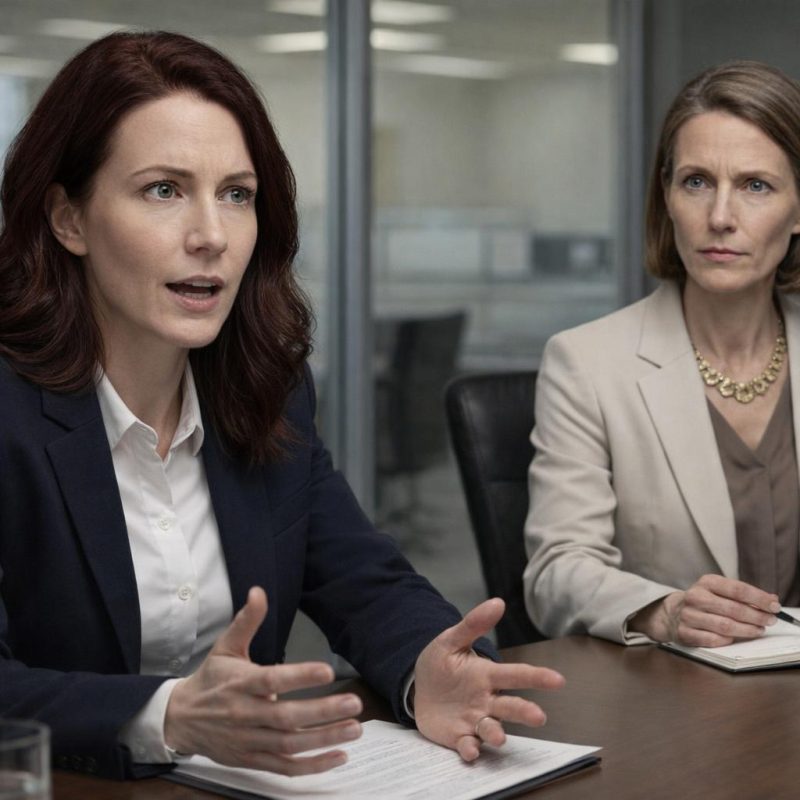 Image by RM AI
The Trap Is Set
Over the next few days, I watched Brenda float through the office on a cloud of congratulations. People stopped her in the hallways to praise the innovative strategy. Junior analysts asked her for career advice. She held court in the break room, dispensing wisdom about thinking outside the box and taking bold risks. I finalized the lunch arrangements while she basked in it all. I called the city's most expensive steakhouse and reserved their private dining room for the following Thursday. I coordinated with the executive assistants, confirming that Sterling would attend, along with three VPs and Marcus from the strategy team. Everyone was eager to celebrate the company's newest success story. I sent Brenda updates throughout the week, keeping her excited about the event. She'd stop by my desk to discuss what she should wear, what she might say if anyone asked her to give a toast. "You're being so helpful with all this," she told me on Wednesday afternoon. "I really appreciate having you on my team." Marcus walked past and gave her a congratulatory nod. "Looking forward to Thursday," he said. "That presentation was genuinely innovative work." I watched Brenda glow under the praise, and something settled in my chest. As I reserved the private dining room at the city's most expensive steakhouse, I felt my first moment of calm since returning to the office.
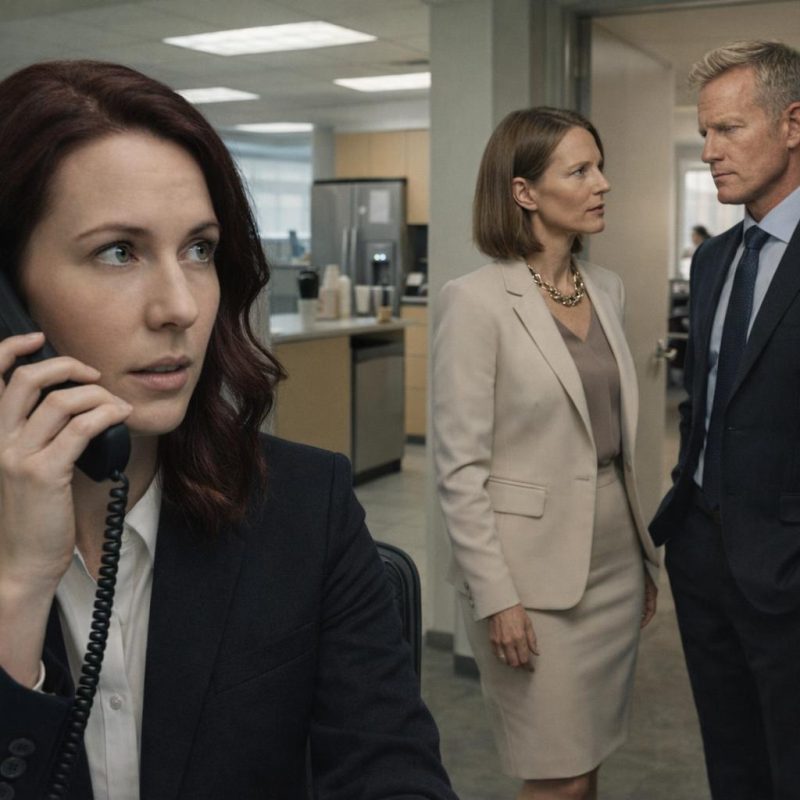 Image by RM AI
Following the Digital Trail
That night, I opened my cloud drive and started going through the files systematically. Every presentation draft I'd created was there, timestamped and version-controlled. I opened a new spreadsheet and began documenting everything. The first outline, created on January 15th at 9:47 PM. The initial framework, saved on January 22nd at 11:23 PM. Dozens of revisions, each one showing my late-night work sessions, my weekend edits, the slow evolution of the strategy. I recorded every timestamp, every modification date, building a chronological record of my authorship. The evidence was clear and irrefutable. This was my work, created over months of research and development. But as I scrolled through the access logs, something caught my attention. There were login timestamps that seemed odd. Access points from IP addresses I didn't recognize. File views that happened when I knew I hadn't been working. I leaned closer to the screen, my analytical mind kicking into gear. I created a second tab in my spreadsheet and started tracking these irregularities. When had these accesses occurred? What files had been viewed? The access logs showed something odd, and I opened a spreadsheet to track every login and modification.
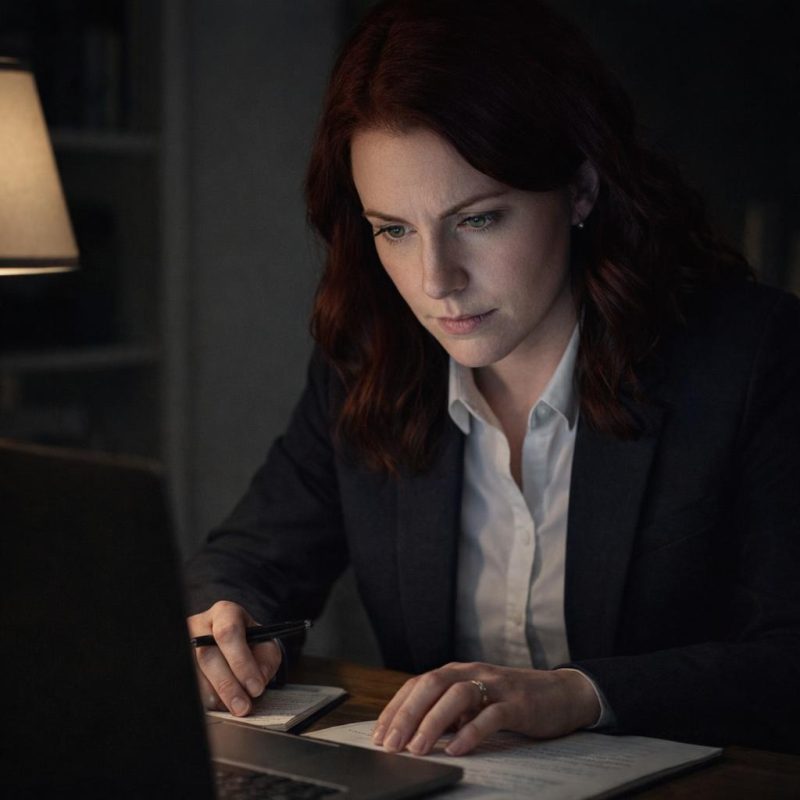 Image by RM AI
Night Work
I waited until the office emptied out, pretending to work on routine reports while watching people pack up and leave. By nine PM, the floor was mostly dark except for a few scattered desk lamps. James was still there, hunched over his laptop three rows away, working on some client presentation. He looked up once, caught my eye, and gave me a tired wave. I waved back, keeping my expression neutral. By eleven, even he packed up, stopping by my desk on his way out. "Don't stay too late," he said, loosening his tie. "This place isn't worth killing yourself over." I smiled and told him I just wanted to finish up some filing. He nodded and headed for the elevators. The moment the doors closed behind him, I pulled up the system administration panel I'd been granted access to months ago for data management purposes. Most employees didn't even know these server logs existed, buried three menus deep in the backend infrastructure. I started pulling access records, filtering by date ranges, sorting by user credentials. The timestamps loaded slowly, thousands of entries populating my screen. I opened a new spreadsheet and began documenting everything systematically, my fingers moving quickly across the keyboard. The logs revealed patterns of access I hadn't expected, and I saved everything to an encrypted drive before leaving the empty building at three in the morning.
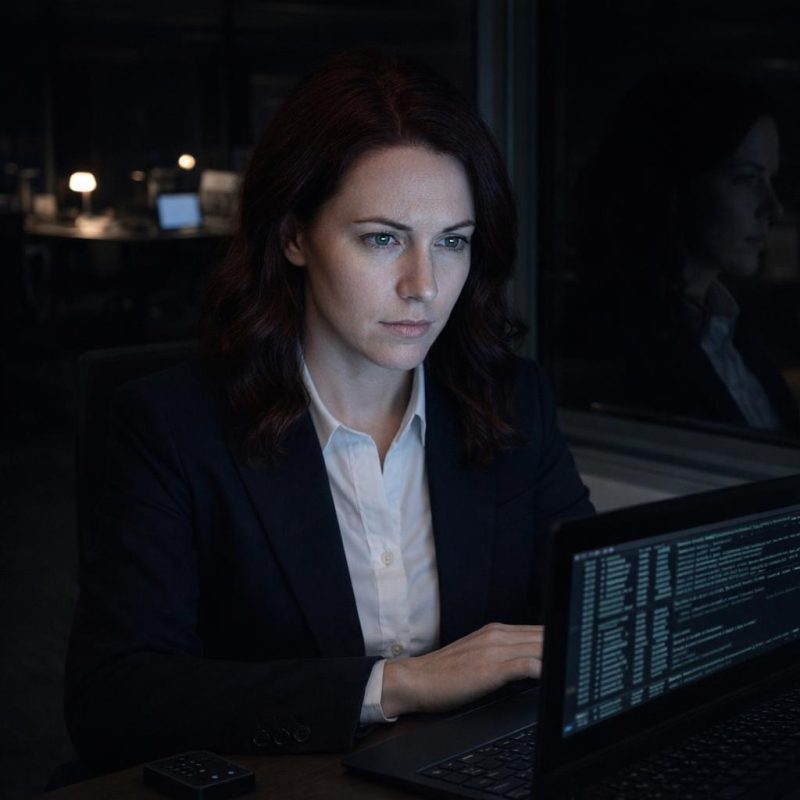 Image by RM AI
The Breadcrumbs
Back at my apartment, I couldn't sleep. I made coffee and opened my laptop, pulling up the files I'd copied from the server. The access logs showed something beyond normal workflow patterns. Someone had been viewing client account information at odd hours, pulling financial data that had nothing to do with our presentation work. I created a timeline, mapping each access point against our project schedules. The discrepancies were clear once I laid them out visually. Why would someone need to review client payment processing at two in the morning? Why access budget allocation spreadsheets for campaigns that had ended months ago? I cross-referenced the login credentials with the timestamps. The pattern was consistent, methodical. Whoever was doing this knew exactly what they were looking for and when to look for it. I leaned back in my chair, staring at the screen. This wasn't just about stealing my presentation anymore. The amounts of data being accessed, the specific financial records being reviewed, the careful timing of each login session. My pulse quickened as I scrolled through entry after entry. The access times were odd, the amounts viewed didn't match project needs, and my pulse quickened as I realized I was looking at something beyond simple presentation theft.
 Image by RM AI
Following the Money
I spent Sunday drilling down into the actual client accounts, using my legitimate access credentials to pull the same financial reports that had been viewed during those suspicious login sessions. The ad spend accounts were complex, layered with multiple budget categories and allocation models. I'd built some of these tracking systems myself, creating frameworks that could handle millions in client spending across dozens of campaigns. But as I examined the numbers more carefully, something felt wrong. Small discrepancies appeared in the quarterly reconciliations, amounts that didn't quite match between the summary reports and the detailed transaction logs. I opened a new spreadsheet and started documenting each irregularity. A five-thousand-dollar variance here, an eight-thousand-dollar adjustment there. Individually, they looked like rounding errors or timing differences, the kind of minor discrepancies that happen in complex financial systems. But when I traced them back through the historical data, they formed a pattern. The same types of adjustments appeared quarter after quarter, always small enough to hide within the normal fluctuations of multi-million-dollar accounts. My hands shook as I traced the first discrepancy back through three years of quarterly reports.
 Image by RM AI
The Embezzlement
I worked through the night, pulling every quarterly report I could access, building a comprehensive map of the financial irregularities. The pattern became undeniable. Small amounts had been systematically diverted from client ad spend accounts, hidden within budget reallocation categories that I had designed to track legitimate campaign adjustments. Someone had used my own data models as cover for theft. The amounts were carefully calculated, never large enough to trigger automatic audit flags, always buried within the complexity of the reporting structure. I cross-referenced the timing of these diversions with the suspicious access logs from the server. The correlation was perfect. Every diversion corresponded to one of those late-night login sessions. I pulled up the user credentials one more time, my stomach tightening as I confirmed what I already suspected. The access pattern matched Brenda's login history. She had been embezzling from our clients for years, using the sophisticated tracking systems I'd built to conceal her theft. The realization hit me like ice water. She hadn't just stolen my presentation to advance her career. She had stolen it to maintain control over the very systems that hid her crimes. Brenda hadn't just stolen my presentation; she had been stealing from the company, and she had used my work to hide it.
 Image by RM AI
Calculating the Damage
I didn't leave my apartment all weekend. I ordered delivery and kept working, tracing every single transaction I could find. The spreadsheet grew massive, hundreds of rows documenting diverted funds across multiple client accounts. I created formulas to calculate the cumulative totals, checking and rechecking my math. By Sunday afternoon, the number was staggering. Nearly two hundred thousand dollars, stolen over three years through careful, systematic theft. I documented everything with forensic precision, noting account numbers, transaction dates, diversion amounts, and the corresponding access log entries. Each piece of evidence linked back to Brenda's credentials, her access patterns, her careful timing. The sophistication of it was almost impressive in a horrible way. She had understood exactly how much she could take without triggering alerts, exactly which accounts had enough complexity to hide the theft, exactly when to access the systems to avoid detection. I saved multiple copies of my documentation, backing everything up to cloud storage and an external drive. By Sunday night, I had a complete financial trail that would be impossible to dismiss as coincidence or error. The amount was staggering, but what chilled me more was how carefully it had been hidden and how long it had gone undetected.
 Image by RM AI
The Offshore Trail
Monday morning, I called in sick and kept digging. The diverted funds had to go somewhere, and I started tracing the destination accounts listed in the transaction records. The trail led through a series of intermediary accounts, each one adding a layer of separation from the original theft. I had to teach myself basic forensic accounting techniques, watching YouTube videos and reading articles about money laundering patterns. The funds moved through business accounts I didn't recognize, then disappeared into what looked like offshore banking structures. I documented every account number I could find, taking screenshots of transaction records, saving PDFs of account statements. The evidence folder on my desktop grew larger by the hour. I created a master document that linked everything together, a comprehensive map showing how money flowed from our client accounts through Brenda's network of diversions and into accounts that were clearly designed to hide the ultimate destination. Some of the offshore accounts had names that meant nothing to me, registered in countries I'd barely heard of. But the transaction amounts matched perfectly with the diversions I'd documented. I took screenshots of everything, building a folder that grew thicker by the hour, proof that would be impossible for Brenda to deny.
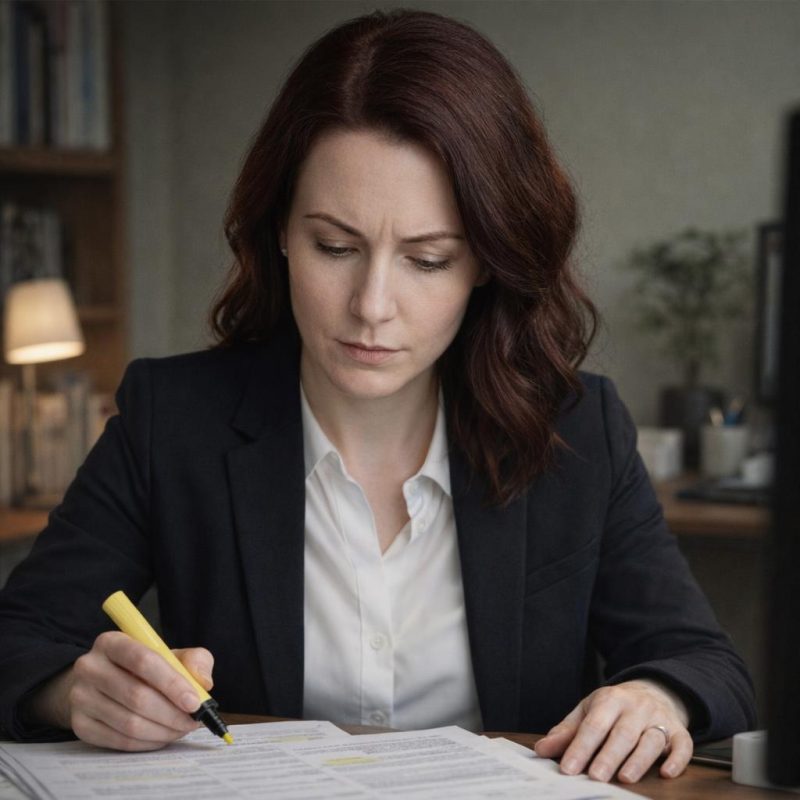 Image by RM AI
Two Faces
Tuesday, I went back to the office and confirmed the final catering order for Brenda's celebration lunch. The restaurant needed a final headcount by end of day. I called them from my desk, my computer screen displaying a spreadsheet of offshore account transactions behind the phone menu. "Yes, we'll have twelve people," I told the events coordinator, scrolling through evidence of embezzlement while discussing appetizer options. "The salmon sounds perfect." I hung up and updated my lunch planning checklist, then minimized the window and went back to documenting financial crimes. The duality of it felt surreal. Brenda stopped by my desk around three, holding a coffee and smiling warmly. "Sarah, I just wanted to thank you again for organizing everything," she said. "You've been such a huge help with all of this." I quickly minimized the offshore account window, pulling up the lunch planning spreadsheet instead. "Of course," I said, returning her smile. "I'm happy to do it. I was just finalizing the menu choices." We discussed seating arrangements and whether we needed a microphone for her remarks. She leaned against my desk, completely relaxed, talking about how excited she was to share her vision with the executive team. Brenda stopped by my desk to thank me for organizing everything, and I smiled warmly while minimizing the window behind me.
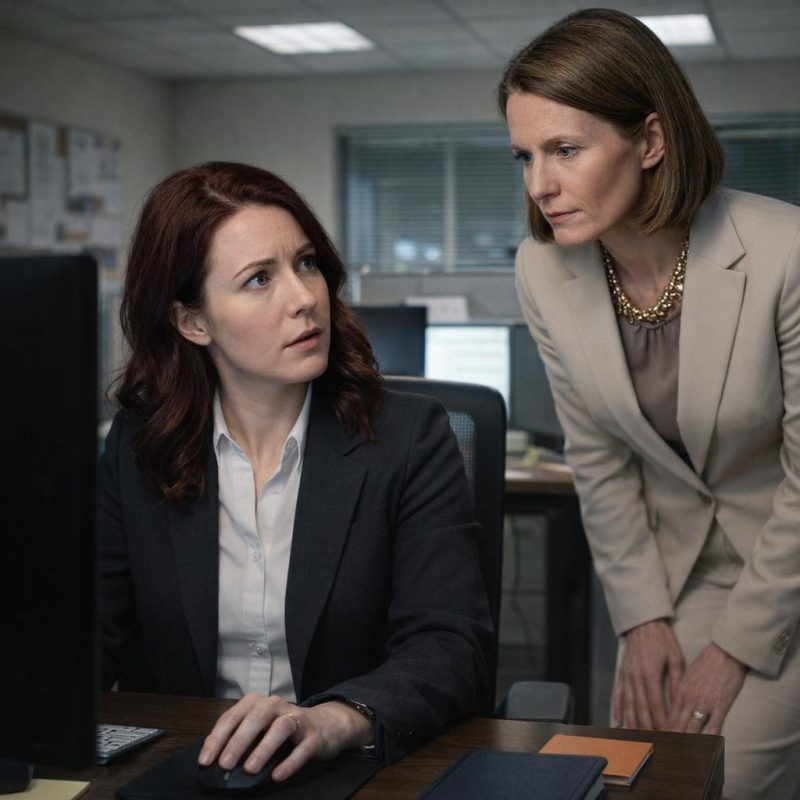 Image by RM AI
The Victor's Confidence
Wednesday afternoon, I took a break and walked to the executive break room to refill my coffee. Brenda was there with Marcus and Victoria, holding court near the espresso machine. She was describing her ideas for expanding the client analytics program, gesturing enthusiastically while Marcus nodded with interest. Victoria stood with her arms crossed, listening with that severe expression she always wore, but she seemed engaged. "The key is building predictive models that can anticipate market shifts before they happen," Brenda was saying. "We have all this historical data, we just need to leverage it more strategically." Marcus asked about implementation timelines, and Brenda launched into a detailed explanation of her phased approach. She looked completely confident, completely secure in her position. Victoria asked a technical question about data integration, and Brenda answered smoothly, referencing frameworks and methodologies that sounded impressive. I poured my coffee slowly, watching the interaction. Brenda glanced over and caught my eye, giving me a warm smile. "Sarah's been instrumental in helping me prepare for the presentation," she said, including me in the conversation. "I couldn't have done it without her support." She winked at me, a gesture of camaraderie and shared success. I raised my coffee cup in a silent toast, smiling back at her across the break room.
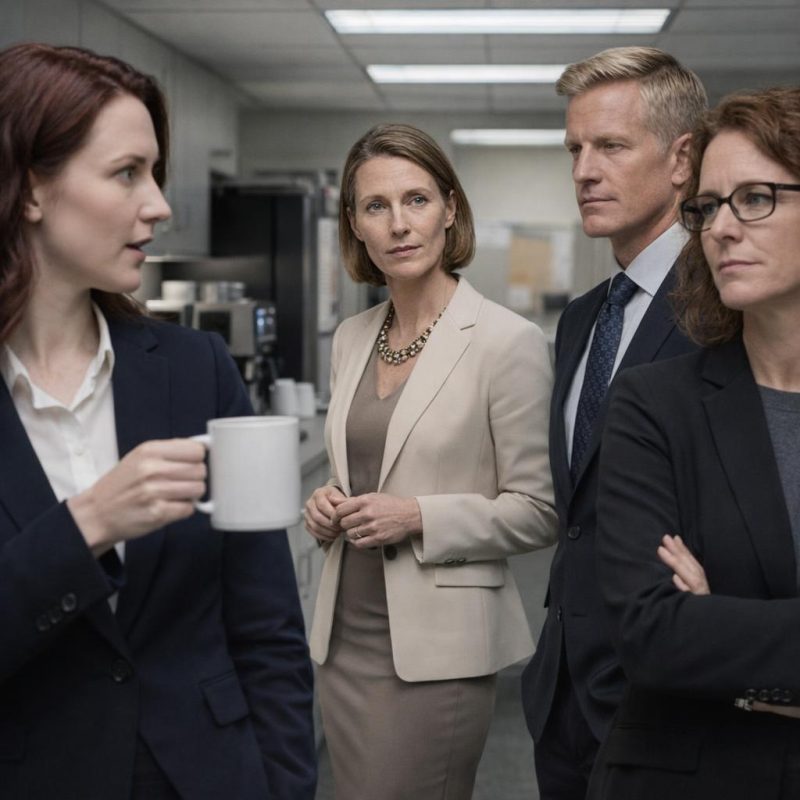 Image by RM AI
Security Access
Thursday morning, I walked into the building security office with my most apologetic expression. I told the security manager I'd lost a bracelet my grandmother had given me—probably somewhere between my desk and the parking garage—and asked if I could review the footage from the past few weeks to see if I could spot where I'd dropped it. He nodded sympathetically, said he understood completely, and pulled up the archive system on his computer. I watched him navigate through the interface, explaining how the timestamps worked and which cameras covered which areas. He showed me how to search by date and location, how to pause and rewind, how to export clips if I needed them. The whole process took maybe ten minutes, and he never questioned my story once. He led me to a small viewing room with a computer terminal and closed the door behind him, telling me the system had three months of archived footage available. I sat down in the dim room, the monitor glowing in front of me, and felt my pulse quicken slightly. The security manager paused at the door and told me to take my time, that I could stay as long as I needed to find what I was looking for.
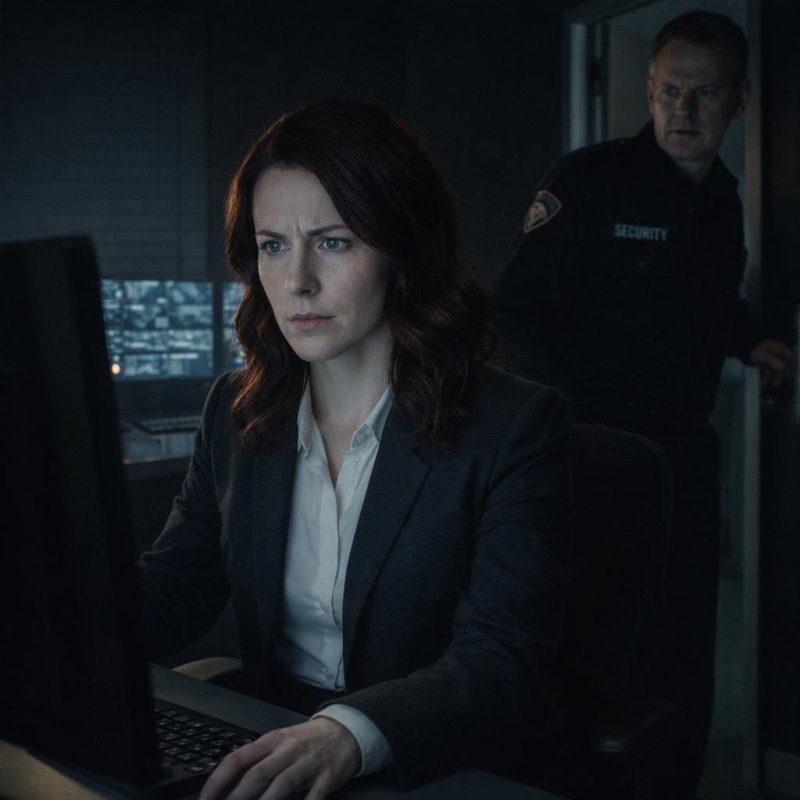 Image by RM AI
The Late Night Visits
I started with the most recent footage and worked backward, scanning through hours of empty hallways and dark offices at double speed. The timestamp counter in the corner ticked backward through the nights, showing the building after everyone had gone home. I was looking for anything unusual, any movement in areas that should have been empty. On the third night I reviewed, I saw her. Brenda entered through the main entrance at 11:47 PM, her security badge glowing briefly in the camera's infrared. She walked directly to my floor, not stopping at her own office, not pausing anywhere else. The camera showed her going straight to my workspace. I slowed the footage down and watched her sit at my desk, her face illuminated by my computer screen. She stayed there for twenty-three minutes before leaving. I kept searching and found four more visits over the past two months. Each time, the same pattern—late at night, straight to my desk, sitting there for extended periods. The fourth visit lasted the longest. I watched the timestamp count upward as Brenda sat at my workstation, her fingers moving across my keyboard, and my stomach dropped as I wondered what she had been doing there for forty-seven minutes.
 Image by RM AI
The Timeline Doesn't Match
I wrote down the dates of all five visits on a notepad, then pulled up my phone to check them against my calendar. Something felt wrong immediately. The presentation theft had happened three weeks ago—I knew the exact date because I'd been replaying that morning in my head constantly. But two of Brenda's late-night visits to my desk had occurred before that. One was five weeks ago, another was six weeks back. I stared at the dates, trying to make them make sense. Why would she need access to my computer before she'd even taken my presentation? I rewound the footage and watched those earlier visits again, looking for something I'd missed. She'd spent just as much time at my desk during those visits, her posture focused and deliberate as she worked on my machine. I checked the dates again, counting backward from the presentation meeting, trying to find some explanation. Maybe she'd been planning the theft for longer than I thought, maybe she'd needed to review my work beforehand. But that didn't feel right either. I sat in the dark viewing room, the monitor casting shadows across my notepad, trying to understand why Brenda had needed access to my computer before taking my work.
 Image by RM AI
Dates and Questions
I spent the next hour creating a detailed timeline in my notebook, mapping every instance of Brenda's workstation access against everything else I could remember. I wrote down the dates of major project milestones, client meetings, quarterly reviews, even the dates when I'd submitted various reports and analyses. I drew lines connecting events, looking for patterns or explanations. The first late-night visit had happened during a quiet period—no major deadlines, no presentations coming up, nothing that would have made my work particularly valuable to steal. The second early visit was the same. Those two didn't align with any project timeline that would explain why she'd want my materials. The three later visits made more sense for presentation theft, falling in the weeks before and after she'd taken my work. But why the earlier access? I reviewed my notes again, checking dates against my calendar, trying to find what I was missing. The pattern made no sense for simple presentation theft. If she'd just wanted my slides, she could have copied them anytime. She wouldn't have needed five separate visits, wouldn't have needed to access my computer weeks before the presentation even existed. I felt a bad feeling settling in my chest, cold and heavy.
 Image by RM AI
Searching My Own Machine
Friday afternoon, I decided I needed to examine my own workstation thoroughly. I opened my file explorer and started checking modification dates on documents, looking for anything that had been changed or accessed during those late-night hours when Brenda had been at my desk. James was working at his desk nearby, headphones on, focused on his own project. I pulled up my system logs and started reviewing access records, checking timestamps against the security footage dates. Most of the activity matched my own work patterns—files I'd created, documents I'd edited, normal daily usage. But there were gaps in my memory, times when files had been accessed that I couldn't account for. I opened my documents directory and started going through folders systematically, checking each one for anything unusual. My project files looked normal. My client reports were all familiar. My analysis spreadsheets were exactly as I'd left them. I kept searching, opening subdirectories, checking hidden folders, looking for anything out of place. Then I found it—a folder buried three levels deep in my documents directory, with a generic name that looked like system files. I didn't recognize it. I'd never created a folder with that name. My hand hesitated over the mouse before I clicked it open.
 Image by RM AI
An Unexpected Opportunity
My desk phone rang, startling me away from the screen. I picked it up, still staring at the unopened folder. The woman on the line introduced herself as Katherine Walsh, executive recruiter for Hartman & Associates. I recognized the name immediately—they were our firm's biggest competitor, the company that had been trying to poach our top talent for years. Katherine's voice was smooth and professional as she explained that she'd heard impressive things about my strategic capabilities and analytical work. She asked if I might be interested in exploring senior analyst opportunities with better advancement potential. I kept my voice neutral, told her I appreciated the call but hadn't been actively looking. She said she understood completely, that the best candidates rarely were, but would I be willing to have a conversation? Just coffee, no pressure, just to discuss what opportunities might exist. I glanced at James, still absorbed in his work, then back at the mysterious folder on my screen. I told Katherine I would think about it and get back to her. She gave me her direct number and said to call anytime. After hanging up, I stared at the folder on my screen with new understanding of how badly I needed an exit strategy.
 Image by RM AI
The Hidden Files
I double-clicked the folder and watched it open. Inside were dozens of files—spreadsheets, PDFs, scanned documents. I opened the first one and felt my breath catch. Financial records. Transaction logs showing transfers from client accounts to offshore banking accounts, each one carefully documented with dates, amounts, and account numbers. I opened another file. More transactions, different clients, same pattern. I checked the file properties and saw my username listed as the creator. The timestamps showed I'd supposedly created these documents over the past six months, during normal business hours, from my workstation. I opened a third file and found detailed records of fund movements, all pointing to systematic embezzlement from client portfolios. Every file had metadata pointing directly to me—my user profile, my computer, my login credentials. I clicked through more documents, my hands shaking slightly. Bank statements. Transfer confirmations. Account access logs. All of it showing a clear trail of someone stealing from clients over an extended period. All of it timestamped and tagged with my information. My blood ran cold as I realized these files would make it look like I was the one who had been embezzling funds.
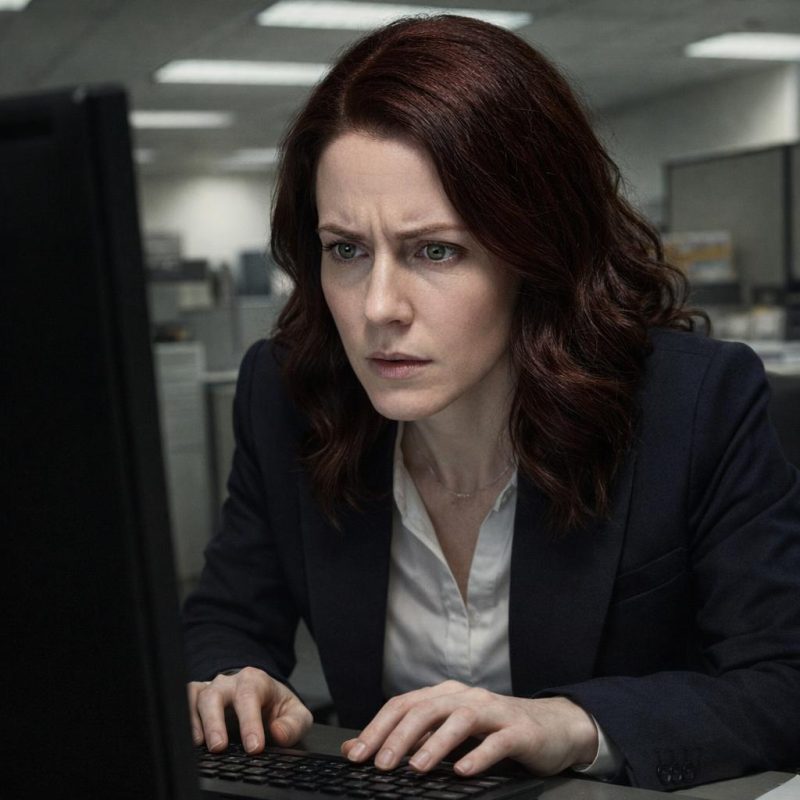 Image by RM AI
The Frame
I forced myself to examine the planted files more carefully, looking at the details with the same analytical precision I'd use on any financial document. The embezzlement trail was sophisticated—small amounts taken from multiple accounts over time, routed through several intermediary accounts before reaching offshore destinations. Whoever had created this false evidence understood how to make it look convincing. The timestamps were consistent with my work schedule. The transaction amounts were small enough to avoid immediate detection but large enough to constitute serious theft over time. The metadata was perfect. If anyone investigated these files, they would find exactly what Brenda wanted them to find—evidence that I had been systematically stealing from clients for months. I understood now why she'd needed multiple visits to my workstation. She hadn't just been stealing my presentation. She'd been building a comprehensive frame job, planting evidence that would destroy my career and possibly send me to prison. I was never just the protégé she was using. I was the scapegoat she was preparing. I pulled up the security footage again and watched Brenda at my desk with new eyes, seeing her plant the trap that would have destroyed my life.
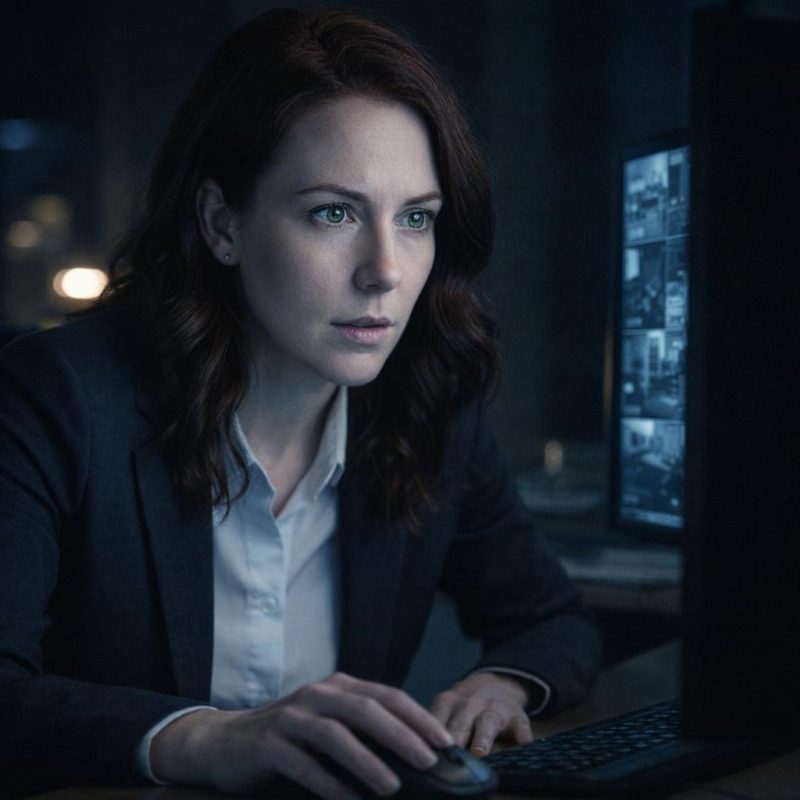 Image by RM AI
The Backup Files
I spent the next two hours digging through the security system's backup archives, the ones that stored footage for ninety days before automatic deletion. My hands were steady on the keyboard, but my heart was hammering. The main system had been wiped, but these backups ran on a separate server—something most people didn't know about. I found the relevant dates and started pulling files. The footage loaded slowly, grainy but clear enough. There was Brenda at my workstation, eleven-thirty at night, three weeks ago. Then again two nights later. And again. Each session lasted between twenty and forty minutes. I could see her fingers moving across my keyboard, see her inserting a USB drive, see her checking over her shoulder. The camera angle captured everything—her face, her actions, the timestamps in the corner of each frame. I downloaded every relevant clip to an external drive, then made two more copies on separate devices. My hands were shaking now, but not from fear. From something colder. The timestamps on the video matched the creation dates of every file I had found in that hidden folder.
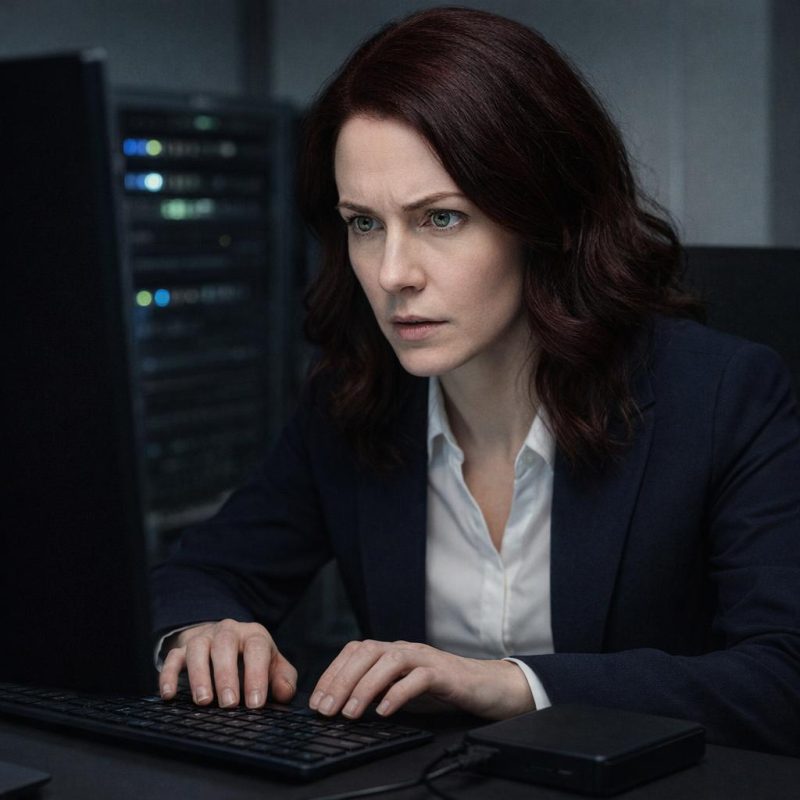 Image by RM AI
Recording Every Detail
I cleared my dining table and spread everything out like I was preparing a case for trial. The surveillance footage went into one folder on my laptop. The planted embezzlement files went into another. I opened a fresh document and started writing. Time stamp: November 3rd, 11:47 PM. Security footage shows Brenda Walsh at my workstation. File creation date for offshore_transfer_log.xlsx: November 3rd, 11:52 PM. I worked through each piece methodically, building a timeline that connected every dot. Screenshots of the footage went into the document with annotations. File metadata went in with highlighted timestamps. I cross-referenced everything twice, then three times. The embezzlement evidence got its own section—transaction records, account numbers, routing information, all of it pointing back to Brenda's access codes and digital signatures. By three in the morning, I had a comprehensive record that laid out exactly what she'd done and when. The documentation was forty-two pages long, single-spaced, with exhibits and appendices. No reasonable person could look at this and dismiss it. When I finished, I had over forty pages of timestamped documentation that no reasonable person could dismiss.
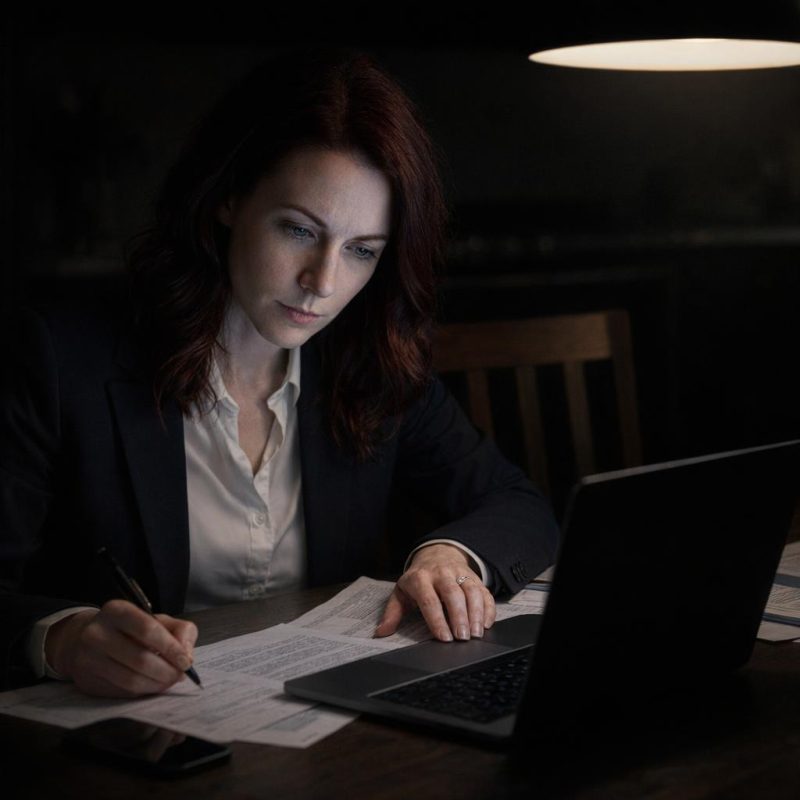 Image by RM AI
The Leather-Bound Truth
I went to an office supply store the next morning and bought the most professional-looking presentation folder they had—leather-bound, with brass corners and a magnetic closure. It looked expensive, the kind of thing you'd use for a commemorative archive or a special gift. Perfect. Back at my apartment, I organized everything in strategic order. The original presentation drafts went first, with their creation dates clearly visible. Then the financial discrepancy documentation, organized by account and date. The offshore account evidence came next, with transaction trails highlighted in yellow. Finally, the surveillance footage stills—printed in color on glossy paper, timestamps circled in red. Each section had a tab with a neat label. The whole package looked professional, thorough, impossible to ignore. I added a title page that read 'Project Documentation Archive' in elegant script. Anyone glancing at it would think I'd put together a nice commemorative record of Brenda's big achievement. I closed the folder and ran my hand over the smooth leather. The folder looked like a celebration of Brenda's achievement, but inside it held documentation that would change everything.
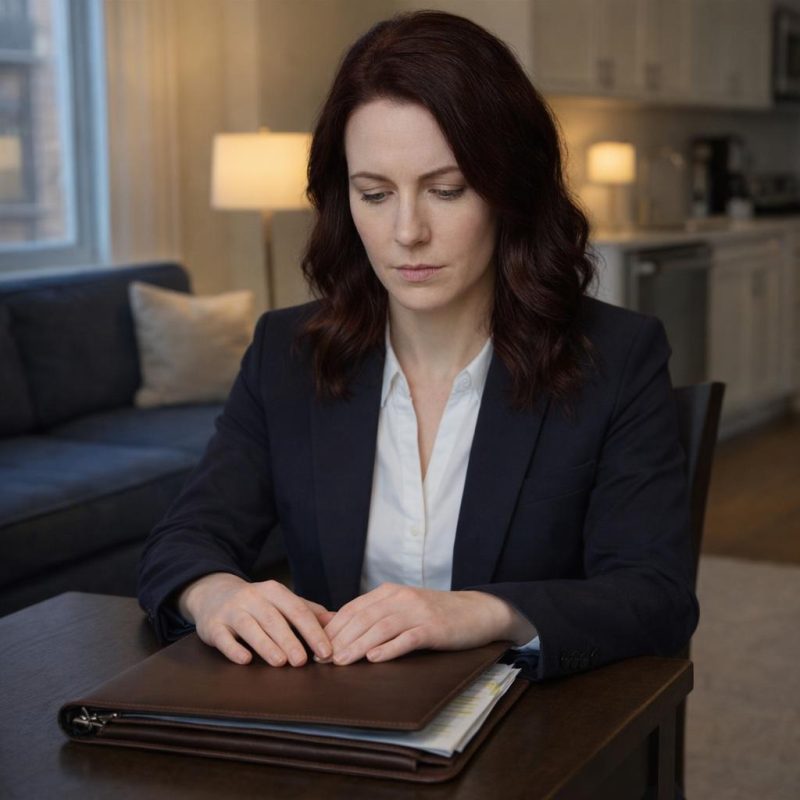 Image by RM AI
Final Arrangements
I made the confirmation calls from my desk, keeping my voice light and professional. Mr. Sterling's assistant confirmed he'd be attending—he never missed celebrations for major client wins. Victoria from Legal was coming. Marcus from Strategy. Every board member who'd been in that presentation. The private dining room at Ashford's Steakhouse was reserved for one o'clock. Then I made a different kind of call. Detective Morrison listened quietly as I explained what I'd found—not just the presentation theft, but the embezzlement scheme and the evidence planted on my computer. I sent him preliminary documentation via encrypted email. He asked careful questions, took detailed notes, and agreed to review everything thoroughly. We arranged for him to wait in the building lobby during lunch, ready to respond if needed. Brenda stopped by my desk that afternoon, all smiles. 'Everything set for tomorrow?' she asked. 'Absolutely,' I told her. 'It's going to be perfect.' She squeezed my shoulder, completely satisfied. With every seat confirmed and the private dining room reserved, I made one final call to Detective Morrison to confirm he would be waiting in the lobby.
 Image by RM AI
The Celebration Begins
The leather folder felt heavier than it should have as I walked through Ashford's mahogany-paneled entrance. The hostess led me to the private dining room where crystal chandeliers cast warm light over a table set for twelve. Brenda was already there, holding court near the head of the table, her honey highlights catching the light. She turned when I entered, her practiced smile widening. 'Sarah! There you are.' She came over and kissed my cheek like we were old friends. Mr. Sterling stood near the windows, talking with Victoria. Marcus was reviewing something on his phone. Everyone who mattered was here. I took my seat three chairs down from Brenda and placed the folder on the table beside my water glass. It looked exactly like what I'd told everyone it was—a commemorative archive, a thoughtful gift. Brenda glanced at it and smiled approvingly. The servers brought the first course. Conversation flowed easily around the table—market trends, client updates, the usual executive small talk. I cut my salad into precise pieces and ate slowly. As I took my seat and watched Brenda smile at the executives who would soon learn the truth, I felt calmer than I had in weeks.
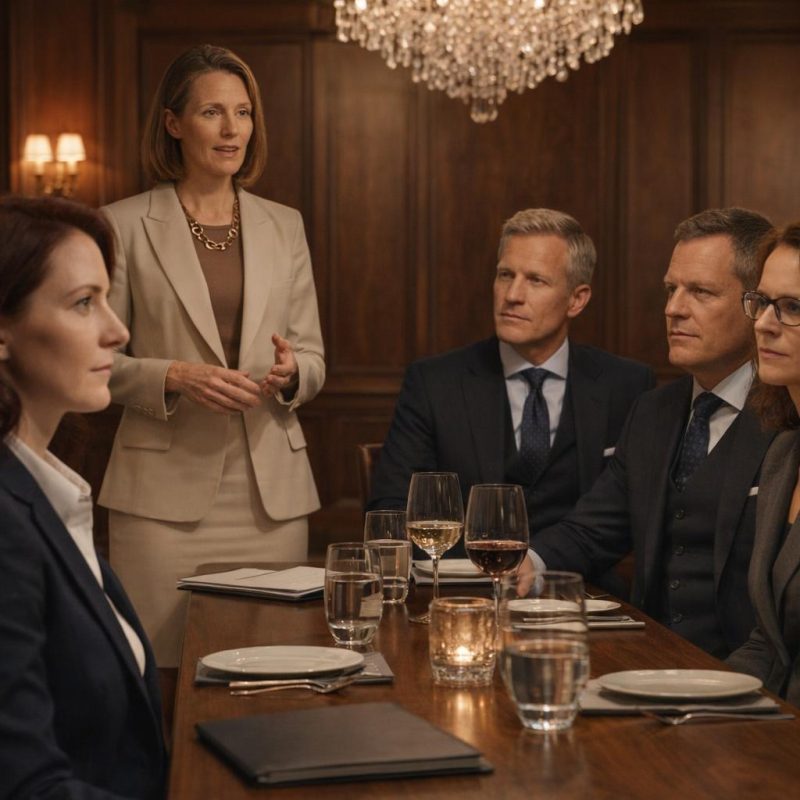 Image by RM AI
A Toast to Innovation
Mr. Sterling stood when the main course arrived, his silver hair immaculate under the chandelier light. He raised his crystal glass, and the table fell silent. 'I want to take a moment to recognize exceptional work,' he began, his commanding voice filling the room. 'Brenda's digital transformation strategy represents exactly the kind of innovative thinking that keeps this firm ahead of the curve. The Meridian presentation was flawless—strategic, data-driven, and ultimately successful. It's the result of dedication, vision, and the kind of leadership we value most.' He looked directly at Brenda. 'Your commitment to excellence is exactly what we need as we expand into new markets. To Brenda.' Glasses rose around the table. Crystal clinked against crystal. Brenda stood gracefully, accepting the toast with a modest smile that somehow managed to convey both humility and confidence. 'Thank you, Richard. It's been an incredible journey.' She glanced around the table, her eyes landing on me for just a moment. That satisfied, victorious look. I raised my glass along with everyone else. Brenda beamed at the praise, completely unaware that every word of congratulation was about to turn to ash.
 Image by RM AI
My Turn to Speak
Brenda finished her brief acceptance remarks—something gracious about teamwork and the firm's bright future. As she sat down, I stood up. The movement drew everyone's attention. 'If I could just say something quickly,' I said, keeping my voice warm and professional. Mr. Sterling nodded permission. 'I wanted to do something special to commemorate this achievement for our company archives.' I picked up the leather folder and walked it over to Mr. Sterling's place at the head of the table. 'I've put together comprehensive documentation of the project—the development process, the strategic thinking, all the key materials. I thought it would be valuable for the record.' I placed the folder in front of him, my hands perfectly steady. Brenda was watching with an approving expression, probably thinking I was being the good mentee, honoring her publicly. Mr. Sterling accepted the folder with an appreciative smile. 'That's very thoughtful, Sarah.' 'Please,' I said, my voice steady as stone. 'Take a look at what's inside.' I placed the leather folder in front of Mr. Sterling and asked him to open it, my voice steady as stone.
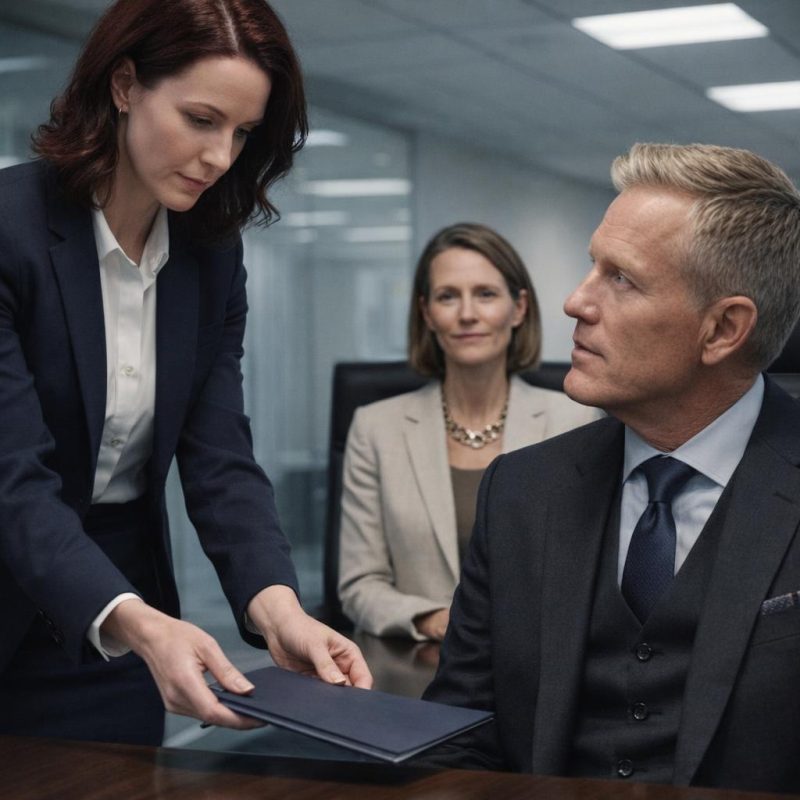 Image by RM AI
The First Revelation
Mr. Sterling opened the folder casually, probably expecting to see a nicely formatted summary or some printed slides. His expression was pleasant, indulgent. He flipped past the title page and started reading the first section. I watched his face change. The pleasant smile faded first, replaced by concentration. Then confusion. His eyebrows drew together as he studied the timestamps on my original presentation drafts—the ones I'd created three weeks before Brenda's board presentation. He flipped through several pages, comparing dates, reading my notes and strategy outlines. Victoria leaned in from her seat beside him, her sharp eyes scanning the documents. I saw her expression shift too, from polite interest to focused scrutiny. Brenda was still smiling, but something in her posture had changed. She was watching Mr. Sterling's face, trying to read what he was seeing. The confident glow from moments ago had dimmed slightly. Mr. Sterling looked up from the folder, his penetrating gaze moving from me to Brenda. A question was forming on his face, and I saw the first crack appear in her confidence.
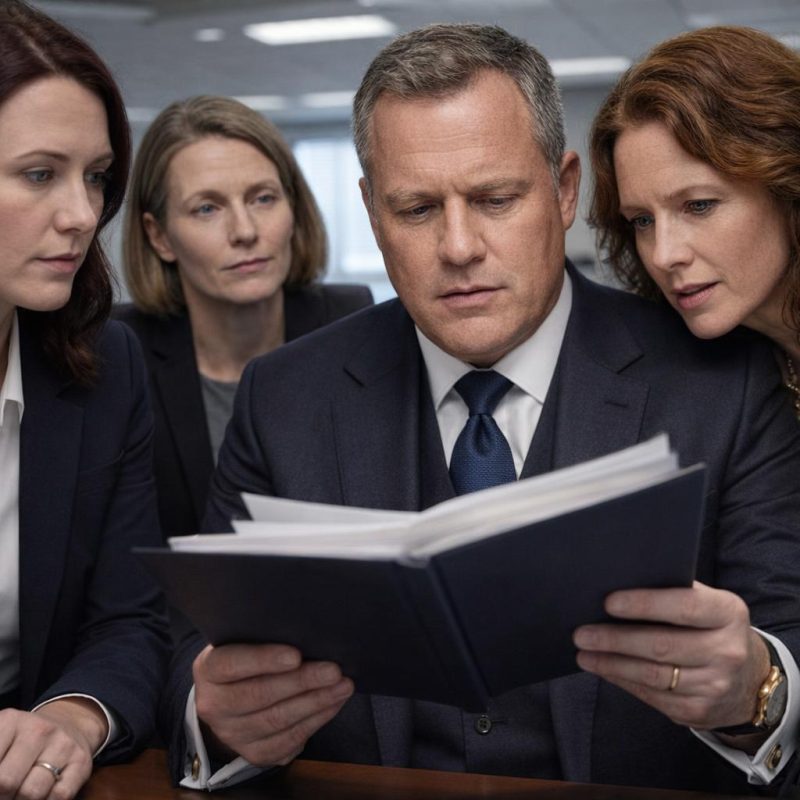 Image by RM AI
Financial Discrepancies
I remained standing as Mr. Sterling turned to the section titled Financial Discrepancies and Internal Audits. The divider tab was bright red—I'd made sure it would catch his attention. He began reading the documentation of systematic theft from client accounts, his finger tracing down columns of transactions. I watched his expression shift from concentration to something harder, colder. Victoria leaned closer, her sharp eyes scanning the numbers over his shoulder. I saw her mouth tighten as she recognized the accounting patterns, the way funds had been siphoned in amounts just small enough to avoid immediate detection. Marcus had gone very still in his seat, his calculating gaze moving between the folder and Brenda's face. The room had fallen into an uncomfortable silence broken only by the soft rustle of pages as Mr. Sterling flipped through the evidence. Each transaction was documented with dates, amounts, account numbers. Three years of careful theft laid out in black and white. I kept my hands relaxed at my sides, my breathing steady. The evidence was speaking for itself now, exactly as I'd planned. The color drained from Brenda's face as Mr. Sterling's eyes moved down the columns of transactions.
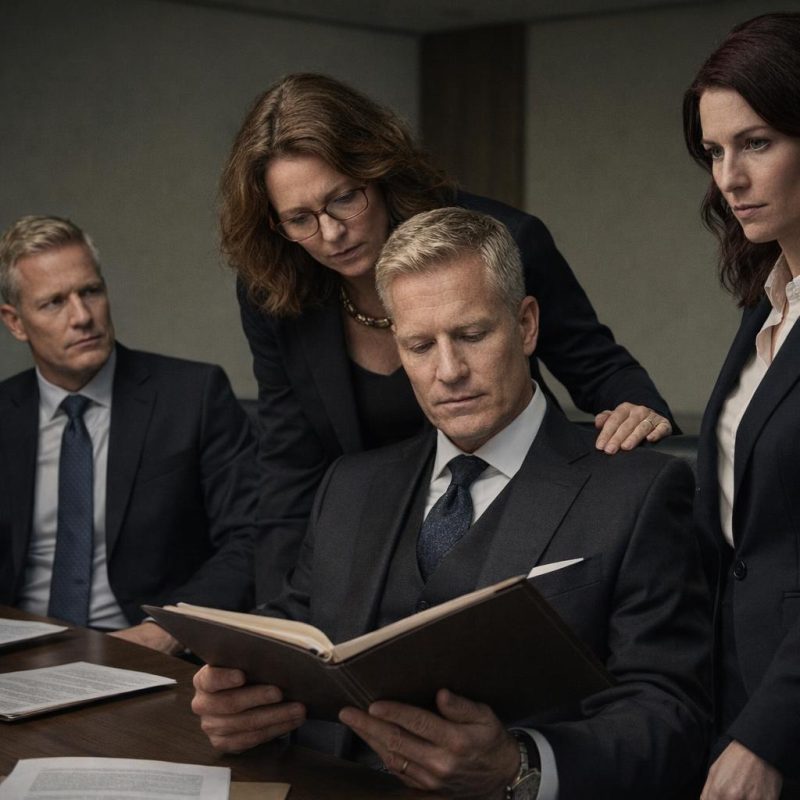 Image by RM AI
Desperation
Brenda lunged across the table trying to grab the folder from Mr. Sterling's hands. Her chair scraped loudly against the floor as she half-stood, reaching desperately toward him. "There's been some kind of terrible mistake," she stammered, her voice high and strained. "Those numbers—they're not—someone must have—" Her words tumbled out incoherently as her fingers stretched toward the damning pages. Mr. Sterling pulled the folder back smoothly, his movements controlled and deliberate. He held up his other hand in a commanding gesture that stopped Brenda mid-reach. His eyes never left the pages in front of him, continuing to scan the documentation with methodical precision. Victoria and Marcus exchanged troubled looks across the table, both of them witnessing Brenda's desperate behavior with obvious shock. I stayed exactly where I was, my expression neutral, my posture relaxed. I didn't need to say anything. Brenda's panic was doing all the talking for me. She remained half-standing, frozen in that awkward reaching position, her practiced warm smile completely shattered. Mr. Sterling held up his hand to silence her, his eyes never leaving the pages in front of him.
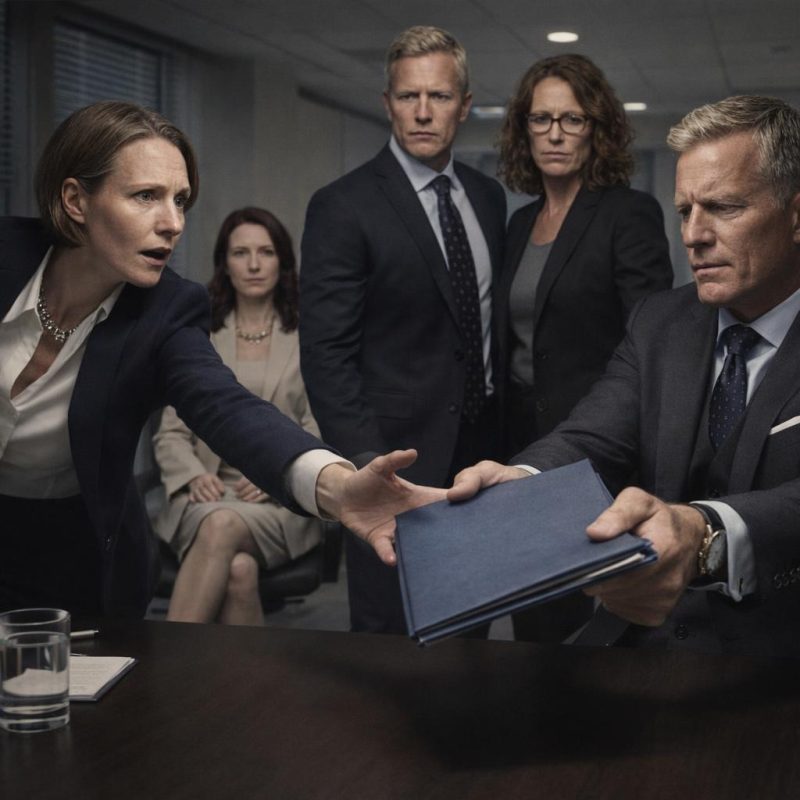 Image by RM AI
The Offshore Accounts
I addressed the silent table directly, my voice calm and clear. "The documentation shows nearly two hundred thousand dollars funneled through offshore accounts over three years." I let that number hang in the air for a moment. "Full transaction records and account numbers are included in the appendix." Victoria nodded slowly, her analytical mind clearly processing the financial evidence. I could see her mentally calculating the scope of the theft, recognizing the sophistication required to hide that much money for that long. Marcus had gone pale, his political instincts probably screaming at him to distance himself from this disaster. Mr. Sterling continued flipping through the pages, his jaw tight. I pointed to a specific section. "The offshore network used shell companies in three different jurisdictions. Each transaction was carefully structured to avoid reporting thresholds." Brenda had slumped back into her chair, visibly shaking. Her expensive honey highlights caught the light as her head bowed forward. The confident executive who'd been glowing with triumph twenty minutes ago had completely disappeared. Mr. Sterling closed the folder slowly and looked at Brenda with an expression that made her shrink back into her chair.
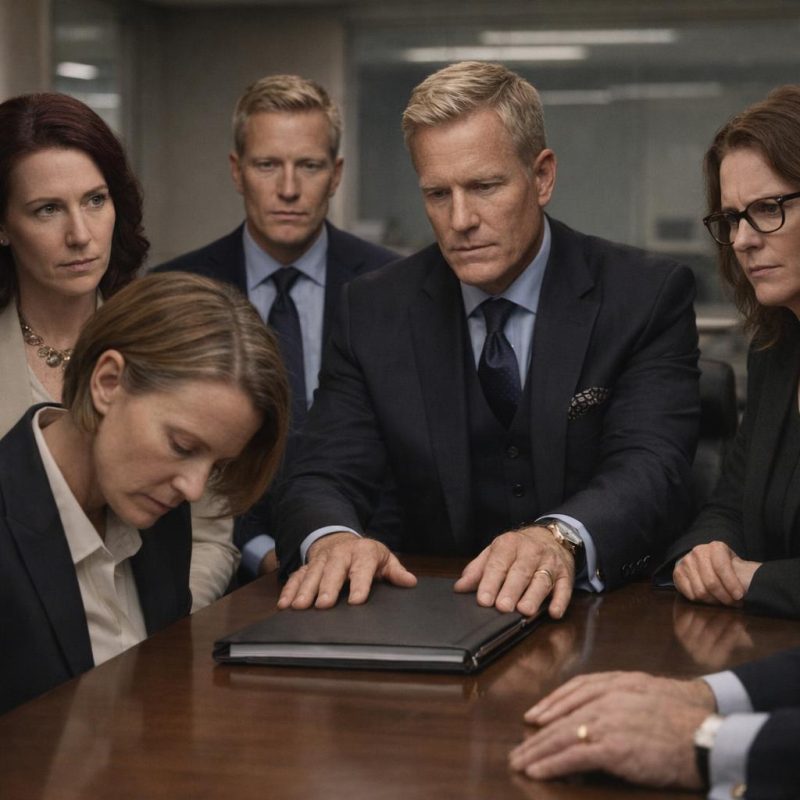 Image by RM AI
The Frame Job
I looked directly at Brenda, holding her terrified gaze. "She didn't only steal my presentation and embezzle from clients," I said to the table, my voice steady and precise. "She also planted evidence on my computer to frame me for her crimes." The words landed like physical blows. I watched Brenda's face cycle through shock, denial, and desperate calculation. "She created false accounting files on my workstation. Files that would have made it look like I was the one stealing from client accounts." Victoria's sharp intake of breath was audible. Marcus leaned back in his chair, his expression shifting to something like horror. "Her plan was to let me launch the project successfully, then destroy my career by 'discovering' the embezzlement evidence she'd planted. She would have positioned herself as the hero who caught the thief." I kept my tone analytical, factual, letting the calculated cruelty of it speak for itself. "I discovered what she was doing three weeks ago. I documented everything." Brenda's mouth opened and closed without sound as I revealed that I had known about her plan to destroy me.
 Image by RM AI
The Recording
I reached into my blazer pocket and produced a small USB drive. "This contains security footage from the building's surveillance system," I said, handing it to Mr. Sterling. My hand was perfectly steady. "It shows Brenda sitting at my workstation on three separate occasions, placing the files she intended to use against me." Mr. Sterling took the drive, his penetrating gaze moving from it to my face, then to Brenda's. He inserted it into his tablet without a word. The screen lit up, and I watched the executives lean forward to see. The timestamp appeared first—clear and undeniable. Then Brenda's image filled the screen, sitting at my desk in the empty office. The angle was perfect, showing her hands on my keyboard, her face visible in profile. She was clearly focused on what she was doing, glancing occasionally toward the door. The footage was silent but devastating. Victoria's expression had gone clinical, analytical. Marcus looked away, then forced himself to look back. The room watched in stunned silence as Mr. Sterling inserted the drive into his tablet and Brenda's image appeared on the screen.
 Image by RM AI
The Breakdown
Brenda began sobbing, her whole body shaking with the force of it. "I've been framed," she gasped between sobs, her voice breaking. "Someone set me up—this isn't—someone did this to me." The words came out desperate and incoherent. She was still staring at the tablet screen where her own image continued to play, showing her methodically working at my computer. "You have to believe me," she pleaded, looking wildly around the table. "Someone—I don't know who—but someone is trying to destroy me." The contrast between her claims and the video evidence playing in front of everyone was almost absurd. Her mascara had started running, creating dark streaks down her carefully made-up face. Marcus had turned his chair slightly away, unable to watch her complete unraveling. Victoria's expression remained severe, unmoved by the display. Mr. Sterling sat motionless, letting the video continue. I stayed silent, observing from my position at the head of the table. I felt nothing but cold satisfaction watching her dissolve into desperate lies. I watched her dissolve into desperate lies and felt nothing but cold satisfaction at the justice unfolding.
 Image by RM AI
The Call
Mr. Sterling reached for his phone with calm, deliberate authority. He pressed a single button and held it to his ear. "You can come up now," he said simply, his voice carrying the weight of finality. He ended the call and set the phone down on the table beside the folder of evidence. Victoria nodded once, a gesture of agreement with whatever decision had just been executed. Brenda's head snapped up, her tear-streaked face suddenly alert with new panic. "What—who did you just—" Her voice cracked. Then understanding dawned across her features, and the color that had briefly returned to her face drained away completely. "No," she whispered. "No, no, no—" The whisper escalated into something louder, more frantic. "You can't—I didn't—please—" Marcus moved his chair several inches away from her, creating visible distance. I remained in my position, my hands still relaxed at my sides, my breathing steady. Everything was unfolding exactly as it needed to. The police had been waiting in the lobby since before the lunch began. Brenda's sobs turned to screams as she realized what was about to happen to her.
 Image by RM AI
Justice Arrives
Detective Morrison entered the private dining room with quiet authority, his weathered face professionally neutral. Two uniformed officers followed close behind him, their presence transforming the elegant space into something else entirely. I could see restaurant staff hovering in the doorway, their faces shocked and curious. Detective Morrison approached Brenda's chair with measured steps, his movements unhurried but purposeful. She had gone completely still, frozen in her seat like a trapped animal. Her screaming had stopped, replaced by shallow, rapid breathing. "Brenda Walsh," Detective Morrison said, his voice carrying clearly through the silent room. He began reading her Miranda rights in that formal, practiced tone I'd heard once before in his office. "You have the right to remain silent. Anything you say can and will be used against you in a court of law." The words continued, each one landing with the weight of inevitability. Tears and makeup streamed down Brenda's face in dark rivulets, but she didn't move, didn't speak. I watched from my position, feeling the satisfaction settle deep in my chest. Detective Morrison read Brenda her rights as she sat frozen in her seat, makeup streaming down her face.
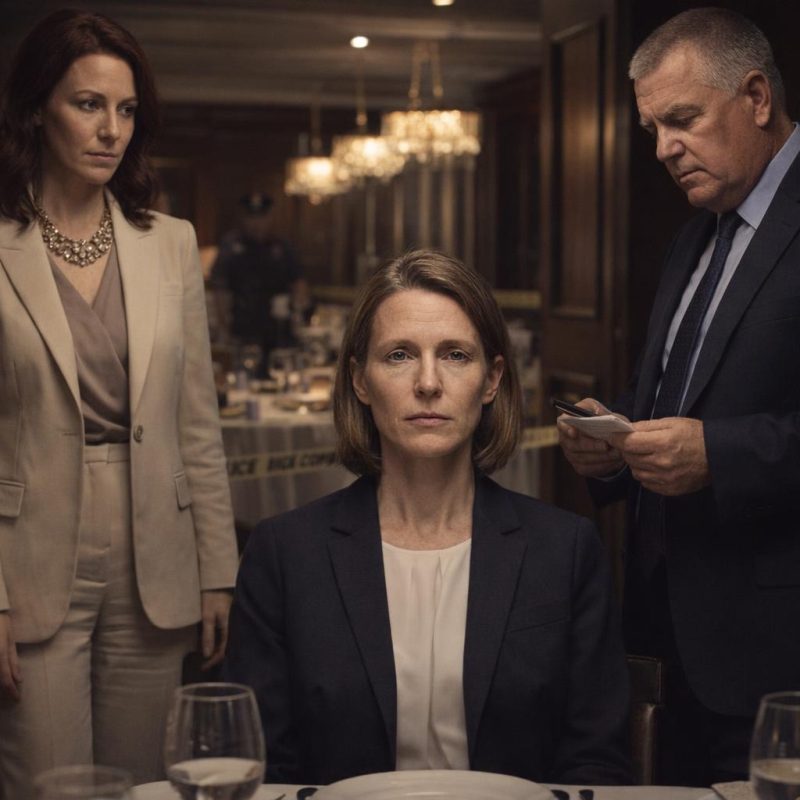 Image by RM AI
Led Away
The officers helped Brenda rise from her chair, and I watched as they applied the handcuffs to her wrists with practiced efficiency. The metallic click echoed through the silent dining room. She stood there swaying slightly, her expensive honey highlights falling forward to partially hide her ruined face. One of the officers steadied her with a gentle hand on her elbow. They guided her toward the door, and she had to walk past every single person in that room. Her designer heels clicked against the marble floor with each unsteady step, the sound impossibly loud in the absolute silence. Marcus pressed himself back against his chair as she passed. Victoria watched with clinical detachment, her expression unreadable behind those designer glasses. Detective Morrison followed behind the officers, his weathered face still professionally neutral. I stood near my chair, my hands steady at my sides, watching Brenda disappear through the dining room door. The sound of her footsteps faded down the hallway. The room fell into complete shocked silence, the kind that feels heavy and suffocating. Then Mr. Sterling turned slowly to look at me, his silver hair catching the light from the chandelier. As the doors closed behind her, he turned to look at me with an expression mixing fear, respect, and something I could not quite name.
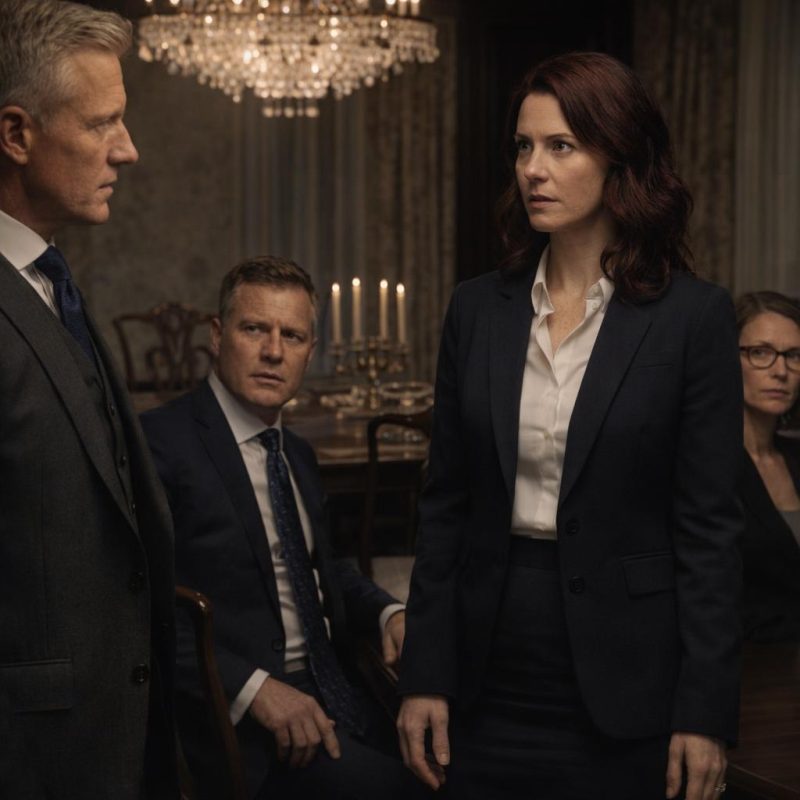 Image by RM AI
The Offer
Mr. Sterling broke the heavy silence first, his commanding voice softer than I had ever heard it. He cleared his throat and looked directly at me across the destroyed remains of what was supposed to be Brenda's victory lunch. "Sarah," he said, and I noticed his hands were clasped tightly together. "What you uncovered today, what you endured for months while working under that woman—" He paused, seeming to search for words. "The company owes you far more than we can possibly repay." Victoria nodded slowly in agreement, her severe features thoughtful. Mr. Sterling continued, his penetrating gaze fixed on mine. "I'm offering you Brenda's fifty-thousand-dollar bonus, effective immediately. And a promotion to vice president, with all the authority and compensation that entails." Marcus shifted in his seat, his calculating eyes moving between Mr. Sterling and me. The offer hung in the air between us, genuine and immediate. I could see Mr. Sterling meant every word. But I paused before giving any response, letting the silence stretch out. I looked at the man who had praised Brenda's stolen work just thirty minutes earlier and considered what staying at this company would really mean.
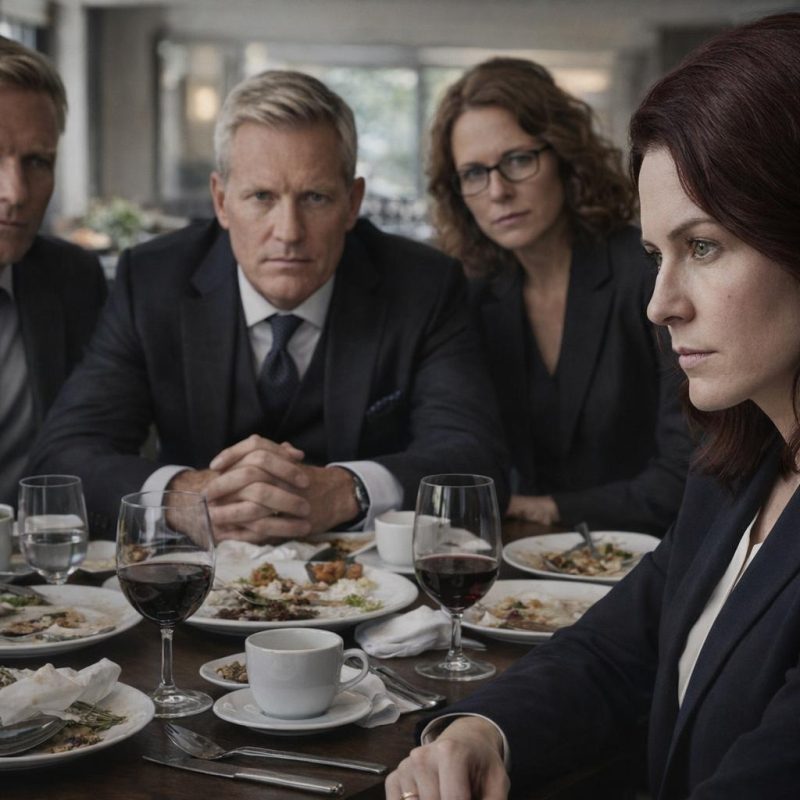 Image by RM AI
My Answer
I took a slow breath and met Mr. Sterling's gaze directly. "Thank you for the offer," I said, keeping my voice calm and professional. "I genuinely appreciate the recognition." I could see confusion starting to form on his face, sensing what was coming. "But I have to decline both the bonus and the promotion." Victoria's eyes widened slightly behind her designer glasses. Marcus leaned forward in his chair. I continued, choosing my words carefully but letting them land with full weight. "A company that allowed someone like Brenda to thrive for so long, that rewarded her stolen work and ignored the warning signs for years—that's not a place I want to lead." Mr. Sterling's expression shifted from confusion to something harder to read. "The culture here enabled her. It celebrated her. And I refuse to be part of an organization that operates that way." I gathered my purse from the back of my chair, my movements calm and deliberate. The executives sat frozen, processing my words. I straightened my blazer and walked toward the dining room door with my head held high. I picked up my purse and walked toward the dining room door without looking back at the stunned executives.
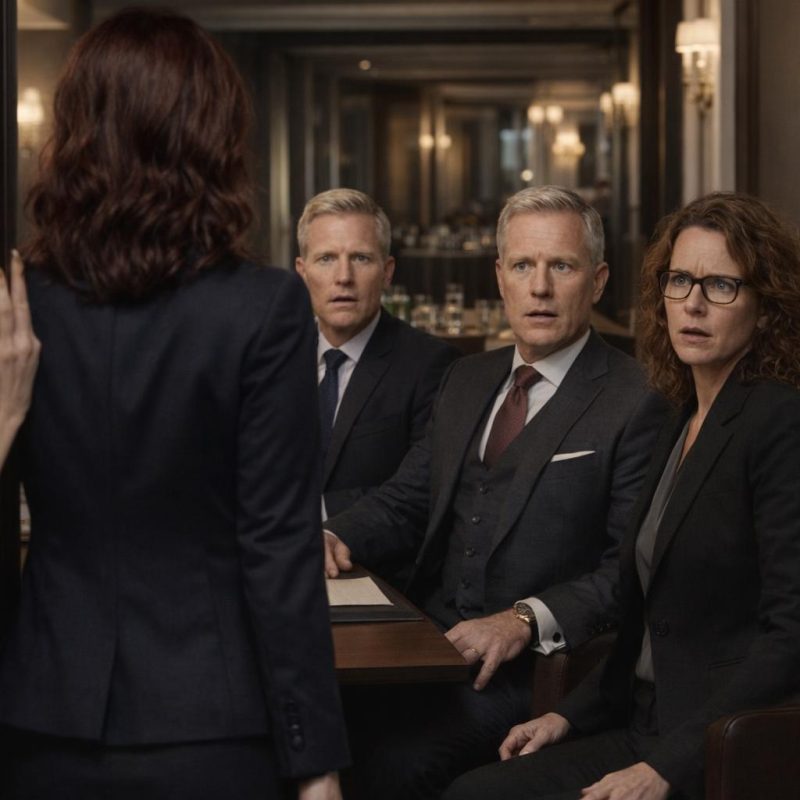 Image by RM AI
Freedom
I walked out of the restaurant and into the afternoon sunlight, feeling the warmth on my face after hours in that climate-controlled dining room. The fresh air hit my lungs and I realized I was breathing freely for the first time in months. My heels clicked against the sidewalk as I moved away from the building, each step taking me further from that world. I reached into my purse, my fingers finding the folded papers I had been carrying all morning. I pulled out the signed contract and looked down at it, a genuine smile spreading across my face. The letterhead read Katherine Walsh Associates, Brenda's biggest competitor. I had signed it three days ago, right after my final meeting with Detective Morrison. The salary was higher, the title better, and most importantly, Katherine had built her firm on actual merit and integrity. I had planned my escape all along, timing everything perfectly. The confrontation at lunch was never about getting my old job back or climbing the ladder at a corrupt company. It was about justice, about closure, about walking away on my own terms. I did not just get my revenge that day; I got my freedom, and I never looked back.
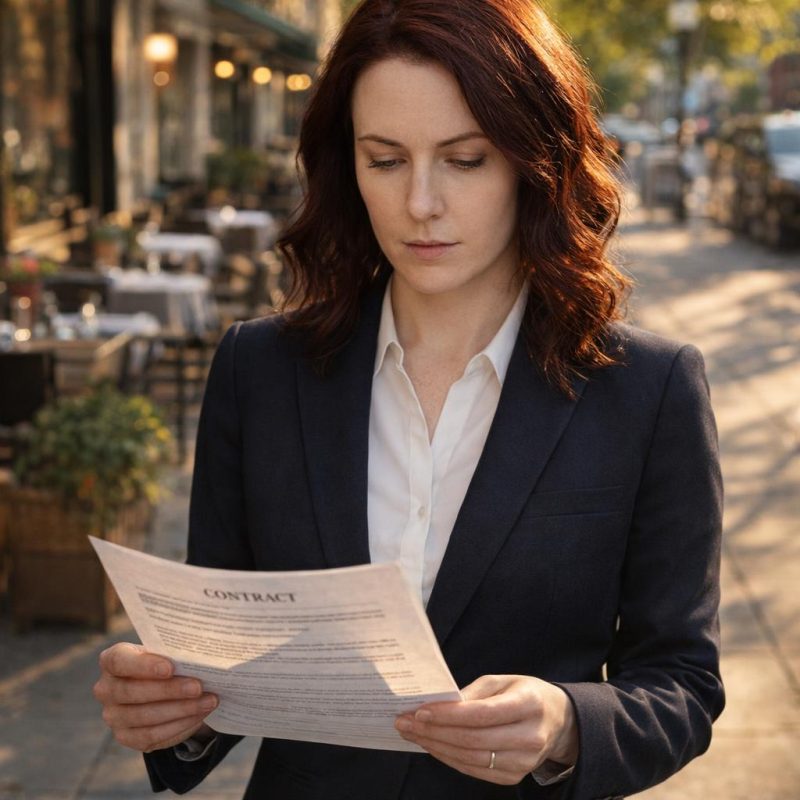 Image by RM AI