
A Better Road Ahead—Or Is It?
Pickup trucks have shaped the way people drive in ways that go far beyond hauling lumber or towing trailers. Over the years, they’ve pushed the auto industry to build vehicles that are tougher, safer, more versatile, and better suited to real everyday needs. But as trucks grew more common in everyday traffic, they started influencing the not-so-nice side of driving, too. Let’s dive into a few ways pickups made driving much better, and a few ways they actually made things worse.
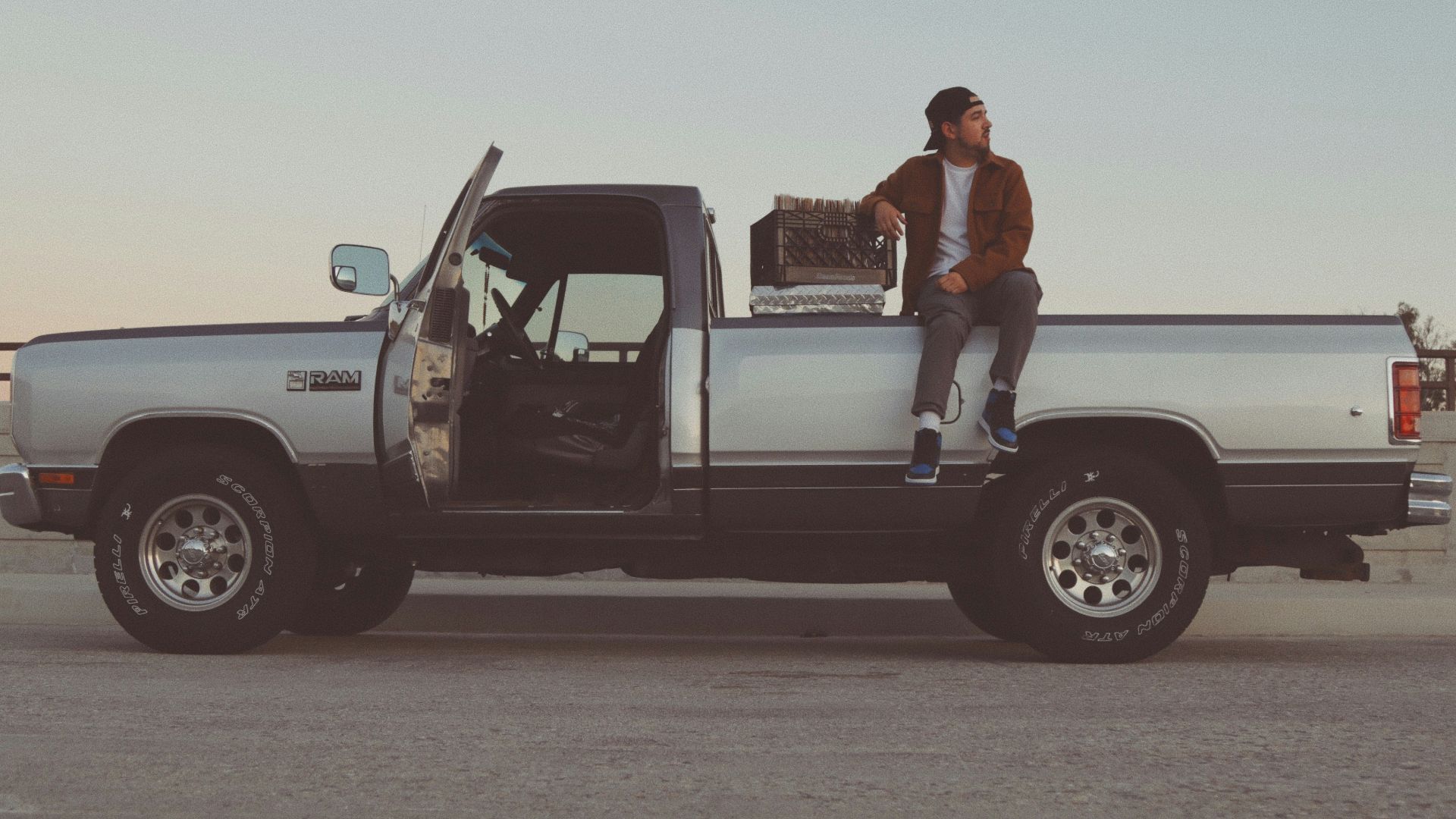 Stephanie Valencia on Unsplash
1. They Made Utility Part of Everyday Driving
Pickup trucks prove that a vehicle can be practical without feeling stripped down. Instead of forcing drivers to choose between passenger comfort and cargo space, trucks showed that both could exist in one package. That whole dynamic influenced the broader market.
2. They Raised Expectations for Durability
Because pickups are built to handle rough roads, they pushed manufacturers to take strength and longevity more seriously. Gone were the days of your dinky little car popping a flat on every stone. Now, even if you’ve never owned one, you’ve likely benefited from a market that now values toughness a lot more than it used to.
3. They Helped Advance Technology
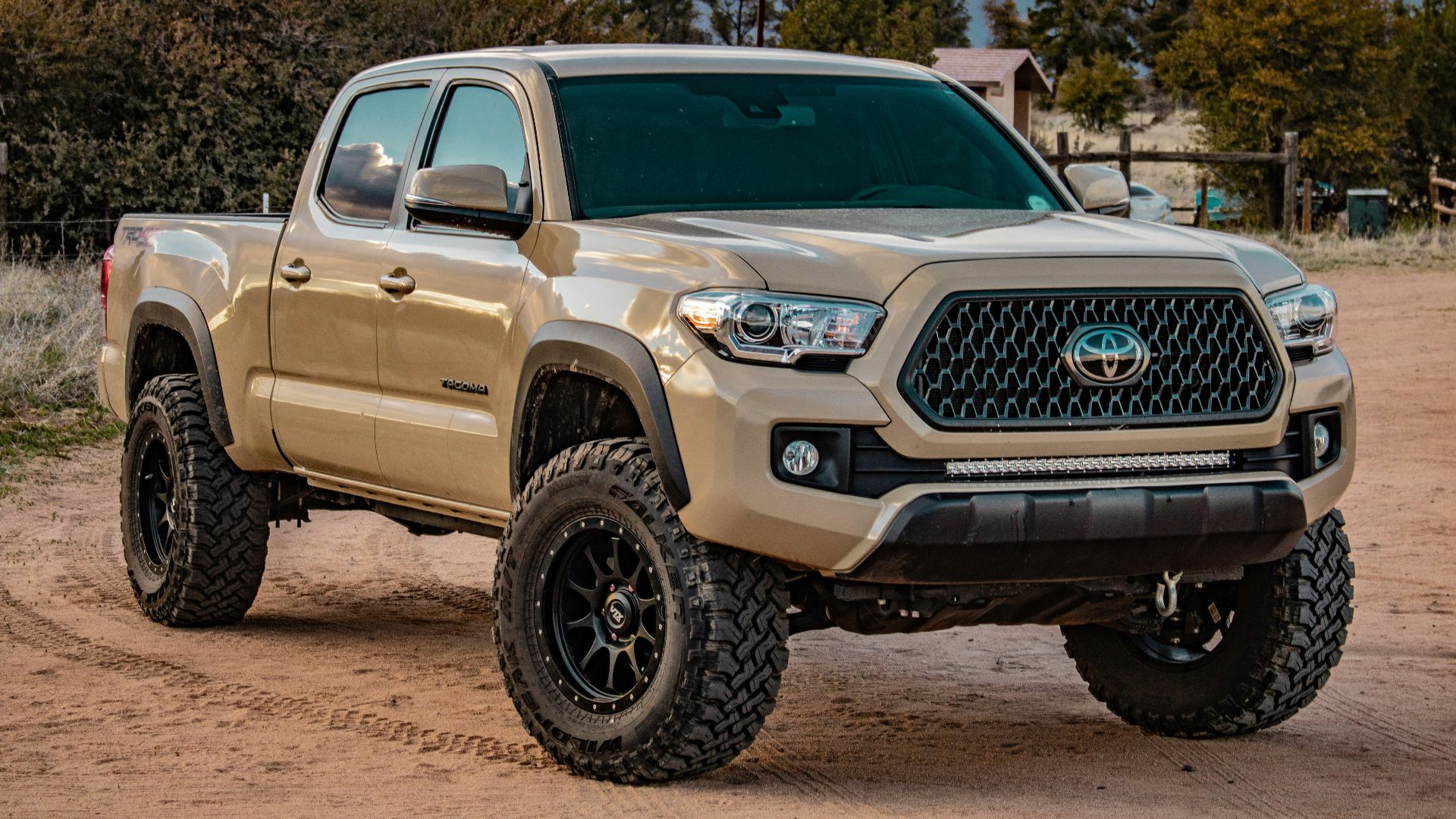
Pickup trucks didn’t just make towing possible for more people—they made it safer, too. Features like trailer sway control, tow cameras, and backup guidance systems grew in importance, all because truck owners needed real support on the road.
4. They Encouraged Better Visibility
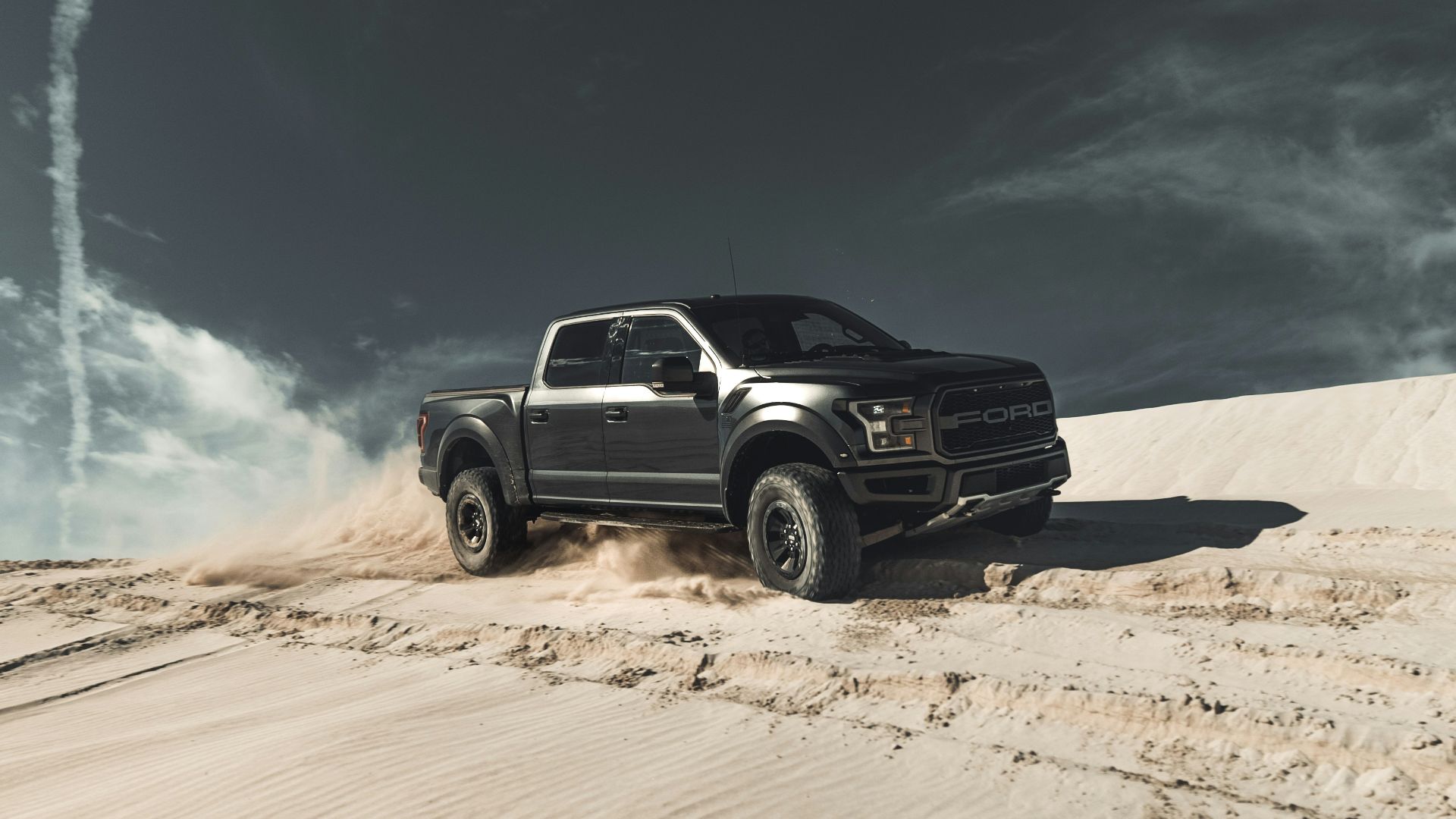
If you couldn’t tell by now, pickups sit higher and need to operate in varied conditions. That means they pushed automakers to think harder about driver visibility. As a result, drivers today have more tools to stay aware of what’s around them, which is good news for everyone!
5. They Made Four-Wheel Drive Mainstream
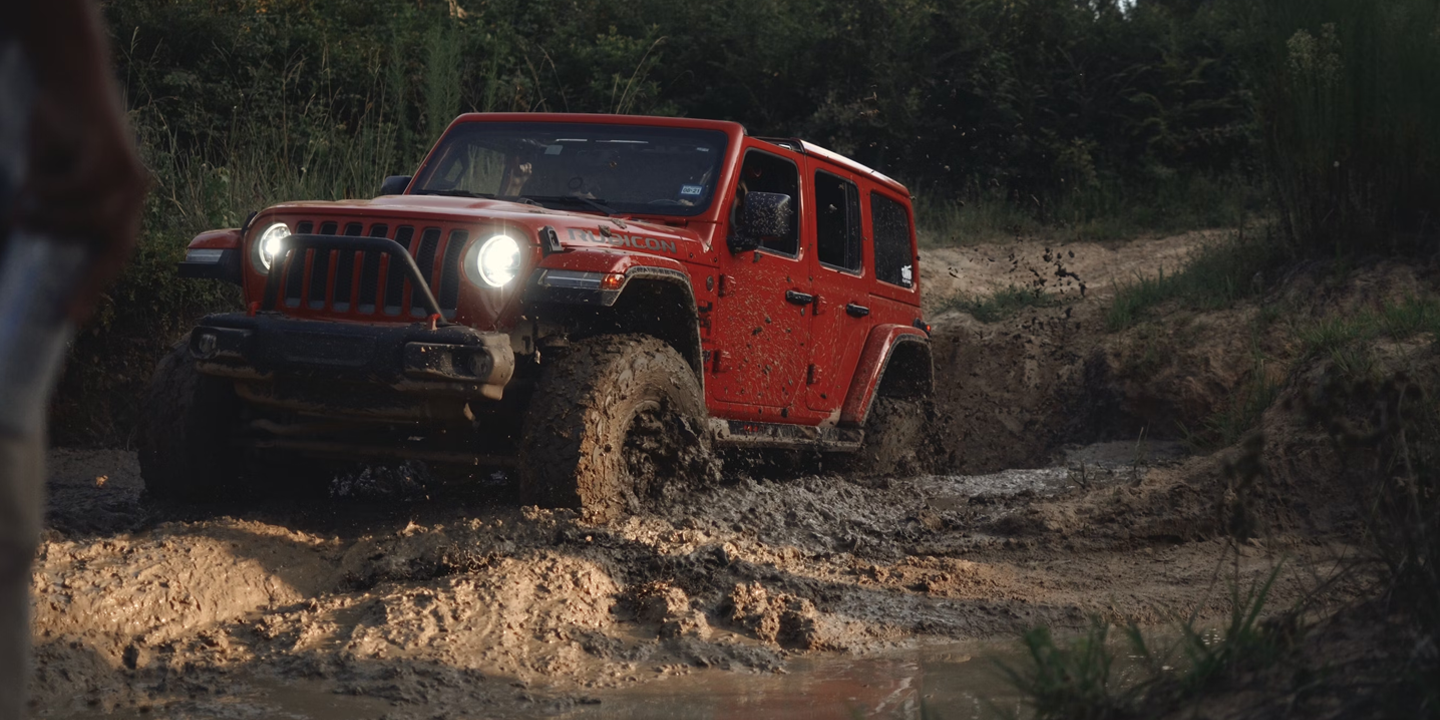
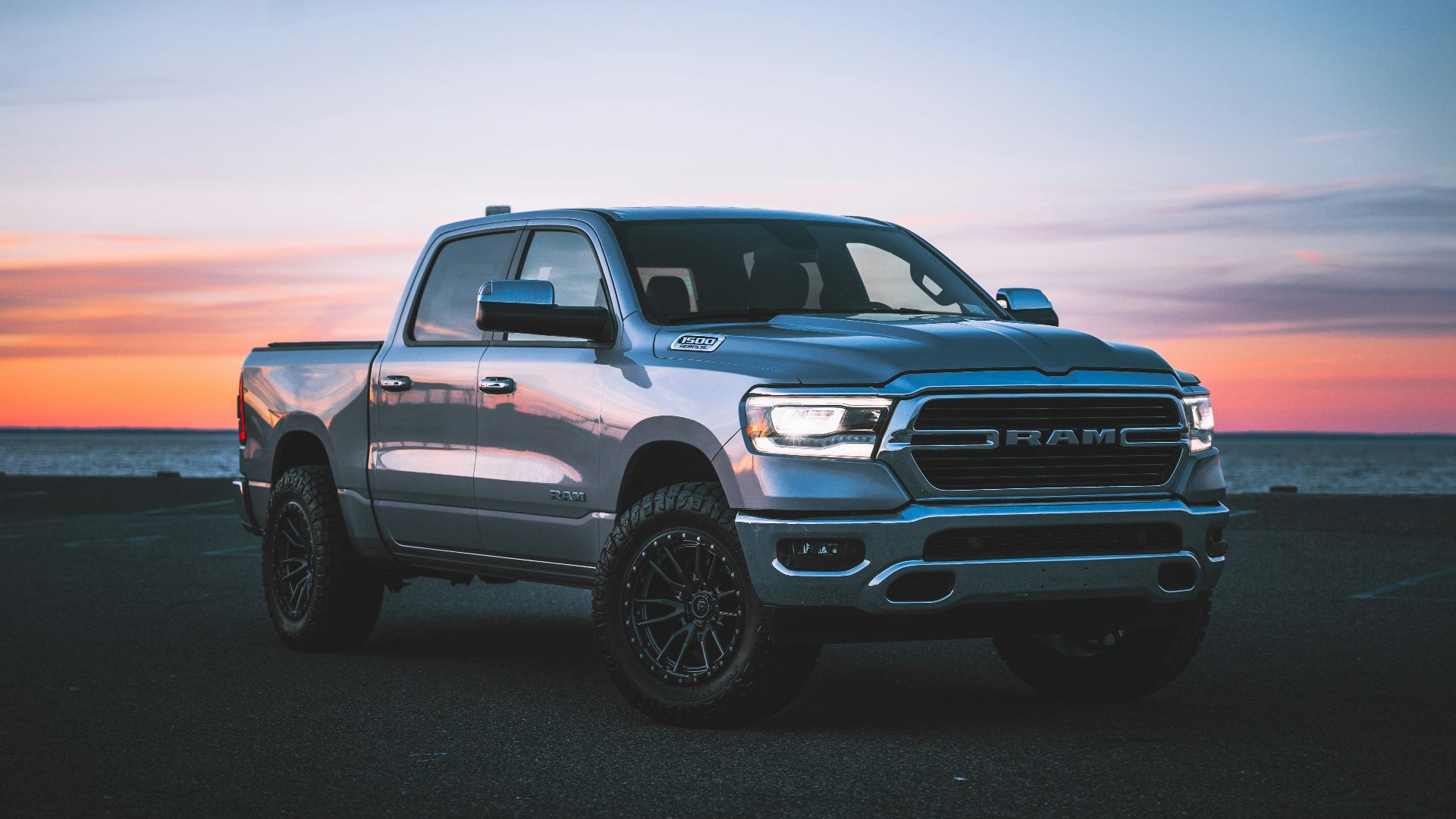
Pickup trucks played a major role in bringing four-wheel drive and off-road capability into everyday driving. What was once seen as a niche feature became far more common, which helped normalize drivetrains and traction systems. Today, they give drivers better control when conditions get rough.
6. They Pushed Comfort to a Higher Standard
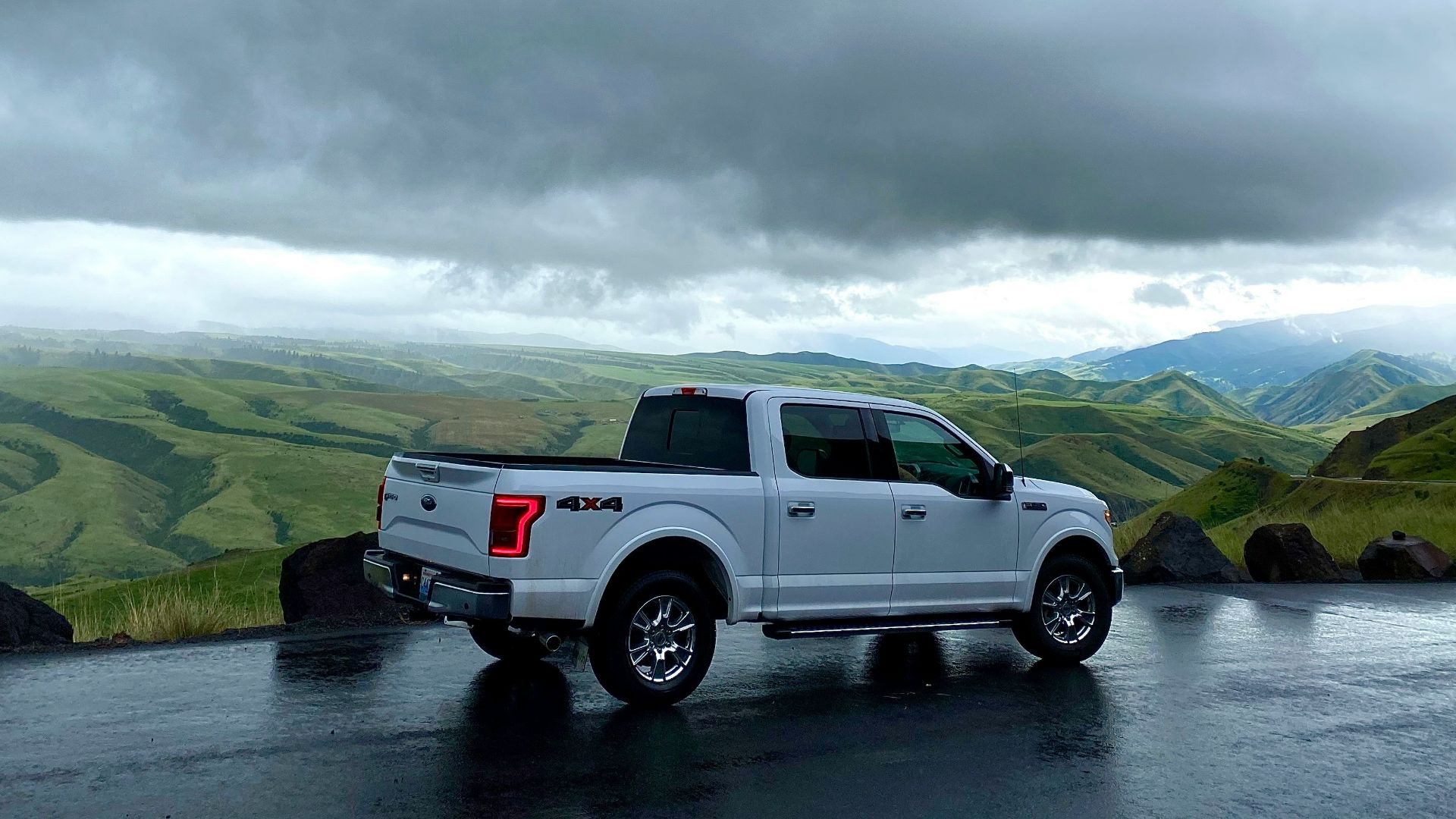
Modern pickups took every stereotype about durable trucks and flipped them on their heads! They changed the idea that a hardworking vehicle had to feel uncomfortable. As truck buyers demanded quieter cabins and better seating, manufacturers responded by making work-capable vehicles more refined.
7. They Expanded What Family Vehicles Could Be
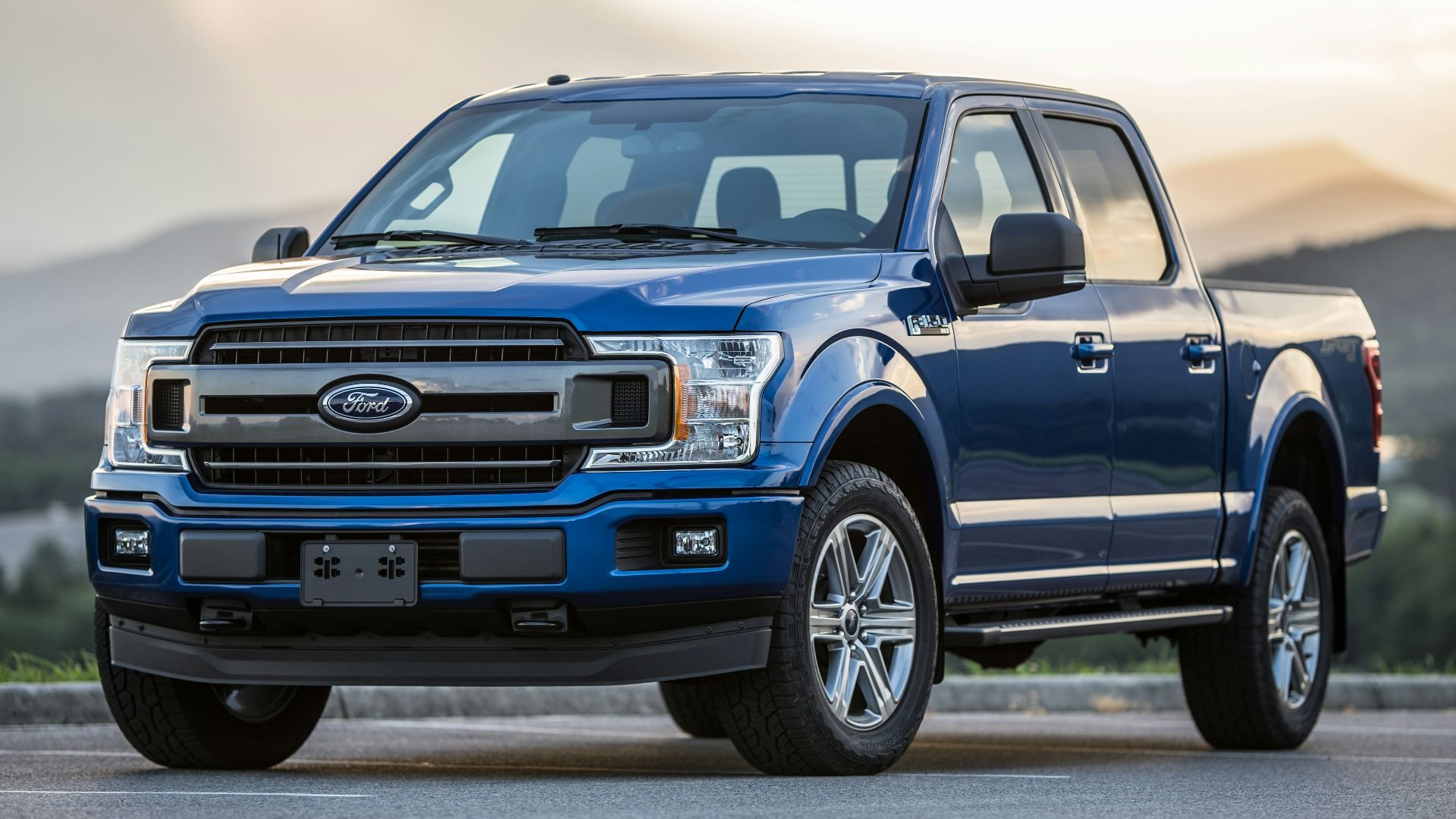
There was a time when packing up the family had a very narrow definition—pickups helped broaden it. Crew cab designs made it easier for people to carry passengers comfortably while still having room for tools, gear, groceries, or weekend supplies in the bed. Talk about flexibility!
8. They Brought Safety Features Into Tougher Use Cases
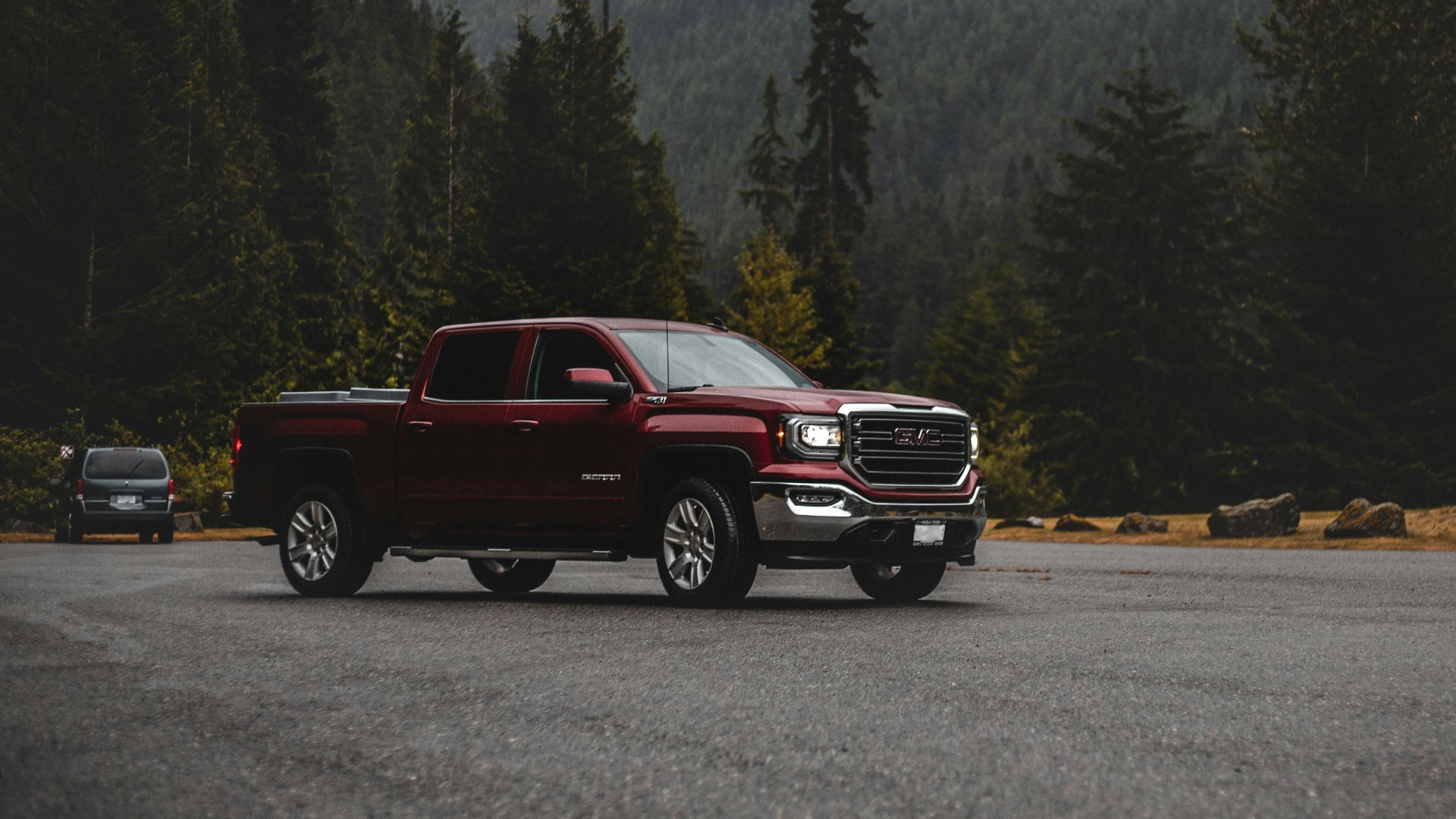
Right from the jump, manufacturers knew that trucks had to operate in demanding situations. That meant safety systems needed to work well under pressure instead of only in ideal conditions. When those standards improved in pickups, the broader driving experience got better, too; safety innovation didn’t stay limited to smaller cars.
9. They Normalized Multi-Purpose Vehicle Design
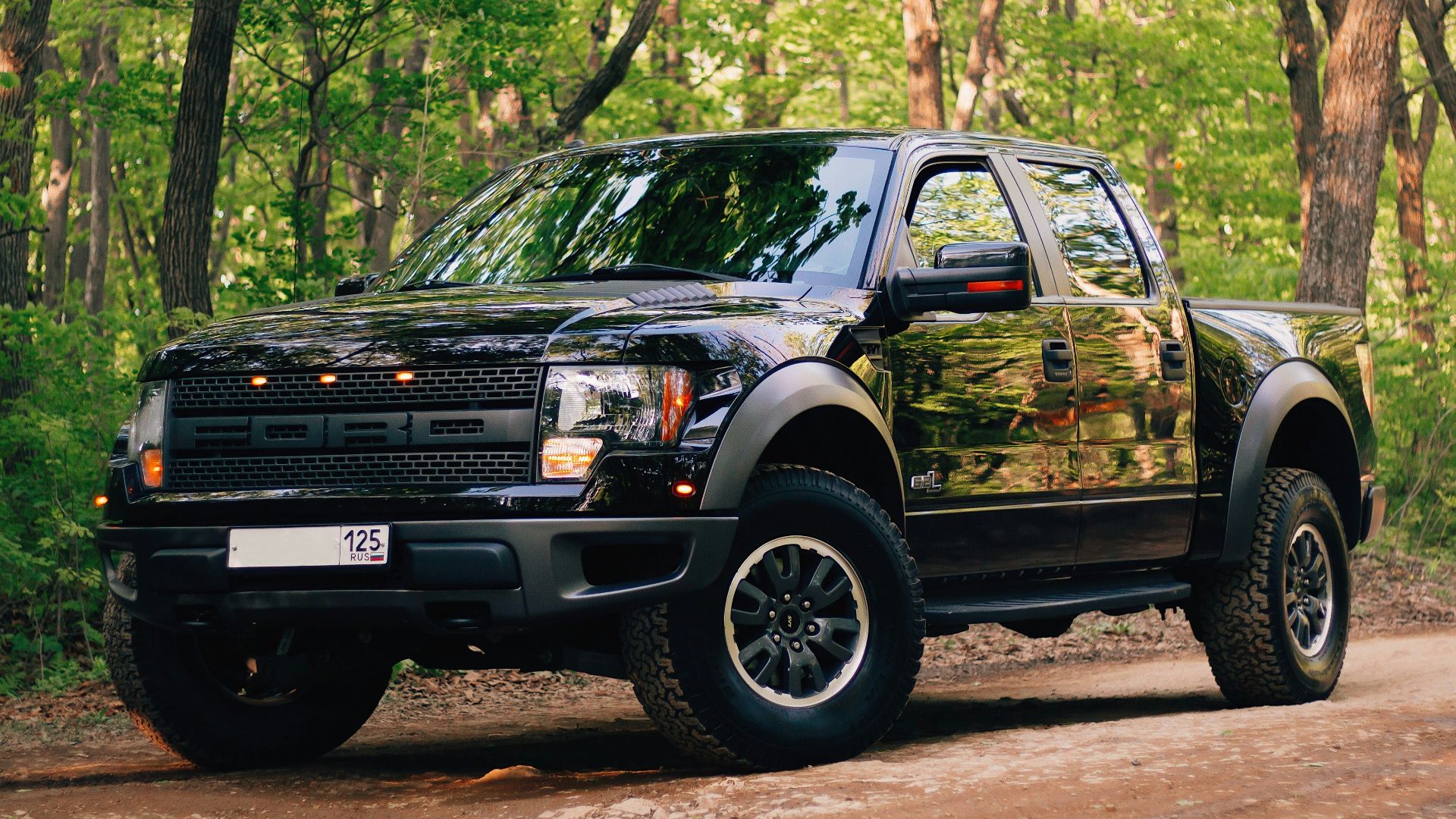
Pickup trucks showed that one vehicle could wear multiple hats without forcing you to compromise. You name it—you can use a truck for commuting, home projects, outdoor recreation, and work tasks, which helped normalize the idea that drivers wanted more from a single purchase.
10. They Changed What Drivers Expect
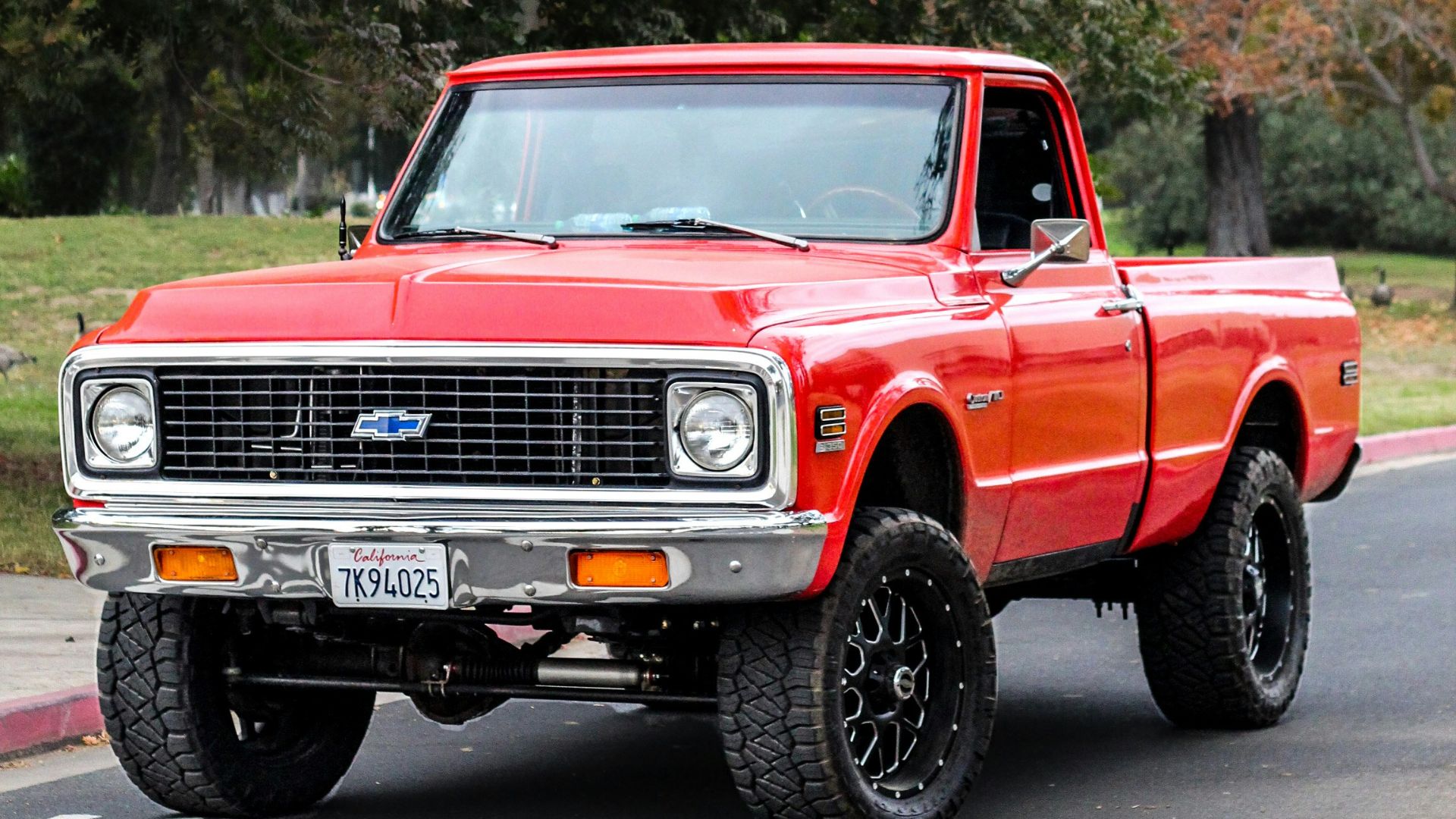
More than anything, pickup trucks reshaped expectations around a vehicle’s capabilities. They made everything accessible, not specialized, and they helped drivers expect more usefulness from whatever they grabbed off the lot.
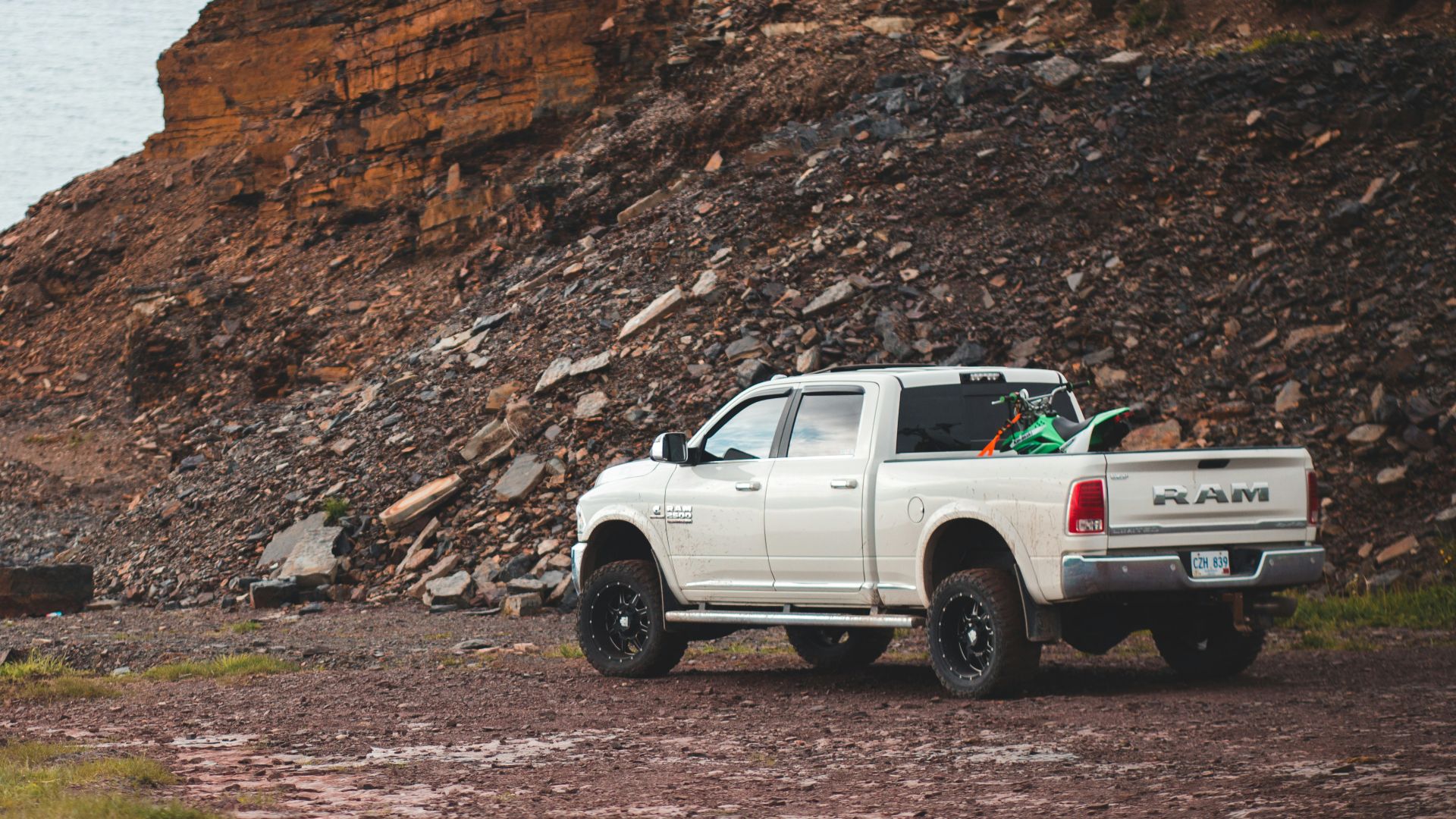
Pickups brought plenty of benefits to the road, but they’ve also changed driving in ways that aren’t always easy to ignore. Let’s explore some of the more negative impacts.
1. Bigger Vehicles Made Roads Crowded
Like it or not, ordinary roads often feel tighter than they used to, thanks to pickups. When larger trucks fill parking lots and neighborhood streets, the environment feels more cramped even when traffic hasn’t changed. Now, the majority of people are dealing with less breathing room.
2. They Worsened Forward Visibility Problems
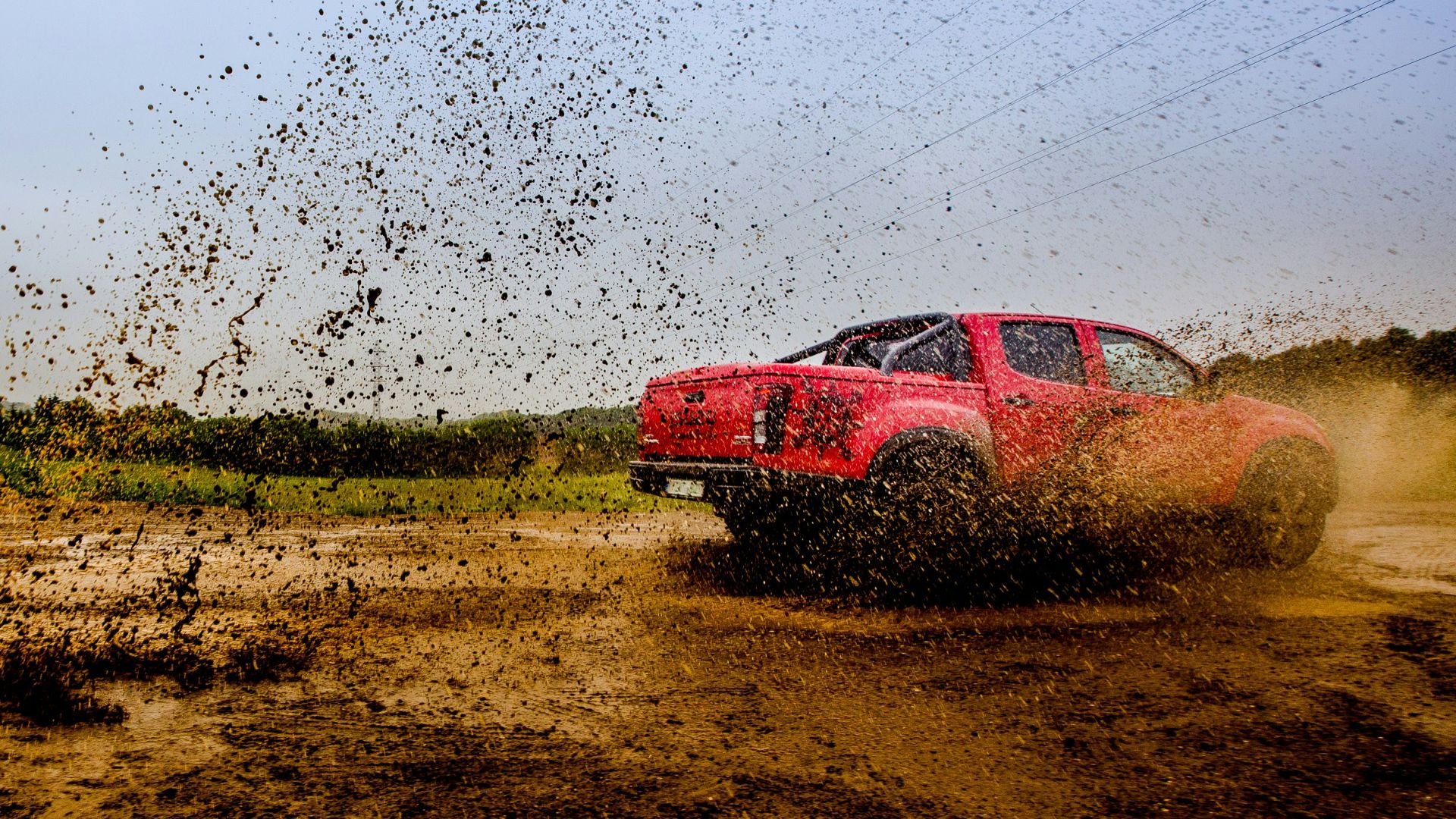
There’s one serious downside of modern pickups: tall front ends that make it harder for drivers to see what’s directly ahead. Even if the person behind the wheel is paying attention, the design itself leaves more room for dangerous blind areas. Not something you want in a school zone.
3. They Made Parking More Frustrating
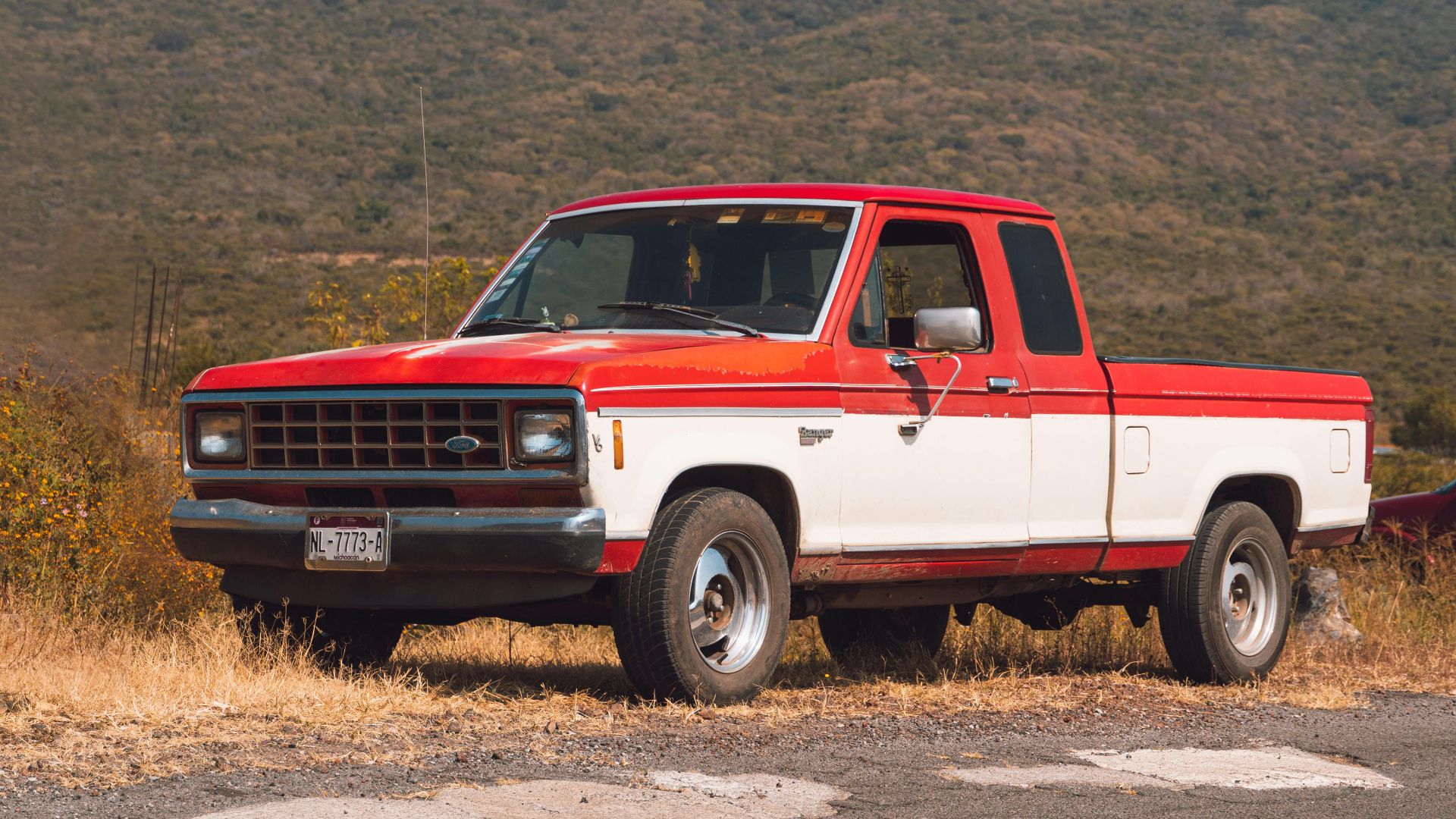
As pickup trucks became wider and longer, parking stopped being a simple routine. Suddenly, a single oversized truck was crowding the lines, limiting door space for nearby cars, and making it harder for others to maneuver cleanly.
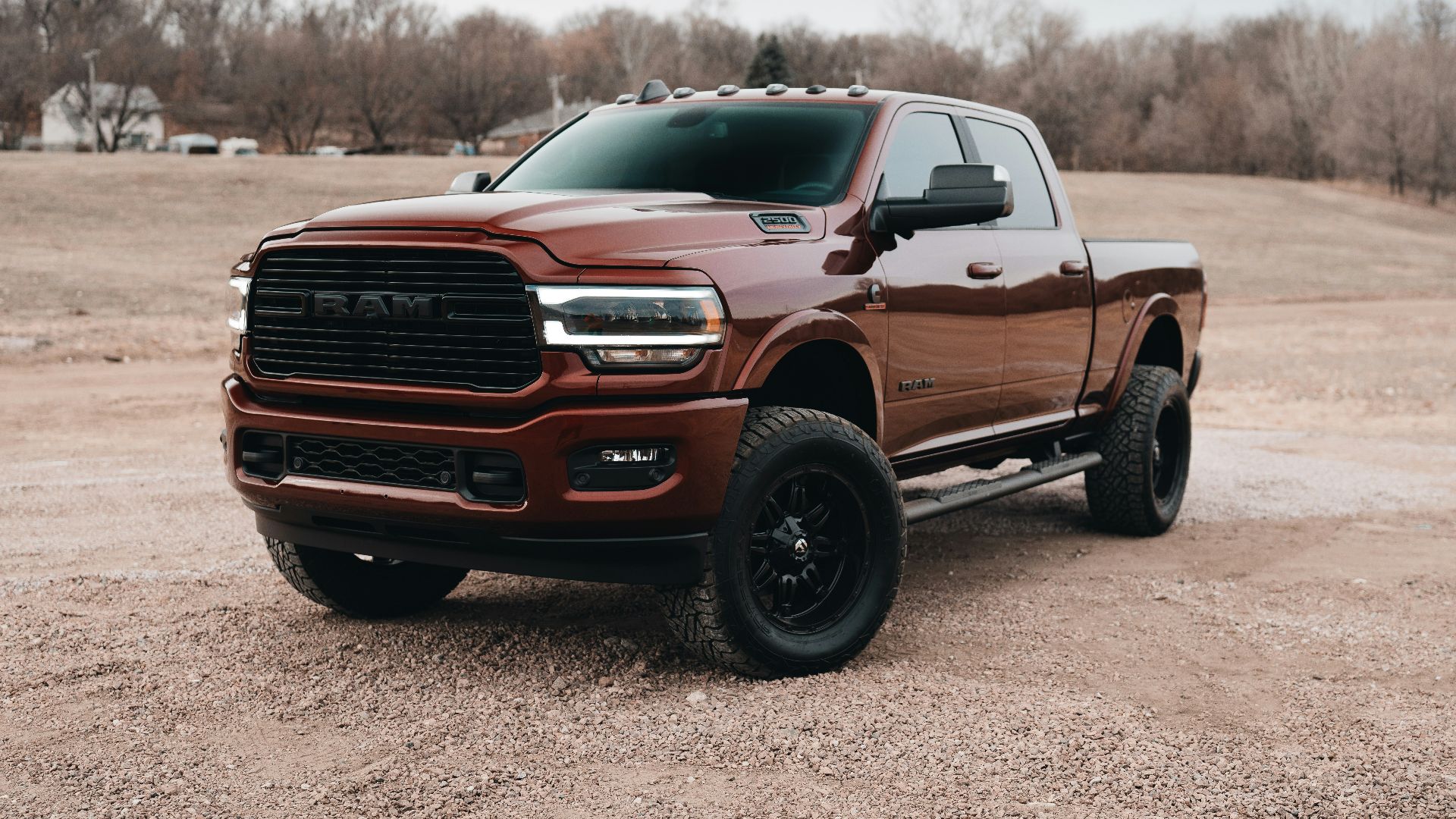
 Vidar Nordli-Mathisen on Unsplash
4. Heavier Vehicles Raised the Stakes in Collisions
When pickups grew in size, crashes involving them often became more severe. The extra mass changes the force involved in an impact, and that’s not something careful driving can cancel out once a collision happens, especially when you’re in a smaller car.
5. They Encouraged an Arms Race in Vehicle Size
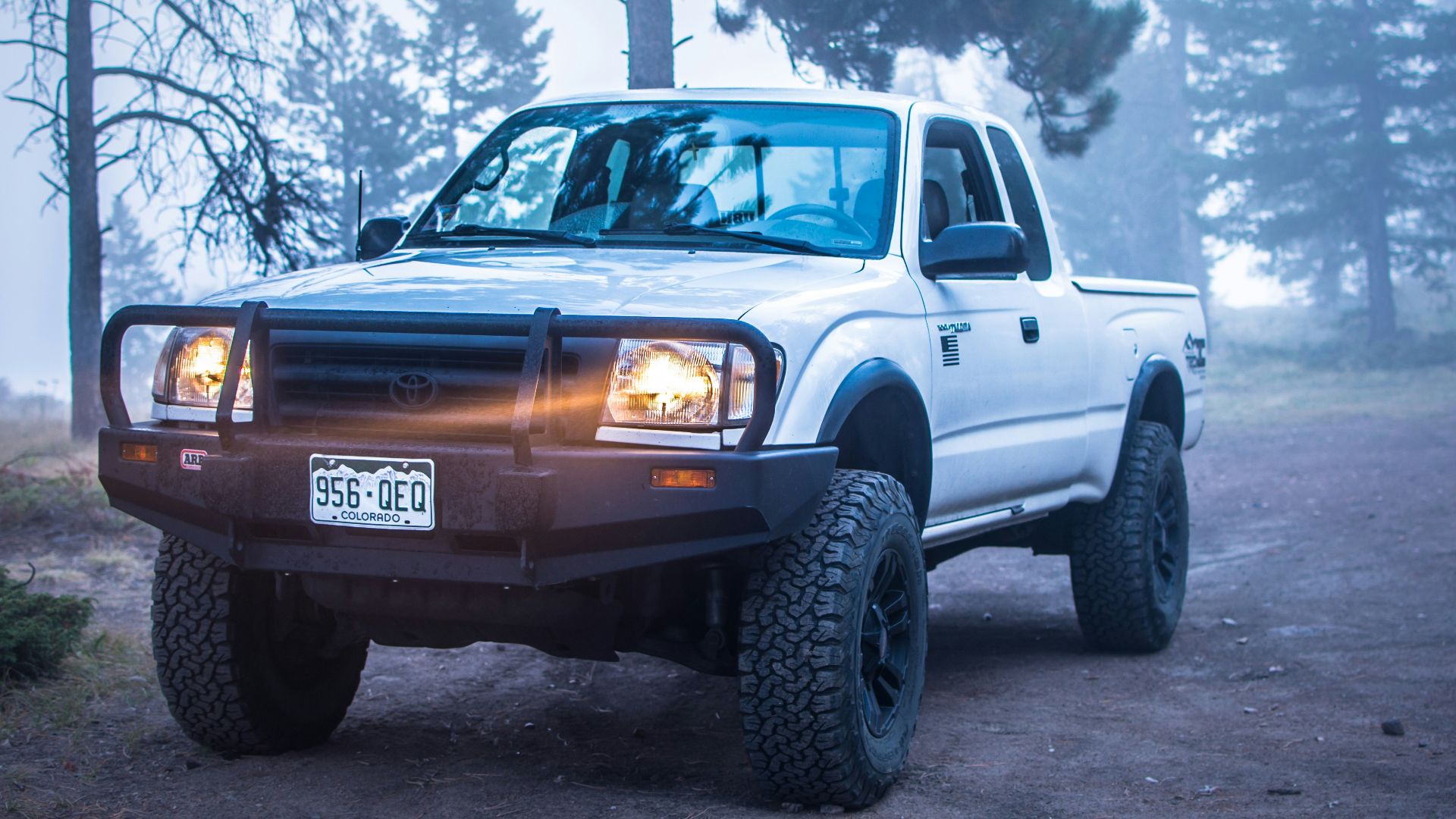
Like with any fad, other drivers soon felt the pressure to buy the latest pickup. That shift didn’t happen because everyone suddenly needed more hauling ability—it happened because road presence began to matter more in daily driving. The result? A market where size keeps escalating, and that doesn’t make driving better.
6. Fuel Use Stayed Higher Than It Needed to Be
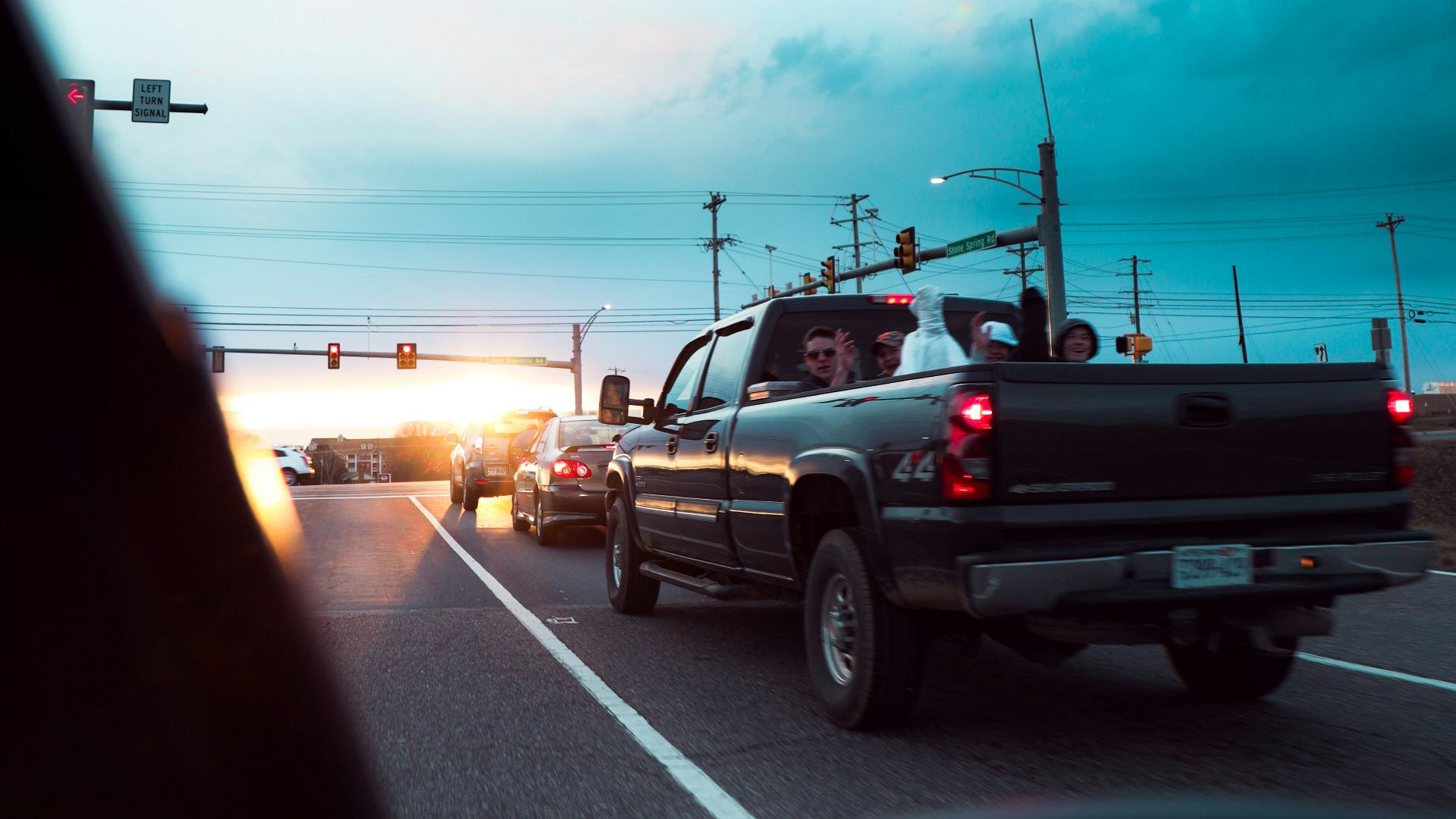
Many pickup trucks consume more fuel than smaller vehicles, which is hard to ignore. When trucks become the default choice for a night on the town, overall fuel consumption remains higher than it probably has to be. That affects everything from costs, emissions, and broader driving habits.
7. They Shifted Priorities Toward Image
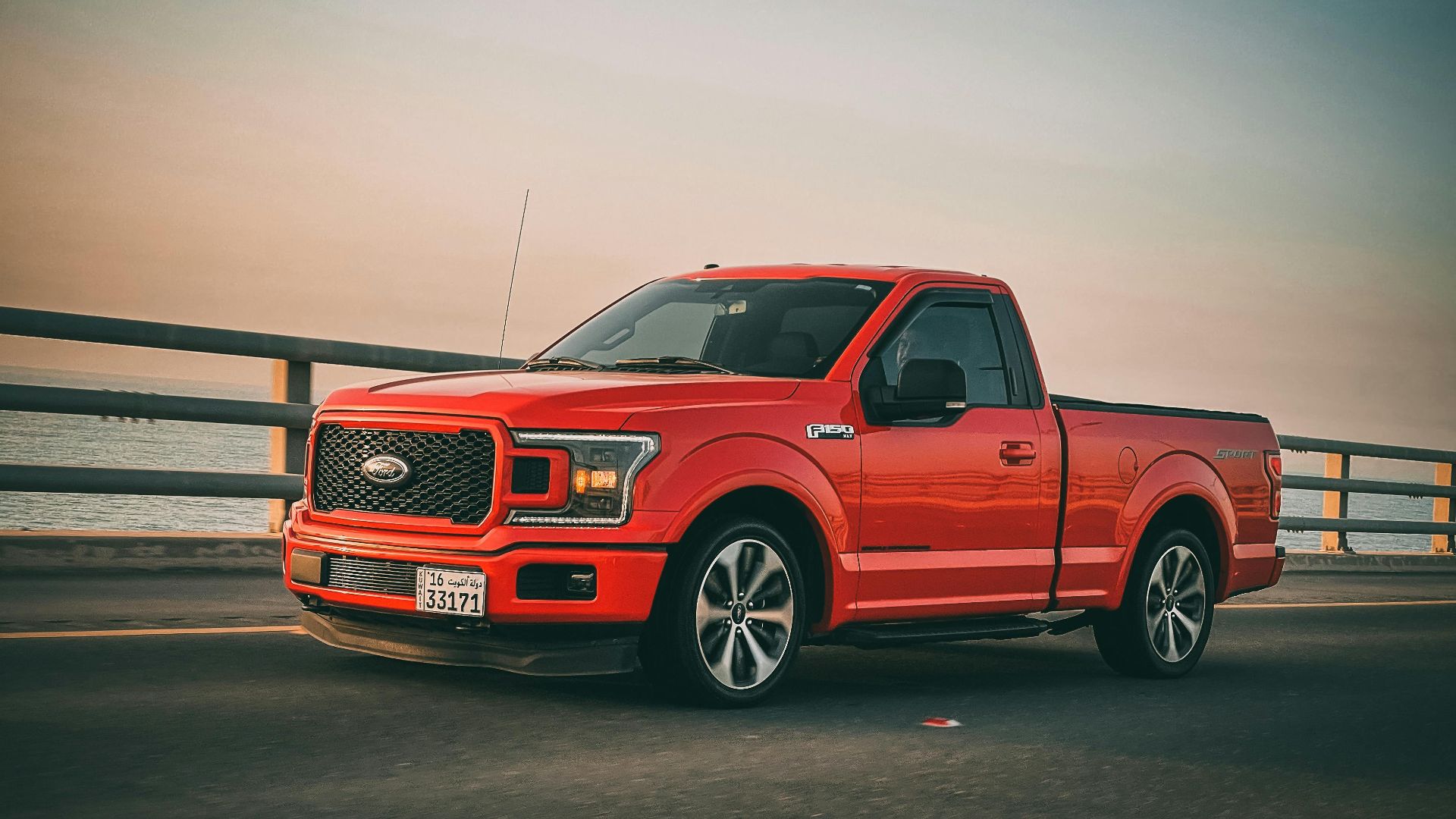
Pickups became lifestyle products marketed around status and road presence—and people bit. It was suddenly normal that vehicles were far more capable than owners required, which distorted how people shopped for cars in the first place.
8. They Added More Aggression to Traffic
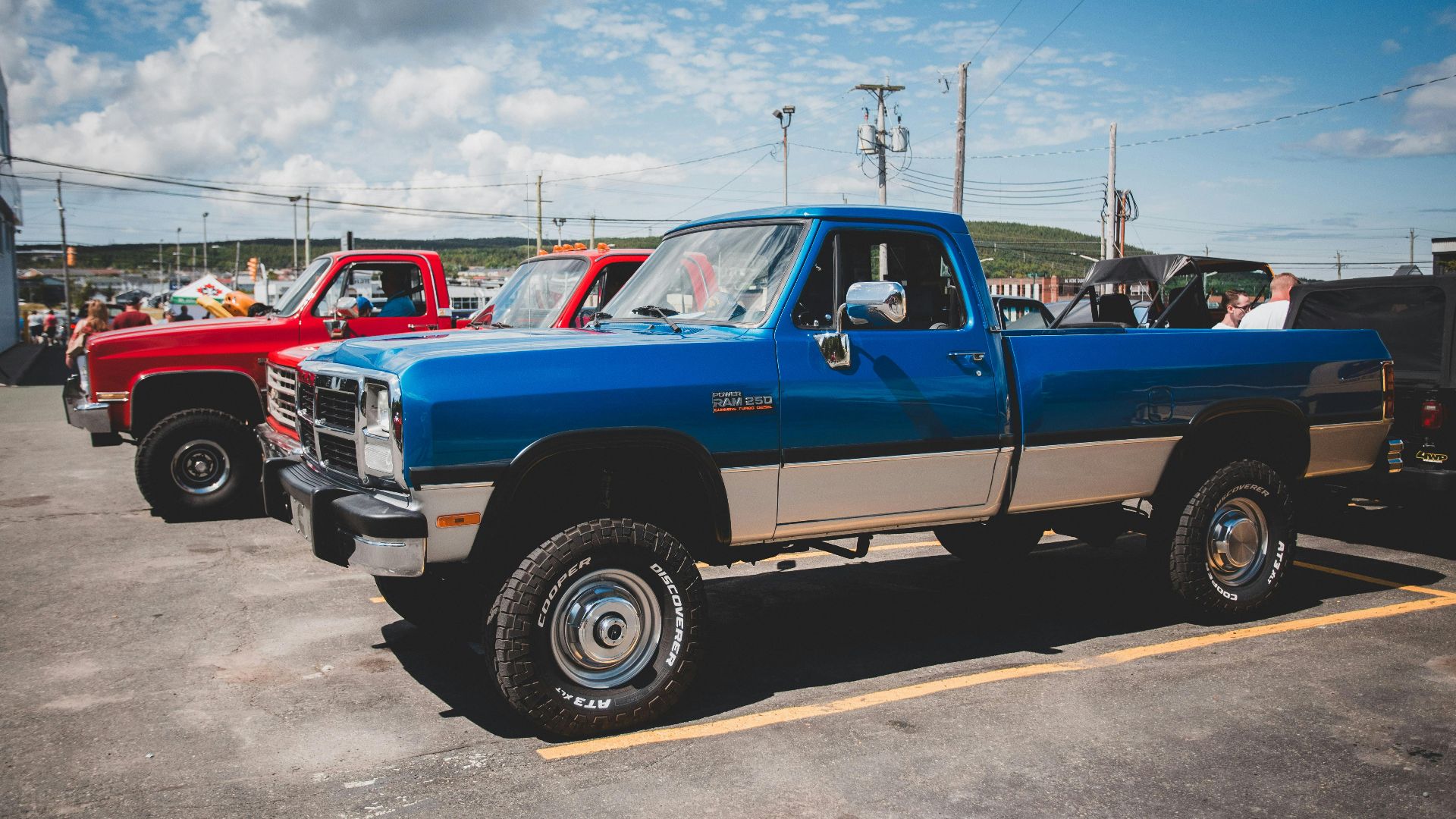
Let’s look at the stats. Higher ride height? Check. Stronger acceleration and a commanding road position? Check and check. Those features only encourage a style of driving that feels more intimidating to others, especially in dense traffic.
9. They Complicated Urban Driving
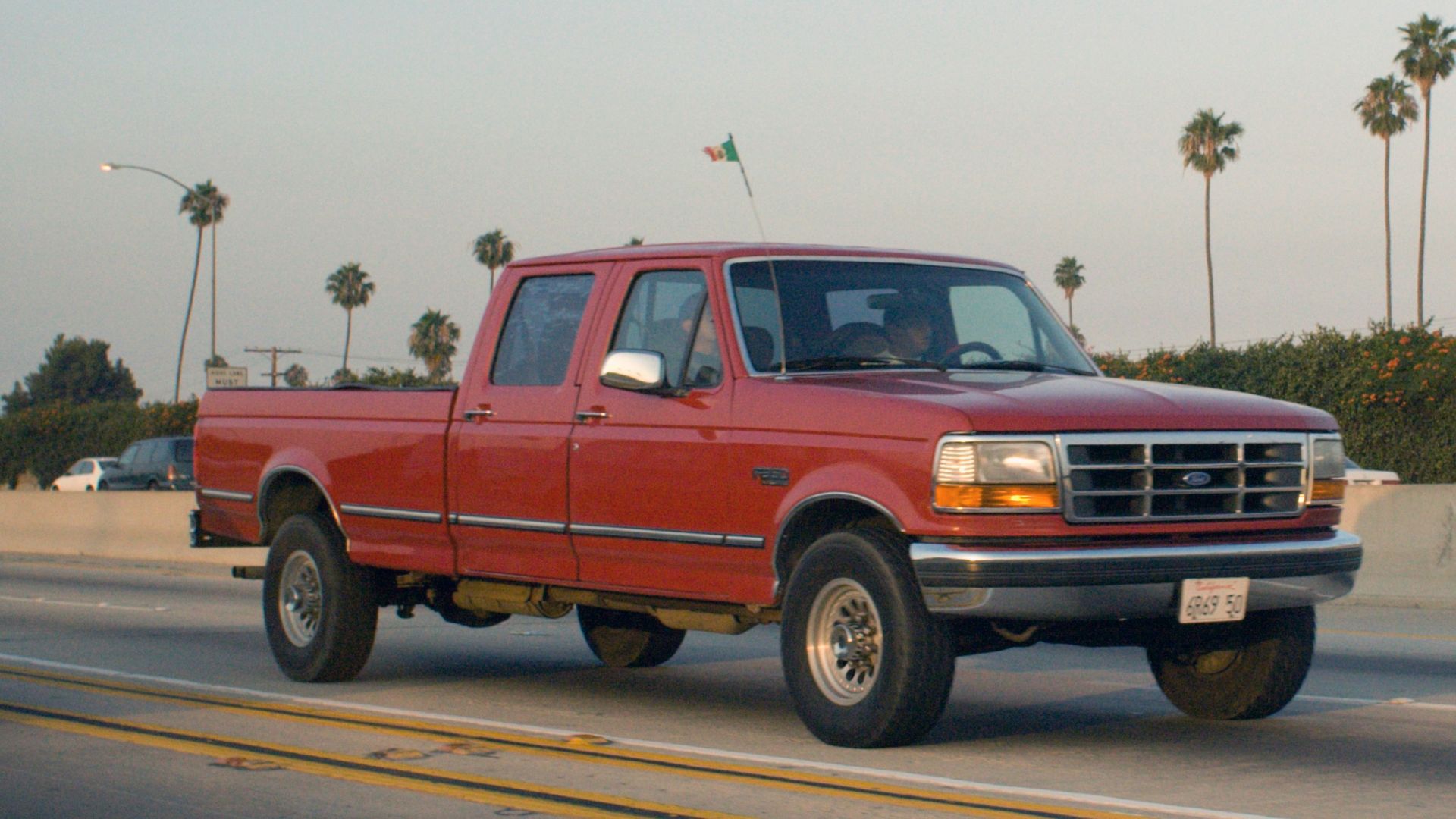
Cities work best when vehicles fit comfortably into shared public space—and pickups don’t. With these behemoths on the road, they force urban areas to absorb the inconvenience, even when those vehicles aren’t especially well-suited to city life.
10. They Changed Expectations
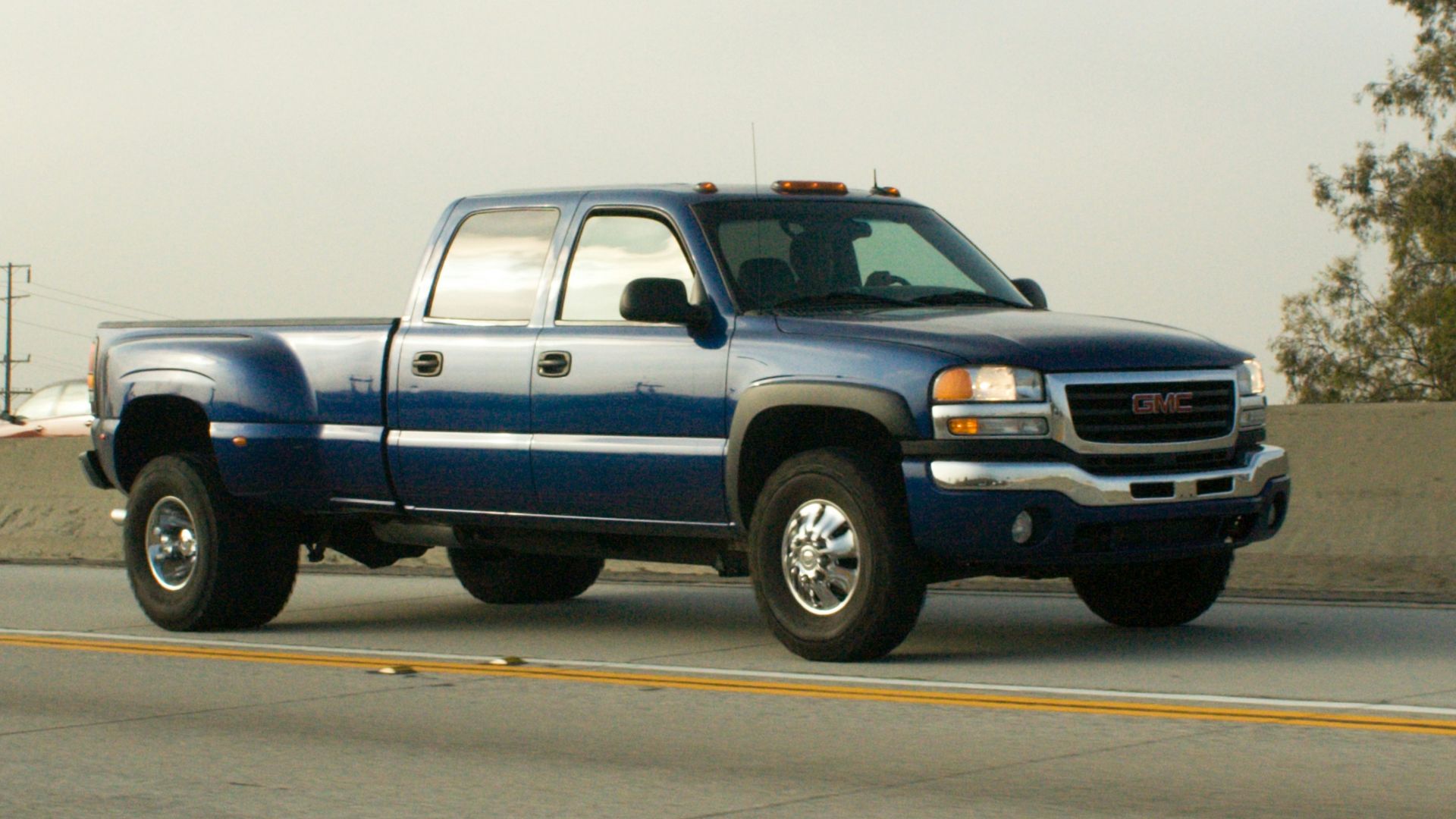
Changing expectations isn’t always a good thing, and perhaps the biggest drawback is that pickups redefined what people think a normal personal vehicle should be. Once bulk, height, and heavy-duty capability became desirable in mainstream driving, smaller and more efficient cars started to seem less appealing than they deserved.