Before You Sign the Agreement
Tesla makes some of the most recognizable electric vehicles on the road, and plenty of owners are happy with them. But contrary to what you might think, buying one isn’t automatically the smart move it once seemed to be, especially now that more automakers offer competitive EVs, charging access is changing, and ownership costs can be harder to predict. If you’re considering a Tesla, it’s worth looking past the glamor of the brand image to see where the ownership experience might become frustrating, expensive, or simply just not right for you. Here are 20 reasons why buying a Tesla could be a bad idea.
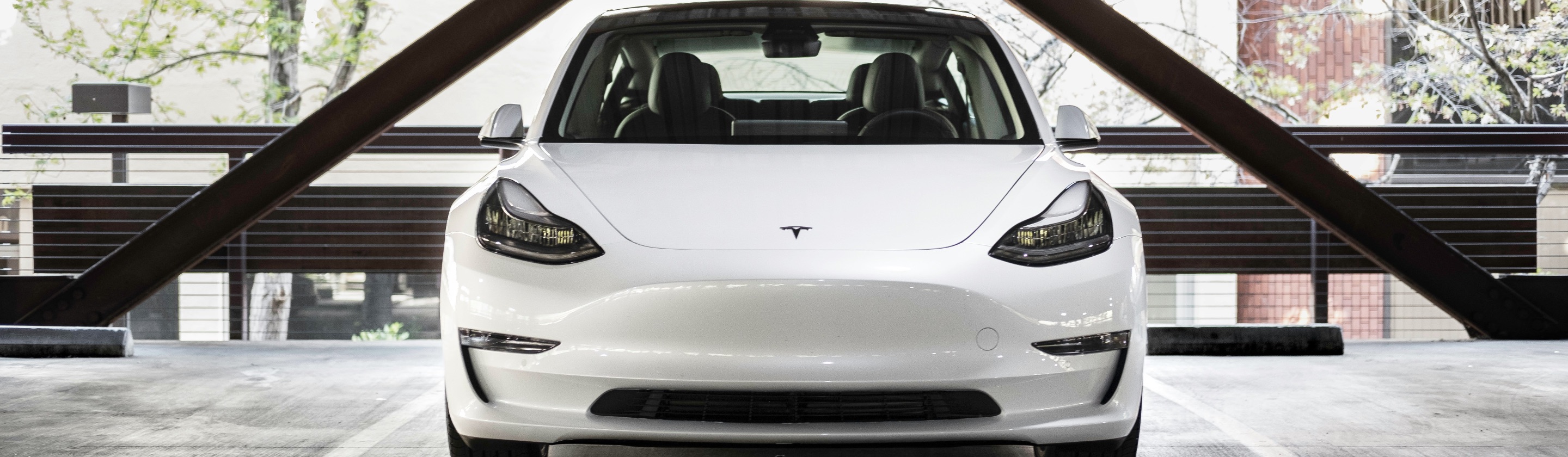
 Tesla Fans Schweiz on Unsplash
1. The Resale Value Can Hurt More Than Expected
A Tesla can lose value faster than many buyers expect, especially as the used EV market keeps adjusting to price cuts, incentives, and newer battery technology. iSeeCars data has shown the Tesla Model 3 losing more than half its value over five years, which is a serious hit if you plan to trade it in later. That doesn’t mean every Tesla is a bad financial decision, but it does mean you shouldn’t assume the brand protects you from steep depreciation.
2. Repair Costs Can Get Expensive Fast
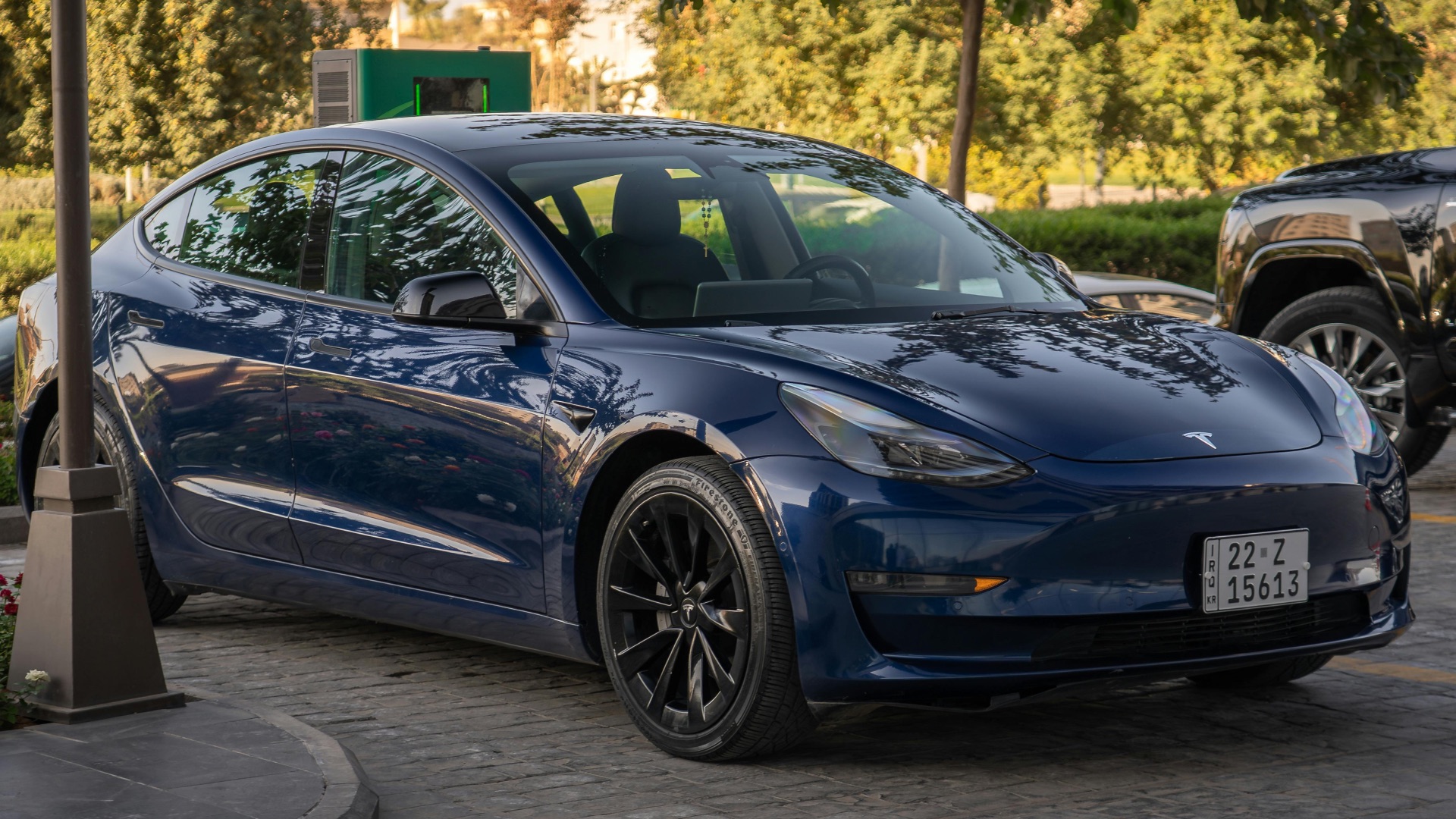
Tesla maintenance can be low in some areas because there’s no oil change, transmission service, or exhaust system to worry about. Repairs are a different story, though, particularly after a crash or when body panels, glass, sensors, or battery-related components are involved. Insurance industry data cited in 2024 found EV repair claim severity was about 29% higher than comparable gas-vehicle claims, which can show up in both repair bills and insurance pricing.
3. Insurance May Be Higher Than You Expect
A Tesla’s performance, repair complexity, and specialized parts can make insurance quotes unpleasantly high in some markets. Even if the car seems affordable after fuel savings, the monthly insurance premium can change the total cost of ownership in a big way. Before buying, you’d be smart to get a real quote for the exact model, trim, and ZIP code rather than relying on general EV savings claims.

4. Recalls Can Add Hassle to Ownership
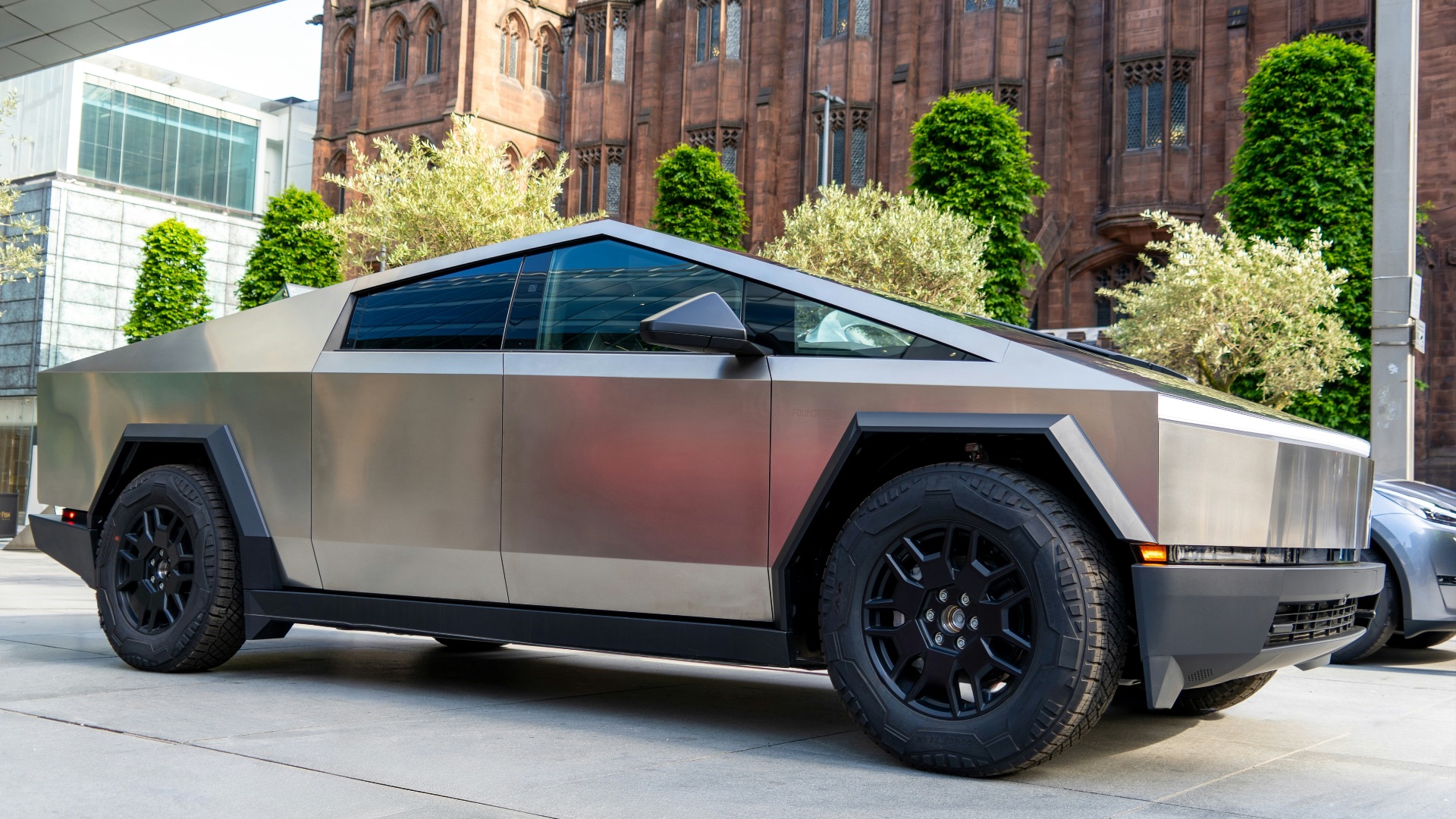
Tesla can fix some recall issues with software updates, which is convenient when it works. But not every recall is solved from your driveway, and physical defects still require appointments, parts, and time. In 2025, NHTSA documents showed a Cybertruck recall over stainless-steel exterior trim panels that could detach and create a road hazard, which is the kind of issue that makes buyers think twice about build execution.
5. Build Quality Complaints Haven’t Fully Gone Away
Tesla has improved in many areas, but the brand still carries a reputation for inconsistent fit, finish, panel alignment, paint quality, and cabin details. And that matters a lot: after all, you’re not buying a cheap commuter vehicle but paying premium-car money. When a new ride arrives with visible flaws, you might instantly regret your purchase.
6. The Service Experience Can Be Frustrating
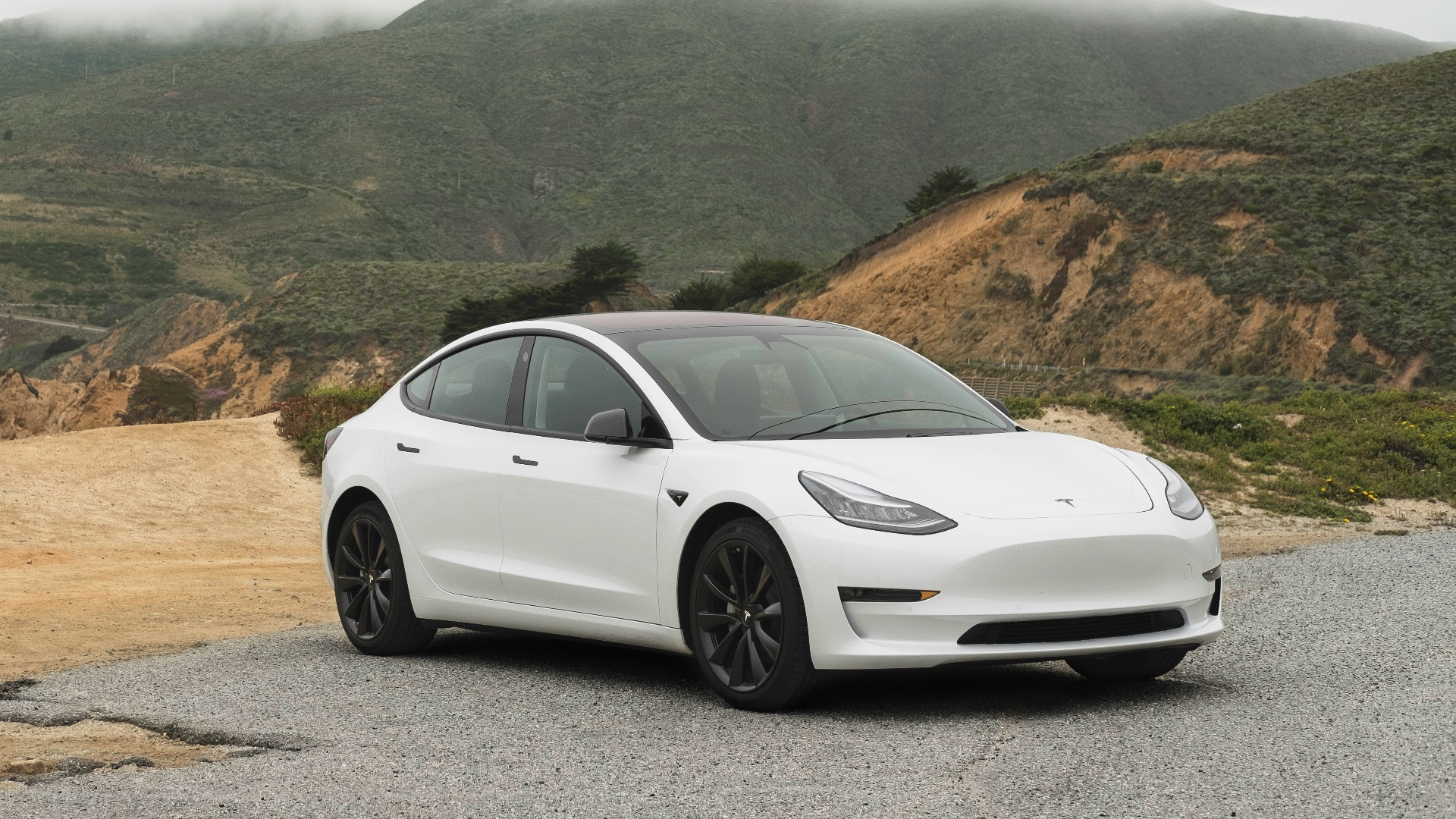
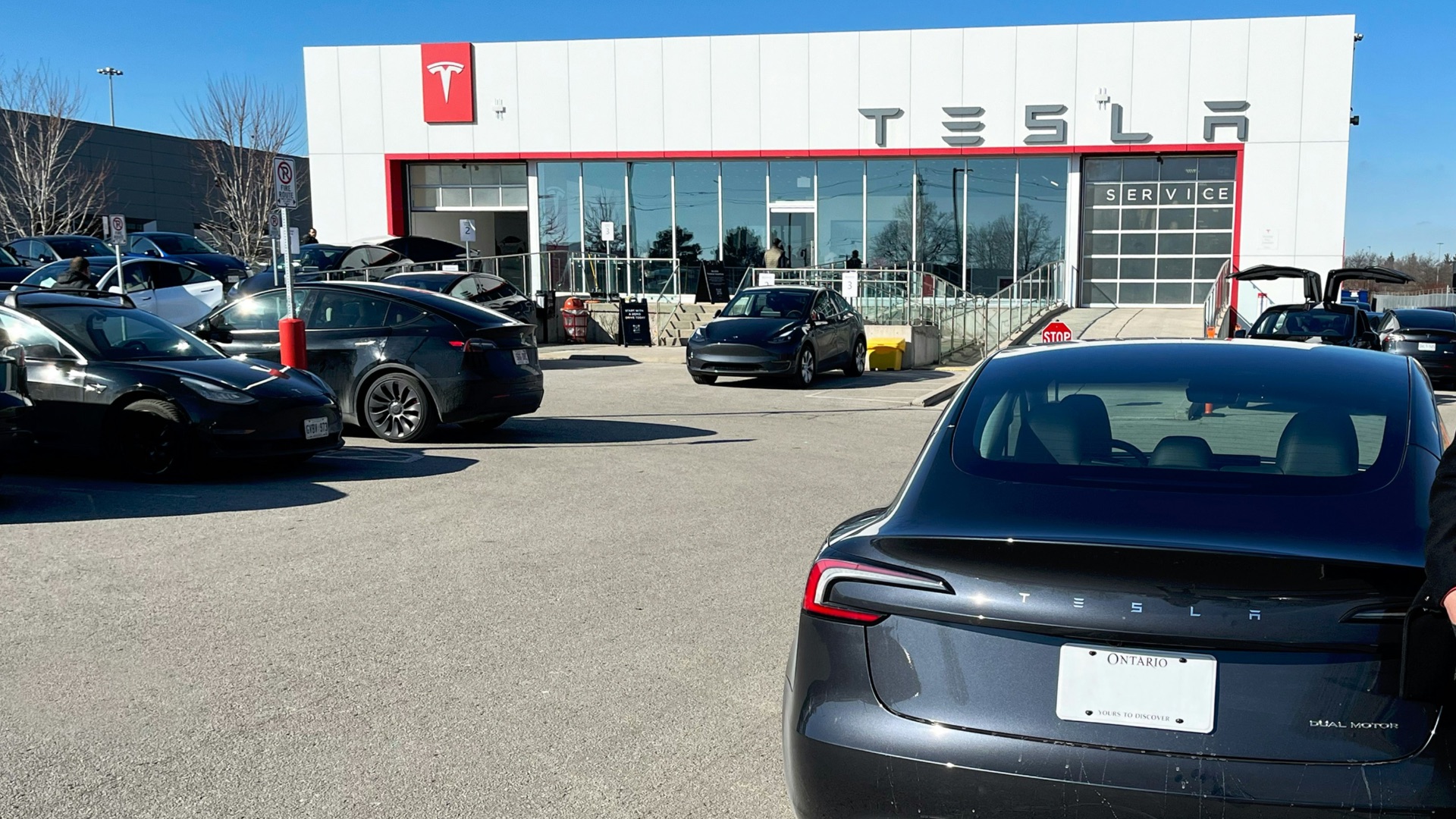
Tesla’s direct-service model sounds simple, but it can become a problem if you don’t live near a service center or if the repair requires a long wait. Mobile service is helpful for smaller jobs, yet it doesn’t replace full workshop access. If something goes wrong, you may have fewer convenient repair options than you would with a brand that has a large dealer network.
7. Too Much Depends on the Touchscreen
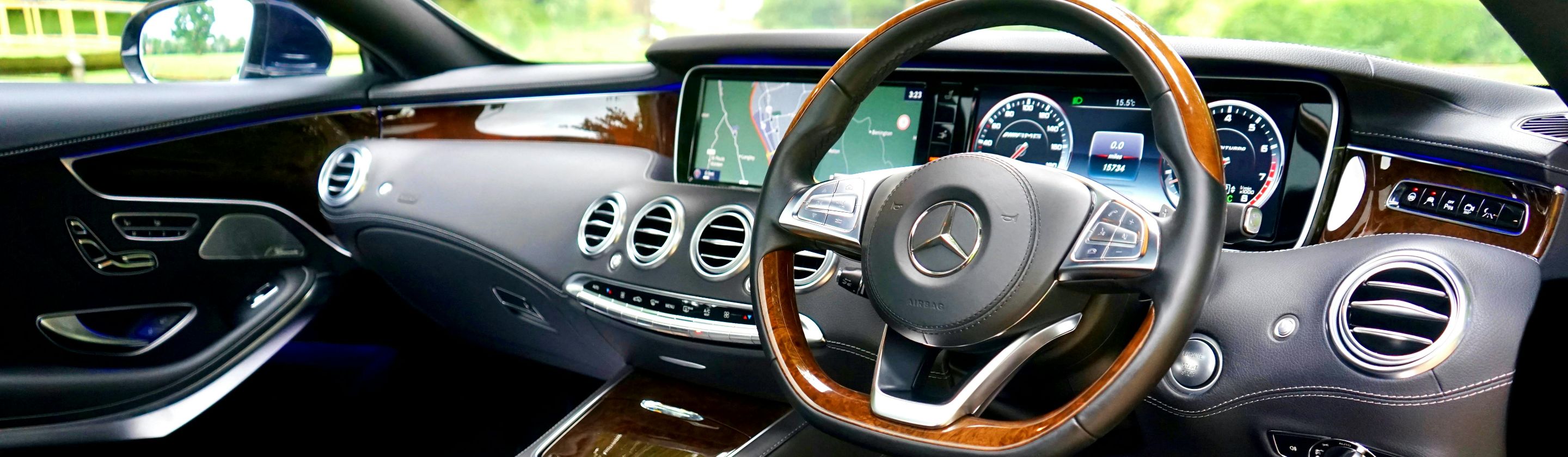
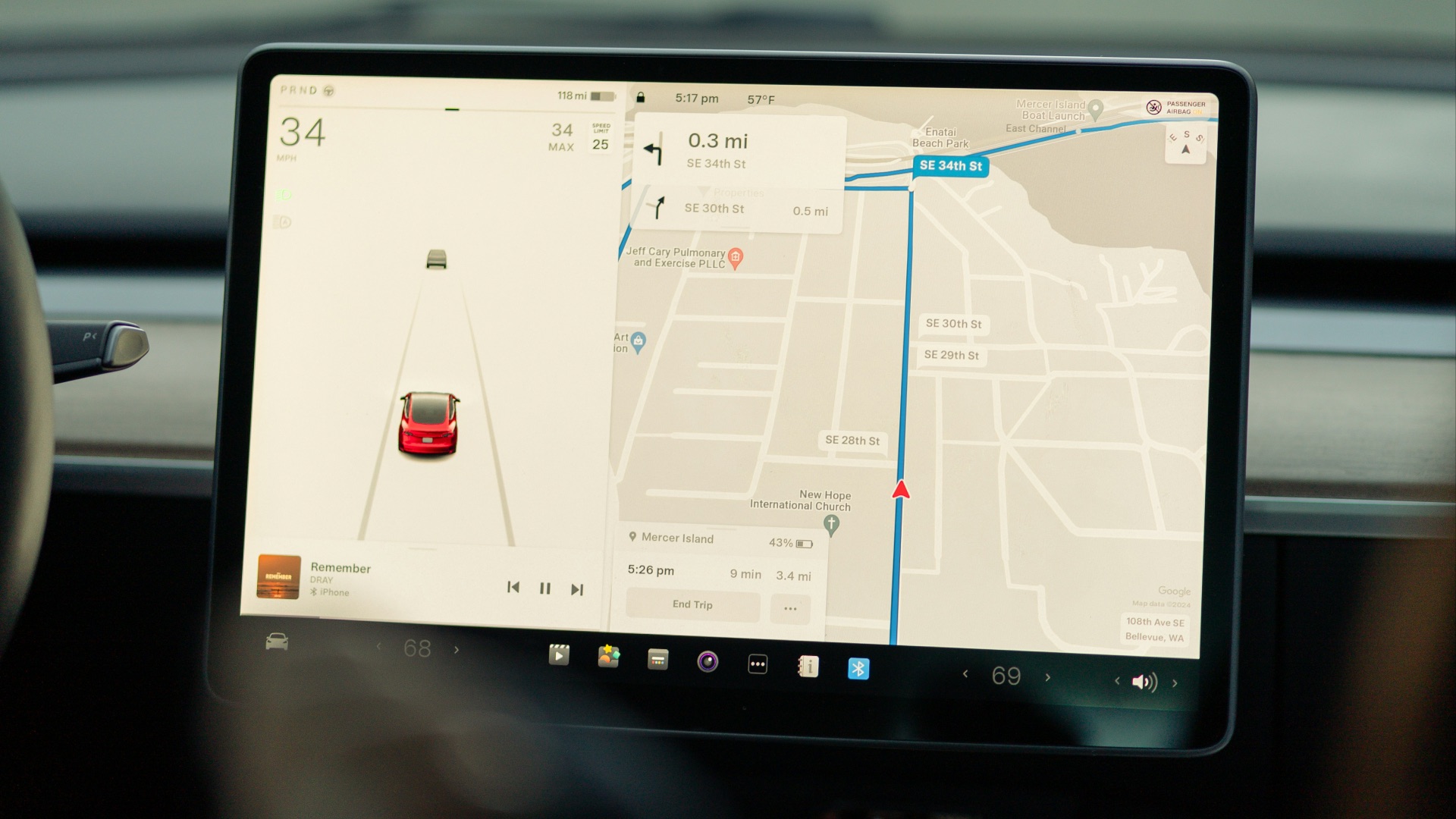
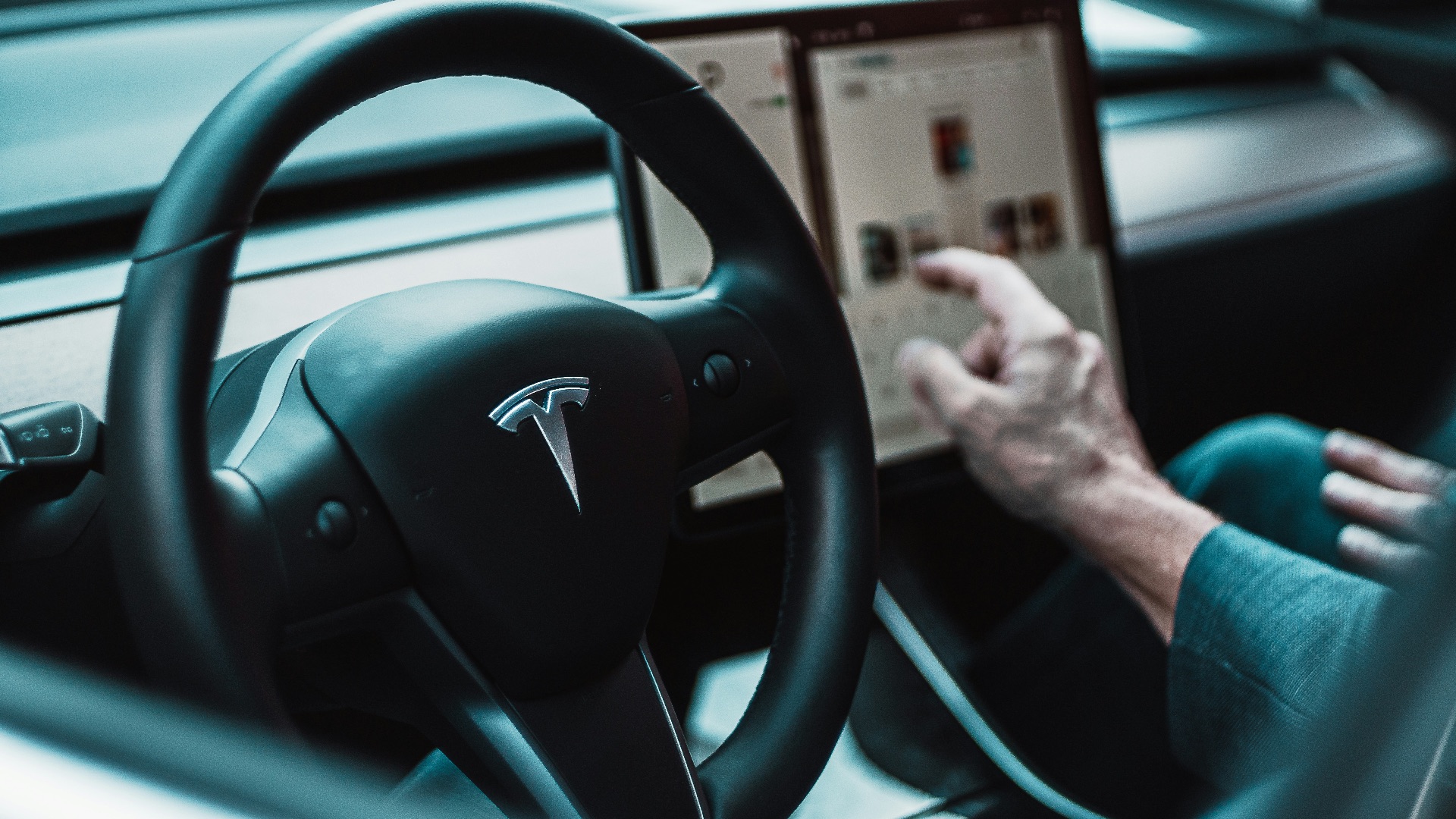
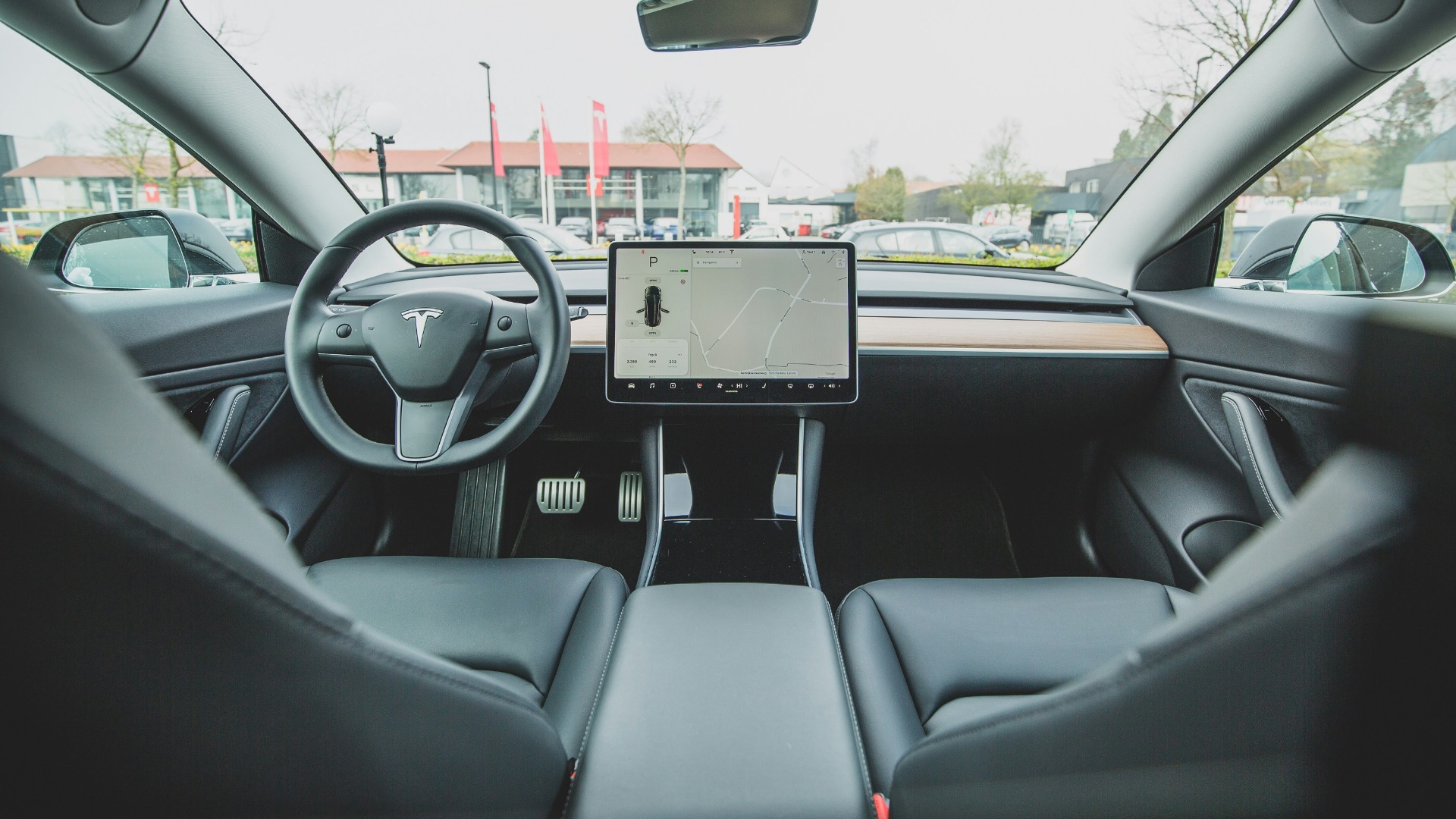
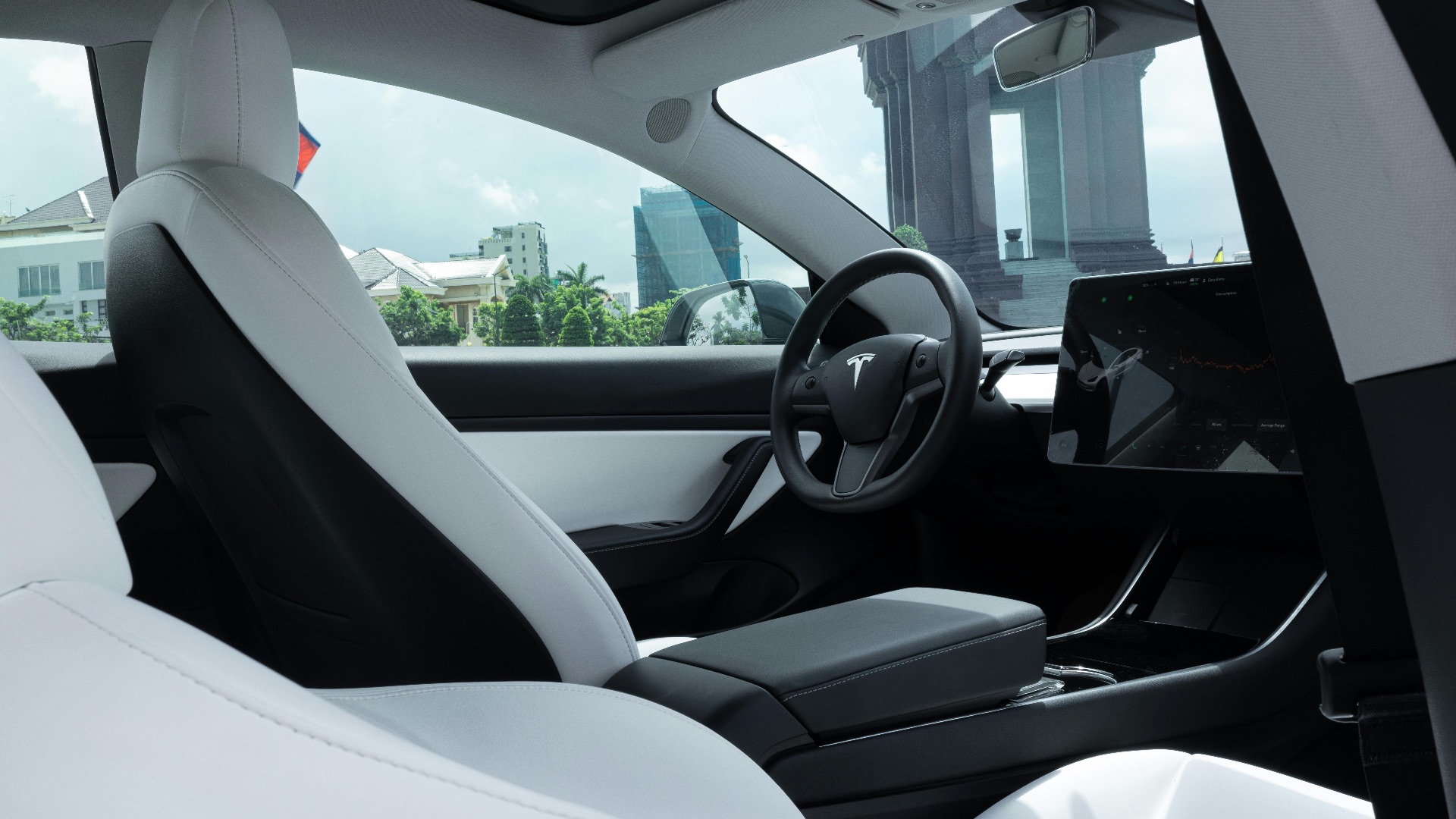
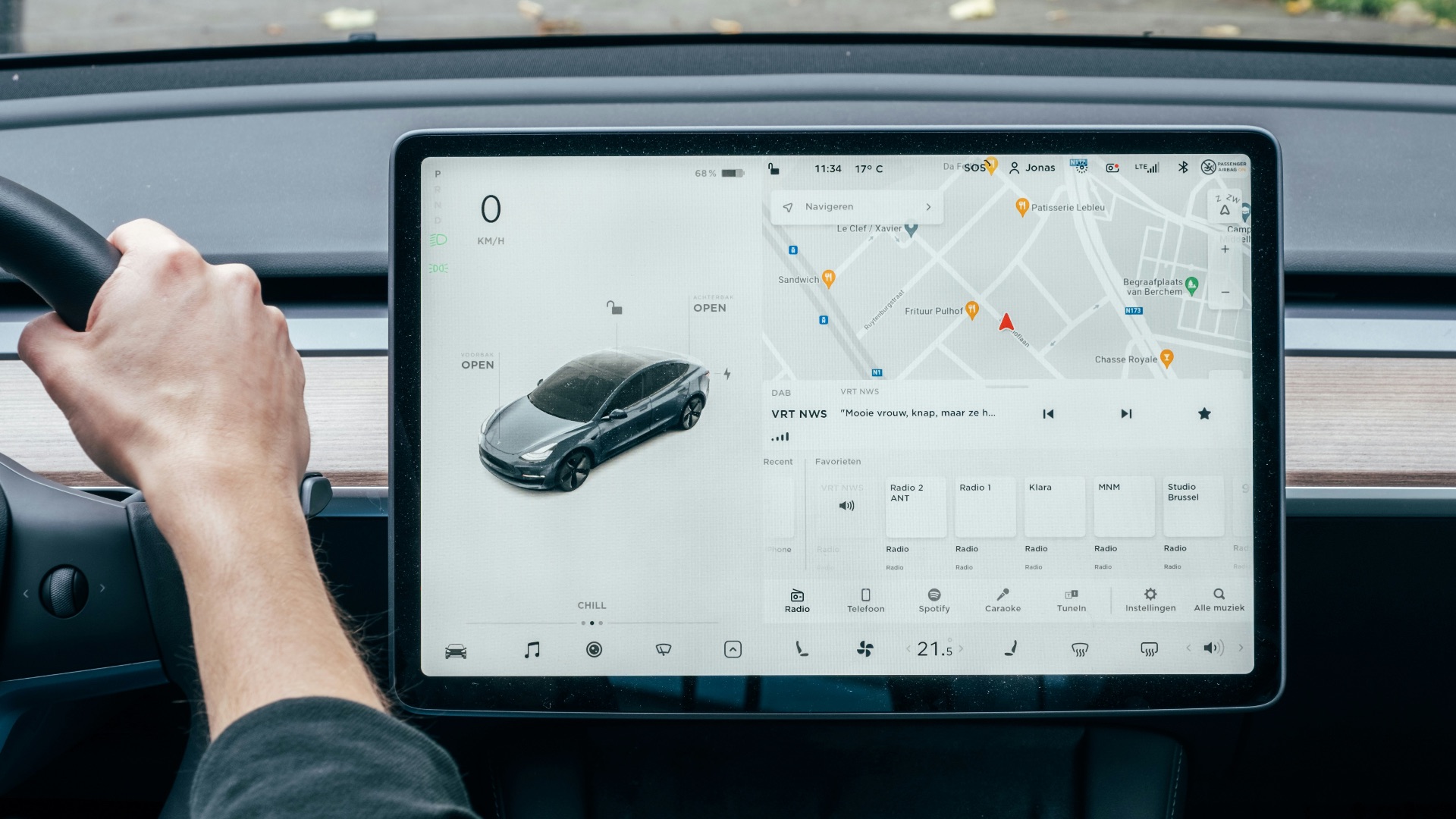
Tesla’s minimalist interiors appeal to some drivers, but the heavy reliance on a central touchscreen can be annoying in daily use. Basic adjustments that are physical buttons in other cars may require taps, menus, or visual attention. If you prefer controls you can use by feel, Tesla’s interface may feel less intuitive than it looks in photos.
8. Real-World Range Can Disappoint
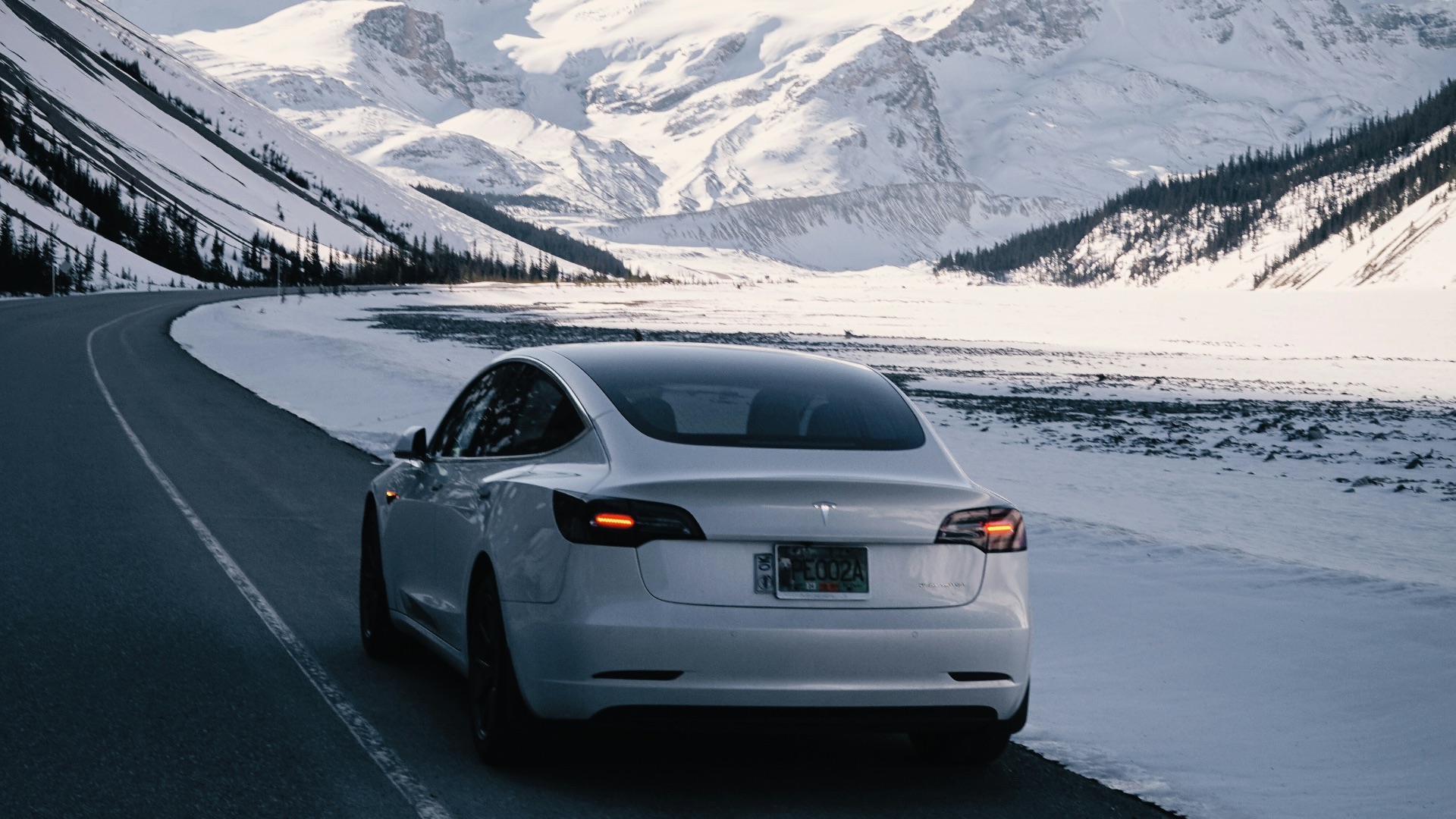
The advertised range is useful for comparison, but your actual range depends heavily on speed, temperature, elevation, tire choice, passengers, and driving style. Cold weather and highway driving can reduce how far you’ll comfortably go between charges. If you often take long trips or don’t have reliable home charging, that gap between rated range and lived range can become a constant planning issue.
9. Charging Isn’t Always as Simple as It Sounds
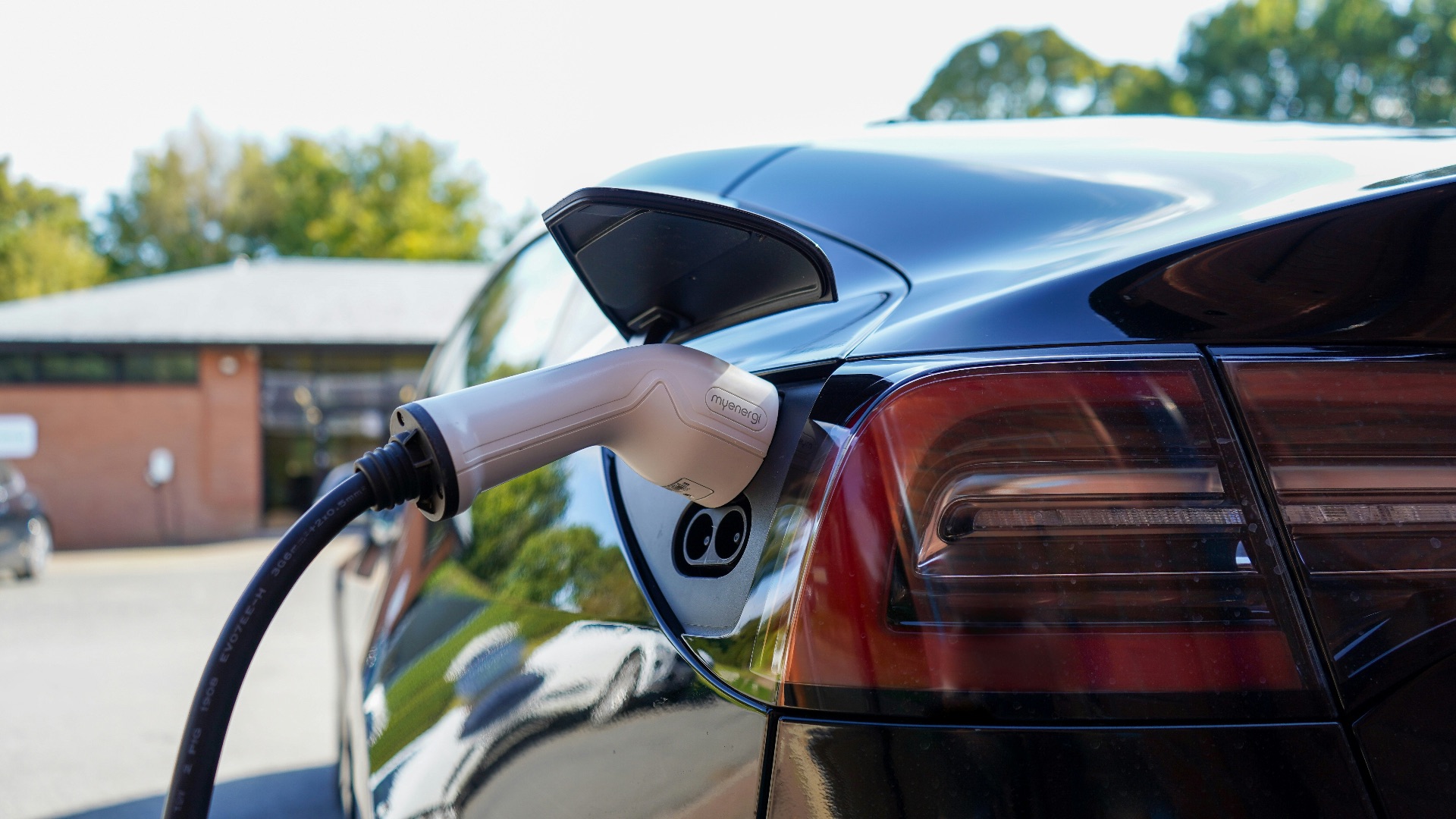
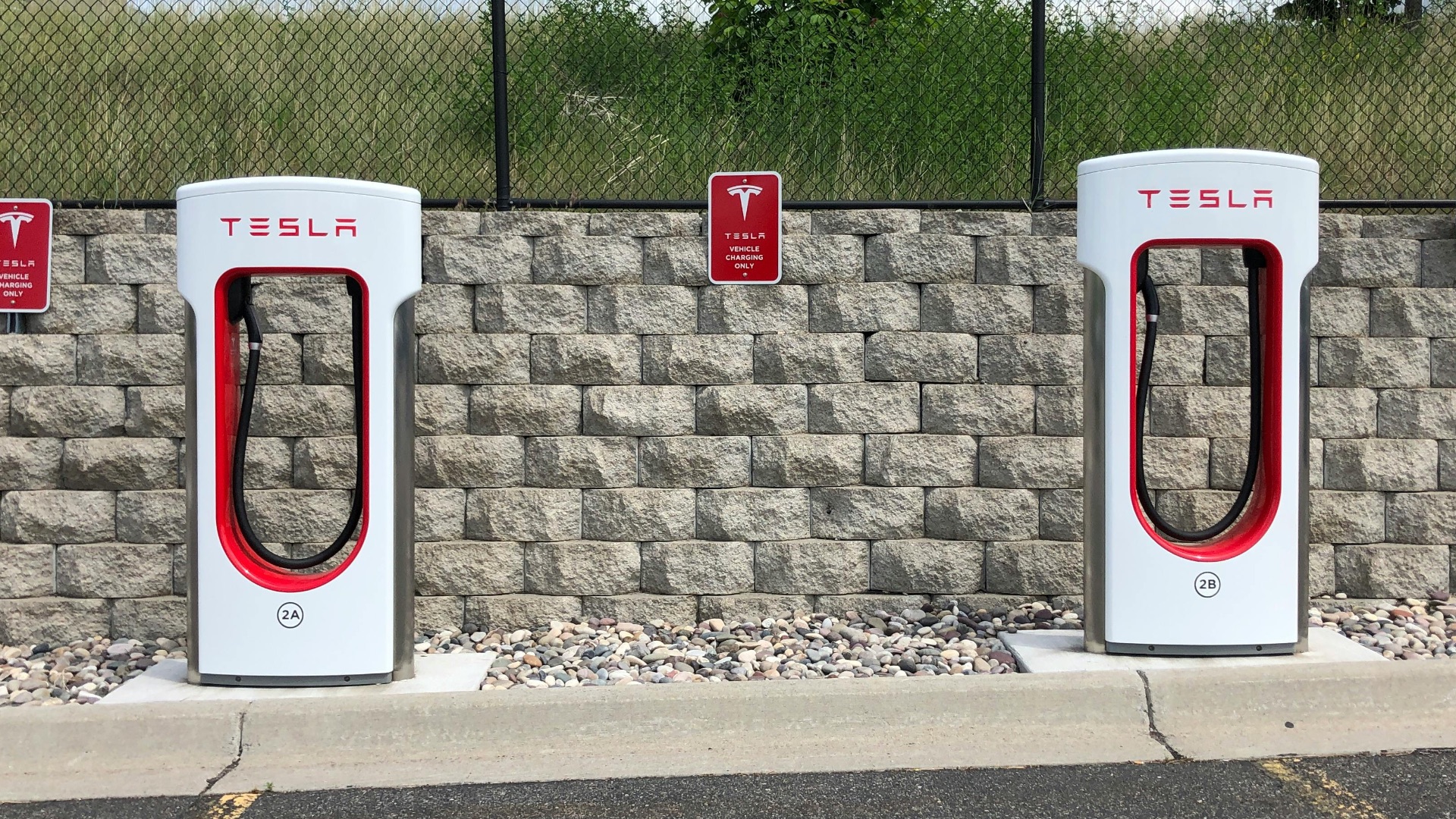
Tesla’s Supercharger network remains a major advantage, but public charging still requires planning, especially on busy travel days or in regions with fewer stations. Tesla also notes that only select Superchargers are open to non-Tesla vehicles, and charging access depends on equipment, vehicle compatibility, and location. That broader charging transition is good for EV adoption, but it also means Tesla’s once-clear network advantage is becoming more complicated.
10. More Rivals Can Now Use Tesla’s Charging Network
One of the biggest reasons to buy a Tesla used to be exclusive access to the best charging network. That advantage is shrinking as other automakers move toward the North American Charging Standard and gain Supercharger access through adapters or native ports. If you can buy a Ford, GM, Hyundai, Kia, Rivian, or other EV and still access many Tesla chargers, the case for buying the Tesla specifically becomes less automatic.
11. The Brand Comes with Baggage
For some buyers, Tesla’s public image is part of the appeal. For others, the brand has become polarizing enough that driving one feels like making a statement they didn’t intend to make. If you don’t want your car purchase tied to strong reactions about the company or its leadership, Tesla may bring more social friction than you want from transportation.
12. Price Changes Can Make Buyers Balk
Tesla has a history of changing prices quickly, which can be great if you buy right after a discount. It can feel awful if you bought shortly before one. A sudden price cut can reduce the value of nearly identical used Teslas overnight, and that’s hard to ignore if you care about resale value.

13. Full Self-Driving Still Requires Caution
Tesla’s driver-assistance features can be impressive, but the name “Full Self-Driving” can create expectations that the system doesn’t fully meet; the driver still has to supervise the vehicle and stay ready to take over at any moment. If you’re buying mainly because you think the car will drive itself fine and dandy, you’re setting yourself up for disappointment.
14. The Interior May Feel Too Sparse
Tesla cabins are clean and modern, but they can also feel stripped down compared with other vehicles at similar prices. Some buyers miss traditional gauges, more buttons, richer materials, or a more layered interior design. A minimalist cabin is a matter of taste, and it’s worth spending real time inside one before assuming you’ll enjoy it every day.
15. The Ride Can Feel Uncomfortable
Many Teslas are quick and responsive, but that doesn’t always translate into the most comfortable ride. Larger wheels, performance tires, and stiff suspension tuning can make rough pavement more noticeable. If comfort matters more to you than instant acceleration, a test drive on familiar roads is essential.
16. Tires Can Wear Out Quickly
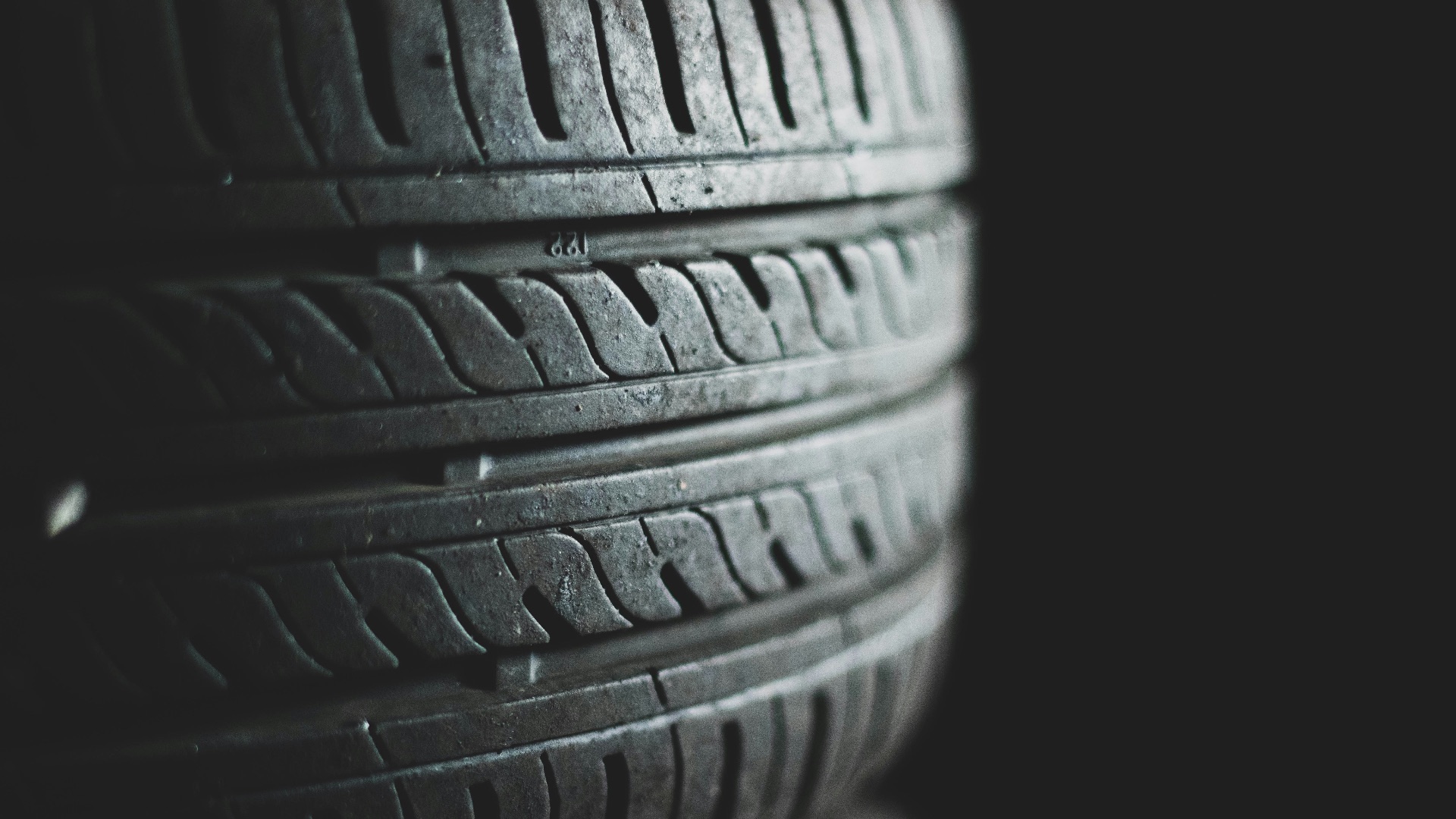
Tesla vehicles are heavy because of their battery packs, and their instant torque encourages brisk acceleration. That combination can wear tires faster than some drivers expect, especially on performance trims or larger wheel packages. Replacement tires aren’t cheap, so this is one of those ownership costs that can sneak into the budget.
17. Battery Repairs Are a Big Unknown for Used Buyers
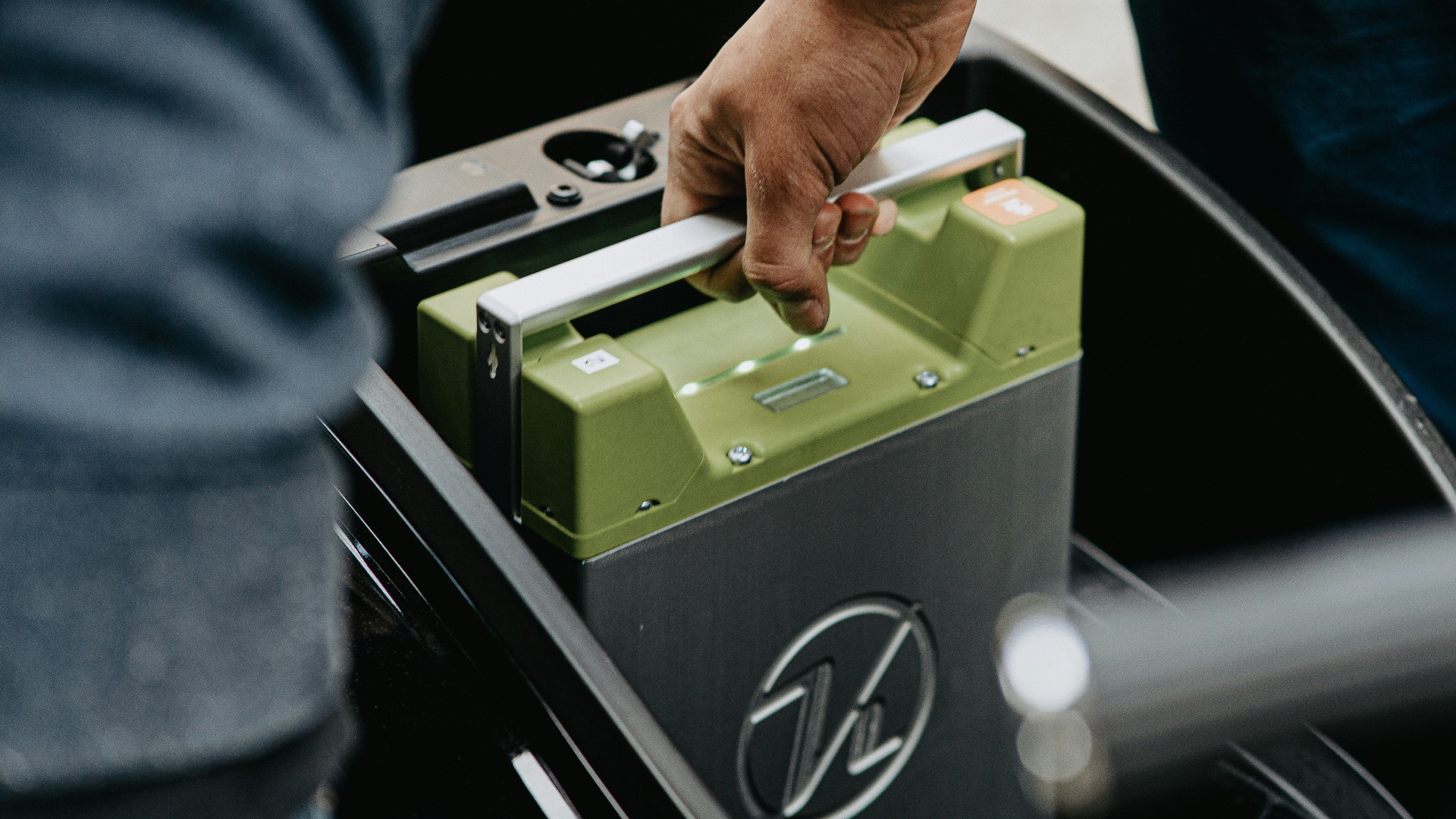
A used Tesla may look like a bargain, but battery health is harder to judge than mileage alone. If the battery is degraded, out of warranty, or has an unclear history, the risk can be far larger than with many conventional used cars. Anyone shopping used should verify warranty status, charging history when possible, and battery condition before treating the lower purchase price as a deal.
18. The Tech-First Experience Can Age Quickly
Tesla updates its cars through software, which can be a benefit, but it also means the ownership experience can change after you buy. Features, menus, driving behavior, or subscription offerings may shift over time. If you want a car that stays mostly the same throughout ownership, Tesla’s software-driven approach may not be your favorite setup.
19. EV Incentives and Rules Can Change
Tax credits, local rebates, charging rates, registration fees, and utility plans can all affect whether a Tesla makes financial sense. Those rules change, and they can vary widely depending on where you live and which model you buy. A Tesla that looks like a strong deal in one state, province, or utility district may look much less compelling somewhere else.

20. It May Not Be The Best EV For Your Needs Anymore
Tesla used to be the default answer for many EV shoppers, but the market has changed. There are now more electric SUVs, sedans, trucks, and hybrids with better interiors, stronger dealer support, competitive range, or more familiar controls. Buying a Tesla can still make sense for the right person, but it’s a bad idea if you’re choosing it out of habit instead of comparing it against the newer alternatives.