How Life Changes the Way You Drive
Some driving lessons can't be taught in a classroom or memorized from a handbook; in fact, most experiences come from the road itself, in everyday life. From being in a near-miss to driving in sudden, severe weather, there are many things that can completely reframe the way we operate behind the wheel. And sometimes, it's not always a close call that leaves your heart pounding that makes you switch gears—it could simply be a new responsibility you take on that changes how you think about risk. Here are 20 experiences that can instantly make you a safer driver.
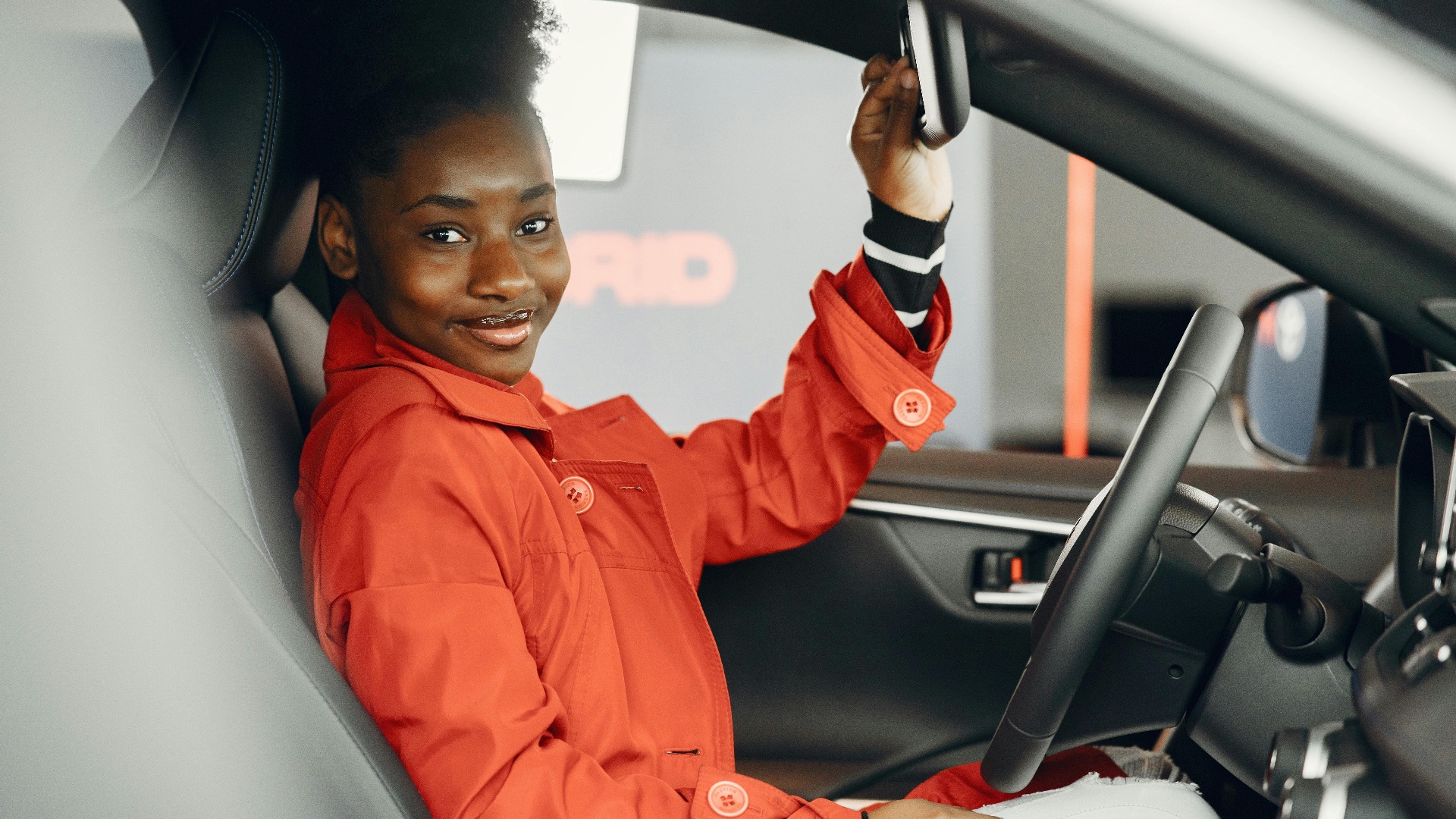
1. Getting Into a Car Accident
There's nothing like a nasty collision to make the consequences of distracted or careless driving feel very real. In the aftermath, most drivers find themselves far more attentive, more cautious at intersections, and far less likely to push their luck on a yellow light. The experience has a way of recalibrating your entire approach to the road in a way that no cautionary tale ever could.
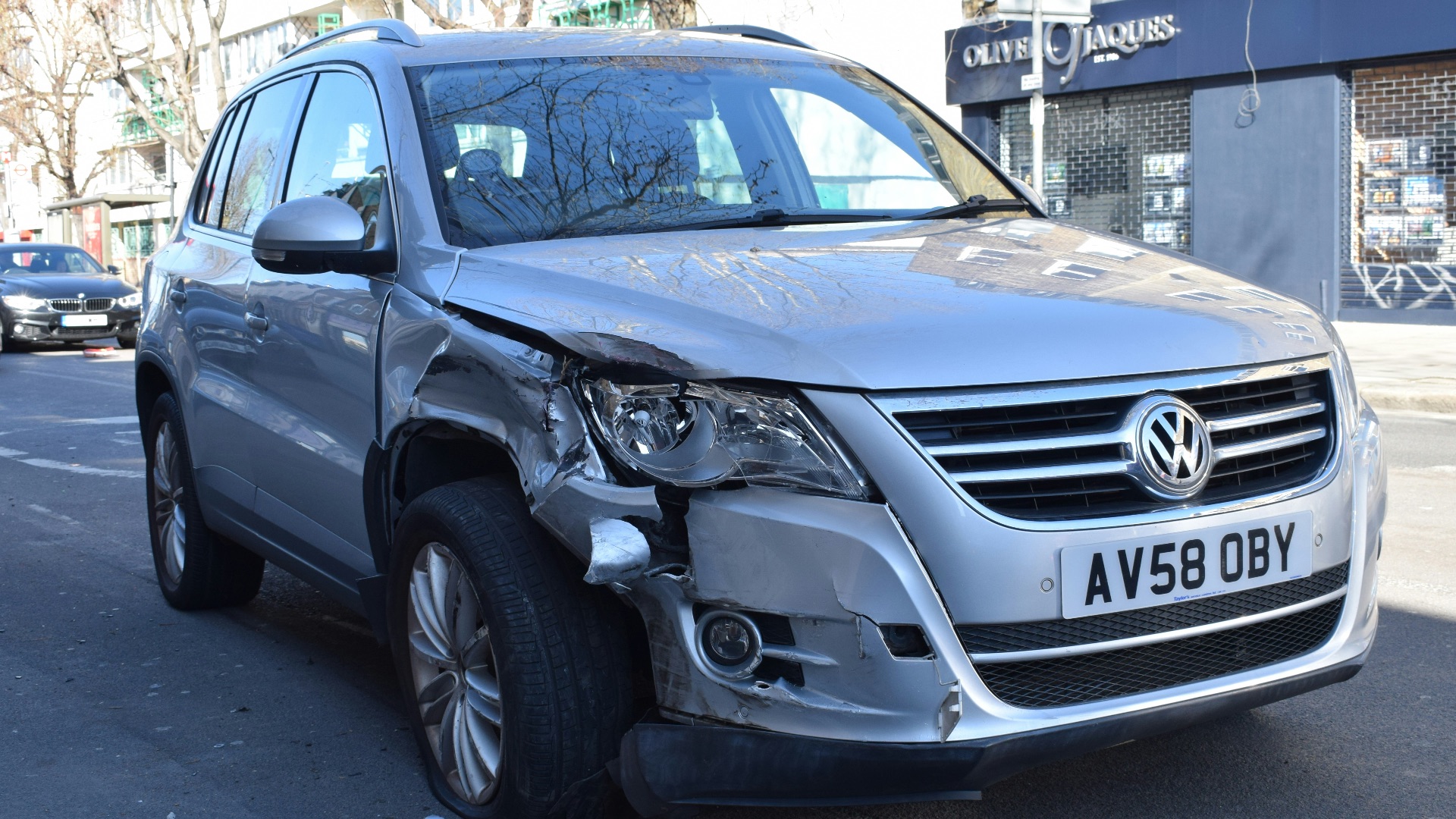
2. Having a Near Miss
A near miss also tends to leave a lasting impression: that split-second where you almost sideswiped another car or narrowly avoided rear-ending someone tends to replay in your head every time you're in a similar situation. Many drivers report that a close call is precisely what it took to finally put the phone down for good.

3. Becoming a Parent
The moment you have a child, the calculus of driving changes completely. Suddenly, you're thinking about following distances, speed limits, and road conditions in a way you never bothered to before, because the stakes feel entirely different with a car seat in the back. Unsurprisingly, parents often become more patient, more deliberate drivers almost overnight.
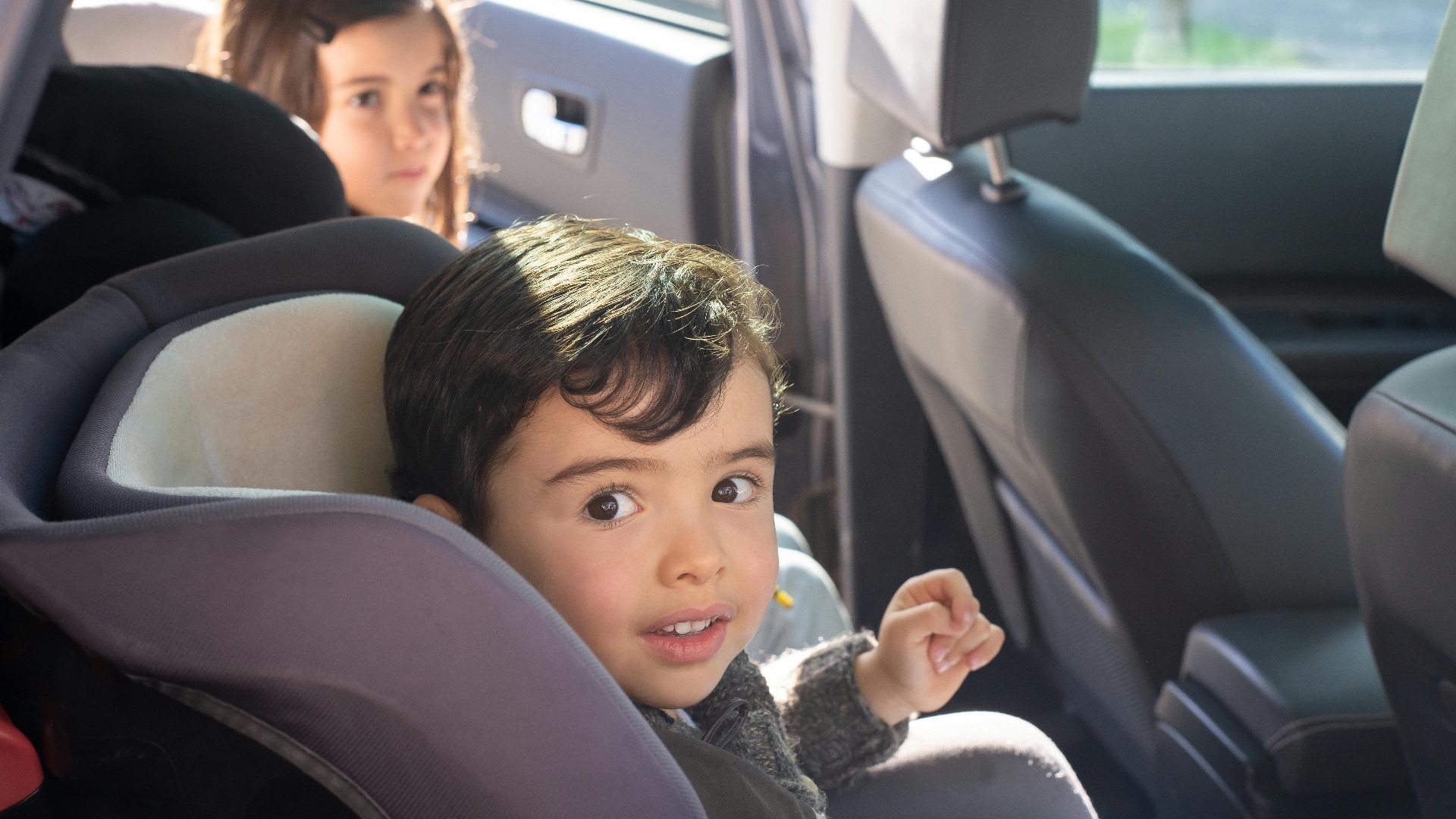
4. Experiencing Brake Failure or a Mechanical Problem
A sudden mechanical issue can make you appreciate how much you depend on your car working properly. Whether it’s a brake problem, a tire issue, or an engine warning that turns serious, it can be frightening to feel control slip away. Afterward, you'll pay more attention to regular maintenance and warning signs instead of putting them off.
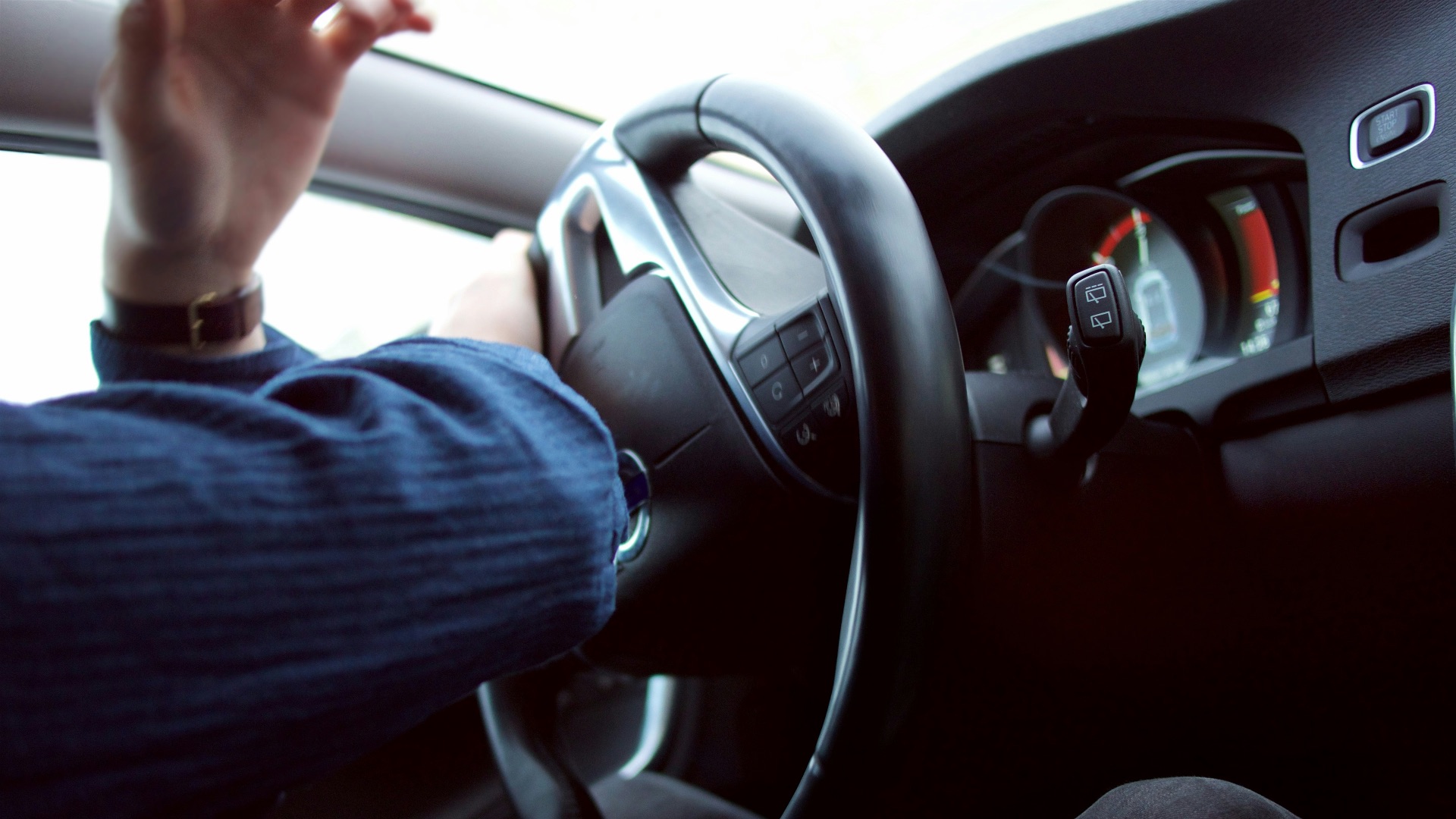
5. Driving in Severe Weather for the First Time
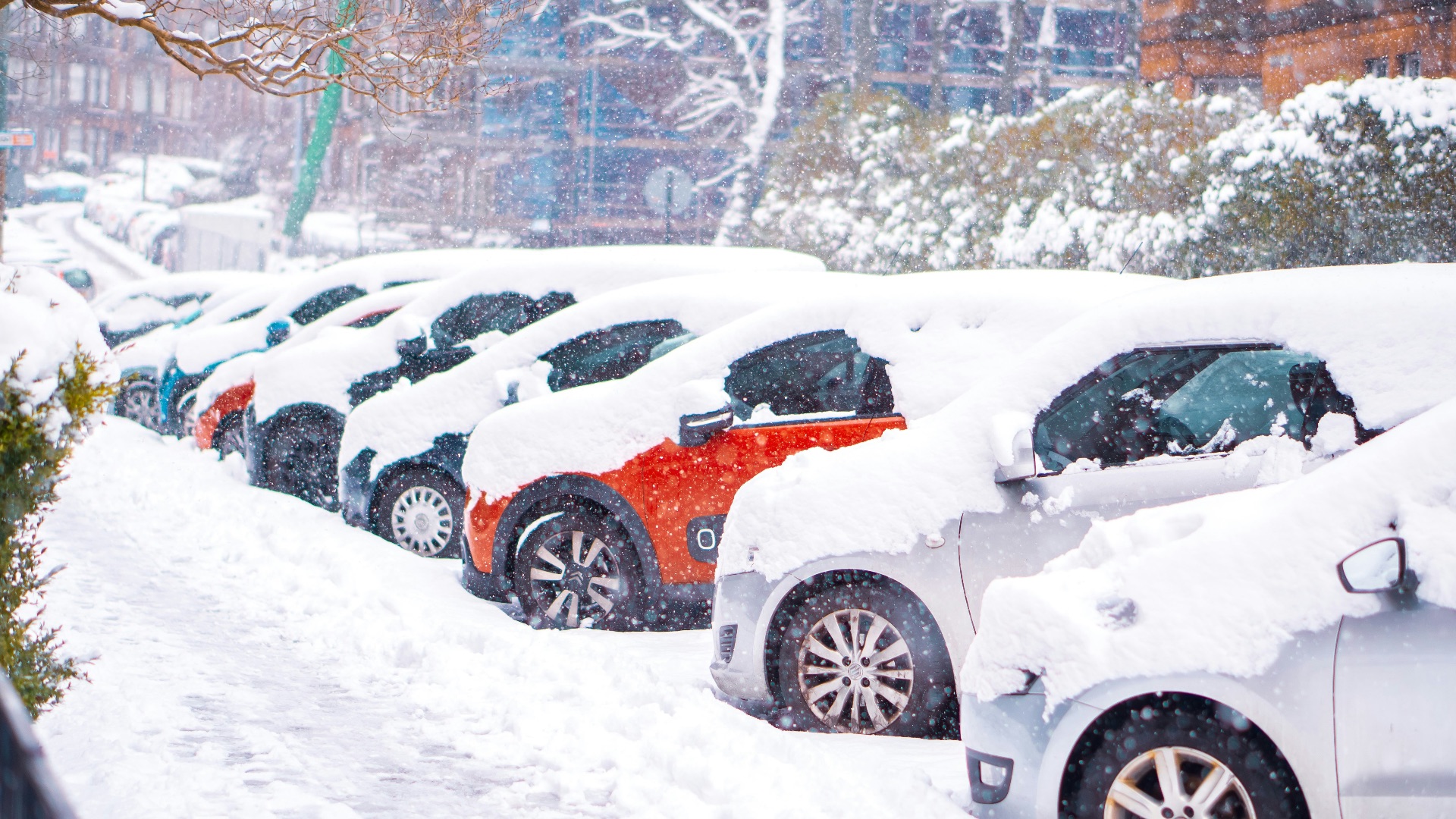
Navigating your first serious ice storm or torrential downpour has a humbling effect on even the most confident driver. You quickly realize that your usual habits, from your braking distance to your following distance and your speed, need to be completely rethought when the road is working against you. After surviving a white-knuckle drive through a blizzard, you'll never underestimate weather conditions again.
6. Witnessing a Serious Accident
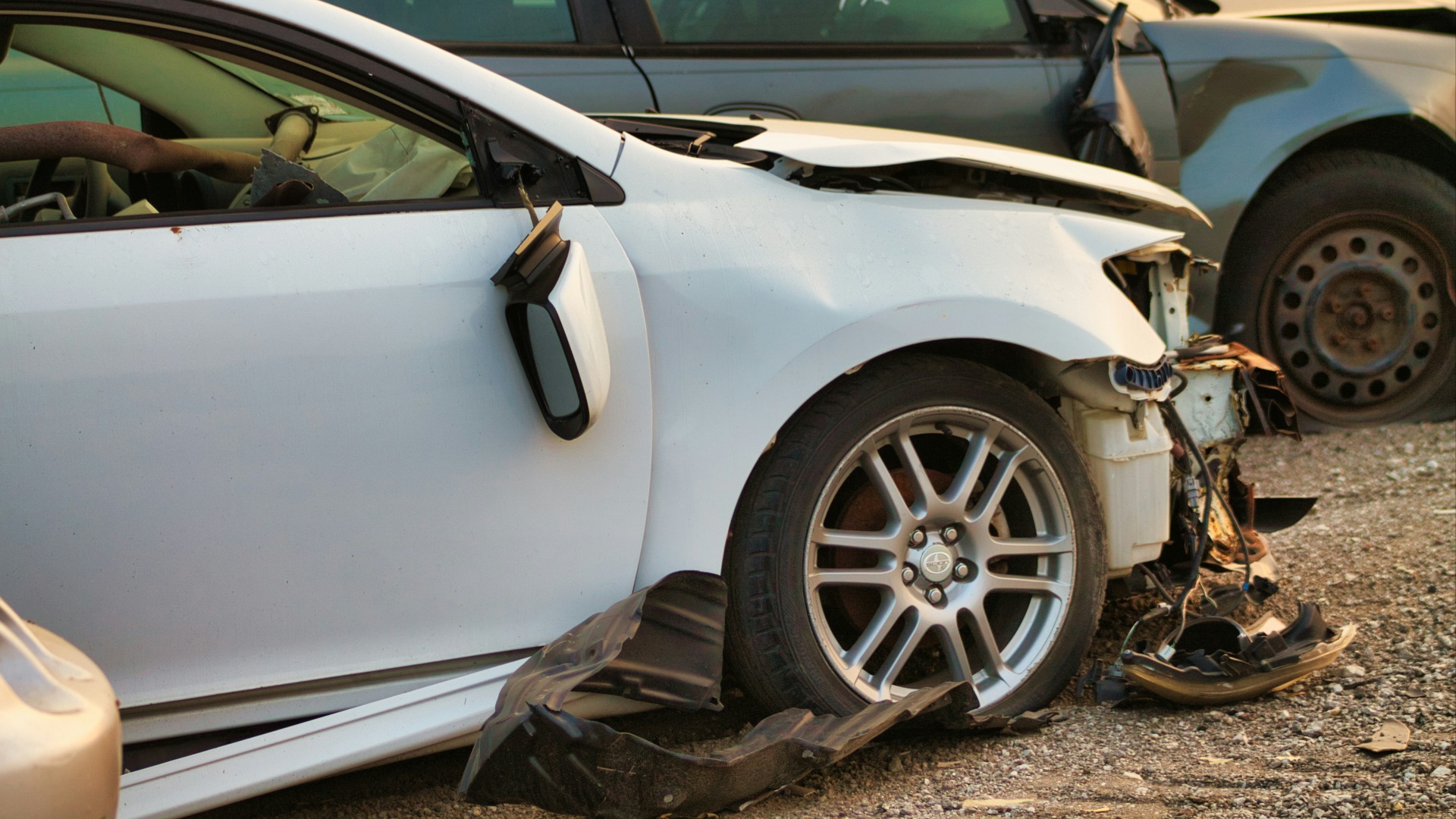
Driving past the aftermath of a serious crash, or watching one unfold in real time, is a sobering reminder of how quickly and suddenly things can go wrong. It forces you to confront the reality that the road carries genuine risk, not just theoretical danger, and that reckless decisions have consequences that extend well beyond the people making them. Most witnesses find themselves driving more carefully for weeks afterward, if not permanently.
7. Having a Tire Blowout at High Speed
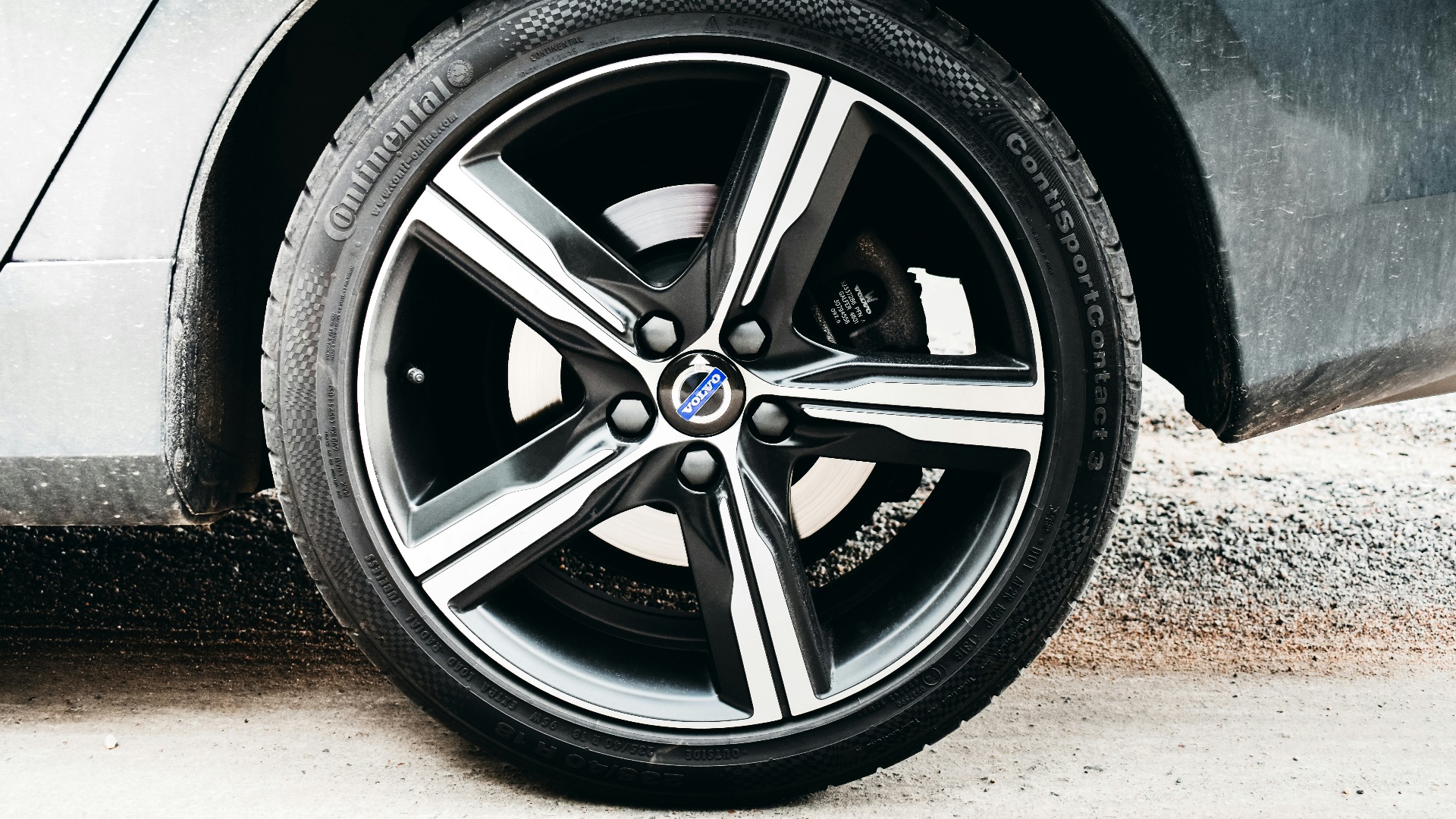
Few things test your composure behind the wheel like a sudden blowout on the highway. The experience teaches you firsthand why proper tire maintenance matters, and it also drills into you the importance of staying calm and not overcorrecting when something goes wrong at speed. Drivers who've been through it tend to be far more diligent about checking tire pressure and tread from that point on.
8. Learning to Drive a Manual
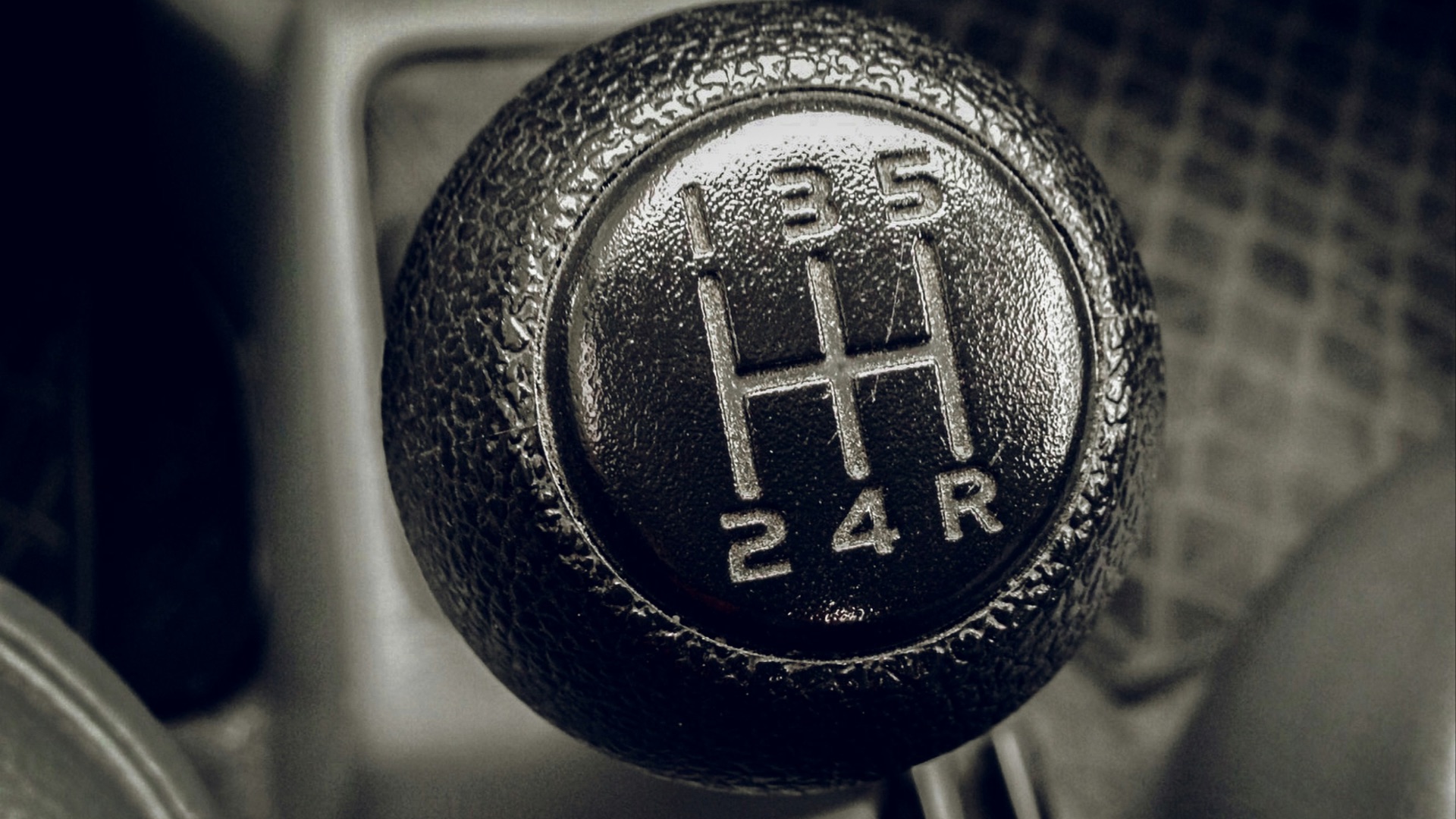
Mastering a stick shift forces you to become more deliberate and fully engaged with the act of driving. You can't coast on autopilot when you're managing a clutch, monitoring RPMs, and thinking several steps ahead in traffic. That heightened focus tends to carry over even when you're back in an automatic, making you a more attentive driver overall.
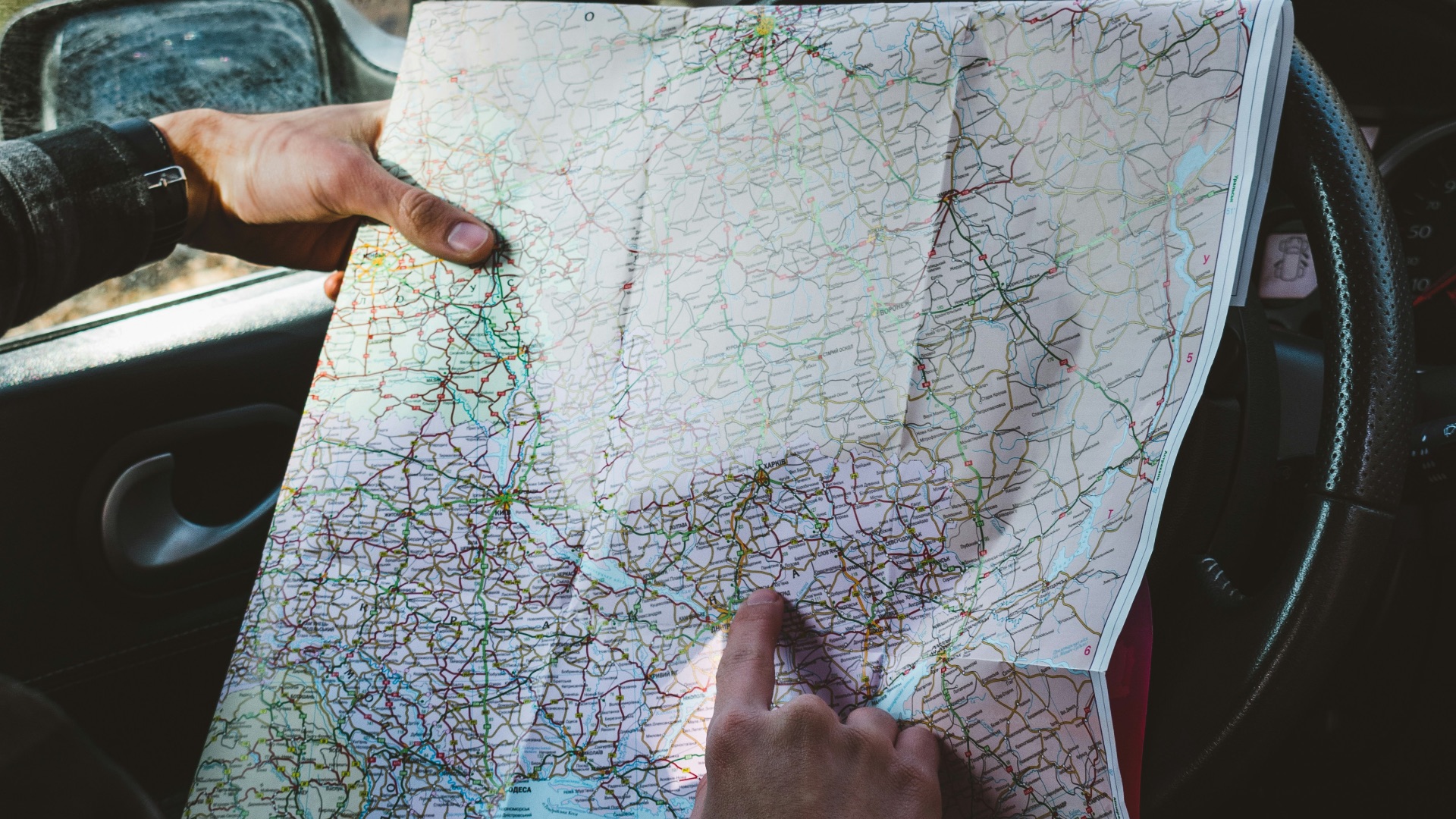
9. Getting Lost Without GPS
Losing navigation in an unfamiliar area quickly teaches you how to drive with more awareness of your surroundings. You start reading street signs more carefully, anticipating turns earlier, and staying calm under the mild pressure of uncertainty. It's a low-stakes way to build the kind of situational awareness that makes you a sharper driver in any condition.
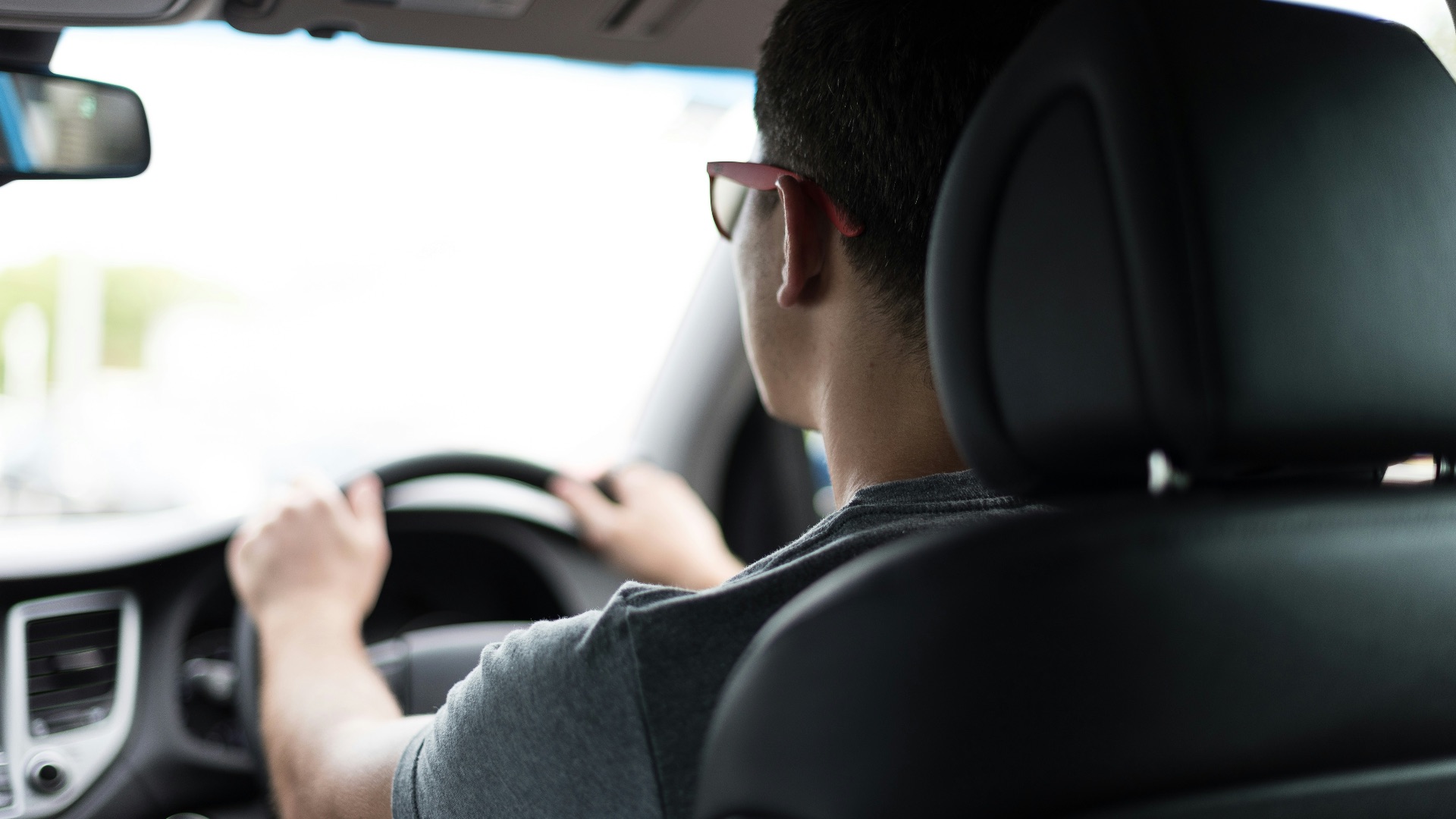
10. Riding as a Passenger with a Bad Driver
Sitting in the passenger seat while someone else drives recklessly is one of the most effective reality checks you can have. You experience firsthand what it feels like to be on the receiving end of tailgating, hard braking, and distracted driving, and it can be truly unsettling. Most people come away from that experience with a much clearer sense of the habits they never want to bring into their own driving.

11. Taking a Road Trip Alone
A long solo road trip builds a kind of self-reliance behind the wheel that shorter drives simply can't replicate. You learn to manage fatigue, plan your stops strategically, and stay sharp over extended periods without anyone else to hand the wheel to. By the time you return home, you'll have a far better understanding of your own limits as a driver.

12. Driving in a Foreign Country
Navigating roads in a country where the rules, signage, or even the driving side are different from what you're used to demands a level of alertness most drivers rarely tap into at home. You can't rely on habit or muscle memory, so every decision requires conscious thought and careful observation. That experience of driving mindfully translates directly into sharper habits when you return to familiar roads.
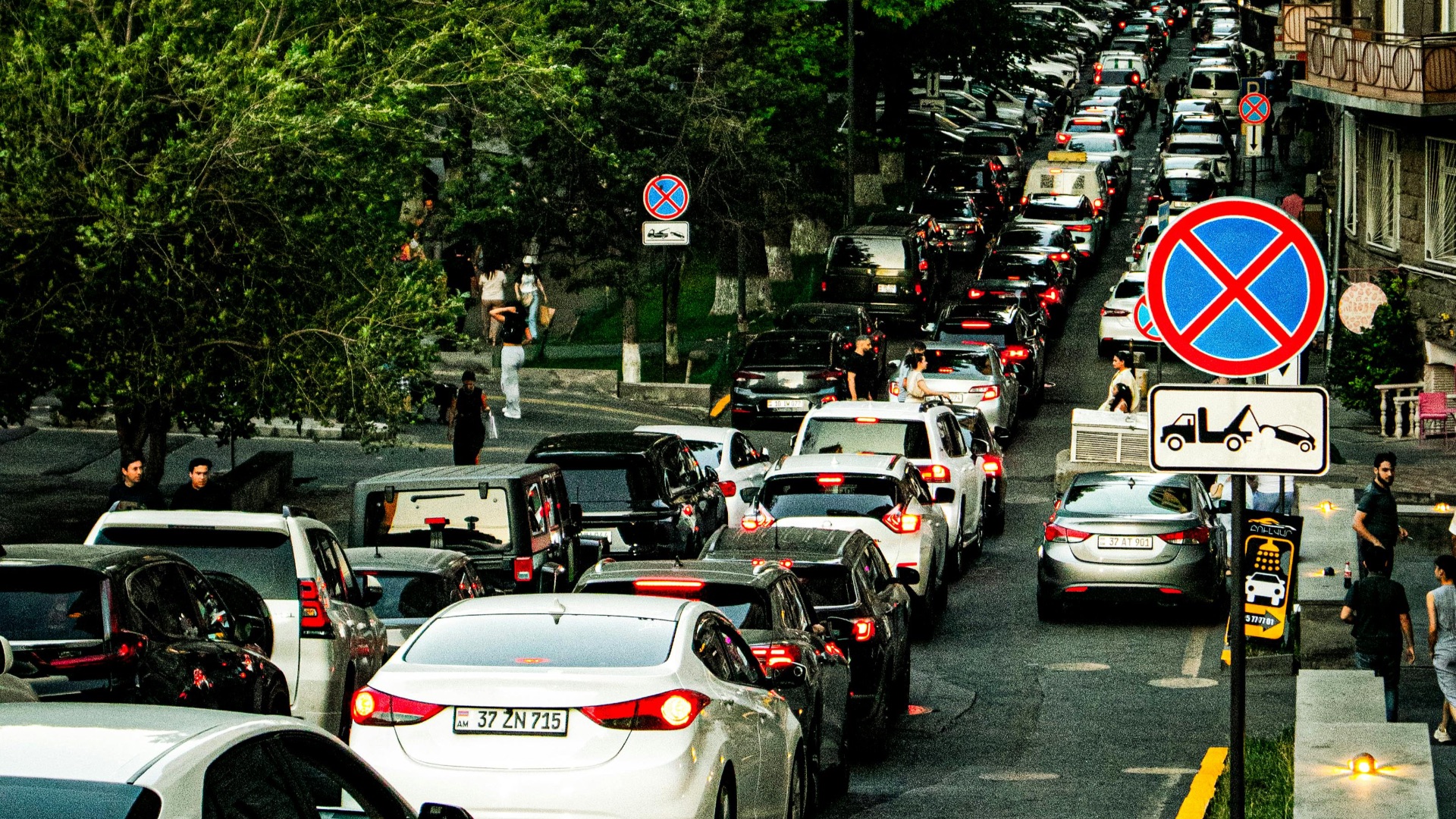
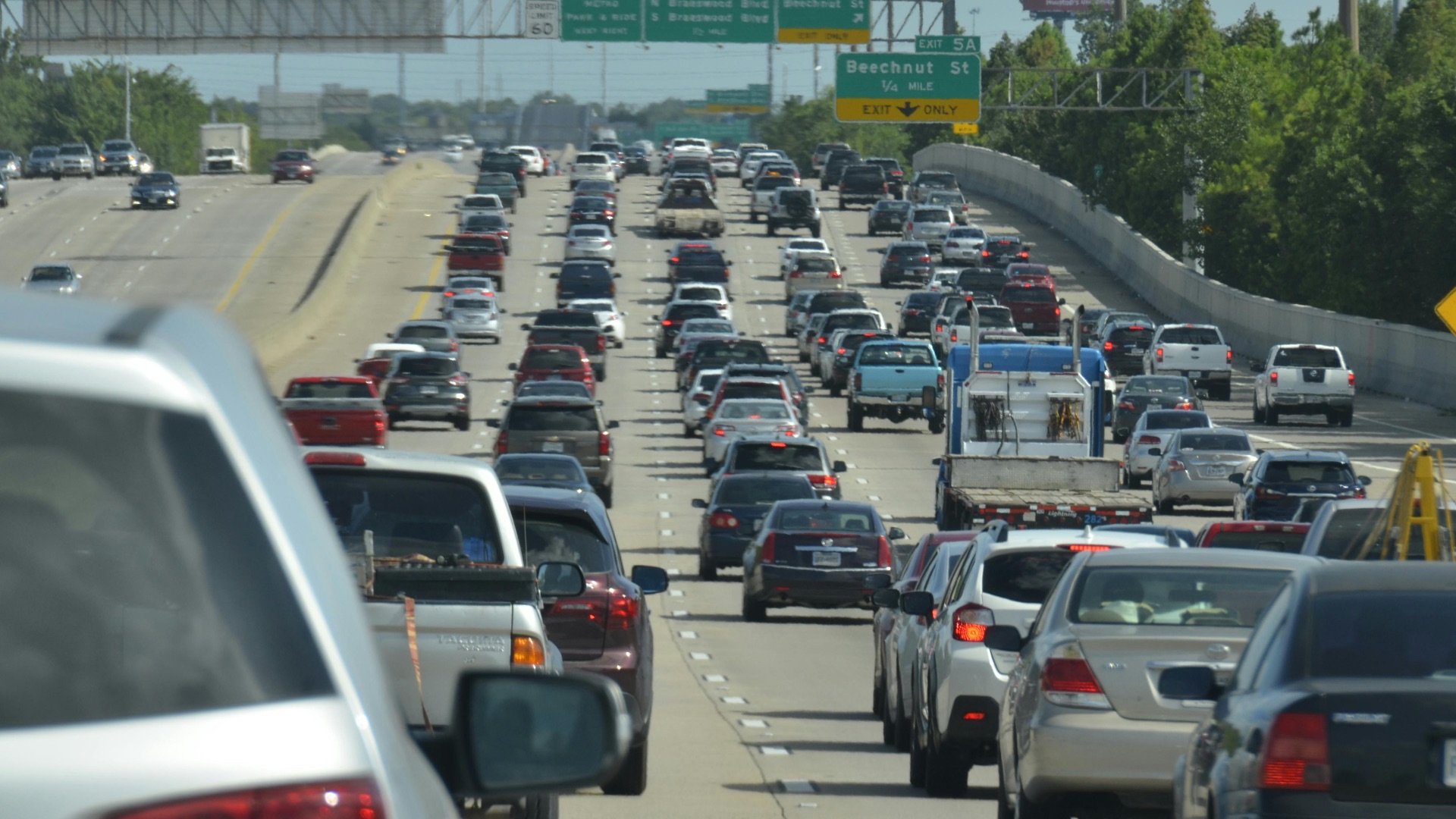
13. Commuting Daily in Heavy Traffic
There's a reason experienced city drivers tend to have exceptional hazard perception: daily rush-hour commuting puts your patience, spatial awareness, and decision-making to the test on a consistent basis. You learn to read traffic flow, predict lane changes, and stay calm in high-pressure situations that would rattle a less seasoned driver. Over time, the skills you build in gridlock can improve your performance in all driving conditions.
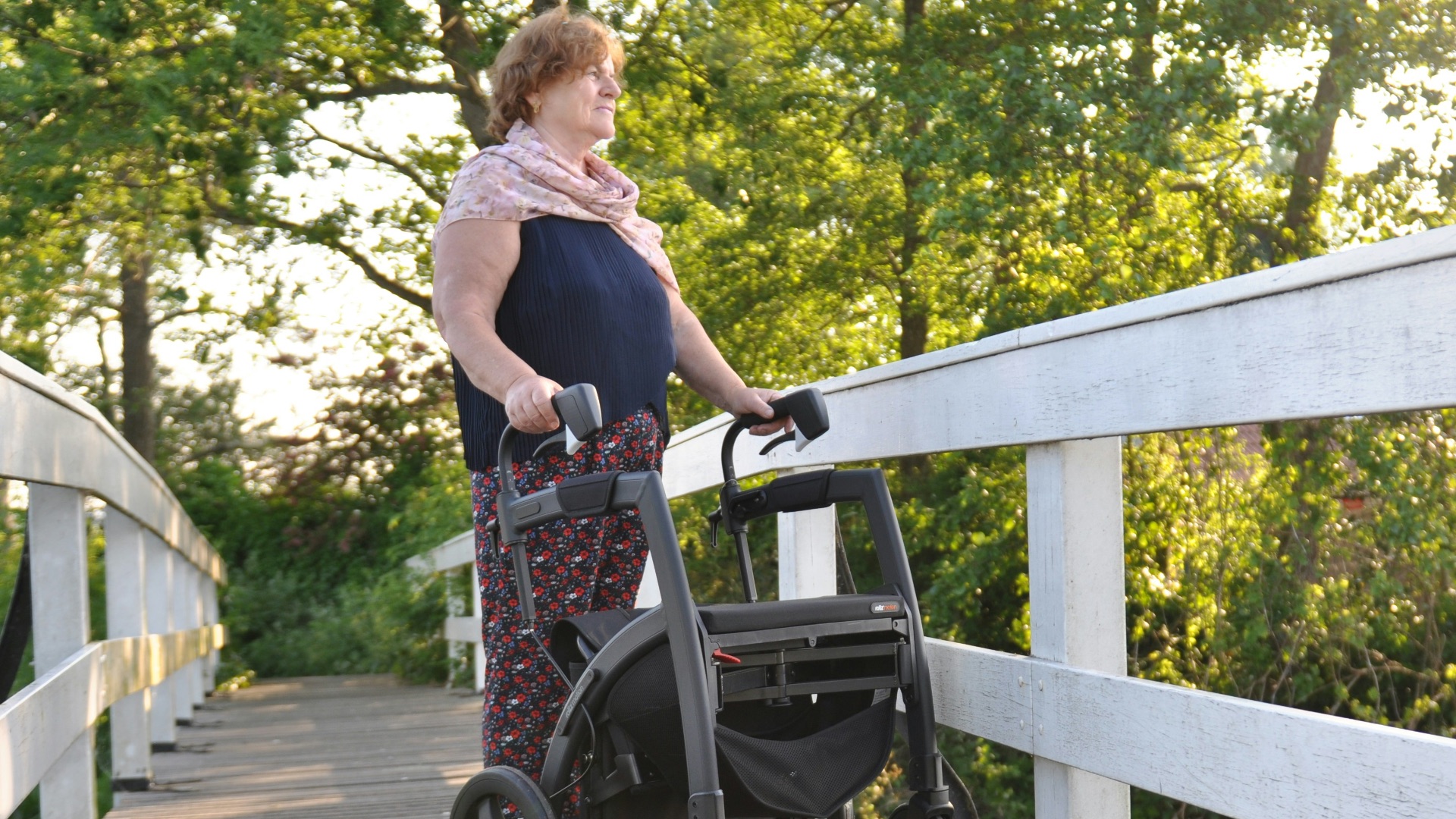
14. Driving Someone Elderly or Medically Fragile
When you’re driving someone who’s physically vulnerable, your whole approach tends to soften. You might brake earlier, turn more slowly and smoothly, and think more carefully about sudden movements. Their comfort and safety become part of every decision you make. That kind of awareness can carry over even when you’re alone in the car.
 Rollz International on Unsplash
15. Driving a Larger Vehicle Than You're Used To
Renting a moving truck, driving a minivan for the first time, or borrowing an SUV when you're used to a compact sedan forces you to recalibrate your spatial judgment entirely. You become acutely aware of your blind spots, turning radius, and stopping distance in a way that makes you more considerate of larger vehicles when you're back in your own car. That awareness of how differently vehicles handle is something that sticks with you every time you share the road with trucks and buses.

16. Carpooling with Others Regularly
When you're regularly responsible for other adults, there's a subtle but real shift in how seriously you take your role as the driver. The social accountability of having passengers tends to curb the small, risky habits that tend to creep in when you're driving alone. Over time, the more careful version of yourself that shows up for your carpool becomes your default.

17. Watching a Dashcam Compilation of Road Incidents
Spending time watching real dashcam footage of accidents, near misses, and road rage incidents is a low-effort way to absorb a high volume of cautionary lessons. You start recognizing the patterns that lead to collisions—the distracted pedestrian, the car that blows through a stop sign, the aggressive lane change—and you begin watching for those same cues in your daily driving. It's the closest thing to learning from other people's mistakes without any personal consequences.
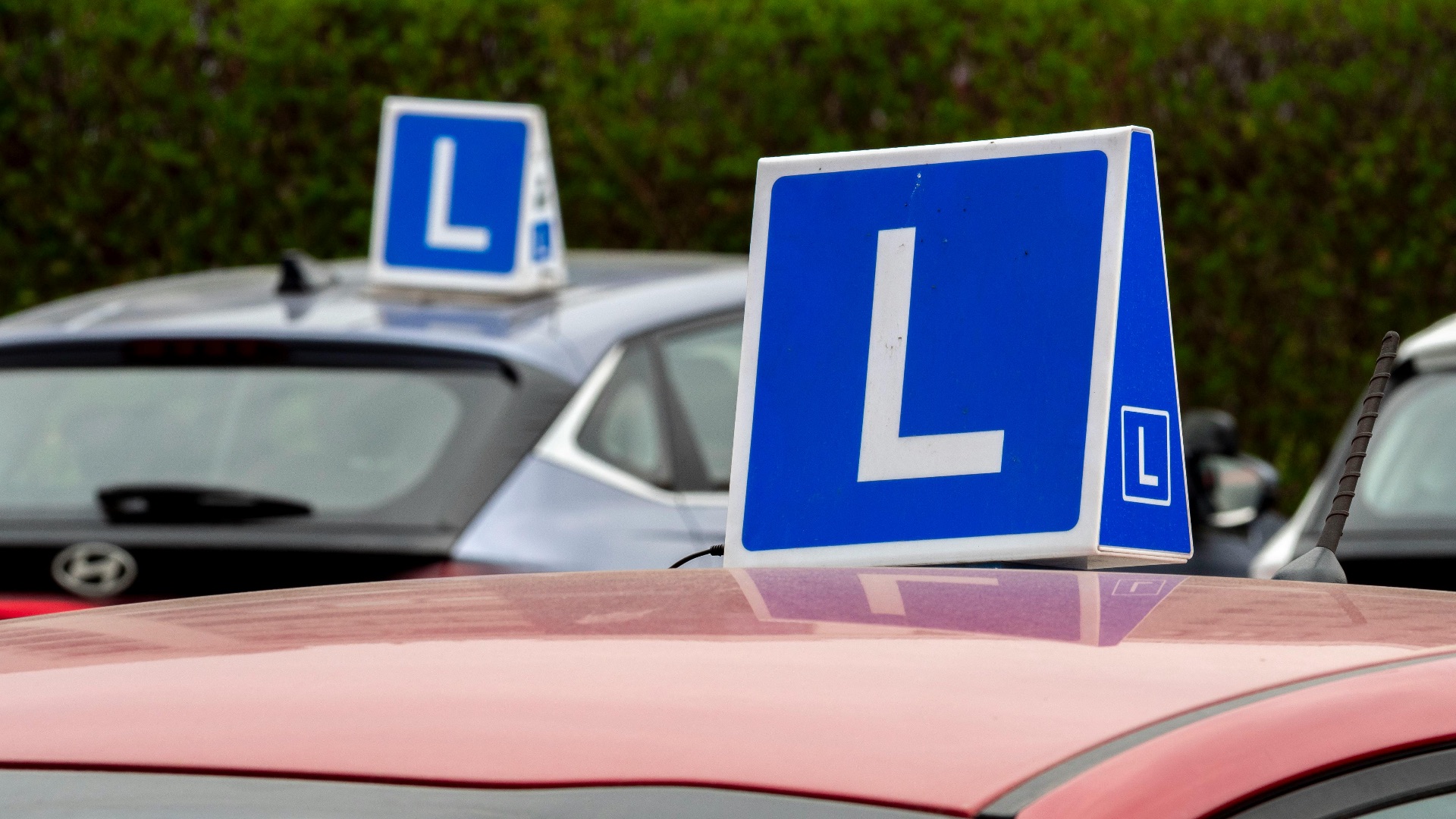
18. Failing Your First Driving Test
Being told you didn't pass forces you to confront the specific weaknesses in your driving with a level of honesty that's hard to come by otherwise. Whether it was poor mirror checks, inconsistent speed control, or misjudged distances, you leave the test knowing exactly what needs work. Drivers who fail at least once often emerge from the process more technically sound than those who passed on the first try without much scrutiny.
19. Driving Late at Night in an Unfamiliar Area
Low visibility, reduced signage legibility, and the possibility of impaired drivers on the road all converge in a nighttime drive through an unfamiliar place. You're forced to slow down, increase your following distance, and stay far more vigilant than you would during a routine daytime trip. The habits you develop to compensate for those conditions are ones worth keeping regardless of the time of day.

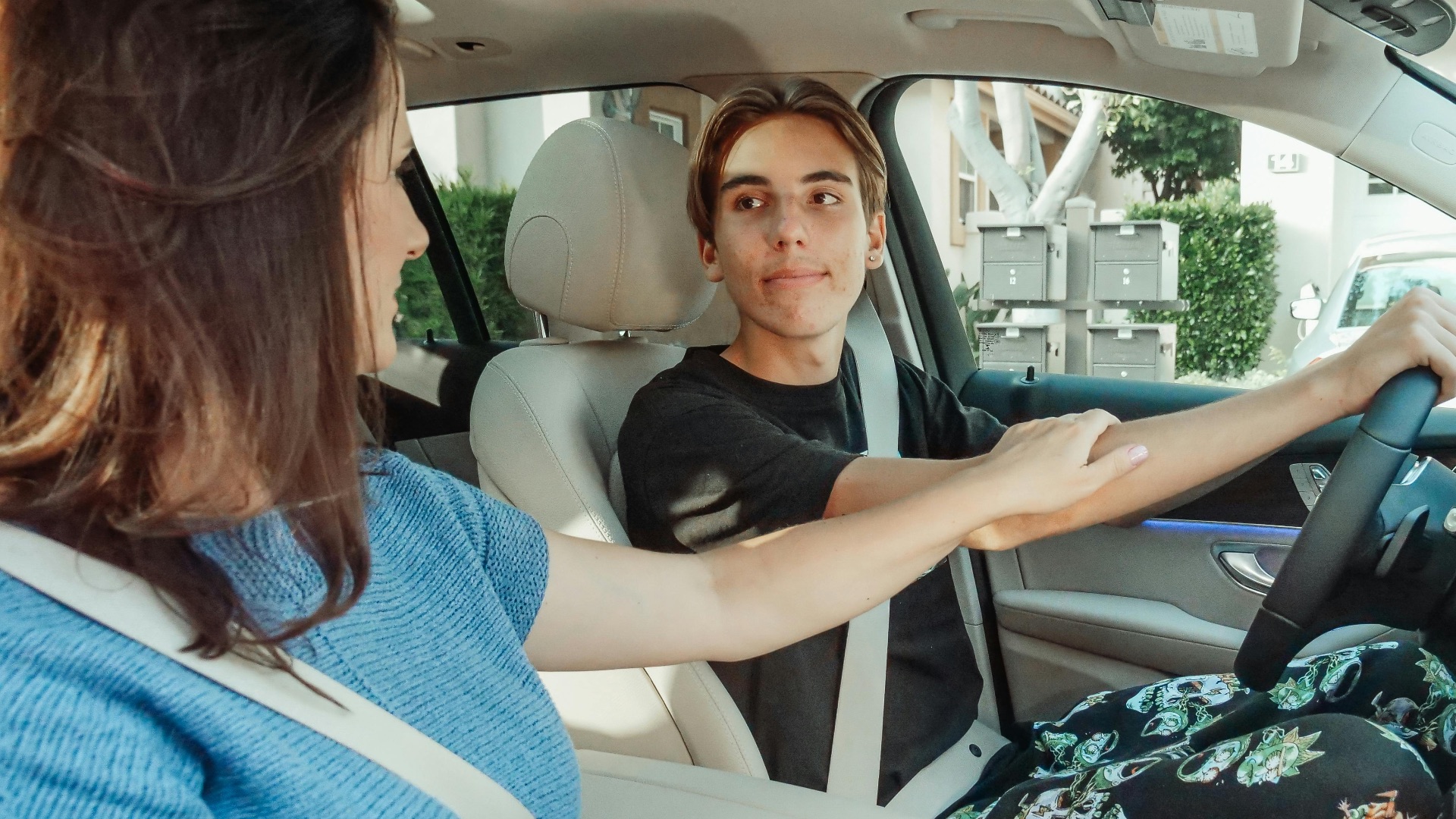
20. Having a Loved One Express Fear in Your Car
If someone you care about has ever gripped the door handle or asked you to slow down, it's worth taking that seriously rather than brushing it off, and you likely have shifted your habits. After all, the people who know you best aren't always wrong about the risks they perceive in your driving, and their discomfort can be a more honest mirror than any test or course.