The Small Things Behind the Wheel Can Add Up
Most people think driving is shaped by obvious factors like weather, traffic, road conditions, or whether you’re tired or rushing somewhere. But the way you drive can also be influenced by subtler things happening inside the car, in your mood, or even in your body. Some of these influences might be easy to overlook in the moment, yet they can still affect how quickly you react, how closely you follow other cars, how patient you feel, or how much attention you give the road and your surroundings. From your children to the time of day you're driving or even the shoes you're wearing, here are 20 things you might not have known could affect your driving habits.
1. Driving with Children
Having children in the car can change your driving in more ways than you might expect. You may drive more cautiously because you’re aware of their safety, but you may also become distracted by questions, crying, arguments, dropped toys, or requests from the back seat. Even a quick glance in the mirror or a brief response can pull your attention away from the road.

2. Conversations in the Car
A conversation with a passenger can feel harmless, but talking still requires attention, and emotionally charged conversations can make it harder to stay fully focused on speed, spacing, and sudden changes around you. You might also turn your head slightly toward the person speaking without realizing it. Even if you're not the one engaged in a discussion, chatter in the background may still affect your focus.

3. Loud or Upbeat Music
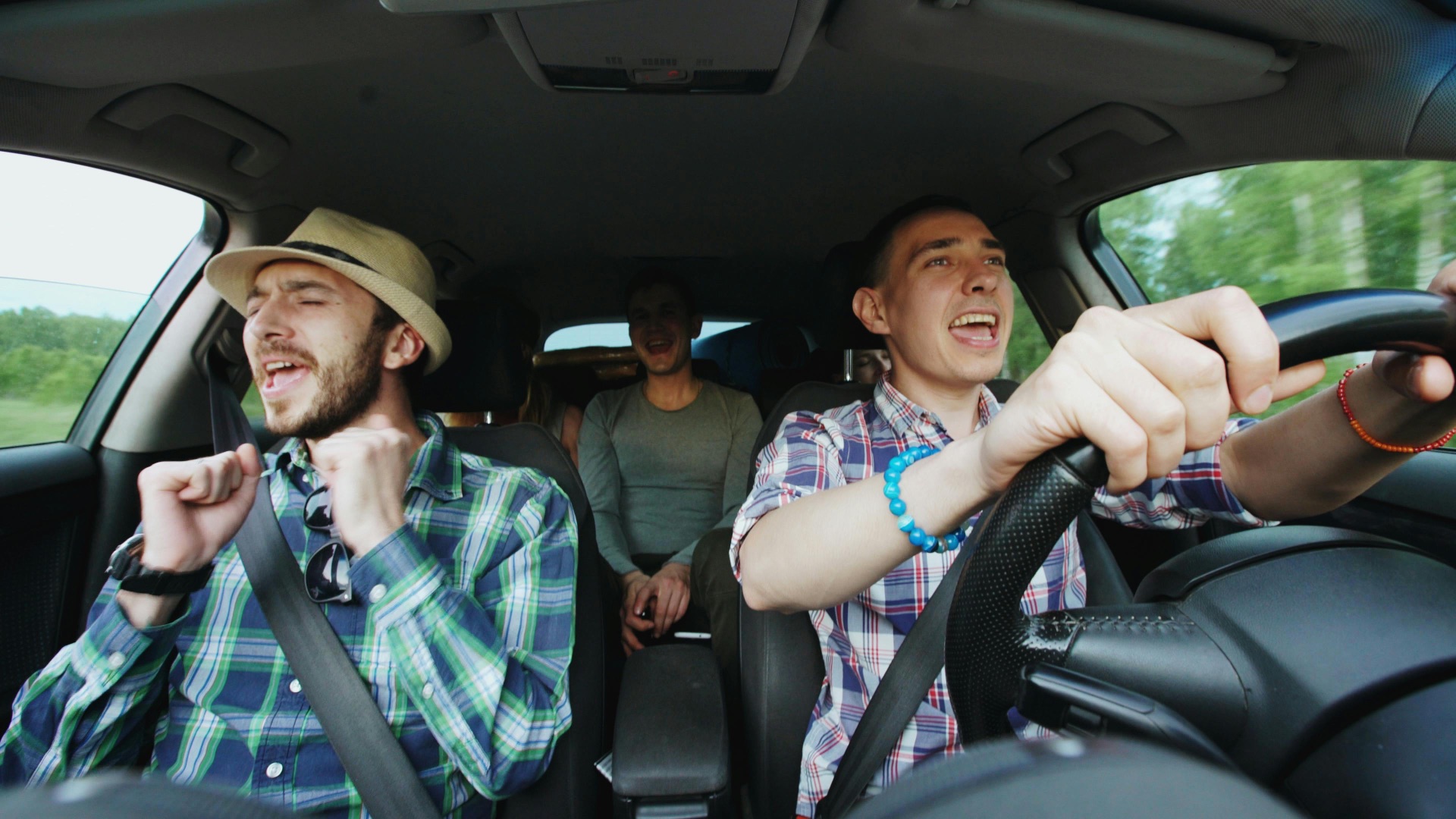
Music can affect your energy level, mood, and even your sense of speed. Loud or fast-paced songs may make you feel more alert, but they can also lead some drivers to accelerate, brake later, or make turns or other maneuvers with less patience. Blasting the volume can also make it harder to hear horns, sirens, or mechanical sounds coming from your own car.
4. Silence
Silence, on the other hand, may help make some drivers feel more focused because there’s less background noise competing for their attention. Without music or conversations, you might notice road signs, traffic changes, and your own driving habits better. However, silence can also make some people more aware of stress, fatigue, or impatience.
5. Being in the Car with a Date
Driving with someone you want to impress can subtly change your behavior, similar to how you might have driven as a teen with friends in your car. Sure, some might become more careful or unusually aware of how they park, merge, or react to other drivers. But others may take more risks because they want to seem confident or experienced, and that can really affect you, your date, and everyone's safety.

6. Your Mood Before You Start the Car
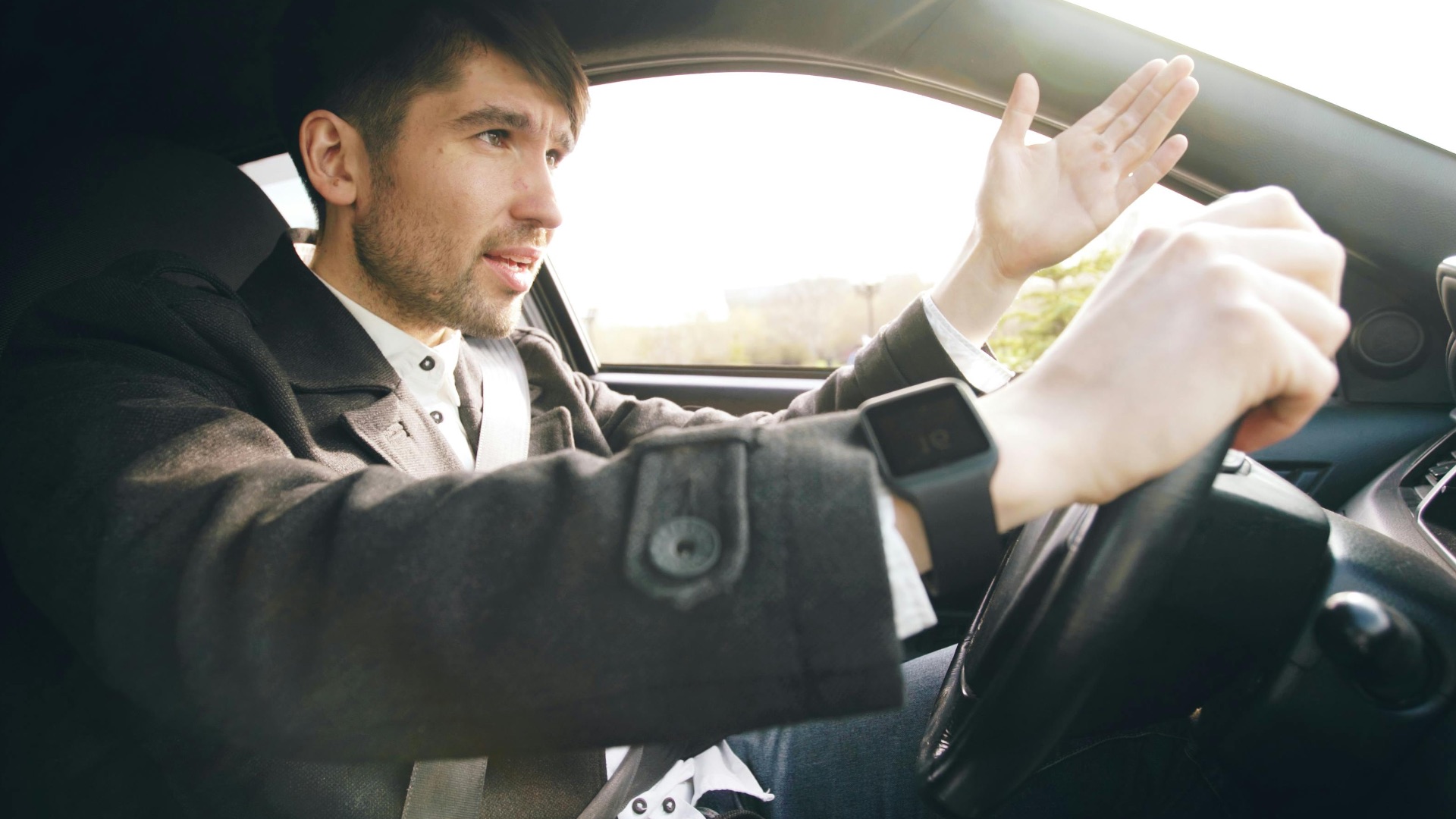
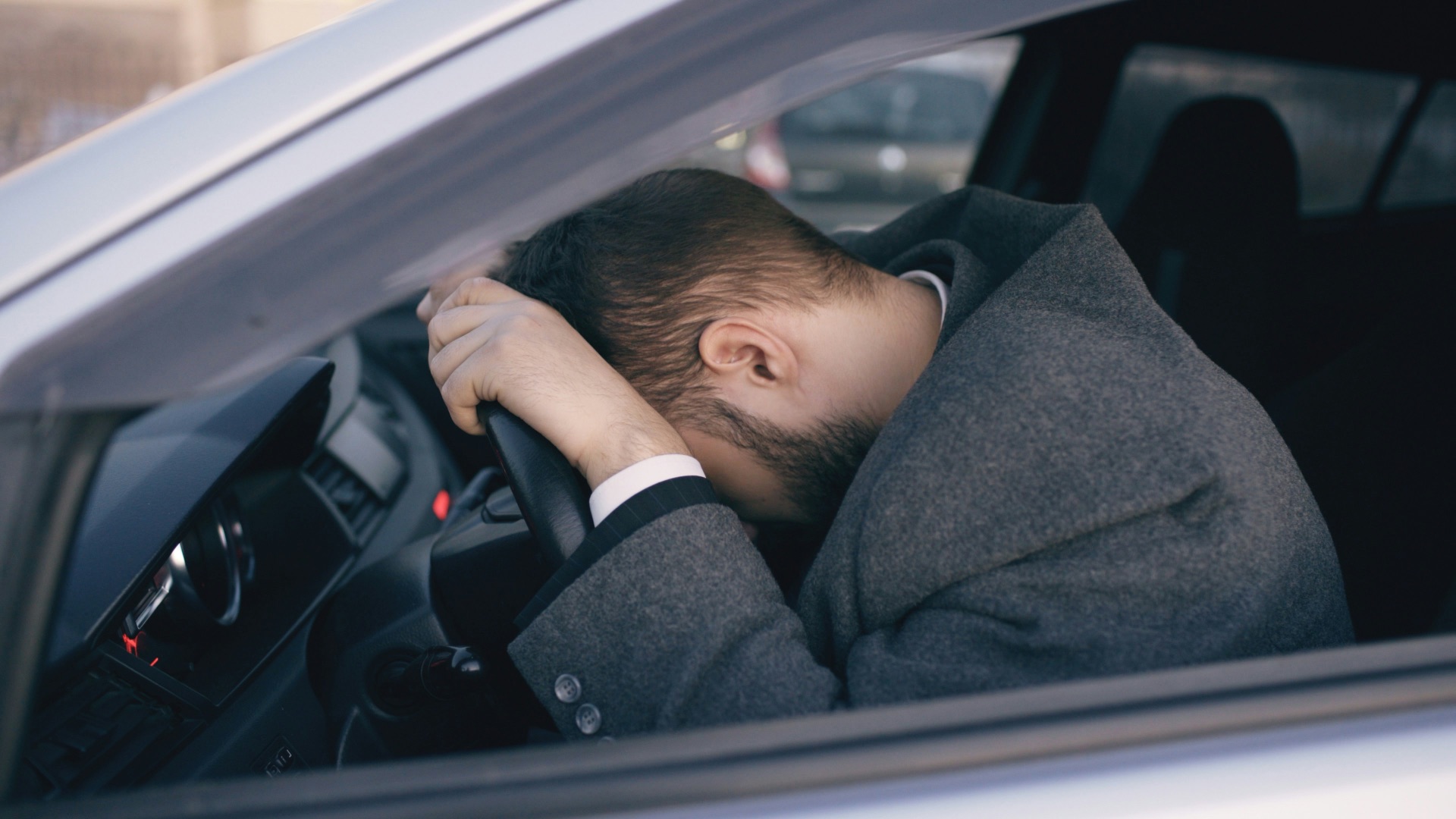
The mood you bring into the car can affect how you interpret everything on the road. If you’re angry, you may see another driver’s small mistake as something unforgivable, while anxiety can make normal traffic feel more intense than it actually is. A good mood can help you stay patient, but it can also make you a little less guarded if you’re distracted by excitement. Taking a moment before driving to reset your attention can make a real difference.
7. The Temperature Inside the Car
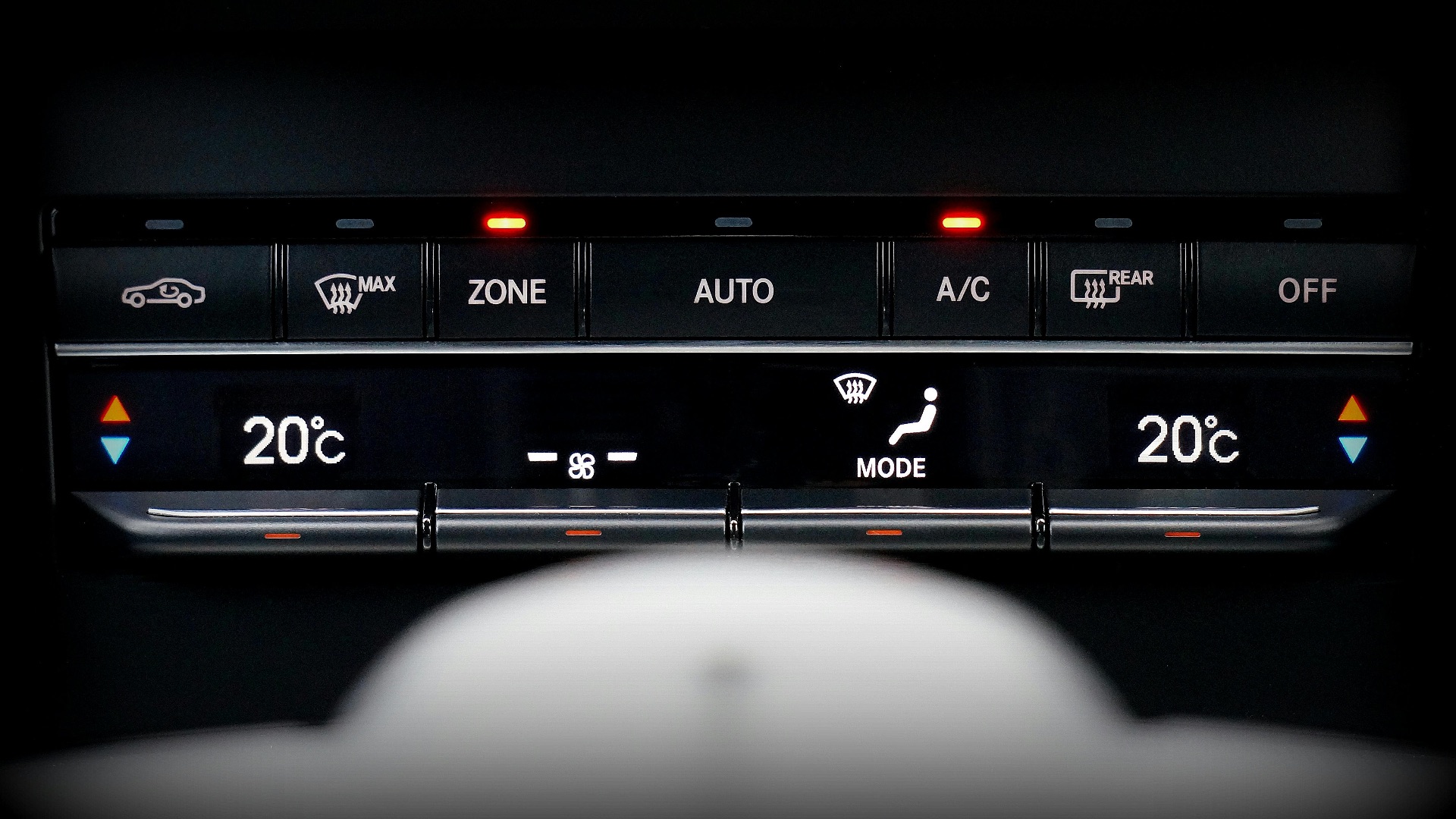
The cabin temperature can influence comfort, alertness, and patience. If the car is too hot, you may become irritable or sluggish, while an overly cold cabin can make you tense or distracted by discomfort. Temperature also affects passengers, which can create more complaints, adjustments, and interruptions during the drive.
8. Hunger
Hunger can affect concentration more than people often admit. When you haven’t eaten, you may feel impatient, lightheaded, distracted, or more easily irritated by traffic. You might also rush because you’re focused on getting somewhere to eat instead of responding calmly to the road and your surroundings, so it's always important to keep a small snack in the car for emergencies like this.

9. Dehydration
Even mild dehydration can make you feel tired, foggy, or less alert. You may not connect that feeling to driving, especially if you’re used to running on coffee or skipping water during the day. Dry mouth, headache, or low energy can all make it harder to stay attentive behind the wheel.

10. The Shoes You’re Wearing
Footwear can change how well you feel the pedals and how smoothly you control the car. Flip-flops, loose sandals, heavy boots, or high heels may affect braking, accelerating, or moving quickly between pedals. Even if you’re an experienced driver, awkward shoes can create problems at the wrong moment.

11. The Smell Inside the Car
Scents can influence mood, alertness, and comfort while driving. A strong air freshener may be distracting, while unpleasant odors can make you impatient or eager to end the drive quickly. Some scents may help you feel more awake, but anything overpowering can become one more thing competing for your attention. A clean, well-ventilated car is often better than trying to cover smells with something intense.

12. How Familiar (or Unfamiliar) the Route Feels
A familiar route can make driving feel easier, but it can also lead to autopilot behavior; when you know every turn, light, and lane change, you might pay less attention because your brain expects the drive to unfold the same way as usual. Driving somewhere new can also create stress, which may negatively affect your driving and decision-making.

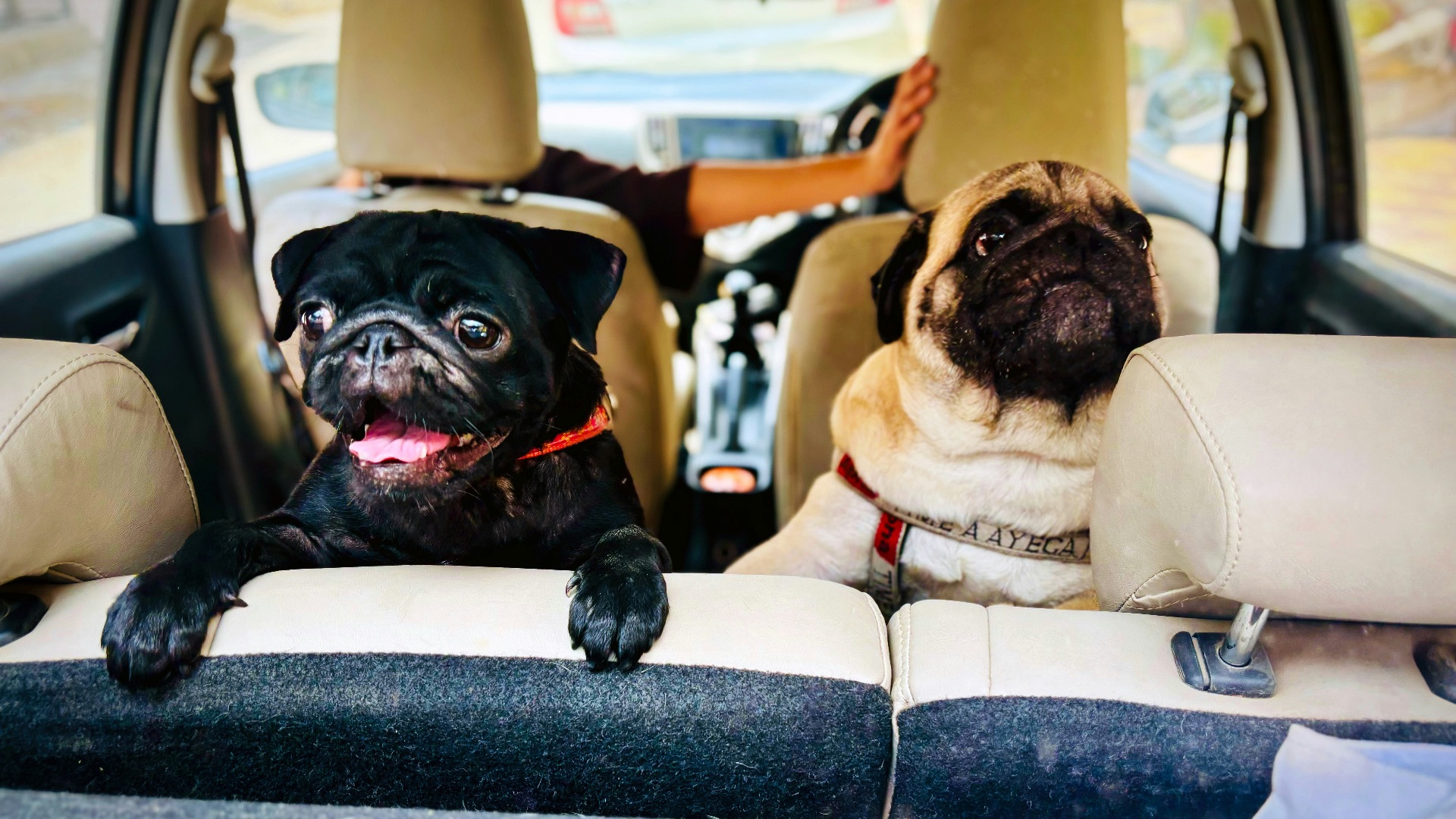
13. Having a Pet in the Car
A pet can be a comforting passenger, but they can also become a major distraction if they're not secured. A dog moving between seats, barking at passing cars, or jumping on your shoulders may startle you and interfere with your ability to steer and react. Cats and smaller animals can be even more unpredictable if they’re loose in the cabin, so it's important to always use a carrier, crate, or proper restraint to keep both your pet, and you, safer.
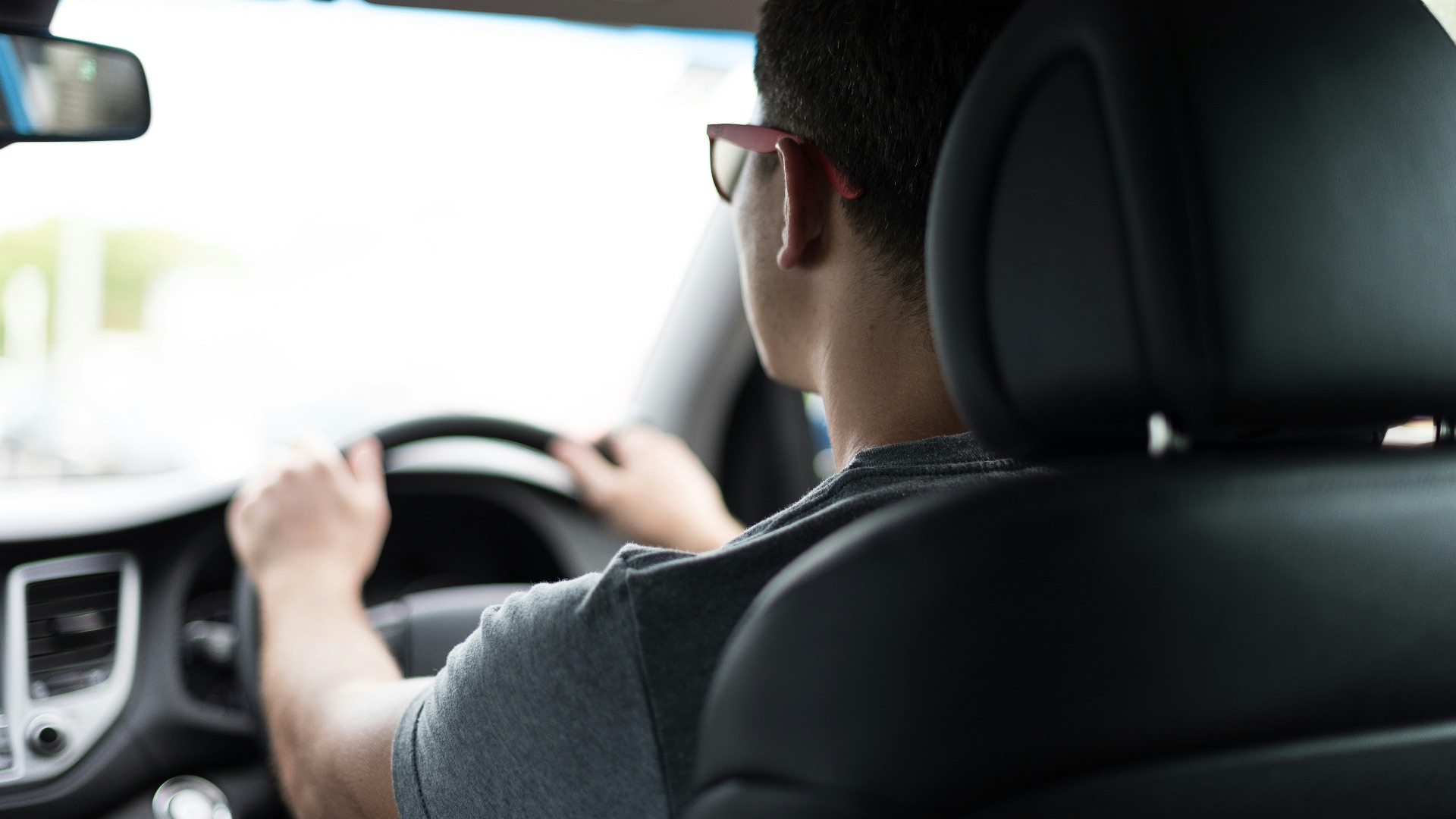
14. Your Posture
The way you sit affects how well you can steer, brake, check mirrors, and stay comfortable. Slouching or sitting too far from the pedals can slow your reactions, while sitting too close can limit your movement and make the drive feel tense. Poor posture can also lead to discomfort, which becomes distracting over time.
15. The Time of Day You’re Driving
The time of day can influence how alert, patient, and reactive you feel behind the wheel; early morning drives, for example, may come with grogginess, while late afternoon traffic can bring frustration after a long day. Night driving can also make hazards harder to spot, especially if you’re already tired.

16. Passenger Expectations
Sometimes the people in your car influence your driving without saying much at all. You might speed up because someone seems impatient, take a different route because a passenger comments on traffic, or drive more aggressively because you feel judged. Even subtle pressure can affect decisions behind the wheel, but remembering that you’re responsible for the vehicle can help you resist choices that don’t feel safe.

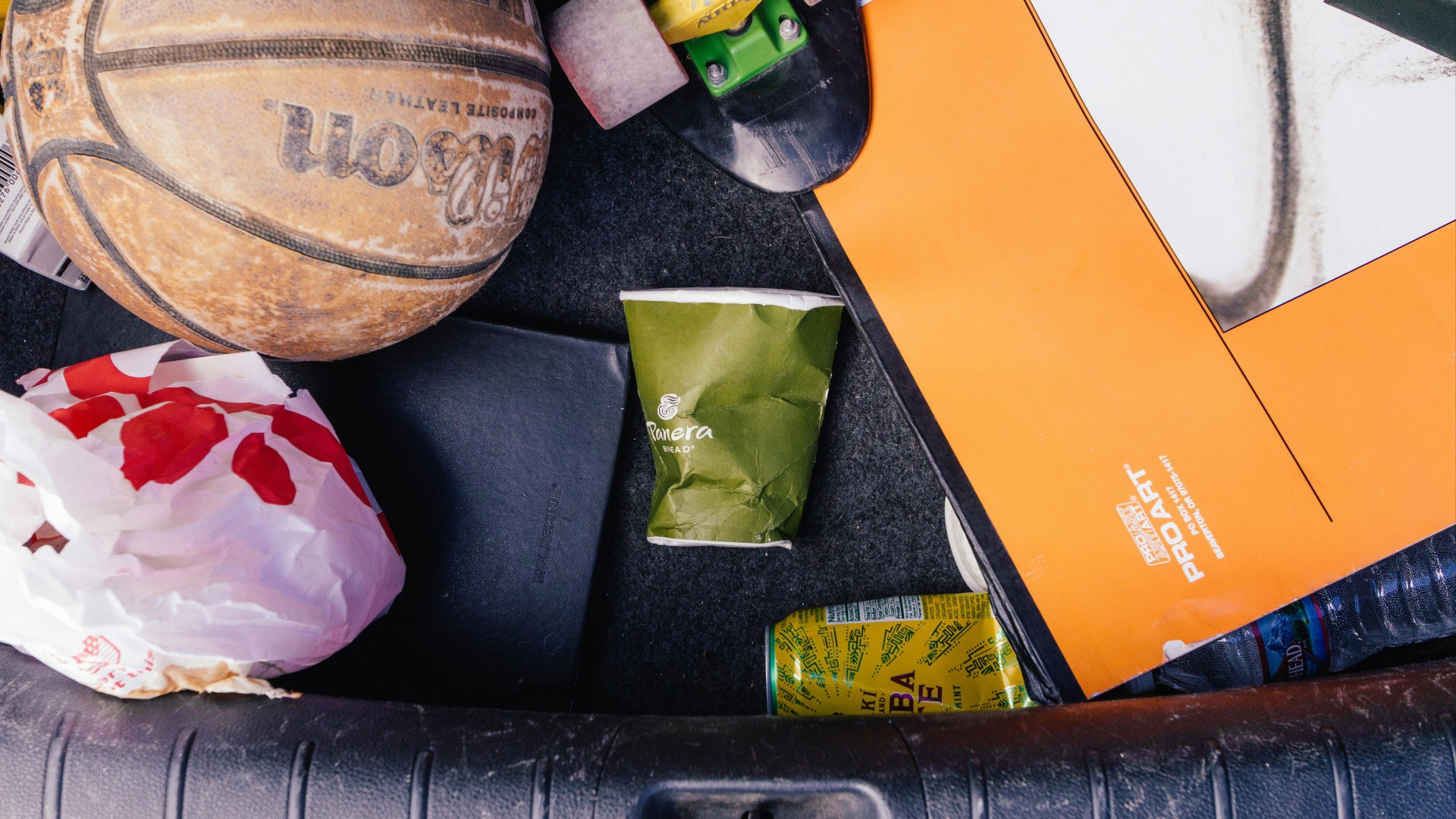
17. A Cluttered Car
Clutter can make a car feel more chaotic and can also become physically distracting. Loose items may roll under the pedals, slide during turns, or make noise that draws your attention away from traffic. A messy interior can also make it harder to find what you need before driving, which increases the chance you’ll search for something while moving.
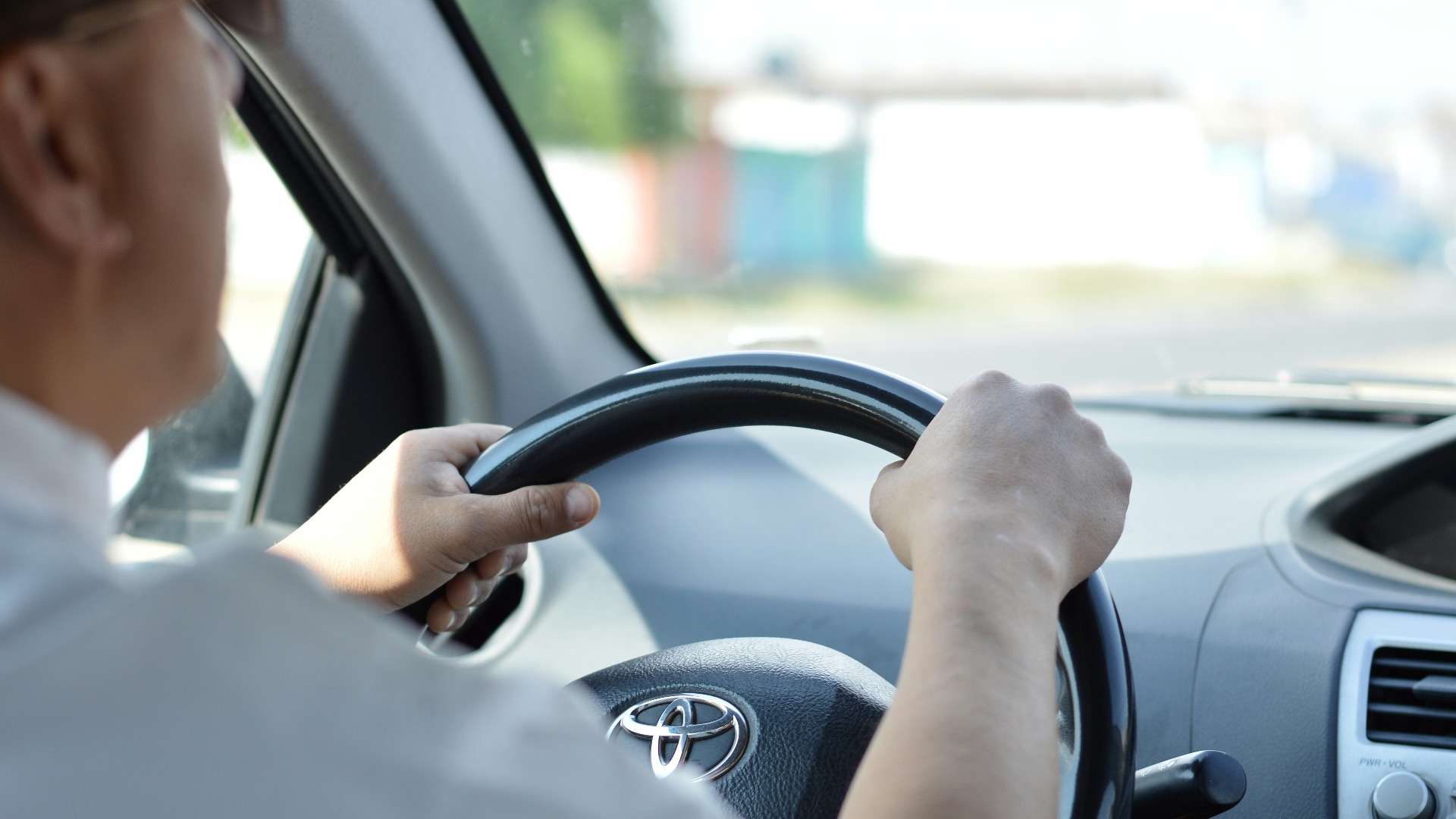
18. Driving Someone Else’s Car
Driving a car that isn’t yours can affect your confidence and control, even if you’re an experienced driver. The brakes may feel sharper, the steering may respond differently, or the mirrors and blind spots may take time to get used to. You might also be more cautious because you don’t want to damage someone else’s vehicle.
19. Your Clothing
Clothing can affect driving when it restricts movement, causes discomfort, or makes you too warm. A bulky coat can change how the seat belt fits; a tight pair of jeans might dig into your stomach and shift your posture. Long sleeves, stiff fabrics, or accessories can also become irritating during a longer drive.

20. Accidents on the Road
Seeing an accident on the road can influence your driving, and it has a name: rubbernecking. It’s natural to glance over (sometimes morbid curiosity just takes over), but doing so can create sudden braking and pull your attention away from what’s happening directly ahead. Other drivers may also react unpredictably, which can make the area around the crash more dangerous.