

Saving Money the Wrong Way
We all know how expensive a simple trip to the mechanic can be, and everyone wants to cut repair costs, especially when problems stack up. The trouble is that a lot of so-called budget fixes only feel smart—until they end up causing bigger failures and higher bills later on. Let’s dive into a few so-called smart fixes that are actually doing more harm than good.
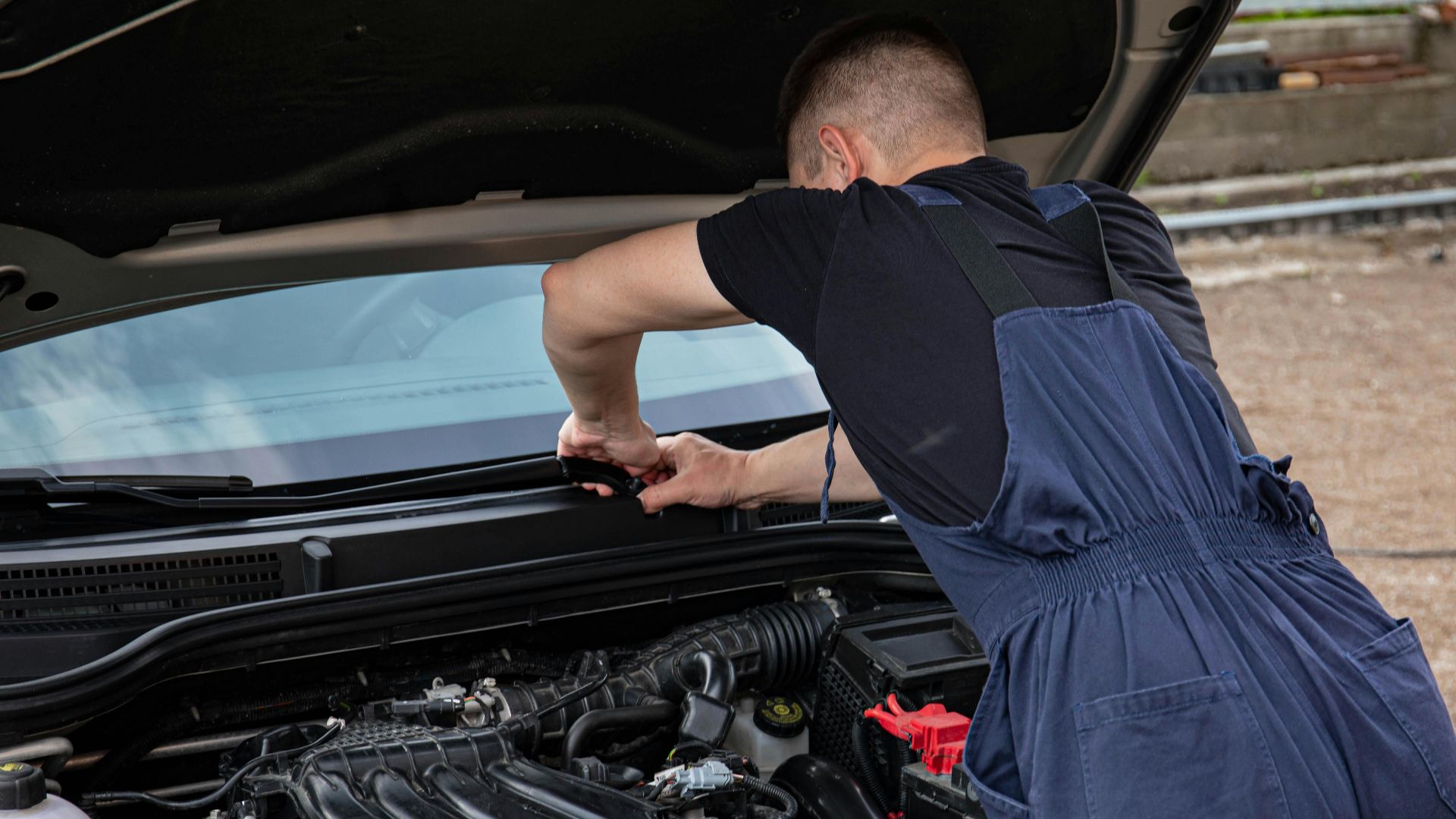
1. Using the Cheapest Brake Pads
Bargain brake pads wear out faster, create more dust, and damage your rotors. So, all in all, not a good time. What looked like a cheap brake job can turn into paying for pads and rotors much sooner than expected. You also risk poorer stopping performance, which is one area where saving a few dollars isn't worth it.
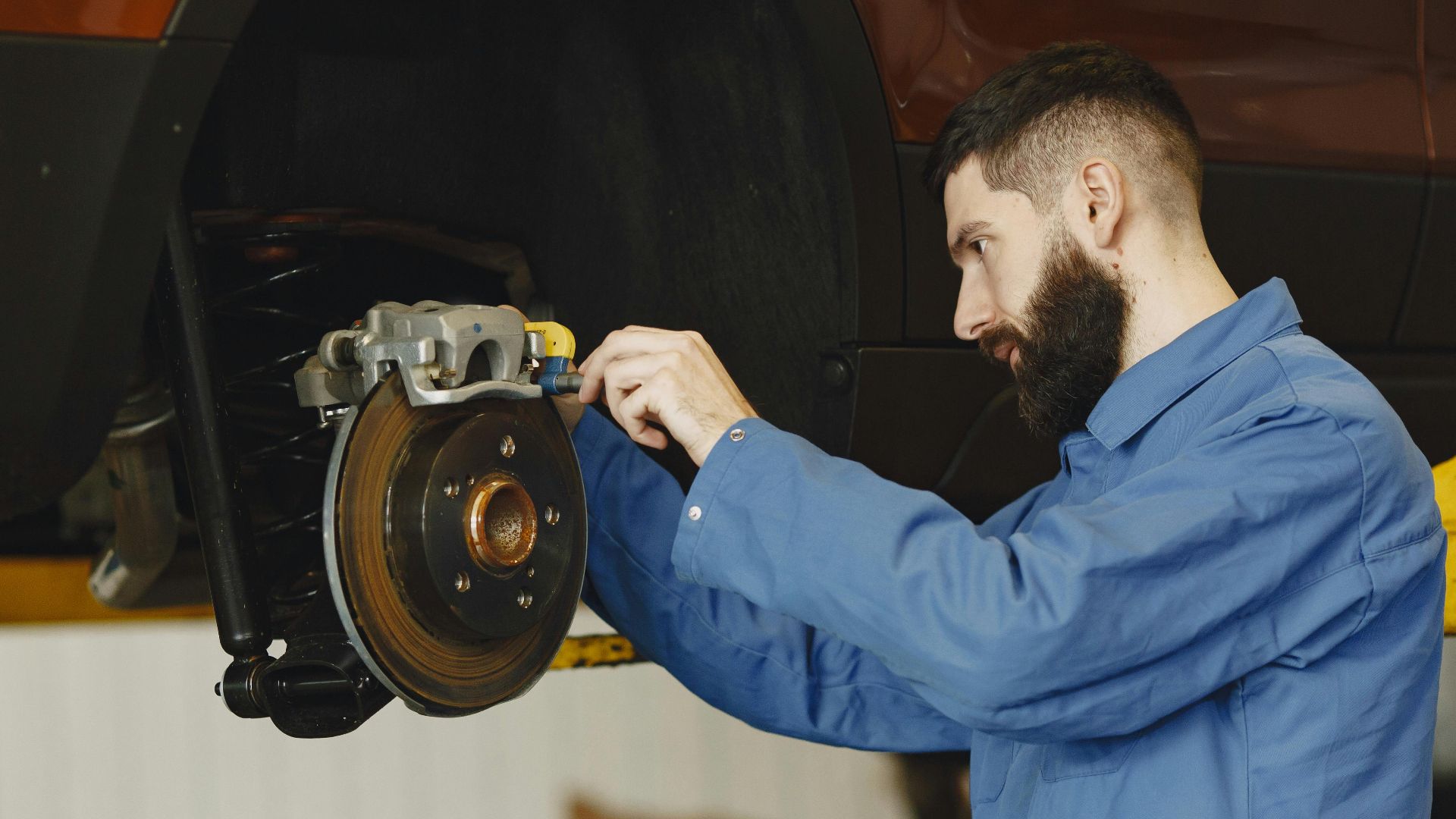
2. Ignoring a Check Engine Light
Well, the car’s still running, so what’s the problem, right? The thing is, that small issue can lead to fuel system damage or poor engine performance over time. By the time you decide to deal with it, the original problem will likely be the least expensive part of the visit.

3. Patching a Tire That Should've Been Replaced
A plug can be fine in some situations, but not every tire damage is safely repairable. If the puncture is in the sidewall or the tire’s already worn down, forcing a cheap fix can lead to a blowout or uneven wear. Then you're not just buying one tire; you’ll just end up replacing two or four.
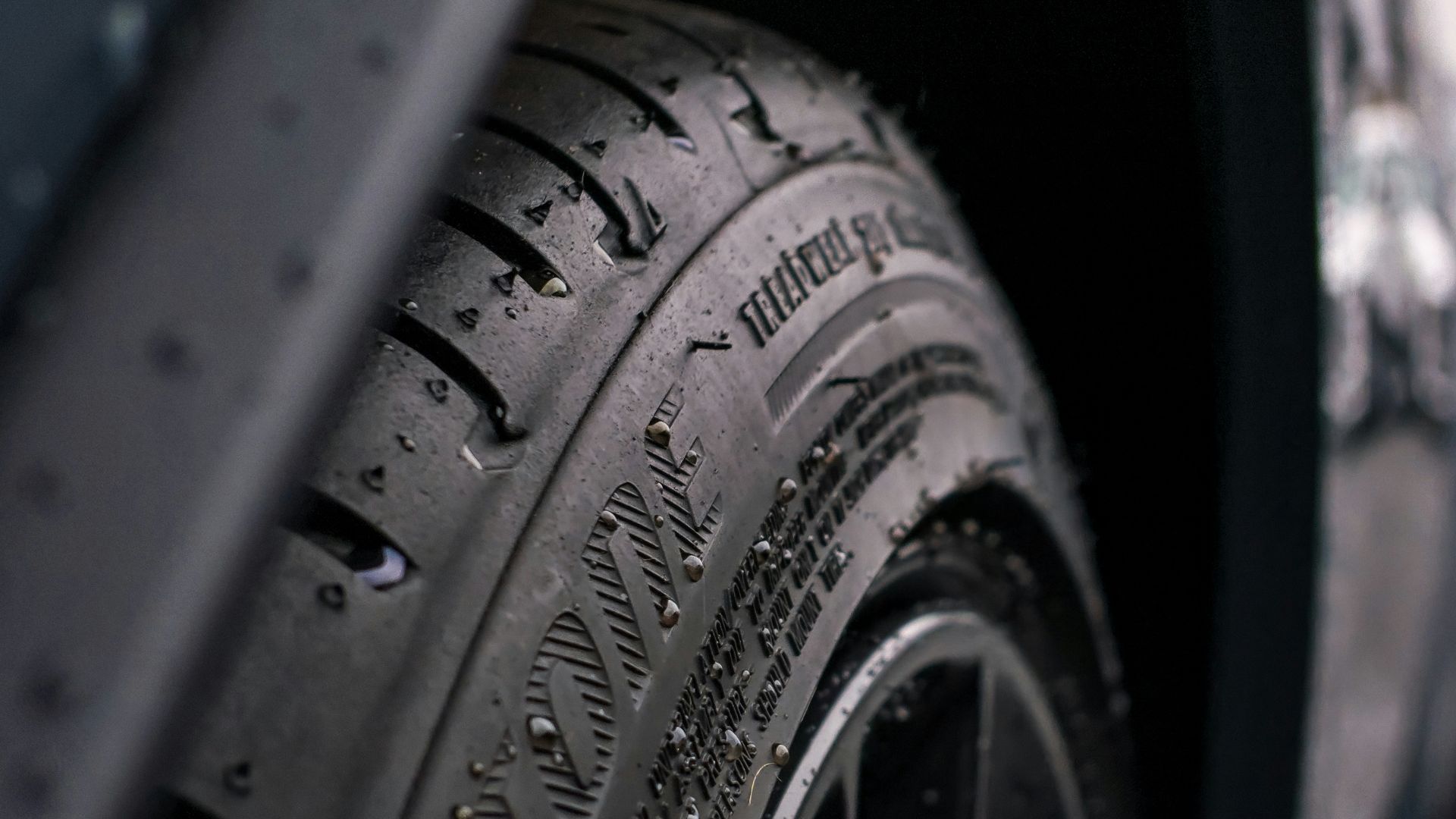
4. Buying Mystery Parts Online
That part from a random seller can look identical to what you need, and still be completely wrong for your vehicle. Poor fitment only leads to extra labor, return hassles, and damage caused by forcing a part into place when it doesn't belong there. In the end, you've paid for wasted time.
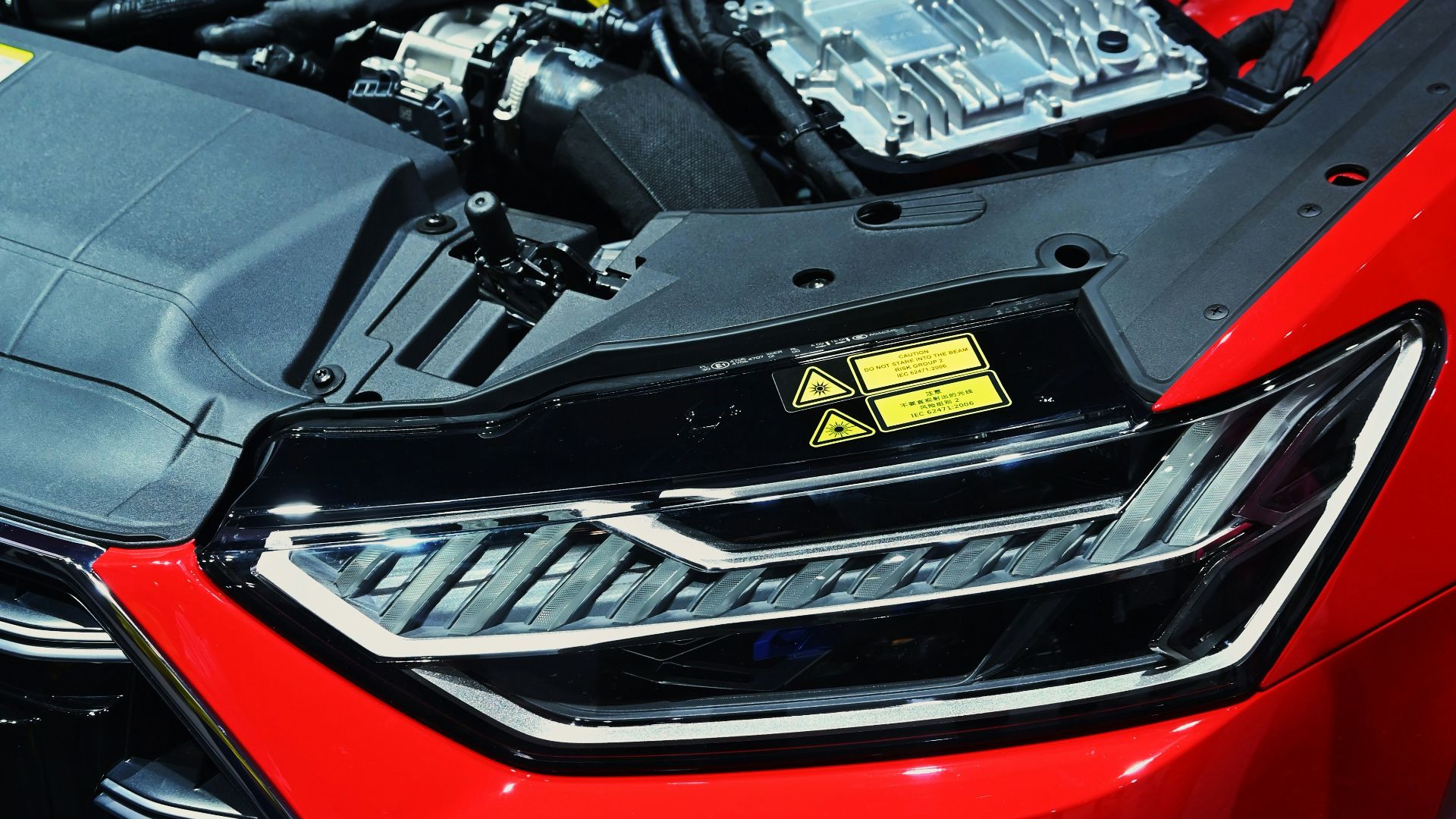
5. Letting a Relative “Who Knows Cars” Handle Repairs
Family members often mean well, but good intentions don't replace experience. Stop giving your family odd jobs to handle! Timing components, suspension work, or electrical repairs go sideways when someone’s just guessing. Once the car lands at a shop half-disassembled, you'll also pay more because now a pro has to sort out the original mistake.
6. Using Stop-Leak Products for Cooling System Problems
A bottle of stop-leak can seem like a clever shortcut when coolant runs dry, but those products don't always stop at the leak. If anything, they can clog heater cores and narrow cooling passages. What might've been a manageable repair became a much more expensive cleanup down the line.

7. Delaying Oil Changes to Stretch Your Budget
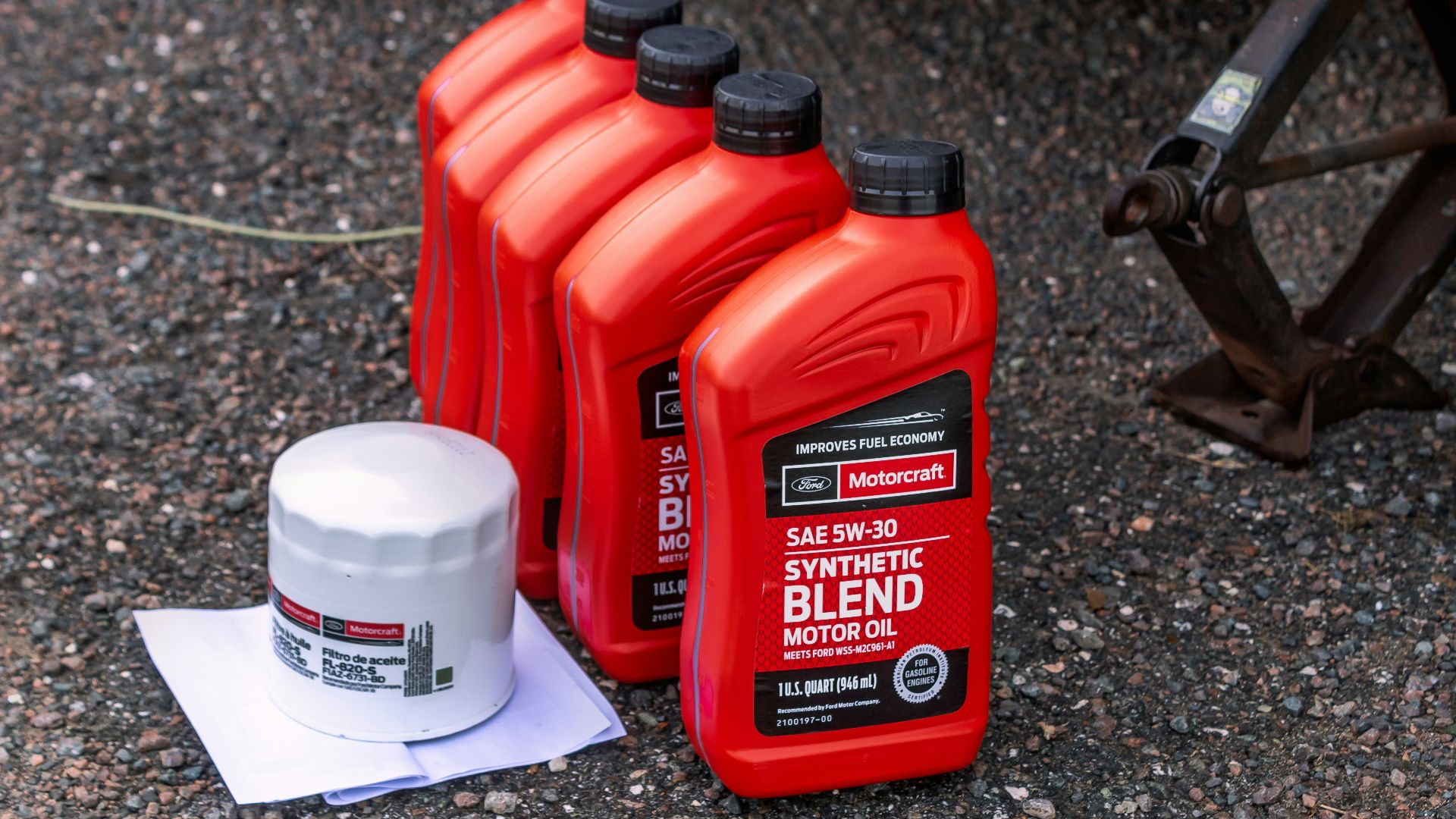
Skipping oil changes only saves money if you don't count engine wear and sludge buildup. Dirty oil stops protecting moving parts the way it should, and internal damage builds until it becomes costly.
8. Replacing Only One Worn Suspension Part
It seems economical to swap out the visibly bad part and hope the rest can hang on. In reality, though, worn suspension parts affect one another, and leaving the others in poor shape quickly ruins the new component or throws off the alignment.
9. Buying Used Parts From a Salvage Yard
Used coils, sensors, or spark-related parts look tempting in the face of new, overpriced components. The issue is that you're installing an unknown part with an unknown lifespan, and plenty of electrical failures don't show up until the part gets hot.

10. Having Someone Work Under the Table
This isn’t The Sopranos—without a clear record of what was installed, you have no real protection if the job was incomplete or done poorly. Oh, and good luck getting a hold of them should something go wrong! In reality, you're covering the repair again, and sometimes paying extra to undo whatever happened the first time.
11. Topping Off Fluids Instead of Fixing the Leak
Adding fluids over and over can make it feel like you're managing the problem and helping your wallet. Here’s what’s actually happening: the leak gets worse, nearby components become contaminated, and fluid levels can drop at the worst moment.
12. Using Universal Fluids
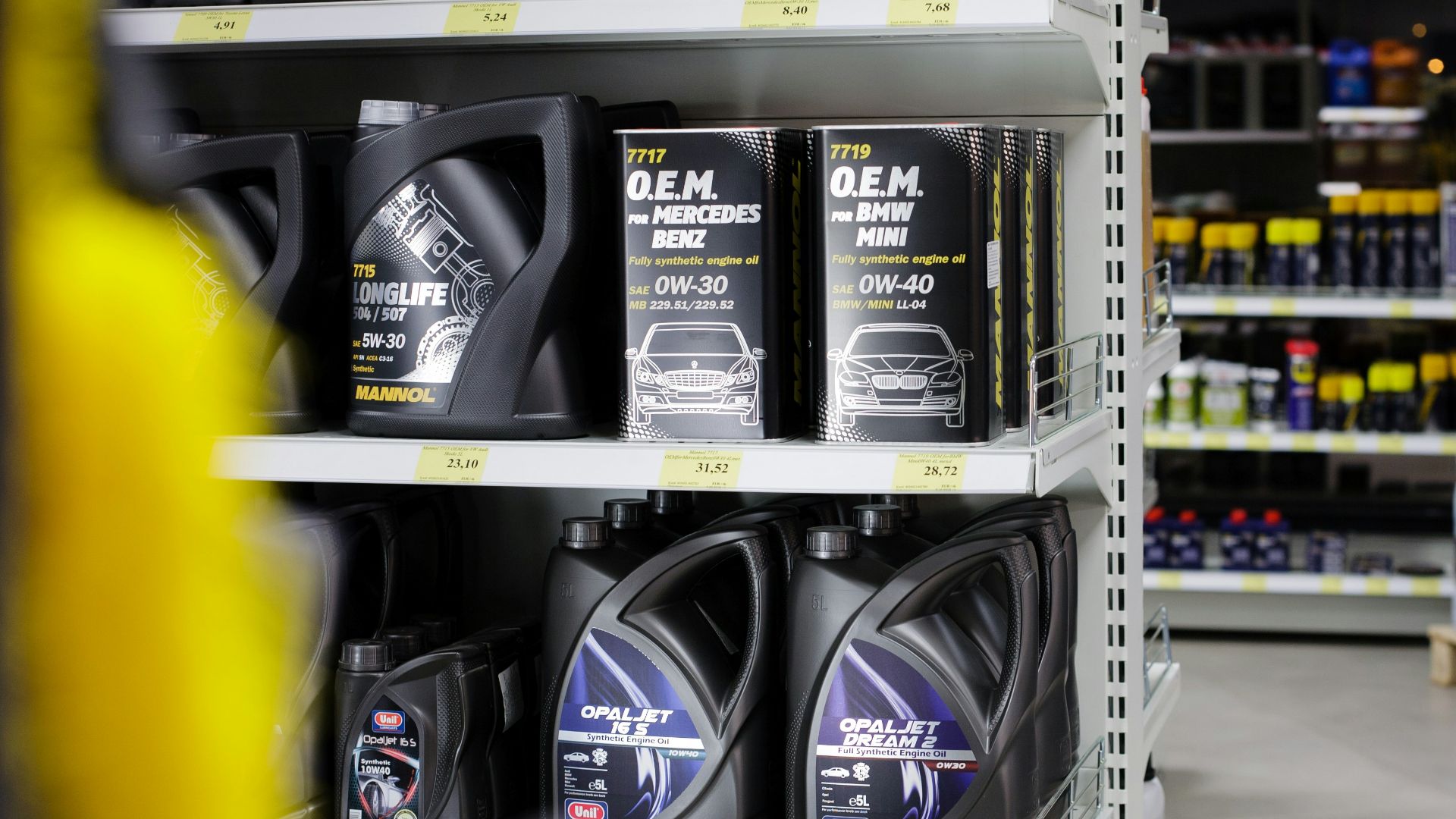
Speaking of which, not all fluids are interchangeable, no matter what the label promises. Using the wrong one can cause all sorts of problems that you won’t fix with a basic bottle, and by then, the repair bill gets much more serious.

13. Installing Cheap Aftermarket Sensors
Low-cost sensors cause more headaches than they’re worth; some of them don't read accurately, even when they're brand new. That means you could see anything from false codes and drivability issues to hours of extra diagnosis.
14. Skipping an Alignment After Steering or Suspension Work
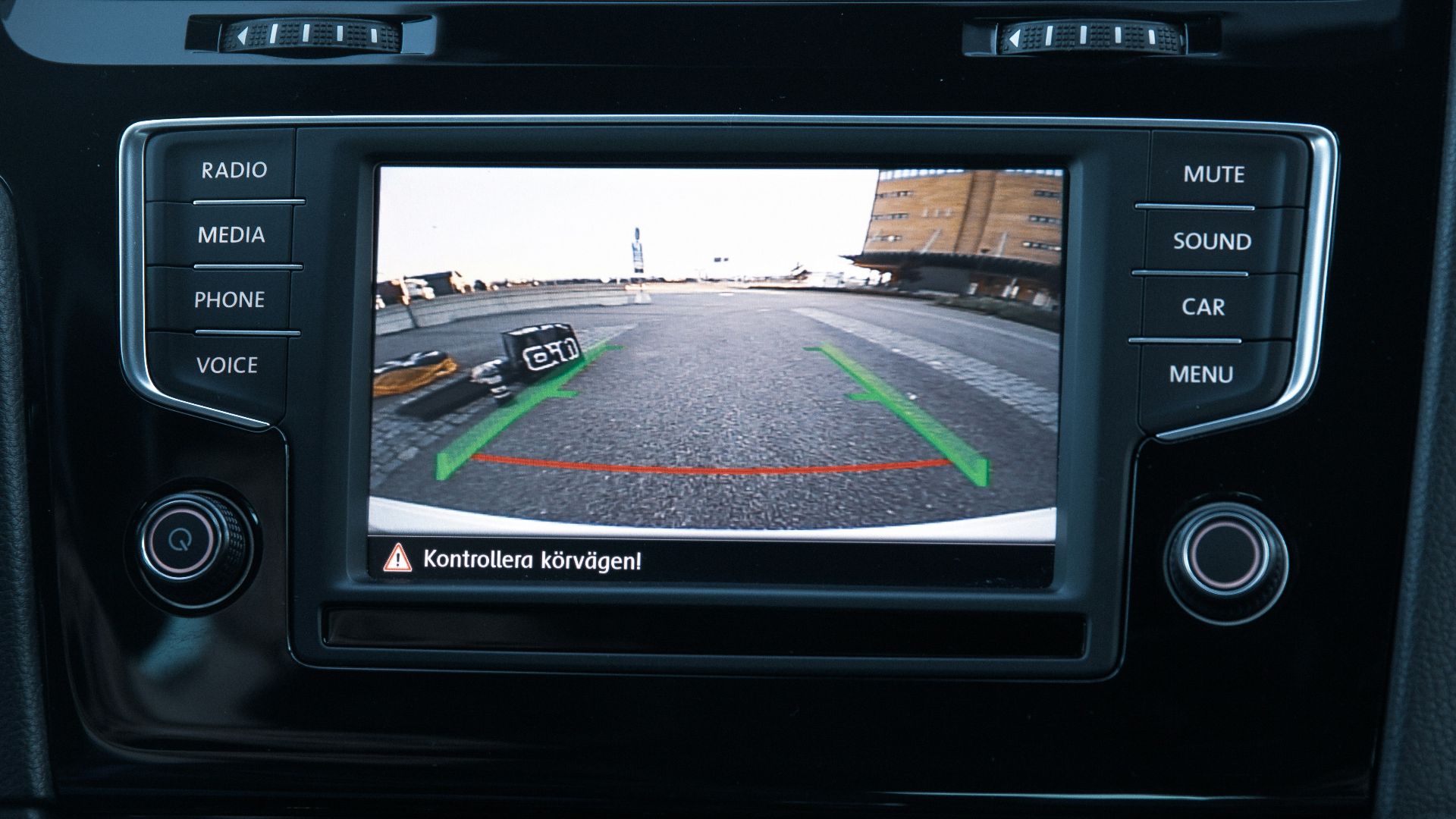
People love to pass on the alignment when the car drives fine, but that’s a common mistake! The hidden cost shows up in uneven tire wear, poor handling, and added stress on suspension parts that were just replaced. Saving money on the alignment merely turns into replacing expensive tires earlier than necessary.

15. Wrapping a Failing Line Instead of Replacing It
Improvised patches usually get used when someone wants one more week out of a bad hose. We’ve all been there, but those repairs rarely hold up under normal heat, and when they fail, they do so at the most inconvenient time.
 Cauê Krebsky Oliveira on Pexels
16. Reusing Old Gaskets to Avoid New Ones
Like so many things on this list, it’s tempting to reuse a gasket, especially during a rushed repair. Once it's compressed, though, there's no guarantee it'll seal properly again. If it starts leaking, you'll then have to pay to open everything back up—all to replace the part you tried not to buy in the first place.

17. Putting Off Small Exhaust Repairs
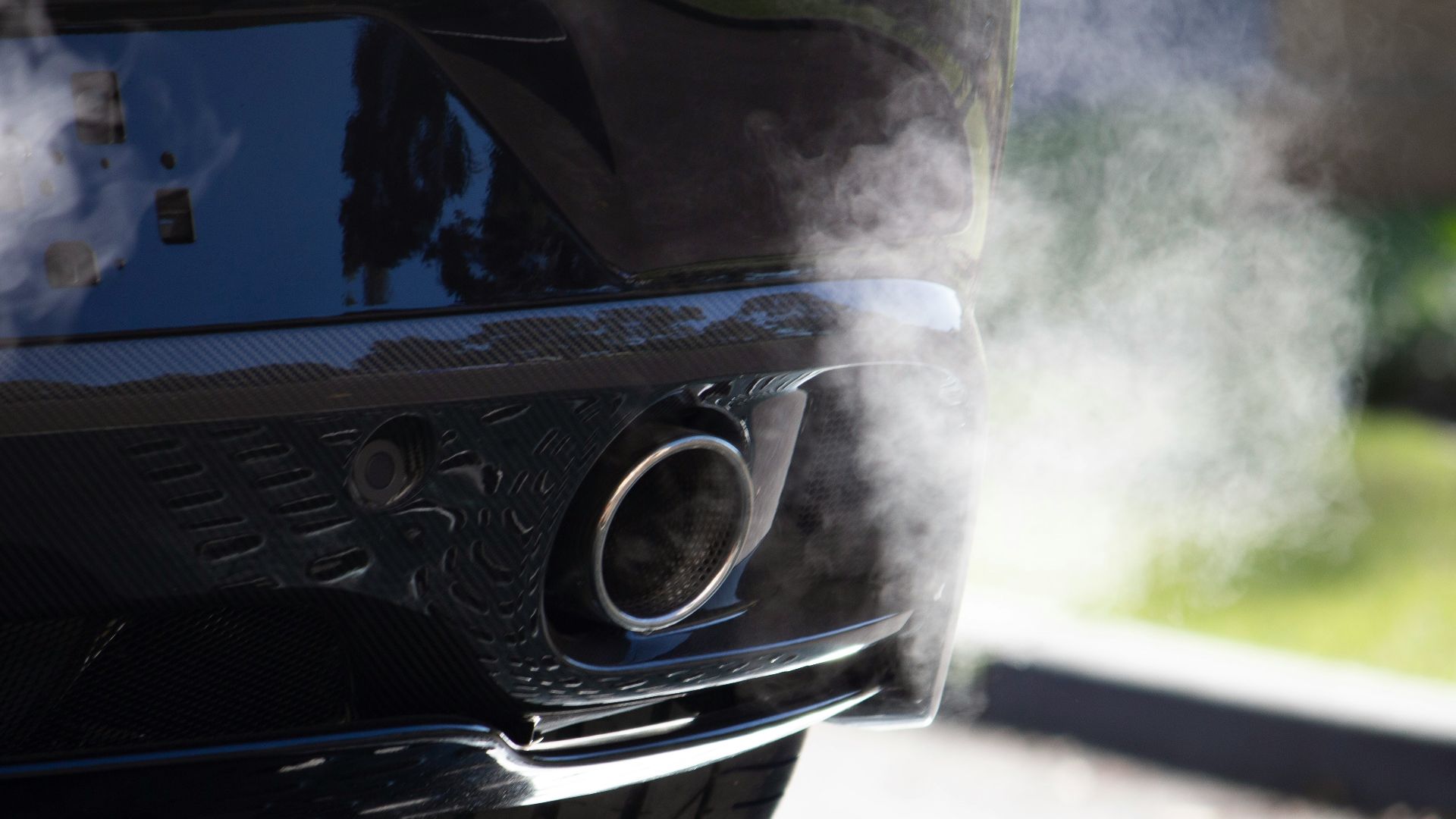
A minor exhaust leak doesn't always seem urgent, so drivers delay. Here’s the issue: small leaks can worsen fuel economy and put extra strain on emissions components that cost far more than a section of pipe. Leaving it too long can also turn a simple repair into a larger job.
18. Swapping in the Cheapest Battery
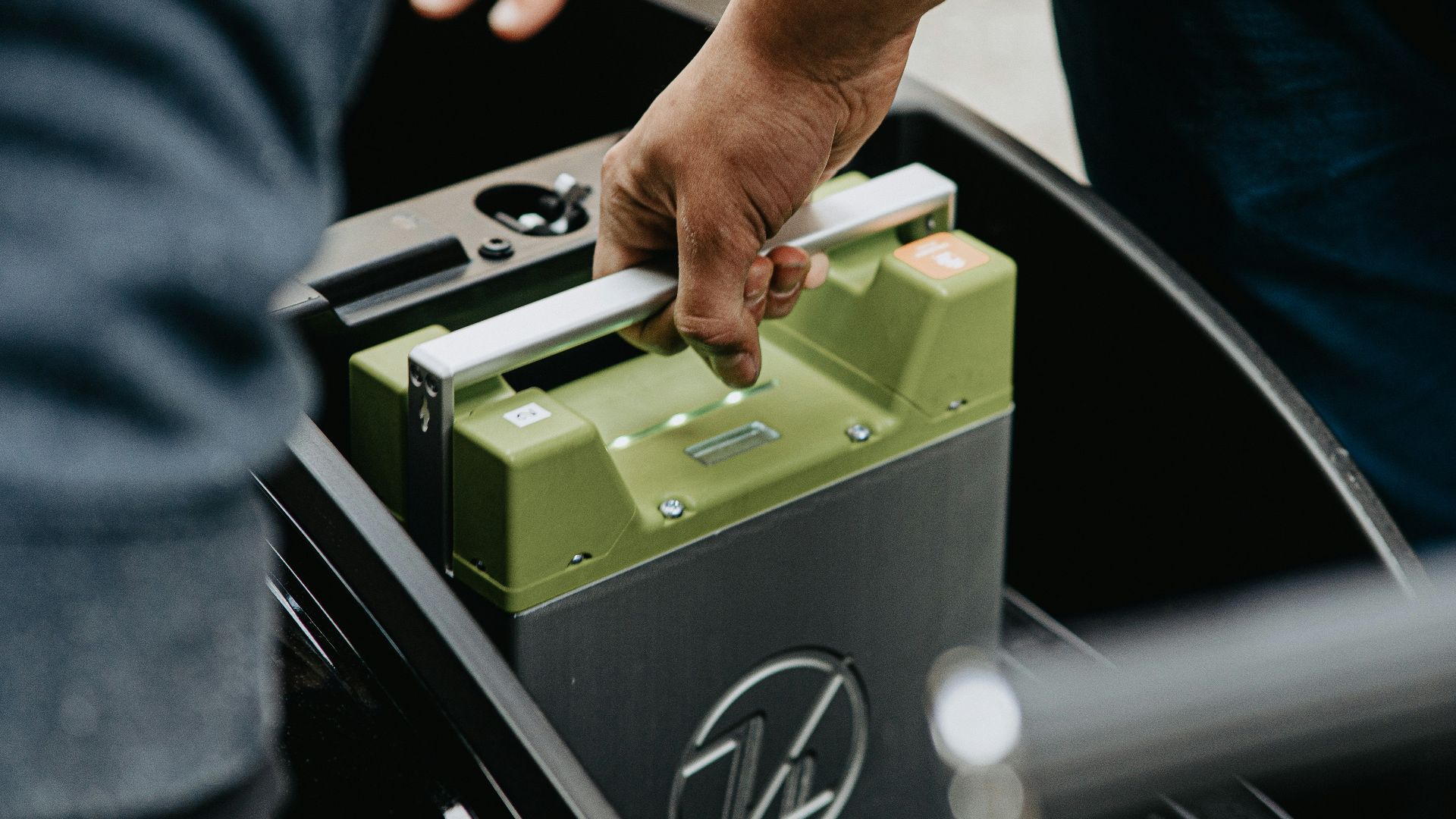
Sure, a low-priced battery technically fits, but that doesn't mean it's the right match. And lower quality means hard starts and repeat replacements sooner than expected. When the battery fails early, you'll just have to buy another one anyway.
19. Clearing Codes Without Diagnosing the Cause
Some people erase warning codes with a cheap scanner and call that a fix—but they shouldn’t! That only hides the evidence while the problem develops. Then, once you see additional faults, true diagnosis becomes way more complicated and expensive.

20. Waiting Until a Strange Noise Becomes Impossible to Ignore
We’ve all ignored a weird rattle and hoped for the best, but the trouble is that noises usually get louder as parts get worse. By the time you finally book the repair, what could've been a modest fix will likely take several hours.