
Get the Ride You Actually Want
Buying a bicycle is a lot easier when you decide how you’ll really use it, not how you imagine you might use it someday. The best bike is the one that fits your body, your routes, and your priorities without creating a bunch of extra hassles. If you keep practical features at the center of your decision, you’ll end up with a bike you’ll want to ride often, and that’s the whole point!
1. Define Your Primary Riding Style
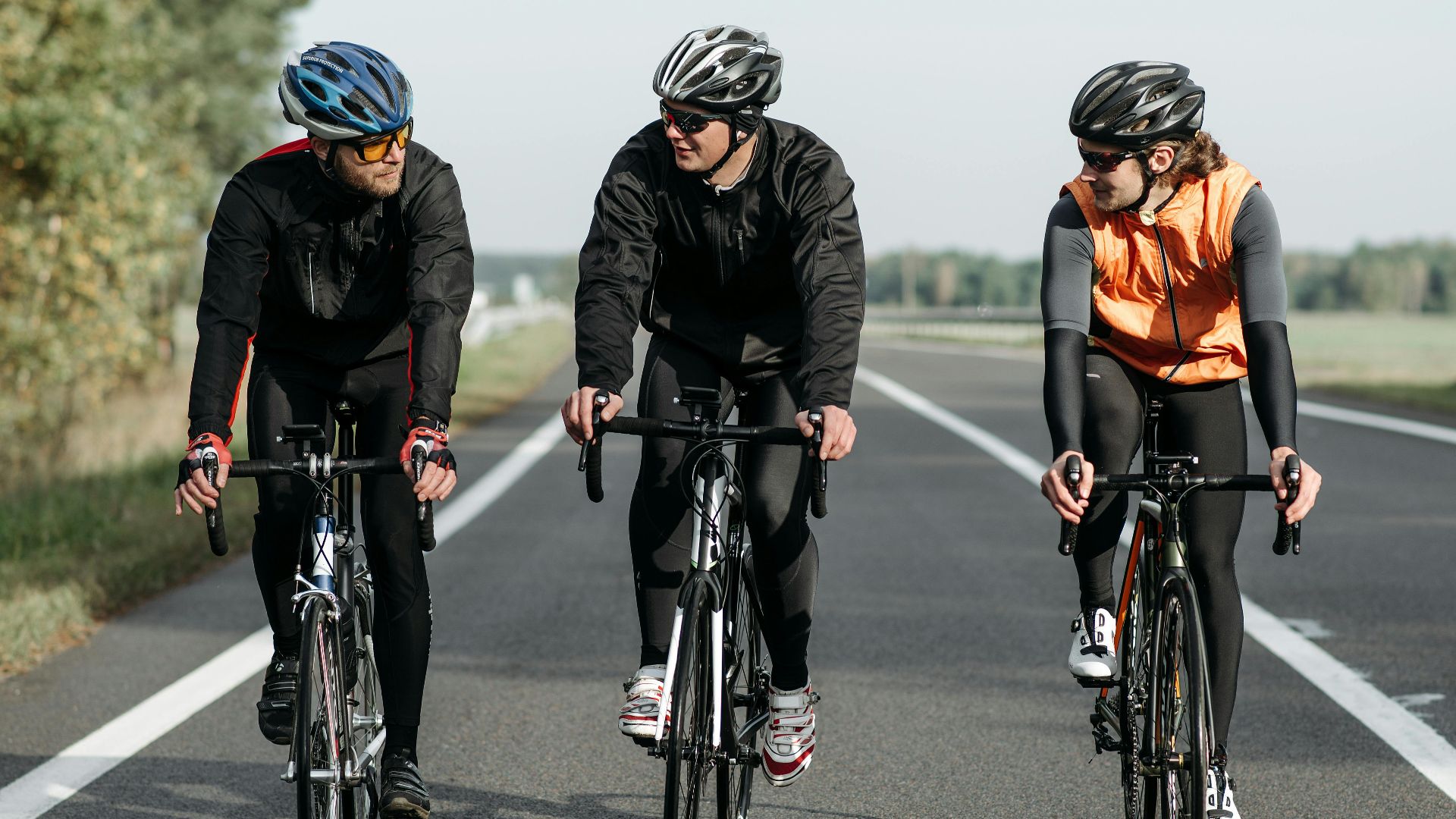
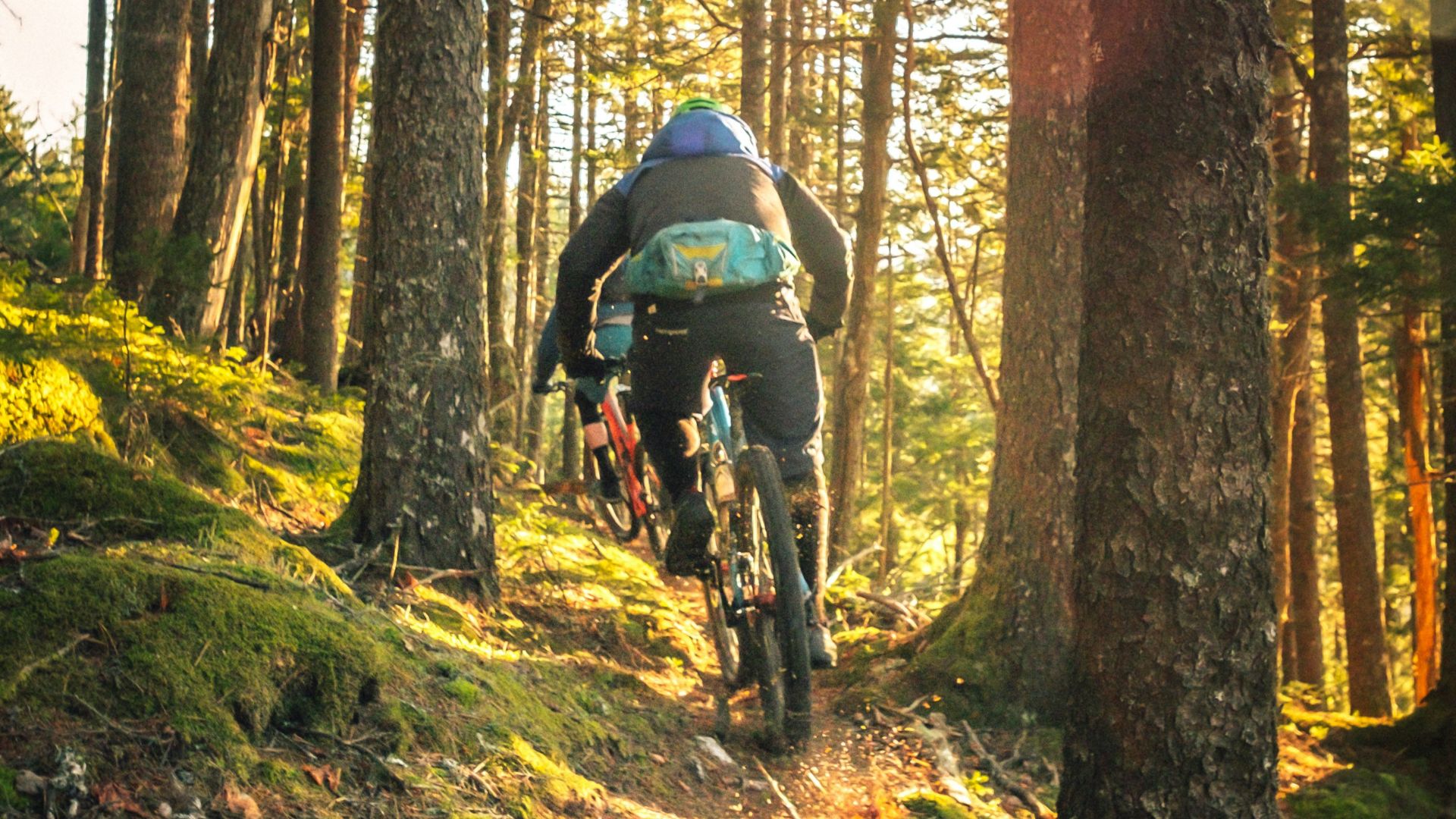
Decide whether you’ll ride mostly on pavement, gravel, trails, or a mix of everything—that choice narrows the field fast. A road bike, hybrid, mountain bike, and gravel bike solve different problems, even if they can overlap in a pinch.
2. Set a Realistic Budget With Room for Essentials
Pick a price range that leaves space for a helmet, lights, and a lock, since those aren’t optional for most riders. Bikes across the same category can feel similar at first glance, but the components and durability often scale with price. Focus on fit and reliability first, then upgrade parts later.
3. Get the Right Frame Size First
Frame size is the foundation of comfort, control, and confidence, so don’t treat it like an afterthought. Use a brand’s sizing chart as a starting point, then confirm it with a test ride. Trust us, a bike that’s the wrong size can feel terrible even if it’s technically “good.”
4. Pay Attention to Reach and Riding Position
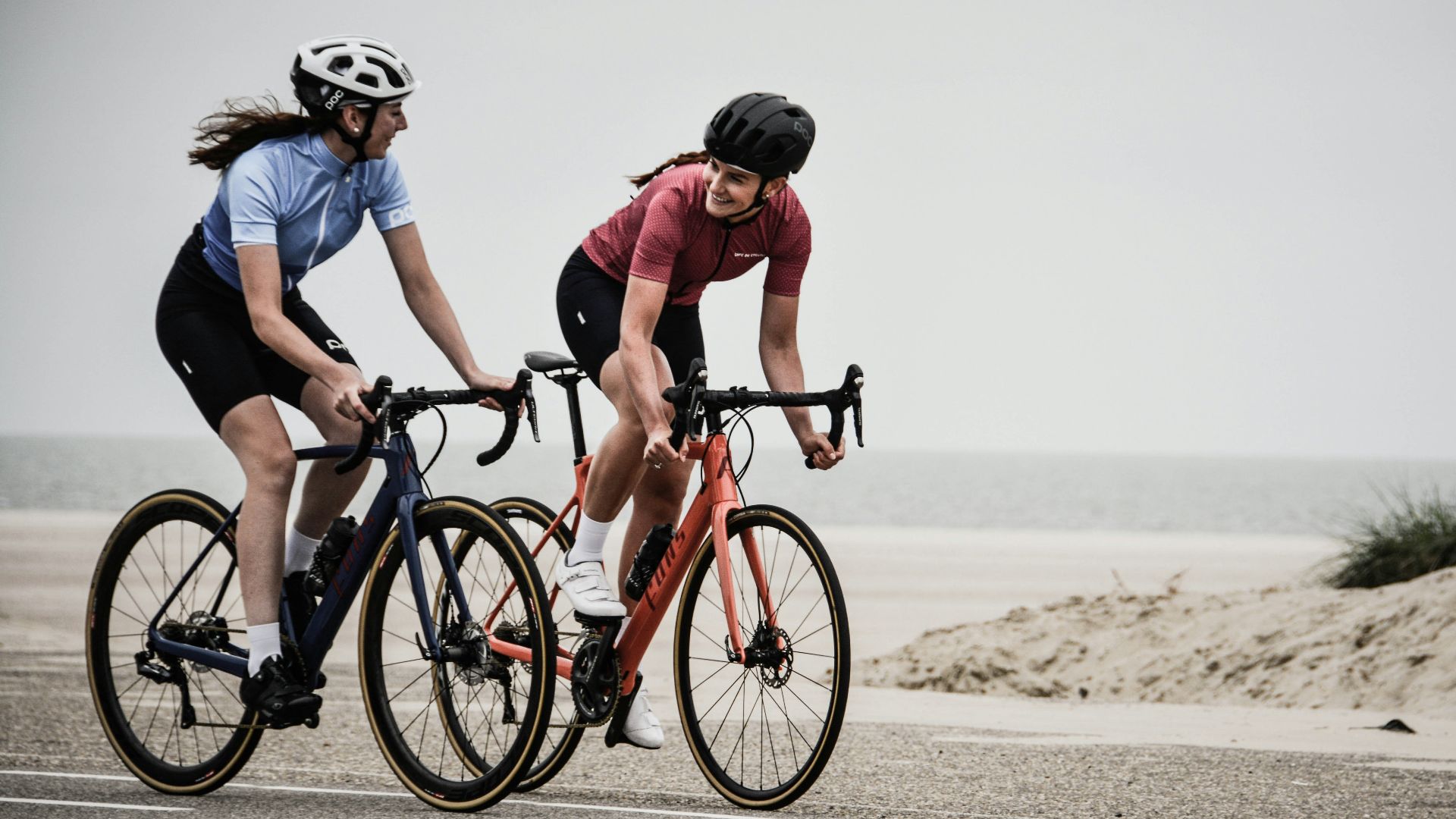
Two bikes that share the same size label can still feel completely different once you’re on the saddle. If your shoulders or wrists feel tense right away, that’s a sign the position needs adjustment—that, or the bike just isn’t the right match.
5. Choose the Frame Material That Matches Your Priorities
Aluminum is common and usually affordable, but carbon fiber is often lighter and tuned for performance. Steel can feel smooth and durable, and titanium tends to combine comfort with low weight at a higher cost. Think about what matters most to you—price, weight, longevity, or ride feel—then choose accordingly.
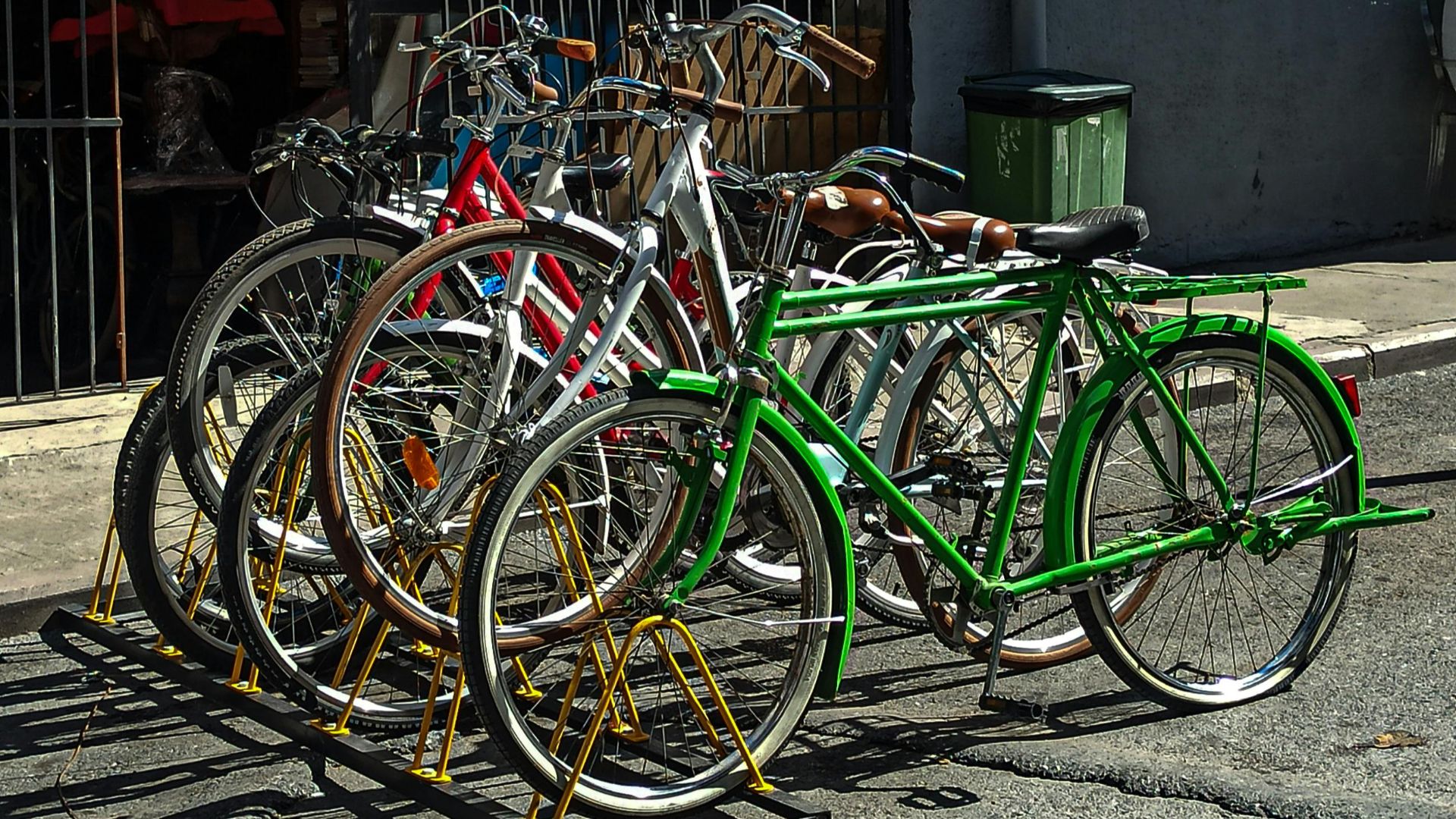
6. Pick the Bike Category That Fits Your Routes
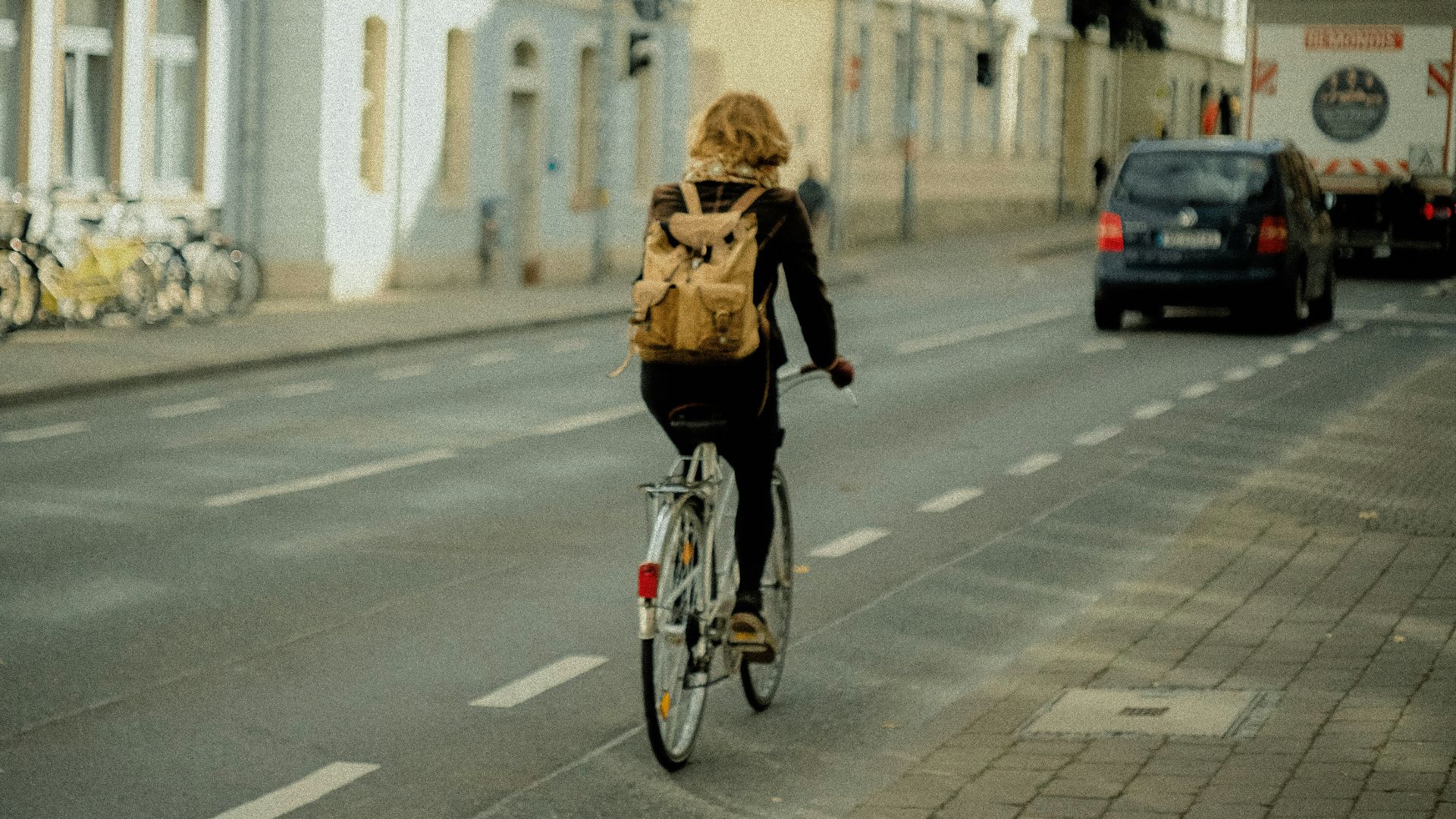
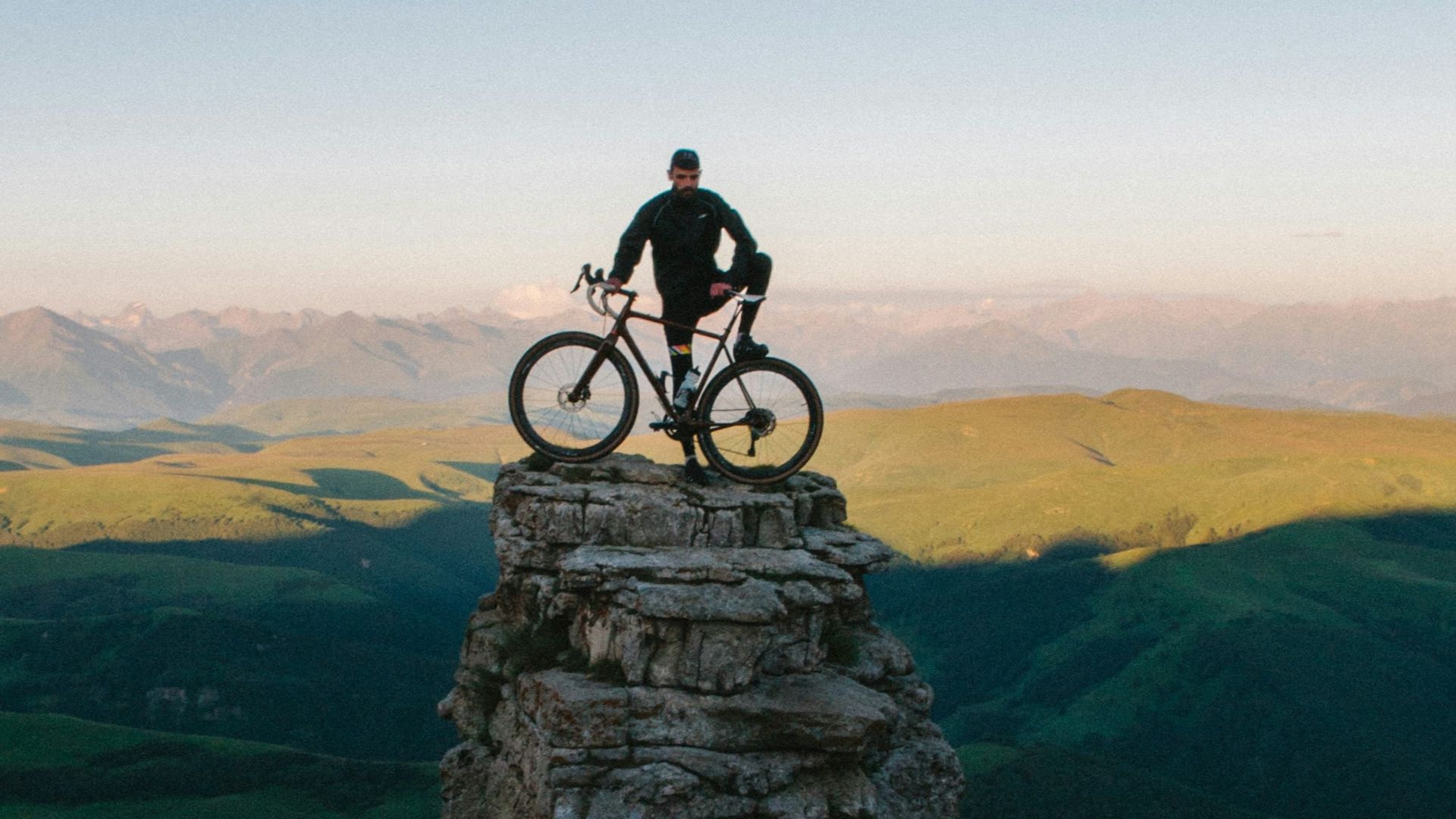
A hybrid works well for errands, which is great if you want casual rides. But a road bike favors speed on smooth surfaces. Mountain bikes, on the other hand, shine on rough terrain. Gravel bikes handle mixed conditions with surprising ease. Figure out which one you really want!
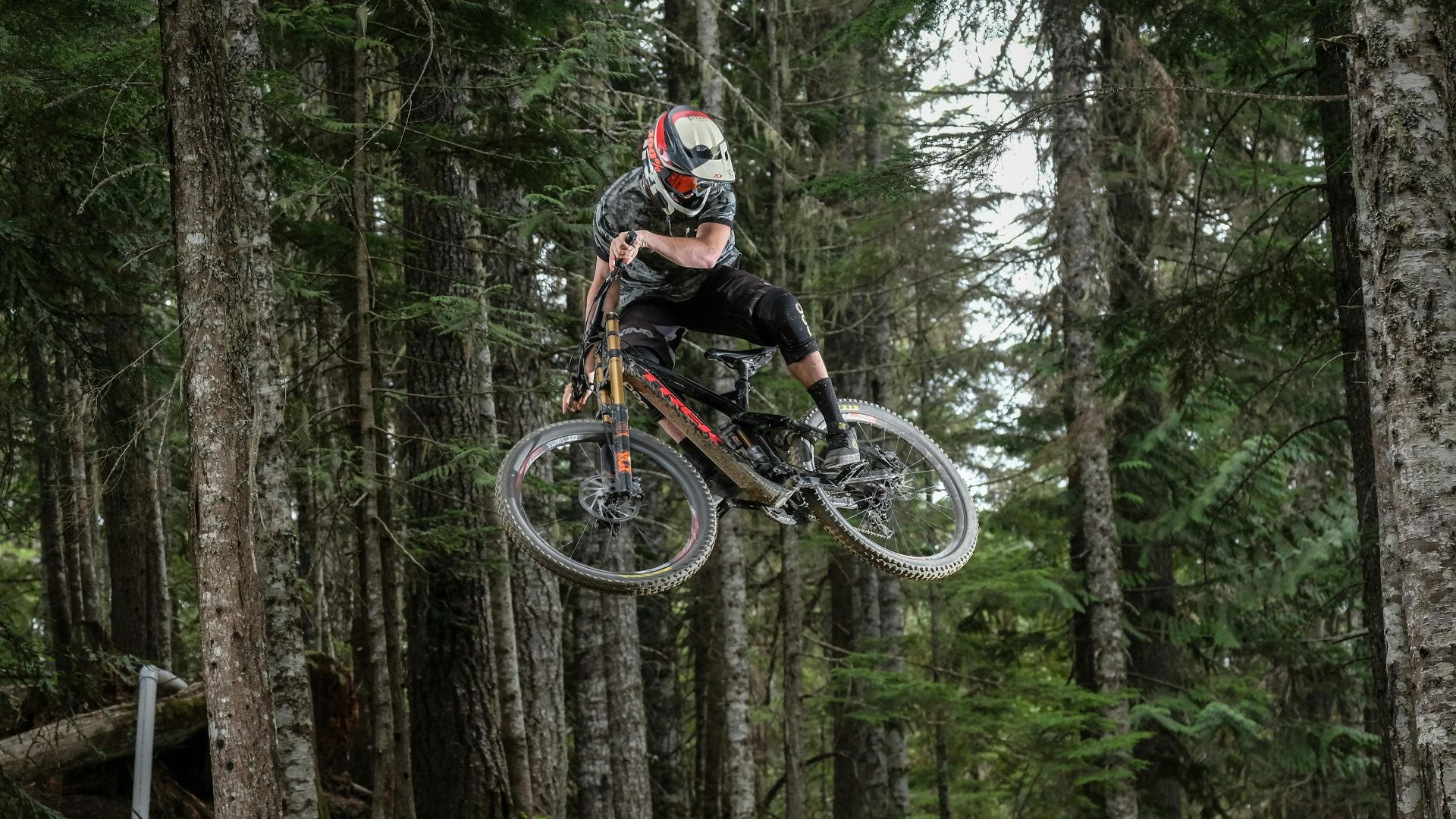
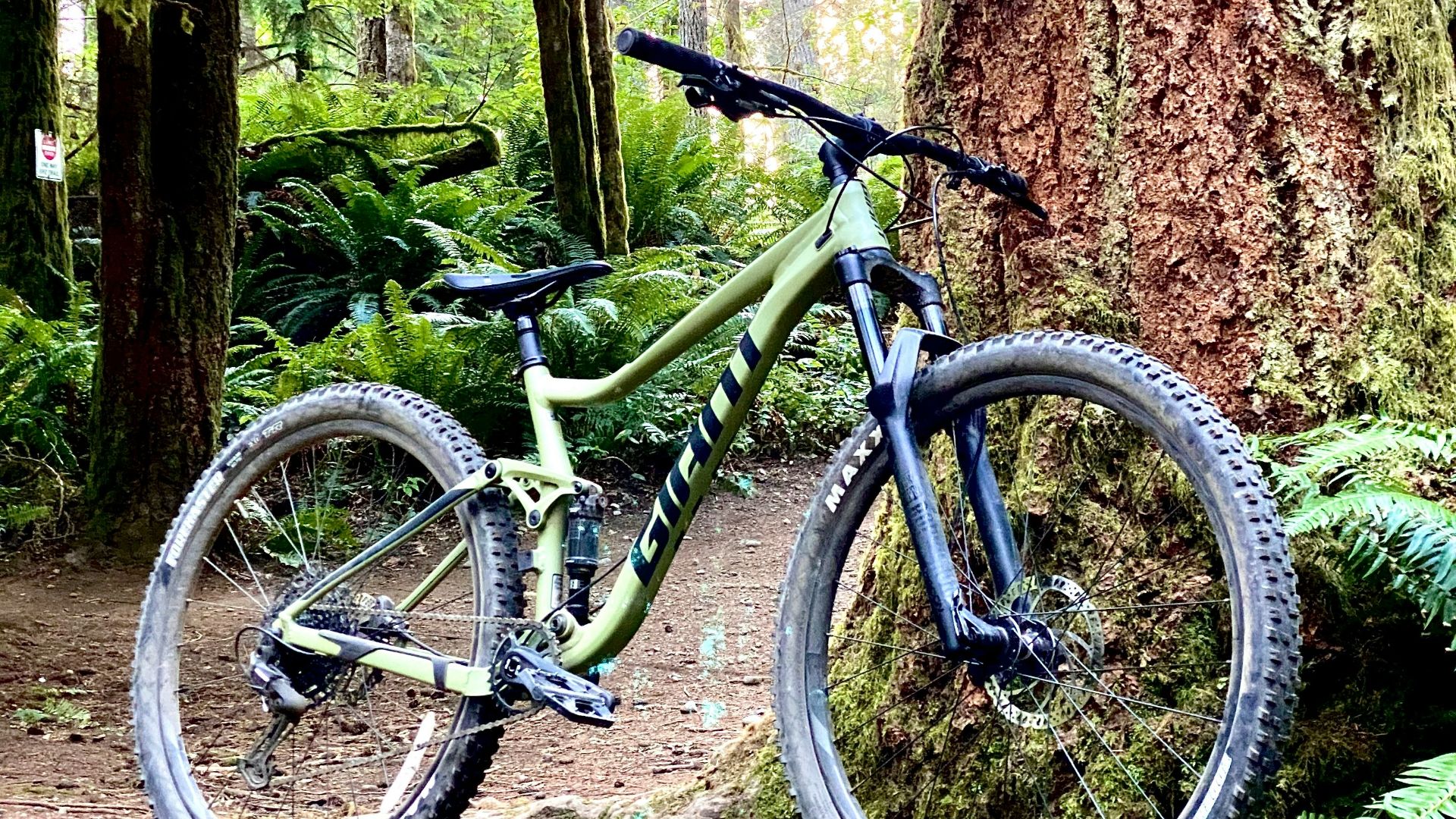
7. Decide Whether You Need Suspension
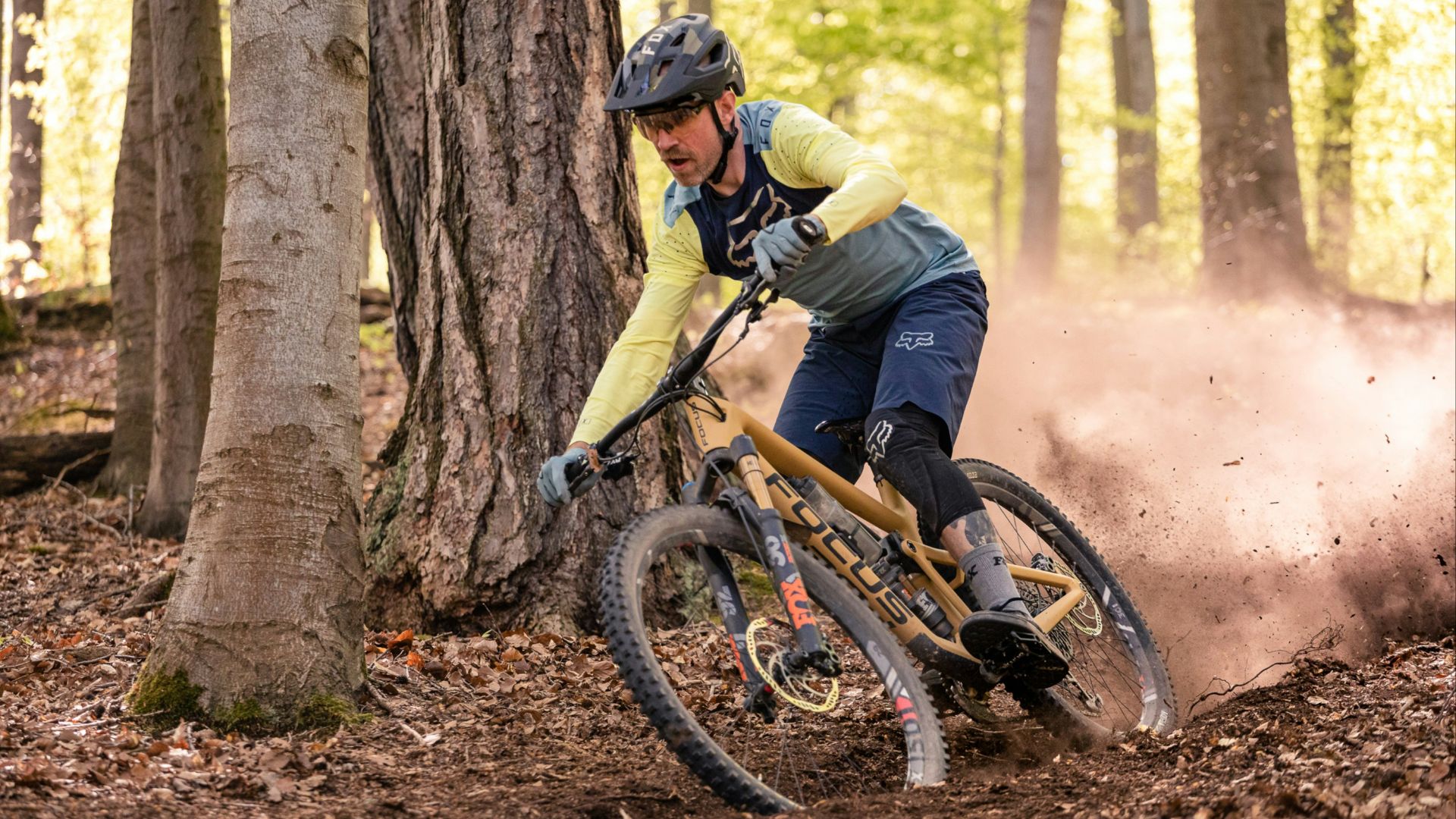
It’s true—front suspension can add comfort and control on bumpy trails. But it can also add weight and maintenance. Full suspension is excellent for technical off-road riding, yet it’s usually unnecessary for pavement and light gravel. If your rides are mostly smooth, a rigid fork may keep things simpler and more efficient.
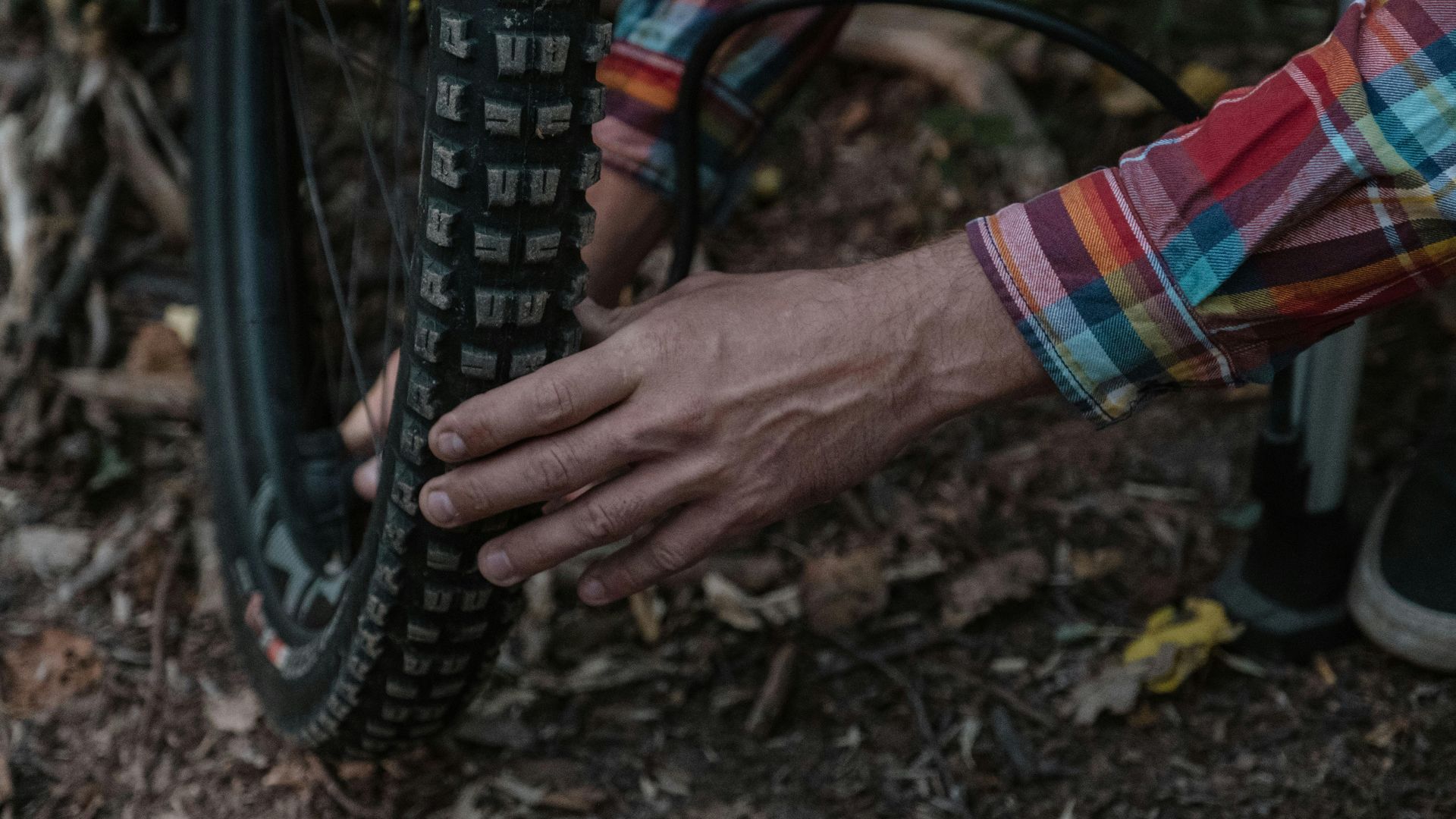
8. Check Tire Clearance and Tire Type
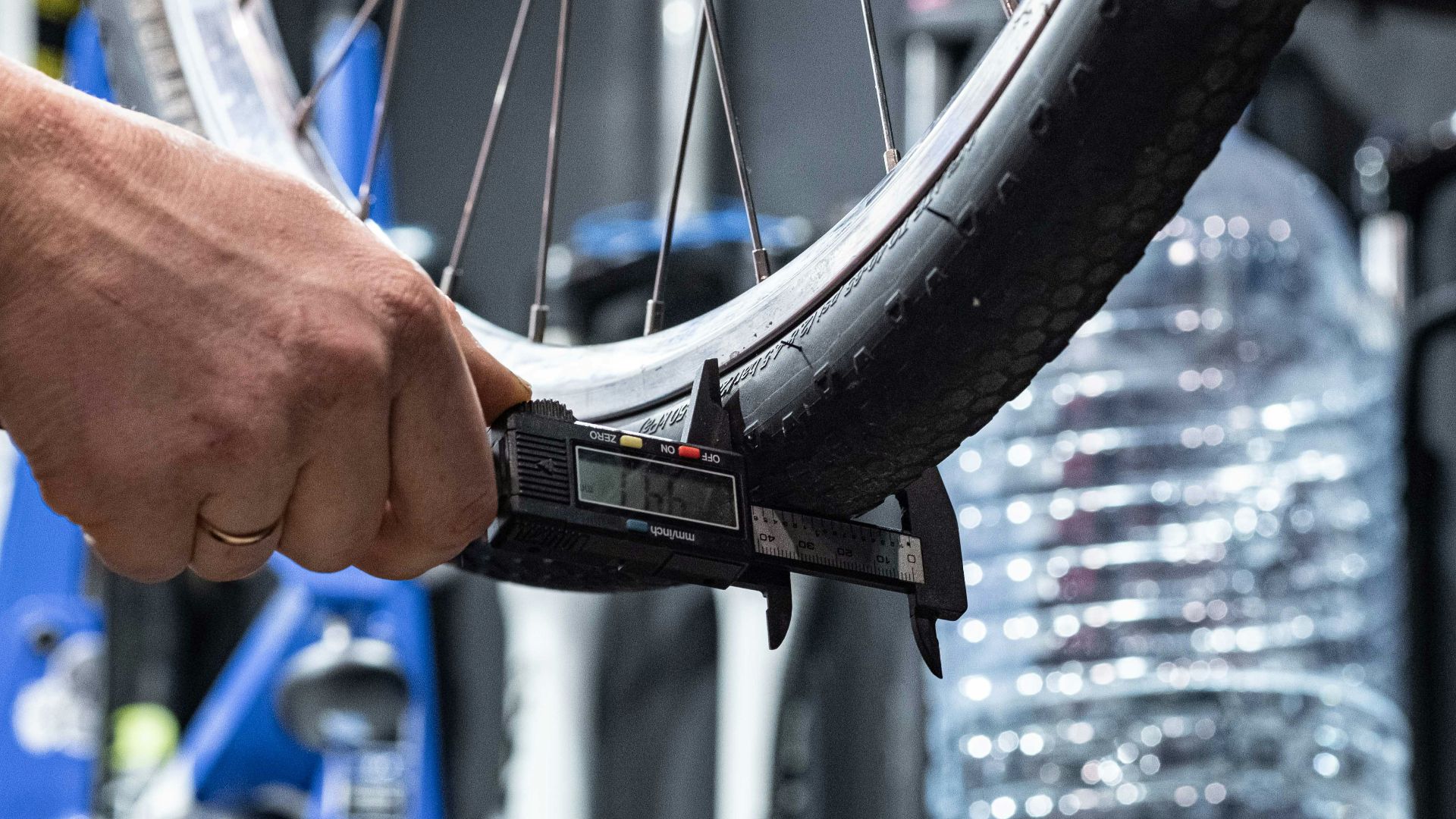
Tires affect comfort more than many people expect. Make sure the frame has enough clearance for the tire width you’ll want, especially if you ride on gravel or poor roads. A little extra room also helps if you plan to use fenders.
9. Understand Wheel Size
Common wheel sizes include 700c for many road, hybrid, and gravel bikes, and 29-inch or 27.5-inch for mountain bikes. Larger wheels often roll over obstacles more easily, while smaller wheels can feel quicker to maneuver. Choose the size that matches your terrain and the handling you prefer.
10. Evaluate the Gearing for Your Local Hills
If you live somewhere flat, you probably won’t need an ultra-wide gear range. On the other hand, look for easier low gears if you expect steep climbs or longer rides. You’ll enjoy cycling more when you’re not grinding every uphill like it’s a personal challenge.
11. Compare Drivetrain Options
Component groups and model names can be confusing, so focus on how smoothly the gears shift. Higher-end drivetrains often shift more precisely and weigh less, but mid-range options can be excellent for everyday riding. Aim for reliable performance rather than chasing the fanciest badge.

12. Consider 1x Versus 2x or 3x Setups
A 1x drivetrain simplifies shifting and reduces parts, which many riders love for mixed terrain and commuting! That said, multi-chainring setups can provide tighter gear steps or a wider range, depending on how they’re configured. The best choice is the one you find easiest to use.
13. Choose Disc Brakes or Rim Brakes Based on Conditions
Disc brakes tend to perform better in wet weather and offer consistent stopping power, especially on long descents. Rim brakes can be lighter and simpler, and they still work well in many dry conditions. So, depending on where you ride, discs are usually the safer bet.
14. Think About Maintenance and Parts Availability
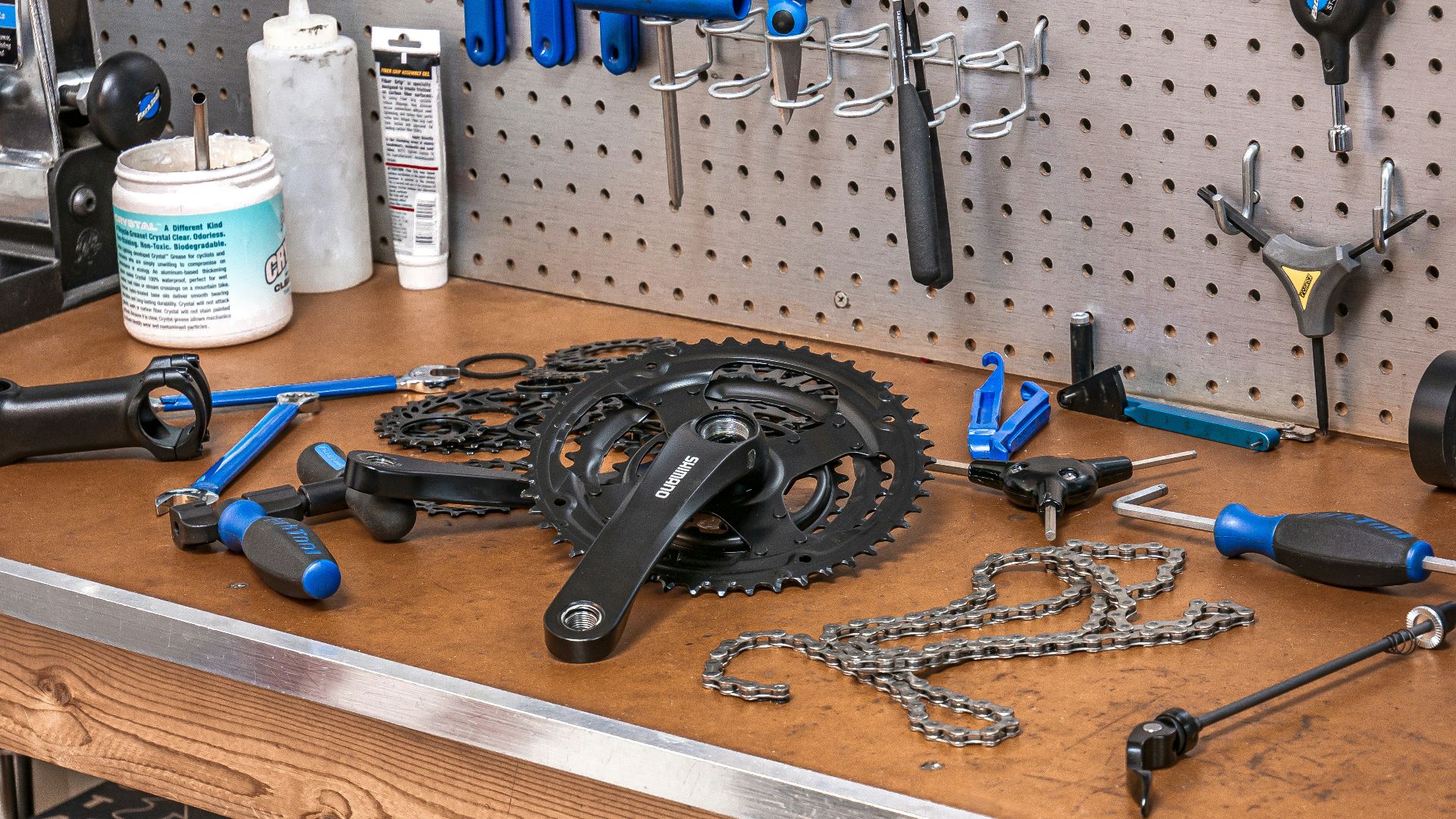
Some bikes are easy to service anywhere. Others use specialized components that may require a specific shop. Ask what common replacements cost, like chains, brake pads, and cassettes, since those add up over time.
15. Schedule a Test Ride
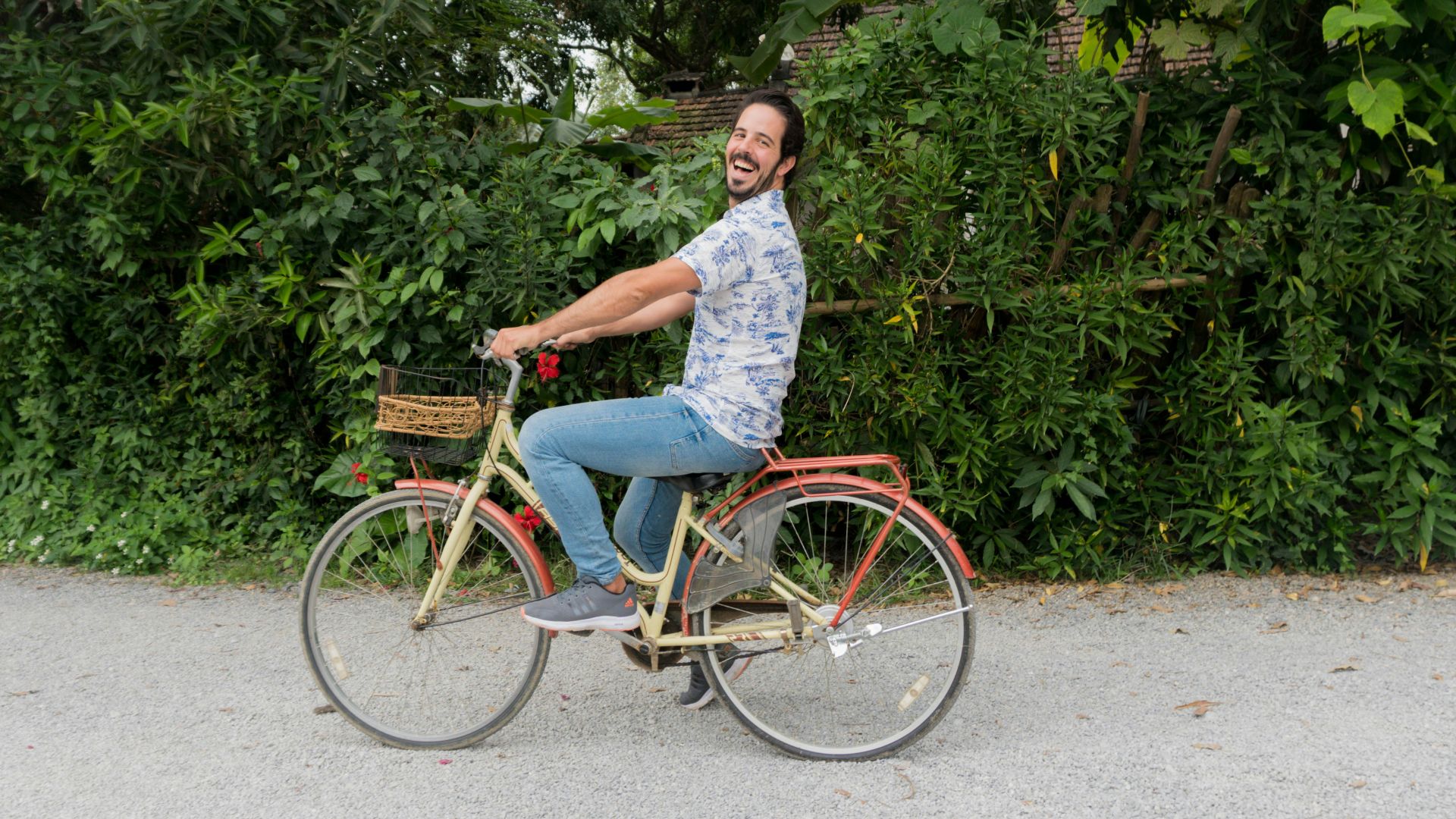
A short parking lot spin is fine for basic sizing, but you’ll learn more if you ride on terrain similar to your usual routes. Pay attention to how the bike accelerates, turns, and brakes when you’re not thinking too hard about it!
16. Confirm Saddle Comfort
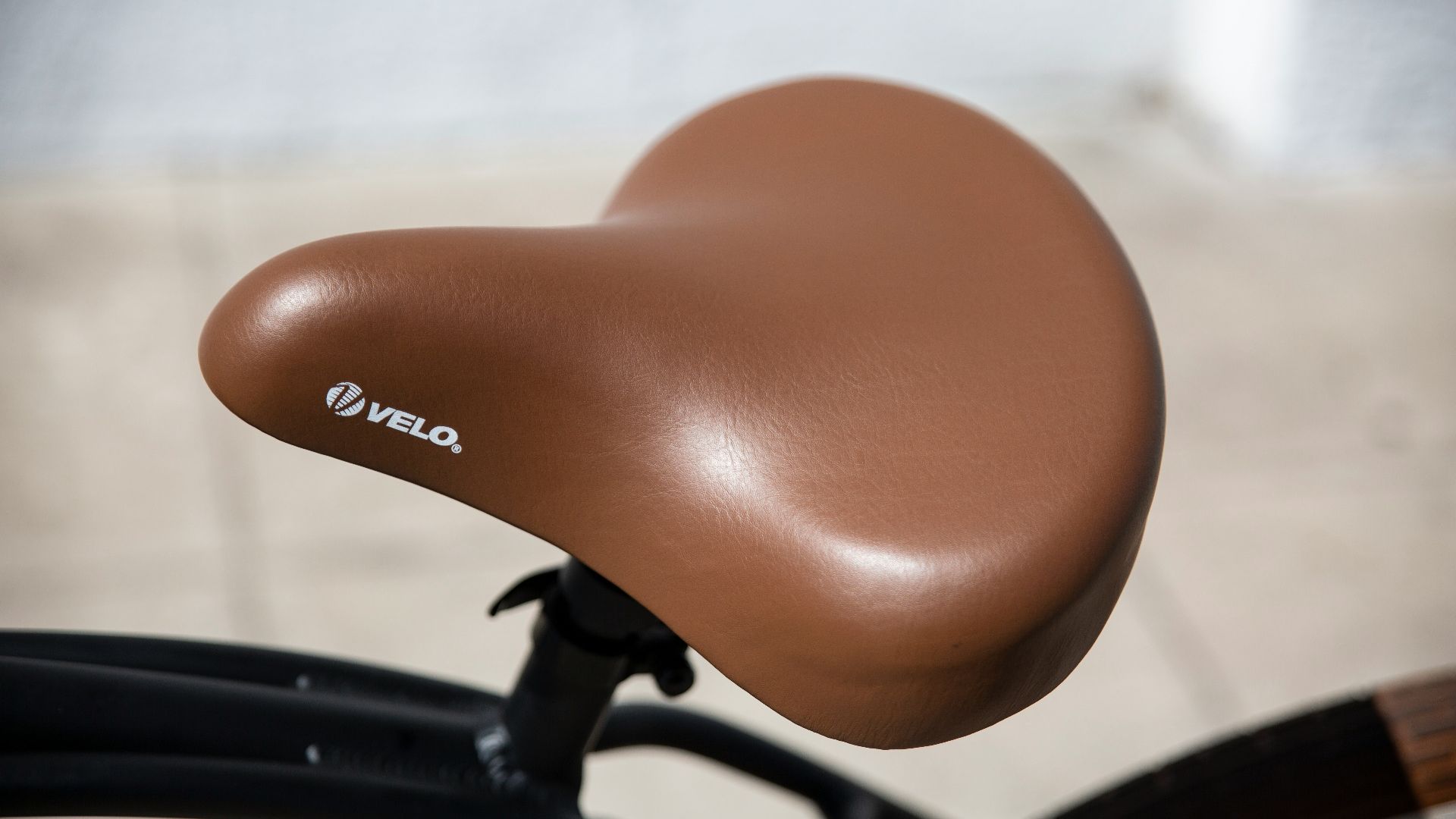
The saddle can be swapped, but it still matters how the bike fits around it. Check whether the seatpost offers enough height range and whether the rails allow the saddle to slide forward or back for fine-tuning. You’ll ride more often if you’re not bracing for discomfort before you even start.
 Tower Electric Bikes on Unsplash
17. Inspect Handlebar Width
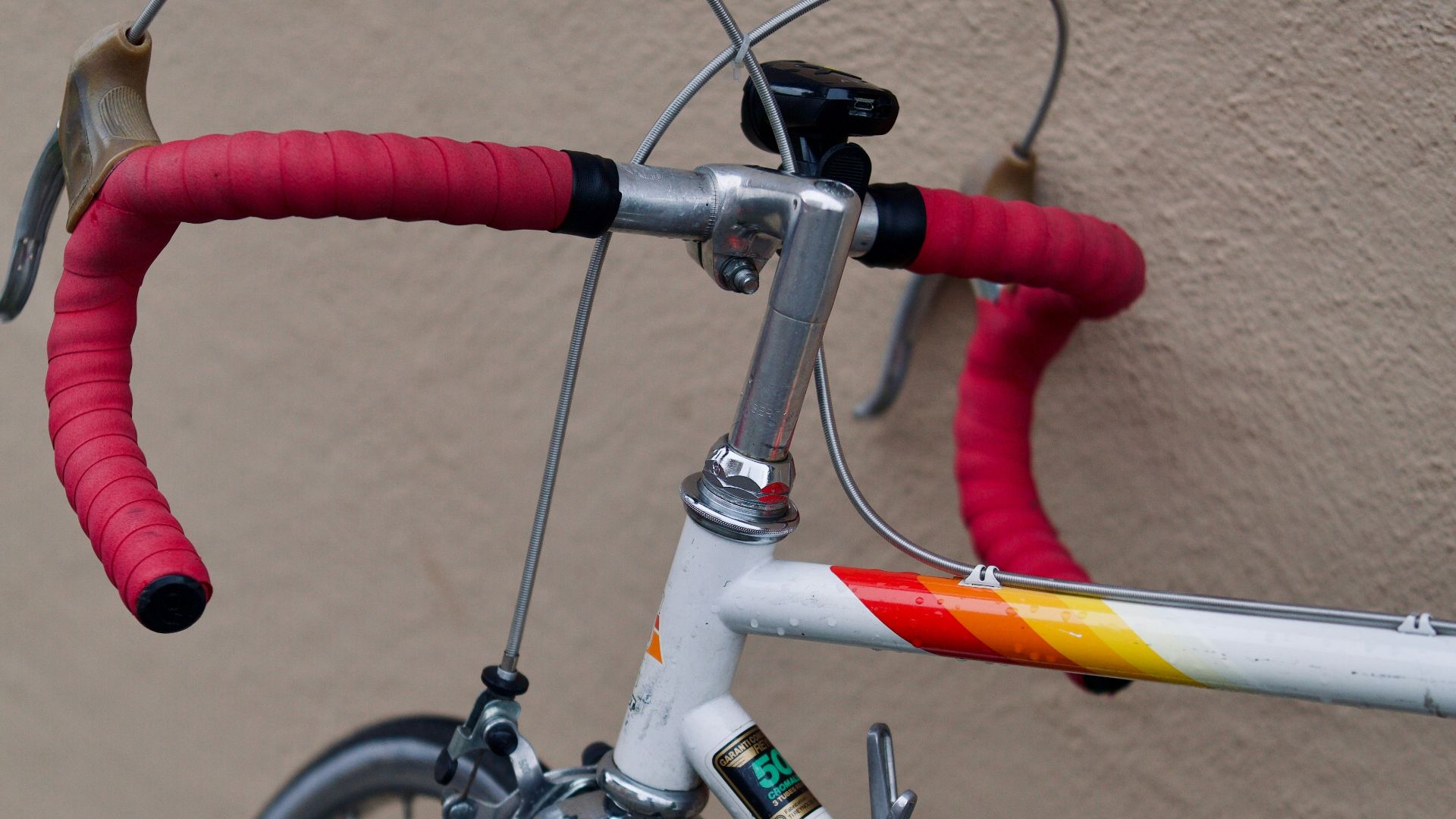
Handlebar width affects steering feel, breathing room, and comfort, especially on longer rides. Make sure the controls feel reachable without awkward wrist angles or stretched fingers. If everything feels natural in your hands, you’ll be calmer and more confident.
18. Decide on Mounts for Racks, Fenders, and Bottles
Mounts can make your life easier—so long as you need them. Check for rack eyelets, fender mounts, and enough bottle cage positions for your typical ride length. A bike that supports your daily needs gets used more than one that looks impressive in the garage.
19. Look Closely at the Bike’s Total Weight
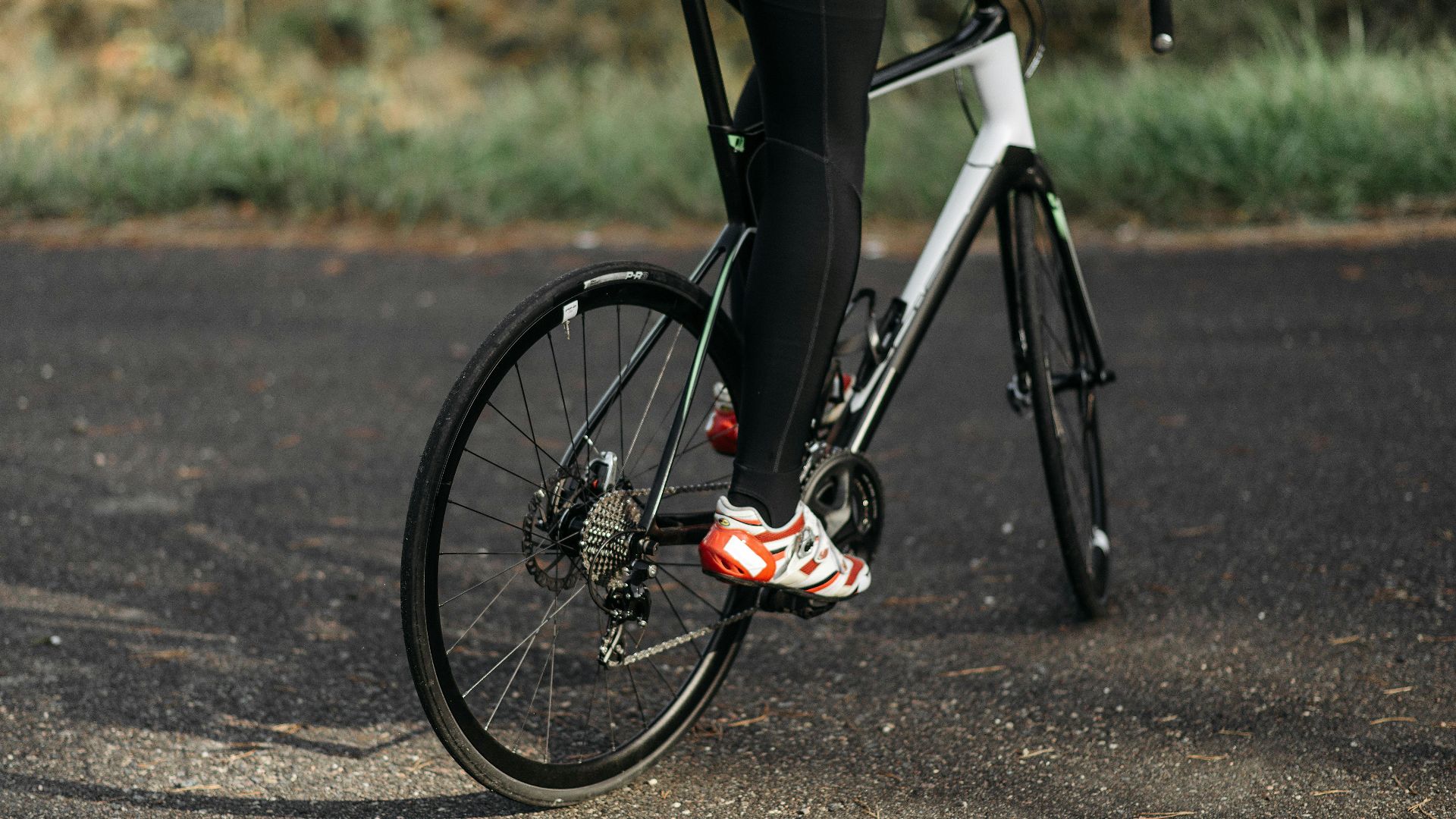
Weight matters, but balance and stability matter too. Lift the bike. Roll it around. Figure out whether it feels awkward or manageable. A slightly heavier bike that feels stable can be a better choice than a lighter one.
20. Choose a Shop That Supports You
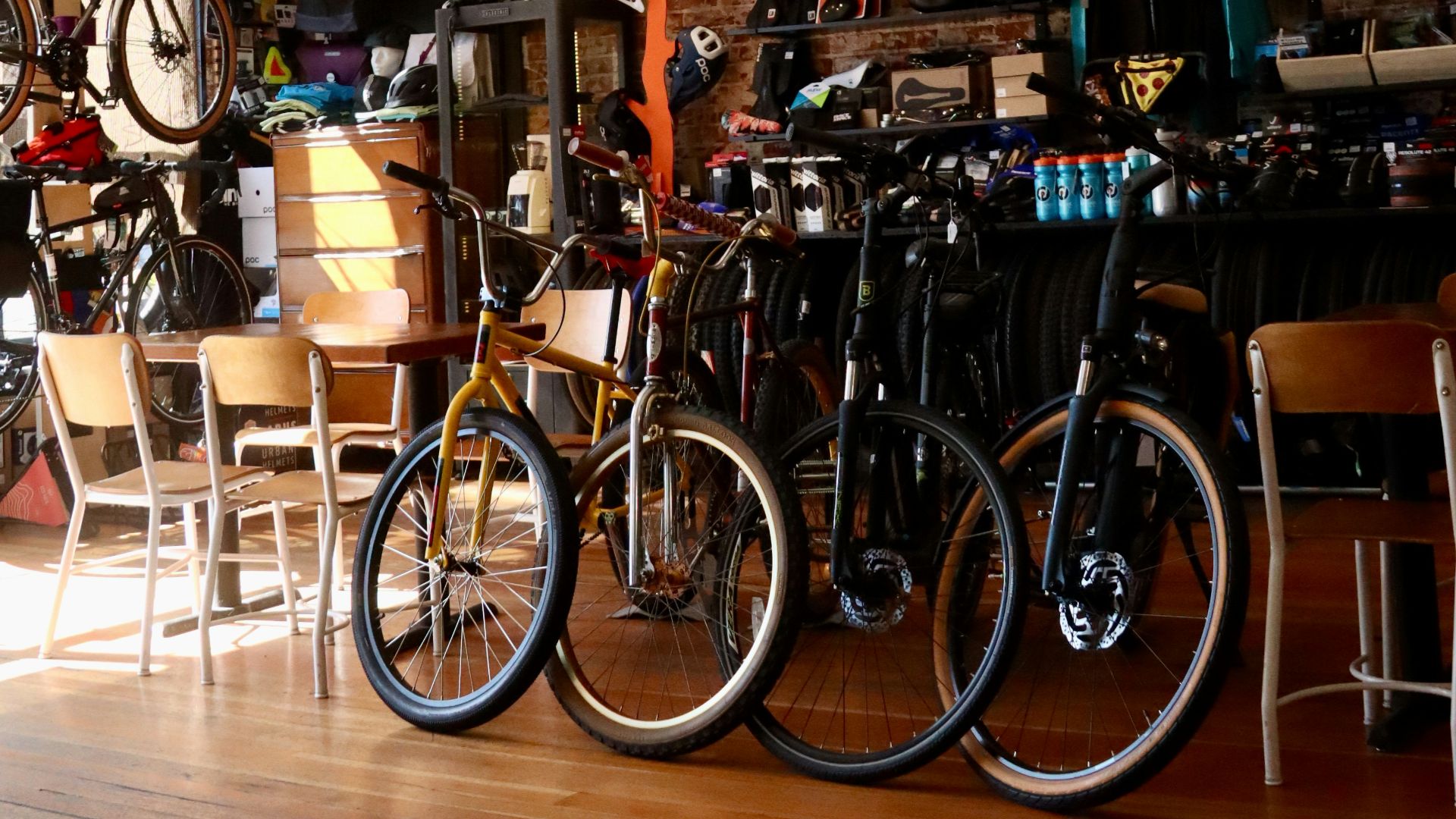
A good shop will help with fitting tweaks, which can make the first few months much smoother. Ask what follow-up services are included, such as a tune-up after the break-in period. When you know help is available, you’ll feel more confident riding and maintaining your new bike!