Watch What You Say Behind the Wheel
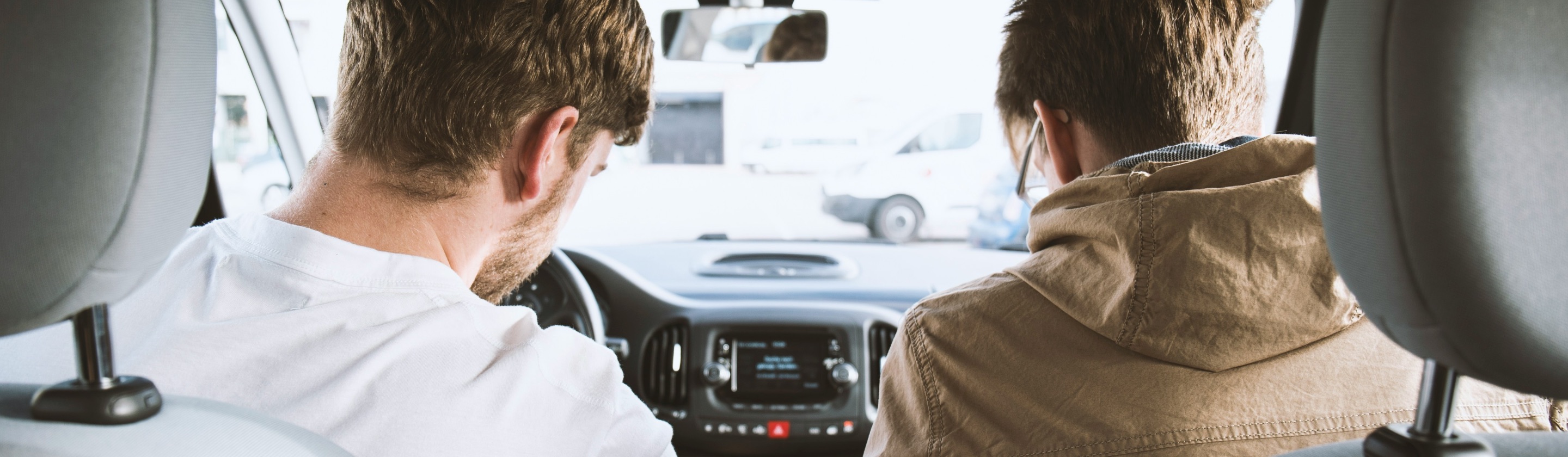
It should go without saying that driving requires a level of focus and concentration, but most people seriously underestimate just how big an impact the person sitting in the passenger seat has on the driver's performance. Whether it's a throwaway comment about their speed, an unsolicited opinion about the route they've chosen, or a sudden burst of noise that catches them off guard, the wrong words at the wrong moment can throw a driver off their game. The next time you're riding shotgun, it's worth thinking twice before you speak, because some things are better left unsaid until you've reached your destination.

1. "You Missed the Turn!"
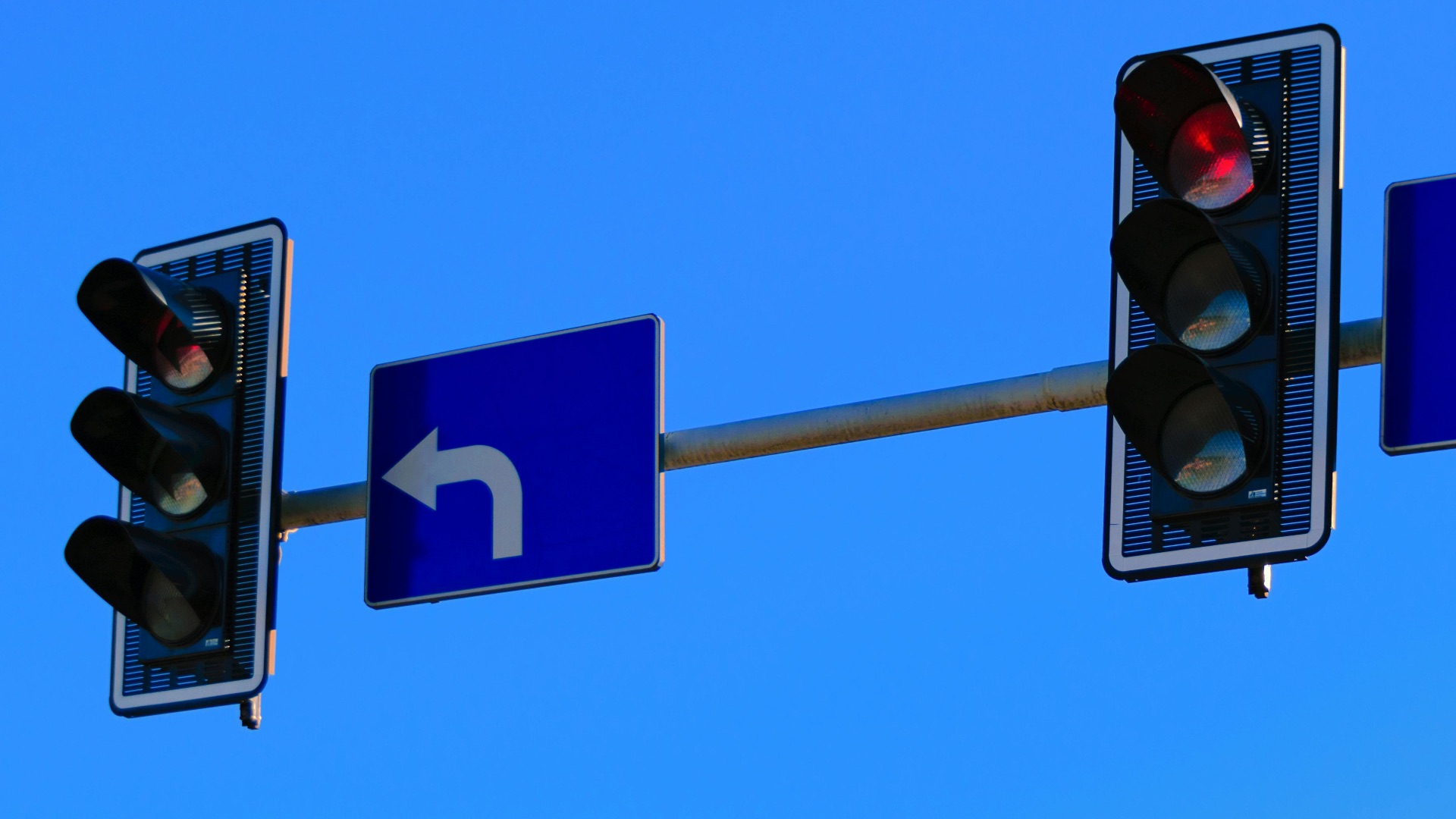
Shouting about a missed turn after the fact does absolutely nothing to fix the situation and only adds unnecessary stress to the driver. If you're navigating and you see a turn coming up, speak up early so they have enough time to react safely. Once the turn is behind you, the most helpful thing you can do is calmly figure out the next best route together.
2. "Can You Go Any Slower?"
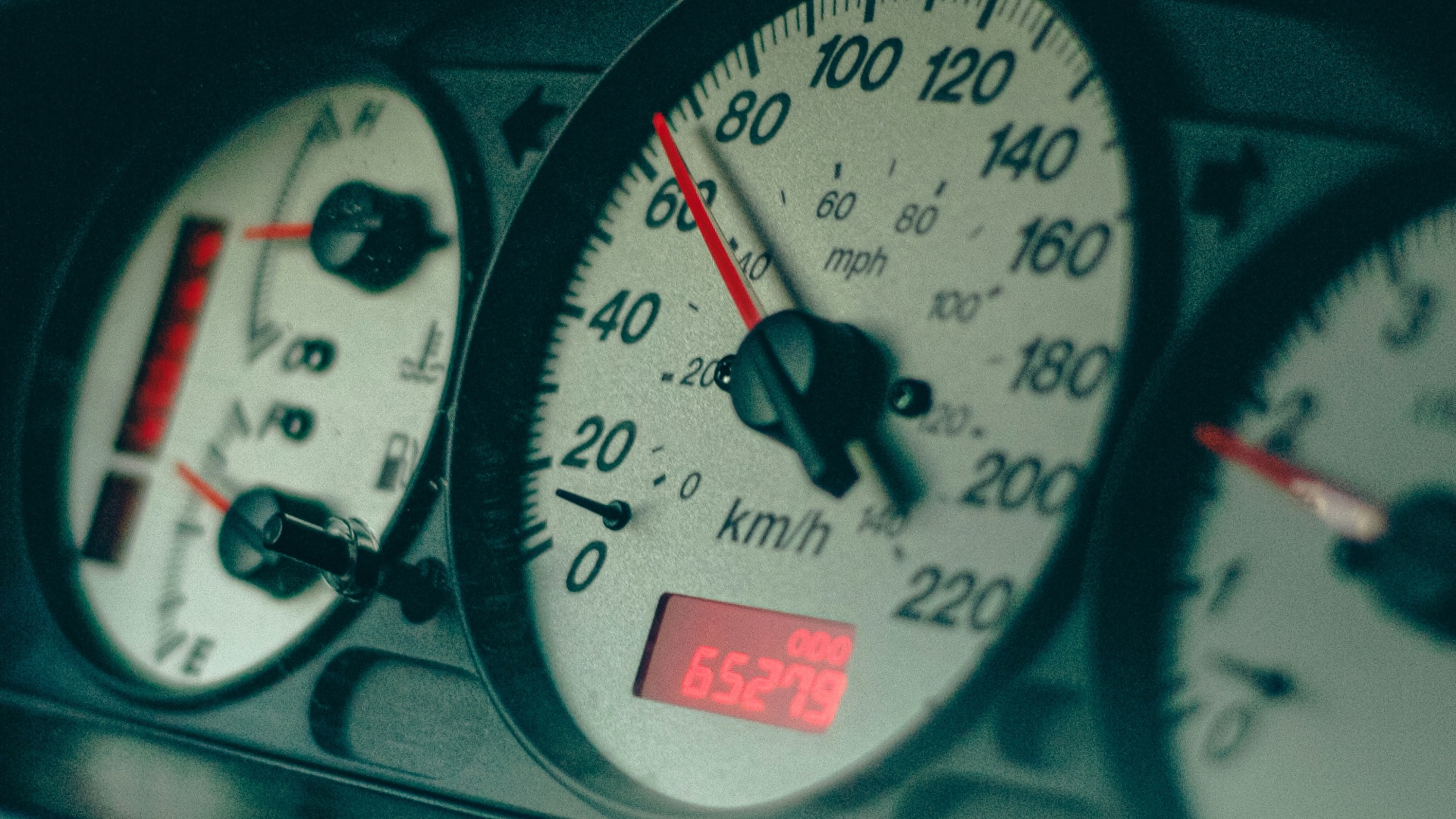
Pressuring a driver to speed up because you're impatient is one of the more dangerous things a passenger can do, even if it's meant as a joke. Drivers adjust their speed based on road conditions, traffic, and their own comfort level behind the wheel, and none of those factors change because someone in the car is in a hurry. If being on time is a concern, it's worth bringing up before you leave, not while the car is already in motion.
3. "Ugh, Why Did You Go This Way?"
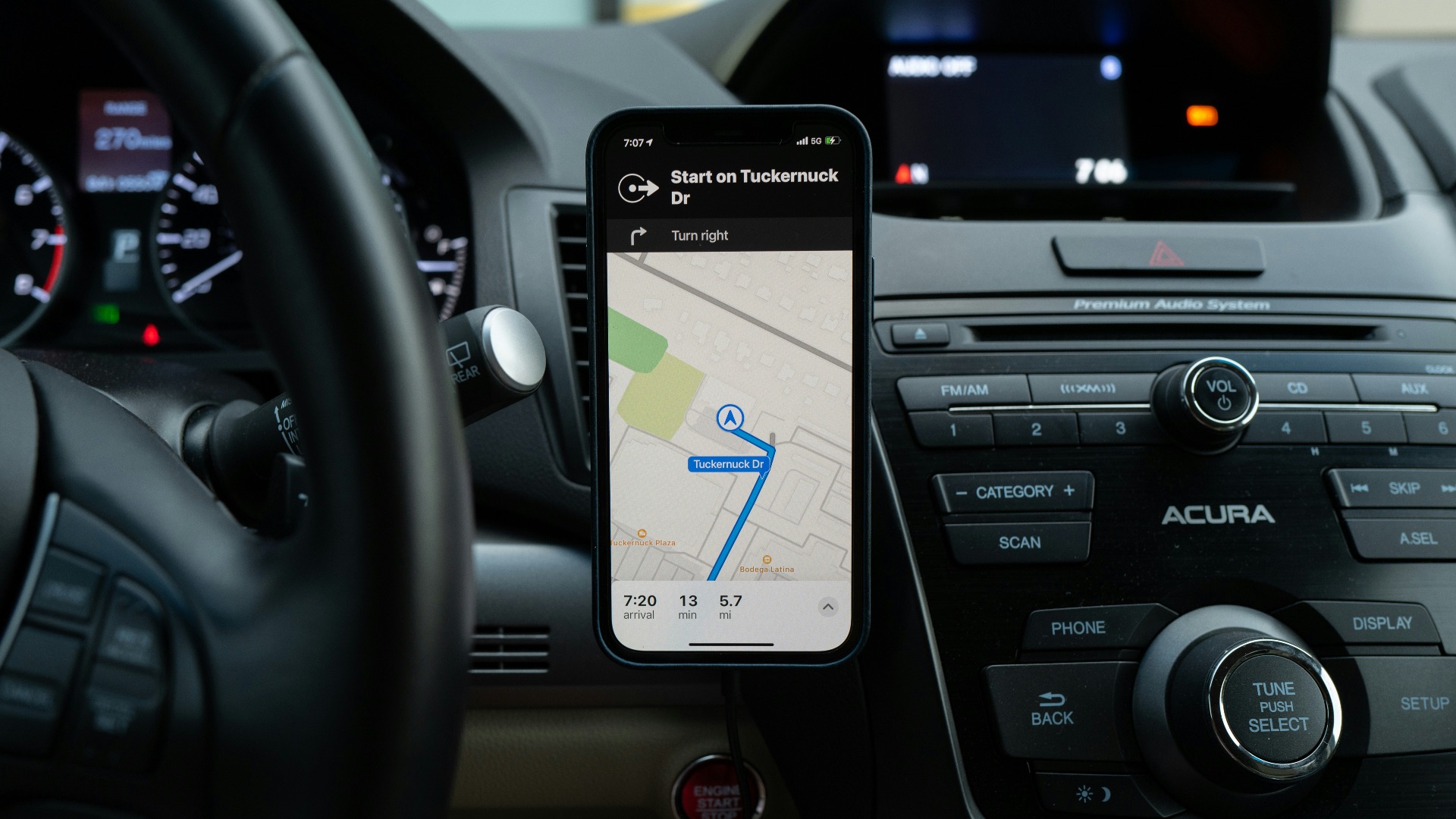
Commenting on the driver's route choice is a reliable way to make the trip feel more tense than it needs to be. Unless you have a genuinely useful piece of information, like a traffic jam or a road closure ahead, second-guessing the path they've chosen serves no practical purpose. The driver is the one behind the wheel, so it's fair to let them make the call on how to get from point A to point B.
4. "Did You See That?!"
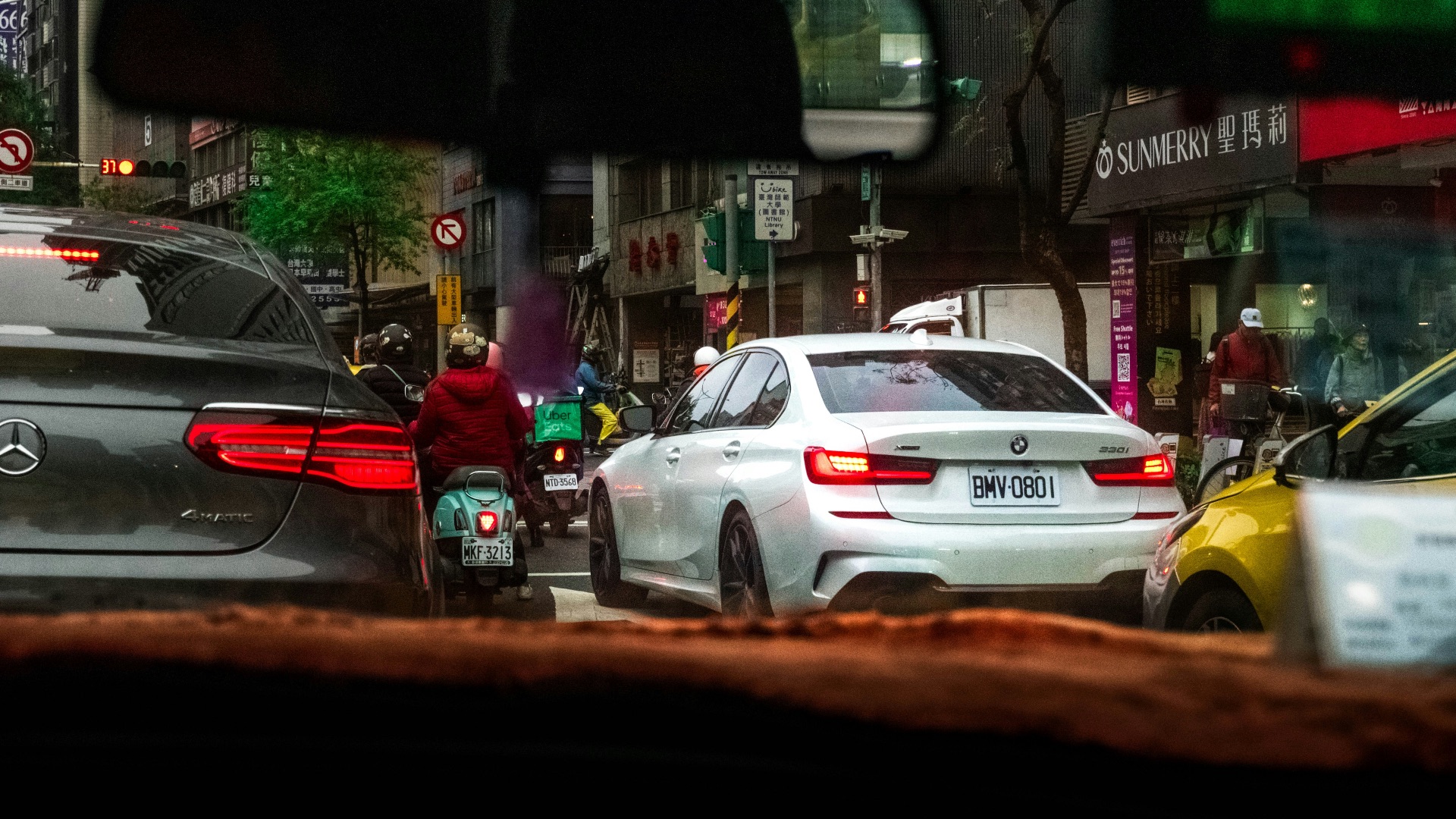
Suddenly exclaiming about something outside the window without any context is a surprisingly effective way to jolt a driver's attention away from the road. In the split second it takes for them to process what you said and look around, they could miss something important directly ahead of them. If you spot something worth pointing out, try to be calm and specific so the driver can respond without being startled.

5. "You're Too Close to That Car"
Telling a driver they're following too closely might come from a genuine place of concern, but the delivery matters a lot when someone's hands are on the wheel. A sudden comment about their following distance can cause them to brake unexpectedly, which creates more of a hazard than the one you were worried about. If you feel genuinely unsafe, a calm and measured comment will go over much better than a panicked one.
6. "Oh My God, Watch Out!"
Few things are more disorienting for a driver than a passenger screaming in alarm, especially when there isn't actually an emergency. Even if something does catch your eye, a loud and panicked outburst can cause a reflexive reaction from the driver that leads to overcorrecting or braking too hard. Save the dramatic reactions for situations that truly call for them, because crying wolf behind the wheel has real consequences.

7. "You're Such a Bad Driver"
Criticizing someone's driving ability in the middle of a trip puts them in a defensive headspace at exactly the moment you need them to be focused and calm. Comments like this tend to make drivers self-conscious, and self-consciousness behind the wheel often makes the driving worse, not better. If you have legitimate concerns about someone's driving habits, those conversations are much more productive when the car is parked.

8. "Are We Almost There Yet?"
Asking repeatedly how much longer the trip will take adds a layer of mental pressure that most drivers could do without. Every time they have to pull their focus toward calculating time or distance, that's a moment when their attention isn't fully on the road. If you need to know the ETA, a quick glance at the navigation app on your own phone is a much better option than putting that question on the driver.

9. "You Just Ran a Yellow Light"
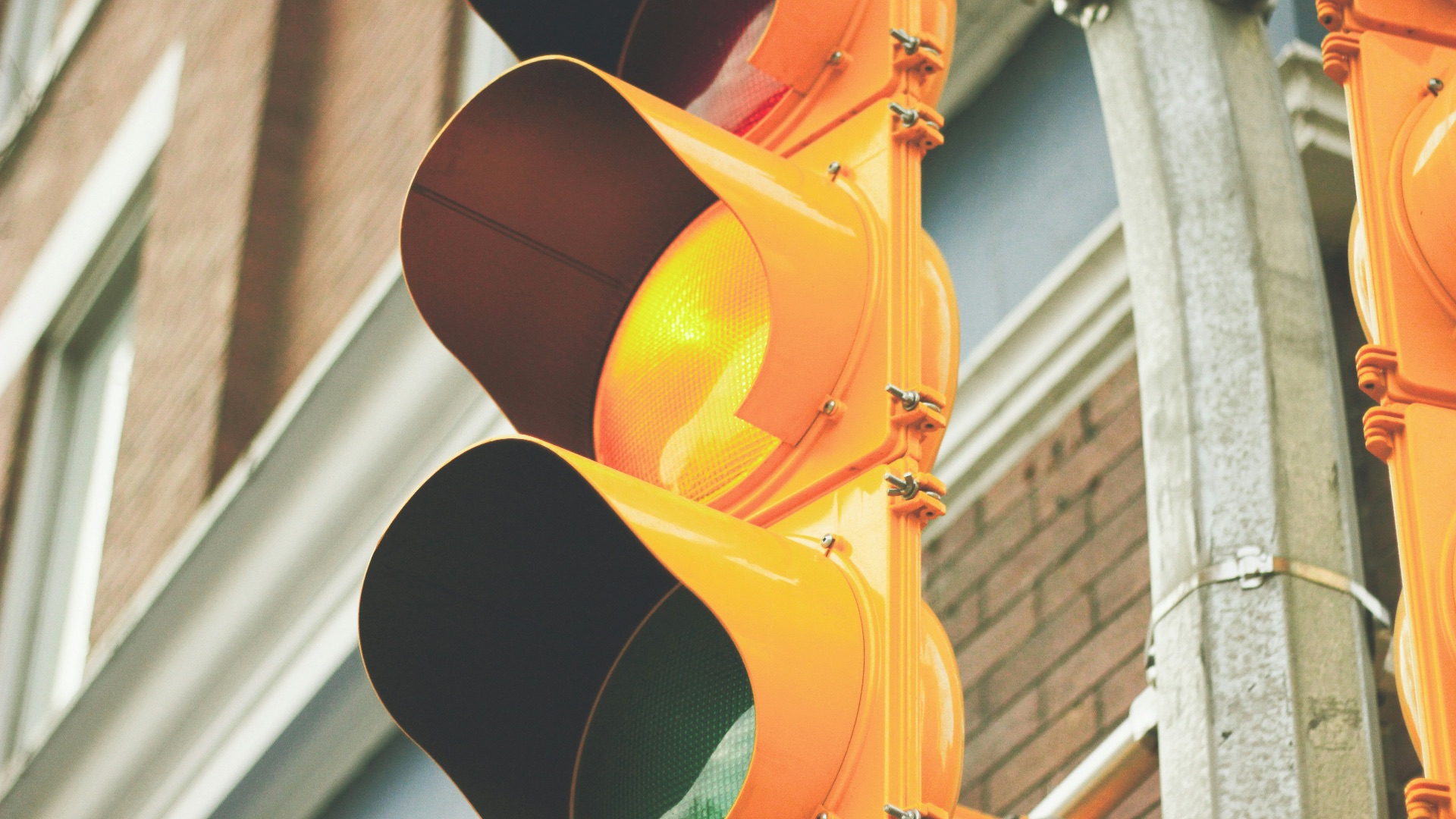
Pointing out a borderline traffic moment after it's already happened is more likely to fluster a driver than to improve their driving in any meaningful way. Drivers make dozens of small judgment calls per minute, and not every one of them needs a running commentary from the passenger seat. If there's a specific safety concern you think they should be aware of going forward, it's more helpful to bring it up when you've stopped for gas or reached your destination.
10. "___ Would Never Drive Like This"
Comparing a driver unfavorably to someone else is rarely received well under any circumstances, and it's an especially poor idea when they're behind the wheel. Comments like this are more likely to provoke an emotional response than a change in behavior, and emotional responses aren't what you want from someone navigating traffic. Keep the comparisons for conversations that don't involve a moving vehicle.

11. "Check Your Phone, I Think Someone Texted You"
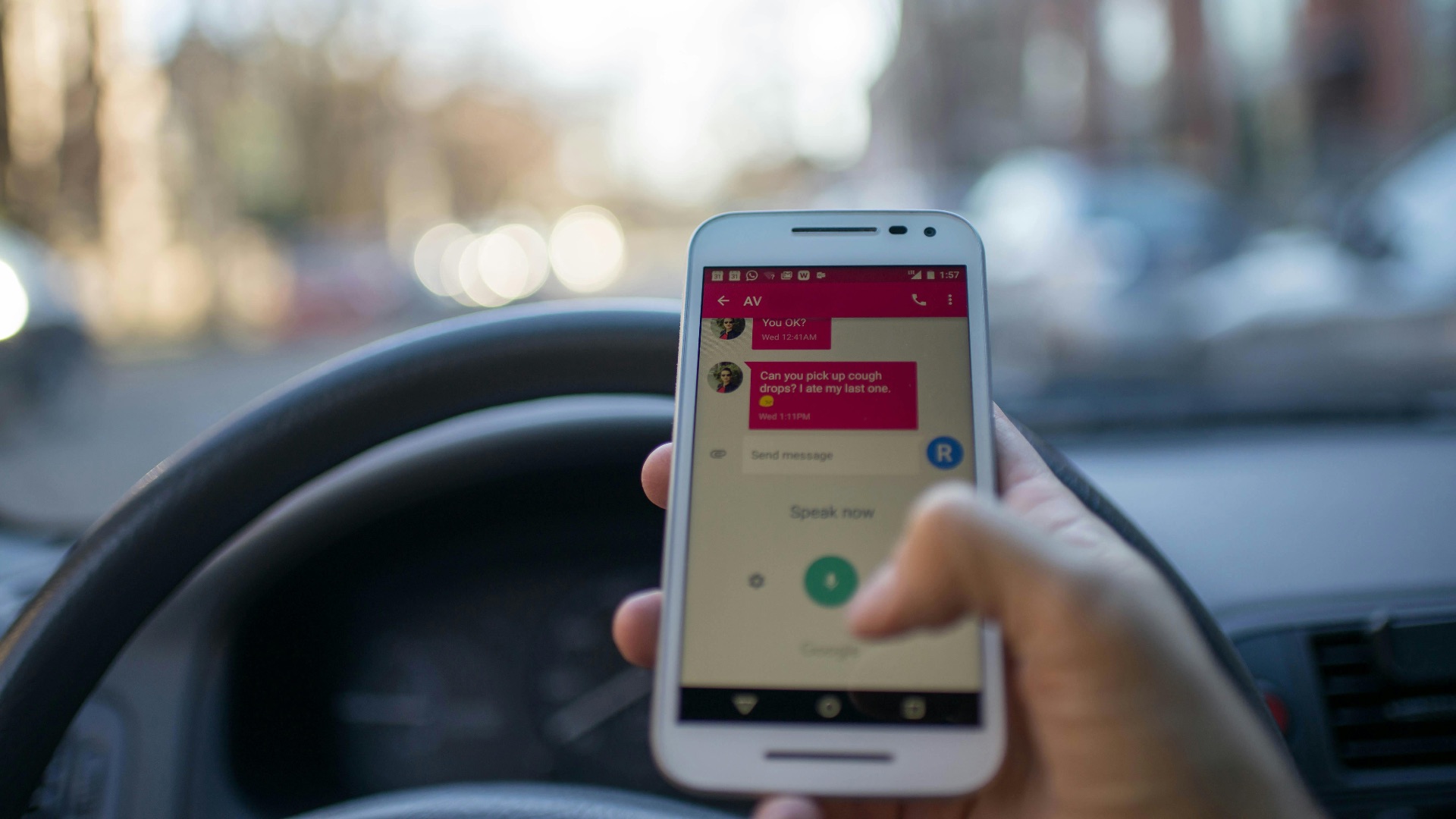
Encouraging a driver to look at their phone, even for a second, is one of the most dangerous requests a passenger can make. Distracted driving is responsible for a significant number of accidents every year, and glancing at a screen even briefly takes a driver's eyes off the road long enough for something to go wrong. If a message comes in, offer to read it aloud or send a reply on their behalf so they can stay focused.
12. "Remember That Argument We Had Last Night…"
Trying to pick up where a fight left off while someone is driving is one of the worst times to push for a resolution, no matter how unfinished the conversation feels. Emotional discussions pull a driver's mental focus away from the road, and it's genuinely difficult to stay calm and rational behind the wheel when someone is reopening a tense topic. If there's something that still needs to be worked through, it can wait until you're both out of the car and in a space where the conversation can actually go somewhere productive.

13. "Turn the Music Up!"
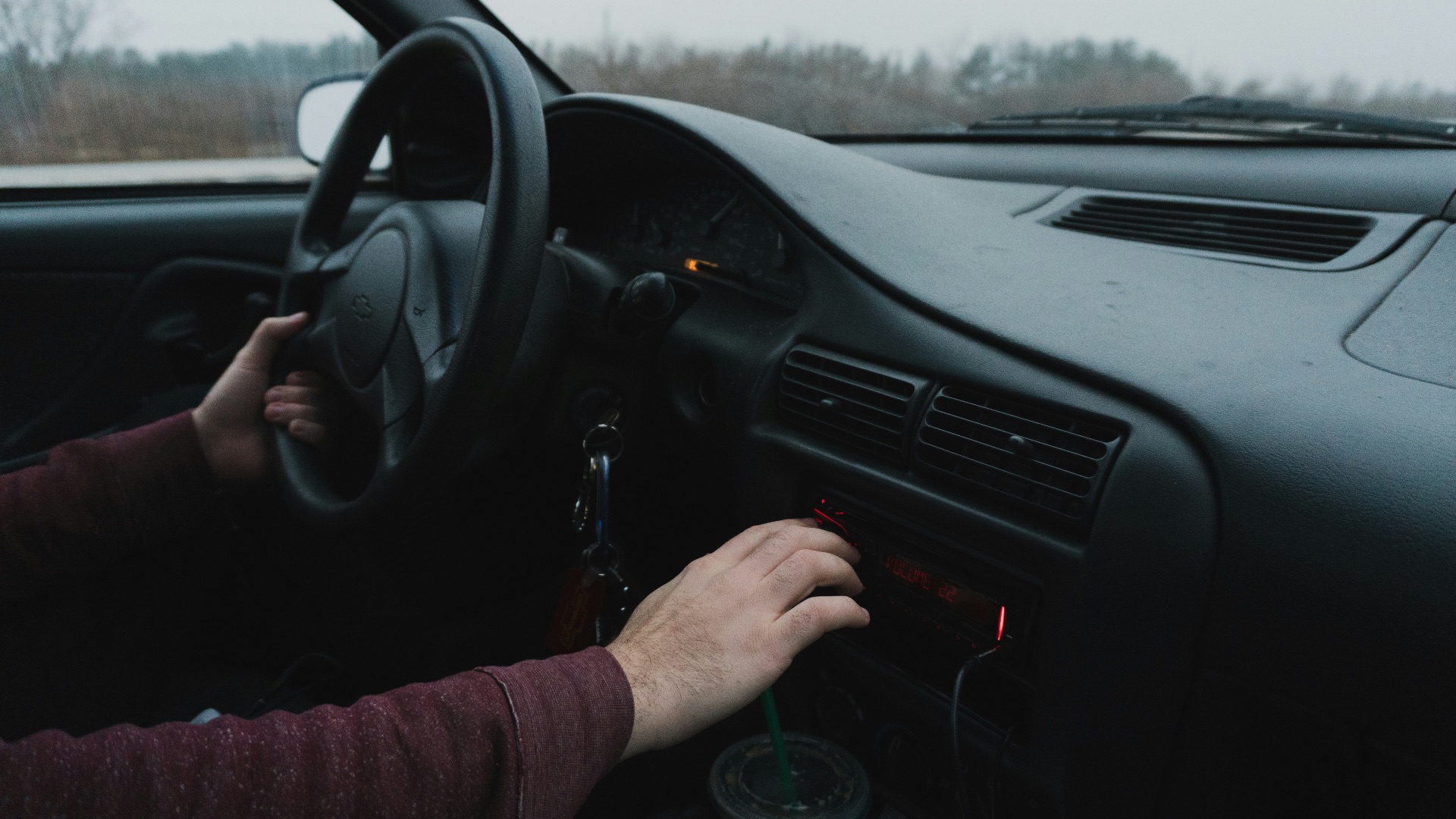
Blasting the volume while someone is trying to concentrate on driving is more of a distraction than most passengers realize. Loud music can make it harder to hear important cues like horns, sirens, or the sound of a tire going flat, all of which are things a driver genuinely needs to be able to detect. If you want to enjoy the playlist, keep it at a level that still lets the driver stay aware of what's happening around them.
14. "You Almost Hit Someone!" (When You Didn't)
Faking alarm about a near-miss that never actually happened might seem like a funny prank, but it can trigger a very real physical reaction from the driver. A sudden fake scare can cause them to swerve, brake sharply, or lose their grip on the wheel, which puts everyone in the car at risk for the sake of a laugh. Humor is great on a road trip, but there are plenty of ways to be funny that don't involve manufacturing a crisis at highway speed.

15. "I Heard This Road Is Really Dangerous"
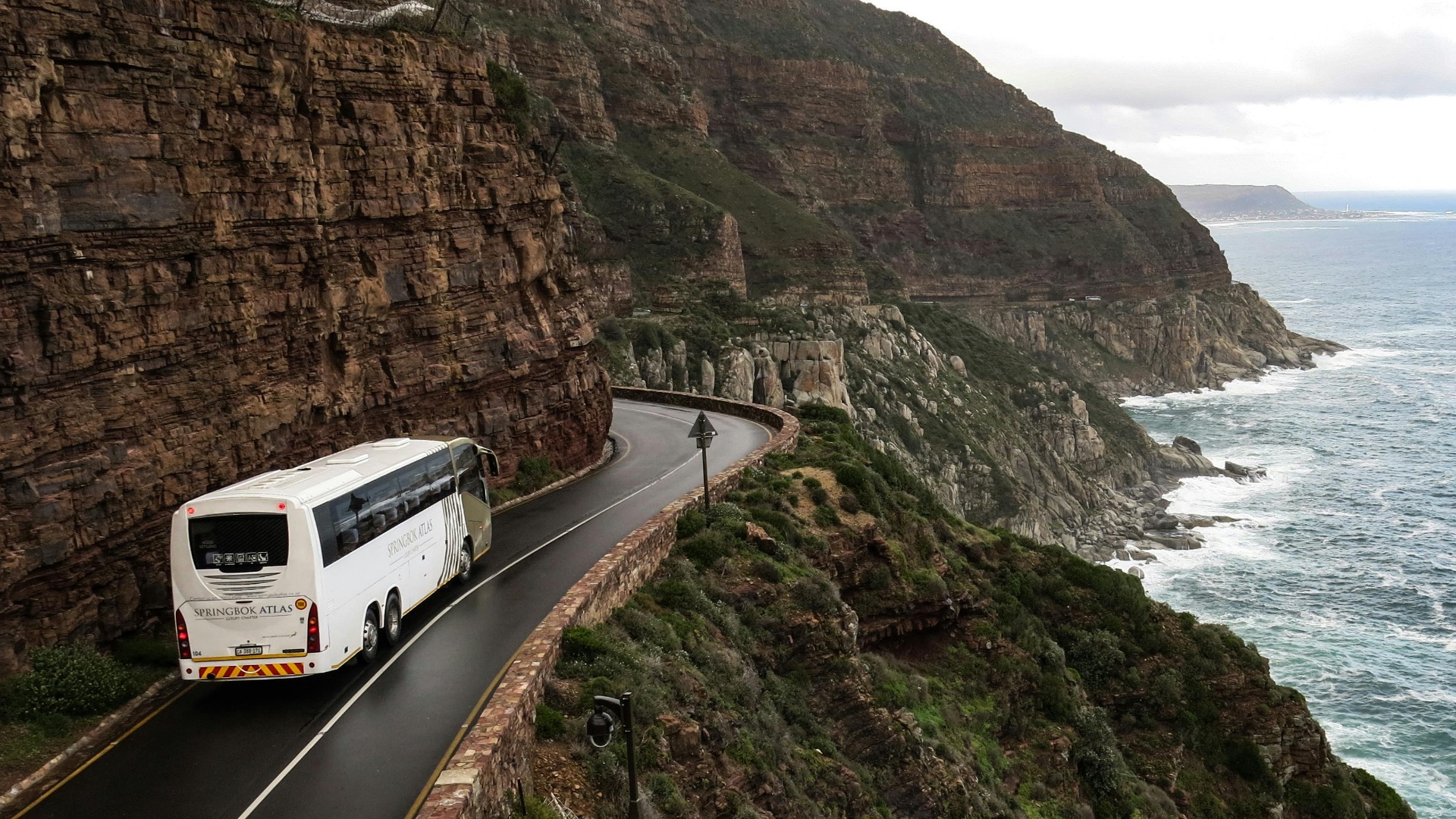
Dropping unsettling information about a road while the driver is already on it is not particularly helpful and tends to make people more anxious behind the wheel. A driver who's suddenly thinking about how dangerous a stretch of highway is may tense up, second-guess their decisions, or become overly cautious in ways that affect traffic flow. If you have a concern about a specific route, it's worth raising before you set off rather than mid-drive.
16. "How Did You Even Get Your License?"
This kind of jab might feel like harmless teasing, but it lands differently when someone is actively responsible for getting everyone in the car to the destination safely. Undermining a driver's confidence with a snarky comment can create exactly the kind of rattled, distracted mindset you'd want to avoid encouraging. There's plenty of time to joke around once you're out of the car and no longer depending on that person's focus.
17. "Look at This!"
Thrusting your phone, a map, or anything else in front of a driver's face and asking them to look at it is a distraction that can happen faster than either of you can react to. Even a glance that lasts less than two seconds takes a driver's eyes off the road long enough to miss a sudden stop, a pedestrian stepping out, or a light changing ahead. If you've got something worth sharing, it'll still be just as interesting once the car is parked.

18. "You're Horrible at Parking"
Commenting on someone's parking ability while they're in the middle of maneuvering into a spot is a good way to make the whole process take twice as long. Parking already demands a fair amount of concentration, and adding a critical voice to the mix only makes the driver more flustered and second-guess every inch they move. If you have helpful guidance to offer, like how much space is left behind them, that's welcome; an editorial on their skills is not.
19. "Look, There's an Accident!"
Nudging a driver to slow down and stare at an incident on the side of the road (i.e., rubbernecking) is actually how secondary accidents happen, and it's a much more serious ask than it feels in the moment. When drivers take their eyes off the path ahead to get a better look at something off to the side, they're no longer watching the cars that have slowed or stopped in front of them. It's natural to be curious, but the best thing everyone in the car can do is keep their eyes forward and let the driver do the same.
20. "Can You Just Let Me Drive?"
Ironically, even this request can be disruptive when said in a frustrated or sharp tone in the middle of a drive. Conflict in the car, even brief conflict, takes mental energy away from the task at hand and can leave a driver feeling flustered or irritated for the rest of the trip. If you need a more peaceful driving environment, a calm heads-up before you start the car is going to be far more effective than a tense exchange at 60 miles per hour.