
Ready to Drive?
You probably don't think twice before getting into your car, starting it up, and hitting the road. In fact, driving has become something you do on autopilot, which means you're often not paying attention to all the things you should be noticing. But no matter how tedious, taking just a few minutes to look over your car before you drive can prevent accidents, save you money on repairs, and keep everyone on the road safer. Whether you're running a quick errand or heading out on a long trip, these 20 checks and maintenance tips will help you stay on top of your vehicle's condition so you can drive without worry.

1. Tire Pressure
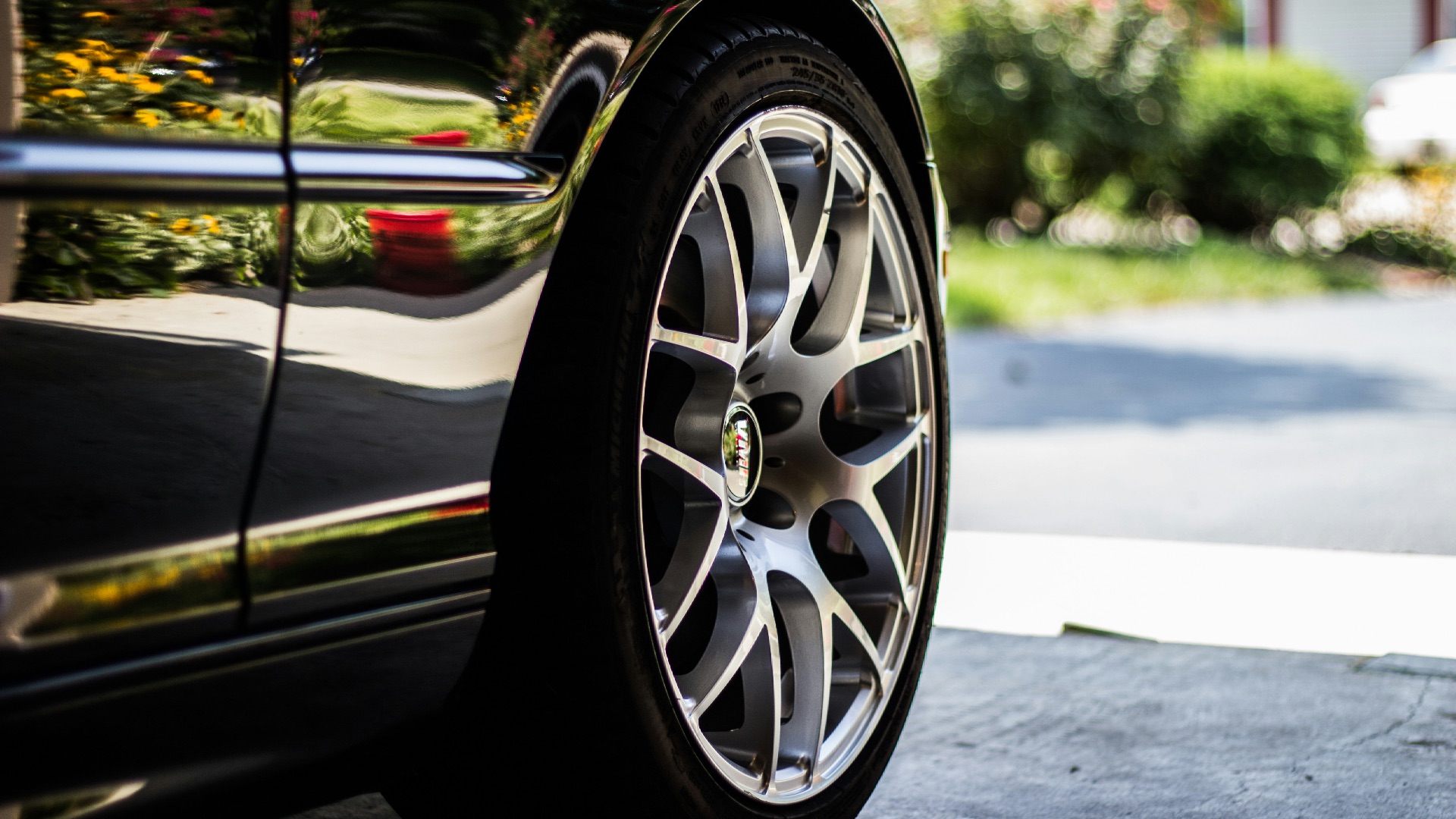
Your tires are the only part of the car that makes contact with the road, which makes keeping them properly inflated a genuine safety priority. Underinflated tires reduce fuel efficiency, cause uneven wear, and significantly increase the risk of a blowout at speed. Check your tire pressure at least once a month using a tire gauge, and make sure to refer to the sticker inside your driver's door for the recommended PSI.
2. Engine Oil Level
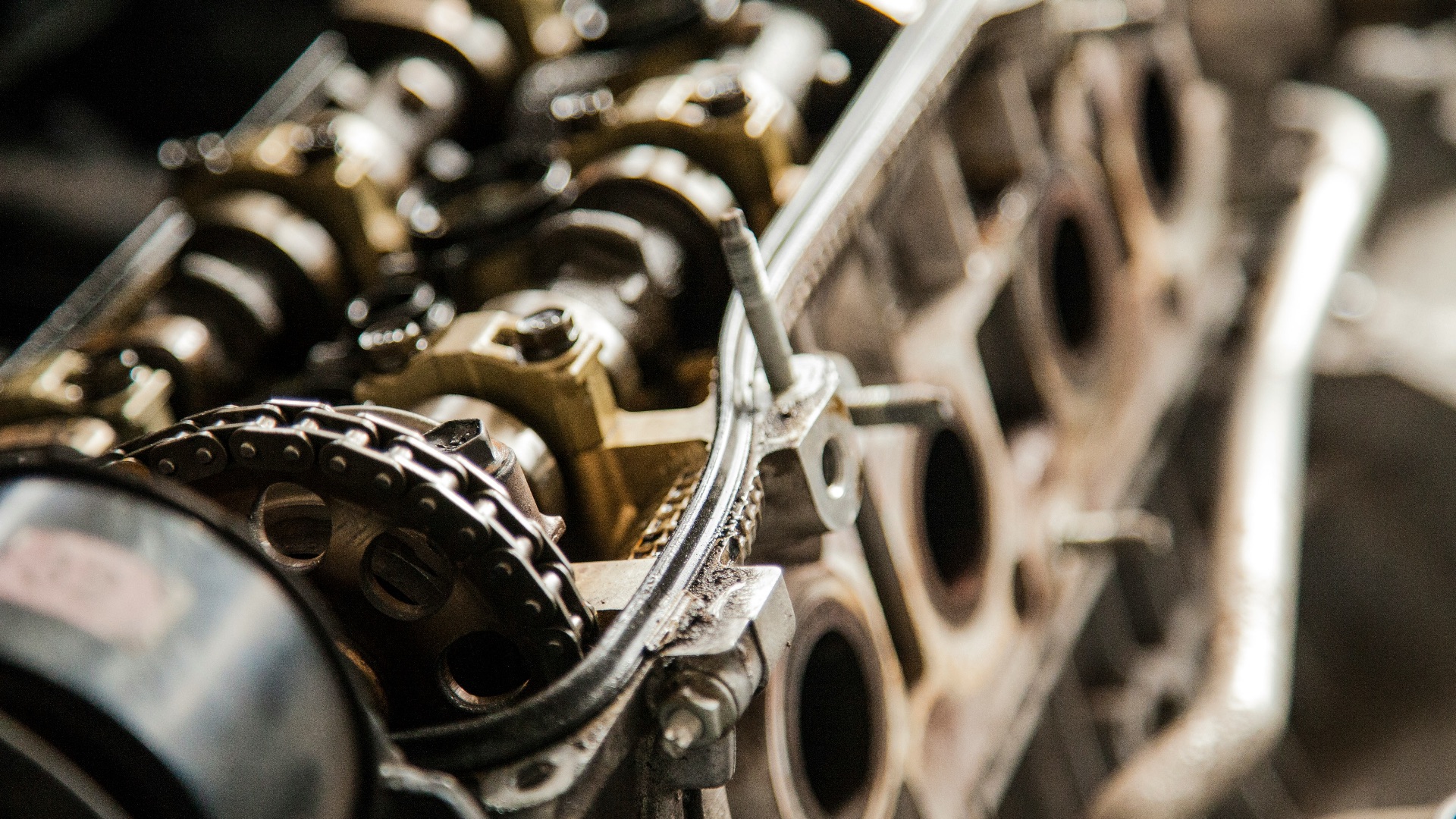
Engine oil lubricates all the moving parts inside your engine and prevents serious damage caused by friction and overheating. Pull out the dipstick, wipe it clean, reinsert it fully, and pull it out again to get a reliable reading before you start the car. If the oil sits below the minimum line or looks very dark and gritty, top it up or book an oil change as soon as possible.
3. Windshield Condition
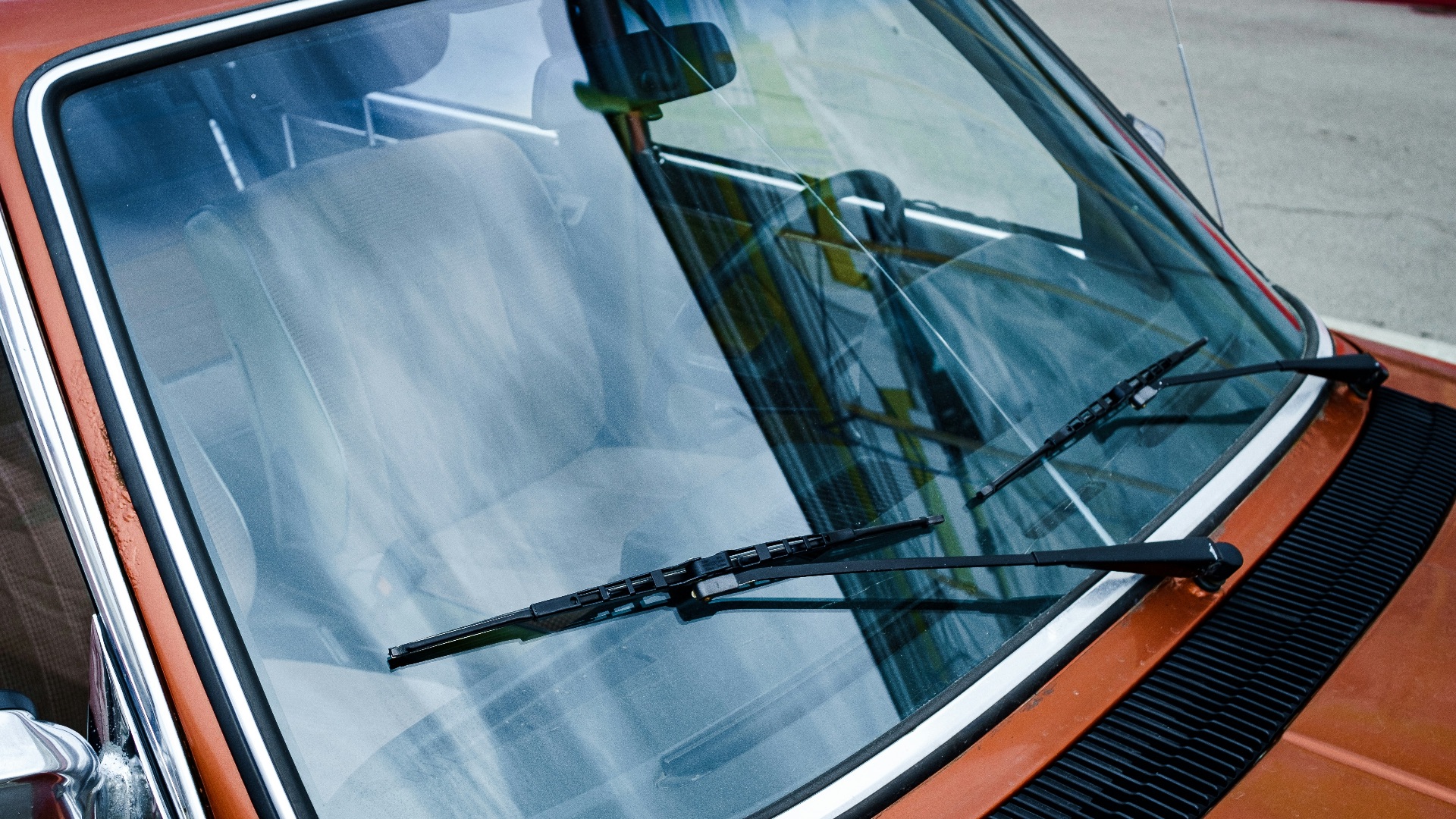
Even a small chip or crack in your windshield can compromise your visibility and weaken the structural integrity of the glass more than you might expect. Before heading out, scan the windshield for any damage or obstructions that might affect your line of sight. Chips are relatively cheap to repair when caught early, but if the damage spreads across the glass, you'll be looking at a full replacement instead.
4. All Exterior Lights
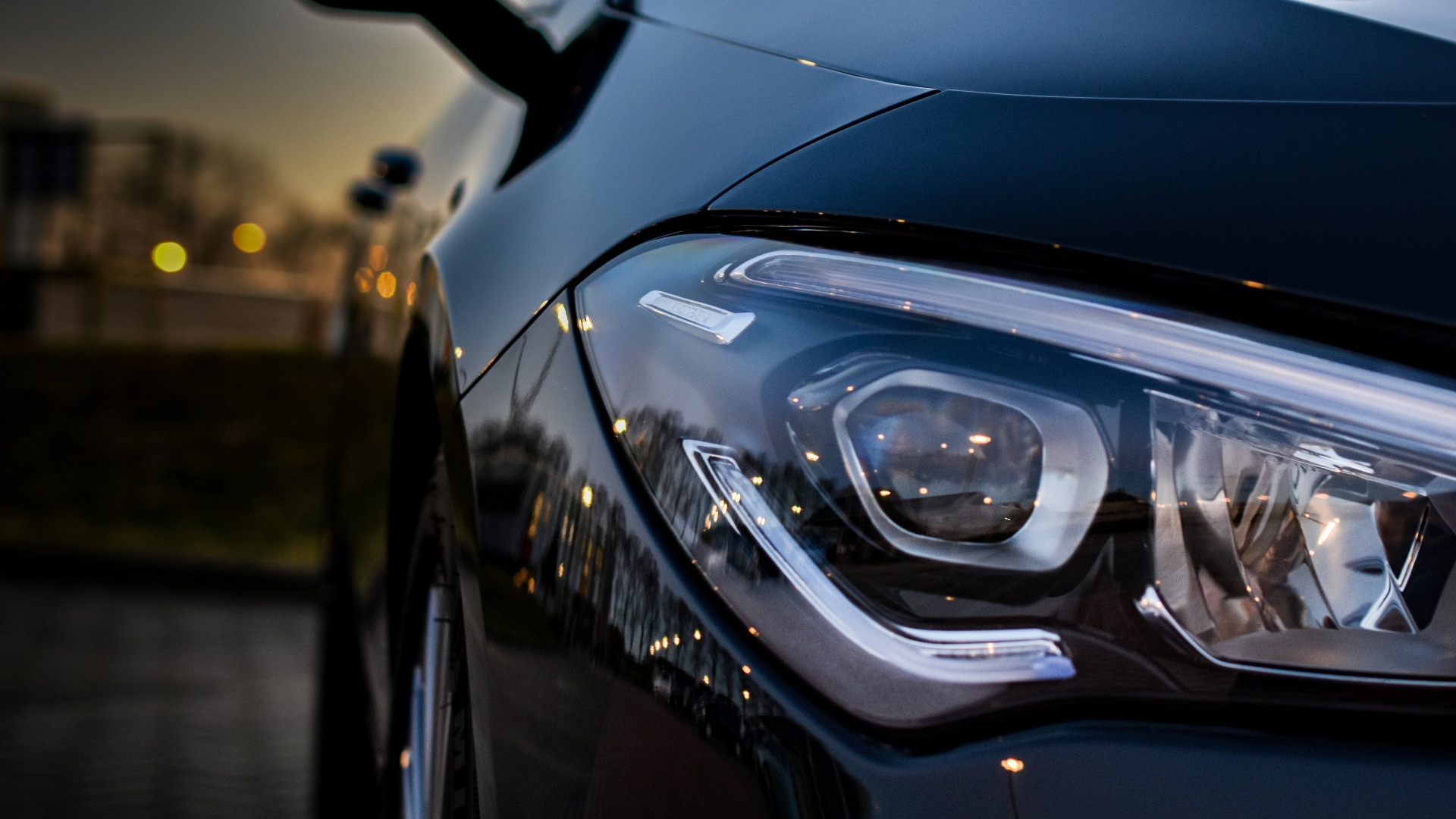
Headlights, brake lights, turn signals, and reverse lights all play a critical role in making you visible to other drivers, particularly in low-light conditions. Before you pull out of the driveway, do a quick walk around your vehicle to confirm every light is functioning. A burned-out bulb might seem minor at first glance, but it can result in a traffic fine and, more importantly, increase your risk of a collision.
5. Fuel Level
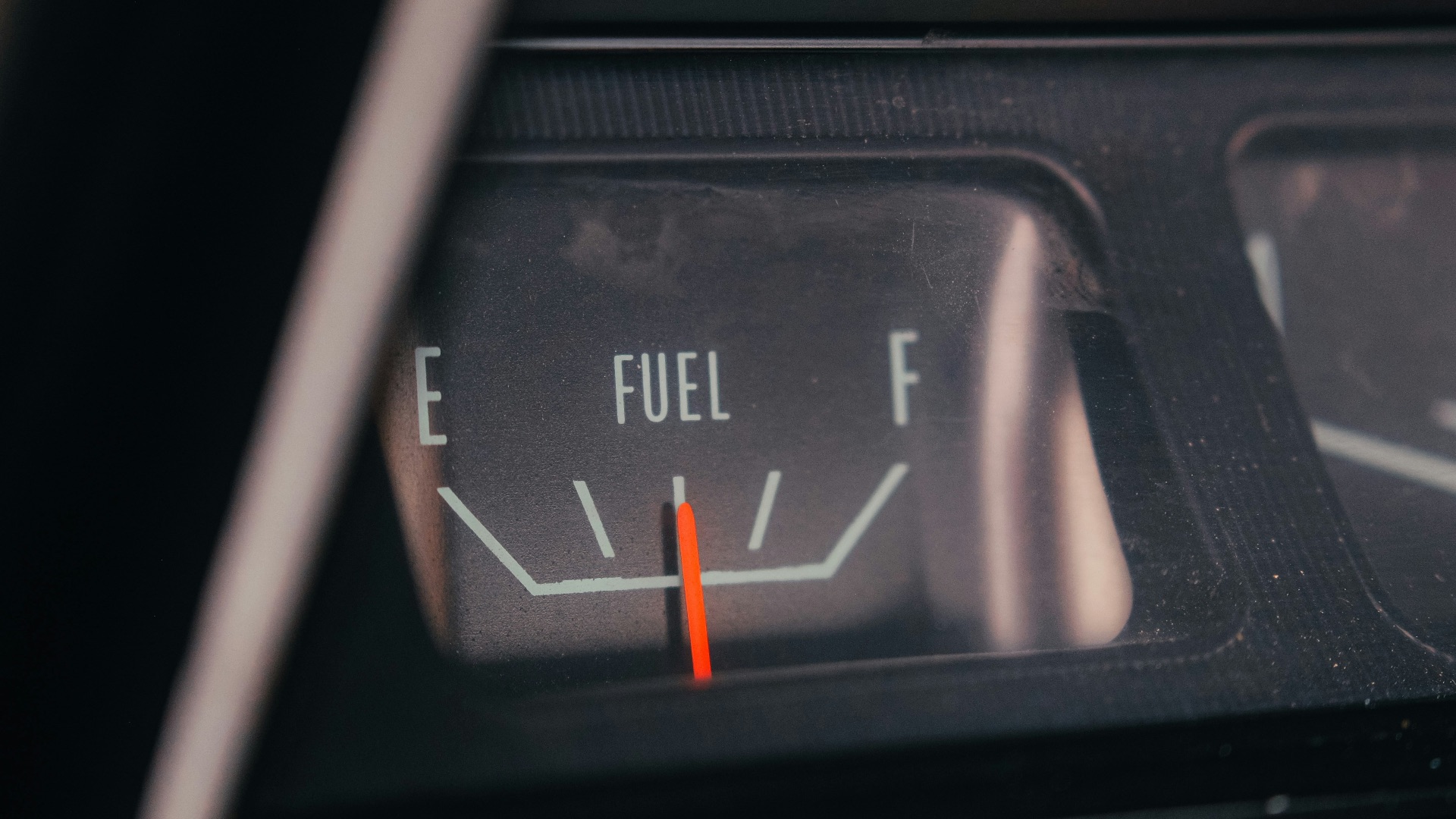
Consistently driving on a nearly empty tank isn't just an inconvenience waiting to happen; it could also draw sediment from the bottom of the fuel tank into the fuel system, which can clog filters and injectors over time. Before setting off, always check your fuel gauge and make sure you have enough to reach your destination comfortably, with some to spare.
6. Mirrors and Seat Position
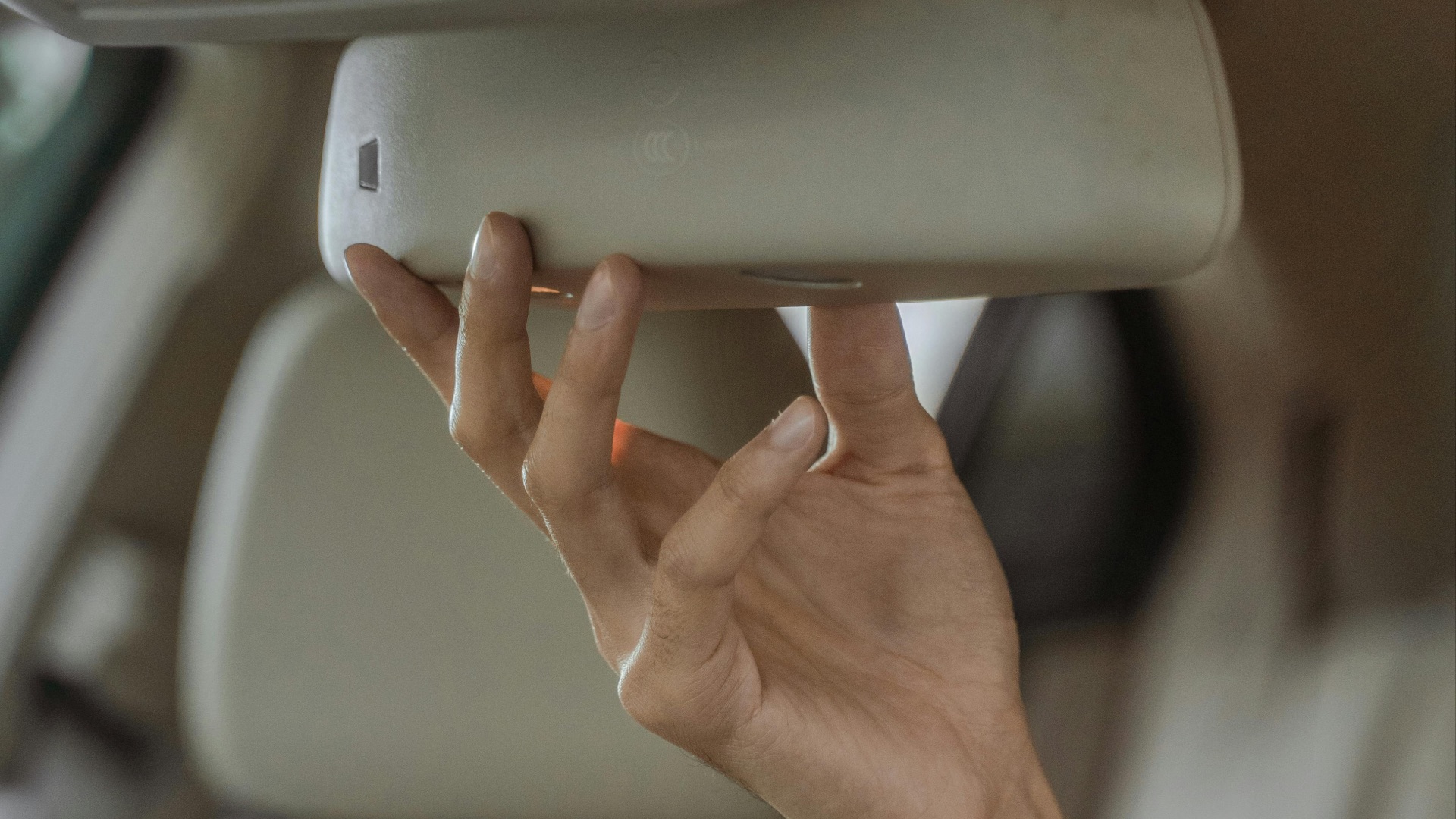
If anything's been changed since the last time you drove, make sure to adjust your mirrors and seat before you start moving, rather than while you're already on the road. Position your rearview and side mirrors to minimize blind spots as much as possible, and take a moment to check that nothing is blocking your sightlines. Your seat should allow you to reach the pedals comfortably without overstretching and give you a clear, unobstructed view of the road and all your mirrors.
7. Dashboard Warning Lights
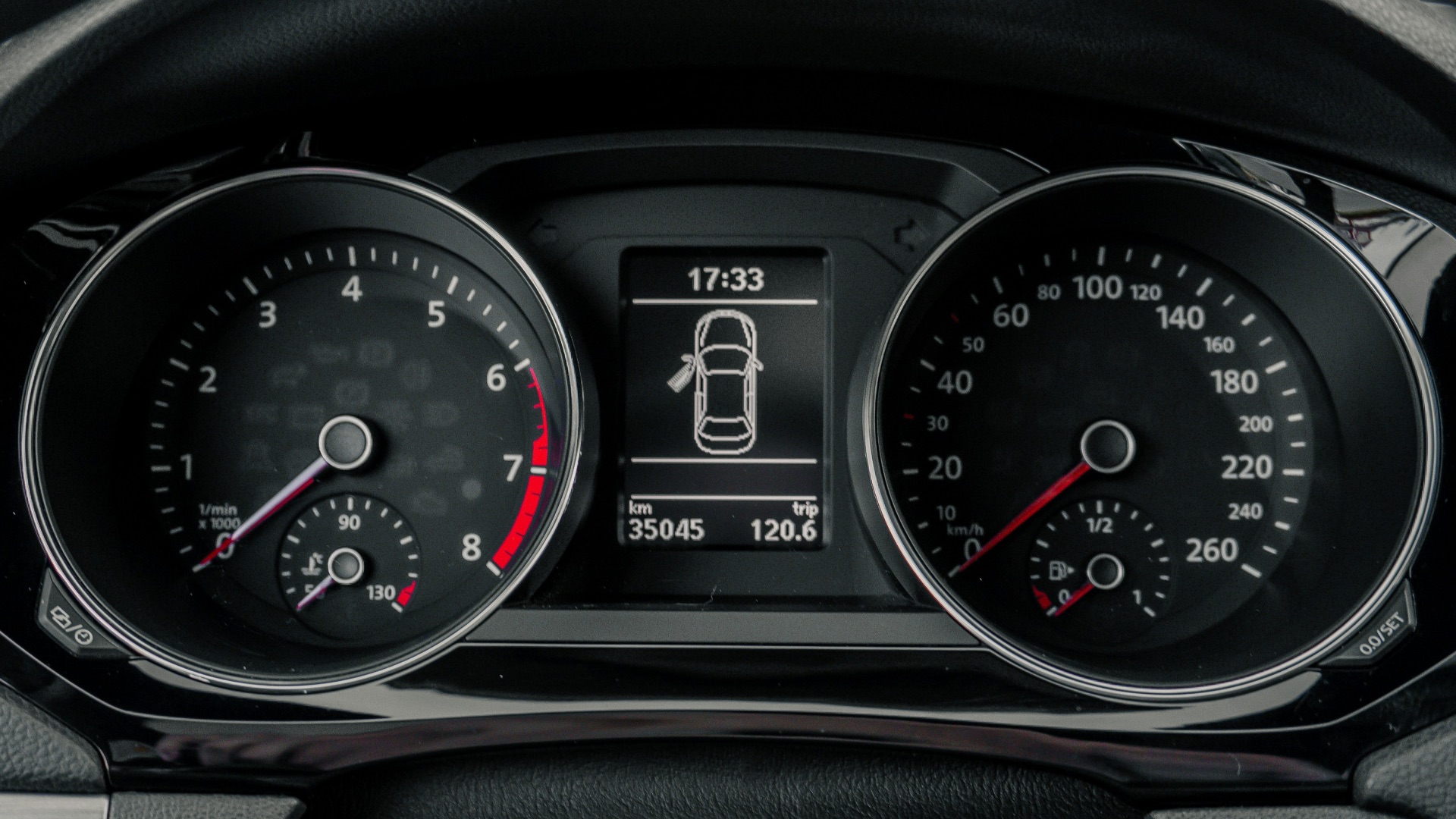
Modern vehicles come equipped with a range of warning indicators specifically designed to alert you to potential issues before they escalate. After starting the engine, take a few seconds to confirm that no warning lights remain illuminated once the initial startup sequence has cleared. If an unfamiliar light stays on, consult your owner's manual or have the vehicle checked promptly rather than assuming it'll sort itself out on its own.
8. Windshield Wipers
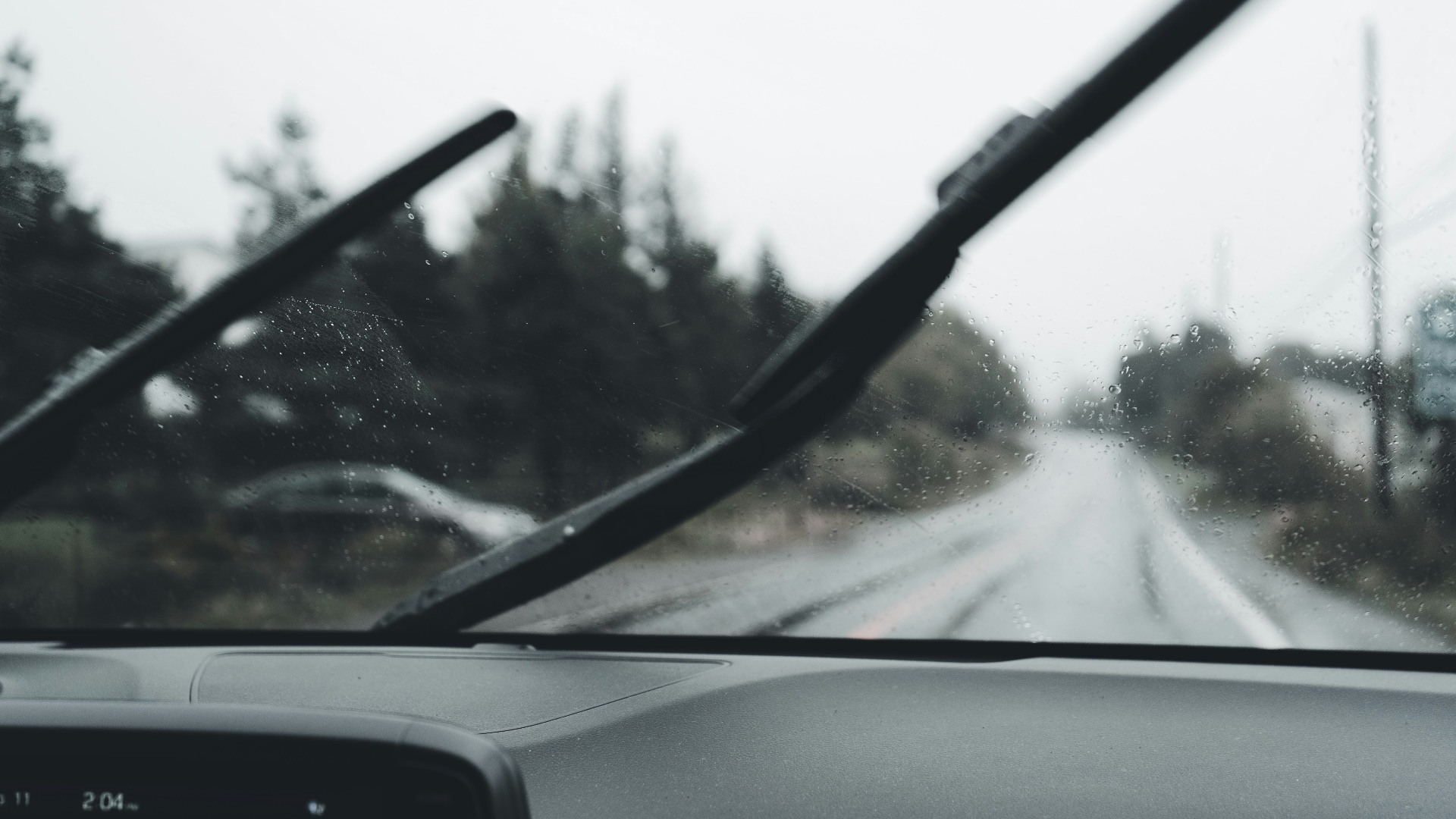
Functional wipers are absolutely essential when you're driving in rain, and discovering they're worn out mid-downpour is a situation you'll want to avoid entirely. Give them a quick test before heading out, especially when there's a chance of rain in the forecast. Streaking, squeaking, or skipping across the glass are all reliable signs that the blades have worn down and need replacing.
9. Around the Exterior of the Vehicle
A quick walk around your car before getting in takes less than a minute and can prevent damage you'd otherwise have no idea was there. Look for flat tires, fluid puddles underneath the vehicle, scratches or dents (especially in parking lots), debris near your wheels, or any objects that could have been left in your path. This check is especially worth doing in tight parking areas or anywhere children and pets are likely to be moving around nearby.

10. Seatbelts Are Buckled
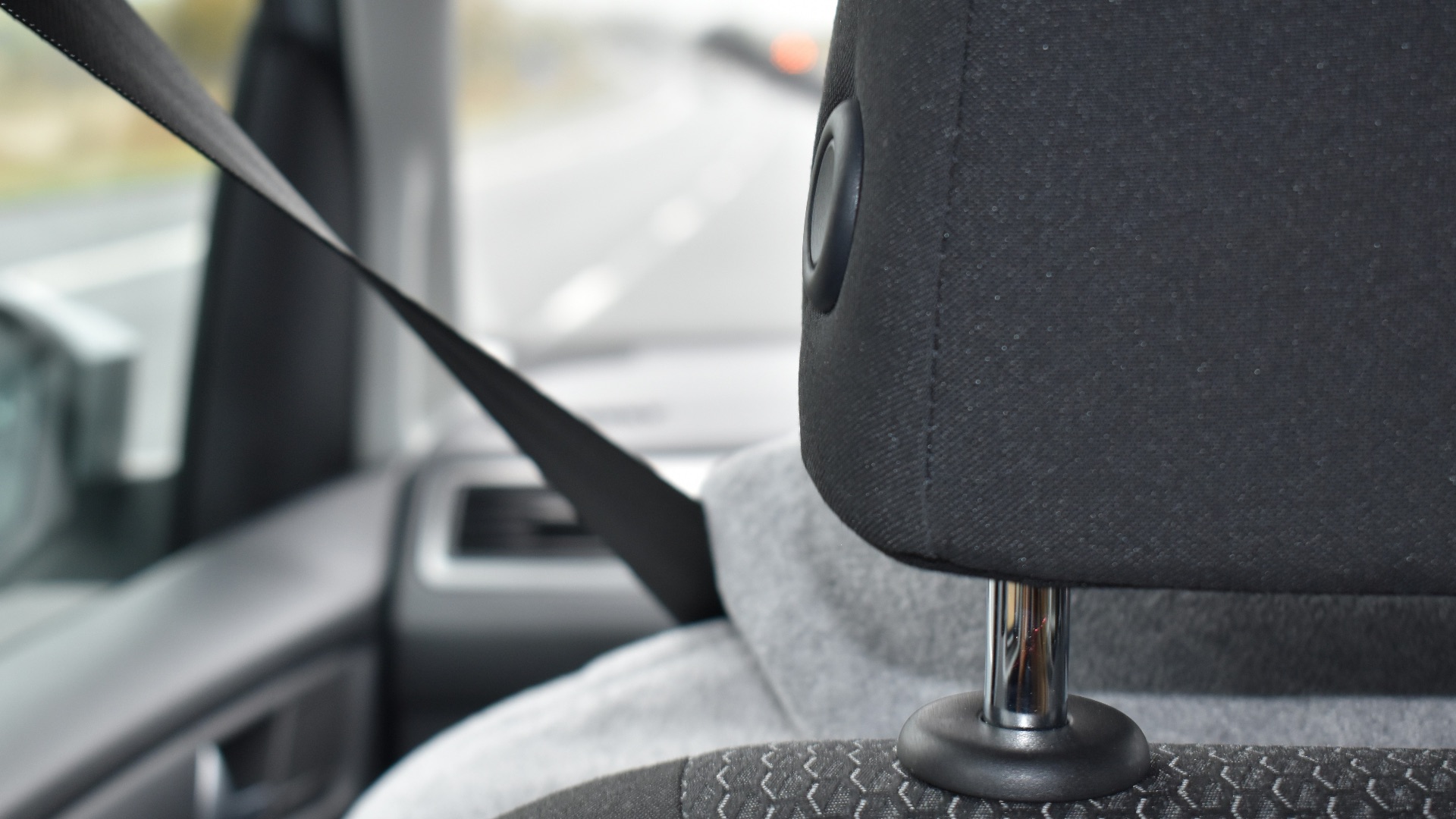
Last but not least, before you put the car in drive, make sure every person in the vehicle is properly buckled in. Seatbelts are the single most effective safety feature in any vehicle, and everyone should be strapped in regardless of how short or long the trip is. If you're traveling with young children, take a moment to confirm that car seats and booster seats are correctly fastened and that the harness fits snugly before setting off.
Now that you know what to keep an eye out for before hopping into the driver's seat, let's jump into some easy maintenance tips should your vehicle call for it.
 Alexandria Gilliott on Unsplash
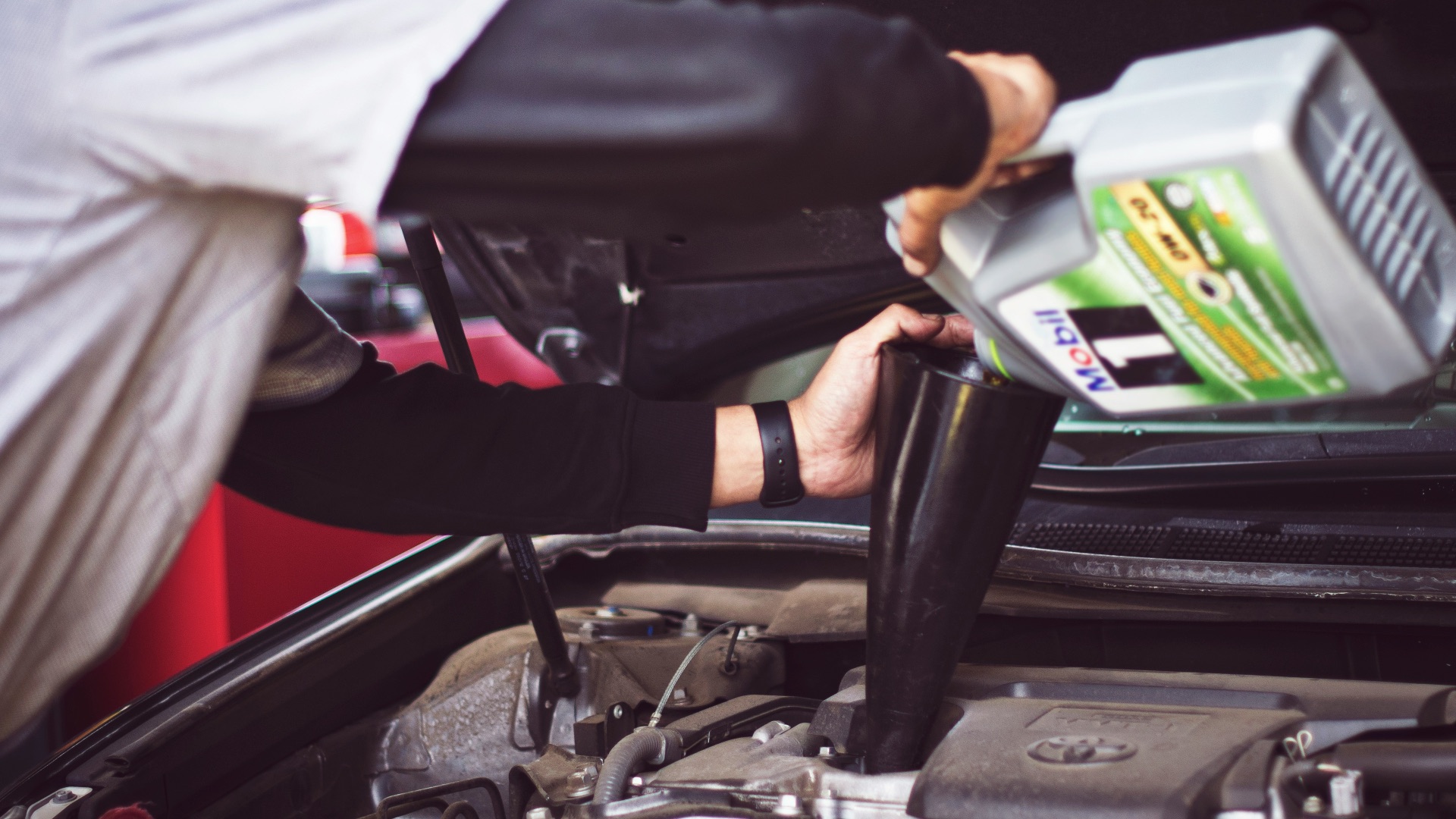
1. Schedule Regular Oil Changes
Fresh engine oil is one of the simplest and most effective ways to extend the life of your engine over the long term. Most vehicles need an oil change every 5,000 to 7,500 miles, though this varies depending on whether you're using conventional or synthetic oil. Sticking to a consistent schedule prevents sludge buildup inside the engine and keeps everything running efficiently for far longer than if you let it slide.
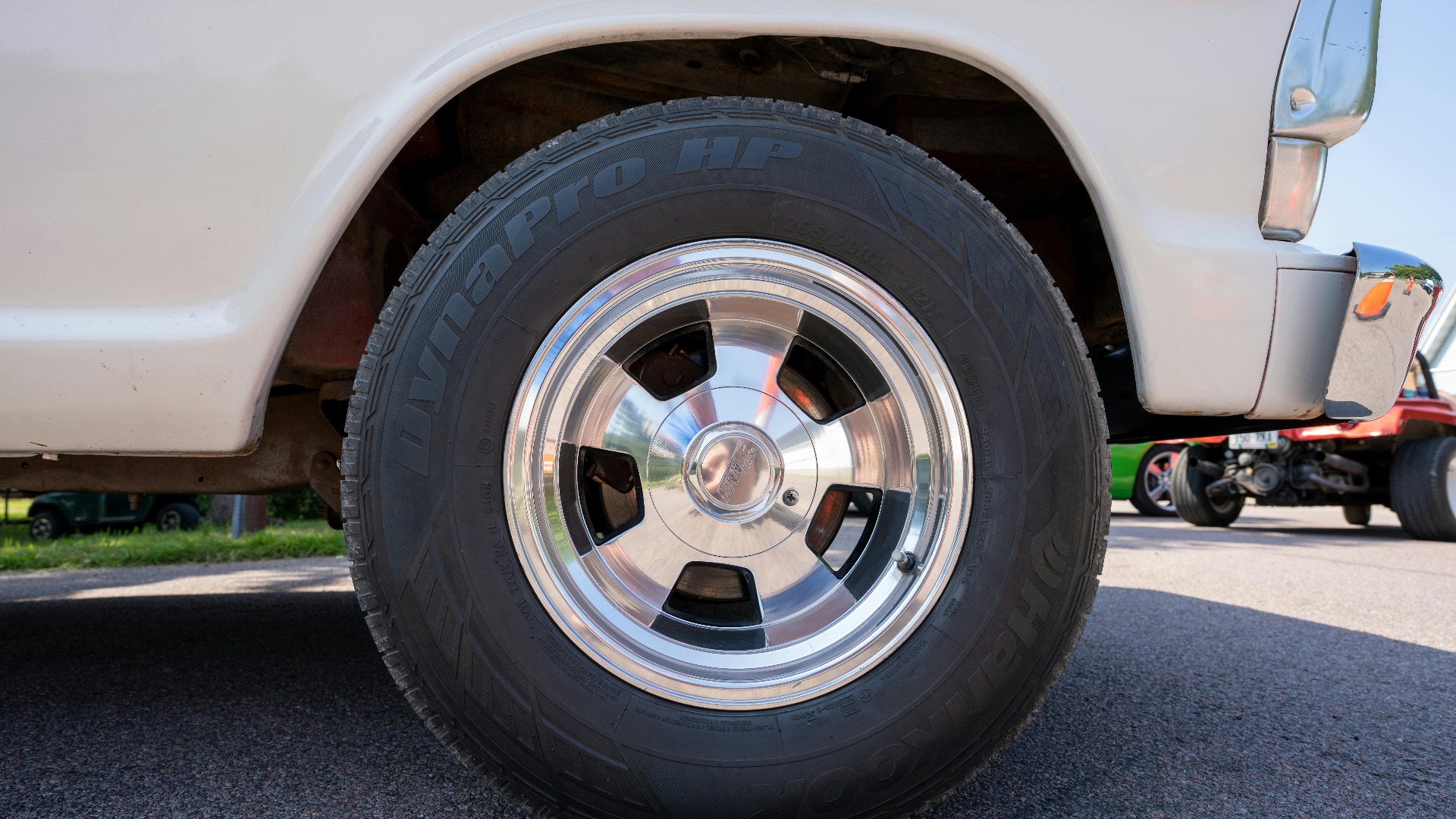
2. Rotate Your Tires
Tire rotation means moving each tire to a different position on the vehicle so that wear is distributed evenly across all four rather than concentrated on the ones that work hardest. Front tires tend to wear down faster because they carry more of the vehicle's weight and handle most of the steering load. Rotating them every 5,000 to 8,000 miles is the general recommendation, and many drivers have it done at the same appointment as their oil change to keep both tasks on the same schedule.
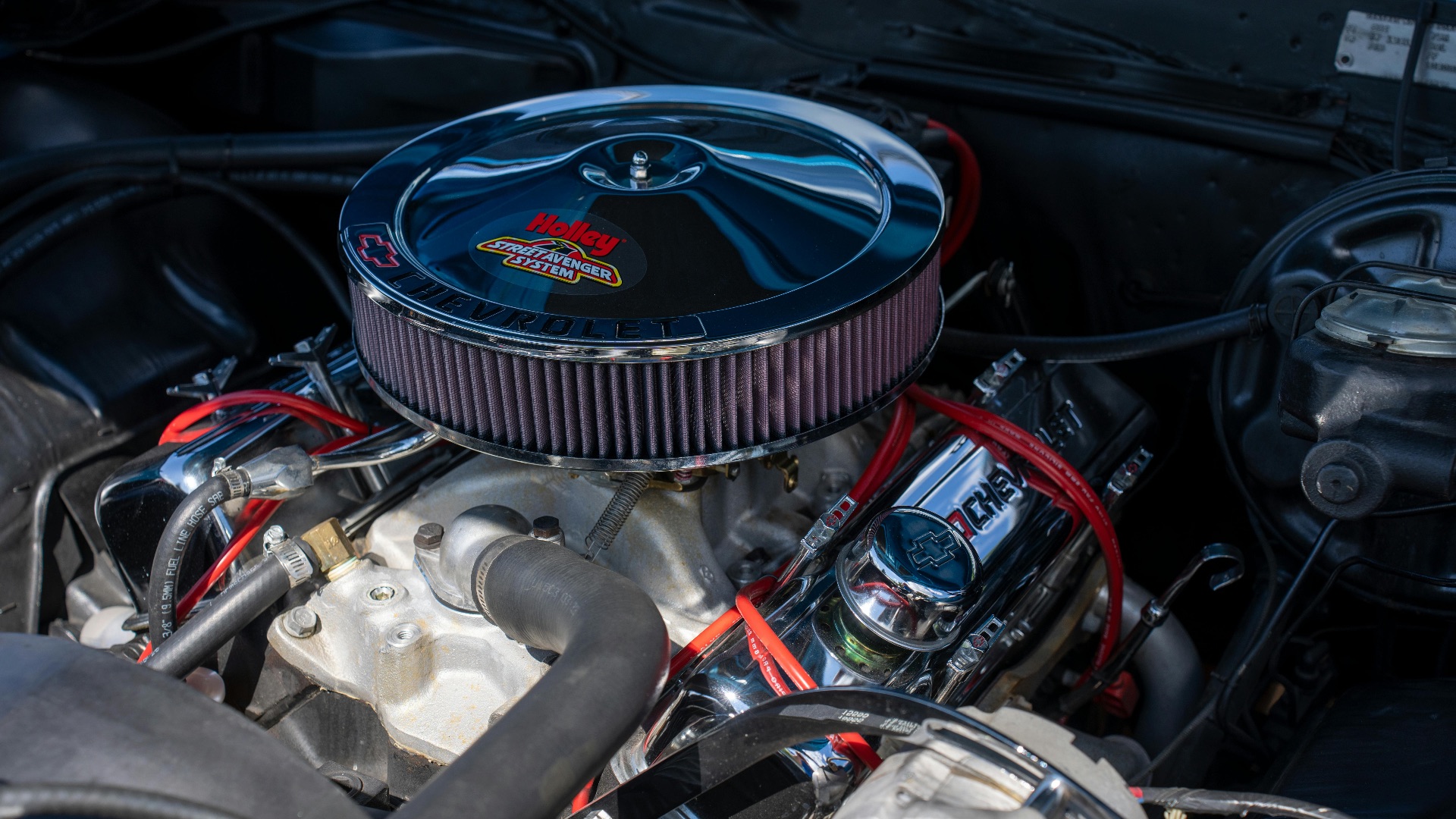
3. Replace the Engine Air Filter
An engine air filter blocks dust, dirt, and debris from entering the engine, and it needs to be replaced before it becomes too clogged to do its job properly. A blocked filter reduces engine performance, lowers fuel efficiency, and forces the engine to work harder than it should. Replacing it every 15,000 to 30,000 miles is typical, but if you drive frequently on dirt or gravel roads, you'll want to check it more often than that.
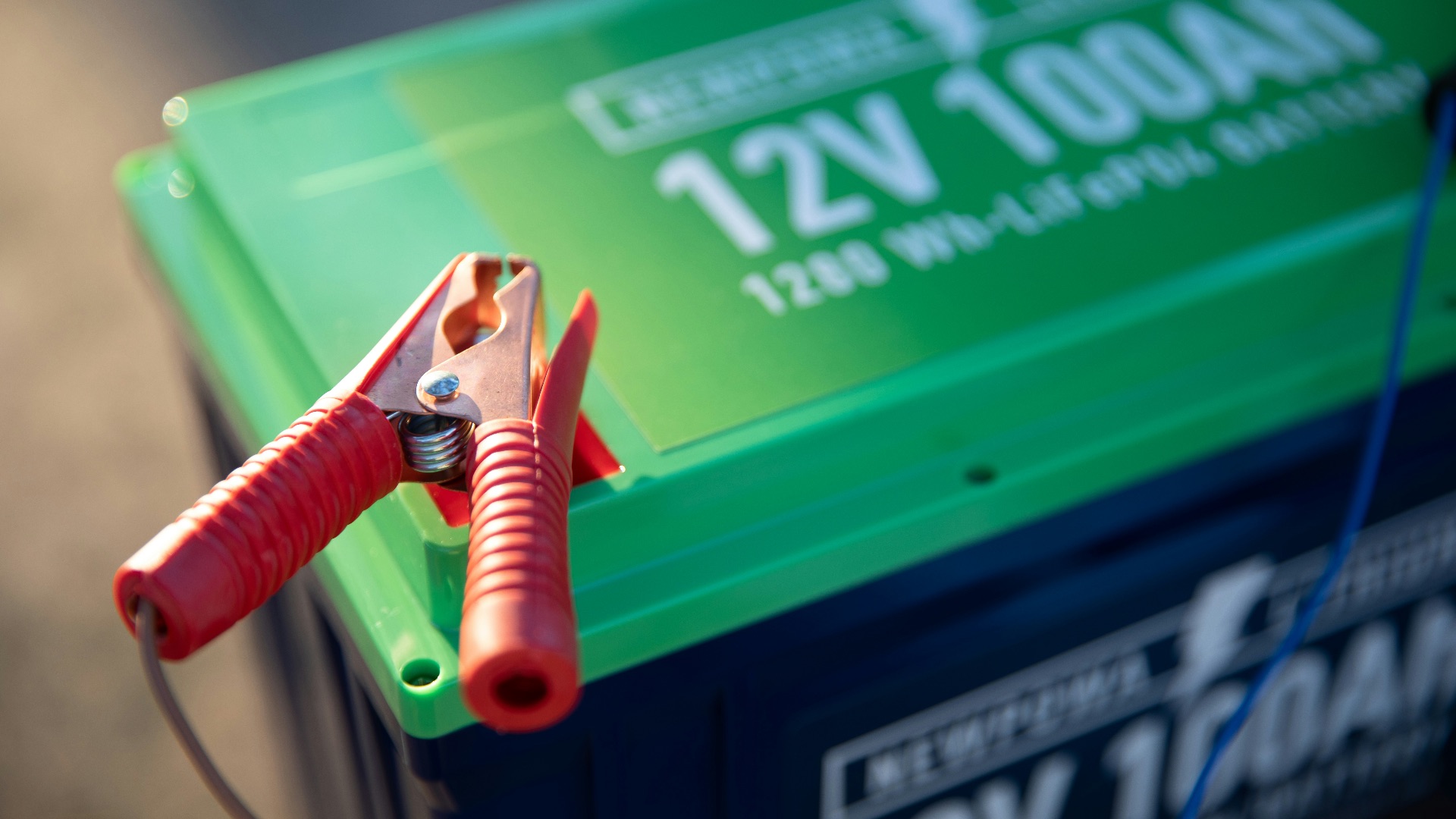
4. Keep an Eye on Your Battery
Car batteries typically last between three and five years, but factors like extreme temperatures and frequent short trips can shorten that lifespan considerably. Slow engine cranking, dimming headlights, and an illuminated battery warning light are all signs that yours may be on its way out.
5. Flush and Refill the Coolant
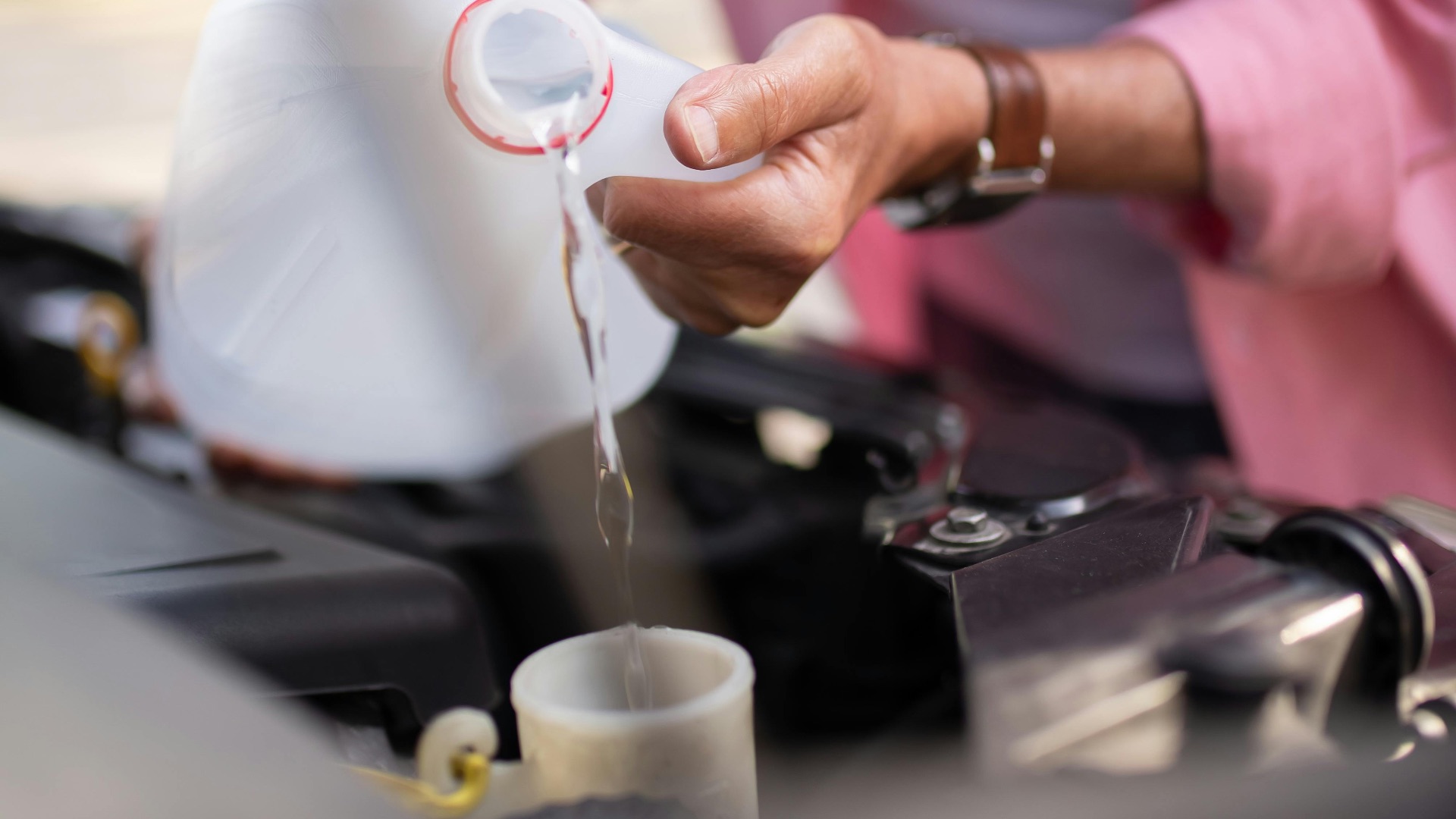
Coolant regulates your engine's temperature and protects it from both overheating in summer and freezing in winter, making it one of the more important fluids in the vehicle. It degrades over time and becomes less effective, which is why automakers typically recommend flushing and replacing it every two to five years. Keeping the coolant at the correct level and concentration is a low-effort way to protect what is often one of the most expensive components in your car.
6. Check and Replace Brake Pads
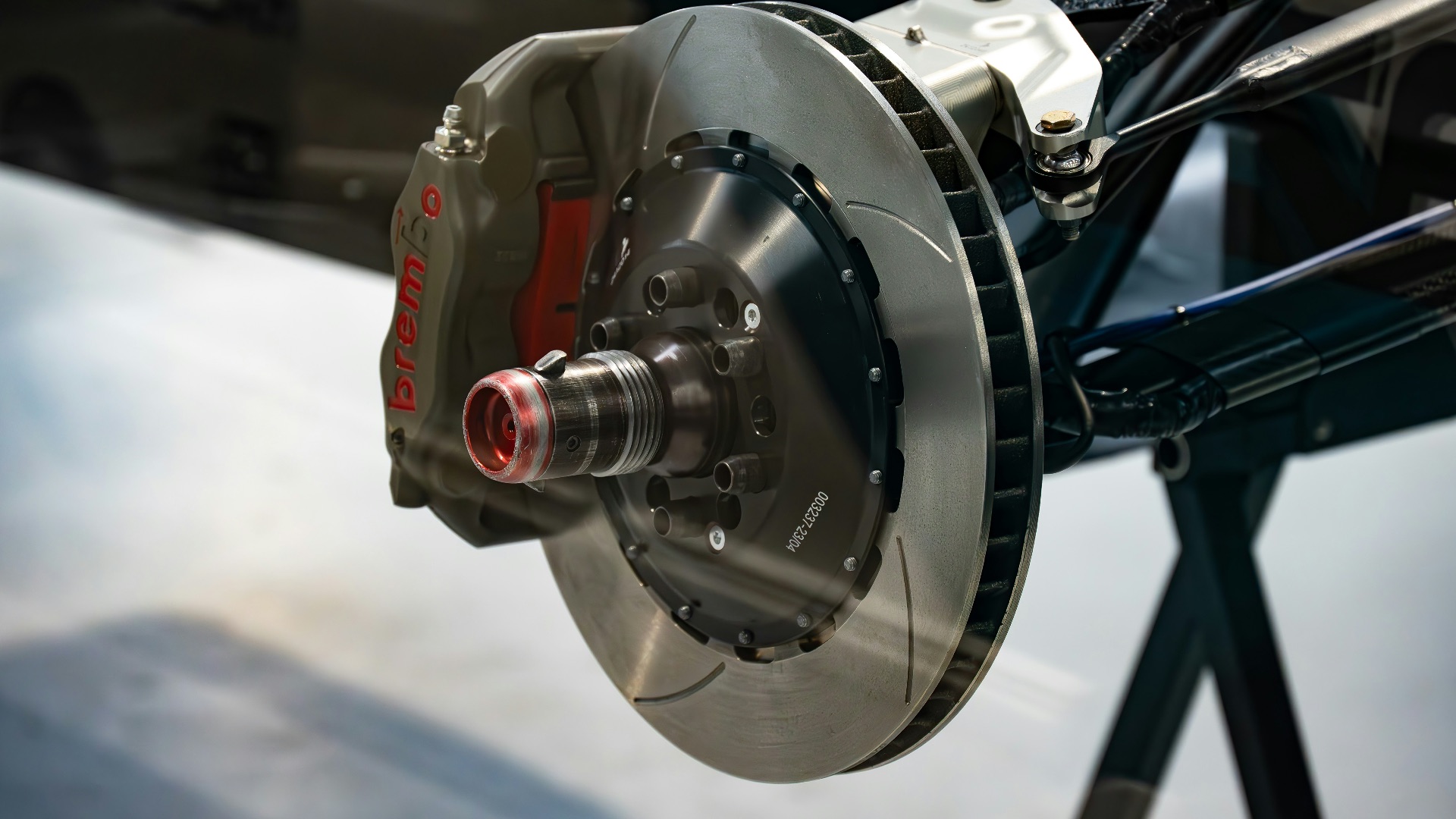
Brake pads wear down gradually with every stop you make, and they need to be replaced well before they become too thin to bring the vehicle to a safe halt. Depending on your driving habits, the type of pads installed, and the conditions you typically drive in, they can last anywhere from 25,000 to 65,000 miles. Squealing or grinding when you apply the brakes are unmistakable signs that the pads are worn and need immediate attention from a professional.
7. Listen for Unusual Sounds
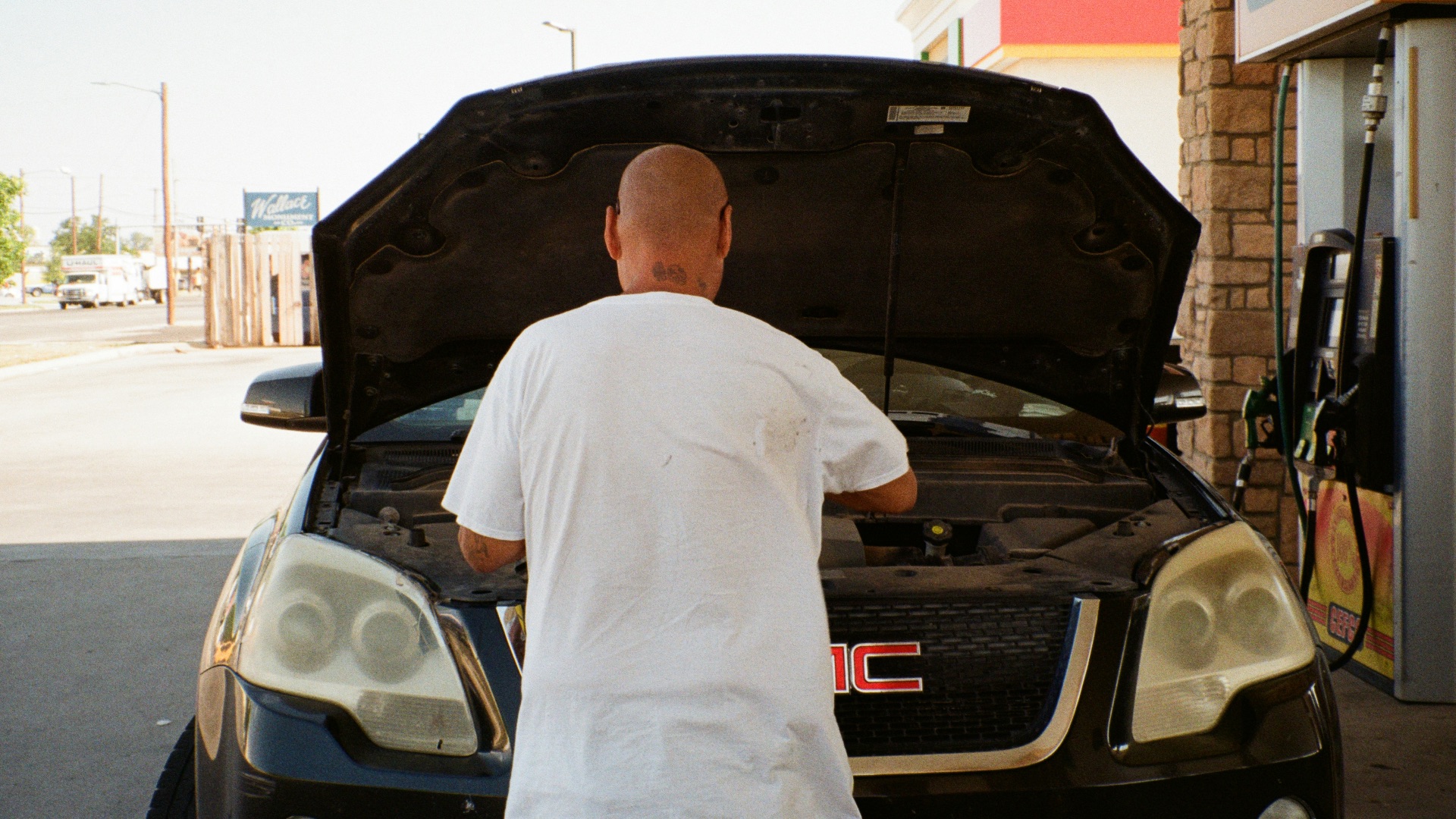
Brake pads aren't the only components that make noise when they need to be replaced, so keep your ears open for other unusual sounds. Cars often give early warning signs before something fully breaks, whether it's knocking, rattling, squealing, or humming. You don't have to diagnose every sound yourself (and you shouldn't), but you should act immediately when your car is telling you something has changed.
8. Wash Your Car and Clean the Undercarriage
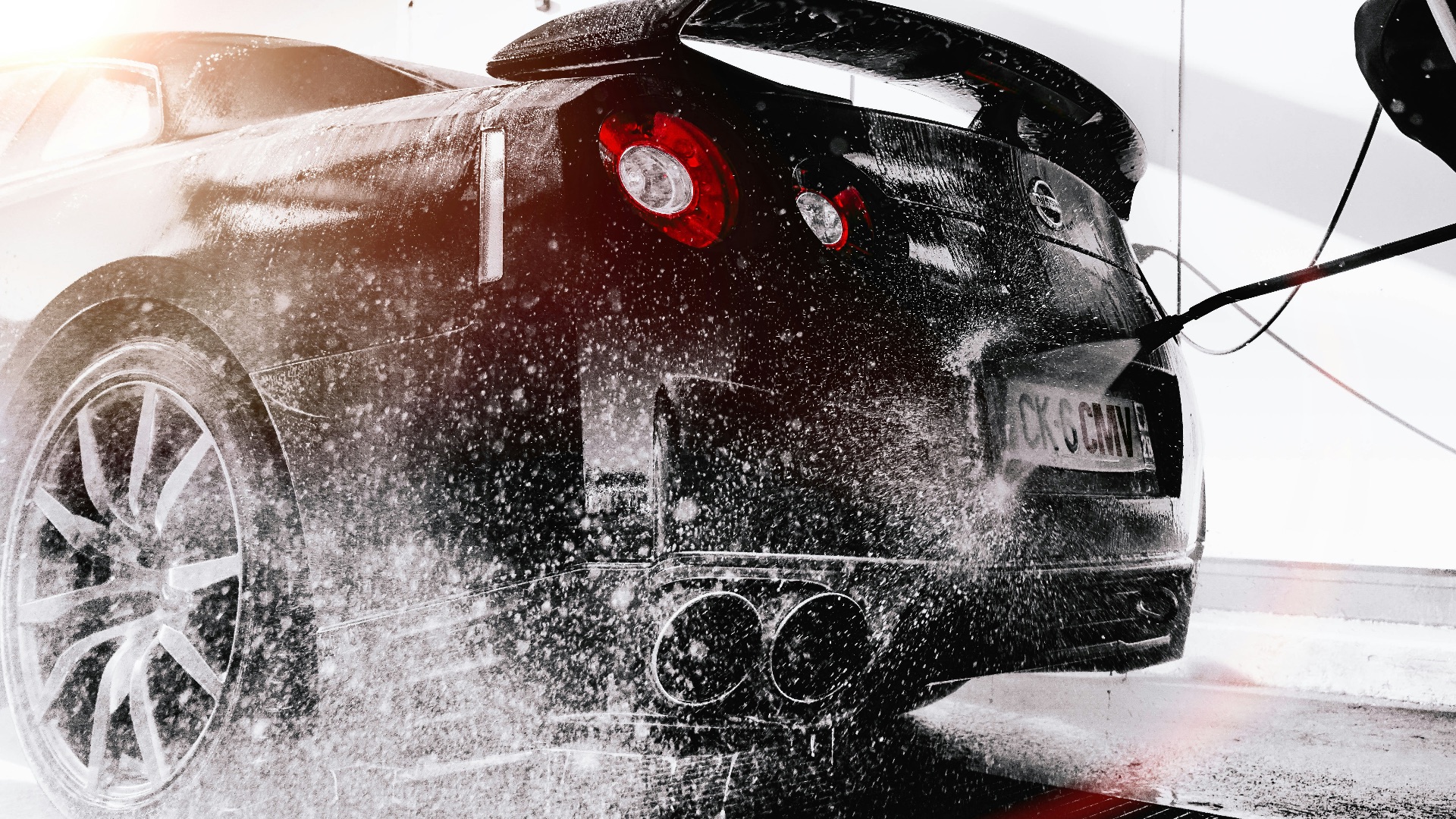
Keeping your car clean is not just about appearance. Dirt, road salt, and grime can build up on the body and underneath the vehicle, which may contribute to rust over time. A regular wash, especially during winter or after rough road conditions, helps preserve your car's condition.
9. Top Up All Fluids Regularly
Beyond engine oil and coolant, your car depends on several other fluids to operate safely and smoothly, including brake fluid, transmission fluid, power steering fluid, and windshield washer fluid. Each has a reservoir under the hood clearly marked with minimum and maximum levels, so checking them takes only a few minutes. Getting into the habit of doing a full fluid check once a month may help catch developing issues before they turn into expensive repairs.

10. Follow Your Vehicle's Service Schedule
Every car comes with a manufacturer-recommended service schedule laid out in the owner's manual, and following it is one of the most practical things you can do to protect your investment. Routine servicing covers inspections and replacements well beyond what most drivers would check themselves, including timing belts, suspension components, and transmission fluid. Keeping up with scheduled maintenance also preserves your vehicle's resale value and ensures any existing warranty coverage stays intact.