How Many Did You Fall For?
Many of the "rules" you might have learned from your parents or a well-meaning neighbor were actually based on technology that hasn't been used in decades. Cars have been a central part of our lives for over a century, so it is no surprise that a mountain of misinformation has built up around how they actually work. With that in mind, here are 20 common car myths that are likely costing you time or money for no reason at all.
1. The 3,000-Mile Oil Change
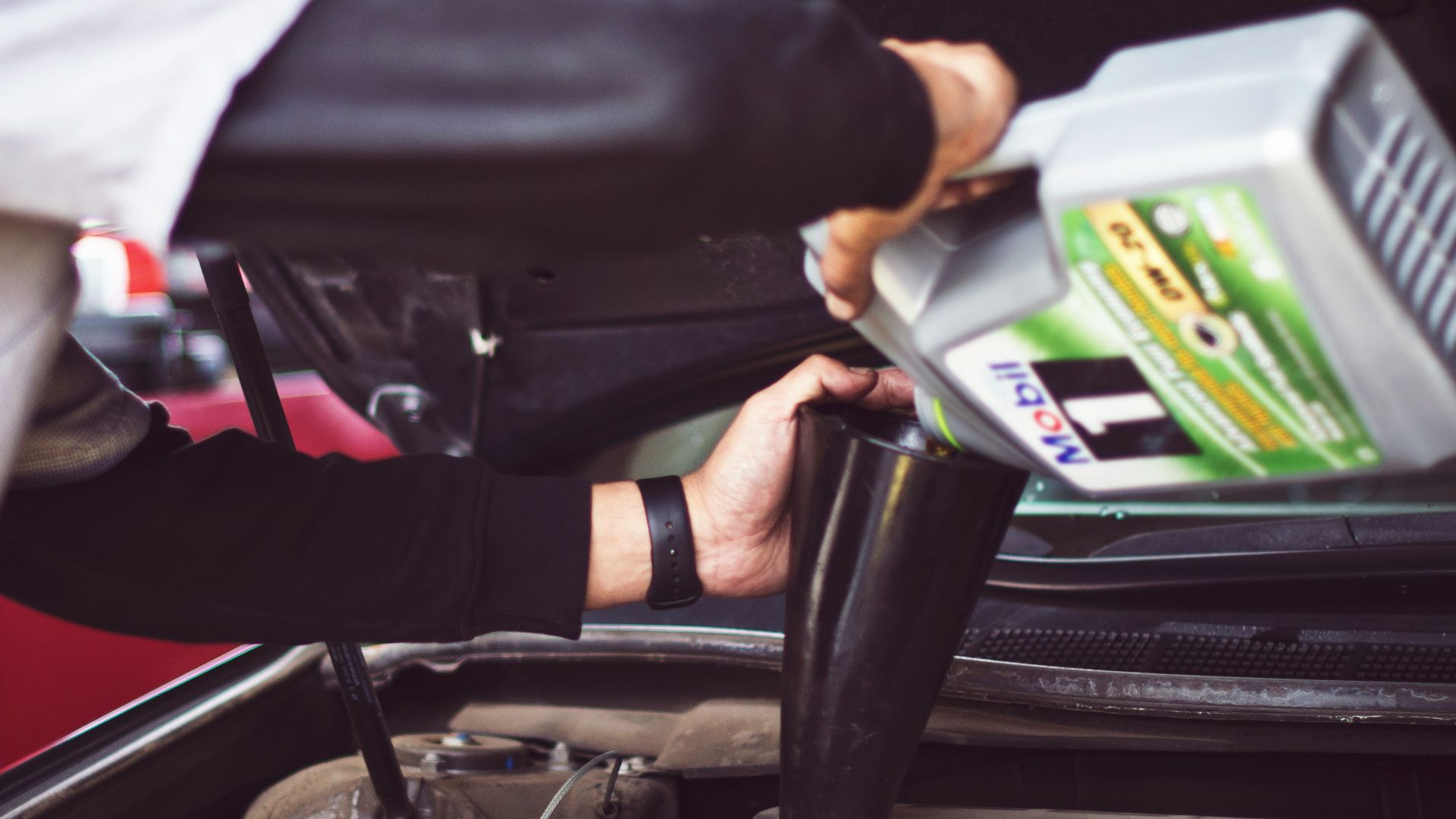
Thanks to engine tolerances and synthetic oils, most modern cars can easily hit 7,500 or even 10,000 miles before requiring a new oil change. Following this ancient guideline can usually just drain good oil down the drain and convince you to visit your service department more often. Refer to your owner’s manual for the true oil change interval.
2. Premium Gas Makes Any Car Faster
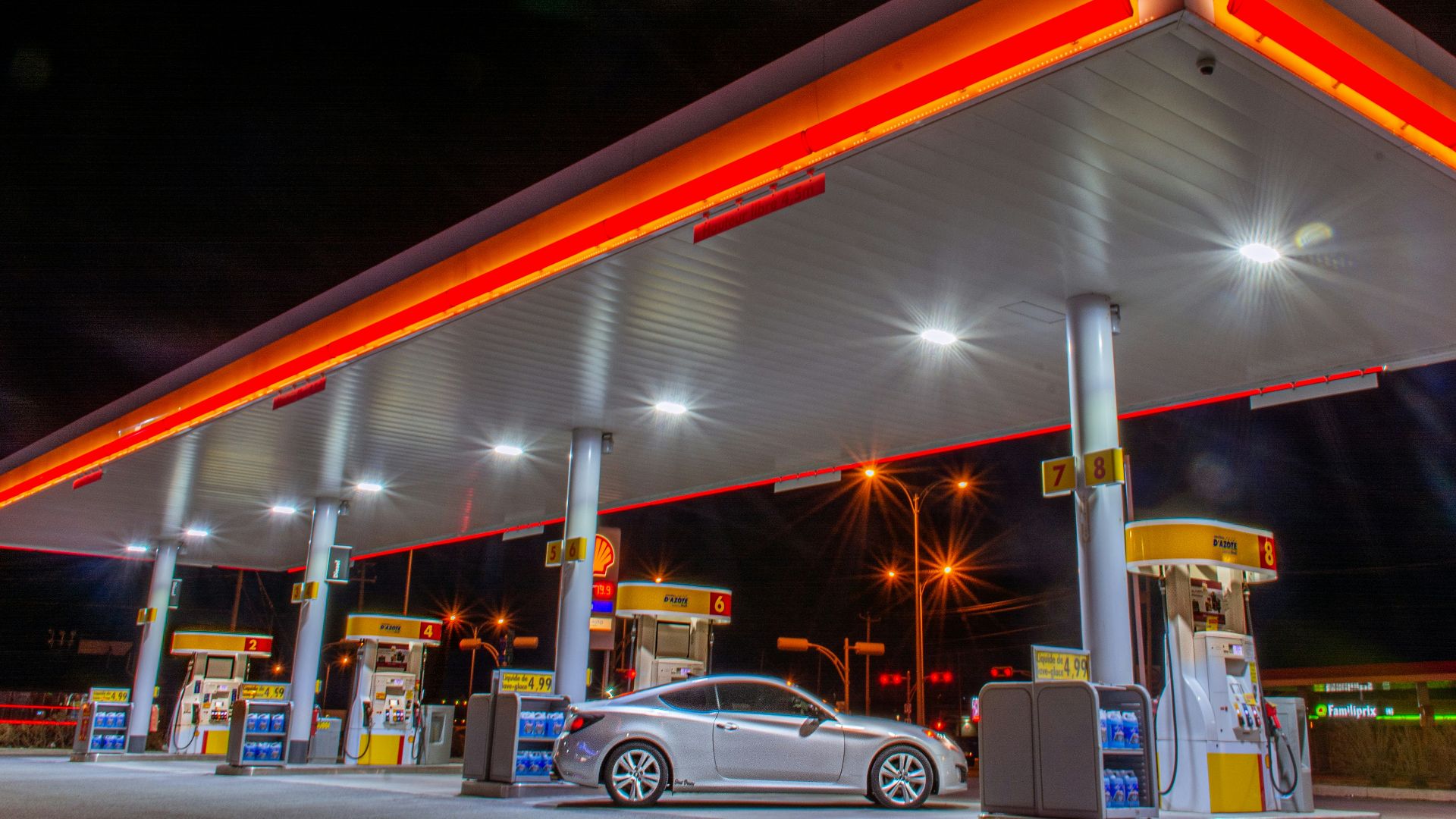
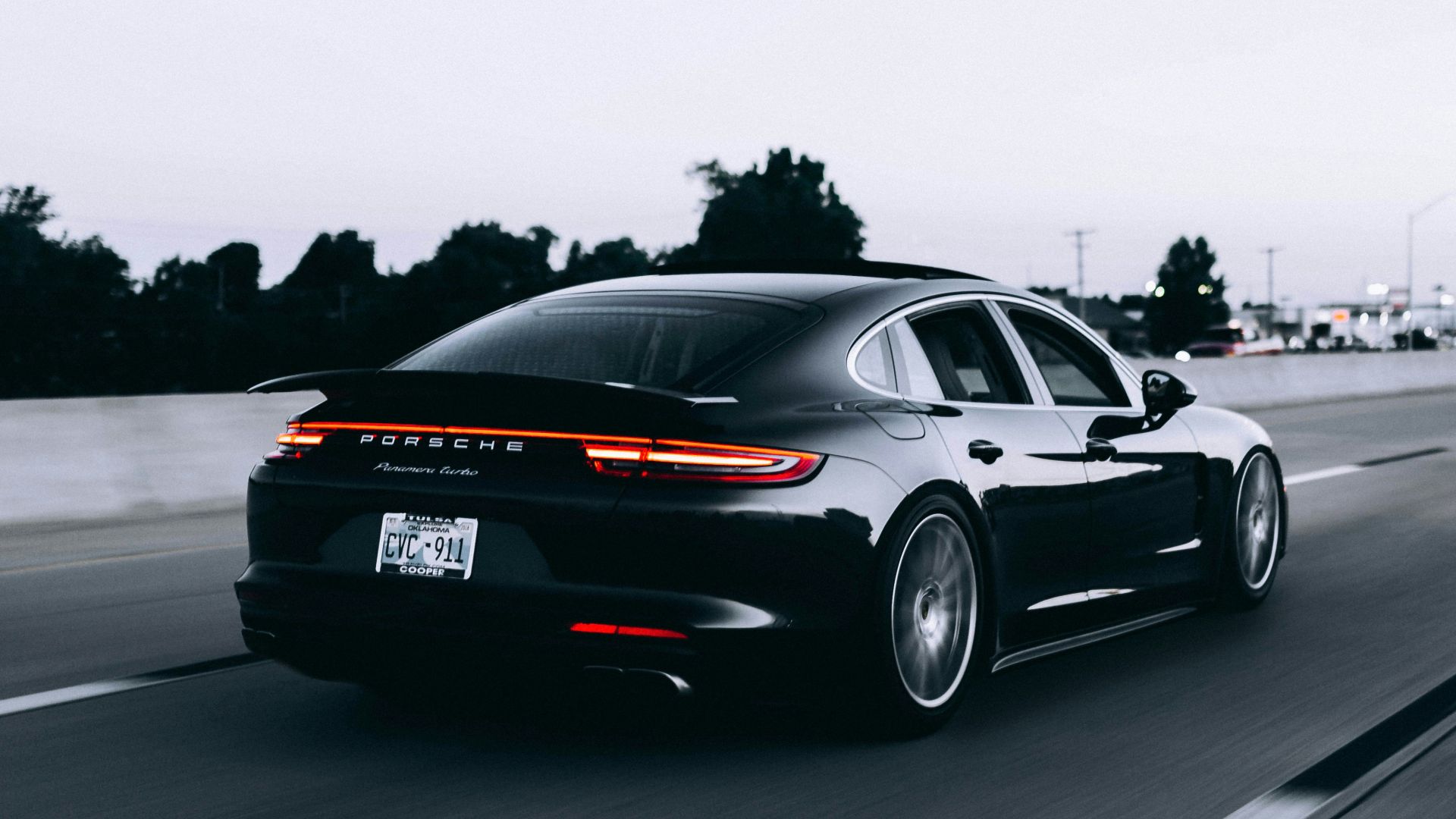
Throwing 91 or 93 premium fuel in your car that runs on 87 regular won’t magically increase horsepower or improve fuel economy. Premium gas can pre-ignite at higher compression ratios than regular, meaning your Mustang GT needs it to run, but your Honda Civic will scoff at it.
 Jean-christophe Gougeon on Unsplash
3. Warming Up the Engine is Required
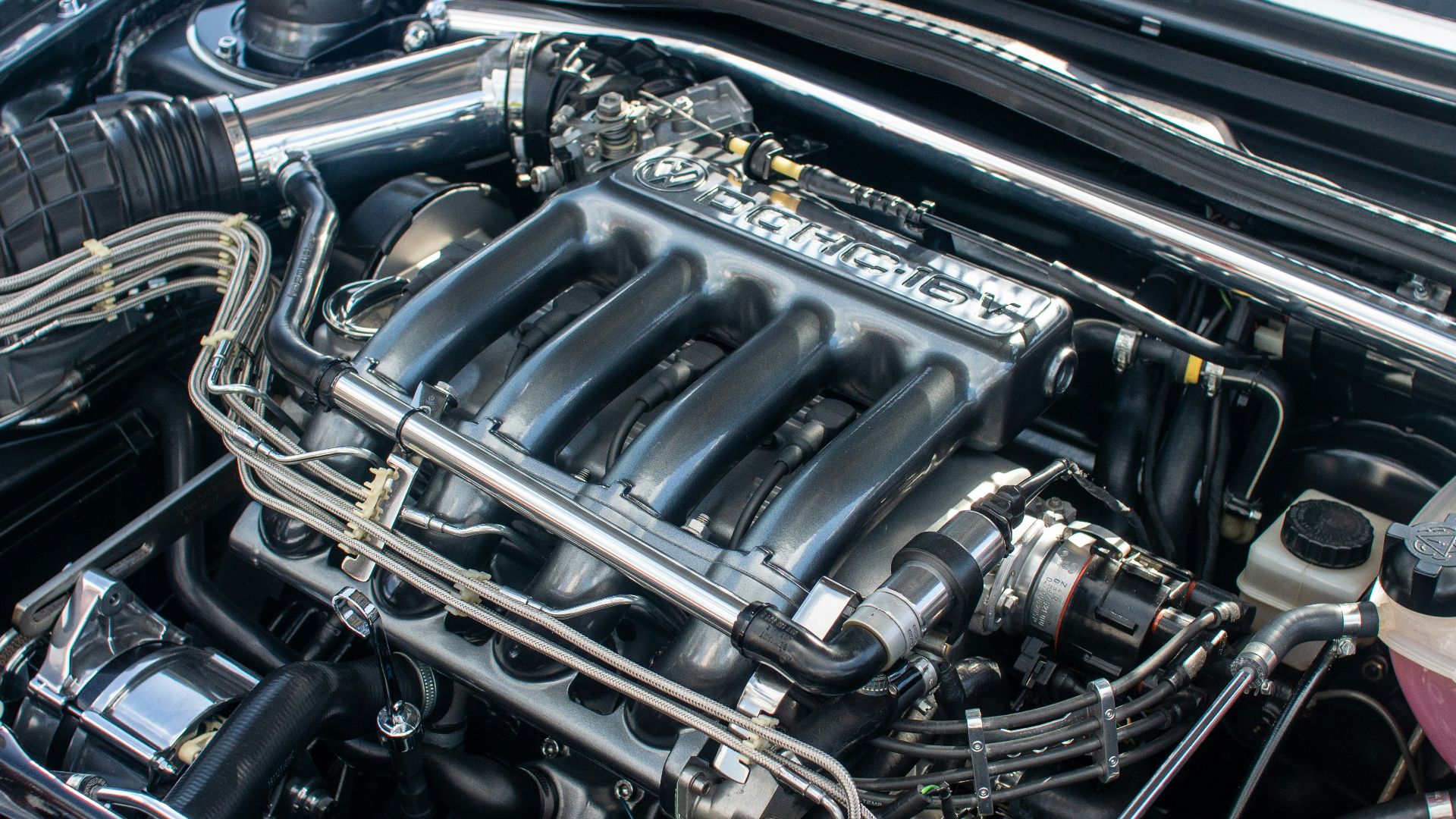
With computerized fuel injection, there’s no need to idle for ten minutes before driving your car on cold mornings. The best way to warm up your car nowadays is actually to start driving after about 30 seconds of idling. Your car will warm up much quicker while driving, which reduces emissions and wasted fuel.
4. Red Cars Get More Speeding Tickets
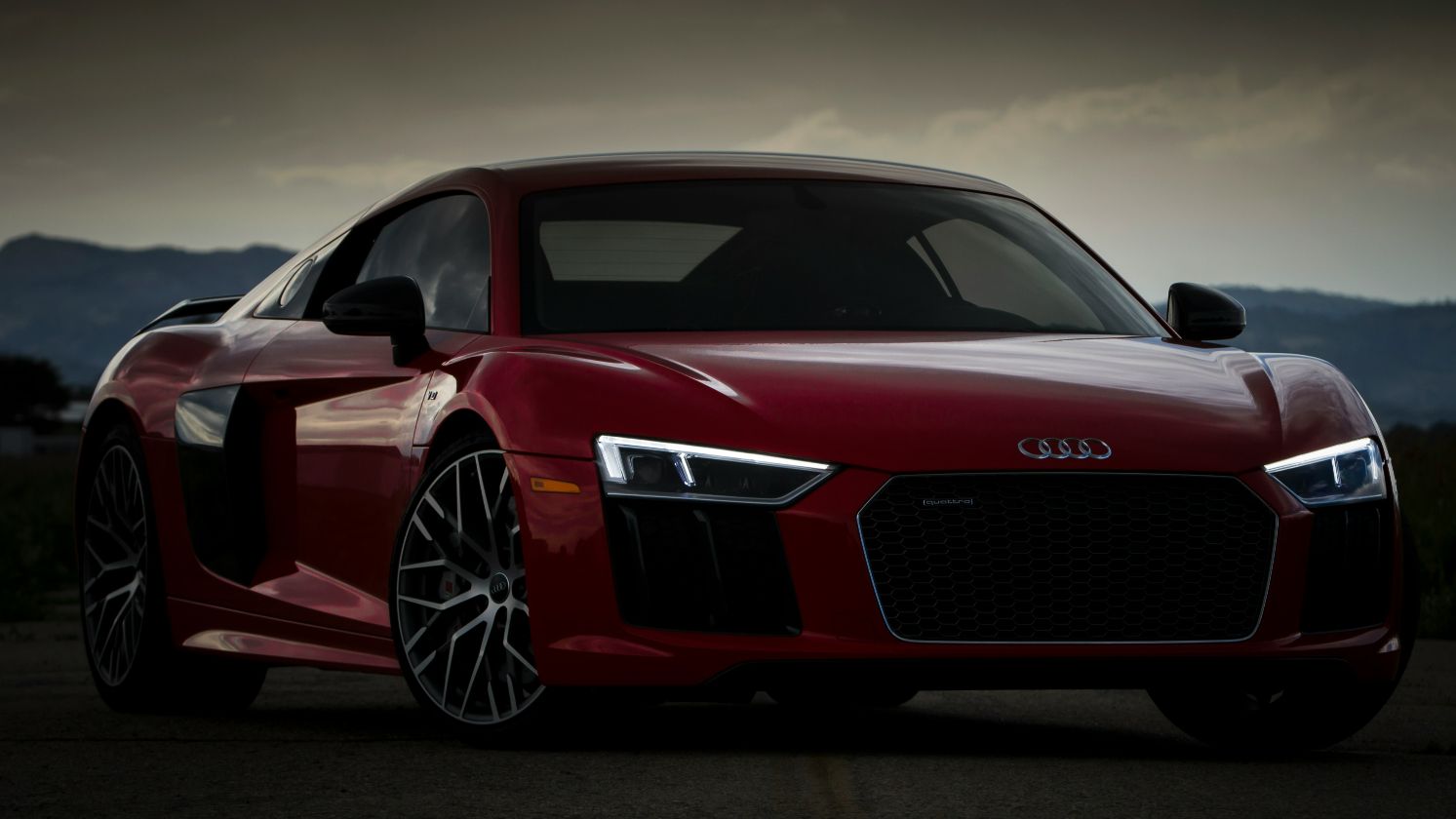
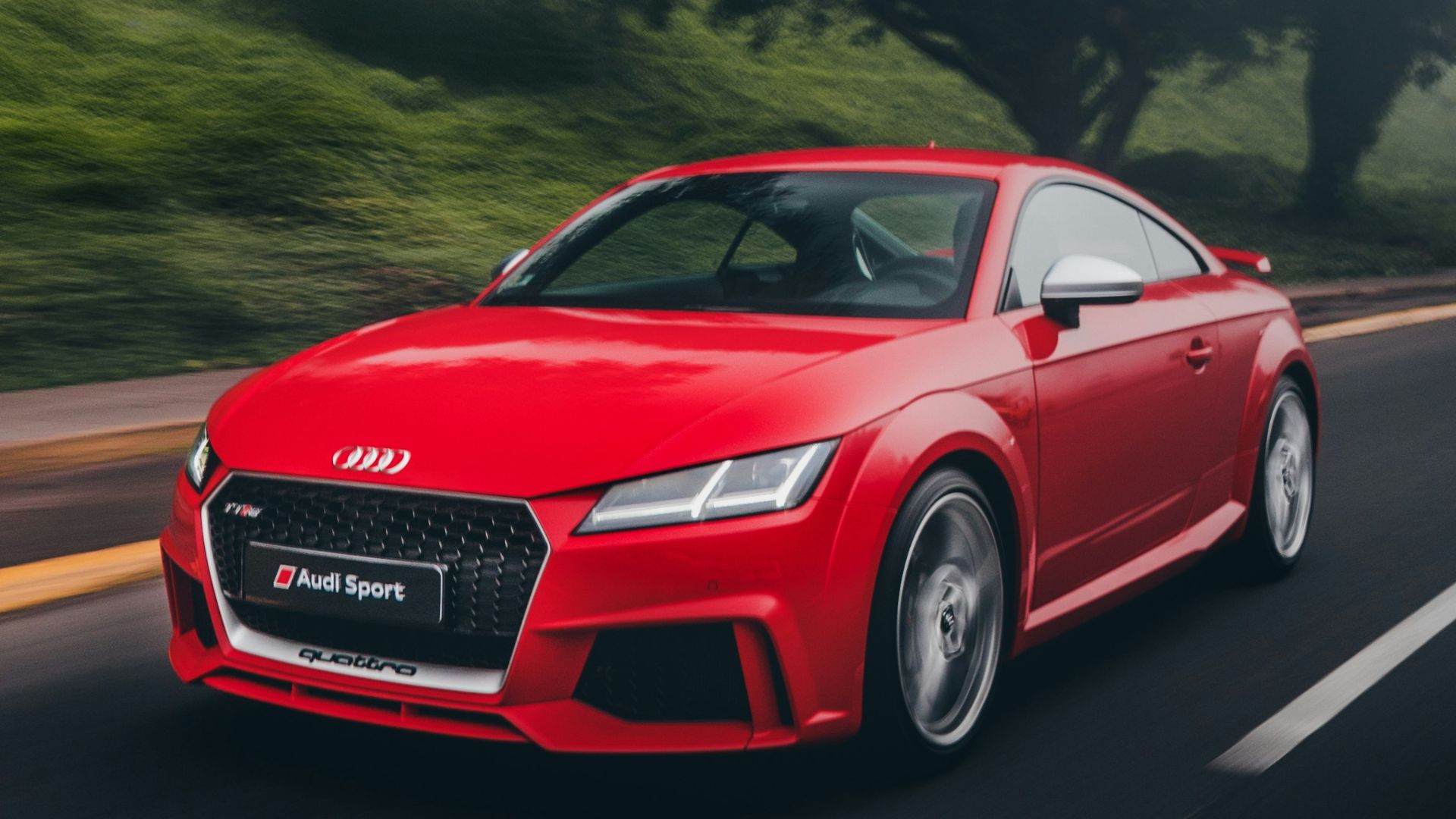
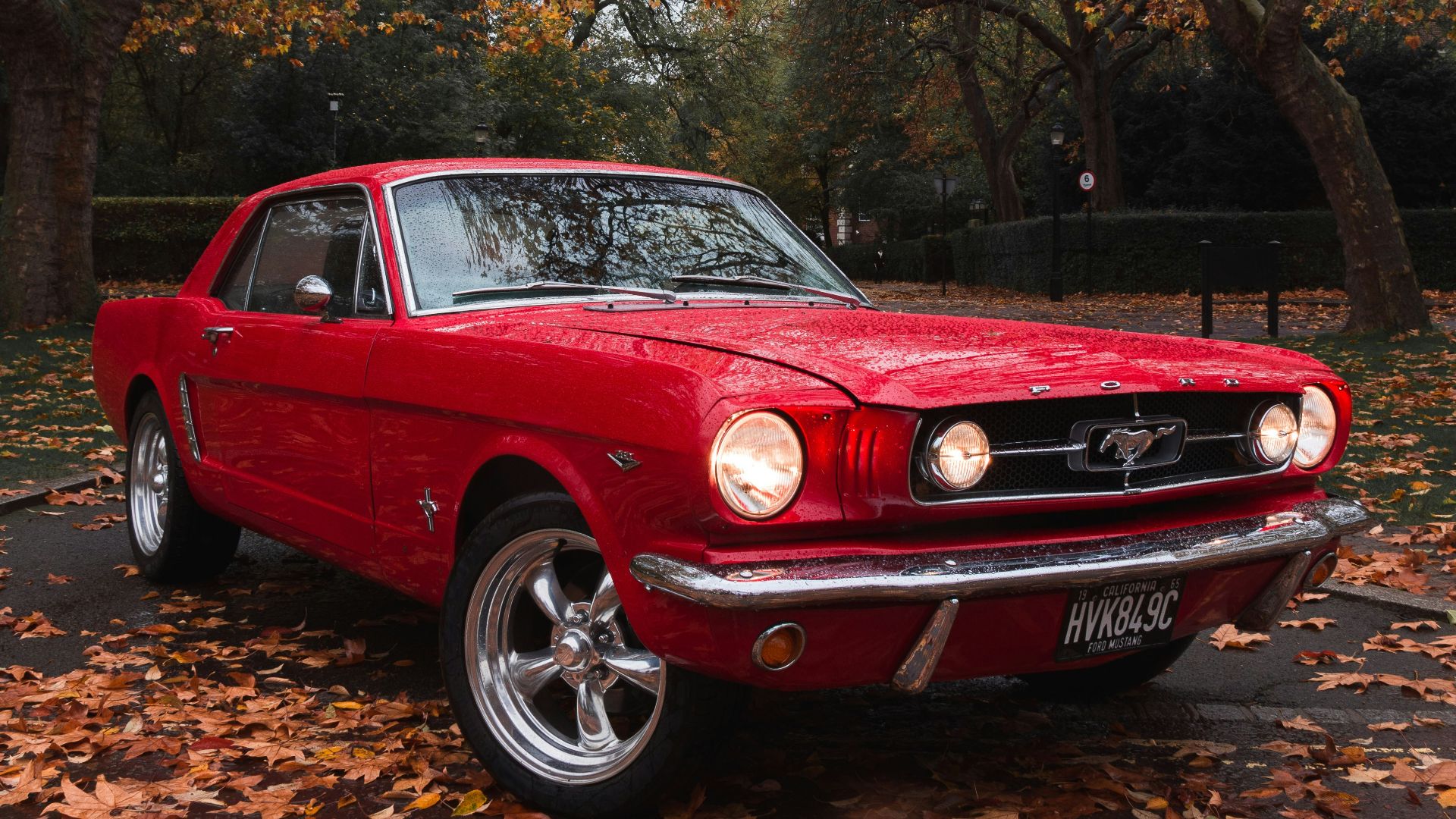
A common belief suggests that police officers are naturally drawn to bright red paint, but insurance data consistently shows that color has no real impact on your chances of being pulled over. Factors like your driving behavior, the speed you're traveling, and even the model of the car are much more important to law enforcement than the shade of the exterior. You can drive a flaming red coupe with confidence knowing that your heavy right foot is the only thing truly putting you at risk.
5. Rolling Down Windows Saves Gas
We’ve all heard the misconception that turning your A/C on wastes gas, so cracking open the window is more efficient. You might feel like you’re saving money at first. The drag caused by open windows at highway speeds will easily overcome the energy required to run your A/C.

6. Jet Fuel
If you’ve seen someone add Jet-A to their gas tank and wonder if you should too, don’t do it. Jet fuel is less similar to gasoline than it is to diesel or kerosene. Your car will not fly, but your fuel system will get clogged.

7. You Must Replace All Four Tires at Once
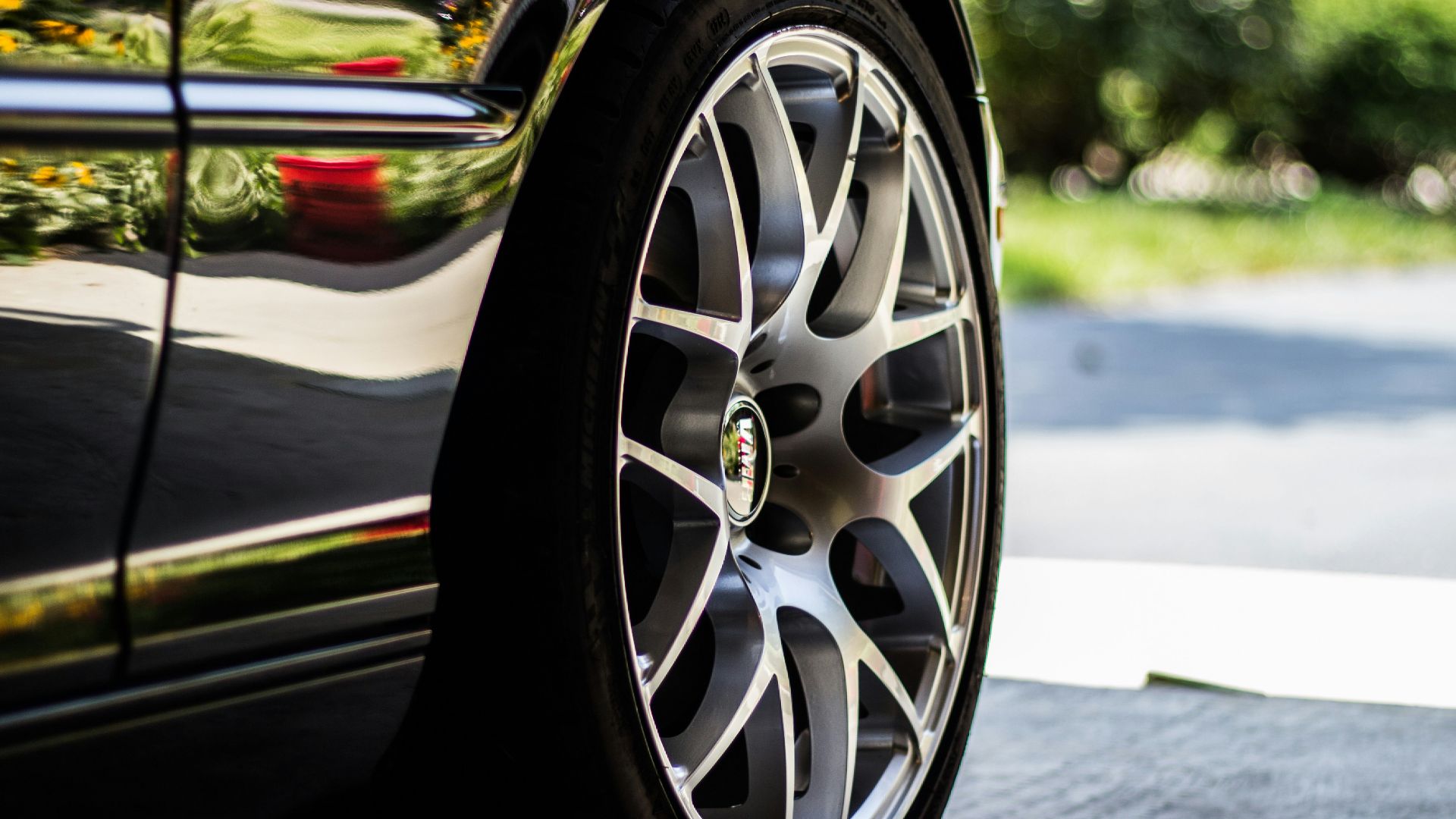
Ideally, you should have all four tires swapped out at the same time. But you can usually get away with replacing two tires as long as they are on the same axle. Experts recommend placing the new tires on your vehicle’s rear axle to improve traction and reduce hydroplaning.
8. Pumping the Brakes in an Emergency
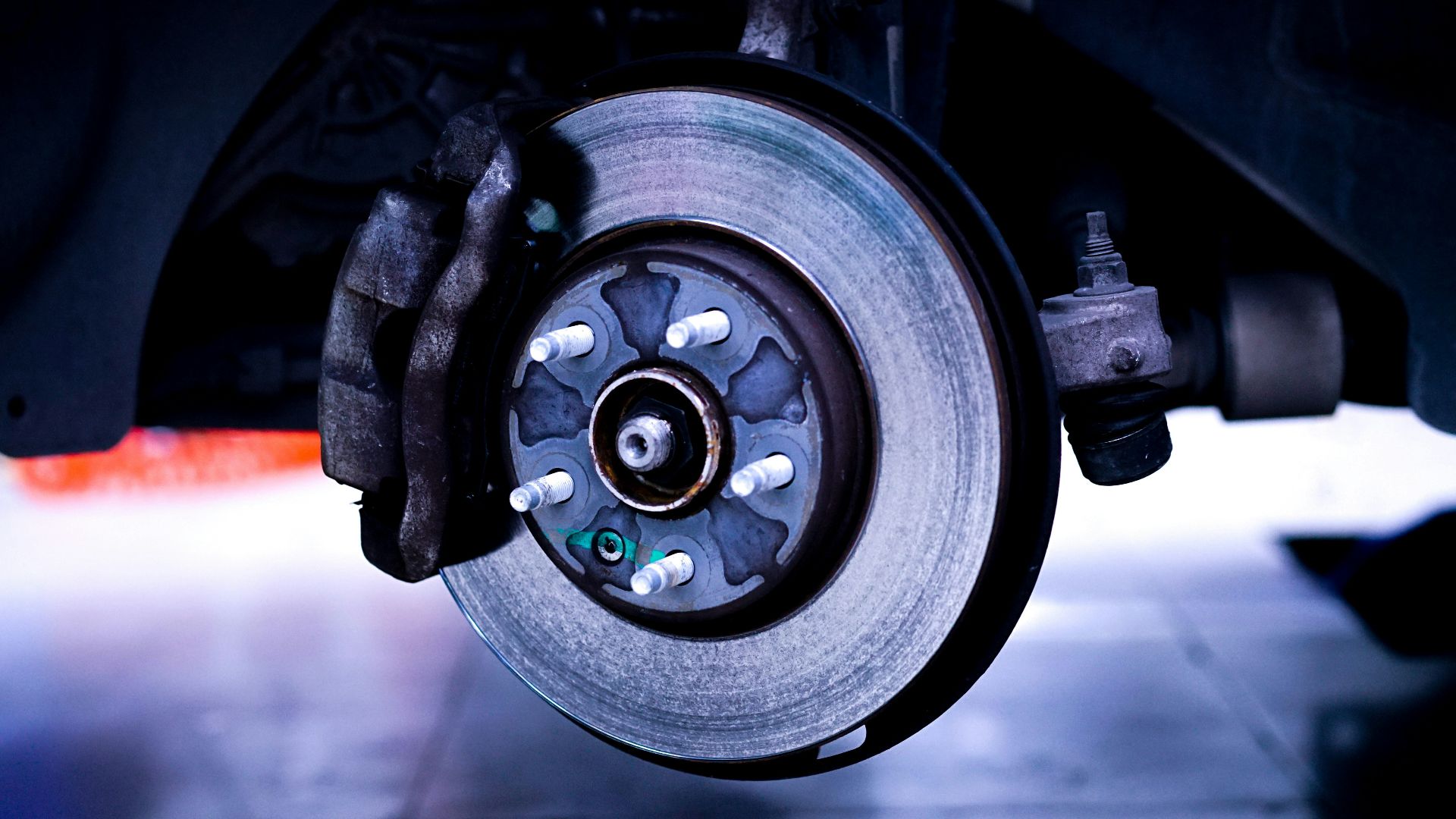
Most cars manufactured in the last three decades are equipped with ABS. It pumps your brakes thousands of times per second, so you shouldn’t attempt to do it yourself. Simply push down hard on the brake pedal and hold it while you come to a stop.
9. Bigger Cars Are Always Safer
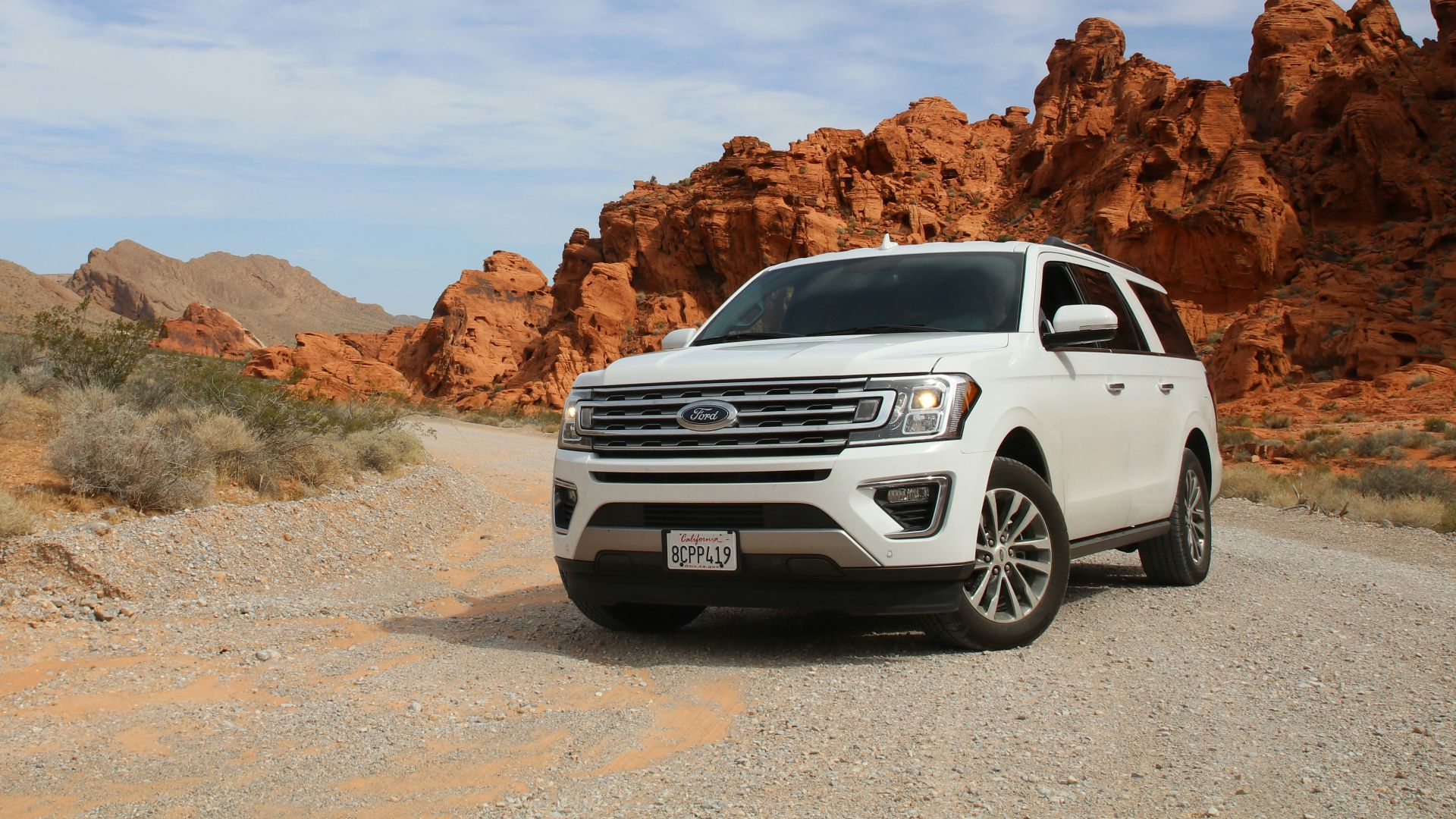
A large SUV might feel like a tank, but safety is actually determined by crumple zones, airbags, and the structural integrity of the frame during a collision. Smaller, modern cars often perform better in crash tests. That’s because they are engineered to absorb and redirect energy away from the passengers more effectively.
10. Manual Transmissions Are More Fuel Efficient
Modern automatic transmissions now have so many gears and sophisticated shifting logic that they frequently beat their manual counterparts. Many new automatics are specifically tuned to keep the engine in its most efficient power band at all times. While a manual might be more engaging for an enthusiast to drive, it’s no longer the go-to choice for someone trying to save every penny at the gas station.
11. Hitting the Gas Before Turning Off the Engine
Older generations were always told to give their engines a quick rev before shutting off the ignition. While this may be beneficial for older carbureted engines, doing so will cause your engine to dump extra gasoline into the cylinders and dilute your oil.
12. Using the AC Ruins Your Fuel Economy
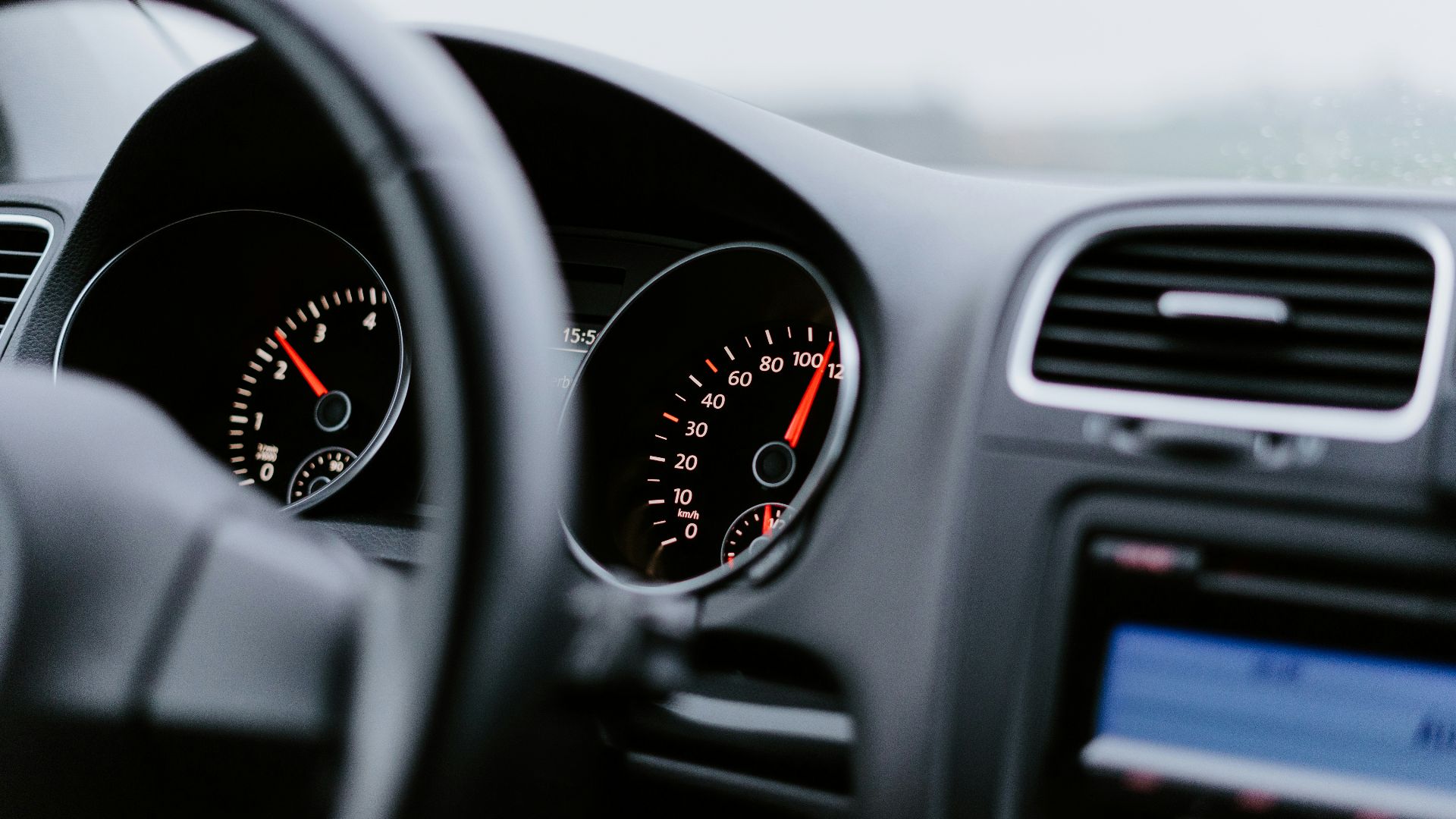
Like pumping your brakes, this is another thing you should do if you want to improve fuel economy. Using your vehicle’s A/C will cause a slight decrease in miles per gallon, but not enough that you should avoid it. A/C compressors are also very efficient these days.
13. Electric Cars Are More Likely to Catch Fire
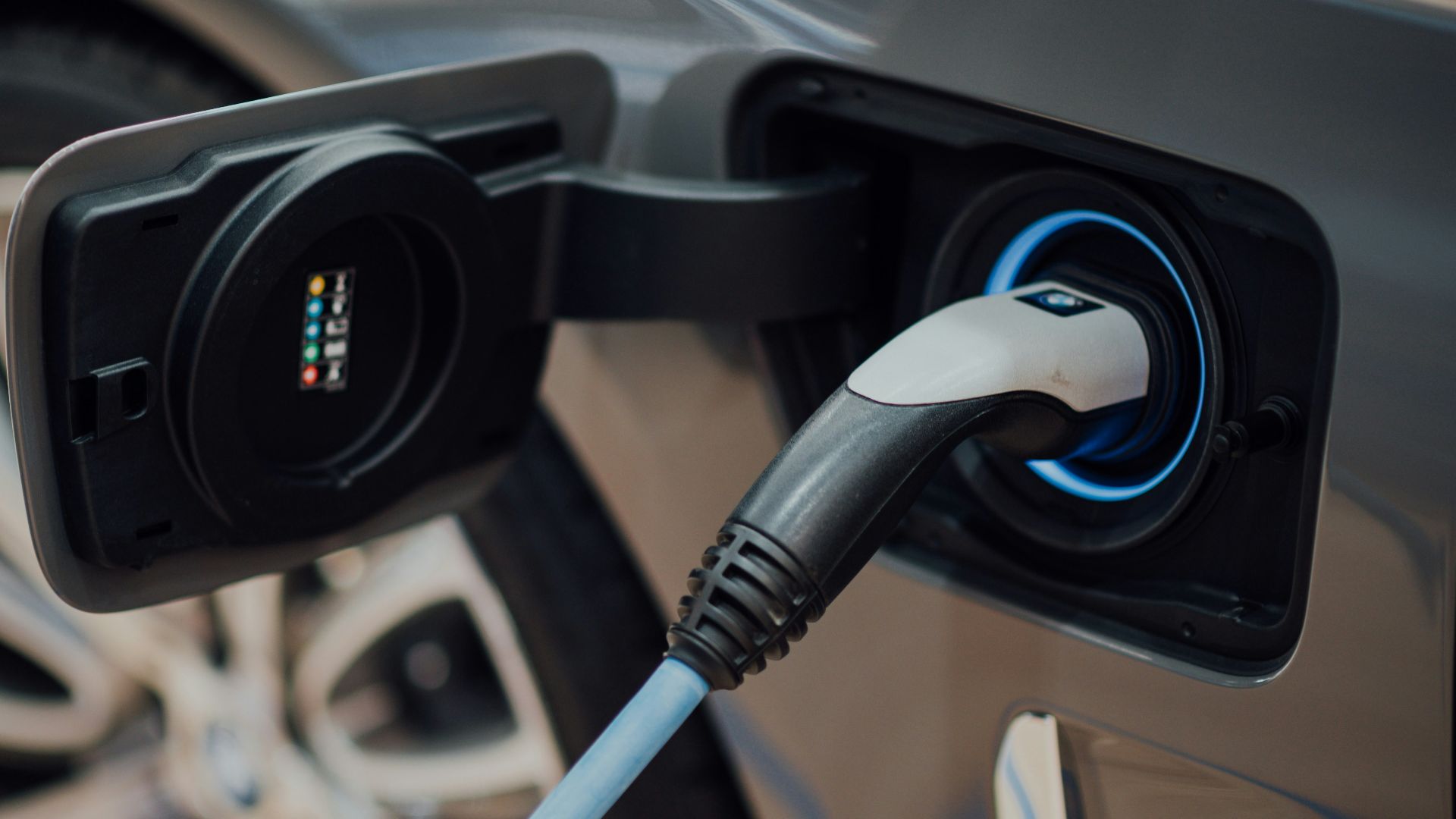
Electric vehicles tend to get a lot of press when their batteries catch fire. But gasoline cars actually catch fire more often per mile driven. Li-ion batteries are wrapped in aluminum or steel to help prevent thermal runaway.
14. Dish Soap Is Fine for Washing a Car
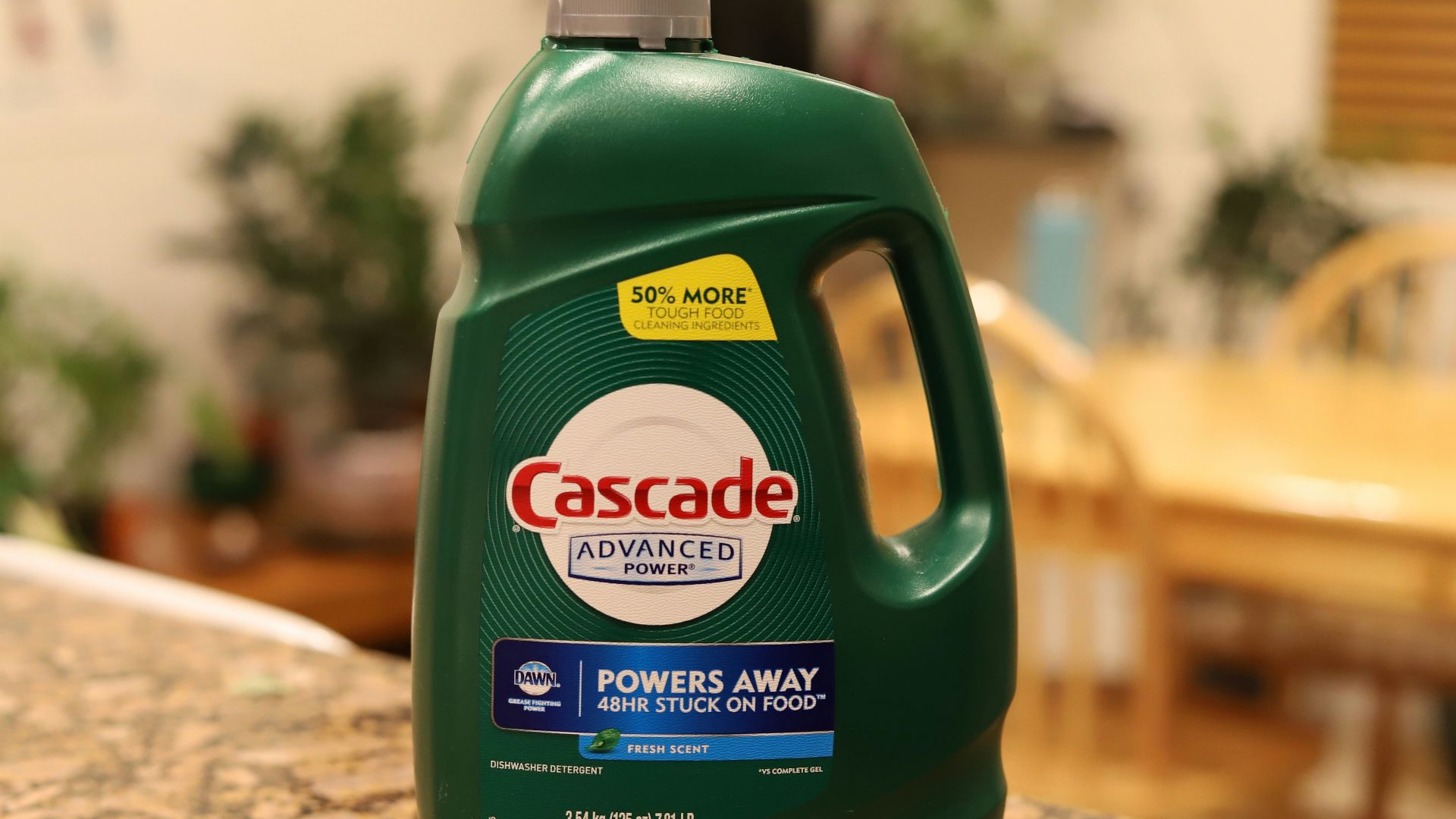
That bottle of Dawn down in your kitchen sink might be great at removing oil from engine parts, but don’t use it on your car. Dawn and other dish soaps are made to cut grease and food off of plates, which means your car wash wax won’t be far behind.
 soumya parthasarathy on Unsplash
15. Kevlar Vests Can Stop a Car
You might see this in action movies, but hanging a vest over a car door or window isn't going to turn it into an armored vehicle. Car doors are mostly made of thin sheet metal and plastic, which offer very little resistance to high-velocity projectiles.
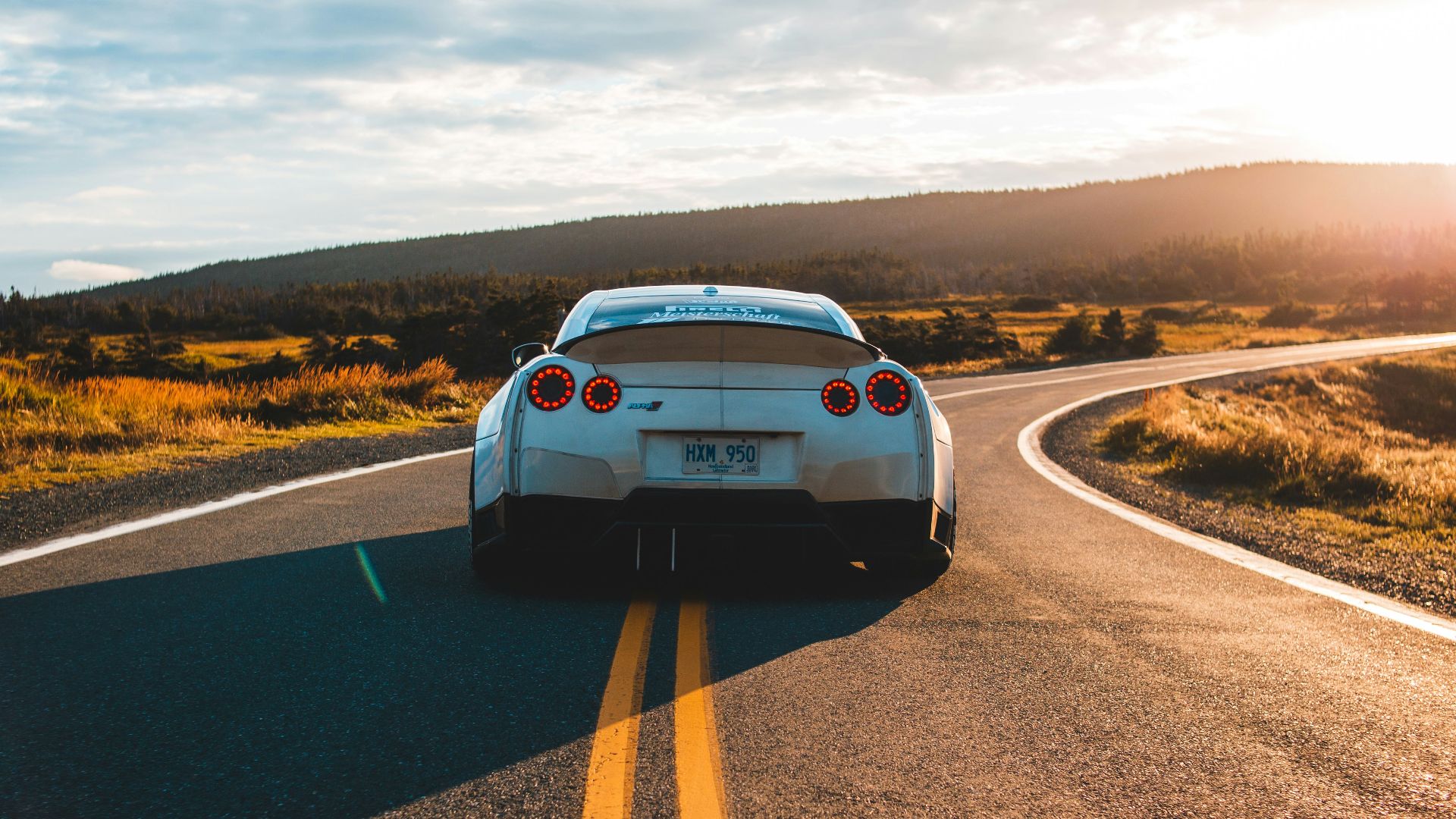
16. Batteries Last Longer if You Don't Use Them
Many people think that leaving their car in storage all winter is a great way to keep their battery healthy. Batteries self-discharge over time, and most electronics leak parasitic power when the car is turned off.
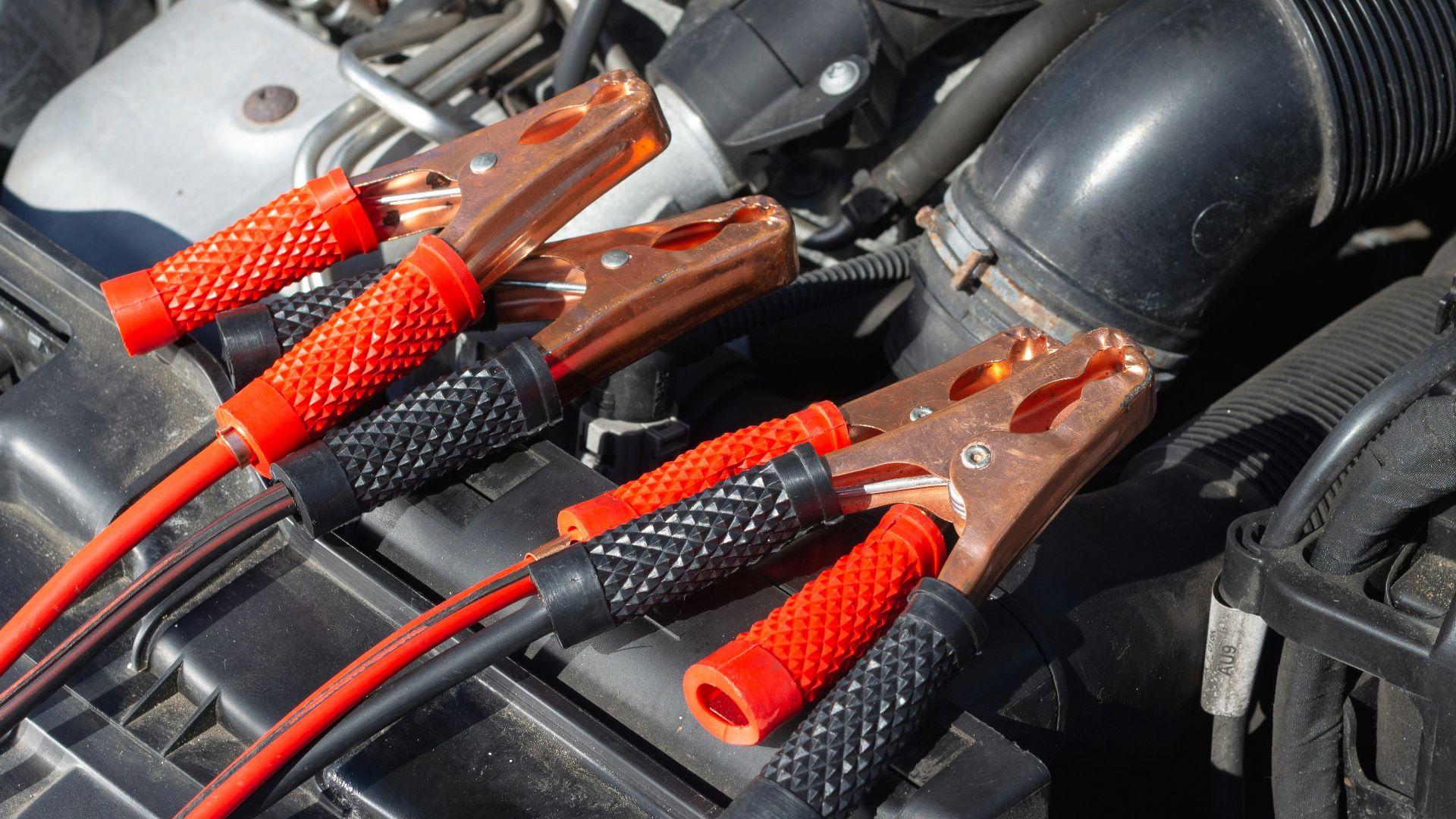 Daniel @ bestjumpstarterreview.com on Unsplash
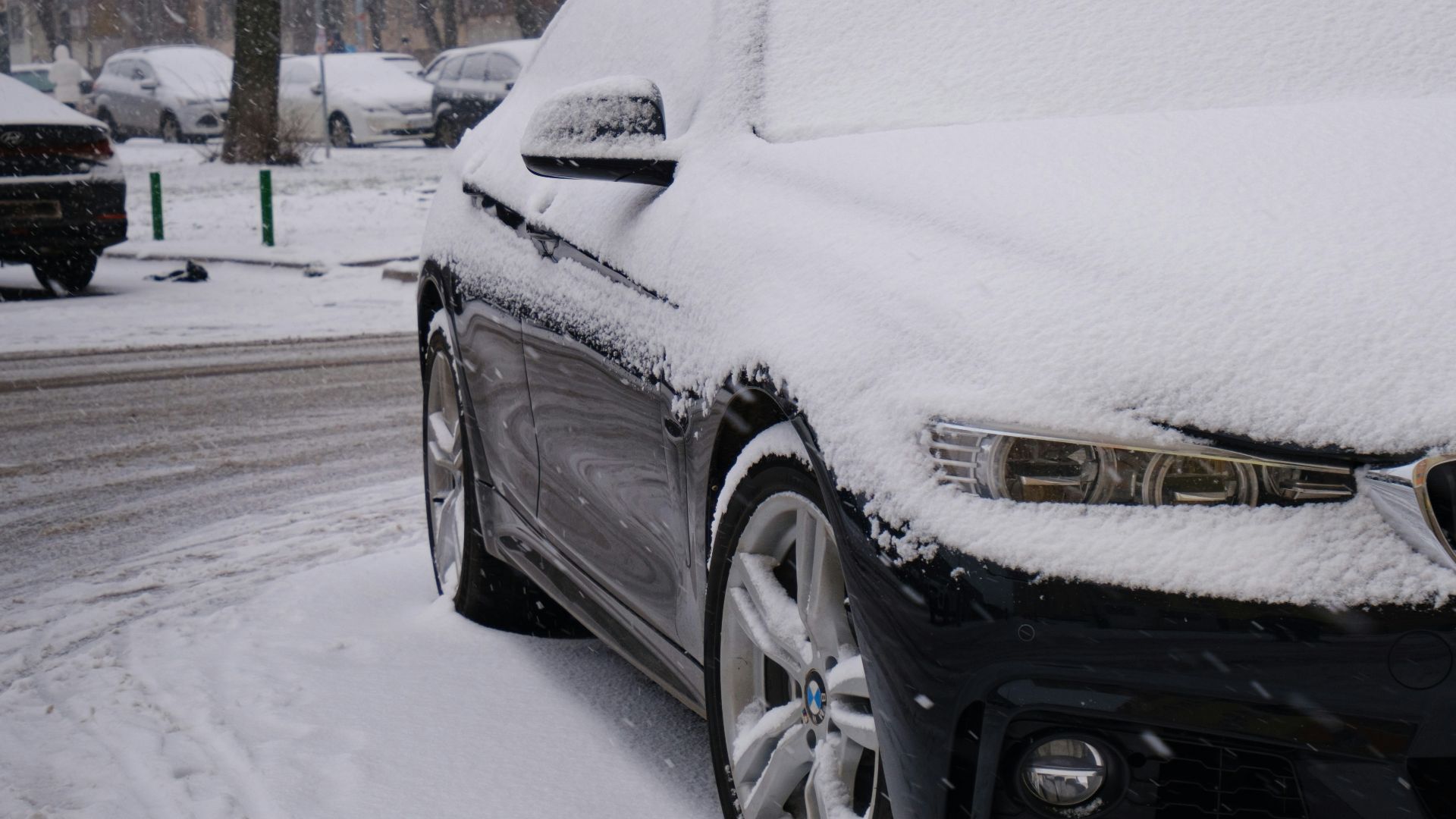
17. All-Wheel Drive in the Snow
All-wheel drive is amazing at getting you unstuck on ice and snow, but it doesn’t help you slow down or turn any better. Since every vehicle has four-wheel braking, your stopping distance is going to be the same on an icy road. AWD doesn’t make you invincible.
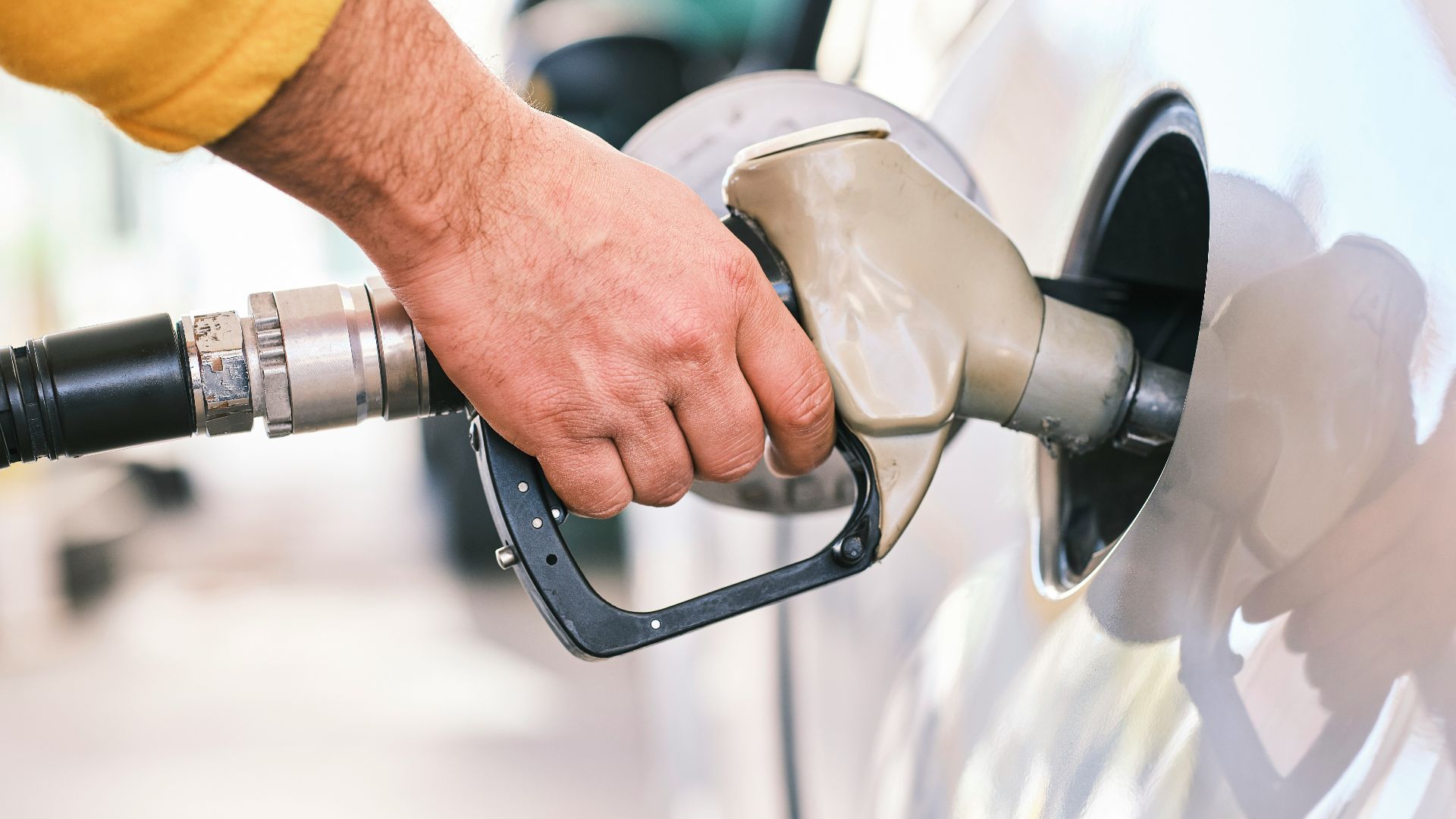
18. Filling Up in the Morning Gets You More Gas
The theory that gasoline is denser in the cool morning air sounds logical. But fuel is stored in insulated tanks deep underground, where the temperature barely fluctuates. Any slight change in volume due to the morning chill is so minuscule that it wouldn't even register on the pump's meter.
19. Setting Off an Airbag
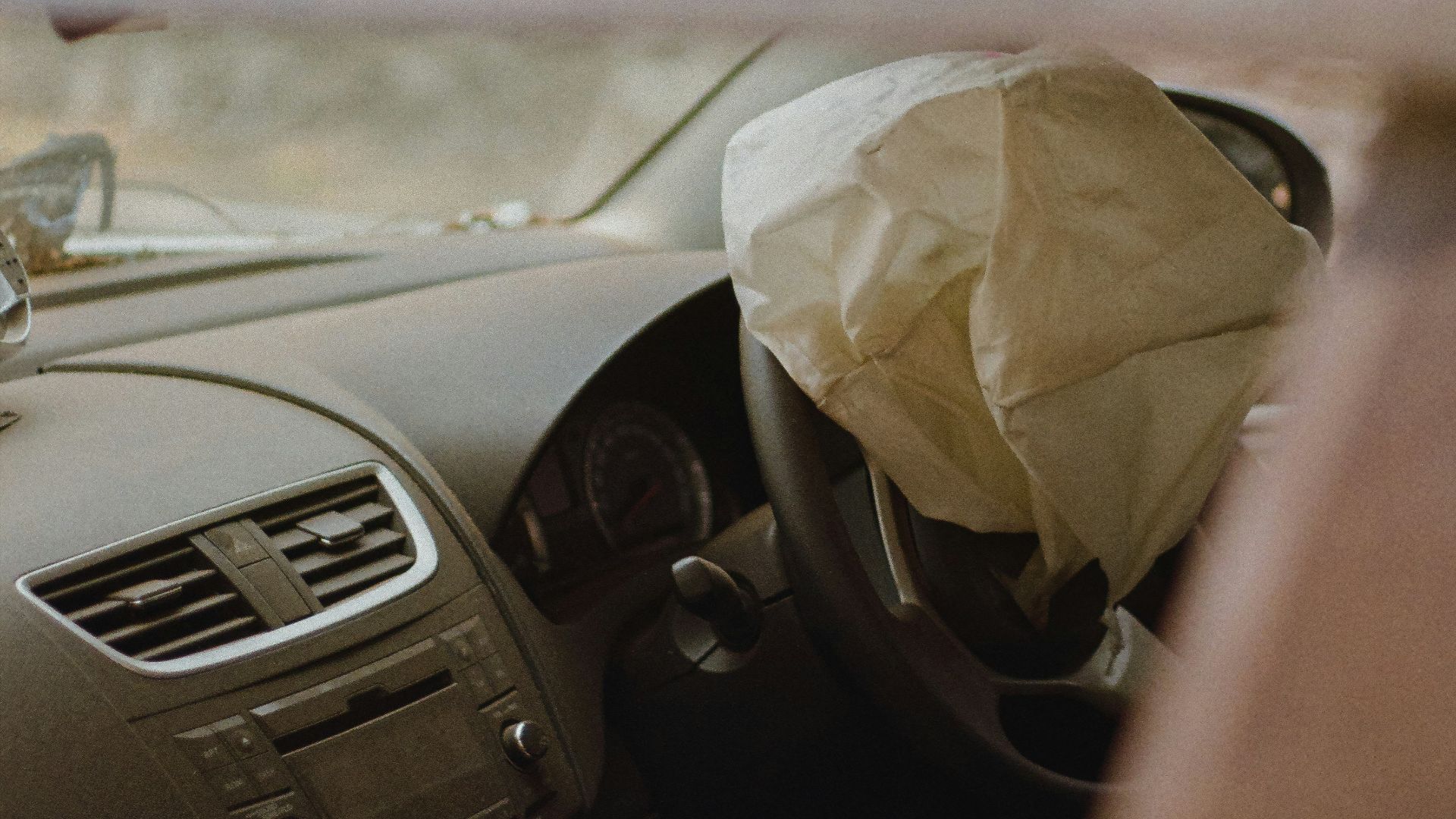
Airbags are one of the safest deployments and require a pretty dramatic crash to go off. So you’re good to stick things in your glovebox. Airbags are set off by a rapid deceleration that exceeds a vehicle’s crash sensors.
20. Dealerships Always Charge More for Repairs
Just because dealerships charge you more for an hour of labor doesn’t mean they’re evil. Dealerships utilize special equipment and have technicians who specialize in your specific vehicle make. While you should always get multiple quotes for service, dealers aren’t always out to gouge you.