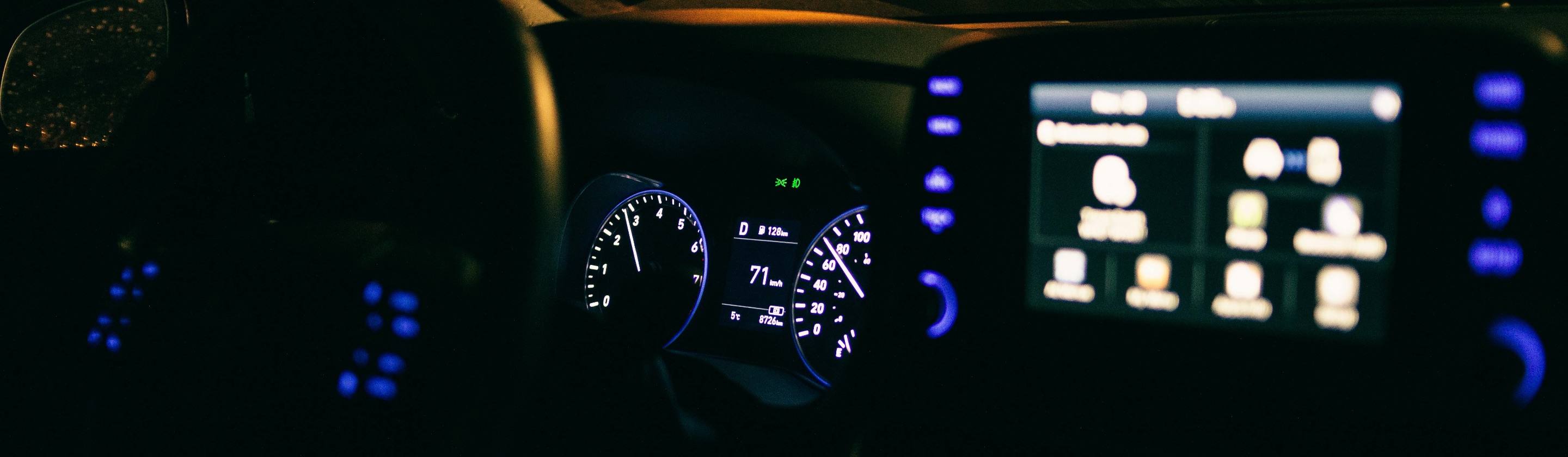
The Dangers of Nighttime Driving
It's no surprise that driving after dark comes with a unique set of challenges that even the most experienced drivers can underestimate. From reduced visibility to increased driver fatigue, nighttime travel is statistically more dangerous than daytime driving, which makes it all the more important to stay vigilant. Whether you're commuting home late or embarking on a trip across town overnight, understanding the risks and knowing how to handle them can make a real difference to your safety. Here are the 10 top dangers of driving at night, and 10 key tips to stay safe.
1. Reduced Visibility
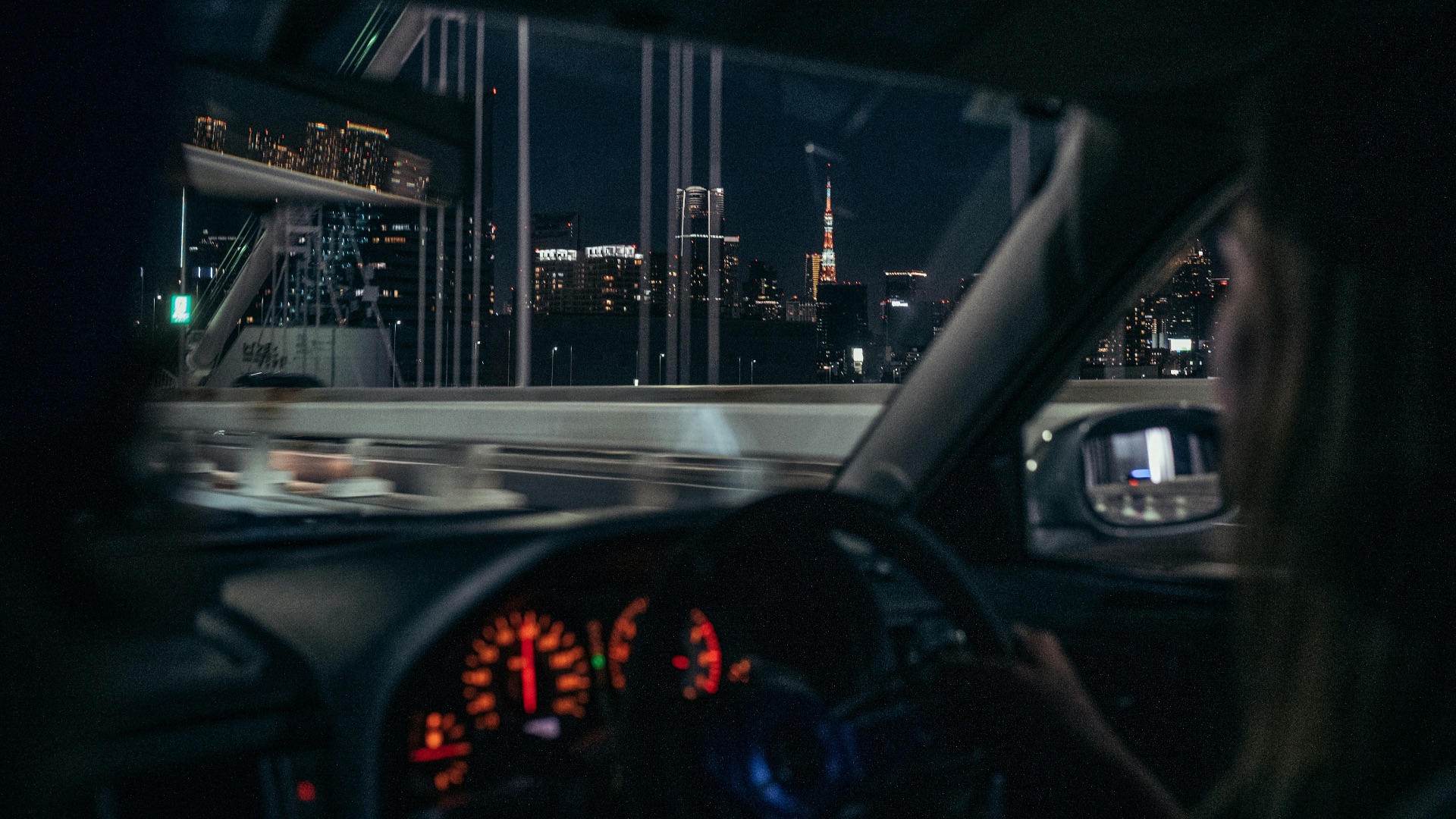
Your ability to see hazards, pedestrians, and road markings drops significantly after dark, even with your headlights on. After all, the human eye simply isn't designed for optimal performance in low-light conditions, which means you'll spot obstacles later and have less time to respond. Slowing down and increasing your following distance gives you a crucial extra buffer when your vision is compromised.
2. Glare from Oncoming Headlights
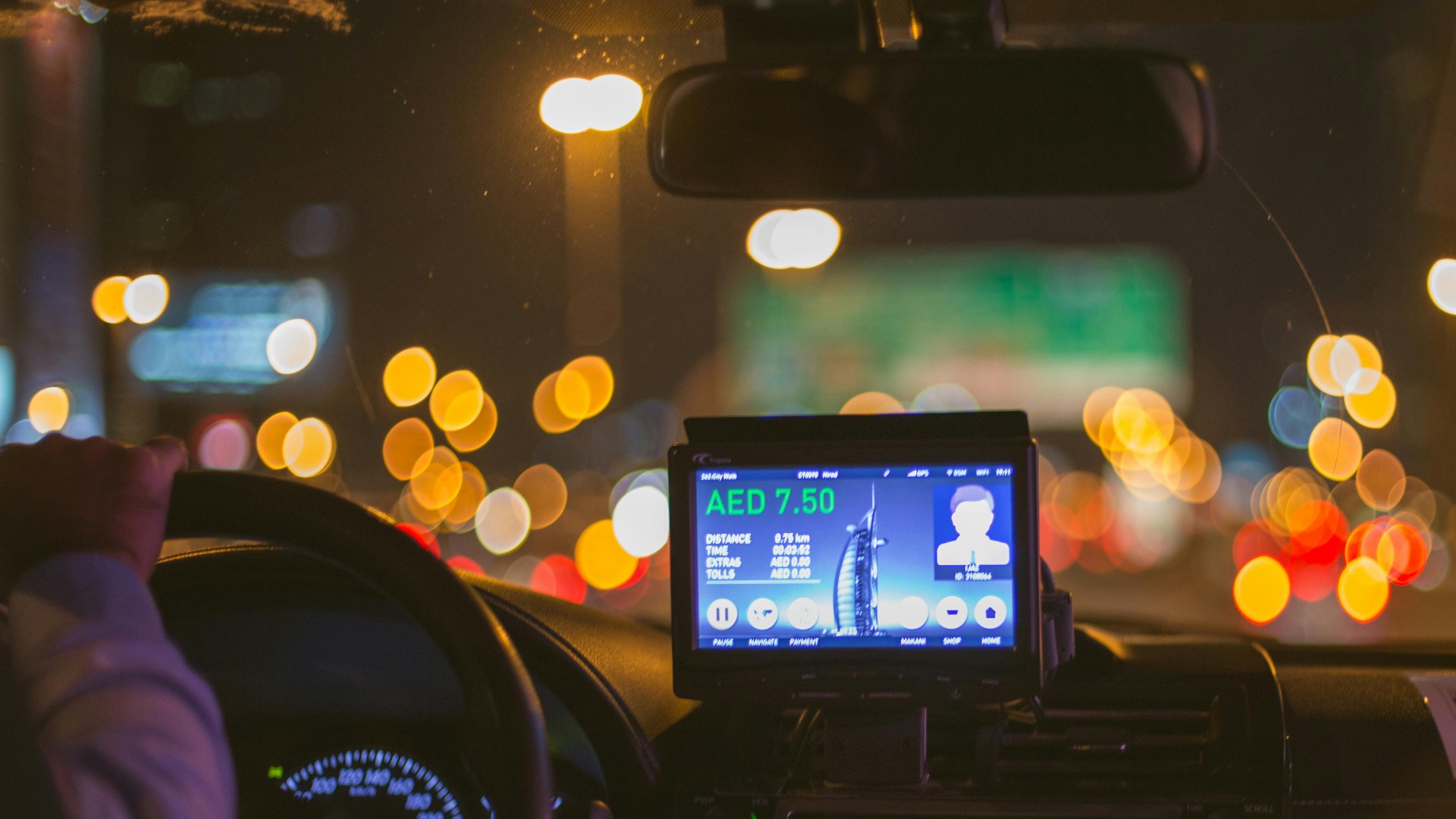
Bright headlights from oncoming vehicles can temporarily blind you, leaving you disoriented at exactly the wrong moment. This problem is made worse by the increasing prevalence of LED and HID headlights, which are significantly more intense than older halogen bulbs. If you're affected by glare, focus your gaze on the right side of your lane and use the road markings as your guide.
3. Fatigued Driving
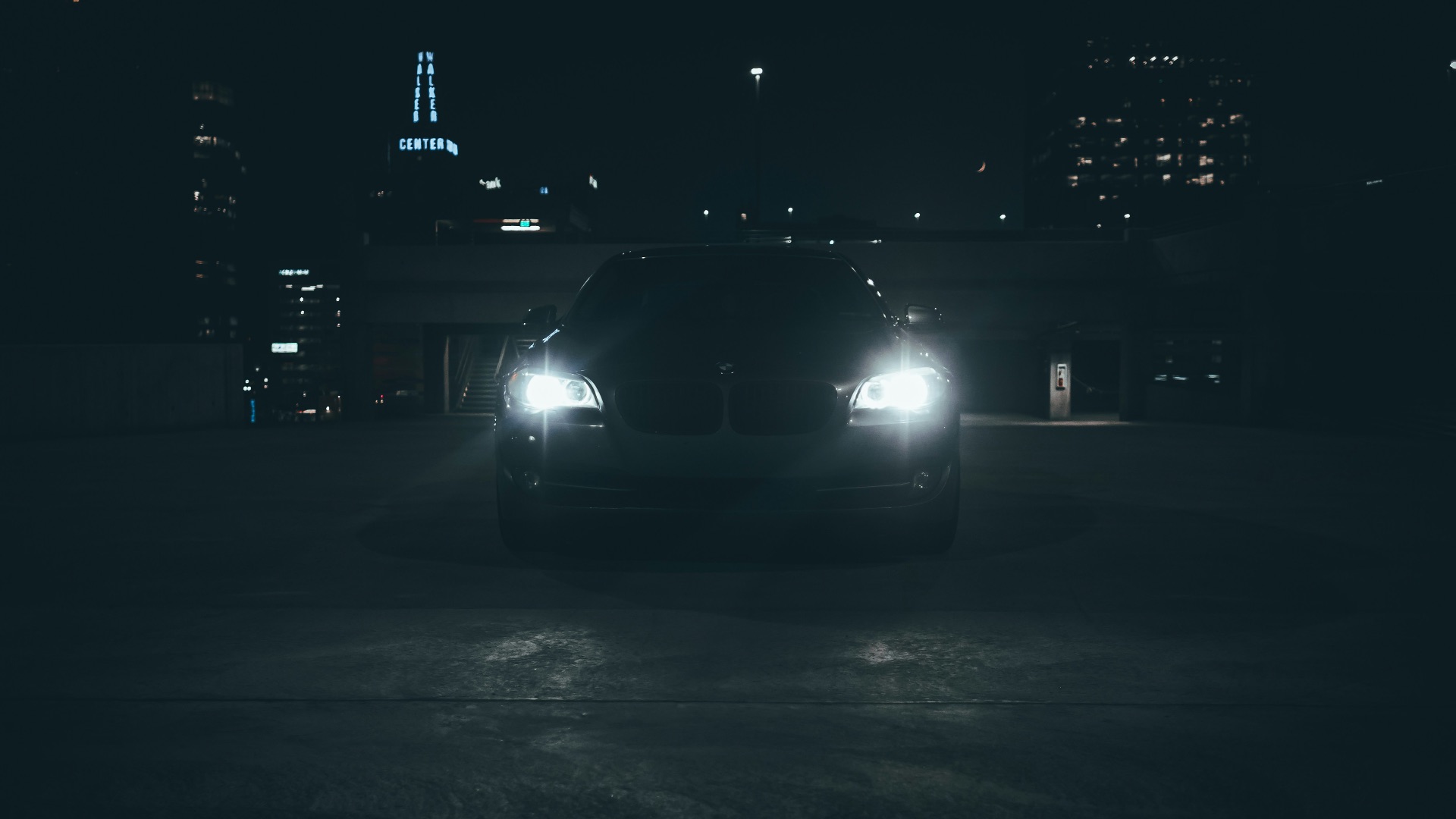
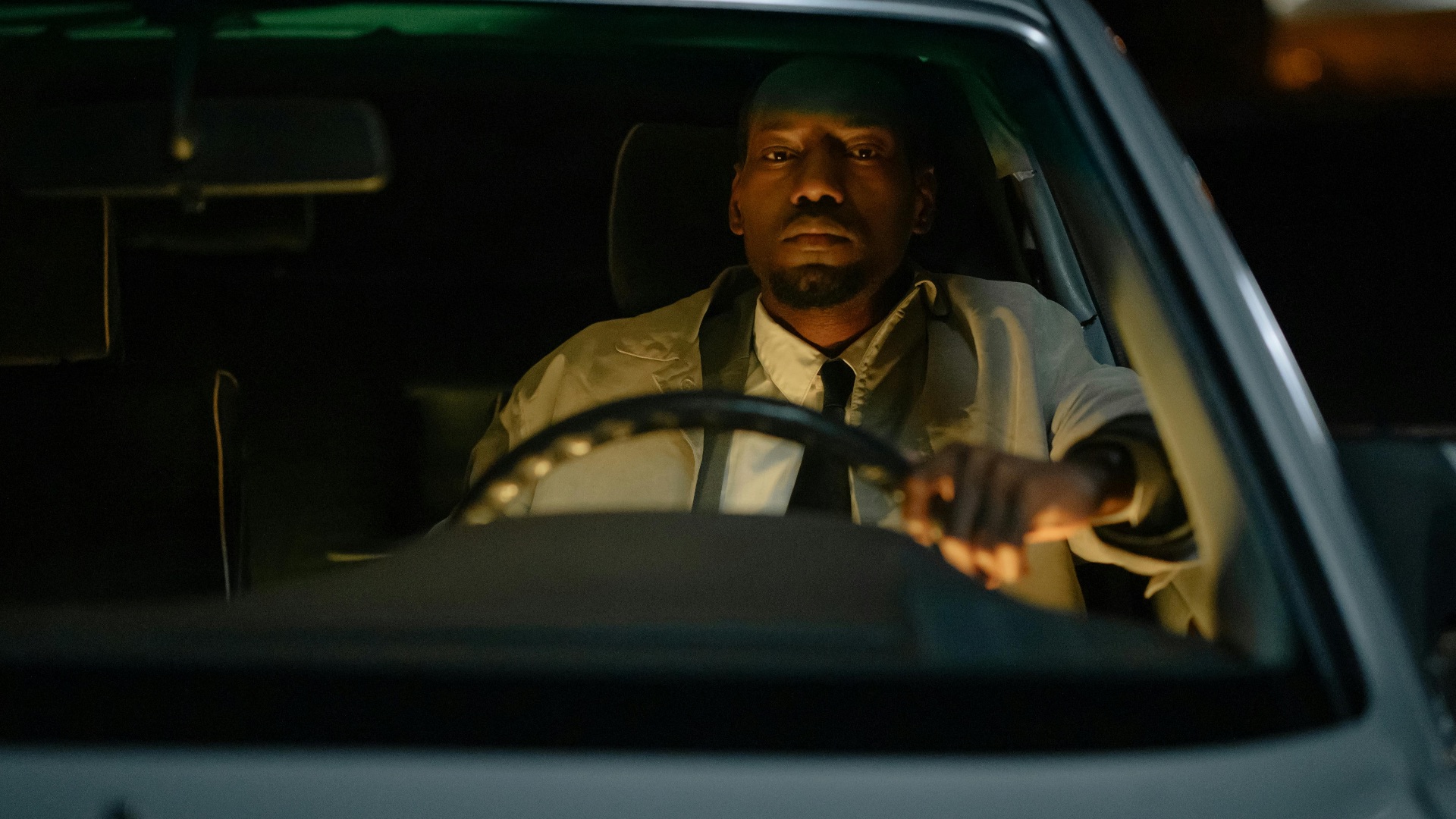
Your body's natural sleep cycle works against you when you're behind the wheel after dark, making you more prone to drowsiness than during daylight hours. Fatigue impairs your judgment and slows your reaction time in ways that are dangerously similar to driving under the influence of alcohol. If you find yourself struggling to stay alert, pull over somewhere safe and take a rest before continuing your journey.
4. Impaired Drivers Are More Prevalent After Hours
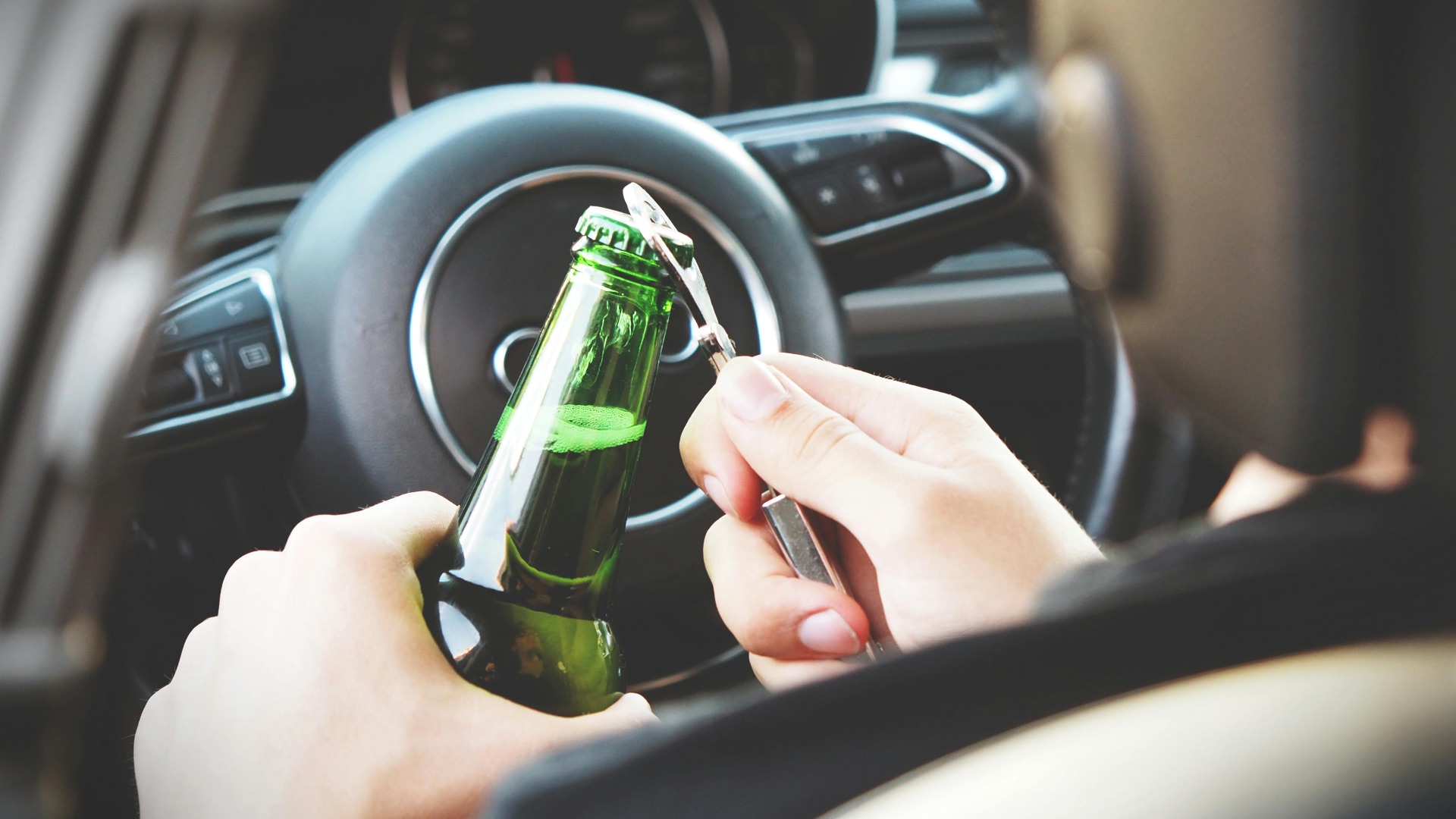
Statistics consistently show that drunk and drug-impaired driving incidents spike during nighttime and early morning hours, particularly on weekends. It goes without saying that sharing the road with impaired drivers dramatically increases your risk of a collision, even if your habits are perfect. Staying extra vigilant, watching for erratic behavior from other vehicles, and giving suspicious drivers plenty of space are all smart defensive moves.
5. Wildlife Crossings
Animals are significantly more active at dawn and dusk, and they don't exactly follow traffic rules. A deer or other large animal darting across the road at night can appear with almost no warning, leaving very little time to brake or swerve safely. Scanning the edges of the road continuously, especially in rural or wooded areas, helps you spot the reflective eyes of animals before they become a serious hazard.

6. Poorly Lit Roads
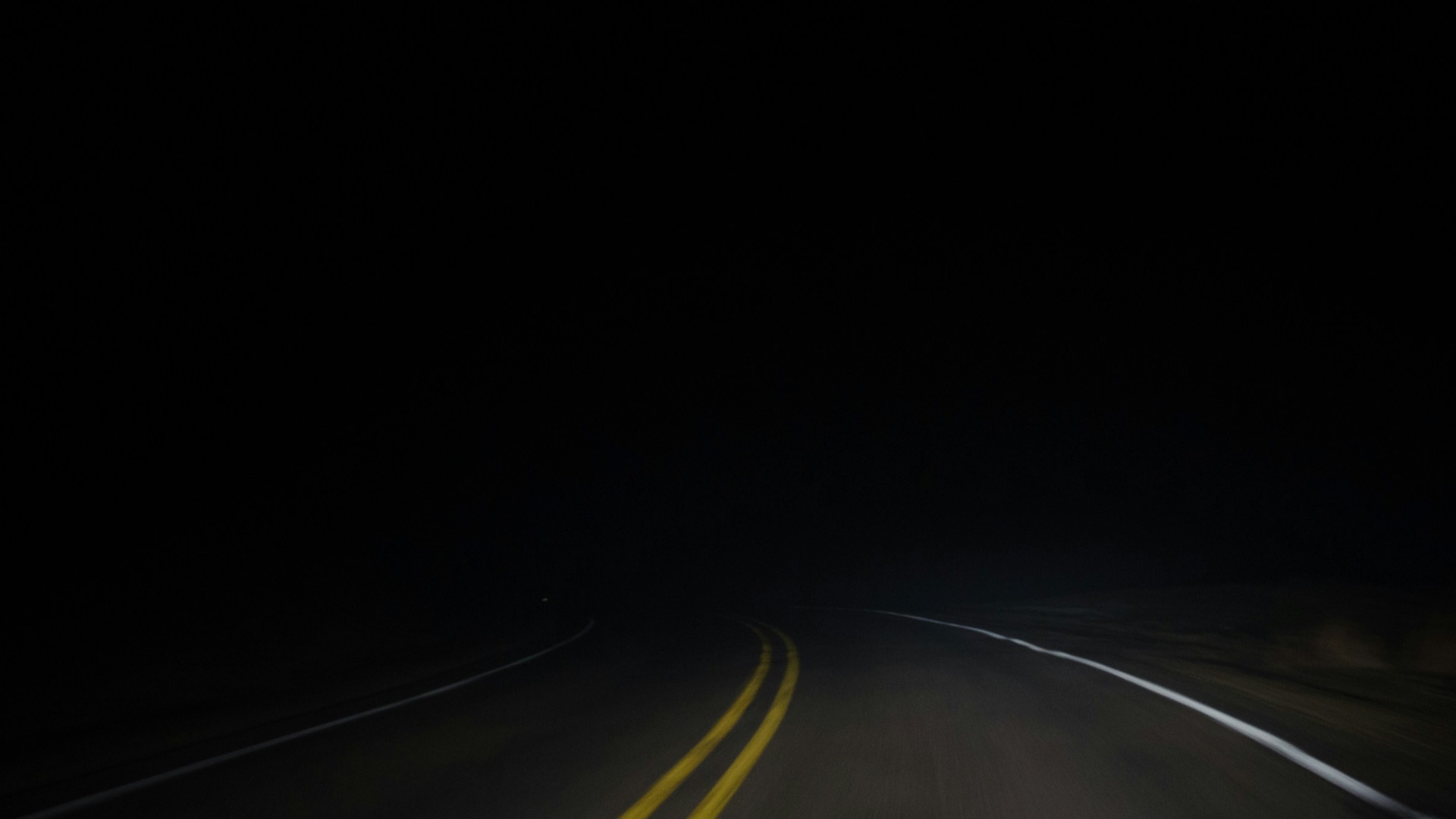
Not all roads are equipped with adequate street lighting, and some stretches of highway or rural road can feel almost completely dark outside the beam of your headlights. Potholes, debris, and sharp curves that would be easy to see during the day can catch you completely off guard in these conditions, so make sure to reduce your speed on unfamiliar or poorly lit roads; it'll give you more time to identify and respond to whatever might be ahead.
7. Bad Depth Perception
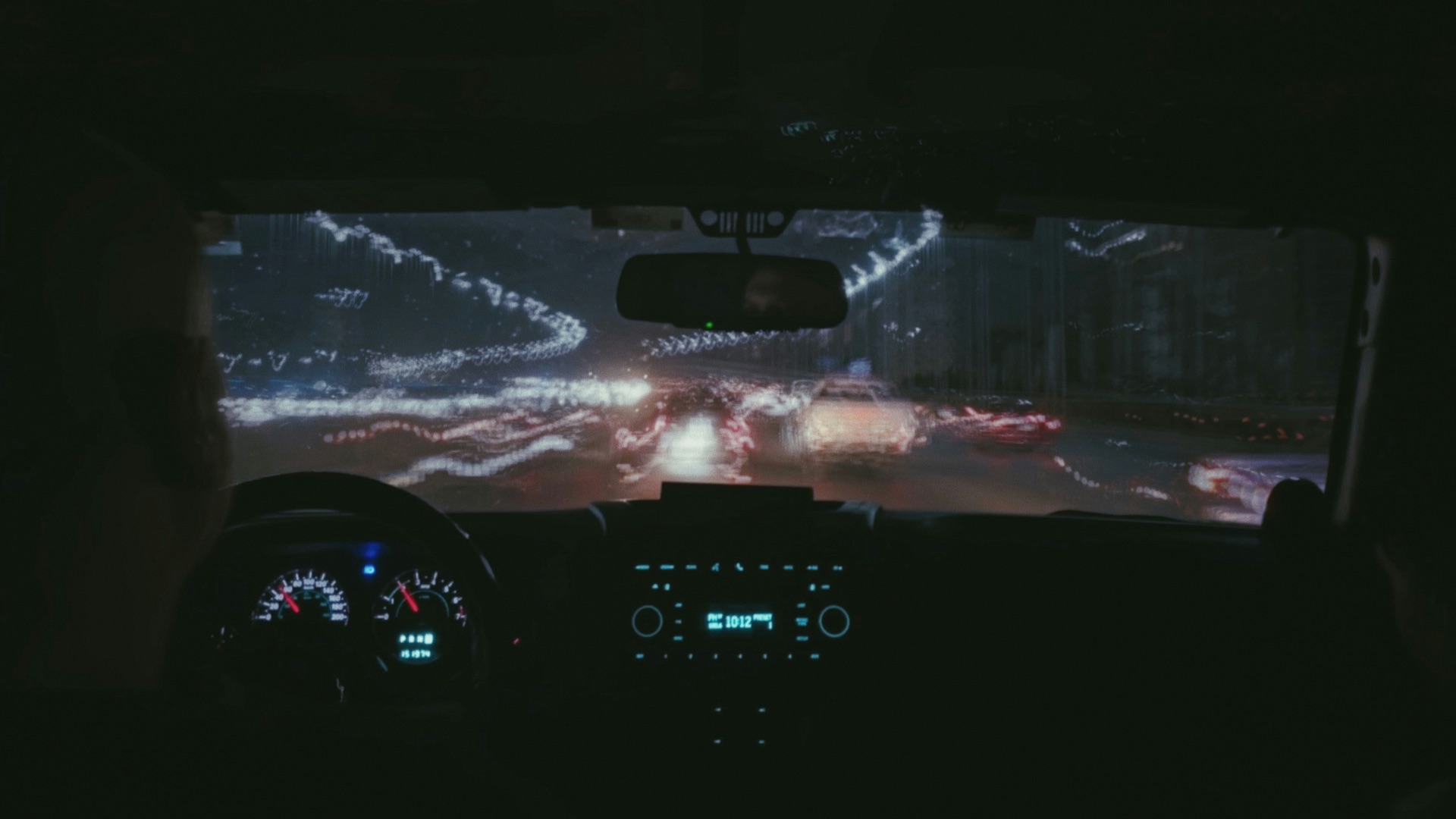
Judging distances accurately is harder at night, which affects everything from merging on the highway to navigating tight parking lots. This issue is particularly pronounced for older drivers, whose eyes take longer to adjust between bright and dark environments. Giving yourself more space than you think you need is a simple but smart way to compensate for this natural limitation.
8. Pedestrians and Cyclists Are Harder to See
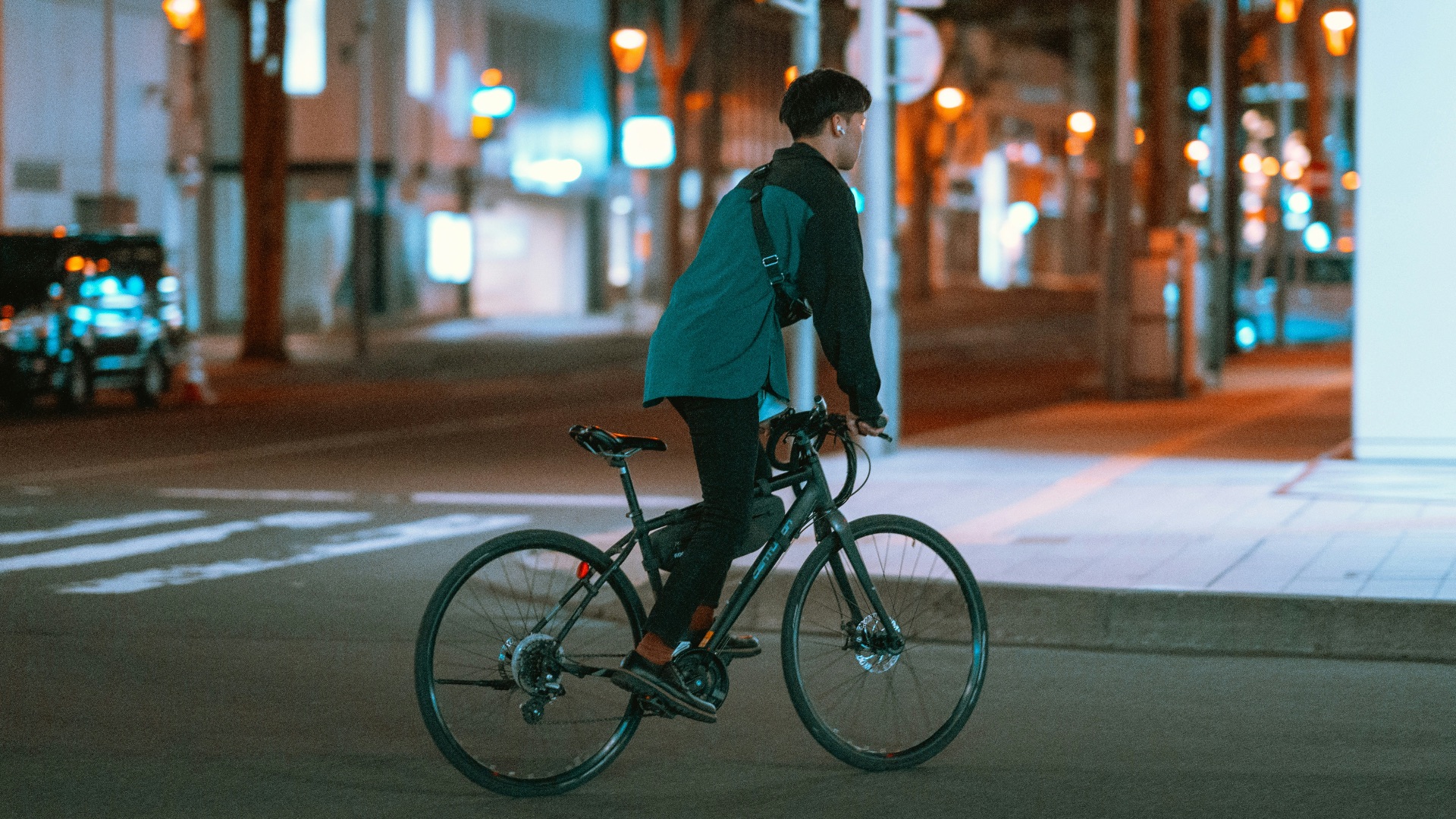
Pedestrians and cyclists are far more difficult to spot at night, especially those wearing dark clothing or moving along unlit stretches of road. Because they lack the visibility of larger vehicles, they can appear in your headlights with very little time for you to react. Drivers should be especially cautious in residential neighborhoods, near parks, and around areas with active nightlife where foot traffic is likely.
9. Construction Zones Are Harder to Navigate
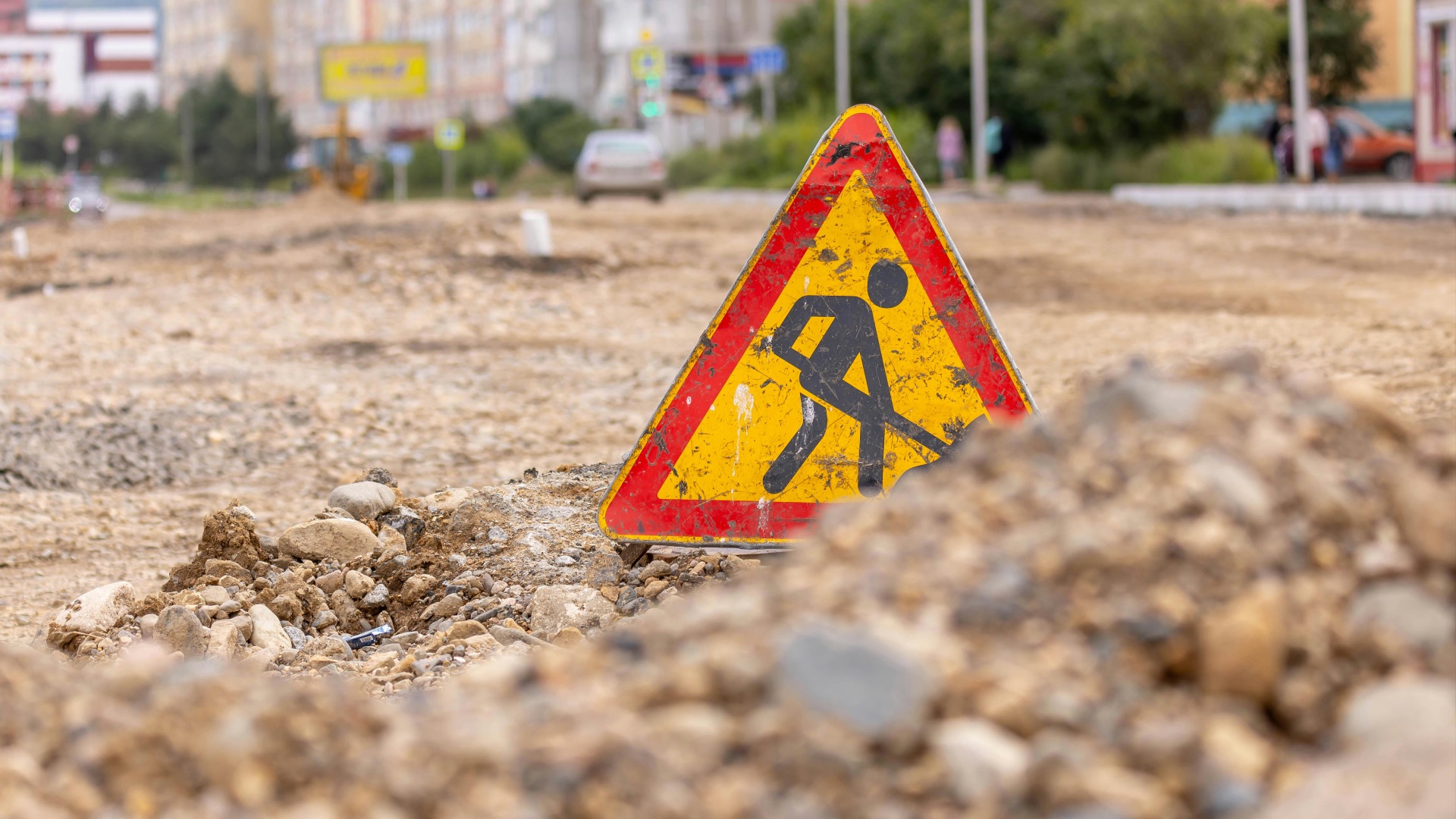
Road construction doesn't stop just because the sun goes down, and nighttime work zones present a unique set of hazards, including narrowed lanes, shifting traffic patterns, and workers on foot nearby. Signage and cones can be easier to miss in the dark, especially if your attention slips even briefly. Always make sure to follow posted speed limits strictly and watch for construction workers and moving equipment.
10. Your Own Windshield Can Work Against You
A dirty or scratched windshield that seems perfectly fine in daylight can cause significant glare and visual distortion once the sun goes down. Headlights, streetlights, and illuminated signs all scatter off imperfections in the glass in ways that reduce your overall visibility. Keeping your windshield clean both inside and out, and replacing it if it's heavily scratched, is one of the easiest and most overlooked safety improvements you can make.
Now that you know what to watch out for when driving after dark, let's jump into 10 important tips to keep safe on the roads.

1. Keep Your Headlights Clean
Cloudy or yellowed headlight lenses can reduce the brightness of your lights by a surprisingly large amount, cutting your effective visibility range considerably, so make sure to keep them clean. You should also have the aim of your headlights checked periodically, since poorly angled lights can either blind oncoming drivers or fail to illuminate the road directly ahead.
2. Use Your High Beams Strategically
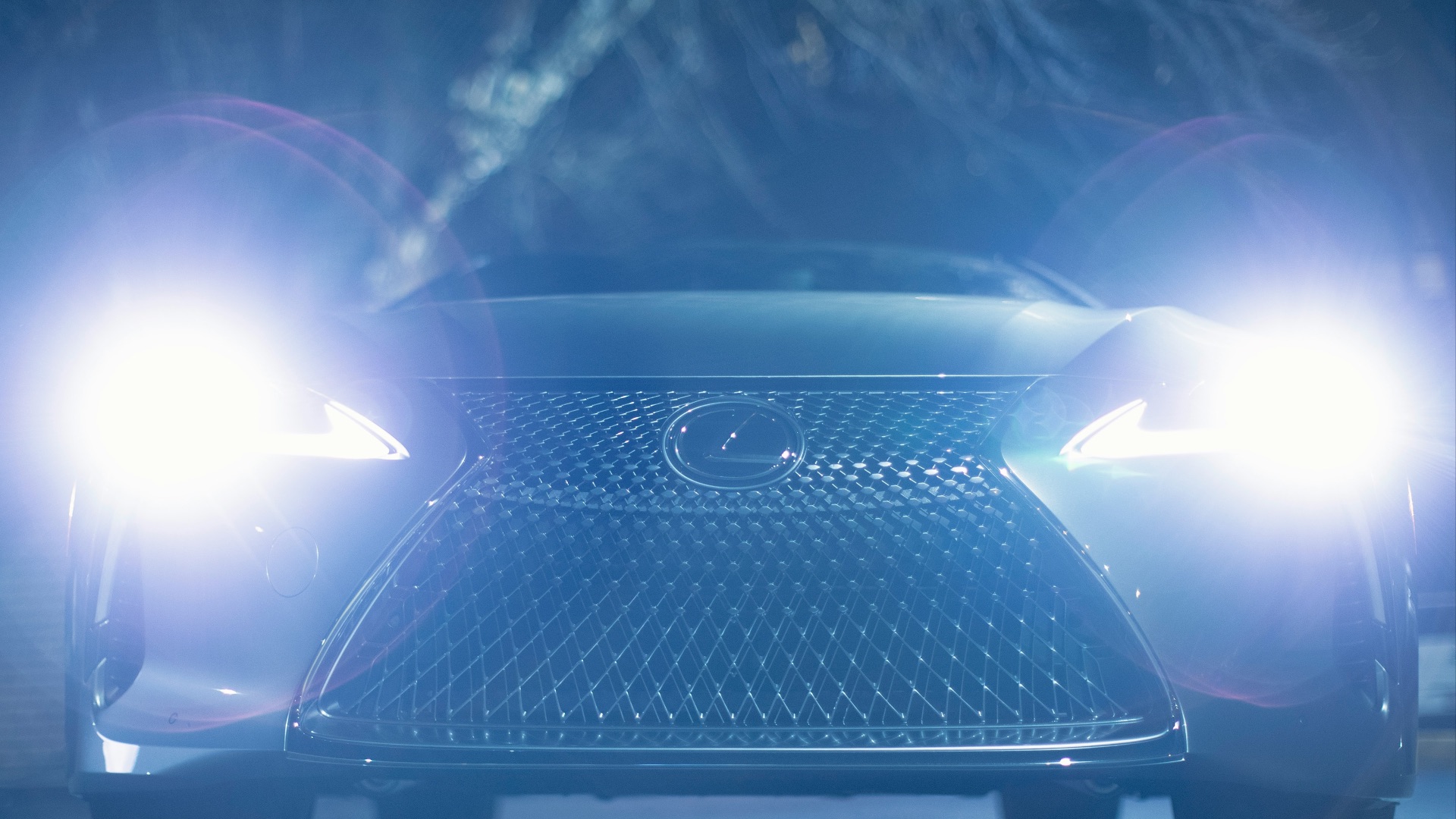
High beams can nearly double your visibility range on dark roads, but many drivers either forget to use them or don't know the etiquette around switching between high and low beams. As a general rule, you should dim your high beams when there's oncoming traffic within about 500 feet, or when you're following another vehicle closely; you don't want to accidentally blind another driver.
3. Take Regular Breaks
Fatigue builds gradually, and many drivers don't realize how tired they are until they're already struggling to stay awake on the road. If you feel your eyes drooping, pull over where it's safe and plan regular stops every one to two hours on long nighttime journeys. A short walk, a caffeine boost, or even a 20-minute nap can all make a meaningful difference before you continue.
4. Adjust Your Speed
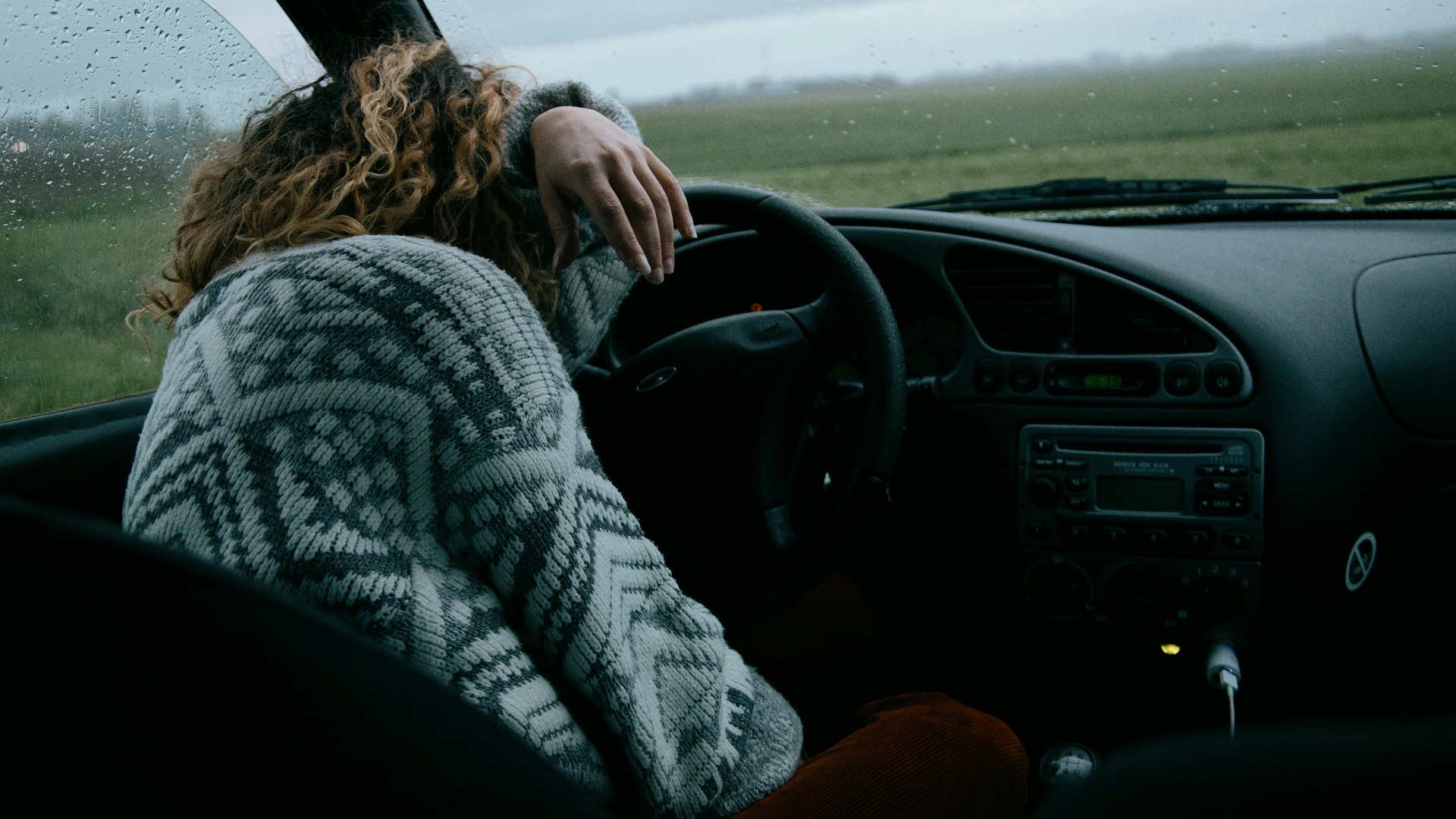
Posted speed limits reflect safe speeds under ideal conditions, and nighttime driving often falls well short of that standard. Driving at a speed that allows you to stop within the distance your headlights illuminate is a principle known as driving within your sight distance, and it's one of the most practical guidelines for nighttime safety, so ease off the accelerator.
5. Keep Your Interior Lighting Low
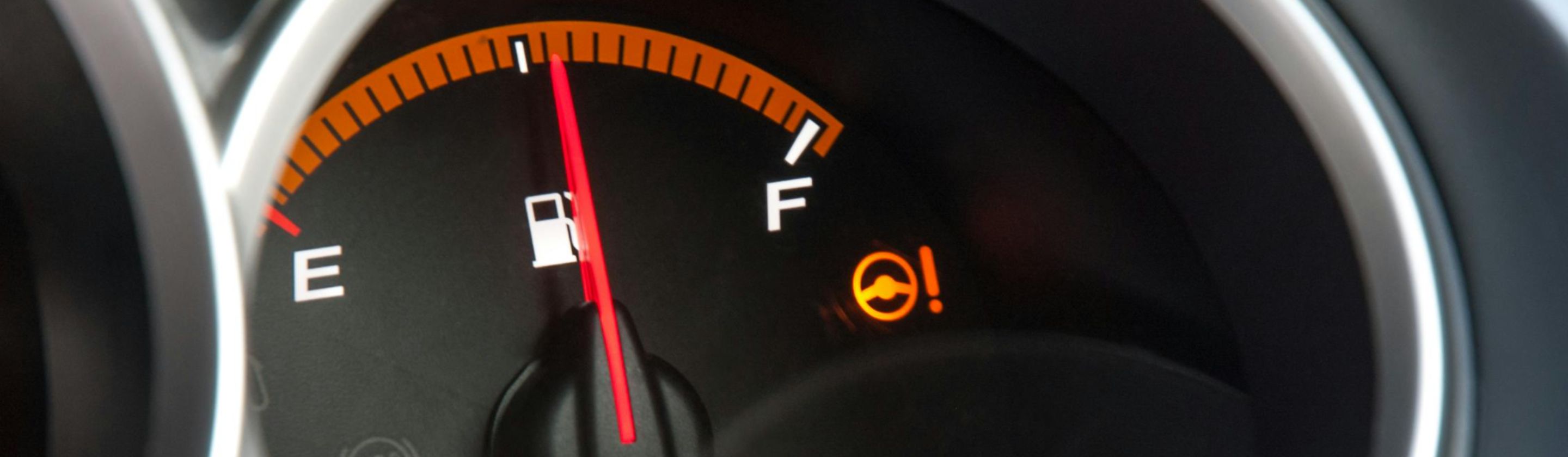
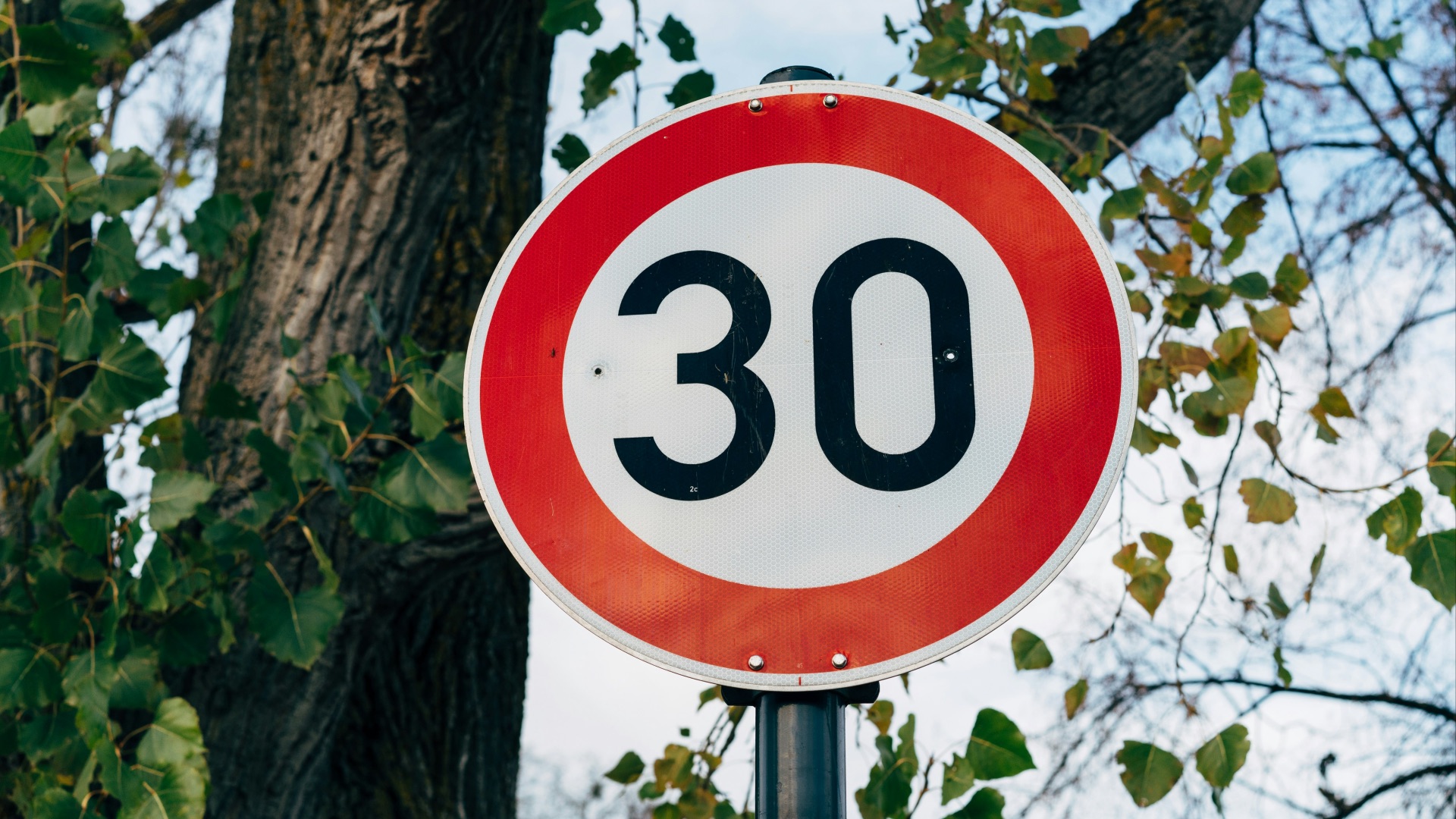
Bright dashboard lights, illuminated screens, and dome lights left on inside the vehicle all reduce your ability to see clearly into the darkness outside. Your eyes need time to adjust to low-light conditions, and any source of brightness inside the car interrupts that process. When evening sets in, make sure to dim your instruments to help your eyes stay better adapted to the conditions outside.
6. Stay Alert to Other Road Users
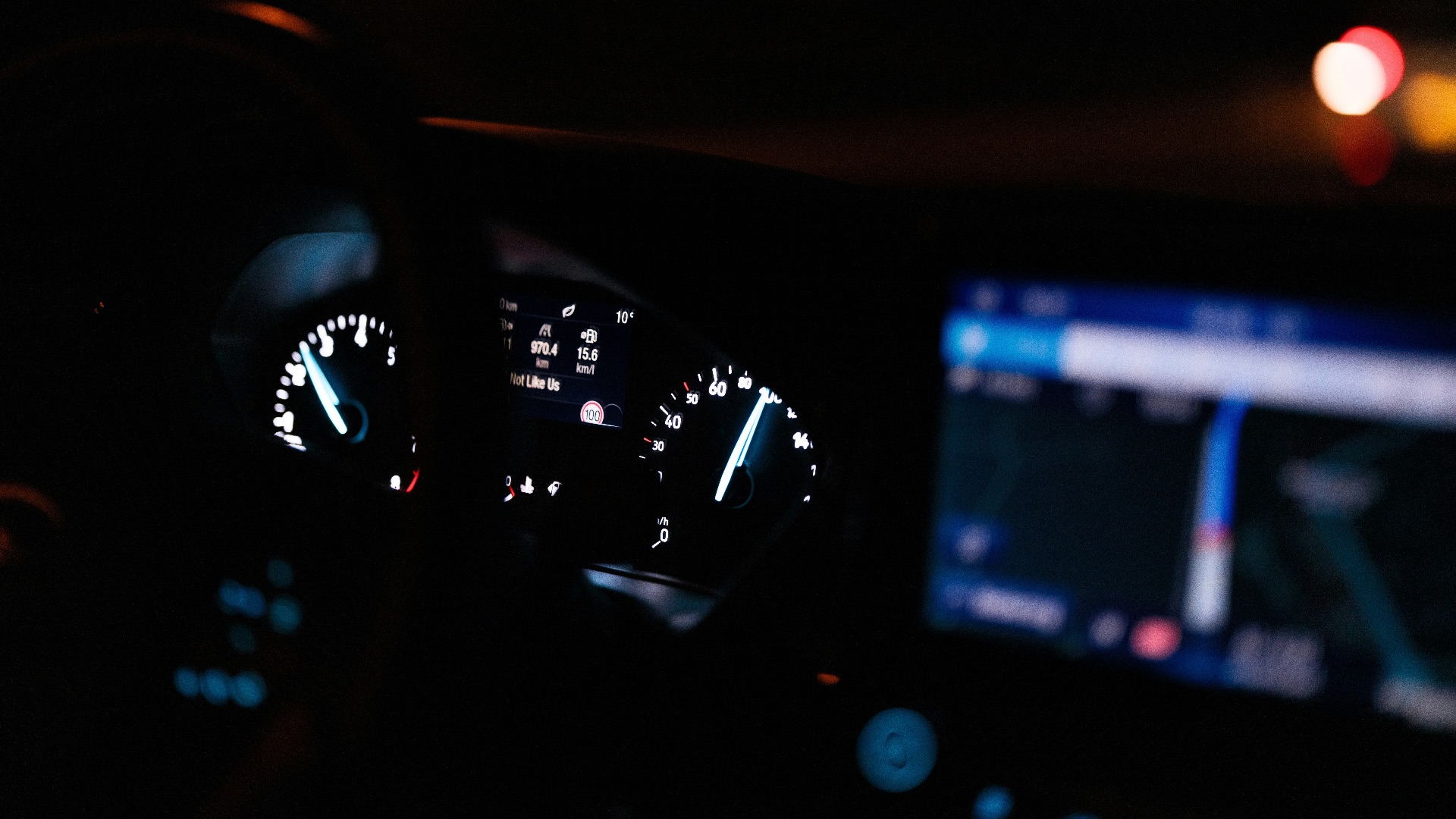
Nighttime brings out a wider variety of driving behaviors, so staying aware of what other drivers are doing around you is a critical defensive skill. Moreover, it can be harder to spot pedestrians at night, especially if they're wearing dark-colored clothing, so it's crucial to stay vigilant at all times.
7. Plan Your Route Before You Leave
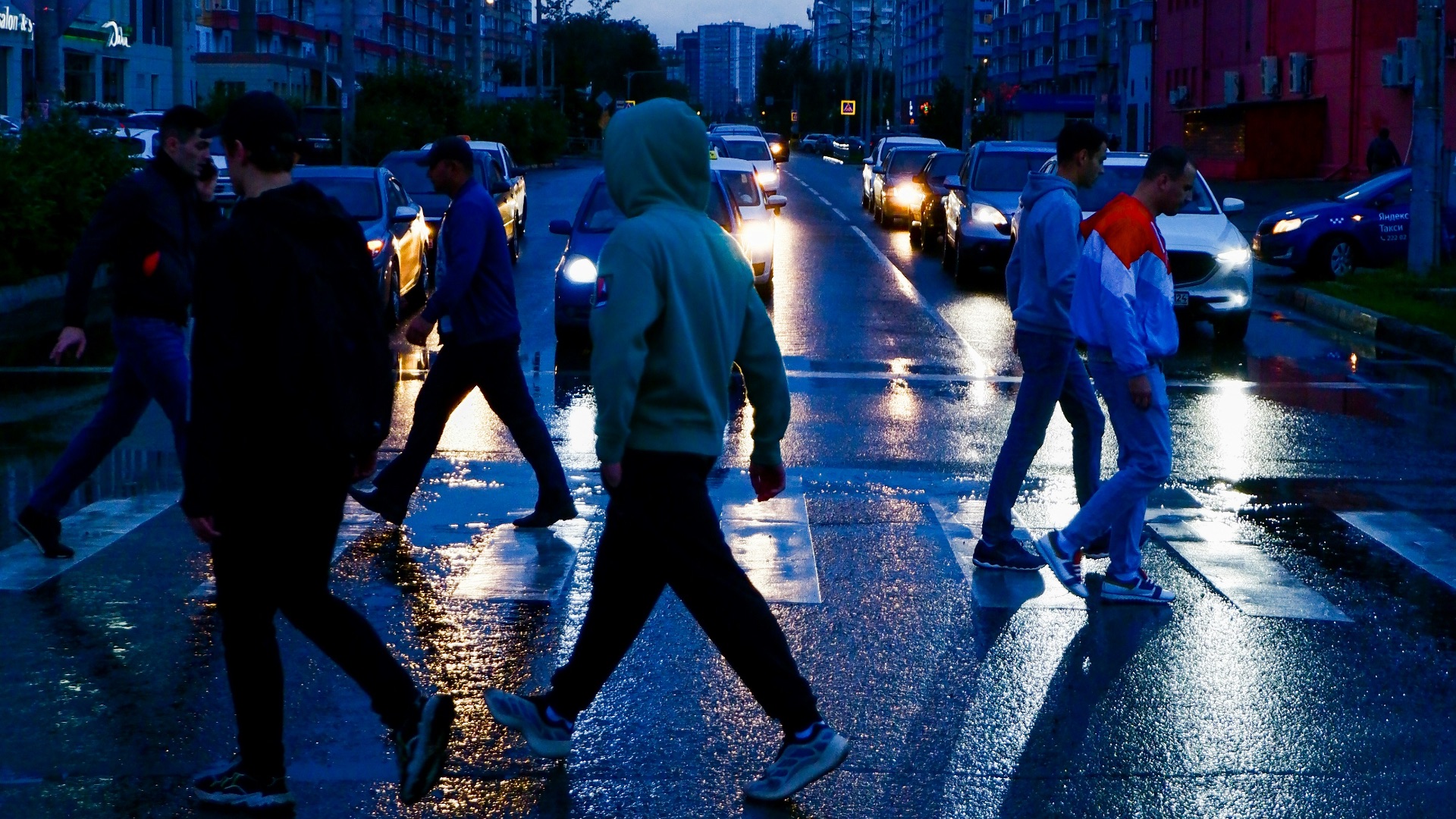
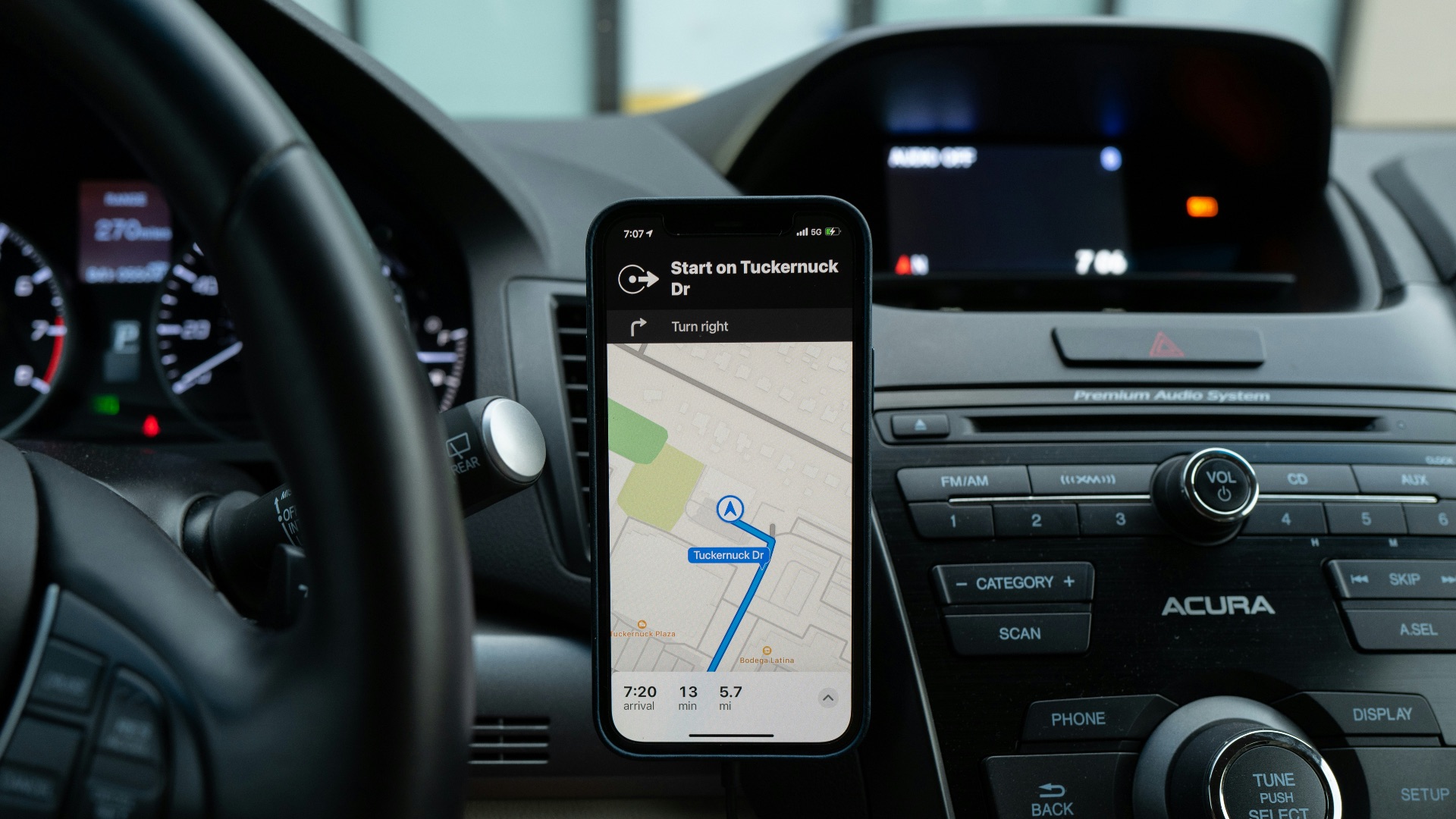
Unfamiliar roads are challenging enough in daylight, and navigating them at night adds a whole new layer of difficulty. Spending a few minutes reviewing your route before you set off means you'll know what to expect in terms of intersections, lane changes, and areas with limited lighting. If you do need to use GPS navigation, set it up and adjust the volume before you start driving so you're not fumbling with your phone in the dark.
8. Make Sure Mirrors Are Properly Adjusted
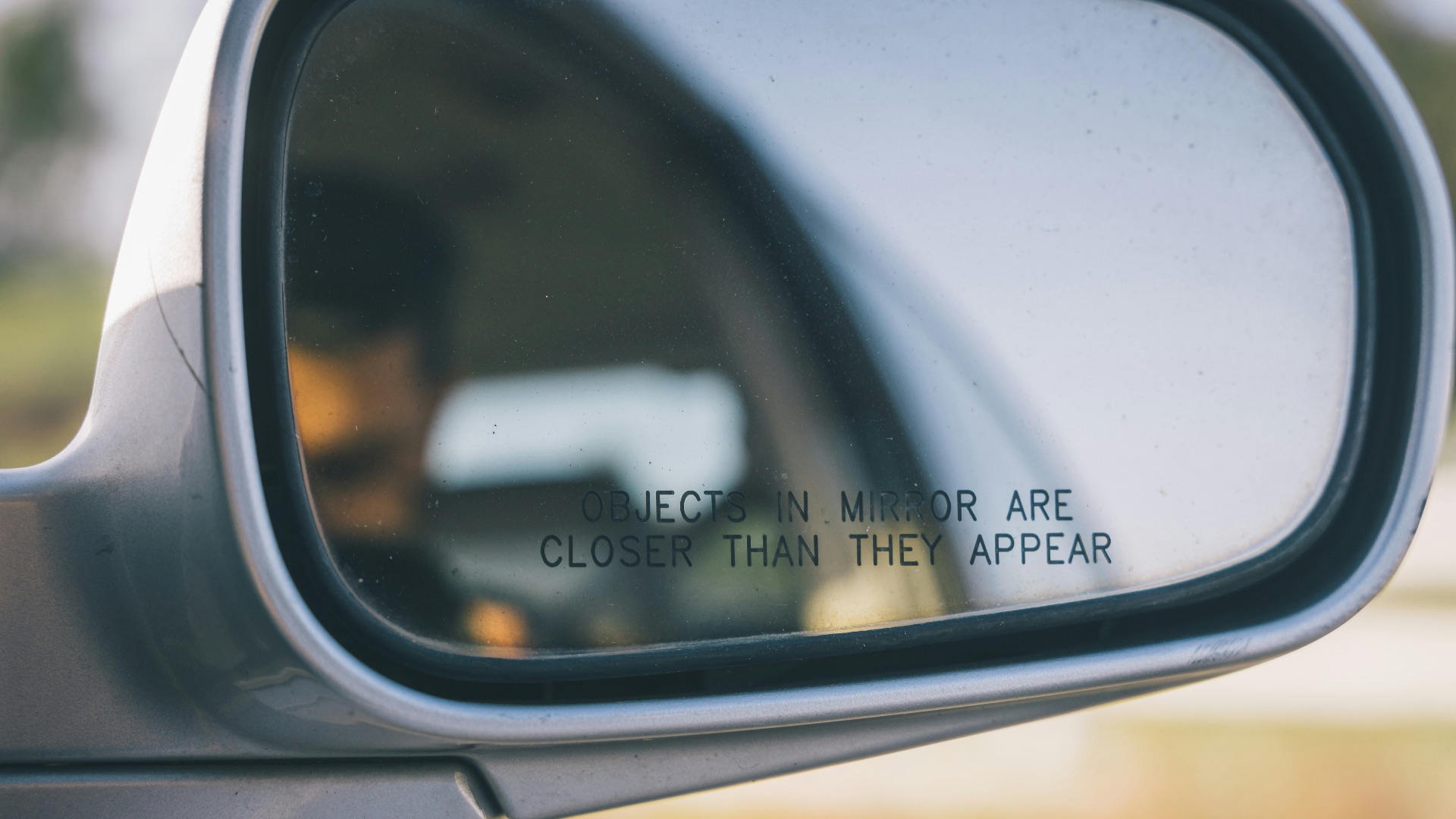
Your side and rearview mirrors are critical safety tools at any time of day, but they're especially important at night when your field of vision is already restricted. If your mirrors aren't adjusted correctly, you may have blind spots that are much harder to compensate for after dark than they would be in daylight. Some vehicles also offer a night setting on the rearview mirror that reduces glare from the headlights of vehicles behind you, so it's worth knowing whether yours has this feature.
9. Make Sure Everyone Is Wearing Their Seatbelt
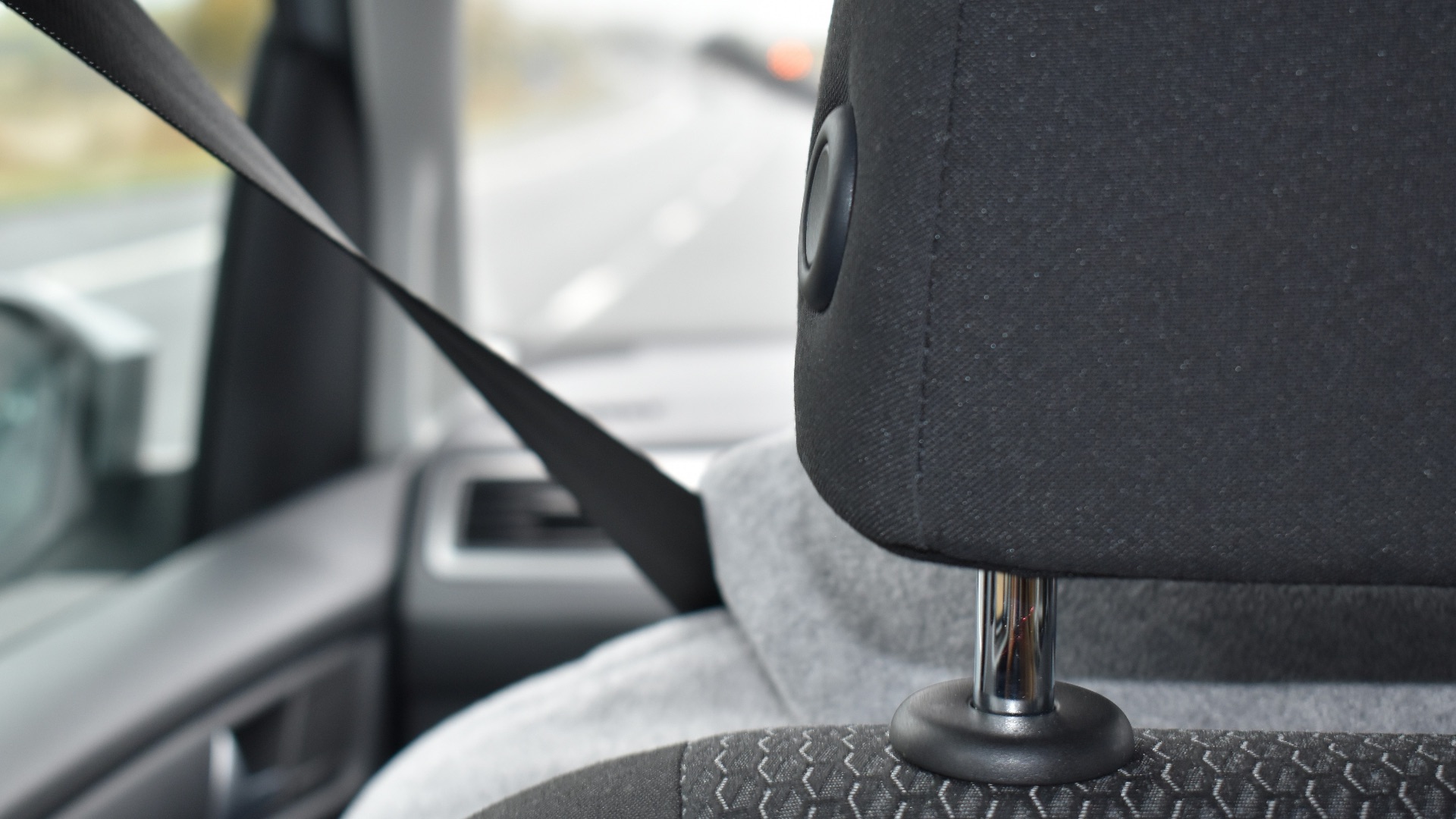
This one should go without saying, but seatbelt compliance rates do drop slightly during nighttime hours, believe it or not. But factoring in reduced visibility, increased speeds, and impaired drivers, it makes it all the more obvious why you—and all other passengers—should buckle up after dark. No matter if it's a trip around the block or across town, strap yourself in.
 Alexandria Gilliott on Unsplash
10. Get Your Eyes Checked Regularly
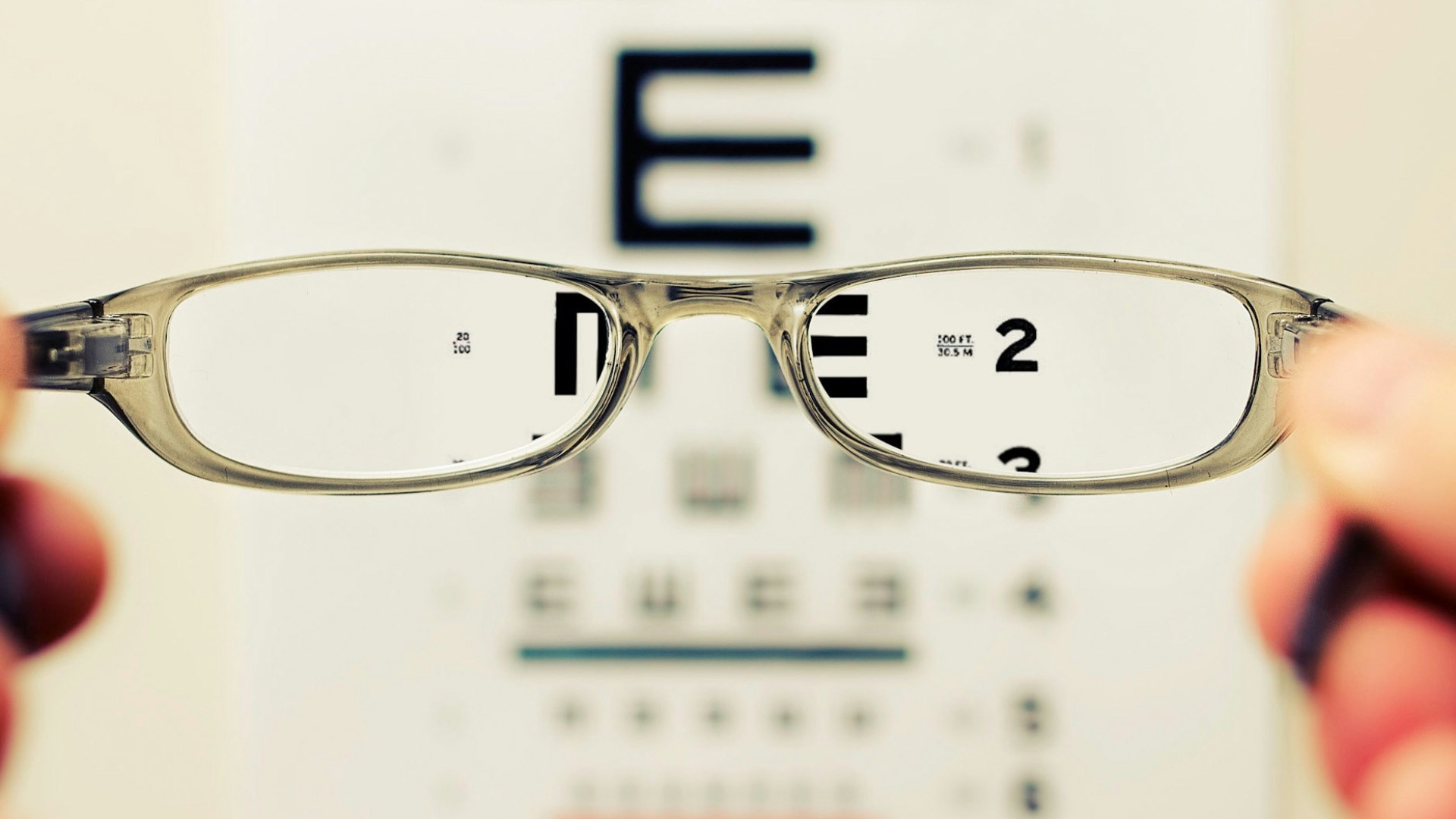
Many people don't realize that their vision has deteriorated until it's already causing problems behind the wheel, and night driving is often where the issue becomes most apparent. Always make sure to schedule regular eye exams and wear your correct prescription so your vision isn't working against you after dark.